Under a sky of short days and long nights, Notta Records from Finland unveils Dog Sleep, a deeply immersive EP by Cyclic/Random. Known for crafting slow-burning, atmospheric excursions at the intersection of dub techno and deep, dubbed-out house, Cyclic/Random extends the labels mission of a warm, hypnotic winter soundtrack.
Across the EP, soft-focus chords drift like snow over steady, smoked-out grooves, basslines pulse with understated weight, and echoes curl around the edges of the stereo field. These are tracks built for long, nocturnal sessions, the moments when the outside world is frozen and the dancefloor feels like a shelter. Dog Sleep is intimate yet expansive, perfectly tailored for winter: crackling dub house, deep dub techno and distant ambient textures that invite you to slow down, sink in and dream with your eyes open.
quête:immer records
Colemine Records freut sich, eine spezielle 10-Jahres-Jubiläumsausgabe von ,Sound of Sinning", dem bahnbrechenden Studioalbum von Monophonics, zu präsentieren. Seit ihrer Gründung im April 2015 tragen Monophonics stolz die Fackel der reichen Musikgeschichte und -kultur San Franciscos durch die Generationen bis in die heutige Musiklandschaft. Sie halten an Traditionen fest, sind aber keineswegs Puristen, sondern spielen ihre eigene Musikrichtung, die als ,Psychedelic Soul" bekannt ist. Auf ihrem vorherigen Album ,In Your Brain" ließ sich die Band von Acts wie den frühen Funkadelic, Sly and The Family Stone und den von Norman Whitfield produzierten Platten der Temptations beeinflussen. ,Sound of Sinning" markierte den Beginn des Wachstums der Band in allen Bereichen. Mit Einflüssen aus Northern Soul, Doo-Wop, Rock ,n` Roll, Psych Pop und Filmmusik zeigen Monophonics ihre Vielseitigkeit, bleiben aber ihren Wurzeln treu. Insgesamt ist es herzliche Musik mit Old-School-Vibes, ohne dabei die Gegenwart aus den Augen zu verlieren. Diese Musik ist geprägt von dem zeitlosen Gefühl, als man noch Songs schreiben und produzieren konnte, die man sich immer wieder anhören konnte. ,Sound of Sinning" wurde von Kelly Finnigan & Ian McDonald produziert und auf einem alten Tascam-Acht-Spur-1/4-Zoll-Bandgerät in den Transistor Sound Studios in San Rafael, Kalifornien, aufgenommen. Seit ,Sound of Sinning" hat die Gruppe das von Kritikern hochgelobte Album ,It's Only Us" (2020) und das Konzeptalbum ,Sage Motel" (2023) veröffentlicht, das sich über 10.000 Mal verkauft hat. Die Band tourt weiter, hat kürzlich eine Reihe von Shows mit dem legendären Lee Fields absolviert und steht vor einer internationalen Tournee für 2025.
Over the past decade, Siavash Amini’s compelling electronic music has quietly garnered praise from
Pitchfork, The Guardian and AllMusic. From his home base in Tehran, Iran, Amini has collaborated
with artists like Rafael Anton Irisarri and 9T Antiope, and regularly uses literature, film, mysticism, and
medieval Iranian culture as musical launchpads. Amini’s new album, Eremos, illustrates a passage
from Avicenna, the preeminent philosopher and physician of the Islamic Golden Age: one can move
out of darkness, he writes, by confronting the darkness within. The results are - even for Amini -
uniquely immersive, cinematic and moving: a landmark.
- Sevastopol
- Magazine
- Try Saying
- Dodecahedron
- A Brighter Tomorrow
- Life Hex
- Ist Halt So
- Sicko! Ft. Billy Woods
- Cursive
- I'll Ask Her
Für Mandy, Indiana, ist die Wahrheit der einzige Weg. Auf "URGH", ihrem ersten Album bei Sacred Bones präsentiert, sich das Quartett - bestehend aus Sängerin Valentine Caulfield, Gitarrist und Produzent Scott Fair, Synthesizer-Spieler Simon Catling und Schlagzeuger Alex Macdougall - als eine Kraft von unheimlicher Natur, die ein Album geschaffen hat, das ebenso sehr ein Aufruf zum Handeln ist wie eine Reise in die Vergessenheit und Transzendenz. In den zehn Tracks verwebt die Band ihre eigene unkonventionelle Sprache zu einem Mantra für Selbstbestimmung und Widerstandsfähigkeit und schafft so eine Vorlage für eine bessere Zukunft, bevor alles in Dunkelheit versinkt. Ein Großteil des Albums wurde während eines Aufenthalts in einem unheimlichen Studiohaus am Stadtrand von Leeds geschrieben und anschließend in Berlin und Greater Manchester aufgenommen. Es war eine intensive Umgebung, was zum Teil auf die gesundheitlichen Probleme zurückzuführen war, mit denen Caulfield und Macdougall während des Schreib- und Aufnahmeprozesses zu kämpfen hatten. Dennoch bleiben Mandy, Indiana kompromisslos. Caulfield setzt ihre Stimme als verzerrtes Instrument und Waffe ein, die zwischen verspielt und vernichtend oszilliert. Der pulsierende Sirenenton von ,Magazine" steht neben dem zerhackten Vocal Fry von ,try saying" und der sich wandelnden Wildheit von ,ist halt so", das die Dringlichkeit von Protestbewegungen kanalisiert, auf den Widerstand gegen den Völkermord in Gaza verweist und gleichzeitig allgemeinere Kämpfe thematisiert, während der letzte Track ,I'll Ask Her" eine bewusste Direktheit ist, die die toxische Boy-Club-Kultur anprangert, und eine hartnäckige Abrechnung, die über dem gesamten Album schwebt. Obwohl es immer noch unbestreitbare ,Knaller" gibt (wie der zerfetzte Rap von ,Sicko!" mit Billy Woods), wirkt "URGH" oft wie präzise geschnitztes Kino. Vom sprühenden Techno von ,Cursive" bis zu den dekonstruierten Feedback-Loops von ,Life Hex" bewegt sich das Album zwischen industrieller Katharsis und filmischer Unruhe und spinnt eine Spannung, die Fair als ,Remix seiner selbst" beschreibt. Diese kontrastreiche Palette ist sowohl ein notwendiger Aspekt des Albums als auch das zugrunde liegende Bindeglied. Obwohl "URGH" sehr persönlich ist, spiegelt es den gewalttätigen, zerbrochenen Zustand der Welt wider. Caulfields Texte setzen sich mit Gewalt, systemischer Gleichgültigkeit und der Allgegenwart von Schmerz auseinander, betonen aber auch Momente der Schönheit und Solidarität. URGH gehört in die physische Welt, und das Artwork von Carnovsky mit einer anatomischen Illustration von Andreas Vesalius unterstreicht die viszerale Auseinandersetzung des Albums mit dem Körper und seinen Grenzen. URGH ist sowohl jenseitig als auch physisch und kathartisch, sowohl ein erster Schritt zur Heilung als auch eine Weigerung, das Gespräch sterben zu lassen.
KANONENFIEBER: "In der Schule lernen wir, dass Krieg etwas Schlechtes ist. Vom Prager Fenstersturz bis zur Ermordung des Thronfolgers in Sarajevo - Krieg bedeutet immer Gewalt. Wir hören von politischen Spannungen, gewagten Feldzügen und zermürbenden Materialschlachten. Untermauert wird all das von Zahlen, so gewaltig und abstrakt, dass sie beinahe irreal wirken: 17 Millionen Tote allein im Ersten Weltkrieg.
Wenn sich der Pulverdampf vom Schlachtfeld verzogen hat, bleiben nur noch Tote zurück - keine Menschen. Doch wer war der Mann, der erschossen im Granatentrichter liegt? Wer war der kaum 17-jährige Junge, der nach einem Minentreffer im Unterstand erstickte, schreiend nach seiner Mutter? Wer war der Feldwebel, der Fahnenjunker, der Pionier - der einfache Soldat, der innerhalb weniger Sekunden sein Leben und seine Identität verlor? Ein einzelnes Schicksal, das im Schatten des "großen Ganzen" so winzig erscheint, dass es kaum Beachtung findet.
Genau hier setzt Soldatenschicksale an.
Von der Landung der Amerikaner an der Westfront über den erbarmungslosen Winterkrieg im Osten bis hin zu den Kämpfen auf und unter der Wasseroberfläche der Nordsee - es geht um Menschen. Um Stimmen. Um Geschichten, die in Vergessenheit geraten. "Soldatenschicksale" versammelt überarbeitete Fassungen von "Yankee Division" (2022), "Der Füsilier" (2023) und "U-Bootsmann" (2023) sowie zwei neue Stücke, die als "Skagerrak" fungieren.
Skagerrak. Die größte Seeschlacht des Ersten Weltkriegs.
Nach jahrelangem Wettrüsten zwischen dem Deutschen Kaiserreich und Großbritannien ist es am 31. Mai 1916 so weit: zwei Großmächte prallen aufeinander. In den Songs "Z-Vor!" und "Heizer Tenner" wird der Untergang des Kleinen Kreuzers SMS WIESBADEN geschildert, erzählt aus der Sicht eines Marinemelders und eines Heizers. Artillerie, Flammen, Maschinenlärm - und mittendrin: zwei Männer, die Teil einer Geschichte werden, die keiner überlebt."
Ltd. CD Mediabook, Ltd. Gatefold LP & LP-Booklet, LP, Digital album.
- Make Me Whole
- New Moon
- Peeling Cycle
- Contempation In Time
LTD RED VINYL[24,33 €]
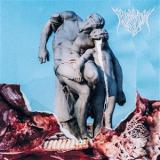
Predatory Void returns with their third record, an EP titled `Atoned in Metamorphosis`, a concentrated statement of intent that compresses the band's restless energy into four precise movements. The music negotiates extremes: patient, reverb-saturated passages give way to sudden, metallic eruptions; subterranean basslines provide narrative weight beneath volatile guitar textures, vocals growl, wail and lament as drums alternate between measured architecture and volcanic release. The result is an austere, immersive sound that is both incandescent and violently sharp. Conceptually the EP takes on the ugly shadow of the unconscious and cathartically wrestles the demon onto canvas. Calling on elements from sludge, doom and black metal, as well as the unrelenting energies of hardcore and contrasting slower, haunted atmospheres, Predatory Void's signature sound is as volatile and piercing as ever. Concise, tight compositions that hook you in melody and then rage in filthy agony. The music can be confrontational, but it is never gratuitous_force is deployed to clarify rather than to overwhelm as emotional depth is at all times the compass. The production aesthetic prioritises fidelity to performance: takes are preserved for their immediacy, dynamics remain uncompromised, and the mix privileges contrast so that quiet moments carry as much dramaturgical weight as full-band climaxes. `Atoned in Metamorphosis` consolidates Predatory Void's forward motion and stakes a claim for a sound that prizes architectural heft and textural nuance in equal measure. Listeners should expect an immediate physical response in what is undeniably an ardent expression, and enjoy the reward of cumulative detail, for the EP dares you to listen closely: to feel transitions as processes, and to accept tension as a pathway to release. Predatory Void invites engagement, not escape, and demands to be met on its own terms, boldly. RIYL Hexis * CELESTE * Wallowing * LLNN * Downfall of Gaia * Witching
Jadu Heart’s Wanderflower and Ezra’s Garden reissued together on vinyl for the first time.
Since their 2016 debut EP, Wanderflower, Jadu Heart has been slowly building a catalog of electro-pop, R&B, and psychedelic bops. The UK-based duo, consisting of Alex Headford and Diva Jeffery, now has roughly 30 songs that are a collective myriad of immersive soundscapes.
Jadu Heart's Wanderflower was a project released as part of a school project at The British and Irish Modern Music Institute in 2016. Diva described the project as a "story of two characters - Dina and Faro - who get cursed in a temple and every song in Wanderflower corresponds to a different chapter in their story." Their tutor sent the EP to Mura Masa who immediately took a liking to the duo and made them an opening act for his album release show. They were subsequently signed to his label and given the same manager.
The couple's sophomore EP, Ezra's Garden, is a continuation of Jadu Heart's now-signature DIY, psych-funk sound inspired by Jai Paul. The tracks are accompanied by a visual component on Youtube, as Spotify hadn't quite explored the necessity of visualizers yet. After the fantastical characters were introduced in Jadu Heart's first EP, the second EP explores the relationship between Dina and Faro when they are whisked out of the cursed temple and stumble upon a friend who takes them to a machine that shoots them through the galaxy.
Für Mandy, Indiana, ist die Wahrheit der einzige Weg. Auf "URGH", ihrem ersten Album bei Sacred Bones präsentiert, sich das Quartett - bestehend aus Sängerin Valentine Caulfield, Gitarrist und Produzent Scott Fair, Synthesizer-Spieler Simon Catling und Schlagzeuger Alex Macdougall - als eine Kraft von unheimlicher Natur, die ein Album geschaffen hat, das ebenso sehr ein Aufruf zum Handeln ist wie eine Reise in die Vergessenheit und Transzendenz. In den zehn Tracks verwebt die Band ihre eigene unkonventionelle Sprache zu einem Mantra für Selbstbestimmung und Widerstandsfähigkeit und schafft so eine Vorlage für eine bessere Zukunft, bevor alles in Dunkelheit versinkt. Ein Großteil des Albums wurde während eines Aufenthalts in einem unheimlichen Studiohaus am Stadtrand von Leeds geschrieben und anschließend in Berlin und Greater Manchester aufgenommen. Es war eine intensive Umgebung, was zum Teil auf die gesundheitlichen Probleme zurückzuführen war, mit denen Caulfield und Macdougall während des Schreib- und Aufnahmeprozesses zu kämpfen hatten. Dennoch bleiben Mandy, Indiana kompromisslos. Caulfield setzt ihre Stimme als verzerrtes Instrument und Waffe ein, die zwischen verspielt und vernichtend oszilliert. Der pulsierende Sirenenton von ,Magazine" steht neben dem zerhackten Vocal Fry von ,try saying" und der sich wandelnden Wildheit von ,ist halt so", das die Dringlichkeit von Protestbewegungen kanalisiert, auf den Widerstand gegen den Völkermord in Gaza verweist und gleichzeitig allgemeinere Kämpfe thematisiert, während der letzte Track ,I'll Ask Her" eine bewusste Direktheit ist, die die toxische Boy-Club-Kultur anprangert, und eine hartnäckige Abrechnung, die über dem gesamten Album schwebt. Obwohl es immer noch unbestreitbare ,Knaller" gibt (wie der zerfetzte Rap von ,Sicko!" mit Billy Woods), wirkt "URGH" oft wie präzise geschnitztes Kino. Vom sprühenden Techno von ,Cursive" bis zu den dekonstruierten Feedback-Loops von ,Life Hex" bewegt sich das Album zwischen industrieller Katharsis und filmischer Unruhe und spinnt eine Spannung, die Fair als ,Remix seiner selbst" beschreibt. Diese kontrastreiche Palette ist sowohl ein notwendiger Aspekt des Albums als auch das zugrunde liegende Bindeglied. Obwohl "URGH" sehr persönlich ist, spiegelt es den gewalttätigen, zerbrochenen Zustand der Welt wider. Caulfields Texte setzen sich mit Gewalt, systemischer Gleichgültigkeit und der Allgegenwart von Schmerz auseinander, betonen aber auch Momente der Schönheit und Solidarität. URGH gehört in die physische Welt, und das Artwork von Carnovsky mit einer anatomischen Illustration von Andreas Vesalius unterstreicht die viszerale Auseinandersetzung des Albums mit dem Körper und seinen Grenzen. URGH ist sowohl jenseitig als auch physisch und kathartisch, sowohl ein erster Schritt zur Heilung als auch eine Weigerung, das Gespräch sterben zu lassen.
Supercoole Debüt-7"-Single von Marco Benevento, einem echten Klaviervirtuosen, der schon seit seinem siebten Lebensjahr spielt. Seine Karriere hat ihn schon oft um die ganze Welt geführt, wodurch er eine umfangreiche Diskografie und einen Ruf als gefragter Session-Musiker aufgebaut hat. Leon Michels, Mitbegründer von Big Crown und Grammy-Gewinner, hat Marco zum ersten Mal während der Aufnahmen zum Album ,Adult Themes" von El Michels Affair ins Boot geholt. Seitdem hat er sein Talent in unzähligen Big Crown-Projekten eingebracht. Außerhalb des Labels ist Marcos unverwechselbarer Stil unter anderem auf Alben von Clairo, Kevin Morby und Freddie Gibbs zu hören. Aber genug davon, was er für andere gemacht hat - diese Veröffentlichung zeigt Marco von seiner besten Seite: Er macht sein eigenes Ding und das richtig gut. Die A-Seite ,Frizzante" ist pure Feierlichkeit, eingefangen auf Vinyl, die darauf wartet, von der Nadel befreit zu werden. Es ist ein energiegeladener, gut gelaunter Kracher, bei dem Marco Melodien mit sich selbst über einem unerbittlichen Groove austauscht. Von der ersten Note an zieht dich der mitreißende Topline-Riff in seinen Bann und macht Platz für kaskadenartige Klavierläufe, üppige Bläserarrangements und Schichten von E-Piano und Synthesizern, die die Energie immer weiter steigen lassen. Es gibt keine Pause, keine Entspannung - nur einen richtigen Soul-Jazz-Tanz. Auf der 2. Seite zeigt Marco mit ,Turnadot" eine ganz andere Seite seines Sounds, zusammen mit der italienischen Sängerin Marianne Mirage. Der Song ist eindringlich schön und filmisch und passt perfekt zwischen Portishead und Serge Gainsbourg. Mariannes Gesang schwebt über Marcos perfekt ausgewogenem Arrangement - seine Produktion ist sowohl zurückhaltend als auch ausdrucksstark und macht den Song universell fesselnd, unabhängig davon, ob man Italienisch spricht oder nicht.
Federsen’s Alt/Dub imprint returns with its second instalment of its Artist Series featuring Forward Memory, Thomas + James, Gradient and Beppu.
Federsen, known for his deep Dub Techno sound, launched his label Alt Dub in 2024. The imprint focuses on warm and spacious dub aesthetics, carrying the torch for Dub Techno’s origins. Since its debut release in early 2024, Alt Dub has expanded with collaborations and artist series featuring names like cv313 and Fletcher, establishing itself as a forward- thinking force in modern Dub Techno.
Forward Memory’s ‘Scholz’s Star’ leads the release, laying down organic percussion and twitchy, oscillating synth grooves alongside, subtly evolving textural components and evolving bottom end swells.
Glaswegian duo Thomas + James follow next with ‘Chosen Colour’, a deep immersive journey fuelled by billowing ethereal pads, bumpy bass stabs and a raw, reduced rhythm section.
Respected Dub Techno artist Gradient follows next on the flip side with ‘Vibes Realm’, delivering his signature floaty style via shimmering dub stabs, crisp drums and a swaying bottom end drive.
Beppu’s ‘Conversions’ then concludes the EP, shifting gears once again as spiralling dub echoes, hissy atmospherics and wide bass intertwines with delayed, broken rhythms.
- A1: Robert Pico - Le Chien Fidèle
- A2: Annie Girardot - La Femme Faux Cils
- A3: Spauv Georges - Je Suis L'état
- A4: Zoé - Zoé
- A5: Jacques Da Sylva - Fou
- A6: Valentin - Je Suis Un Vagabond
- A7: Jacques Malia - Histoire De Gitan
- A8: Bernard Jamet - Raison Legale
- B1: Jean-Pierre Lebort - Barbara Au Chapeau Rose
- B2: Les Concentrés - Fils De Dégénérés
- B3: Les Missiles - Publicité
- B4: Hegessipe - Le Credi D'hegessipe
- B5: Marechalement Votre - Ethero Disco
- B6: Mamlouk - Decollez Les
- B7: Mozaique - L'amour Nu
- B8: Jean-Marc Garrigues - Je Dis Non
- B9: Penuel - Astronef 328
The journey through French-speaking pop archives continues with this fifth volume, packed with fuzz, gimmicks, and dissent. Far from the charts, the selected tracks display a great creative freedom, often backed by corrosive humor. Welcome to the surprising, kaleidoscopic, and colorful world of the late sixties and early seventies, Wizzz!
Born in Montauban, Robert Pico stumbled into music by chance when he met René Vaneste, then artistic director at Pathé-Marconi. René brought him to Paris to record his first 45 RPM EP in 1964. A year later, Pierre Perret introduced him to Vogue, where he recorded his second album with Claude Nougaro’s orchestra. Sylvie Vartan then introduced him to RCA, where he recorded four singles, including the astonishing "Chien Fidèle," a track backed by a hair-rising fuzz guitar. Alongside his solo career, he also composed for other artists like Alain Delon (the song was recorded but remains unreleased), Magali Noël, Bourvil, and Georges Guétary. In the Paris of the sixties, he mingled with Mireille Darc, Elsa Martinelli, Marie Laforêt, France Gall, Françoise Hardy, Petula Clark, Régine, Dani, Serge Gainsbourg, Joe Dassin, Franck Fernandel, Charles Level, and Roland Vincent. Despite his efforts and winning a Grand Prix Sacem for his final record, Robert Pico didn’t achieve the expected success in show business and decided to leave Paris and return to the Southwest, where he devoted himself to writing. He is the author of 23 books (including Delon et Compagnie, Jean-Marc Savary Editions 2025, a memoir about his youth and his many encounters). Today, he is relieved to never have become a celebrity and devotes himself to his work with passion.
In 1969, the Franco-Italian movie Erotissimo was released, directed by Gérard Pirès (who later directed Taxi in 1998, written and produced by Luc Besson). This pop comedy features Annie Girardot, Jean Yanne, Francis Blanche, Serge Gainsbourg, Nicole Croisille, Jacques Martin, and Patrick Topaloff. The soundtrack was written by Michel Polnareff and William Sheller, with lyrics by Jean-Lou Dabadie. "La Femme Faux-cils," performed by Annie Girardot. It recounts the feelings of a rich CEO's wife who seeks to develop her sex appeal under the influence of advertisement and magazines. Groovy, sparkling and light, this track, with ITS lush arrangements humorously critiques consumer society and feminine beauty standards.
“Je suis l’Etat” (1967) is the flagship track of the first EP by singer-songwriter Spauv Georges, aka Georges Larriaga, better known as Jim Larriaga (1941-2022). Born into a family of bakers, the young man was initially planning to become a hairdresser when he discovered English-speaking music through Elvis Presley and the Beatles. After this revelation, he decided he would become a songwriter and gave himself five years to succeed. He recorded his first two EP’s independently for RCA under the pseudonym Spauv Georges; meaning “that poor George”, a nickname given to him by the mother of her friend Jean-Pierre Prévotat (future drummer of the Players, Triangle, or Johnny Hallyday). Portraying a depressed and eccentric young man, Spauv Georges created corrosive and amusing songs that didn’t reach a wide audience, despite a TV appearance with Jean-Christophe Averty.
Supported by his loyal friend and fellow songwriter Jean-Max Rivière, Georges Larriaga met the future singer Carlos in the early '70s, then Sylvie Vartan’s assistant. He wrote songs for Carlos, including the popular "La vie est belle," "Y’a des indiens partout," and "La cantine", which went onto become a huge hit in 1972. He also composed for Claude François (“Anne-Marie”, 1971), Charlotte Julian (“Fleur de province”, 1972), helped launch child singer Roméo (who sold 4 million records), and later wrote the hit "Pas besoin d’éducation sexuelle" (1975) for the young Julie Bataille. In 1971, Jim recorded an album for Disc'Az: “L’univers étrange et fou de Jim Larriaga”, which featured pop gems like “La maison de mon père”.
The story of the song "Zoé" began when Pierre Dorsay, artistic director at Vogue Records, asked Swiss singer and musician Pierre Alain to write a song for a new female singer. The inspiration came when he realized that Zoé (the artist's name) was also the name of France's first atomic battery, created in 1948, which consisted of uranium oxide immersed in heavy water! The lyrics reflect a bubbling energy that must be handled with caution, while the instrumentation echoes this atomic theme, notably with the use of a theremin.
Zoé’s career lasted only as long as a single 45 RPM, but it seems Christine Fontane was the vocalist behind this pseudonym, who is known for several EPs, a good "popcorn" album in 1964, and a handful of children’s singles in the '70s. Regardless, the photograph on the cover is of a different girl entirely.
Later, Pierre Alain continued his career, writing songs for himself, Marie Laforêt, Danièle Licari, Alice Dona, Arlette Zola (3rd place in Eurovision 1982), and achieving multiple gold and platinum records in Canada. Also an inventor with several patents, president of the Romande Academy, and head of the French Alliance in Geneva, he now composes atonal music, books, and poetry. Moreover, he is also the host of "Les Mardis de Pierre Alain" at "Le P'tit Music'Hohl" in Geneva.
Filled with oriental choruses and fuzz guitar, "Fou" is from Jacques Da Sylva's only EP released by Vogue in 1967. Despite the quality of this recording, all traces of this singer disappear after this first effort.
Valentin is a baroque pop singer born in Belgium. He is the songwriter and composer of most of the tracks on his three singles released in the late 60s in Canada. A legend says that he reincarnated himself as Jacky Valentin during the 1970s for a rock'n'roll revival career in Belgium, but his older brother sadly debunked this story. Valentin's first two singles were arranged by Claude Rogen, a Parisian session pianist who had come to Canada to promote the song “Mister A Gogo”, a cover of David Bowie’s “Laughing Gnome”, adapted by singer Delphine, his wife at the time. Far from his usual network, Claude Rogen arranged music for Polydor, including the arrangements for “Je suis un vagabond” in 1969, a jerk tune with string arrangements and a furious optimism.
Jacques Malia wrote, composed, and recorded his only 45 EP for Festival in 1966. “Histoire de gitan” is an incredible beat track with bohemian scat that tells the story of a gypsy musician who came to Paris to make it in the Music-Hall, to no avail. The hero of the song and its author probably shared a similar fate, as Jacques Malia faded into anonymity after this remarkable attempt.
Bernard Jamet recorded two EPs for Barclay in the late sixties and co-wrote several songs with Christine Pilzer, Pascal Danel, and prolific songwriters Michel Delancray and Mya Simile. The track “Raison Légale” (1968), his masterpiece, immerses the listener in a courtroom right when a murderer is being judged, with jerk rhythm and free arrangements. A unique, paranoid, judicial, and psychedelic oddity.
Jean-Pierre Lebrot-Millers started his career in show business in 1967 as a singer and songwriter for the Philips label. After three singles, he wrote several songs of a new kind with his friend Pierre Halioche, in the midst of the sexual liberation movement and the democratization of drugs. With provocative lyrics, “Les filles du hasard” and “Barbara au Chapeau Rose” were released on a Philips singles in 1968. The character of Barbara was inspired by a queen of Parisian nightlife during the psychedelic years: model Charlotte Martin, who dated Eric Clapton from 1965 to 1968, then Jimmy Page from 1970 to 1983. Jean-Claude Petit’s arrangements, with a table-filled intro, soul brass, and Hendrixian guitar, emphasize the flamboyance of a hedonistic and sexy character, whose dog is named Junkie because “Junkie est un nom exquis”! The track was recorded live in three takes with a full orchestra.
Upon its release, the record was censored by Europe 1 and RTL due to its references to drug use. Jean-Pierre Lebrot was then banned from the airwaves and later dismissed by his record label. He changed his artist name to Jean-Pierre Millers, while his companion Pierre Halioche became D. Dolby for a new dreamy composition, “Chilla”, which Jean-Pierre produced himself with arrangements by Jean Musy. Once again, the song was immediately censored everywhere. After this setback, he decided to stop singing and started taking on odd jobs to support his Swedish wife and their son until the day he met Jean-Pierre Martin, then production manager at Decca, who had worked with Manu Dibango. Martin offered Jean-Pierre Lebrot-Millers, then employed at Rank Xerox, the position of artistic director at Decca. He accepted and became, a year later, promotion director (radio, press, TV). He worked on Julio Iglesias’s first album for Decca, which became a massive hit and allowed him to meet Claude Carrère. The latter asked him to write new songs and find their performers, much like a “talent scout.” It’s through him that Jean-Pierre discovered Julie Pietri and Corinne Hermès. He composed “Ma Pompadour” for Ringo, Sheila’s husband, and took the microphone again for the syncope hit “Rendez-Vous” in 1982.
That same year, Jean-Pierre Lebrot-Millers tried to release a track for which he had heavily gone into debt: “Si la vie est un cadeau”. Having recorded it in London, he presented it to numerous professionals, all of whom refused to get involved. The same thing happened with Antenne 2 and the Sacem when he proposed the song as France’s entry for Eurovision. He then met Haïm Saban, who was producing cartoon soundtracks and had just launched the Goldorak theme song. Saban, having listened to the song, declared it had the potential to become a hit. He sent Jean-Pierre and Corinne Hermès to meet the CEO of the Luxembourg radio and television network. The latter received them, asked to hear a verse and chorus a cappella in his office, and immediately hired them to represent Luxembourg at Eurovision 1983. They reworked the arrangements and recorded a new version with Haïm Saban as co-producer. The song ended up winning Eurovision 1983, a great comeback for our hero. He continued producing and hung out with the band Nacash in Belgium when a couple came to introduce their daughter for an impromptu audition in a hotel room. The girl sang “Les démons de minuit” while dancing to a radio cassette. Impressed, he had her take singing lessons for a year and composed a song for her (for which he had the melody and title, but no lyrics). This required him to go on the hunt for a lyricist, who ended up being Guy Carlier. They recorded the song, which was initially a ballad, at Bernard Estardy’s CBE studio, and gave the singer a new name: Melody. They showed the song around their industry network without success. Later, Estardy called Jean-Pierre to suggest changing the rhythm and making it pop-rock. Orlando, Dalida’s brother, liked the result and decided to co-produce the track. “Y’a pas que les grands qui rêvent » became a classic hit. The song has since been covered by Juliette Armanet (as a ballad, like the original) and Valentina.
Born into an aristocratic Breton family, Hervé Mettais-Cartier worked as a DJ at Queen Kiss, a nightclub in Poitiers, where he formed the band Les Concentrés with Michel (an actor) and Christian (a radio technician). Together, they created a repertoire of whimsical songs (“Ma bique est morte”, “J’suis un salaud”, “Fils de dégénéré”...) that they performed on stage dressed in white (in homage to “concentrated milk”). They performed at Bliboquet and Olympia in 1968 for the 10th edition of the “Relais de la chanson Française” organized by L’Humanité-Dimanche and Nous les Garçons et les Filles, sponsored by Pepsi Cola. Winners in the author-composer category, alongside Danish singer Dorte, their visibility allowed them to record a 45, and appear on television in Jean-Christophe Averty’s show. The A-side of the disc features Bruno le ravageur, a casatchok dedicated to Bruno Caquatrix, the director of Olympia, nicknamed in the song “Coq Atroce” or “croque-actrices”. The B-side is dedicated to “Fils de dégénéré”, a quirky tribute to Hervé's aristocratic roots, mixing absurdity with sophisticated vocal harmonies.
After Les Concentrés, Hervé Mettais-Cartier formed the duo La Paire et sa Bêtise with his friend Olivier Robert. They performed in Parisian cabarets and toured with Pierre Vassiliu. In the late 1970s, Hervé began a solo career. He recorded two albums for the Motors label in 1978 and 1979, which did not achieve their anticipated success due to lack of promotion. In 1980, he met Bernadette, with whom he started a family and created a “Chansons à voir” (songs to see) show that he performed until his death at the end of 2024.
Publicité comes from the final EP by the Missiles (Ducretet Thomson, 1966), a disc that also includes “La (nouvelle) guerre de cent ans”, featured on Volume 4 of our Wizzz! series. Please refer to the booklet for the story of the band.
“He’s 1.82 meters tall, 28 years old, weighs 135 kg, is black and Belgian”: this is the description of singer Hegesippe on the back of his sole single (Decca, 1967). He appears on the album cover wearing a Greek toga, like a hippie gag – we are at the end of the year 1967. In “Le crédo d’Hegesippe”, this former bodyguard of Antoine and the Charlots plays the delightful card of the thick brute converted to Flower-Power and non-violence, with arrangements by Jean-Daniel Mercier, aka Paul Mille.
“Ethéro-disco” was released on a promotional record for clients of the Maréchal company (Liège, Belgium) for the New Year 1979. Over a funky rhythm, celebrity impersonations (Brigitte Bardot, Jacques Dutronc, Fernandel…) deliver an enigmatic text about pharmaceutical products like ether, bismuth, and aspartate. The track was composed by Dan Sarravah (responsible for Joanna's “Hold-up inusité” featured on Wizzz! Volume 3) and Tony Talado, who was also a singer (one 45 in 1967), songwriter (with over a dozen credits between 1964 and 1985 in various styles from surf music to disco), author (Devenez Végétarien, Dricot Editions, 1985), ad designer, and psychologist.
Décollez-les is on the A-side of Mamlouk's only single, a pseudonym for Marsel Hurten, who is known for his work on several EPs in the late sixties, as well as composing music for Hervé Vilard’s “Capri, c’est fini”, Claude Channes' “La Haine”, Annie Philippe’s “On m’a toujours dit”, and Nancy Holloway’s “Panne de Cœur”.
This strange song, with Afrobeat horns and absurd dialogues between a chef and his kitchen staff, is the result of a collaboration between Marsel Hurten and one of his neighbors, a photographer from Pavillon-sous-Bois (93), where the musician settled after returning from the Algerian War. A music video was shot to promote the record.
Marsel Hurten was born in Tourcoing (59) into a musical family. At a young age, he joined the brass band founded by his grandfather, playing the piston before studying trumpet at the conservatory, as well as teaching himself how to play the guitar. As an orchestra musician, he toured in France, Belgium, Germany, and England. He released a series of solo 45’s between 1965 and 1968 for the DMF and Az labels before stopping recording to focus on working for other artists (Gilles Olivier, Noëlle Cordier…).
“L’amour nu” (Vogue, 1971) is the work of the short-lived Belgian band Mozaïque. The track, written by singer Jacques Albin, closely resembles another of his compositions, “Carré Blanc”, which he recorded in 1969 for Disc’AZ.
Represented by the Lumi Son micro-label based in Marignane (Côte d'Azur), Jean-Marc Garrigues released two 45 RPMs in the late sixties, defending the French jerk sound. The song “Je dis Non” is a short, joyful ode to youth, pop music, and rebellion.
Songwriter and performer Jacques Penuel released three singles. The first one, “Astronef 328” (Fontana, 1969), features a dizzying series of chords punctuated by sound effects, a sci-fi story, and arrangements by Jean-Claude Vannier.
We would like to sincerely thank Pierre Alain, Moon Blaha, Marsel Hurten, Bastien Larriaga, Jean-Pierre Lebrot-Millers, Bernadette Mettais-Cartier, Robert Pico, Olivier Robert, Claude Rogen, Micky Segura.
- Power Of This Song
- Dance And Die
- Swimming In Trance
- Dead Inside
- Calypso
- The 9 Commandments Of Men
- Long Drive
- Me And My Shadow
In der Rock-Mythologie traf Robert Johnson 1930 an einer Kreuzung auf den Teufel und begründete damit den Rock'n'Roll. Fast hundert Jahre später, im Mai 2024, steht Dirty Sound Magnet vor seinem eigenen Schicksal, als es an der Zeit ist, ein neues Album aufzunehmen.Zum ersten Mal in ihrer Geschichte hat das Trio nicht den Luxus, jeden Schritt des Aufnahmeprozesses sorgfältig zu planen. Seit 2022, nach der Veröffentlichung ihres vielgelobten Albums DSM-III, spielt die Band 120 Konzerte pro Jahr und managt alle Aspekte ihrer Karriere selbst. Daher ist es 2024 für das Trio die einzige Möglichkeit, ein neues Album zu produzieren und aufzunehmen, indem es seinem Instinkt folgt. Me and My Shadow ist das Album, zu dessen Entstehung die Band bestimmt war - ein Album, auf dem alles auf elegante Weise zusammenkommt.Wie immer in der Rockgeschichte war die Tragödie nie weit entfernt, und das Album wäre beinahe nicht entstanden. Zwei Wochen vorden ersten Aufnahmesessions entgeht Stavros nur knapp dem Tod durch eine versehentliche Vergiftung. Auf einem Krankenhausbett, halb bewusstlos und umgeben von aufgeregten Ärzten, tauchen die Themen des Albums in seinem Unterbewusstsein auf. Inmitten des Geflüsters der besorgten Ärzte, die um sein Leben fürchteten, wuchs in ihm die Gewissheit und Klarheit: ,Das kann unmöglich das Ende sein - wir müssen noch ein Album aufnehmen." Dieses Licht, das ihn aus den Schatten zurückholte, ist dasselbe Licht, das vor hundert Jahren Robert Johnson und seitdem unzählige Musiker inspiriert hat.
Grupo um celebrate 50 years with release of lost dictatorship-era album nineteen seventy seven!
First time release - vinyl comes with printed innersleeves
Brazilian avant-jazz vanguardists Grupo Um celebrate their 50th anniversary, sharing a second previously lost 1970s album from the vaults. Nineteen Seventy Seven (titled after the year it was recorded) is another rip-roaring instrumental fusion treasure from the band which spawned from within Hermeto Pascoal’s famed mid-1970s São Paulo collective.
Like their debut album Starting Point, Grupo Um’s Nineteen Seventy Seven was recorded when Brazil's military dictatorship was at its most repressive. “There were no open doors to those who dreamt to be protagonists in creative instrumental music”, remembers drummer Zé Eduardo Nazario, “even popular composers and singers had to submit their songs to censors and many records were banned and confiscated from the stores.”
Just like Hermeto Pascoal's Viajando Com O Som (1977) and Grupo Um's previous album Starting Point (1975), both of which remained unreleased until the 21st century, Zé Eduardo asserts that the 1977 album was flatly 'without any chance to be released at that time."
Recorded at Rogério Duprat’s Vice-Versa Studios in São Paulo, the group were under both time and space restraints, “we chose the small Studio B,” Lelo Nazario recalls, “which had a Tascam (TE AC) 12x8 console and a 4-channel AMPEX AG 440 machine. Therefore, we had to record without overdubs, everything straight to tape.”
Expanding from a trio to a quintet, original Grupo Um members Lelo Nazario (keys), Zé Eduardo Nazario (drums), and Zeca Assumpção (bass) were joined by saxophonist Roberto Sion and percussionist Carlinhos Gonçalves. Carlinhos, Zé and Zeca had already played together in the group Mandala, while brothers Lelo and Zé had just finished a stint backing Hermeto Pascoal during his years in São Paulo.
Lelo was deeply immersed in modular synthesizer experimentation during this period, working extensively with the ARP2600 and EMS Synthi AKS. These electroacoustic explorations formed the sonic foundation for "Mobile/Stabile," one of his first compositions to merge modular synthesis with Brazilian music, a fusion that would ripple throughout the Brazilian jazz scene. The piece premiered at the first São Paulo International Jazz Festival in 1978, performed by Grupo Um with guest trumpeter Márcio Montarroyos. In a shocking moment, festival organizers interrupted the show mid-performance, sparking fierce backlash from both audience members and journalists who denounced the incident as artistic censorship during Brazil's era of political and cultural repression. The version on Nineteen Seventy Seven is the first recording of the composition.
Nineteen Seventy Seven combines Afro-Brazilian rhythm, modular synthesis and a plethora of whistles, percussion and effects pedals. Album opener “Absurdo Mudo” - so titled for the absurd difficulty it poses to the musicians performing it - starts out in a cloud of mysterious dissonance, before the haze breaks for a glorious keyboard and saxophone interplay atop an uptempo samba groove. “Cortejo dos Reis Negros (Version 2)” (Procession of the Black Kings), based on the maracatu rhythm, inverts the traditional jazz song structure by beginning with improvisations, which are followed by the theme and a final coda. “The studio also had two Parasound electronic reverb units,” Lelo notes, “and the timbre is very audible on the soprano sax and percussion.”
Grupo Um’s daring music represents a manifesto of resistance during the dictatorship years, but it’s one which remains just as relevant today. As Lelo puts it: “For me, the aesthetic issue has always been about combining contemporary avant-garde languages with Brazilian music, independent of categories and commercial interests. The result of this fusion takes music to a new level.”
Recording credits (1977)
Recorded at Vice-Versa B Studio, São Paulo, November 9, 1977
Produced by Lelo Nazario and Zé Eduardo Nazario
Engineered by Ricardo “Franja” Carvalheira
Lelo Nazario – Wurlitzer electric piano, acoustic piano, signal generator, percussion
Zé Eduardo Nazario – drums, percussion
Zeca Assumpção – electric bass
Carlinhos Gonçalves – percussion
Roberto Sion – soprano sax, clarinet
Release credits (2025)
Produced by UTOPIA Studio, São Paulo
Project Coordination in Brazil by Irati Antonio (Utopia Studio)
Tape Restoration and Digital Mastering by Lelo Nazario at Utopia Studio, July 2025
Liner Notes by Lelo Nazario and Zé Eduardo Nazario
Photography by Jorge Las Heras, Lelo Nazario, and artists' personal archives
Photo Restoration by Lelo Nazario
Artwork and Design by Alessandro Renaldin
- Ascending
- Cascading Crescent (Ft. Geoff Rickly)
- Adrift
- Tending The Embers
FIRST RUN CLUB INDIE EXCLUSIVE[22,65 €]
Pelican war schon immer eine Band, die nicht nur aus Chicago kommt, sondern echt typisch für Chicago ist. Gegründet im Jahr 2000 von den Gitarristen Trevor Shelley de Brauw und Laurent Schroeder-Lebec zusammen mit den Brüdern Bryan und Larry Herweg am Bass und Schlagzeug, hat Pelican seine Wurzeln in der regel- und genreunabhängigen Szene, die man mit dem Fireside Bowl verbindet. Nachdem Schroeder-Lebec nach dem Weggang von Dallas Thomas im Jahr 2022 zur Band zurückgekehrt war, konnte Pelican in dieser wiedervereinigten Besetzung an den Geist ihrer Gründungszeit anknüpfen und mit ihrem 2025 erschienenen Album Flickering Resonance" etwas ganz Neues schaffen. Das Album ist bereits in der dritten Vinyl-Auflage. Sowohl neue als auch alte Fans stöbern wieder im Pelican-Katalog, was auch zu zusätzlichen Neupressungen und Wiederveröffentlichungen ihrer beliebtesten Titel geführt hat. Mit drei Vinyl-Neupressungen allein im ersten Jahr und mehreren Tourneen in den USA und Europa zur Unterstützung des Albums hat Pelican nun eine EP mit vier Titeln aus der Flickering Resonance"-Ära als neue 12"-EP Ascending" neu aufgelegt. Pelican-Fans werden die letzten beiden Tracks Adrift" und Tending the Embers" wiedererkennen, die 2024 digital selbst veröffentlicht wurden und nur auf einer limitierten Anzahl von Kassetten erhältlich waren. Diese 12"-Platte enthält auch eine Gesangsversion der Lead-Single Cascading Crescent" von Flickering Resonance mit Geoff Rickly von Thursday. Diese Version des Tracks war bisher nur auf einer limitierten Anzahl von 7"-Singles erhältlich, sodass sie nun zum ersten Mal digital veröffentlicht und auch in physischer Form allgemein verfügbar ist. Der Titeltrack der EP, Ascending", wurde etwa zur gleichen Zeit wie Flickering Resonance aufgenommen, aber nicht auf dem Album veröffentlicht, da er eher wie ein eigenständiges Werk wirkt. Die Zusammenführung dieser vier Tracks auf einer EP unterstreicht einmal mehr, dass Pelicans regelwidriger Ansatz der Kern dessen ist, was Pelican zu einer festen Größe in allen Genres macht, die sie erkunden.
Black Vinyl[20,59 €]
Pelican war schon immer eine Band, die nicht nur aus Chicago kommt, sondern echt typisch für Chicago ist. Gegründet im Jahr 2000 von den Gitarristen Trevor Shelley de Brauw und Laurent Schroeder-Lebec zusammen mit den Brüdern Bryan und Larry Herweg am Bass und Schlagzeug, hat Pelican seine Wurzeln in der regel- und genreunabhängigen Szene, die man mit dem Fireside Bowl verbindet. Nachdem Schroeder-Lebec nach dem Weggang von Dallas Thomas im Jahr 2022 zur Band zurückgekehrt war, konnte Pelican in dieser wiedervereinigten Besetzung an den Geist ihrer Gründungszeit anknüpfen und mit ihrem 2025 erschienenen Album Flickering Resonance" etwas ganz Neues schaffen. Das Album ist bereits in der dritten Vinyl-Auflage. Sowohl neue als auch alte Fans stöbern wieder im Pelican-Katalog, was auch zu zusätzlichen Neupressungen und Wiederveröffentlichungen ihrer beliebtesten Titel geführt hat. Mit drei Vinyl-Neupressungen allein im ersten Jahr und mehreren Tourneen in den USA und Europa zur Unterstützung des Albums hat Pelican nun eine EP mit vier Titeln aus der Flickering Resonance"-Ära als neue 12"-EP Ascending" neu aufgelegt. Pelican-Fans werden die letzten beiden Tracks Adrift" und Tending the Embers" wiedererkennen, die 2024 digital selbst veröffentlicht wurden und nur auf einer limitierten Anzahl von Kassetten erhältlich waren. Diese 12"-Platte enthält auch eine Gesangsversion der Lead-Single Cascading Crescent" von Flickering Resonance mit Geoff Rickly von Thursday. Diese Version des Tracks war bisher nur auf einer limitierten Anzahl von 7"-Singles erhältlich, sodass sie nun zum ersten Mal digital veröffentlicht und auch in physischer Form allgemein verfügbar ist. Der Titeltrack der EP, Ascending", wurde etwa zur gleichen Zeit wie Flickering Resonance aufgenommen, aber nicht auf dem Album veröffentlicht, da er eher wie ein eigenständiges Werk wirkt. Die Zusammenführung dieser vier Tracks auf einer EP unterstreicht einmal mehr, dass Pelicans regelwidriger Ansatz der Kern dessen ist, was Pelican zu einer festen Größe in allen Genres macht, die sie erkunden.
- 1: Puritatem Tuam Interiorem Serva
- 2: Todeslied
- 3: The Road
- 4: Hero And Leander
- 5: Mariner's Song
- 6: Shores In Flames
- 7: White Dress
Blue, Grey & Black Marble vinyl[23,49 €]
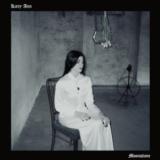
Through crushing riffs and haunting vocals, it reflects on loss, the forces of nature, and existential struggle. The production balances raw intensity with a deep, immersive atmosphere, enhancing the album's emotional depth. The album opens with a song in Latin, setting the tone with a ritualistic invocation. As its title suggests, it serves as a reminder to preserve one's inner purity in a decaying world, weaving ancient echoes into the album's foundation.
Todeslied follows as a hymn to death, carrying a solemn mood. The record also draws upon literary inspirations: one track is based on The Road by Cormac McCarthy, evoking apocalyptic desolation and the desperate fight for survival, while Dress in flames gives voice to the fury and imprisonment of Bertha Mason, the tormented character in Charlotte Bronte's victorian novel Jane Eyre. Compared to her previous release, which was more personal, Moonstone marks a shift towards greater collaboration within the band, with a more unified approach to songwriting and arrangements. The album, featuring two tracks by bassist Francesca Papi, has been arranged and refined together with Davide Rosa (guitar) and Fabio Orticoni (drums). The release also includes a powerful tribute to Bathory with a reinterpretation of Shores in Flames.
Recorded at Produzione Rumorose, mixed by Maurizio Baggio, and mastered by Giovanni Versari, this record represents a powerful evolution in the band's sound, sharpening their identity and pushing the boundaries of their musical expression.
Through crushing riffs and haunting vocals, it reflects on loss, the forces of nature, and existential struggle. The production balances raw intensity with a deep, immersive atmosphere, enhancing the album's emotional depth. The album opens with a song in Latin, setting the tone with a ritualistic invocation. As its title suggests, it serves as a reminder to preserve one's inner purity in a decaying world, weaving ancient echoes into the album's foundation.
Todeslied follows as a hymn to death, carrying a solemn mood. The record also draws upon literary inspirations: one track is based on The Road by Cormac McCarthy, evoking apocalyptic desolation and the desperate fight for survival, while Dress in flames gives voice to the fury and imprisonment of Bertha Mason, the tormented character in Charlotte Bronte's victorian novel Jane Eyre. Compared to her previous release, which was more personal, Moonstone marks a shift towards greater collaboration within the band, with a more unified approach to songwriting and arrangements. The album, featuring two tracks by bassist Francesca Papi, has been arranged and refined together with Davide Rosa (guitar) and Fabio Orticoni (drums). The release also includes a powerful tribute to Bathory with a reinterpretation of Shores in Flames.
Recorded at Produzione Rumorose, mixed by Maurizio Baggio, and mastered by Giovanni Versari, this record represents a powerful evolution in the band's sound, sharpening their identity and pushing the boundaries of their musical expression.
Was also geschieht, wenn Paris und Havanna aufeinandertreffen? Die beiden Künstler tauchen tief in die kubanische Tradition ein und spielen zugleich mit klassischen Formen. Dabei rufen sie eine Epoche in Erinnerung, die Roberto nur allzu gut kennt – die des frühen 20. Jahrhunderts, als sich spanische klassische Musik und kubanische Rhythmen vermischten und das entstehen ließen, was später Danzón und Danzonete genannt wurde. Fonseca und Segal fügen dem eine Prise Improvisation hinzu – und damit Moderne.
Man sucht diese Musik nicht, und man hört sie auch nicht, um sie zu analysieren – sie kommt zu einem. Ihre Subtilität überrascht, weil sie in Bildern spricht. Das melodische Wechselspiel kitzelt die Wahrnehmung, zieht einen in die Außenwelt und umhüllt einen, während es zugleich im Inneren weiterlebt. Es ist eine Welt aus Echos und Erinnerungen, ein Wirbel aus Ideen und Gefühlen, die sich ständig erneuern und immer neue Bedeutungen finden.
In einer Zeit, in der künstliche Intelligenz allgegenwärtig scheint – sowohl in der Musikindustrie als auch in unserem Alltag –, erinnert uns diese Musik daran, dass das Geheimnis nicht darin liegt, zu kontrollieren, hinzuzufügen oder die Schöpfung für sich zu beanspruchen, sondern vielmehr darin, zu dekonstruieren, wegzulassen und Raum für Klarheit zu schaffen. Das Geheimnis besteht darin, den kreativen Prozess zu seinem Wesenskern zurückzuführen – Nuit Parisienne à La Havane tut genau das. Es ist ein Album, das nicht um unsere Aufmerksamkeit bittet, keine Rezensionen erwartet und keine Analyse einfordert. Es will gefühlt werden – vielleicht sogar betrachtet – wie eine Abfolge von elf Kurzfilmen, die sich vor unseren Augen entfalten. Es liegt an uns, die Bilder in unserem Geist schweben zu lassen, sie aufzunehmen und schließlich wieder verschwinden zu lassen.
Diese fünftägige Improvisationssession führt uns durch höchst unterschiedliche Genres: von kubanischen Rhythmen verschiedener Epochen über französisches Chanson, klassische Musik, afrikanische Rhythmen bis hin zu östlichen Einflüssen. Sie stellt die Frage: Was wäre, wenn auch die Musik mit den großen Herausforderungen der modernen Welt konfrontiert würde?
- Just Another Wizard
- Walls Of Hate
- Chroma
- Manic
- Price Of It All
- The Alp
Clear Purple Marble Vinyl
Stone Machine Electric return with ‘FACES’, a deep and immersive exploration of their signature Doom Jazz sound, where slow burning grooves, atmospheric distortion and meditative heaviness merge into a single hypnotic flow.
The Texas trio expand the boundaries of doom, stoner and psychedelic rock with six expansive tracks shaped by textured guitars, fluid basslines and ritualistic drumming, creating a sense of weight and space that pulls the listener into a raw and introspective dimension.
‘FACES’ is an album built on tension and release, repetition and movement, crafted for those who seek heavy music that pushes beyond the traditional framework and into a more spiritual and experimental territory.
LP pressed onto Clear Purple Marble vinyl.
Essential for fans of Monolord, YOB, Shrinebuilder, Om and early Earth.