Graham Lambkin (of Shadow Ring fame) returns with a long awaited epic double LP, Aphorisms, his first major solo outing since Community (Kye, 2016). Recorded mostly during the early winter months of 2022, in post-pandemic New York and post-Brexit London, Aphorisms assembles the sonic detritus of daily life into hauntingly intimate aural soundscapes. Made between Lambkin's residence in East London and Blank Forms in New York, Aphorisms superimposes the two spaces onto one another creating an imaginary stage where his musical dramas unfold. A transatlantic mediation on the rooms where Lambkin has lived and worked, Aphorisms summons up hallucinatory vistas by way of the composer’s collage technique, layering field recordings, piano, guitar, percussion, vocal fragments, and repurposed elements on top of one another in double, triple, and quadruple exposures. Like the Shadow Ring’s Lindus (Swill Radio, 2001) recorded between Folkestone and Miami Aphorisms ruminates on estrangement and displacement, catching Lambkin as he returns to London after two decades of living in the States, in his words, “leaving home to return home.” Aphorisms continues Lambkin’s synthetic-naturalist approach to sound-making, twisting disparate and unique elements together to create the sensation of a coherent sonic space. At the heart of his practice is the illusion of form, whereby Lambkin combines sonic elements, documenting the moment that they coalesce into music only to disintegrate back into incidental sound. The album is centered around two pianos, one in New York and one in London, sounding together as if through the ether, creating a spectral atmosphere that Lambkin fills with melodic snippets, fragments of songs, spoken-word musings, and guttural barks or “the animal purity of voice,” as he has it. The superimposition of the two spaces is maximized in the album's closing titular track, where, much like on earlier works such as Salmon Run (Kye, 2007) and Softly Softly Copy Copy (Kye, 2009) fragments of familiar melodies float through the mix as though being played from afar. Aphorisms is Lambkin at his best, extending methodologies only hinted at previously and taking his now-idiosyncratic mission statement to a new chapter.
One of Japan’s most riveting artists follows that KAKUHAN mindmelt from last year (our number 5 album, 2022) with an engrossing suite of wild field recordings and polymetric percussion featuring a whole raft of additional players weaving drums, wind and brass instruments, cello and electronics into a bewildering Acousmatic matrix. Highly recommended listening if you’re into Marginal Consort, Beatrice Dillon, Will Guthrie, Mark Fell, François Bayle.
Having made his mark on these pages over the last few years with appearances as part of Japan’s cult entities Goat and YPY, Koshiro Hino’s turn last year as KAKUHAN took things to a whole other level with an album that felt like some alchemical mix of elements borrowed from Autechre, Photek, Arthur Russell and Mica Levi - a complete stylistic futureshock that worked as well in the club as it did fuelling extended flights of the imagination.
For 2023, Hino takes us into a completely different headspace, assembling a cast of 11 players - the mighty Joe Talia and KAKUHAN’s other half Yuki Nakagawa among them - for a suite of untamed field recordings, clanging percussion, brass and synthesis that are about as far removed from the diaristic ambient de jour as you could possibly imagine. Instead, the ensemble conjure vibrant sound ecologies teeming with detail, mirroring the natural world and communal traditions to form shapeshifting, organismic soundworlds.
‘Geist II’ was written for 20 speakers, referencing François Bayle’s acousmatic music and David Tudor’s electro-acoustic environments. It paints a richly detailed scene of a nocturnal rainforest, replete with avian hoots and a skin-crawling patina of insectoid chatter that moves around the soundfield, stealthily growing in density with a more “musical” presence of super low end drone and drums converging form the peripheries to a ritualistic climax. In the second part, focus shifts to remarkably pure percussion-like tropical rain, invaded by swarms of scuttling and winged invertebrates that give way to a water music-like polymetric slosh, resolving to ringing tones and more mellifluous gestures that hark back to GRM’s most poetic, romantic urges.
It's a deeply psychedelic experience that harmonises tiny electronic fluctuations with bird calls and scraped, resonant drones that phase in-and-out of the mix. It's sound you can practically chew, and another crucial despatch from the contemporary Japanese avant-garde.
Salt Peter, by Ruby (AKA Lesley Rankine), was originally released in 1995 to critical acclaim under the trip-hop and electronica tags,
quickly becoming the soundtrack to many a student, clubber and vinyl junkie’s life.
Roll on 25 years to find Rankine & her brother, Scott Firth (bassist with PIL) in Covid lockdown together following the death of their mother. What else would they do but make some music?
So, while noodling around with some ideas one night, Rankine remade one of her old Salt Peter songs and was so pleased with the result she decided to do the whole album.
Rather than simply remixing or remastering the original album she decided to rebuild it from the ground up with completely new production, arrangements and vocals.
With Scott’s additional production, engineering and mixing, Salt Peter 25 is a completely different album from the original, but still with Rankine’s distinctive vocals
and her ear for the quirky and the dark. With densely textured sounds and uncompromising arrangements, Salt Peter has matured into an exciting new and unique animal.
Salt Peter 25 is a deeply personal album, created during a very difficult time and so the cover, fittingly, features a striking photo of Lesley and Scotts’ mother,
as well as other family photos, again echoing the aesthetics of the original album.
Now released on delicious orange double vinyl with a beautiful gatefold sleeve, featuring additional art by Toronto based designer, Henry Faber.
Born of a thousand nights lost in a surrender to stillness and contemplation, In The Air is Anna St. Louis’ second full length album and her most considered work yet. St. Louis’ debut If Only There Was a River seemed to emerge fully formed out of the recesses of her mind; a gritty, mesmerizing affair, filled with jagged edges and ghostly apparitions. The type of record that announces a new voice; one haunted by what has come before.
But this time, St. Louis is no longer concerned with what could have been and sets her sights to exploring what could be. It’s an outlook on the world that was formed when her immediate one was small. The intervening years since her last album found St. Louis in a small one-bedroom cabin in the middle of the woods of upstate New York with a new love and time to think of what she wanted to express with her music. For weeks on end, the only trips she took were to and from her job as the front desk clerk at a nearby hotel. The previous years she had spent on tour and performing constantly in the venues of Los Angeles felt like they had occurred in another lifetime.
“It really compelled me to surrender to the unknown,” she says. And in this surrender, she found liberation. St. Louis is more self-assured, open-hearted and ready to say what she wants. St. Louis describes the writing period as one of a slow harvest; a fertile time but one that required a newfound patience. Instead of documenting her first thoughts, she spent more time with each song, going deeper with the themes and ideas she wanted to express.
This slower approach also guided the sonic textures of the album. Working with producer Jarvis Taveniere (Purple Mountains, Woods) in two extended recording sessions in Los Angeles in 2021, St. Louis used the studio in a previously unexplored way, opening up her songs to more experimentation featuring brighter tones and a more orchestral sound to accompany her new perspective. To that end, she was aided by a cast of friends and collaborators including Jess Williamson, Kacey Johansing, Oliver Hill (Kevin Morby, Vagabon) on strings, Alex Fischel (Spoon) on piano, Josh Adams on drums (Bedouine, Tim Heidecker) and Keven Lareau (Cut Worms, Hand Habits).
In the Air has the sound of a joyous consideration of the present moment; a quiet morning revealing a new snowfall outside, steam coming from the kettle, just before it whistles, St. Louis with her guitar, staring out the window, with a few free hours before work. She’s reflecting on the scene in front of her, imagining the times yet to come. You can hear it; she’s a long way from the noisy bars of Los Angeles, the rigors of the road. As she intones in “Rest”: “You spend your whole life believing in the chase. And then you realize that being somewhere doesn’t matter like it used to.” She doesn’t need a river to carry her anymore ... She’s in the air.
Created In the heart of Athens, GA with their trusty- producer, Henry Barbe (Deerhunter, Drive By Truckers) You Know Who is an 11-song record that pushes the boundaries of modern country and rock n' roll music. The Pink Stones sound takes influence from recordings of George and Tammy, as well as J.J. Cale's self produced Tulsa sound. The record is also just as inspired by the windy city cuts of Curtis Mayfield, all styles that covers the band's sound in cigarette smoke and whiskey spills. The six piece band has utilized their performing chops to make a tight but soulful album with featured guests such as Nikki Lane, Jack Quiggins and Ryan Jennings (Teddy & the Rough Riders), John James Tourville (Deslondes), and Annie Leeth (Faye Webster). No strangers to friends and guests, this ramshackle unit formed together flawlessly to take the next leap into The Pink Stones deep sphere.
This reissue expands the offering with some of their earliest known recordings, combining to form a full menu from a legendary band that ushered bluegrass into a more modern era! The band, led by the virtuosic mandolin player Roland White, delivers a collection of traditional and original tunes that showcase their impeccable musicianship and tight harmonies.
But it's not just about technical skill - the Kentucky Colonels also bring a sense of soulfulness to their music. Vocal tracks like "I Am A Pilgrim" and "Lonely Heart Blues" are delivered with heartfelt emotion, while instrumentals like "Dusty Miller" have a haunting beauty that lingers long after they've ended
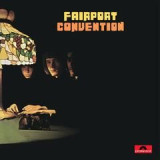
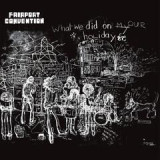
These records contain some of the most storied names not just in British, but world music. From a bunch of school friends setting out to be 'the British Jefferson Airplane', over the course of their first quartet of releases, the group metamorphosed into the leading exponents of British folk rock. In the way American folk and blues had looked back to gospel songs and spirituals, Fairport mined a seam a traditional English folk song, and then combined them with rock rhythms to create something ground- breaking and quickly emulated.
For many, this is the first time the considerable talents of Richard Thompson, Sandy Denny, Ashley Hutchings, Ian Matthews, Dave Swarbrick and Dave Mattacks would have been heard on record.
From a bunch of school friends setting out to be 'the British Jefferson Airplane', over the course of their first quartet of releases, the group metamorphosed into the leading exponents of British folk rock. In the way American folk and blues had looked back to gospel songs and spirituals, Fairport mined a seam a traditional English folk song, and then combined them with rock rhythms to create something ground-breaking and quickly emulated.
Lewis II was the follow up to Lewis Taylor's epochal, self-titled debut album. It was initially released in 2000 and this double LP release, its first ever vinyl edition, has been heavily anticipated for nearly a quarter of a century. It's often years before most listeners catch up with an album's breathtaking vision and devastating execution, and so it has proved with Lewis II; it stands up exceptionally well today.
After Island rejected Lewis Taylor's second release (later released as The Lost Album), he returned to the studio to record Lewis II. Less esoteric than Lewis Taylor, Lewis II is a more polished, sophisticated funk and mature uptempo soul than the dark psych-soul of his debut. The production, whilst slicker, is a bit tougher, with more crisp, R&B-flavoured grooves and head-nod beats and more bass pumping up his voice. The vocal intensity present on album number one doesn't abate. Indeed, as Lewis himself noted, "my voice is better on Lewis II and the vocals are high in the mix."
The moody funk of "Party" sounds like a mad blend of Riot-era Sly Stone and Brian Wilson. It rides a stuttering drum machine groove with acapella harmony vocals arriving halfway through to stay for the duration. "My Aching Heart", with its clean, slick, late 90s R&B drums, could surely have been a single. Perhaps Lewis's idiosyncratic melodies would've been too challenging for the charts. Lewis *had hoped* "You Make Me Wanna" would be a single but the dank, organ-drenched groove, coupled with the growling eroticism of Lewis's vocals would've, again, made this beyond the pale for most mainstream music fans. Somewhat incongruous acidic synths and bleeps give way to a laconic summertime groove on breezy highlight "The Way You Done Me", all funky acoustic guitars and stunning, good-time vocals. Sumptuous ballad "Satisfied", a real fan favourite, marries unusual instrumentation with classic soul-ballad structure and closes with a monster guitar solo which almost out-Princes Prince in its gritty melodicism, set against sweeping strings of real majesty. Prog-Funk-Rock!
The dubbed-out, spaced-out "Never Gonna Be My Woman" is the closest the album comes to classic D’Angeloesque neo-soul, with echoes of the esoteric funk featured across Maxwell's contemporaneous Embrya. But what follows is on some next level business. As Lewis's biggest fan, Geoffrey Scull, noted, "the "I'm On The Floor" / "Lewis II" / "Into You" song cycle stacks up against any other consecutive 15 minutes of recorded music, ever!" And who are we to argue with that? These could've been hits for Justin Timberlake during his fascinating Timbaland-collaborating days, such is the sonic and textural pop experimentation at play here. The extraordinary title track sounds like an outtake from Marvin Gaye’s Trouble Man and spends its last third as a searingly dark piano-led psychedelic-guitar-crunching soul instrumental. Just astounding. And then. AND THEN! The way it segues into, er, "Into You" is just straight up genius. Goosebumps galore on this one, no words can describe its celestial brilliance. Just kick back and be beguiled by the "Let me come on over again" refrain that ornately adorns its sensational coda. Phew.
The swoonsome, lovelorn ballad "Blue Eyes", apparently written in the spirit of Marvin’s "Vulnerable", is a lush, slow swinger with some gorgeous noir touches. To close, Lewis completely retools Jeff Buckley’s beloved, beautiful "Everybody Here Wants You" and, while talking some liberties, even manages to surpass the original. Yes, really! With soaring, fiery vocals set against icy piano and psychedelic guitars, Lewis recasts Buckley's effort as dramatic, ethereal soul.
When it came to translating the original CD booklet into a 12 inch LP sleeve, thanks to some suggestions from Cally Callomon (head of Island’s art department, who designed all the sleeves for Lewis’s two Island albums and their singles) and his trusting us with his “Lewis Taylor” folder full of various negatives, test prints and whatever else he was able to salvage from the old Island art department, we’ve gotten pretty close to what the original LP sleeve would’ve looked like if it existed. Simon Francis’s vinyl mastering, presents the eleven tracks over a double LP so, as ever, the record sounds outstandingly good. The records have been cut by Cicely Balston at Air Studios and pressed at Record Industry.
out of Stock
Last delivered 3 years ago available to reorder, subject to availability
Lewis Taylor's legendary magnum opus: The Lost Album. "Now you're talking. That's my favourite LT album. Unlike all of the others, there isn't anything about it that embarrasses me." Straight from the genius's mouth. What can we say about this? Well, it's the most requested record ever at Be With Towers. The Lost Album was the intended follow-up to his first album but Island rejected it for fear of "confusing" the marketplace and its conception of Lewis as a soul artist. Their loss. It's a breezy sunset masterpiece.
The genesis of this incredible record needs unpicking a bit. Lewis stopped promoting the first album after a year and went home to record a completely different record that was the most un-R&B album you could probably ever hear: "I pushed in such an extreme direction the other way with what eventually became The Lost Album. It was a knee-jerk reaction to a perceived ‘trapped in R&B’ feeling I was going through at the time. Some people around me were in favour of it and others weren’t. In the end I think I lost confidence in it and did Lewis II instead." We did at least get Lewis II, which is a remarkable album, and he kept Island happy...for a bit. Not long after, Lewis was dropped. And what was to become The Lost Album could've been...er...lost. Forever.
Thankfully, however, Lewis and longtime partner Sabina Smyth revisited those scrapped demo tracks in 2003. They decided to re-arrange, re-record and then self-release them. So it was that the brand new version of The Lost Album finally dropped in late 2004. It's sheer perfection, and we don't say that lightly. The Lost Album was a fully 50/50 collaboration between Lewis and Smyth. As well as production, Sabina did a lot more writing on it, from the melody to "Listen Here" to the chord sequence for "Let's Hope Nobody Finds Us." Thankfully, Sabina is credited this time around.
No, it's not straight up "soul music" in the vein of his previous work. Yet, in its perfectly formed suite of one dozen songs, The Lost Album is dripping in soul. It's so warm, so effervescent and so alive with possibilities. It features deep, fresh imprints on well-loved, accessible sounds. It's a proper 70s style double album. Just one listen and the musical influences on The Lost Album are fairly self-explanatory, as Lewis recently told us, but it's always nice to hear that, in case we were in any doubt, he was definitely channeling Love, Yes, Brian Wilson, CSN, Laura Nyro and, of course, Todd Rundgren. The influences don't end there: "I’m particularly fond of my bass playing on that album, there’s a lot of Chris Squire going on which is cool."
Deep orchestral opener "Lost" is a sublime, harp-laced, string drenched gem, a cinematic, melancholic Axelrod-esque mini-epic that simply beguiles. Written by Smyth, it evokes Donny Hathaway's celestial "I Love The Lord, He Heard My Cry" from Extensions Of A Man. The only problem is the brief 90 seconds running time. It segues into the classic Brian Wilson-meets-power-pop-rock splendour of "Listen Here" which, with its outstanding extended harp-licked beatless intro, sounds like the younger cousin to Boston's "More Than A Feeling". We then drift into the ringing guitars of classic 70s rock anthem "Hide Your Heart Away". It's Lewis's personal favourite, "especially the multi-tracked guitar solo – I was listening to Boston at the time, which was fun." A-ha!
A new version of the heart-stopping, shoulda-been-a-massive-pop-hit "Send Me An Angel" opens Side B before the arrival of, in Lewis's completely correct words, "the clear standout, "Leader of the Band"; the perfect distillation of everything that album was trying to achieve." Soaring, piano-led Rundgren-esque power pop that makes the hairs on the back of your next stand on end. Truly, otherworldly. This is pure pop for now (and then) people. The simple jangly brilliance meets experimental prog-rock of "Yeah" sounds like simultaneously like prime CSNY and late 90s Radiohead (if they'd had a slightly more accessible bent and could write better tunes).
Oh, you wish The Beach Boys had continued writing amazing songs beyond Holland? Well, allow us to point you in the direction of the downlifting stunner "Please Help Me If You Can" and the warm textures and brilliant atmospherics of goosebump-inducer "Let’s Hope Nobody Finds Us". Words can't really describe the sheer beauty of these songs. So we'll stop trying. Just listen. Listen, listen, listen. Closing out this remarkable side of music, the accidentally Balearic "New Morning" should be blasting out at every sunrise set in Ibiza, this summer and forevermore.
The final side opens with the vaguely Beatlesey "Say I Love You". It's just classic, soaring pop-rock songwriting and should strictly be canonical. It's that good. The sassy, Stonesy swagger of "See My Way" injects enough rock'n'roll attitude to compensate for the rest of record's peace-loving, AOR sun-dappled vibe whilst album closer, "One More Mystery", emerging out of the rubble of the previous track, comes on initially like a Baroque-Pop George Harrison before piling crunching drums and screeching guitar solos atop the dreamy harmonies til close.
When asked what it means to have these records available on vinyl for the first time, Lewis is in no doubt: "It’s great and it’s really nice to be able to offer fans a different listening experience. There’s a whole other dimension with vinyl that taps into that whole nostalgia thing, well for me anyway. Something about the physical aspect of pulling it out of the sleeve and putting it on, it does tend to make you feel like you’re more engaged."
Lewis was adamant that he wanted all new artwork for The Lost Album vinyl sleeve and his brief was just the sort of classic tropical-beach-at-sunset you’d want to see on the front of a record that sounds like this. On the finished sleeve, the beach at sunset is just where we start out, before heading up through the painterly clouds and heading out into the stars. And yes, the lettering is a definite subtle nod to all those in-between-period Beach Boys bootlegs we all love. Simon Francis's sensitive mastering combines with Cicely Balston's precise cut for Alchemy at AIR Studios so the album sounds appropriately outstanding. The immaculate Record Industry double LP pressing will ensure this previously lost masterpiece stays forever found.
out of Stock
Last delivered 3 years ago available to reorder, subject to availability
Marc Richter aka Black To Comm released his debut record 20 years ago. In 2023 he is still busy releasing music under various disguises and is currently signed to the Thrill Jockey label. To celebrate this anniversary his own Cellule 75 label is re-releasing some classic out-of-print vinyl albums that originally came out on the defunct Type and De Stijl labels. The LP will feature a full-colour printed inner sleeve exclusive to this edition.
In 2009 the Type Recordings label run by John Twells had just released seminal records by Grouper, Jóhann Jóhannsson and Yellow Swans when they signed Richter and put out his breakthrough Alphabet 1968 album. The LP sold out within two weeks, receiving a glowing full-page review in The Wire Magazine by the late Mark Fisher (later reprinted in his book Ghosts Of My Life), was selected for Boomkat's Top 10 releases of the year (alongside debut albums by Leyland Kirby, Demdike Stare and Oneohtrix Point Never) and was greeted with universal praise in the underground blog network as well as established magazines such as The New Yorker and Pitchfork.
The music itself played with the notion of nostalgia without being nostalgic itself. It's the sound of half-remembered dreams, a surreal distorted vision of the past, an aural polaroid of long forgotten musics, a ghostly voice from a non-existent era.
From the original Type one-sheet:
"The mission statement for Alphabet 1968 was to write an album of "songs" for want of a better word. Short tracks which represented genre points, the milestones which stuck in Richter's mind when he thought back to his favorite records. What we arrive at is a breathtaking 10-track album which, over the course of 45 minutes, explores world music, techno, noise, avant-garde, ambient music and even exotica. Each track is linked with a loose thread of radio static or environmental sound, dragging you through the album, as if tuning in to a stray broadcast or a particularly adventurous mix. Richter has pieced the album together from hours of recordings made at his studio with home made gamelan, small instruments and loops gathered from a collection of ancient vinyl and 78 records. The scope of the album is admirable, but ignoring this, it is simply a shockingly arresting collection of experimental oddities, with references ranging from Moondog to Basic Channel by way of Bernard Herrmann. It's not hard to fall in love with Alphabet 1968, far harder would be to place exactly where the record should fit into your collection."
Mark Fisher in The Wire:
"But what if we were to take Richter's provocation seriously - what would a song without a singer be like? What would it be like, that is to say, if objects themselves could sing? It’s a question that connects fairy tales with cybernetics, and listening to Alphabet 1968, I’m reminded of a filmic space in which magic and mechanism meet: JF Sebastian’s apartment in Blade Runner. The tracks on the LP are crafted with the same minute attention to detail that the genetic designer and toymaker brought to his miniature automata, with their bizarre mixture of the clockwork and the computerised, the antique and the ultramodern, the playful and the sinister. Richter’s musical pieces have been built from similarly heterogeneous materials - record crackle, shortwave radio, glockenspiels, all manner of samples, mostly of acoustic instruments. ….. JF Sebastian's apartment was itself an update of older spaces in which science and sorcery co-existed: the workshops of ETA Hoffmann's inventor-magicians, or of Pinocchio's creator, Geppetto. I think, too, of Auguste Villiers de l'Isle-Adam's astonishing 1886 tale The Future Eve in which Edison, using the expertise he has recently acquired from inventing the phonograph, sets himself the task of constructing an artificial woman. But if there are songs here, they are sung by the gramophone and other recording and playback machines. Richter so successfully effaces himself as author that it is as if he has snuck into a room and recorded the objects as they played (to) themselves. Rather than simply automating his music, as in the case of Pierre Bastien and his mechanical machines, Richter makes us feel that he has merely recorded the unlife of objects. ….. Indeed, the impression of things winding down is persistent on Alphabet 1968. Entropy has not been excluded from Richter's enchanted soundworld. It feels as if the magic is always about to wear off, that the enchanted objects will slip back into the inanimate again at any moment."
Selected by Jim O’Rourke for his Tone Glow list of 25 albums that “never got their due”, Org was founded in the early 90’s by Espen Jensen and Kjetil D Brandsdal who would later go on to variously record as Elektrodiesel, Noxagt and Ultralyd in the swirl of the highly active Norwegian underground. “Org" was the only album the pair recorded as a duo, pressed in a meagre edition of just over 100 copies which disappeared almost as soon as they were made, lodged in the memory of the select few who have managed to hear it in the years since.
Made up of three long tracks, the near 20-minute ‘001’ opens the album with an extended organ zone-out matched with scraping factory machinery saturated into a dense cloud of harmonic fuzz. There's something transcendental about the sound that intersects with microtonal Alice Coltrane (particularly the unfairly maligned organ-only edition of "Turiya Sings"), as well as Pauline Oliveros and Ramleh. It’s music that pulls you in subconsciously; before you know it, you're fixating on the uncomfortable grind of metal on metal, buried mechanical rhythms and liturgical organ vamps that wind between industrial cacophony and sacred ritual music. For its last few seconds, we go into a full death metal tearout that fades out before it takes full flight, a glorious wtf.
‘002’ connects between minimalist drone styles and shoegaze, distorting fuzzed organ into pliable, dreamlike warbles that end up sounding like Kevin Shields' ‘Loveless’-era glides, or even Sunn O))) at their most devotional. Never losing the numbing overdriven mettle, its a piece that sounds spiritually entwined with Matthew Bower's Skullflower - a minimalist re-reading of high-contrast guitar music that takes all the psychoacoustic power and none of the annoying posturing.
For ‘003’, subaqueous organ is joined by synth and drum machine, sounding like the inspirational spark for Religious Knives' screwed 'n chopped cosmic psychedelia. The choice of sounds links it to Antena's foundational electro samba recordings too, but the overwhelming drone - a constant on all three compositions - connects the music to minimalist spirituals that have simmered beneath the DIY/avant garde for decades.
‘Org’ sits heavy on the nerves with overproof levels of mulched amp worship and ungodly, palms-down organ chords and wheezing, bezonked lines of melodic thought. 25 years out of sight and marinading in the archives, with the benefit of hindsight we can better understand the role these sounds played in the development of music in the contemporary sphere. It’s an important piece of the puzzle, one that makes valuable connections that, over time, have looked progressively more faint.
Brian Jonestown Massacre, Velvet Underground, TOY. “Upon the highways of Freedom, where Evil is like a Ferrari… “ Unbeknownst to its members, Index For Working Musik was born on an evening in late 2019 amidst the discovery of a collection of faded b&w photocopies that had been marinating on the floor of a urine-alley in the Gothic Quarter of Barcelona. An assortment of sacred and profane imagery were crumpled amongst an essay on early Christian hermits, entitled Men Possessed by God, the meaning of which was enticingly vague. Received together, they planted the seeds for a new endeavour. Though Max Oscarnold and Nathalia Bruno were already engaged in a creative ping-pong of sorts, the results to this point had only totaled a 30 min long ½ inch tape containing one track and four interludes. They needed a page and they needed ink, and they needed a place and it needed energy. Suddenly by chance or divine intervention, their experimental venture had been given form and direction. Back home in London’s cursed smog, they moved themselves and their 8-track studio into a basement in E8, where the project’s gravitational pull gained strength, quickly developing into an unexpected collective with the incorporation of drummer Bobby Voltaire, double bass player E. Smith and guitarist J. Loftus. As the world shifted around them and the Plague Years followed, it became increasingly clear that they were not going to leave that small basement room. The scarcity of light or outer world presence was less a limitation, instead the main tool at hand, allowing the recording to stretch for boundaryless days in architectural isolation, and forcing them to make straight forward free guitar music, adopting a ‘first thought, best thought’ approach. 35 minutes of repeat phrased guitars, slow-clipped drums and dulcet vocals where the recurring landscape is the desert. Reel-to reel-loops of Afghan music compete with the found sound overlays of voices recorded at the queue of the pharmacy and drum machines borrowed from Spanish heroes, channelling both far-off climes and snippets from a closer reality. It’s a strange psychic brew, built of imagined mysticism and domestic realities, of fever dreams and days that stretched into weeks of months. What was sparked by that discovery in the Gothic Quarter was actually a realisation that what they were looking for was with them all the while, buried as it was in piles of voice memos and recorded guitar feedback. Men Possessed By God they may be not: it was self-possession that was to guide their way in the end. “Life, despite all its destructive changes, remains indestructibly powerful and joyful
From Elvis in Memphis retains the distinction of being the most cohesive, passionate, mature, and emotionally invested record Elvis Presley ever made. Named one of the 500 Greatest Albums of All Time by Rolling Stone, the white-soul landmark features backing by "The "Memphis Boys" and teems with rhythm-heavy country, gospel, R&B, and blues. Lauded for its natural, open sonics, the 1969 set now comes across with remarkable clarity, presence, and warmth courtesy of a premium restoration befitting a king.
Mastered from the original master tapes, pressed on MoFi SuperVinyl at RTI, and strictly limited to 10,000 numbered copies, Mobile Fidelity's UltraDisc One-Step 180g 45RPM 2LP box set of From Elvis in Memphis unearths the ravishing inner detail, sticky rhythms, and brilliant arrangements of Chips Moman's inspired production. In short, this unparalleled reissue unlocks the spirit and gestalt of the recording and takes you inside American Sound Studio. It also brings you up close and personal with Presley's singing – widely considered by many to represent the finest of his career – located dead-centre amidst the instrumental hurricane. Equally impressive are the contributions of the aforementioned Boys, and how their Southern-brewed playing – a balance of leisure with swiftness, grandiosity with concision, freedom with control – dovetails with Presley's vernacular.
The lavish packaging and gorgeous presentation of the UD1S From Elvis in Memphis pressing befit its extremely select status. Housed in a deluxe box, it features special foil-stamped jackets and faithful-to-the-original graphics that illuminate the splendor of the recording. No expense has been spared. Aurally and visually, this UD1S reissue exists as a curatorial artifact meant to be preserved, pored over, touched, and examined. It is made for discerning listeners that prize sound quality and production, and who desire to fully immerse themselves in the art – and everything involved with the album, from the images to the finishes.
Sharing much in common with the full, rich, orchestrated Stax Records sound, From Elvis in Memphis oozes with choice nuances and distinctive flourishes that on this ultra-hi-fi edition not only arise with previously unheard transparency and sharpness, but complement and serve the whole. Take the specific tonalities and blending of violas, cellos, and horns that communicate mood and serve as counterpoints. Or lively performances of the backing quintet, and how the piano and Hammond organ trace the lines of the melodies and Presley's lead. Listen to the uplifting support provided by the cadre of backing vocalists (more than a dozen credited), unrivalled in Presley's canon and a precursor to the approach he'd soon adopt in Las Vegas.
Of course, From Elvis in Memphis precedes the icon's transition into his glitzy jumpsuit phase – and follows his merciful move away from the hoary soundtrack work that consumed nearly a decade of his creative life and prompted a rebirth that began in 1968. As the bridge between eras, the record seizes on Presley's rejuvenated attitude and commitment to quality, facets that drip from the fervency with which he delivers every word. For the same reasons, and for the fact it traces back to Presley's original roots and hip-shaking guise, the album further remains a cornerstone of American music history.
Writing about the work's 40th anniversary for Rolling Stone, James Hunter correctly observed: "From Elvis in Memphis represented the full-on immersion in the Memphis idea of Elvis Presley, the American singer second only to Frank Sinatra for the ability to conjure a particular sonic universe with his merest vocal utterance. And from the album's first song, in which a bluesy Elvis espies a woman 'Wearin' That Loved On Look,' to its last, in which a more straight-up-pop Elvis regrets the injustices of life 'In the Ghetto,' his fully engaged, newly energized voice finds its most logical album setting in years."
Incredibly, Presley and company completed more than two dozen cuts for From Elvis in Memphis. One, "Suspicious Minds," turned into the vocalist's final chart-topping single and lingers as one of his most beloved rock n' roll numbers. Even though it never formally appeared on the record, the non-album song is included here as a bonus track and attains newfound depth, energy, and swagger. Coupled with the other dozen tracks – including the sultry "Power of My Love," balladic take of Dallas Frazier's "True Love Travels on a Gravel Road," and driving cover of Hank Snow's I'm Moving On" – it makes for the finest Elvis listening experience available.
Santana's self-titled debut album announces the arrival of a new Guitar God. Made during the legendary bandleader's most fruitful and creative period, the classic 1969 set functions as an accessible entry point into the tangy worlds of Latin music by way of an intoxicating blend of Afro-Cuban percussion, jazzy tempos, exotic leads, bluesy riffs, and psychedelic accents.
Indeed, separation between Carlos Santana's fluid fills, spicy solos, and broiling grooves and pianist Gregg Rolie's soulful Hammond organ runs allows the music to come alive with a newfound freshness and radiance. Songs simmer, with each passage bursting forth with vibrant colour. Just like the equally essential follow-up Abraxas, Santana also lays claim to one of the biggest (and unfortunate) production gaffes in music history.
For nearly four decades, copies were produced with the left and right channels reversed, meaning that everything was placed in a backwards manner. This even extended to compilations on which individual songs from Santana were included. Rest assured that, in addition to boasting reference audiophile sonics, this 180g 45RPM 2LP set gets all the specifications exactly right. And with a record of this magnitude, you want everything to be perfect.
Bound by natural chemistry and earthy spirituality, the record's innovative synthesis of myriad styles goes beyond anything that came before – as well as nearly everything that's followed. Playing with the finest band that the iconic guitarist ever had, Santana doesn't water down any exotic roots or simply incorporate mainstream Western styles into a Latin framework. This is a true hybrid, responsible for opening up borders, transcending cultural divides, and, most importantly, exhilarating the senses.
Released just weeks after the band blew minds at Woodstock, the groundbreaking record stands alongside Miles Davis' Bitches Brew and Jeff Beck's Beck-Ola as a pillar of rock fusion. Featuring the Top Ten radio smash "Evil Ways" and jam favorite "Soul Sacrifice," it hasn't aged a day. Hear like never before why Rolling Stone says Santana is #149 on its list of the Greatest Albums of All Time.
A wild and funky collection of Afro grooves that was ahead of its time in 1977 and has become a collector’s item in recent years, especially due to the growing international interest in Colombian picó sound system culture. Fruko and his studio bands Wganda Kenya and Kammpala Grupo treat us to a diverse set of African and Caribbean styles, laced with crazy synths, psychedelic guitar and infectious pan-African polyrhythms. By the time Discos Fuentes released the album “Wganda Kenya Kammpala Grupo” in 1977, Wganda Kenya’s discography was expanding with many 45 singles and appearances in various artists collections. The group’s 1975 debut record “África 5.000” was a full length LP in the U.S. and a various artists compilation in Colombia, which was followed by the self-titled long player the following year. However, Kammpala Grupo, which shared the album’s title and was credited to three songs on the record, had never appeared before, yet was basically the same studio group as Wganda Kenya. Most likely the creation of this short-lived studio band was just a ploy by the label to make it seem like there were more groups playing the type of exotic afro tracks favored by the picotero DJs of Colombia’s Caribbean coast (especially in Barranquilla and Cartagena). 1974 Discos Fuentes’ management had sent musician, band leader and producer Julio Ernesto “Fruko” Estrada to the coast on an A&R mission to discover what people were dancing to in the verbenas (communal open air neighborhood parties) run by the owners of picó sound systems (decorated mobile DJ rigs). Always game for an adventure, Fruko was tasked with bringing some popular examples of these esoteric, hard-to-find African, French and Dutch Antillean records back to Medellín to serve as inspiration (or to outright copy) so that the label could enter into the growing regional market and spread its popularity to the interior of Colombia and other Latin American countries via its own studio creation, Wganda Kenya. Fuentes was always returning to exploit the rich African-rooted culture of the coast as it had with the cumbia and other regional genres before, so in a way it was not surprising that they were attuned to this particular niche phenomenon from a marginalized sector of the population. The most popular genres with the champeta dancers in the 70’s and 80’s were styles like Congolese rumba, highlife, afrobeat, juju, mbaqanga and soukous as well as the music of Haiti, Guadeloupe, Martinique, Curaçao and Dominica, all of which were fiercely guarded by the DJs who had managed to acquire them often through extreme means of travel, barter and intense digging. The record kicks off with the joyful ‘El Gallo Africano’ which features exquisite interplay between Sepúlveda’s highlife style guitar and an authentic-sounding African style saxophone, perhaps played by Carlos Piña. In reality it was ‘Go Call Police Chief’ by prolific Nigerian highlife guitarist Chief Oliver Sunday Akanite, aka Oliver De Coque. Next up is Kammpala Grupo’s ‘La Yuca Rayá’ (‘Grated Yuca’), written by Isaac Villanueva in a style he termed son haitiano which sounds much more like Zimbabwe Shona mbira music. Wganda Kenya’s ‘Caimito’ (star apple, a type of tropical fruit), on the other hand, is actually a cover of a relatively well-known Haitian merengue song. Kammpala Grupo then takes us from the French Antilles to the multi-cultural discotheques of Paris, where a cover version of Black Soul’s Afro-boogie anthem ‘Black Soul Music’ is retooled and renamed ‘King Kong’, perhaps in a nod to the 1976 remake of the monster flick of the same name. Side two introduces us to the infectious merengue rebita of Angola via ‘La riphyta’ with “Paparí”, aka Mariano Sepúlveda, doing the vocals and faithfully replicating the Angolan guitar style. ‘La Trompeta Loca’ (‘The Crazy Trumpet’), probably the nuttiest track on the album, is an ingenious cover of ‘Ye Gbawa Oo Baba (Tribute To Nigeria)’ by Joe Mensah of Ghana. As with all their covers of African tunes, this rendition tightens up the original with some pop sheen, more consistent drumming and higher production values, remaking it into a powerful slow-burning dance floor filler. This is followed by one of the most powerfully original songs to come out of the entire Wganda Kenya project, Mike Char’s reggae anthem ‘El Nativo’ with Joe Arroyo on vocals. The record ends on a more authentically Caribbean sounding note with the instrumental ‘El testamento’, a cheerful islands banger with bright brass, syncopated calypso beats and chunky cuatro guitar (or ukulele). The original was in the mento genre and titled ‘Sweet meat’, written and recorded by Jamaican trumpeter Bobby Ellis. First time reissue. 180g vinyl.
Bobby's 2019 tour ended in New York City and he had two days off before flying home to Finland. Leon invited him to the Diamond Mine to record some music. Bobby had been talking about wanting to stretch out lyrically and write about more esoteric subject matter, Leon was game. They recorded "Reasons" in one session which put the chemistry between the two on the world stage and sparked the idea of doing a full length album together. More than halfway through the recording process, they have decided to treat us to another two-sider of the new material. On the A side, "Whatcha Know" Bobby explores death and the human experience, putting his philosophical ponderings into his music. Michels' production and overall ethos is the perfect complement to Bobby's desire to stretch out his sound. EMA provides a gorgeous backing track that compliments Bobby's style and simultaneously broadens its scope. The B side "Losing It" is a dramatic and moving number that Bobby sings in Spanish and English. A gorgeous guitar riff is countered with eerie sound effects that crescendo when the drums come in. Bobby professes he's "Losing It" over a love too strong and El Michels Affair's production turns the whole affair into a saga that thunders through speakers.
I Shall Die Here / Earth Triumphant is an expanded edition of the fourth full-length album by The Body, first released to widespread acclaim, and terror, in 2014. Sharing their moribund vision with Bobby Krlic, aka The Haxan Cloak, the tried and true sound of The Body is shred to pieces on I Shall Die Here, mutilated by process and re-animated in a spectral state by the collaboration.
This double album set is expanded with the previously unreleased Earth Triumphant, a full-length companion album that would become I Shall Die Here, showcasing The Body's brutality in its most primal form. With both albums revisited by The Body and Seth Manchester at Machines With Magnets and remastered by Matt Colton at Metropolis Studios, this is the definitive edition of a shocking classic of unbridled bleakness and innovation. Formed by drummer Lee Buford and guitarist Chip King in Little Rock, Arkansas in 1999, The Body soon relocated to Providence, Rhode Island. The duo remained in Providence for a decade before moving west to their current home of Portland, Oregon. Their debut self-titled album (Moganano, 2003) and on the widely-acclaimed, classification curtailing of All the Waters of the Earth Turn to Blood (At A Loss, 2011) readied the band for even more experimentations. The employment of the Assembly of Light Choir's classical chorales on All the Waters, alongside more industrial music techniques such as vocal sampling and drum programming, prompted RVNG to inquire with King and Buford which darker corners of the electronic universe they were presumably interested in exploring.
The undertaking of I Shall Die Here was aided by Seth Manchester and Keith Souza, The Body's long standing engineer and creative collaborator, and noted producer Bobby Krlic. Krlic's own work as The Haxan Cloak struck a similarly despairing chord to The Body with the celebrated Excavation (Tri Angle, 2013), itself a minimalist evocation of the afterlife. I Shall Die Here shares similar nether space with the morbidly deviating darkness of Excavation, but remains sculpturally frozen in a sort of earthen purgatory.
The Body's musical approach, engraved by Buford's colossal beats and King's mad howl and bass-bladed guitar dirge, became something even more terrifying with Krlic's post-mortem ambiences serving as both baseline and outer limit. I Shall Die Here sonically serrates the remains of metal's already unidentifiable corpse and splays it amid tormented voices in shadow. This expanded edition gives us a window into the creation of a classic with the inclusion of its in utero twin, Earth Triumphant. Recorded as a nearly finished album by Buford and King before The Haxan Cloak's transformation, it stands as a raw statement of intent, the original DNA for what would soon mutate into something wholly new.
Fans of I Shall Die Here will find familiar sonic fragments in a more primitive state - like seeing an out-of-context photograph of a family member taken well before you knew them - but the album stands on its own in its minimalist brutality, a natural bridge to what The Body was soon to become. The Body's I Shall Die Here / Earth Triumphant will be released in digital and vinyl formats on June 30, 2023. On behalf of The Body, The Haxan Cloak, and RVNG Intl., a portion of the proceeds from this release will benefit Intransitive, an organization that works to advance the cause of Trans liberation in Arkansas through art, education, advocacy, organizing and culture in order to create effective systemic change and on-the-ground impact.
I Shall Die Here / Earth Triumphant is an expanded edition of the fourth full-length album by The Body, first released to widespread acclaim, and terror, in 2014. Sharing their moribund vision with Bobby Krlic, aka The Haxan Cloak, the tried and true sound of The Body is shred to pieces on I Shall Die Here, mutilated by process and re-animated in a spectral state by the collaboration.
This double album set is expanded with the previously unreleased Earth Triumphant, a full-length companion album that would become I Shall Die Here, showcasing The Body's brutality in its most primal form. With both albums revisited by The Body and Seth Manchester at Machines With Magnets and remastered by Matt Colton at Metropolis Studios, this is the definitive edition of a shocking classic of unbridled bleakness and innovation. Formed by drummer Lee Buford and guitarist Chip King in Little Rock, Arkansas in 1999, The Body soon relocated to Providence, Rhode Island. The duo remained in Providence for a decade before moving west to their current home of Portland, Oregon. Their debut self-titled album (Moganano, 2003) and on the widely-acclaimed, classification curtailing of All the Waters of the Earth Turn to Blood (At A Loss, 2011) readied the band for even more experimentations. The employment of the Assembly of Light Choir's classical chorales on All the Waters, alongside more industrial music techniques such as vocal sampling and drum programming, prompted RVNG to inquire with King and Buford which darker corners of the electronic universe they were presumably interested in exploring.
The undertaking of I Shall Die Here was aided by Seth Manchester and Keith Souza, The Body's long standing engineer and creative collaborator, and noted producer Bobby Krlic. Krlic's own work as The Haxan Cloak struck a similarly despairing chord to The Body with the celebrated Excavation (Tri Angle, 2013), itself a minimalist evocation of the afterlife. I Shall Die Here shares similar nether space with the morbidly deviating darkness of Excavation, but remains sculpturally frozen in a sort of earthen purgatory.
The Body's musical approach, engraved by Buford's colossal beats and King's mad howl and bass-bladed guitar dirge, became something even more terrifying with Krlic's post-mortem ambiences serving as both baseline and outer limit. I Shall Die Here sonically serrates the remains of metal's already unidentifiable corpse and splays it amid tormented voices in shadow. This expanded edition gives us a window into the creation of a classic with the inclusion of its in utero twin, Earth Triumphant. Recorded as a nearly finished album by Buford and King before The Haxan Cloak's transformation, it stands as a raw statement of intent, the original DNA for what would soon mutate into something wholly new.
Fans of I Shall Die Here will find familiar sonic fragments in a more primitive state - like seeing an out-of-context photograph of a family member taken well before you knew them - but the album stands on its own in its minimalist brutality, a natural bridge to what The Body was soon to become. The Body's I Shall Die Here / Earth Triumphant will be released in digital and vinyl formats on June 30, 2023. On behalf of The Body, The Haxan Cloak, and RVNG Intl., a portion of the proceeds from this release will benefit Intransitive, an organization that works to advance the cause of Trans liberation in Arkansas through art, education, advocacy, organizing and culture in order to create effective systemic change and on-the-ground impact.
Howard Jones was an icon of the synth-pop era of the early 80s, with a few major hits which have since been etched into the memories of anyone in reach of a radio well into the 90s. While his major breakthrough came with the 1984 album Human's Lib, there was also a curious compilation put together in Japan entitled Howard Jones Sings What Is Love? which pulled together some of his early singles, including extended 12" mixes, but the release never made it past promo stage. As such, it's been a collectors item for a long time, and now Cherry Red have given it a first official release with attention to detail in the artwork and English translation of the original Japanese sleeve notes.
From Alehouse to Playhouse Bjarte Eike and his barnstorming Barokksolistene capture the vital spark of Restoration London’s entertainment scene with a captivating new recording for Rubicon Classics! The Playhouse Sessions will be released on 23 September 2022 to coincide with Barokksolistene’s concert double-bill at London’s Southbank Centre.
‘A smattering of Purcell, dances from Playford’s Dancing Master, shanties, reels and ballads succumb to a nine-piece ensemble drawing on Baroque, jazz and folk styles for a no holds barred hooley of riotous improvisatory give and take,’ (BBC Music Magazine review of The Alehouse Sessions, August 2019)
London’s musicians, pushed in the 1650s, to the margins of society by order of Oliver Cromwell, found room for new forms of entertainment in city-centre taverns and alehouses. They remained there long after the restoration of the monarchy, performing sets of dances, theatre songs and bawdy ballads to audiences glad to be free from Puritan constraints on pleasure.
Norwegian violinist Bjarte Eike and his Barokksolistene have restored the spirit and substance of those long-forgotten performances with their Alehouse Sessions, hailed by The Times as ‘irresistible’ and ‘fabulously unrestrained’ by The Guardian. Five years ago the Norwegian violinist and his band scored a best-selling album with The Alehouse Sessions on Rubicon Classics. They return to the label with another compelling collection of music and words of the kind on offer more than three centuries ago at Henry Purcell’s favourite Westminster watering holes. The Playhouse Sessions, set for release on Rubicon Classics on 23 September 2022, reflects the uplifting energy and engaging emotional contrasts of Barokksolistene’s Alehouse performances.
“The album contains a sort of inner narrative that runs through the recording,” says Bjarte Eike. “It has become like a play in its own right, with each track being a small tale within a larger story.” The recording’s tracklist includes Eike’s beguiling arrangements of music from Purcell’s semi-opera The Fairy Queen and his own original compositions on words from the play on which it is based, Shakespeare’s A Midsummer Night’s Dream; popular songs and ballads such as ‘The Irish Washerwoman’, ‘I often for my Jenny strove’ and ‘The Three Ravens’; tunes from Purcell’s welcome odes and stage shows, Come ye sons of art and Dido and Aeneas among them; the ‘Willow Song’ from Shakespeare’s Othello; Eike’s own voice in Puck’s monologue from Act 5 of A Midsummer Night’s Dream; and John Dowland’s sublime air ‘Can she excuse my wrongs’.
London’s theatres were closed at the start of the English Civil War in 1642 and remained shut until the Restoration. Alehouses offered redundant musicians, actors and dancers a place to scrape a precarious living and soon became their creative refuge. “Although a few surviving theatres reopened in 1660 with the return of Charles II, there was little money around to rebuild those that had been demolished,” observes Bjarte Eike. “And a generation of musicians had already found an audience in places like the Black Horse in Aldersgate Street. So popular were their alehouse sessions that Cromwell tried to abolish them! But they outlived him and became part of Restoration musical life.” The form of a Barokksolistene Alehouse, he adds, is like a creative room. “Within its framework I can frequently refurbish the show with new contents. The Playhouse project is likewise an extension of the ever-evolving Alehouse Sessions. Together they tell the story of music and theatre in London during Cromwell’s time and after the Restoration. Of course there’s an historical context to what we do. But there’s also the practical context – which is even more important to me – of connecting with a contemporary twenty-first century audience. An Alehouse / Playhouse performance is not something for the museum; it's about music made in the present moment, just as it was in the London alehouses of Purcell’s day -- with their playhouses annexed to the rear of the beer-drinking saloons. The encounter of musicians onstage and the audience in the hall is the real magic of it. We have to fuse the audience into the action of our performance!”
The Playhouse Sessions will be launched on Friday 23 September with a late-night concert at the Purcell Room and a post-concert Alehouse Session in the foyer of the Queen Elizabeth Hall. Soprano Mary Bevan is set to join Eike and his Alehouse Boys for the first half of their Southbank Centre double-bill, offering unique interpretations of songs from Purcell shows and other hits from the late seventeenth-century London stage. “The Southbank Centre is a direct descendant of concerts given in the 1650s in the alehouses of London,” notes Eike. “These alehouses after all staged some of the world’s first public concerts. Later, after the Restoration, it became common for promoters to advertise alehouse concerts in the press and offer subscription tickets. Purcell and his fellow musicians were thus just as at home performing there as they were in the chambers of the royal court or in London’s new theatres.”
Bjarte Eike launched his Alehouse Sessions in company with like-minded musicians 15 years ago. The ensemble comprises a core of regular performers, all of whom have committed to memory a huge setlist of up to four hours of music. Typically they meet a day or so before a concert tour to share a meal and make music together; then next day, re-grouping thirty minutes before the show, they discover Eike’s select-menu for the evening. “That ensures that every show is fresh,” he notes. “I make sure we never repeat the same programme twice. It’s therefore essential to work with people who share my outlook and dare to adventure. We’re into a high-risk sport, with lots of traps and places where the unexpected appears - for good or for ill. And so the audience knows we’re vulnerable. But our skill is seen in how we re-act on the hoof to the unpredictable. That’s authenticity and honesty - and above all it’s a performance that’s genuine.”
Armed with a classical training and a background in folk music and improvisation, Bjarte Eike was drawn naturally to Early Music in all its stylistic variety. “I never really felt at home with only one genre,” he recalls. “Early Music allowed me to study profound, complicated compositions, but performing it has also opened up the chance of rebellion and uproar! Early music offers wide, multi-faceted areas of musical exploration for me. You find, for instance, links to different types of music wherever you look in seventeenth-century English repertoire. And I am fascinated by all these connections. They offer a foundation for the Alehouse Sessions and for all Barokksolistene performance more generally. Every member of the group plays, sings, dances and improvises without limitation. We’re all interested in the many different fields of being a stage performer and pushing hard at the ‘normal’ boundaries of what it means to be a classical musician.”
OVERVIEW:
Lip Filler is a project we’ve become so involved in that it’s basically completely taken over our lives. We’ve put every part of ourselves into the music that we write. It’s a projection of our living situation, how we’ve all changed as people over the past few years, and a reflection on the human aspect of us growing up in our flat together. What started out as a bunch of housemates pissing about in their living room getting noise complaints, has turned into something we are all so invested in and excited for.
Berlin's VOODOOCUTS (RESENSE, WONDERWHEEL) transforms classic soul and boogaloo cuts into club ready monsters on this short run, vinyl only 45. On the A side we kick things off with “BREAKING DOG”. The drums don’t wait, with heavy breaks
right off the bat. Then comes the instant classic, hands in the air, sing along vocals. By the time the bassline drops, everybody in spot is grooving. On the flip, breaks meet Latin soul with “VOODOO’S BOOGALOO”. The dancefloor stomper is elevated with funky drums and cut into all killer no filler. Known for his many cuts on RESENSE, MATASUNA, ROCAFORT, WONDERWHEEL, ADEEN, and FRIDAY’S FUNKY, VOODOOCUTS is at the top of his game.
out of Stock
Last delivered 2 years ago available to reorder, subject to availability
High Focus Records is proud to present 'Put That Soul On Me' a brand new 3 track offering from arguably one of the best voices to emerge from these shores in recent years : Rag N Bone Man.
Since having been introduced to the world via High Focus Records in early 2013, Rag N Bone Man's career has flourished in an incredible way and it has become a widely known fact that, as cliche as it may sound, he is the next big thing. From gathering attention from the likes of tastemakers Zane Lowe, Rob Da Bank, Mistajam & getting daytime radio play on BBC Radio 1 among others to working with Hip Hop legend DJ Premier and touring all over the country with chart toppers Bastille, it is a proven fact that Rag N Bone Man's voice has the power to touch the hearts of millions no matter what genre of music you are into. With such a universally recognised talent, its going to be hard for nay sayers to deny the infectious flute grooves of 'Put That Soul On Me' or the slow pounding bass of 'Across The Sky'.
Dirty Dike, normally known for his outlandish lyrics and larger than life provocative character takes the back seat on this release, allowing his signature crunchy production to do the talking. Dirty Dike's instrumentals provide the perfect back drop for the smooth rumblings of Rag N Bone Man, the pair complement each other perfectly as the beat and the voice are just as heavy as one another, both putting on a fantastic display of skill and raw talent which has been synonymous with all High Focus Releases.
The title track, 'Put That Soul On Me' is a catchy celebration song, a festive underground tune praising 'that neat sweet soul' whilst denigrating those 'wack ass drums and played out synths' over swirling flutes. Following the festivities we have 'Across The Sky', a bass heavy downtempo number which explores the side effects of different drugs, upon which our protagonist asks for a helping hand before the heart wrenching saxophone kicks in. High Focus Records fans will be pleased to see that the infamous Rag N Bone Man 'exclusive Bars' from the HFTV channel is finally seeing an official release. 'My Business', which set the internet on fire upon its release on the channel, getting retweeted by the likes of super producers DJ Premier and 9th Wonder, is the third track on this project and features a guest verse from Contact Play legend Ronnie Bosh. With these three unmissable tracks on one piece of wax, The 'Put That Soul On Me' 12'' is going to be the soundtrack to your summer.
Suburban Architecture continue their series of now highly collectible 4 track EP releases with their 5th offering, 'Turning Point'. Following in the footsteps of 2022's 'Exploration' EP, this new collection once again draws heavily on influences from the jazzier, atmospheric strains of mid to late 90s Drum & Bass. Putting their own spin on sounds rooted in this golden era of dance music, the Turning Point EP delivers more of the London duo's trademark warm atmospheric production and Jungle-adjacent drum programming at a variety of tempos.
Opening track 'The Drifter' pulls no punches - Jazz Fusion flutes and delicate arps float over dreamy pads before giving way to a smashing Amen track, creating a classic roller with enough punch to hold a dancefloor. Title track 'Turning Point' delves further into Jazz Fusion sonics: underpinned by lush Rhodes, intricate drum programming sets the scene for a rousing vocal refrain and an atmospheric blend of flutes and horns. 'The Believer' delivers a similar blend of instrumentation, this time adding muted horns to the mix, building to a motivating, Soulful vocal hook. Closing out the EP 'Memoriam' lowers the tempo with a slo-mo roller placing deep, atmospheric pads and unexpected subtle guitar licks over a punchy, rolling drum track.
out of Stock
Last delivered 7 months ago available to reorder, subject to availability
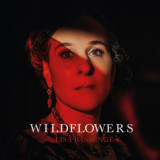
Lisa Bassenge ist zurück, und sie hat Blumen mitgebracht. Mit "Wildflowers" vollendet sie ihre Trio-Trilogie, wieder mit Jacob Karlzon am Klavier und Andreas Lang am Bass - wie schon bei "Borrowed and Blue" (2018) und "Mothers" (2020).
Elf Songs sind es diesmal, scheinbar querbeet und doch aus einem Guss. Von Dolly Parton bis Depeche Mode reicht die Bandbreite auf "Wildflowers", von Bob Dylan bis Death Cab for Cutie. Dazu Lisa Bassenges hintergründig-melancholische Eigenkomposition "Morning Song". Ein bunter Strauß, aber so wie die drei ihn arrangieren und darbieten, wirken die einzelnen Stücke nicht zusammengewürfelt, sondern wie Kapitel einer Erzählung. Jedes schillert für sich, doch das Ganze ist mehr als die Summe seiner Teile.
Das gilt auch für das Trio selbst. Die beiden Musiker - Jacob Karlzon aus Schweden und Andreas Lang aus Dänemark - betten Lisa Bassenges unverwechselbare Stimme in einen warmen, im besten Sinn skandinavischen Sound: entspannt, aber stets verbindlich; sehr spielfreudig, aber nie aufdringlich. "Dieser Sound hat uns gefunden", sagt Lisa Bassenge. Und auf "Wildflowers" haben die drei ihn zur Vollendung gebracht. Jeder Takt des Albums bezeugt die unglaubliche Chemie zwischen der Sängerin und den Musikern.
Was die Songs außerdem verbindet, ist die Qualität der Lyrics. Es sind poetische Texte von existentieller Tiefe, und in Lisa Bassenges eindringlicher Interpretation und glasklarer Phrasierung werden sie zum berauschenden Kopfkino.
Ist das nun Jazz, Pop oder Chanson? Mit "Wildflowers" zeigt das Lisa Bassenge Trio einmal mehr souverän, wie fließend die Grenzen zwischen vermeintlich ganz unterschiedlichen Genres sind. Diese Musik braucht keine Schublade. Es geht ihr um die Schönheit und Wahrheit der Songs.
Könnt ihr euch noch daran erinnern, wie es euch weggeblasen hat, als ihr das erste Mal Metal gehört habt?
"Fight Or Fall" ist eine konsequente Rückkehr zu schnellem und druckvollem Heavy Metal mit schrillen Vocals, knackigen Gitarren und Hooks, die dich daran erinnern lassen, wie gutes Songwriting klingen muss.
Dies Album ist kein fröhlicher Spaziergang durch einen Wald voller Elfen - es ist das Schlachtfeld, auf dem Metal lebendig ist, und die mitreißenden Vocals beschwören die Geister, die den Metal zu der Macht gemacht haben, die er heute ist!
Könnt ihr euch noch daran erinnern, wie es euch weggeblasen hat, als ihr das erste Mal Metal gehört habt?
"Fight Or Fall" ist eine konsequente Rückkehr zu schnellem und druckvollem Heavy Metal mit schrillen Vocals, knackigen Gitarren und Hooks, die dich daran erinnern lassen, wie gutes Songwriting klingen muss.
Dies Album ist kein fröhlicher Spaziergang durch einen Wald voller Elfen - es ist das Schlachtfeld, auf dem Metal lebendig ist, und die mitreißenden Vocals beschwören die Geister, die den Metal zu der Macht gemacht haben, die er heute ist!
David Horridge's unreleased bedroom studio tape material (1982).
Shortly after releasing the inimitable Light Patterns, David Horridge recorded a handful of demos. These sole artifacts from Dave capture the same Mancunian melancholy presented on
Light Patterns, and offer an insight into David’s contributing piece of the puzzle. It comes as no surprise that every track laid to tape from that era is an absolute gem.
David’s playing comes in the form of well-timed melodies and carefully placed basslines.
Nothing forced or rushed, and each movement really sits with a mood. Journey Within is an even more sedated, mellow effort than Light Patterns. The songs were perhaps even sketches for a
follow up that never manifested. The album’s greatest strength is in setting a peaceful, pastoral mood that allows for a relaxed listen all the way through. Hypnotic stuff.
The only deviation is the final song, One Note Bossa, which came as a surprise with its use of a drum machine. A feature that demonstrates what might have been were David have continued to
experiment and release albums...
RIYL: Durutti Column, Woo, Pat Metheny, and Steve Hiett.
First Ever Vinyl Reissue (released in collaboration with the Numero Group)
180g BLACK vinyl limited to 500 copies (w/obi strip). Non-Returnable.
Little is known about the mythical band ‘Heart-Soul & Inspiration’ and their band leader, L.A. drummer and producer Vince Howard…The crooning Howard got his start in 1957 on Herb Newman’s Era label where he released a bunch of excellent Doo Wop, Funk & Soul singles. Over the ensuing decade Howard slowly began piecing together his “Orchestra” consisting of bassist Jimmy Soul, guitarist Ron Carr, and pianist John True.
Howard’s Heart-Soul & Inspiration Orchestra cut their self-titled (and only) album in 1974 for John Spriggs’ Los Angeles-based Viscojon concern under the watchful eye of R&B godfather Johnny Otis.
The result was the birth of an astonishing piece of art filled with playful sexy moans, climaxing grooves and soulful hooks. One of the many highlights on the album (and clocking in at an epic eleven minutes), Vince Howard’s “I’m Gonna Love You More” is a tantric reimagining of Barry White’s 1973 sexually charged classic. Where White was content delivering a subtle and syrupy innuendo, Howard transformed the break-heavy track into a meandering funk workout.
Sadly, after their Barry White/Isaac Hayes facsimile LP failed to gain traction, the group released their final recordings—“Funk on Down” b/w “Fallen Angel”—for Viscojon in 1975 which became a hit among prominent DJ’s in the nightclub circuit. This ushered in the end for Howard’s Heart-Soul & Inspiration project.
Heart-Soul & Inspiration was a true example of a bright light burning out way too quickly. Thankfully we are left with the unique (and very rare) document that is their self-titled album. Almost impossible to get ahold of…a well-deserved reissue has been long overdue. This is an album that deserves a prominent place in every serious Funk & Soul enthusiast’s record collection!
The tenth volume of Numero's elaborately packaged Cabinet of Curiosities series, L80s finds the group exploring the far-flung corners of the global downtempo underground. This 12-song mix tape weaves icy hot coldwave, Sausalito seafood jazz, Glaswegian goth, makeshift Madonna, Sade spoofs, and Brat Pack balearic into a high-waisted, party-ready pair of danceable denim.
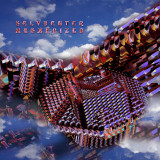
Going past musical genres and instead straight towards something more elemental - Selvhenter’s music creates a strikingly direct, physical experience of sound composed of polyrhythms, acoustic and electric melodies, heavy music and improvised beauty.
Since forming in Copenhagen in 2010, drummers Jaleh Negari and Anja Jacobsen, saxophonist Sonja LaBianca and trombonist Maria Bertel have forged a unique approach to making music that starts with their instrumental setup: two drummers that interlock as frequently as they go their own way, a trombone put through a bass amplifier loud enough to rattle your chest and a saxophone put through a range of effects so that it often sounds unrecognisable. Selvhenter work within their own idiom, drawing from the individual players’ personalities and interests to make a highly collective music, where all four musicians are absorbed into a total sound where an improvised free jazz approach collides with experimental electronic music and avant-garde noise/post-punk sonorities.
Their new LP Mesmerizer - which marks their first physical album release in nearly a decade and their debut on the French label Hands in the Dark - carries forward this process of exploration, deploying original and complex patterns of rhythm through various percussive instruments and finely textured horns and synths. The attention to sonic details is also almost pushed to an extreme on this new offering, making the open auditory adventure suggested by the title of the album all the more captivating. These creative developments have brilliantly kept Selvhenter’s music alive to new uncharted moods and possibilities, while at the same time strengthening their core elements: a propulsive, dense and often ecstatic music.
Verbz & Mr Slipz have been jumping on the train (52m, 0 changes) between Croydon and Brighton to reconnect on ‘Where It Started’; a 10-track EP that does everything (and more) you have come to expect from the duo.
Shimmering with nostalgia, but with one eye firmly on the next motive, ‘Where It Started’ offers a front row seat to the trials and tribulations of Verbz & co. doing what they did (and still do) to thrive and survive on the streets of Croydon, expertly scored by the meditative swing of Slipz’ 100% sample-free production.
Think classic hip hop aesthetics, beautifully reincarnated; chunky MPC drums, deeply personal multi-syllables, tales of loss, heartache, learning the hard way but coming back stronger. 5 x vocals and 5 x Instrumentals, Where It Started’ is a 50/50 deep dive into the hearts and minds of Verbz & Mr Slipz; perfectly poised as a duo, the EP is an unmissable trip down memory lane.
Globally renowned for his wealth of intricate productions and an expansive musical catalogue that strikes the perfect balance between power and grace, award-winning producer Rodriguez Jr. now announces his latest full-length studio album project, Feathers & Bones - set for worldwide release via his newly launched imprint of the same name.
An extensive, ten-track opus that dives deep into the Frenchman's complex sonic identity, Feathers & Bones was recorded over the course of two years, conceptualized while living in Paris and completed from his new home, Miami. Pivoting towards a new chapter in his illustrious career, the album houses a collection of new Rodriguez Jr. solo productions, two singles with Cuban-American singer, songwriter and multi-instrumentalist Liset Alea, his collaboration with multifaceted Italian artist Giorgia Angiuli, as well as an eagerly-anticipated debut collaboration with legendary English hip hop / electronica outfit, Stereo MC's.
out of Stock
Last delivered 59 days ago available to reorder, subject to availability
Fresh off the critically acclaimed “Capichone EP” on Peach Discs, Nachtbraker takes us on a blazing journey! The tight drum patterns, vigorous and heartwarming pads, bolstered with his signature bass lines, will have you reminiscing on 90’s Dutch House Music.
In the driver’s seat, anthemic title track “Dondoni” gears up with a vivacious synth pad and galvanic bass line whilst, in the passenger seat, “Barkuchi Fus" goes full throttle on multi-layered melodies and pads. In the back seat we find the original mix of “Don’t Worry” with a cleverly alternating arrangement and intricate sound design.
Rounding out the package, you’ll find Treviso (IT) based Slow Life affiliate Paolo Mosca flips “Don’t Worry” into an epic feast of arpeggios and melodies on some nifty and steadfast drum
out of Stock
Last delivered 22 months ago available to reorder, subject to availability
Producer Endemic Emerald has provided top-notch beats for
many in the rap game over the years - notable names such as
various members of the Boot Camp & Wu Tang camps,
Tragedy Khadafi, Ill Bill, and Planet Asia. On ‘Renegade
Soul’ he digs deep into his sounds to bring us his 1st
instrumental album. The set features an array of soulful
soundscapes, accompanied by a gritty undertone. The album
moves through different moods, utilising a range of jazzy
pianos, intense strings, and heavy basslines. Accompanied by
soulful voices throughout a real edge is provided and makes
‘Renegade soul’ guaranteed head-nod material. The album
will be available on 12” Vinyl, Cassette & CD on June 30th.
Produced by Endemic Emerald who has
worked with members of Wu Tang, Boot Camp
Clik, Roc Marciano, Ill Bill, Planet Asia,
Skyzoo
Images Of Goo is what Munich sound bricolageurs Leo Hopfinger aka LeRoy (head of Das Hobos, H, Spiritual Emojis and others) and Cico Beck aka Joasihno (active member of The Notwist, Aloa Input, Spirit Fest and others) call their first musical dialogue in album format.
It is equally a dialogue with the elements of their sonic repertoire of echo variations and sonic shadows from the percussive instrument box. In their sum, a Wunderkammer of a panaudic, which can be approached and departed in six tracks per side.
There we pass a fuzzy factory flow music of sound tiles and find ourselves in the next station in a game of pot banging and gong shower with firecrackers and other sound explosions. Tinpan tinkertoy and sparkler warehouse become an offbeat downbeat of sound loops, and already we imagine ourselves amid the hammering and pounding of a magic sound forge at the center of the earth, which may be the center of a distant galaxy.
On side two, we enter a dripstone cave boogaloo ("Let's start tripping") and it drips candle wax from a vocoder space-age melody, emoting and coagulating into a Morse-coding cumbia chant. Wax music this is - music that grows out of itself, even if by the means of tape and collage.
At the end there is a music snake, which, having become snake music itself, disappears in front of our ears with a swing. And maybe this is the beginning ...
Byard Lancaster was a composer/multi-instrumentalist born in Philadelphia in 1942. He started playing alto saxophone at an early age and later took up flute and bass clarinet. While attending Berklee College of Music, Lancaster and pianist Dave Burrell organized late-night jam sessions with fellow students and touring musicians. In 1965, he moved to New York and quickly became part of the city's burgeoning scene – playing with jazz luminaries such as Archie Shepp, Sunny Murray, Bill Dixon and Marzette Watts.
It's Not Up To Us, Lancaster's 1968 debut as a leader, was originally released on Vortex, a subsidiary of Atlantic responsible for first albums by Chick Corea, Keith Jarrett and Sonny Sharrock. Featuring guitarist Sharrock (another Berklee alum), It's Not Up To Us is true fire music – fusing elements of free jazz, soul/R&B and traditional folk song.
On the opening title track, Lancaster's luminous flute draws the listener in, while bassist Jerome Hunter grounds the tune with a simple descending theme over Keno Speller and Eric Gravatt's syncopated rhythms. "John's Children," a reference to the group's status as post-Coltrane players, showcases the modal strumming of Sharrock's steady drones as Lancaster cries into the void. After repeated listens, Lancaster's original compositions become visceral aural memories ingrained in the ear, while the standards ("Misty" and "Over The Rainbow") sound the most avant-garde pieces on the album.
This first-time vinyl reissue is recommended for fans of Albert Ayler, Don Cherry and Pharoah Sanders.
Little Beat More, Do It Youssef, Not a Pub & Un Rêve Nu labels are glad to introduce ÈCH's latest work, a stunning display of musical mastery that will capture your heart and soul.
Led by Heddy Boubaker, the Toulouse-based band has created a sound that defies categorization, blending elements of free jazz and psychedelic afro-latin rhythm, and more to create a truly unique musical experience which they self described as "post-pfunk-afro-voodoo-weird-free-rock".
With 'Au nombre de joie' and 'Le bonheur des uns fait le malheur des autres', the ÈCH make up two little gems of music that take us back to a time when every note, every instrument was carefully thought out, down to the last detail, a time when music was made simply right.
The EP's artwork, created by painter, trumpeter and percussionist Walkind Rodriguez, represents with colors and shapes blending together to create oneiric flames, archetypal symbol of the band's soul, whose name is derived from a Hebrew word meaning 'fire'.
If you love music done with care, of musicians who pour their hearts and souls into every note, then you won't want to miss out on ÈCH's latest release. So sit back, close your eyes, and let the sound wash over you.
out of Stock
Last delivered 3 years ago available to reorder, subject to availability
Shamanic call from the ethereal field where all shapes fluidly come to one. Inspired by the multilevel constant dynamics of slowed down and pushing forward energies of one frequency.
“Diamond Director” with clear edges and smooth surfaces turns slowly glittering like the transparent stone under the sun or the spots in the club.
“Ruby Director” is steady colored going deep into a simpler way of movement without losing its pressure of serious laziness.
“Shayde's remix” means the state of trance after the glitter of the turning diamond occupying the personal view with little sparkles.
“Dan Bay's remix” is the consequence of the deep slowed down original bringing the slow pressure back to faster laziness again.
“Le Rubrique's remix” as a fusion of the two originals shows how different similarity can be and rolls up everything in a new way.
out of Stock
Last delivered 3 years ago available to reorder, subject to availability