Blackploid has become one of Central Processing Unit's stalwarts in the past couple of years. Martin Matiske's project contributed a trio of EPs to the Sheffield label across 2021 and 2022, with each of them showing off the kind of electro chops and production sensibilities that made Blackploid an ideal fit for an imprint which also boasts the likes of Cygnus, Silicon Scally and Bochum Welt among its catalogue.
Now, for CPU's first release of 2023, Matiske levels things up with the debut Blackploid LPEnter Universe. Across these twelve tracks, Matiske leaves us in no doubt that he's a prime mover in the world of modern electronic music.Enter Universedoes not let up from start to finish, delivering a dozen pieces of leftfield electro that draws from the sound's greats while also showcasing an unpredictability and flair that is all of Blackploid's own.
The tone is set from the first frosty chords of opening cut 'Pulsation'. The track traverses the starscape on pitter-patter drums and chirruping synths, a lively and slightly dystopian roller with an adventurous undercurrent reminiscent of classic Rephlex drops. It's a style which Blackploid often draws for throughout the rest ofEnter Universe, albeit with elements added or subtracted at each stage.
Indeed, this album features some of the most unusual production you will hear on any record this year. While the grooves pulse away in a manner reminiscent of Drexciya or Legowelt, Blackploid layers the mixes with a whole cornucopia of synth tones. 'The Mission' boasts a bleep-bloop breakdown that sounds like malfunctioning rotary telephones; 'Silent Room' is a ghoulish jam which harks back to Warp's legendary Artificial Intelligence compilations; 'Automatik' and 'Wormhole' are defined by some brilliantly strange low-ends - you'll be thinking of Mr. Oizo's 'Flat Beat' with the wiggly former, while the gurgling, writhing anti-lead that dictates 'Wormhole' is oddly thrilling and more than befits the track's title.
This inventive approach is also apparent in some of the structural choices onEnter Universe. While the tracks here all keep a steady, dancefloor friendly pulse, several of them surprise you by switching up the approach after a minute or two. 'Pulsation', 'Automatik' and 'The Mission' all feature moments where a new element - extra hi-hats, a synth line entering from leftfield - inject fresh impetus into the tune to keep the listener on their toes.
Blackploid may push the sonic envelope onEnter Universe, but this does not mean there is no room for melody. In particular, the cuts here which most strongly channel 'Computer World'-era Kraftwerk do so by fronting some slyly tuneful work, particularly in the low end of the mix. 'Unidentified' serves up delightfully springy chords, 'Cell Mutation' leads from the bassline, and 'Space Curve' features little cells of melody and counter-melody working together to closeEnter Universeout on a high.
Blackploid's debut LP Enter Universe marries Drexciyan electro and Warp-school electronica with some brilliantly inventive production choices.
Search:it s thinking
- A1: Atomic Plant 1 (3:13)
- A2: Atomic Plant 2 (3:16)
- A3: Atomic Plant 3 (1:02)
- A4: Fusion Point 1 (2:45)
- A5: Fusion Point 2 (1:34)
- A6: Fusion Point 3 (1:00)
- A7: Nuclear Radiation 1 (2:46)
- A8: Nuclear Radiation 2 (2:30)
- A9: Nuclear Radiation 3 (1:06)
- B1: Regulators 1 (3:30)
- B2: Regulators 2 (1:54)
- B3: Data Load (2:11)
- B4: Modem (1:07)
- B5: Robot Masters (4:26)
- B6: Digiheart 1 (3:21)
- B7: Digiheart 2 (2:01)
Heads have been after Otakar Olšaník and Jan Martiš's Advanced Process for a long time. That's because "coincidentally-cosmic disco" packed with spaced-out, smacky-synth dynamite tends to become sought-after. Originally slipping out on the mighty Coloursound in 1986, the label described the sound as "contemporary synthesizer underscores played by computers; depicting future technologies in today's process." If they'd just added "acid-drenched", they'd have been closer to nailing it.
The A-Side is totally beatless. It's also totally perfect. "Atomic Plant 1" is a pulsing synth epic and could've easily soundtracked a stylish 80s thriller such as Thief or To Live And Die In LA. It's a narcotically enhanced meeting between John Carpenter and Steve "Lovelock" Moore. "Atomic Plant 2" adds extra squelch and proper early computer synth squiggles. This stuff is addictive and truly ace. The 3 part "Fusion Point" showcases a dramatic and insistent industrial mood via a gripping sequencer pattern mixed with effects and accents. Menacing and magnificent. The trio of "Nuclear Radiation" tracks veer majestically from a hypnotic sequencer pattern with a heavy dramatic tune to hectic patterns without much of a tune, managing nevertheless to maintain a hold on the listener.
The drums enter proceedings on Side B and they're absolutely outstanding. Coming on like a slicker, heavier Johnny Jewel production, 20 years before Italians Do It Better, "Regulators 1" marries the smoothest head-nod beat you can wish for, with a murky mechanical rhythm and phasing effects. After the stunning beatless version ("Regulators 2") the suuuupppper slo-mo "Data Load" sounds like its wading through the heaviest K-Hole and is all the more thrilling for it. "Modem" is a brief and breezy funky bass and synth squiggle wonder, of the beatless variety. "Robot Masters", would you believe, actually sounds like something those Daft Parisians would've sampled on Discovery, over 15 years later. An uptempo, optimistic track with a real strut; propulsive rhythms with dramatic synths, what can only be described as "very-80s sounds" and digi-handclaps. The breathless "Digiheart" double bill rounds things out, one with a dynamic driving rhythm and more slick-as-hell beats and the other without drums. Mental, brilliant and completely essential.
As David Hollander, in Unusual Sounds: The Hidden History of Library Music, states, Coloursound was "founded in 1979 by composer, music lawyer, and vibraphonist Gunter Greffenius. A Munich-based library with a reputation for releasing innovative and ambitious music, it catered largely to the market for experimental sounds, its first release was 1980’s Biomechanoid, an abstract synthesizer excursion by Joel Vandroogenbroeck, of the pioneering kosmische band Brainticket. The record — complete with imposing, anonymous title and unearthly H.R. Giger cover art — set the tone for the label’s progressive leanings. The label’s catalogue stands as a tribute to the unfettered creative license that libraries were able to provide to forward-thinking musicians who, frustrated by the whims and constraints of the commercial scene, found complete freedom in the world of production music."
As with all our library music re-issues, the audio for Advanced Process comes from the original analogue tapes and has been remastered for vinyl by Be With regular Simon Francis. Richard Robinson has brought the original Coloursound sleeve back to life in all its metallic silver glory.
- A1: Branislave Zivkovic - Morning Light (2:30)
- A2: B Zivkovic - Sundown (2:44)
- A3: B Zivkovic - Pastoral Walk 1 (0:45)
- A4: B Zivkovic - Pastoral Walk 2 (1:31)
- A5: B Zivkovic - Pastoral Walk 3 (2:11)
- A6: B Zivkovic - In The Garden 1 (1:25)
- A7: B Zivkovic - In The Garden 2 (1:35)
- A8: B Zivkovic - Soft Thoughts 1 (0:47)
- A9: B Zivkovic - Soft Thoughts 2 (0:36)
- A10: B Zivkovic - Soft Thoughts 3 (0:43)
- A11: B Zivkovic - Soft Thoughts 4 (0:38)
- A12: Andre Tschaskowski - Grief (1:20)
- A13: A Tschaskowski - Personal Mood 1 (1:45)
- A14: A Tschaskowski - Personal Mood 2 (1:10)
- B1: A Tschaskowski - Woodland Mood (1:40)
- B2: A Tschaskowski - Reminiscence (3:20)
- B3: A Tschaskowski - Sentimental View 1 (1:30)
- B4: A Tschaskowski - Sentimental View 2 (1:47)
- B5: A Tschaskowski - Sentimental View 3 (1:10)
- B6: A Tschaskowski - Sentimental View 4 (0:40)
- B7: A Tschaskowski - Moonset 1 (4:46)
- B8: A Tschaskowski - Moonset 2 (1:43)
- B9: A Tschaskowski - Emotional Tension 1 (0:33)
- B10: A Tschaskowski - Emotional Tension 2 (0:56)
Emotionally, crafted by Brainislave Zivkovic and Andre Tschaskowski in 1986 for Coloursound, is arguably the most beautiful library album ever produced. A start-to-finish masterpiece of powerfully melodic music for reflection and introspection. It is, indeed, deeply emotional.
Branislave Zivkovic handles the majority of Side A. Opener "Morning Light" evokes exactly that feeling, with a gorgeous and plaintive acoustic guitar solo combining with alto flute to stunning effect. Its immediate counterpoint, "Sundown", in no less arresting but brings with it an after-dark drama of almost Lynchian proportions, again drawing upon guitar and flute but with a slightly more melancholic, even sinister edge, also calling to mind Ry Cooder's score for Paris, Texas. It truly captivates when the strings arrive. Remarkable.
The reflective cello solo with swelling strings at the heart of "Pastoral Walk 1" ensure this track is aptly titled, with parts 2 and 3 adding more agitation - via keys and percussive elements - to great effect. "In The Garden 1" presents an elegiac cello solo whilst its second part elevates the romance. The four-part "Soft Thoughts" suite invites further introspection via reflective alto flute and guitar. Fans of The Durutti Column will need to seek this.
Andre Tschaskowski enters proceedings with three tracks at the end of the Side A. All of them aces in the pack. "Grief", whilst sorrowful, uplifts in its second half through beautiful keys. Equally hopeful are the two-part "Personal Mood" sketches, both dreamy exercises in optimistic ambience.
Tschaskowski controls the entirety of Side B. "Woodland Mood", with its pastoral flute and cor anglais and "Reminiscence", with its classical, emotional strings, both beguile. The piano and strings-heavy "Sentimental View" suite is one of the most beautiful, atmospheric things you will ever hear, particularly its second part. "Moonset 1" with it's wonderful Joe Pass-esque guitar is tense yet easy, the beauty elevated further with the introduction of strings and horns. The more restrained "Moonset 2" is pared back to its divine, sweeping essence and should surely have been sampled by now. To close out an album of almost impossible refinement, the brief 2-part "Emotional Tension" salvo brings both increased stress before resolving itself and the LP with a piano motif and atmosphere of serenity. Blessed relief.
As David Hollander, in Unusual Sounds: The Hidden History of Library Music, states, Coloursound was "founded in 1979 by composer, music lawyer, and vibraphonist Gunter Greffenius. A Munich-based library with a reputation for releasing innovative and ambitious music, it catered largely to the market for experimental sounds, its first release was 1980’s Biomechanoid, an abstract synthesizer excursion by Joel Vandroogenbroeck, of the pioneering kosmische band Brainticket. The record — complete with imposing, anonymous title and unearthly H.R. Giger cover art — set the tone for the label’s progressive leanings. The label’s catalogue stands as a tribute to the unfettered creative license that libraries were able to provide to forward-thinking musicians who, frustrated by the whims and constraints of the commercial scene, found complete freedom in the world of production music."
As with all our library music re-issues, the audio for Emotionally comes from the original analogue tapes and has been remastered for vinyl by Be With regular Simon Francis. Richard Robinson has brought the original Coloursound sleeve back to life in all its metallic silver glory.
Welcome to another fine episode of SIRS aka »Sounds in real Stereo«! After last years' arrival on LARJ with his »Arrived EP«, Berlin based versatile DJ & producer Daniel Klein is back with »Travel To HDF.Y3D« - an utopian (or more likely dystopian) ode to space travel:
The last few remaining humans are traveling with 140bpm to the most distant galaxy in the universe on a mission to seek out a new space for mankind to live after many years of exploiting good old Mother Earth. What sounds like a horror scenario if you start thinking about it, SIRS manages to wrap up in quite a positive musical message. Thus »Travel To HDF.Y3D« becomes that hopeful uplifting slightly dreamy tune we all need these days - not unlike Christian Bruhn's theme of a certain Captain called Future back in 1980 …
It's also nice to have two more versions of such a strong tune at hand: The first one is a true first one for »Cocktail D'Amore« DJ BUDINO as she comes up with her first remix and production work ever. Budino's approach is a slightly darker, maybe indeed more dystopian one. The synthesizer bass lines dominate her remix and by getting rid of the original's playful melody she creates a very special melancholic feel.
Leipzig based PANTHERA KRAUSE's take isn't quite that different from Budino's as he too focuses on the darker vibes of this journey in space. It's his added extra dose of punch that surely will keep dancers on the floor for sure.
The former »Space Ibiza« resident SIRS now takes over the controls again with »Summer Desire« which too is destined to rule dancefloors not only in Ibiza but all over the world with its lovely airy vibe.
»Travel To HDF.Y3D« returns for one last time in form of the spoken word prolog - a nice extra tool to play with.
- A1: Andrzej Marko - Dhamma (3:33)
- A2: Andre Mikola - Circulation (3:30)
- A3: Andrzej Marko - Magic Scenery (5:12)
- A4: Andre Mikola - Longing For Tomorrow (3:35)
- A5: Andre Mikola - Nocturnal Flowers (3:39)
- B1: Andre Mikola - Fly Me To The Sun (3:46)
- B2: Andre Mikola - Birth Of A Butterfly (3:44)
- B3: Andre Mikola - Riding On A Sunbeam (3:52)
- B4: Andre Mikola - Osmosis (4:33)
- B5: Andre Mikola - Solar Heating (3:36)
Fly Me To The Sun is a breathtaking German library gem from the hallowed Coloursound label. Originally out in 1983 it features two Polish composers, Andrzej Marko and André Mikola. If outré synth-funk is your thing, you need this record.
Almost blindingly luminous with positive vibes and radiant optimism, Fly Me to the Sun is a collection of funky, sun-dappled compositions for synthesizer and live instruments like drums, bass and guitar. A dope blend of beatbox driven future jazz and electro pop.
The wonderfully sleaze-adjacent opener "Dhamma" includes some grandiose piano chords amid floating ambient sounds a la Steve Hillage with slick drums entering the fray at a languid pace. "Circulation" sounds like Bowie ran into Chaz Jankel during an extended stay in Los Angeles, the Thin White Duke emerging out of a studio at 6am, bleary-eyed and clutching this filthy, bleepy instrumental of sonic smut. "Magic Scenery" is as delicate and astounding as the title suggests, a deep ambient movement conjuring halcyon images of rolling fields with abundant fauna and flora; acid-tinged visions of intense colour and natural beauty. Cool, slo-mo breaks adorn the strutting melancholy of “Longing for Tomorrow” and “Nocturnal Flowers” to close out Side A.
Skip the title track, which opens up Side B, and head straight to “Birth of a Butterfly” for a slice of creeping digi-dub-soul niceness. This should've been front and centre of that Personal Space compilation a decade ago. Raising both the tempo and the temperature, “Riding on a Sunbeam” continues in the mesmerising cosmic funk style before "Osmosis", one of the clear stand-outs, presents a fine vintage synth solo over a mellow funky rubberband beat. The closing track, "Solar Heating", warms things up with slapped bass and bold drum machine beats and the synth lends Sci-Fi vibes to the dark dub-funk-reggae rhythm.
As David Hollander, in Unusual Sounds: The Hidden History of Library Music, states, Coloursound was "founded in 1979 by composer, music lawyer, and vibraphonist Gunter Greffenius. A Munich-based library with a reputation for releasing innovative and ambitious music, it catered largely to the market for experimental sounds, its first release was 1980’s Biomechanoid, an abstract synthesizer excursion by Joel Vandroogenbroeck, of the pioneering kosmische band Brainticket. The record — complete with imposing, anonymous title and unearthly H.R. Giger cover art — set the tone for the label’s progressive leanings. The label’s catalogue stands as a tribute to the unfettered creative license that libraries were able to provide to forward-thinking musicians who, frustrated by the whims and constraints of the commercial scene, found complete freedom in the world of production music."
As with all our library music re-issues, the audio for Fly Me To The Sun comes from the original analogue tapes and has been remastered for vinyl by Be With regular Simon Francis. Richard Robinson has brought the original Coloursound sleeve back to life in all its metallic silver glory.
Local Talk are proud to present a live recording with Soulphiction & Netzer from 2018, recorded live just a month before the official release of 'Bizzness' the first of several releases Soulphiction and Local Talk released together.
Bizzness is by many considered a classic and had all the trade marks of a Soulphiction tune with its dusty soul and funk-infused house ingredients.
This live version really shows the vision and forward thinking of Michel Baumann using his Soulphiction moniker.
Also included on this release is a - as far as we know it - unreleased track called Dileila Emergency Dub.
A track built around a heady deep house theme that captures the sweaty, back-in-the-day feel we all love to hear in a track.
________________________________________
All tracks by Michel Baumann
Performed Live with 'Netzer' on 12.5.2018 at Jazzclub BIX / Stuttgart
Netzer are:
Oli Rubow - Drums & Live drum FX
Markus Bodenseh - Bass
Markus Birkle - Guitar
During this period Hassell was inspired by the increasingly innovative production techniques being used in hip-hop, in particular the hyper-collaged sampledelic barrage of the Bomb Squad’s work with Public Enemy, hearing it as a kind of extension of the tape splicing that Teo Macero brought to his work with Miles Davis.
He began to incorporate more of this aesthetic into his own music, playing over loops of his own performances and riffing on angular juxtapositions of noise, rhythm and melody.
The resulting sonic stew is a kind of futuristic sci-fi funk with an appropriately melted production aesthetic - instruments and samples jumping to the forefront then disappearing in the manner of the best dub records.
‘Psychogeography’ is a situationist re-thinking of the 1990 ‘City: Works Of Fiction’ album, a carefully edited sequence of alternate takes, demos and studio jams put together by Jon Hassell in 2014 using Debordian philosophy as his guide.
- A1: Sexy Ways (Recloose Disco Flip)
- A2: You Can't Miss What You Can't Measure (Alton Miller Mix)
- A3: Get Your Ass Off And Jam (Marcellus Pittman Remix)
- B1: Cosmic Slop (Moodyman Mix)
- B2: Music For My Mother (Andres Wo Ahh Ay Vocal Mix)
- B3: Super Stupid (Dirtbombs Version)
- C1: Music 4 My Mother (Underground Resistance Mix)
- C2: Undisco Kidd (Gay Marvine Edit)
- C3: Take Your Dead Ass Home (The Fantasy Version)
- D1: Let's Take It To The Stage (Amp Fiddler Laughin @Ya Mix)
- D2: Standing On The Verge (Anthony Shake Shakir & T Dancer Remix)
- D3: You And Your Folks (Claude Young Jr Club Mix)
- E1: Be My Beach (Mophono & Tom Thump)
- E2: You And Your Folks (Claude Young Jr Dub)
- E3: Let's Make It Last (Kenny Dixon Jr Edit)
- F1: Looking Back At You (Ectomorph Stripped And Dubbed)
- F2: Maggot Brain (Bmg Dub)
Funkadelic have created an enduring legacy, and the power of their impact is visceral in Detroit. Their records not only played with genre, but possessed a diabolical sense of humour that led to music domination by the late 70s with Parliament, Funkadelic, Parlet, Bootsy's Rubber Band and the Brides Of Funkenstein all releasing albums the same year for two years in a row.
The music itself is beyond stereotype, but equally huge is that they were a black band not allowing themselves to be limited by anyone else's notions of who they could be, having a massive impact on the next generation of Detroit music, Detroit Techno.
But more than just Techno, it is a freedom of thinking that extends beyond boxes, so we included all sorts of today's generation of Detroit musicians and producers to show the wide range of music that was Funkadelic and how these ideas are still contemporary, they endure and inspire.
- A1: Intro (Feat Father Guido Sarducci)
- A2: If It Wasn't For You (Feat De La Soul & Starchild Excalibur)
- A3: Are You Down With It (Feat Mike Patton)
- A4: The World's Gone Mad (Feat Del The Funky Homosapien, Barrington Levy & Alex Kapranos)
- B1: Breakdown (Feat Jack Johnson)
- B2: It's Like That (Feat Casual)
- B3: I Am Complete (Feat Tim Meadows)
- B4: I've Been Thinking (Feat Cat Power)
- B5: Dating Game (Feat Tim Meadows, Hines Buchanan & Introducing Neelam)
- C1: Rock & Roll (Could Never Hip Hop Like This) (Could Never Hip Hop Like This)
- C2: Knockers (Feat Tim Meadows)
- C3: The Hours
- C4: Class System (Feat Pharrell Williams & Julee Cruise)
- D1: First & Then (Feat Dres From Black Sheep)
- D2: A Day In The Life (Feat Rza, The Mars Volta & Ag)
- D3: Good Hygiene (Feat Tim Meadows)
- D4: Greatest Mistake (Feat John Oates & Jamie Cullum)
- D5: Dating Game (Feat Tim Meadows, Hines Buchanan & Neelam - Part 2)
Spanish producer Univac returns to 30D Records with his second outing on the leading Spanish techno imprint. This time he appears on the ExoPlanets sub, the more futuristic branch of the label. Univac follows this vision and delivers four excellent cuts of forward thinking electro on his MagnetFunk EP. It's an exciting pack reaching high energy levels from dark and dooming vocal chopped new-wave to razor sharp elektroid jams. An excellent collection of spacious and punchy electro goodness.
Repress!
Tarenah was one of only two singles pressed under the nom de plume of Psychedelic Research Lab - a collaboration between Scott Richmond and John Selway which began while the pair were attending music conservatory at SUNY Purchase College, in upstate New York. Scott produced the first version of the track for a modern dance performance in 1993. A mix of electronics and room full of live musicians, the session featured an afro-cuban percussionist, a Bangladeshi vocalist / tabla player, a classical flautist, and a reggae guitarist, with Scott on keys and engineering, and John on multiple TB-303s. The duo played the piece to a pal, who said, “Listening to your music is like being in a psychedelic research lab” and the moniker was born. DJ Jonathan Kadish, the chill out resident at pioneering NYC rave, NASA, championed the track and subsequently commissioned four remixes for his label, Gyroscopic Recordings.
The tune has been elevated to legendary status in certain circles - due to it being a firm favourite of “The Godfather Of Chill-out”, the late DJ Jose Padilla. Jose at this time had a penchant for “ambient breaks / breakbeats” - seminal stuff like the work of San Francisco's Hardkiss crew and other Bay Area artists. According to close friend Phil Mison, drawn to the Chill Mix, Jose Padilla played and played Tarenah at Ibiza`s Cafe del Mar. It was a daily constant in Jose`s sets for several seasons, and he eventually included the track on the second volume of his essential compilation series honouring said White Isle shrine - put together in the mid-90s for the label React. Sealing the tune`s fate and making Tarenah forever synonymous with Jose and the golden, halcyon, San Antonio, Cala Des Moro, sunsets he soundtracked.
The 3rd Floor Mix, named after the location of the SUNY Purchase studio, is tribally-tinged uplifting progressive house - taking its cues from the contemporary Dutch imprints, Fresh Fruit and Touche. John Selway’s Remix (titled “Spy’s Sub Mix” on the original pressing) strips the track back to a cool, more minimal, jack - heavily influenced by the “bleep” sound of Sheffield`s Warp Records. The Sleepwalker Mix is beatless. Tailored from twisting, intertwining, 303 drones.
Following Tarenah, Scott and John continued devoting their life to dance music. Scott went behind the scenes, founding - alongside Jonathan Kadish - the famous Satellite Records dance music record store chain. He also ran the house and trance labels, Central Park and Pitch Black. In recent years, Scott has worked in artist management, and within the global music festival scene, primarily with Vh1 Supersonic and Ticket Fairy India, which has taken him to Mumbai, Goa, and Pune. John has had an amazingly prolific electronic music career, building a vast, and varied catalogue of productions - both solo, and through collaboration. From Disintegrator and working on Deep Dish`s debut single, to Smith & Selway and The Rancho Relaxo Allstars. Along the way finding the time to run labels such as Serotonin and CSM. Currently John is teaching and mentoring the next generation of electronic music artists at 343 Labs music school, while still producing forward-thinking techno and electro.
This is the first time Tarenah has been reissued in full on vinyl, and Midnight Drive are very proud to present this sublime underground classic once more. Reissued in full conjunction with John Selway and Scott Richmond, remastered by Curvepusher, London and distributed worldwide by Above Board distribution 2022.
Mum No Hands’ - an assured four tracker that draws on Bristol bass, footwork, jungle and broken techno to create something fresh and upfront. A certified stalwart of the Bristol scene, Yushh (aka Jen Hartley) is already well on her way to becoming a household name. Over the last few years she has toured extensively across Europe’s festival and club circuits, landing sets at Freerotation Festival and HÖR along the way. Her label, Pressure Dome, is known internationally as a go-to outlet for various offshoots of forward-thinking, soundsystem-ready UK techno, with a roster that includes Sputnik One, Caldera, Ido Plumes and Cando. So far, she has only teased her production skills with a string of one-off drops and remixes, including features on Rhythm Section, Banoffee Pies and All Centre. On ‘Look Mum No Hands’ she finally lays out the blueprints for her unique, club-honed sound. The title track skips along at a nippy 160 bpm, driven by a slow/fast halfstepping beat and monster bassline that places it somewhere between DMZ and Teklife. ‘Same Same’ drops the tempo down to 130 bpm, with loungey keys and a skippy vocal chop offsetting a cavernous low-end. On the flip, ‘Close Fall’ squeezes darkside d’n’b sonics into a chugging 95 bpm beat template, while ‘Self Couscous’ takes an intricate, glitched approach to jungle/broken beat reminiscent of mid 00’s Planet Mu. Genre: Dance / Bass
- A1: Logic System - Unit
- A2: Kraftwerk - Computerwelt (2009 Remastered
- B1: Whodini - Magic's Wand
- B2: Rocker's Revenger - Walking On Sunshine (Feat Donnie Calvin
- C1: Klein & Mbo - Dirty Talk (European Connection
- D1: Liaisons Dangereuses - Los Niños Del Parque
- D2: Yello - Bostich
- E1: The The - Giant
- F1: The Residents - Kaw-Liga
- G1: Clan Of Xymox - Stranger
- G2: A Split - Second - Flesh
- H1: Severed Heads - Dead Eyes Opened
- H2: The Weathermen - Poison!
- I1: New Order - Blue Monday
- J1: Anne Clark - Our Darkness
- J2: 16 Bit - Where Are You?
- K1: Phuture - We Are Phuture
- K2: Model 500 - No Ufo's (Vocal
- L1: Frankie Knuckles Feat Jamie Principle - Your Love
- L2: Quest - Mind Games (Street Mix
- M1: Jasper Van't Hof - Pili Pili
- N1: Guem Et Zaka Percussion - Le Serpent
- N2: Hugh Masekela - Don't Go Lose It Baby
- O1: Sly & Robbie - Make 'Em Move
- Q1: The Ecstasy Club - Jesus Loves The Acid
- R1: Foremost Poets - Reason To Be Dismal?
- S1: Lhasa - The Attic
- S2: A Guy Called Gerald - Voodoo Ray
- T1: M/A/R/R/S - Pump Up The Volume - Usa 12" Mix
- T2: Bobby Konders - Nervous Acid
- U1: Meat Beat Manifesto - Helter Skelter
- V1: Raze - Break 4 Love
- W1: Sueño Latino With Manuel Goettsching Performing E2-E4 - Sueño Latino (Paradise Version
- X1: Off - Electrica Salsa
- O2: Brian Eno - David Byrne - Help Me Somebody
- P1: Primal Scream - Loaded (Andy Weatherall Mix
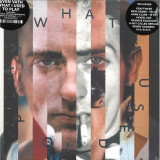
For this uniquely personal retrospective spread over twelve vinyl discs, Sven Väth takes us back to the early days of his DJ career. On What I Used To Play we meet great pioneers of electronic music, gifted percussionists, obscure wave bands, and innovative producers of a bygone 'new electronic' era. Rough beats and irresistible grooves from the identification stage of house, techno, and acid remind us not just how far electronic music has evolved over the past four decades, but how great it was to dance to EBM, techno, and house for the very first time.
If there is one protagonist of the electronic music scene who has remained curious, innovative and at the very cutting edge of music for over four decades, it's Sven Väth. His multi-layered artist albums and Sound of the Season mix compilations have been defining the genre for over two decades, and even today, he is constantly on the lookout for the next top tune to add to the highlights of his next set. At least, that's the case when he's not producing them himself as an artist or remixer. "Actually, it's always been part of my DNA to think ahead," and nothing had been further from his mind than looking back at his past, but when in spring of 2020 the international DJ circuit had to be scaled down to virtually zero, the 'restless traveler' suddenly had time. Time to stop and reflect on "how it actually was back then, at the very beginning of my career..."
"It was a great trip and with every track, beautiful memories came flooding back".
In the London apartment, he had just moved into, Sven has set up a "little music room", where he cocooned himself for several days, "to look way back for the first time and review my musical journey through the eighties, so to speak."
The interim result was six thematically oriented playlists with a grand total of 120 tracks from 'early 80s' to 'Balearic late 80s', together with excursions into afrobeat, European new wave, and EBM sounds and a few epochal techno/house tracks from the USA in between. From these 'Best of Sven Väth's favorites', the project What I Used To Play crystallized. Sven remembers how the Cocoon team reacted to his proposal: "They found the idea of making a compilation out of it MEGA from the beginning and everyone said 'Sven, go for it', but then, of course, the work really started, namely, to clear the rights and to get clean sounding masters of the up to 40-year-old tracks. There was also disappointment, of course. We couldn't clear certain titles because the rights holders in the USA had fallen out with each other or simply disappeared from the scene. In short, it wasn't easy, but now I can safely say we got the most important tracks."
Finally, after two years of research, curation, design, and administrative fine-tuning, the "little retrospective" from 1981 to 1990 is available. The exquisitely packaged, and three-kilo heavy box set is not only physically impressive, WIUTP is also the definitive record of Sven Väth's musical development. On each of the twenty-four sides of vinyl, you can trace track by track, what influenced him during which phase, and how he took off as a DJ from his parents' Queen's Pub straight into the spotlight at Dorian Gray. There and at Vogue (later OMEN), Sven became the style-defining player in the DJ booth that he still is today.
1981 - 1990: Future Sounds of Now
In the early eighties, the crowd in clubs like Vogue and Dorian Gray danced to what nowadays we call 'dance classics' - mainly disco, funk, soul, and chart pop. It was up to a new generation of DJs, including Sven Väth, the youngest protagonist in the Rhine-Main area at the time, to create their own club-ready music mix. Good new tracks and potential floor-fillers were rarities that had to be sought out and found, in order to prove oneself worthy.
Without MP3s, internet streaming, or other digital download possibilities, music didn't just gravitate to the DJ, instead, it had to be tracked down. In well-stocked record stores in Frankfurt and Wiesbaden or even in Amsterdam, London, or New York, Sven and friends sourced the material for countless magical nights. On WIUTP we can follow Sven's very personal journey through this wild, innovative era in which synth-pop, funk, hip-hop, and disco were successively replaced as 'club music' by house, techno, acid, and breakbeat. By the end of the decade, it was clear to see that these once exotic 'fringe' phenomena would soon become 'mass' phenomena.
Early 80s
Dirty Talk by the Italian-American duo Klein & M.B.O. represents the most innovative phase of the Italo-disco genre in the early eighties like no other track. Mario Boncaldo (I) and Tony Carrasco relied entirely on the original synthetic drum and percussion sounds of the Roland TR-808, coupled with the raunchy vocals of Rossana Casale and guitar accents of Davide Piatto. Of course, other tracks from this period were also influential in style, most notably Unit by Logic System, which worked as the perfect soundtrack to the laser lighting system at the legendary Dorian Gray club. With stomping beats and robotic rap interludes, Bostich by Yello also belongs on Sven's eternal playlist - after all, it caught the attention of Afrikaa Bambaataa, who invited the Swiss duo to perform at the Roxy in New York in 1983.
EBM Wave - Mid 80s
From today's point of view, the almost ten-minute-long, downtempo track Giant by Matt Johnson's band project The The, would probably not be considered an obvious club classic. However, a closer (re)listen reveals the rhythmic intricacies of the percussion overdubs by JG Thirlwell (aka Foetus) on Johnson's composition, and it becomes clear why this exceptional piece of music is one of Sven's absolute favorites. Other classics from this phase include Kaw-Liga by the mysterious The Residents, the hypnotic-synthetic Our Darkness by Anne Clark (and David Harrow), and last but not least, the somber, monotonous anthem Where Are You? by 16Bit, one of Sven Väth's projects together with Michael Münzing, Luca Anzilotti from 1986.
US House - Late 80s
You certainly can't talk about Chicago house without mentioning Frankie Knuckles. The resident DJ at the Warehouse not only gave the name to an entire genre, but also produced epochal floor fillers on the Trax label like the timeless Your Love, sung (and moaned) by Jamie Principle. Acid house protagonists Phuture also hail from Chicago, and on We Are Phuture (also released on Trax) we hear the chirping acid sounds of the legendary Roland TB-303 in full effect. Another featured classic is No UFO's by Detroit's Model 500 aka Juan Atkins, who is rightly considered the 'Godfather of Techno' even if the genre-defining track from 1985 still breathes with the spirit of hip-hop and electro from the first breakdance era.
Afrobeat
Le Serpent, by Algerian-born Abdelmadjid Guemguem, is a track that sounds completely different from everything else on WIUTP. Made in 1978, it's a monumental, rousing groove created without bass or synths, just with five congas! Even though Guem sadly passed away in 2021, his immortal, acoustic beats are understood all over the world and will continue to enrich many thousands of DJ sets for years to come. Another classic that not only Sven appreciates beyond measure is Hugh Masekela's Don't Go Lose it, Baby. In addition to being one of the most important jazz pioneers, the trumpeter and freedom fighter from Johannesburg was very experimental, integrating electronic sounds into his music in later years, in a similar vein to Miles Davis and Herbie Hancock. Dutch jazz pianist Jasper van't Hof's afrobeat project Pili Pili has also aged well. The trance-like, almost sixteen-minute-long track of the same name, manages to fill a whole side on the seventh of twelve vinyl discs in the WIUTP box.
UK-US-Euro - Late 80s
Time for a change of scene, in the truest sense of the word, and from a musical perspective, this section is like landing on another planet. First up is Andrew Weatherall's classic remix of Primal Scream's Loaded, featuring the iconic Peter Fonda sample (lifted from the 1966 biker film Wild Angels) that came to personify the mood triggered by the British Second Summer of Love in the late eighties: "We wanna be free to do what we wanna do, and we wanna get loaded...". This period also saw the emergence of M/A/R/R/S whose only single, 1987's Pump Up The Volume, became a club classic with support from DJ legend CJ Mackintosh. In this most eclectic of sections, we also encounter New York house and reggae producer Bobby Konders and his seminal Nervous Acid.
Balearic - Late 80s
Those who know him, know that Sven had already lost his heart to the 'magic island' of Ibiza as a teenager, so with that in mind, the WIUTP project couldn't end without a Balearic chapter. Inspired by Manuel Göttsching's E2-E4, the immortal, eponymously titled Sueño Latino belongs in there without question. Equally popular on the island was, and still is Break 4 Love by Raze, which thinking about it, would also fit perfectly into the house chapter. Last, but not least, there's an overdue reunion with Sven Väth himself, in his role as frontman of the successful Frankfurt trio OFF. Together with Michael Münzing and Luca Anzilotti (later of Snap!) this 'Organization For Fun' created the off-the-wall club hit Electric Salsa in 1986 which incidentally turned into an international chart smash, putting Sven in the enviable position of having to decide between pop stardom and a DJ career. Well, we all know how that decision turned out and the rest, as they say, is history. A not insignificant part of his story is What I Used To Play. Enjoy!
We are excited to welcome French avant-garde metal duo WuW to our ever-expanding roster of for- ward-thinking artists. Inspired by classical music, free jazz and drone the two classically trained brothers Benjamin and Guillaume Colin have been creating lo-f experimental post-doom epics in the vein of Year of No Light, Dirge and Omega Massif since 2016. "WuW is the sound wind makes when it blows on a hot night," explains the band, "It's a low-end murmur that grabs you by the guts, a blast of air rushing through the mountains and the oceans." Their upcoming third album Orchaostre is an anthem to a restless journey, a fve-part doom symphony that creates a shroud of oppressive atmospheres with only a pinch of light. With their third studio album, WuW deliver a veritable post-metal odyssey, one that takes you on a journey through rhythm and texture and that lets your soul wallow in a soft shell of desolation. The marching rhythm of «Orchaostre 1» and the swaying rhythm with the slow chugging patterns of «Orchaostre 2» take you along on this intric- ate journey, slowly numbing the senses in the throes of repetition. Nevertheless, for those who manage to keep their eyes peeled on this descend into forgetfulness, there is a world of beauty and a spark of hope to be found. The atmosphere is thick, the mood is heavy, and across the slow rifs and funerary drumbeats, the wailing e-bow guitars and myriad of synthesisers evoke kafkaesque at- mospheres as well as strange poignant textures that inspire desolation. Evoking the work of early electronic music innovators, notably during the climactic fnale of «Orchaostre 1» but also halfway through «Orchaostre 3» WuW breed a sense of pristine beauty, like unadulterated nature. In fact, the beauty of Orchaostre feels so un- spoilt, so devoid of any human infuence, it becomes alien, resulting in a harrowing ex- perience of the exquisite in the eye of a hot and hazy storm. FOR FANS OF Russian Circles, Year of No Light, Dirge, Omega Massif, Neurosis, Telepathy, Celeste, Tangled Thoughts of Leaving Limited (100 copies ww) Single Colour Orchaostre 4 (Pink Vinyl) Edition!
- A1: All The Way Around
- A2: Come Get To This
- A3: Let's Get It On
- A4: Ain't That Peculiar
- A5: You're A Wonderful One
- A6: Stubborn Kind Of Fellow
- A7: Pride & Joy
- A8: Little Darling (I Need You) (I Need You)
- A9: I Heard It Through The Grapevine
- A10: Hitch Hike
- A11: You
- A12: Too Busy Thinking About My Baby
- A13: How Sweet It Is (To Be Loved By You) (To Be Loved By You)
- B1: Inner City Blues (Make Me Wanna Holler) (Make Me Wanna Holler)
- B2: What's Going On
- B3: Save The Children
- B4: You're All I Need To Get By
- B5: Ain't Nothing Like The Real Thing
- B6: Heaven Must Have Sent You
- B7: It Takes Two
- B8: Ain't No Mountain High Enough
- B9: Distant Lover
Am 27. Januar 2023 veröffentlichen die Mercury Studios ”Greatest Hits Live in ’76”, eine Live-Performance
von Marvin Gaye, aufgenommen aus der Edenhalle in Amsterdam während seiner Europatournee 1976. Mit
23 Songs (die LP enthält aus Platzgründen nur 22 Songs) präsentiert dieses fantastische Set eine Fülle an
Material aus dem Verlauf seiner legendären Karriere, darunter ”I Heard It Through The Grapevine”, ”Let’s
Get It On”, ”Inner City Blues (Make Me Wanna Holler)” (alle 3 US #1 Hits), ”Ain’t No Mountain High
Enough” & viele mehr.
Marvin Gaye gilt als eine der ikonischsten Stimmen in der Musik. Er wurde 12-mal für den Grammy
nominiert, erhielt den Grammy Lifetime Achievement Award und wurde in die Rock and Roll Hall of Fame
und die Songwriters Hall of Fame aufgenommen, um nur einige der vielen Auszeichnungen zu nennen, die
seine Karriere kennzeichnen.
Diese Show wurde ursprünglich 2007 auf DVD veröffentlicht und ist nun zum ersten Mal auf CD und
LP erhältlich.
- A1: Adiel - Adihell
- A2: Ahmet Sisman & Vnnn - Inorganic Transformation
- B1: Ben Sims - Stone Cold
- B2: D Dan - Nightshade
- C1: James Ruskin - Hanging Wall
- C2: Julia Govor - Standing Alone
- D1: Kink - Pots And Pans
- D2: Lady Starlight - 1X1
- E1: Lokier - Surface
- E2: Luke Slater - Grooving In A Cave
- F1: Megan Leber - Luster
- F2: Out Of Place Artefacts - Staublunge
- G1: Perc - Metamorphic
- G2: Setaoc Mass - Survival
- H1: Sterac - Noise Mechanics
- H2: Tommy Four Seven - Quarz
box-set clear / vinyl / 180 gr
The Stone Techno Series returns with another exciting compilation. This time alongside a new festival that celebrates forward thinking artists from 9th to 10th of July at Europe's biggest coal mine complex under the UNESCO World Heritage Zollverein. The project is exceptional at its core, bringing back excitement and inventiveness to the genre.
The project functions as a multidisciplinary ever-evolving experiment that brings different aspects together. Sampling, creating and releasing music made out of million years old inorganic materials which shaped and defined the Ruhr Area like nothing else. "Auf Kohle geboren - born on coal" stands for this region and the so-called "German Wirtschaftswunder".
The Stone Techno project wants to embrace the history of "the Ruhrpott" while looking into the future as well. Techno Music stands for upheaval and modernity, while coal is the symbol of the Ruhr Area. This unique project will lend audibility to the ongoing process of transformation in the cultural and natural history of this region. Science and museums crossing paths with contemporary electronic music culture.
The Stone Techno project is not shy of its obvious significance. World-famous Ruhr Museum and The Third Room collective mark a first of its kind of long-lasting collaborations between a techno brand and a cultural institution.
This time the project is conceptually going one step further: Before the final backfilling of the mine at Zeche Zollverein, the acoustic atmos
- A1: Illusion (Part 2)
- A2: Two-Person Love
- A3: I Don't Know How It Works
- A4: Dead Meat
- A5: Sniveller
- B1: Duped
- B2: That's Fine
- B3: Round The Bend
- B4: Wretched Lie
Silver Vinyl[23,06 €]
London band’s debut album (after one 7” on Prefect, and a 7-inch EP on TiM/Prefect Records (UK)). Feat. current/former mbrs of Joanna Gruesome, Ex-Void, GN, Sniffany & The Nits. London group The Tubs return to Trouble In Mind with their hotly anticipated full-length album entitled “Dead Meat”. The band were formed in 2018 from the ashes of beloved UK post-punk band Joanna Gruesome by former members Owen 'O' Williams and George 'GN' Nicholls. By incorporating elements of post-punk, traditional British folk, and guitar jangle seasoned by nonchalant Cleaners From Venus-influenced pop hooks and contemporary antipodean indie bands (Twerps/Goon Sax, et al). “Dead Meat” is resplendent in hi-fidelity strum & thrum, incorporating fleeting elements of post-punk and indie jangle, but the group’s penchant for trad British folk & Canterbury folk-rock takes a noticeable, caffeinated step forward. Echoes of Fairport Convention’s decidedly English chime cross swords with singer Owen Williams’ lyrics directing Bryan Ferry’s “thinking man’s libertine” persona into a more dolorous outlook. Many songs (like “Round The Bend” and “Duped”) soar with an urgent strum under Williams’ acerbic lyrics, recalling a younger fiery Richard Thompson. They languish in an aching, bitter resignation (of both the situations described & the protagonist’s place in it), particularly near the album’s second half. Others like the previously released “I Don’t Know How It Works”, “Two Person Love” and “Illusion” (re-presented here as “Illusion Pt. II” and all rerecorded from their original 7-inch versions) up the urgency, implying that the journey for the person described in each tune is not over & may be even more desperate than before. The band has never been tighter & more dynamic, often imperceptibly ratcheting up the tension, an extra guitar strum overdubbed, a barely audible organ/synth cranking under a chorus or bridge, or unexpected backups from current Ex-Vöid (and ex-Joanna Gruesome) vocalist Lan McArdle. The Tubs are poised to take over your stereo - there’s no point in resisting
1982, Brussels: The former au pair for Rick Wakeman of Yes and two of her teenage friends are at the doorstep of Les Disques Du Crepuscule, ready to cut an album with Gilles Martin. Living on busking wages and next door to Tuxedomoon, their work results in a contemporary bossanova record that would provide a missing link between Antonio Carlos Jobim and Kraftwerk. Camino Del Sol was issued and promptly forgotten, with Isabelle Antena moving toward jazz in Asia and the others returning to France. Twenty years later, it was findable only as a VG+ LP with a sticker price of $4.99. Intrigued by the striking cover's sunlit patio furniture emptiness basking in the south of France, we scooped up Camino Del Sol and grouped the extant Antena recordings from that exceptional period by session. 2LP reissue of the original five-song mini-LP adds the group's first 12" (a cover of Jobim's "Girl From Ipanema," naturally), the Seaside Weekend 12", compilation tracks, and two previously unissued cuts, recasting this short-lived combo's forward-thinking milemarker as a modern-day masterstroke.
Soul Jazz Records are releasing Count Ossie and The Mystic Revelation’s seminal 1975 album Tales of Mozambique in an expanded double album/single CD/digital format, fully remastered and with the inclusion of two bonus rare single-only tracks, full sleevenotes, exclusive photographs and interview.
Count Ossie is the central character in the development of Rastafarian roots music, nowadays an almost mythical and iconic figure. His importance in bringing Rastafarian music to a populist audience is matched only by Bob Marley’s promotion of the faith internationally in the 1970s.
Count Ossie’s drummers performed on the first commercially released single to integrate Rastafarian traditional music with popular music: the vocal group The Folkes Brothers’ groundbreaking song ‘Oh Carolina’, recorded for producer Prince Buster in 1959. In 1966 his drummers greeted the momentous arrival of Haile Selassie at Kingston airport.
His legendary jam sessions up in his Rastafarian compound in the hills of Wareika, Kingston, are famous for the many Jamaican musicians who attended including The Skatalites players – Roland Alphonso, Don Drummond, Johnny Moore, Lloyd Knibbs – and many others.
The Mystic Revelation of Rastafari formed in Kingston, Jamaica, in 1970, a union of Count Ossie’s Rastafarian drummers – variously known as his African Drums, Wareikas or his Afro-Combo – and the saxophonist Cedric Im Brooks’ horns group, The Mystics.
The Mystic Revelation of Rastafari are the defining group in bringing authentic Rastafarian rhythms into the collective consciousness of popular music, their unique music is at once rooted in the deep traditions and rituals of traditional drumming and chanting alongside a forward-thinking, even avant-garde, artistry influenced by the likes of John Coltrane, Sun Ra, Pharoah Sanders and other pioneering African-American jazz artists radicalised and charged by the civil rights movement of the 1960s.
Tales of Mozambique is a truly unique and fascinating ground-breaking album.
Count Ossie and The Mystic Revelation of Rastafari are the central group featured on Soul Jazz Records recent "Rastafari - The Dreads Enter Babylon” a collection showing the influence of Rastafari in Reggae and Jamaican popular culture.
Soul Jazz Records will also be releasing Count Ossie and The Rasta Family 'Man From Higher Heights’ in the near future.
* Bonus tracks
REVIEWS
" All roads in Rastafarian roots music lead to Count Ossie.He’s the lead character in this compelling subplot, the musician who was one of the first to put Rasta tenets into the heart of popular music.
He did so from his camp in the hills above Kingston, Count Ossie and his drummers casting a spell on the musicians who gathered to check him out and then went on to spread the word about the powerful nyabinghi rhythms and mesmerising percussion.
This is a reissue of the 1975 album Count Ossie made with his Rastafarian drummers and saxaphonist Cedric ‘Im’ Brooks’s group The Mystics.
It’s a groundbreaking, majestic work, by turns righteous in tone and joyous in execution. It’s the sound of Ossie and his ensemble narrating a history lesson and you’d be daft not to want to find out more." IRISH TIMES