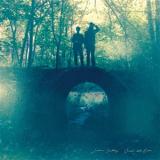
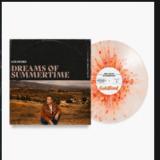
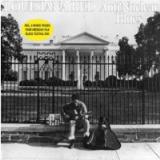
Over & Even was a breakout album for Joan Shelley. Originally released in 2015 and recorded in Louisville, Kentucky - with Shelley and her then neighbor Nathan Salsburg on guitar. The record was an album of the year at NPR Music and in The Los Angeles Times. Rolling Stone called it, "a masterfully turned set of folk reflections" in their 4 star review. This expanded edition features 8 never before heard demos, performed and recorded solo by Shelley who shared them only with Salsburg so he could learn the songs.
For Louis Johnstone, making music has never been about waiting for the right equipment, the right environment or the right moment. Across more than a decade of work as both Wanda Group and A Large Sheet Of Muscle, the Huddersfield-based musician has built one of British experimental music's most singular bodies of work by embracing whatever happens to be within reach, allowing instinct, improvisation and circumstance to shape the outcome as much as conscious composition.
"'Chinese Benefits' was made over a year ago on an iPhone that had a broken microphone and was on its way out," he explains. "I have made many records after this with clearer sounds. Sharper ideas. That is never the point, though. You work with what you hold in your hands."
Recorded entirely on a failing iPhone 6 that stopped working shortly afterwards, 'Chinese Benefits' isn't a record about damaged technology. It is a record shaped by it. Rather than resisting the limitations of the device, Johnstone allows them to become part of the music itself, where distortion, interference and deteriorating fidelity are inseparable from the recording process.
Across twenty brief but disquieting pieces, corroded spoken word, environmental recordings, abrasive noise and fractured electronics continually emerge and dissolve. Voices drift in and out of range, reverberation stretches everyday sounds beyond recognition, and bursts of white noise interrupt moments of uneasy calm. There are echoes of radio transmissions, field recordings and musique concrète throughout, yet 'Chinese Benefits' never settles comfortably into any one tradition. Instead, it inhabits a space where accident and intention become almost impossible to separate.
That philosophy has long defined Johnstone's work. Through a vast catalogue of self-released recordings on his Umbro G imprint, alongside releases for labels including The Trilogy Tapes, he has consistently favoured immediacy over refinement, embracing imperfection not as an aesthetic but as a practical reality. His recordings are less concerned with perfection than with capturing the conditions in which they were made.
Looking back on 'Chinese Benefits', however, Johnstone's own assessment is characteristically understated.
"Listening back fully, it's quite a nice record actually. Fair enough, I make them and never really listen again TBH. Even better, it was the last Large Sheet Of Muscle record made on that phone with grit and damaged guts."
Like much of his work, 'Chinese Benefits' offers few fixed meanings. Its titles remain cryptic, its voices partially obscured and its structures deliberately unstable. What emerges instead is a deeply personal document of process over perfection, where the limitations of the tools become inseparable from the music they produce, and where the act of making something matters far more than the conditions in which it was made.
Over & Even was a breakout album for Joan Shelley. Originally released in 2015 and recorded in Louisville, Kentucky - with Shelley and her then neighbor Nathan Salsburg on guitar. The record was an album of the year at NPR Music and in The Los Angeles Times. Rolling Stone called it, "a masterfully turned set of folk reflections" in their 4 star review. This expanded edition features 8 never before heard demos, performed and recorded solo by Shelley who shared them only with Salsburg so he could learn the songs.
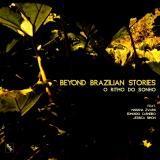
Driven by a lush and irresistible energy, Beyond Brazilian Stories takes you on a musical journey between Brazilian traditions and jazz improvisation.
Introduced to the richness of Brazilian music by Philippe Baden Powell, pianist Mathieu Bélis and double bassist Stéphane Dardour founded BSP PRODUCTIONS and formed the quintet Beyond Brazilian Stories, joined by saxophonist David Florsch, drummer Louis Bao Lao, and Äulne, vocalist and flutist.
Together, they revisit masterpieces by giants such as Milton Nascimento, Airto Moreira, Hermeto Pascoal, Dorival Caymmi, Edu Lobo and Moacir Santos, blending popular melodies with soaring instrumental passages.
The group also brings its own compositions, inspired by the vibrant energy of Brazilian music, creating a sound that is both authentic and innovative.
Their new album O ritmo do sonho has been awarded the “Revelation” distinction by Jazz Magazine!
Album contributors:
Mariana Zwarg - flutist, daughter of Itiberê Zwarg, Hermeto Pascoal’s bassist.
Edmundo Carneiro - Brazilian percussion legend (Tania Maria, De La Soul, Saint Germain, etc.).
Jessica Simon - trombonist, member of the Orchestre National de Jazz.
“An explosive fusion where samba, bossa and jazz become the playground for joyful and virtuosic freedom....” Jazz Rhônes Alpes
“...the brilliant Hermeto Pascoal,
whose spirit is present throughout O ritmo do sonho...” Revelation Jazzmag
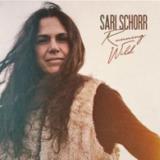
From the discovery of her smoke 'n' honey battlecry, through her baptism of fire in the Bronx blues clubs, onto backup vocals for giants like Joe Louis Walker and Popa Chubby - before finding her own voice with the solo career that exploded in 2016 - the award-winning New York singer-songwriter's road-scuffed leather boots have barely touched the ground. Now, Schorr releases Running Wild: the highly anticipated third album whose songs pulse with empowerment in dark times. "It's about defiance, selfdiscovery, reflection, resilience and freedom," she says. "I want these songs to lift people above the grind.
The pairing of two fiddles is a familiar sound in many folk traditions, but it has been heard less frequently in English traditional music. Morning of May, a new album from Sam Sweeney and Grace Smith, sets out to discover what happens when two fiddlers meet with this repertoire: taking turns carrying the melody, as the other takes a "seconding" role, weaving harmony and rhythm around the tune, elevating it and subtly reshaping the ground beneath it. Sweeney and Smith immersed themselves in a wide range of manuscripts and tune collections, delving into some of the more obscure sources. Within these archives, they found tunes that felt unexplored and rich with possibility. Some tunes arrived as complete hidden gems. Others required some restoration, their rough edges gently smoothed through the process of playing. Others were tiny fragments, inspiring almost total reimaginings. Alongside these old tunes sit a few original compositions by Sam Sweeney and Grace Smith, written in the same spirit of curiosity and continuity that informs their approach to archive material.
The pairing of two fiddles is a familiar sound in many folk traditions, but it has been heard less frequently in English traditional music. Morning of May, a new album from Sam Sweeney and Grace Smith, sets out to discover what happens when two fiddlers meet with this repertoire: taking turns carrying the melody, as the other takes a "seconding" role, weaving harmony and rhythm around the tune, elevating it and subtly reshaping the ground beneath it. Sweeney and Smith immersed themselves in a wide range of manuscripts and tune collections, delving into some of the more obscure sources. Within these archives, they found tunes that felt unexplored and rich with possibility. Some tunes arrived as complete hidden gems. Others required some restoration, their rough edges gently smoothed through the process of playing. Others were tiny fragments, inspiring almost total reimaginings. Alongside these old tunes sit a few original compositions by Sam Sweeney and Grace Smith, written in the same spirit of curiosity and continuity that informs their approach to archive material.
Regarded by many as the greatest funk album of all time, ‘One Nation Under A Groove’ was recorded at United Sound in Detroit & included a live track from their concert appearance at the Monroe Civic Center in Louisiana in April 1978. The band’s tenth studio album released during September 1978 was also their most commercial & gave the band their first platinum disc. The iconic title track was an international hit and a US R&B No.1. With lead guitarists Michael Hampton & Eddie Hazel dazzling, the personification of funk Bootsy Collins on bass, Bernie Worrell & Walter “Junie” Morrison’s keyboard wizardry & many more, the album was produced by the genius of George Clinton. Regularly ranked at or near the top of various “best album” lists, ‘One Nation Under A Groove’ is mastered for vinyl in a deluxe facsimile gatefold sleeve with booklet & lyric inner sleeves, all housed in a protective PVC sleeve. The albums’ original bonus songs are now included on a second 12-inch “Special EP” which adds the rare 11-minute “Disco Mix” of ‘One Nation Under A Groove’ to replicate the original first UK pressing from 1978. FUNKADELIC Masterminded by the larger-than-life figure of George Clinton, Funkadelic was a key component of his influential P-Funk empire. Funkadelic’s unique combination of Rock, Psychedelia, R&B & Soul led to the band crossing over to the pop mainstream & gaining a vast international following, becoming one of the most important & influential groups in music. On 6 May 1997, Parliament / Funkadelic were inducted into the Rock & Roll Hall Of Fame by Prince. To commemorate six decades of thrilling & delighting fans, George Clinton returned to the stage in 2022 for a series of concerts. To celebrate, Charly have reissued Funkadelic’s classic four albums ‘Hardcore Jollies’; ‘One Nation Under A Groove’; ‘Uncle Jam Wants You’; & ‘The Electric Spanking Of War Babies’ (originally released by Warner Bros during a golden period for the band between 1976-1981). Each album will be available as deluxe gatefold Digi-Sleeve CDs in PVC wallets + obi-strip & facsimile-edition gatefold LPs on 180-gram black vinyl & limited edition 180-gram colored vinyl + 1970s-style obi-strip in a protective PVC sleeve. “They played a HUGE role in creating the future of music.” PRINCE
out of Stock
Last delivered 10 days ago available to reorder, subject to availability
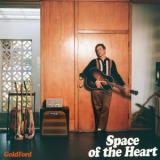
GoldFord’s soul music is rooted in truth. His raw, unvarnished songs are a balance of introspection and catharsis, grappling with heartbreak, healing, and the quiet revelations that come with growth. After spending a decade in corporate America, the St. Louis native (now based in Los Angeles) turned to music as a means of survival following a devastating personal loss. “I was more afraid of dying with regret than I was of failing,” he says of his decision to finally choose the path at 30, a choice that set his entire trajectory in motion.
That initial fearlessness has since fuelled extraordinary momentum. With over 4 million monthly listeners on Spotify, GoldFord has rapidly become one of the most compelling emerging voices in contemporary music. His breakout EP, Orange Blossoms (Oct 2024), has surpassed 100M streams, and his latest project, Space of the Heart (Sept 2025), has already generated 90.8M streams, 2.7M saves, and over 153,000 pieces of user-generated content across TikTok and Instagram. The standout track “Easy Does It” has reached 43.5M streams and continues to accelerate with more than 250K new weekly discoveries on Spotify.
GoldFord’s touring trajectory has followed the music's rapid ascent. He began in intimate rooms like Los Angeles’ Moroccan Lounge and New York’s Baby’s All Right before embarking on a debut North American tour that sold over 25,000 tickets. This momentum carried over to his first UK and European run, which required multiple venue upgrades in cities like London and Manchester. The international momentum continued with an Australian debut in March 2026, alongside key festival appearances at Austin City Limits and Noah Kahan’s Out of the Blue. He is currently headlining 1,000+ capacity venues on the Space of the Heart North American tour, including sold out shows in historic rooms like The Fonda and Webster Hall, with upcoming festival slots at Shaky Knees and Oceans Calling.
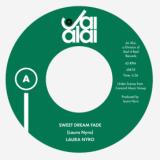
Laura Nyro was an astonishing talent. She was born into a musical family in The Bronx, NY in 1947; her father, Louis Nigro (pronounced Nigh-gro), was a jazz trumpeter, and music was her coping mechanism during a difficult childhood. By the time she was 8 she had taught herself to play piano and was composing her own songs, and during high school she would sing with a group of Puerto Rican friends, harmonising on street corners and in subway stations.
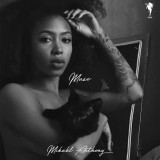
Hailing from the West side of St. Louis, Missouri, Mikahl Anthony’s sonic roots spread far across the global Alt-Soul / Hip-Hop scene. A highly soughtafter multidisciplinary artist (who has collaborated with the likes of Mick Jenkins, Chance The Rapper, Joey Purp, Smino and more), as well as being a founding member of Chicago’s THEMpeople collective, he now prepares to unveil his masterful full-length debut Muse via R&S Records.
Accompanied by several beautiful, self-directed film pieces, Muse is a record with storytelling at its core. Interspersed with commentary from a range of sources telling their stories to Mikhal, whilst collaboratively analysing their personal experiences, it speaks a candid and honest narrative, which reinforce the heartfelt lyrics within. With the project’s name anchored around a dual meaning acronym (1. Ms. Using sensual energy and 2. Making use of seclusion every day). The record is an audio version of docufilm, that creatively interprets the idea of self-therapy, an internal/interpersonal reflection of life experiences that serendipitously connect to Mikahl’s personal romantic relationships. Mikahl explains: ‘I wanted to use a unique style of songwriting, arrangement and filming with the intention of soundtracking my self-development/maturation process’.
On the project’s lasting impression on the listener, Mikahl elaborates ’The exploration of inner truth and vulnerability is key to the future of good music. I want this project to act as symbolism that highlights the mantra that honest approaches and authenticity still has the most value. I also want people to see how important the use of community is when you can connect them to your subject matter...I'd like my audience to observe and engage in their own self-reflections, approaches by way of listening or interacting with the story.’
Drifting to an elevated state of consciousness, Muse is a deeply intoxicating and engrossing listening experience from front to back. From the sliding, kaleidoscopic shadows of opening track ‘La Flare’, via the trepidation-laced atmosphere of ‘Polyamorous’ and the hazy, reverb drenched saxophone notes of LP closer ‘Eddie Kane’ - Mikahl channels moments of joy and pain, infused with spirit enriching instrumentation and gritty textures.
Visual stimuli play an integral role within Mikahl’s music. His songs represent transparency and openness dipped in funk. Layers of soft velvety vocals emerge from jazz harmonies, trap rhythms, and social commentary sourced from voiceovers/excerpts. His creations are the musical representation of documentary films. His art is imagery embodied.
out of Stock
Last delivered 17 days ago available to reorder, subject to availability
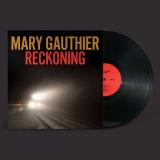
Reckoning is a dense, carefully nuanced, profoundly complex text, though all nine songs are presented as directly as possible: Mary's voice, her guitar, bits of harmonica. Folk music, of a kind, but not a broadside. Nothing so easy as that. Topical songs with a long view, because she's seen and lived too much of it. Mary's most celebrated songs — “I Drink,” “Mercy Now,” “Drag Queens in Limousines” — are confessional stories, closely observed, clear-eyed and compassionate. She sings with the unmistakable languor of her native Louisiana, writes with the bluntness of Boston, where she was once a successful restauranteur, and rewrites with the fierce precision of Nashville, her home for many years. Her 2018 release, Rifles & Rosary Beads, co-written with wounded Iraq war veterans, received a Grammy nomination for Best Folk Album, and an Americana Music Association nomination for Album of the Year. During Covid she wrote and saw published (by MacMillan) Saved by a Song: The Art and Healing Power of Songwriting, part memoir, part reflection on songwriting, through the lens of her most impactful songs. “A reckoning,” Mary Gauthier writes on the outer sleeve to her newest album, “can be personal, political, or spiritual. These songs inhabit all three realms at once.”
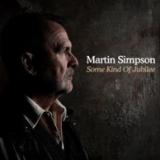
For acclaimed folk artist Martin Simpson, this release reflects not just a remarkable 50-year recording career, but over six decades shaped by song, tradition, and continual artistic growth. Yet this is not a retrospective, it's a forward-looking work, carrying the depth, skill, and passion of a lifetime into the present. Marking 50 years since his debut album Golden Vanity, Simpson describes Some Kind of Jubilee as "my best work to date." To realise this landmark project, he brings together an exceptional group of collaborators drawn from across his long and distinguished career. Among them are renowned pedal steel guitarist Greg Leisz, guitarist Zac Hobbs, cellist Liz Hanks, guitarist Louis Campbell, and double bassist Ben Nicholls. Together, they create a rich and textured soundscape that honours tradition while embracing fresh perspectives. Recorded at Groovemaster Studio in Santa Monica and completed in Yorkshire, the album blends newly written songs with reimagined traditional material and inspired reinterpretations from Simpson's own catalogue. The result is a deeply rooted yet vibrant collection that reflects both heritage and innovation. As Greg Leisz puts it, "This music has some profoundly deep roots - so dig in." With Some Kind of Jubilee, Martin Simpson honours his past while continuing to shape the future of folk music, reaffirming his place as one of the genre's most respected and enduring voices.
Tucked in the heart of Koreatown, Los Angeles, lies The Libra Hotel—the titular architecture of Nick Malkin's new album and site of his musical and psychogeographic exploration. Unlike most musical "site-specific" studies, Malkin remains wholly ambivalent to the documentarian approach, instead sharpening an auteur-like focus on the site as a conceptual and highly expressive backdrop. The Libra is musically explored as a space that houses a noir fragmentation of identity—the exhausted trope of a complicated protagonist walking through rain-soaked street corners and fumy neon lights—where an inner monologue is rendered in both miniature and at a cosmic scale. Casting aside stifling tropes around field recording, ambient, and improvised music, Malkin's work finds its own unique fidelity and emotional core through the assembly and reassembly of memory. Nearly every sound on the album—from frayed saxophones, lambent pianos, and dissected jazz drum kits—are multiplied, shattered, and reconstituted into shapes that adorn The Libra in a motion-blurred fog. The narrative of the Hotel suddenly appears as if out of the mist, with intersecting characters interacting within its walls by happenstance. Adminst the languid set pieces, wraith-like sonic grains gravitate around wide subbass beams that give structural form to The Libra, a narrative tension like when a scene is shot from hundreds of different perspectives: an image both luminous and veiled.
Much like Frank Sinatra's own spatial residency immortalized on "Live at The Sands," "At The Libra Hotel" showcases an exuberant view of entertainment, hospitality, and a form of masculinity, one that can quickly detourn into darkness. Knowing this, Malkin extracts a melancholic core out of The Libra locale. The flickering shadows of American decadence are shown in their ephemeral honesty, lines that trace how even in everyday life virtue is tested, sanity is tested, even reality is tested within the confines of desire, within the night. The album is draped in fleeting textures, carefully arranged with a trance-like microtonality, the faint inflections and articulations of a jazz band cascading into dissipated stillness. Voicemails about changed locations and covert eavesdropping on guests' whispered conversations provide an atmosphere of missed connection and voyeurism—a purloined letter of desire receding into a vanishing point. Like the music itself, The Hotel, a chapel perilous at the intersection of desolation row, the center of it all, yet simultaneously at the edge of town, becomes a structure between libidinous virtuality and actuality—our inevitable half-light.
Ultimately, the pensive atmosphere of "At The Libra Hotel," powerfully asserts a plea for the kinds of intimacy only possible in transient spaces. Here, memory cascades into a force that feels like something supernatural, perhaps even religious, yet always subject to the infidelity of our imagination. Here, the album opens into its primary psychodrama, the transient nature of subjectivity itself and how this becomes fractured in the tumult between our commitments and desires. Within this nocturnal space, to quote Louise Bourgeois, "you pile up associations the way you pile up bricks. Memory itself is a form of architecture."
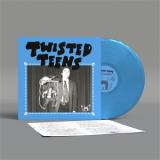
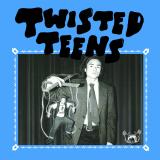
Twisted Teens ist eine rockige Band aus New Orleans. Die Kinks, die in einem Schulbus ohne Räder leben. Die Rolling Stones des jungianischen Anarchismus. Die Buzzcocks aus den vergifteten Sümpfen Süd-Louisianas. Punk-beeinflusste Country-Musik oder Country-beeinflusste Punk-Musik - keine Ahnung. Memetische Kriegsführung mittels Ohrwürmern (es ist extrem eingängig). Übertrifft alle anderen Bands in jeder Hinsicht, trinkt jeden Abend, schafft es aber trotzdem ins Fitnessstudio. Macht keinen Unterschied zwischen Vertrautem und Unvertrautem.
Mit Nova Celestia präsentiert Schlagzeuger und Komponist Hendrik Eichler das Debüt seines Projekts Manic Anomaly - eine energiegeladene Space-Jazz-Odyssee zwischen Avantgarde, Improvisation und komplexen Rhythmuswelten. Inspiriert von Science-Fiction und synästhetischen Klangbildern entfalten sieben Kompositionen eine interstellare Reise voller Dynamik, Kontraste und klanglicher Weite. Eichlers Kompositionen verbinden dichte Grooves mit atmosphärischen Passagen und lassen den herausragenden internationalen Besetzungsmitgliedern viel Raum für kreative Entfaltung. Mit Kirke Karja, Teis Semey, Louise van den Heuvel und Angelika Niescier vereint das Album einige der spannendsten Stimmen der europäischen Jazzszene. Das Ergebnis ist ein kraftvolles, ideenreiches Debüt, das virtuose Spielfreude mit cineastischer Imaginationskraft verbindet und die Grenzen des zeitgenössischen Jazz neu auslotet.
Twisted Teens is a rockin’ roll band from New Orleans.
The Kinks living in a school bus with no wheels on it. The Rolling Stones of Jungian anarchism.
The Buzzcocks of the poisoned bogs of south Louisiana.
Punk inflected country music, or country inflected punk music idk.
Memetic warfare via earworms (it’s extremely catchy). Outperforms all other bands in every metric, drinks every night but still makes it to the gym.
Draws no contrast between the familiar and unfamiliar.
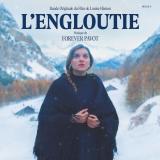
Composed by Forever Pavot for the film *L'Engloutie*, this soundtrack for Louise Hemon's film reveals a more intimate and cinematic side of Forever Pavot's universe.
Between hypnotic melodies, ethereal Morricone-esque choirs, delicate orchestrations, and psychedelic textures, these tracks accompany the images with a unique elegance. Both contemplative and mysterious, this music extends the film's enigmatic charm far beyond the screen.
Oscar Later is the solo project of one half of Once Twice, formerly known as Parallels. The EP takes its premise from the 1967 Outer Space Treaty, which ruled that no nation could claim ownership of the Moon or any other celestial body. Across six tracks, that idea of ownership, distance and free imagination runs through the record, which combines breakbeat and shimmering synths with processed vocals and clips from vintage ads and obscure films.
"I wanted the record to feel like public-domain myths, commercial promises and space-age optimism all colliding," Oscar says, "blurring the line between memory and fantasy."
Opener 'Air Time for Andre' channels chopped-up breaks reminiscent of Skee Mask, combined with processed found audio. 'Wenlocked', named after the East London street where it was written, develops from a downtempo sketch into a heavier club track as the bassline builds, inspired by releases on Voam and Floating Points' live sets. 'It Never Made Sense' steps away from the dancefloor, built around a granulated Orion Sun vocal that, as Oscar puts it, "ties the track into quite a surreal space," leaning towards Burial, Overmono and Radiohead.
The title track, 'The Moon Belongs to You', runs a vocoded 90s ad through a detuned one-note synth. It's the track Oscar says "best encapsulates the intention of the EP as a whole: surreal, wacky and clubby." 'Yaya' keeps the energy up as a straight techno cut, its gated bassline locking in around a chopped vocal and pitched samples. Closer 'That's Quite A Lot Of Zeroes!' expands from a stripped-back Buchla line into something huge, driven by chopped samples and inspired by sci-fi scores like Dune and Annihilation.
The cover is designed by art director Will Millner with designer Josh Lowe, a homage to space food and 80s industrial design geared to survive life on the moon. It's available as a limited vacuum-packed 12" record.
The EP launches alongside a music video for 'It Never Made Sense', directed by Louis Mackay, telling the story of a group of kids who steal the moon for themselves.
out of Stock
Last delivered 31 days ago available to reorder, subject to availability
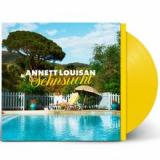
»Ich bin ein sehnsuchtsvoller Mensch. Innerlich immer in Bewegung«, sagt Annett Louisan.
Die Sängerin ist in Aufbruchsstimmung. Auf ihrem elften Album »Sehnsucht» spürt sie all den bittersüßen Zuständen nach, die uns hoffen und streben lassen. Vor allem aber erzählt Deutschlands große Chanson- und Pop-Sängerin davon, was auf die Sehnsucht folgt. Erfolg und Enttäuschung. Wie leicht und wahrhaftig sie große Themen in ihren musikalischen Miniaturen verdichtet, berührt ungemein. Getragen von ihrer grandiosen unverkennbaren Stimme.
Seit ihrem Debüt im Jahr 2004 mit dem stilprägenden Album ›Bohème« hat sie mehr als 1,5 Millionen Tonträger verkauft. Niemandem mehr muss sie etwas beweisen. Und mit dieser Energie hat sie nun ihr eigenes Label gegründet: Atelier Louisan.
Ab September 2026 geht sie auf große ›Sehnsucht»-Tour und ist immer wieder zutiefst dankbar, wie aufmerksam ihr Publikum zuhört. ›Das sind Leute, die sich Zeit nehmen für Musik, die Anregungen wollen.« Und die bekommen sie. Etwa, wenn Annett Louisan sich radikal entliebt in dem jazzigen ›Ich kann dich nicht mehr sehen». Wenn sie in ›Weltuntergang« mit satirischer Finesse über Hedonismus in multiplen Krisenlagen singt. Oder wenn sie in ›Königin der Nacht» mit wunderbar entschleunigtem Gesang die Macht des Weiblichen beschwört. Das Album endet sehr persönlich mit ›Ich geh nur schonmal voraus«. Mit weicher Wucht befasst sich Annett Louisan mit der eigenen Vergänglichkeit. Ganz nah klingt ihre Stimme da. Ein zartes Vermächtnis für die, die weiterleben. Die Sehnsucht versiegt. Doch die Liebe bleibt bestehen.
»Ich bin ein sehnsuchtsvoller Mensch. Innerlich immer in Bewegung«, sagt Annett Louisan.
Die Sängerin ist in Aufbruchsstimmung. Auf ihrem elften Album »Sehnsucht» spürt sie all den bittersüßen Zuständen nach, die uns hoffen und streben lassen. Vor allem aber erzählt Deutschlands große Chanson- und Pop-Sängerin davon, was auf die Sehnsucht folgt. Erfolg und Enttäuschung. Wie leicht und wahrhaftig sie große Themen in ihren musikalischen Miniaturen verdichtet, berührt ungemein. Getragen von ihrer grandiosen unverkennbaren Stimme.
Seit ihrem Debüt im Jahr 2004 mit dem stilprägenden Album ›Bohème« hat sie mehr als 1,5 Millionen Tonträger verkauft. Niemandem mehr muss sie etwas beweisen. Und mit dieser Energie hat sie nun ihr eigenes Label gegründet: Atelier Louisan.
Ab September 2026 geht sie auf große ›Sehnsucht»-Tour und ist immer wieder zutiefst dankbar, wie aufmerksam ihr Publikum zuhört. ›Das sind Leute, die sich Zeit nehmen für Musik, die Anregungen wollen.« Und die bekommen sie. Etwa, wenn Annett Louisan sich radikal entliebt in dem jazzigen ›Ich kann dich nicht mehr sehen». Wenn sie in ›Weltuntergang« mit satirischer Finesse über Hedonismus in multiplen Krisenlagen singt. Oder wenn sie in ›Königin der Nacht» mit wunderbar entschleunigtem Gesang die Macht des Weiblichen beschwört. Das Album endet sehr persönlich mit ›Ich geh nur schonmal voraus«. Mit weicher Wucht befasst sich Annett Louisan mit der eigenen Vergänglichkeit. Ganz nah klingt ihre Stimme da. Ein zartes Vermächtnis für die, die weiterleben. Die Sehnsucht versiegt. Doch die Liebe bleibt bestehen.
GoldFord’s soul music is rooted in truth. His raw, unvarnished songs are a balance of introspection and catharsis, grappling with heartbreak, healing, and the quiet revelations that come with growth. After spending a decade in corporate America, the St. Louis native (now based in Los Angeles) turned to music as a means of survival following a devastating personal loss. “I was more afraid of dying with regret than I was of failing,” he says of his decision to finally choose the path at 30, a choice that set his entire trajectory in motion.
That initial fearlessness has since fueled extraordinary momentum. With over 4 million monthly listeners on Spotify, GoldFord has rapidly become one of the most compelling emerging voices in contemporary music.
Flaw is an American nu‑metal band from Louisville, Kentucky, formed in 1996 by guitarist Jason Daunt. Lead vocalist Chris Volz joined after responding to an ad in a local newspaper. Following a series of raw independent recordings throughout the 1990s, the band signed with Republic and Universal Music Group, releasing two major‑label albums Through the Eyes in 2001 and Endangered Species in 2004. Breakups, lineup changes, and internal conflicts affected the band for much of the decade, though from 2015 to 2017 they reunited with three core members to tour and write new material.
Originally released at the height of the early‑2000s alt‑metal wave, Flaw’s explosive debut Through The Eyes quickly became a defining record of the era. Led by the unmistakable voice of Chris Volz, the band crafted a sound that fused emotional intensity, sharp guitar work, and melodic hooks that resonated with a generation. The album reached #119 on the Billboard 200, and produced two singles, “Payback” and “Whole”. Another standout track, “Only the Strong”, was featured on the soundtrack of the 2002 action film The Scorpion King.
Now celebrating its 25th anniversary, Through the Eyes is available on vinyl for the first time as a double album. This edition includes an insert with lyrics and features a bonus hidden track.
Louisiana Red's "Anti-Nuclear Blues" is considered a classic among acoustic blues albums and comes out on CD (w/bonus tracks) and LP in random coloured vinyl , limited to 500 copies worldwide - for fans of Buddy Guy, Junior Wells, Sonny Terry, Lightnin' Hopkins Louisiana Red was born in Alabama in March 1932 and died in Hanover almost exactly 80 years later. The early life of Iverson Minter, also known as Louisiana Red, was marked by suffering.
His mother died of pneumonia a week after he was born. When he was five years old, his father was executed by the Ku Klux Klan. After that, he lived in orphanages until he was able to spend the rest of his childhood with his grandmother. As a teenager, he was sentenced to hard labor for burglary and subsequently sent by Uncle Sam to the Korean War. Iverson had wanted to become a blues musician ever since he had met Muddy Waters. In the late 1950s, he played in John Lee Hooker's band. In the mid-1970s, he moved to Europe, where he gained recognition among a wider audience through appearances at the WDR Rockpalast and the Montreux Jazz Festival. In the 1980s, Fritz Rau signed Louisiana Red for his successful festival series, the "American Folk Blues Festival." In 1983, he released his acclaimed album "Anti- Nuclear Blues," whose content and message are more relevant today than ever. The original vinyl edition has since become a sought-after rarity. Now, the album is being released for the first time on CD, featuring six bonus tracks from the 1981 "American Folk Blues Festival," as well as a reissue on vinyl with a fresh sound.
Louisiana Red wurde im März 1932 in Alabama geboren und starb fast auf den Tag genau 80 Jahre später in Hannover. Der frühe Lebensweg von Iverson Minter, auch bekannt als Louisiana Red, war geprägt von Leid. Seine Mutter starb eine Woche nach seiner Geburt an einer Lungenentzündung. Als er fünf Jahre alt war, wurde sein Vater vom Ku-Klux-Klan hingerichtet. Danach lebte er in Waisenhäusern, bis er den Rest seiner Kindheit bei seiner Großmutter verbringen konnte. Als Jugendlicher wurde er wegen Einbruchs zu Zwangsarbeit verurteilt und anschließend von Uncle Sam in den Koreakrieg geschickt. Bluesmusiker wollte Iverson werden, seit er Muddy Waters kennengelernt hatte. Ende der 1950er Jahre spielte er in der Band von John Lee Hooker. Mitte der 1970er Jahre zog es ihn nach Europa, wo er durch Auftritte beim WDR-Rockpalast oder dem Montreux Jazz Festival einem breiteren Publikum bekannt wurde. In den 1980er Jahren verpflichtete Fritz Rau Louisiana Red für sein erfolgreiches Festivalformat "American Folk Blues Festival". 1983 veröffentlichte er sein erfolgreiches Album "Anti-Nuclear Blues", dessen Inhalt und Aussage heute aktueller denn je sind. Die Original-Vinyl-Ausgabe ist inzwischen zu einer gesuchten Rarität geworden. Nun erscheint das Album erstmals auch auf CD mit sechs Bonustiteln vom "American Folk Blues Festival" von 1981 sowie als Neuauflage auf Vinyl im frischen Soundgewand.
Über die neun Songs des Albums hinweg erschafft Elanor Moss mit feinsinnigem Psych Folk ein eindringliches Wechselspiel aus Freude und Schmerz. Ihre düster-verträumten Momentaufnahmen bieten dabei weniger Katharsis als vielmehr ein Verständnis für die Komplexität des Wegs dorthin - Heilung nicht als Zustand, sondern als Prozess. Der Weg hin zu ihrem Debütalbum "The Knife, The Needle" war für Elanor Mos selbst eine komplexe Reise. Zeitweise fühlte sie sich von ihrer eigenen Musik entfremdet und suchte nach einem neuen Sound, anstatt den Raum zu besetzen, den sie sich bereits geschaffen hatte. "Nichts fühlte sich richtig an", erinnert sie sich, "also nahm ich den Druck heraus und versuchte, meine Beziehung zum Songwriting und zur Musik neu zu kalibrieren." Die drei Jahre, in denen die Songs für "The Knife, The Needle" entstanden, führten sie letztendlich zurück zu ihren Wurzeln und ihrer Liebe zu, wie sie es ausdrückt, "der Musik, die mich wirklich etwas fühlen ließ; der Musik, die ich schreiben wollte." "Das waren Folk- und zeitgenössische Folk-Songwriter", fährt sie fort. "Ich habe viel Zeit damit verbracht, Gitarre zu spielen", fährt sie fort. "Ich habe mir ein Vierspur Tape Gerät geliehen und darauf Demos aufgenommen. Ich habe mich intensiv mit Kurzgeschichten beschäftigt. Die schlichte, direkte Wahrhaftigkeit von Autor*innen wie Raymond Carver hat mich sehr angesprochen und inspiriert, während ich darauf wartete, dass meine Lust am Schreiben zurückkehrt. Ich habe außerdem wieder eine Therapie begonnen, in der ich anfing zu verstehen, woher ich komme, wie sich meine Familiengeschichte in meinem Handeln widerspiegelt und wie ich liebe und Liebe annehme. Aus der Langsamkeit und Stille dieser Rhythmen sind diese Songs entstanden." ,Sarah Waiting in the Car" gibt den Ton an, mit Moss' zartem, nachdenklichem Gitarrenspiel und den Pinselstrichen von Matthew Herds Ensemble - Marcus Hamblett (Horn), Jool Owen (Horn), Andrew Stuart-Buttle (Violine), Reid Jenkins (Violine), Linus Fenton (Kontrabass) und Herd (Saxophon) - die ihre Texte mit herzzerreißender Ernsthaftigkeit untermalen, während sich die Erzählung, die aus Moss herausfließt, von einem Treffen in der Bar zu den Nachwirkungen einer missbräuchlichen Beziehung wandelt, wobei Sanftheit in Gewalt umschlägt. In ,Fixer" ringt Moss mit der Tatsache, dass Liebe jemanden ebenso verletzen kann, wie sie ihn heilen kann. Ihr Album ,The Knife, The Needle" beschäftigt sich damit, wie Beziehungen durch die Liebe verändert, verkompliziert und erschüttert werden. Es ist ein erschütterndes Werk, zugleich geduldig und verletzlich, opulent umgesetzt und tief empfunden. Beide Objekte, die im Albumtitel genannt werden, können Blut vergießen, doch durch ihre Stimme und Gitarre erhellt, ist das, was aus den Wunden fließt, die sie hier teilt, nichts Geringeres als Poesie.
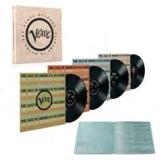
Eine 4-LP-Box, die allen Jazzfans das Herz höher schlagen lassen wird: Mit „Verve Records: The Sound of
America“ feiert das legendäre Label seine 70-jährige Geschichte und würdigt die prägende Ära von Produzent
Norman Granz. Die streng limitierte Box vereint 35 neu remasterte Aufnahmen aus den Jahren 1944 bis
1960. Vertreten sind Jazzlegenden wie Ella Fitzgerald, Billie Holiday, Louis Armstrong, Charlie Parker, Oscar Peterson und viele weitere. Ergänzt wird die Sammlung durch Spoken-Word- und Comedy-Aufnahmen
von Jack Kerouac, Mort Sahl, Jonathan Winters und Shelley Berman, die ebenfalls den kulturellen Zeitgeist der Nachkriegsjahre widerspiegeln. Das hochwertige Set im klassischen Verve-Design umfasst vier
140g-LPs und ein 12-seitiges Booklet mit Liner Notes von Tad Hershorn in einer stabilen Box.
Repeat klingt wie eine Konfrontation: treibende Rhythmen, kantige Gitarren, massive Basslinien und Songs, die sich bewusst gegen einfache Muster stellen. Dabei verlieren Headbutt nie die Kontrolle über ihre Intensität. Zwischen Chaos und Präzision entsteht eine Platte, die gleichzeitig aggressiv, intelligent und zwingend wirkt. Live hat sich die Band bereits als kompromisslose Maschine bewiesen - laut, dicht und ohne Leerlauf. Für Fans von progressivem Punkrock, Post-Hardcore und Bands, die lieber Druck erzeugen als Erwartungen erfüllen. 10 Track 12inch 180 gr.weisses Vinyl 300 Stück handnummeriert im Klappcover und bedrucktes Innersleeve Smith & Miller Records SMR LP054
The sleepy calm of Klondyke, Louisiana, is shattered when an unknown man ruthlessly shoots his way out of a courtroom, abducting a girl hostage at gun-point and tearing out of town in a stolen car. Who is he? What is his concern with the girl, with a multi-millionaire’s secluded house, and with a great oil rig out in the Gulf of Mexico?
Fear Is The Key is a 1972 British action flick directed by Michael Tucher starring Barry Newman (Vanishing Point) and Suzy Kendall, based on Alistair MacLean's 1961 eponymous novel. The film is probably best remembered for its spectacular and lengthy car chase sequence, which necessitated a ten-minute plus action cue that demanded split-second timing so that each bar would blend perfectly with the chase sound effects. Realizing composer Roy Budd was just 25 years old when he recorded this score, makes it all the more impressive. Fun fact: this is the feature film debut of Sir Ben Kingsley so make sure to give it a whirl, especially if you're into hard-driving British jazz. In any case, this soundtrack too will surely satisfy fans of the jazz-funk and library music found on labels such as KPM and Music De Wolfe.
The soundtrack of Fear Is The Key is available as a limited edition of 500 individually numbered copies on pink marble vinyl and includes an insert with liner notes.
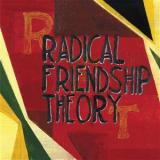
In den letzten paar Jahren haben wir alle den Sinn für die Zeit verloren, aber es muss so um 2023 herum gewesen sein, dass Robert Rotifer, Journalist, Singer-Songwriter und zeitweiser Gitarrist/Bassist bei allen möglichen Bands, von Louis Philippe & The Night Mail über Swansea Sound, Penrose Web, Papernut Cambridge, André Heller, Keiron Phelan bis hin zu Fay Hallam's Band, seinen Freund Kenji, Ex-Sänger der deutschen Sunshine-Pop-Sensation Friedrich Sunglight, fragte, warum er eigentlich in keinen Bands mehr singt. Das war der Auslöser einer Zusammenarbeit, aus der zuerst langsam, dann immer schneller, eine üppige LP gewachsen ist, auf der neben Robert & Kenji noch der elegante post-Glam Veteran John Howard, das große junge Wiener Talent Leo Schlager alias The Zew, die lebende She-Punk-Legende Helen McCookerybook und der beliebteste singende Drummer der britischen Indie-Szene Ian Button zu hören sind. Die ursprüngliche Idee war, dass Robert Songs für Kenjis glockenklare, wendige Stimme schreiben sollte, was stilistisch automatisch eine melodiöse Baroque Pop-Richtung suggerierte. Als nächstes entwickelte sich ein textliches Thema, vom Opener "Considering", einem Lied an einen Freund, der seinen Weg verloren hat, über Songs der Ermutigung ("Things to do in Winter", "Stay With Us", "The More That I Think About What We Should Do") zu Songs über den feindseligen Zustand der Welt ("The Words", "Listen to the News", "Sense of Time"). Was für Rotifer als eine Reihe von Heim-Demos an Gitarre und Tasten in ungewohnten Tonarten (für Kenjis Stimme) begann, wuchs bald zu größeren Arrangements heran, angereichert durch Ian Buttons Drums, seine Stimme, weitere Instrumente und sein Ohr für einen guten Mix. Kenji und Rotifer hörten noch mehr am Horizont und beschlossen, dass dieses Material noch mehr verschiedene stimmliche Schattierungen gebrauchen konnte. Während Robert seine über den Kontinent verstreuten Freund:innen John (Südspanien), Helen (London) und Leo (Wien) für Vocal-Takes gewinnen konnte, die Ian in den Mix einfließen ließ, schrieb Roberts Tochter Emma gerade eine Seminararbeit an der Uni darüber, wie in der Independent-Musik-Szene Arbeit organisiert ist. Sie kam zu dem Ergebnis, dass das Musiker:innen-Netzwerk, in dem ihr Vater sich herumtreibt, einer Theorie der gegenseitigen Unterstützung gleicht, die man "Radical Friendship" nennt. Also widmete Rotifer dieser Idee noch einen Song, den er diesmal selber sang (nebst dem Schluss-Song "Is This Real Enough?"). Am Ende ergab es sich, dass alle Beteiligten auf jeweils einem Track die Haupt- oder Nebenstimme und auf allen anderen Songs unterstützende Harmonien singen. Auf diese Weise wurde das Album per se zu einer Verkörperung von Radical Friendship, nicht in der Theorie, sondern in der Praxis. Radical Friendship Theory is keine Band. Es ist ein liebevoll arrangierter Reigen von Songs in vielen verschiedenen Stilen, von Baroque Pop zu Psychedelia, Power Pop, Country Rock bis zu Bücherwurm-Indie, interpretiert von einem Kreis von Freund:innen, der sich immer erweitern und wandeln kann. Rotifer, der während der Fertigstellung des Albums von Canterbury nach Berlin gezogen ist, wird diese Songs in verschiedenen Städten mit verschiedenen Musiker:innen spielen, von Wien über London bis Glasgow, Hamburg, wahrscheinlich Berlin und Paris, wo immer seine radical friends zuhause sind. Indessen bringt das britische Label Spinout Nuggets die Studio-Version des Stoff in seiner Original-Besetzung heraus - eine Zelebrierung menschlicher, kreativer Freundschaft als lebensrettende Alternative zu einer Welt der digitalen Pseudokommunikation und künstlich geschürter Konflikte.
Souldynamic celebrates the 10th year anniversary of their all time classic “Equatoriale” with two special re-edited and re-mastered versions, including an instrumental mix and released on vinyl format only on Excedo Records.
“Equatoriale” became Souldynamic's biggest track after the release of the legendary video showing Lil Louis playing it at Concrete in Paris with the acapella of Chuck Roberts - My House.
The 12 inch record also includes two more fresh new tracks which make this record perfect for the summer heat.
out of Stock
Last delivered 46 days ago available to reorder, subject to availability
GoldFord’s soul music is rooted in truth. His raw, unvarnished songs are a balance of introspection and catharsis, grappling with heartbreak, healing, and the quiet revelations that come with growth. After spending a decade in corporate America, the St. Louis native (now based in Los Angeles) turned to music as a means of survival following a devastating personal loss. “I was more afraid of dying with regret than I was of failing,” he says of his decision to finally choose the path at 30, a choice that set his entire trajectory in motion.
That initial fearlessness has since fueled extraordinary momentum. With over 4 million monthly listeners on Spotify, GoldFord has rapidly become one of the most compelling emerging voices in contemporary music. His breakout EP, Orange Blossoms (Oct 2024), has surpassed 100M streams, and his latest project, Space of the Heart (Sept 2025), has already generated 90.8M streams, 2.7M saves, and over 153,000 pieces of user-generated content across TikTok and Instagram. The standout track “Easy Does It” has reached 43.5M streams and continues to accelerate with more than 250K new weekly discoveries on Spotify.
GoldFord is stepping into a more luminous and soulful era as he prepares to unveil his next body of work. Defined by the warmth and light of his latest single, Only You Do, the music remains a dedicated exploration of mental wellness, restoration, and the profound power of human connection. From its opening chords, this new project serves as both a continuation and an elevation of his journey toward healing.
Danny Clay is a composer who often utilizes classical instruments, open forms, found objects, analog media, and digital errata in his work. He has collaborated with musicians and ensembles throughout the US, including Kronos Quartet, Eighth Blackbird, Third Coast Percussion, Volti, the San Francisco Girls Chorus, Wu Man, Sarah Cahill, Phyllis Chen, the International Contemporary Ensemble (ICE), Ensemble Dal Niente, the St. Louis Symphony Orchestra, and others.
10 years after his last solo release on IIKKI ("Stills" IIKKI001), Danny Clay comes back with "A Moment Beyond". A new intimate and out-of-time piece evolving between ambient, chamber music and contemporary music.
Following the solid showing of global love and support for the collective Point Winona Sound Library Vol 1, LA’s Elbow Grease label runs it back with a sultry summer scene LP entry from one of the compilation’s most promising new talents.
Nashville-born/LA-bred Michael Griffin aka Gryph’s aptly-titled debut album Nash Angeles is a rare and refreshing example of true musical worlds colliding, that never loses focus of keeping the big fun in funky. The Tennessee-raised rock and blues guitarist/singer-songwriter’s newfound passion for dance music roots and devotion to the sonic feels of his current Cali home base are on full display here. Along with the studio-ace touches of co-producer Dave Aju and a cast of brilliant feature vocalists and live session musicians, the LP offers up only the most adventurous twists on contemporary genre fusion - from disco to dub, modern soul to post-punk, italo to r&b, and jazz-funk to classic house music, all while firing loved-up arrows straight through the hearts of any dance floors or fellow party animals, just in time for open-air bbq season
Already in heavy support rotation by legends such as: Glenn Underground, Francois K, Bill Brewster, Daniele Baldelli, Pete Herbert, Louise Chen, Graeme Park, Felix Joy, DJ Rocca, Massimiliano Pagliara, and many more..
out of Stock
Last delivered 39 days ago available to reorder, subject to availability
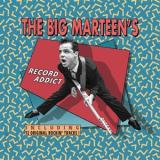
Here's the new killer project from a sextet led by Vincent Bassou, formerly of Les Grys Grys and also playing with Tony Truant ... 12 tracks of rhythm n'blues rooted in the 50's sound, with some great piano, horns and double bass, for fans of the Coasters , Louis Jordan, Chuck Berry, sleeve notes by Theo Lawrence.
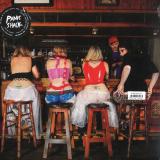
The long-awaited debut album from Panic Shack featuring the singles 'Gok Wan' and 'Girl Band Starter Pack', available digitally, on CD and on Latex Red vinyl.
Ever since the late 1950s bossa-nova revolution, Brazil’s influence on French music has been undeniable. Pierre Barouh, Georges Moustaki and a vast array of lesser known artists, all made the Musica Popular Brasileira (MPB) an axis of promotion at the service of a cool and metaphysical, modern and mixed Brazilian lifestyle. Some were seduced by the poetic languors of the bossa, some were looking for fun, and others just loved the American hybridization of jazz-bossa, jazz-samba.
What is bossa nova? One of its creators, Joao Gilberto said: "Its style, cadence, everything is samba. At the very start, we didn't call it bossa nova, we sang a little samba made up of a single note - Samba de uma nota so .... The discussion around the origins of bossa nova is therefore useless”. It is nevertheless useful to remember that these magnificent Brazilian songs, which the guitarist describes as samba, were shifted and balanced around improbable chords. "I like things that lean, the in-betweens that limp with grace," said Pierre Barrouh, quoting Jean Cocteau.
With emotion, arrangements for violin and supple guitar licks, bossa nova rapidly changed. A transformation that can be heard in the Tchic, tchic, French Bossa Nova 1963-1974 compilation, the result of a cultural reappropriation, which traveled through the United States and supplemented itself in France.
A musical revolution that has remained significant, bossa nova was born in Rio. From 1956 to 1961, Brazil lived through its golden years. In five years, the country had invented its modernist style. Elected president in 1956, Juscelino Kubitschek de Oliveira, an elegant man with a broad forehead, brandished a promising slogan: "Fifty years of progress in five years". He quickly got to work. Not worried about increasing debt, he launched the project for a new federal capital, Brasilia, designed by the communist architect Oscar Niemeyer. Volkswagen opened state-of-the-art factories and created the “fusquinha”, the Beetle. In Rio, the Vespa made its first appearance. The Arpoador Surf Club crew run into the “girl” from Ipanema, Helô Pinheiro - the tanned garota ("chick"), between a flower and mermaid, who at 17 walked by the Veloso bar, where the fiery author and composer, Tom Jobim and Vinicius de Moraes, were getting drunk on whiskey. From then on, bossa symbolized cool.
In 1958, Joao Gilberto recorded Chega de Saudade, which the directors of Philips denied, calling it "music for fagots". The marketing director, who believed in it, secretly pressed 3000 78-inch vinyls and distributed them at schools around Rio, creating a tidal wave.
American jazzmen then took over. In particular, trumpeter Dizzy Gillespie and guitarist Charlie Byrd. In November 1962, the Brazilian Ministry of Foreign Affairs funded a "Bossa-Nova" concert at Carnegie Hall in New York, inviting the genre’s pioneers. Unprepared, the show soon turned to disaster. But the troupe was invited to the White House by Jackie Kennedy. The first lady loved "the new beat" and in particular Maria Ninguem, a song by Carlos Lyra, later covered by Brigitte Bardot.
In Brazil, the 1964 military coup quickly ended this euphoria. The destructive atmosphere that ensued pushed many Brazilian musicians to leave, if not to exile. Thus, Tom Jobim, Sergio Mendes and Joao Gilberto arrived to the United States. In New York, Joao Gilberto met saxophonist Stan Getz. At the time, he was married to the Bahianese Astrud Weinert Gilberto, who had a German father. She had never sung before, but she knew how to speak English. Getz therefore asked her to replace her husband on The Girl From Ipanema. The Getz/Gilberto record with Tom Jobim on piano, was released in March 1964. Phil Ramone, the "pope of pop" was in charge of sound.
Bossa nova arrived in Paris through the classic “guitar-voice” channel (Pierre Barouh, Baden Powell, Moustaki…) But France loved jazz and Paris had already welcomed its American contributors. All these good people were to pass through Saint-Germain-des-Prés. The cabaret l'Escale became the Mecca of Latin American sound where one could find Pierre Barrouh and his friends, such as the Camara Trio, samba-jazz aces, whose only record was published by the Saravah label. With a band strangely called Les Masques (a band that included Nicole Croisille and Pierre Vassiliu, among others), the Camara Trio recorded an interesting Brazilian Sound, including the track Il faut tenir which is present on this tasty compilation of rarities.
Other enlightened musicians can also be found on the compilation, such as Jean-Pierre Sabar (songwriter for Hardy, Auffray, Leforestier ...) and the French pop rock organist Balthazar. In 1975, Sabar recorded Aurinkoinen Musiikkimatka on a Finnish label, which featured the crazy Vai, Vai, included on this record. We are now following the footsteps of Brazilian electronic musicians such as Sergio Mendes, Eumir Deodato or Marcos Valle who created funk and disco sounds on their keyboards and synthesizers. A style that influenced Véronique Sanson when she wrote Jusqu’à la Tombée de la nuit in 1969 for Isabelle de Funès, the niece of Louis and a great friend of Michel Berger - Sanson did end up singing this track on her 1992 Sans Regret record.
The pinnacle of exoticism and travel, Sylvia Fels’ Corto Maltese includes bongos, sea mist and ocean sounds. The title was taken from Jacky Chalard’s concept album written in 1974, Je suis vivant, mais j’ai peur (I am alive, but I am scared), based on Gilbert Deflez’s science fiction novel.
However, bossa nova extended the scope of popularity. "In the 1970s, I was a fan of Sergio Mendes, Getz / Gilberto. I fell in love with this music that I knew because I had been an orchestral singer, " explained Isabelle Aubret, who in 1971 delivered a composite record of covers by the very funky Jorge Ben, Orfeu Negro, Tom Jobim, Vinicius de Morais and Jean Ferrat. "I recorded this album for Meys Records in Paris, far from Brazil, with wonderful musicians, François Raubert, Roland Vincent, Alain Goraguer...". The latter wrote the arrangements for Casa Forte, a very percussive title borrowed from Edu Lobo, one of the initiators of the bossa who spent time in California. "Jazz and bossa came together and produced very rhythmic music. I love singing, it allows me to dream, to have fun, to feel a high on stage, and these songs brought me joy, made me swing, my singing felt like a dance.”
The world tours of French singers and their desire for the tropics, often brought them to Rio with its hills, forests, caipirinhas and tanned bodies. There are surprises though, like this Iemenja (Iemenja is the goddess of the sea in the Afro-Brazilian candomblé religion). Not unlike the composer and musician Jean-Pierre Lang, based in Sao Paulo, Claire Chevalier taught Brazil to Brazil. In 1970, the singer and painter published a 45-inch vinyl, Mon mari et mes amants (My husband and my lovers), under the improbable pseudonym of Clarinha (little Claire). She was then living in Rio, with her husband, Joël Leibovitz, who founded a band called Azimuth, and who owned a record label specialized in "sambas enredos" songs for samba school parades.
For its B side, she asked Pierre Perret to come up with lyrics for a song composed by Carlos Imperial: "Oh goddess of the sea, o goddess Iemenja, I bring a white rose to adorn your long hair ..." . "Perret came to see us, and we had fun, remembers Joël Leibovitz. We wrote Lemenja for fun, we recorded it at the Havaí studio, behind the Central do Brasil the central station. Erlon Chaves, the arranger who worked with Elis Regina, joined us" adding his share of Afro-Brazilian percussions and funky brass to the mix.
There is a common misunderstanding in Franco-Brazilian history: that bossa, admittedly hedonistic, is perceived as funny, even though the poets who wrote the texts are often philosophizing on the human condition. Its French interpreters pull it towards a carnival inspired universe, far removed from its fundamental essence. Thus, Jean Constantin covered the famous Samba da minha terra, an ode to the art of samba written by the classic Bahian composer Dorival Caymmi, renaming it with the enticing title of Pas tant de tchi tchi pompon: "On your pier there is no tchi tchi / when you arch your back, you know everything is alright ”(lyrics by Gérard Calvi). This expedited bossa aims for the absurd, but retains a certain elegance.
Indeed, Jean Constantin was not an idiot, the rather large man had a huge mustache and liked fantasy, (Les pantoufles à papa, Le pacha, inspired by cha-cha-cha-cha, salsa and jazz) but he was also the lyricist of Mon manège à moi interpreted by Edith Piaf, the composer of Mon Truc en plume by Zizi Jeanmaire and the soundtrack of François Truffaut’s 400 Blows. Le Poulpe, published in 1970, from which this bossa is extract, was arranged by Jean-Claude Vannier, an accomplice of Serge Gainsbourg’s Melody Nelson. In short: "There is enough of samba / By looking at the parasol / Because my poor cabeza / Is going to die in the sun".
Even the American actress Marpessa Down, who was at the heart of the bossa nova revolution with her role as Euridyce in Marcel Camus’ film Orfeu Negro, winner of the 1959 Cannes Palme d'or, fed the clichée with Je voudrais parler au petit cuica - "Tell me how you manage to always make people want to dance / It's true, I must admit that I cannot resist your magic" - in consequence, once can hear the cuica, a little drum inherited from the Bantu.
But bossa nova had many angles. Societal, of course, pushing actresses who were symbols of women's liberation like Brigitte Bardot, Jeanne Moreau, or Sophia Loren to engage in the exercise of accelerated bossa. In February of 1963, Sophia Loren made a record in French in Rome, Je ne t'aime plus, featuring the song De jour en jour, a bossa written by two Italians, Armando Trovajoli and Tino Fornai, which was released a little later by Barclay. Bossa accompanied the 1960s, a decade of moral liberation. Ann Sorel, who interpreted La Poupée des favellas, caused a sensation with L’amour à plusieurs, a provocative song written by Frédéric Bottom and Jean-Claude Vannier. As for the actress Andrea Parisy, she displayed her bourgeois cheekiness in Marcel Carné's Les Tricheurs before interpreting Les mains qui font du bien. And Magalie Noël, the friend of Boris Vian, who sung Johnny fais-moi mal, was hired to sing Une énorme Samba, composed by Alain Goraguer (arranger to Gainsbourg, Bobby Lapointe and Jean Ferrat) with lyrics by Frédéric Botton.
But in the end, of what wood is bossa nova made of? The answer is given by Christianne Legrand, daughter of Raymond the conductor, and sister to Michel the composer: "With me, with jà" - jà means "immediately" in Portuguese. In 1972, the singer, an expert in vocal jazz and a member of the Double Six, published Le Brésil de Christianne Legrand. Two songs included on the Tchic Tchic compilation that demonstrate how bossa, jazz, funk, rock, etc. work like a swiss army knife: the music is used to denounce broken systems, or miracles, HLM et ciné roman, Cent mille poissons dans ton filet, two songs from the O Cafona soundtrack, a successful telenovela broadcast, at the time in black and white, on TV Globo. The first was adapted in French by the fighter and friend of the Legrand tribe, Agnès Varda. The second is content with a play on words, jostling them into a summer fun.
Véronique Mortaigne
out of Stock
Last delivered 3 months ago available to reorder, subject to availability
Strut Records proudly presents the first definitive expanded reissue of Somewhere Over The Rainbow, Sun Ra’s 1977 session recorded at the Bluebird in Bloomington, Indiana, presented across three Vinyl LPs or as a two CD set.
The Arkestra were at the peak of their powers in 1977, releasing revered albums like The Soul Vibration Of Man and My Favorite Things with Arkestra regulars Marshall Allen, Danny Ray Thompson, Michael Ray and Luqman Ali among the core musicians. Ra also continued his touring in Europe with historic gigs in Italy. During this period, Arkestra live performances were often loosely structured into thematic blocks that moved from reflections on jazz history to cosmic “space narrative” sections featuring collective chants, extended Africa/Egypt-inspired grooves and selections from the Great American Songbook. This recording brings in all of these features with re-imagined versions of standards like ‘Take The “A” Train’, ‘St. Louis Blues’ and title track ‘Over The Rainbow’ alongside rarely recorded Ra compositions like ‘Make Another Mistake’ and ‘Amen Meni Many Amens’. Ra conducted improvisations to guide the listener seamlessly from one musical scene to the next. As Sun Ra himself described it: “It’s like a party—we enjoy ourselves and everybody’s invited to enjoy it with us.”
The original version of Somewhere Over the Rainbow assembled a handful of clearly delineated tracks drawn from the flow of two complete concert recordings, re-arranged out of sequence. Strut’s new edition restores previously excised material and preserves more of the natural transitions between pieces, offering a fuller glimpse into the distinctive aesthetic of Sun Ra and his Arkestra.
This definitive reissue is pressed across two CDs, or three vinyl LPs housed in a triple gatefold sleeve, newly remastered by Technology Works from the original source tapes and features extensive new liner notes by Chris Cutler alongside video stills from the original concert.
out of Stock
Last delivered 3 months ago available to reorder, subject to availability