
nicht am Lager
Bestelle jetzt und wir bestellen den Artikel für dich beim Lieferanten.
Last In: vor 16 Monaten
13,87 €
Bestelle jetzt und wir bestellen den Artikel für dich beim Lieferanten.

erscheint voraussichtlich am 02.02.2016

Bad Info is a new label set up primarily to reissue the music of Corker Conboy released first in the early 2000's mainly on London's Vertical Form which also released music by Pub and Pan American.
"Rich with cinematic overtones. 'Light...' carries echoes of tortoise, Ennio Morricone & Talk Talk, but its hardly just another remake, Slip into a world where the screen never goes dark"-XLR8R
"I discovered this album in 2007..The instruments felt small and delicate but collectively they elicited a heavy emotional response: a seductive moodiness, a soporific joy, soundtracking both post-party mornings and late night writing. it remains a record that still inspires me to this day." Adam janota Bjowski ( Composer- Black Mirror, Saint Maud, Femme, Out of Darkness)
Post-rock.electronic duo Corker Conboy aka Adrian Corker & Paul Conboy announce a newly remastered reissue of the project's debut album 'In Light Of That Learnt Later'.
Originally released in 2003, and available for the first time digitally, featuring new artwork by graphic designer Joe Gilmore. Alongside the reissue, Corker Conboy will release a limited edition 12" /digital single featuring a track from the album, backed with a new remix, sampling multiple tracks from the album, by acclaimed New York-based ambient dub trio Purelink (The 50 Best Albums of 2023 Pitchfork,'Ambient Dub that glows from within 'Philip Sherburne).
The album is remastered by Paul Conboy, with the remix single mastered/remastered by Stephan Mathieu.
Bei uns am Lager und sofort versandfertig

Bollywood rarities handpicked and remastered on a double LP release with laminate gatefold and multi-layered flower petal foldout. Featuring rare, overlooked or not-previously-on-vinyl music from Bappi Lahiri, R. D. Burman, Ilaiyaraaja, Kalyanji-Anandji, Anand Milind, Raamlaxman and Kirti Anuraag released between 1982 and 1986. Mastered for and cut to vinyl by multi Grammy-nominated Frank Merritt at his mastering studio The Carvery.
Naya Beat is incredibly proud to present the first in our series of ‘Awaaz’ (‘sound’ in Hindi) archival projects focused on uncovering the sounds of 1980s Bollywood Original Soundtrack Recordings (OSTs). Series 1 focuses exclusively on the musical output of CBS Gramophone Records & Tapes (India) Ltd. Active during India’s peak disco era – a time when synthesisers and drum machines became a mainstay in Indian popular music – CBS India became a home for established composers to be experimental, up-and-coming composers to get their start, B-movie soundtracks, and straight-to-VHS releases.
Expertly curated by Naya Beat co-founders Turbotito and Ragz, who were given unprecedented access to the original label archives, this compilation is not just a collection of four-to-the-floor Bollywood disco (although there are plenty of those). ‘Awaaz’ is designed to take listeners on a musical journey that includes everything from leftfield electronic and mood music to outrageous proto house.
Be it classic and hard to find cuts like Ilaiyaraaja's "Aye Zindagi Gale Lagaa Le" and “Mere Jaisi Mehbooba” (Bappi Lahiri’s Hindi remake of Herbie Hancock's “Rockit”), or the instrumental mood music of Kirti Anuraag’s VHS movie soundtracks, to the proto house of Raamlaxman’s “Dil Gadbad Jhala” and Kalyanji-Anandji’s “Aage Bhi Dushman,” or the synth and guitar drenched breakdance madness of R. D. Burman’s “Dekho Idhar Jano Jigar,” the music on this compilation captures the output of a label that was unique as it was unconventional.
An homage to the genre, every detail in this stunning release has been lovingly crafted. From the laminate cover to the absolutely incredible foldout, to the cut-out and collage design, to the font type and layout, there are countless authentic details and nods to classic Bollywood releases of the era. As much of the album has been made in India as is possible. The sleeves have been handmade in New Delhi. The liner notes have been compiled by music archivist Nishant Mittal (aka Digging In India).
Bei uns am Lager und sofort versandfertig

Brought together by Antoine Rajon through their shared love of modal and free jazz, the four musicians of KOMA embraced the high-wire act of a ""Jazz on the Moment,"" a hallmark of the KOMOS label's Analog Home Session series. These friends, both on and off stage, already play together in other groups, such as AMG for Keïta Janota and Anthony Jouravsky, and OLA TUNJI for Ornella Noulet and Anthony.
For this recording, the new group set up in the living room of a Burgundy home, equipped for the occasion with the finest vintage analog equipment by Christian Hierro, engineer at the ""Back To Mono"" studio in the Drôme region.
With no preparation other than the few hours before starting the tape recorder, KOMA recorded the tracks in the order they appear on the album. Two pure improvisations sit alongside a composition (in two versions) by Keïta Janota, and a composition by vibraphonist Martin Blouet, who was experiencing his first professional recording.
The iconic piece ‘John Coltrane’, composed by bassist Bill Lee, father of Spike Lee, is the only cover on the album. The quartet offers a surprising, almost ambient version, without the rhythm section and epic solos of other recordings. The musicians' love for the music of the ‘supreme saxophonist’ is nonetheless intense.
As a birth certificate on the very day of the group's formation, this ‘no-nonsense’ album allowed this unusual lineup (two saxophonists, a vibraphonist, and a bassist) to present its lyrical and meditative music on numerous stages.
erscheint voraussichtlich am 18.09.2026
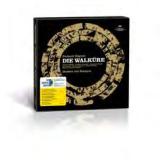
Herbert von Karajans Aufnahme von Wagners „Die Walküre“ glänzt mit einer herausragenden Besetzung,
darunter die phänomenale Sopranistin Gundula Janowitz (Sieglinde), Bassbariton Thomas Stewart (Wotan),
Jon Vickers (Siegmund) und Régine Crespin als Brünnhilde. Gefeiert u.a. auch für ihre lyrischen Akzente,
entfaltet sich Wagners Werk in dieser Aufnahme mit dramatischer Kraft. Karajan lässt sein Orchester, die
Berliner Philharmoniker, gekonnt in den Hintergrund treten, um den großen Sängerinnen und Sängern die
Bühne zu überlassen. Wie das Klassikmagazin Gramophone treffend formuliert, hält seine Aufnahme auch
ein halbes Jahrhundert nach ihrer Veröffentlichung „noch immer Überraschungen bereit“.
Dieses außergewöhnliche Aufnahmeprojekt erscheint nun in der „Original Source Serie“ in höchster audiophiler Klangqualität. Zum ersten Mal nutzt die Reihe das originale Stereo-Masterband, ein ZweispurTonband, als Quelle.
Auf 180g Vinylplatten und als Deluxe-Edition im 5LP-Boxset veröffentlicht, mit dem Originalcover und
-texten, inklusive des vollständigen Librettos. Die Boxen sind limitiert und nummeriert, begleitet von zusätzlichen Fotos und Faksimiles der Aufnahmeprotokolle und Bandkartons. Karajans epochale ”Walküre” zur
Feier von 150 Jahren ”Der Ring des Nibelungen” in einer definitiven audiophilen Edition.
Die Vinyl-Serie The Original Source präsentiert herausragende Aufnahmen der 1960er und 1970er Jahre
in ganz neuer Klangqualität. Dafür haben die renommierten Emil Berliner Studios die originalen Zwei-
, Vier- und Achtspur-Bänder mit eigens für die Produktion der Serie entwickelten Technologien in 100%
analoger Qualität (AAA) neu gemastert und geschnitten. Die klanglichen Unterschiede zu den Originalveröffentlichungen sind beträchtlich: Größere Klarheit, mehr Feinheiten und Verbesserungen im Frequenzgang,
zugleich weniger Nebengeräusche, Verzerrungen und Komprimierungen ermöglichen ein audiophiles Hörerlebnis wie nie zuvor.
erscheint voraussichtlich am 07.08.2026

Constructive is pleased to announce, 'Utopia or Oblivion', a new compilation featuring ten artists inspired by the pioneering work of R. Buckminster Fuller, with each track inspired and in response to Fuller's work specifically Utopia or Oblivion', first published in 1963.
From the irregular glitch pop scintillation of 'How Would I Be? What Would I Do' by German artist & founding member of To Rococo Rot, Robert Lippok, to the heartfelt ambient and seraphic voices of 'Afterimage' by Japanese artist Tujiko Noriko (Editions Mego, PAN, Room40), through to the tensile, eruptive, dub-contoured emittances of 'Tensegrity Rhythms' by Peruvian experimental composer Ale Hop (Karlrecords).
Elsewhere, there are appearances from the Bafta-nominated composer Adam Janota Bjowski (Saint Maud OST), musician & Constructive co-founder Adrian Corker, London-based experimentalist No Home, Italian artist & NTS Radio resident Silvia Kastel (Blackest Ever Black, Palto Flats, Youth), British sound artist David Prior, and a unique collaboration between the British DIY experimental musician Richard Skelton & Corey Fuller, a descendant of R. Buckminster Fuller.
Bestelle jetzt und wir bestellen den Artikel für dich beim Lieferanten.

UILTY RAZORS, BONA FIDE PUNKS.
Writings on the topic that go off in all directions, mind-numbing lectures given by academics, and testimonies, most of them heavily doctored, from those who “lived through that era”: so many people today fantasize about the early days of punk in our country… This blessed moment when no one had yet thought of flaunting a ridiculous green mohawk, taking Sid Vicious as a hero, or – even worse – making the so-called alternative scene both festive and boorish. There was no such thing in 1976 or 1977, when it wasn’t easy to get hold of the first 45s by the Pistols or the Clash. Few people were aware of what was happening on the fringes of the fringes at the time. Malcolm McLaren was virtually unknown, and having short hair made you seem strange. Who knew then that rock music, which had taken a very bad turn since the early 1970s, would once again become an essential element of liberation? That, thanks to short and fast songs, it would once again rediscover that primitive, social side that was so hated by older generations? Who knew that, besides a few loners who read the music press (it was even better if they read it in English) and frequented the right record stores? Many of these formed bands, because it was impossible to do otherwise. We quickly went from listening to the Velvet Underground to trying to play the Stooges’ intros. It’s a somewhat collective story, even though there weren’t many people to start it.
The Guilty Razors were among those who took part in this initial upheaval in Paris. They were far from being the worst. They had something special and even released a single that was well above the national average. They also had enough songs to fill an album, the one you’re holding. In everyone’s opinion, they were definitely not among the punk impostors that followed in their wake. They were, at least, genuine and credible.
Guilty Razors, Parisian punk band (1975-1978). To understand something about their somewhat linear but very energetic sound, we might need to talk about the context in which it was born and, more broadly, recall the boredom (a theme that would become capital in punk songs) coupled with the desire to blow everything off, which were the basis for the formation of bands playing a rejuvenated rock music ; about the passion for a few records by the Kinks or the early Who, by the Stooges, by the Velvet mostly, which set you apart from the crowd.
And of course, we should remember this new wave, which was promoted by a few articles in the specialized press and some cutting-edge record stores, coming from New York or London, whose small but powerful influence could be felt in Paris and in a handful of isolated places in the provinces, lulled to sleep by so many appalling things, from Tangerine Dream to President Giscard d’Estaing...
In 1975-76, French music was, as almost always, in a sorry state ; it was still dominated by Johnny Hallyday and Sylvie Vartan. Local rock music was also rather bleak, apart from Bijou and Little Bob who tried to revive this small scene with poorly sound-engineered gigs played to almost no one.
In the working class suburbs at the time, it was mainly hard rock music played to 11 that helped people forget about their gruelling shifts at the factory. Here and there, on the outskirts of major cities, you still could find a few rockers with sideburns wearing black armbands since the death of Gene Vincent, but it wasn’t a proper mass movement, just a source of real danger to anyone they came across who wasn't like them. In August 1976, a festival unlike any other took place in Mont-de-Marsan – the First European Punk Festival as the poster said – with almost as many people on stage as in the audience. Yet, on that day, a quasi historical event happened, when, under the blazing afternoon sun, a band of unknowns called The Damned made an unprecedented noise in the arena, reminiscent of the chaotic Stooges in their early adolescence. They were the first genuine punk band to perform in our country: from then on, anything was possible, almost anything seemed permissible.
It makes sense that the four+1 members of Guilty Razors, who initially amplified acoustic guitars with crappy tape recorder microphones, would adopt punk music (pronounced paink in French) naturally and instinctively, since it combines liberating noise with speed of execution and – crucially – a very healthy sense of rebellion (the protesters of May 1968 proclaimed, and it was even a slogan, that they weren’t against old people, but against what had made them grow old. In the mid-1970s, it seemed normal and obvious that old people should now ALSO be targeted!!!).
At the time, the desire to fight back, and break down authority and apathy, was either red or black, often taking the form of leafleting, tumultuous general assemblies in the schoolyard, and massive or shabby demonstrations, most of the time overflowing with an exciting vitality that sometimes turned into fights with the riot police. Indeed, soon after the end of the Vietnam War and following Pinochet’s coup in Chile, all over France, Trotskyist and anarcho-libertarian fervour was firmly entrenched among parts of the educated youth population, who were equally rebellious and troublemakers whenever they had the chance. It should also be noted that when the single "Anarchy in the UK" was first heard, even though not many of us had access to it, both the title and its explosive sound immediately resonated with some of those troublemakers crying out for ANARCHY!!! Meanwhile, the left-wing majority still equated punks with reckless young neo-Nazis. Of course, the widely circulated photos in the mainstream press of Siouxsie Sioux with her swastikas didn’t necessarily help to win over the theorists of the Great Revolution. It took Joe Strummer to introduce The Clash as an anti-racist, anti-fascist and anti-ignorance band for the rejection of old-school revolutionaries to fade a little.
The Lycée Jean-Baptiste Say at Porte d’Auteuil, despite being located in the very posh and very exclusive 16th arrondissement of Paris, didn’t escape these "committed" upheavals, which doubled as the perfect outlet for the less timid members of this generation.
“Back then, politics were fun,” says Tristam Nada, who studied there and went on to become Guilty Razors’ frontman. “Jean-Baptiste was the leftist high-school in the neighbourhood. When the far right guys from the GUD came down there, the Communist League guys from elsewhere helped us fight them off.”
Anything that could challenge authority was fair game and of course, strikes for just about any reason would lead to increasingly frequent truancy (with a definitive farewell to education that would soon follow). Tristam Nada spent his 10th and 11th unfinished grades with José Perez, who had come from Spain, where his father, a janitor, had been sentenced to death by Franco. “José steered my tastes towards solid acts such as The Who. Like most teenagers, I had previously absorbed just about everything that came my way, from Yes to Led Zeppelin to Genesis. I was exploring… And then one day, he told me that he and his brother Carlos wanted to start a rock band.” The Perez brothers already played guitar. “Of course, they were Spanish!”, jokes their singer. “Then, somewhat reluctantly, José took up the bass and we were soon joined by Jano – who called himself Jano Homicid – who took up the rhythm guitar.” Several drummers would later join this core of not easily intimidated young guys who didn’t let adversity get the better of them.
The first rehearsals of the newly named Guilty Razors took place in the bedroom of a Perez aunt. There, the three rookies tried to cover a few standards, songs that often were an integral part of their lives. During a first, short gig, in front of a bewildered audience of tough old-school rockers, they launched into a clunky version of the Velvet Underground's “Heroin”. Challenge or recklessness? A bit of both, probably… And then, step by step, their limited repertoire expanded as they decided to write their own songs, sung in a not always very accurate or academic English, but who cared about proper grammar or the right vocabulary, since what truly mattered was to make the words sound as good as possible while playing very, very fast music? And spitting out those words in a language that left no doubt as to what it conveyed mattered as well.
Trying their hand a the kind of rock music disliked by most of the neighbourhood, making noise, being fiercely provocative: they still belonged to a tiny clique who, at this very moment, had chosen to impose this difference. And there were very few places in France or elsewhere, where one could witness the first stirrings of something that wasn’t a trend yet, let alone a movement.
In the provinces, in late 1976 or early 1977, there couldn’t be more than thirty record stores that were a bit more discerning than average, where you could hear this new kind of short-haired rock music called “punk”. The old clientele, who previously had no problem coming in to buy the latest McCartney or Aerosmith LP, now felt a little less comfortable there…
In Paris, these enlightened places were quite rare and often located nex to what would become the Forum des Halles, a big shopping mall. Between three aging sex workers, a couple of second-hand clothes shops, sellers of hippie paraphernalia and small fashion designers, the good word was loudly spread in two pioneering places – propagators of what was still only a new underground movement. Historically, the first one was the Open Market, a kind of poorly, but tastefully stocked cave. Speakers blasted out the sound of sixties garage bands from the Nuggets compilation (a crucial reference for José Perez) or the badly dressed English kids of Eddie and the Hot Rods. This black-painted den was opened a few years earlier by Marc Zermati, a character who wasn’t always in a sunny disposition, but always quite radical in his (good) choices and his opinions. He founded the independent label Skydog and was one of the promoters of the Mont-de-Marsan punk festivals. Not far from there was Harry Cover, another store more in tune with the new New York scene, which was amply covered in the house fanzine, Rock News (even though it was in it that the photos of the Sex Pistols were first published in France).
It was a favorite hang-out of the Perez brothers and Tristam Nada, as the latter explained. “It’s at Harry Cover’s that we first heard the Pistols and Clash’s 45s, and after that, we decided to start writing our first songs. If they could do it, so could we!”
The sonic shocks that were “Anarchy in the UK”, “White Riot” or the Buzzcocks’s EP, “Spiral Scratch” – which Guilty Razors' sound is reminiscent of – were soon to be amplified by an unparalleled visual shock. In April 1977, right after the release of their first LP, The Clash performed at the Palais des Glaces in Paris, during a punk night organised by Marc Zermati. For many who were there, it was the gig of a lifetime…
Of course, Guilty Razors and Tristam were in the audience: “That concert was fabulous… We Parisian punks were almost all dressed in black and white, with white shirts, skinny leather ties, bikers jackets or light jackets, etc. The Clash, on the other hand, wore colourful clothes. Well, the next day, at the Gibus, you’d spot everyone who had been at this concert, but they weren’t wearing anything black, they were all wearing colours.”
It makes sense to mention the Gibus club, as Guilty Razors often played there (sometimes in front of a hostile audience). It was also the only place in Paris that regularly scheduled new Parisian or Anglo-Saxon acts, such as Generation X, Siouxsie and the Banshees, the Slits, and Johnny Thunders who would become a kind of messed-up mascot for the venue. A little later, in 1978, the Rose Bonbon – formerly the Nashville – also attracted nightly owls in search of electric thrills… In 1977, the iconic but not necessarily excellent Asphalt Jungle often played at the Gibus, sometimes sharing the bill with Metal Urbain, the only band whose aura would later transcend the French borders (“I saw them as the French Sex Pistols,” said Geoff Travis, head of their British label Rough Trade). Already established in this small scene, Metal Urbain helped the young and restless Guilty Razors who had just arrived. Guitarist for Metal Urbain Hermann Schwartz remembers it: “They were younger than us, we were a bit like their mentors even if it’s too strong a word… At least they were credible. We thought they were good, and they had good songs which reminded of the Buzzcocks that I liked a lot. But at some point, they started hanging out with the Hells Angels. That’s when we stopped following them.”
The break-up was mutual, since, Guilty Razors, for their part, were shocked when they saw a fringe element of the audience at Metal Urbain concerts who repeatedly shouted “Sieg Heil” and gave Nazi salutes. These provocations, even still minor (the bulk of the skinhead crowd would later make their presence felt during concerts), weren’t really to the liking of the Perez brothers, whose anti-fascist convictions were firmly rooted. Some things are non-negotiable.
A few months earlier (in July 1978), Guilty Razors had nevertheless opened very successfully for Metal Urbain at the Bus Palladium, a more traditonally old-school rock night-club. But, as was sometimes the case back then, the night turned into a mass brawl when suburban rockers came to “beat up punks”.
Back then, Parisian nights weren’t always sweet and serene.
So, after opening as best as they could for The Jam (their sound having been ruined by the PA system), our local heroes were – once again – met outside by a horde of greasers out to get them. “Thankfully,” says Tristam, “we were with our roadies, motorless bikers who acted as a protective barrier. We were chased in the neighbouring streets and the whole thing ended in front of a bar, with the owner coming out with a rifle…”
Although Tristam and the Perez brothers narrowly escaped various, potentially bloody, incidents, they weren’t completely innocent of wrongdoing either. They still find amusing their mugging of two strangers in the street for example (“We were broke and we simply wanted to buy tickets for the Heartbreakers concert that night,” says Tristam). It so happened that their victims were two key figures in the rock business at the time: radio presenter Alain Manneval and music publisher Philippe Constantin. They filed a complaint and sought monetary compensation, but somehow the band’s manager, the skilful but very controversial Alexis, managed to get the complaint withdrawn and Guilty Razors ended up signing with Constantin with a substantial advance.
They also signed with Polydor and the label released in 1978 their only three-track 45, featuring “I Don't Wanna be A Rich”, “Hurts and Noises” and “Provocate” (songs that exuded perpetual rebellion and an unquenchable desire for “class” confrontation). It was a very good record, but due to a lack of promotion (radio stations didn’t play French artists singing in English), it didn’t sell very well. Only 800 copies were allegedly sold and the rest of the stock was pulped… Initially, the three tracks were to be included on a LP that never came to be, since they were dropped by Polydor (“Let’s say we sometimes caused a ruckus in their offices!” laughs Tristam.) In order to perfect the long-awaited LP, the band recorded demos of other tracks. There was a cover of Pink Floyd's “Lucifer Sam” from the Syd Barrett era – proof of an enduring love for the sixties’ greats –, “Wake Up” a hangover tale and “Bad Heart” about the Baader-Meinhof gang, whose actions had a profound impact on the era and on a generation seeking extreme dissent... On the album you’re now discovering, you can also hear five previously unreleased tracks recorded a bit later during an extended and freezing stay in Madrid, in a makeshift studio with the invaluable help of a drummer also acting as sound engineer. He was both an enthusiastic old hippie and a proper whizz at sound engineering. Here too, certain influences from the fifties and sixties (Link Wray, the Troggs) are more than obvious in the band’s music.
Shortly after a final stormy and rather barbaric (on the audience’s side) “Punk night” at the Olympia in June 1978, Tristam left the band ; his bandmates continued without him for a short while.
But like most pioneering punk bands of the era, Guilty Razors eventually split up for good after three years (besides once in Spain, they’d only played in Paris). The reason for ceasing business activities were more or less the same for everyone: there were no venues outside one’s small circuit to play this kind of rock music, which was still frightening, unknown, or of little interest to most people. The chances of recording an LP were virtually null, since major labels were only signing unoriginal but reassuring sub-Téléphone clones, and the smaller ones were only interested in progressive rock or French chanson for youth clubs. And what about self-production? No one in our small safety-pinned world had thought about it yet. There wasn’t enough money to embark on that sort of venture anyway.
So yes, the early days of punk in France were truly No Future!
Bestelle jetzt und wir bestellen den Artikel für dich beim Lieferanten.

STANDARD VERSION[23,95 €]
On November 7, 2025, the Belgian label Sdban Records will release a reissue of the mythical Open Sky Unit (1974) by the eponymous jazz fusion group featuring Micheline and Jacques Pelzer, Steve Houben, Ron Wilson, Janot Buchem and Michel Graillier. The album returns on vinyl, highlighting a pivotal moment in Belgian jazz history, where soul, funk, and free improvisation came together in a vibrant and family-driven project.
Formed in the early 1970s as a homage to Dave Liebman's group Open Sky, Open Sky Unit grew out of informal jam sessions in Liège, Belgium, into a unique collective. One of the central figures was Jacques Pelzer, father of drummer and vocalist Micheline Pelzer, alongside his second cousin, saxophonist/flutist Steve Houben, bass player Janot Buchem, percussionist Michel Graillier and American pianist/composer Ron Wilson.
Their 1974 debut album was released on the Duchesne classical music label, run by Pelzer's brother-in-law. The group's sound carefully balanced jazz and soul and was largely directed by Wilson, a Californian pianist and singer who settled in Liège and nearby Maastricht after his army service. Wilson composed the entire repertoire. Open Sky Unit was recorded live at Jazzland club in Liège, and the band made several short tours in Belgium and abroad (including Tunisia) until around 1975-1976, when Houben left for Boston to study at the Berklee College of Music.
Although the original live recording from 1974 was not technically perfect, the group succeeded in capturing their heartfelt live energy. Tracks such as Open Sky, Sunshine Star, and Passion and Compassion are striking examples of this. Years later, the album version of Sunshine Star found its way onto Funky Chicken (2014), the compilation that not only brought the track back into the spotlight but also marked the beginning of Sdban Records.
In addition to the standard reissue, a limited edition of 200 copies will be released for collectors, featuring a 7" single of Ron Wilson's Sunshine Star as a special bonus. This single was originally released in 1973 with the acoustic version of Sunshine Star (piano and vocals) on the B-side, recorded a few months before the longer jazz-funk version later featured on the LP Open Sky Unit. The A-side, Peace Is The Answer, was only released on that single at the time and is now being reissued for the very first time. The 7" is thus a faithful and long-awaited reissue of a rare piece of Belgian jazz history, it's intimate, soulful, and an ideal complement to theexisting and well-known LP.
Although the band never achieved a major international breakthrough, they were highly valued in progressive European jazz circles and later secured a place in anthologies such as Utopic Cities: Progressive Jazz in Belgium 1968-1979. The reissue of Open Sky Unit brings their music back into the spotlight and reaffirms their role as key figures in the Belgian jazz scene of the seventies.
erscheint voraussichtlich am 11.11.2025

On November 7, 2025, the Belgian label Sdban Records will release a reissue of the mythical Open Sky Unit (1974) by the eponymous jazz fusion group featuring Micheline and Jacques Pelzer, Steve Houben, Ron Wilson, Janot Buchem and Michel Graillier. The album returns on vinyl, highlighting a pivotal moment in Belgian jazz history, where soul, funk, and free improvisation came together in a vibrant and family-driven project.
Formed in the early 1970s as a homage to Dave Liebman's group Open Sky, Open Sky Unit grew out of informal jam sessions in Liège, Belgium, into a unique collective. One of the central figures was Jacques Pelzer, father of drummer and vocalist Micheline Pelzer, alongside his second cousin, saxophonist/flutist Steve Houben, bass player Janot Buchem, percussionist Michel Graillier and American pianist/composer Ron Wilson.
Their 1974 debut album was released on the Duchesne classical music label, run by Pelzer's brother-in-law. The group's sound carefully balanced jazz and soul and was largely directed by Wilson, a Californian pianist and singer who settled in Liège and nearby Maastricht after his army service. Wilson composed the entire repertoire. Open Sky Unit was recorded live at Jazzland club in Liège, and the band made several short tours in Belgium and abroad (including Tunisia) until around 1975-1976, when Houben left for Boston to study at the Berklee College of Music.
Although the original live recording from 1974 was not technically perfect, the group succeeded in capturing their heartfelt live energy. Tracks such as Open Sky, Sunshine Star, and Passion and Compassion are striking examples of this. Years later, the album version of Sunshine Star found its way onto Funky Chicken (2014), the compilation that not only brought the track back into the spotlight but also marked the beginning of Sdban Records.
In addition to the standard reissue, a limited edition of 200 copies will be released for collectors, featuring a 7" single of Ron Wilson's Sunshine Star as a special bonus. This single was originally released in 1973 with the acoustic version of Sunshine Star (piano and vocals) on the B-side, recorded a few months before the longer jazz-funk version later featured on the LP Open Sky Unit. The A-side, Peace Is The Answer, was only released on that single at the time and is now being reissued for the very first time. The 7" is thus a faithful and long-awaited reissue of a rare piece of Belgian jazz history, it's intimate, soulful, and an ideal complement to theexisting and well-known LP.
Although the band never achieved a major international breakthrough, they were highly valued in progressive European jazz circles and later secured a place in anthologies such as Utopic Cities: Progressive Jazz in Belgium 1968-1979. The reissue of Open Sky Unit brings their music back into the spotlight and reaffirms their role as key figures in the Belgian jazz scene of the seventies.
erscheint voraussichtlich am 07.11.2025

Das Reissue enthält sechs bisher unveröffentlichte Demos, darunter die Songs Hold Me Up und Don"t Blow Your Wind, die nie über die Demo-Phase hinausgingen. Auch frühe Versionen von Tangerine, Summer, Kitchen Door und Clobberedsind enthalten und zeigen, wie diese Klassiker entstanden. Ergänzt wird die Veröffentlichung durch neues Artwork, Fotos, Erinnerungsstücke sowie Notizen der Band und Produzent John Agnello. Sleepy Eyed markierte Mitte der 90er einen Wendepunkt: Nach dem Erfolg von Big Red Letter Day (1993), das Buffalo Tom in die Billboard-Charts brachte und mit Late At Night in der Kultserie My So-Called Life zu sehen war, wollte die Band zurück zu einem roheren Sound. Bill Janovitz verweist auf Dylan- und Stones-Platten als Inspiration: weniger Perfektion, mehr Direktheit, Nähe und Authentizität. Aufgenommen wurde in den Dreamland Studios im Bundesstaat New York - abgeschottet, intensiv, fast wie tägliche Live-Sets. Herausgekommen sind Songs, die bis heute zu Fan-Favoriten zählen, allen voran Tangerine, Summer und Kitchen Door. Gegründet 1986 an der University of Massachusetts, stehen Buffalo Tom (Bill Janovitz, Chris Colbourn, Tom Maginnis) seit fast 40 Jahren gemeinsam auf der Bühne - 10 Alben später ein beeindruckendes Stück Beständigkeit.
erscheint voraussichtlich am 31.10.2025

Seit 1989 liefert Desaster ihren eigenen unheiligen Mix aus extremem Metal ab - 2025 kehren sie mit Kill All Idols zurück. "Churches Without Saints war ein typisches Desaster-Black-Death-Thrash-Album, Kill All Idols etwas vielfältiger", erklärt Gitarrist und Gründungsmitglied Infernal. "Natürlich steht es für unseren klassischen Black/Thrash-Stil, aber diesmal hört man auch unsere Punk-Wurzeln deutlicher."Kill All Idols ist das zweite Album mit derselben Besetzung - live und im Studio zeigt sich, wie gut die Chemie stimmt. "Unser Drummer Hont ist live ein Wahnsinniger, privat ein ruhiger Typ. Technisch ist er uns fast überlegen - wir haben überlegt, ihm die Finger zu brechen, damit er sich anpasst!", witzelt Sänger Sataniac. Zum Albumtitel sagt Sataniac: "Alle 'Vorbilder' - ob politisch, religiös oder wirtschaftlich - verfolgen nur ihre eigenen Machtinteressen. Der Titel ist eine Einladung, selbst zu denken. Aufgenommen wurde wieder im eigenen Proberaum mit ihrem Live-Mischer Janosch Gensheimer. Gemischt und gemastert hat Greg Wilkinson (Autopsy) in Kalifornien. Infernal: "Wir wollten testen, wer unseren Sound 2025 am besten umsetzt. Greg hat uns einen neuen Klang gegeben, der zwar etwas untypisch ist, aber perfekt passt. Mit dem Ergebnis sind wir selten so zufrieden gewesen.
erscheint voraussichtlich am 22.08.2025

"The restorations of The Lost Recordings are worthy of those devoted to master paintings." — Le Journal du Dimanche
"We discovered these previously unpublished tapes in the archives of the RBB — the Berlin radio. This discovery is absolutely major because these two incredible musicians had recorded too little together and because this recording offers us the possibility to listen to them in works that were unpublished so far in their discography — notably an extraordinary sonata by Prokofiev! And what can we say about this Bach sonata, with an Andante that brought tears to the eyes of everyone present in the studio at the time." — Frédéric D'ORIA-NICOLAS, Musical treasure seeker
János Starker, cellist, and György Sebok, pianist, were both born in Hungary early in the 20th century. They were welcomed into the formidable Franz Liszt Academy of Music in Budapest, and emigrated to the USA, where they both held the title of Distinguished Professor at the Indiana University School of Music in Bloomington. Both heavy smokers and sometimes reputed — unjustly — to be harsh, austere and insensitive to trends, they were drawn to music in all its varieties and fascinated by its many colours. They had one aim only, one noble objective: to showcase the works all composers, as evidenced by this recording made in the legendary Studio 3 of Berlin Radio on 24 October 1963.
Starker and Sebok were fully imbued with the aesthetics that Prokofiev proclaimed: "I cultivate melody and strive to introduce feeling and emotion into my works. No matter that some call me a cubist, adding that I systematically avoid any emotional or romantic elements in my quest to reach only objectivity."
Next, and at the opposite end of the spectrum, is the Spanish passion of the two pieces by Granados and De Falla, pieces that nevertheless also convey melancholy. Starker and Sebok launch into the works with enthusiasm and intensity.
The last piece, Bach's Sonata in G Major, BWV 1027 for Viola da Gamba and Keyboard, is one of three he composed, probably in Köthen. Because they may have originally been written for other instruments, they can easily be transcribed for the cello and piano. They reveal the rich influences that pervaded the German region during the first half of the 18th century. The two musicians give us a sublime interpretation of the beauty of the counterpoint in this Sonata.
These recordings attest to the importance that the two superb musicians attached to working in the service of the composers. We wonder if, in that enchanted studio in Berlin in 1963, they knew how much further they went to bewitch us and touch us so profoundly.
erscheint voraussichtlich am 30.06.2025

In the midst of recording his 12th album 'Why The Worry', wavering in his resolve to finish what he'd started, Seth Walker came to the realization: "This does not define me; this is not who I am forever; this is just a moment" . "Distance colors compositions over the years and each album is left as merely a reflection of its own period in time." The new album finds Walker reunited with old friends and familiar names. Once again Jano Rix steps behind the boards, co-producing the album with Seth and engineer Brook Sutton. In the producer's fifth outing he's become an invaluable sounding board, the kind that knows what's missing and, just as importantly, what needs to be taken away. Oliver Wood (The Wood Brothers) lends a pen to the title track and Seth's classically trained father Scott adds strings to "I'm Getting Ready," a song penned by Walker's contemporary Michael Kiwanuka. Mostly, though, the record was shepherded into shape by Walker's trio, rounded out by longtime confidants Rhees Williams (Guitar, Piano) and Mark Raudabaugh (Drums). The three let the studio guide them, entering without agenda, set straight by the title's mantra to stop worrying where they'd end up.
erscheint voraussichtlich am 04.04.2025

Buffalo Tom (Bill Janovitz, Chris Colbourn und Tom Maginnis) gründeten sich 1984 an der University of Massachusetts in Amherst - einer Brutstätte von Post-Punk-Gitarrenbands wie Dinosaur Jr. und Pixies. Die drei langjährigen Bandmitglieder erkennen die Leistung ihrer Langlebigkeit als kreative Einheit an. Anfänglich boten sie einen rauen, treibenden Sound, der Janovitz" imposanten Gitarrensound hervorhob, doch der frühe Ansatz von Buffalo Tom wich einem melodischeren, aber nicht weniger unverwechselbaren Stil. Die Band hat zehn Studioalben veröffentlicht, das jüngste, Jump Rope, erschien Anfang dieses Jahres. 1992 nahm die Band ihr drittes Album "Let Me Come Over" auf, auf dem sie eine Reihe von Songs, die sie zu Hause und unterwegs entwickelt hatten, mit ihrem Live-Power-Trio-Sound und einigen akustischeren Gitarrenballaden mischte. Die Single "Taillights Fade" aus diesem Album wurde zu ihrem Markenzeichen. Auf ihren ersten beiden Alben bauten Buffalo Tom gewaltige Gitarrenlandschaften und beherrschten eine naturalistische Version der Dynamik von leise zu laut. Für ihr drittes Album haben Buffalo Tom ihre Haut ein wenig, aber nicht vollständig abgestreift und ihren Charme stärker in den Vordergrund gestellt. "Let Me Come Over" ist der Sound des Trios, das sich aus dem insularen Underground in die weite Welt des "alternativen" Rocks begibt - und dabei mehr oder weniger seine besten Moves mitbringt.
erscheint voraussichtlich am 08.11.2024

Buffalo Tom (Bill Janovitz, Chris Colbourn und Tom Maginnis) gründeten sich 1984 an der University of Massachusetts in Amherst - einer Brutstätte von Post-Punk-Gitarrenbands wie Dinosaur Jr. und Pixies. Die drei langjährigen Bandmitglieder erkennen die Leistung ihrer Langlebigkeit als kreative Einheit an. Anfänglich boten sie einen rauen, treibenden Sound, der Janovitz" imposanten Gitarrensound hervorhob, doch der frühe Ansatz von Buffalo Tom wich einem melodischeren, aber nicht weniger unverwechselbaren Stil. Die Band hat zehn Studioalben veröffentlicht, das jüngste, Jump Rope, erschien Anfang dieses Jahres. "Big Red Letter Day" wurde 1993 veröffentlicht. Auf ihrem vierten Album machten sie das, was sie sehr gut können, aber mit mehr Glanz in der Produktion. Das Album wurde in LA von den Robb Brothers aufgenommen und enthält zahlreiche Publikumslieblinge, vor allem: "Sodajerk", 'I"m Allowed", 'Treehouse" und 'Late At Night". Die Band erlangte neue Berühmtheit, als "Late At Night" in einer Schlüsselszene der kurzlebigen TV-Kultserie "My So Called Life" mit Claire Danes und Jared Leto in den Hauptrollen zu hören war, die Mitte der 90er Jahre ausgestrahlt wurde. Der Song kam nicht nur in der Folge vor, sondern die Band wurde auch bei der Aufführung des Songs gezeigt. Der Rolling Stone bezeichnete den Song in einem Bericht über die Band als "inspirierte, geradlinige Power-Pop-Sammlung", und Spin schrieb: "Die Leidenschaft fühlt sich echt an und die Musik ist erhaben."
erscheint voraussichtlich am 08.11.2024

Buffalo Tom (Bill Janovitz, Chris Colbourn und Tom Maginnis) gründeten sich 1984 an der University of Massachusetts in Amherst - einer Brutstätte von Post-Punk-Gitarrenbands wie Dinosaur Jr. und Pixies. Die drei langjährigen Bandmitglieder erkennen die Leistung ihrer Langlebigkeit als kreative Einheit an. Anfänglich boten sie einen rauen, treibenden Sound, der Janovitz" imposanten Gitarrensound hervorhob, doch der frühe Ansatz von Buffalo Tom wich einem melodischeren, aber nicht weniger unverwechselbaren Stil. Die Band hat zehn Studioalben veröffentlicht, das jüngste, Jump Rope, erschien Anfang dieses Jahres. Birdbrain ist das zweite Album der Band, das mit Hilfe von J Mascis produziert wurde. Die Songs von "Birdbrain" sind zu Live-Favoriten geworden, darunter der epische Titelsong und "Enemy". Bill Janovitz sprach über den Songwriting-Prozess für dieses Album und sagte: "Ich denke, das Interessante an Birdbrain ist, dass sich das Songwriting verändert hat. Ich hatte alles auf der ersten Platte geschrieben. "Birdbrain" ist eine Art melancholischer Track, aber das meiste davon, wie "Fortune Teller" oder "Directive", das sind in vielerlei Hinsicht sehr wütende Songs. Für mich war das viel punkrockiger, aber wir haben uns in diese Richtung bewegt, und ich weiß nicht, warum. Aber Chris hat angefangen zu schreiben. Chris singt und schrieb "Baby" und die Art und Weise, wie wir schrieben - wir schrieben nicht im selben Raum zusammen - aber wir brachten diese Ideen zueinander und trieben sie herum."
erscheint voraussichtlich am 08.11.2024

Geplant war es von Omega damals logischer Weise nicht, die eigene Karriere in Genre-Phasen einzuteilen. So etwas machen später Musikjournalisten und Fans - und unter ihnen besonders die Statistiker. Nach deren Lesart gilt die zweite Hälfte der Siebziger als Space-Rock-Ära der ungarischen Band. Abgebildet wird sie durch die Trilogie "Time Robber" (1976), "Skyrover" (1978) und schließlich "Gammapolis" (1979). Zwar waren sphärische Klänge bereits davor und auch danach noch im Schaffen des Budapester Quintetts zu vernehmen, derart konzeptionell fokussiert zeigten sich Omega jedoch tatsächlich nur auf diesem Triple. Nimmt man die Erfolgs-LP "Time Robber" weiterhin als Qualitätsmaßstab, hielt auch "Gammapolis" mühelos mit. Die Kompositionen der Gruppe um Sänger Jànos Kòbor waren melancholischer geworden, die bittersüßen Melodien schmeichelten. Das galt besonders für den siebenminütigen Opener "Dawn In The City" ("Hajnal a város felett"), dem Titelsong "Gammapolis" und "Silver Rain" ("Ezüst esö"). Zwischen der westeuropäischen, englischsprachigen Version und dem ungarischen "Original" gibt es neben dem Gesang und der Sprache in der Titelreihenfolge und bei der Songlänge einige kleine Unterschiede. Minimal ließen Omega die instrumentalen Passagen einiger Stücke auf der Muttersprachenvariante länger fließen. Für die westeuropäischen Omega-Platten-Käufer jedoch hatten diese feinen Unterschiede keine Relevanz, kannten sie meist die ungarischen Songs gar nicht. Ebenso wenig dürften sie registriert haben, dass GAMMAPOLIS in Omegas Heimat mit fast einer dreiviertel Million Einheiten die am besten verkaufte LP der Band-Karriere wurde. Das deutsche Cover-Artwork wich jedoch von der ungarischen Version erheblich ab: Zeigte die Bacillus/Bellaphon-Variante die Silhouetten der Musiker vor einem von Flak-Scheinwerfern durchschnittenen Nachthimmel, war auf dem Pepita-Album offenbar die zwar futuristische, allerdings auch karge Welt auf einem fremden Planeten zu sehen.
erscheint voraussichtlich am 25.10.2024

Throughout over three decades in music, Steve Poltz has done it all and
more -- he co-wrote Jewel's Hot 100-topping megahit "You Were Meant
For Me," fronted '90s underground legends The Rugburns and has built a
huge cult following for his solo tours
A gonzo entertainer, storyteller and prolific collaborator (Billy Strings, Molly Tuttle,
to name just two), Poltz, now in Nashville, enlisted members of The Wood
Brothers for STARDUST AND SATELLITES . It's an album dealing with loss (he's
lost both parent's in the past two years), simple joys and childhood memories --
summer baseball games, a stint he did with Up With People, and more. This could
be his best yet! Now available in LIMITED EDITION COKE-BOTTLE COSMIC SWIRL
VINYL
Produced by Oliver Wood and Jano Rix of The Wood Brothers.
LIMITED EDITION COKE-BOTTLE COSMIC SWIRL VINYL
erscheint voraussichtlich am 30.08.2024

Enjoy The Ride Records and Drafthouse Films proudly present Miami Connection. Original Motion Picture Soundtrack. Composed and Produced by Angelo Janotti and performed by Dragon Sound, the soundtrack is finally making its debut outside of the cult classic film. Written and directed by 9th degree black belt philosopher/author/inspirational speaker Supreme Grandmaster Y.K. Kim, the film tells the story of the fearless synth rock band Dragon Sound as they embark on a roundhouse wreck-wave of crime-crushing justice in the streets of Orlando, in order to achieve world peace. Score music by Jon McCallum
Available for the first time on any physical format due to destruction from Hurricane Charley*, Miami Connection is pressed on four colorful vinyl variants, housed in a 400gsm gatefold jacket, featuring art by Garreth Gibson.
erscheint voraussichtlich am 12.07.2024

On February 28th 2020 NEAERA released their 7th album – it was their self-titled comeback record after a 7-year-hiatus - which caught everyone by surprise. Despite having been very well perceived the pandemic impeded the band’s long awaited and already scheduled return to the live stages. On February 29th 2020, NEAERA played a successful and sold out release show in the band’s hometown, but it remained the only show for the record in years since Wacken, the Impericon festivals and other shows had to be postponed until further notice which was a huge setback for the ambitious quintet. Sebastian Heldt (drums), Tobias Buck (guitar) and Stefan Keller (guitar) used the unfortunate state of the pandemic and the impossibility to play live shows to create something new. Together with Marcus Bischoff of German metalcore institution Heaven Shall Burn and old friend Tristan Hachmeister they unearthed a black metal project by the name of OUR LOSS IS TOTAL and released the bleak full-length record “I” end of 2022 through the project’s own label. After that release, the NEAERA band members decided it was time write new material. The band wanted to go back to an old school approach, like in the old days, when they wrote the songs together in their little rehearsal room in their hometown of Münster, North Rhine Westphalia, Germany. The band started the writing process in September 2021, skipped the first material and then started with a new approach to a more free and less comfortable style, trying to leave old boundaries behind. By 2022, NEAERA played the postponed Wacken Open Air show – which was an overwhelming experience – and asked Janosch Rathmer (drummer of long-time friends and post rock institution Long Distance Calling) to record the band’s new album ALL IS DUST. The mixing and mastering was skilfully handled by Kristian Kohle at Kohlekeller Studios (Powerwolf, Aborted, Electric Callboy) who adorned the songs with the exact right powerful yet organic sound. In terms of lyrics, NEAERA shifted their approach a little bit and put the individual and its survival and well-being center stage – beside lyrics that deal with global or social clamour; a shift that can be called pandemic infused. 2024 marks the 20th band anniversary and is the perfect timing to release the eighth studio album, ALL IS DUST. Nothing can stop the band this year with two video clips at hand and prestigious summer festivals confirmed such as Summer Breeze, Reload and Vainstream Rockfest, the latter being the album release show in front of 20,000 people!
erscheint voraussichtlich am 28.06.2024
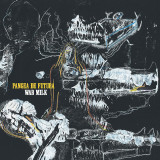
Octet supergroup lead by Eric Quach aka Thisquietarmy. Including 3 drummers, guitar, synth & brass players (who also play in bands such as Godspeed You! Black Emperor, Exhaust, Hanged Up, Avec Le Soleil Sortant De Sa Bouche & more); Pangea De Futura brings together the merged and emerging territories of Montreal's exploratory music scene.
War Milk is the debut studio album from the supergroup Pangea de Futura, an octet that has been exploring since 2019, the many ways of - slowly - constructing massive textural musical shapes and droning tribal post-rock ambiances. Each track simultaneously encapsulates its structure emerging from and within a flux, alongside its impending entropy, creating a suspended moment. This intense experience is crafted through the combined rhythmic contributions of Aidan Girt, Eric Craven, Samuel Bobony, the merging brass arrangements of Véronique Janosy, Reüel Ordoñez, Neboysha Rakic, the electronic textures provided by Charles Bussières, and the intense drones / soundscapes created by Eric Quach's guitar playing. Eight musicians, involved - in total - in some fifty projects from the Montreal scene (a.o. : Godspeed You! Black Emperor, Silver Mt. Zion, Fly Pan Am, Some Became Hollow Tube, HRSTA, BLD, Black Givre, Avec le Soleil Sortant de sa Bouche...)
Earth, Water, Air, Fire... the genesis of a complex and perpetually evolving life.
erscheint voraussichtlich am 14.06.2024

Als Tamás Kátai und sein ungarischer Kollege János Juhász sich 1998 zusammentaten, sahen sie Thy Catafalque als eine innovative Black-Metal-Band. Doch mit ihrem zweiten Album hatte sich die Band bereits in andere Stile entwickelt. Während die Gitarren genauso brutal sind, entwickelt sich Tuno ido tárlat (übersetzt: "Eine Ausstellung der verschwindenden Zeit") in alle Richtungen, von neoklassischem Folk bis zu industrialisierter Elektronik.
erscheint voraussichtlich am 05.04.2024

Wiederveröffentlichte 2024er Pressung dieses unglaublichen Garagenrockwerkes! "The Ultimate Gospel Blues Trash experience recorded in 2001 London on the EMI Redd 17 desk (Abbey Road Studios) by Liam Watson this is pure Dirty ,your parents would not like it' Primitive Rock'n'Roll swearing and blood spiting preaching Raw Garage punk mixed up LO-FI Trash out of control Blues Trash at its best" - RBM, VVR Nach der Trennung vom Wrestling Rock'n'Roll Project Lightning Beat-Man musste der Beat-Man ins Krankenhaus und sah mit eigenen Augen den Tod. Jetzt, Jahre später, ist er zurück mit neuen Kumpels und einer neuen Mission: der Gospel Blues & Trash Mission. 1983 begann er als Ein-Mann-Band, für dieses Album heuerte er die Un-Believers an (Gery Mohr und Robert Butler von den Miracle Workers, Janosh von den Monsters und Gringo Starr, der auch bei den Never Heard Of'Ems, Lightning Beat-Mans Backing Band, spielte) und ging zusammen mit Liam Watson (Bristols, Masonics, Headoats_) in Londons berühmtes Toe Rag Studio, um diesen speziellen Swamp-Blues-Sound auf die Platte zu bekommen. Predigtlieder, Lieder über das Töten von Nachbarn, Predigten über das Abschneiden von Fingern, Lieder über den Gang ins Gefängnis, den Gang aus dem Gefängnis und sogar über das Verlieben und den Gang in die Hölle. Mach dich bereit für eine Menge Slide-Gitarren-Action und Mundharmonikagedröhne, Blues im Stil von Howling Wolf und Gun Club-ähnlichen Trash-Rock'n'Roll. Schwarze LP, Insert, Download Code
erscheint voraussichtlich am 29.03.2024

Otto Klemperer hat die Zauberflöte mit ihrer symbolischen Dramatik in gewohnter Noblesse gestaltet und wird dabei von einer herausragenden Besetzung unterstützt. Gundula Janowitz singt die Pamina mit erhabener Schönheit, und die junge Lucia Popp brilliert in der Rolle der Königin der Nacht, die sie berühmt gemacht hat.
Nun erscheint diese legendäre Aufnahme aus dem Jahre 1964 als 3LP-Set. "Nicht zuletzt verlangt diese wunderbare Mischung aus Erhabenem und Menschlichem von allen Musikern das Beste... Diese Ausgabe ist besonders denjenigen zu empfehlen, die das Geheimnis und die Erhabenheit der Zauberflöte suchen".
Gramophone "So perfekt gesungen und gespielt wie in dieser Aufnahme wird die Zauberflöte zum Meisterwerk." Neue Zürcher Zeitung
erscheint voraussichtlich am 03.11.2023

Bestelle jetzt und wir bestellen den Artikel für dich beim Lieferanten.

Under-recognized trumpeter Johnny Coles recorded only one album for Blue Note but 1963’s Little Johnny C is a little-known treasure of the catalog featuring Coles at the helm of a dynamic sextet with tenor saxophonist Joe Henderson, alto saxophonist Leo Wright, pianist Duke Pearson, bassist Bob Cranshaw, and drummers Walter Perkins & Pete La Roca.
This Blue Note Classic Vinyl Edition is stereo, all-analog, mastered by Kevin Gray from the original master tapes, and pressed on 180g vinyl at Optimal.
Bestelle jetzt und wir bestellen den Artikel für dich beim Lieferanten.

erscheint voraussichtlich am 24.03.2023

The quintet set their sights beyond formulaic confines with their most introspective, uplifting, vital release to date - their first full-length in five years, 2023’s aptly titled The Awakening. The album shines as a massive and diverse offering mixing symphonic, melodic and power metal styles, yielding some of the heaviest tracks in KAMELOT’s history. KAMELOT is one of few bands in the symphonic genre to fully embrace the dark, but of course, there can be no light without it. Inspiring, engaging lyrical themes of determination, strength, overcoming personal battles and growth are abound on The Awakening, provoked by extreme societal shifts and the overwhelming realization that we have such a brief time to be true to ourselves and live life to its fullest. With crystal clear modern production helmed by the band and longtime producer Sascha Paeth, plus mastering by Jacob Hansen of Hansen Studios, KAMELOT’s score-like 13th studio album is accented by guest contributions - from genre star Melissa Bonny (Ad Infinitum), to renowned instrumentalists like violinist Florian Janoske and Grammy nominated, soundtrack-featured cellist Tina Guo. KAMELOT’s intense brand of ultramodern gothic and symphonic theatricality is amplified further and with more emotionality than ever on this inspiring, anticipated addition to the KAMELOT legacy.
erscheint voraussichtlich am 17.03.2023

Mit ihrem dritten Album »The Big B’s« präsentiert das Janoska Ensemble die Musik jener Komponisten, die diese Disziplin meisterlich beherrschten: Bach, Beethoven, Brahms – allesamt »Schutzheilige« und Vorbilder des Janoska Ensemble. Was liegt also näher, das neue Album nach diesen B’s zu benennen und gleichzeitig nach anderen B’s Ausschau zu halten – mit Bartók, Bernstein und Brubeck waren sehr schnell weitere gefunden, die sich hier gleichrangig einordnen lassen.
erscheint voraussichtlich am 28.10.2022

This explosive set of 22 floor filling synth-italo-tech-disco blasts from the past charts the rise and heyday of the synthesizer in Finnish pop music. Compiled by renowned Helsinki DJ and music historian Mikko Mattlar, these 22 choice cuts from 1978 to 1992 include many cult hits and impossibly rare tracks, such as the Fenno-Italo-disco cult classic Satan in Love by Emilia and the synthetic experiments of Argon and Syntax.
Bestelle jetzt und wir bestellen den Artikel für dich beim Lieferanten.

Bestelle jetzt und wir bestellen den Artikel für dich beim Lieferanten.

The Qualitons are one of the few internationally known and critically acclaimed bands Hungary has had to offer in recent years.
They played at numerous festivals across Europe and the USA, performed a live session at legendary indie station KEXP and have released a total of four albums.
Their latest (and last) LP called Kexek is a beautiful and respectful tribute to the music of KEX, one of the most legendary, interesting, and tragic bands of Hungarian music history.
Their avant-garde performances were ahead of their time (especially in communist Hungary) and resulted in brutal repression from the authorities.
They could release only one official single before they were literally smashed by the police, to save his life, key figure Janos Baksa-Soos even had to flee the country.
The concept of the Kexek album was simple: each member of The Qualitons picked one KEX song which they had full creative control over, they re-arranged, mixed them individually and then recorded the tracks together.
What came out of this process is a unique, yet consistent mix of folk, psychedelic, and progressive funk-rock that gets more exciting with each listen.
The LP is limited to 500 copies worldwide.
Bestelle jetzt und wir bestellen den Artikel für dich beim Lieferanten.

"Long hailed as the audiophile's label, Mercury Living Presence represents an important milestone in the history of classical recording. Since they were first released, Mercury Living Presence LP records have been collected and coveted and 70 years after the label’s first release — Mussorgsky’s Pictures at an Exhibition, with Rafael Kubelík conducting the Chicago Symphony Orchestra — Mercury continues to be admired for the quality of its artistry and recordings: all celebrated for their sheer vividness of sound. This audiophile series sources the original first-generation master tapes. New HD transfers were made at Abbey Road Studios. Master files, including new 3-to-2 mixes for stereo titles, were produced by Thomas Fine, son of the original producer and recording engineer for the majority of Mercury Living Presence titles.
Originally released in 1964, this first LP of Starker's legendary Bach Suites recordings for Mercury met immediate acclaim and encouraged Starker and the recording team to wax the other four Suites. All six Suites were released together in a 1966 box set. Recorded April 15 and 17, 1963, in Fine Recording Ballroom Studio A, New York City, using three Schoeps M201 microphones.."
erscheint voraussichtlich am 15.04.2022

Oliver Wood is a mainstay of modern-day American roots music. The frontman of the Wood Brothers since 2004, he's spent the 21st century blurring the boundaries between folk, gospel, country-soul, and Americana, earning an international audience and a Grammy Award-nomination along the way. Always Smilin', his debut as a solo artist, continues that tradition while also shining new light on Oliver's sharp songwriting, savvy guitar chops, and a voice that evokes the swagger of a Saturday evening picking party one moment and the solemnity of a Sunday morning gospel service the next. Always Smilin' is an album of bridges, mixing a wide range of collaborations with a uniquely personal touch. Guests include bandmates from Oliver's musical past and present, from mentor and co-writer Chris Long (who performed alongside Oliver in King Johnson, the roots-rock band that dominated Atlanta's music scene around the turn of the millennium) to percussionist Jano Rix (Oliver's partner in The Wood Brothers). Blues heroine Susan Tedeschi, Hiss Golden Messenger's Phil Cook, Medeski Martin & Wood's John Medeski, Tedeschi Trucks Band's Tyler Greenwell, Nashville staple Phil Madeira, and singer/songwriter Carsie Blanton also make appearances, with Rebecca Wood — Oliver's wife — handling the album's handmade linocut cover art. For Oliver, the goal was simple: to collaborate freely with a mix of old friends and new partners, embracing a new level of independence.
erscheint voraussichtlich am 09.07.2021

Death Waltz Recording Co., in partnership with Milan Records, A24, and Stage 6 Films, is proud to present the soundtrack to Saint Maud.
The score by Adam Janota Bzowski is a stand-alone work of genius, it’s minimal, restrained, claustrophobic, and unrelenting. Its minimalist approach allows Bzowski to fully explore sound design and ambient drones while still creating a mesmerizing soundtrack album full of gorgeous themes. A masterpiece.
A24’s SAINT MAUD, by director Rose Glass, is an absolute tour de force. One of the best horror films of the last ten years, it’s genuinely chilling and scary. It deserves your time, continuing the winning streak from A24 started with The Lighthouse, Midsommar, and Hereditary.
erscheint voraussichtlich am 25.06.2021

Deep spiritual jazz recorded in Germany, performed by Jamaican born saxophone player Fitz Gore and his international group The Talismen, featuring a.o. bassist Gérard Ebbo from Morocco and drummer Philippe Zobda-Quitman from Martinique. This is the first reissue of their second album, released in 1976 by the small private label GorBra from Bonn, including "Delilah" and "Requiem For Julian Cannonball Adderley". The rare LP comes in a newly mastered version with original cover design and sleeve notes. Fitz Gore's music is full of tremendous tension and movement between deep seriousness, inwardness and humility; it affects your life, it liberates and heals.
Original sleeve notes from 1976:
"Soundmagnificat" is the successor to "Soundnitia" (GorBra Records F 665 532), the first release from the Talismen, an international group with Jamaican Tenor saxophonist Fitz Gore (born1935) as founder, spiritual and musical leader, main soloist. "Soundnitia" contained concert performances of June, 1975, including compositions by John Coltrane, Horace Silver and one by Gérard "Prof. Dr. Splüm" Ebbo, bassist of the Talismen.
This second offering from the Talismen is more varied. It has four tracks recorded at four different occasions. It presents Fitz Gore as a singer, a composer, as well as, a tenor saxophonist. The opener, Requiem for Julian "Cannonball" Adderley, is a moving tribute to a great American artist, the late alto saxophonist "Cannonball" Adderley. On this track, Hungarian drummer Janos Sudy is heard with the Talismen, for the first time. The playing by the quartet on this slow lament very adequately illustrates the mood of the composition
For the next piece, a concert performance, Gore selected a gem from the American Negro Song Tradition and he displays a mighty, masculine and soulful voice in Steal Away. An example of a modern artist using an old traditional to express his own inner feelings. Delilah is taken from another concert performance, the same concert as the music on "Soundnitia". It has extensive playing by Gore, a bass solo by Gérard Ebbo, leading into some exciting conga playing by Lamont Hampton.
The final track, A Sinner Kissed An Angel, was recorded by another tenor player, Wardell Gray, in 1950, but this version is all Gore's. After the piano introduction, Gore delivers the melody with authority and with an expressive use especially of the high register of his instrument. In his improvisation, Gore's playing becomes more dissonant. Some of his playing here causes me to think of the way the late Albert Ayler sounded on his first recordings done in Sweden, in the beginning of the 60s. No drums here, but nice accompaniment and solo work of Jochen Paul on vibes.
I met Fitz Gore in Copenhagen in the fall of 1975. We were both listening to the trumpet playing of Harry "Sweets" Edison at the now defunct Café Montmartre. Prior to that time, I did not know Gore and his music, but listening to his playing on this album and the earlier one, has once more widened my musical horizon. His music has struck some chords within me. "Music is communication", John Coltrane once said. I feel sure that as you listen to the music of Fitz Gore and his Talismen, you will get the message.
In these notes, I have mentioned a couple of jazz artists and another one ought to be named primarily, because he has meant a lot to Gore: Sonny Rollins. The two met in Paris in 1966. Gore says of Rollins: "He openend my eyes ...big man … phenomenon … my man". As Sonny Rollins's artistry, the music of Fitz Gore holds many aspects, some being aggressive and even hysterical, others being those of beauty and peace. As life itself … (Roland Baggenaes, June 1976)
The music of Fitz Gore, rooted in the blues, is full of tremendous tension and movement between deep seriousness, inwardness, humility and humor, hardness and tenderness; it affects your life, it liberates and heals - a hopeful, a truly groundbreaking, a timeless, a new music - Newsic!
(Gisela Braasch, 1976)
In memory of Fitz Gore.
Mastered 2020 by Roskow Kretschmann at Audiomoto,
kindly supported by Tom Sky. Vinyl cut at SST.
Producer for reissue: Ekkehart Fleischhammer,
reproduction of original cover design by Gisela Gore:
Patrick Haase aka rab.bit.
Bestelle jetzt und wir bestellen den Artikel für dich beim Lieferanten.

Any historians keen on the subject of "French youth in the 1980s" are holding a treasure in their hands. As a true archaeologist of this decade dedicated to disposable culture, digger-in-chief Vidal Benjamin with his newest compilation, 'Pop Sympathie', offers them a unique journey in the heart of the cyclone of emotions that struck all teenagers during the first seven years of François Mitterrand's mandate. Fifteen musical nuggets, exhumed from the dungeons of history, each and every one of them teaching us about what really obsessed the youngsters at that exact moment, i.e. what happens when the city lights come on at dusk, when irrepressible urges that stir them to get lost even more appear until the end of the night.
The artists gathered here did not have the honour of breaking into the local charts, but they all individually reached for the sky. Each song of 'Pop Sympathie' tells more or less the same story: that of a girl who throws herself into the night like one immerses one's self into the void, who rushes into a one-night adventure to become a star. And too bad if in the early morning she finds herself back at square one. In all these miniature odysseys there is neon lights, lasers, smoke machines, broken glass on checkered tiles, strangers on leather benches, celebrities in the bathrooms, stolen kisses, alcohol, drugs and cigarettes, Polaroids, venetian blinds and radioactive tubes.
If the first opus of Vidal Benjamin, 'Disco Sympathie', focused on the funky mood of songs that could have been played at Le Palace, then 'Pop Sympathie' develops itself as the imaginary soundtrack of another nightclub, Les Bains-Douches, the capital’s epicenter of nocturnal drifts. So what do we listen to, blasé, at Bains-Douches? Mainly synthesizers. The child of punk and post punk, French New Wave celebrates the matrimony of machines and lolitas under the auspices of a retro trend that revisits the atomic age. Trying to surf on that wave and hit the charts, a bunch of producers (Stéphane Berlow, Laurent Stopnicki, Bernard "Black Devil" Fèvre, Johny Rech, Jean-Yves Joanny ...) will spot their talents amongst friends, in a travel agency or at the local bar. These virtual stars are called Cecilia, Laurent, Sonia, Janou, Fabienne, Anne, Arielle or Ronan, not even 20 years old, and often leaving just an overexposed photo and their first name on a single as the only memories of their swift passage in this particular musical story. It took all the love and sweet madness of Vidal Benjamin to bring them back in the light of day.
Clovis Goux
Bestelle jetzt und wir bestellen den Artikel für dich beim Lieferanten.

With their debut album on Hamburg's taste making hafendisko, Deo & Z-Man proceed their research in contemporary electronic music beyond stylistic boundaries and present a wide-ranging lucky bag of songs. The Italo-rooted brothers melt influences from modern House music, HipHop, Electronica and even jazzy elements into a fresh and life-affirming total work of art. And here it is in all its glory - 'No Bullshit' . With a healthy dose of tongue-in-cheek humour and a seemingly endless supply of fresh ideas, Deo & Z-Man might have pulled one of the most creative albums of the year. Effortlessly gliding between wigged out house for the dancefloor, synthy space weirdness, hip-hop infused beats and twisted, smoked-out electro pop - 'No Bull-shit' is a rare thing, a collection of esoteric and eclectic influences that hang together perfectly as a proper album. The boys have long since created their own special vibe through their well received singles, live performances and DJ sets - mixing musical knowledge, party rocking skills and a sense of fun that is all too often lacking these days. Even more rare is to capture that magic in the studio over the course of an album. Yet 'No Bullshit', as the name cheekily suggests, nails it. Listening to the album it's easy to see how Deo & Z-Man cut their teeth with HipHop - tracks like 'Tamastar Santini' (feat Janos), 'Two Blue Bros' and 'YRUAG' reveal a background of beats and rhymes that infuses the whole vibe of the album. Equally at home in the club, recent single 'XTC', 'Chopped Memories' and 'Tales of Love' are lessons in leftfield club dynamics - deep, musical grooves that hint at the brothers' leg
Bestelle jetzt und wir bestellen den Artikel für dich beim Lieferanten.
