Have you ever wondered what might happen when you collide Mighty Ryeders' timeless rare-groove classic 'Evil Vibrations' and De La Soul's iconic hip-hop jam 'A Roller Skating Jam Named 'Saturdays'' into one new tune? Well, wonder now more, because that's exactly what Groove-Diggers have done here. This fresh version blends the sampled parts of 'Evil Vibrations' with De La Soul's raps and vocals while Japanese hip-hop group FNCY have added their own new mic work into the mix as a way of paying tribute to De La Soul's original hit. Also included is a Japanese cover of 'Evil Vibrations' by Taiwanese jazz and neo-soul singer 9m88 which brings a whole different respective. A fun and sure-to-be effective package.
Search:jazz co
Following the cinematic jazz-funk of Ufo Bar (2021), Banda Maje are back, ready to take you on another sonic journey across Salifornia—and beyond.
Their new 7" single, available starting May 30 via Four Flies, offers an exciting glimpse into the expanded horizons of Banda Maje, serving as a prelude to their sophomore album, Costa Sud.
These past four years, Peppe Maiellano—the band's composer and mastermind—has further refined his unique Mediterranean sound. A deep connection to Italian and Neapolitan roots remains, as evidenced in the heartfelt cover of Peppino di Capri's 1981 track, "Mo…" on Side A. Maiellano keeps things simple, staying faithful to the original, yet manages to freshen the track for today's listeners, making the lyrics resonate with his compelling vocal rendition.
But Maiellano has also embraced new influences, particularly Brazilian music, as showcased in the infectious "(Roda De) Samba Maje" on Side B. This roda-de-samba version of the upcoming album track "Samba Maje," a collaboration with the Amor Pela Roda group featuring Antonio Montuori on percussion and Pasquale Del Solio on cavaquinho, gives us a taste of Maiellano's vision for Costa Sud—a 'music of the South' that transcends geographical and time boundaries, bridging Italy, Brazil, Africa, and contemporary vibes.
Out on 30th May 2025 on 7" and digital.
On the latest Soul Quest adventure, the imprint places the journey in the hands of Italian producer Flying Moth, who serves up an enriching palette of groove-laden cuts that are sure to chime along to bright days and sun-kissed evenings.
Flying Moth is the latest alias from producer Niccolò Terranova, who has already demonstrated his jazz-laden dance music chops through the Justnique project and others. Flying Moth is presented as the artist’s most personal project to date, with the ‘Oh Oh’ EP out on Apparel Music highlighting his ability to deliver highly danceable and beautifully presented soulful dance music that lives and breathes heartfelt moments and emotions.
Channelling a myriad of genres and eras, Flying Moth’s music is about catering to new kinds of experiences through displays of enriching musicality and deeply profound compositions. ‘Tides’ is the next step in Flying Moth’s journey, and it feels right at home amongst the sunny vistas and dancefloors of Soul Quest. The EPs opener, ‘Take you higher’ which was made alongside Renato Patriarca is a groover of the highest order. Allowing plenty of time to embed listeners deep within the mix, the first breakdown emerges with a delightful lead melodic line that embraces the chords. The further this track unravels, the more magic is presented—the flute solo is a notable example of this. ‘Bobby’s here’ shares connotations similar to the previous number, albeit with some subtle differences. The chords swirl and dance, with arpeggios adding cascades of melody alongside the hypnotic rhythm section. The track is one of diving deep through the layers in order to deliver a joyous forward momentum - one which feels like it will never cease.
‘Please, keep drinking with me’ begins with a typically upbeat feel. A semi-skippy drumming pattern provides the basis for an overflow of melodic brilliance to come forth, with the track retaining a powerful forward momentum through the mid-range. Inspired, breathy vocals and a one-of-a-kind key solo at the track’s halfway mark add personality and variance. ‘Always Groove in you’, a joint affair alongside Gondii, and this number wastes no time in getting going. A stripped-back yet varied groove weaves around a deep-set bass sequence, but the show that happens up top is a sight to behold - a continual shift between inspired key work and vocal snippets mean that the track never stands still, only evolves and grows. Wrapping things up is Toronto Hustle and Sean Roman providing their twist on ‘Please, keep drinking with me’, and as a remix, it adds an enormity of flavours in the form of sparkling keys, powerful bass notes, and infectious breakdowns.
‘Tides’ might only be Flying Moth’s second EP, but it is a sign of an exciting discography to come. For now, this EP contains all the ingredients to get dancefloors and living rooms moving. Filled to the brim with creativity, thought, and delicateness, ‘Tides’ has an infectious musicality to it - and, perhaps most importantly, a big heart. Time to revel in its emotive brilliance …
- 1: Intro
- 2: I Was Disconnected Feat Sam Castell Ward
- 3: Mystery Man Feat Sebastian Golgiri
- 4: Intense Love
- 5: Credits Side A
- 6: On Connection
- 7: We Are All Human
- 8: Are You A Lost Sock? Part 3 ( K Edit)
- 9: Credits Side B
- 10: All Aboard (Digital Only)
- 11: The Aliens Have Arrived (Digital Only)
- 12: New York Shuffle (Digital Only)
- 13: We Are Connected (Digital Only)
Robyn is doing brilliant and important work - the world needs more music like this. Just one word: listen!" Giles Peterson “Even aside from her skills on her instruments and unique approach to music, Robyn devoted an immense quantity of emotional resources to the delivery of this record, and seemed to take its challenges on as a chance for personal growth. It was consistently clear that the personal input of the players was welcome in a fundamental way, and we all responded to Robyn’s efforts that went to the limits of her capacity and her love for bringing her project to you, the listener” Alabaster DePlume “It has been such a joy to work with Robyn, especially when entering the fascinating world of Robyn’s Rocket and Avant Garde jazz. We had our fun moments, like when the fire alarm went off during our recording session of Mystery Man, and we just rolled with it and kept it in. It’s like nothing matters. It’s such an honour to be part of the world of Robyn’s Rocket and to listen to the many stories, expressions and colours that shine throughout the album.”Sebastian Golgiri What happens when you bring together familiar faces at London experimental music venue Café OTO, Charles Hayward (drummer Abstract Concrete, This Heat) and John Edwards (double bass), and the Total Refreshment Centre (hub of new london jazz scene recording studio ) like Alabaster DePlume (singer and saxophonist) and Danalogue (synths from Soccer96, The Comet is Coming), and the learning disability autism art scene like singers/spoken word artists Sebastian Golgiri and Dean Rodney Jnr (Fish Police), on a magic carpet with space trumpeter Robyn Rocket? The answer materialises in the groundbreaking collaboration 'Robyn Rocket and People You May of Heard of'. Recorded across three days in three different studios connected to the three communities Robyn Rocket calls home, each session brought together musicians from these diverse backgrounds—many meeting for the first time. Together, they improvised and created a musical journey that transcends conventional boundaries.
This cosmic voyage features more than 20 musicians and a dog ( Taz from lost socks), gliding through free jazz, danceable tunes, loopy vistas and spoken word doors into different ways of seeing the world. At its heart lies a profound message about community as a vital part of existence and difference as something to embrace and value. The project culminates in the final single and focus track 'We Are All Human', featuring a poignant speech by Rocket from her night 'Robyn's Rocket - a residency at cafe OTO featuring experimental music and live visuals by artists with and without Learning Disabilities/ autistic and non autistic artists ' in the speech rocket talks about supporting each other—words she actively lives by and encourages others to embrace. Like many autistic people, Rocket has experienced abuse, bullying, isolation and feeling unwelcome in the world. “This project is like my nights but you can carry it around with you”, she explains. “I started my own night to share my work. I also recognised, it was a privilege to have my own night, I wanted to help other artists share their work too, and create an environment where people with and without learning Disabilities/Autistic and non autistic people as audience and performers could come together and get to know each other”. Historical Context
"In 2020, Chick Corea—27-time GRAMMY® winner, National Endowment for the Arts Jazz Master, and one of the most iconic figures in jazz—hit the road with his powerhouse trio of Christian McBride and Brian Blade, and embarked on what would be his final tour. Candid Records and Chick Corea Productions proudly present the recordings from that tour as Trilogy 3, the third installment from this extraordinary group. This unforgettable double live album showcases their unparalleled chemistry and cements their legacy in contemporary jazz history.
With years of collaboration to draw from, 9-time GRAMMY®-winning bassist Christian McBride and 4-time GRAMMY®-winning drummer Brian Blade bring a profound musical connection to their work with Corea. Their longstanding partnership fuels a dynamic, ever-evolving soundscape that elevates the art of the jazz trio to new heights.
Following the critically acclaimed Trilogy (2013) and Trilogy 2 (2018) albums, which each earned two GRAMMY Awards® including Best Jazz Instrumental Album, Trilogy 3 marks yet another milestone for this celebrated ensemble. The release brings together live performances from their February-March 2020 tour, cut short by the onset of the pandemic, capturing the trio’s extraordinary interplay and artistic brilliance. The album features fresh interpretations of jazz standards and Chick Corea originals, including the first trio recording of Corea’s iconic composition ""Windows"" since its appearance on the album Now He Sings, Now He Sobs, nearly six decades ago.
Widely regarded as one of Chick’s most acclaimed ensembles, this trio has consistently pushed the boundaries of jazz with technical brilliance, playful camaraderie, and deep emotional resonance. Trilogy 3 invites listeners to join these masters on a journey through music that is both timeless and groundbreaking."
- 1: The Sheik Of Araby
- 2: Sans Toi Je N'ai Plus Rien (Bei Dir War Es Immer So Schon)
- 3: Suite Hongroise
- 4: Manege
- 5: Souvenir De Toronto/Frischka
- 6: Charleston
- 7: Valse Des Ecoliers
- 8: La Manouche
- 9: Suite Roumaine : Babouchka/Sirba Din Dolj
- 10: Hopla
- 11: Le Vase
- 12: Cousin Django
Angelo Debarre's extraordinary guitar technique has long been the tree that hid the forest of his profound musicality and above all, his talent as a composer. Belonging to the family of Django Reinhardt's heirs, Debarre has become a legend among Gypsy Jazz fans, one of those rare musicians, who can enchant a room and make hearts beat in unison.
The New Dictionary of Jazz (Nouveau Dictionnaire du Jazz) describes Angelo Debarre as supersonic, and indeed, he is with mad virtuosity. His left hand moves up and down the fine neck of his gypsy guitar, with speed but always with musicality. But it would be an understatement to speak only of his dexterity; he has a marvellous ability to play with subtlety, and his improvisational possibilities seem endless; all done with great ease and apparent composure. Solos, counterpoint, he's everywhere.
A child from the gypsy community, Angelo started playing guitar with his family at the age of eight. In 1984, he formed the first "Angelo Jazz Quintet". In 1985, he became one of the pillars of the famous Parisian cabaret, "La Roue Fleurie" and participated in numerous tours and recordings, including the famous Gypsy Guitars, a reference album of the genre.
Very comfortable in several gypsy styles, Debarre can be found alongside fellow guitarist Petro Ivanovitch and singer and balalaika player Raya from the group Arbat. As a guest, DeBarre can be heard with the band Bratsch, in dialogue with the pianist Bojan Z, percussionist Xavier Desandre-Navarre, the violinist Florin Niculescu and other leading figures of the gypsy guitar.
Angelo Debarre: guitar
Serge Camps: guitar
Frank Anastasio: bass
In an ever-expanding musical universe, Azymuth have long existed as a celestial giant, drawing countless artists, musicians and followers into their orbit. Marking fifty years since their 1975 debut album Azimuth, their new album Marca Passo proves that the band’s alchemic brew of Brazilian jazz-funk and cosmic samba soul remains as vital as ever, as the group honours the profound legacy of their departed founders.
Recorded in Rio de Janeiro, Marca Passo is the first full-length release since the passing of founding drummer Ivan "Mamão" Conti in 2023, following the earlier loss of keyboardist José Roberto Bertrami in 2012. Alex Malheiros, the sole remaining original member, sees his stewardship of the band’s musical legacy as his spiritual duty. He is joined by the equally devoted Kiko Continentino (Milton Nascimento, Djavan) on keyboards, who has been with the group since 2016, and new recruit Renato Massa (Marcos Valle, Ed Motta) on drums.
Yet since their earliest recorded music, Azymuth have always been far greater than the sum of their parts. The "three-man orchestra’s" unmistakable sound is rooted in Brazil's MPB studio scene of the 1970s and early 1980s—a time when artists blended traditional Brazilian rhythms with global jazz, rock, and emerging psychedelic and progressive elements. Marca Passo continues this legacy, seamlessly fusing Brazilian musical traditions with global influences while showcasing the exceptional musicianship that powers Azymuth's distinctive, multi-dimensional sound.
The album is produced by studio mastermind Daniel Maunick, responsible for Azymuth’s two previous studio albums, Fênix in 2016 and Aurora in 2011. Daniel’s credits also include albums by Marcos Valle, Sabrina Malheiros and Terry Callier. Azymuth also invited Daniel’s father, British jazz-funk royalty Jean Paul “Bluey” Maunick, of Incognito, to play guitar on a new version of Azymuth’s eighties classic “Last Summer In Rio”, in tribute to the song’s composer, José Roberto Bertrami. Equally, “Samba Pro Mamao” is a new composition dedicated to Azymuth’s beloved original drummer, Ivan “Mamão” Conti.
Credits:
Alex Malheiros - Bass, Acoustic Guitar & Vocals: 1,2, 3, 4, 5, 6, 7, 8, 9, 10
Kiko Continentino - Keyboards, Organ, Vocoder & Vocals: 2, 3, 4, 5, 6, 7, 8, 9, 10
Renato Massa - Drums & Vocals: : 2, 3, 4, 5, 6, 8, 9, 10
Ian Moreira - Percussion: 1, 2, 3, 4, 5, 6, 8, 9, 10
Sidinho Moreira - Percussion: 1, 2, 3, 4, 5, 7, 8, 9, 10
Dudu Viana - Keyboards & Vocals: 1
Victor Bertrami - Drums: 1
Mangueirinha - Repinique: 3
Jean Paul ‘Bluey’ Maunick - Electric Guitar: 5
Jose Carlos Bigorna - Soprano Sax: 9
Daniel Maunick: Additional Percussion, Synths & EFX: 1, 2, 3, 4, 5, 6, 7, 8, 9
Produced, Engineered, Mixed & Arranged by Daniel Maunick
Co-Produced & Arranged by Alex Malheiros
Executive Producer: Joe Davis
Recorded by:
Daniel Maunick & Leonardo Vieira @ Estúdio Nos Trilhos, Santa Teresa, Rio, Brazil
Daniel Maunick & Amadeu Signorelli @ Sigstudio, Niterói, Rio, Brazil
Daniel Maunick & Alex Malheiros @ Estúdio Basslab, Piratininga, Rio, Brazil
Mixed by Daniel Maunick @ The Sugar Shack, Carluke, Scotland
Artwork & Design: Tyler Askew
Anamaría Oramas, a leading voice in Bogotá’s jazz scene, made history as the first Colombian jazz
artist to perform at Estéreo Picnic 2024. Her second album, Ramas Lejanas, explores Colombia’s wind
instrument traditions, blending gaita, flute, and percussion with jazz improvisation, evoking festive
pelayera bands, nostalgic gaita songs, and arrullador currulao.
- 1: Los Conquistadores Chocolatés - Johnny Hammond
- 2: Brazilian Skies - Bill Summers
- 3: Quiet Fire - Roy Haynes
- 4: Nuther'n Like Thuther'n - Willis Jackson
- 5: Sentido En Seis (Six Feeling) - Louie Bellson & Walfredo De Los Reyes
- 6: Vera Cruz (Empty Faces) - Flora Purim
- 7: Visions Of A New World (Phase Ii) - Lonnie Liston Smith & The Cosmic Echoes
- 8: No Matter What - Pleasure
- 9: Njia Walk - Fatback Band
- 10: Gunky - Johnny Lytle
- 11: Jubilation - Patrice Rushen
- 12: Mambo Mindoro - Cal Tjader
- 13: Yatra-Tá - Tania Maria
- 14: Braun-Blek-Blu - Dom Um Romao
As time marched on, many of the DJs I had been working with such as Pete Tong, Paul Oakenfold, Trevor Fung, Simon Dunmore and Johnny Walker got involved in the world-leading UK dance scene, raking in cash by making records. I thought ‘I’ll Have some of that!’ This led to my first foray into the studio creating the proto-acid jazz classic 12”, ‘Psychedelic Jack (That’s Where It’s At)’, which cheekily sampled Frank Zappa, Soft Machine and Gong. With me and Gilles on vocals, it got us signed to Acid Jazz Records, who released in 1988 under the name of Extasis.
That was just the start and nearly 35 years later (gulp!) I’ve had a ball, producing Galliano and Paul Weller, working with Mick Talbot, Roy Ayers, Linda Clifford and Sharon Redd, remixing Will Downing, Ce Ce Rogers and Blaze. I’ve made house tunes with Faith’s Terry Farley, run the legendary Dadhouse Records label with Dave Jarvis. I also set up my own studio and released music under a variety of names, both for my own labels and Acid Jazz Records. Recent releases include my solo albums “Firebird” (2023) and “Dream World” (2024). There was also “Back To Business” with Mick Talbot, released in 2023.
- Life Rhythm
- Balance
- Joy Of Life
- Eternity
- Desert Move Feat. Shantel & Thomas Konstantinou
- Second Nature Feat. Dominic Miller
- Open Land
- Full Circle Feat. Bill Evans
- Silence And Sound
- Supernova
- Home
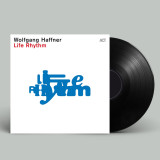
»Ich denke immer wieder aufs Neue darüber nach, wie ich mich als Schlagzeug-spielender Bandleader so positionieren kann, dass das Instrument eine tragende Funktion einnimmt, dies aber auf eine musikalische Weise geschieht und auf keinen Fall als Zurschaustellung von Virtuosität«, sagt Wolfgang Haffner. Diese Haltung zieht sich als roter Faden durch seine gesamte Karriere - und auch durch »Life Rhythm«, sein zehntes Album auf ACT.
Und obwohl Haffners Musik gängigen Vorstellungen virtuoser Schlagzeug-Leader ganz bewusst widerspricht, steht das Instrument diesmal besonders im Fokus. Ausgangspunkt dafür war Wolfgang Haffners allererstes Solokonzert im Jahr 2022 auf Schloss Elmau. Er erinnert sich: »Das war eine Wahnsinns-Herausforderung bei der ich auch vor der Entscheidung stand: Spiele ich jetzt eine Stunde Schlagzeugsolo? Natürlich nicht! Also habe ich habe eine Menge melodisch klingender Perkussionsinstrumente eingebaut, Passagen live geloopt, mit Echos und Delays gearbeitet – im Grunde wie im Studio, nur eben auf der Bühne.« All dies brachte Haffner dazu, sich noch einmal auf ganz intensive Art mit dem Thema mit dem Instrument zu beschäftigen, welches ihn sein Leben lang begleitet. Und so haben alle Stücke auf »Life Rhythm« diesmal ihren Ursprung, nicht wie sonst bei Haffner, am Piano, sondern am Schlagzeug.
Das Ergebnis dieses Prozesses kann man gleich zum Auftakt von »Life Rhythm« auf dem Titeltrack erleben: Das Stück basiert auf einem hypnotischen Groove, bei dem nicht die Becken, wie sonst im Jazz üblich, die Time angeben, sondern vor allem die Trommeln. Das dieser Groove direkt Phil Collins und besonders an dessen Stück »Take Me Home« erinnert, ist kein Zufall: Collins' Art, Drum-Parts zu elementaren Teilen des Songwritings zu machen, ist bis heute eine von Haffners größten Inspirationen. Und auch jedes weitere der elf sehr kompakten, Song-haften Stücke auf »Life Rhythm« öffnet eine eigene Welt des musikalischen Schlagzeugspiels: Mal mal trocken-reduziert mit Besen wie auf »Balance«, poppig bei »Joy of Life«, mit filigranen Becken-Grooves, dezenter Elektronik und Percussion auf »Eternity« oder minimalis-tisch bis kurz vor der Stille in »Silence and Sound«.
Das aus all diesen Stilistiken ein so stimmiges Ganzes ent-steht liegt daran, das Wolfgang Haffner diese im Laufe seiner Karriere bis in die Tiefe durchdrungen hat - an der Seite von stilbildenden Charakteren wie Al Jarreau, Chaka Khan, Pat Metheny, Jan Garbarek, Esbjörn Svensson, Nils Petter Molvaer, Albert Mangelsdorff, Ricardo Villalobos und vielen, vielen mehr. All diese Kollaborationen haben Wolfgang Haffners Voka-bular am Instrument und auch als Komponist geprägt und die da-mit verbundenen, unterschiedlichsten Stile sind gleichermaßen Teil seiner musikalischen Persönlichkeit.
Vielseitigkeit und höchste Musikalität sind auch die Eigen-schaften, die Wolfgang Haffner und seine Mitmusiker auf »Life Rhythm« verbinden. Die Basis bildet ein bestens einges-pieltes Trio zusammen mit Keyboarder Simon Oslender, selbst auch Drummer und Bandleader, und Thomas Stieger, einem der gefragtesten deutschen Bassisten in Pop wie Jazz. Dazu kommen Trompeter Sebastian Studnitzky, Mitstreiter Haffners seit seinem ACT-Debüt »Shapes« und der Finne Arto Mikälä, eine echte Entdeckung in Sachen Klangvielfalt an der Gitarre. Diese Band herausragender Allrounder erweitert Haffner um eine Reihe musikalischer Charaktere, die der Musik ihre ganz eigene Farbe verleihen: Nils Landgren, Freund und Weggefährte seit mehr als 20 Jahren, Saxofon-Ikone Bill Evans, Sting-Gitarrist Dominic Miller, Balkan-Beat-Star Shantel, Bass-Feingeist Nicolas Fiszman, Oud-Virtuose Thomas Konstantinou und Bruno Müller, einer der besten deutschen Jazzgitarristen.
»Life Rhythm«, sagt Wolfgang Haffner, »ist für mich eine Fortsetzung, keine Wiederholung«. Die Musik trägt mit ihrer Wärme, Kraft und Klarheit die charakteristische Handschrift, die Haffner mit seinen Alben und auf tausenden von Konzerten in mehr als 100 Ländern zum wohl populärsten Schlagzeug-spielenden Leader Europas gemacht hat. Und gleichzeitig ist es eine Evolution seiner Musik. Gut möglich, dass Haffners Erfolg genau darin begründet ist, dass seine Musik immer etwas Ver-trautes und etwas Neues beinhaltet und dass Haffner sein Publikum so immer »mitnimmt« im Fluss seiner Ideen - und in einem gemeinsamen »Lebensrhythmus«
- Nightclouds
- Still Life
- Chordalities
- Nightclouds (Variation)
- Morningclouds
Das vierte Album von Ellen Arkbro, "Nightclouds", versammelt fünf Improvisationen für Orgel solo, die 2023-24 in Mitteleuropa aufgenommen wurden. "Nightclouds" ist unverhohlener romantisch und introspektiver als ihre früheren Werke, obwohl es fest in der Strenge und Präzision verwurzelt, die Arkbro's Konzept ausmachen. Es ist die Erweiterung ihrer Erkundungen von räumlicher Harmonie, Taktilität und Textur, Arkbro schöpft gleichermaßen aus sakraler Musik, Jazz im ECM-Stil und Minimalismus und beschwört eine kühle Intimität und einen kühlen Ton herauf. Ihre entschleunigten Akkordimprovisationen hüllen den Zuhörer in düsteres verwaschen, während ihre Mikrofonierung die raue haptische Maserung des Rohrblatts offenbart und den Zuhörer sowohl innerhalb als auch außerhalb des Klangs bringt. Sie evoziert Duette von Kjell Johnsen und Jan Garbarek oder La Monte Young und Tony Conrads Bearbeitung von Euringers und Harmer's Cowboy-Song ,Oh Bury Me Not". "Nightclouds" kanalisiert spirituelles Pathos durch eine rigoros zurückhaltende Architektur. Anknüpfend an das letztjährige Album "Sounds While Waiting" (W.25TH, 2024), einer Auswahl von Stereomischungen, die Arkbro's räumliche Orgelinstallationen dokumentieren, ändert Nightclouds die Richtung und konzentriert sich auf unmittelbare Komposition und Improvisation. Elegante, einfache akkordische Gerüste unterstützen reiche, sich ständig verändernde Texturen; genaues Hinhören erfordert die Hingabe an anhaltende Unentschlossenheit. Den Abschluss einer Sammlung von kurzen Stücken bilden zwei Variationen über die titelgebende Komposition ,Nightclouds", eine eine schelmische Anspielung auf den britischen Jazz-Gitarristen Allan Holdsworth: Die erste Aufnahme verlangsamt und dehnt eine kontinuierlich modulierte harmonische Progression, während die kurze Schlussversion einfach drei Akkorde schleift. Zwischen diesen Stücken liegen ,Still Life" und ,Chordalities", zwei kurze Werke, die im Temple de La-Tour-de-Peilz in Vevey, Schweiz, aufgenommen wurden. Die zweite Hälfte des Albums ist folgenden Stücken gewidmet ,Morningclouds", ein weitläufiges Werk, das in der rekonstruierten Gedächtniskirche (Kaiser-Wilhelm-Gedächtniskirche) in Berlin aufgenommen wurde. Arkbro's prägnantes musikalisches Vokabular und formale Architektur evozieren ein Gefühl der emotionalen Ambivalenz, gleichzeitig erhebend und schwermütig und führt den Hörer mit kühler und distanzierter Schönheit. "Nightclouds", das als tiefgründiges Statement in Arkbros sich entwickelndem Werk steht, das zugleich introspektiv und expansiv ist, bestätigt ihre einzigartige Fähigkeit, harmonische Einfachheit in tief berührende Klanglandschaften zu verwandeln, die den Hörer in einen Raum der Kontemplation und emotionalen Tiefe führen.
- Amkhapaa
- J3: Z
- T-Hu Ri Toh
- Mic Mo
- Paer Tahm
- Dtorumi
- Lom Tum Lai Kwee
- Ti-Di-Ti Naoo
CLEAR SMOKE VINYL[32,35 €]
SoiSong ist das helle, atemberaubende und kurzlebige Projekt, das 2007 von Ivan Pavlov (CoH) und Peter ,Sleazy" Christopherson (von Coil) gegründet wurde. Das Duo kombinierte Pavlovs kompromisslos visuelle digitale Ästhetik mit Sleazys dekadenter, düsterer und skurriler Herangehensweise an die Kreation. Die beiden benannten das Projekt nach dem thailändischen Wort für `zwei' (Song) sowie nach den schäbigen Rotlichtvierteln ("düstere Soi / Gasse") von Bangkok. Gemeinsam entwickelten sie eine einzigartige, elegante, aber eher kryptische Musiksprache. Das Debütalbum "xAj3z" von SoiSong ist eine digitale Referenz an den Jazz: scheinbar akustische, überschäumende, Grenzen sprengende, digitale Unterhaltung, in der Lichtstrahlen und tropische Hitze mit Nullen und Einsen unterlegt sind. Das Album ist ein definierendes Statement und ein Wegweiser für die Möglichkeiten in der (damals) entstehenden Musiklandschaft der späten 2000er. Ohne den Wunsch, kommerziell zu sein, war SoiSong nicht an die Konventionen einer einfach zu definierenden Verschlagwortung verpflichtet, und in ihrem eigenen, ,neuen, noch nicht kategorisierbaren Genre", wobei "xAj3z" ein Meisterwerk ist. "xAj3z" mischt frei Musikstile und kombiniert verschiedene Ansätze des Musizierens: Künstliche Vokalisten werden von echten Drums begleitet, Jazz-Noir-Arrangements treffen auf die zarte Melodik der Südsee, und Computer werden warm und organisch zum Klingen gebracht. Das Album zeigt keine offensichtliche Genre-Definition und zielt darauf ab, mit dem Hörer auf höchster emotionaler Intensität zu kommunizieren, oft lyrisch, manchmal dunkel, manchmal amüsant und sogar erhebend.
Black Vinyl[29,83 €]
SoiSong ist das helle, atemberaubende und kurzlebige Projekt, das 2007 von Ivan Pavlov (CoH) und Peter ,Sleazy" Christopherson (von Coil) gegründet wurde. Das Duo kombinierte Pavlovs kompromisslos visuelle digitale Ästhetik mit Sleazys dekadenter, düsterer und skurriler Herangehensweise an die Kreation. Die beiden benannten das Projekt nach dem thailändischen Wort für `zwei' (Song) sowie nach den schäbigen Rotlichtvierteln ("düstere Soi / Gasse") von Bangkok. Gemeinsam entwickelten sie eine einzigartige, elegante, aber eher kryptische Musiksprache. Das Debütalbum "xAj3z" von SoiSong ist eine digitale Referenz an den Jazz: scheinbar akustische, überschäumende, Grenzen sprengende, digitale Unterhaltung, in der Lichtstrahlen und tropische Hitze mit Nullen und Einsen unterlegt sind. Das Album ist ein definierendes Statement und ein Wegweiser für die Möglichkeiten in der (damals) entstehenden Musiklandschaft der späten 2000er. Ohne den Wunsch, kommerziell zu sein, war SoiSong nicht an die Konventionen einer einfach zu definierenden Verschlagwortung verpflichtet, und in ihrem eigenen, ,neuen, noch nicht kategorisierbaren Genre", wobei "xAj3z" ein Meisterwerk ist. "xAj3z" mischt frei Musikstile und kombiniert verschiedene Ansätze des Musizierens: Künstliche Vokalisten werden von echten Drums begleitet, Jazz-Noir-Arrangements treffen auf die zarte Melodik der Südsee, und Computer werden warm und organisch zum Klingen gebracht. Das Album zeigt keine offensichtliche Genre-Definition und zielt darauf ab, mit dem Hörer auf höchster emotionaler Intensität zu kommunizieren, oft lyrisch, manchmal dunkel, manchmal amüsant und sogar erhebend.
"An undisputed Canterbury Scene classic for the first time in Half-Speed Mastered Edition. This 1978 critically acclaimed debut album from the supergroup National Health fused Progressive Rock with Jazz-oriented melodies to create the complex signature sound of one of the Canterbury Scene"s finest bands! The album features the outstanding talents of keyboardists extraordinaire Dave Stewart and Alan Gowen, virtuoso drummer and lyricist Pip Pyle, vocalist Amanda Parsons, guitarist Phil Miller and bassist Neil Murray. The music is essentially a fusion of contemporary classical sounds expertly performed by top-drawer rock and modern jazz players, aspiring to the highest level of musical curiosity and creativity. This half-speed mastered edition offers an unprecedented clarity and depth to the album"s already rich sound. The intricate details of each composition will shine, allowing long-time fans and newcomers alike to appreciate the technical prowess and inventive spirit that made National Health a Canterbury Scene milestone. First official vinyl reissue".
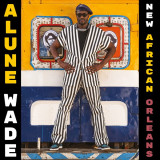
In his sixth and latest album “New African Orleans”, released by ENJA and Yellow Bird, bass guitarist and composer Alune Wade explores the multiple junctions between his native West African rhythms, the Afrobeat and juju rhythms from Lagos and the brass band repertoire immortalized in New Orleans. “I’m exploring a world that goes from my roots to the lost branches on the other side of the Atlantic,” explains the musician from Senegal. He has whittled down around 50 compositions – both original and standards - to a dozen which Alune recorded in Paris, Dakar, Lagos and New Orleans. “The idea first came to me during the Jazz à Gorée festival I organized back in 2014,” he explains. “It had me reflect on the notion of reversing the musical trip most people take from the United States to the African continent. I wanted to set out westward and begin a musical conversation with the best artists, both in Nigeria and the US.”
To achieve this, Wade has invited top artists from both sides of the Atlantic, including the Nigerian talking drummer Olaore Muyiwa Ayandeji, the percussionist Weedie Braimah and the jazz drummer Herlin Riley from New Orleans. The musical inspirations are equally transatlantic, ranging from Dr. John to Manu Dibango and Charlie Parker. But the 45-year-old also pays homage to his father who was a brass band star in his native Senegal back in the Sixties.
BACKGROUND
We only have a partial idea of the birth and remarkable development of the music born of the transatlantic slave trade. From Malinke ballads to Cuban son, from call-and-response patterns to field hollers and hip-hop, Yoruba rhythms to Argentinian tango, from Angolan percussions to the New Orleans brass band sounds… all have roots in Africa and a shackled migration that lasted four centuries. No more so than Congo Square in the Louisiana capital. In 2024, we mark the 300th anniversary of the implementation of the Code Noir which “gave enslaved Africans Sundays off to dance”. A drop in the ocean, but one which shows the importance of culture as a lifebuoy against this barbaric trade. As the Guadeloupian writer Daniel Maximin once claimed: “Our music guided us from the scream to the song, from dragging our chains to dancing.”
This landmark recording by the Norwegian jazz vocalist Karin Krog was recorded in 1974 when the American pianist Steve Kuhn was living in Scandinavia. Krog moves far beyond the standard jazz of her roots, into territory that's spacey, cosmic, and filled with the best influences bubbling underground in the Euro scene of the 1970s.
- In A Mellotone
- Nica's Dream
- Green Dolphin Street
- Summertime
- Sometimes I'm Happy
- Who Can I Turn To (When Nobody Needs Me)
Im »Mellow Mood« benannten, fünften Kapitel der Serie kehrt Oscar Peterson nach dem solistisch bestrittenen Vol. 4 zu seiner Triobesetzung mit Sam Jones (b) und Bob Durham (dr) zurück. Es ist ein Album, auf dem der Kanadier in einigen Stücken die Giganten des US-Jazz feiert. So startet er mit Duke Ellingtons »In A Mellotone«, das er variantenreich und mit überbordender Physis interpretiert.
Die Horace Silver-Komposition »Nica's Dream« leitet er aus lyrischer Contenace zu improvisatorischem Sprudeln, Gershwins »Summertime« spielt er in einer vom melancholischen Melos gänzlich befreiten, nach seinen eigenen Worten »kühnen« Fassung. Mit »On Green Dolphin Street« greift er ein Thema aus dem gleichnamigen Film auf, entfaltet seine tänzelnden Tastengänge über dem Bordun von Jones, der gegen Ende auch ein wunderbares Solo liefert. Mit den abschließenden Stücken umspannt er einen weiten zeitlichen Rahmen: »Sometimes I'm Happy« führt in die Unschuld der Zwanziger Jahre zurück, »Who Can I Turn To« hingegen stammt aus den Sechzigern. Peterson hat es bereits für sein Soloalbum eingespielt, hier wird es nach einem verblüffenden Tempowechsel im Triogefüge ausgearbeitet.
Auf dem abschließenden Volume der Serie »Exclusively For My Friends« setzt Oscar Peterson mit seinen Kollegen Sam Jones (b) und Bob Durham (dr) noch einmal sehr unterschiedliche Glanzpunkte. Das überschäumende, vorwärtstreibende Titelstück kann seine Wurzeln im Gospel nicht verleugnen, kontrastiert wird es mit der schlichten und doch so tiefsinnigen Ballade »Emily«. Mit der Jobim-Komposition »Quiet Nights« (im Original »Corcovado«) demonstriert das Trio, zu welchem Feingespür es bei der Adaption der Bossa Nova fähig ist. Die ansonsten so träumerische Nummer wird hier mit rasant swingender Unbeschwertheit einer erstaunlichen Metamorphose unterzogen. Durch die Auswahl von »Sax No End« verbeugt sich Peterson vor dem europäischen Jazz: Die Komposition stammt vom belgischen Bigband-Leader Francy Boland und wird von Petersons mitreißendem, sehr muskulösem Spiel geradezu in Brand gesetzt. Zum Finale »When Lights Are Low« von Benny Carter: Über zehn Minuten gestaltet das Trio bedächtig und souverän diese versonnene Komposition, wobei Sam Jones mit seinen delikaten Begleitfiguren nochmals eine besondere Rolle zukommt.
- Angels
- Wanna Know (Ontario)
- Man
- Sierra
- Flicker
- Wandering Attention
- Fear
- More Than You Are Now
In dark and difficult times, the music of Barney Lister and Kojo Degraft-Johnson lifts us up. As MRCY, the production and vocal duo are confronting the many crises of modern life with a fresh sound full of punchy instrumentation, enveloping orchestration and lyrical honesty. On their latest project, VOLUME 2, Barney and Kojo deliver emotive music that surprises as much as it comforts, referencing timeless sounds as much as a sense of the cutting edge. Channeling soulful vocal melody alongside afrobeat polyrhythms, jazz soloing and driving, distorted grooves, tracks like "Man" address the challenges of modern masculinity, while standout number "Fear" drives a message that encourages us to fight the terror we might feel about the state of the world with optimism. Following the acclaimed release of their 2024 debut project VOLUME 1, which saw the duo nominated as Rising Stars at the Rolling Stone Awards and named as one of DIY's Class of 2025, MRCY returns with vital music that addresses the complexities of being alive today. "We're trying to extinguish fear with optimism and worry with love," Barney says. "VOLUME 2 breaks the mould to present a bigger picture of who we are - something with angst, surprises and more guts. The main feeling of the project is that the world is fucked but let's dance through it."
- A1: Don’t Wait Too Long
- B1: You Don’t Have To Lie
At Home of The Good Groove Records HQ, we are absolutely delighted to present our second release - a pair of sublime tracks making their long-awaited debut on 7-inch vinyl.
Jamaican music legend Beres Hammond has captivated audiences for over 40 years with his soulful voice and heartfelt lyrics, earning him the title “King of Lovers Rock”, with a loyal global fan base. Influenced by the American soul and jazz records his father collected – featuring icons like Otis Redding and Sam Cooke – as well as the rich sounds of ska and rocksteady, Beres crafted a sound that remains timeless.
For this release, we return to Beres’ 1976 debut album, Soul Reggae – an exceptional record that never quite received the full recognition it deserved. A masterful blend of soulful tones and reggae rhythms, the album is a testament to Beres’ artistry and the genius of his collaborator, Willie Lindo.
Lindo, a legendary reggae guitarist and producer, played a crucial role in shaping the Soul Reggae album. Beyond his impeccable musicianship, he took on multiple roles – writer, arranger, producer, and owner of the Water Lily record label, on which the album was first released. His contribution to these two tracks cannot be overstated.
The Tracks
Side A – “Don’t Wait Too Long”
An upbeat, soulful groove that will appeal to listeners across the black music genres. The track boasts a beautifully arranged melody, with Beres’ warm, feel-good vocals and rich harmonies carrying the song effortlessly. A certainty to get the dance floor vibing.
Side B – “You Don’t Have to Lie”
Lowering the tempo slightly but delivering the same soulful quality, this track brings a heartfelt vocal performance filled with depth and emotion. A timeless piece that speaks to the complexities of love and relationships.
At Home of The Good Groove, we are incredibly honoured to bring these two remarkable tracks to 7-inch vinyl for the very first time.
A huge thank you to Beres Hammond for his incredible music and to Willie Lindo, who has worked closely with us to make this release possible.