5
нет на складе
Закажите сейчас, и мы закажем товар для вас у нашего поставщика.
11,56 €
Закажите сейчас, и мы закажем товар для вас у нашего поставщика.

Mit - They`ve Given Me Schrott! - Die Outtakes' erscheint nun zusätzlich eine Edition als 3er CD und
5er LP mit den bisher nur in der Seitenhirsch-Box veröffentlichten Outtakes. Vom allerersten
Cassettenrecorder-Demo - Der lustige Astronaut' (1978), über bislang nur auf Vinyl erhältliche Songs
aus der Frühphase der Band, mit - Helgoland' die Demo Ur-Fassung von - Westerland', sowie zig
weitere seltene und kuriose Demos, Radiotracks und Gimmicks, und das oft erwähnte und nie
veröffentliche englische Album.
Anmerkung: Bitte erwarten Sie hier keine durchgängig hochwertige Audioqualität: Diese Raritäten sind
zum Teil Kellerfunde auf Basis von alten Audiocassetten oder Vinylplatten, die aufwendig restauriert
und neu gemastert wurden. Allerdings kann man aus einem Toaster kein Rennrad machen.
[ZZA] I5 | Smash the System, fuck the Police
[ZZB] I6 | Nie wieder Krieg, nie mehr Las Vegas!
[ZZC] I7 | Eine Botschaft von Die Ärzte
[ZZD] J1 | I laugh if you die
[ZZE] J2 | Herrliche Jahre (Das Leben ist `ne Party)
[ZZF] J3 | Yoko Ono
[ZZG] J4 | Techno ist die Hölle, mein Sohn
[ZZH] J5 | Worum es geht
Закажите сейчас, и мы закажем товар для вас у нашего поставщика.

Skinny Pelembe has corralled together a cast of talented friends for his new EP. It's the second release from the Doncaster-raised, multi-talented producer-cum-bandleader since signing to Gilles Peterson's Brownswood label in February. This one's a group effort, with each of its tracks featuring a different artist, each of them an act he's met through music or through linking with Brownswood's talent development programme Future Bubblers two years ago.
The EP touches on hip-hop, psych-rock and jazz-influenced sounds, continuing in the gloriously magpie-like approach of his earlier releases. Each of its songs started as a rough idea which was then fleshed out and re-imagined with his collaborators. He says that the title of the EP comes from some advice which he left for himself on an old notebook. The singer-guitarist-producer, born in Johannesburg and raised in Doncaster, signed to Brownswood earlier this year and debuted with the 'Spit / Swallow' single in March. It's seen support from Dazed, The Quietus and Huck. He's been invited as a guest onto Jamz Supernova on Radio 1xtra, as well as Tom Ravenscroft and Lauren Laverne on 6 Music. He recently featured as one of the guests chosen for 6 Music's showcase at The Great Escape. The single release will be followed by Skinny's first UK Tour in September.
Закажите сейчас, и мы закажем товар для вас у нашего поставщика.

Music made from Automatic Vocals AI reradings textes... A concept ambum. Very special humor and bloody electro cheap tunesChnasons résieuses. Tirtes tres cnonus. C'est n'imrpote quoi. Vive Blind Sport quoi.
Закажите сейчас, и мы закажем товар для вас у нашего поставщика.

Al Johnson came from the 60s Washington group The Unifics, then in 1978 he released a debut album Peaceful' on an independent label. It featured the original version of I've Got My Second Wind' that would later be re-recorded and become a popular song from his 1980 CBS album Back For More' and is featured here. The song I'm Back For More' was a duet from the album featuring Jean Carn which is released in its full length version here on Expansion for the first time. Both songs timeless moern soul classics.
Закажите сейчас, и мы закажем товар для вас у нашего поставщика.

Voilaaa is one of the many projects led and produced by Bruno Patchworks' Hovart, who's proven over the past 15 years, his place amongst the finest producers of groove music in all genres.
This time exploring the wide spectrum of the African and Tropical Disco scene, he received a massive international support for Voilaaa's first album, On te l'avait dit, released late 2015 on Favorite Recordings.With a second effort already planned for spring 2017, Voilaaa has not finished to feed international dancefloors with heavy Afro-Disco vibes.Here comes the first single from Voilaaa's upcoming second efforts, made of 3 new killer tunes featuring Lass, Sir Jean, and Pat Kalla.
Закажите сейчас, и мы закажем товар для вас у нашего поставщика.

Закажите сейчас, и мы закажем товар для вас у нашего поставщика.

он должен быть опубликован на 01.06.2016
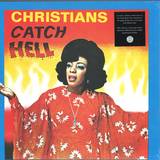
Utterly magnificent, sublimely soulful survey of the Gospel Roots label, subsidiary of the mighty TK Records at the height of the Miami Sound. Beautifully presented... the LPs with a 12"-square, full-colour, sixteen-page album of photos and original artwork. Check!!
A&R was co-ordinated by Gospel legends Ira Tucker — from the Dixie Hummingbirds — and Ralph Bass, veteran producer with Savoy, King and Chess. The label was run by Timmy Thomas, who had recently smashed with Why Can't We Live Together, for another TK spin-off, Glades. Operations were overseen by Henry Stone himself, unlikely King of Disco, who had recorded a young Ray Charles, and pushed forward James Brown. They drew in artists from all over the US, from St. Louis, Columbus, Memphis, Brooklyn, Cabrini Green in Chicago: unknowns like Camille Doughty, reluctant to jeopardise her job at GM ('Generous Motors') in Detroit, and huge-sellers like the revered Brooklyn All Stars, who started out on Peacock in 1958.
Choral belters, deep ballads, harmony quartets, epic city-blues, gritty funk, powerhouse female soul... Killer-diller Philly like a scorching version of Harold Melvin & The Blue Notes' Wake Up Everybody, and Jean Austin's raw Spirit Free, co-written by Ronnie Dyson, produced by Jesse James at Future Gold. Chicago Sound like The Fantastic Family Aires — named after the family's furniture store on North Cicero, but reminiscent of the Staple Singers at their best — through to the full-blown glory of The Fountain Of Life Joy Choir, led by Marvin Yancy from The Independents, and featuring Natalie Cole... Singers like Versie Mae Gibson, from the Jordans, by rights up there with Irma, Etta and Ree... Bangers 100%-guaranteed to find their way into Theo Parrish sets, and mortal delirium for the prissiest of soul and gospel purists.
Закажите сейчас, и мы закажем товар для вас у нашего поставщика.

Pursuing their explorations of international Funk and Disco music, Favorite Recordings and Bruno "Patchworks" Hovart present us Voilaaa. With this first 2 tracks single revealing the Afro-Disco inspiration of this new experience, Favorite also expands its new series of Disco 12inch singles recently launched with several fine reissues.
Under the imprint of the label and after their long years of collaboration in the achievement of projects such as The Dynamics, Mr President, Mr Day, Patchworks Galactic Project, or Taggy Matcher, the insatiable French producer therefore returns to his first love and specialty, Disco music, staring this time at the African and Caribbean influences.
Indeed, as everywhere in the 70s and 80s, Funk and Disco movements were extremely influential in these regions, and in most cases, the combination of the festive, yet sometime futile nature of Disco, and the instinctive, deep, sometimes rough nature of African music, sounds like a perfect balance. Aiming to respect this energy and specific sound, Patchworks quickly began producing a few tracks, Using his unique and ruling beats and bass lines as foundations, this time he dresses all with guitars, keyboards and brass distorted with vintage and DIY effects pedals and boxes.
Surrounded by a very dynamic music scene, where there is no shortage of artists with African origins, Patchworks decided to work with local singers, even if it means to accompany them on unusual musical paths. A more than successful bet with a result surprising of authenticity, as it's unveiled by these first two titles alongside Sir Jean and Pat Kalla, both from a musical background as rich than different.
With an album planned for the end of the year, that promises to be as explosive and magnetic, Patchworks and Favorite Recordings make a strike again... Voilaaa tout (Thaaat's all)!!
Закажите сейчас, и мы закажем товар для вас у нашего поставщика.

This one is a taste of things to come from the ClekClekBoom camp, a ready to use 'Various Cuts' EP made by deejays for deejays.
A solid wax with different weapons including already known CCB producers and extended family. For this first volume, French Fries teams up with NSDOS on a hypnotic jam, bringing Chicago's percussive legacy in a 90's NYC ballroom. Then we got Aleqs Notal going deep with a new batch of his lunar material where tripping synths meet spaced out hi-hats. On the flip Jean Nipon provides his drummer background to display some infectious rhythms colliding with a shuffling syncopated bass, while Barbara Ford takes us through a heavy mesmerizing acid jam tunnel... Overall a deep and yet club-material experience representing perfectly what ClekClekBoom has to offer today.
Закажите сейчас, и мы закажем товар для вас у нашего поставщика.

limited picture vinyl of the david bowie classic !!!
Закажите сейчас, и мы закажем товар для вас у нашего поставщика.

Pursuing their explorations of international Funk and Disco music, Favorite Recordings and Patchworks present us Voilaaa. Following a first 2 tracks single acclaimed this summer and clearly revealing the Afro-Disco inspiration of this new experience, here comes Voilaaa's first album, titled On te l'avait dit. After his projects such as The Dynamics, Mr President, Mr Day, Patchworks Galactic Project, or Taggy Matcher, the insatiable French producer therefore returns to his first love and specialty, Disco music, staring this time at the African and Caribbean influences. The 10 tracks of the album are instantly up to expectations, chaining hit after hit tirelessly, and offering brilliant collaborations with Sir Jean, Pat Kalla, Renaud Bilombo, or label mates Hawa and Fouley Badiaga.
Закажите сейчас, и мы закажем товар для вас у нашего поставщика.

Across the cosmic boundaries via spiritual exploration and in the void between shimmer and shadow you will find the astral soundscapes of Birds Of Pandaemonium...
Emerging from Brooklyn's late-night music ecosystem, 'Hazy James' Armstrong and Tim Wagner met nearly 20 years ago through the city's DJ and club scene. Each with different but complementary musical backgrounds which included a mix of folk, guitar, DJing, synths, drum machines, country rock, disco, jazz, and rhythm-heavy club music (being just a few!), the duo began various musical endeavours together & "exploring the darkness while pursuing light" which eventually lead to the birth of Birds Of Pandaemonium.
It was only a matter of time that the stars aligned (via an introduction from Shane Watson of Causeway) to bring the Birds onto the musical radar at Sprechen which led to the release of 3 renowned E.Ps and ultimately, their debut album, Eudaemonia. Obscure covers including Idris Muhammed's Loft classic 'Could Heaven Ever Be Like This', the rave defining Born Slippy by Underworld and the post punk/new wave 'On Islands' by New Musik sit alongside original songs shaped by fresh reflections on life, grief, and love with elements of dream pop, shoe-gaze & gothic pop to give wistful and pulse-driven listening experience that is hazy, romantic, and deliberately genre-blurring.
A truly unique listening experience that delivers broad strokes of sunsetting psychedelia and bleary-eyed optimistic, astral dream-pop across all 8 tracks.
Is it balearic? Not really, it's pretty much a genre all on its own (answers on a postcard).
Товар уже находится на пути к нам и, как ожидается, будет доставлен из 30.09.2026.
он должен быть опубликован на 30.09.2026
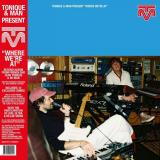
With Where We’re At, Tonique & Man deliver a warm and vibrant second album blending indie pop, soul and soft disco. Staying true to the groove that has become the duo’s signature, the record reveals a more mature and personal side of Jean Tonique and Mi Man.
Both recently becoming fathers, the two musicians are entering a new chapter in their lives, one that naturally shapes the album’s songwriting: a more intimate reflection on how far they’ve come, what they’ve built, and what continues to drive them to create.
Recorded at the legendary Studio Ferber in Paris, Where We’re At also features collaborations with Girl Ultra and Rejjie Snow, bringing new textures to the duo’s sound. An elegant and generous album where pop immediacy meets more intimate songwriting, opening a new chapter for Tonique & Man.
он должен быть опубликован на 30.09.2026
Mothers of All is Mark Gomes' second album as Blue Chemise for Students of Decay, following 2018’s acclaimed Daughters of Time. Though built from very different materials, it shares its predecessor's economy, sense of proportion, and fascination with the ways domestic life can open onto larger and less easily defined realms. Where Daughters of Time evoked tender, if alien, nursery songs, Mothers of All takes the form of spectral salon music heard at a temporal and geographic remove.
These pieces feel fundamentally receptive, with Gomes allowing his chosen fragments to retain their own histories - both personal and aesthetic - while revealing unexpected tonal relationships through their idiosyncratic arrangement. The resulting music is at once deeply personal and strangely unmoored, a space where the intimate and the distant occupy the same plane.
What lingers about this project as a whole is the paradox that the most private experiences can also be the least singular: that family, memory, and devotion become most legible at the point where they cease belonging to any one life.
он должен быть опубликован на 02.10.2026

Purple Vinyl[25,17 €]
2026 Re-Release
After smooth detours into Soul covers, French Neo-Disco, modern Sunset Disco and Brazilian AOR, in 2022 DJ Supermarkt's Too Slow to Disco series makes a joyous return to its original Westcoast AOR/Yacht roots. Celebrating the 10th TSTD compilation. Who would have thought….
The Berlin curator releases a killer 4th edition of the original compilation art form, "Too Slow to Disco", featuring forgotten and overseen gems from the mid 70s to the early 80s from a global world of smooth, brilliant lost and overproduced tracks from Finland via London and L.A. to Trinidad and beyond.
The great 'un-vanisher' of lost lazy classics, DJ Supermarkt once again unearthed some incredible music that labels, publishers (in many cases also those, who actually own the rights to those tracks…) and streaming services have often long overlooked. You're welcome, world!
он должен быть опубликован на 02.10.2026

Black Vinyl[25,17 €]
LP ltd colored vinyl, 140 gram, gatefold, mp3 Download PostCard
After smooth detours into Soul covers, French Neo-Disco, modern Sunset Disco and Brazilian AOR, in 2022 DJ Supermarkt's Too Slow to Disco series makes a joyous return to its original Westcoast AOR/Yacht roots. Celebrating the 10th TSTD compilation. Who would have thought….
The Berlin curator releases a killer 4th edition of the original compilation art form, "Too Slow to Disco", featuring forgotten and overseen gems from the mid 70s to the early 80s from a global world of smooth, brilliant lost and overproduced tracks from Finland via London and L.A. to Trinidad and beyond.
The great 'un-vanisher' of lost lazy classics, DJ Supermarkt once again unearthed some incredible music that labels, publishers (in many cases also those, who actually own the rights to those tracks…) and streaming services have often long overlooked. You're welcome, world!
он должен быть опубликован на 02.10.2026

STAR TREK: STRANGE NEW WORLDS is based on the years Captain Christopher Pike manned the helm of the U.S.S. Enterprise. The series will feature fan favorites from season two of STAR TREK: DISCOVERY: Anson Mount as Captain Christopher Pike, Rebecca Romijn as Number One and Ethan Peck as Science Officer Spock, and follows Captain Pike, Science Officer Spock and Number One in the years before Captain Kirk boarded the U.S.S. Enterprise, as they explore new worlds around the galaxy. Drivers: * Focus track scored written, produced and conducted by Emmy Award winner, and 3 time nominee, Jeff Russo (The Man Who Fell To Earth, Legion, Fargo, Oslo, The Night Of, Umbrella Academy, Altered Carbon, Star Trek: Discovery, Short Treks, Strange & New Worlds, Picard series, Love & Death) * Jeff is a founder, lead guitarist and songwriter of 2x Grammy Award nominated, multi platinum rock band, Tonic. * Russo's main theme is a modern adaptation of Alexander Courage's original Star Trek theme, and includes a theremin as a way to foreshadow Courage's vocal arrangement of the theme. * Tracks taken for Season 2, episode 9, titled, Subspace Rhapsody
он должен быть опубликован на 05.10.2026

Devotional music most often gets distilled into earthy chants and ancient folklore, it doesn't always ascend to the sky like Julinko’s ‘Naebula’ an album that from the first organ note clearly trades in terrestrial dreams for ethereal visions. A feverish quality permeates the whole record, as if a ritualistic performance was being captured from start to finish, a collection of hallucinatory doom, synthetic neo-folk hymns and ghostly art-rock.
Julinko, stage name for Giulia Parin Zecchin, has long been one of the best kept secrets of the experimental community in North-East Italy, with three records that helped define her unique blend of heavy psychedelia, slowcore and dark ambient. On ‘Naebula’ what really stands out is how powerful and soaring her voice is, a weapon of undeniable force that can transform into a vessel of raw fervour or glide effortlessly as a delicate lament. Her unconventional approach shines through on tracks like ‘Jeanne De Rien’, where a marching pulse acts as a pillar for an extended mantra, almost verging into powwow territory. ‘Peace Of The Unsaid’ uses its arrhythmical structure to create space, a crepuscular night ode that reaches the heights of Sinead O’Connor’s most intimate force-fulness while retaining a sweet composure. Whether it’s glacial murderous shrieks or gospel-esque vitality, songs like ‘Cloudmachine’ or ‘Kiss The Lion’s Tongue’ seem to draw as much from a tradition of European minimalism, the use of drones and repetition, to the tradition of folksongs as hymns, where modal harmonies make way for an apparent stasis. Another key element in Julinko’s songwriting is the seamless blend of her minimalistic approach with these dense textures borrowed from a distant outsider metal heritage, Lynchean noir on steroids or wordless exorcisms with deep undercurrents.
он должен быть опубликован на 05.10.2026

180g Heavy double vinyl LP with liner notes by Tyran Grillo. Limited Japanese Obi for the first pressing. Original artwork by Russell Mills and photography by Jean-Baptiste Mondino.
The third Time Capsule is a body of dub reinterpretations by celebrated producer Bill Laswell of Ethiopian singer Gigi. Curated by Tokyo record collector, music researcher and seasoned reissue supervisor Ken Hidaka, it is the first time Illuminated Audio is pressed to vinyl after its CD release in 2003.
Ejigayehu Shibabaw was born in 1974 in Chagni, northwestern Ethiopia and by pursuing a career as a singer, went against her father’s strict, traditional gender roles. As Gigi, she embraced the same musical freedom she had strived for in her personal life, incorporating the Ethiopian church, funk, hip-hop, West and South African music into her work. She first settled in Nairobi, then Addis Ababa, where she quickly established herself as one of the city’s leading singers. A move to San Francisco in 1998 led to a long and fruitful creative partnership with bassist and producer Bill Laswell.
Around the same time, Chris Blackwell had stepped away from Island Records to start the art house film company and label Palm Pictures. He took an interest in Gigi and together with Laswell, pulled together an all-star cast of musicians for her self-titled US debut album, including Herbie Hancock, Pharoah Sanders and Wayne Shorter. It won international critical acclaim, not just for its musicianship but for making Gigi a “defining voice for the Ethiopian expatriate community”, as journalist Tyran Grillo praises in his Time Capsule liner notes. From the nation-defining 1896 victory over Italian invaders to the quiet revolutionaries who wear simple shemma garments, Grillo believes the themes in Gigi make it “a shower of sunlight on her homeland for those ignorant of its struggles.”
After its success, Blackwell encouraged them to go back into the studio to rethink the album and Illuminated Audio was born. “Anyone can make a voice sound worldly”, Grillo remarks, “but rare are those who can make one sound inner-worldly.” Gigi was clear with Laswell to give her vocals a minor role “because it’s already been done.” Instead her Amharic verse is fleeting, exhaling through the textures like ghostly fragments; soaring yet muted. Yet the album is still titled under her name, an assertion by Laswell of her central role in the album’s creation. Not only was it a fully endorsed project by Gigi, but she would be present throughout its development, giving feedback on half-finished ideas as Laswell played them back in the studio. “It works perfectly”, she reflected after the album’s release. “We wanted to capture the whole spirit of each track, and Bill’s remixes create a different music language that really puts you in a pleasant place”.
This new vocabulary takes its lead from a technical approach that Laswell had been perfecting during a furtive creative period at the turn of the millennium. Much like his ambient interpretations of Miles Davis (Panthalassa, 1998), Bob Marley (Dreams of Freedom, 1997), and Carlos Santana (Divine Light, 2001), Laswell approached Illuminated Audio by returning to the original multitrack masters. Gigi wasn’t just reworked, but recomposed into an expansive lattice of instruments, submerged in a watery ambience of dub and trance undercurrents.
Sonically, this new language that Gigi refers to, is manifested by the original album’s more understated parts being pushed to the fore. Explaining his contrasting methods, Laswell saw Gigi as being “put together in a way that fits”. Contrastingly, in Illuminated Audio, “a lot of things that I featured in the remix weren’t as audible in the original.” Instrumentation laying near-dormant, deep in the mix, are brought to the fore: the acid rock guitar and Wayne Shorter’s saxophone on ‘Tew Ante Sew’, Graham Haynes’ flugelhorn on ‘Nafekeñ’, Laswell’s bass on ‘Kahn’, the melodica in Mengedegna or the floating synths and talking drums in ‘Gud Fella’.
Brought to his attention by mentor DJ Nori, Hidaka describes Illuminated Audio as a “masterful sonic exploration into ethereal ambience and dub” and made sure this reissue also contained a full remaster to give its “deep musicality” much better dynamics and density in the overall sound. Hidaka admits that Laswell's music “is sometimes so out-there, it is often misunderstood” and, indeed, to dub album non-believers this might seem like a prolific producer imposing himself on another artist’s work; eternally developing rearrangements that never quite get to its destination. But that’s missing its true power and triumph. This is more than the reissue of a remix, but “a wholly unique musical entity”, as Hidaka describes. Illuminated Audio refers to the illuminated manuscripts that comprise the major part of Ethiopian art and its new compositions stand in proud solitude as a rare body of reworks that both informs and enhances their originals.
он должен быть опубликован на 05.10.2026
он должен быть опубликован на 15.10.2026
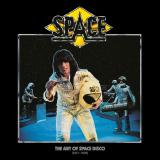
Major figure in electronic music and pioneer of cosmic disco, Space was founded in 1977 by Didier Marouani.
"Magic Fly", its first single, embodies its futuristic DNA (a melodious, cosmic and disco-inspired composition). Following its worldwide success, 3 albums were released in 2 years :
- "Magic Fly" (1977), blending melodic richness with synthetic innovation, delivered both dancefloor hits and midtempo tracks.
- "Deliverance" (1977) is a typical 70s concept album, ranging from disco to cosmic electronic music.
- "Just Blue" (1978) is a more melancholic album featuring broader orchestrations and complex harmonies.
These 3 records sold over 10 million copies worldwide.
"The Art Of Space Disco (1977-1978)" presents Space's most iconic tracks and sums up two fruitful intense years of musical innovation.
- The Vinyl comes in as 1LP Crystal Clear. It includes 4 edits : Carry On Turn Me On, My Love Is Music, Deliverance & Running In The City.
- The Double CD features original versions . It includes 2 additional tracks (Symphony, Velvet Rape) and 8 remixes (never released physically before) produced in 2026 by artists whose musical careers were shaped by Space.
- CD & Vinyl Exclusive liner notes by Jean-Yves Leloup.
- All tracks have been remastered by Alex Gopher
он должен быть опубликован на 16.10.2026
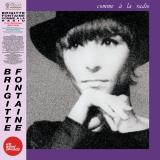
Wewantsounds is delighted to reissue Brigitte Fontaine’s landmark 1970 Saravah album Comme à la Radio, recorded with Areski Belkacem (who sadly died last June), Wadada Leo Smith and the Art Ensemble of Chicago. This deluxe 2-LP edition pairs the original album with a second LP of rare bonus material. The release is accompanied by a lavish 24-page bilingual booklet featuring an introduction by journalist Andy Beta, essays by Wadada Leo Smith, Brigitte Fontaine biographer Benoît Mouchart and Benjamin Barouh, plus a recent interview with Brigitte Fontaine and the late Areski Belkacem. The booklet also includes complete lyrics and a selection of rare archival photographs by Jean-Pierre Leloir and Philippe Gras. The reissue is announced alongside its companion, the deluxe 2-LP set Comme à la Radio "On Air", featuring previously unreleased ORTF live recordings and additional studio rarities.
Wewantsounds pursues its Brigitte Fontaine reissue program with Comme à la Radio, originally released in 1970 on Pierre Barouh’s cult Saravah label, fusing Fontaine’s radical lyricism with Areski Belkacem’s minimalist compositions and the fearless improvisations of the Art Ensemble of Chicago + Wadada Leo Smith. Its title track has since become a cult classic in jazz and groove circles.
The album has been newly remastered from the original tapes and is reissued in a deluxe 2-LP edition featuring 11 bonus tracks. The first LP presents the original album in restored clarity, while the second gathers rare non-album singles, English-language takes, alternate versions and previously unreleased instrumental recordings showcasing the Art Ensemble's artistry, including the elusive English version of Comme à la Radio, and a striking early version of L’été L’été.
Also included is a 24-page bilingual booklet featuring rare archival photographs by cult photographers Jean-Pierre Leloir and Philippe Gras, complete lyrics, and contributions by Andy Beta, Wadada Leo Smith, Benoît Mouchart and Benjamin Barouh, plus a recent interview with Brigitte Fontaine and the late Areski Belkacem. The reissue is announced alongside its companion Comme à la Radio "On Air", a deluxe 2-LP set presenting previously unreleased ORTF live recordings and additional studio rarities.
Comme à la Radio stands as a visionary landmark of French music and a defining statement in Brigitte Fontaine’s career. This expanded edition confirms its enduring influence more than fifty years after its original release.
a A1. Comme À La Radio 8.03
[b] A2. Tanka II [2.04]
[c] A3. Le Brouillard [3.24]
[d] A4. J'ai 26 Ans [3.04]
[e] B1. L'été L'été [3.56]
[f] B2. Encore [1.34]
[g] B3. Léo [3.50]
[h] B4. Les Petits Chevaux [0.43]
[i] B5. Tanka I [1.45]
[j] B6. Lettre À Monsieur Le Chef De Gare De La Tour De Carol [6.04]
[l] C1. Comme À La Radio – English Version [8.08]
[m] C2. J’ai 26 Ans – English Version [3.56]
[n] C3. Le Goudron – 7’’ Single [4.12]
[o] C4. Le Noir C'est Mieux Choisi – 7" Single [5.03]
[p] D1. Les Beaux Animaux – 7’’ Single [3.16]
[q] D2. L'été L'été – Early version [4.38]
[r] D3. L'été L'eté – Instrumental Version [4.23]
[s] D4. Tanka I – Instrumental Version [1.47]
[t] D5. Tanka II – Instrumental Version with Flute [1.40]
[u] D6. Le Brouillard – Instrumental Version [3.57]
[v] D7. Lettre À Monsieur Le Chef De Gare – A Cappella English Version [2.46]
[a] A1. Comme À La Radio [8.03]
[b] A2. Tanka II [2.04]
[c] A3. Le Brouillard [3.24]
[d] A4. J'ai 26 Ans [3.04]
[e] B1. L'été L'été [3.56]
[f] B2. Encore [1.34]
[g] B3. Léo [3.50]
[h] B4. Les Petits Chevaux [0.43]
[i] B5. Tanka I [1.45]
[j] B6. Lettre À Monsieur Le Chef De Gare De La Tour De Carol [6.04]
[l] C1. Comme À La Radio – English Version [8.08]
[m] C2. J’ai 26 Ans – English Version [3.56]
[n] C3. Le Goudron – 7’’ Single [4.12]
[o] C4. Le Noir C'est Mieux Choisi – 7" Single [5.03]
[p] D1. Les Beaux Animaux – 7’’ Single [3.16]
[q] D2. L'été L'été – Early version [4.38]
[r] D3. L'été L'eté – Instrumental Version [4.23]
[s] D4. Tanka I – Instrumental Version [1.47]
[t] D5. Tanka II – Instrumental Version with Flute [1.40]
[u] D6. Le Brouillard – Instrumental Version [3.57]
[v] D7. Lettre À Monsieur Le Chef De Gare – A Cappella English Version [2.46]
[a] A1. Comme À La Radio [8.03]
[b] A2. Tanka II [2.04]
[c] A3. Le Brouillard [3.24]
[d] A4. J'ai 26 Ans [3.04]
[e] B1. L'été L'été [3.56]
[f] B2. Encore [1.34]
[g] B3. Léo [3.50]
[h] B4. Les Petits Chevaux [0.43]
[i] B5. Tanka I [1.45]
[j] B6. Lettre À Monsieur Le Chef De Gare De La Tour De Carol [6.04]
[l] C1. Comme À La Radio – English Version [8.08]
[m] C2. J’ai 26 Ans – English Version [3.56]
[n] C3. Le Goudron – 7’’ Single [4.12]
[o] C4. Le Noir C'est Mieux Choisi – 7" Single [5.03]
[p] D1. Les Beaux Animaux – 7’’ Single [3.16]
[q] D2. L'été L'été – Early version [4.38]
[r] D3. L'été L'eté – Instrumental Version [4.23]
[s] D4. Tanka I – Instrumental Version [1.47]
[t] D5. Tanka II – Instrumental Version with Flute [1.40]
[u] D6. Le Brouillard – Instrumental Version [3.57]
[v] D7. Lettre À Monsieur Le Chef De Gare – A Cappella English Version [2.46]
он должен быть опубликован на 23.10.2026
Smoove delivers another pair of exceptional reworks, breathing fresh life into two disco classics from 1978 and 1979. Staying true to the spirit of the original recordings while adding his signature production touch, both tracks feel timeless yet perfectly suited for today’s dancefloors.
On the A-side, Was That All It Was opens with crisp, punchy drums before gradually unfolding into a masterclass in arrangement. Layer by layer, Smoove rebuilds the track, allowing Jean Carne’s stunning vocal performance to shine through lush string breakdowns, soaring brass, and an irresistible groove.
The flip features Runaway Love, taking a slightly deeper, slower approach. Euphoric backing vocals, warm Fender Rhodes, sweeping strings, and impeccably tight percussion combine to create an uplifting, soulful journey. An elegant and utterly joyful rework from start to finish.
он должен быть опубликован на 23.10.2026

For the first time ever, Michael Jackson’s ‘Thriller’ is available on red & black marble vinyl, celebrating the world’s biggest-selling album and the first album to be certified triple Diamond by the RIAA. Released in 1982, Thriller changed pop music forever, featuring seven U.S. Top 10 hits including “Billie Jean,” “Beat It” and “Thriller,” and helped Michael win a record-setting eight Grammy Awards in one night.
он должен быть опубликован на 30.10.2026

Tape Cassette[19,96 €]
For the first time ever, Michael Jackson’s ‘Thriller’ is available on red & black marble vinyl, celebrating the world’s biggest-selling album and the first album to be certified triple Diamond by the RIAA. Released in 1982, Thriller changed pop music forever, featuring seven U.S. Top 10 hits including “Billie Jean,” “Beat It” and “Thriller,” and helped Michael win a record-setting eight Grammy Awards in one night.
он должен быть опубликован на 30.10.2026

Legendary Children (All of Them Queer)" is a celebrated 1994 dance-pop track by former Frankie Goes to Hollywood frontman Holly Johnson. The song acts as an upbeat LGBTQ+ historical roll-call, honoring historical queer icons from Andy Warhol to Leonardo da Vinci, and was notably performed at London's Gay Pride in 1994. The song is based on the iconic Paris Is Burning and features the brilliant vocals of Helen Terry (Culture Club/2wo Third3).
Released on the album Soulstream, the song is famous for its spoken-word verses and euphoric chorus celebrating legendary figures like Oscar Wilde, Jean Cocteau, and Joe Orton. The overarching message is captured in its defiant lyric: "The answer is clear, they're all of them queer."
Now 2026 sees brand new versions by Luv Foundation (UK). George from the Sharp Boys, a dear friend of Holly's and Mark Loverush, mentioned to Holly that Luv Foundation (UK) should do the rework. Mark Loverush and Julian Napolitano wanted to capture as much of the original essence as possible, keeping that 90s flavor while giving the remix a big, classic feel reflective of how it would sound today.
This is a limited edition of 700 pink vinyl, including 2 of the original versions alongside 2 remixes by Luv Foundation (UK). It comes in brand new artwork by Philip Marshall.
он должен быть опубликован на 30.10.2026

- 2026 Edition, gepresst auf apricotfarbenem Vinyl - Erweitertes Gatefold-Cover - Enthält ein 20-seitiges Booklet mit seltenen Fotos und Liner Notes von Lenny Kaye sowie Beiträgen von Nick Cave und Devendra Banhart. Karen Daltons Album ,In My Own Time" aus dem Jahr 1971 gilt als wahres Meisterwerk einer der geheimnisvollsten, rätselhaftesten und nachhaltig einflussreichsten Künstlerinnen der Musikgeschichte. Das neu erweiterte, 20-seitige LP-Booklet mit selten gezeigten Fotos, Liner Notes des Musikers und Autors Lenny Kaye sowie Beiträgen von Nick Cave und Devendra Banhart rundet das Paket ab. Die in Oklahoma aufgewachsene Karen Dalton (1937-1993) brachte eine Vielzahl von Einflüssen in ihr Werk ein. Wie Lenny Kaye in den Liner Notes schreibt, hört man den Jazz von Ella Fitzgerald und Billie Holiday, die Intensität von Nina Simone, den Appalachen-Gesang von Jean Ritchie sowie den R&B und Country, die auf ihrem Weg nach New York unweigerlich in ihre Musik einflossen. Ausgestattet mit einem Langhalsbanjo und einer 12-saitigen Gitarre hob sich Dalton durch ihren unverwechselbaren, lebensmüden Gesang von ihren Kollegen ab. In den frühen 60er Jahren wurde sie zu einer festen Größe in der Folk-Szene von Greenwich Village, wo sie traditionelles Material, Blues-Standards und die Songs ihrer Zeitgenossen interpretierte, darunter Tim Hardin, Fred Neil und Richard Tucker, den sie später heiratete. Bob Dylan war unterdessen sofort von ihrer Kunst begeistert. ,Meine Lieblingssängerin dort war Karen Dalton", erinnerte er sich in *Chronicles: Volume One* (Simon & Schuster, 2004). ,Karen hatte eine Stimme wie Billie Holiday und spielte Gitarre wie Jimmy Reed." Wer Dalton kannte, wusste, dass sie kein Interesse daran hatte, sich den Launen der Plattenindustrie zu beugen. Auf der Bühne interagierte sie kaum mit dem Publikum. Im Studio fühlte sie sich beim Aufnahmeprozess ebenso unwohl. Ihr Debütalbum von 1969, *It's So Hard to Tell Who's Going To Love You The Best*, das 2009 von Light in the Attic neu aufgelegt wurde, entstand heimlich, als Dalton dachte, sie würde nur Songs proben. Als Michael Lang, Mitveranstalter von Woodstock, Dalton ansprach, ob sie ein Folgealbum für sein neues Label ,Just Sunshine" aufnehmen wolle, war sie, gelinde gesagt, skeptisch. Das Album musste nach ihren eigenen Bedingungen und in ihrem eigenen Tempo entstehen. Daraus wurde ein sechsmonatiger Aufenthalt in den Bearsville Studios in Woodstock, New York. Produziert wurde das Album von dem Bassisten Harvey Brooks, der bereits auf ,It's So Hard to Tell Who's Going To Love You The Best" an Daltons Seite gespielt hatte. Brooks, der stolz darauf war, unkompliziert, zuverlässig und unterstützend zu sein, verstand Daltons Arbeitsweise, war aber auch bereit, sie sanft zu ermutigen und die Künstlerin dazu herauszufordern, ihre kreativen Grenzen zu erweitern. ,Ich habe versucht, ihr einen flexiblen Rahmen zu bieten", erzählte er Kaye. ,Ich habe die Entscheidungen ihr überlassen - das Tempo, das Feeling festzulegen." Sie war sehr zurückhaltend, und ich habe ihr alles vorgelegt; wenn sie mehr brauchte, habe ich ihr Optionen angeboten. Alle gingen einfühlsam auf sie ein. Sie war die Anführerin. Dalton, die selten ihre eigenen Kompositionen aufführte, wählte eine Reihe von Stücken zur Interpretation aus - von traditionellen Liedern wie ,Katie Cruel" und ,Same Old Man" bis hin zu Paul Butterfields ,In My Own Dream" und Richard Tuckers ,Are You Leaving For The Country". Außerdem erweiterte sie ihr übliches Repertoire und fügte R&B-Hits wie ,When a Man Loves a Woman" und ,How Sweet It Is" hinzu. Im Gegensatz zu ihrer vorherigen LP bot Daltons neue Aufnahme vollere, poporientiertere Arrangements, an denen eine ganze Reihe talentierter Studiomusiker mitwirkte. Auch wenn das Publikum der 70er Jahre vielleicht noch nicht bereit für Daltons Musik war, stand eine neue Generation kurz davor, ihr Werk zu entdecken. In den Jahrzehnten nach ihrem Tod nannten viele Künstler Karen Dalton als Einfluss, darunter Lucinda Williams, Joanna Newsom, Nick Cave, Angel Olsen, Devendra Banhart, Sharon Van Etten, Courtney Barnett und Adele. In dem kürzlich gefeierten Dokumentarfilm ,Karen Dalton: In My Own Time" sinniert Cave über Daltons einzigartige Anziehungskraft: ,Es wird eine Art Anspruch an den Zuhörer gestellt", erklärt er. Ob man es mag oder nicht, man muss in ihre Welt eintauchen. Und es ist eine Welt voller Verzweiflung. Peter Walker, der ebenfalls im Film zu sehen ist, führt diesen Gedanken weiter aus: ,Wenn sie in ihrer Musik ein bestimmtes Gefühl empfinden und es so rüberbringen kann, dass man dieses Gefühl auch spürt, dann ist das wirklich das Magischste, was man tun kann." Er fügt hinzu: ,Sie hatte eine tiefe, tiefgründige und liebevolle Seele - das hört man in ihrer Musik."
он должен быть опубликован на 06.11.2026

This album is thirty years old; it was the first release in the Tricatel catalog. We expected to sell more copies back then (only 30,000 copies upon its release, which would be fantastic by today's standards), but we've never stopped reissuing it, and it has also found an audience in Japan as well as in the United States, where it was also pressed. We're celebrating this anniversary with an exclusive edition-and, for the first time on vinyl, the original cover art as well as Valérie's cover of a song by Mireille and Jean Nohain.
он должен быть опубликован на 06.11.2026
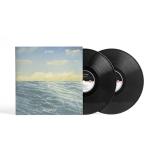
"Thicker Than Water" color vinyl[29,20 €]
Kings of Leon return with 10th album, ‘O My Beloved’.
For this release, the four-time Grammy-winning family band draws from their own history and builds on their storied legacy to deliver their most personal effort to date.
Frontman Caleb Followill describes this—their first self-produced studio album—as “emotional" and a “love letter to family” that explores themes of "gratitude and appreciation."
Available on 2LP and CD, featuring packaging adorned with vintage family photos.
он должен быть опубликован на 06.11.2026
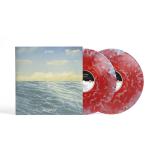
Kings of Leon return with 10th album, ‘O My Beloved’.
For this release, the four-time Grammy-winning family band draws from their own history and builds on their storied legacy to deliver their most personal effort to date.
Frontman Caleb Followill describes this—their first self-produced studio album—as “emotional" and a “love letter to family” that explores themes of "gratitude and appreciation."
Available on 2LP and CD, featuring packaging adorned with vintage family photos.
он должен быть опубликован на 06.11.2026
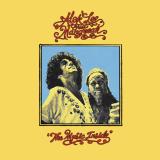
Alek Lee and vocalist Margeeah come together for a boutique 7″ pressing limited to 200 copies, featuring two tracks blending soul, reggae, disco and dub. Lee, whose catalogue includes releases on Antinote and Isle of Jura, brings his background in slower, dub oriented productions to a collaboration built around Margeeah’s vocals and live instrumentation. The sound sits somewhere between Massive Attack’s Blue Lines and Grace Jones.
Margeeah comes from the Israelite community, whose musical history includes The Soul Messengers. Her debut album, Looking for Love, was recorded in 1983 with Kingdom Sounds, originally issued as a private press LP and reissued by Frederiksberg Records in 2025. Its musicians included Abshalom Ben Shlomo, associated with Sun Ra. Her vocal style spans soul, jazz, funk and reggae, with reference points including Roberta Flack and Doug & Jean Carn.
For this release, Lee records his own live drums and percussion for the first time, alongside his signature smoky melodica lines. The production develops the reggae elements of Margeeah’s singing, combining bass driven arrangements with live rhythms, spacious guitar lines and dubby approach.
On the A side, “The Music Inside”, Margeeah effortlessly projects Lee’s lyrics about optimism and the desire for inner and outer freedom. Built around a recurring vocal refrain, the track places her voice over a rooted reggae arrangement.
The B side, “Can You Feel It?”, moves seductively towards a slower disc-dub sound. Bass and drums provide the foundation, with the percussion developing from a restrained groove into a fuller live kit arrangement. Melodica and guitar weave around Margeeah’s lead vocal and the hypnotizing title phrase.
он должен быть опубликован на 06.11.2026

White Vinyl[28,99 €]
Amidst their illustrious presence in dance music, Âme have been - and seen - a tumultuous evolution in all that surrounds. Genres have splintered and sharpened, melodies reinvented.
Yet, Frank and Kristian continue to stay true to their own meticulously individual art form. The pair muse on all that's been in latest album, "Love Is The Dance", where they reflect on a multitude of sounds that have shadowed their career for 20 years and counting - presenting a collection of tracks that flicker between different worlds and feelings, whilst harmoniously paying tribute to icons such as Underground Resistance and Compass Point Studios.
Between slower gems such as "Water Be My Crown" and "Of Courage", where buttery chords melt into sleek solitude, comes catchy pop-leaning numbers like "Shadow Of Love" and "Pha Na Pha" that carve their own vibrancy; having already painted endless dance floors with endless memories following individual releases. Cemented with club-focused cuts "Asa" and "Love Is The Dance", the album also moves towards familiar Âme territory; and still, threaded through its DNA is the art of collaboration. A substantial essence to Âme's work throughout the years, the duo level-up, as they invite a curated list of friends and artists, including RY X, Henrik Schwarz, Curses and Busiswa. The result forms a curious, all-expansive record that sees Âme creating avenues bolder, stronger - and even more musically diverse.
он должен быть опубликован на 06.11.2026
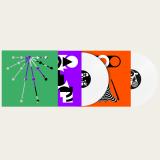
Black Vinyl[27,69 €]
Amidst their illustrious presence in dance music, Âme have been - and seen - a tumultuous evolution in all that surrounds. Genres have splintered and sharpened, melodies reinvented.
Yet, Frank and Kristian continue to stay true to their own meticulously individual art form. The pair muse on all that's been in latest album, "Love Is The Dance", where they reflect on a multitude of sounds that have shadowed their career for 20 years and counting - presenting a collection of tracks that flicker between different worlds and feelings, whilst harmoniously paying tribute to icons such as Underground Resistance and Compass Point Studios.
Between slower gems such as "Water Be My Crown" and "Of Courage", where buttery chords melt into sleek solitude, comes catchy pop-leaning numbers like "Shadow Of Love" and "Pha Na Pha" that carve their own vibrancy; having already painted endless dance floors with endless memories following individual releases. Cemented with club-focused cuts "Asa" and "Love Is The Dance", the album also moves towards familiar Âme territory; and still, threaded through its DNA is the art of collaboration. A substantial essence to Âme's work throughout the years, the duo level-up, as they invite a curated list of friends and artists, including RY X, Henrik Schwarz, Curses and Busiswa. The result forms a curious, all-expansive record that sees Âme creating avenues bolder, stronger - and even more musically diverse.
он должен быть опубликован на 06.11.2026
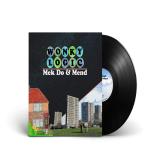
This November, Brownswood Recordings will release Mek Do & Mend, the debut album from self-taught producer, multi-instrumentalist, composer and artist Wonky Logic. Although his name may not yet be familiar to everyone, Wonky Logic (AKA Dwayne Kilvington) has spent the past two decades quietly becoming one of the UK's most respected musical collaborators. His career has moved comfortably between London's jazz, electronic and contemporary music scenes, performing and recording with artists including Nala Sinephro, Yussef Dayes, Nightmares On Wax, Shabaka Hutchings and Emma-Jean Thackray. Alongside his work as a producer and composer, he's been musical director for projects with Eddie Chacon, John Carroll Kirby and I.G Culture's LCSM, scored the feature documentary Zandra With A Zed, contributed music to A24's The Smashing Machine, and continues to lead music workshops with young people, refugees and people experiencing incarceration.
Far more than a collection of compositions, Mek Do & Mend is a deeply personal reflection on the people, places and experiences that have shaped Kilvington throughout his life. It's the story of growing up on a Leeds council estate, where music became both a creative outlet and a way of understanding the world. Making music often meant working with whatever was available: a second-hand keyboard, a makeshift studio desk or ageing equipment that simply had to last a little longer. The title itself came from a conversation with his mother, capturing the resourcefulness that defined his upbringing and continued into the making of the album itself, which was written and produced to a tight deadline around touring, family life and Kilvington's work as a musician and educator.
Built from material spanning more than fifteen years, Mek Do & Mend brings together some of Wonky Logic's earliest compositions alongside brand new pieces written during the making of the record itself. Childhood ideas sit alongside music conceived only months before recording, creating an album that draws together a lifetime of writing rather than documenting a single moment. Running throughout are voice notes from family members, teachers, friends, mentors and collaborators—not simply as interludes, but as a reminder that no creative life is ever self-made. Rather than telling his own story outright, Kilvington invites listeners to discover him through the people who've shaped him: an aunt remembering him playing in church as a child, lifelong friends recalling early experiments making beats together, fellow musicians from different stages of his career and his mother describing him in her own words. Together they reveal the invisible network of relationships, philosophies, communities and experiences behind the music. "The album exists somewhere between being a biography and an autobiography," says Dwayne. "The biography is in the voice notes and how other people see me. The autobiography is in the music."
That same philosophy extends to the musicians who appear on the record. Every contributor has played a meaningful role in Wonky Logic's life beyond the studio. Long-time collaborator Luke Wynter, Steam Down drummer Benji Appiah, partner Vanessa Rani, Jonathan Enser, Joe Bristow, Brother Portrait and Nubiya Imani all feature not simply because of their musicianship, but because they form part of the album's story.
Across its fourteen tracks, Mek Do & Mend moves effortlessly between dynamic jazz arrangements, pulsating broken rhythms, delicate, twinkling piano passages, interstellar synth textures and elegant brass lines. Album opener and first single 'Strange Attractor' begins with a shimmering introduction before unfolding into an exhilarating surge of rhythm and momentum. Named after the mathematical concept of the same name, it serves as the conceptual point of origin for the album. Written when Kilvington was just seventeen, the composition reflects the idea that even the most unpredictable lives are guided by hidden patterns that often only become visible with time. Second single 'A Thousand Hands' features the unmistakable vocal tones of Brother Portrait, whose cerebral lyricism drifts over a low-slung, constantly shifting groove as woozy synth lines ebb and flow overhead. At its heart, the track celebrates the family, friends, mentors and collaborators whose often unseen influence shapes who we become, echoing the album's belief that every achievement is, in some way, a collective one. LP focus track 'BAME (Beyond All Marginalised Expectations)' is a lush, spiralling composition, brimming with both emotion and resolve. Reclaiming an acronym long imposed on racialised communities in the UK, the piece transforms it into a statement of possibility rather than limitation: a defiant rejection of stereotypes and a refusal to let identity be defined by other people's expectations.
The album itself only exists because other people believed in it. Isabel Gracefield made the RAK sessions possible, Rick David brought the record together with his characteristically thoughtful mix, and Gilles Peterson committed to releasing it on Brownswood before hearing any of the music. Away from the stage, Kilvington works with the charity Finding Rhythms, writing and producing original records with people experiencing incarceration, while also leading workshops with Arts Train and Dovetail Orchestra.
Recorded live in a single day in Studio One at RAK, Mek Do & Mend was mixed by Rick David through an analogue Cadac console before being mastered by Stuart Hawkes at Metropolis. The aim wasn't nostalgia or audiophile perfection, but to create a record people could return to throughout their lives, discovering something new with each listen.
As Dwayne puts it: "I don't want this body of work to be reduced to a jazz record. It's more like a novel about life told through music."
он должен быть опубликован на 13.11.2026
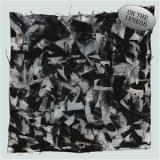
On the Ifness ist das gemeinsame Projekt von Sean McGuinness (Pissed Jeans) und Mike Petillo (Protect-U, Geo Rip). Auf ihrem zweiten Album verbindet das Duo experimentelle Elektronik, psychedelische Klanglandschaften und hypnotische Rhythmen zu einem atmosphärischen, nächtlichen Sound. Musikalisch bewegt sich ,On the Ifness" zwischen Ambient, Jazz-Fusion, Dub, elektronischer Clubmusik und den sogenannten ,Fourth World"-Klängen von Jon Hassell. Organische Percussion, Synthesizer, Drones und improvisatorische Elemente verschmelzen zu vielschichtigen Kompositionen, die zugleich rhythmisch, meditativ und futuristisch wirken. Unterstützt wird das Album unter anderem von Geologist (Animal Collective) sowie weiteren Gästen aus der experimentellen Musikszene.
он должен быть опубликован на 13.11.2026

After a very long silence, Wasser Bassin proudly presents Christine Fowler‘s third album, Anthology Of Oddities!
Almost ten years after her last effort, Christine returns with a handful of diverse and unique tracks. On the A-side, the skillfully crafted field recording, ‘Arctic Exortation”, which, literally, breaks the listener’s ice, is followed by the morse encoded distress of “Sinking Vessel Mayday. “Now There Has Been A Delay” and “Elegy For Dead Guitars” both work as somewhat melodic, somewhat tense acoustic guitar innuendos.
The B-side starts off with the long and epic ‘An Unfinished Portrait For Peter And Jean-Luc’, an actual soundtrack for things that never came to life; whilst, the brief and minimal, “Crevasse” ends the album in a sort of synth-like meditation.
So, there you go. It is all brand new and limited to 100 copies!
Есть у нас в наличии и готов к отправке

"Al Festa's musical genius was revealed at the age of 14 when was released ''Starway to Escher'' with the Italian prog rock band Bauhaus (1974). His talent continued with "Miss Manhattan" by Metropole Al Festa, Francesco Puccioni (aka Mike Francis), Claudio Giorgi, Sharon Russell vocalist), his very first disco-music song in 1981. Over his career - a dozen movie soundtracks and hundreds music videos - his involvement in the Italo-Disco scene of the early 1980s is noteworthy. Undoubtedly, his contribution to Kristal (himself Al Festa, with Anne Dattner and Max Liofredi) remains most memorable. "Ete Super" was written with Helene Chauvin, a close friend of the now legendary Jeanne Mas. Helene attempted success as Abilene with "Tout Tout Tout Mais Pas Ca" arranged by another Italo-disco legend, Pierluigi Giombini (1987). Returning to Kristal, what convinced Claudio Casalini - one of Al Festa's best friends - to create this vinyl reissue was not only the memory of this talented artist, who passed away prematurely, but also the track "Fallin'" on the B-side, which embodies all the composer's post-Romanticism, a song rich of emotional and sensitivity, with intimate and often dramatic tones. When you are about to purchase Kristal, keep this excellent B-side in mind. You will not regret the choice."
Есть у нас в наличии и готов к отправке
