Mixtus Orbis is a split album between Rennes' wizard Le Matin and the Danish astrocosmonauts Parallel Planet (Grammar of Movement & Ecxo).
It’s the 18th release of the label Maturre.
Mixtus Orbis is a place where the bad and the evil are meeting. Strange forms for strange minds, and big bangers for big dancers.
Поиск:le matin
Все
Le Matin, always rare and uncategorised, following the reissue of his early synthwavepop tunes on « poussière d'époque » and a track on the good Lena Wilikens' Dekmantel Selectors 005 comp, this new EP on Lost Dogs Ent. let you hear some of his last works. Expect an ultra-cold-minimal-electro riddim, a less-mental-nearly-good-for-the-dancefloor tune with depitched haunted r&b vocals, an analog and bassy arpeggio ride ... On the flip side, Oh My God ! This is the peak-time-for-weirdo-nearly-techno tune, a blast, only for craziest DJs that like broken-frustrated-uncomfortable dandefloors and to finish this well balanced 5 trackers : the « are you depressed that much It's the 10th time you're listening to this OST of a dying world, this won't get any better but at least this is good music ! » tune. Le Matin is a good kept secret that prefer to take care of his kids than to travel the world of nightclubbing with drunk teens (ok that's how it is in France, that looks better in some other countries), but sometime you can hear his music on decks of some wise people and DJs like Call Super, Lena Wilikens, House of Traps, Charles Drakeford, Jon K, Bergsonist, Body Motion...
Music made from Automatic Vocals AI reradings textes... A concept ambum. Very special humor and bloody electro cheap tunesChnasons résieuses. Tirtes tres cnonus. C'est n'imrpote quoi. Vive Blind Sport quoi.
The last time you heard this industrial French sound visionary was a few years back. Now LE MATIN returns with an eclectic selection of ambient and classic underground structures with a some off kilter sonic expressionism and a deep beat, think early GEMINI or RELIEF records. On HIEROGLYPHIC BEING’s MATHEMATICS RECORDINGS.
- A1: Axel Larsen « Thème 1
- A2: Alfa Suspiria « Obsession
- A3: Violent Quand On Aime « Sheraton
- A4: Lostsoundbytes « Disacordedd
- A5: Le Matin « Gone Ego
- B1: Mr. Crane « Le Temps » (Extended)
- B2: Svezia Inferno « Armabianca
- B3: Panoptique « Alright
- C1: Hélas! « Reaching The Top
- C2: United Assholes « Untitled
- C3: Panoptique « Inutiles Abats
- C4: Radiante Pourpre « Untitled
- C5: Simplists « Antenne De Satlingrad
- C6: Futeisha « Dannato
- D1: Simplists « Workforce
- D2: Simplists « Trigger Of Hell
- D3: Tamara Goukassova « La Collision Des Mondes
Only those who read all the credits on record liner notes will know the full details: Areski is of course Brigitte Fontaine's partner in life, but also her creative alter ego, and the composer of the music of most of her songs. Even though it was his wife Brigitte and not him who wrote the lyrics, Areski is a poet in his own right. Furthermore, he is polyvalent: composing, arranging, singing, improvising, playing every possible instrument and even acting! Areski, to sum up, is the perfect mix of the tradition of Munir Bashir with the European sophistication' of someone like Jean-Claude Vannier, one foot permanently in Versailles (where he was born) and the maghreb. Areski, is left bank French songs without the stylistic effects, revised and updated through contact with arab-andalusian music. He is a Living Theatre style happening with a dose of cosmic free jazz, surrealist poetry viewed through the prism of Kabyle culture... All that and a lot more!
Areski honed his talent observing the stars of traditional chaâbi, testing it out in bars and dives before meeting, during military service, the singer Jacques Higelin with whom he would record his first cult album, and who would present him to his wife-to-be, Brigitte Fontaine. Between 1969 and 1980, with her, Areski would contribute an essential chapter to French underground music including classics such as Comme à la radio (with the Art Ensemble of Chicago), Je ne connais pas cet homme, L'Incendie, Le Bonheur and Vous et nous. For all that, Areski has never really tried to have a career under his own name, in spite of the wonderful Un Beau matin first published in 1970, and which it is high time to de (re)discover (better late than never). Those already in the know will not be surprised to see, especially, Jean-Charles Capon, author of the inspired L'Univers-solitude, Brigitte Fontaine of course, or Daniel Vallancien, author of a no-less inspired duo with saxophonist Philippe Maté. All contributing to an acerbic poetic universe, concerned but never militant, and open to worldwide influences long before they became a fashion.
Inspired, poetic, in a word essential: Un Beau Matin is one of the best albums of the French underground produced by Pierre Barouh on his label Saravah, alongside those by Maurice Lemaître, Catharsis, Claude Yvans, Mahjun, Barney Wilen, Cohelmec Ensemble et Michel Roques.
- A1: Sweet Fruity Brunch - Red Parrot (Scruscru 12" Remix)
- A2: Bralan Arias, Craftsmanship - Rhythm Roulette (Scruscru Remix)
- A3: Fred Aster - Matine (Scruscru Remix)
- B1: Delfonic - Gift Of Love (Scruscru Rework)
- B2: Dj Legeres - Walktowalkin (Scruscru Mustplayable Remix)
- B3: Nico Cortazzo - Empyrean Jazz (Scruscru Remix)
The super rework magician Scruscru has been cooking up more goodness for Volume two of Blur's ReWax EP, and it's packed with disco-meets-jazz house class. First up, he tackles Sweet Fruity Brunch's 'Red Parrot' and makes it into a rolling jam with lush pads. Elsewhere, 'Rhythm Roulette' has punchy drums but plenty of piano euphoria, 'Matine' becomes a coy and funky number and 'Gift Of Love' is a romantic heart 'WalkToWalkIN' is a shuffling and jazzy vibe and 'Empyrean Jazz' closes with some spiritual percussion and gentle horns that will always seduce once the lights go low.
Solid Red Vinyl Edition - 10@ Mini album. Originally release in 2025 in a painfully limited 2x7" + Book edition.
"Dream of the Egg" is the debut solo album by Tomo Katsurada, known for his work with the Japanese psychedelic band Kikagaku Moyo. This project is a unique fusion of music and visual art, inspired by the Japanese 1920s children's book “Yume No Tamago (Dream of the Egg)”. It reveals a deeply personal journey, reflecting Tomo's dreams and the numerous rebirths experienced in 2024—a year marked by profound new beginnings in every facet of his life.
This mini album was driven by a passion for raw and immediate expression. Every song was crafted and recorded with only the materials available to him at the time, embracing an organic and handmade atmosphere. By eschewing rhythm clicks and standard instrumental tunings, a spontaneous sound emerged, capturing the essence of both uncertainty and immediacy. Adding to this distinctive sonic landscape, guest musician Jonny Nash (UK) contributed ethereal guitar sounds on the first and final tracks, enriching the record's dream-like quality.
The journey begins with the opening track, "Moshimo," which means "If..." in Japanese. Here, Jonny's guitar weaves seamlessly with the vocal melody, creating a harmonious dialogue. The first half of the album concludes with "Zen Bungalow" a cover of Gabriel Yared's “Bungalow Zen” from the soundtrack of the film “Betty Blue 37°2 Le Matin”. This particular track is his partner’s favourite song to listen to every morning and left a profound impression on him. One day, he heard a song in his dream that combined both of these tracks and loved how they blended together. This experience inspired him to create a new arrangement, "Zen Bungalow," which has become a central piece of the “Dream of the Egg” album.
The third track serves as an interlude, printed on a flexi disk attached to the middle of a picture book. This interlude transitions the listener into"Inner Garden," a bittersweet folk song that explores themes of love. The EP's narrative spans 20 minutes, culminating in the final title track “Dream of the Egg”. This piece features a delicate session between Tomo & Jonny, combining cello and guitar to create a spectrum of tones that evoke the imagery of a rainbow. The focus on smooth dynamics and meticulous play reflects an intent to convey a sense of physical trembling. This track sounds like the beginning of a new dream; as if the egg of one’s dream is about to hatch, bringing a sense of anticipation and wonder to the listener. Throughout the album, a variety of instruments come into play, drifting between notes and embracing the beauty of imperfection. By incorporating free-form sounds in a highly technological age, the record aims to reconnect listeners with the tangible, human-made quality of sound.
Special Thanks
Jonny Nash – Guitar
- Fleurs
- Régate
- Petit Matin
- Le Temps
- Fleuve Vii
- Fleuve Viii
- Navigation Vii
- (A Travers Les) Chablis
LIMITED EDITION GREEN VINYL[21,81 €]
Die Botschaft, das Wesentliche, das sich teilen lässt, ist Licht; es ist der Samen in der Erde, der zu einer Pflanze wird und dann zu einer Blume, die in voller Blüte steht und schließlich unvermeidlich verwelkt, damit der Zyklus von Neuem beginnen kann; es ist die Suche nach Schönheit im Chaos, aus dem Harmonie entsteht, um es zu überwinden. Auf Volume III kehren Mathieu David Gagnon und sein Projekt Flore Laurentienne zurück, um die Pracht des Flusses und seiner floralen und waldreichen Umgebung zu feiern.Volume III ist zudem eine tiefere Erkundung der Verbindung von akustischen und synthetischen Elementen, die den Charakter von Flore Laurentienne ausmachen. Anders als bei den ersten drei Alben wurden die meisten Stücke gemeinsam mit den Bandmitgliedern während Residenzen und Konzerten entwickelt, bevor sie aufgenommen wurden. Dies bereicherte die Kompositionen in einer Phase, in der sie sich noch im Wandel befanden. Die Band treibt das Projekt an und inspiriert Gagnons Schreibprozess, indem sie den Klang weiterentwickelt, nährt und ihm erlaubt, neue Wege zu gehen.Dieser neue Meilenstein markiert zugleich den Abschluss einer Trilogie, die 2019 mit Volume I begann - mit dem inhärenten und parallelen Bestreben, ein drittes Volume zu erreichen, um Volume 3 von L'Infonie (einem Kultkollektiv aus Québec, das Jazz, Prog, Kunstmusik und Poesie verband) zu würdigen. Letzteres beeinflusste die Musik von Flore Laurentienne nicht direkt, sondern vielmehr das Verständnis von Freiheit in der Komposition, die Klassik und Improvisation vereint.Die Entwicklung von Volume III folgt der Evolution des Projekts: Während der erste Track ,Fleurs" dem ähnelt, was Volume II bot, gibt uns der abschließende Titel ,(A travers les) Chablis" einen Vorgeschmack darauf, wie der nächste Schritt klingen könnte. Es ist ein Album, das man zusammen mit seinen beiden Vorgängern genießen sollte - und dabei gespannt auf das Kommende blickt. Flore Laurentienne entwickelt sich ständig weiter, doch die Vision ist seit Beginn dieselbe geblieben: Musik zu schaffen, die lebendig, wahrhaftig, menschlich und kompromisslos ist.
Black Vinyl[21,81 €]
Die Botschaft, das Wesentliche, das sich teilen lässt, ist Licht; es ist der Samen in der Erde, der zu einer Pflanze wird und dann zu einer Blume, die in voller Blüte steht und schließlich unvermeidlich verwelkt, damit der Zyklus von Neuem beginnen kann; es ist die Suche nach Schönheit im Chaos, aus dem Harmonie entsteht, um es zu überwinden. Auf Volume III kehren Mathieu David Gagnon und sein Projekt Flore Laurentienne zurück, um die Pracht des Flusses und seiner floralen und waldreichen Umgebung zu feiern.Volume III ist zudem eine tiefere Erkundung der Verbindung von akustischen und synthetischen Elementen, die den Charakter von Flore Laurentienne ausmachen. Anders als bei den ersten drei Alben wurden die meisten Stücke gemeinsam mit den Bandmitgliedern während Residenzen und Konzerten entwickelt, bevor sie aufgenommen wurden. Dies bereicherte die Kompositionen in einer Phase, in der sie sich noch im Wandel befanden. Die Band treibt das Projekt an und inspiriert Gagnons Schreibprozess, indem sie den Klang weiterentwickelt, nährt und ihm erlaubt, neue Wege zu gehen.Dieser neue Meilenstein markiert zugleich den Abschluss einer Trilogie, die 2019 mit Volume I begann - mit dem inhärenten und parallelen Bestreben, ein drittes Volume zu erreichen, um Volume 3 von L'Infonie (einem Kultkollektiv aus Québec, das Jazz, Prog, Kunstmusik und Poesie verband) zu würdigen. Letzteres beeinflusste die Musik von Flore Laurentienne nicht direkt, sondern vielmehr das Verständnis von Freiheit in der Komposition, die Klassik und Improvisation vereint.Die Entwicklung von Volume III folgt der Evolution des Projekts: Während der erste Track ,Fleurs" dem ähnelt, was Volume II bot, gibt uns der abschließende Titel ,(A travers les) Chablis" einen Vorgeschmack darauf, wie der nächste Schritt klingen könnte. Es ist ein Album, das man zusammen mit seinen beiden Vorgängern genießen sollte - und dabei gespannt auf das Kommende blickt. Flore Laurentienne entwickelt sich ständig weiter, doch die Vision ist seit Beginn dieselbe geblieben: Musik zu schaffen, die lebendig, wahrhaftig, menschlich und kompromisslos ist.
- 1: Look For Your Mind
- 22: Or 3
- 3: Nothin' But You
- 4: Gather Round
- 5: I Just Can't Get Over Losing You
- 6: Fire And Gold
- 7: Mean To Me
- 8: Bring You Down
- 9: Yeah I Do
- 10: I Hurt You
- 11: You're Still My Girl
- 12: Joy
- 13: My Heart Is In Your Hands Tonight
- 14: Your True Enemy
TRANSPARENT DAY VINYL[24,79 €]
Die beiden vorherigen Captured-Tracks-Alben von The Lemon Twigs, "A Dream Is All We Know" (2024) und "Everything Harmony" (2023), deuteten bereits auf eine Art Neubeginn in ihrer damals fünf Alben umfassenden Karriere hin. "Es war der Beginn davon, Platten zu machen, die wir selbst anhören würden", sagt Michael D'Addario, der jüngere der Twig-Brüder, heute 26 Jahre alt. Spätestens mit "A Dream Is All We Know" und dem zukünftigen Michael-Klassiker "My Golden Years" hatte die neue Ära der Lemon Twigs wirklich begonnen. Und nun erscheint das dritte Lemon-Twigs-Album für Captured Tracks, "Look For Your Mind!", das unter seiner poppigen Oberfläche einen unterschwelligen Strom aus Paranoia und Misstrauen trägt. Der Opener, der titelgebende Track "Look For Your Mind", ein beschwingtes Stück von Michael, führt die Hörer*innen in den gitarrengetriebenen Harmonie-Sound ein, der das zentrale Thema des Albums bildet. Vieles, was auf "A Dream Is All We Know" erreicht wurde, ist auch hier präsent - nur noch fokussierter. Es sind klassische Twigs, geprägt vom goldenen Zeitalter des Gitarrenpops, aber in keiner Weise sklavisch nachempfunden. Neu auf diesem Album ist die Einbindung der Live-Mitglieder Reza Matin (Schlagzeug) und Danny Ayala (Bass) sowie Eva Chambers von Tchotchke in die Rhythmusgruppe. Während die Brüder zuvor im Studio alles selbst eingespielt hatten, zeigt dies ein neues Gefühl von Freiheit. "Gather Round" ist eine der größeren Produktionen auf "Look For Your Mind!" - ein Brian-Song mit freudigen Orchestrierungen, der wie ein Wahlkampflied aus der Jahrhundertwende wirkt. Der Songwriter sucht nach einer unverdorbenen Führungsperson, kommt aber zu dem Schluss, dass kollektives Handeln der einzige Weg nach vorn ist. Musikalisch ist er opulent und herrlich 1967, doch Stimmung und Aussage sind unverkennbar 2026. "Jedes Mal, wenn wir versuchen, etwas völlig Geradliniges zu schreiben, können wir nicht anders, als ein Element hinzuzufügen, das völlig aus dem Rahmen fällt", erklärt Brian. Brians "Fire And Gold" beginnt mit einem klingenden Power-Pop-Riff, bevor alles auf den Kopf gestellt wird. Es ist auch der erste Song des Albums, auf dem der energiegeladene Drummer Reza Matin zu hören ist, den die Brüder mit Größen wie Jody Stephens von Big Star, Jim Bonfanti von The Raspberries und Bev Bevan von The Move vergleichen. Den Abschluss der ersten Seite der Vinyl-Ausgabe bildet Michaels wunderschöne Ballade "Mean To Me", mit Gesangsparts, die The Beach Boys vor 60 Jahren gerne aufs Band gebracht hätten - eingesungen von Michael, Brian und Danny. Der Abschluss der zweiten Seite, "Your True Enemy", wirft schließlich alles über den Haufen. "Wir haben den Song zunächst als einfache Rocknummer angelegt, aber das passte nicht zur düsteren Stimmung des Textes", sagt Brian. "Also haben wir begonnen, experimenteller zu werden." Das sechste Studioalbum der Lemon Twigs mag auf den ersten Blick wie eine direkte Fortsetzung der beiden Vorgänger wirken, ist aber zugleich viel mehr: mit Verweisen auf frühere Werke, einem neu entdeckten kollektiven Geist und vor allem großartigem Songwriting.
- A1: New Star In The Sky (Vegyn Remix) (3 54)
- A2: Sexy Boy (Vegyn Remix) (4 59)
- A3: All I Need (Vegyn Remix) (5 01)
- A4: Kelly Watch The Stars (Vegyn Remix) (3 35)
- A5: Ce Matin La (Vegyn Remix) (3 37)
- B1: La Femme D'argent (Vegyn Remix) (4 21)
- B2: Remember (Vegyn Remix) (2 56)
- B3: You Make It Easy (Vegyn Remix) (4 21)
- B4: Talisman (Vegyn Remix) (3 45)
- B5: Le Voyage De Penelope (Vegyn Remix) (3 00)
Der britische Produzent und Elektronikkünstler Joe Thornalley, bekannt als Vegyn, interpretiert das kultige Debütalbum „Moon Safari“ von Air aus dem Jahr 1998 in einem gewagten Crossover der Genres und Epochen neu. Vegyn wurde durch seine Arbeit mit Künstlern wie Frank Ocean und Travis Scott bekannt und hat sich einen Namen als zukunftsorientierter Produzent gemacht, der üppige, atmosphärische Klanglandschaften mit experimentellen Beats und einem Sinn für Unvorhersehbarkeit verbindet. Mit seinem Remix von Moon Safari“ bringt Vegyn seine einzigartige Vision in das beliebte Ambient-Pop-Meisterwerk des französischen Duos ein und verleiht ihm eine frische, moderne Energie.
Vegyns „Moon Safari“-Überarbeitung wird in einer neuen Tracklist enthüllt und erscheint auf schwarzem Vinyl und einem CD-Digisleeve, beide in einer schönen, transparenten blauen Hülle verpackt.
Hissing Nest is something like a carnivorous plant growing in the little piss patch just left of the well-beaten earth stage front. It’s something dense, unhygienic and purposefully inconvenient, like a smoker’s mating call for seducing your madness. Rhythms descending and ascending staircases simultaneously, bathrooms with holes cut in the floor so you can see the crashing waves below, or a giant lurching mechanism one loose screw from a total collapse. Sadly there’s nothing here resembling a safe-room, every wall is violently splattered with red paint. It’s a tumultuous space built by one-take analog sessions in the backdrop of murderous, racist, colonial ideologies ever encroaching on the zen garden so desperately needed in the floor plan.
Text about Rank+File:
Rank+File is a record label and event series based in New York City. It exists within and opposed to the empire, focusing on sounds and scenes that both challenge and provide release from its crushing grip. We’re entangled by our common threads, and sewn together by our collective unraveling.
Aiko Takahashi is a Nova Gorica-based musician, a spirit that has released albums on various labels. Just like the line that separates the two cities where Aiko lives, Gorizia and Nova Gorica, divided between two countries yet united as one, Aiko’s music exists on a boundary. A line that separates silence from peculiar, almost imperceptible sounds. Too quiet to be Ambient, too Ambient to be Sound Art.
Two years ago, after a first complete release on IIKKI with "It Could Have Been A Beautiful", Aiko Takahashi comes back with a second complete album, this time, on LAAPS.
"This album is a delicate, meditative collection recorded between March and November 2024 in Aiko's former studio, a secluded spot near the River Isonzo, between Gorizia and Nova Gorica in Slovenia. The Grass Harp was made specifically for LAAPS, who asked Aiko to create a new complete piece of sounds. As always, it was largely recorded using dense layers of manipulated loops that weave in and out of the recordings, shaping them in a singular way through effects pedals, tape decks, and tape loops. The Grass Harp is a meditation on decay and silence, blending warm soundscapes with soft, playful melodies. That’s Aiko’s signature sound."
“To Model Phenomena” is a scientific concept that describes a computer’s ability to emulate, regardless of whether the emulated phenomenon exists outside its circuits or is purely imaginary.
Modeling communication platforms enables us to interact with each other or with computers. Modeling behavior patterns, nuclear fusion, or, as in the case of scientists from the Human Brain Project, a virtual human brain, allows us to simulate cognitive processes such as perception, memory, and decision-making, providing insight into the nature of human thought.
In this record, the phenomena modeled are those moments when the mind leaps into the void, confronting new paradigms. For instance, when science, art, or mass media introduces new information, propelling us into a transformed reality.
From this starting point, European musician Shifting Heigo maps a path between realities, evolving his narrative as his music unfolds. This work draws inspiration from Curtis Roads (vice chair of Media Arts and Technology at the UCSB) and his studies on granular synthesis and time scales, where each track on To Model Phenomena evokes a sense of movement, where nothing begins or ends in quite the same way.
A musician with strong ties to new technologies, Shifting Heigo has collaborated with the University of Málaga (Spain) in its PH Degree Program in video game design, composing interactive music, while also singing as part of the tenor section in the Qatar Concert Choir, affiliated with the Qatar Philharmonic Orchestra.
Currently based in Abu Dhabi, he is now part of a circle of electronic musicians surrounding the New York University Abu Dhabi, an institution that supports electronic and experimental music across the Middle East.
To Model Phenomena is the result of his search for a unique voice as a musician, where ternary rhythms, noise, and silence shape the narrative. This is a discourse from a musician’s perspective on the changes that science, technology, art, and the rapid flow of information demand of us. A direct gaze into the fear of change.
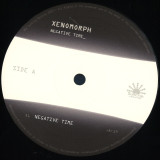
Negative Time! The new 12" vinyl EP of Xenomorph has a name that suits our global crisis. The best way to face these dark times is through the therapeutic powers of music. This 3-track 12" EP is the harbinger for the upcoming album "Netherverse" in early 2024. Fans of Mark Petrick know what to expect for sure. Goa-trance with a darker twist, but still filled with powerful melodies, unique kicks and psychedelic effects
The opening track, Negative Time, is a musical interpretation of zero point energy creation and quantum physics. Cutting, yet melodic goa-riffs take the listener on a journey backward in time through a mix of darkness leading to a positively melodic final. Danger on the High Seas is a deeper, more straightforward technoish track where light and dark are doing a wonderful mating dance between the crests of the high waves. The song was inspired by the mysterious vanishing of flight-19 in the bermuda triangle. The last track, Lost In An Old Junkyard, is known to the people that bought the Carpe Noctem compilation on Suntrip. But now it is available on vinyl as well as a different mix: the Tow Hook Mix! This track is the most classic Xenomorph track. Alienated tearing effects, mixed with exalted melodies.
Negative Time! The new 12" vinyl EP of Xenomorph has a name that suits our global crisis. The best way to face these dark times is through the therapeutic powers of music. This 3-track 12" EP is the harbinger for the upcoming album "Netherverse" in early 2024. Fans of Mark Petrick know what to expect for sure. Goa-trance with a darker twist, but still filled with powerful melodies, unique kicks and psychedelic effects
The opening track, Negative Time, is a musical interpretation of zero point energy creation and quantum physics. Cutting, yet melodic goa-riffs take the listener on a journey backward in time through a mix of darkness leading to a positively melodic final. Danger on the High Seas is a deeper, more straightforward technoish track where light and dark are doing a wonderful mating dance between the crests of the high waves. The song was inspired by the mysterious vanishing of flight-19 in the bermuda triangle. The last track, Lost In An Old Junkyard, is known to the people that bought the Carpe Noctem compilation on Suntrip. But now it is available on vinyl as well as a different mix: the Tow Hook Mix! This track is the most classic Xenomorph track. Alienated tearing effects, mixed with exalted melodies.
'Din Izvor EP' invites you on an introspective sonic journey, each track unfolding like a chapter with glimpses into the past, present, and future of our collective experience.
The title track, 'Din Izvor', combines distant future Sci-Fi elements with a solemn ambiance and religious undertones. It's a musical exploration of humanity's quest for both outer and inner understanding, as we simultaneously venture to the edges of space and the depths of the Self.
Drawing inspiration from a vivid dream, 'Margelatu' unfolds in three distinct parts. It begins with a nostalgic reflection on the influence of role models from the past on the the development of one's own personality. A sudden, playful break provides an unexpected diversion before the track refocuses on an epic final scene set in a vast, abandoned, open space. Here, a haunting choral melody intertwines with sounds of nature, to symbolize a poignant, cinematic farewell to one's origins and the past.
When listening to 'Memories of a String', imagine a guitar string bearing the memory of every note and melody it's ever played. The closing track weaves a tense, nostalgic melody conjuring the evocative image of a bygone moment from a bustling mid-century Tokyo street, captured and perpetually replayed in a mesmerizing loop.
'Din Izvor EP' leaves you with a profound sense of reflection, taking you on a meditative odyssey that explores the essence of memory, influence, and transformation.
Supported by: Swoy - Herck - Vern - ckb - Suolo - Userunknwn - Cipo - Massud Matin
- A1: Dj Gregory - Block Party
- A2: Dj Gregory - Trompeta Alegre
- A3: Eddie Amador & Bob Sinclar - Do It!
- B1: Liquid People - Love Is The Answer
- B2: Bob Sinclar - Kazet
- C1: Bob Sinclar - Bisou Sucré
- C2: Soha (Dj Gregory & Julien Jabre) - Les Enfants Du Bled
- C3: Matt' Samo - Peplum Africa
- D1: Martin Solveig Feat Hossam Ramzy - Edony (Clap Your Hand)
- D2: Dj Gregory Feat Salomé De Bahia - Tourment D'amour
Discover the emblematic first album of the Africanism All Stars collective led by Bob Sinclar and featuring, among others, Matin Solveig,DJ Gregory,Lego and Eddie Amador... Includes the hits : " Tourment d"Amour ", " Block Party " and " Edony (Clap Your Hands
- Les Bourgeois
- 1: 2Les Paumes Du Petit Matin
- 1: 3Bruxelles
- 1: 4Le Plat Pays
- 1: 5On N'oublie Rien
- 1: 6La Valse A Mille Temps
- 1: 7Les Flamandes
- 1: 8Ne Me Quitte Pas
- 1: 9Le Moribond
- 1: 0Quand On N'a Que L'amour
- 1: Rosa
- 1: 2Au Printemps
- 1: 3Les Prénoms De Paris
- 1: 4Madeleine
Mit der Harcourt Edition würdigen Wagram und das legendäre Studio Harcourt Paris den belgischen Chanson-Poeten Jacques Brel. Die exklusive Reihe ist den größten Stimmen Frankreichs vorbehalten und präsentiert ikonische Schwarzweiß-Porträts aus dem berühmten Studio Harcourt, das seit 1934 für seine unverwechselbare Bildsprache steht. Diese Kompilation vereint Brels bedeutendste Werke - darunter Ne Me Quitte Pas, La Valse à Mille Temps und Les Bourgeois. Zeitlose Klassiker, die das französische Chanson geprägt haben und bis heute nichts von ihrer emotionalen Kraft verloren haben.
- Hasiera 00:50
- 2: Iratzarri 0:37
- Sarrakio 02:10
- Dantza Bihurritua 03:50
- Desagertu 03:18
- Meditazioa I 02:09
- Besarkatu Ninduzun (Cdr Y Basandere Ahotsak) 03:50
- Meditazioa Ii 02:53
- Ametza Iii 02:06
- Oroipen 04:04
- Fallen Gaza 03:09
- Atseginzale Dantza 02:14
- Sua Eta Heriotza 00:59
- Agur Maria (Cdr Y Basandere Ahotsak) 03:55
- Bukaerako Dantza 04:03
- Amaiera 00:36
Una interpretación de Soinuarenbidea II debería partir de esta premisa: todo es posible, nada es aleatorio, y en sí mismo es un imposible de aleatoriedades. El escenario planteado explora la idea de realidad aumentada desde una percepción sonora, ambiental y colectiva. La obra transita hacia adelante y hacia atrás recreando experiencias extintas de porvenir incierto, tratando de facilitar un fin pacificador. Cada pieza sonora se crea, se despliega, se repliega y se destruye, en una torsión permanente de toda la realidad que hace posible cada fragmento musical, cada identidad acústica, cada espacio sonoro. Lo onírico, la ficción, y el viaje están continuamente presentes, y es en el transitar de cada fragmento donde se produce el diálogo de la exposición musical. Los elementos de esta ficción se recrean continuamente, en un continuum donde se entrelazan y se van contorsionando a medida que crecen o decrecen con cada fragmento de síntesis concreta. Los temas explícitamente musicales son el magma que conduce a dar voluptuosidad al disco, siendo la piel un contexto o límite que en sí mismo fluctúa indefinidamente en texturas y configuraciones posibles. Y la urdimbre del silencio es la síntesis que está continuamente presente y que trata de cohesionar los fragmentos en continua colisión expresiva. Las grabaciones de campo proporcionan el material sonoro concreto, y como un fractal sonoro cada una de ellas ofrece diferentes grados de interpretación que a su vez conduce a nuevos fragmentos y nuevas creaciones. Así que se puede pensar que esta es una síntesis de una posible realidad, pero interpretable en infinidad de maneras. Un movimiento y una estaticidad implícitas que generan estructuras y dinámicas acústicas. Lo que se escucha no es real, pero en sí mismo forma parte de la realidad, creando un escenario expectante. Lo cinematográfico, plástico y teatral, danzante y dinámico cobra importancia en este juego, porque se trata de contar una historia, una experiencia recreada desde los puntos de vista del arte visual. Es a su vez hilo conductor y entretenimiento, discurso político y puro divertimento. Es desde este espacio de convivencia artística que tiene sentido la totalidad y justifica el formato sonoro planteado. La contradicción de la obra es patente en el formato, y es a su vez el planteamiento de una accidentalidad en el devenir vital. Contenedor de Ruido recoge todas estas contradicciones y las manifiesta en la obra Soinuarenbidea II. Es una historia sonora, es un cuento acústico. Es un fragmento de vitalidad en imágenes audibles. Es una invitación a la reflexión, a la crítica, al disfrute, a la meditación, a la celebración. Y sobre todo es esperanzadora apreciación de la realidad como algo maleable que confeccionamos colectivamente, que requiere de una paciente observación y la participación colectiva global, en un mundo finito pleno de diversidades y del que ignoramos prácticamente todo, al que deberíamos volver con respeto y devoción.
Soinuarenbidea II-ren interpretazio batek premisa honetatik abiatu beharko luke: dena da posible, ezer ez da ausazkoa, eta, berez, ausazkotasun ezinezko bat da. Planteatutako agertokiak errealitate areagotuaren ideia aztertzen du, soinu-, ingurumen- eta talde-pertzepzio batetik abiatuta. Lanak aurrera eta atzera egiten du, etorkizun zalantzagarriko esperientzia desagertuak birsortuz eta helburu baketsua lortzen saiatuz. Soinu-pieza bakoitza sortu, hedatu, tolestu eta suntsitu egiten da, musika-zati bakoitza, identitate akustiko bakoitza eta soinu-espazio bakoitza ahalbidetzen dituen errealitate osoaren etengabeko bihurdura batean. Onirikoa, fikzioa eta bidaia etengabe daude presente, eta pasarte bakoitzaren joan-etorrian gertatzen da musika-erakusketaren elkarrizketa. Fikzio honen elementuak etengabe birsortzen dira, continuum batean, non sintesi zati zehatz bakoitzarekin hazi edo txikitu ahala elkar lotzen eta bihurritzen diren. Esplizituki musikalak diren gaiak diskoari atsegintasuna ematera eramaten duen magma dira, azala testuingurua edo muga izanik, testura eta konfigurazio posibleetan mugarik gabe aldatzen dena. Eta isiltasunaren irazkia etengabe presente dagoen sintesia da, zatiak etengabeko adierazpen-talkan kohesionatzen saiatzen dena. Landa-grabazioek soinu-material zehatza ematen dute, eta soinu-fraktal batek bezala, horietako bakoitzak interpretazio-maila desberdinak eskaintzen ditu, eta horrek, aldi berean, zati eta sorkuntza berrietara eramaten du. Beraz, pentsa daiteke errealitate posible baten sintesia dela, baina hamaika modutan interpreta daitekeena. Egitura eta dinamika akustikoak sortzen dituzten mugimendu eta estatikotasun inplizitu bat. Entzuten dena ez da erreala, baina, berez, errealitatearen parte da, eta agertoki espektakularra sortzen du. Zinematografikoak, plastikoak eta antzerkikoak, dantzariak eta dinamikoak garrantzia hartzen dute joko honetan, ikusizko artearen ikuspegitik birsortutako istorio bat, esperientzia bat, kontatzea baita helburua. Aldi berean, hari gidaria eta entretenimendua da, diskurtso politikoa eta dibertimendu hutsa. Elkarbizitzarako espazio artistiko honetatik osotasunak zentzua du eta planteatutako soinu-formatua justifikatzen du. Obraren kontraesana nabarmena da formatuan, eta, aldi berean, bizi-bilakaeran istripu-tasa bat planteatzea da. Zarata-edukiontziak kontraesan horiek guztiak jasotzen ditu eta Soinuarenbidea II obran adierazten ditu. Soinu istorio bat da, ipuin akustiko bat. Bizitasun zati bat da, irudi entzungarrietan. Hausnarketarako, kritikarako, gozamenerako, meditaziorako eta ospakizunerako gonbidapena da. Eta, batez ere, itxaropentsua da errealitatea modu kolektiboan egiten dugun gauza xaflakor gisa hautematea, behaketa pazientea eta partaidetza kolektibo globala eskatzen dituena, dibertsitatez betetako mundu mugatu batean, ia guztia kontuan hartzen ez duguna, eta errespetuz eta debozioz itzuli beharko genukeena.
An interpretation of Soinuarenbidea II should start from this premise: everything is possible, nothing is random, and in itself is an impossible randomness. The proposed scenario explores the idea of augmented reality from a sonic, environmental, and collective perception. The work moves back and forth, recreating extinct experiences of an uncertain future, seeking to facilitate a peaceful end. Each sound piece is created, unfolds, retreats, and is destroyed, in a permanent twisting of all reality that makes each musical fragment, each acoustic identity, each sonic space possible. The dreamlike, the fictional, and the journey are continually present, and it is in the transit of each fragment that the dialogue of the musical exposition takes place. The elements of this fiction are continually recreated, in a continuum where they intertwine and contort as they grow or diminish with each fragment of concrete synthesis. The explicitly musical themes are the magma that leads to the work's voluptuousness, the skin being a context or boundary that in itself fluctuates indefinitely in possible textures and configurations. And the warp of silence is the synthesis that is continually present and seeks to unite the fragments in a continuous expressive collision. The field recordings provide the concrete sound material, and like a sonic fractal, each one offers different degrees of interpretation that in turn lead to new fragments and new creations. So one can think of this as a synthesis of a possible reality, but interpretable in an infinite number of ways. An implicit movement and staticity that generate acoustic structures and dynamics. What is heard is not real, but in itself is part of reality, creating an expectant scenario. The cinematic, plastic and theatrical, dance and dynamic aspects take on importance in this game, because it is about telling a story, an experience recreated from the perspective of visual art. It is at once a common thread and entertainment, political discourse and pure entertainment. It is from this space of artistic coexistence that the whole makes sense and justifies the proposed sound format. The contradiction of the work is evident in its format, and it is, in turn, the presentation of an accidentality in the course of life. Noise Container gathers all these contradictions and manifests them in the work Soinuarenbidea II. It is a sound story, an acoustic tale. It is a fragment of vitality in audible images. It is an invitation to reflection, to critique, to enjoyment, to meditation, to celebration. And above all, it is a hopeful appreciation of reality as something malleable that we collectively craft, requiring patient observation and global collective participation, in a finite world full of diversity and of which we know practically nothing, to which we should return with respect and devotion.
Paisajes sonoros, diseño sonoro, drones y música grabada, realizada y arreglada para Contenedor de Ruido por David Aranaz. Coro: Basandere Ahotsak. Producido y mezclado por David Aranaz. Mástering: Estanis Elorza. Fotografía: David Aranaz. Texto: David Aranaz. Traducción: Saioa Aranaz Oreja. Trabajo y Diseño artístico: Cristina Martinez. Edición: Contenedor de Ruido Producciones y Sarbide Music. Distribución: Contenedor de Ruido.
Contenedor de Ruido agradece el apoyo en la realización de Soinuarenbidea II al coro Basandere Ahotsak y en especial a Eva Orbara Goicoa.
Soinuarenbidea II está dedicado al pueblo palestino.
Paisajes y objetos Sonoros, samplers y otras músicas transformadas para Soinuarenbidea II
Burlada: Paseos sonoros matinales por Merindad de Sangüesa, Calle Mayor, Capuchinas, Parque Uranga y varias iglesias y plazas. Pasajes del cotidiano: basura de papel, cristal y plástico.
Pamplona: Cementerio de San José. CEIP Sanduzelai /// Quinto Real: Fábrica de Armas, Puerto de Urkiaga y alrededores. Suite del silencio, bosques en movimiento /// Fábrica de armas de Orbaiceta: regatas, biosques, paseo sonoro hasta regata /// Belate: Puerto de Belate y alrededores. Vacas en pradera junto a las turberas /// Bardenas Reales: Suite de guitarra y Suite del silencio, estepa desértica /// Austria: Tranvías de Graz y Viena. Muchedumbre del metro de Viena.
Voces cinematográficas de: Matanza en Texas, Robocop, Espíritu Sagrado, Solo los Amantes Sobreviven, Voces de Gaza, Yojimbo, Terciopelo Azul, Los 7 Magníficos.
La pista A2 está dedicada a la memoria de David Lynch.
La pista B4 está dedicada a Eva Orbara Goicoa.
Pista A4: Contiene interpretaciones de piano de Three Piano Pieces Op.11 de Arnold Schoenberg.
Pista A5: Es una interpretación expandida con síntesis FM del Concerto Op. 24 - Etwas lebhaft - de Anton Webern.
Pista A7: Contiene la canción Besarkatu ninduzun (Letra de Josune López y música de Josu Elberdin) en interpretación de Basandere Ahotsak en la iglesia de Burutain bajo la tormenta.
Pista B2: Contiene la canción Recuerdos de la Alhambra (Fernando Tárrega) en interpretación torsionada de David Aranaz Sarasa.
Pista B14: Contiene la canción Agur María (Letra y Música de Estíbaliz Robles “Estitxu” y arreglo exclusivo de Alfonso Ortiz para Basandere Ahotsak) en interpretación de Basandere Ahotsak.
Equipamiento para Soinuarenbidea II.
Micros de condensador SE7, configuración XY y ORTF; Micros de cinta ORTIZ LUTHIER configuración XY y Blumlein; Grabadoras MARANTZ y ZOOM; Sintetizadores y samplers Elektron MONOMACHINE SPS-1, MACHINEDRUM SFX6 y MODEL:SAMPLES. Dave Smith MOPHO. Torso Electronics S-4. Sintetizador Modular 333 DIY; Guitarra clásica ALHAMBRA 6P; Esculturas Sonoras tipo Baschet, cristal y metales; Mesa Soundcraft FX16ii; Interface de Audio RME Babyface Pro FS; DAW Logic Pro; Procesamiento de modelado analógico con Acústica Audio, Waves, Softube, Brainworx, Sonible, Analog Obsesion, Tokio Dawn. Metering de Logic y RME DigiCheck . Amplificación Hafler PRO2400. Monitorización BW DM602 S3. Mezcla digital; Mastering híbrido.
- No One
- Super Woofa
- Lockdown Boy
- Roxy You're Gone
- I'm A Spasm
- Hell Razor
- Wee Wee
- I Believed Her Lies
- Darling Let's Have Another Baby
- Every Dream Came True
- Loony
- Musical Bore
- Oh Jane
- Groovy Ruby
- Something Else
Farbige Vinyl LP gepresst auf "Random Colour Eco" Vinyl. Am 16. März 2025 haben Johnny Moped zwei Sets im The Prince Albert in Brighton gespielt. Am Nachmittag spielten sie ein Akustikset. Nach einer kurzen Pause mit Fish and Chips und Eiscreme wurde am Abend eine komplette elektrische Show dargeboten. Das Akustikset am Nachmittag wurde für ein Live-Album aufgenommen, das wir euch jetzt präsentieren! Hier sind sie also Johnny Moped in ihrer ganzen Pracht, mit einer Auswahl ihrer beliebtesten Songs!
A critique and embrace of self-destruction, esoteric vanity and inevitable ruin. The molten-red LP on Riot Season Records plunges deep into an abuse of distortion, existential doom and primal Stooges-like chaos. LA’s Acid Punk Power Trio returns to its mark 1 line up, now wielding a second addition in twin-drum assault
OVER-GAIN OPTIMAL DEATH are :Jasso : Guitar/ Vocals, Luna : Bass, Backhaus + TJ : Twin Drums
Jasso (guitar/vocals) is seemingly out for blood on this 4 track studio album, leading a violent dive into the abyss, Japanese Underground fury meets Hendrix’s wreckage, fuzz-drenched wah freak-outs compete against raw punk vocals caught in an endless slap back delay…
OVER-GAIN OPTIMAL DEATH are an Acid Punk power trio formed in 2008 hailing from Los Angeles, and now currently hiding out somewhere in the South of France.
Fronted by guitarist/ vocalist Jasso (Psychedelic Speed Freaks, Antarcticans), they push a special niche product of blown-out extreme psychedelic noise rock. Their sound is enveloped in a total nihilist
"No Hope" atmosphere of heavy lyrics and distortion, mating intoxicating pulsing repetition, hyperactive improvisations and out of body guitar solos.
Resurrecting US 60s punk and acid-riffage from the likes of Blue Cheer, the Stooges, MC5 and live Hendrix Experience, OVER-GAIN OPTIMAL DEATH also draws greatly on the in-the-red sound aesthetic and high energy of the Speed Freak Underground and Hardcore scene of 80s/90s Japan.
- You Don't Wanna Be My Baby
- If I Got It (Your Love Brought It)
- Can't Leave It Alone
- Bad News
- Have Mercy
- Done Lyin
- Lover Girl
- Ride With Me
- Girl On The Phone
- Love Is
- Over You
- Leanin' On Your Everlasting Love
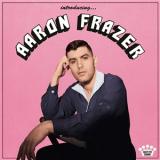
Für sein treffend betiteltes Solo-Debütalbum "Introducing..." hat Aaron Frazer mit Dan Auerbach von The Black Keys zusammengearbeitet. Soft spoken und mit dem Aussehen eines leicht unzufriedenen Matinee-Idols aus den 1950er Jahren gesegnet, besitzt Frazer eine einzigartige Stimme, die sowohl zeitgemäß als auch zeitlos klingt. Der in Baltimore aufgewachsene, zurzeit in Brooklyn lebende Songwriter wurde als Schlagzeuger und Co-Vokalist von Durand Jones & The Indications bekannt. Jetzt tritt er mit "Introducing..." als Solist hinter dem Drumkit hervor und demonstriert nicht nur seine beeindruckenden stimmlichen Qualitäten, sondern auch sein Können als hochklassiger Songschreiber. Schon die erste Single "Bad News" sorgte für Aufsehen ("a gorgeous piece of vintage R&B" - CLASH), die sich anschließende Lead-Single "Over You" ist inspiriert von elektrisierenden Northern Soul 45s der 60er Jahre. Nur zwei Belege der erfolgreichen Zusammenarbeit zwischen Frazer und Auerbach. Die zwölf Songs auf "Introducing..." verbinden gekonnt den Soul der 70er Jahre mit Dan Auerbachs besonderer Sensibilität für Vintage-Sounds im neuen Gewand. "Introducing..." enthält klassische Message-Songs im Stil von Künstlern wie Gil Scott-Heron sowie motivierende Liebeslieder, die von Disco-, Gospel- und Doo-Wop-Einflüssen durchzogen sind. Das gesamte Album wurde innerhalb nur einer Woche in Auerbachs berühmten Nashville-Studio nach einer schnellen und produktiven Songwriting-Session aufgenommen. Auerbach holte auch den legendären Songwriter und Falsettspezialisten L. Russell Brown (schrieb früher Hits für Frankie Valli von The Four Seasons) an Bord, der den wunderschönen Opener "You Don't Wanna Be My Baby" auf dem Album mitkopmponierte. Für "Introducing..." rekrutierte Frazer eine beeindruckende Schar alteingesessener Session-Musiker aus Nashville. Darunter Mitglieder der legendären Memphis Boys (die in Dusty Springfields "Son of A Preacher Man" und Aretha Franklins "You Make Me Feel Like A Natural Woman" mitspielten), den Perkussionisten Sam Bacco sowie diverse Musiker aus dem Daptone/Big Crown Records-Umfeld.
- Neighborhood Scene
- Speed Freak
- Football
- Gumshoe (Dracula From Arkansas)
- Seersucker
- Lucy Takes A Picture
- Perfect World
- My Beautiful Girl
- Canary
- Parking Lot
- Saturday Cowboy Matinee
- Home Movie (1989-1993)
Das neue Album Rarely Do I Dream wurzelt in Liebe und Kindheitserinnerungen und ist ein Triumph amerikanischer Gothic-Phantasie - wo sich die
Unschuld aus dem Märchenbuch in einer radioaktiven Welle aus jugendlichen Driftern, drogensüchtigen Strippenziehern und Folklore der alten Welt
auflöst.
Trevor Powers' einzigartige Stimme, die zwischen treibender Electronica und halluzinatorischen Rocksongs hin- und herpendelt, leuchtet stets wie ein
neonfarbenes Straßenschild, das nach Hause weist.
Trevor Powers kehrte 2023 mit der Veröffentlichung seines vierten Albums „Heaven Is a Junkyard“ zu Youth Lagoon zurück, das unter anderem von
Pitchfork als „Best New Music“ gelobt wurde. Mit "Rarely Do I Dream" erscheint im februar endlich der Nachfolger.
- Tout Tremblant De Fièvre (1969, Single "Tout Tremblant De Fièvre")
- Fac,On De Parler (1971, Album "Acte Ii")
- Annie, Christine Ou Patricia (1972, Single "Il Faut Rêver")
- A Bas Tous Les Privilèges (1973, Compilation "La Révolution Française")
- Les Indiens Du Dernier Matin (1974, Album "Acte Iii")
- Mon Premier Hold-Up (1975,Album "N°1 Usa Hits Of The 60'S")
- Disco Circus (François K Edit) (1978, 12" Single)
- Bains Douches (1980, Album "De Sang Froid")
- J't'ai Vu Dans Le Canoe' (1983, Single "Solange")
- Pourquoi Tu M'la^ches Pas? (1985, Single "Trop Sentimental")
As soon as Martin Circus was born in 1969, the band laid foundations for the French "Pop Musique" genre, deliberately turning its back on both French yéyés and rock'n'roll to better embrace psychedelia and the French language. In 1971, they were a pioneering, innovative group moving as fast as a speeding train, building upon everything they found on the way. However, faced with band members changing often, management issues and music evolution, Martin Circus ended up trying to fit in every style: soul, R&B, glam rock, disco, new wave, 80s mainstream music. To follow their journey is to listen to the world shifting along music charts. Behind the scenes, since the very first days of the band, one man had been pulling all the strings. Manager and artistic director Gérard Hugé used to work for both the band and the label - this has never been good news. What he cared about the most was getting records out, no matter who played on them. In the mid-70s, he registered the Martin Circus name, granting himself full power over the band. Deciding that it no longer had either a lyricist or a composer, he made the remaining musicians embark on a series of American 60s hits adaptations. As a result, they made tons of money : "Marylène" was a huge hit and gave them a new impulse. The Martins adopted a new look by wearing shiny Courrèges-style suits and platform boots, and on stage they performed dance moves choreographed by the eccentric Amadeo. They completely fit into the disco craze which was about to take over. Still, their music blended doo-wop and rockabilly with glam rock and funk music. They eventually hit disco with a soundtrack in the mannerof French disco groups such as Space and Voyage. Effortlessly, they released the epic 14- minute "Disco Circus", a track which was to become a real underground gem. DJ and remixer François Kevorkian then released it on the American Prelude label in a self-edited version, shortened to 7 minutes while retaining all the dazzling passages of the original track. It came to be a hit in the clubs of New York and Chicago, making a lasting impression on everyone who heard it. It got sampled on at least 40 tracks over the following decades and featured in dozens of bootlegs and prestigious compilations - by Laurent Garnier, Carl Craig, Juan Atkins, Joey Negro, The Beatnuts, The Rapture, and by Danny Krivit in the DJ culture film Maestro. As the 80s arrived, Martin Circus once again changed the way they looked and their style. Inspired by Devo and their cold dance music, by Buggles' synthpop and Plastic Bertand's postpunk. Throughout their career full of ups and downs, Martin Circus nonetheless managed to keep up with one stable element: contrary to what they seemed, the musicians never took the easy way out. Their playing and arrangements were consistently flawless and polished, they relentlessly dedicated themselves to playing quality music and this can only compel admiration. As Coco Chanel once said, "Fashion goes out of fashion, style never does."
- 01: Un Mondo - Generato Da Un Seme Casuale - Con Un Inventario Vuoto
- 02: Sottaceti Di Mare Che Si Generano In Un Burrone Sotterraneo
- 03: Il Nether Presenta Un Terreno Unico Simile A Una Caverna Senza Cielo
- 04: La Foresta Cremisi È Densa Di Funghi Distorti
- 05: Slime In Un Mondo Superpiatto Nella Versione 1.1
- 06: Una Immagine Ingrandita Di Una Foresta Distorta
- 07: Il Portale Dell&Apos;End Conduce Ad Una Dimensione Oscura Che Si Trova Nel Vuoto
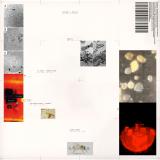
nobile, one half of the former Milanese duo Voronoi, presents a new series of recordings of ephemeral ambient soundscapes, organic throbs and broken rhythmic textures that sublimate the more instinctual and playful side of his poetics.
The project is haunted by cavernous sounds and an obsession with the 'netherworld' of the videogame Minecraft, and by Le Matin des Magiciens - the classic and revolutionary book that popularised occultism, alchemy and paranormal phenomena in the 1960s. "...FANTASTICO INTERIORE is" - as the artist puts it - "a fantastic journey inside the body, perhaps also a journey into the unconscious to understand my gastritis?"
The seven tracks traverse underworlds, infused with fantastic realism, where odd sounds materialise like poltergeists of digital folklore. Creepy voices emerge from the hell-like nether, intertwined with clusters of gelatinous percussive sounds that trudge to the surface. Earthy streams of crackling white noise carry volatile sonic particles that bounce off walls with short delays and reverberations, giving an almost visible form to the space.
But it is not always serious. As soon as you come across the curiously long titles of the tracks (which are rough translations of the Minecraft manual into Italian) a subtle irony emerges. The imagery appears to be harmless and eventually, as in a video game, you can switch to safe-mode and refill your health-bar along the way...
No panic attacks in the soft-occultism of FANTASTICO INTERIORE ;)
2024 repress
The immobile odyssey. For a long time before the success of Nôze led him to discover the rest of the world, Ezechiel Pailhès remained a prophet in: his country. For a long time as well, he worked on creating what became his first solo album, waiting for the right moment when he could no longer contain all the melodies that populate this 14-leg epic. A voyage in a free world, where creation knows no formal constraints, where everything mutates according to the determined inspiration of the moment. Transforming the original pieces without knowing in advance how they will end up, disguising the instruments so that they are mistaken for others, nothing frightens this intrepid sailor whose ship is nevertheless securely moored at home, Ezechiel composes and plays at home in Paris. Sole master on board, the tinkerer illusionist prepares his piano with mechanic's tools (scotch tape, rubber, percussion, wooden claves adrift over the strings), obtaining instruments that do not sound where we expect them. This adventure is, he says, a fiction he wants to believe in.The result is equal to the creator and his character.14 captivating melodies like siren songs, sometimes dressed in a simple lala or lyrics by David Lafore, 14 ports of call offering a sweetness that is at times extremely melancholy, 14 pieces whose implacable refrains take root the first time you listen to them.
Joel Sarakula's new album "Soft Focus" is a mid-career album spanning his many influences and genres including Soft-Rock, Funk and Indie Pop, all brought under the umbrella of his gentle gaze and a 'soft' aesthetic. "Soft Focus" is also the name of a photographic technique born out of a spherical abberation of the lens where the image is a bit blurry and undefined: it's both flattering and forgiving on the subject. It's an apt title. As a lifetime wearer of (vintage) glasses, Sarakula knows a lot about spherical abberations. Perhaps he produced these songs with his glasses off as these are abstract and warm vignettes, never overstaying their welcome and for this reason Sarakula manages to feature twelve new tracks on "Soft Focus".
Highlights include one of the two Shawn Lee produced tracks "I'll Get By Without You", the rockier, iberic beat of "King Of Spain", the soulful affirmation of "Back For Your Love" and the psychedelic-tinged "Bird Of Paradise" and "Microdosing". This is a lovingly crafted album, well polished and it feels like the culmination of Sarakula's adventures in soulful soft-rock and his defining statement in the genre. While comparisons will be made with contemporary projects like Shawn Lee's Young Gun Silver Fox, Drugdealer, Benny Sings and Prep, echoes of soft-rock icons Ned Doheny, Boz Scaggs, Todd Rundgren and Michael Franks also ripple gently through the album.
Imagine if Ray Manzarek was the frontman for the Bee Gees... It's a neat visual introduction to Joel Sarakula, a UK-based Australian artist who writes, produces and sings Soulful Pop, gazing out at a contemporary world through vintage glasses, vintage threads and long blond hair. His music is informed by a rich, 1970s-inspired palette, drawing on soft-rock, funk and disco influences: sunny, uptempo jams for darker times. Self-aware that he looks and occasionally sounds like the love child of Ray Manzarek and the Gibb brothers, his self-deprecating sense of humour is always there just below the fringe.
Born in Sydney, based in UK and international in outlook Sarakula is a songwriter who has travelled the world in search of his muse, experiencing everything from being a victim of Caribbean carjackings to performing in the remote fishing villages of Norway before finally establishing his career in the UK and Europe. Since then he has released albums such as "Island Time" (2023), "Companionship" (2020), "Love Club" (2018) and "The Imposter" (2015) that have racked up plays on rotation across national UK and European radio and got him noticed in The New York Times, The Independent (UK), The Irish Times, Rolling Stone Germany, El Pais (Spain) and Sydney Morning Herald. It's- been a long road finding his current cult status starting out at the piano from a young age in suburban Sydney, writing and singing songs by the time he was a teenager and onstage by fifteen years old playing jazz standards in his local golf club. "I came from humble beginnings, it's best not to mention" as he sings in his 70s boogie influenced song "I'm Still Winning". Joel Sarakula is a fixture on the festival and club circuit having previously performed at SXSW, Primavera Sound and Glastonbury festivals. Ever the internationalist, he tours with pickup bands sourced from each territory he plays in: a Barcelona band for Spain, a Berlin band for Germany and so forth. This cross-cultural exchange is another echo of the 1970s when world travelling soul and pop artists from the US did the same and guarantees that his live shows remain fresh, exciting and absolutely contemporary.
This 25th anniversary commemorative reissue of The Dining Rooms' debut album "Subterranean Modern Volume Uno" is an essential release of an album that has become a true classic of instrumental cinematic hip hop through the years, the very first step in a constant evolution of a unique music style conceived by Stefano Ghittoni and Cesare Malfatti. Thanks to this double LP release various songs of the original full album appear on vinyl for the very first time. This reissue also includes a 30x30cm insert and the bonus track "Education of a Scoundrel" featuring Sean Martin on vocals.
[n] 14: Education of a Scoundrel (Bonus Track) [feat. Sean Martin]
Bill MacKay and Drag City are delirious with pride to announce the discovery of a new territory: Locust Land, a record which seeks to reflect the nerve-shredding consciousness run amok in our world today - and somehow allay it with sound. Bill"s music is a visceral crackling where it meets the air, and Locust Land can"t help but reflect its era more than any other in his discography. It"s been five years since the release of Fountain Fire - but in the interim, Bill has barely stopped moving, collaborating with artists across the spectrum, including cellist Katinka Kleijn, banjo player Nathan Bowles and keyboardist Cooper Crain. He"s also contributed to recordings by Steve Gunn, Ryley Walker, Bill Callahan & Bonnie Prince Billy (Blind Date Party), and Black Duck (on their self-titled record featuring Douglas McCombs and Charles Rumback). Forget five years - how"d he even get Locust Land squeezed out of his temporal lobes? Bill"s sense of music as art is constantly modulating - lifting off from where it is found and naturally migrating to some other place. Sometimes, that"s elsewhere - others, it"s simply to be found deeper inside the starting point. And so, the action of moving on informs the landscape of Locust Land. This manifests in several different ways. A restless energy and urgency is repeatedly felt - in the driving momentum of "Keeping in Time," "Glow Drift," and "When I Was Here" - while a dogged persistence radiates from the tone colors and percussion of "Oh, Pearl." Mating a dirge-like desolation with sparkling guitars, "Radiator" adds darkness and depth. The sense of searching, displacement and longing in vocal tracks "Keeping in Time," "Half of You," and "When I Was Here" speak literally to the tumult of current vibrations. Within the arrangements, there"s also departure from previous norms - in addition to the brilliant guitar work for which he is known, Bill plays a variety of keyboards, from piano to organ to synth, extending his music with the available voicings, while enriching the sound field without abandoning his signature brevity. For fans of his singing, and following in the recent tradition of Fountain Fire as well as his collaboration with Nathan Bowles, Keys, Locust Land expresses with an increased vocal presence - and heightened engagement, with Bill"s words and melodies drawing us closer. Also different: on his previous solo recordings, Bill played every sound. Here, he has invited other illustrious Chicagoans to join him: Sam Wagster (The Father Costume, Mute Duo) plays bass on three songs, two of which feature the percussion playing of Mikel Patrick Avery (Natural Information Society, Jeff Parker, etc.). Additionally, Janet Beveridge Bean (Eleventh Dream Day, Freakwater) adds otherworldly vocal textures to the elegiac "Neil"s Field." Whether played alone or with companions, this music projects the strength of a universal collective. Even with a piece that might earlier have passed for blissful pastorale, Bill displays some declamatory motives. The reverie which opens the album, "Phantasmic Fairy," embodies both transcendent and desperate moods, with Bill"s ineffable slide guitar playing afloat, with organs and synths, in a dream state suffused with a sense of foreboding - a requiem, perhaps for the days of unencumbered bandwidth? On the other side of the album, the strength to continue to hope appears in the lifting melodicism/exoticism of the album-closing title track, leaving the listener with the sense of having achieved a hard-won space - a place of personal contemplation and dissent, one that everyone on the planet deserves to visit every single day on earth. With cover art also by Bill MacKay (the third of his albums on Drag City to feature his work), Locust Land stands as a thoroughly personal statement from Bill to everyone everywhere.
This record invites you on an extraordinary journey, in the form of a spatio-temporal and transgenerational sound collage, into the parallel and singular universe of one of the major counter-culture movements of the 1960s fantastic realism. A cross between thematic compilation and sound creation, it offers a selection of rarities and nuggets with psychedelic and esoteric tonesby groups from the late 60's - early 70's French psychedelic scene, such as Haira, Guy Skornnik and Martin Circus, as well as previously unreleased tracks by major current and emerging bands such as The Limiñanas, Zombie Zombie featuring Pacôme Thiellement, The Penelopes or Terrains vagues, Rubin et le paradoxe featuring Brigitte Fontaine, Tuxedomoon or Exotourisme (Perez and Dominique Gonzalez Foerster). These tracks were created especially for the occasion. All mixed and interspersed with audio archives by Jacques Bergier, Louis Pauwels or Eugène Canseliet and sounds from installations designed by visual artists (Veronique Belland, Alexis Chapelain). At once cutting-edge and accessible to the uninitiated, between fantasy and science fiction, esotericism and occultism, popular culture and contemporary art, avant-garde and pop music, this disc offers a poetic ode to the Strange, to curiosity, to the capacity for wonder and the desire for knowledge, with a view to re-enchanting reality. Conceived by Jean-François Sanz (author, director and curator) and Hermione Volt (visual artist), in collaboration with Laurent Paulré (founder of the Contours label and producer at Radio France), and with the complicity of Céline Du Chéné (author and journalist), this album, an atypical sound object, is the musical extension of the eponymous group exhibition UN AUTRE MONDE ///DANS NOTRE MONDE, which opened at Galerie du Jour in Paris.
- Si Jamais
- 02
- Avec Les Oiseaux
- Rêve(S)
- Attention Les Dents
- Automnale
- Ce Matin Là
- Chat Gris
- A Tout Prendre
- Anne Gillis, Jac Berrocal, Vincent Epplay, Timo Van Luijk - -Si()Six- - 10 Salons Madrigal
- Anne Gillis, Jac Berrocal, Vincent Epplay, Timo Van Luijk - -Si()Six- - 11 Confidential Villa
- Anne Gillis, Jac Berrocal, Vincent Epplay, Timo Van Luijk - -Si ()Six- - 12 Si Jamais (Suite Et Fin)
Several years of mutual appreciation and encounters on- and off-stage have been the root of this chance meeting, resulting in an unplanned mysterious collaboration album where the aura of each individual is augmented by the magic osmosis of united forces. The 12- tracks display a collage of dreamy musique concrète with desolate instrumental and vocal interventions, masterfully balanced out by Vincent Epplay.
- Introduction To Mating Calls (Examples 1 To 6)
- Mating Calls As Isolation
- Mechanisms (Examples 7 To 20)
- Taxonomic Levels & Voice Differences
- (Examples 21 To 33)
- Sounds Produced Under Special Conditions (Examples 34
- TO 44: )
- Pitch In Relation To Body Size (Examples 45 To 61)
- Diversity In Mating
- Calls (Examples 62 To 85)
- Samples Choruses (Examples 86 To 92)
The amphibian song revival begins here! This classic of both biological fieldwork and natural sound recordings, compiled and narrated by renowned herpetologist Charles M Bogert, was originally released by Folkways in 1958, and presents sounds of 57 species of frogs and toads (remastered from the original tapes) that were recorded in swamps, lakes, woods, creeks, and roadside ditches all over North America Listen to the bewitching tones of the Pig Frog, Dwarf Mexican Treefrog, Little Green Toad, Southwestern Woodhouse's Toad, Great Basin Spadefoot, and other unsung heroes of the bog creek. In a time when frog and toad populations are in rapid decline, this recording reminds us of the remarkable diversity and beautiful sounds we are in danger of losing.
Third Matinee (or 3rd Matinee) was an American rock band formed by vocalist and bassist Richard Page with keyboardist Patrick Leonard. The group formed after the breakup of Page’s band, Mr. Mister, and the demise of Leonard’s band, Toy Matinee. Leonard and Page were writing partners whose efforts included the Madonna hit “I’ll Remember.”
The rest of the band were: Brian MacLeod (drums), Tim Pierce (guitar), and Guy Pratt (bass), Marc Bonilla (guitar) and was completed by keyboard player and Toto member Steve Porcaro.
Third Matinee released only one album, Meanwhile, which was released in 1994. It features artwork by Mark Ryden, who is also known as “the godfather of pop surrealism” and mastered the Lowbrow style. He previously designed artwork for Aerosmith’s Love In An Elevator, Michael Jackson’s Dangerous, and One Hot Minute by Red Hot Chili Peppers.