As the front person of celebrated indie band Cymbals Eat Guitars, guitarist and singer Joseph D'Agostino spent over a decade setting autobiographical, emotionally vivid lyrics against a backdrop of soaring and compositionally ambitious rock. After four critically acclaimed LPs that solidified D'Agostino's reputation as a gifted songwriter, he chose to break from his long-term band and debut a new project: Empty Country. The project's second full-length is a thrilling affair, delivering an engaging and deeply moving rumination on time, family, and the disintegration of America. Although it is a record about the forces that drive Americans apart, it's also imbued with empathic love and an understanding of what binds people to family and country-in spite of the darknesses we encounter. The concept of a Great American Rock Album might scan as outdated in 2023, but with this sprawling and uncompromising epic, D'Agostino and Empty Country shatter ambivalence and confront the horrors with a community-minded sense of cautious optimism. "We may be staring into an abyss," says D'Agostino. "But we're all staring together." Despite the stoicism of its storytelling, Empty Country II cuts the darkness with beauty, humor, and an earnest belief in the transcendent power of rock music. Its sprawling and sonically adventurous arrangements range from luminous jangle-pop to scorching emo-punk to narcotized Americana. Empty Contry II featuring ome of D'Agostino's most danceable songs too. Legendary recording engineer John Agnello, whose previous collaborations with Cymbals Eat Guitars resulted in their 2014 high-water mark, LOSE, brought his trademark clarity and nuance to the process, helping Empty Country II crackle with a vital energy that imbues these stories with genuine lifeforce. RIYL: Silver Jews, Pixies, Husker Du, Wilco, Pavement, Superchunk, Modest Mouse. Ltd pink vinyl LP (500 copies ww)
Brother Deges zweites Album "How to Kill a Horse" wurde nachts in einem leeren Lagerhaus aufgenommen (während er tagsüber in einem Obdachlosenheim für Männer arbeitete) und ist ein Meisterwerk, das von Scheunenbrennern über antike Delta-Meditationen bis hin zu babylonischen Schrottplatz-Jams reicht, die die Schattenseiten dessen erforschen, was es heißt, ein Mann in der modernen Welt zu sein. Zu den Einflüssen zählen: Ernest Hemingway, Joseph Conrad, Ry Cooder, Norman Mailer, Henry Miller, Sonic Youth, Black Sabbath, Blind Willie Johnson, Einstürzende Neubauten, Jackson Pollock und Don Quijote. Wie Hemingways stärkste Werke dringt "How to Kill a Horse" tief in das Gefängnis-Rodeo des menschlichen Herzens ein, konfrontiert die dunklere, fehlerhafte Seite des Selbst, während es mit voller Aggressivität in den existenziellen Hochofen der modernen Weltgerät steuert und mit den Rollen der Männer als Versorger, Beschützer, Partner, Liebhaber, Krieger, Friedenstruppen, was auch immer ringt. "How to Kill a Horse" ist ein gewaltiger Schuss vor den Bug aller Riff-Heads, Songwriter und Americana-Enthusiasten auf der ganzen Welt. Es ist ein Game-Changer, der das ganze Durcheinander der Roots-Musik aus den Vinyl-Mülltonnen ins 21. Jahrhundert befördert.
Sampha kündigt mit "LAHAI" sein mit Spannung erwartetes zweites Album an, das am 20. Oktober auf Young erscheint. Nach dem Namen seines Großvaters väterlicherseits benannt, der gleichzeitig auch Samphas zweiter Vorname ist, fließt die Musik auf "LAHAI" zwischen der Ehrfurcht vor dem Leben und der Magie der weltlichen Existenz und beschreibt das Chaos, das man erlebt, wenn man sich dem Kreislauf des Lebens und dem Jenseits stellt. Auf den 14 Tracks hat Sampha enge Freunde und Kollegen zusammengerufen - darunter fantastische Künstler wie Yaeji, Léa Sen, Sheila Maurice Grey (Kokoroko), Ibeyi, Morgan Simpson (Black Midi), Yussef Dayes, Laura Groves und Kwake Bass. Im Gegensatz zum Vorgänger "Process" ist "LAHAI" ein eher kollaboratives Album. Die neueste Single "Only", die von einem Musikvideo von Dexter Navy in Zusammenarbeit mit Sampha begleitet wird und auf dem Vorab Track "Spirit 2.0" folgt, zeigt einen extrem lebendigen Sampha, der melodisch über einen fragmentierten Hip-Hop-Beat mit Co-Produktion von spanischen Musiker El Guincho singt. Im Juni kehrte Sampha zum ersten Mal seit fünf Jahren für seine Satellite Business Residencies in London und New York auf die Bühne zurück. Das einzigartige Setup, bei dem Sampha und seine Band in der Mitte des Raums auftraten, ermöglichte den Fans einen intimen Zugang zu der improvisierten Performance neuer, unveröffentlichter Musik und alternativer Arrangements von Samphas Katalog, die das Publikum "wie gebannt" (Pitchfork) zurückließ. In diesem Herbst wird Sampha eine größere Version der Satellite Business Live-Show auf Tournee mitnehmen. Den Anfang machen mehrere Abende in London in der St. Johns at Hackney Church im Oktober, bevor er nach Nordamerika zurückkehrt, um in großen Städten aufzutreten: Los Angeles, Toronto, New York City, Chicago, San Francisco, Washington D.C., Philadelphia und Atlanta. Anfang Dezember kehrt er nach Europa zurück und spielt in Berlin, Amsterdam und Paris. Wie sein Schöpfer lässt sich auch "LAHAI" nicht in eine Schublade stecken. Das neue Album ist eine Mischung aus Jazz, Soul, Rap, Dance, Jungle und westafrikanischer Musik, mit der Sampha seine produktionstechnischen und stimmlichen Ambitionen auf ein neues Niveau hebt. Als begnadeter Sänger , Songwriter und Produzent ist es kein Wunder, dass Künstler wie Kendrick Lamar, Stormzy, Travis Scott und früher auch Drake, Solange, Frank Ocean, Beyoncé, Lil Wayne und Alicia Keys ihn für seine unnachahmliche Stimme sowie seine Beiträge zum Songwriting und zur Produktion ihrer Musik um Unterstützung baten. Zu seinen früheren kreativen Partnerschaften gehören die Modedesignerin Grace Wales Bonner, das Shy Light Zine mit Durimel (der auch das LAHAI-Artwork gedreht hat), sein Process-Film mit dem Regisseur Kahlil Joseph und kürzlich die Zusammenarbeit mit Jonny Lu, mit dem Sampha das Artwork für sein LAHAI-Album und sein neues Logo entwickelt hat. Wenn "Process", Samphas 2017 mit dem Mercury-Preis ausgezeichnetes Debütalbum, einen Künstler zeigte, der seinen eigenen Platz in der Welt suchte und schließlich auch fand, ist "LAHAI" eine Übung in der radikalen Akzeptanz und Freude am Leben und der Schönheit der Reise bis hierhin. Willkommen zu Samphas nächstem musikalischen Kapitel: LAHAI.
Brother Deges zweites Album "How to Kill a Horse" wurde nachts in einem leeren Lagerhaus aufgenommen (während er tagsüber in einem Obdachlosenheim für Männer arbeitete) und ist ein Meisterwerk, das von Scheunenbrennern über antike Delta-Meditationen bis hin zu babylonischen Schrottplatz-Jams reicht, die die Schattenseiten dessen erforschen, was es heißt, ein Mann in der modernen Welt zu sein. Zu den Einflüssen zählen: Ernest Hemingway, Joseph Conrad, Ry Cooder, Norman Mailer, Henry Miller, Sonic Youth, Black Sabbath, Blind Willie Johnson, Einstürzende Neubauten, Jackson Pollock und Don Quijote. Wie Hemingways stärkste Werke dringt "How to Kill a Horse" tief in das Gefängnis-Rodeo des menschlichen Herzens ein, konfrontiert die dunklere, fehlerhafte Seite des Selbst, während es mit voller Aggressivität in den existenziellen Hochofen der modernen Weltgerät steuert und mit den Rollen der Männer als Versorger, Beschützer, Partner, Liebhaber, Krieger, Friedenstruppen, was auch immer ringt. "How to Kill a Horse" ist ein gewaltiger Schuss vor den Bug aller Riff-Heads, Songwriter und Americana-Enthusiasten auf der ganzen Welt. Es ist ein Game-Changer, der das ganze Durcheinander der Roots-Musik aus den Vinyl-Mülltonnen ins 21. Jahrhundert befördert.
Sampha kündigt mit "LAHAI" sein mit Spannung erwartetes zweites Album an, das am 20. Oktober auf Young erscheint. Nach dem Namen seines Großvaters väterlicherseits benannt, der gleichzeitig auch Samphas zweiter Vorname ist, fließt die Musik auf "LAHAI" zwischen der Ehrfurcht vor dem Leben und der Magie der weltlichen Existenz und beschreibt das Chaos, das man erlebt, wenn man sich dem Kreislauf des Lebens und dem Jenseits stellt. Auf den 14 Tracks hat Sampha enge Freunde und Kollegen zusammengerufen - darunter fantastische Künstler wie Yaeji, Léa Sen, Sheila Maurice Grey (Kokoroko), Ibeyi, Morgan Simpson (Black Midi), Yussef Dayes, Laura Groves und Kwake Bass. Im Gegensatz zum Vorgänger "Process" ist "LAHAI" ein eher kollaboratives Album. Die neueste Single "Only", die von einem Musikvideo von Dexter Navy in Zusammenarbeit mit Sampha begleitet wird und auf dem Vorab Track "Spirit 2.0" folgt, zeigt einen extrem lebendigen Sampha, der melodisch über einen fragmentierten Hip-Hop-Beat mit Co-Produktion von spanischen Musiker El Guincho singt. Im Juni kehrte Sampha zum ersten Mal seit fünf Jahren für seine Satellite Business Residencies in London und New York auf die Bühne zurück. Das einzigartige Setup, bei dem Sampha und seine Band in der Mitte des Raums auftraten, ermöglichte den Fans einen intimen Zugang zu der improvisierten Performance neuer, unveröffentlichter Musik und alternativer Arrangements von Samphas Katalog, die das Publikum "wie gebannt" (Pitchfork) zurückließ. In diesem Herbst wird Sampha eine größere Version der Satellite Business Live-Show auf Tournee mitnehmen. Den Anfang machen mehrere Abende in London in der St. Johns at Hackney Church im Oktober, bevor er nach Nordamerika zurückkehrt, um in großen Städten aufzutreten: Los Angeles, Toronto, New York City, Chicago, San Francisco, Washington D.C., Philadelphia und Atlanta. Anfang Dezember kehrt er nach Europa zurück und spielt in Berlin, Amsterdam und Paris. Wie sein Schöpfer lässt sich auch "LAHAI" nicht in eine Schublade stecken. Das neue Album ist eine Mischung aus Jazz, Soul, Rap, Dance, Jungle und westafrikanischer Musik, mit der Sampha seine produktionstechnischen und stimmlichen Ambitionen auf ein neues Niveau hebt. Als begnadeter Sänger , Songwriter und Produzent ist es kein Wunder, dass Künstler wie Kendrick Lamar, Stormzy, Travis Scott und früher auch Drake, Solange, Frank Ocean, Beyoncé, Lil Wayne und Alicia Keys ihn für seine unnachahmliche Stimme sowie seine Beiträge zum Songwriting und zur Produktion ihrer Musik um Unterstützung baten. Zu seinen früheren kreativen Partnerschaften gehören die Modedesignerin Grace Wales Bonner, das Shy Light Zine mit Durimel (der auch das LAHAI-Artwork gedreht hat), sein Process-Film mit dem Regisseur Kahlil Joseph und kürzlich die Zusammenarbeit mit Jonny Lu, mit dem Sampha das Artwork für sein LAHAI-Album und sein neues Logo entwickelt hat. Wenn "Process", Samphas 2017 mit dem Mercury-Preis ausgezeichnetes Debütalbum, einen Künstler zeigte, der seinen eigenen Platz in der Welt suchte und schließlich auch fand, ist "LAHAI" eine Übung in der radikalen Akzeptanz und Freude am Leben und der Schönheit der Reise bis hierhin. Willkommen zu Samphas nächstem musikalischen Kapitel: LAHAI.
out of Stock
Last delivered 2 years ago available to reorder, subject to availability
New music from the Jellyfish co-founder Four new tracks on LP, plus four from 2020’s independently released Glamping CD & Digital contain eight bonus tracks, five previously unissued Roger Joseph Manning Jr burst onto the music world’s radar as cofounder of Jellyfish in 1990. After two critically acclaimed and now revered releases, the band parted ways, and Roger began a career that saw him in bands including Imperial Drag, The Moog Cookbook, and TV Eyes, as well as contributing to albums from Beck, Morrissey, Lana Del Rey, Blink 182, Johnny Cash, Adele, and more! He also continued to record as a solo artist, releasing the EP Glamping independently in 2020. That was soon reissued with three live bonus tracks, but neither received a wide release. That brings us to 2023, and Roger is ready to unveil 4 new songs – two co-written with Glamping Chris Price (Emitt Rhodes). Radio Daze / Glamping contains Roger’s four new studio tracks, plus the four from Glamping on LP. The CD and Digital add the three live bonus tracks from Glamping limited edition expanded edition, but three new live tracks and two instrumentals. Radio Daze / Glamping revitalizes the musical landscape of Roger Joseph Manning Jr., making his music available worldwide, on multiple formats, and essential.
[i] 9. What You Don’t Know About The Girl (Live) [Bonus Track]
[j] 10. Operator (Live) [Bonus Track]
[k] 11. Creeple People (Live) [Bonus Track]
[l] 12. Down In Front (Live) [Bonus Track]
[m] 13. Too Late For Us Now (Live) [Bonus Track]
[n] 14. I’m Not Your Cowboy (Live) [Bonus Track]
Producer Scrappy Jud Newcomb and Cleaves teamed up for the third time in early 2022 between Covid surges to record a new batch of songs, Slaid's first in five years.
Familiar themes of struggle and resilience will be a surprise to no one. As Scrappy puts it, "This album speaks to the hopeful, the hard working, the battered, confused, and the sad. But above all to the believers in the city of freedom that we heard in the stories of our youth and all those FM radio hits."
The first single, "Through the Dark," was co- written with Slaid's long- time collaborator and life- long friend, Rod Picott ("Broke Down," "Take Home Pay").
Slaid describes it simply as "a song about offering comfort in hard times."
Joseph Hudak of Rolling Stone calls Cleaves "a master storyteller, one influenced not by the shine of pop-culture but by the dirt of real life."
"More than 20 years into his career, Slaid Cleaves just keeps getting better . . .
There are few contemporaries that compare. He's become a master craftsman on the order of Guy Clark and John Prine." - Austin Chronicle
Ivory colored vinyl, limited to 150 copies. "When did time start flying by so fast? It's getting harder to recall the past." The opening lines of As Friends Rust's upcoming album Any Joy are a fitting start for a band that has existed in one form or another for over 25 years (minus a hiatus from 2002-2008). Originally formed in the late `90s, As Friends Rust has been through a few iterations, but it is the core line-up of vocalist Damien Moyal, guitarist Joseph Simmons, guitarist James Glayat, and drummer Timothy Kirkpatrick that are creating thought-provoking melodic punk music for the modern age. With three EPs, two 7 inches, and a full-length in their history, As Friends Rust already have a lifetime of work in their pocket, but the seven songs on Any Joy might just be their most striking yet. Originating in Gainesville, Florida and now spread across the country, As Friends Rust wrote, recorded, and produced Any Joy mostly from the comfort of their own homes. Vocals in Ann Arbor, MI, guitars in Gainesville, FL and Brooklyn, NY, with the exception of the drums, which were recorded in a studio by John Howard in Gainesville. Not currently having a permanent bassist, the band called upon friend Andrew Seward (of Against Me!) to play bass on most of the record, with additional contributions from Simmons. Mixed by James Paul Wisner in Orlando, FL and mastered by Matthias Lohmöller in Germany, the creation of the album was truly a collaborative and international effort. Working in separate spaces allowed the band to experiment more as the songs came together, resulting in a familiar but fresh sound that has more bite than past releases. It's more focused, more direct, more confrontational, more catchy, while still staying true to the band's melodic punk and hardcore roots. Lyrics tackle everything from the emptiness of emoticons as a form of communication on "Positive Mental Platitude" to the need for political and social activism versus the occurrences of daily life on "??No Gods, Some Masters."
After the white cover of the first volume and the silver one of the second volume, the third new chapter was to be dressed in the golden one.
This brand new "golden edition" double LP includes only rarities and '77/'78 Baia’s heritage hymns.
In the inner case we can find the iconic comics of the "antibaia", made entirely by Andrew Joseph Corsaletti, Andrea for friends. These comics were a regular appointment for all fans of "The Baia's Time", the Baia degli Angeli’s newspaper.
out of Stock
Last delivered 3 years ago available to reorder, subject to availability
Before there was Saturday Night Fever there was underground disco. DJs across America went out and found the music to play; dancers went out and found the clubs. At this point, in the early seventies, the disco was the venue and not a genre of music.
By the time Nik Cohn’s short story Tribal Rites of the New Saturday Night was published by New York magazine in June 1976, disco was the biggest genre of music on the charts and was about to get bigger still, becoming an all-enveloping cultural phenomenon. Cohn sold the film rights to Robert Stigwood, and his classic club yarn became Saturday Night Fever.
“Tribal Rites Of The New Saturday Night” is the soundtrack to Cohn’s story, where disco began; a 1975 score for the underground clubs of Brooklyn and Queens that played R&B, soul and Latin beats to people who lived for the weekend.
Bob Stanley has put this collection together, sourcing what was actually played in Brooklyn discos in 1974 and 1975. Only a few specific records were mentioned in Cohn’s feature, but two of them – Ben E King’s ‘Supernatural Thing Part 1’ and Harold Melvin’s ‘Wake Up Everybody’ - were cosmically great and both are included here, alongside underground favourites like Moment Of Truth’s Four Tops-like ‘Helplessly’ and Gloria Scott’s Barry White-produced modern soul classic ‘Just As Long As We’re Together’. Ivano Fossati’s incredible ‘Night Of The Wolf’ has fans in northern soul, disco and prog circles.
Without Cohn’s original story, it’s quite possible that disco would have remained an underground phenomenon – “Tribal Rites Of The New Saturday Night” paints a scene in full flower. Saturday Night Fever would eventually, if unintentionally, wreck the underground nature of this scene, and clubs like Studio 54 would destroy the democracy of the party, but for two or three years the scene was largely undocumented and magical. This album is the sound of disco before it was captured.
The second album by the New York hardcore band, originally released in April 1989. The album's cover reflected the band's interest in the Hare Krishna religion which started with previous singer John Joseph and then carried on through Harley Flanagan who also became a devotee.
The second album by the New York hardcore band, originally released in April 1989. The album's cover reflected the band's interest in the Hare Krishna religion which started with previous singer John Joseph and then carried on through Harley Flanagan who also became a devotee.
Woke rhythms and high-spirited grooves from the vaults of two seminal Italian jazz labels, between the 70s and 80s. Intensely curated by Khalab.
Hyperituals is a philological investigation that deeply delves into the possibilities of sound, rhythm, remix, and endless sampling. Inspiring listening, interpretation, and reinterpretation.
This volume is dedicated to the catalogue of the Italian Black Saint. Thanks to a constant, cutting-edge, and meticulous commitment, Black Saint & Soul Note established themself as two of the most important imprints for international jazz. They always placed the artists, their visions, and their music at the centre, giving them total freedom of creative expression. By combining jazz tradition with the political vanguard sentiment of the time, the two labels were able to press and produce more than five hundred records, many of which are by some of the brightest names in creative jazz or the ‘avant-garde’ of the era.
Curated by Khalab, the selection - focused on rhythms, grooves, and Afrocentric traditions - blends moments in which the rhythmic aspect is powerfully explicit, with others in which the kinetic aspect dialogues on different levels with African American cultural contexts.
out of Stock
Last delivered 3 years ago available to reorder, subject to availability
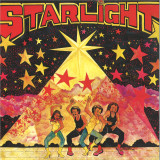
South African production duo of Emil Zoghby and John Galanakis were responsible for a string of high-quality disco singles in the early 80s, typically cover versions of international hits — Klein & MBO’s ‘The Big Apple’, Sly & the Family Stone’s ‘Family Affair’ & David Joseph’s ‘You Can’t Hide (Your Love From Me)’ — backed with their own compositions. When Starlight hit the market with an album in 1983, it featured only one cover, the local hit ‘Picnic’, along with five of the duo’s original compositions, including their similarly styled response, ‘Picnicing’, which replaces the original’s sax with spaced-out synth stabs. Then there’s ‘Jah Jah Love’, an ecstatic disco sermon of dancefloor dynamite weighing in at over eight and a half minutes. Other tracks on this landmark album — ‘Let’s Go Dancing (Boogie Boogie)’, ‘Keep On Moving’ and an eponymous instrumental — offer a similar fusion of classic disco with newer Italo and proto-house influences: machine music with a human touch! Remastered from the original master tapes and reissued for the first time, Starlight will be available on vinyl and digital platforms from early 2023 (40 years after its initial release) via Afrosynth Records.
out of Stock
Last delivered 3 years ago available to reorder, subject to availability
In hugo, there’s a central question that Loyle Carner keeps coming back to: “I’m young, Black, successful and have a platform - but where do I go next?” The answer is explored in this epic scream of a third album. With urgent delivery and gloriously widescreen production, Carner confronts both the deeply personal (“You can’t hate the roots of a tree, and not hate the tree. So how can I hate my father without hating me?) and the highly political (“I told the black man he didn’t understand I reached the white man he wouldn’t take my hand”). Cinematic in scale and scope, hugo is both a rallying war cry for a generation forged in fire and a study of the personal internal conflict that drives the rest of the album - as a mixed-race Black man, as an artist, as a father and as a son. With Mercury and Brits nominations, NME Awards and appearances in global brand campaigns (Nike, YSL, Timberland), Carner has undoubtedly had a meteoric rise to the top, culminating with his second album Not Waving, But Drowning charting at number 3 in the UK albums chart in 2019. However, hugo sees Carner taking a sharp detour from his previous work, putting it down to lockdown and the “hedonistic side of career being stripped away. There were no shows, no backstage, no festivals, no photoshoots”. By continuing to write in these tumultuous times with a renewed clarity and sense of artistic freedom, Carner reached deeper beneath the surface than he ever had before. The result is his most cathartic and ambitious record yet, a coruscating journey into the heart of what it means to be alive in these tumultuous times, and one which looks set to neatly cement his position as one of the most potent and vital young talents around today. Working alongside renowned producer kwes. (Solange, Kelela, Nao), Carner leaves no stone unturned on this album, in both its sound and its stories. In a 10-track album that moves from gorgeous neo-soul moments to thundering hip hop, with immediate, infectious bangers and sampled interludes from non musicians (mixed-race Guyanese poet John Agard and youth activist and politician Athian Akec) Carner shifts seamlessly from micro to macro, confronting everything from strained relationships with family to the societal tears caused by class stratification. It also lays bare bruises in his personal life that he has never revealed before – often in painful, deeply uncomfortable ways, focusing on Carner's experience of becoming a father in the context of growing up without contact with his biological father. With the song “Polyfilla”, against the backdrop of a warm melodic beat, Carner explores his desire to “break the chains in the cycle” of dysfunctional Black fatherhood, commenting on the narrative of fatherhood in the genre, and saying a key part of the process was realising that his father “grew up in a world where nobody showed him how to love or nurture”. The follow up track “A Lasting Place” is an exploration of the MC’s failure and inability to be perfect in this mission. The album closer is a powerful statement of love and forgiveness; with his signature lyrical dexterity, Carner declares his relentless commitment to his son and sees forgiving his father as a key part of this. The song closes with an emotional ending of Carner telling his dad “still I’m lucky yo that we talk”. There’s a striking duality of hugo’s bold, multilayered tracks and its often starkly intimate and tender lyricism, and that dichotomy is deliberate - it is a message for young Black men, but really, anyone, who is listening. Cognizant of the immense pain and fear and confusion that we are faced with everyday, Carner has thrown down the gauntlet, defying us not to rise above the fray, wake up each day and be ambitious. Ambitious in building strong personal relationships. Ambitious in our pursuit of our goals. Ambitious in never refusing to back down against injustice. Rejecting the title of leader, Loyle Carner sees himself “as holding up a mirror”, and that clearly translates into the album's universal messages.
out of Stock
Last delivered 3 years ago available to reorder, subject to availability
Salsoul is the 9th studio album by trailblazing Filipino-African American singer Joe Bataan, featuring his classic single ‘Mujer Mia’.
Re-issued for the first time since 1973 on limited edition blue translucent vinyl, Salsoul was born out of Bataan’s love for salsa & soul, which developed during his youth in New York’s Spanish Harlem.
Such was the impact of Bataan’s new sound, that Salsoul served as the catalyst for the creation of a label by the same name. Formed by brothers Joseph, Kenneth & Stanley Cayre, Salsoul Records spearheaded a new generation of charismatic artists that, influenced by soul, funk & Latin dance rhythms, gave the label a signature sound.
Re-emerging in samples and remixes, the Salsoul Records catalogue is proof of the label’s enduring legacy and it’s crucial role in shaping the sound of a new wave of disco.
out of Stock
Last delivered 3 years ago available to reorder, subject to availability
Ekkehard Ehlers' seminal plays series was originally released on three 12inches (Staubgold) and two 7inches (Bottrop-Boy) in very limited runs. The entire series was previously only available as a CD compilation or digitally. Keplar finally presents it on double vinyl for the first time, featuring a new cover artwork.
Domestic ethnology: Ekkehard Ehlers plays.
‘Play’ is a word in English with many meanings attached. Each one sends you down a different cognitive pathway. When I think of ‘playing’, in the sense of a game, I think of an activity involving more than one person. When Ekkehard Ehlers plays, he is very much on his own. Or, at least, alone but at the same time keeping intimate company with the artistic innovators named in his titles. Robert Johnson. John Cassavetes. Albert Ayler. Cornelius Cardew. Hubert Fichte. Is he playing with them, against them, about them, for them, to them? This can never be known.
It is certainly a mistake to try to hear the ‘work’ of these originals in the sounds played by Ekkehard. They’re not cover versions. They’re hardly tributes in the conventional sense. Cassavetes and Fichte are not even musicians, although music played an important part in both their careers. Sure, there are little nods and flashes of recognition – tiny guitar licks among the minimal beats of ‘Robert Johnson 2’; rich bowed instruments in ‘Albert Ayler’, recalling the violin, cello and double bass arrangements on Ayler’s 1967 Live in Greenwich Village LP; the elongated organ lines of ‘Cornelius Cardew 1’ gesturing towards passages in Paragraph 1 of the British composer’s 1971 Marxist monolith, The Great Learning. Ekkehard is not so much playing these figures as allowing himself to be played by them.
Playing as an activity also suggests freedom. Maybe the only thing all five named persons have in common is that they were all quiet radicals. In music, literature and cinema, they all stepped, without self-promotion or fanfare, into unmapped territories. Once there they found it necessary to invent new languages in order to survive. Necessity was the mother of their inventiveness. They were also uncomfortable avant gardists. Lonely types, fighting their corners out on the margins, with little reward, often misunderstood, ridiculed or ignored.
All died unfairly young. Fichte a victim of HIV/AIDS, Cassavetes of cirrhosis of the liver. (‘Cassavetes 2’ sounds like a tender farewell played across the 59 year old alcoholic director’s death bed.) The deaths of Johnson, Ayler and Cardew have never been satisfactorily explained, and remain shrouded in myths and conspiracy theories. The pioneering expeditions of all five began in that spirit of playful freedom, but inexorably drew them towards the heart of darkness.
So these ‘plays’ are micro-dramas, sonic soliloquies, monolog-ins to the private accounts of various geniuses in Ekkehard’s ‘follow’ list. Hacked sensibilities. Artistic manifestos boiled down and distilled, skinned and dried in the digital smokehouse. (Ekkehard Ehlers Flays.) Each of these plays was originally floated out into the world alone on its own disc. The collected works play well as a team – a tranquil, introspective experience where each artist has his own identifiably unique sound character. As an album, Plays is a ‘Plattenragout’ – a ‘record stew’ – which was the title of Hubert Fichte’s LP review column in the leftist culture magazine konkret in the 1960s. The novelist’s work investigating the cultures of South America and the Caribbean islands has been called ‘domestic ethnology’. The writer himself referred to his ‘ethnopoesie’. Ekkehard Ehlers’s intuitive electronic portraits are a form of domestic ethnology in themselves. Invoking another of Ekkehard’s musical aliases, they are portraits of cultural ‘autopoiesies’ – creators whose works were strong enough to have their own self-regenerating life force. (by Rob Young)
All tracks written and produced by Ekkehard Ehlers.
Featuring Stephan Mathieu, Joseph Suchy, Anka Hirsch.
Tracks A1 to C2 originally released on three 12inches via Staubgold.
Tracks D1 to D4 originally released on two 7inches via Bottrop-Boy.
Plays originally released as CD compilation in 2002 by Staubgold.
Mastered by Rashad Becker.
Cut to vinyl by Lupo, Berlin, 2022.
Redesigned by Sandra Kastl, 2022.
Photos by Ludger Blanke
out of Stock
Last delivered 3 years ago available to reorder, subject to availability
Following the release of their critically acclaimed self-titled debut EP in 2021, Antwerp's Lucid Lucia are set to release their debut album 'Ever-changing Light' on the 7th October via the groove-obsessed Belgian tastemaker label, Sdban Ultra.
Searching to unwrap the mystery that is a human life, across nine tracks of jazz and space funk-infused grooves, Lucid Lucia look to the sound of Herbie's 'Head Hunters' and Miles' acid funk of the mid-70s for inspiration.
'Ever-changing Light' is a mind-expanding celebration centered on freedom and rhythm. Free-spirited saxes, futuristic-sounding keys, monstrous bass lines and shifting drum beats unite, resulting in an uplifting and joyous celebration of jazz, funk and groove. From the loose, laidback stylings of 'Mumpsimus' and the jazz-funk odyssey that is 'Pigeons' to the sonic wonders of 'Reminiscence' and urgent flow of 'Quanked', Lucid Lucia is a marvelous journey of luminous sounds and vibrant rhythms. Elsewhere, the warped aesthetics of 'Oneironauts' and improv 'Pukti part 1' showcase a tight rhythm section, inventive horns, funky keys and guitar while the spiritual magnum opus 'Voor Pieter A.' is a magical example of the virtuosity of Lucid Lucia.
Born from the ashes of fusion outfit BRZZVLL, Lucid Lucia were founded by saxophonist Vincent Brijs, a household name in Antwerp and the Belgian jazz scene. Former winners of the Jong Jazztalent Gent, BRZZVLL released their debut album 'Days of Thunder, Days of Grace' in 2008 and would go on to release five more albums including teaming up with Trinidad-born poet, novelist and musician Anthony Joseph on the 2014 critically acclaimed album 'Engines' and with hip-hop MC, writer and producer Amir Sulaiman on the 2016 album 'First Let's Dance'. The 2017 album 'Waiho', the band's first instumental album and final album received glowing praise from numerous tastemakers including UNCUT magazine, The Line of Best Fit, XLR8R and Record Collector magazine.
To the present day and Lucid Lucia marks a brighter, clearer sound for the sextet. Consisting of Vincent Brijs: saxophones and EWI, Bart Borremans: saxophones, Stijn Cools: drums, Dries Laheye: bass, Dries Verhulst: guitar, Jan Willems: keys and James Williams: drums and percussion, they have honed their skills performing with numerous artists from home and around the world including Ursula Rucker, Joseph Bowie (Defunkt), Amir Sulaiman, Anthony Joseph, Zena Edwards, Ayanna Witter Johnson, Baloji, Mo & Grazz, Kain the Poet (The Last Poets), Marie Daulne, Dizzy Madjeku, Ida Nielsen and many others.
out of Stock
Last delivered 4 years ago available to reorder, subject to availability
Part 2 of a two part LP project from Casino Times !
The record Sounds Like: John Carpenter performing a live set at 4AM in a basement club.
Coming off the back of 2021, a year which saw the launch of their new imprint 'What's My Derivative?', Casino Times (Joseph Spencer and Nicholas Church) continue a journey of exploring the unusual spaces between House & Techno, carving out their unique space in the scene which over the last decade has seen them release on many leading record labels.
The duo return to Omena in 2022 after previously releasing two complimentary concept EPs (Decoded / Recoded). This time they take the step up to prepare only their 2nd full-length record 'A Change In Motion'.
An accomplished collection of tracks that are the epitome of their unconstrained style of electronic music, ssubverting expectations by blending an array of captivating ideas and atmospheres to form a true voyage through sound...
out of Stock
Last delivered 4 years ago available to reorder, subject to availability
Part 1 of a two part LP project from Casino Times !
The record Sounds Like: John Carpenter performing a live set at 4AM in a basement club.
Coming off the back of 2021, a year which saw the launch of their new imprint 'What's My Derivative?', Casino Times (Joseph Spencer and Nicholas Church) continue a journey of exploring the unusual spaces between House & Techno, carving out their unique space in the scene which over the last decade has seen them release on many leading record labels.
The duo return to Omena in 2022 after previously releasing two complimentary concept EPs (Decoded / Recoded). This time they take the step up to prepare only their 2nd full-length record 'A Change In Motion'.
An accomplished collection of tracks that are the epitome of their unconstrained style of electronic music, subverting expectations by blending an array of captivating ideas and atmospheres to form a true voyage through sound...
out of Stock
Last delivered 4 years ago available to reorder, subject to availability
Cardiff alternative rock duo James and the Cold Gun are pleased to announce the details of their debut EP False Start, set for release on April 29th 2022 through Gallows' label Venn Records and Seattle-based label Loosegroove Records, owned by Stone Gossard (Pearl Jam) & Regan Hagar (Malfunkshun, Brad, Satchel). False Start is available to digitally pre-order now, with a vinyl release scheduled for the summer: https://orcd.co/falsestartep Speaking of the new partnership between the band and Loosegroove Records, the influential indie label that was founded back in 1994, which has issued records from acts such as Critters Buggin, Malfunkshun, Weapon of Choice and Devilhead, and was the launching point for Queens of the Stone Age’s debut album in 1998, Stone Gossard said: “I heard James and The Cold Gun’s ‘Long Way Home’ on KEXP last year and thought this band fricken rocks! Who are these upstarts?! "This new track, ‘It's Mutual’ takes it to another level. Totally unhinged and letting it all hang out. Loosegroove Records is thrilled to be working with James and the Cold Gun on this new EP with a future full-length coming soon.” On 'It's Mutual', James Joseph said: "It's a song that embodies the feeling that you get when you hit a stalemate in a relationship, that feeling when you're both sat together but neither person is able to speak. We've all had those awkward silent car journeys where there has been an argument or something isn't right but we can't even chat about it. Next time you have an awkward car journey, grab the aux and chuck some Cold Gun on." James Biss adds, "We wrote these songs for False Start in our flat in 2020 during the pandemic and our first time playing them live as a band was to record them. It was pretty mad recording live around our drummer, hearing the songs played loud with real drums for the first time after months of being stuck inside writing them on the computer. Recording with Adrian Bushby was a dream though, he was bopping around the control room and egging us on to play louder and harder, he's technically the first person we ever played in front of." Taken from the EP, lead single 'It's Mutual' is out now: https://orcd.co/itsmutual The band have rapidly been building support from some of rock’s most respected taste-makers, including Kerrang! Magazine, Rock Sound, Punktastic, Dead Press, Running Punks, BBC Introducing Wales, Deezer’s Hot New Rock playlist, Triple J’s Short Fast Loud, Apple Music’s New In Rock, Beez at Mosh Talks on Twitch, Alex Baker at Kerrang! Radio, John Kennedy at Radio X, and Daniel P Carter on the BBC Radio One Rock Show.
In a pre-Rock world, no female vocal group came within touching distance of the
Andrews Sisters in terms of success. Between 1938 and 1951 they notched 90
Top 30 hits in the USA and appeared on countless other best-selling singles by
artists such as Bing Crosby, Dick Haymes, Danny Kaye, Ernest Tubb, Carmen
Miranda and Burl Ives. The Andrews Sisters were the most plagiarised of all
female singing groups and influenced many artists, including Mel Tormé, Les Paul
and Mary Ford, The Four Freshmen, The Pointer Sisters and Barry Manilow. It’s
time to celebrate the works of this wonderful trio and enjoy their incredible tones
and harmonies so grab yourself a Rum & Cola and get down with some Boogie
Woogie!
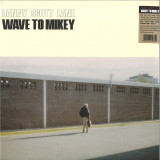
Wave to Mikey, the fourth album from the Los Angeles-based actor, musician and photographer Danny Lane is a nocturnal, neon-lit ode to the friendships that shape us. “I made this album for my friend Mikey from back home,” Danny explains. “We were pretty much inseparable for a large part of our lives, and our musical and social minds were always in sync in a special way. Then with age, we drifted apart, especially since I moved to Los Angeles. This album is just a little wave hello to an old friend and a kindred spirit.”
Equal parts avant-garde composition, instrumental city-pop, ambient, Kankyō Ongaku (environmental music) and Fourth World music, Wave to Mikey is an impressionistic and reflective cycle of eleven richly detailed memory portraits. Throughout the album, the influence of Jon Hassell, Arthur Russell, Hiroshi Yoshimura and Yellow Magic Orchestra hangs in the air like late-night mist, adding character but never overshadowing the rhythmic ambience of Danny’s musical visions.
Wave To Mikey began as a series of sketches on analog synthesisers, guitar, sample and found percussion sketches, initially recorded in Danny’s home studio. Once he’d located the vibe, Danny called on his friends E Talley II, Solange collaborator John Carroll Kirby and Destroyer session musician Joseph Shabason, who respectively added flute, spiritual synth textures and saxophone to the record.
For Glossy Mistakes founder Mario G.R., who originally discovered Danny through his photography, Wave To Mikey captures a vivid feeling of melancholy and peace. “He's able to encapsulate emotions in a very straightforward way, either in his portrait or songs,” Mario says. “I think that's a kind of virtue or skill given to talented artists, no matter the field.”
Born and raised in Staten Island, New York, Danny began playing music with his friends when he was thirteen, before putting that passion on pause to study Fine Arts (Theatre) at Rider University in Lawrence Township in pursuit of an acting career. Acting led him to photography, after playing a photographer in a film, he was inspired to pursue the medium. Danny began shooting photos on film for magazines and lifestyle brands, spent a stint living in New York’s Chinatown neighbourhood, and eventually relocated to Los Angeles in 2017.
Four years ago, Danny started recording and releasing music under his own name, leading to the trilogy of releases that preceded Wave To Mikey, How To Empty A Cup (2019), Memory Record (2019) and CAPUT (2021). Over the course of these releases, he’s revealed himself to be a sophisticated composer and producer with a studied ear from years spent digging through record bins for ambient, experimental, new age, jazz and electronica records from around the globe, with a particular emphasis on Japan.
“Music is something that’s always been involuntary for me,” Danny reflects. “It’s unconditional, always there. It’s something I just have to do. I’ve taken breaks and it’s always gloomy when I’m not playing. I just want to get better and better and understand more and more.”
Here at Glossy Mistakes, Wave To Mikey marks our second contemporary album release, following on from Evenings by Japanese composer Metoronori. We’re proud to be able to present Danny, Metoronori and other modern musicians' work alongside reissues of classic works from Stevia aka Susumu Yokota, Akira Ito, Yuji Toriyama & Ken Morimura, and Takashi Kokubo.
Mastered by Damian Schwartz, Wave To Mikey will be released on Vinyl LP Glossy Mistakes on June 27 2022. Besides the regular black vinyl, a limited clear vinyl will be available in an edition of 100 copies. Both editions come packaged with original cover art photography shot by Danny.
out of Stock
Last delivered 3 years ago available to reorder, subject to availability
Green coloured vinyl edition of William The Conqueror’s
‘Maverick Thinker’ album from last year, released to
coincide with the band’s upcoming tour and book
publication.
William The Conqueror have paid their damn dues. Like
the sportsman cutting chipped teeth in the lower leagues
before shooting to the very top, this band have lugged all
the amps, placated the in-house sound guy for an easier
life, their nails dirty, their hair unkempt. Enough.
Except it’s never enough, because despite their slinky,
swampy, razor-sharp, blues-drenched, guitar thrashed
alt. rock songs that form new album ‘Maverick Thinker’
and suggest that the door is opening for bigger rooms
and broader audiences, it’s those sticky basement bar
stages where the songs have always shed a skin and
come alive. The record put the three piece behind the
glass at Sound City Studios in LA, treading the same
carpet as the likes of Nirvana, Johnny Cash, Neil Young,
and Fleetwood Mac and they might well have inhaled
the spirit of them all.
William The Conqueror’s protagonist is Ruarri Joseph,
who knows his way around a melody and a verse.
Joseph’s wryness suggests life just ain’t plain sailin’ and
he fizzes that sigh and lament into something that
breathes heavy with heart and with soul.
LP in a gatefold sleeve with printed inner sleeve and
digital download card.
Two standout versions from the Lewin sisters, now available back-to-back on 45 for the first time. Classic soul turned reggae grooves produced by guitarist John Kpiaye and Adrian Joseph aka DJ Smokey Joe.Recorded in the mid-80s, a decade after the first advent of UK lovers rock and tailor-made for bass-heavy sound system playback, Christine Lewin’s cover of Tyrone Davis’s ‘In The Mood’ transformed his sensual after-hours classic into a female-led hit, that became a staple on Lovers playlists both then and now. Similarly, Tricia Dean’s sought-after cover of Jean Carn’s soul favourite ‘Don’t Let It Go To Your Head’ follows the same formula from Kpiaye and Smokey, synth-led rhythms reflecting the times rooted firmly in a local London scene.
out of Stock
Last delivered 5 years ago available to reorder, subject to availability
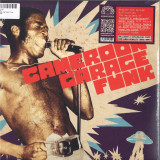
We are extremely proud to announce our 32nd compilation from the Analog Africa regular serie, "Cameroon Garage Funk", highlighting Yaounde's 1970's underground music scene. The quest to assemble the puzzle-pieces of what seemed to be a long lost underground scene took us to Camroon, Benin and further on to Togo and it was in the cities of Cotonou, Lome? and Sotouboua that we managed to lay our hands on most of the songs presented in this compilation. Since there were no local labels, no producers, and almost nothing in way of infrastructure in Cameroon at that time, the artists had to be everything: musician, producer, executive producer, arranger, financier, promoter and sometimes even distributor. The sixteen tracks on Cameroon Garage Funk pulse with raw inspiration and sweat DYI mood uniting the featured diverse musicians around their willingness to do everything themselves in order to take a chance in the music scene.
out of Stock
Last delivered 4 years ago available to reorder, subject to availability
Reissue for John Joseph’s own all-star group 2017 debut album
At its purest, there is little that can match the visceral thrill and empowering spirit of hardcore. As front-man of New York City hardcore kings Cro-Mags, this is something John Joseph knows very well, and with Up In Arms, he and his Bloodclot compatriots deliver a furious collection that hits hard on every level. "In this band we're doing what each of us have always done: give it our all," he states plainly. "We work hard, and we have a lot to say. Look around the planet - people are fed up with the corrupt ruling class. They destroy the planet and kill millions for profit, and the formula for our response is simple: Anger + applied knowledge = results. Don't just bitch. Change it."
The results reflect the roots and passions of the individual members. Danzig/Murphy's Law guitarist Todd Youth was the first piece of the puzzle. "We've always talked about doing this record together, Todd had songs written and I had notebooks full of lyrics. In late September 2015, I went out to LA to do a triathlon and injured my calf muscle, so I couldn't race, and Todd said he could get some studio time. So, we went in and cut the demo. While there are things we may perceive as a negative in our lives, in fact the universe has a bigger plan, and that experience ultimately resulted in the record." Having been friends with Queens Of The Stone Age and Danzig powerhouse drummer Joey Castillo for three decades, the two musicians had long admired each other's work, and their collaboration has been a long time coming. Following Castillo's suggestion of bringing in Nick Oliveri (Queens Of The Stone Age/The Dwarves) to handle bass duties, the lineup was complete. The songs that comprise Up In Arms manifested after the quartet plugged in and let the music speak for them. "We didn't decide to try to play anything, these are the songs that happened when we started jamming, and I love this band because there are no egos involved. Our goal is to make the best music possible, period. I love it when those guys contribute with melodies, etc., and I've even helped with some of the arrangements. Because we all think alike, our lyrics deal with the issues of the day, and that makes for better songs."
Every track on Up In Arms lives up to the rallying cry of the album's title - the bursts of high energy hardcore act as the perfect accompaniment to Joseph setting his sights on injustice and the seemingly endless flaws of the contemporary world. The breakneck thrashing of "Slow Kill Genocide" is an anthem for everyone sickened by those responsible for "killing the planet and all its inhabitants through industry and war. They're fucking maniacs and must be stopped." The suitably titled "Manic" attacks with bared fangs, Joseph making it clear that you can only push someone so far before they will react with violence - a call to arms for the disenfranchised who want tomorrow's world to be better than today's. Tracked at NRG in Los Angeles, the raw, old-school production that leaps out from the speaker comes courtesy of producer Zeuss (Hatebreed, Revocation), and the record was mixed by Kyle McAulay at NRG. From the moment the opening title track explodes to life, it's clear that everyone involved is having a blast and playing from the heart, and that this is no frills / no bullshit music at its most passionate - every song evoking mental images of utter chaos in a heaving mosh pit.
For anyone approaching the album for the first time, Joseph has only this to say: "Turn the volume way the fuck up!" And with plans to tour everywhere, Bloodclot will be getting in a lot of faces in 2017 and beyond. "We are already writing material and the next album is in the works. But, for now, all we want is to hit the stage to support 'Up in Arms', and every single night leave every ounce of ourselves up there."
Tony Scott (born Anthony Joseph Sciacca June 17, 1921 – March 28, 2007) was an American jazz clarinetist and arranger with an interest in folk music around the world. For most of his career he was held in high esteem in new-age music circles because of his involvement in music linked to Asian cultures and to meditation. Tony performed with many star as Billie Holiday, Sarah Vaughan and Harry Belafonte and before moving to Italy in the early ‘70’s he just cut two sought after masterpiece moving forward from his early idea of bop and cool jazz. In particular ‘Djanger Bali’ (1967 Saba) - recorded with The Indonesian All Stars - and the self titled Tony Scott (1968 Verve) - featuring Richard Davis on bass, John Berberian on oud and Attila Zoller on guitar – set the pace for a revolution in terms. This set recorded in Africa around the mid 90’s is a pure rhythm festival pushing the boundaries of his afro fusion agenda
With A Little Help From My Friends captures one special night on November 21, 2020 when Steve Lukather, Joseph Wil-liams and David Paich appeared with the new line-up of Toto for a global event originating from Los Angeles, CA. Join-ing Lukather, Williams and Paich for this next chapter in their indelible history are new band members bassist John Pierce (Huey Lewis and The News), drummer Robert "Sput" Searight (Ghost-Note / Snarky Puppy), and keyboardist / back-ground vocalist Steve Maggiora (Robert Jon & The Wreck). Keyboardist Dominique "Xavier" Taplin (Prince, Ghost-Note) and multi-instrumentalist / vocalist Warren Ham (Ringo Starr) segued over continuing their tenure in the ensemble. This marks the fifteenth incarnation of the Toto line-up in consideration of band members or sidemen who joined or exited.
The track listing features “Till The End,” “Hold The Line,” “Pamela,” “Kingdom of Desire,” “White Sister,” “You Are The Flower,” “I Won’t Hold You Back,” “Stop Loving You,” “Home Of The Brave,” “Rosanna,” and “With A Little Help From My Friends.” In the DVD and Blu-ray releases, a documentary is featured alongside the performance, featuring thoughts from all members of the band that appeared that evening.
Steve Lukather a.k.a. Luke shares, “When the music is performed by great musicians it honors TOTO. The documentary featured on the DVD and Blu-ray offers great insights in to our thoughts looking forward. David, who stands with us, alongside Joe and myself, desire to keep this music alive. And Paich could pop in any time for a show as a special surprise. When it came to plan this specific set list, we picked an eclectic group of songs for this one night only show.
The album will be released on June 25, 2021 on transparent 180 grams vinyl, CD+DVD and CD+Blu-ray.
The DVD is region-free, and playable worldwide. DVD audio track: PCM 2.0
Nonesuch Records releases an album of songs written and performed by Caroline Shaw and Sō Percussion, Let the Soil Play Its Simple Part. The musicians, who have known each other since their student days, were presented with three days of gratis studio time and decided to experiment with ideas they had begun putting to tape during the sessions for their January 2021 Nonesuch release Narrow Sea. With Shaw on vocals and Sō – Eric Cha-Beach, Josh Quillen, Adam Sliwinski, and Jason Treuting – filling out this new band, they developed songs in the studio, with lyrics inspired by their own wide-ranging interests: James Joyce, the Sacred Harp hymn book, a poem by Anne Carson, the Bible’s Book of Ruth, the American roots tune ‘I’ll Fly Away’, and the pop perfection of ABBA, among others. The album is co-produced by Shaw, Sō Percussion, and the Grammy Award–winning engineer Jonathan Low (The National, Taylor Swift).
Shaw, who won a Pulitzer Prize for her vocal composition Partita for 8 Voices, written for and performed with Roomful of Teeth, makes her solo vocal debut with Let the Soil Play Its Simple Part. The album’s first track, ‘To the Sky’, from the Sacred Harp, takes its lyrics from Anne Steele. “I love the songs about death, and going home, and looking toward a time that is better or brighter, which, if there’s one thing to think about in the world, maybe that’s the thing,” Shaw says. “This one I love in particular. There’s a line, ‘Frail solace of an hour / So soon our transient comforts fly / And pleasure blooms to die.’ It’s meditation on the ephemeral, and I love it.”
“I hadn’t written very many songs, but I have certainly loved many in my life. I’ve been thinking of making a solo album for seven or eight years, but it takes having the right friends and community in the room,” Shaw says. “The prompt for all of us was: What would we make in the room together with no one person in charge, like a band writes in the studio?”
Cha-Beach recalls of the early test run during the Narrow Sea session: “It had that capturing-lightning-in-a bottle feeling.” When the opportunity to have three days in their friends’ studio, Guilford Sound, came up, the five musicians decamped for Vermont with engineer/co-producer Jonathan Low. “Jon is an amazing editor,” Cha-Beach says. “He is so helpful in thinking about: ‘We have these ideas: how do we shrink those and make them come across on an album?’”
One such idea was for Shaw to do a duet with each member of Sō. She sings with Josh Quillen on steel drums on the title track, which she wrote in under an hour in a “free-writing zone, very inspired by James Joyce, taking on that brain space,” she says. Lyrically, the song is “related to some math bits that I love, but also memory, and love songs of somebody who’s gone or passed away, or that you’re no longer with: what is the sound of that kind of devastation or confusion or love?” They recorded the song only twice, and the first take is on the album. “It’s very spare. The playing is very Josh; it’s so sensitive,” Shaw says.
Adam Sliwinski’s marimba duet with Shaw is an interpretation of the ABBA song ‘Lay All Your Love On Me’. She explains, “It’s really a Bach chorale. Also, the idea of someone singing ‘Don’t go wasting your emotion / Lay all your love on me / Don’t go sharing your devotion / Lay all your love on me,’ over and over again very slowly, there’s a certain tragedy in it. And then Adam did some absolutely exquisite layering that built this stunning world from the marimba.”
Jason Treuting on the drum kit joined Shaw for ‘Long Ago We Counted’. She suggested, “Why don’t we start with the voice and the kit having a weird conversation, sort of like two babies talking to each other? And then we built this loop, and we go from this place that’s totally uncomfortable and nonsensical to something that’s rich and rolling and satisfying.” For ‘Some Bright Morning’, the duet with Cha-Beach – who here plays electronics, piano, and Hammond organ – Shaw drew upon a twelfth century liturgical hymn she had sung regularly in church during her college years: ‘Salve Regina’.
“Some songs on Let the Soil… were very specifically composed by Caroline,” Cha-Beach says. “But others were this assemblage of ideas: finding words, an idea for how a melody could work, a harmony, and then tossing it in a blender and trusting each other.” Shaw adds, “What I love about Sō is the curiosity about how objects make sounds and how they speak to each other. There was an underlying thread of thinking about what goes into soil, how we take care of it, how we allow it to be itself, how we contain it, and what can come out of it if you cultivate the right environment, which for me is always this wonderful metaphor for creativity and collaboration: let people be themselves and see what happens,” she concludes.
Caroline Shaw is a New York–based musician – vocalist, violinist, composer, and producer – who performs in solo and collaborative projects. She was the youngest recipient of the Pulitzer Prize for Music in 2013 for Partita for 8 Voices, written for the Grammy–winning Roomful of Teeth, of which she is a member. Shaw’s film scores include Erica Fae’s To Keep the Light and Josephine Decker’s Madeline’s Madeline as well as the upcoming short 8th Year of the Emergency by Maureen Towey. Hailed for ‘astonishing both the pop and classical music worlds’ (Guardian), she has produced for Kanye West (The Life of Pablo; Ye) and Nas (NASIR), and has contributed to records by The National and by Arcade Fire’s Richard Reed Parry. Shaw currently teaches at NYU and is a Creative Associate at The Juilliard School. Her 2019 Nonesuch/New Amsterdam album Orange won a Grammy Award.
Through its interpretations of modern classics, innovative multi-genre original productions, and ‘exhilarating blend of precision and anarchy, rigor and bedlam’ (New Yorker), Sō Percussion has redefined the scope and role of the modern percussion ensemble. Sō’s repertoire ranges from twentieth century works by John Cage, Steve Reich, and Iannis Xenakis, to commissioning and advocating works by contemporary composers such as David Lang, Julia Wolfe, and Steven Mackey, to collaborations with artists who work outside the classical concert hall, including Shara Nova, choreographer Susan Marshall, The National, Bryce Dessner, and many others. Sō has recorded more than twenty albums, including a performance of Reich’s Mallet Quartet on the Nonesuch record WTC 9/11; appeared at Carnegie Hall, Lincoln Center, Walt Disney Hall, the Barbican, the Eaux Claires Festival, MassMoCA, and TED 2016; and performed with Jad Abumrad, JACK Quartet, the Mostly Mozart Festival Orchestra, and the LA Phil and Gustavo Dudamel, among others.
180 gram Vinyl LP Producer - Jah Thomas Toyan aka Ranking Toyan (born Byron Letts, died 1991) was a Jamaican reggae deejay active since the mid-1970s and best known for his early 1980s recordings.
Toyan began his career in 1974, deejaying on Kingston’s sound systems, such as Socialist Roots and Romantic HiFi. He recorded his debut single, “Disco Pants” in the late 1970s for producer Don Mais. He went on to work extensively with Joseph Hoo Kim and Jah Thomas, resulting in a string of hits including “Girls
Nowadays”, “Kill No Man”, “John Tom”, and “Talk of the Town”, as well as combination hits with The Mighty Diamonds (“Pretty Woman”), Badoo (“Rocking the 5000”), and Freddie McGregor (“Roots Man Skanking”).
In 1981 he joined Henry “Junjo” Lawes’ Volcano Sound system, and toured Canada. With Lawes, he recorded the album How the West Was Won, and went on to produce his own work and that of others such as Billy Boyo and Anthony Johnson. He toured the United Kingdom with the Jah Prophecy band and performed in Jamaica alongside Dennis Brown. He was murdered in Jamaica in 1991.
Mailout to relevant music press and radio. Promotion across social media platforms Advertising in Riddim, Black Echoes and Record Collector Magazine
William The Conqueror have paid their damn dues.
Like the sportsman cutting chipped teeth in the
lower leagues before shooting to the very top, this
band have lugged all the amps, placated the inhouse sound guy for an easier life, their nails dirty,
their hair unkempt. Enough.
Except it’s never enough, because despite their
slinky, swampy, razor-sharp, blues-drenched, guitar
thrashed alt. rock songs that form new album
‘Maverick Thinker’ and suggest that the door is
opening for bigger rooms and broader audiences,
it’s those sticky basement bar stages where the
songs have always shed a skin and come alive.
The record put the three piece behind the glass at
Sound City Studios in LA, treading the same carpet
as the likes of Nirvana, Johnny Cash, Neil Young,
and Fleetwood Mac and they might well have
inhaled the spirit of them all.
William The Conqueror’s protagonist is Ruarri
Joseph who knows his way around a melody and a
verse. Joseph’s wryness suggests life just ain’t
plain sailin’ and he fizzes that sigh and lament into
something that breathes heavy with heart and with
soul.
Vinyl format comes in a gatefold sleeve with
printed inner sleeve and digital download card.
Dafuniks is a full live band based on a core of samples and Breakbeats plus various vocal appearances. It will blow your mind with references to the cradle of hip-hop and inspiration from the 60’s and 70’s Funk and Soul.
out of Stock
Last delivered 5 years ago available to reorder, subject to availability
'Kind of Strange' is taken from Edinburgh super group, Out of the Ordinary's debut album, 'Stranger Things Have Happened'. The original version is an eerily, atmospheric track with a classic film noir vibe, underscored with beats provided by Joseph Malik on the ones and twos, in collaboration with Check Masses members Vic Galloway, Saleem Andrew McGroarty and Philly Collins. Vocal powerhouses, Rosanne Erskine and Philly Collins will have you looking over your shoulder with their edgy, unsettling vocal delivery – was that a ghostly outline or just a curtain blowing in the breeze?
Combine all of these elements with the mighty Steven Christie's keyboard, Paulo ‘Brother’ Riddle’s anchoring percussion and Saleem Andrew McGroarty at the production controls, something rather special comes out of the speakers.
To prepare for their ‘North Street’ remixes, Jo Wallace and Darren Morris immersed themselves in continuous re-runs of iconic TV series, ‘Randall + Hopkirk Deceased’ and ‘Tales of the Unexpected’ enabling them to channel their inner John Barry. Throughout the track, Darren provides swirling, cinematic vamps and lush string arrangements echoing the Warsaw Concerto whilst Chris Greive’s haunting trombone and Vic Galloway, on his electric guitar, beautifully underpin the melody, transporting the listener back to a world of Black and White mystery and suspense.
out of Stock
Last delivered 5 years ago available to reorder, subject to availability
Killer 13-track compilation of 70's music from Mauritius that evolved from the original sega genre - the music of the slaves as well as their descendants, sung to protest against injustices in Mauritian society.
Created at the crossroads of Afro-Malagasy, the 70s strain fused Western and Indian cultures, pop, soul and funk arrangements, syncopated polyrhythms, saturated guitars, psychedelic organs and Creole vocals. Although the exact origins of sega remain unknown, it contains vocal and percussive practices that originated from Madagascar, Mozambique and East Africa. A social escape and a space for improvisation, satire and verbal jousting, it transcended everyday life and made room for the expression of conflicts and the transgression of taboos.
The main instrument of sega is the ravanne, a large tambourine-like drum made of a large wooden frame and goat skin. It is accompanied by the maravanne, a rectangular rattle filled with seeds, and other homemade forms of percussion. Eric Nelson a solo guitarist and arranger, set up the band Features Of Life which, in the mid 70’s, gave birth to a new sound. Fuzzy distorted guitars and funky beats invite each other to play over the unbridled beats created by fabulous drummer Raoul Lacariate.
The band accompanied a new wave of singers, including the atypical Joseph Roland Fatime aka Ti L’Afrique, a hyperbolic and hyperactive character, a fan of blues and James Brown who launched an explosive raw, and funky style of sega.
out of Stock
Last delivered 6 years ago available to reorder, subject to availability
Award-winning bassist Daniel Casimir and vocalist Tess Hirst release their debut album via pioneering London-based record labe Jazz re:freshed. Following the success of Daniel Casimir's critically acclaimed debut EP 'Escapee' which featured Hirst on vocals and fellow rising stars on the scene Moses Boyd, Joe Armon-Jones and Shirley Tetteh, this album - 'These Days' is inspired by the duo's London surroundings, delivering thought-provoking lyricism, neo-soul and modern jazz
Casimir, a former Birmingham Conservatoire student, has collaborated with Julian Joseph, Jason Rebello, Benet McLean, Lonnie Liston Smith, Nathan Facey, Shane Forbes, Chihiro Yamanaka, Ashley Henry, David Lyttle, Nubya Garcia, The Tracey Quintet (Meantime Jubilation), Tom Harrison (Unfolding In Tempo), Jasmine Power (Stories And Rhymes), Camilla George and Art Blakey Jazz Messenger saxophonist, Jean Toussaint.
Named Young Jazz Musician of the Year by the Musicians' Company in 2016, Casimir has received plaudits for his arrangements and recital, while Hirst has made a name for herself with her vocals on the jazz circuit having moved between London, Leeds and LA to hone her craft. What sets Hirst apart as a musician is not only the originality of her music but her perspective of herself as an artist. She is an Ethnomusicology Graduate of SOAS and her writing style walks us through her upbringing in West London and down the halls of academia
Casimir and Hirst fuse traditional jazz sounds into beautiful compositions, narrating their way through a political and cultural landscape across these twelve tracks. The frenzied groove heavy'Security' addresses the need to trust one another and how we protect ourselves personally, while the rich atmospherics of 'Freedom' combined with Hirst's vocals, explore liberation and the rejection of duty - from a female perspective.
At the heart of 'These Days', Casimir plays with a passion and power that resonates throughout each composition. His knack for complex chord changes are highlighted in 'What Did I Do', bringing an energy and enthusiasm to the track while Hirst decries our changing capital. Elsewhere, references to John Agard's poem 'Listen Mr. Oxford Don' in 'The Magic Money Tree', explore the past and its relevance to now while a re-imagining of Charles Mingus' 'Fables Of Faubus' further ensures this theme remains central to the essence of the album.
Daniel Casimir and Tess Hirst have already received radio support from BBC Radio 3, BBC Music Introducing and Jazz FM, along with coverage in the London Evening Standard and Jazzwise Magazine
'Don't Let Them' interpolates elements of 'Fables Of Faubus' written by Charles Mingus (c) 1959. Published by Jazz Workshop Inc. Administered by BMG Rights Management (UK) Ltd. Used by permission. All rights reserved.
out of Stock
Last delivered 6 years ago available to reorder, subject to availability
Like many Canadians, Joseph Shabason and Ben Gunning like to untangle themselves from urbanity and disappear up north a few times a year. Unlike other cottage-goers, Ben and Joseph don’t while away the ur-time on jet-skis and lounge on docks reading pulpy mysteries. Instead, they bring a car full of synths, drum machines, saxophones, guitars, samplers, effects, and recording equipment to jam the days away in a cabin-fever inducing haze of wood smoke, cedar musk, hot wires and jazz sweat.
Muldrew, recorded on the northern Ontario lake by that name, is the culmination of several years of this collaborative tradition. Resisting their penchant for composition and arrangement, the duo embarked on this project with only an open framework that encouraged restraint. The result is a sparse and improvisational album, hung on enough structure for each song to evoke a distinct, albeit ambiguous mood. Space is paramount and even the most digital elements breathe with the resonance of the room and mingle with creaking floors. The resulting album is steeped in the placid stillness and northern ambience of a lake at dawn, and the emotive expanse of a forest at dusk. Imagine an ECM cottage-series, or Jon Hassell and John Martyn scoring a Bela Tarr film set in rural Canada. This is the future-proof music of metropolitan polyglot minds invigorated by nature’s mute refusal to follow a click-track.
DMM Pressing. Limited Edition of 500.
out of Stock
Last delivered 7 years ago available to reorder, subject to availability
Composer, filmmaker and photographer Phill Niblock is a true pillar of the New York avant-garde. In the past 50 years, he has curated over 1,000 performances at his Centre Street loft and steadfastly built a massive, multidisciplinary body of work. While his earliest musical compositions date back to 1968, Niblock waited until the early '80s to release any recordings. Nothin To Look At Just A Record, a powerful debut with densely layered trombones, would be the first to unfurl his unique approach to sound.
The second album and perhaps the most rare in Niblock's vast catalogue, 1984's Niblock For Celli / Celli Plays Niblock is a meeting of two great minds. Working with reed player Joseph Celli (a composer in his own right, who has collaborated with John Cage, Pauline Oliveros and Ornette Coleman), Niblock nimbly removes the breathing pauses from Celli's oboe and English horn to create seamless, enchanting drones.
Niblock insists that his music be played loud: only in this way can one experience the visceral ringing of these long instrumental tones through the speakers and their natural overtones generated by the room. Niblock For Celli remains deeply absorbing.
This first-time reissue is recommended for fans of Alvin Lucier, Yoshi Wada and Dome.