'As I Slip Into the Sky reflects a particularly small sliver of time compared to Where the Smoke Goes, with recordings taking place in early 2025, while Johnny was bed-bound in an assisted living facility with multiple sclerosis. Alabama born, Portland based artist Joel Nelson helms the nearly entirely electronic backdrop, posing a new canvas for Johnny, with Buchla Music Easel bubbling up between Johnny’s lines. This album captures Johnny in a remarkably tender and emotive form. Love and all its permutations. The tangled, but caring nature of familial love, (“But you and me, we can talk on the phone every day. I would never leave you behind”), to the anguish and euphoria of romantic connection. Johnny has a remarkable ability to pose questions, ("What is real love like?), and provide answers that reflect the truest of realities, absent cliche ("I don't know. His curly hair, short on his head, his smile, his smile, his smile...that is what real love is like").
'Joel Nelson's nimble work across a small array of analog synthesizers creates a flowing backdrop to Johnny's stream of consciousness. At times, Broadcast's fuzzed out ballads come to mind, while at others, early Oneohtrix Point Never's gauzy, distant drones anchor beneath Johnny's slippery syntax.
'Johnny recorded his poems while confined to a hospital bed, through an iPhone laid gently on his chest. Assisted by the caring presence of friends John Albea and Lauren Jones, we can hear through these recordings Johnny immersed in his world of words, taking in the world of sounds Joel had provided for him. We hear his breath, at times we hear the harsh sibilance captured by the iPhone microphone, but more than anything, we hear the tenderness and poetic resolve of his caring soul. He was incredibly grateful for the past years of connecting with the small cohort of Birmingham-affiliated musicians and artists who upheld him as the unofficial poet laureate of "The Magic City", Birmingham, AL. Perhaps most appropriately, Johnny closes the album out in a state of gratitude:'
"My funeral was perfect
I was buried wearing a very charming jacket
A very charming jacket I just happened to have on when i died
He was always the lucky one, Mary-Ellen said
I've been looking for a nice casual jacket like that I could wear to casual little outdoor parties and to my funeral all my life
But Johnny just had one
Probably someone left it in his car
He was so lucky
It doesn't even make sense
But its true
He really was that lucky"
A restless soul with a wide-open heart, Johnny Delaware was born in South Dakota, but he spent his 20s on the road, drifting between Nashville, Albuquerque, and Austin before landing in Charleston, SC, where he recorded his 2013 debut, Secret Wave. The album earned glowing reviews, with the Charleston City Paper declaring Delaware their Songwriter of the Year, but before he could record a follow-up, another local project he helped co-found, Susto, began taking off. Over the course of the next decade, the band would become one of the most critically acclaimed names in indie roots music, garnering raves from Rolling Stone and Spin and touring with the likes of The Lumineers, Band of Horses, and The Head and the Heart. In 2022, Delaware finally released his sophomore effort, Energy of Light, which he recorded after moving to Mexico City, and two years later, he followed it up with Para Llevar, which Glide Magazine hailed as “a swirl of indie rock, Americana and psychedelic folk.”
On his newest collection, On God’s Time, Delaware returns to the sounds he grew up on in South Dakota, crafting a lush, cinematic meditation on mortality and meaning that’s firmly rooted in the spiritual realm of the cosmic drifter. Produced by Delaware, the album reckons with death as a means of appreciating life, exploring love and loss and gratitude and regret through the eyes of a host of larger-than-life characters all navigating their way through a world of tragic beauty and infinite wonder.
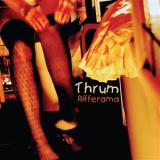
First-time repress of Thrum's 1994 cult classic Rifferama, newly remastered with enhanced depth and clarity. Features Monica Queen (Belle and Sebastian / Snow Patrol), the album offers a signature blend of shimmering hooks and fuzzed-out guitars. The long-awaited reissue of Rifferama, the acclaimed debut album by Glasgow indie trailblazers Thrum. Out on Fire Records, the remaster revisits one of the most revered cult records of the 1990s UK guitar scene (the vinyl release includes an exclusive digital download of the band's reunion show recorded live at Airdrie Town Hall in 2025, along with a new studio version of 'Hey Joe'). Originally released to critical acclaim, Rifferama captured a moment when melody, distortion and emotional urgency collided to create something timeless. Now newly remastered from the original recordings, the album returns with enhanced depth and clarity, reaffirming its reputation as a lost classic of the era. Fronted by the unmistakable voice of Monica Queen (known for her work with Belle and Sebastian and Snow Patrol), Thrum's sound blended shimmering pop hooks with driving, fuzz-laden riffs. Alongside Johnny Smillie's distinctive guitar work, the band forged a sonic identity that stood proudly alongside the era's most influential alternative acts. This reissue is dedicated to the late great Phil Vinall, who mixed the album.
Das 1962 erschienene ”Big Band Bossa Nova” ist Teil einer ganzen Reihe brasilianisch geprägter Alben
von Stan Getz (1962 ”Jazz Samba”, 1963 ”Jazz Samba Encore!”, 1964 ”Getz/Gilberto”), wobei er auf
dem von Creed Taylor produzierten und von Gary McFarland arrangierten und dirigierte Album mit der
Einbettung seines Tenorsaxofons in Big-Band-Arrangements überraschte. Für die Session verbanden Stan
Getz und Gitarrist Jim Hall, Trompeter Doc Severinsen, Bassist Tommy Williams und Schlagzeuger Johnny
Rae die Rhythmen von Samba und Bossa Nova mit packenden, kraftvollen orchestralen Arrangements.
Das Repertoire greift auf brasilianische Kompositionen zurück, wie Luiz Bonfás ”Manhã de Carnaval” oder
Antônio Carlos Jobim und Vinícius de Moraes’ ”Chega de Saudade”, sowie auf Material von McFarland
(”Balanço no Samba” oder ”Street Dance”) und mehr
Charting the history of punk and DIY scenes from the 1970s to the present day.
Combines the life of a musician and a music journalist who tapped into the cutting edge of alternative music.
Packed with stories of well-known figures from the rock music scene.
Robb's is a life of facing down outsider struggles, overcoming career disappointments
and the DIY spirit that carried him through.
REVIEWS
'A searcher and a true believer in the magic and power of music.' - Noel Gallagher, musician.
'John Robb writes about music and culture with the insight of someone who loves it from the outside and lives it from the inside.' - Johnny Marr, musician.
'A treasure trove of bands found and lost, wracked geniuses, greasy gigs, rumbles and fumbles and moments of bliss.' - Ian Rankin, novelist.
'John Robb. OG.' -Mary Anne Hobbs, DJ and journalist.
‘Clever, witty, eloquent and so weird – he's like the brother I never had.’ Chris Packham, broadcaster.
The irresistible story of a one-man cultural phenomenon. Minister for the Counterculture, Mancunian mainstay and alternative national treasure John Robb has lived a life in music. In this book he charts his adventures on the cultural frontline, chronicling the making of a DIY icon.
Robb’s quest began in his hometown of Blackpool – where punk was a battle against the odds – and went international when he toured the world with his band. The first person to interview Nirvana, he also discovered The Stone Roses for weekly newspaper Sounds and did early interviews with The Jesus and Mary Chain and The Manics, before moving on to legends such as Mark E. Smith, Nick Cave and Patti Smith.
Along the way, he became an on-screen commentator and author of bestselling books. Robb’s memoir tells of deep friendships with figures from Poly Styrene to Chris Packham.
Packed with riotous stories, it provides an alternative account of British musical and cultural history and a triumphant blueprint for a punk rock life.
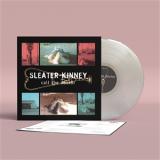
Sleater-Kinney feiern das 30-jährige Jubiläum ihres zweiten Albums ,Call the Doctor" mit einer neuen Vinyl-Ausgabe auf "Northern Light"-farbenem Vinyl. Sleater-Kinney ist eine gefeierte amerikanische Rockband, die 1994 in Olympia, Washington, gegründet wurde. Die Kernbesetzung der Band besteht aus Corin Tucker (Gesang und Gitarre), Carrie Brownstein (Gitarre und Gesang) und Janet Weiss (Schlagzeug). Sleater-Kinney waren bekannt für ihre feministische, linksgerichtete Politik und waren ein fester Bestandteil der Riot-Grrrl- und Indie-Rock-Szene im pazifischen Nordwesten. Call the Doctor ist Sleater-Kinneys zweites Studioalbum. Es wurde von John Goodmanson produziert und ursprünglich am 25. März 1996 bei Chainsaw Records veröffentlicht. Das Album wird oft als Sleater-Kinneys erstes richtiges Album angesehen, da Tucker und die Co-Sängerin und Gitarristin Carrie Brownstein zum Zeitpunkt der Aufnahmen ihre früheren Bands, Heavens to Betsy und Excuse 17, verlassen hatten. Die Besetzung bestand aus Corin Tucker (Gesang, Gitarre), Carrie Brownstein (Gitarre, Gesang) und Lora Macfarlane (Schlagzeug, Gesang). Call the Doctor landete 1996 auf Platz drei der ,Pazz & Jop"-Kritikerumfrage von The Village Voice. 2010 wurde das Album von der Redaktion des Rolling Stone auf Platz 49 der Liste der 100 besten Alben der Neunziger gewählt. ,Sleater-Kinney ist Amerikas beste Rockband" - Greil Marcus, Time (2001). ,Tauscht Sexarbeiterinnen-Rollenspiele, Puppenteile, Gender-Bending und andere gängige Female-Rock-Klischees gegen Geschichten vom alltäglichen Kampf ... Sleater-Kinney beweist, dass Punk immer noch neue Wege bietet, Nein zu sagen" - Johnny Ray Huston, SPIN
out of Stock
Last delivered 86 days ago available to reorder, subject to availability
Welcome to the ROOTS REGGAE SOUND. A period in Reggaes history that followed the two year supremacy of Rocksteady, that began to tail off around the end of 1968. The Reggae sound many say did not come initially from the chop of the guitar but from the stabs from the Keyboard/Organ that produced that jeggae/jerking feel. The Roots element can be heard in the heartfelt lyrics and the stories told in the songs. So sit back and enjoy some Roots Reggae straight from the heart of Jamaica….
Robert Palmer's career has spanned over 25 years and encompassed any number of musical styles from jazz, r&b, reggae, pop, funk to the harder dance sounds heard on Some Like It Hot' as a member of the Power Station. Palmer's career commenced in the 60s and throughout the years received a number of awards, including a Grammy Award for Best Male Rock Vocal Performance (for Addicted To Love') and a MTV Video Music Award.
The Collected double vinyl album from Robert Palmer is a selected overview of his music, some lesser known tracks are alternated with hits like Every Kinda People', Johnny And Mary', Pride', Addicted To Love' and many more. His collaboration with musicians from different backgrounds were successful leading up to recording (the Bob Dylan written) I'll Be Your Baby Tonight' with English reggae band UB40. This single became a worldwide hit, reaching the top 10 in Holland and United Kingdom, as well as achieving solid chart positions in the USA, Germany and France.
Sadly the musical genius and true superstar Robert Palmer passed away, succumbing to a heart attack in 2003, only 54 years old.
Ever since the late 1950s bossa-nova revolution, Brazil’s influence on French music has been undeniable. Pierre Barouh, Georges Moustaki and a vast array of lesser known artists, all made the Musica Popular Brasileira (MPB) an axis of promotion at the service of a cool and metaphysical, modern and mixed Brazilian lifestyle. Some were seduced by the poetic languors of the bossa, some were looking for fun, and others just loved the American hybridization of jazz-bossa, jazz-samba.
What is bossa nova? One of its creators, Joao Gilberto said: "Its style, cadence, everything is samba. At the very start, we didn't call it bossa nova, we sang a little samba made up of a single note - Samba de uma nota so .... The discussion around the origins of bossa nova is therefore useless”. It is nevertheless useful to remember that these magnificent Brazilian songs, which the guitarist describes as samba, were shifted and balanced around improbable chords. "I like things that lean, the in-betweens that limp with grace," said Pierre Barrouh, quoting Jean Cocteau.
With emotion, arrangements for violin and supple guitar licks, bossa nova rapidly changed. A transformation that can be heard in the Tchic, tchic, French Bossa Nova 1963-1974 compilation, the result of a cultural reappropriation, which traveled through the United States and supplemented itself in France.
A musical revolution that has remained significant, bossa nova was born in Rio. From 1956 to 1961, Brazil lived through its golden years. In five years, the country had invented its modernist style. Elected president in 1956, Juscelino Kubitschek de Oliveira, an elegant man with a broad forehead, brandished a promising slogan: "Fifty years of progress in five years". He quickly got to work. Not worried about increasing debt, he launched the project for a new federal capital, Brasilia, designed by the communist architect Oscar Niemeyer. Volkswagen opened state-of-the-art factories and created the “fusquinha”, the Beetle. In Rio, the Vespa made its first appearance. The Arpoador Surf Club crew run into the “girl” from Ipanema, Helô Pinheiro - the tanned garota ("chick"), between a flower and mermaid, who at 17 walked by the Veloso bar, where the fiery author and composer, Tom Jobim and Vinicius de Moraes, were getting drunk on whiskey. From then on, bossa symbolized cool.
In 1958, Joao Gilberto recorded Chega de Saudade, which the directors of Philips denied, calling it "music for fagots". The marketing director, who believed in it, secretly pressed 3000 78-inch vinyls and distributed them at schools around Rio, creating a tidal wave.
American jazzmen then took over. In particular, trumpeter Dizzy Gillespie and guitarist Charlie Byrd. In November 1962, the Brazilian Ministry of Foreign Affairs funded a "Bossa-Nova" concert at Carnegie Hall in New York, inviting the genre’s pioneers. Unprepared, the show soon turned to disaster. But the troupe was invited to the White House by Jackie Kennedy. The first lady loved "the new beat" and in particular Maria Ninguem, a song by Carlos Lyra, later covered by Brigitte Bardot.
In Brazil, the 1964 military coup quickly ended this euphoria. The destructive atmosphere that ensued pushed many Brazilian musicians to leave, if not to exile. Thus, Tom Jobim, Sergio Mendes and Joao Gilberto arrived to the United States. In New York, Joao Gilberto met saxophonist Stan Getz. At the time, he was married to the Bahianese Astrud Weinert Gilberto, who had a German father. She had never sung before, but she knew how to speak English. Getz therefore asked her to replace her husband on The Girl From Ipanema. The Getz/Gilberto record with Tom Jobim on piano, was released in March 1964. Phil Ramone, the "pope of pop" was in charge of sound.
Bossa nova arrived in Paris through the classic “guitar-voice” channel (Pierre Barouh, Baden Powell, Moustaki…) But France loved jazz and Paris had already welcomed its American contributors. All these good people were to pass through Saint-Germain-des-Prés. The cabaret l'Escale became the Mecca of Latin American sound where one could find Pierre Barrouh and his friends, such as the Camara Trio, samba-jazz aces, whose only record was published by the Saravah label. With a band strangely called Les Masques (a band that included Nicole Croisille and Pierre Vassiliu, among others), the Camara Trio recorded an interesting Brazilian Sound, including the track Il faut tenir which is present on this tasty compilation of rarities.
Other enlightened musicians can also be found on the compilation, such as Jean-Pierre Sabar (songwriter for Hardy, Auffray, Leforestier ...) and the French pop rock organist Balthazar. In 1975, Sabar recorded Aurinkoinen Musiikkimatka on a Finnish label, which featured the crazy Vai, Vai, included on this record. We are now following the footsteps of Brazilian electronic musicians such as Sergio Mendes, Eumir Deodato or Marcos Valle who created funk and disco sounds on their keyboards and synthesizers. A style that influenced Véronique Sanson when she wrote Jusqu’à la Tombée de la nuit in 1969 for Isabelle de Funès, the niece of Louis and a great friend of Michel Berger - Sanson did end up singing this track on her 1992 Sans Regret record.
The pinnacle of exoticism and travel, Sylvia Fels’ Corto Maltese includes bongos, sea mist and ocean sounds. The title was taken from Jacky Chalard’s concept album written in 1974, Je suis vivant, mais j’ai peur (I am alive, but I am scared), based on Gilbert Deflez’s science fiction novel.
However, bossa nova extended the scope of popularity. "In the 1970s, I was a fan of Sergio Mendes, Getz / Gilberto. I fell in love with this music that I knew because I had been an orchestral singer, " explained Isabelle Aubret, who in 1971 delivered a composite record of covers by the very funky Jorge Ben, Orfeu Negro, Tom Jobim, Vinicius de Morais and Jean Ferrat. "I recorded this album for Meys Records in Paris, far from Brazil, with wonderful musicians, François Raubert, Roland Vincent, Alain Goraguer...". The latter wrote the arrangements for Casa Forte, a very percussive title borrowed from Edu Lobo, one of the initiators of the bossa who spent time in California. "Jazz and bossa came together and produced very rhythmic music. I love singing, it allows me to dream, to have fun, to feel a high on stage, and these songs brought me joy, made me swing, my singing felt like a dance.”
The world tours of French singers and their desire for the tropics, often brought them to Rio with its hills, forests, caipirinhas and tanned bodies. There are surprises though, like this Iemenja (Iemenja is the goddess of the sea in the Afro-Brazilian candomblé religion). Not unlike the composer and musician Jean-Pierre Lang, based in Sao Paulo, Claire Chevalier taught Brazil to Brazil. In 1970, the singer and painter published a 45-inch vinyl, Mon mari et mes amants (My husband and my lovers), under the improbable pseudonym of Clarinha (little Claire). She was then living in Rio, with her husband, Joël Leibovitz, who founded a band called Azimuth, and who owned a record label specialized in "sambas enredos" songs for samba school parades.
For its B side, she asked Pierre Perret to come up with lyrics for a song composed by Carlos Imperial: "Oh goddess of the sea, o goddess Iemenja, I bring a white rose to adorn your long hair ..." . "Perret came to see us, and we had fun, remembers Joël Leibovitz. We wrote Lemenja for fun, we recorded it at the Havaí studio, behind the Central do Brasil the central station. Erlon Chaves, the arranger who worked with Elis Regina, joined us" adding his share of Afro-Brazilian percussions and funky brass to the mix.
There is a common misunderstanding in Franco-Brazilian history: that bossa, admittedly hedonistic, is perceived as funny, even though the poets who wrote the texts are often philosophizing on the human condition. Its French interpreters pull it towards a carnival inspired universe, far removed from its fundamental essence. Thus, Jean Constantin covered the famous Samba da minha terra, an ode to the art of samba written by the classic Bahian composer Dorival Caymmi, renaming it with the enticing title of Pas tant de tchi tchi pompon: "On your pier there is no tchi tchi / when you arch your back, you know everything is alright ”(lyrics by Gérard Calvi). This expedited bossa aims for the absurd, but retains a certain elegance.
Indeed, Jean Constantin was not an idiot, the rather large man had a huge mustache and liked fantasy, (Les pantoufles à papa, Le pacha, inspired by cha-cha-cha-cha, salsa and jazz) but he was also the lyricist of Mon manège à moi interpreted by Edith Piaf, the composer of Mon Truc en plume by Zizi Jeanmaire and the soundtrack of François Truffaut’s 400 Blows. Le Poulpe, published in 1970, from which this bossa is extract, was arranged by Jean-Claude Vannier, an accomplice of Serge Gainsbourg’s Melody Nelson. In short: "There is enough of samba / By looking at the parasol / Because my poor cabeza / Is going to die in the sun".
Even the American actress Marpessa Down, who was at the heart of the bossa nova revolution with her role as Euridyce in Marcel Camus’ film Orfeu Negro, winner of the 1959 Cannes Palme d'or, fed the clichée with Je voudrais parler au petit cuica - "Tell me how you manage to always make people want to dance / It's true, I must admit that I cannot resist your magic" - in consequence, once can hear the cuica, a little drum inherited from the Bantu.
But bossa nova had many angles. Societal, of course, pushing actresses who were symbols of women's liberation like Brigitte Bardot, Jeanne Moreau, or Sophia Loren to engage in the exercise of accelerated bossa. In February of 1963, Sophia Loren made a record in French in Rome, Je ne t'aime plus, featuring the song De jour en jour, a bossa written by two Italians, Armando Trovajoli and Tino Fornai, which was released a little later by Barclay. Bossa accompanied the 1960s, a decade of moral liberation. Ann Sorel, who interpreted La Poupée des favellas, caused a sensation with L’amour à plusieurs, a provocative song written by Frédéric Bottom and Jean-Claude Vannier. As for the actress Andrea Parisy, she displayed her bourgeois cheekiness in Marcel Carné's Les Tricheurs before interpreting Les mains qui font du bien. And Magalie Noël, the friend of Boris Vian, who sung Johnny fais-moi mal, was hired to sing Une énorme Samba, composed by Alain Goraguer (arranger to Gainsbourg, Bobby Lapointe and Jean Ferrat) with lyrics by Frédéric Botton.
But in the end, of what wood is bossa nova made of? The answer is given by Christianne Legrand, daughter of Raymond the conductor, and sister to Michel the composer: "With me, with jà" - jà means "immediately" in Portuguese. In 1972, the singer, an expert in vocal jazz and a member of the Double Six, published Le Brésil de Christianne Legrand. Two songs included on the Tchic Tchic compilation that demonstrate how bossa, jazz, funk, rock, etc. work like a swiss army knife: the music is used to denounce broken systems, or miracles, HLM et ciné roman, Cent mille poissons dans ton filet, two songs from the O Cafona soundtrack, a successful telenovela broadcast, at the time in black and white, on TV Globo. The first was adapted in French by the fighter and friend of the Legrand tribe, Agnès Varda. The second is content with a play on words, jostling them into a summer fun.
Véronique Mortaigne
out of Stock
Last delivered 3 months ago available to reorder, subject to availability
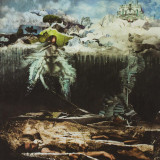
Repress of the 10 year anniverssary vinyl reissue of “The Empyrean” By John Frusciante cut for the original analog tapes at Bernie Grundman’s mastering. includes hi res audio download card. THE EMPYREAN is the eighth solo album by JOHN FRUSCIANTE. It was originally released in January of 2009, reaching number 151 on the US Billboard 200, 105 on UK Albums Chart and number 7 on the Top Heatseekers. It contains contributions from RHCP bandmate FLEA and former guitarist of The Smiths Johnny Marr. John Frusciante is an American guitarist, singer, composer, and producer. He is best known as the guitarist of the rock band Red Hot Chili Peppers. He recorded five studio albums with them and was recently inducted into the ROCK & ROLL HALL OF FAME. Frusciante has an active solo career, having released twelve solo albums and five EPs; his recordings include elements ranging from experimental rock and ambient music to new wave and electronica. He has also recorded with numerous other artists, including the Mars Volta, for whom he was a studio guitarist (and occasional live performer) from 2002 until 2008; Josh Klinghoffer and Joe Lally, with whom he released two albums as Ataxia; and various collaborations with both Klinghoffer and Omar Rodríguez-López. He has also produced and/or recorded with Duran Duran, Wu-Tang Clan, Swahili Blonde, Black Knights, The Bicycle Thief, Glenn Hughes, Ziggy Marley, Johnny Cash, George Clinton, Johnny Marr, Dewa Budjana and others.
out of Stock
Last delivered 66 days ago available to reorder, subject to availability
For some time now, followers of Field Medic have been piecing together clues about Floral Prince. The name has been mentioned in late night Twitter hints, secret YouTube leaks, teaser riddles, Instagram live sets, and standalone single drops. This unconventional approach paints a bigger picture for the 11-track project as a whole, set for release October 2nd from Run For Cover Records. Part mixtape, part album, part collection, part musical patchwork quilt, Floral Prince is the latest offering from Field Medic, aka the preeminent Bay Area freak folk artist Kevin Patrick Sullivan. It’s a reflection of his unique approach to songwriting and a creative drive that can’t be contained to the traditional album format. Field Medic’s songwriting rarely slows down; even after the release of his 2019 full-length fade into the dawn and the busy touring schedule that followed, Sullivan still found himself flush with new songs and ideas. As he attempted to earmark certain songs for his next release Sullivan began to chafe at the pressures of a follow-up album. Longing for the spontaneity of Field Medic’s earlier work, Sullivan found inspiration in what he calls the “full-time freestyle” mindset where he writes and records songs on the fly with a four-track, usually with a self-imposed limit of three takes. “This style lends itself to more off-the-cuff lyrics and recordings that communicate their point much clearer to my ears,” he explains. “It’s also fun.”
The process proved surprisingly satisfying, often capturing the diary-like nature of Sullivan’s songwriting more accurately than some of the music he’d been poring over. “The songs born from this method aren’t always ‘hits,’ he says. “But they feel much more important to me…closer to how I really feel.” Some of these charming homespun missives made their way onto the internet, spurring fans to follow the breadcrumbs towards these first glimpses into Floral Prince and the ever-expanding Field Medic mythology. “I realized the songs I was saving for another album were much less focused and effective than some of the freestyles I had been creating and subsequently leaking,” Sullivan says. “I think that’s because I really enjoyed the process of writing and recording the freestyles, whereas the ‘hits’ I was attempting to make were being approached as more of a chore.” Floral Prince officially began to see the light of day through a series of stand-alone singles released throughout early 2020 in tandem with episodes of Sullivan’s homemade webseries, the field medic show. To invite fans further into Field Medic’s unique world of achingly beautiful melodies and conversational lyricism, songs like the atmospheric ballad “better way” and the Alex Menne (pickleboy/Great Grandpa) collaboration “talkin johnny & june (your arms around me)” were shared alongside the YouTube show’s accompanying live versions. Other tracks—like rousing opener “-h-o-u-s-e-k-e-y-z-” and the longing “i want you so bad it hurts”—were repurposed from the fade into the dawn sessions to finally find a home on Floral Prince. Elsewhere “it’s so lonely being sober” exemplifies the unvarnished appeal of the full-time freestyle attitude. The song’s direct lyrics and single-take phone recording preserve the deeply personal storytelling, relatable details, and palpable emotions that make Field Medic’s work so intimate and enthralling.
Although Floral Prince is culled from several years of Field Medic songs, its 11 tracks have a sense of cohesion that can be attributed to Sullivan’s singular vision and willingness to allow the listener into his life. “These songs were written through different seasons of my life but they all share a common theme of quiet, nagging, yet somehow defiant insecurity,” he explains. “To hear them all grouped together reminds me that I’ve always felt more or less the same way, and have had the same obsessive tendencies my whole life that have often led to self-destructive behavior. Maybe this is catharsis.” In the end Floral Prince is actually many things at once: a snapshot of an artist shaking off the perceived boundaries of his medium; a document of years of Sullivan’s life preserved in musical form; the closing of one songwriting chapter and the start of another. Or perhaps as Sullivan puts it, “All songs have their day…”
Mit diesem außergewöhnlichen Doppel-Vinyl lässt sich die Musik aus den ikonischsten Filmen von Clint Eastwood neu entdecken. Als Schauspieler, Regisseur und Produzent zählt Eastwood zu den prägenden Figuren der internationalen Filmgeschichte - und hat über Jahrzehnte hinweg ein ebenso markantes musikalisches Universum geschaffen. Diese sorgfältig kuratierte Sammlung vereint Originalaufnahmen aus seinen Filmen und spiegelt die enorme stilistische Bandbreite wider: von Jazz-Legenden wie Charlie Parker und Duke Ellington über Soul- und Pop-Klassiker bis hin zu Orchesterwerken und traditionellen Stücken. Die Auswahl zeigt eindrucksvoll, wie entscheidend Musik für die Atmosphäre von Eastwoods Filmen ist - mal subtil, mal prägend, immer charakteristisch. Gepresst als hochwertige Doppel-LP auf farbigem Vinyl, ist diese Edition zugleich Sammlerstück und klangstarke Hommage an eine einzigartige Film- und Musiktradition.
out of Stock
Last delivered 3 months ago available to reorder, subject to availability
Neues, viertes, Solo-Album vom dänischen Psych-Rock-Zauberer Uffe Lorenzen aka Lorenzo Woodrose aka... Seit zehn Jahren interpretiert Uffe Lorenzen (bekannt von u.a Baby Woodrose und Spids Nogenhat) auf allen seinen Alben ein altes dänisches Lied. Das gilt für seine drei Soloalben und die beiden Alben seiner aktuellen Rockband Lydsyn. Auf seinem neuen Soloalbum Glemte Spor ("Vergessene Spuren") hat er ein komplettes Album mit 10 Interpretationen von Liedern aus den Jahren 1967 bis 1999 aufgenommen. Einige davon sind dänische Klassiker, andere sind eher unbekannte Lieder, die er sich zu eigen gemacht hat. Viele davon können als Protestsongs betrachtet werden oder haben einen anti-war Charakter. ,Ich habe festgestellt, dass ich die Herausforderung, Songs anderer Leute zu interpretieren und sie zu meinen eigenen zu machen, wirklich mag. Sie zu verändern, zu interpretieren und vielleicht sogar zu verbessern. Viele der Songs werden den meisten Menschen unbekannt sein, während andere dänische Klassiker sind. Was sie gemeinsam haben, ist, dass sie mich irgendwie zu dem gemacht haben, der ich bin", sagt Uffe Lorenzen. Das Album wurde zusammen mit Morten Hart Grabowski in einem kleinen Studio in Kopenhagen aufgenommen. In mehr als 20 Sessions haben sie zusammen eine Liste von 50 Songs auf die zehn reduziert, die schließlich auf dem Album gelandet sind. Laut Lorenzen fanden die Aufnahmen in einer sehr entspannten Atmosphäre statt: ,Wir haben etwas Gras geraucht und Rotwein getrunken, was den Prozess sehr entspannt gemacht hat, und ich glaube, das hört man dem Endergebnis auch an." Später übernahm Flemming Rasmussen den Mix und das Mastering in seinem berühmten Sweet Silence Studio. Glemte Spor erscheint am 24. April bei Bad Afro Records und die erste Auflage ist auf 1000 Exemplare auf schwarzem Vinyl limitiert.
Chuck Berry (1926–2017) was one of rock ’n’ roll’s true architects, celebrated for his sharp songwriting, distinctive guitar riffs, and electrifying stage presence. With classics like “Johnny B. Goode,” “Roll Over Beethoven,” and “Maybellene,” he helped define the sound and attitude of 1950s rock. Blending rhythm & blues with country influences, he created a style that was energetic, rebellious, and unmistakably his own. His storytelling lyrics and groundbreaking guitar work laid the foundation for generations of rock artists, making this compilation a powerful tribute to one of music’s most influential pioneers.
16 Hot n' Swingin' rot n' roll party shakers & quakers groovin' ALL NITE LONG!!!
Say what's up Mac? I hear you're having yourself a lil' party? Now you gonna have a swell time let me tell ya. You got the babes, the booze, delicious food, but a party ain't nothin' unless you got the tunes!
Now listen up, and listen up good. For the big sound you need the big pieces. And for the hottest sounds around, I'm your man. All the top dee-jays - they all go through me. Rex, Mad Mike, Wolfman Jack - I'm their all-time #1 go-to main man when it comes to killer diller rockin' boppin' dancefloor bangerz. The Monkey, the Twist, the Hully Gully and the Shing-a-Ling - I got the tunes to make y'all swing.
I got sides that'll make you sway. I got spins that'll go your way. I got the platters that matter. The discs with no risk. Trust me with the tunes to make 'em swoon.
So whaddaya say? You wanna go my way? Let's have a ball and a swingin' part-tay. But remember, you gotta go through me.
out of Stock
Last delivered 3 months ago available to reorder, subject to availability
The official re-issue of the dub classic "Wins The World Cup" available as extended 2LP vinyl-set with 20 tracks and poster. The original album from 1982 has been state-of-the-art remastered and is twinned with a second disc of the original vocal versions. All music recorded at Channel One with the Roots Radics and mixed by Scientist at King Tubby's with producer Henry "Junjo" Lawes.
King Jammy–produced full-length debut from rising reggae songstress Aza Lineage, Rebel Daawta. Features appearances from Hi-Times Band, Jessie Royal, and Johnny Osbourne. Beautifully packaged in a full-colour sleeve.
Yes here we are 50 years on from year zero 1976 (where did that go!!!). To celebrate this and the fact we are all still here and talking about the importance of the Punk Rock movement i put together an album under the banner Punk Rock Daze. The title reflects it was all such a daze, as it ran by so fast and also as a reminder of an old Malcolm McLaren remark that came to mind. That when the band and management were discussing the look and name of the Sex Pistols forthcoming album ‘Never Mind The Bollocks’. Malcolm remarked, lets sell it as you would sell washing powder, bright, simple and with fluorescence colours. Great idea so here is my homage to that thought.
So I hope you enjoy the gesture and here’s to another 50 years of Alchemy, Joyousness and
instruction (Anarchy, Chaos and Destruction).
‘MASH DOWN BIRMINGHAM: THE EARLY RECORDINGS OF MUSICAL YOUTH’ NEWLY UNEARTHED EARLY RECORDINGS BY THE FIRST LINE-UP OF MUSICAL YOUTH Mastered from the original tapes by Guy Davie at Electric Needle Mythology, the label founded by music writer, author and broadcaster Pete Paphides, is thrilled to announce ‘MASH DOWN BIRMINGHAM: THE EARLY RECORDINGS OF MUSICAL YOUTH’ – an album of rare and unheard early recordings by Musical Youth, the Birmingham reggae group propelled to worldwide fame with the release of their chart-topping single PASS THE DUTCHIE. ‘MASH DOWN BIRMINGHAM: THE EARLY RECORDINGS OF MUSICAL YOUTH’ combines songs from Musical Youth’s first John Peel session, recorded in 1981 with newly unearthed recordings taken from quarter-inch reels stored for over 40 years by the group’s mentor and producer Toney Owens. The project was seeded as early as 2020, when Paphides sent a speculative message to Owens, after he saw his producer credit on the group’s independently released 1981 single Generals/Political. Paphides wanted to know if Owens had made more recordings of the group in a similar heavier roots reggae vein to those on their debut single. Happening upon the message by chance three years later, Owens allowed Needle Mythology access to his archive of quarter-inch tapes, dating back as far as 1978. The recordings gathered together on ‘MASH DOWN BIRMINGHAM: THE EARLY RECORDINGS OF MUSICAL YOUTH’ shine a light on the exceptional musicianship inculcated into the group by their first frontman Frederick Waite, formerly singer with revered Jamaican rocksteady group The Techniques. Backing Frederick Waite in the early lineup of Musical Youth (originally billed by Toney as Cultural Musical Workshop Youths, were two pairs of brothers) Patrick and Junior Waite, and Kelvin and Michael Grant.
The third volume dedicated to the legendary Stax/Volt label.
It features two originally unreleased tracks by Mable John and William Bell, alongside two beloved album cuts, available for the first time on 7- inch.
The Heartbreakers" "D.T.K" ("Down To Kill") is the incendiary live 1977 companion to "L.A.M.F." (Like A Mother Fucker), which is hailed as one of the classic punk albums. Formed by New York Dolls Johnny Thunders and Jerry Nolan in 1975, they influenced the UK punk scene, joining the Sex Pistols, Damned & Clash on the infamous "Anarchy" tour. "D.T.K" was recorded by Track Records on the Maison Rouge mobile studio on 15th March 1977 at the notorious musicians" nightclub and features Johnny infamously abusing the audience. It was a warm-up for the "L.A.M.F." sessions starting the following week. Originally released in 1982 as a 10-track album, it was remixed in 2005 and five more tracks were found on the 2" multi-track tapes. Now the album has the entire two sets played that night, 15 unexpurgated tracks in all. The sleeve has notes by journalist Kris Needs and contemporary photos.
Newly signed to Heist or Hit (Westside Cowboy, Her’s, Nature TV), Georgian's forthcoming debut EP 'Crackled Grounds' reads like an anthology in the vein of The Ballad of Buster Scruggs. These aren’t just songs, but scenes, self-contained worlds that glimmer with strange detail before dissolving into mirage. “We recorded on a farm just north of Amsterdam” states James. “It gave us space and focus and helped us channel the Western feel we wanted to impress upon the tracks. Arno gave us lots of pedal board options and guitar choices. Those things in particular helped us fine-tune the sound we were chasing.” The resulting collection chronicles the ups and downs of existence and blooms with natural imagery. ‘Strike a Wound’ seethes with revenge. The slow attack on the guitars has the onomatopoeic effect of enacting each blow. ‘Crackled Grounds’ conjures an apocalyptic wilderness that wouldn’t be out of place on the ‘Kill Bill’ soundtrack. ‘Medusa’ is a parable of strong women overcoming obstacles and jolts with the energy of those early Johnny Cash Sun recordings. ‘Gardens’ lingers on the awkward tenderness of running into a long-lost lover; while ‘Californian Jeans’ pays homage to denim as talisman, armour, and second skin.
50 years ago, Nancy Spungeon reviewed the Heartbreakers relaunch gig for New York Rocker. They"d hired bassist Billy Rath to replace Richard Hell and written new songs. This was the genesis of the L.A.M.F. story. FOUND IN AN ATTIC - a copy master of the original 1977 Track Records tape, without "mud"! This classic punk album, recorded in London by the band featuring New York Dolls Johnny Thunders and Jerry Nolan, along was universally condemned in the music press for having a "muddy mix" - later found to be a mastering fault. When Track went bust the following year, manager Leee Black Childers burgled the Track Records" Carnaby Street 3rd floor office and liberated the tapes that belonged to him and the band. He found everything - except for the master-tape, which remained undiscovered until last year. Other releases had been from outtakes or remixes. First released for RSD in 2021 with not enough copies, and has been unavailable for three years. Now reissued to satisfy the demand for this latterly discovered, acclaimed recording.
Soul Jazz Records celebrate 25 years of working in partnership with Studio One with brand new editions of FIVE of their best-selling CLASSIC Studio One collections all released on limited-edition one-off pressing coloured double vinyl. Also available in new limited-edition card wallet CD editions. The new edition featured albums are Studio One Funk, Studio One Dub, Studio One Ska, Studio One Roots and Studio One Classics.
Studio One Classics features a non-stop selection of stone-cold classic Studio One killers! Spanning 40 years of the legendary label, this album is a celebration of the music of Studio One Records and features a who’s who of Jamaican Reggae: Bob Marley, The Heptones, Horace Andy, Sugar Minott, Don Drummond, Prince Jazzbo & more. This collection contains numerous legendary tracks, including Bob Marley and the Wailers’ “Simmer Down”," "Love Me Forever" by Carlton & His Shoes, Slim Smith's "Rougher Yet," Horace Andy's "Fever,", Alton Ellis’s “I’m Just A Guy’, The Skatalites’ blazing ‘Confucious’ and loads more. Timeless stuff - every track here is indeed a classic, no-one can argue about that! Studio One produced literally hundreds of hits and this selection includes some of the label’s most enduring songs.
It is simply impossible to imagine modern Jamaican music without Clement "Coxsone" Dodd, founder of the iconic Studio One where virtually every singer and musician of note in Reggae cut their teeth. Studio One's output spans over four decades, all represented here. Coxsone Dodd pioneered nearly every new form of Jamaican music as it developed over time and this album includes Ska, Dancehall, Roots, Rocksteady, DJ, Lovers and more. This is probably the best entry of the many Soul Jazz Studio One releases if you're after a primer in the Studio One sound. Like it says on the wrapper 'Classics' pretty much sums it up
out of Stock
Last delivered 4 months ago available to reorder, subject to availability
Pianist and bandleader Linus Rebmann, together with Gabriel Widmaier on double bass and Johnny Walker on drums, shapes a transparent and powerful sound characterized by great joy in playing and a palpable sense of familiarity. The album's ten original compositions tell of observations, inner movements, and moments whose depth is better expressed through music than words. The three young musicians met in the Baden- Wurttemberg Landesjugendjazzorchester, and after winning the "Jugend jazzt south- west" competition in 2024, the trio was awarded the prestigious Deutschlandfunk Studiopreis at the national meeting. This made it possible to produce the album in the legendary Kammermusiksaal of Deutschlandfunk in Cologne - a space that has been among the country's finest recording venues for decades. The band members deliberately chose an intimate setting for the recordings. Everything was played through a single main microphone, without subsequent corrections to individual instruments. A working method that demands absolute presence and mutual trust. It is precisely this immediacy that shapes the sound of "Listen To The River": the album is transparent, organic, flowing, almost breathing.
Chins For Lefty is the debut album and first recording by Gichard, a new duo chronicling the absurdities of end-stage capitalism and mouldering social rituals from their vantage point in Glasgow, Scotland. Recorded primarily in the band’s home studio straight to tape, Chins For Lefty combines gorgeous, ramshackle melody, DIY kosmische punk, drum machine + synth and, in vocalist/lyricist Lisa Jones, an absurdist commentator on the human condition as it navigates the anxieties of the modern world. Instrumentalist Chas Lalli’s swirling music accompaniment stitches an evocative mix of musical styles, the ragged wind beneath the lyrics’ wings.
Although the duo first collaborated in their previous group Dragged Up, their disparate musical and artistic backgrounds make for an alluring mix in Gichard. Lalli has spent the last 20 years in the Glasgow underground, most notably in the noise rock group VOM, while Lisa Jones’s practice was in poetry and spoken word. Beginning as co vocalist in her previous band, in Gichard her lyrics are centre stage; the vision concocted alongside Lalli amounts to a total world-build.
Chins For Lefty scans almost like a novel, with each track elucidating a skewed universe that bears only some resemblance to the one you and I partake in. Like all works of fiction Gichard’s songs are rooted in reality and the lived experiences of its authors, but here characters are exaggerated, social mores and habits are pulled apart to reveal their inherent alienness. Universal emotions are laid bare, the bright light of anxious examination searching out every hairline fracture in our relationships. Distorted and cracked, the mirror that Gichard hold up to our world is also pretty damn funny.
Opener Cholesterol Test launches an expansive, cosmic guitar and synth intro that belies the Tascam-tape recorder it was recorded onto, like a Chromatics cut substituting anxiety for overt sexuality. Here Jones intones an apology to a non-responsive recipient, in the medium of a long voice note forensically deconstructing an interaction from the night before. Over punk guitars and shuffling, lo-fi drum machine splutters, the narrator in Asking The Apes “prefers things to people” before being taken hostage in the city zoo to confess an obsession which consumes the protagonist, ending with the immortal two liner “I sleep in a cocoon of old newspapers at the end of your street / And I think I have been fired from my job,” On album standout Posthumous Hologram, the narrator is faced with a human simulacra, in this case an undead pop star; the face of the encroaching technological singularity. Yes, it does requests, it can do My Way in 200 different language options. But what are the implications? While you’re left pondering, the alternating deadpan verse delivery and undeniably catchy chorus keep you company.
By the time Break Up With Johnny Dogbirth rattles into view, the band are satirising a suburban inanity blown up to cartoon proportions, soundtracked with a drawled musicality that recalls Rowland S. Howard’s post-Birthday Party balladeering. This approach is furthered on Human Resources: over an angular guitar+bass track, Jones’s short story recalls Dry Cleaning’s erudite lyrical post punk. On Soft Face, Lalli’s guitar and drum machine are swathed in echo and delay, as Jones dissects dating rituals with a west of Scotland drollness. Hamming It Up brings a porcine perspective in a short story that begins with the line “I was breastfeeding discreetly in the service station. She didn’t mind.” What follows is a passage punctured with canned laughter and a narrative involving tribute acts, modern farming techniques.
Brilliant first single Your Private Hell closes the album, the closest the group get to earnest perhaps, filtered through a surreal central Scottishness. While Your Private Hell might seem like a sardonic take down of romance, perhaps it’s the very distillation of love in all its awkwardness, selflessness and weirdness. Here there’s a distinctive Glasgow-ness to this doomed romance: the protagonist falls for an outsider, offers them cheap jarred hot dogs and carbolic soap (the infamous, excoriating soap dished out in schools and government buildings throughout Scotland), offers to cover up a murder, stalks them in the all-night Spar. It’s a short story of intrigue, murder and the irresistible pull of self-sacrifice to share in someone else’s suffering. If that’s not love, what is it? You can see this vision mapped out in black and white on their video for 'Your Private Hell'.
Eine Sammlung von 21 Titeln mit Klassikern aus „Mister Rogers’ Neighborhood“.• Gepresst auf opaken gelben Vinyl.• Begleittext von dem mit einem Oscar und einem Grammy ausgezeichneten Regisseur Morgan Neville und dem Fernsehkritiker Robert Bianco aus Pittsburgh.„Mister Rogers’ Neighborhood“ feierte vor über fünf Jahrzehnten seine Fernsehpremiere. Auch wenn es manchen noch wie gestern vorkommt, als die Sendung brandneu war, ist es doch herzerwärmend zu wissen, wie sehr sie Teil des Lebens unzähliger Kinder und Erwachsener war, die die Sendung über die Jahrzehnte hinweg erlebt und daraus gelernt haben.Obwohl seine Popularität nie nachließ, hat der 2018 erschienene Dokumentarfilm „Won’t You Be My Neighbor?“ des Oscar- und Grammy-Preisträgers Morgan Neville unsere Liebe zu Fred Rogers neu entfacht und ihn einer neuen Generation vorgestellt. Mit dem bevorstehenden Kinostart von „A Beautiful Day In The Neighborhood“ (mit Tom Hanks als Fred Rogers) im November werden der geliebte Mister Rogers und seine Nachbarschaft wieder einmal im Mittelpunkt der Herzen, Gedanken und Ohren aller stehen.„It’s Such A Good Feeling: The Best Of Mister Rogers“ versammelt 21 Lieder des beliebten Moderators (begleitet von seinem langjährigen Partner und Pianisten Johnny Costa, Carl McViker am Bass und dem Percussionisten Bobby Rawsthorne). Neben Klassikern wie „Won’t You Be My Neighbor“, „You Are Special“ und dem Titelsong enthält diese Veröffentlichung auch fünf bisher unveröffentlichte Titel, darunter den ursprünglichen Schlusssong der Sendung, „Tomorrow“.Diese LP ist auf opaken gelben Vinyl gepresst und die Verpackung enthält Fotos, eine Einleitung von Neville sowie einen Essay des Fernsehkritikers aus Pittsburgh (und langjährigen Mitarbeiters von USA Today) Robert Bianco. Also, steigt in den Trolley zum Land Of Make Believe, denn es ist wirklich so ein gutes Gefühl.
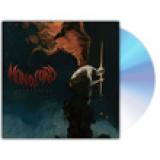
For well over a decade, MONOLORD have caused mass riff hypnosis with longform epics steeped in repetition, volume, and heaviness. One of heavy music’s most consistent and beloved bands, MONOLORD are gearing up for their next chapter with a new album titled Neverending. In looking for a new take on the genre, MONOLORD approached the legendary producer Sylvia Massy, known for her work with Tool, System of a Down, and Johnny Cash, among many more. The payoff from this new process is undeniable. Neverending feels like the culmination of 13 years of heavy, molten music, with a keen eye towards creating a sharper album. “The recording of this album is an example of the spirit of MONOLORD’s camaraderie,” says bassist Mika Häkki. “We’ve looked back and seen for the first time how much we have done as a band collectively, and realized what an intense 13 years it has been.” "The lyrics on this album are more personal than before because I went through some major life changes in the last couple of years,” guitarist/vocalist Thomas Jäger says. “I usually write about religion and how people are superstitious, but this record is more about relationships between people. But it’s not all about me. Sometimes I’m writing from another person’s perspective.” Neverending’s lead single “You Bastard” offers listeners a sharp contrast: A propulsive groove offset by lyrics about suicide. There’s two sides to suicide,” Jäger points out. “There’s the person who commits suicide and the people who gets left behind...The choruses represent the person left behind, and that person is calling the other a bastard—but it’s not pointing fingers or saying, ‘You suck.’ It’s more like, ‘You left me here with all the bullshit.’ It’s an understanding that life is not easy." Though it might not be immediately obvious, album opener “Iodine” was inspired by 70's rock epics like Lynyrd Skynyrd’s “Free Bird,” The Eagles’ “Hotel California,” and Led Zeppelin’s “No Quarter." Elsewhere, album closer “It’s Neverending” is the first MONOLORD song that Jäger doesn’t sing on. Instead, the death-metal style vocals are performed by former Entombed bassist Jörgen Sandström, (also of Grave, Domedagen and Firespawn.) 13 years on, MONOLORD’s path takes a new turn, and Neverending becomes the band’s most befitting album title. “It's been a wild ride and still is,” says drummer Esben Willems. “I've spent a quarter of my life in this band. Looking back, I'm incredibly proud of what we've accomplished along the way, and in many ways, this album feels like the essence of everything we've done so far. My mindset is the same it's always been, to be the absolute best the three of us can be.”
Neues, viertes, Solo-Album vom dänischen Psych-Rock-Zauberer Uffe Lorenzen aka Lorenzo Woodrose aka... Seit zehn Jahren interpretiert Uffe Lorenzen (bekannt von u.a Baby Woodrose und Spids Nogenhat) auf allen seinen Alben ein altes dänisches Lied. Das gilt für seine drei Soloalben und die beiden Alben seiner aktuellen Rockband Lydsyn. Auf seinem neuen Soloalbum Glemte Spor ("Vergessene Spuren") hat er ein komplettes Album mit 10 Interpretationen von Liedern aus den Jahren 1967 bis 1999 aufgenommen. Einige davon sind dänische Klassiker, andere sind eher unbekannte Lieder, die er sich zu eigen gemacht hat. Viele davon können als Protestsongs betrachtet werden oder haben einen anti-war Charakter. ,Ich habe festgestellt, dass ich die Herausforderung, Songs anderer Leute zu interpretieren und sie zu meinen eigenen zu machen, wirklich mag. Sie zu verändern, zu interpretieren und vielleicht sogar zu verbessern. Viele der Songs werden den meisten Menschen unbekannt sein, während andere dänische Klassiker sind. Was sie gemeinsam haben, ist, dass sie mich irgendwie zu dem gemacht haben, der ich bin", sagt Uffe Lorenzen. Das Album wurde zusammen mit Morten Hart Grabowski in einem kleinen Studio in Kopenhagen aufgenommen. In mehr als 20 Sessions haben sie zusammen eine Liste von 50 Songs auf die zehn reduziert, die schließlich auf dem Album gelandet sind. Laut Lorenzen fanden die Aufnahmen in einer sehr entspannten Atmosphäre statt: ,Wir haben etwas Gras geraucht und Rotwein getrunken, was den Prozess sehr entspannt gemacht hat, und ich glaube, das hört man dem Endergebnis auch an." Später übernahm Flemming Rasmussen den Mix und das Mastering in seinem berühmten Sweet Silence Studio. Glemte Spor erscheint am 24. April bei Bad Afro Records und die erste Auflage ist auf 1000 Exemplare auf schwarzem Vinyl limitiert.
Shit Robot and DFA are psyched to rerelease 2015 anthem "Where It's At", a collaboration with the singer/comedian/television star Reggie Watts. Reggie Watts' vocal performance runs the gamut of Chicago dance music history - from the gloom and melodrama of iconic label Wax Trax, to the jubilant choruses of Frankie Knuckles' house anthems. But let's not de-emphasize the solid instrumentation provided by Mr. Marcus 'Shit Robot' Lambkin - we've got that classic DFA bassline, claps, and bleeps and bloops aplenty - mixed and manipulated by none other than our own James Murphy. The flip features a remix by London producer Johnny Aux, who turns the track into a staticy, stripped down, raw Deep House banger, with hissing glimmers of icy cymbals peeking through the smog.
out of Stock
Last delivered 16 days ago available to reorder, subject to availability
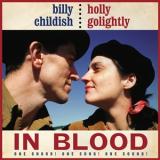
BILLY CHILDISH veröffentlicht seit 1979 Platten, HOLLY GOLIGHTLY seit 1990; 1999 taten sie sich für ein gemeinsames Projekt zusammen, das ursprünglich in den USA bei Wabana Records erschien. IN BLOOD ist ein großartiges Album, das bei der ersten Veröffentlichung in Europa so gut wie ignoriert wurde. Der Untertitel von IN BLOOD lautet ONE CHORD! ONE SONG! ONE SOUND!. Aber es ist so viel mehr als das: Tracks wie ,Demolition Girl" und ,Step Out" dröhnen aus deiner Stereoanlage - wirklich großartige, dreckige Ein-Akkord-Blues-Songs (mit vielen Noten), mit Gesangswechseln, klirrenden Gitarren und begleitet von der Medway Delta Review, zu der Bruce und Johnny von Thee Headcoats sowie Johnny Gibb von den Wildebeests gehören. Während Einfachheit, Wiederholung und purer Rock-'n'-Roll-Minimalismus das Herzstück des Albums bilden, verliert IN BLOOD nie an Reiz. Es macht einfach süchtig! Diese Neuauflage erscheint auf schwarzem Vinyl.
King Jammy–produced full-length debut from rising reggae songstress Aza Lineage, Rebel Daawta. Features appearances from Hi-Times Band, Jessie Royal, and Johnny Osbourne. Beautifully packaged in a full-colour sleeve.
SUN DONT SHINE (formerly EYE AM) is a powerful convergence of four iconic musicians who have shaped the landscape of hard rock and heavy metal. Comprising Kenny Hickey (vocals/guitar, ex-Type O Negative/Silvertomb), Kirk Windstein (guitar/vocals, Crowbar/Down), Johnny Kelly (drums, ex-Type O Negative/Silvertomb), and Todd Strange (bass, ex-Crowbar/Down), the band offers a raw, unfiltered sound that rejects the overly polished, embracing instead the heavy atmosphere of their origins. From Birth to Death is a 2026 masterpiece produced by Duane Simoneaux and recorded at OCD Studios. The album delivers earth-shaking riffs, bleak atmosphere, and a "next level up" in songwriting - darker, heavier, and more versatile than their previous singles.
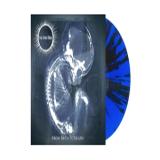
Blue w/ black splatter vinyl. SUN DONT SHINE (formerly EYE AM) is a powerful convergence of four iconic musicians who have shaped the landscape of hard rock and heavy metal. Comprising Kenny Hickey (vocals/guitar, ex-Type O Negative/Silvertomb), Kirk Windstein (guitar/vocals, Crowbar/Down), Johnny Kelly (drums, ex-Type O Negative/Silvertomb), and Todd Strange (bass, ex-Crowbar/Down), the band offers a raw, unfiltered sound that rejects the overly polished, embracing instead the heavy atmosphere of their origins. From Birth to Death is a 2026 masterpiece produced by Duane Simoneaux and recorded at OCD Studios. The album delivers earth-shaking riffs, bleak atmosphere, and a "next level up" in songwriting - darker, heavier, and more versatile than their previous singles.
"Slime Wave 2" is the highly anticipated sequel to Hus Kingpin's 2019 album, immersing listeners into the gritty, yet hypnotic world of one of the waviest MC’s in underground hip-hop. Building upon the foundation laid by its predecessor, this album pushes boundaries, blending intricate lyricism with captivating production to create an auditory journey like no other.
Backed by an array of talented producers, the album's beats range from soulful and jazz-infused to hard-hitting and gritty, providing the perfect backdrop for Hus Kingpin's lyrical prowess. Each track is a sonic masterpiece, meticulously crafted to evoke a range of emotions and keep listeners captivated from start to finish.
"Slime Wave 2" features a killer lineup of guest appearances, adding layers of depth and diversity to the album's sonic landscape, with Bala No Judas, Shyheim, Supreme Cerebral, Skrilla and Tritty joingin Hus on this journey.
Behind the boards, a stellar lineup of producers brings their A-game to "Slime Wave 2," ensuring a diverse and immersive listening experience. From the legendary Madlib's signature soulful soundscapes to the gritty, boom-bap vibes of Macapella, Owltree, and Manny Megz, each producer leaves their indelible mark on the album, creating a rich tapestry of beats that perfectly complement Hus Kingpin's lavish lyricism.
out of Stock
Last delivered 4 months ago available to reorder, subject to availability
In 1978, Muddy Waters released one of his most essential works towards the end of his career.
Titled I'm Ready, the album was produced by Johnny Winter and followed Hard Again, their first collaboration.
It was immediately hailed as a blues classic.
The collaboration between Winters and Waters resulted in three albums, which blues fans describe as a unique combination
that showcased Muddy Waters' rawness and years of experience to perfection. The impressive roster of featured artists included
“Pine Top” Perkins on piano and Walter Horton on the harmonica, making it a dream late-career collaboration.
I’m Ready won the Grammy Award for Best Ethnic or Traditional Folk Recording.
I’m Ready is available as a limited edition of 1500 individually numbered copies on pink coloured vinyl.
out of Stock
Last delivered 4 months ago available to reorder, subject to availability
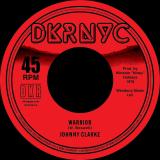
Back to back deep roots here. Both sides produced by Niney the Observer on one of Augustus Pablo's all time masterpieces, the 555 Crown Street rhythm. The A-side is Johnny Clarke chanting out "Warrior", then flip it over for Ranking Trevor, one of the most underrated deejays ever, breezing out over a dubbed cut with plenty of our beloved bleeps. These were undoubtedly dubplates at the time they were made in the '70s, but both first released later, the Johnny Clarke on CD in the 1990's, and the Ranking Trevor actually much earlier in 1979, when the late great Dave Hendley released it on his Sufferers Heights label. Both tunes have been issued in a couple forms since, but not in quite a while, and we just love them and felt they were too good to remain unavailable; top shelf essential material.
New album by french rapper Sheldon, including featurings with Chilly Gonzales, Jazzy Bazz, Tuerie, Asfar Shamsi...
Monsters are never where we expect them to be. They take shape in silences, in vague fears, in the baggage we carry without always understanding it. Sometimes, we also encounter them along the course of a life. On this new album, Sheldon chooses to dance with them, to tame them with wit, grace, and a sense of peace.
Following a powerful return with Grünt 75, an iconic format to which the 75e Session collective brought particularly ambitious visual staging, Sheldon unveils a fourth album that unfolds across fourteen tracks like a chiaroscuro landscape, revealing the full depth of his emotional and musical range. Through intimate narratives, the record explores identity (Être une fille), family and fatherhood (La Fenêtre and Les Monstres, the title track), as well as friendship (Eh le reuf). These are themes that run through all of us, approached here with writing that is vivid, demanding, and deeply sensitive.
Driven by a strong narrative arc, the album features songs like Être une fille, which challenges and questions us. On it, Sheldon reflects on his relationship to gender, his doubts and discomfort with the codes of masculinity, and the idea that he has sometimes imagined himself elsewhere. Tracks like La Fenêtre and Avec ça illuminate the album like moments of communion, sincere, warm, and unifying, carried by a childlike lightness that makes tomorrow disappear.
True to his open minded and ever curious artistic approach, Sheldon draws from a wide range of musical genres while keeping rap as the album’s guiding thread, giving each song its own singular identity and contributing to the balance of the whole. To shape the project, Sheldon surrounded himself with a new generation of musicians and beatmakers whose influences span rap, indie rock, pop, and experimental music. Among them are Johnny Ola, who has notably composed for Zamdane, Jazzy Bazz, and Edge, Rodolphe Babignan, Carbonne’s flamenco guitarist, and Jeune Oji, an artist signed to Friends of Friends Music. Together, they bring melodic and acoustic richness, as well as a collective generosity that deepens the album’s intimacy.
This new album also opens the door to new collaborations.
On L’école primaire, Chilly Gonzales joins Sheldon for an unconventional piano and vocals piece, driven by cinematic, deeply intimate storytelling. Using his primary school as a point of reference, Sheldon retraces his path from childhood to adulthood, somewhere between nostalgia and serenity.
On Cowgirl, Tuerie joins Sheldon for a soft, melodic ballad with an 80s tint, capturing the weightlessness of a sunlit summer.
On Sidequest, Sheldon reunites with Asfar Shamsi, who had already appeared on his Grünt. Over a delicate cloud trap production, the two artists open up about everyday pain, finding in introspection a way to put things into perspective.
Finally, Vol de nuit brings Jazzy Bazz and Sheldon together for an intimate exchange over an ethereal, mysterious production, as both artists look back on their journeys with calm and clarity.
Conceived alongside Sheldon’s closest circle, the project celebrates family, friendship, and love as its founding pillars. Sheldon chooses to step away from the images, allowing his story to be embodied instead through the faces and gestures of those around him. This approach runs through all of the project’s visuals. Rejecting the excess of spectacular image making, he chose instead to hand a camera to his loved ones so they could offer their own vision of a song from the album. By opening a small window onto his intimacy, and that of the people closest to him, Sheldon finds a way to say a great deal with very little, turning deeply personal trajectories into something universal.
Like the music videos, the album cover is rooted in a deliberately simple approach, where the fantasy of childhood disrupts reality. Designed by Tenzin, the graphic designer behind Sheldon’s recent projects, Ptite Sœur, and also work for Jul, it is based on an archival photograph taken during a traditional carnival in Tenzin’s native village. With no staging involved, the image captures children in costume mid parade, caught in a spontaneous burst of movement, embodying the free innocence of childhood.
Les Monstres marks a new chapter in Sheldon’s journey. Like a rainbow after the storm, this fourth album reveals new colours in the artist’s discography, as he delivers a record that is both demanding and accessible, intimate and open, one in which music becomes a love letter to friendship and to love itself. Set for release on April 24, 2026, the album will be followed by a tour culminating at La Cigale in Paris on December 3, 2026.