Der Titel des fünften SATURNUS-Albums, "The Storm Within", spielt sowohl auf die Stürme an, die in der Natur tosen, als auch Aufruhr in der Seele. Es ist recht offenkundig, dass die lange Zeit, welche die Dänen für dieses Album gebraucht haben, und die persönlichen Gründe, die hinter dem Umbruch in der Band standen, dessen künstlerischen Ausdruck stark inspiriert haben. SATURNUS haben sich mit "The Storm Within" selbst übertroffen. Die musikalischen Themen Meer, Regen und stürmische Gewässer ziehen sich wie ein roter Faden durch die Songs, in denen sich Wut, Verlust, Melancholie und Schmerz gleichermaßen widerspiegeln. Die handwerkliche Reife des Albums verleiht seinen erhabenen aber auch ruhigen Momenten sowie den gelegentlichen brutalen Ausbrüchen eine äußerst spannende Dynamik. Obendrein sorgt die erneute Zusammenarbeit mit Produzent Flemming Rasmussen, dem legendären dänischen Produzenten der METALLICA-Klassiker dafür, dass der Sound von "The Storm Within" seiner herausragenden musikalischen Qualität mehr als gerecht wird. Die Anfänge von SATURNUS liegen im Jahr 1991 als Sänger Thomas A.G. Jensen im Umfeld der dänischen Hauptstadt Kopenhagen nach Mitmusikern suchte, um eine Death-Metal-Band zu gründen. Nach mehreren Umbenennungen und Umbesetzungen wurde der Name SATURNUS schließlich im Jahr 1993 in Beton gegossen. Die Band veröffentlichte ihr erstes Album "Paradise Belongs to You" im Januar 1997 und erhielt sofort eine Einladung zum berühmten Roskilde Festival. Der Auftritt wurde vom norwegischen Rundfunk (NRK) aufgezeichnet und in ganz Skandinavien ausgestrahlt, was die Band binnen kürzester Zeit in Nordeuropa zu einer Marke in Sachen Death Doom machte. Nach ihrem zweiten Album "Martyre" (2000) und dem ikonischen dritten Studioalbum "Veronika Decides to Die" sowie ständigem Touren durch Europa und zunehmend auch darüber hinaus, erschien 2012 "Saturn in Ascension", das erneut von Flemming Rasmussen produziert wurde. Zur Feier ihres 20-jährigen Bestehens kehrten SATURNUS auf Europas Straßen zurück und traten unter anderem bei renommierten Festivals wie dem Brutal Assault (CZ), Copenhell (DK) und ArtMania (RO) auf. Von 2014 bis 2017 tourten die Dänen nur mit gelegentlichen Unterbrechungen, was sie bis nach Russland und in den Nahen Osten führte. Nach einigen signifikanten Umbesetzungen stießen die Gitarristen Indee (ehemals CLOUDS und EYE OF SOLITUDE) und Julio von AUTUMNAL im Jahr 2020 zu SATURNUS. Trotz weiterer Hindernisse, die durch die Pandemie entstanden, begann die Band schließlich mit der Arbeit an ihrem nächsten Album und setzte dabei auch die Zusammenarbeit mit Flemming Rasmussen fort. Die lange, schwierige Entstehung von "The Storm Within" verlangte SATURNUS auf dem Weg einige schmerzhafte Opfer ab. Blut, Schmerz und Schweiß haben ihre Spuren auf diesem Album hinterlassen. Doch aus jeder Note spricht eine brutale Ehrlichkeit. SATURNUS offenbaren ihre Seele und genau das macht "The Storm Within" zu einem brillanten Stück Musik.
Cerca:julio j
Der Titel des fünften SATURNUS-Albums, "The Storm Within", spielt sowohl auf die Stürme an, die in der Natur tosen, als auch Aufruhr in der Seele. Es ist recht offenkundig, dass die lange Zeit, welche die Dänen für dieses Album gebraucht haben, und die persönlichen Gründe, die hinter dem Umbruch in der Band standen, dessen künstlerischen Ausdruck stark inspiriert haben. SATURNUS haben sich mit "The Storm Within" selbst übertroffen. Die musikalischen Themen Meer, Regen und stürmische Gewässer ziehen sich wie ein roter Faden durch die Songs, in denen sich Wut, Verlust, Melancholie und Schmerz gleichermaßen widerspiegeln. Die handwerkliche Reife des Albums verleiht seinen erhabenen aber auch ruhigen Momenten sowie den gelegentlichen brutalen Ausbrüchen eine äußerst spannende Dynamik. Obendrein sorgt die erneute Zusammenarbeit mit Produzent Flemming Rasmussen, dem legendären dänischen Produzenten der METALLICA-Klassiker dafür, dass der Sound von "The Storm Within" seiner herausragenden musikalischen Qualität mehr als gerecht wird. Die Anfänge von SATURNUS liegen im Jahr 1991 als Sänger Thomas A.G. Jensen im Umfeld der dänischen Hauptstadt Kopenhagen nach Mitmusikern suchte, um eine Death-Metal-Band zu gründen. Nach mehreren Umbenennungen und Umbesetzungen wurde der Name SATURNUS schließlich im Jahr 1993 in Beton gegossen. Die Band veröffentlichte ihr erstes Album "Paradise Belongs to You" im Januar 1997 und erhielt sofort eine Einladung zum berühmten Roskilde Festival. Der Auftritt wurde vom norwegischen Rundfunk (NRK) aufgezeichnet und in ganz Skandinavien ausgestrahlt, was die Band binnen kürzester Zeit in Nordeuropa zu einer Marke in Sachen Death Doom machte. Nach ihrem zweiten Album "Martyre" (2000) und dem ikonischen dritten Studioalbum "Veronika Decides to Die" sowie ständigem Touren durch Europa und zunehmend auch darüber hinaus, erschien 2012 "Saturn in Ascension", das erneut von Flemming Rasmussen produziert wurde. Zur Feier ihres 20-jährigen Bestehens kehrten SATURNUS auf Europas Straßen zurück und traten unter anderem bei renommierten Festivals wie dem Brutal Assault (CZ), Copenhell (DK) und ArtMania (RO) auf. Von 2014 bis 2017 tourten die Dänen nur mit gelegentlichen Unterbrechungen, was sie bis nach Russland und in den Nahen Osten führte. Nach einigen signifikanten Umbesetzungen stießen die Gitarristen Indee (ehemals CLOUDS und EYE OF SOLITUDE) und Julio von AUTUMNAL im Jahr 2020 zu SATURNUS. Trotz weiterer Hindernisse, die durch die Pandemie entstanden, begann die Band schließlich mit der Arbeit an ihrem nächsten Album und setzte dabei auch die Zusammenarbeit mit Flemming Rasmussen fort. Die lange, schwierige Entstehung von "The Storm Within" verlangte SATURNUS auf dem Weg einige schmerzhafte Opfer ab. Blut, Schmerz und Schweiß haben ihre Spuren auf diesem Album hinterlassen. Doch aus jeder Note spricht eine brutale Ehrlichkeit. SATURNUS offenbaren ihre Seele und genau das macht "The Storm Within" zu einem brillanten Stück Musik.
Heavy-duty Colombian salsa group The Latin Brothers were formed in 1974 by the Discos Fuentes A&R team as a sibling band of Fruko Y Sus Tesos in order to provide the local market with a trombone-heavy ensemble in the mode of the popular Nuyorican Willie Colón orchestra. The band was led by Julio "Fruko" Estrada on bass, featuring basically the same musicians as Los Tesos, minus the trumpets and highlighting the cutthroat trombone work of Gustavo "La Pantera" García. At the time Fruko's Tesos were going through a transition and his talented former lead vocalist, Píper Pimienta, left to sing lead in The Latin Brothers while Joe Arroyo and Wilson "Saoko" Manyoma took over vocal duties in Los Tesos. "El Picotero" was The Latin Brothers' debut album and remains to this day a favorite of salsa dura fans the world over. The album established The Latin Brothers as a bona fide contender in the crowded field of trombone-centric salsa bands taking over the airwaves and dance floors around Latin America. With this bold and brassy record The Latin Brothers would inspire future Colombian salsa orchestras as well as helping establish Medellín as a center of salsa almost as famous as Cali.
- A1: Pepe Velasquez Y Su Arpa Paraguaya - Santo Domingo
- A2: Pedro Salcedo Y Su Orquesta - La Pollera Colora
- A3: Pedro Laza Y Sus Pelayeros - La Compatible
- A4: Los Alegres Diablos - La Magdalena
- A5: Juan Pina Y Sus Muchachos - Zapatico Viejo
- A6: Pello Torres Y Sus Diablos Del Ritmo - El Lunatico
- A7: Los Satlites - Pa La Playa
- B1: Julio Erazo Y Su Conjunto - El Indio Chimila
- B2: Ariza Y Su Combo - Ariza En Descarga
- B3: Pedro Jairo Garces Y Su Guitarra Estereofonica - Fajardos Charanga
- B4: Los Claves - El Dulcerito
- B5: Los Super Star De Colombia - El Toro Pusnaix
- B6: Peregoyo Y Su Combo Vacana - Salsa Pa Ti
- B7: La Carnaval Swing - Descarga Colombiana
- C1: El Sexteto Miramar - Cumbia De Serenata
- C2: Tono Y Su Combo - Con El Tambor
- C3: Los Corraleros De Majagual - Amaneci Tomando
- C4: Juancho Vargas Al Organo - La Murga Panamea
- C5: El Super Combo Los Diamantes - Salsa Sabrosa
- C6: Csar Pompeyo Y Su Sonora - Marcela
- D1: La Integracion - Wah Wah
- D2: Dimension Caribe De Pedro Conde - Atruku Truku Ta
- D3: Michi Y Sus Bravos - Corazon De Arana Negra
- D4: The Latin Brothers - La Noche
- D5: Wganda Kenya - El 77
- D6: Afrosound - Zaire Pop
Third volume in our series of Afro-Latin sounds from the golden period of the seminal Discos Fuentes label in Colombia. An outstanding selection of 26 hard-to find-tracks, many reissued for the first time, covering a wide array of Afro-rooted genres, with an stronger focus on the music's folkloric origins than in previous volumes, comprising recordings by the likes of Michi Sarmiento, Wganda Kenya, The Latin Brothers, Los Corraleros De Majagual, Peregoyo_ It's been a few years, but Vampisoul is back with the next installment of Colombian tropical bangers from the deep vaults of Discos Fuentes. The term Afrosound denotes an always exciting, sometimes surprising soundtrack chronicling the embrace, development, dissemination, and commercialization of the country's rich Afro-Coastal musical heritage over more than four decades. It is the proud sound of African-rooted culture translated, transformed, and transmitted through the commercial enterprise of Discos Fuentes, and this third collection offers an even more diverse and chronologically wide-ranging array of tracks than the previous two volumes, with an even stronger focus on the music's folkloric origins. The unifying factor this time is the same: African roots or influences and the period of experimentation, self-expression, upheaval, rebellion, and rebirth in the industry, nurtured by the label and its stable of musicians, song-writers, producers, and engineers. Although this volume does not list Fruko Y Sus Tesos in the track-by-track credits, the presence of Julio Ernesto Estrada Rincón can be felt throughout, with the first half setting the stage for his artistic birth, schooling and eventual emergence at the label, and the second half featuring bands that he was an integral part of or had a hand in creating, producing, and composing for. And with that said, we dedicate this collection to Fruko: long may he reign as The King of Afrosound. This incredible stream of black gold adorned and enriched the public airways of Cali, Buenaventura, Cartagena, Baranquilla, to become a symbol of pride and part of Colombia's collective identity. It includes an extended booklet with notes by compiler Pablo Yglesias aka DJ Bongohead.
Uruguayan music that sheds light on a new path, guarded by candombe & hip hop. An hypnotic, contemporary and ancestral record. To listen from beggining to end, in a trance. Include contributions of Hugo Fattoruso y Ruben Rada. Txt: Martín Buscaglia . DESCRIPTION Sankofa is the debut album by Avr (Alvaro Silva), a work that takes form through the research and fusion of Candombe and other Afro rhythms from Río de la Plata region with Hip Hop and Black American Music. Avr, the great-grandson of Juan Julio Arrascaeta (one of the first afrodescendant poets to be published in Latin America) writes throughout the album, using several "africanisms" and lost words that date back from colonial and slavery times, giving the lyrics a connection with his great-grandfather's work, introducing himself as a skilfull MC who travels through past, present and future while using several Candombe rhythms in his flow. Highlighting several personalities from the Afrouruguayan culture and from across the American continent, it also presents itself as a valuable work for those interested in researching cultural figures of Black America, especially, Uruguayan. Under the production of Felipe Fuentes, an album knitted with tons of messages, some direct, some to be discovered, came to life. Sankofa means "to look back, to go forward" which is exactly from the beggining what this musical journey is, from a very heavy and dense, ancestral, drum presence, to complex harmonic compositions and arrangments, a work that counts with important contributions of some of the main afrouruguayan artists. A musical "Guiso" (South American stew) Sankofa is the vision of the world of a young black male, his way of feeling and interpreting the past, present and future; and how to transform it in order to generate something new.
- A1: Nothing's Going To Happen
- A2: Luck Or Loveliness
- A3: All My Hollowness To You
- A4: Maybe
- A5: Pictures On The Floor
- A6: Clover
- A7: Paul's Place
- B1: The Brain That Wouldn't Die
- B2: Walking Home
- B3: Beauty
- B4: Turning Brown & Torn In Two
- B5: Crush
- B6: Shade For Today
- C1: Pretty Poison
- C2: Carpetgrabber
- C3: Sleet
- C4: Burning Blue
- C5: Woman (Live)
- C6: Road & Hedgehog
- C7: Attack Of The Munchies
- D1: The Slide
- D2: Waltz Of The Good Husband
- D3: Can't
- D4: Dog
- D5: The Winner
- D6: Bodies
- E1: Sign The Dotted Line
- E2: Rorschach
- E3: Pirouette
- E4: Wings
- E5: Lowlands
- E6: Oatmeal
- E7: Think Small
- F1: Life Is Strange
- F2: We Bleed Love
- F3: More 54
- F4: Entropy
- F5: Bee To Honey
- F6: Self-Deluded Dreamboy (In A Mess) (In A Mess)
- G1: The Green, Green Grass Of Somone Else's Home
- G2: The Severed Head Of Julio
- G3: Two Minds
- G4: Jesus The Beast
- G5: Albumen
- G6: Cruising With Sochran
- G7: Fatty Fowl In Gravy Stew
- G8: The Ugly Mire Of Deep Held Feelings
- H1: Gluey, Gluey
- H2: Round These Walls
- H3: Room To Breathe
- H4: Time To Wait
- H5: Baby It's Over
- H6: We Are The Chosen Few
- H7: The Fatal Flow Of The New
- H8: Over The Hill
4 LP set is for Indies only until further notice. Unravelled: 1981–2002 shines a loving light on lo-fi pioneers Tall Dwarfs, the prized New Zealand duo of Chris Knox and Alec Bathgate. The collection, available as a 4-LP or 2-CD box set, compiles songs from Tall Dwarfs' two decades of recordings. The vinyl edition includes a 20-page collector's booklet of photos, comics, posters, and other ephemera. The songs on Unravelled: 1981–2002 were curated by Alec Bathgate, who also designed the box set packaging; Chris Knox suffered a debilitating stroke in 2009 just as they had started work on a new album. The collection captures the different sides of the Tall Dwarfs in 55 songs. Though the band was an excuse for two good friends who lived in different cities to get together, drink beer, watch shitty old movies, and do some recording and drawing, Tall Dwarfs created music unlike anyone else. Capturing the initial excitement of creation and taking pride in what they did, Knox and Bathgate showed a whole generation of musicians what could be done at home on a 4-track and what magic could be made if you mixed pop melodies and hooks galore with homemade sounds. After a failed flirtation with success in their previous band Toy Love, Knox and Bathgate formed Tall Dwarfs in 1981, opting to record themselves on a 4-track reel-to-reel. New Zealand’s AudioCulture wrote of the duo’s project: “Early live performances were a ramshackle work in progress. Knox described them in an interview with American magazine Forced Exposure as ‘two minutes of song followed by five minutes of fucking around,’ and they dismayed many Toy Love fans—but the pair had no interest in a career spent in pubs cranking out ‘Pull Down the Shades.’” Tall Dwarfs was meant to be a one-off, but after the founding of their New Zealand label Flying Nun, they continued to record music for the next 21 years, releasing seven EPs and six albums. Their process was spontaneous, with songs being recorded as they were written. Typically, Bathgate would work up something on guitar while Knox provided vocals, lyrics, and tape loops. Then they added any sounds that seemed necessary to finish a song, using whatever was lying around: pans, chairs, baby rattles. Though Tall Dwarfs could be weird, they were never too experimental; Knox and Bathgate both loved melody too much (“Beatlesque” appeared more often than any other adjective in their reviews).
"Ésta sí es salsa!" is one of the most sought-after records in the impressive catalog of the Discos Fuentes tropical all-star group Los Corraleros de Majagual. The record is high on collectors' want lists for many reasons: excellent sound quality, diverse and highly danceable repertoire infusing its grooves, and the inclusion of the Cuban genres of descarga and charanga. The album includes outstanding cover versions of '60s New York salsa but featuring the unusual sound of the accordion and the heavy bass playing of Julio Estrada. First time reissue. "Ésta sí es salsa!" is one of the most sought-after records in the impressive catalog of the Discos Fuentes tropical all-star group Los Corraleros de Majagual. It was released in 1970, nine years after the band was first conceived by Alfredo Gutiérrez, Calixto Ochoa and label boss Don Antonio Fuentes as an orchestra to play mostly typical folkloric Colombian genres like porro, cumbia and paseo and the occasional guaracha or pachanga, but with a fully orchestrated big band sound that combined the accordion with a complete rhythm and brass section. The record is high on collectors' want lists for many reasons, not least of which is its excellent sound quality and the diverse repertoire infusing its grooves, ranging from expected coastal tropical Colombian rhythms like paseaíto, paseo and pasebol (all related to cumbia and vallenato), to more exotic modes like sonsonete, casatschok, and the Cuban genres of descarga and charanga. There was never any doubt with the label's intentions of introducing this "new" genre of salsa on this LP, albeit as seen through the lens of Colombian musicians only recently converted to the movement, and indeed, the title unequivocally proclaims: "¡Ésta sí es salsa!" ("This is definitely salsa!"). The proof is in the fascinating (and long) cover versions of Nuyorican artists from the burgeoning Big Apple salsa scene that are the centerpiece of the album. Two massive dance tracks on the record are 'Ocho días' and 'Amanací tomando', but neither was inspired by exposure to New York salsa, as they are very "typical" Colombian numbers. First time reissue.
- A1: Omar Aramayo - Nocturno 1
- A2: Manongo Mujica - Invocacion
- A3: Corina Bartra - Jungle
- A4: Julio Algendones Chocolate - Eleegua
- A5: Ave Acustica - Llegue A Lima Al Atardecer
- A6: Espiritus - Bosques Girando Al Ritmo Del Sol
- A7: Miguel Flores - Indio De La Ciudad
- A8: Luis David Aguilar - La Tarkeada
- A9: Arturo Ruiz Del Pozo - Retorno
VARIOUS - TERRITORIO DEL ECO:EXPERIMENTALISMOS...PER· ( HIGHLIGHTS
First compilation brings together the Peruvian experimental scene from 1975 to 1988, a period was the most prolific for a generation of Peruvian artists who, based on musical conceptions derived from modern jazz and techniques inherited from avant-garde music. Collect unpublished and loss pieces from artists such as Omar Aramayo, Manongo Mujica, Arturo Ruiz del Pozo, Miguel Flores (Ave Acústica), Douglas Tarnawiecki (Espíritus), Luis David Aguilar, Chocolate Algendones and Corina Bartra. Rescued from private archives and limited editions on cassette. DESCRIPTION First compilation brings together the Peruvian experimental scene from 1975 to 1988, a period was the most prolific for a generation of Peruvian artists who, based on musical conceptions derived from modern jazz and techniques inherited from avant-garde music, sought to integrate the sounds of Andean, Afro-Peruvian and Amazonian cultures in search of a new musical universe. Native instruments and folk melodies were used in compositions that demanded modern recording techniques and electronic sounds. This generation was articulated in Lima and was made up of musicians such as Omar Aramayo, Manongo Mujica, Arturo Ruiz del Pozo, Miguel Flores (Ave Acústica), Douglas Tarnawiecki (Espíritus), Luis David Aguilar, Chocolate Algendones and Corina Bartra. But more than a movement, it was a set of individuals from dissimilar origins, who came from rock, jazz, contemporary classical and popular music, but also from the visual arts and poetry, and who had in common the cultural climate of the late seventies and early eighties in a country marked by a series of social and economic transformations, as well as the emergence of new visions and insertions of Andean culture and folklore in the city. The appearance of a mythical substrate connected the work of these musicians and defined an aesthetic, based on the deconstruction of folklore and the exploration of the possibilities that indigenous instruments offered. From there, these musicians immersed themselves in abstract, but also symbolic and conceptual forms. In many cases, they were strongly influenced by jazz and were keen to explore the possibilities of the recording studio. Territorio del eco: experimentalismos y visiones de lo ancestral en el Perú (1975-1989) - The Land of Echo: Experimentalisms and Visions of the Ancestral in Peru (1975-1989) - is a compilation that offers an overview of what was one of the moments of greatest creative intensity for experimental music in Peru in its encounter with indigenous sounds. Collect unpublished and loss pieces, rescued from private archives and limited editions on cassette, these pieces are reissued for the first time in vinyl LP format. The album includes 8 pages booklet with extensive notes written by Luis Alvarado, author of the compilation, as well as much visual documentation. Cover art by Paloma Pizarro. Limited to 300 copies. Beneficiary project of the Economic Stimuli for Culture of the Ministry of Culture of Peru.
- A1: Dennis Matumbi - Raindrops
- A2: The 4Th Street Orchestra - Za-Ion
- A3: Dennis Matumbi - Blood Ah Go Run
- A4: African Stone - Choose Me
- A5: The 4Th Street Orchestra - Row, Row, Row
- A6: Dennis Bovell - Brain Damage
- B1: Dennis Bovell - Chief Inspector
- B2: Dennis Bovell & The Dub Band - Dub Master
- B3: Dennis Bovell - Silly Dub
- B4: Dennis Bovell - Oh Mama Oh Papa
- B5: Dennis Bovell - Pickin' Up The Pieces
- B6: Dennis Bovell - Caught You In A Lie
- C1: Janet Kay - Silly Games
- C2: Errol Dunkley - A Little Way Different
- C3: Julio 'Dreadful' Finn - Differentah
- C4: I Roy - Get Up Stand Up
- C5: Marie Pierre - Our Tune
- C6: Captain Morgan & His Merry Men - Tom Hark
- D1: Errol Campbell - African Queen
- D2: Joshua Moses - Africa Is Our Land
- D3: The Young Lions - Take Five
- D4: Delroy Wilson - Hooked On You
- D5: Johnny Clarke - Guide Us, Jah
- D6: Marie Pierre - Can't Go Through (With Life) (With Life)
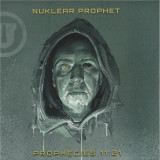
- A1: L A. Rockz (Egyptian Lover Remix)
- A2: I Am Nuklear
- A3: Doctorz Of Crime
- A4: Marz Rover
- A5: Comming Up From Underground
- A6: 808 Plague
- A7: Git Up On Dis!!
- A8: Fuck All Ya
- B1: The Train Ride To Coconino
- B2: Mexaniko
- B3: Everlastin' Bass
- B4: Back Up Off My Tip
- B5: Compton
- B6: Whats Up With The Music?
- B7: Nuklear Prophet
- B8: Solar Winds
- B9: The Mars Goblin
Hailing from downtown Los Angeles, Nuklear Prophet, aka Erik Villalpando, is heavily influenced by West Coast Hip Hop and Electro. Winning multiple DJ awards, including 3x World Records DJ Competition under his DJ Dope-E alias, Villalpando cites his inspiration as coming from some of the most influential Los Angeles DJs of his childhood, including Tony G, DJ Joe Cooley, Julio G, and DJ Aladdin.
With releases on Urban Connections, Abseits Recordings, Diffuse Reality and Bass Agenda Recordings as Nuklear Prophet, the LA-based DJ/producer readies his full-length album 'Prophecies 11:21' for Utrecht-based U-Trax. Formed of an eclectic and energetic collection of gems mined from his overwhelming archive, the album takes in genres such as Electro, Hip Hop, Footwork, Juke, and beyond.
Leading the release is the 808 luminary Egyptian Lover's remix of 'L.A. Rockz', featured on the recently released 'L.A. Rockz' EP, kicking off the LP with his trademark 808-infused sound. A nod to Detroit-flavoured Electro is presented via the dark and brooding tracks 'Nuklear Prophet' and 'Compton', with the lighter atmospherics of the genre covered on 'Solar Winds'. The pounding electro killer '808 Plague' sounds like it came straight from the sewers of The Hague.
'Everlastin' Bass', 'Back Up Off My Tip', and 'The Train Ride To Coconino' offer Footwork inspired bangers, with the latter previously featured on the Legowelt curated U-Trax compilation 'U R Here!' earlier this year.
Moving across a spectrum of tempos, styles, and moods across the album, exemplified on the sluggish trip-hop of 'The Mars Goblin', Nuklear Prophet expertly touches on a range of bass-driven genres, displaying his widespread influences and knack for hard-hitting production throughout.
Triumph breeds confidence, and with confidence comes an expansion of ambition, a focus of ability, an emboldening of audacity. De-Loused In The Comatorium had risked everything Omar and Cedric possessed on the wildest of gambits, the most impossible of dreams: making sense of the riot of influences ricocheting about Omar’s head, and memorialising their departed friend Julio Venegas through Cedric’s magical realist roman-a-clef. It Clouds Hill shouldn’t have worked. But it did, and with that fiendish tightrope act successfully accomplished, the duo stretched the wire even further and higher, over a figurative fiery pit peopled with lions, crocodiles, piranha and other sharp-toothed beasts not yet known to man. Because how do you make great art without taking great risks? Frances The Mute was no De-Loused Part Two. For one thing, the band’s configuration had changed, in the most painful way. Shortly before the release of De- Loused, sound manipulator and founder member Jeremy Michael Ward passed away, a wound Omar says the group never recovered from. But even though his inspired fucking- with-the-sonic-parameters is absent from Frances The Mute, his spirit and influence can still be determined, the album’s concept derived from a diary Ward had encountered in his day-job in repossession. “Jeremy picked up lots of interesting stuff when he was a repo man,” remembers Cedric. “Weird things, including this diary, He let us read it a bunch of times. It was by a guy who’d been adopted and was searching to find his real parents. It was very surreal, it didn’t make much sense – the guy might’ve been schizophrenic – but it was very inspiring. It felt like how certain music helps you escape your boring every-day life. The names and scenes in the diary directly inspired these songs.” Some of the tracks pre-dated De-Loused, having their origins in early demos Omar recorded at the duo’s Long Beach home Anikulapo, songs such as The Widow and Miranda The Ghost Just Isn’t Holy Anymore. Cedric had heard these jams in their embryonic state and began working in his mind on what he could bring to them. “I was attracted to The Widow like you would be to a lover, right?” Cedric remembers. “I sang over it with Omar while we were touring De-Loused in Australia on the Big Day Out, like, ‘Okay, I’ve got something for this.’” A potent ballad, laden with emotional crescendos and evoking the epic drama of Ennio Morricone – an effect aided by an elegiac trumpet part performed by Flea – The Widow would become The Mars Volta’s first song to chart on the Billboard Top 100, capturing the album’s potent sorrow and widescreen sprawl in miniature. Indeed, the lush sound of the album, the depth of detail and breadth of instrumentation, belies its grungy roots. Having tasted the luxury of Rick Rubin’s mansion, Omar veered in the opposite direction when recording Frances, cutting the album in what he describes as “a shithole... Basically a warehouse with one little air conditioner on its last legs, awful wiring and a console you couldn’t rely on. We were there night and day – I would literally lock engineer Jon DeBaun in there. He slept on a mattress in the vocal booth.” A considerably more complex and ambitious album than its predecessor – four of its five tracks lasted over ten minutes in length, with its closing epic Cassandra Gemini spanning over half an hour – Frances The Mute wasn’t recorded “live” by an ensemble, but with the individual musicians coming into the “shithole” and recording the parts Omar had scripted for them separately. “They had to have absolute trust in me,” Omar remembers, “Like actors trust their director.” In addition to the core band – now fleshed out with incoming bassist Juan Alderete, and Omar’s brother Marcel on keyboards and percussion – the album featured guitar solos from John Frusciante, saxophone and flute by future member Adrian Terrazas-Gonzales, a full string section, and piano played by Omar’s hero, salsa legend Larry Harlow. “It was a childhood dream come true,” Omar says. “We recorded with him in my hometown in Puerto Rico, and my father flew in to watch the session. Larry was a perfect gentleman, and a very lively spirit.” The album’s fevered intensity infected even the staid string section, Cedric remembers. “When they performed the part on Cassandra Gemini, ’25 wives in the lake tonight’, one of the guys in the orchestra played so hard he broke his bow, this real old, antique bow. And you could see his ‘classical’ side come out – like, ‘I broke this playing a fuckin’ rock song??’ He was pissed off. But I was like, ‘Fuck yeah, man, that’s on the record! You’ve got to realise things like that are cool.’” The album also features field recordings of “the coqui of Puerto Rico” during the opening minutes of Miranda That Ghost Just Isn’t Holy Anymore. “We took a page out of the Grateful Dead’s book there,” laughs Cedric. “They recorded air. We recorded fuckin’ frogs in Puerto Rico.”

LTD Edition!
Wenn ein Großteil von DJ Seinfelds früherer Arbeit von sepiafarbenem Dunst geprägt war - ein Ergebnis der absichtlichen Lo-Fi-Produktionstechniken des Produzenten - dann rückt seine Musik auf dem brandneuen Album, „Mirrors“, fest in den Fokus.Aufgenommen zwischen Berlin und Malmö, ist „Mirrors“ der Nachfolger von DJ Seinfelds von der Kritik gefeiertem Debütalbum, „Time Spent Away From U“, von 2017 und sein erstes für Ninja Tune. Benannt nach einem Zitat von Armands Lieblingsschriftsteller, dem argentinischen Romancier Julio Cortázar, findet sich der Produzent auf dem Album in einer ruhigeren und geerdeten Stimmung wieder, nachdem ein unglücklicher Vorfall in seiner Familie ihn in den letzten Jahren dazu zwang, mehr Zeit zu Hause in seiner Heimat Schwedenzu verbringen.
2016 als Teil der Lo-Fi-House-Szene neben Produzenten wie Ross From Friends und Mall Grab bekannt geworden, veröffentlichte DJ Seinfeld (dessen Name auf ausgedehnte Sessions beim Schauen der klassischen US-Sitcom nach einer Trennung und einem Umzug nach Barcelona zurückgeht) 2017 sein Debütalbum, das unter anderem vom internationalen Rolling Stone und Pitchfork gelobt wurde. Es erregte auch die Aufmerksamkeit von Zeitgenossen wie Flume, Flying Lotus, Bonobo und Martin Garrix und führte dazu, dass DJ Seinfeld zu einem weltweit gefragten DJ wurde, der überall von Glastonbury bis Coachella, Warehouse Project, Sónar By Night und MoMaPS1 Sets spielte und die Bühne mit zahllosen Künstler*innen teilte, von Jeff Mills bis Stormzy, Underworld und Bicep, außerdem begleitete er Disclosure auf einigen Terminen ihrer US-Tour. Im Jahr 2018 erschien seine DJ-Kicks, wodurch er zu einer auserwählten Gruppe von DJs und Produzent*innen katapultiert wurde, zu der auch Moodymann, DJ Koze oder Nina Kraviz gehören. Um das Ganze abzurunden, eröffnete Aphex Twin seine Live-Shows mit dem DJ Seinfeld-Track, „Sakura“.
This LP resonates with the label on many levels. The originals, true to
LUMs sound and nature display his inner world, "LUM is above all a
spiritual encounter, a ritual séance for the acquisition of one’s essence, a ceremony...". Well rounded and truly individual are the remixes that complete the release. SIS, a tech house hero with many hits behind his back, delivers a signature dancefloor pleaser. Julio, debuts with a heavier darker take on the original. Ohm Hourani, hailing from Montreal take the original under his analog wings and delivers two live jam versions set as vinyl and digital only respectively.
Cititrax presents a full length LP by a new duo called Tornische. Julio Tornero and Hanna Chamiarytskaya (aka Anneq) got together in Madrid after having met through mutual friends. Immediately, they bonded and found a musical chemistry between them. They went into the studio and began revisiting Julio's unreleased archives, incorporating what he had already recorded years ago with fresh sounds and Neu Deutsche Welle style duets. The result is a modern, chaotic, take on 80s European new wave, 90s detroit electro, and contemporary indie pop. The energy level is always high, the melodies are catchy and the vocal delivery and lyrics futuristic, subversive, italo-disco / punk, and surreal. A special album, this one is line with Medio Mutante's classic debut EP, 'Inestable' (2008) and not unlike the pioneering sound of Liaisons Dangereuses.
The vinyl will be pressed on 160 gram ultra clear and limited to 500 copies. The record is housed in a PVC printed sleeve, with a neon graphic designed by Peter Miles. The back features an image by Nastya Porukevich along with the track titles and album info.
Julio Victoria is a name that needs no introduction in Colombia's electronic music scene. One of the most influential DJs to emerge from South America over the last decade, Julionow presents Astrolabe, his new EP and first vinyl release. It is also his debut for South East London based label, Church.
The vinyl, composed of three portentous tracks, found its inspiration in an elaborate old fashioned instrument, historically used by astronomers and navigators to identify new stars and planets. Perhaps that's the reason why "Astrolabe" immerses the listener into a celestial state of relaxation and contemplation. A dance ritual that never ends. "Evasión" introduces a more percussive lead groove that carries hypnotic top lines of fuzzy synth patterns that ease across the duration of the track. "Tres" closes the collection with groove inducing hats and a pulsing bass line that partners perfectly with more reverb-soaked swells of filtered chords and showers of twinkling & expanding melodies.
Astrolabe will have a solid run of launch events across Colombia, as well as in Asia and Europe, which will include Seoul, Tokyo, Hong Kong, London, Zurich and Dublin.
Club Internacional dig deep to launch their new global reissue series in style with two long lost cuts from Rio-based label Top Tape. First up is Jose da Silva aka Zeca Do Trombone.
A massively respected instrumentalist, he has worked his trade over the years with many of Brazil's leading artists such as Tim Maia, Milton Nascimento, Elizeth Cardoso, Beth Carvalo, Martino Da Vila, Gonzaguinha and Carlos Dafe amongst others.
He also produced a very much sought after LP in 1976 alongside Roberto Sax which was finally re-released this year on Mad About Records. Tema Do Brisa dates from a few years later in 1978 and is Zeca's only solo 45 single. Never released on digital and never reissued on vinyl before, it is with great pleasure that Club Internacional re-launch this psychedelic jazz and heavily funk influenced gem with its still stunningly fresh sounding drum patterns to a new generation of listeners. Fans of jazz, funk, rare groove and Brazilian music in general will appreciate the strong vibes of this original track and be delighted to finally have this record in their hands. The track represents a unique moment in the career of a great musician fully in control of his instrument and more than willing to test its musical boundaries. Zeca continues to play out as an artist regularly in Brasil right up to the present time.
On the flip side, Sambacanas, or Os Sambacanas as they were sometimes also known, were a group of Samba musicians recorded by the Sao Paulo based producer Julio Nagib.
Although they were mostly known for a samba covers LP entitled 'Sucessos Da Juventude Em Tempo De Samba' (re-released in the UK under the title 'Fly Me To Brazil'), this song, Panga, Danga, Panga, was the A side of their only 45 single release for Top Tape which came out in 1976. Again this track has never been re-released before in its 45 single version, and has not been made available digitally. A beautiful example of raw and simple Batucada-style Brazilian samba music infused with Latin funk vibes, it features excellent vocals and percussion including the berimbau and cuica. Club Internacional hopes you enjoy this journey back to rediscover these very different, but wonderful, long lost sounds of Brazil on this limited edition vinyl 45 pressing to add to your record collection. Each Club Internacional edition may take some time, but it will be worth the wait!
Krishnanda is an album in the truest sense of the word - a spiritual, psychedelic Brazilian masterpiece from start to fnish - celebrated by everyone from Seu Jorge and Kassin to Floatng Points, Madlib and DJ Nuts. These days, originals change hands for thousands of dollars. Pedro dos Santos, born in Rio in 1919, was a percussionist virtuoso, composer and inventor of instru-
ments that apparently included oddites such as the 'Tamba' (electrifed bamboo drum) and the mouth berimbau whistle. Nicknamed Perdo 'Sorongo' afer the rhythm he invented, that features throughout 'Krishnanda'. A highly spiritual man who was regarded as a philosopher by many. He worked with greats including Baden Powell, Elis Regina, Maria Bethany, Elza Soares, Sebastão Tapajós, Roberto Ribeiro, Milton Nascimento, Clara Nunes, Paul Simon and Arthur Verocai, playing on
his legendary self-ttled LP. In the same vein as Verocai and his self-ttled LP, 'Krishnanda' was Pedro's chance to shine with his own, and only, solo recording. Krishnanda was produced by Hélcio Milito, the drummer of Tamba Trio, and arranged by conductor Joppa Lins, and originally released in 1968 on CBS (Brasil). Musically, the album touches folk, samba,
afro-brazilian and psychedelia plus added efects, with a lyrical depth and diversity to match; themes including morality, percepton, existence and ego. Despite the genius of the record and the infuence that it had on musicians at the tme of release, it
disappeared into obscurity. We frst discovered the record around 2003, through a friend Julio Dui. Around that tme Brazilian funk and bossa was the favour of the day, so didn't catch our ear immediately, however it contnued improve with age and now we consider it to be one of the best albums ever made, regardless of genre or origin.
- A1: The Eloise Trio - Come To The Caribbean
- A2: Cachao Y Su Ritmo Caliente - Trombon Criollo
- A3: Duke Of Iron - Bambouche
- A4: Lucho Azcarraga Y Su Conjunto - Tamboritos Panamenos
- B1: Alfredito - Timbales
- B2: King Scratch - Christmas Time In Nassau
- B3: Guy Du Rosier Orchestra - Panono M'tombe
- B4: Noro Morales Orchestra - Mississippi Mambo
- C1: Peanuts Taylor - Nassau Blues
- C2: Katherine Dunham Ensemble - Nago
- C3: Hubert Porter & The Jamaican Calypsonians - Rum & Coconut Water
- C4: The Bay Street Boys - Donkey Wants Water
- C5: Guy Du Rosier Orchestra - Anatole
- D1: Sonny Burke & His Orchestra - West Indies
- D2: Dioris Valladares & His Conjunto Tipico - Los Dos Merengues
- D3: Julio Gutierrez - Theme For Conga
- D4: Hubert Porter & The Jamaica Calypso Funmakers - Mary's Lamb
Soul Jazz Records’ new album 90 Degrees of Shade features the music of the Caribbean – Mambo, Calypso, Mento, Merengue, Latin Jazz and much more. The music of Cuba, Jamaica, Haiti, Puerto Rico, Dominican Republic and more all feature in this lightning journey through the many island sounds.
This is the sound of independence, righteous and hot jump-up sounds from the 1950s and 60s, an exciting period of endless new musical styles that would travel across the world – Mento, the Jamaican precursor to reggae; mambos and descargas from Cuba, Dominican merengue, Haitian compas – and more.
This album coincides with the release of Soul Jazz Records’ massive new deluxe large format hardback book 90 Degrees of Shade: 100 Years of Photography In The Caribbean (with foreward by Paul Gilroy) featuring hundreds of fascinating and unique photographs spanning one hundred years of Caribbean history.
The new album comes as a deluxe two-CD pack complete with large outsize booklet, packed full of info and original artwork. There are also two limited edition separate heavyweight double LP vinyl editions, each one housed in gatefold sleeves complete w
- A1: The Eloise Trio - Come To The Caribbean
- A2: Cachao Y Su Ritmo Caliente - Trombon Criollo
- A3: Duke Of Iron - Bambouche
- A4: Lucho Azcarraga Y Su Conjunto - Tamboritos Panamenos
- B1: Alfredito - Timbales
- B2: King Scratch - Christmas Time In Nassau
- B3: Guy Du Rosier Orchestra - Panono M'tombe
- B4: Noro Morales Orchestra - Mississippi Mambo
- C1: Peanuts Taylor - Nassau Blues
- C2: Katherine Dunham Ensemble - Nago
- C3: Hubert Porter & The Jamaican Calypsonians - Rum & Coconut Water
- C4: The Bay Street Boys - Donkey Wants Water
- C5: Guy Du Rosier Orchestra - Anatole
- D1: Sonny Burke & His Orchestra - West Indies
- D2: Dioris Valladares & His Conjunto Tipico - Los Dos Merengues
- D3: Julio Gutierrez - Theme For Conga
- D4: Hubert Porter & The Jamaica Calypso Funmakers - Mary's Lamb
Soul Jazz Records’ new album 90 Degrees of Shade features the music of the Caribbean – Mambo, Calypso, Mento, Merengue, Latin Jazz and much more. The music of Cuba, Jamaica, Haiti, Puerto Rico, Dominican Republic and more all feature in this lightning journey through the many island sounds.
This is the sound of independence, righteous and hot jump-up sounds from the 1950s and 60s, an exciting period of endless new musical styles that would travel across the world – Mento, the Jamaican precursor to reggae; mambos and descargas from Cuba, Dominican merengue, Haitian compas – and more.
This album coincides with the release of Soul Jazz Records’ massive new deluxe large format hardback book 90 Degrees of Shade: 100 Years of Photography In The Caribbean (with foreward by Paul Gilroy) featuring hundreds of fascinating and unique photographs spanning one hundred years of Caribbean history.
The new album comes as a deluxe two-CD pack complete with large outsize booklet, packed full of info and original artwork. There are also two limited edition separate heavyweight double LP vinyl editions, each one housed in gatefold sleeves complete with insert, full text and free download code. Also comes as a worldwide digital release.