Die stärksten PERKELE-Songs auf einem Album gebündelt? Mit „Best from the past“ wird dieser Wunsch Wirklichkeit, das Album versammelt 20 PERKELE-Hymnen aus allen Phasen auf einem Tonträger (Vinyl kommt sogar als Doppel-Album). Von Sänger Ron höchstpersönlich zusammengestellt und im beiliegenden Booklet mit Liner-Notes versehen. Die Story hinter dem Text. Alle Klassiker sind an Bord: Von „Cowards“, „Hang’em high“, „Yellow & blue“, „Heartfull of pride“ bis „Göteborg“, „Längtan“, „Moments“, „A way out“ etc. Erscheint nun in 2026 erneut auf Vinyl. Und weil doppelt besser hält: Als Doppel-Vinyl.
Limitiert: 500er Auflage in transparent rotem Vinyl.
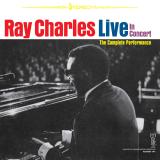
The Definitive live album from 1965, expanded to include the entire concert performance! Deluxe packaging with extensive notes & unpublished images, remastered by Grammy-winner Michael Graves, and produced with the full cooperation of the Ray Charles Foundation. Originally edited down to fit on a single LP, this edition includes every note performed at his now-legendary Shrine Auditorium concert, including spectacular performances of “Georgia On My Mind,” and “Busted,” that were left off of the iconic 1965 release. This expanded edition presents that legendary night at LA’s Shrine Auditorium exactly as the audience heard it, and includes liner notes and photos that tell the whole amazing story of how the show and the album came to be.
Back in print after 30 years, the 2nd and final album from Canada's Shotmaker, 'Mouse Ear Forget-Me-Not', stands as a pillar of mid 90s hardcore—balancing the crushing weight of Karp with the angular intensity of Unwound, all firmly rooted in the band's DIY hardcore ethos. Includes new photos and liner notes from the band.
Spectral stompers and graveyard grooves! Something Weird has exhumed a crypt full of classic Spook Show promos and radio spots monstrously mashed together with fiendish rare surf and garage rock instrumentals. Includes a delightfully deranged DVD featuring Monsters Crash the Pajama Party and more bone-chilling freakouts of fright! Pressed on black vinyl, with a zine style liner note insert!
A SOUNDSYSTEM COMBATING ICE PROCEEDS TO HELP FUND FRONTLINE ORGANIZATIONS THAT SUPPORT IMPACTED COMMUNITIES Contra-ICE Vol. 1: ICE OUT is a powerful new compilation album uniting legendary voices across music, spoken word, and comedy to amplify the fight for immigrant rights and stand against inhumane immigration enforcement. Featuring an all-star lineup of over 30 artists, including Ozomatli, Kathleen Hanna ft. Ad-Rock, Tom Morello, Fred Armisen, Fishbone, Money Mark, David J (Bauhaus, Love and Rockets), and Jello Biafra; this sonic journey, curated by DJ Dali, shines a crucial light on systemic injustices. Proceeds will raise vital funds for frontline Los Angeles organizations, the National Day Laborer Organizing Network (NDLON) and Unión del Barrio, to support their ongoing work defending human, civil, and labor rights for impacted communities.
SPF 50 returns to Bliss Point with Ett Inre Rum, a collection of pulsing, immersive techno, rounded out with a remix from renowned club synthesist Erik Luebs.
Recently enamored with the psychoacoustic power of drone, Ett Inre Rum finds SPF 50 pushing his sound deeper, heavier, and more psychedelic. With Ett Inre Rum, he explores sonics that connect internal states to the external spaces we inhabit, patiently building energy until the walls are stretching, the room is heaving, and the lines between inner and outer are thoroughly blurred.
Drawing inspiration from the natural world and culled from over a year of peak time live sets, Ett Inre Rum eschews dance floor tropes for a refreshing minimalism: club tracks as enveloping sonic environments, breathing deep as they propel forward through atmospheric washes, layered and manipulated to achieve peak emotional resonance.
Better Living Through Chemistry wasn’t just Fatboy Slim’s breakthrough - it helped redefine what electronic music could be in the mainstream. Released in 1996, the album arrived at a pivotal moment in UK club culture, fusing big beat, acid house energy and sample-heavy experimentation into something irreverent, accessible and unmistakably British. Tracks like “Everybody Needs a 303,” “Going Out of My Head,” and “The Weekend Starts Here” captured the anarchic spirit of the era while laying the foundation for a sound that would dominate late-’90s pop culture.
To celebrate the 30th Anniversary of Norman Cook’s career as Fatboy Slim, BMG will reissue his debut album ‘Better Living Through Chemistry’, also turning 30 in September.
The 2LP will be remastered at half speed, following previous Fatboy Slim classic album remastered reissues and feature new liner notes from journalist Alexis Petridis.
The 2CD will include a bonus disc, b-sides with a brand-new remix with inclusion of the Alexis Petridis liner notes.
out of Stock
Last delivered 15 days ago available to reorder, subject to availability
,Memoria", das neueste Album von Carmen Villain auf Smalltown Supersound, beginnt wie ein geöffnetes Ventil; ausatmende Flötenakkorde füllen langsam eine weite Klanglandschaft und laden den Zuhörer dazu ein, das Tempo zu drosseln und in einen Zustand des tiefen Zuhörens einzutreten. Es ist eine Einleitung, die gekonnt in ein Album aus verlangsamten, spektralen Dub-Klängen führt, die schimmern, knurren und über die narrativ geordneten sieben Titel hinweg ausklingen. In dieser Hinsicht knüpft ,Memoria" dort an, wo Villain mit ihrem 2022 erschienenen Album ,Only Love from Now On" aufgehört hatte, auch wenn der Schwerpunkt des aktuellen Albums auf Klang als Erinnerung liegt - und auf Erinnerungen als sich wandelnde, nicht statische Unvollkommenheiten. Wiederholung fungiert als neu erzählte Erinnerung; die Bearbeitung zersetzt und formt den Klang neu, und Abstraktion ermöglicht eine Art Freiheit von Linearität. Inspiriert von Pauline Oliveros' Schriften über innerlich abrufbare Klänge, die für andere unhörbar sind, sowie von Apichatpong Weerasethakuls Film ,Memoria" aus dem Jahr 2021, betrachtet Villain die Erinnerung sowohl als kognitive Fähigkeit als auch als Form der Komposition und formt Samples aus ihrem eigenen Archiv zu einer kosmischen Selbstbeobachtung - wenn auch zu einer, die das Gegenteil von Solipsismus ist. Der nach innen gerichtete Blick des Albums lässt sich vom tiefen Zuhören als Form der Empathie inspirieren, das uns gleichzeitig mit uns selbst und unserer Umgebung verbindet. Die Arbeit der letzten Jahre an Kompositionen für zeitgenössischen Tanz und Installationen - darunter Kooperationen mit der Choreografin Eszter Salamon und ein Aufenthalt am IRCAM, bei dem sie erstmals ambisonische Räumlichmachung erforschte - prägt ebenfalls die verstärkte Aufmerksamkeit, die ,Memoria" dem Klang als physischem Raum und immersiver Umgebung widmet. Ein Großteil von ,Memoria" basiert auf einer Kombination aus neuen Aufnahmen und älterem Archivmaterial: Aufnahmesessions mit der häufigen Mitwirkenden Johanna Orellana (Flöten) sowie Eivind Lonning (Trompete) werden neben Villains eigenen Klarinettenaufnahmen zerlegt und zu einer dichten, aber luftigen Sample-Bank neu zusammengesetzt. Die viszerale menschliche Präsenz (Atem, Wind, die Körperlichkeit der Luft, die durch Instrumente strömt) und harmonische Stränge des Free Jazz treten durch mehrere Bearbeitungsschichten hindurch zutage, als hörte man sie aus der Ferne - oder durch die Zeit hindurch. Rhythmen und Texturen lösen sich auf. Der Klang erodiert. Erinnerungen werden neu gestaltet. Und Melodien sind, anders als auf Villains früheren Veröffentlichungen, weniger deutlich und weichen anderen musikalischen Leitmotiven. Es lässt sich eine Tradition zurückverfolgen, die zu Rhythm & Sound, Clicks-and-Cuts, Pharoah Sanders, Jon Hassell, Actress und Ricardo Villalobos führt - wenn auch oft in abstrakten Formen: Kleine Klänge werden groß, während große in einen feinkörnigen Rhythmus zurücktreten. Minimalismus ist der Schlüssel, um die Details wahrzunehmen: knisternde Elektronik, Einatmen und Seufzer hallen in weiten Räumen nach und ruhen auf einem Fundament aus Rhythmus. Diese Zurückhaltung unterstreicht Villains Neigung, Klänge und ihre geisterhaften Klanggedächtnis-Doppelgänger nach Frequenzen chirurgisch voneinander zu trennen. Paradoxerweise lässt sich jedes Artefakt als Annäherung an eine Erinnerung mit äußerster Präzision hören. Für Villain scheint die Erinnerung im Klang bequem hinter dem Mischpult eines Dub-Labors Platz zu nehmen und dort gekonnt und unvorhersehbar Lautstärken, Texturen, Filter und alle anderen Parameter - bekannte wie unbekannte - in einer sich ständig wandelnden Erinnerung zu steuern.
out of Stock
Last delivered 15 days ago available to reorder, subject to availability
1982 4-Piece Demo' is the first official, fully-licensed and unreleased material to be released under the name Strawberry Switchblade in 30 years. Since disbanding amid major record label acrimony and personal differences in 1986, the already-cult band have since grown in stature and legend. Trailblazers in many ways, the band's mythology justifiably centers around the charismatic duo of Jill Bryson and Rose McDowall, but that isn't a complete picture. Bryson and McDowall's growing friendship, having met some years earlier on the punk scene, became a creative partnership: Bryson's art school background and McDowall's history in avant-punk group The Poets meant Strawberry Switchblade was a band pitted against many established norms. The band's very first incarnation, an all-female 4 piece, recorded one demo at Glasgow's Hellfire Club and played a handful of gigs. Friends Janice Goodlett and Carole McGowan completed the line up on bass and drums respectively. Strawberry Switchblade would eventually pair down to a duo and go on to chart success but it's in these raw, passionate recordings that the songwriting and vocal elements were being hammered out and explored in real time.
Spanish Song' is a previously unreleased song. With Rose McDowall's instantly recognizable lead vocal dovetailing with Bryson's harmonies and lead guitar, it's the first glimpse at an alternative history of Strawberry Switchblade. This incarnation could easily have been featured on a Nuggets compilation or a precursor to the indie-pop revolution that would take over British bedrooms a couple of years later. "Trees & Flowers" is instantly recognizable, a bona fide classic that would earn the band its first record deal. Here it's given a more forceful rhythm section: Goodlett and McGowan's playing is in fact accomplished and doesn't hint at the bands' youth. "Go Away" would also surface later on the band's debut LP but here it is a moody-garage stomper with a psychedelic, haunting refrain. These 3 songs point to a tantalizing future of the band that was never realized.
Remastered and restored by Sean Pennycook from the original cassette, with artwork based on a single photographic contact sheet (the only visual evidence of the band in this form) and with a booklet of photographs and new text. Pa
out of Stock
Last delivered 16 days ago available to reorder, subject to availability
The practice of dub techno and its tendrils is a fundamental for me, both aesthetically and from an engineering perspective.
I start every recording session with a dub inspired jam, the first piece I ever recorded in 1996 was an effort to recreate Phylyps Trak with only a Korg X3 and an Ibanez PUE5 (borrowed from Gary Howell). It was an awesome introduction to jamming, and the footing stones of noise, delay and saturation were explored with my foot hard on the enthusiasm pedal.
These practice jams are in some sense cathartic, the first step taken again & again, which helps me move forwards each session and additionally helps to 'warm the circuits' both of myself and the machines.
After realising the genius of Basic Channel is akin to the genius of peasant food, using every ingredient with nothing left to waste, (up to and including the oft maligned working noise of the machines themselves), this was a watershed moment for my own subjective progression. No longer tied to just emulation of something inspiring, but taking these learned tools into other areas of music helped to break free from a strong current of influence and also to progress into other areas with the new toolbox.
Dub:
The importance of the dub pioneers should never be understated, in modern music and my own practice. Yet with my initial inspiration being two german dudes issuing extreme techno variants with obscured label designs, who then signposted their listeners to their own inspirations (via their Wackies re-issues or nodded to on their Rhythm & Sound/Burial Mix sub-labels), meant that I started late and travelled backwards.
Learning to notice the live mixing of Mikey Dread or Lee Perry when the faders are bleeding through even when turned down, (echoed in BC's Quadrant Dub), or the brash send effects literally thrown into the mix also taught me that 'rough' mixing can inject a recording with life, uniqueness and the most right wrongness. Looking back Basic Channels very few elements helped me realise that the rules to be understood, are also the best ones to be broken.
Push the mixer into the red.
Amp that noise up from the tape delay cos it sounds sick.
Pseudo side-chain effects cos the kicks are way too loud and the mixer can't sum it nicely.
Spam the send knob into the delay units now, now and now.
Carelessness.
Noise:
Once I wrapped my head around the intrinsic 'noise' element that set those records apart, this became a torchlight into the alt noise movements which I was tentatively exploring at the time, and also is evidently a connection or thread into them.
Whether the Industrial/Post Punk UK scene (This Heat, TG, A Tent, F.E.) or the prolific output of the US Noise scene (Wolf Eyes, Live & Shave in LA, and subsequently following the lineage all the way back to Chrome's Alien Soundtracks), I had finally discovered a connection from techno to this 'free for all' corner of music.
This input from the Noise arena of sound is, in my experience, an all important step for a sonic artist, taking it's roots and extending out from Stockhausen/Pierre Henry and utilised/warped/mangled by thousands of adventurous pioneers ever since, I now see the line separating the high brow and the low brow is actually an artery carrying information from the head to the heart.
Vault is a selection of these jams that precede each of my solo recording sessions, for 30 years I've recorded hundreds of these 'workouts'. They are never intended as serious statements, just moments of naive enjoyment, yet most importantly they are time & space captured as practice.
The objective is always a warm up exercise, but sometimes those exercises turn a different corner, with a certain focus or direction dependent on what random samples are left in my machines from the previous session, instead of conscious choices, these unconscious elements can facilitate those 'positive mistakes' that make a piece of sound retain a different feel or colour and thus become special, or at least special to the creator.
I am quite conscious that the 'record everything' aspect of my ethos has been invaluable in cataloguing and saving these jams, while the attitude of carelessness during this process (after all, it's only a warm up jam) invites more enjoyment than seriousness ever could. Even if you don't feel the piece at the time, record it, because some years later it may well fit, or become relevant in a way you never intended.
-Miles
out of Stock
Last delivered 17 days ago available to reorder, subject to availability
opo’s 666ridims (2020 - 2026), compiled by J.TRIPP, brings together tracks from his 666ridims netlabel, reflecting on the singular sound worlds of some of his solo work. Like a discovery made by neutrino sensors, opo’s tracks research the transformation of rhythm, swing, and structure, aiming for a new grid. Sketchy and raw, processing emotions and experiences, regaling stories, and asking questions, opo relates in trance verse. All tracks here breathe his focus on improvisation, experimentation, and collaboration. Some of the beats featured on 666ridims (2020 - 2026) are outlines for freestyles and songwriting ideas, a practice formed during a long-distance music conversation with illustrator, printmaker, painter, designer, and maker Billy Bigwood. Other tracks are more club-oriented, like speculative genres programmed in odd meters. Japanese Barcelona-based DJ Hanakito contributes to one track, using samples and chops sourced from her vinyl imports.
Through Afroelectronic experimentation and diasporic narratives, opo encodes his soul's past and future through his music. Encoded, activated, returned. Initiate only when you receive permission from all your mental fragments. Keep transmissions in mind and dislodge and follow the command cluster's trail. Strongly influenced by sci-fi, ancestral afro musics, jazz, performance art, and food, as musical lines and shards of meaning cascade, 666ridims (2020 - 2026) is a minimalist dive into strange meters, polyrhythm, and the transcendence of ideas. Fast, slow. Exhilarating. We don’t discover physical laws; we just collaborate on them.
out of Stock
Last delivered 17 days ago available to reorder, subject to availability
The brilliant My Point of View was Herbie Hancock’s second album for Blue Note, a 1963 session featuring an all-star lineup: Donald Byrd, Hank Mobley, Grachan Moncur III, Grant Green, Chuck Israels, and a young Tony Williams. Each track radiates a deeply engaging musicality, showcasing Hancock’s masterful arranging skills. With standout compositions like King Cobra and A Tribute to Someone, this is a timeless classic—an essential reissue not to be missed.
“Stankface” finds Funkmaster Ozone deep in his natural habitat: a raw, playful P-Funk workout driven by a heavy bass groove, punchy drums, elastic synth lines and his unmistakable talkbox. Packed with swagger, humor and irresistible head-nodding energy, the track connects classic Parliament-Funkadelic and Zapp influences with polished modern-funk production.
“Bust A Move” takes Funkmaster Ozone straight back to the golden era of Electro-Funk, combining hard-hitting 808 drum-machine rhythms, funky synth bass, futuristic textures and infectious vocoder vocals. Robotic, playful and built for the dancefloor, the track channels classic old-school electro and boogie energy through Ozone’s unmistakable modern production style.
Leo Gibbon returns to Mudline with barbed, a six-track suite of dust-worn, sample-driven constructions pieced together from a balcony while travelling. Built from fragments that retain the emotional weight of their origins, the EP finds Gibbon paring his sound back to its essentials, letting cracked loops, negative space and tactile percussion carry a quiet sense of intimacy. There's a subtle tension throughout, music suspended between memory and movement, where worn textures and carefully preserved imperfections become part of the composition itself.
James Massiah appears on the record with a characteristically measured performance, his delivery drawing on the cadence and phrasing of archived poet freestyles, less spoken word than an act of excavation, recalling a lineage of recorded voices whose authority comes from rhythm, restraint and lived experience. His presence folds seamlessly into the EP's weathered textures, becoming another fragment in Gibbon's collage rather than a conventional guest appearance.
The first half drifts through reflective, inward-looking terrain before the second side gradually opens towards the dancefloor, never abandoning the emotional pull that defines the record. Even at its most club-focused, barbed favours understated pressure over obvious peaks, allowing atmosphere and texture to carry as much weight as rhythm. Mastered by Miles Whittaker, every grain, scrape and imperfection is left intact, balancing grit with clarity and reinforcing Mudline's instinct for raw, emotionally resonant club music that feels as honest as it does functional.
Soul II Soul's classic gets the Cinthie treatment. The Berlin based DJ, producer and label owner behind 803 Crystal Grooves, Collective Cuts and We R House, and the mind behind the influential Elevate record store, turns her attention to one of British soul's iconic collectives. Missing You, originally released in 1990, gets stripped back to its raw emotion and rebuilt for the floor. The Club Mix retains the original's emotion while driving it with low-end and a peak-time arrangement. The two dubs go further; raw, tool-ready cuts built for DJs.
A classic reworked with real house lineage. Missing You is built for 2026 club sets.
out of Stock
Last delivered 8 days ago available to reorder, subject to availability
Modern Apartments arrive on Dark Entries, with Light on Water, an LP featuring 8 cuts of instrumental cosmic-kosmische analog synth workouts. Modern Apartments is Ryan Ambridge, the musician and producer best known for his work with dark synth projects Linea Aspera and Lust Pattern. While both of those outlets lean towards the greyscale and robotic, Ambridge wanted to explore a more colorful palette with Modern Apartments, a livelier, looser sound. The medium of film plays a major role here; Ambridge works as a projectionist, screening archival prints of 35mm and 16mm films, and the textures and temporality of the medium fed directly into the Modern Apartments aesthetic. But it isn’t all blurry edges and fuzzy optimism on Light on Water. Says Ambridge, “Regular beats from old rhythm boxes and the sharp angles of post-punk found their way in. The contrasting imagery from those old film prints, of dense cities and open countryside, is reflected back in the dialog between looser sounds and rigid stylistic choices.” This tension shines through on tracks like album opener “Completely,” which pairs the icy minimalism of John Foxx with the meandering grooves of Cluster, or the eponymous “Light on Water” which leans even further into the sun-bleached vibes of Roedelius. Artwork for this record was designed by Eloise Shir-Juen Leigh. Light on Water is perfect late-summer listening, as the last gasps of seasonal radiance fade into autumnal splendor.
out of Stock
Last delivered 18 days ago available to reorder, subject to availability
“Speed is power is structure is reason is human is terror is speed…”
LOL SeWitt
Inspired by Sol LeWitt’s drawing “Six Thousand Two Hundred And Fifty-Five Lines“ (1970), Sonic Belligeranza 12’s sound is generated by a code that translates the lines and the spaces between the lines of the original drawing into 6255 speedcore kicks at 33 RPM (disc 1) and 45 RPM (disc 2). Also contains the ‘holy structuralist’ and ‘sphexish threshold’ versions with Six Thousand Two Hundred And Fifty-Five hertz drones accompanying the ultra-kinetic machine-gun bursts on both discs.
THE VIEWER BECOMES THE LISTENER!
Think generative speedcore, think I.D.M. (Informational Dance Music), think aural extravaganza. Think of a number: Six Thousand Two Hundred and Fifty-Five.
out of Stock
Last delivered 21 days ago available to reorder, subject to availability
Als Dublins Gurriers 2024 ihr Debütalbum Come And See veröffentlichten, bewiesen sie eindrucksvoll, dass sie eine der drängendsten und unüberhörbaren neuen Stimmen der boomenden irischen Punk-Szene sind. Seitdem haben sie sich mit knochenerschütternden, moshpit-tauglichen Live-Shows einen stetig wachsenden Ruf erarbeitet. Come And See stellte dabei auch ihre lyrische Stärke und ihren neugierigen, gesellschaftskritischen Blick in den Vordergrund – mit Songs über digitale Verlorenheit und die ganz realen Schrecken der modernen Welt.
Das grandiose zweite Album des Quintetts heißt Nobody's Coming To Save You – könnte aber ebenso gut den Untertitel „härter, besser, schneller, stärker" tragen. Es wird am 25. September auf Play It Again Sam veröffentlicht.
Aufgenommen in Donegals Attica Studios und den Holy Mountain Studios in London, produziert von Mark Bowen (Idles) und Loren Humphrey (Geese, Cameron Winter), engineered von Chris Fullard (Idles, Sunn O)))) und gemixt vom weltbekannten John Congleton (St. Vincent, Modest Mouse, Swans) – allein das Team, das sich für LP2 zusammengefunden hat, spricht Bände. Gurriers nehmen alles, was sie von Anfang an großartig gemacht hat – die musikalische Chemie, den klugen, analytischen Blick auf die Welt – und schrauben es konsequent auf das nächste Level.
Von der vibrierenden Spannung der ersten Takte des Titeltracks, die sich in einem kakophonischen, kathartischen Finale entlädt, bis zum Ende: Nobody's Coming To Save You überführt den Geist des schwitzenden Kellerclubs in Stadiondimensionen. Das Album ist nicht nur laut – es ist dynamisch. „Shades" schickt industrielle, kantige Gitarrensplitter in einen brachial-rohen Hardcore-Chorus; „Drones" ist ein druckvolles, langsames Aufbäumen mit einem Drop, der jeden Moshpit zum Kollabieren bringt. „Pins" zeigt eine lässigere, melodischere Seite – irgendwo zwischen Grunge und Trip-Hop –, während „Party Lines" pure, unersättliche Dance-Punk-Ekstase ist. Wer sich fragt, ob die Band ihr Ziel erreicht hat, das Album „wie eine Ohrfeige" wirken zu lassen: Ja, die sitzt.
Mit Nobody's Coming To Save You haben Gurriers ihre Ambitionen in neue Höhen getrieben – und liefern dabei auf ganzer Linie.
Als Dublins Gurriers 2024 ihr Debütalbum Come And See veröffentlichten, bewiesen sie eindrucksvoll, dass sie eine der drängendsten und unüberhörbaren neuen Stimmen der boomenden irischen Punk-Szene sind. Seitdem haben sie sich mit knochenerschütternden, moshpit-tauglichen Live-Shows einen stetig wachsenden Ruf erarbeitet. Come And See stellte dabei auch ihre lyrische Stärke und ihren neugierigen, gesellschaftskritischen Blick in den Vordergrund – mit Songs über digitale Verlorenheit und die ganz realen Schrecken der modernen Welt.
Das grandiose zweite Album des Quintetts heißt Nobody's Coming To Save You – könnte aber ebenso gut den Untertitel „härter, besser, schneller, stärker" tragen. Es wird am 25. September auf Play It Again Sam veröffentlicht.
Aufgenommen in Donegals Attica Studios und den Holy Mountain Studios in London, produziert von Mark Bowen (Idles) und Loren Humphrey (Geese, Cameron Winter), engineered von Chris Fullard (Idles, Sunn O)))) und gemixt vom weltbekannten John Congleton (St. Vincent, Modest Mouse, Swans) – allein das Team, das sich für LP2 zusammengefunden hat, spricht Bände. Gurriers nehmen alles, was sie von Anfang an großartig gemacht hat – die musikalische Chemie, den klugen, analytischen Blick auf die Welt – und schrauben es konsequent auf das nächste Level.
Von der vibrierenden Spannung der ersten Takte des Titeltracks, die sich in einem kakophonischen, kathartischen Finale entlädt, bis zum Ende: Nobody's Coming To Save You überführt den Geist des schwitzenden Kellerclubs in Stadiondimensionen. Das Album ist nicht nur laut – es ist dynamisch. „Shades" schickt industrielle, kantige Gitarrensplitter in einen brachial-rohen Hardcore-Chorus; „Drones" ist ein druckvolles, langsames Aufbäumen mit einem Drop, der jeden Moshpit zum Kollabieren bringt. „Pins" zeigt eine lässigere, melodischere Seite – irgendwo zwischen Grunge und Trip-Hop –, während „Party Lines" pure, unersättliche Dance-Punk-Ekstase ist. Wer sich fragt, ob die Band ihr Ziel erreicht hat, das Album „wie eine Ohrfeige" wirken zu lassen: Ja, die sitzt.
Mit Nobody's Coming To Save You haben Gurriers ihre Ambitionen in neue Höhen getrieben – und liefern dabei auf ganzer Linie.
The Yummy Fur’s first album of new material in over 25 years is seductive and ambiguous; a fast-paced flip through scenes from art, myth, life and fantasy; a witty whole made from glittering scraps. The band’s original incarnation – fronted by singer, songwriter and guitarist John McKeown from 1992 to 1999 – morphed from making quick-hit cartoon-art songs to Eno and Cale-influenced creepers, populated by characters from McKeown’s life in Glasgow and the films, books and poetry that he lived a parallel life through. Everybody Talks About The Weather delights in using every past iteration of the band as potent collage material: a melee of sounds and ideas existing at once, revealing themselves then dipping back into hiding.
Recorded by the original core trio of McKeown, Brian MacDougall (guitar) and Paul Thomson (drums), Everybody Talks About The Weather comes 17 years after the band reformed for sporadic live shows, and seven years after the release of their sorta-greatest hits compilation Piggy Wings (Rock Action). Ten tracks long with nothing to spare, it is as condensed and vital as their best songs, with a new clarity of sound that allows their ambiguities to come into the light.
The album begins with “Cogs”, a taunting inquisition from within. As McKeown stages a fight between his id and ego, the tension heats up between conversational guitar lines and minimalist repetition; threatening sing-song melody and real, palpable menace. The band members are forced in tandem only to break apart, sustaining a genuine sense of just-hidden danger throughout the whole record – except, arguably, “Headphones”, a looser moment which sees McKeown make an existential something out of nothing while waiting for someone in the car (“I should have brought a book.../My ears are bleeding from the compression on your album”)
The songs are riots of reference: “Unity Over Europe” is a slyly complex two act play about the Mitford sisters – Diana, Unity, and Nancy, in a wink to the YF canon – smashing tragic biographical detail together with allusions to Thomas Pynchon and Francis Bacon. Pynchon is also lifted to serve “Blue Sunshine”, a collision of school shooters, serial killers and fictional fuck-ups (“Fast forward to Compton/Fast forward to Pynchon/Fast forward to Columbine'”) whose buzzy guitar lines are taunting and confrontational like a smarmy teenager. The innocuous title of “My Lasagne” belies a song that exists in several time periods at once: a visit to see Guernica, 50 people with their backs to the portrait of Dora Maar; the time that Picasso painted from; the Reina Sofia and the dirty streets of the Malasaña; myth-making musicians and the myths they’re riffing off overlapping and leering at each other.
All this could be laboured in lesser hands, but cultural verbosity is second nature to The Yummy Fur, who transform all this source material into songs that are weird, sexy, funny and absurd. Meaning is not happily understood or flattened. Susan Sontag's essay Against Interpretation accompanied McKeown as he wrote this album, and she’s paraphrased in “Semolina Ballerina”, the album’s justification of artistic ambiguity. Thomson’s motorik beat leads a gathering of back-and-forth instrumental phrases – including a wiry contribution on saxophone – embodying the futility of trying to parse something definitive from repeated action. “Listen to the very first thing that’s in your head,” Sontag-via-McKeown commands directly, then slinks sideways: “Interpretation is a conversation in an unmade bed”
The album features two more focused portraits, or at least The Yummy Fur’s version of such a thing. “Wanda” merges the life of filmmaker Barbara Loden and the title character of her semi-autobiographical 1970 feature film, with Loden’s then-husband Elia Kazan joining the fray of no-good men in her film. It’s a mix of adaptation and avant-criticism, with McKeown’s wordplay and mannered pronunciation mirroring the way that non-fiction and fiction twist around each other in the song. The title track is a series of vignettes and impressions from the lives of the band’s ‘90s inner circle, positing painter Mac McNaughton as a kind of Falstaffian ringleader. As with Piggy Wings and the recent single “New T-Shirt”, McNaughton painted the cover of Everybody Talks About The Weather – like the album’s music, the image of a coy girl in a white dress is an uncanny amalgamation of styles, suggestions and references just out of reach, as though seen in an art museum in a dream.
The album ends with two reads of the same frustration. “King of Nothing” is the closest The Yummy Fur will ever get to sludge-rock: the band melts together into a dusty, dreary haze as McKeown drowns in a drudgery of personal struggle (“Two jumpers on in Babylon/And only cats to talk to”) and the rhythmic toppling of heroes (Rowlands, Duvall, Munro). The majority of visible dirt is cleaned off for “Say Hello”, an uncharacteristic depiction of throwing the windows open after a dark night of the soul. Here, the situation is still cold and hard (“When the sun burns gold, but the heat never reaches your fingertips”) but it feels surmountable. Everybody Talks About The Weather is an unpredictable album from an unpredictable group, but ending on a moment of almost uncomplicated light is maybe its biggest surprise. - Claire Biddles (2026)
The Yummy Fur’s first album of new material in over 25 years is seductive and ambiguous; a fast-paced flip through scenes from art, myth, life and fantasy; a witty whole made from glittering scraps. The band’s original incarnation – fronted by singer, songwriter and guitarist John McKeown from 1992 to 1999 – morphed from making quick-hit cartoon-art songs to Eno and Cale-influenced creepers, populated by characters from McKeown’s life in Glasgow and the films, books and poetry that he lived a parallel life through. Everybody Talks About The Weather delights in using every past iteration of the band as potent collage material: a melee of sounds and ideas existing at once, revealing themselves then dipping back into hiding.
Recorded by the original core trio of McKeown, Brian MacDougall (guitar) and Paul Thomson (drums), Everybody Talks About The Weather comes 17 years after the band reformed for sporadic live shows, and seven years after the release of their sorta-greatest hits compilation Piggy Wings (Rock Action). Ten tracks long with nothing to spare, it is as condensed and vital as their best songs, with a new clarity of sound that allows their ambiguities to come into the light.
The album begins with “Cogs”, a taunting inquisition from within. As McKeown stages a fight between his id and ego, the tension heats up between conversational guitar lines and minimalist repetition; threatening sing-song melody and real, palpable menace. The band members are forced in tandem only to break apart, sustaining a genuine sense of just-hidden danger throughout the whole record – except, arguably, “Headphones”, a looser moment which sees McKeown make an existential something out of nothing while waiting for someone in the car (“I should have brought a book.../My ears are bleeding from the compression on your album”)
The songs are riots of reference: “Unity Over Europe” is a slyly complex two act play about the Mitford sisters – Diana, Unity, and Nancy, in a wink to the YF canon – smashing tragic biographical detail together with allusions to Thomas Pynchon and Francis Bacon. Pynchon is also lifted to serve “Blue Sunshine”, a collision of school shooters, serial killers and fictional fuck-ups (“Fast forward to Compton/Fast forward to Pynchon/Fast forward to Columbine'”) whose buzzy guitar lines are taunting and confrontational like a smarmy teenager. The innocuous title of “My Lasagne” belies a song that exists in several time periods at once: a visit to see Guernica, 50 people with their backs to the portrait of Dora Maar; the time that Picasso painted from; the Reina Sofia and the dirty streets of the Malasaña; myth-making musicians and the myths they’re riffing off overlapping and leering at each other.
All this could be laboured in lesser hands, but cultural verbosity is second nature to The Yummy Fur, who transform all this source material into songs that are weird, sexy, funny and absurd. Meaning is not happily understood or flattened. Susan Sontag's essay Against Interpretation accompanied McKeown as he wrote this album, and she’s paraphrased in “Semolina Ballerina”, the album’s justification of artistic ambiguity. Thomson’s motorik beat leads a gathering of back-and-forth instrumental phrases – including a wiry contribution on saxophone – embodying the futility of trying to parse something definitive from repeated action. “Listen to the very first thing that’s in your head,” Sontag-via-McKeown commands directly, then slinks sideways: “Interpretation is a conversation in an unmade bed”
The album features two more focused portraits, or at least The Yummy Fur’s version of such a thing. “Wanda” merges the life of filmmaker Barbara Loden and the title character of her semi-autobiographical 1970 feature film, with Loden’s then-husband Elia Kazan joining the fray of no-good men in her film. It’s a mix of adaptation and avant-criticism, with McKeown’s wordplay and mannered pronunciation mirroring the way that non-fiction and fiction twist around each other in the song. The title track is a series of vignettes and impressions from the lives of the band’s ‘90s inner circle, positing painter Mac McNaughton as a kind of Falstaffian ringleader. As with Piggy Wings and the recent single “New T-Shirt”, McNaughton painted the cover of Everybody Talks About The Weather – like the album’s music, the image of a coy girl in a white dress is an uncanny amalgamation of styles, suggestions and references just out of reach, as though seen in an art museum in a dream.
The album ends with two reads of the same frustration. “King of Nothing” is the closest The Yummy Fur will ever get to sludge-rock: the band melts together into a dusty, dreary haze as McKeown drowns in a drudgery of personal struggle (“Two jumpers on in Babylon/And only cats to talk to”) and the rhythmic toppling of heroes (Rowlands, Duvall, Munro). The majority of visible dirt is cleaned off for “Say Hello”, an uncharacteristic depiction of throwing the windows open after a dark night of the soul. Here, the situation is still cold and hard (“When the sun burns gold, but the heat never reaches your fingertips”) but it feels surmountable. Everybody Talks About The Weather is an unpredictable album from an unpredictable group, but ending on a moment of almost uncomplicated light is maybe its biggest surprise. - Claire Biddles (2026)
Mit der neuen Ausgabe der Vintage Sounds Vinyl Collection steht diesmal die traditionsreiche Welt der Country Music im Mittelpunkt. Die sorgfältig zusammengestellte Compilation vereint 18 zeitlose Klassiker und präsentiert einige der bedeutendsten Künstlerinnen und Künstler des Genres in klanglich überarbeiteten Versionen. Von den unverwechselbaren Stimmen von Dolly Parton und Patsy Cline bis zu den legendären Interpretationen von Kenny Rogers und Willie Nelson bietet diese Sammlung einen repräsentativen Querschnitt durch die Geschichte der Country-Musik. Zwischen Nashville-Sound, Honky-Tonk, Country-Pop und klassischen Balladen entsteht ein stimmungsvolles Hörerlebnis, das die Vielfalt und den nachhaltigen Einfluss des Genres eindrucksvoll dokumentiert. Eine hochwertige Zusammenstellung für Vinyl-Liebhaber, Sammler und alle, die die großen Songs des amerikanischen Country neu entdecken oder wieder erleben möchten.
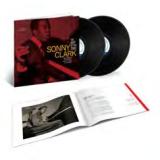
Das im Oktober 1957 aufgenommene Album “Sonny Clark Trio” sticht aus zweierlei Gründen aus der
Blue-Note-Diskografie des Pianisten Sonny Clark (1931-1963) heraus. Einerseits, weil er sich nicht wie
auf seinen anderen Alben für das Label mit einem Quintett oder Sextett präsentierte, sondern im Trio mit
dem Bassisten Paul Chambers und dem Schlagzeuger Philly Joe Jones. Zum anderen, weil er darauf keine
Eigenkompositionen spielte, sondern auf subtile Weise erstmals ausschließlich Standards aus dem Great
American Songbook und Werke führender Jazzkomponisten jener Zeit interpretierte. Das Album kam bei
den Fans und Kritikern so gut an, dass Clark im Dezember 1957 und im November 1958 nach demselben Muster mit zwei anderen Trio-Besetzungen zusammenarbeitete. Aus unerfindlichen Gründen sollten
diese Aufnahmen jedoch erst lange nach Clarks Tod veröffentlicht werden - und zunächst auch nur in Japan.
Nun erscheinen die kompletten Aufnahmen zusammen mit alternativen Takes des Albums “Sonny Clark
Trio” auf einer Doppel-LP innerhalb der audiophilen Blue-Note-Tone-Poet-Serie unter dem Titel “The Art
of the Trio”. Die Veröffentlichung kommt in einer luxuriösen Tip-On-Gatefold-Hülle daher und enthält ein
Booklet mit neuen Liner Notes von Syd Schwartz, den Original-Liner Notes von Ben Sidran und Bob Porter
sowie bisher unveröffentlichten Fotos von Francis Wolff.
The mastering was done from the master tapes from the studio recording of the album. The cover is a reproduction of the original. The LP includes a printed sleeve. The cover includes a Glossy finish in order to respect the original edition as much as possible.
Released in 1981, "Sibou Odja" is Orchestra Baobab's second studio album produced at the Golden Baobab in Dakar by the young producer Ibrahima Sylla. After their masterpiece "Mouhamadou Bamba" recorded the same year, "Sibou Odja" would once again mark the history of Senegalese music by propelling the group's success into a new musical decade. Under the direction of the hard-hitting saxophonist Issa Sissokho and the irremovable guitarist Barthélémy Attiso, it is notably the young singer future icon of Senegalese salsa Médoune Diallo who will deliver one of his masterpieces with the irresistible "Autorail", song locomotive which celebrates the opening of the railway line connecting Dakar to Niamey. The Baobab symbolizing both rooting in traditional Senegalese values and the tree's ability to reach new heights, the group's sound is a perfect syncretism of Senegalese and Afro-Cuban imaginaries in which the montunos of electric guitars and the Vocal improvisations in the Wolof language subtly blend with the rhythms of Cuban sound and other boleros.
Japanese crossover and fusion are hot again now. As either an outgrowth of, or a spin-off phenomenon from, the global reappraisal
of city pop, Japanese fusion has been rapidly rising since around last year.
This is the 1978 debut album by Carioca, one of Japan’s leading Brazilian fusion units of the 1970s and 1980s.
The group began as the backing band for Kiyoshi Hasegawa, and on this debut release they used the name "Samba Calioca." True to that
band name, they were quite unusual at the time for presenting samba and bossa nova with a resort-flavored sound, and they also
produced specialists such as drummer Antonio Ishida and guitarist Masami Sato. This highly club-popular first album also features a
diverse lineup of guest musicians including Masayoshi Takanaka, Ryuichi Sakamoto, Shuichi "Ponta" Murakami, and Shigeharu Mukai.
Kenichiro Nishihara made a spectacular debut in 2008 with his first album ”Humming Jazz,” and is one of the most important figures in Japanese jazzy hip-hop, receiving high acclaim in the lo-fi hip-hop scene that continues the lineage of Nujabes.
a A1: Up All Night feat. SIRUP (DJ Mitsu the Beats Remix) feat. SIRUP
[b] B1: Heartless feat. Michael Kaneko (KAZUMI KANEDA Remix) [feat. Michael Kaneko]
[a] A1: Up All Night feat. SIRUP (DJ Mitsu the Beats Remix) [feat. SIRUP]
[b] B1: Heartless feat. Michael Kaneko (KAZUMI KANEDA Remix) [feat. Michael Kaneko]
[a] A1: Up All Night feat. SIRUP (DJ Mitsu the Beats Remix) [feat. SIRUP]
[b] B1: Heartless feat. Michael Kaneko (KAZUMI KANEDA Remix) [feat. Michael Kaneko]
A classic album recorded in 1976, featuring a superb lineup including Sam Jones, Kazumi Watanabe, and Fumio Karashima, with expansive cello solos. Highlights include an exhilarating duo number with the seasoned bassist Sam Jones, as well as Kazumi Watanabe’s hip guitar solos throughout.
East Wind was a groundbreaking jazz label established in 1974 through the full cooperation of Ai Music, as it was then known, and Nippon Phonogram, as it was then known. Over a period of about five years, the label produced albums not only by Japanese musicians such as Masabumi Kikuchi, Sadao Watanabe, and Terumasa Hino, but also by musicians who were engaged in creative activity on the global jazz scene at the time. In addition to the quality of the performances, the artwork, created with leading designers and photographers, brought a fresh new image to jazz albums and had a major influence on later record production.
World-famous pianist Tsuyoshi Yamamoto’s second East Wind release, "Life," appears in the lineup for "Spin This Now!" Vol. 9. Backed by a golden rhythm section with Sam Jones on bass and Billy Higgins on drums, Yamamoto delivers a supremely swinging performance. His delicate ballad playing on "If You Could See Me Now" is also essential listening.
East Wind was a groundbreaking jazz label established in 1974 through the full cooperation of Ai Music, as it was then known, and Nippon Phonogram, as it was then known. Over a period of about five years, the label produced albums not only by Japanese musicians such as Masabumi Kikuchi, Sadao Watanabe, and Terumasa Hino, but also by musicians who were engaged in creative activity on the global jazz scene at the time. In addition to the quality of the performances, the artwork, created with leading designers and photographers, brought a fresh new image to jazz albums and had a major influence on later record production.
Jason Dungan (aka Blue Lake) and Johan Carøe find beauty in the rhythms
and repetitions of domestic life for collaborative album, 'Routine' - out September 25
Copenhagen-based multi-instrumentalists Jason Dungan and Johan Carøe didn't set out to make an album. Instead, as the title 'Routine' suggests, they found their way there through a process of habitual making and listening, developing an intuitive musical language to reflect the dreamlike meanderings and creative play of life's quiet moments. 'Routine' blends pop orientated sounds, Avant-garde minimalism, folk and new age with the emotive depth of film-score.
Their meeting was not entirely coincidental. Previously in bands such as Squares and Triangles, Jason Dungan has since recorded multiple albums under the moniker Blue Lake, including the lauded 'Sun Arcs', pursuing his passion for self-built percussion and multi-string instruments. Johan Carøe meanwhile is a composer whose film soundtrack work has seen him collaborate with Angelo Badalamenti, Arp, and Sofie Birch, at whose Andersabo residency (curated by Dungan) the pair first met, resulting in the highly praised album 'Repair Techniques' written by Birch and Carøe.
'Routine' emerged organically over many years against the backdrop of great personal change. As Carøe said goodbye to his father and welcomed his first child, the pair sent each other fragments of melodies and patterns, working up responses when time allowed to assemble a sonic palette that combined acoustic instrumentation of zither, clarinet, cello, saxophone (among others) with the textures of tape, drum machine and Yamaha DX7 synth. Inspired by the vulnerability and DIY ethos of Arthur Russell's home recordings, the vision of labels like Disques de Crepescule, and the art pop, experimentation inherent to late '70s and early '80s recordings from NYC and Japan alike, Dungan and Carøe conjured new forms for their folk, leftfield pop and avant garde influences from the low-lit living rooms of Copenhagen and rural Sweden. "I'm very interested in the ways in which music and art emerge from our wider experiences as people, workers, parents and in the daydreaming activity of making music," Dungan explains of a process which allowed the duo's individual styles to drift apart and merge together seamlessly. "I think the process was definitely capturing moments in time, but over a long time," Carøe adds. "It was a bit like improvisation, but with time stretched."
The music floats with grace and humility, remaining sophisticated yet acutely introverted.
Whether on 'Clouds', where soft layers of zither and clarinet are moved along by a featherlight bass riff and the hypnotic clip-clop of the primitive groovebox, or the gentle grandeur of cello rising and falling through 'Routine 1', the album reveals itself over 10 instrumental tracks, evoking the ineffable calm that descends when the light changes and the world turns inwards. The act of time passing became a key creative ingredient to the evolution of the album, enriched with the exciting challenge to transform their passing rounds of home recordings via a slow release musical dialogue. Jason found creative moments in the twilight hours to lay down zither, melodica, acoustic guitar to name but few, while Johan utilising "line-in and headphones" would manipulate, stretch and pitch Jason's melodic pathways during newly born naptimes.
Carøe rhythmically plucks and slides the stringed cello instrument, leaving palpable foundations on 'Hymn' and 'Chords', in a treated, stylistic approach akin to Mabe Fratti, while 'Silence' draws to a close with a gospel touch. Dungan's harp-motion zither flourishes reveal more classical connotations on 'Reunion' with inspiration of Bedroom Community's Nico Muhly as organs rise with Moogs, culminating with a climatic choral outro from friend, mezzo-soprano Anna Caroline Olesen.
'Routine' then is their first collaboration, an album of deep and sincere reflection with inviting overtones that gesture with unrushed authenticity. A document of a new-found friendship that opens a window into the most personal of spaces, where the daily practices of music and life exist side-by-side to wondrous effect.
"Solaris", das zwölfte Studioalbum von The Ocean, würdigt die bisherige Entwicklung der Band und verleiht ihr eine neue, intensive Note. Mit Mitgliedern aus sechs verschiedenen Ländern im Kern-Line-up kehrt The Ocean zu einer kollektiven Besetzung zurück und schöpft aus dem Erfahrungsschatz und Talent eines Pools außergewöhnlicher Musiker. Nachdem man mit dem Vorgängeralbum "Holocene" einen anderen Weg eingeschlagen hatte, zeichnet für den weitläufigen, organischen Klang von "Solaris" erneut der schwedische Produzent Jens Bogren verantwortlich, der bereits die beliebtesten Alben der Band - "Pelagial" sowie "Phanerozoic I" und "II" - abgemischt hat. Das neue Album stellt die Sänger*innen Lane Shi und Enrico Tiberi sowie die Gitarristen Emmanuel Jessua und Marco Gennaro vor; sie ergänzen den Gründungs-Gitarristen Robin Staps, den langjährigen Bassisten Mattias Hägerstrand und Schlagzeuger Jordi Farré. Jeder von ihnen bringt seine ganz eigene Note ein, um dieses fast 70-minütige Opus zum Leben zu erwecken - ein Werk, das für The Ocean hinsichtlich Ambition und erzählerischer Tiefe einen neuen Höhepunkt darstellt. Für die Aufnahmen wurde der Kreis der Mitwirkenden noch weiter gefasst: Thorsten Quaeschning (Tangerine Dream) steuerte modulare Synthesizer bei, der griechische Komponist Orestis Zafiriou (Playgrounded) lieferte ebenfalls Elektronik- und Synthie-Elemente, und Simen Eifring von der norwegischen Post-Rock-Band Spurv übernahm den Posaunenpart. Aufgenommen wurde das Album in den legendären Berliner Hansa Studios, wo bereits Klassiker wie David Bowies Low und Heroes, Iggy Pops Lust For Life und Depeche Modes Construction Time Again entstanden. Innerhalb dieser Studiowände entwickelte sich "Solaris" zu einem lebendigen Zeugnis für die Kraft von Entdeckergeist und Teamarbeit. Da der neue Sänger Tiberi zudem ein versierter Pianist und Multiinstrumentalist ist, wurden Klänge von Celesta, Flügel, Rhodes-Piano und Hammond-Orgel zu einem integralen und unverwechselbaren Bestandteil des Solaris-Sounds. Der für The Ocean typische, atmosphärische Post-Metal wird durch den experimentierfreudigen Geist der neuen Mitglieder sowie die Beiträge der exzellenten Gastmusiker bereichert. Die CD und 2LP Gatefold-Sleeves sind jeweils auf 360g Spezial-Karton gefertigt und auf Vorder- wie Rückseite mit roter Metallic-Heißfolien-Prägung veredelt. Die CD mit 6seitigem Fold-Out-Booklet, die 2LP in bedruckten Innenhüllen kommt zusätzlich mit A2-Poster.
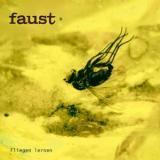
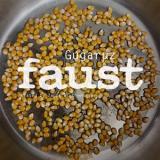
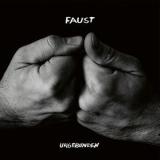
Over the years, Faust has become many things, distinct as fingers, yet united as the hand that forms the fist. This series of new LPs on Bureau B sees each living member of the legendary 1971-1974 line up present their own interpretation of the Faustian myth, working alone or with collaborators to create new material that reflects their contemporary vision of what Faust can be.
Over the years, Faust has become many things, distinct as fingers, yet united as the hand that forms the fist. This series of new LPs on Bureau B sees each living member of the legendary 1971-1974 line up present their own interpretation of the Faustian myth, working alone or with collaborators to create new material that reflects their contemporary vision of what Faust can be.
Over the years, Faust has become many things, distinct as fingers, yet united as the hand that forms the fist. This series of new LPs on Bureau B sees each living member of the legendary 1971-1974 line up present their own interpretation of the Faustian myth, working alone or with collaborators to create new material that reflects their contemporary vision of what Faust can be.
Over the years, Faust has become many things, distinct as fingers, yet united as the hand that forms the fist. This series of new LPs on Bureau B sees each living member of the legendary 1971-1974 line up present their own interpretation of the Faustian myth, working alone or with collaborators to create new material that reflects their contemporary vision of what Faust can be.
Over the years, Faust has become many things, distinct as fingers, yet united as the hand that forms the fist. This series of new LPs on Bureau B sees each living member of the legendary 1971-1974 line up present their own interpretation of the Faustian myth, working alone or with collaborators to create new material that reflects their contemporary vision of what Faust can be.
Over the years, Faust has become many things, distinct as fingers, yet united as the hand that forms the fist. This series of new LPs on Bureau B sees each living member of the legendary 1971-1974 line up present their own interpretation of the Faustian myth, working alone or with collaborators to create new material that reflects their contemporary vision of what Faust can be.
Over the years, Faust has become many things, distinct as fingers, yet united as the hand that forms the fist. This series of new LPs on Bureau B sees each living member of the legendary 1971-1974 line up present their own interpretation of the Faustian myth, working alone or with collaborators to create new material that reflects their contemporary vision of what Faust can be.
Over the years, Faust has become many things, distinct as fingers, yet united as the hand that forms the fist. This series of new LPs on Bureau B sees each living member of the legendary 1971-1974 line up present their own interpretation of the Faustian myth, working alone or with collaborators to create new material that reflects their contemporary vision of what Faust can be.
2026. Die Welt fährt aus der Haut - und FLUTEN schreiben Songs zwischen dunkler Wucht, lyrischer Schärfe und verletzlicher Hoffnung. Seit 2007 entwickelt die Band aus Hamburg ihren eigenen Sound aus krachigen Gitarren, elektronischen Loops, Popfragmenten und melancholischer Poesie. Wo andere Eindeutigkeit suchen, finden FLUTEN ihre Spannung in den Zwischenräumen: zwischen Noise und Groove, Melodie und Lärm, Entfremdung und Sehnsucht. Im Herbst erscheint ihr neues Album "Kalter Stern". Es ist düsterer, dichter und dringlicher geworden als der Vorgänger "Splitter". Die Songs erzählen vom Leben in einer beschädigten Gegenwart und sind zugleich politisch und persönlich. Sie handeln von Sicherheiten, die zerfallen, und Gewissheiten, die nicht mehr tragen - und gleichzeitig von Momenten des Widerstands und Ausbrüchen ins Offene. Zwischen militanten Gedichten und Phantasieuniformen, zwischen offenem Meer und kalten Sternen, entsteht eine Sprache, die keine Parolen braucht, um Widerspruch zu üben. Keine Nostalgie, um zu berühren. FLUTEN klingen wie ein Film, der nicht linear erzählt ist. Wie ein Gefühl, das auf der Haut bleibt. Wie eine Stimme, die sagt: Es wird nicht einfach. Aber wir sind jetzt hier.

![SHOTMAKER - Mouse Ear [Forget-Me-Not] (LP)](https://www.deejay.de/images/l/6/0/1268660.jpg)