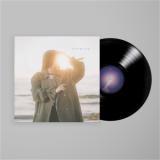
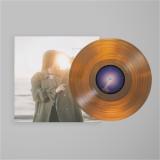
There’s a song on There’s A Whole World Out There, the second album by Canadian four-piece Arm’s Length, called “Palinopsia”. Derived from the Greek for “again” (palin) and “seeing” (opsia), it’s a visual phenomenon marked by the persistent image of something that’s no longer actually there. Singer and lyricist Allen Steinberg wrote the song wrote about “pure devotion or love towards someone that may no longer be a part of your life”, but it also applies to the record as a whole.
Because throughout this album’s 12 songs, Steinberg wrestles a with the part of life that’s been and gone. Yet there’s a noticeable difference between the person who wrote this record compared to the one who wrote Arm’s Length’s 2022 debut, Never Before Seen, Never Again Found. “This record speaks more to my life at the moment than the past,” he explains, “even though there’s still a good amount of past on it. But it’s how I’m dealing with it now, as opposed to being enveloped in it—there’s more a sense of being on the other side of it, of seeing it with hindsight. The tone has shifted a little. I’m probably just a bit more mature, as my frontal lobe is developing as we speak.” Produced by Anton DeLost—who worked with the band on Never Before Seen, Never Again Found and 2021’s EP, Everything Nice—There’s A Whole World Out There does indeed expand Arm’s Length’s horizons in accordance with Steinberg’s developing frontal lobe, presenting him as more self-reflective contemplative than he was before. He wrote the parts for all the instruments, as well as the vast majority of the lyrics, alone in his room, and then brought those initial sketches, recorded as voice memos, to drummer Jeff Whyte, who added percussion to Steinberg’s song skeletons. While the majority of the creative process was in Steinberg’s hands, it was only when these songs were recorded as a full band with Jeremy Whyte, who played bass on the record, and Ben Greenblatt that their full potential was realized. The result is that the feelings driving these songs burst and bloom with full force, building on the incredible foundations set by the band’s previous recorded output.
Despite its tragic breakup, Yugoslavia as a political, social and cultural phenomenon still inspires generations, especially those who were born or lived at the time of this utopian land of South Slavs. Those who didn’t enjoy the privilege are still amazed by its 1970s and ’80s music scene and the number of very modern, high quality acts that were so often ahead of their time. Two such acts were Data and The Master Scratch Band, both founded by Zoran Jevtic and Zoran Vracevic, who introduced synth-pop, breakbeat, and hip-hop music in Yugoslavia in 1984 with their releases: SP Neka Ti Se Dese Prave Stvari/Ne Zovi To Ljubavlju and miniLP Deogut (Jugoton). Our latest release, “It Was Ridiculous, It Was Amazing!” gathers their earliest unreleased material from 1981-1983, showcasing a broader range of genres – alongside synth-pop and breakbeat/hip-hop, they also experimented with industrial, EBM, minimal synth, and electro-funk!
The whole record is divided into two parts: on A side there are 7 previously unpublished songs by group DATA, and on B side there are 4 previously unreleased recordings by The Master Scratch Band.
The Data side opens with two unexpected “shocker” tracks: Ja Nisam Kao Ti” (eng. I am Not Like You) and “Izumi” (eng. “Inventions”) from 1981, where they sound like early Deutsch-Amerikanische Freundschaft with unusual vocal pan sound effects on Serbian lyrics and uncompromising synth-based sound. Equally unpredictable are the next two songs: atmospheric “España” and dusty “Damage In My Head,” where Zoran Jevtić boldly steps into the lead vocal role. But the surprises don’t end there. The next two songs, France and Strahovi (eng. “Fears”), bring a mysterious and nostalgic atmosphere, elevated by the irreplaceable sound of the modular Roland System-100M. At the end comes the greatest surprise of all: Data covers YMO-Ballet in a song called Ne Zelim Da Tako Zive (eng, I Don’t Want Them Living Like That) and puts some extra energy in rhythm without losing the original song’s sensibility. Like in the original, the lyrics are tender and yet mysterious and provocative.
The Master Scratch Band side contains the very first versions of the songs Break War, Jailbreak, and Computer Break, originally recorded in studio Druga Maca in Belgrade in 1983. These versions were not released on their mini-LP album Dégout (Jugoton, 1984), and they are actually the first ever hip-hop/Breakbeat recordings in Yugoslavia. With great enthusiasm, every sound was uniquely crafted from scratch using the finest analog gear available in the early ’80s. The two young artists, aiming for international success, chose to write their lyrics in English. The album’s final track, “Mad Scratch,” showcases their talent for creating impressive sound effects, which would be a delight for contemporary DJs and producers who specialize in sampling and scratching old-school hip-hop.
This release is truly a “100% digger’s gem” – 11 previously unreleased tracks from legendary pioneers of electronic, hip-hop, and breakbeat. A collection to discover, enjoy, play, and treasure forever!
out of Stock
Last delivered 5 months ago available to reorder, subject to availability
Much like the duo’s music, the story of Rural France is both mundane and magical. Tom Brown (also of transatlantic janglepunks Teenage Tom Petties) and Rob Fawkes moved to London in their mid-twenties. Despite living under the same roof, they never picked up a guitar – except for one drunken, failed attempt at writing a Spoon song (“Big Chops” …don’t ask). It was only after both separately relocating to Wiltshire and starting families that they began assembling songs as a way of meeting up. Tom had amassed a pile of sprightly slacker jams that were calling out for Fawkes’ messily melodic guitar lines. Rural France was born.
After a debut album on their hero, ex-Lemonhead Nic Dalton’s Half-a-Cow Records, they retreated to a garage to record their next two albums: RF (2021) and Exacamondo! (2024), both released on much-respected jangle label Meritorio Records. Despite being lo-fi in the truest GbV sense, both records were warmly received by the DIY indie blogosphere, with their short, scrappy, but supremely melodic songs landing on numerous AOTY lists. RF even won Album of the Year at Janglepop Hub.
Raven Sings The Blues probably summed up the sound best: “With drunken visions of Beach Boys harmonies playing in the back of their heads and hooks that consume Teenage Fanclub cheeriness with the same beautiful brevity that drives Tony Molina, the pair have knocked out eleven rumpled classics.” Album four, SLOTHS, arrives via Meritorio Records and Safe Suburban Home Records on 08/05, and is a slightly different beast. For one, it’s been mixed by a professional – Rob Slater (Westside Cowboy, Yard Act, Thank) – giving the guitars and drums room to breathe. It’s easily their most high-fidelity record to date. It’s also their jangliest, most baroque and thoughtful album yet. But alongside added organ, horns and mellotron – and drums from Tom’s Teenage Tom Petties bandmate Jeff Hamm – it still retains the buzzes, hums and little freak-outs that stick to the duo’s original “Pavement playing Teenage Fanclub” mission statement. “Rob and I both wanted to do something a little slower and a little more melancholy,” says Tom. “We resisted our usual urge to hit the distortion pedal and made something that fitted where we are now and celebrates how we still listen to Meatloaf when we get drunk.”
SLOTHS is also the most thematically consistent Rural France record to date. While it wouldn’t be right to call it grown-up, it definitely has homeowners’ insurance. From the Silver Jews-esque Americana of “Slab” and mid-life rallying cry of “Thirty Seven Forever”, to the horn-embossed loser anthem “Lonely Heart Pyramid Scheme,” the songs celebrate (and rail against) the absurdities of getting older, forming a band in your thirties, and the strange phenomenon of time passing. Because no matter how slow you move, everything else goes fast. SLOTHS.
Shrouded in mystery when it first appeared, Tiger & Woods’ debut album quickly took on a life of its own. With little more than whispers surrounding the project, the music spoke loud enough: a set of extended disco constructions carefully tuned, remixed, over-dubbed, sliced and diced by the elusive duo of Larry Tiger and David Woods. What began as a cult phenomenon soon caused a stir across dance floors and record bags worldwide.
Now, for the first time ever, that legendary debut finally arrives on vinyl. Through the Green captures Tiger & Woods at the moment their distinctive language of groove first took shape. Rooted in the spirit of disco edits but already stretching beyond the format, the album blends loop-driven funk, house-leaning propulsion and the unmistakable bounce that would soon become their signature.
It’s the sound of two producers refining a craft that would later blossom on albums like On The Green Again, where their approach expanded into a wider palette of boogie, electronica, Italo and uptempo house. But here is where the story begins.
Before world tours, live sets and the creation of their own T&W Records imprint, there were these tracks: hypnotic, playful and engineered with a dancer’s instinct for tension and release. Each cut unfolds like a perfectly extended club moment, full of warmth, swing and that unmistakable Tiger & Woods sense of fun and function.
Years after its original digital release, Through the Green remains a cornerstone of modern disco-house culture. Pressed to wax at last, it finally receives the physical format it always deserved: grooves built for the turntable, the dance floor and the crate.
The mystery might be gone. The magic, however, remains very much intact.
out of Stock
Last delivered 4 months ago available to reorder, subject to availability
Jeder Künstler muss seine eigene Stimme finden. Gia Margaret fand sich selbst erst, als sie ihre Stimme verlor. Aufgrund einer Stimmbandverletzung, die sie jahrelang am Singen hinderte, entwickelte sie andere musikalische Ausdrucksformen und meisterte die Grammatik einer komplexen, heimeligen Form der Ambient-Musik, die von Ernest Hood begründet und von The Books perfektioniert wurde. Angeführt von sanften Klaviermelodien, die wie Atem auf Glas hauchen, jetzt, da ihre physische Stimme geheilt und ihre künstlerische Stimme geschliffen ist, schließt sich der Kreis mit Singing, ihrem ersten Gesangsalbum seit There's Always Glimmer aus dem Jahr 2018. Die Musik auf Singing zeugt von derselben Sensibilität für Details, die sie in ihrer Stille entwickelt hat. ,Es gab eine Zeit, in der ich wirklich nicht wusste, ob ich jemals wieder singen würde. Als ich dann geheilt war, stand ich unter großem innerem Druck, stark zurückzukommen", sagt Margaret. ,Ich wusste nicht mehr, wer ich war. Es fühlte sich an, als würde ich neu anfangen und mich wieder mit diesen sehr alten, alten Teilen meiner selbst verbinden." Dieses Gefühl der Vermischung von Entfremdung und Wiederentdeckung ist auf dem gesamten Album spürbar. Im Opener ,Everyone Around Me Dancing" beobachtet sie eine Party von den Seitenlinien aus und ist sich bewusst, wie ihr Körper sie von gemeinschaftlicher Freude abhält, ihr aber gleichzeitig neue Wege der Selbsterkenntnis eröffnet. Ausgeschlossen von der Szene ist sie ,näher am Boden, am Planeten". In ,Alive Inside" ist sie so weit entfernt von der Quelle, dass sie zu jedem betet, der sie hören könnte (,ein Gott, ein verstorbener Freund, ein Geist"). Wenn ihre Stimme anschwillt, scheint sie in einem Netz aus Verzerrungen gefangen zu sein; es ist, als würde sie in ihrem Streben die Grenzen des Sagbaren ausloten. Der Entstehungsprozess von ,Singing" war ein Prozess des Lernens, jedem dieser Gefühle zu vertrauen. Das Album wurde teilweise in London mit Guy Sigsworth von Frou Frou aufgenommen, der Margaret dabei half, die Vielzahl ihrer Ideen für ,Good Friend" zu vereinen, einem Highlight des Albums, das unter anderem gregorianische Gesänge von ILA und Turntable-Scratches enthält . David Bazan und Amy Millan sind ebenfalls zu hören, ebenso wie Kurt Vile und Sean Carey, während Margarets langjähriger Kollaborateur Doug Saltzman einen Großteil des Albums spielt und co-produziert. Deb Talan, ehemals Mitglied von The Weepies, steuert ihre Stimme, ihr Klavier und ihre Gitarre zum abschließenden und definitiven Statement des Albums ,E-Motion" bei. Gia Margaret singt stets. Jede Note dieses Albums singt ein warmes Requiem für ihr vergangenes Ich; jede Ebene singt ihr zukünftiges Ich ins Leben. Auf dem gesamten Album wendet sie die Lektionen der Sprachlosigkeit an - die quasi-rationalen Wege, auf denen wir kommunizieren, ohne zu kommunizieren, die Art und Weise, wie formlose Klänge wie ein Skalpell zum Kern der Dinge vordringen können - auf ihre eigene künstlerische Stimme.
Jeder Künstler muss seine eigene Stimme finden. Gia Margaret fand sich selbst erst, als sie ihre Stimme verlor. Aufgrund einer Stimmbandverletzung, die sie jahrelang am Singen hinderte, entwickelte sie andere musikalische Ausdrucksformen und meisterte die Grammatik einer komplexen, heimeligen Form der Ambient-Musik, die von Ernest Hood begründet und von The Books perfektioniert wurde. Angeführt von sanften Klaviermelodien, die wie Atem auf Glas hauchen, jetzt, da ihre physische Stimme geheilt und ihre künstlerische Stimme geschliffen ist, schließt sich der Kreis mit Singing, ihrem ersten Gesangsalbum seit There's Always Glimmer aus dem Jahr 2018. Die Musik auf Singing zeugt von derselben Sensibilität für Details, die sie in ihrer Stille entwickelt hat. ,Es gab eine Zeit, in der ich wirklich nicht wusste, ob ich jemals wieder singen würde. Als ich dann geheilt war, stand ich unter großem innerem Druck, stark zurückzukommen", sagt Margaret. ,Ich wusste nicht mehr, wer ich war. Es fühlte sich an, als würde ich neu anfangen und mich wieder mit diesen sehr alten, alten Teilen meiner selbst verbinden." Dieses Gefühl der Vermischung von Entfremdung und Wiederentdeckung ist auf dem gesamten Album spürbar. Im Opener ,Everyone Around Me Dancing" beobachtet sie eine Party von den Seitenlinien aus und ist sich bewusst, wie ihr Körper sie von gemeinschaftlicher Freude abhält, ihr aber gleichzeitig neue Wege der Selbsterkenntnis eröffnet. Ausgeschlossen von der Szene ist sie ,näher am Boden, am Planeten". In ,Alive Inside" ist sie so weit entfernt von der Quelle, dass sie zu jedem betet, der sie hören könnte (,ein Gott, ein verstorbener Freund, ein Geist"). Wenn ihre Stimme anschwillt, scheint sie in einem Netz aus Verzerrungen gefangen zu sein; es ist, als würde sie in ihrem Streben die Grenzen des Sagbaren ausloten. Der Entstehungsprozess von ,Singing" war ein Prozess des Lernens, jedem dieser Gefühle zu vertrauen. Das Album wurde teilweise in London mit Guy Sigsworth von Frou Frou aufgenommen, der Margaret dabei half, die Vielzahl ihrer Ideen für ,Good Friend" zu vereinen, einem Highlight des Albums, das unter anderem gregorianische Gesänge von ILA und Turntable-Scratches enthält . David Bazan und Amy Millan sind ebenfalls zu hören, ebenso wie Kurt Vile und Sean Carey, während Margarets langjähriger Kollaborateur Doug Saltzman einen Großteil des Albums spielt und co-produziert. Deb Talan, ehemals Mitglied von The Weepies, steuert ihre Stimme, ihr Klavier und ihre Gitarre zum abschließenden und definitiven Statement des Albums ,E-Motion" bei. Gia Margaret singt stets. Jede Note dieses Albums singt ein warmes Requiem für ihr vergangenes Ich; jede Ebene singt ihr zukünftiges Ich ins Leben. Auf dem gesamten Album wendet sie die Lektionen der Sprachlosigkeit an - die quasi-rationalen Wege, auf denen wir kommunizieren, ohne zu kommunizieren, die Art und Weise, wie formlose Klänge wie ein Skalpell zum Kern der Dinge vordringen können - auf ihre eigene künstlerische Stimme.
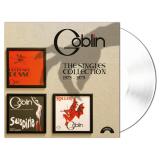
FOLLOWING THE SUCCESS OF “THE OTHER HELL”, GOBLIN ARE BACK FOR RECORD STORE DAY 2026 WITH AN EXCLUSIVE COMPILATION OF SINGLES RELEASED BETWEEN 1975 AND 1979!
For the very first time on vinyl, this compilation gathers together all the singles released by Goblin during their golden era between 1975 and 1979, a journey that begins with the explosive, legendary debut Profondo Rosso, a true chart phenomenon of its time, and reaches the rare Amo Non Amo, passing through unforgettable milestones of Italian film music and progressive rock.
The collection opens with Profondo Rosso and Death Dies, taken from the soundtrack of Dario Argento’s masterpiece that catapulted Goblin to fame, blending dark atmospheres, virtuosity, and a unique sense of cinematic tension. It continues with Roller and Snip Snap, drawn from the instrumental album Roller (1976), a record not tied to any film, yet considered a cult cornerstone of Italian progressive music for its intricate structures and expressive power.
Chi? and Chi? - Parte Seconda follow; two tracks originally composed as the theme for a 1976 RAI television show, which saw Goblin bring their unmistakable sound to a different medium, experimenting within a shorter, punchier format.
Next comes Suspiria with its haunting counterpart Blind Concert, from the soundtrack of Argento’s 1977 horror classic. This remains one of Goblin’s most iconic and unsettling works, where music becomes an active narrative force: hypnotic, percussive, and filled with eerie vocal layers that made it a cornerstone of horror soundtracks worldwide.
From Il Fantastico Viaggio del Bagarozzo Mark (1978) come Un Ragazzo d’Argento and Opera Magnifica, two tracks that highlight the band’s more conceptual and visionary side, a move away from cinema toward a self-contained narrative and progressive experimentation.
The single Yell stands as another late-decade gem. Originally composed as the opening theme for the RAI television series “Sette storie per non dormire” (1978), it captures Goblin’s ability to merge rock energy with electronic pulse, proving their versatility far beyond the horror realm.
The compilation closes with Amo Non Amo and Funky Top, taken from the soundtrack of the 1979 film Amo Non Amo, one of the group’s lesser-known but fascinating cinematic works.
Far more than a simple anthology, The Singles Collection 1975–1979 maps the evolution of Goblin’s sound, from the worldwide success of Profondo Rosso to their most mature and experimental phase. It finally restores to vinyl a body of work that had long been scattered across rare 45 rpm releases, offering fans and collectors a complete, vivid portrait of one of Italy’s most inventive and influential musical ensembles.
The second in our series of book relaunches is one of the original books on The Jam ( the first being The Sex Pistols
Retrospective ).
The Jam one of the most important British groups of all time, crashed on the scene with the Punk Explosion, but soon found their own niche. Charting consistently from 1977’s `In The City’ debut to 1982’s `Beat Surrender’ single.
The book details the groups worldwide releases with over 200 colour and black and white illustrations, The Jam 7” worldide release chart and a detailed timeline of the bands history and list of gigs and appearances up to the bands split in 1982.
The Jam are one of the UK’s most loved bands and have been surely missed but more importantly not forgotten.
The Jam were very much a vinyl orientated phenomenon that consisted of great artwork. So sit back and enjoy their story through their releases around the world.
Over 200 pictures of rare and deleted releases throughout the world
Plus history of the band and list of gigs and appearances.
Los Felcas were one of the best bands to come out of Peru during the golden years of the cumbia and tropical sounds explosion. This compilation brings together their finest recordings, taking from albums and obscure 45s, blending a wide range of influences-from psychedelic vibes to rhythms closer to guaracha and chicha-and now being reissued for the first time. In Lima, founding member, guitarist Florentino "Tino" León, quickly joined the Peruvian cumbia tropical movement led by electric guitarists Enrique Delgado (Los Destellos) and Berardo Hernández "Manzanita". This new style was soon practiced by other groups from Lima, such as Los Ecos, Los Beta 5, Los Diablos Rojos, and, a bit later, by bands from the rest of the country. This movement became a massive phenomenon. Nelson Ferreyra and the multifaceted singer Pablo Villanueva Branda "Melcochita", who had become fans, introduced them to the MAG record label. In mid-1973, they recorded their first 45 RPM singles, with 'Sabor a Felcas' being their most popular release. They recorded several albums during the late 70s and 80s, mostly on MAG: "La Blanquiñosa", "Tu bello cuerpo", "La cusqueñita" y "Manzanita coloradita". In the early 1990s, chicha music became popular in Argentina, especially in the north, where 'Boquita perfumada' by Los Felcas was a hit.
Longtime friend of the label Eraserhead returns after over a decade away from producing music due to his surreal MS Paint work as 'Jim'll Paint It' becoming an unexpected cultural phenomenon. With his debut full-length, 'Violence', Eraserhead presents a truly eclectic electronic LP featuring collaborations with established producers such as Om Unit, Enduser, and Brain Rays, as well as the vocal talents of Nadia Rose, Beans (of Antipop Consortium), and Cadence Weapon. An album held together by theme and tone rather than style or tempo, 'Violence' is the culmination of a bitter wave of inspiration, initially conceived in the wake of a personal tragedy that quickly grew into a broader polemic about the state of the world.
Originally linking up with Love Love in its breakcore netlabel infancy with his refined, breaks-heavy breakcore/gabba, Eraserhead's flair for tight, intricate productions was evident in his finely tuned tracks of controlled chaos. This time around, his work is a darker, more expansive evolution of his sound, with the scale upsized and the stylistic scope massively broadened, remaining unfaithful to any single genre, but with firm nods to Breakcore, Grime, Drum & Bass, Techno, Rave, Dubstep, and Footwork, all chewed up with a hard industrial edge and cinematically framed by a backdrop of apocalyptic synths.
Opening with the cold tech-noir of 'Shining Brainless Beacon' to set the tone, the album quickly locks in with the blistering spoken-word headrush of 'Hurricane With Teeth' alongside rapper Beans, before Om Unit lends his expertise on the sharp groove and clinical bass blasts of 'Operation Hardtack'. The album shifts and morphs constantly throughout the runtime, moving from the raw and urgent acid techno of 'Crowd Control' to the crunching military march of the Gore Tech collaboration 'No More Worlds' and the tribal sci-fi footwork of the Brain Rays collaboration 'Night Visions'. 'Monolith' provides a final burst of catharsis, channelling Underworld by way of Nine Inch Nails, complete with writhing screams from Amée Chanter of sludge-punk-noise-rock duo Human Leather, before the heart of the album is laid bare with the painfully bleak closing dirge of 'Animal'. In its final moments, 'Violence' leaves the listener suspended between devastation and awe - an unflinching portrait of an uncaring world.
out of Stock
Last delivered 6 months ago available to reorder, subject to availability
Building upon the striking elegance of their first collaboration, Tobias Freund and Shun Watanabe reunite as Tobias. Doltz. for another extended excursion into designer electronica with a warm, dubby glow at its centre. Their first album Versus arrived on Delsin in early 2025 as a result of a chance meeting at Eden Festival the year before. The spark of inspiration led quickly to a complete and coherent first body of work, and the same can be said for its prompt, equally inspired follow-up. Dealing in the gentle hum of digitally sculpted ambience and needlepoint micro-pulses, Freund and Watanabe evoke the experimental spirit and mellow immersion of golden-era clicks n' cuts techno. While that early 00s phenomenon sometimes cracked around the edges of its DSP limitations, here a rich and porous sound world blooms out from the crisply defined structure of each track. At times the palette opens up to more organic sound matter, and there is ample space for full-bodied synths to ratchet down the rhythm, but a strong digital core of granular processing and exacting sound design form the bedrock of the album's subtle, sublime sound. Even though its calm demeanour radiates an instant charm, like all great electronica Frontiers Of Science is an album of hidden depths to be absorbed steadily over subsequent trips.
out of Stock
Last delivered 6 months ago available to reorder, subject to availability
Longtime friend of the label Eraserhead returns after over a decade away from producing music due to his surreal MS Paint work as 'Jim'll Paint It' becoming an unexpected cultural phenomenon. With his debut full-length, 'Violence', Eraserhead presents a truly eclectic electronic LP featuring collaborations with established producers such as Om Unit, Enduser, and Brain Rays, as well as the vocal talents of Nadia Rose, Beans (of Antipop Consortium), and Cadence Weapon. An album held together by theme and tone rather than style or tempo, 'Violence' is the culmination of a bitter wave of inspiration, initially conceived in the wake of a personal tragedy that quickly grew into a broader polemic about the state of the world.
Originally linking up with Love Love in its breakcore netlabel infancy with his refined, breaks-heavy breakcore/gabba, Eraserhead's flair for tight, intricate productions was evident in his finely tuned tracks of controlled chaos. This time around, his work is a darker, more expansive evolution of his sound, with the scale upsized and the stylistic scope massively broadened, remaining unfaithful to any single genre, but with firm nods to Breakcore, Grime, Drum & Bass, Techno, Rave, Dubstep, and Footwork, all chewed up with a hard industrial edge and cinematically framed by a backdrop of apocalyptic synths.
Opening with the cold tech-noir of 'Shining Brainless Beacon' to set the tone, the album quickly locks in with the blistering spoken-word headrush of 'Hurricane With Teeth' alongside rapper Beans, before Om Unit lends his expertise on the sharp groove and clinical bass blasts of 'Operation Hardtack'. The album shifts and morphs constantly throughout the runtime, moving from the raw and urgent acid techno of 'Crowd Control' to the crunching military march of the Gore Tech collaboration 'No More Worlds' and the tribal sci-fi footwork of the Brain Rays collaboration 'Night Visions'. 'Monolith' provides a final burst of catharsis, channelling Underworld by way of Nine Inch Nails, complete with writhing screams from Amée Chanter of sludge-punk-noise-rock duo Human Leather, before the heart of the album is laid bare with the painfully bleak closing dirge of 'Animal'. In its final moments, 'Violence' leaves the listener suspended between devastation and awe - an unflinching portrait of an uncaring world.
Depth.Request returns with False Vacuum, a high-impact split EP that brings together two distinct but complementary forces: Swarm Intelligence and Neuroclash. Pressed as a vinyl-focused release, the EP is structured as a cleardialectic - three tracks per side - each artist fully inhabiting their own sound terrain while contributing to a shared atmosphere of tension, futurism, and unease.
On the A-side, Swarm Intelligence delivers a conceptually driven triptych rooted in speculative futures, technological threat, and sound as psychological pressure.
out of Stock
Last delivered 6 months ago available to reorder, subject to availability
Death Is Not The End present a further volume of Arja Kastinen's eerie amalgamations of 110 year old wax cylinders with her own meticulously transcribed takes, this time focussing in on Armas Otto Väisänen's field recordings of kantele player Iivana Mišukka (b. 1861 d.1919).
"Ivana Mišukka (1861–1919) was one of the Karelian kantele players recorded by the folk music researcher Armas Otto Väisänen on wax cylinders in 1916 and 1917. In the early 20th century, the remote areas of Border Karelia were undergoing the final phase of a transformation in musical culture, with the ancient runo song tradition giving way to newer forms of music. This transition is reflected in Mišukka's repertoire and choice of instrument. The ancient small kantele, hollowed out of a single piece of wood, was already rare at the turn of the century. Mišukka's kantele was a new type of instrument with 26 strings, constructed of several parts, but he played it using the traditional plucking technique. Like other Border Karelian kantele players, his repertoire consisted of music rooted in runosong culture, as well as newer dances and songs from the east and west. Most of the recorded material falls into the latter category.
Ivan Bogdanov Mišukka was born out of wedlock in Suursara village, Suistamo, on 1 May 1861. He began playing the kantele at the age of five or six, quickly mastering the instrument. In adulthood, he was considered one of the area's best master players. Mišukka was landless for most of his life and lived in different parts of the Suistamo parish. His first wife, Tekla Markintytär, died in 1897 at the age of 40, and his second wife, Jevdokia Filipintytär Jeminen, died in 1907 at the age of 50. Seven children were born from the first marriage, two of whom died young. The third wife, Maria Ignatintytär Gurnan (Kuurnanen), was a well-known master of lamentations. Together with Maria, Iivana Mišukka worked as a tenant farmer in the village of Suursara. Mišukka suffered from rheumatism, which prevented him from participating in physical work like Maria. This was apparently partly the reason why Iivana Mišukka went to earn extra money by playing the kantele on gig trips. He often had other traditional artists from Suistamo as his travelling companions, such as the runosingers Konstantin Kuokka and Iivana Onoila. Iivana Mišukka died in Leppäsyrjä village, Suistamo, on 18 May 1919 at the age of 58, and his kantele was donated to Teppana Jänis.
Mišukka only used 14 of the 26 strings on his kantele, playing the same tunes either a fourth higher or lower. He tuned his kantele to the major scale using fifths, except for a low seventh scale degree on the upper strings, but not below the fundamental. Since he did not use the seventh note of the scale on the upper strings at all, he could use the major scale both lower and a fourth higher with this tuning. According to Mišukka, the sound of higher, or 'finer', strings is 'more beautiful', while that of lower ones is 'greater'. Among runosingers, the size of the thirds varied, ranging from major to minor to neutral. A similar phenomenon can be observed in kantele tunings, where the third, sixth and seventh scale degrees vary in a comparable way.
During a meeting, Väisänen suggested that Mišukka play the smaller kantele belonging to Konstantin Kuokka. The idea was to bring it closer to the horn to improve the recording quality. However, the kantele was completely out of tune, and now Mišukka tuned it to the Lydian scale (track 18).
Using the old plucking technique, Mišukka placed his right middle finger on the fundamental tone, his right index finger on the second scale degree, his left middle finger on the third scale degree and his left index finger on the fourth scale degree, and his right thumb on the fifth. The thumb also played the notes above the fifth note of the scale. As Mišukka remarked to Väisänen: 'Peigaloll' tuloo enemb ruadoa' (the thumb has to do more work). However, he did not use the seventh note of the scale on the upper strings at all. Below the fundamental note, he played the seventh and sixth notes of the scale with his right middle finger of and the fifth note of the scale with his right ring finger. This fifth scale degree below the fundamental is almost always used as a drone. Sometimes, when the melody required it, Mišukka, like other players, also varied the fingering. He would also occasionally strike the same string with the side of his fingernail after plucking it.
The wax cylinder recordings of Karelian kantele players are kept in the archives of the Finnish Literature Society in Helsinki, Finland. Copies were made of them onto reel-to-reel tapes in both the 1960s and 1980s. The 1960s copies are mono and the 1980s copies are stereo. However, not all kantele recordings from these decades have survived.
The sound of the kantele is difficult to hear in wax cylinder recordings due to its low volume, and it occasionally becomes completely obscured by noise. During the copying process, the cylinder sometimes rotates unevenly, resulting in breaks or jumps in the music. Additionally, the rotation speed of the cylinder in the copies does not correspond to the performance speed of the original music, which alters the pitch. However, since Väisänen's precise notes are available in the archive, it is possible to deduce the melodies, their speed, and the tuning level of the kantele in the recordings. Of the copies of the original recordings from the 1960s and 1980s, I have selected the one that best met the requirements of this publication and adjusted the speed of the recording to align with Väisänen's notes. To enhance the listening experience, I have replayed the songs, which now partly overlap the old recordings on this release."
Death Is Not The End present a further volume of Arja Kastinen's eerie amalgamations of 110 year old wax cylinders with her own meticulously transcribed takes, this time focussing in on Armas Otto Väisänen's field recordings of kantele player Iivana Mišukka (b. 1861 d.1919).
"Ivana Mišukka (1861–1919) was one of the Karelian kantele players recorded by the folk music researcher Armas Otto Väisänen on wax cylinders in 1916 and 1917. In the early 20th century, the remote areas of Border Karelia were undergoing the final phase of a transformation in musical culture, with the ancient runo song tradition giving way to newer forms of music. This transition is reflected in Mišukka's repertoire and choice of instrument. The ancient small kantele, hollowed out of a single piece of wood, was already rare at the turn of the century. Mišukka's kantele was a new type of instrument with 26 strings, constructed of several parts, but he played it using the traditional plucking technique. Like other Border Karelian kantele players, his repertoire consisted of music rooted in runosong culture, as well as newer dances and songs from the east and west. Most of the recorded material falls into the latter category.
Ivan Bogdanov Mišukka was born out of wedlock in Suursara village, Suistamo, on 1 May 1861. He began playing the kantele at the age of five or six, quickly mastering the instrument. In adulthood, he was considered one of the area's best master players. Mišukka was landless for most of his life and lived in different parts of the Suistamo parish. His first wife, Tekla Markintytär, died in 1897 at the age of 40, and his second wife, Jevdokia Filipintytär Jeminen, died in 1907 at the age of 50. Seven children were born from the first marriage, two of whom died young. The third wife, Maria Ignatintytär Gurnan (Kuurnanen), was a well-known master of lamentations. Together with Maria, Iivana Mišukka worked as a tenant farmer in the village of Suursara. Mišukka suffered from rheumatism, which prevented him from participating in physical work like Maria. This was apparently partly the reason why Iivana Mišukka went to earn extra money by playing the kantele on gig trips. He often had other traditional artists from Suistamo as his travelling companions, such as the runosingers Konstantin Kuokka and Iivana Onoila. Iivana Mišukka died in Leppäsyrjä village, Suistamo, on 18 May 1919 at the age of 58, and his kantele was donated to Teppana Jänis.
Mišukka only used 14 of the 26 strings on his kantele, playing the same tunes either a fourth higher or lower. He tuned his kantele to the major scale using fifths, except for a low seventh scale degree on the upper strings, but not below the fundamental. Since he did not use the seventh note of the scale on the upper strings at all, he could use the major scale both lower and a fourth higher with this tuning. According to Mišukka, the sound of higher, or 'finer', strings is 'more beautiful', while that of lower ones is 'greater'. Among runosingers, the size of the thirds varied, ranging from major to minor to neutral. A similar phenomenon can be observed in kantele tunings, where the third, sixth and seventh scale degrees vary in a comparable way.
During a meeting, Väisänen suggested that Mišukka play the smaller kantele belonging to Konstantin Kuokka. The idea was to bring it closer to the horn to improve the recording quality. However, the kantele was completely out of tune, and now Mišukka tuned it to the Lydian scale (track 18).
Using the old plucking technique, Mišukka placed his right middle finger on the fundamental tone, his right index finger on the second scale degree, his left middle finger on the third scale degree and his left index finger on the fourth scale degree, and his right thumb on the fifth. The thumb also played the notes above the fifth note of the scale. As Mišukka remarked to Väisänen: 'Peigaloll' tuloo enemb ruadoa' (the thumb has to do more work). However, he did not use the seventh note of the scale on the upper strings at all. Below the fundamental note, he played the seventh and sixth notes of the scale with his right middle finger of and the fifth note of the scale with his right ring finger. This fifth scale degree below the fundamental is almost always used as a drone. Sometimes, when the melody required it, Mišukka, like other players, also varied the fingering. He would also occasionally strike the same string with the side of his fingernail after plucking it.
The wax cylinder recordings of Karelian kantele players are kept in the archives of the Finnish Literature Society in Helsinki, Finland. Copies were made of them onto reel-to-reel tapes in both the 1960s and 1980s. The 1960s copies are mono and the 1980s copies are stereo. However, not all kantele recordings from these decades have survived.
The sound of the kantele is difficult to hear in wax cylinder recordings due to its low volume, and it occasionally becomes completely obscured by noise. During the copying process, the cylinder sometimes rotates unevenly, resulting in breaks or jumps in the music. Additionally, the rotation speed of the cylinder in the copies does not correspond to the performance speed of the original music, which alters the pitch. However, since Väisänen's precise notes are available in the archive, it is possible to deduce the melodies, their speed, and the tuning level of the kantele in the recordings. Of the copies of the original recordings from the 1960s and 1980s, I have selected the one that best met the requirements of this publication and adjusted the speed of the recording to align with Väisänen's notes. To enhance the listening experience, I have replayed the songs, which now partly overlap the old recordings on this release."
WILDFIRE is the long-awaited new studio album from Loreen, set for release on 27th March. Marking her first full studio album in nearly a decade, WILDFIRE is a powerful and intimate body of work that explores emotion, perception and inner transformation, a record that allows the full emotional spectrum to exist, from vulnerability and pain to freedom, love and truth.
The album features the global phenomenon “Tattoo”, alongside fan-favourite “Is It Love” and the transcendent new single “Feels Like Heaven”, co-written with Sia. Together, the tracks reflect Loreen’s unique ability to fuse raw emotional honesty with cinematic pop, creating music that is both deeply personal and universally resonant.
Loreen is the only female artist to have won the Eurovision Song Contest twice and has amassed over 9 billion streams worldwide. “Tattoo” topped radio airplay and singles charts in five countries, further cementing her status as one of the most distinctive and influential voices in modern pop.
With WILDFIRE, Loreen returns with an album that is fearless, expansive and profoundly human
To celebrate a decade and a half of excavating the hidden treasures of the Polish underground, The Very Polish Cut Outs presents a definitive anniversary compilation featuring 15, mostly unreleased, tracks from the years 2008-2025.
Since its inception, the label has been instrumental in bridging the gap between Poland's rich musical heritage and the modern dancefloor, and this release serves as a comprehensive time capsule of that journey. From early, legendary edits that defined the label to brand-new, forward-thinking productions, the collection showcases the evolution of a label that turned crate-digging into a national cultural phenomenon.
The compilation brings together a heavy-hitting roster of the label's most influential contributors, featuring essential tracks and rarities from artists such as Pejza?, Ptaki, Holiday 80, Skalpel, Etnobotanika and the label boss Zambon. The sonic palette is vast, moving seamlessly from sun-drenched Balearic and dusty disco-funk to the grittier realms of house and breakbeat. It is a celebration of the label's unique ability to transform forgotten melodies from the 70s and 80s into timeless club anthems, while simultaneously pushing the boundaries of contemporary Polish electronic music.
In keeping with the label's deep-rooted commitment to physical culture, this milestone release is a strictly limited, vinyl-only pressing. The amazing artwork is as always, the work of Bartosz Szymkiewicz.
out of Stock
Last delivered 7 months ago available to reorder, subject to availability
To celebrate a decade and a half of excavating the hidden treasures of the Polish underground, The Very Polish Cut Outs presents a definitive anniversary compilation featuring 15, mostly unreleased, tracks from the years 2008-2025.
Since its inception, the label has been instrumental in bridging the gap between Poland's rich musical heritage and the modern dancefloor, and this release serves as a comprehensive time capsule of that journey. From early, legendary edits that defined the label to brand-new, forward-thinking productions, the collection showcases the evolution of a label that turned crate-digging into a national cultural phenomenon.
The compilation brings together a heavy-hitting roster of the label's most influential contributors, featuring essential tracks and rarities from artists such as Pejza?, Ptaki, Holiday 80, Skalpel, Etnobotanika and the label boss Zambon. The sonic palette is vast, moving seamlessly from sun-drenched Balearic and dusty disco-funk to the grittier realms of house and breakbeat. It is a celebration of the label's unique ability to transform forgotten melodies from the 70s and 80s into timeless club anthems, while simultaneously pushing the boundaries of contemporary Polish electronic music.
In keeping with the label's deep-rooted commitment to physical culture, this milestone release is a strictly limited, vinyl-only pressing. The amazing artwork is as always, the work of Bartosz Szymkiewicz.
out of Stock
Last delivered 7 months ago available to reorder, subject to availability
To decay is also to transform. Rusting metal is the visible traces of passing time, as the oxidation process accumulates dampness in our atmosphere and imprints it as unpredictable patterns onto hard iron and steel. Working in construction for a year now, Kensho Nakamura sees rust all the time, clambering up ageing chunks of material. Normally discarded as waste, Nakamura began discerning beauty in the phenomenon, organically spiralling around and consuming some of the very hardest of manufacturing stuffs into unique new forms.
‘Electric Rust’ continues the conceptual electronic composition mode of Nakamura’s previous works with a series of fractured musical dioramas. These scurrying notes, sparse hums, and quivering bleeps explore the topics of rust and the accumulation of time. The music ticks like a clock, drips like a tap, and manifests unknowable inorganic shapes. Recognisable musical snippets of bells, pianos, or murmured voices are buried inside counterintuitive synthetic rhythms and tension.
On ‘wet air’ piano notes tinkle and pipes gargle, digital detritus tap dances and arpeggios stumble. On ‘unique faces’, idle marimbas and malfunctioning animalistic squeaks flounder. This is music from the promethean space between being forgotten and being conceived. ‘Electric Rust’ is a topography of a world of rust, where corroding structures evolve into new — and beautiful — patterns of life.
out of Stock
Last delivered 7 months ago available to reorder, subject to availability
This 1983 period in which Gyllensköld was recorded was a fantastic time for the evolution of Steven Stapleton’s audio art. His collaborations with Diana Rogerson, Robert Haigh (Sema), David Tibet, and Thirlwell around this time elicited some of the most exciting work Nurse With Wound had yet recorded. Listen to this material and compare it to Chance Meeting and it becomes clear that in just a few years, Stapleton’s art had grown by leaps and bounds. The production quality on these tracks is remarkable, and the widening out of the NWW soundworld opened up a whole new audio toybox that Stapleton has continued to experiment with up to today. This new sound encompasses vocal experiments, vintage LPs of easy listening music, demented nursery rhymes, lateral references to disposable pop music, avant-garde jazz and minimalistic piano composition, all glued together with evocative atmospheres redolent of things unholy, troubling and perverse, but always oddly indefinable and puzzlingly misshapen. In retrospect, Gyllensköld can be seen as the beginning of the “mature” period of NWW, and thus it is an indispensible release for fans of the project. : Brainwashed
"This book is the forth volume in the Drug Dealer Bags series. It features over 100 baggies from Europe, sourced & classified by Hector Mosko. Used to transport drugs (primarily weed or hash) from seller to client, these small plastic zip bags began incorporating high-definition, pop-culture inspired designs and prints around 2018, blurring the lines between underground culture and commercial enterprise.
These visual elements quickly became a marketing tool, boosting both appeal and sales.
Within a remarkably short time, these designs transformed the market, becoming a widespread phenomenon. All items featured in this volume were collected in 2024 by Hector Mosko.
With an ever-growing horde of rappers clamoring for attention, manifesting a successful long-term career in hip-hop has become an almost supernatural achievement, reserved for artists with near-mystical talents. Atlanta emcee Tha God Fahim embraces this role, positioning himself as a divine warrior with lyrical powers transcending this earthly realm, battling dark forces with tactical ingenuity and relentless dedication. This artistic vision has become even more vivid in recent years, culminating in the wildly creative series Hyperbolic Time Chamber Rap with acclaimed producer Nicholas Craven. Inspired by the anime phenomenon Dragon Ball and its conception of a dimension unconstrained by the rules of time, Fahim and Craven just concluded the ambitious endeavor with a staggering fifteen volumes released in only eight months. Taken collectively, Hyperbolic Time Chamber Rap forms a vital entry in Tha God Fahim's catalog, blending gritty narratives of hustle and hardship with intergalactic rhyme wizardry. Fahim's stratospheric ambitions are elevated by exquisite production from Nicholas Craven, known for his work with Roc Marciano, Mach-Hommy, Westside Gunn, Conway, Boldy James, Pink Siifu, and more. This first ever vinyl pressing of volume 3 contains
out of Stock
Last delivered 8 months ago available to reorder, subject to availability
More than thirty years after conquering dance floors across Europe, Mo-Do’s “Eins, Zwei,
Polizei” returns in a special picture disc reissue, available in record stores from January
30, 2026.
Originally released in 1994, the track quickly became a defining anthem of 90s eurodance,
blending driving electronic beats, a hypnotic German-language chant, and an infectious
club energy that still feels fresh today. Mo-Do turned a simple counting rhyme into a
worldwide phenomenon—one that continues to ignite dance floors, throwback playlists,
and DJ sets around the globe.
This new picture disc edition goes beyond sound, offering a highly collectible visual
experience. The striking design enhances the iconic imagery associated with the project,
making it as appealing to display as it is to play. It’s a reissue that honors both the artist
and an era, preserving the immediacy and impact that made “Eins, Zwei, Polizei” a true
timeless classic.
A must-have release for vinyl collectors, 90s dance enthusiasts, and anyone looking to
rediscover one of the most recognizable tracks in European dance music history.
Andrew Lloyd Webber’s The Phantom of the Opera is one of the most celebrated musicals of all time, and this original London cast recording from 1986 remains the definitive recording. Michael Crawford’s Tony Award-winning performance as The Phantom and Sarah Brightman’s portrayal of Christine Daaé helped make this the best-selling cast recording in history. Re-issued for the first time in decades, this classic album brings the unforgettable score to a new generation of listeners. From the title song to “The Music of the Night” and “All I Ask of You,” every track reflects the power and beauty that continue to make The Phantom of the Opera a global phenomenon nearly forty years after its debut. Since its premiere, The Phantom of the Opera has been seen by more than 160 million people in 195 cities and has received over 70 major theatre awards. It holds the record as the longest-running show in Broadway history and was the first British musical to debut at number one on the music charts. The recording has been certified Platinum in six countries.
"Drop That Beat," the cult classic by Ixxel that became a staple in clubs and at festivals in the late '90s, is making its return. The iconic track receives a contemporary interpretation by Mosimann, plus a high-energy club remix from NightFunk. Together marking a rebirth that sounds both timeless and hyper-modern.
Mosimann, the French-Swiss DJ-producer, singer and showman, is a leading figure in the French electronic scene, known for his bold, modern and versatile sound. A six-time DJ Mag Top 100 DJ artist, he stands out with explosive live performances in which he not only mixes, but also sings, plays drums, and commands keyboards, a technical virtuosity that makes him a unique live phenomenon, comparable to showmasters like James Hype. His rework of "Drop That Beat" injects the track with that same hybrid energy and performance-driven power.
Mosimann: "This track is very important to me. Fred Rister was much more than an influence: he was the first to truly get me into music production when I was 20 years old. Before he left us, he handed me the stems of Drop That Beat and told me: 'If one day you feel like it, work on a version.' It took me years of reflection, doubts, and memories before I found the strength to do it. Today, with the blessing of the two original composers, I'm finally releasing this version. It's both a tribute to Fred, a nod to Jacky Core and the Captain where I played so many times, and a way to carry on the legacy of that '90s Belgian techno which, to me, still feels very present today."
Belgian house star NightFunk complements this perfectly with a tight, club-ready remix that pushes the track straight onto today's peak-time dancefloors.
With this dual reboot, the essence of "Drop That Beat" remains intact, while both artists inject the track with their own signature touch. The result is an energetic release that resonates with nostalgic fans and a new generation of ravers alike.
This special edition will be released on vinyl via Serious Beats Classics, once again spotlighting the track's timeless character. A must-have for collectors and DJs eager to weave a piece of dance history into their sets.
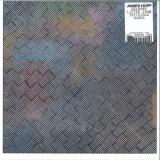
Shadows Lifted from Invisible Hands is an autobiographical record, comprised of four songs that Hoff refers to as ambient media. Each track is composed from sources drawn from his own involuntary aural landscape, specifically musical earworms and tinnitus frequencies.
Neither sound nor a daydream, the earworm (or stuck song) emblematizes music as a commercial form—immediate, ubiquitous, and persistent. Likewise, tinnitus is inaudible and unscrupulous, manifesting across a spectrum of frequencies at will. The cognitive swirling of these phenomena provides an ambivalent, internal soundtrack that scores a person’s movement through the world.
Those suffering from tinnitus or those who have grown accustomed to the “Tinnitus Effect” in movies will likely recognize the buzzing pitches on the record, but will likely not recognize the songs. Distorted and distilled, Shadows Lifted from Invisible Hands features altered versions of four commercial pop songs: Blondie’s “Heart of Glass,” David Bowie’s “Space Oddity,” Madonna’s “Into the Groove,” and Lou Reed’s “Perfect Day.”
Having been haunted by these songs on and off for years, Hoff tweaks the tracks, transposing and recomposing them for orchestral instrumentation. Speaking back to these involuntary echoes, these tracks go to great lengths to obfuscate their sources; to be sure not to simply re-introduce each earworm, as though they were samples. Otherwise, what’s the point? No one needs another stream.
Besides, earworms are not music, although we perceive them as such. They are non-cochlear and exist as an affective force that is neither subjective nor objective, which is to say they are an invasive—and alien—phenomenon. Like tinnitus, they are aggravated by economic, social, and environmental forces as well as emotional states, mental health, and aging. Hoff doesn’t underplay his own struggles with mental health in discussing the record—noting a long history of depression and its acuteness over the last few years, which serve as the backdrop to the composition of this record.
Scratch any pop song hard enough and you’ll find sadness underneath it. Subdermal, the songs on this record evoke a type of ephemeral weariness and despair. By recasting the original songs through their shadowy doubles, Hoff provides a window into the dark core of pop music. At the center of which lies capitalism’s desperate attempt to replicate itself through a cheap high built on echoing refrains. Just below the surface the listener finds a hangover of shadows dancing through the mind.
out of Stock
Last delivered 9 months ago available to reorder, subject to availability
IS THE BEST is the manifestation of Prontaxan's collective mindset as a music group formed by visual artists, musicians, producers, and filmmakers.
IS THE BEST tells a story about release — how the constraints of routine can break free through celebration, and how Funkot becomes a universal language to speak about resistance, pressure, and acceptance of reality within the context of today's working class.
IS THE BEST is an expression of this phenomenon — where a masterpiece is one that breaks out of its shell to shine, be admired, discussed, and criticized by its audience.
IS THE BEST is born as Prontaxan's remedy for electronic music lovers across the globe.
To mark the 50th Anniversary of Punk and The Sex Pistols we have relaunched one of the original books on The Sex Pistols. The book details the groups worldwide releases with over 200 colour and black and white illustrations. A detailed timeline of the bands history and list of gigs and appearances up to their initial demise in 1978. The story has not changed since this books first release. The Sex Pistols are the last great Rock `n’ Roll band that signified change. Never before or since has music, art, youth and social statement peaked at the same time. The Sex Pistols were very much a vinyl orientated phenomenon that consisted great artwork. So sit back and enjoy their story through their releases around the world. 96 pages Over 200 pictures of rare and deleted releases throughout the world Plus history of the band and list of gigs and appearances.
Strolling through the world by Biboul Darouiche & The Bantu Jazz Connection marks the first vinyl release on Crispy Water and is a vibrant fusion of African rhythms, jazz improvisation, and soulful storytelling, blending ancestral rhythm with contemporary jazz expression. Recorded with an ensemble of outstanding musicians, the album moves effortlessly between groove, spirit, and freedom — connecting continents through sound.
BIBOUL DAROUICHE is a singer, percussionist, composer and head of the ensemble. By playing the conga, djembe, calimba and - the African treetrunk drum (also called nkul or tam-tam, which by the way should not be missing at any concert!) Darouiche brings a very special color to his music. He works mainly in Europe, but his engagements also take him to the Middle East, the countries of the CIS, Brazil and the USA. Since1995 he has been a member of Klaus Doldinger's Passport. He has also worked with musicians such as Al Di Meola, Pee Wee Ellis, Roy Ayers, Graham Haynes, Paquito D'Rivera and the Jazz Baltica Ensemble.
The Austrian multi-instrumentalist and producer MICHAEL HORNEK, who is part of the permanent cast of Klaus Doldinger's Passport as a keyboardist, plays keyboards, percussion and sings. His free-jazzy percussive playing inspires every listener. Hornek's keyboard skills can be heard on over 750 music productions, and the trend is of course increasing!
Mauritian bassist LINLEY MARTHE is one of the world's best bassists. He was a long time permanent member of the band Joe Zawinul Syndicate,worked with musicians like Dave Liebmann, Richard Galliano, Omar Hakimand many more. Zawinul said of Linley Marthe in an interview: “Linley is a phenomenon. I don't know if anyone can match him in terms of bass playing."
ROGER BIWANDU, french musician born and raised in Bordeaux/France, with roots from Congo (DRC) is an artist resident at l'Apollo bar in Bordeaux since june 1997, he plays there one time per month. He played with a lot of great musicians all over the world, with some heavy weights too, like Joe Zawinul, Salif Keita, Marcus Miller, Lee Ritenour, John Beasley, Dee Dee Bridgewater, Franck McComb, to name a few.
out of Stock
Last delivered 10 months ago available to reorder, subject to availability
Based on a Motown classic that also served as the debut song for a world-famous kids group, the long-awaited ending theme is finally getting a single release!
From the soundtrack of director Shinichiro Ueda's One Cut of the Dead, the indie film that became a social phenomenon upon its 2018 release, grossing over 3.1 billion yen, this gem of a track is now available on vinyl. While retaining the melody of the original song written by Berry Gordy Jr., Kensun Lovers (Nobuhiro Suzuki and Shoma Ito) added Japanese lyrics and a new arrangement, with actress Mayumi Yamamoto on vocals. The theme song "Keep Rolling" quickly won the support of discerning international listeners, reaching No. 1 on Spotify's "Japan Viral Chart" the week after the film's release.
On the B-side, two versions of the film's main theme "zombeat" are included, featuring hard-hitting guitar work brimming with respect for the original Zombie series.
Step into the world of Parisian flair and lyrical finesse with Clovis Ochin's latest masterpiece: "Sans Souffrance (R)ajoutée", once again entirely produced by Camoflauge Monk.
Picture this: a seamless fusion of hip-hop vibes and the exquisite taste of fine natural wines, served with a side of haute couture swagger. Clovis Ochin, the enigmatic rapper and vintner extraordinaire, invites you on a sensory journey unlike any other.
Following the success of their 2022 debut album "Sans Souffrance Ajoutée," Clovis Ochin returns with a sophomore sensation that transcends boundaries. Produced by the renowned Camoflauge Monk, the sonic architect behind Griselda Records' iconic sound, this album is a testament to musical innovation and artistic evolution.
Known for his captivating presence on "F*ck That's Delicious" alongside Action Bronson, Clovis embodies the essence of a modern-day bon vivant. His passion for hip-hop, natural wines, food, and fashion pulsates through every track, creating a symphony of flavors and rhythms that captivate the senses.
But that's not all. "Sans Souffrance (R)ajoutée" boasts electrifying guest appearances from the likes of Billie Essco and SonnyJim, adding layers of depth and dimension to an already stellar lineup.
So, whether you're a connoisseur of hip-hop or a devotee of fine wine, prepare to be swept away by the intoxicating blend of sound and style that is Clovis Ochin's latest offering. "Sans Souffrance (R)ajoutée" is more than just an album—it's a cultural phenomenon, a celebration of life's pleasures, and a testament to the enduring power of artistic expression. Don't miss your chance to experience the magic firsthand. Cheers to Clovis Ochin, where hip-hop meets the love of natural wine in perfect harmony.
Step into the world of Parisian flair and lyrical finesse with Clovis Ochin's latest masterpiece: "Sans Souffrance (R)ajoutée", once again entirely produced by Camoflauge Monk.
Picture this: a seamless fusion of hip-hop vibes and the exquisite taste of fine natural wines, served with a side of haute couture swagger. Clovis Ochin, the enigmatic rapper and vintner extraordinaire, invites you on a sensory journey unlike any other.
Following the success of their 2022 debut album "Sans Souffrance Ajoutée," Clovis Ochin returns with a sophomore sensation that transcends boundaries. Produced by the renowned Camoflauge Monk, the sonic architect behind Griselda Records' iconic sound, this album is a testament to musical innovation and artistic evolution.
Known for his captivating presence on "F*ck That's Delicious" alongside Action Bronson, Clovis embodies the essence of a modern-day bon vivant. His passion for hip-hop, natural wines, food, and fashion pulsates through every track, creating a symphony of flavors and rhythms that captivate the senses.
But that's not all. "Sans Souffrance (R)ajoutée" boasts electrifying guest appearances from the likes of Billie Essco and SonnyJim, adding layers of depth and dimension to an already stellar lineup.
So, whether you're a connoisseur of hip-hop or a devotee of fine wine, prepare to be swept away by the intoxicating blend of sound and style that is Clovis Ochin's latest offering. "Sans Souffrance (R)ajoutée" is more than just an album—it's a cultural phenomenon, a celebration of life's pleasures, and a testament to the enduring power of artistic expression. Don't miss your chance to experience the magic firsthand. Cheers to Clovis Ochin, where hip-hop meets the love of natural wine in perfect harmony.
Step into the world of Parisian flair and lyrical finesse with Clovis Ochin's latest masterpiece: "Sans Souffrance (R)ajoutée", once again entirely produced by Camoflauge Monk.
Picture this: a seamless fusion of hip-hop vibes and the exquisite taste of fine natural wines, served with a side of haute couture swagger. Clovis Ochin, the enigmatic rapper and vintner extraordinaire, invites you on a sensory journey unlike any other.
Following the success of their 2022 debut album "Sans Souffrance Ajoutée," Clovis Ochin returns with a sophomore sensation that transcends boundaries. Produced by the renowned Camoflauge Monk, the sonic architect behind Griselda Records' iconic sound, this album is a testament to musical innovation and artistic evolution.
Known for his captivating presence on "F*ck That's Delicious" alongside Action Bronson, Clovis embodies the essence of a modern-day bon vivant. His passion for hip-hop, natural wines, food, and fashion pulsates through every track, creating a symphony of flavors and rhythms that captivate the senses.
But that's not all. "Sans Souffrance (R)ajoutée" boasts electrifying guest appearances from the likes of Billie Essco and SonnyJim, adding layers of depth and dimension to an already stellar lineup.
So, whether you're a connoisseur of hip-hop or a devotee of fine wine, prepare to be swept away by the intoxicating blend of sound and style that is Clovis Ochin's latest offering. "Sans Souffrance (R)ajoutée" is more than just an album—it's a cultural phenomenon, a celebration of life's pleasures, and a testament to the enduring power of artistic expression. Don't miss your chance to experience the magic firsthand. Cheers to Clovis Ochin, where hip-hop meets the love of natural wine in perfect harmony.
Steve Hauschildt returns after 6 years with a new album titled Aeropsia. After a transcontinental relocation from the US to Tbilisi, Georgia, the electronic composer emerges from a personal and global transformation to explore themes of perceptual distortion, disconnection, and renewal.
Aeropsia (which roughly translates as “seeing the air”) refers to a visual phenomenon in which objects appear to float or shimmer, often due to changes in pressure, perception, atmospheric shifts or neurological disturbance. This becomes a metaphor for the liminality that informs the record: blurry visions, dreamlike displacements, and the fragile membrane separating what is seen from what is felt.
In the years since his last solo release, Hauschildt’s world has been marked by relocation and a growing sense of global turbulence. These experiences became the raw material for a work that navigates institutional haze and uncertainty itself. The result is music that employs decay as method, structure as entropy, and mutation as expression.
While Aeropsia remains subjective in its vision, Hauschildt invited two previous collaborators to expand the album’s gravitational pull. Cellist Lia Kohl, who previously performed on Nonlin, returns and brings a tactile warmth to select tracks, while guitarist Michael Vallera threads spectral harmonics into the mix. The album’s electronic foundation and its tactile elements meet in a state of luminous suspension to navigate the shifting in physical and psychological terrain.
out of Stock
Last delivered 43 days ago available to reorder, subject to availability
Singer, songwriter, humanitarian, activist, poet, philosopher, artist… ever since music lovers first became aware of Labi Siffre in the early 1970s subsequent generations have continued to discover and be beguiled by his timeless artistry. To this day, his music has endured – seemingly as relevant and contemporary as when first released. It was these qualities that led Madness to cover his 1972 UK hit ‘It Must Be Love’ in the early 1980s, and Eminem and Dr. Dre to sample a substantial chunk of ‘I Got The…’ for the former’s debut hit ‘My Name Is…’ in 1999.
His 1988 classic ’Something Inside) So Strong’ became an anthem twice over when it both soundtracked the struggles of Apartheid South Africa and became a beacon of strength and solace for gay men during the AIDS crisis. More recently, the streaming / TikTok / Insta generation have responded in their hundreds of thousands to ‘Crying Laughing Loving Lying’, as featured in the 2023 cult film ‘The Holdovers’ and to ‘Watch Me’ as included in the ever-iconic ‘Dr Who’. Also, this decade, they might have been drawn into Labi’s world via another film, ‘Companion, or the TV shows ‘Better Call Saul’, ‘Sweetpea’, and ‘The Man Who Fell To Earth’. To bring things bang up to date, they may have been among the legions who liked, shared, and saved ‘Bless The Telephone’ after its unforgettable soundtracking the season 4 finale of bitter-sweet comedy phenomenon ‘Hacks’. ‘The Best Of’ is the definitive Labi Siffre collection for the ages. Released on 2LP and 2CD formats, it was personally sanctioned by Labi himself who also provided art direction for the package.
‘(Listen for) The Rag and Bone Man’ - Reissued and available on vinyl for the first time, was the album that marked the renaissance of the band in 2007, bringing them out of the quietest and most hermetic period of their existence and setting them back on course to establishing themselves as the global, underground phenomenon that they are today.
This new, remastered, edition includes six previously unreleased pieces, written during the same period but not included on the original album.
A work that takes us on a dreamlike journey through dark landscapes coloured by a guitar that brings to mind the trademark sound of their formative years and populated by characters as diverse as the nursery rhyme like ‘A man with a drum’ to William Faulkners ‘Candace’.
The vinyl comes as a gatefold, double album. Also available on CD with booklet including lyrics and photographs. ‘And Also The Trees’ are currently writing their sixteenth studio album and will be performing live in numerous European venues throughout 2025.
out of Stock
Last delivered 13 months ago available to reorder, subject to availability
We are excited to announce the return of the iconic Totally Wired series with a brand new collection on LP and CD. The first 50 orders will include a special art print of the artwork. We are also doing a limited edition T-shirt to celebrate this milestone!
In 1988 Acid Jazz released its first compilation album ‘Totally Wired: A Collection From Acid Jazz Records’. Compiled by Eddie Piller and Gilles Peterson it collated 11 tracks that summed up the early days of our scene, mixing new label signings, cool new records being played in our clubs and a couple of oldies. It sold well to the then small scene and set the template for a series, that in the wake of the international success of The Brand New Heavies, Jamiroquai, The James Taylor Quartet and others exploded. By the time that Volume 5 appeared, we were selling tens of thousands of copies, with major label artists vying for inclusion.
By that point ‘Totally Wired’ was a phenomenon, that sign-posted changes in both the directions of new music, but of the oldies that were played on the scene. It gave DJs new tunes to play and soundtracked 1000s of Cafés and bars the world over in the age of the CD. It was largely retired at the end of the 90s and as times changed.
Over the years we have been asked to return to the scene of the crime, but it has never quite felt right, until now. With vinyl back, and the need for easy to digest compilations becoming neccessary in the chaos of streaming’s ‘I can listen to anything I want, but can’t think what that might be’ is evident, but also we are feeling excited about where Acid Jazz is right now. New artists on the label are making great records, Matt Berry has a Top thirty album, and The Brand New Heavies are headlining the Royal Albert Hall. It’s easy to make an exciting album when that is happening.
So we are releasing “Totally Wired: A New Collection From Acid Jazz” and treating it like the important milestone that it is. From the Acid Jazz sid we have new and exclusive recordings by Matt Berry, Chris Bangs and new signings Earth-o-Naut and Quiet Fire, there is also a recent white label only 45 cut by the Soul Revivers – released ahead of their new album due this Autumn and featuring Kokoroko’s Shiela Maurice-Grey and Anoushka Nanguy. For the oldies we have dug deep into our own archives to bring you the Acid Jazz Orchestra’s version of Corduroy’s ‘Something In My Eye’ and The Brand New Heavies astounding funk take of Aretha Franklin’s ‘Rock Steady’. These are all joined by recent scene records by Carmy Love – one of the greatest voices in the UK – The Romero Brothers, and BDQ, carrying the series onwards at last.
out of Stock
Last delivered 77 days ago available to reorder, subject to availability
In the mid-1970s, a force of nature swept across the continental United States, cutting across all strata of race and class, rooting in our minds, our homes, our culture. It wasn’t The Exorcist, Goodbye Yellow Brick Road, or even bell-bottoms, but instead a book called The Secret Life of Plants. The work of occultist/former OSS agent Peter Tompkins and former CIA agent/dowsing enthusiast Christopher Bird, the books shot up the bestseller charts and spread like kudzu across the landscape, becoming a phenomenon. Seemingly overnight, the indoor plant business was in full bloom and photosynthetic eukaryotes of every genus were hanging off walls, lording over bookshelves, and basking on sunny window ledges. The science behind Secret Life was specious: plants can hear our prayers, they’re lie detectors, they’re telepathic, able to predict natural disasters and receive signals from distant galaxies. But that didn’t stop millions from buying and nurturing their new plants.
Perhaps the craziest claim of the book was that plants also dug music. And whether you purchased a snake plant, asparagus fern, peace lily, or what have you from Mother Earth on Melrose Avenue in Los Angeles (or bought a Simmons mattress from Sears), you also took home Plantasia, an album recorded especially for them. Subtitled “warm earth music for plants…and the people that love them,” it was full of bucolic, charming, stoner-friendly, decidedly unscientific tunes enacted on the new-fangled device called the Moog. Plants date back from the dawn of time, but apparently they loved the Moog, never mind that the synthesizer had been on the market for just a few years. Most of all, the plants loved the ditties made by composer Mort Garson.
Few characters in early electronic music can be both fearless pioneers and cheesy trend-chasers, but Garson embraced both extremes, and has been unheralded as a result. When one writer rhetorically asked: “How was Garson’s music so ubiquitous while the man remained so under the radar?” the answer was simple. Well before Brian Eno did it, Garson was making discreet music, both the man and his music as inconspicuous as a Chlorophytumcomosum. Julliard-educated and active as a session player in the post-war era, Garson wrote lounge hits, scored plush arrangements for Doris Day, and garlanded weeping countrypolitan strings around Glen Campbell’s “By the Time I Get to Phoenix.” He could render the Beatles and Simon & Garfunkel alike into easy listening and also dreamed up his own ditties. “An idear” as Garson himself would drawl it out. “I live with it, I walk it, I sing it.”
But as his daughter Day Darmet recalls: “When my dad found the synthesizer, he realized he didn’t want to do pop music anymore.” Garson encountered Robert Moog and his new device at the Audio Engineering Society’s West Coast convention in 1967 and immediately began tinkering with the device. With the Moog, those idears could be transformed. “He constantly had a song he was humming,” Darmet says. “At the table he was constantly tapping.” Which is to say that Mort pulled his melodies out of thin air, just like any household plant would.
The Plantae kingdom grew to its height by 1976, from DC Comics’ mossy superhero Swamp Thing to Stevie Wonder’s own herbal meditation, Journey Through the Secret Life of Plants. Nefarious manifestations of human-plant interaction also abounded, be it the grotesque pods in Invasion of the Body Snatchers or the pothead paranoia of the US Government spraying Mexican marijuana fields with the herbicide paraquat (which led to the rise in homegrown pot by the 1980s). And then there’s the warm, leafy embrace of Plantasia itself.
“My mom had a lot of plants,” Darmet says. “She didn’t believe in organized religion, she believed the earth was the best thing in the whole world. Whatever created us was incredible.” And she also knew when her husband had a good song, shouting from another room when she heard him humming a good idear. Novel as it might seem, Plantasia is simply full of good tunes.
Garson may have given the album away to new plant and bed owners, but a decade later a new generation could hear his music in another surreptitious way. Millions of kids bought The Legend of Zelda for their Nintendo Entertainment System back in 1986 and one distinct 8-bit tune bears more than a passing resemblance to album highlight “Concerto for Philodendron and Pothos.” Garson was never properly credited for it, but he nevertheless subliminally slipped into a new generations’ head, helping kids and plants alike grow.
Hearing Plantasia in the 21st century, it seems less an ode to our photosynthesizing friends by Garson and more an homage to his wife, the one with the green thumb that made everything flower around him. “My dad would be totally pleased to know that people are really interested in this music that had no popularity at the time,” Darmet says of Plantasia’snew renaissance. “He would be fascinated by the fact that people are finally understanding and appreciating this part of his musical career that he got no admiration for back then.” Garson seems to be everywhere again, even if he’s not really noticed, just like a houseplant.
out of Stock
Last delivered 10 months ago available to reorder, subject to availability
Mit ihrem fünften Studioalbum machte die Band um Frontmann Nergal einen großen Schritt weg von ihren rohen und primitiven Anfängen. Es war ein wichtiger Meilenstein in der Entwicklung von Behemoth und führte mehr Elemente aus dem Death-MetalGenre ein, während sie sich als Komponisten und Musiker immer weiter von ihren traditionellen Black-Metal-Wurzeln entfernten und entwickelten.
Temple Fang is a rare breed of band - one that refuses to compromise in an increasingly cutthroat and number-obsessed music industry. Formed in 2018 in Amsterdam, the band hit their stride in 2019 with acclaimed Roadburn performances and a reputation for electrifying live shows across Europe, all before releasing a single track. With alternating lead vocalists, dual harmonizing guitars, and a rhythm section powered by pure psychedelic energy, Temple Fang quickly became a phenomenon in the heavy-psych underground. Though always leaving live viewers in awe of their performances, the band struggled against internal fractures and external forces, all stalling efforts to create their vision of a proper studio album. This fueled speculation that Temple Fang"s live sound was too in-the moment, too whimsical, too untamed to be properly captured in a studio environment, something the band never themselves believed to be true, quite the opposite. It just would require the right set of circumstances. Fast forward to 2025 as Temple Fang is ready to release "Lifted from the Wind" on Stickman Records. A record they themselves consider to be their true debut studio album. On this sprawling double record Temple Fang appears, for the first time in their existence, fully formed: fierce and strong, hard rocking yet elegant, with 20+ minute psych freak-outs and prog ballads side-by-side. Temple Fang truly delivers on the promise they"ve always held, to really stretch the possibilities of what it means to be a rock band in 2025. With spectacular wild-man Daan Wopereis as a full member on the drums, Temple Fang now can deliver on their commitment to really rock, to blow your mind AND tear your heart out.