Building off of the themes of identity, storytelling and experimentation on her critically acclaimed debut album, Khonnar (2018), Deena Abdelwahed’s upcoming album Jbal Rrsas is the next chapter of a reimagining of what club music could be. The album spans seven tracks of bass, techno, and experimental music, with Abdelwahed consulting with masterminds like Tunisian composer and multi-instrumentalist Khalil Hentati, aka Khalil Epi, and Iraqi-British multi-instrumentalist, composer, and researcher Khyam Allami, as well as Egyptian mastering engineer Heba Kadry, to help realise her vision.
Jbal Rrsas starts with the seductively apocalyptic opener, The Key to the Exit, a deconstructed sha’bi production. With tracks like Six as Oil and the delightfully intense Violence for Free, Abdelwahed leads users to a desert rave, where industrial rhythms are left unbridled. Abdelwahed’s vocals on Complain and Pre-Island are powerful and exposed, confidently placed on dizzying avant-garde productions. The Wire previously said “Khonnar is an assured debut that sits on the edge of a whole swathe of possibilities, not only sonic but also geographical, social and political.” With Jbal Rrsas finds Abdelwahed deftly navigating through those possibilities, frequently pushing against genres, labels, and social identifiers, while elevating club music to otherworldly heights.
quête:kad
Frankie Cosmos, Palehound, Jay Som, Helado Negro, Lala Lala, Mamalarky, Sword II. Atlanta three-piece Kibi James announce their debut full-length album, delusions, out August 25th on Bayonet Records. Mari (guitar, keys), MJ Corless (bass) and Pomi Abebe (drums) join forces in crafting intoxicatingly dreamy melodies, their soft, siren-like voices sweeping you into their world as they bilingually share reflections on love in its many forms – romantic, familial, self – but most prominently the love that comes from their friendship. Co-produced, recorded and mixed by Drew Vandenberg (Faye Webster, SPELLLING, Toro y Moi) at Chase Park Studios in Athens, GA, and mastered by Heba Kadry, delusions is laden with vividly lush portraits of the places they call home Atlanta, their music community, their physical house, and the sense of home they have in one another. While the outside world is often a source of chaos, Kibi James finds security and intimacy in their shared domestic life together – the details of which come in the form of the intimate narratives and memories that make up delusions. From the manifestation spell for their now-apartment that's included in the first verse of "mister g," to finding homely solace in loved ones on "right now" and "bender," the band's ultimate sense of home is both fluid and utterly unshakable, as long as they have each other. They harmonize in both English and Spanish as their voices softly intertwine, singing of their hopes for the future over hazy, treated guitars and the soft pattering of drums. Their strong sense of unconditional love and mutual camaraderie keep them grounded, preserving the warm, optimistic light that has shone through every aspect of the band since their genesis. Corless says, "We're proud of where we come from and where we're headed. We're absolutely going to keep these delusions going."
Black Vinyl[25,17 €]
In the late 2000s a sprawling catalog of what is now genre-defining music was emanating from an unlikely place. Cleveland, Ohio has a broad reputation for many things, but in the aughts, psyche-expanding Kosmische wasn’t necessarily Cleveland’s calling card… until Emeralds. The trio of John Elliott, Steve Hauschildt, and Mark McGuire had released a profusion of limited-run cassettes, CD-Rs, and vinyl titles that had been passed around basement shows and then migrated to niche music communities online, creating a unique kind of murmur, even in the height of the DIY blog era. Three kids from the rust belt were crafting a distinctive and truly far-out strain of music on their own terms in the Midwest. They were flipping lids in wood-paneled basements and circulating around the underground with soaring sounds stylistically indebted to deep German electronic music pioneers and released with the ethos and twisted fervor of renegade Midwestern noise freaks. After several releases garnered a die-hard fandom in niche circles of internet/music culture, and then catching the attention of the late Peter Rehberg, the renowned artist and curator of the Editions Mego label, an expectation was set that the next Emeralds record was going to be a big one. And in 2010, Does it Look Like I’m Here? was it.
mp3s of this album; they can finally get a fresh copy on vinyl. Does It Look Like I’m Here? became a hallmark that would carve a path for an entire scene. Ghostly International is thrilled to reissue the album, remastered by Heba Kadry, including 7 bonus tracks exclusive to the digital album and CD. The limited edition 2xLP includes extensive liner notes by Chris Madak (Bee Mask).
In the late 2000s a sprawling catalog of what is now genre-defining music was emanating from an unlikely place. Cleveland, Ohio has a broad reputation for many things, but in the aughts, psyche-expanding Kosmische wasn’t necessarily Cleveland’s calling card… until Emeralds. The trio of John Elliott, Steve Hauschildt, and Mark McGuire had released a profusion of limited-run cassettes, CD-Rs, and vinyl titles that had been passed around basement shows and then migrated to niche music communities online, creating a unique kind of murmur, even in the height of the DIY blog era. Three kids from the rust belt were crafting a distinctive and truly far-out strain of music on their own terms in the Midwest. They were flipping lids in wood-paneled basements and circulating around the underground with soaring sounds stylistically indebted to deep German electronic music pioneers and released with the ethos and twisted fervor of renegade Midwestern noise freaks. After several releases garnered a die-hard fandom in niche circles of internet/music culture, and then catching the attention of the late Peter Rehberg, the renowned artist and curator of the Editions Mego label, an expectation was set that the next Emeralds record was going to be a big one. And in 2010, Does it Look Like I’m Here? was it.
mp3s of this album; they can finally get a fresh copy on vinyl. Does It Look Like I’m Here? became a hallmark that would carve a path for an entire scene. Ghostly International is thrilled to reissue the album, remastered by Heba Kadry, including 7 bonus tracks exclusive to the digital album and CD. The limited edition 2xLP includes extensive liner notes by Chris Madak (Bee Mask).
Attarazat Addahabia & Faradjallah's album came to us as quite a mystery. Our friends from Radio Martiko got access to the studio archive of the Boussiphone label and a reel labeled “Faradjallah” was among the items they had found there. After listening to the selection of reels they borrowed, Radio Martiko felt it was not a fit for their label and helped us licensing it from Mr. Boussiphone instead. We knew nothing about the band. We just had the reel with the music but very little information. What we knew was that the music was incredible and very unique. Gnawa sounds were combined with funky electronic guitars, very dense layers of percussions and female backing vocals more reminiscent of musical styles further south than Morocco. We started asking around whether anyone knew the band with no immediate success until we asked Tony Day, a musician from Morocco who helped us during our search for Fadoul’s family. His sharp memory came through once again, remembering all the names of the Attarazat Addahabia band members and even how to contact the bands singer and leader Abdelakabir Faradjallah. After visiting him at his home in Casablanca with our Moroccan colleague Sabrina multiple times, he shared his personal story. His father arrived in Casablanca from Aqqa at the age of six and his mother came from Essaouira. Abdelakabir was born in the neighbourhood of Benjdia in 1942. Abdelakabir Faradjallah studied fine arts in Casablanca, graduating in 1962. He also played soccer in the second team of "Jeunesse Societe One". His brother-in-law Ibrahim Sadr worked for one of the biggest football teams of the time in Morocco called "Moroco Sportive Union", which allowed him to travel to France occasionally. While Ibrahim was never part of the band he brought along a few instruments from trips.
Yet the majority of the instruments they could not afford to buy were build by Faradjallah and Abderrazak, Faradjallah's brother who passed away early. For instance they had built a Spanish guitar and a drum made of wood barrel and sheepskin by themselves.During the 1950s Faradjallah was booked as a singer for surprise parties with friends. He started to write his first songs including "L’gnawi" in 1967 and wanted to make people discover Gnawa culture, or maybe rather his take on the culture to be more exact. Faradjallah recalls his first interaction with the genre in the streets of the Dern neighbourhood, where he used to go to elementary school. Gnawa is one of the essential musical genres of Morocco. It combines ritual poetry with traditional dances and music linked with a spiritual foundation. Musically a lot of influences originated from West Africa as well as Sudan. Gnawa is usually played by a selection of specific instruments such as the qaraqab (large iron castanets centrally associated with the music), the hajhouj (a three string lute), guembri loudaâ (a three stringed bass instrument) and the tbel (large drums). People would put shells on their clothes and instruments and use incense at their parties. "Sidi darbo lalla - lala derbo khadem..." came from Gnawa verses Faradjallah used to sing when he was 14. The lyrics tackle a global (im)balance of power and the question of social status in this course. The band Attarazat Addahabia was formed in 1968. The original line-up included 14 members, all from the same family. They played their first small concerts here and there starting in 1969. Later in 1973 they performed bigger shows for instance at the Municipal Theatre followed by the "Al Massira Show" at Velodrome Stadium in downtown Casablanca. Their first album "Al Hadaoui" (the one you are listening to) was recorded at Boussiphone studios in 1972 and was never released before. Nobody seems to remember the exact reason why Boussiphone ended up deciding not to put the album out. The album's title track also served as the basis for Fadoul's "Maktoub Lah", who frequented the same circles as the band for some time.
Their shows sometimes could go as long as 12 hours, starting at 5pm in the afternoon, with an occasional break here and there. In the 1980s the band took a brief break. Faradjallah recalled the reason for that break like this: "Zaki, the bands drummer, had fallen in love with a young girl from Mohammedia. Soon after, he fell very ill. The group members were convinced that the girl had given him ‘s'hor’ (a kind of local Moroccan version of "black magic"). For four years, the whole group stopped playing. It was unthinkable to find another drummer to replace Zaki, even temporarily." So they waited four years for Zaki to "get back on his feet" before going back on stage. Apart from very few gigs here and there Faradjallah stopped playing music in the mid 1990s. Some members from the younger generations formed a new band and still play frequently to this day. Faradjallah runs a television repair shop coupled offerings beverages and snacks in the Belevedere /Ains Sbaa district of Casablanca. While Faradjallah was primarily a musician, he would work for the local cinema and paint their posters for new movies by hand and he designed all artworks and cover posters of the band.

And this eventually led to him participating actively in our first exhibition dealing with Habibi Funk’s work in Dubai 2018. He helped us by creating calligraphic complementations on large photo prints for that show.
- 1: Find Yourself (Ft. K.o
- 2: Wake Up (Ft. Chuuweee & Bob Styles)
- 3: Everything (Ft. Derek Minor)
- 4: How Many More (Ft. Lando Chill)
- 5: Aquimibee (Ft. Michael Christmas)
- 6: Eastside With Love (Ft. Kadence / J Rolla / Td Badazz / Marvaluzz Thug / Grand National)
- 7: Moozie (Ft. Psyrotiual)
- 8: Lnb
- 9: Melody Lingers On (Ft. First Verse)
- 10: Duke Lucky (Ft. Krum)
- 11: Trouble (Ft. Runt & Ronni Wit Tha K)
- 12: Whatever Happens, Happens (Ft. Dewey Binns)
- 13: The Burden
- 14: Black Star (Ft. Scoopay)
- 15: Indulgence (Ft. Boldy James)
- 16: Wishing (Ft. Blu)
- 17: Savior
- 18: Key Of Life (Ft. Murs & Yah Ra)
- 19: Angels (Ft. Mistah F.a.b.)
- 20: All We Know (Ft. M1 Platoon)
- 21: Blessings (Ft. Che Noir & John Gives)
- 22: Enough
Jabee's Am I Good Enough is the prolific OKC hip-hop artist’s most ambitious project to date. Several years in the making, Am I Good Enough compiles four EPs of brand-new music (22 tracks total), each recorded entirely with a different producer. The resulting four EPs each could stand alone as powerful individual works, but combine to make one of the most remarkable and compelling artistic statements of Jabee’s career. Am: produced by Derek Minor I: produced by Blu Good: produced by Conductor Williams Enough: produced by Havoc (of Mobb Deep). Am I Good Enough is available on 2xLP, housed in a gatefold jacket with inner sleeves showcasing each of the four EP’s individual covers.
BLUE/TURQUOISE VINYL.
Echocord welcomes the return of Mathimidori to the imprint with his ‘Anata’ EP, accompanied by a remix from New Yorker and Novel Sound boss Levon Vincent.
Mathimidori is the dub techno leaning guise of Germany’s Mathias Kaden, known for his works under his own name on imprints such as REKIDS, Ovum and Freude Am Tanzen, while Mathimidori material has found a home on the likes of Mule Musiq, Raum, Ornaments and of course Echocord where he returns here following 2020’s ‘Akebono’ LP.
Opening the release is ‘Anata’, a texturally dense six-and-a-half-minute composition fusing pulsating subs, billowing synth atmospherics, spiralling dub echoes and sporadic dubbed out spoken word running atop a crisp 4/4 rhythm. ‘Zanziba’ follows and dives deeper via ethereal pads, snaking low-end pulsations, choppy stab sequences and heavily echoing reggae chants.
Levon Vincent steps up to remix ‘Zanziba’ next, delivering a typically raw and dynamic rework, upping the energy levels as dub stabs dynamically unfold and retract amongst a thunderous low-end drive, intricate synth flutters and low-slung drums across its ten minute duration.
- 1: Little Plastic Castle (2023 Remaster)
- 2: Fuel (03 Remaster)
- 3: Gravel (202 Remaster)
- 4: As Is (2023 Remaster)
- 5: Two Little Girls (2023 Remaster)
- 6: Deep Dish (2023 Remaster)
- 7: Loom (2023 Remaster)
- 8: Pixie (2023 Remaster)
- 9: Swan Dive (2023 Remaster)
- 10: Glass House (2023 Remaster)
- 11: Independence Day (2023 Remaster)
- 12: Pulse (2023 Remaster)
- 13: Gravel (Bed Tracks)
- 14: As Is (Bed Tracks)
- 15: Two Little Girls (Bed Tracks)
Orange Vinyl[39,92 €]
Twenty-five years later, Little Plastic Castle feels like a greatest hits collection. Her highest charting release on Billboard (peaking at #22) and containing her third Grammy nomination for Best Rock Performance - Female (“Glass House”), Ani DiFranco’s ninth studio album shows the Little Folksinger grappling with her independent career bubbling up into the mainstream — dissection of her fashion choices, a new expanded listenership encroaching on the die-hards, examination of what it means to sell out — encapsulated in singalongs so indelible that they’re staples of her live set decades later. This 25th Anniversary Edition sees a new remaster by Heba Kadry, the addition of three bonus tracks mixed by Tchad Blake, and a new CD package and first-time release on vinyl (2 LP). To make Little Plastic Castle, Ani returned to one of her favorite places to record in that era—the live-in studio the Congress House in Austin, Texas. In this relaxed setting she commented, "This album seemed to happen more organically than earlier studio releases." Ani is joined by drummer Andy Stochansky and bassist Jason Mercer who played with her on her 1997 tours, as well as bassist Sara Lee who toured with Ani in 1996. LPC also prominently features outside musicians including drummer Jerry Marotta (Peter Gabriel, Indigo Girls), a horn section composed of three Austin session musicians who add flavor to "Little Plastic Castle" and "Deep Dish," and trumpeter Jon Hassell (Brian Eno, Talking Heads) providing the sustained subtle solo on the 14-minute final track "Pulse." The three bonus tracks are recordings of Ani playing with the rhythm section of Sara Lee and Jerry Marotta, a trio that never reassembled after their single day of tracking. Though Ani described it as “the most light-hearted album I’ve made in a long time,” this record covers a wide range of topics — the impermanence of existence ("Fuel"), mutual respect ("Pixie"), forgiveness ("As Is"), drugs (“Two Little Girls”) — and emotions.
- 1: Little Plastic Castle (2023 Remaster)
- 2: Fuel (03 Remaster)
- 3: Gravel (202 Remaster)
- 4: As Is (2023 Remaster)
- 5: Two Little Girls (2023 Remaster)
- 6: Deep Dish (2023 Remaster)
- 7: Loom (2023 Remaster)
- 8: Pixie (2023 Remaster)
- 9: Swan Dive (2023 Remaster)
- 10: Glass House (2023 Remaster)
- 11: Independence Day (2023 Remaster)
- 12: Pulse (2023 Remaster)
- 13: Gravel (Bed Tracks)
- 14: As Is (Bed Tracks)
- 15: Two Little Girls (Bed Tracks)
Black Vinyl[39,92 €]
Twenty-five years later, Little Plastic Castle feels like a greatest hits collection. Her highest charting release on Billboard (peaking at #22) and containing her third Grammy nomination for Best Rock Performance - Female (“Glass House”), Ani DiFranco’s ninth studio album shows the Little Folksinger grappling with her independent career bubbling up into the mainstream — dissection of her fashion choices, a new expanded listenership encroaching on the die-hards, examination of what it means to sell out — encapsulated in singalongs so indelible that they’re staples of her live set decades later. This 25th Anniversary Edition sees a new remaster by Heba Kadry, the addition of three bonus tracks mixed by Tchad Blake, and a new CD package and first-time release on vinyl (2 LP). To make Little Plastic Castle, Ani returned to one of her favorite places to record in that era—the live-in studio the Congress House in Austin, Texas. In this relaxed setting she commented, "This album seemed to happen more organically than earlier studio releases." Ani is joined by drummer Andy Stochansky and bassist Jason Mercer who played with her on her 1997 tours, as well as bassist Sara Lee who toured with Ani in 1996. LPC also prominently features outside musicians including drummer Jerry Marotta (Peter Gabriel, Indigo Girls), a horn section composed of three Austin session musicians who add flavor to "Little Plastic Castle" and "Deep Dish," and trumpeter Jon Hassell (Brian Eno, Talking Heads) providing the sustained subtle solo on the 14-minute final track "Pulse." The three bonus tracks are recordings of Ani playing with the rhythm section of Sara Lee and Jerry Marotta, a trio that never reassembled after their single day of tracking. Though Ani described it as “the most light-hearted album I’ve made in a long time,” this record covers a wide range of topics — the impermanence of existence ("Fuel"), mutual respect ("Pixie"), forgiveness ("As Is"), drugs (“Two Little Girls”) — and emotions.
CREEPING DEATH befinden sich auf einem schnellen und rasanten Aufstieg aus dem Untergrund.Die texanische Death-Metal-Crew liefert immer wieder ein unerbittliches Geknüppel, das aus den entlegensten Winkeln der Vergangenheit, Gegenwart und Zukunft des Genres stammt. Der Fünfer aus dem Lone Star State zelebriert den Stil triumphierend und peitscht grausame Riffs und Südstaaten-Grooves mit einer unwahrscheinlichen kathartischen Freude auf.Boundless Existence wartet mit Future-Death-Metal-Klassikern wie dem superschweren, schnellen und groovigen "Intestinal Wrap" auf (bei dem George "Corpsegrinder" Fisher von Cannibal Corpse mitwirkt). "Vitrified Earth" zeigt die zunehmenden Fähigkeiten von Creeping Death in Sachen Songwriting, was vor allem an der Kadenz und Phrasierung von Alavis Gesang zu erkennen ist, während die kranken
Riffs nie vernachlässigt werden. Gegen Ende des Albums gibt es sogar eine etwas entrückte Atmosphäre, mit Gitarreneffekten, Harmonien und berauschenden Taktarten."CREEPING DEATH versammeln gewaltige Riffs, schreiende Gitarrensoli und bedrohliche Gesangseinlagen und spielen sie mit dem treibenden Schwung einer erstklassigen Hardcore-Band." - Revolver Magazin.
CREEPING DEATH befinden sich auf einem schnellen und rasanten Aufstieg aus dem Untergrund.Die texanische Death-Metal-Crew liefert immer wieder ein unerbittliches Geknüppel, das aus den entlegensten Winkeln der Vergangenheit, Gegenwart und Zukunft des Genres stammt. Der Fünfer aus dem Lone Star State zelebriert den Stil triumphierend und peitscht grausame Riffs und Südstaaten-Grooves mit einer unwahrscheinlichen kathartischen Freude auf.Boundless Existence wartet mit Future-Death-Metal-Klassikern wie dem superschweren, schnellen und groovigen "Intestinal Wrap" auf (bei dem George "Corpsegrinder" Fisher von Cannibal Corpse mitwirkt). "Vitrified Earth" zeigt die zunehmenden Fähigkeiten von Creeping Death in Sachen Songwriting, was vor allem an der Kadenz und Phrasierung von Alavis Gesang zu erkennen ist, während die kranken
Riffs nie vernachlässigt werden. Gegen Ende des Albums gibt es sogar eine etwas entrückte Atmosphäre, mit Gitarreneffekten, Harmonien und berauschenden Taktarten."CREEPING DEATH versammeln gewaltige Riffs, schreiende Gitarrensoli und bedrohliche Gesangseinlagen und spielen sie mit dem treibenden Schwung einer erstklassigen Hardcore-Band." - Revolver Magazin.
Hatıralar was Anadol's second album, originally composed between Berlin and Istanbul around 2012 and released years later only in digital form on the Istanbul based label Inverted Spectrum. The title Hatıralar ("Memories") turns out to be a self-fulfilling prophecy. Anadol recalled and revisited the music in 2023, gently editing and mixing the compositions for the newly mastered LP format in which they now see the light of day. Hatıralar represents an early version of the melodic, instrumental synth-pop that Anadol refined on her album Uzun Havalar (2019) before exploring the more free, krautrock-inspired musique concrète of her last album Felicita (2021). Here is the text that accompanied the original 2017 release:
Anadol, named after an old-fashioned Turkish automobile brand, is an instrumental synth-pop project by Gözen Atila, an artist, dj and keyboard player. She records with mini organs manufactured during the 70s and 80s, the built-in rhythms and arpeggios of these machines provide the backbone of her sound, and her melodies are influenced by pop music and soundtracks from France, Italy and Turkey from the same period. The music is awash with allusions to the moods of old Turkish and European cinema, from the erotic to the melodramatic, and with a reminiscence of the sound and spirit of so-called "tavern music" popular in Turkey's urban nightlife in the 1980s, a flexible pop style usually performed by a solo keyboardist-singer. Anadol is a continuation of the tradition of lone synth experimentalists like Bruce Haack and The Space Lady with their childlike curiosity for electronic sounds, and of the keyboardists pushing the boundaries of minimal equipment to entertain middle aged drunk couples in pubs and wedding parties of Istanbul.
Have you ever felt like owning the entire Terveet Kädet discography from the classic lineup in one handy package? This is it. We’ve compiled every single thing the band ever recorded in the studio between the years 1980 and 1989 into this five disc set. There’s all LPs, all EPs, all compilation tracks, everything. On top of that there’s a full disc, approved by Läjä, of unreleased or otherwise impossibly rare tracks such as the unreleased third Ikbal EP. This is the second edition, limited to 500 copies in a heavy slipcase and with a large 40 page booklet.
Zusammen mit Athina Kontou und Devin Gray ergründet das neue Trio die Musik der charakteristischen Pianistin mit einem erfrischenden, ehrlichen und inspirierenden Approach. Mehr denn je bewegen sich Kadels Stücke im Spannungsfeld von unkonventionellen Kompositionen und pointierten Improvisationen, harmonischer Raffinesse und vielgestaltigen Klangfarben.
Aus unterschiedlichen Inspirationsquellen, darunter auch der klassischen Moderne, resultiert eine lebendige musikalische Sprache von hoher
Intensität.
Turkish underground rock misfit Erbatur Çavusoglu's first solo album is finally here: an intimate collection of previously unreleased songs and new versions, with fresh arrangements by Big Daddy Mugglestone. The result is like Iron & Wine being fronted by a Taksim Square street poet, or a Turkish Crazy Horse.
Erbatur's wavering falsetto delivers heartfelt and tender songwriting, accentuated by an eclectic band of old and new Berlin friends. A must for fans of Indie Americana and Turkish Psychedelic Folk, this is a warm and haunting departure from his previous work with Zardanadam, deeply personal but with open arms.
Supported by Initiative Musik gGmbH with project funds from the Federal Government Commissioner for Culture and Media
Repress!
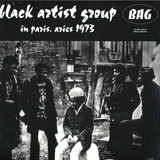
Outstanding free jazz session recorded in 1973 in Paris by Chicago outfit BAG.
It was Lester Bowie, trumpeter with the Art Ensemble of Chicago, who suggested that the Black Artists' Group (BAG) should head for Paris. In 1972 several members of BAG took his advice and flew to France for an extended stay. The following year a concert featuring saxophonist Oliver Lake, trumpeters Baikida Carroll and Floyd LeFlore, drummer Charles Bobo Shaw and trombonist Joseph Bowie (Lester's younger brother) was recorded and subsequently issued as In Paris, Aries 1973, a strictly limited edition LP on the group's own label.
Since the formation of Black Artists' Group in 1968, the home of this multidisciplinary arts collective had been St Louis, Missouri, the city where the Bowie brothers had grown up. It was there that Lester Bowie had started to investigate the expanding horizons of jazz before moving, in 1966, to Chicago where he joined the recently established Association for the Advancement of Creative Musicians (AACM). His close friend Oliver Lake visited Bowie, attended AACM concerts and meetings and was inspired not only by their artistic vision and integrity but also by their efficient organisation. In Chicago musicians were making things happen for themselves, taking control of their own destinies and giving shape to their lives as creative artists.
In June 1969, the Art Ensemble of Chicago had taken their music to France. During the preceding decade Paris had established a reputation for audiences that were unusually well-informed and open-minded, receptive to the uncompromising music of black American innovators such as Cecil Taylor, Ornette Coleman, Albert Ayler and Sun Ra. The city that had nurtured not only Cubism and Surrealism, but also Jean-Luc Godard and contemporary cinema's Nouvelle Vague was well prepared for the sonic collage forms and stylistic dislocations of the Art Ensemble. During that same month violinist Leroy Jenkins, trumpeter Leo Smith and saxophonist Anthony Braxton also arrived in Paris, three further emissaries from the AACM.
The adventure of collective improvisation resonated with the Parisian zeitgeist. Enthusiastic audiences attended their concerts and coverage in the media. In Paris, Aries 1973 offers an isolated and fascinating glimpse into that phase of the group's existence. The album is dedicated to the memory of Kada Kayan, a bassist who had hoped to make the trip from St Louis to France but, tragically, had grown ill and died. His absence adds special poignancy to the sound of the bass when it appears on this recording, played by Baikida Carroll. Listeners keen to hear Kayan himself in the company of Lake, Bowie, Shaw, LeFlore and Carroll should seek out Red, Black and Green by the 10-piece Solidarity Unit, Inc. That album, recorded on 18th September 1970 and dedicated to Jimi Hendrix, who died on that day, features an earlier version of Shaw's composition 'Something to Play On.'
In Paris, Aries 1973 reveals BAG's musical affinities with the Art Ensemble of Chicago. Both groups preserved an independently minded approach to the notion of free jazz and a carefully filtered awareness of pan-African musical practices, while their creative interest in space, mobile structure, chance occurrences and simultaneity also suggests parallels with the concerns of leading experimental composers working at that time. These performances in Paris of Shaw's 'Something to Play On' and Lake's 'Re-Cre-A-Tion,' plus two collective compositions/improvisations, display the dedication to structural fluency and sensitivity to coloration that accompanied BAG's unorthodox group dynamics and their unconventional instrumental combinations. In this case the musicians embrace congas, log drums, marimbas, woodblocks, cowbells and gongs. This is not a showcase for solos, but a shape-shifting and multi-centred statement of togetherness, quest and discovery. Removed from BAG's original multidisciplinary context the music still exudes an exhilarating spirit of collaborative exploration and shared excitement.
- A1: Machine Language
- A2: Welcome To Los Angeles
- A3: Spaceways (Ft. Salami Rose Joe Louis)
- A4: Outta Sight
- A5: Aswang
- A6: Kaduwa (Ft. Teebs)
- B1: Far Away (Ft. Chhom Nimol)
- B2: Listen Up
- B3: Flowers (Ft. Salami Rose Joe Louis)
- B4: Fangoria (Ft. Rsi & Joey Viasuso)
- C1: Daku (432 Hz)
- C2: Distance (Ft. Salami Rose Joe Louis)
- D1: Codex (Ft. Mrr) . Lucid (Ft. Phil Nisco)
- D2: Drifter (Ft. The Nois Iv) D3. Brighter Than A Planet Or A Star
Free The Robots intentionally marries various electronica genres into a joyous, machine-like syrup that swims between the currents of deep introspection and the depths of the dance floor. 'Kaduwa' is his most recent manifestation, born out of his travels around the world. Especially inspired by his time between Los Angeles, Barcelona, and the island Siargao in the Philippines, Free The Robots translates his experiences into electronic, jazz-centric and sample based beats with sublime tinges of psych, rock, house, and hip-hop. For the most part, these compositions are blunted, funky, and psychedelic. There are tracks for club nights, tunes for early morning comedowns, and songs that are suitable for both. Once more adding new ripples to his sound, Free The Robots continues to explore new frontiers while keeping the torch burning for the L.A. beat freaks
The first thing that grabs you about Altin Gün"s new album is the energy. With Ask, the Amsterdam-based sextet turn away from the electronic, synth-drenched sound of their 2021 albums, Alem and Yol. While those two, created at home during the pandemic, paid homage to the electronic pop of the 80s and early 90s, Ask, marks an exuberant return to the 70s Anatolian folk-rock sound that characterised Altin Gün"s first two albums, On (2018) and Gece (2019). But there"s development here too. Ask is the closest the band have come so far to capturing the infectious energy of their live performances. "It"s definitely connecting more with a live sound - almost like a live album," says bassist Jasper Verhulst. "We, as a band, just going into a rehearsal space together and creating music together instead of demoing at home." "We didn"t record it like we did the last album," agrees vocalist Merve Dasdemir. "We basically produced that one at home because of the pandemic. Now we"ve gone back to recording live on tape." How many more worlds do Altin Gün visit in this joyful expedition? "Rakiya Su Katamam" is glowering space rock as though Gong had taken a stopover on the Bosphorus. "Canim Oy" is a psychedelic freak-beat stomper from a world where Istanbul"s Kadiköy district was the Carnaby Street of the east. "Güzelligin On Para Etmez" is a dreamy acid-folk anthem. And the finale, "Doktor Civanim," is an irresistible slice of sci-fi disco camp with lava-lamp synth squiggles that wouldn"t sound out of place next to Baris Manço"s "Ben Bilirim." Fresh yet timeless. Rooted in antiquity yet yearning for heavenly futures. Ask wants to take you places. All you have to do is strap yourself in
Für viele Musiker ist der Schritt aus dem Kollektiv ein riskantes Manöver: Wie nämlich nehmen Band und Publikum die Entscheidung auf? Hendrik Otremba, Sänger der Gruppe Messer, stellt nun sein Soloalbum vor. Er hat es Riskantes Manöver genannt - aber nicht aus dem genannten Grund. Längst hat er sich als eigenständiger Künstler etabliert, hat als Maler, Autor und Performer stets auch zur Identität von Messer beigetragen, die gerade obendrein an einem neuen Album arbeiten - dieses Soloalbum kündet also nicht von Zwist. Wenn etwas verblüfft, dann vielleicht eher, dass Otremba nicht erneut in ein neues Medium aufbricht, sondern dorthin zurückgeht, wo alles anfing: zu den eigenen Songs, die bisher im Verborgenen lagen. Riskantes Manöver ist dabei kein Aufguss des Bekannten, aus Ennui oder Eitelkeit. Viel eher tritt der Songwriter Hendrik Otremba an die Öffentlichkeit, der sich parallel zu Messer entwickelt hat. In den vergangenen zwölf Jahren nimmt er Demos auf, experimentiert, geht intuitiv vor und findet zu einer eigenen Sprache, aus der er nun mit zwei engen Freunden ein Album ausgearbeitet hat: Multi-Instrumentalist Alan Kassab, ein Schulfreund Otrembas, und Kadavar-Schlagzeuger Christoph 'Tiger" Bartelt, schon Produzent des Messer-Debuts. Gemeinsam nähern sie sich den Demos wie einem Skript und schaffen so eine Art auditiven Autorenfilm. Im Zentrum steht eine kreative Vision, die von virtuosen Technikern und begnadeten Darstellern umgesetzt wird - neben der Kern-Crew gehören dazu Stella Sommer, Alex Zhang Hungtai (Ex-Dirty Beaches), der Otremba überhaupt erst dazu inspirierte, ein eigenes Album zu schreiben), Gregor Schwellenbach, Friedrich Paravicini, Dominik Otremba (aka Performance) - aber auch Tochter Hedi und mehr als ein Dutzend weitere Kreative zwischen Indie-Adel, Hochkultur-Bagage und Jugendfreunden. Doch nicht nur durch sein Casting-Gespür und weitere direktive Entscheidungen überzeugt Otremba, sondern vor allem mit Musik, die durch ihre Weite und einen eigensinnigen erzählerischen Ansatz gar filmisch wirkt: Als zarter Chansonier schleicht Otremba durch die Streicherschluchten von New York II, geifert als Apokalyptiker in Nektar Nektar vor Blastbeat und heulendem Saxofon, findet in der sinophilen Klavierballade Bargfeld aber auch zu Ruhe und Intimität. Brachialen Proto-Industrial und dröhnenden Goth meistert Otremba ebenso wie epischen Pop oder Großstadt-Country; hier öffnet ein Musik-Enthusiast sein vielseitiges Portfolio, in dem er als Sänger und Performer zugleich eine neue Bandbreite entwickelt. In sein Rollen-Inventar führt Otremba zudem die Figur "66 ein, ein "Zeuge des zivilisatorischen Niedergangs" und eine Art Erzählstimme, durch deren Perspektive wir auf das von Katastrophen und Verlassenheit geprägte Geschehen des Albums blicken. Otremba tritt als "66 maskiert auf, zu sehen etwa auf dem Cover der Riskantes Manöver Doppel-10-Inch. Was die Bandagen bedeuten, bleibt unklar - ein weiterer, rätselhafter Eintrag in Otrembas Privatmythologie, bestehend aus Namen, Zeichen, Bildern, die sich durch sein gesamtes Werk erstrecken. Riskantes Manöver öffnet darin nicht nur eine neue Facette, der Titel fasst zugleich das Ethos eines Arbeitens zusammen, "das nicht auf Relevanz oder Erfolg gepolt ist". Gerade, wenn dabei immer wieder Gegensätze vereint werden müssen, die an dem Menschen dahinter zerren: "Das riskante Manöver ist mit den Widersprüchen zu leben und sie im eigenen Schaffen stattfinden zu lassen. Lust und kreative Ambition als was Positives zu begreifen in einer Situation, wo das, was ich sehe, eigentlich für das Gegenteil spricht, abgründig, negativ, dämonisch ist." In diesem Sinne ist hier ein Monolith von einem Album geschaffen, der sich zugleich machtvoll und zart aufstemmt, wie es im Untertitel der Platte heißt: "gegen die Verachtung der Gegenwarth"! - Sebastian Berlich
Berlins vielleicht wichtigste Rock-Band Kadavar schlüpft mit den US-amerikanischen Prog-Rock-Wunderkindern Elder unter eine Decke. Entstanden ist mit der Ausnahmeerscheinung 'A Story Of Darkness & Light' ein Wunderwerk der musikalischen Libertas, ein ausuferndes Werk zwischen Rock, Prog und Alternative, zusammengehalten von den Gegensätzen beider Bands.
Tiger Bartelt, Lupus Lindemann und Simon Bouteloup von Kadavar sowie Michael Risberg, Nick DiSalvo und Georg Edert von Elder (Bassist Jack Donovan durfte nicht aus den USA einreisen) extrahieren der Ursuppe des Rock auf ihrem Kollaborationsalbum jene arkane, schwer greifbare Magie, die nur dann entstehen kann, wenn alles fließt. Wenn nichts den Schaffensprozess stört, kein Druck von außen oder innen herrscht. Fest steht: So geatmet wie auf 'A Story Of Darkness & Light' hat die Musik beider Formationen noch nie. So vielfältig, überraschend und manchmal auch sonderbar auch nicht.
- A1: Kaddisch
- A2: Dance Of The Blessed Spirits
- A3: When I Am Laid In Earth Dido's Lamento
- A4: I Never Give Up
- A5: Ii Terror - Elegy
- A6: Iii Song Of Hope
- A7: Kol Nidrei Adagio For Cello & Orchestra, Op 47
- A8: V Traume
- A9: Iv Songs My Mother Taught Me
- A10: Theme From Schindler's List
- A11: Pourquoi Me Reveiller
- A12: Una Furtiva Lagrima
- A13: Casta Diva
As Deutsche Grammophon celebrates its 125th birthday this year 2023, the Yellow Label marks the occasion by releasing a selection of vinyl LPs for the first time ever.
“Beauty will save the world,” wrote Dostoyevsky, which is the claim that Camille Thomas makes throughout this record. Not beauty for the sake of hedonism, but a beauty that believes there is a burning line to be drawn between pain and hope. Camille Thomas' new album illustrates this, structured like an archipelago surrounding the Cello Concerto composed by Fazil Say. Camille Thomas gave its premiere in 2018, and her album spanning the work of ten composers, allows us to travel the path from pain to hope. On the threshold, we meet three pieces: the heart-rending melody of the Kaddisch by Ravel, a sublimation of the Jewish prayer for the dead; the lamentation from Purcell’s Dido, quasi a lullaby from the queen who awaits her death, in a nakedness without pathos; and between those two works, the tender Dance of the Blessed Spirits from Gluck’s Orfeo, in which we hear the first signals of hope. The album is available today for pre-order and is accompanied by the pre-release track of Gluck’s Dance of the Blessed Spirits from his opera Orfeo ed Euridice.
Sound Of Smoke sind eine vierköpfige Psychedelic Soul- & Bluesrock Band aus Freiburg mit einem ordentlichen Vintagevibe. Die Bandmitgliedern um Frontfrau Isabelle Bapté schaffen es mit einem Mix aus Blues, Soul und Stonerrock auf eine Reise durch die Zeit mit zu nehmen, als Klänge a la Jefferson Airplane, Black Sabbath und Led Zeppelin in Ihren Bann zogen. Mit "Phases" veröffentlicht das Freiburger Psychedelic-, Soul- & Bluesrock Quartett kaum ein Jahr nach der Platte "Tales" ihre zweites Album über Tonzonen Records. In zahlreichen psychedelischen Jamsessions entstanden elf neue Songs, welche man im legendären Big Snuff Studio in Berlin aufnahm. Das Album wurde in einer 10-tägigen Session komplett analog mit der Technik aus den 60er & 70er Jahren auf Tonband von Szenen-Ikone Richard Behrens (Kadaver, Elder, Odd Couple, All Them Witches uvm.) aufgenommen. "Phases" überzeugt mit eingängigen Bluesrockriffs, orientalische Klängen, bis hin zu schwebenden, sphärischen Klangwelten aber auch Krautrock. Das Leitmotiv bleibt jedoch Isabelle Baptés versiertes Flötenspiel und ihre warme, individuelle Stimme, welche Grace Slick wieder aufleben lässt. Florian Kiefer, welcher den Titel "Reincarnation of Lemmy Kilmister" mit seinem markanten, grollendem Basssound (und Backenbart) für sich beansprucht, bildet mit Johannes Braunstein ein groovendes Fundament im Stile von John Bonham. Getreu dem Motto "Im just tryin to write the best guitar riff in history" wie schon einst Jimmy Page oder Richie Blackmore und einem Faible für Wildwestromantik, trägt Jens Stöver letztlich das gewisse Etwas zum "Sound Of Smoke" bei. Veredelt wurde "PHASES" danach noch mit Orgel- und Synthoverdubs von Isabelle und Florian. Sound Of Smoke freuen sich mit " Phases" ihr anspruchsvollstes Album einem großen Publikum präsentieren zu können.
Repress!
Tarenah was one of only two singles pressed under the nom de plume of Psychedelic Research Lab - a collaboration between Scott Richmond and John Selway which began while the pair were attending music conservatory at SUNY Purchase College, in upstate New York. Scott produced the first version of the track for a modern dance performance in 1993. A mix of electronics and room full of live musicians, the session featured an afro-cuban percussionist, a Bangladeshi vocalist / tabla player, a classical flautist, and a reggae guitarist, with Scott on keys and engineering, and John on multiple TB-303s. The duo played the piece to a pal, who said, “Listening to your music is like being in a psychedelic research lab” and the moniker was born. DJ Jonathan Kadish, the chill out resident at pioneering NYC rave, NASA, championed the track and subsequently commissioned four remixes for his label, Gyroscopic Recordings.
The tune has been elevated to legendary status in certain circles - due to it being a firm favourite of “The Godfather Of Chill-out”, the late DJ Jose Padilla. Jose at this time had a penchant for “ambient breaks / breakbeats” - seminal stuff like the work of San Francisco's Hardkiss crew and other Bay Area artists. According to close friend Phil Mison, drawn to the Chill Mix, Jose Padilla played and played Tarenah at Ibiza`s Cafe del Mar. It was a daily constant in Jose`s sets for several seasons, and he eventually included the track on the second volume of his essential compilation series honouring said White Isle shrine - put together in the mid-90s for the label React. Sealing the tune`s fate and making Tarenah forever synonymous with Jose and the golden, halcyon, San Antonio, Cala Des Moro, sunsets he soundtracked.
The 3rd Floor Mix, named after the location of the SUNY Purchase studio, is tribally-tinged uplifting progressive house - taking its cues from the contemporary Dutch imprints, Fresh Fruit and Touche. John Selway’s Remix (titled “Spy’s Sub Mix” on the original pressing) strips the track back to a cool, more minimal, jack - heavily influenced by the “bleep” sound of Sheffield`s Warp Records. The Sleepwalker Mix is beatless. Tailored from twisting, intertwining, 303 drones.
Following Tarenah, Scott and John continued devoting their life to dance music. Scott went behind the scenes, founding - alongside Jonathan Kadish - the famous Satellite Records dance music record store chain. He also ran the house and trance labels, Central Park and Pitch Black. In recent years, Scott has worked in artist management, and within the global music festival scene, primarily with Vh1 Supersonic and Ticket Fairy India, which has taken him to Mumbai, Goa, and Pune. John has had an amazingly prolific electronic music career, building a vast, and varied catalogue of productions - both solo, and through collaboration. From Disintegrator and working on Deep Dish`s debut single, to Smith & Selway and The Rancho Relaxo Allstars. Along the way finding the time to run labels such as Serotonin and CSM. Currently John is teaching and mentoring the next generation of electronic music artists at 343 Labs music school, while still producing forward-thinking techno and electro.
This is the first time Tarenah has been reissued in full on vinyl, and Midnight Drive are very proud to present this sublime underground classic once more. Reissued in full conjunction with John Selway and Scott Richmond, remastered by Curvepusher, London and distributed worldwide by Above Board distribution 2022.
The second instalment from London Odense Ensemble digs deeper into the group's vision of what modern psychedelic jazz should sound like. Cut from the same sessions as Jaiyede Sessions vol. 1, released last summer, vol. 2 presents a more nuanced approach to the material. On this set the ensemble focuses on shorter, layered pieces - travelling from deep spiritual jazz grooves to gorgeous free-flowing minimalism to full-on acid jazz. There's echo-drenched flutes being absorbed into layers of analog synth pads and guitars, bossa beats and double bass sequences merging with electronics. It's an intoxicating mélange of sounds and styles, spanning wide temporal and geographical distances. London Odense Ensemble came together when two of the finest exponents of London's flourishing jazz scene, flautist and saxofonist Tamar Osborn and keyboard specialist Al MacSween, came over to Denmark to explore new sounds with Causa Sui's Jakob Skott and Jonas Munk, as well as local bass player Martin Rude. For two days the group laid down grooves and ideas and experimented in the studio, and later the best segments were edited and mixed by Jonas Munk, who took a somewhat liberal approach to the mixing process, often dyeing the material with external effects and synthesizers. Jaiyede Sessions are the kinds of records that defy genre-terms, yet have its own instantly recognizable fingerprint. It carries a unique shared vision between the players of what modern psychedelic jazz sounds like. bios: Tamar Osborn: Saxophonist, composer and multi-wind instrumentalist is the creative force behind modal jazz ensemble Collocutor (On The Corner Records). She is a member of the Dele Sosimi Afrobeat Orchestra, performs and collaborates regularly with Sarathy Korwar, Jessica Lauren, Emanative, Ill Considered and DJ Khalab. Al MacSween: Keyboard player & founding member of Kefaya. Collaborations include American jazz legend Gary Bartz, Syrian qanun master Maya Youseff, London Community Gospel Choir, Palestinian jazz singer Reem Kelani & kora player Kadialy Kouyate. Martin Rude: Multi-string instrumentalist & lead singer in Sun River & Edena Gardens with members of Papir & Causa Sui. Jakob Skott: Drummer in Causa Sui with a slew of side projects on El Paraiso, including Chicago Odense Ensemble, Jonas Munk: Guitarist in Causa Sui & studio wizard on most releases on El Paraiso.
Meg Baird’s songs are rarely made up of tidy stories. In fact, for Meg, mystery itself is often the
medium. With ‘Furling’, Meg’s fourth album under her own name, she explores the breadth of
her musical fascinations and the environments around them - the edges of memory,
daydreams spanning years, loose ends, loss, divergent paths, and secret conversations under
stars. ‘Furling’ moves through these varied spaces with the slippery, misty cohesiveness of a
dream - guided by an ageless, stirring voice that remains singular and unmistakable.
Since co-founding the beguiling and beautiful Espers in the mid-aughts amid Philadelphia’s
fertile underground music community, Meg’s solo recordings have constituted just a fraction of
her work.
Her first solo LP, the disarmingly out-of-time ‘Dear Companion’ (2007), saw her carve a quiet,
sunlit space away from the flickering swirl of Espers. Since her last solo releases, ‘Seasons on
Earth’ (2011) and ‘Don’t Weigh Down the Light’ (2015), Meg has lent thunderous drumming,
lead vocal, and poetry to Heron Oblivion (Sub Pop) on an album that garnered praise from the
New York Times and made Mojo’s Top Ten Albums Of 2016 list. She collaborated with harpist
Mary Lattimore on the mesmerizingly hazy ‘Ghost Forests’ (2018). She’s played drums with
Philadelphia scuzz-punks Watery Love (In The Red, Richie Records) and explored her deep
familial folk roots in the Baird Sisters (Grapefruit Records). She also contributed her vocal
arrangements to albums from Sharon Van Etten, Kurt Vile, Will Oldham and Steve Gunn, and
toured with Angel Olson, Dinosaur Jr., Bill Callahan, Thurston Moore and Bert Jansch, among
others.
Yet ‘Furling’ is the album that most irreverently explores the span of her work and musical
touchstones. It showcases her natural tether to 1960s English folk traditions. But it also reveals
her deep love for soul balladry, the solitary musings of Flying Saucer Attack and Neil Young
shackled to his piano deep in the foggy pre-dawn, dubby Bristol atmospherics, the melancholy
memory collage of DJ Shadow’s ‘Endtroducing’, and the delicious, Saturday night promise of
St. Etienne.
‘Furling’ was primarily recorded at Louder Studios by Tim Green (Bikini Kill, Nation of Ulysses,
Melvins, Wooden Shjips). Additional piano and vocal recording were captured at Panoramic
Studios in Stinson Beach, CA with Jason Quever (Papercuts). It was mastered in Brooklyn by
Heba Kadry, who mixed Bjork’s ‘Utopia’ and mastered albums for Slowdive, Cass McCombs
and Beach House.
For all its adornments, ‘Furling’ remains deeply intimate. The entire album was performed by
Meg and her long-time collaborator, partner, and Heron Oblivion bandmate Charlie Saufley.
While her prior solo work hinted at more expansive horizons, ‘Furling’ explores the idea of Meg
Baird as a band much more freely. Venturing beyond the musical confines of fingerstyle guitar,
she plays drums, mellotron, organs, synths, and vibraphone over her piano and guitar
foundations. Her distinctive, simultaneously elegiac and uplifting vocals, meanwhile, connect
surreal dream montages, graft sunshine sonics to swooning mediations on romantic solidarity
in trying times, and weave odes to the simple gestures of friendship - and the loss of family and
friends.
This rich sound world makes the songs a varied bunch: ‘Twelve Saints’ mates Pacific sunset
ambience and Pink Floyd pastoral to a meditation on mortality and escape. The infectious and
kinetic ‘Will You Follow Me Home’ contemplates hope and longing through the looking glass of
a Jimmy Miller-era-Stones strut. And in the closing piece, ‘Wreathing Days’, language
disintegrates over tone clusters that feel somewhere between falling and flying.
‘Wreathing Days’ also reveals much about Meg’s mastery of contrast - situating the dear and
delicate adjacent to chaos. And while it’s true that some songs on ‘Furling’ grapple with
humanity’s existential unknowns in stark terms, they primarily revel in the mysteries that hide in
nature and humanity at their most ordinary. ‘Furling’ lives in the notion that whole universes of
experience, enlightenment, elation and ecstasy can bloom in these corners.
- A1: Vorposten
- A2: Grenzgänger
- A3: In Einzelteilen
- A4: Für Den Kaiser
- B1: Als Ich Noch Kinder Fraß
- B2: Die Frau Im Turm
- B3: Vom Loch-In-Der-Wand-Club
- B4: Wiedergänger (Album Edit
- C1: Auf Galgengrund
- C2: Kühlkammer
- C3: Gegengift
- C4: Stirb Lächelnd 2023
- D1: Kadaverfrühling
- D2: Blutsommer
- D3: Herbstleiche
- D4: Wintersabbat
- D5: Rigor Mortis
Man war fleißig im Hause EISREGEN und konzipierte das neue Werk als Nachfolger des 2020er Top 10-Charterfolges "Leblos" und des 2021er Split-Albums mit Goatfuneral, "bitterböse" (Platz 12 der dt. Album Charts) gleich als Doppel-Album, um all den neuen Songideen und morbiden Geschichten einen würdigen Rahmen zu bieten.
CD 1 des Albums bietet 12 Songs, darunter zukünftige Klassiker wie das herb-brutale "In Einzelteilen", das brutalen Death/Grind mit extrem eingängigen Parts verbindet; "Für den Kaiser", ein sehr eigenwilliger Song über die Zeit der Gladiatoren aus der Perspektive eines Ich-Erzählers; den bereits vorab als Single ausgekoppelten Hit "Wiedergänger" als Album Edit und zahlreiche andere monströse Lieder, die Sänger und Lyriker M. Roth in absoluter Bestform präsentieren.
Einzelne Songs herauszupicken, fällt ohnehin schwer, da es den beiden Bandköpfen Roth/Yantit gelungen ist Hit an Hit zu reihen.
CD 2 hält das hohe Niveau und bietet den fünfteiligen Lieder-Zyklus "Ein Jahr im Leben des Todes". "Herbstleiche" ist eines der atmosphärisch besten und dichtesten Lieder der gesamten EISREGEN Bandgeschichte.
"Grenzgänger" wurde im bandeigenen HcN-Studio von Yantit aufgenommen und von Stammtontechniker Markus Stock in der Klangschmiede Studio E zu Mellrichstadt abgemischt und gemastert, der den 17 Songs ein brachiales und dennoch differenziertes Soundgewand verpasste.
Kurzum: EISREGEN zeigen sich auf "Grenzgänger" in absoluter Hochform - und musikalisch als auch textlich kann man den Albumtitel wörtlich nehmen, denn abwechslungsreicher war man bislang selten.
Man darf gespannt sein, was die Herren als nächstes in Angriff nehmen werden...
- A1: Vorposten
- A2: Grenzgänger
- A3: In Einzelteilen
- A4: Für Den Kaiser
- B1: Als Ich Noch Kinder Fraß
- B2: Die Frau Im Turm
- B3: Vom Loch-In-Der-Wand-Club
- B4: Wiedergänger (Album Edit
- C1: Auf Galgengrund
- C2: Kühlkammer
- C3: Gegengift
- C4: Stirb Lächelnd 2023
- D1: Kadaverfrühling
- D2: Blutsommer
- D3: Herbstleiche
- D4: Wintersabbat
- D5: Rigor Mortis
Silver Vinyl
Man war fleißig im Hause EISREGEN und konzipierte das neue Werk als Nachfolger des 2020er Top 10-Charterfolges "Leblos" und des 2021er Split-Albums mit Goatfuneral, "bitterböse" (Platz 12 der dt. Album Charts) gleich als Doppel-Album, um all den neuen Songideen und morbiden Geschichten einen würdigen Rahmen zu bieten.
CD 1 des Albums bietet 12 Songs, darunter zukünftige Klassiker wie das herb-brutale "In Einzelteilen", das brutalen Death/Grind mit extrem eingängigen Parts verbindet; "Für den Kaiser", ein sehr eigenwilliger Song über die Zeit der Gladiatoren aus der Perspektive eines Ich-Erzählers; den bereits vorab als Single ausgekoppelten Hit "Wiedergänger" als Album Edit und zahlreiche andere monströse Lieder, die Sänger und Lyriker M. Roth in absoluter Bestform präsentieren.
Einzelne Songs herauszupicken, fällt ohnehin schwer, da es den beiden Bandköpfen Roth/Yantit gelungen ist Hit an Hit zu reihen.
CD 2 hält das hohe Niveau und bietet den fünfteiligen Lieder-Zyklus "Ein Jahr im Leben des Todes". "Herbstleiche" ist eines der atmosphärisch besten und dichtesten Lieder der gesamten EISREGEN Bandgeschichte.
"Grenzgänger" wurde im bandeigenen HcN-Studio von Yantit aufgenommen und von Stammtontechniker Markus Stock in der Klangschmiede Studio E zu Mellrichstadt abgemischt und gemastert, der den 17 Songs ein brachiales und dennoch differenziertes Soundgewand verpasste.
Kurzum: EISREGEN zeigen sich auf "Grenzgänger" in absoluter Hochform - und musikalisch als auch textlich kann man den Albumtitel wörtlich nehmen, denn abwechslungsreicher war man bislang selten.
Man darf gespannt sein, was die Herren als nächstes in Angriff nehmen werden...
- A1: Vorposten
- A2: Grenzgänger
- A3: In Einzelteilen
- A4: Für Den Kaiser
- B1: Als Ich Noch Kinder Fraß
- B2: Die Frau Im Turm
- B3: Vom Loch-In-Der-Wand-Club
- B4: Wiedergänger (Album Edit
- C1: Auf Galgengrund
- C2: Kühlkammer
- C3: Gegengift
- C4: Stirb Lächelnd 2023
- D1: Kadaverfrühling
- D2: Blutsommer
- D3: Herbstleiche
- D4: Wintersabbat
- D5: Rigor Mortis
Green Vinyl
Man war fleißig im Hause EISREGEN und konzipierte das neue Werk als Nachfolger des 2020er Top 10-Charterfolges "Leblos" und des 2021er Split-Albums mit Goatfuneral, "bitterböse" (Platz 12 der dt. Album Charts) gleich als Doppel-Album, um all den neuen Songideen und morbiden Geschichten einen würdigen Rahmen zu bieten.
CD 1 des Albums bietet 12 Songs, darunter zukünftige Klassiker wie das herb-brutale "In Einzelteilen", das brutalen Death/Grind mit extrem eingängigen Parts verbindet; "Für den Kaiser", ein sehr eigenwilliger Song über die Zeit der Gladiatoren aus der Perspektive eines Ich-Erzählers; den bereits vorab als Single ausgekoppelten Hit "Wiedergänger" als Album Edit und zahlreiche andere monströse Lieder, die Sänger und Lyriker M. Roth in absoluter Bestform präsentieren.
Einzelne Songs herauszupicken, fällt ohnehin schwer, da es den beiden Bandköpfen Roth/Yantit gelungen ist Hit an Hit zu reihen.
CD 2 hält das hohe Niveau und bietet den fünfteiligen Lieder-Zyklus "Ein Jahr im Leben des Todes". "Herbstleiche" ist eines der atmosphärisch besten und dichtesten Lieder der gesamten EISREGEN Bandgeschichte.
"Grenzgänger" wurde im bandeigenen HcN-Studio von Yantit aufgenommen und von Stammtontechniker Markus Stock in der Klangschmiede Studio E zu Mellrichstadt abgemischt und gemastert, der den 17 Songs ein brachiales und dennoch differenziertes Soundgewand verpasste.
Kurzum: EISREGEN zeigen sich auf "Grenzgänger" in absoluter Hochform - und musikalisch als auch textlich kann man den Albumtitel wörtlich nehmen, denn abwechslungsreicher war man bislang selten.
Man darf gespannt sein, was die Herren als nächstes in Angriff nehmen werden...
- A1: Vorposten
- A2: Grenzgänger
- A3: In Einzelteilen
- A4: Für Den Kaiser
- B1: Als Ich Noch Kinder Fraß
- B2: Die Frau Im Turm
- B3: Vom Loch-In-Der-Wand-Club
- B4: Wiedergänger (Album Edit
- C1: Auf Galgengrund
- C2: Kühlkammer
- C3: Gegengift
- C4: Stirb Lächelnd 2023
- D1: Kadaverfrühling
- D2: Blutsommer
- D3: Herbstleiche
- D4: Wintersabbat
- D5: Rigor Mortis
Red Vinyl
Man war fleißig im Hause EISREGEN und konzipierte das neue Werk als Nachfolger des 2020er Top 10-Charterfolges "Leblos" und des 2021er Split-Albums mit Goatfuneral, "bitterböse" (Platz 12 der dt. Album Charts) gleich als Doppel-Album, um all den neuen Songideen und morbiden Geschichten einen würdigen Rahmen zu bieten.
CD 1 des Albums bietet 12 Songs, darunter zukünftige Klassiker wie das herb-brutale "In Einzelteilen", das brutalen Death/Grind mit extrem eingängigen Parts verbindet; "Für den Kaiser", ein sehr eigenwilliger Song über die Zeit der Gladiatoren aus der Perspektive eines Ich-Erzählers; den bereits vorab als Single ausgekoppelten Hit "Wiedergänger" als Album Edit und zahlreiche andere monströse Lieder, die Sänger und Lyriker M. Roth in absoluter Bestform präsentieren.
Einzelne Songs herauszupicken, fällt ohnehin schwer, da es den beiden Bandköpfen Roth/Yantit gelungen ist Hit an Hit zu reihen.
CD 2 hält das hohe Niveau und bietet den fünfteiligen Lieder-Zyklus "Ein Jahr im Leben des Todes". "Herbstleiche" ist eines der atmosphärisch besten und dichtesten Lieder der gesamten EISREGEN Bandgeschichte.
"Grenzgänger" wurde im bandeigenen HcN-Studio von Yantit aufgenommen und von Stammtontechniker Markus Stock in der Klangschmiede Studio E zu Mellrichstadt abgemischt und gemastert, der den 17 Songs ein brachiales und dennoch differenziertes Soundgewand verpasste.
Kurzum: EISREGEN zeigen sich auf "Grenzgänger" in absoluter Hochform - und musikalisch als auch textlich kann man den Albumtitel wörtlich nehmen, denn abwechslungsreicher war man bislang selten.
Man darf gespannt sein, was die Herren als nächstes in Angriff nehmen werden...
- A1: Obituaries (Feat Shafiq Husayn)
- A2: Beauty & Essex (Feat Daniel Caesar & Unknown Mortal Orchestra)
- A3: On Sight (Feat Jid & Kadhja Bonet & Miknna)
- B1: Shibuya (Feat Syd)
- B2: Apartment (Feat Benny Sings)
- B3: Gidget (Feat Anderson Paak & T Nava)
- C1: Rene (Feat Callum Connor)
- C2: Time (Feat Kali Uchis & Mac Miller)
- C3: Cut Me A Break (Feat Ti)
- C4: Eternal Light (Feat Chronixx)
- D1: Oslo (Feat Callum Connor T Nava)
- D2: Lester Diamond
- D3: The Rivington (Feat Conway & Westside Gunn & Joyce Wrice)
Best known for being Anderson .Paak’s live band The Free Nationals have toured the world meeting countless artists who inspire them. While the amount of all the contemporary musicians who inspire them would take an anthology of box sets, they boiled it down to a handful to include on the album, all of whom lend their talents in spreading the funk. Free Nationals means The first people of America, Indigenous to the land before Columbus came. Staying Indigenous to the funk, The Free Nationals wanted to tribute their inspirations such as Stevie Wonder, B.B. King, Herbie Hancock, and Al Green by incorporating musicianship while pioneering musical euphoria for a new generation.
The album features friends they’ve met along their musical journey including the late Mac Miller, Syd, Anderson .Paak, Kali Uchis, T.I., JID, Westside Gunn, Conway, Chronixx, Daniel Caesar, Unknown Mortal Orchestra, Kadhja Bonet, MIKNNA, Benny Sings, Callum Connor, T. Nava and Joyce Wrice. This pressing sees the album pressed on 180g Black Vinyl for the first time.
For its second release, Elmir once again puts 1980s pop-raï in the spotlight with the identical reissue of Cheb Kader's masterpiece: El Awama. Originally self-produced on cassette in 1986, this album was then released on vinyl by Michel Lévy, who was then Cheb Mami's manager and producer. Back then, the album was not the hit it was expected to be, because a little too avant-garde for the time. But more than 35 years later, fans and collectors consider the few remaining copies as priceless. The raï of Cheb Kader is a subtle compromise between the melodies of Oranese suburbs, the electricity of Casablancan guitars and the roaring layers of reggae. The listener can only be fascinated by this Awama (witch) who burns in his heart and to whom he declares his love; they can only be carried away by his hypnotic Reggae-Raï. This record is a rejuvenating find that makes you fall in love with the raï of the beginnings all over again. This new edition was remastered by Josh Stevenson in Canada and enriched with notes in French and English by the specialist Rabah Mezouane.
- A1: Orkes Teruna Ria - Bulan Dagoan
- F1: Zaenal Combo - Tandung Tjina
- A2: Yanti Bersaudara - Gumbira
- A3: Orkes Suita Rama - Tepui Tepui
- A4: Band Nada Kentjana - Djaleuleudja
- A5: Orkes Lokananta & Chris Byantoro - Nganggo Teklek Nang Krikilan
- A6: Orkes Teruna Ria - Budjang Talalai
- B1: Orkes Kelana Ria - Ya Mahmud
- B2: Orkes Teruna Ria - Geleang Sapi
- B3: Zaenal Combo - Ampat Lima Dalam Djambangan
- B4: Zaenal Combo - Seruling
- B5: Orkes Kelana Ria - Sojang
- B6: Mus Ds - Neleng Neng Kung
- C1: Orkes Gumarang - Malin Kundang
- C2: Orkes Tropicana - Pantjaran Kasih
- C3: Orkes Teruna Ria - Tak Ton Tong
- C4: Orkes Lokananta - Tari Bali
- C5: Orkes Kelana Ria - Emplek Emplek Ketepu
- C6: Mus Ds - Ahai Dara
- C7: Orkes Kelana Ria - Semoga
- D1: Zaenal Combo - Kaden Sadje
- D2: Orkes Irama - Gendjer Gendjer
- D3: Orkes Teruna Ria - Modjang Parahyangan
- D4: Orkes Sendja Meraju - Bubuj Bulan
- E1: Ivo Nilakreshna - Ka Huma (Bonus 7")
- E2: Zaenal Combo - Tandung Tjina (Bonus 7")
- D5: Mus Ds - Tautjo Tjiandjur
- D6: Nada Kantjana - Nelengnengkung
Padang Moonrise is the story of modern Indonesian music
that emerged underneath the volcanoes of Java and
Sumatra. Java, the most populous island in the archipelago
of over 17,000 islands and 1300 distinct ethnic groups, and
its capital city Jakarta, was where most of the post-colonial
national identity, politics, administration and music production
was centred.
Traditional songs from Java, Sumatra, Bali and beyond were
re-imagined by a small group of state-sponsored musicians
that also composed and arranged new music. These songs
aimed at consolidating a geographically disparate country
with a new language and new ideas of national character.
This compilation brings together a handful of these recordings
that combine elements of regional popular music, Islamic
Gambus, Javanese & Balinese Gamelan and Kroncong, with
jazz, Afro-Latin music & instrumentation, and vocal harmonies
influenced by banned American doo-wop and rock & roll.
The results are a unique blend of styles that have remained
mostly insulated from the world outside of Indonesia until a
recent worldwide resurgence in the interest of recorded music
of all forms has shone a new light on these nearly forgotten
recordings.
27 tracks compiled by Miles Cleret, on double vinyl with bonus
7”, housed in gatefold sleeve with extended liner notes.
- 1: Tiempos De La Miseria
- 2: Me Robaron
- 3: Crudo Soy
- 4: La Madres Lloran
- 5: Eliminación
- 6: Desde Afuera
- 7: Asesinos
- 8: Se Ve En Tu Cara
- 9: Cipayos, Traidores Y Vendidos
- 10: Sin Caras
- 11: No Estoy Convencido
- 12: Curiosidad
- 13: ?Por Qué?
- 14: Tú Lo Enseñaste
- 15: Lucha Para Que Te Escuchen
- 16: Corrido Jodido
- 17: Escaleras
- 18: Llegan Empujando
- 19: Nada Cambia
- 20: Achicados
- 21: En Mi Opinión
- 22: No Te Debo Nada
- 23: Levántate
- 24: La Caída De Latinoamérica
- 25: Nos Quieren Como Siempre
- 26: No Me Vengan A Salvar
- 27: Déjanos En Paz
- 28: Tierra De Libertad
- 29: Victorias Y Ganancias
- 30: Unidad Prohibida
- 31: That's Right We're That Spic Band
- 32: Poco A Poco
- 33: Suéltalo
- 34: Migra Violencia
- 35: Viejos Patéticos
- 36: Del Pasado Al Presente
- 37: Esto No Trae Precio
- 38: A Los Inseguros
- 39: Tomando Los Golpes
- 40: No Existen Palomas Blancas En Mi Barrio
- 41: No Va A Haber Revolución
- 42: ?Quién Es El Pendejo Más Grande?
- 43: ?Qué Pasó Con La Paz?
- 44: Metiendo Sal En La Llaga
- 45: ?Vas A Regresar?
- 46: Hardcoregoismo
- 47: Naciste Con Voz
- 48: Ilegal, ¿Y Qué?
- 50: Identidad Perdida
- 51: Vendedores De Dolor
- 52: 500 Anos
- 53: ?Ahora Quién Se Queja?
- 54: Lengua Armada
- 55: ?Qué Paso Con La Paz? (Alt. Version)
- 56: Peleamos
- 57: Escupiendo En Tu Propia Cara
- 58: Que Te Conviene
- 59: Me Lo Paso Por El Culo
- 60: Cobardes
- 61: Desde El Barrio
- 62: Sin Título
- 63: Somos Peligrosos
- 64: No Se Acabó
- 65: Lo Que Queremos
- 66: ?Qué Me Importa?
- 67: Mediocre
Repress!
European version of the long overdue LOS CRUDOS Discography collection. LOS CRUDOS, formed in Chicago's Pilsen neighbourhood in the early 90's, are a Latino punk band with a strong socio-political message and an extremely militant DIY attitude. During their first incarnation, spanning the years 1991 to 1998 the band self-released their own records, printed their own merch, booked their own shows and toured relentlessly around the world. From South America to Japan including a 3 month European tour in the winter of 1996. They spoke to the freaks the outsiders and the minorities and were not afraid of confronting the white middle class punk who reigned supreme during the terrible 90's. A time which will not be remembered for their hardcore output except for a few exceptions, in which CRUDOS are surely included. Their sound, far from being a copycat of whatever flavour of the month was reigning at the time was heavy rooted in the golden years of European and Latino American ferocious hardcore punk. With bands as IMPACT, WRETCHED, OLHO SECO, TERVEET KADET or MASACRE 68 as obvious influences in a time when the simple mention of any of those bands (or any non English speaking bands really) was usually met with a laugh or a joke. They sang in Spanish, with aggression and conviction and that made their message spread out widely, reaching thousands of Spanish speaking punks both in Latino America and Spain as well as inside USA where third generation Latino kids surely were missing a voice within the punk scene. The band split up in 1998 after a really intense year of touring and reformed in 2008. The band will be undertaking their first ever Scandinavian tour in July/ Agust 2016. This collection, originally released as a benefit for MRR magazine last year, includes all the LOS CRUDOS output plus compilation tracks as well as a couple demo tracks and an unreleased song. The European version comes in a gatefold sleeve and brings a 40 page booklet with flyers and the lyrics of all songs.
Track list: 1. Tiempos De La Miseria 2. Me Robaron 3. Crudo Soy 4. La Madres Lloran 5. Eliminación 6. Desde Afuera 7. Asesinos 8. Se Ve En Tu Cara 9. Cipayos, Traidores y Vendidos 10. Sin Caras 11. No Estoy Convencido 12. Curiosidad 13. ¿Por Qué? 14. Tú Lo Enseñaste 15. Lucha Para Que Te Escuchen 16. Corrido Jodido 17. Escaleras 18. Llegan Empujando 19. Nada Cambia 20. Achicados 21. En Mi Opinión 22. No Te Debo Nada 23. Levántate 24. La Caída De Latinoamérica 25. Nos Quieren Como Siempre 26. No Me Vengan A Salvar 27. Déjanos En Paz 28. Tierra De Libertad 29. Victorias y Ganancias 30. Unidad Prohibida 31. That's Right We're That Spic Band 32. Poco a Poco 33. Suéltalo 34. Migra Violencia 35. Viejos Patéticos 36. Del Pasado Al Presente 37. Esto No Trae Precio 38. A Los Inseguros 39. Tomando Los Golpes 40. No Existen Palomas Blancas En Mi Barrio 41. No Va A Haber Revolución 42. ¿Quién Es El Pendejo Más Grande? 43. ¿Qué Pasó Con La Paz? 44. Metiendo Sal En La Llaga 45. ¿Vas A Regresar? 46. Hardcoregoismo 47. Naciste Con Voz 48. Ilegal, ¿Y Qué? 50. Identidad Perdida 51. Vendedores De Dolor 52. 500 Anos 53. ¿Ahora Quién Se Queja? 54. Lengua Armada 55. ¿Qué Paso Con La Paz? (Alt. Version) 56. Peleamos 57. Escupiendo En Tu Propia Cara 58. Que Te Conviene 59. Me Lo Paso Por El Culo 60. Cobardes 61. Desde El Barrio 62. Sin Título 63. Somos Peligrosos 64. No Se Acabó 65. Lo Que Queremos 66. ¿Qué Me Importa? 67. Mediocre
Progressive Swedish rock trio Time Dwellers is the
brainchild of guitarist Martin Fairbanks (formerly
from the doom metal band The Graviators) and
multi-instrumentalist and singer Kristofer
Stjernquist.
Started in 2017, Time Dwellers blend anything
from rock to prog, funk and jazz to compose a
potpourri of songs that are still coherent and
cohesive.
The band’s debut album, ‘Novum Aurora’,
showcases a musical landscape with influences
from mostly 60s and 70s music, filled with
mellotron, 12-string guitar, synthesizers, grooving
rhythms, thrilling guitar solos and imaginative
existential lyrics delivered from a whisper to a
lion’s roar.
In a world that’s growing more cynical by the
minute - where popular music, at the same rate, is
getting saturated and bland - Time Dwellers set out
to put a blanket around you and soothe your
aching soul, while not fearing any musical limits or
borders.
For fans of Beardfish, Opeth, Death Meadow,
Camel, Needlepoint, The Flower Kings, Gentle
Giant, Graveyard, Jethro Tull, Kadavar, Caravan,
Black Mountain, All Them Witches, Barclay James
Harvest, Earthless.
LP pressed on clear vinyl.
Mit ihrem 6. Studioalbum nehmen uns Kadavar mit auf eine Reise zu ihren musikalischen Wurzeln und zurück in die Zukunft. Gedankenverändernde Songs über Isolation, Transformation und spirituelles Wachstum, die allesamt im ersten Corona-Lockdown entstanden - 'The Isolation Tapes'.
Während es in KADAVARs musikalischer Entwicklung immer um Befreiung und das Überschreiten von Grenzen des Retro-Rock-Genres ging, ist dies noch ein größerer Schritt in einen Kosmos, in dem das Dogma des klassischen Trio-Ansatzes völlig hinter sich gelassen wird.
Dies ist KADAVAR, im Mittelpunkt der Gegenwart. Und ein weiteres Mal so, wie Du sie noch nie gehört hast.
Vielen erscheint Istanbul als ein von Mythen und Traditionen umrankter Sehnsuchtsort, andere betrachten es als Symbol für wirtschaftlichen Fortschritt. Seit den Gezi Park-Protesten 2013 sieht Westeuropa in der pittoresken Metropole am Bosporus mehr als die Hagia Sofia und andere Kulturdenkmäler. Der Gitarrist Erkin Cavus verbrachte viele Jahre seines Lebens in der riesigen, hochverdichteten und oft hektischen Stadt. Hier hat er Karriere gemacht, an der Seite berühmter Künstler gespielt, ehe er vor rund vier Jahren nach Deutschland zog. Nun setzt Cavus, zusammen mit Reentko Dirks, dem historischen Istanbul ein klingendes Denkmal. Inspiriert von Bildern des berühmten Fotografen Ara Güler (1928-2018), der als einfühlsamer und detailverliebter Beobachter zum Chronisten des Lebens seiner Heimatstadt wurde. Seine Aufnahmen des mittlerweile verblassten, teils unwiederbringlich zerstörten Istanbul und der ehedem höchst unterschiedlichen Stadtteile hängen längst in Museen. Bei der Entwicklung des Repertoires für Istanbul 1900 hat sich das Duo bewusst Zeit genommen. Der stärkste kompositorische "Flow" entwickelte sich in den Wochen vor dem Studiotermin. Die individuelle Form der Stücke, die absichtsvoll konkrete Jazz- wie traditionellen Bezüge vermeidet, "hat sich ungeplant entwickelt", so Istanbul 1900 ist eine atmosphärische Hommage, die mitunter nachdenklich klingt, dann wieder zarte Leichtigkeit suggeriert. Angesichts des Themas Vergänglichkeit und des Umstands, dass Erkin Cavus seiner Heimatstadt nicht ganz freiwillig Adieu sagen musste, ist ein Hauch Melancholie sicher keine Überraschung. Gleichwohl vermeiden die beiden Musiker jedes dramatische Pathos. Ihre Töne zeichnen, ganz im Geist der Schwarzweißa-Fotos Ara Gülers, feine Schattierungen. Selbst wenn sie in "Moda" schwungvoll das Nachtleben der großstädtischen Bohème oder in "Pera" die Dynamik in Straßencafés und -kneipen nach Feierabend imaginieren. Insgesamt entwickelt Istanbul 1900 einen sehr eigenen, subtilen Zauber, den man so nur selten erlebt. Ganz wie die Stadt, die an der Schnittstelle von Orient und Okzident Welten verbindet.
This record is a representation of everything that has led me to this point
- It's been a long, bizarre path, says Zenizen's Opal Hoyt of both her life
and her journey to make this record
Like Peter and the Wolf, the Russian symphony Hoyt used as a creative
framework, P.O.C. (Proof of Concept) is a series of vignettes "the collection of
which mirrors Hoyt's long journey, from her adoption in Alaska to her many moves
between DC, Jamaica, Vermont, and New York.Along this unconventional path,
Hoyt met the talented cast of musicians who would go on support her in the
recording of P.O.C: variegated bass by Jonathan Maron (Erykah Badu, D'Angelo);
drums by Vishal Nayak (Nick Hakim, Empress Of); moments of magic on horns by
Sly 5th Ave (Prince); guitars by Benamin (IGBO); intricate mixing by Nick Herrera
(Hiatus Kaiyote), Benamin, and Jon Bap; with mastering by Heba Kadry and Davy
Levitan. Then there's Hoyt herself, whose rich alto pierces through with poetic
lyricism, supported by her contributions of Rhodes, synths, and sample
arrangements (think: babbling brooks and birdsong). In other words, Hoyt isn't
just a songwriter in the classic sense. She's also a skilled producer with an ear for
excellent arrangements "the kind of musician who enjoys meandering and
allowing her artistic vision to percolate. Likewise, P.O.C is a record that blooms in
beauty over time "the kind of record that you can take anywhere in any season, as
any version of yourself.