2025 marks 20 years of Tectonic, the pioneering dubstep and electronic label founded in 2005 by Bristol’s underground originator, DJ Pinch.
The Tectonic Sound compilation lays down the gauntlet for the future direction of the imprint. Split across 6 x 4-track 12”s, the compilation comprises many producers making their Tectonic debut, including Re:ni, Beatrice M., Yushh, Flora Yin-Wong, and Sicaria, alongside stalwarts like Om Unit, RSD, Peverelist and Kahn & Neek. It’s an exhilarating 24-track journey through experimental, bass-heavy electronic music, with almost all tracks created by the artists specifically with Tectonic's sound in mind - at the intersection where dubstep and techno meet.
“More so than just the sound, the music is in tune with the real ethos of the early dubstep scene,” - Label boss Pinch says: “People talk about 'heads in a scene - but it's led by hearts really. I've always tried to follow my heart when it comes to music and all the music here is from people I trust that do something worth communicating with the world. I love to watch and help artists grow just as much as I'm excited to release tracks from bigger names who are still passionate about what they do and have developed the powers and control to be able to output that effectively. It feels like Tectonic has been a part of so many communities over the years now, and that there is something that binds all the releases together, something that speaks for itself in a way that goes beyond words, something that's instinctive and immediate.”
Across Tectonic’s 150-strong catalogue there are seminal releases by 2562, Scientist, and Mumdance & Logos, side by side with appearances from Flying Lotus, Shed, Adrian Sherwood, Riko Dan and Photek. The label holds some of the earliest dubstep incantations of Skream, Digital Mystikz, and Joker as well as Pinch’s own productions. The evolution of the Tectonic sound branches into audio explorations encompassing sub-heavy techno and grimey soundscapes alongside leftfield electronica and future-facing beats. The common thread that binds is Pinch’s devotion to pushing underground music ahead of its time, always built to rattle a soundsystem
out of Stock
Last delivered 12 months ago available to reorder, subject to availability
Opener “That’s Magic” features a magician talking us through a convoluted magic trick, to a mysterious synth theme that a celebrity conjurer might use to help the pyramids disappear. It’s probably one of the only pieces of music to draw influences from Paul Daniels. “Carpet Squares” is a hefty slab of squirming machine bass, acid squidges and clanking industrial drums, its samples extolling the virtues of fitting comfortable flooring, with a voiceover recorded on a Canadian golf course. “Vanja & Slavcho” tells the odd story of twins who have an extraordinary ability to a bustle of spiralling arpeggios and comedic sound effects, while “Tiktaalik” has a glam rock beat, guitar twangs, wild synth runs and dance music drum rolls that build to nowhere, plus processed dolphin noises and a vocal about evolution. Then there’s “Piccolo’s Travels”, a spellbinding mix of classical strings and... is that a malfunctioning Clanger?
“Album Titles” lists rejected names for the record to hilarious effect, with outlandish blips, accordion riffs and bubbling percussion setting the scene, “The 38th Parallel” is a wonky slab of electronica, while “Push It” has everything from rock guitar interjections to explosions and birdsong. If “Customer Services” imagines the bewildering experience of dealing with a sentient automated phone call, then the following “Nothing To Write Home About” is a waltz-time organ piece with a nostalgic, bittersweet air. “Ready?” lists practically every genre under the sun and gives you a burst of it, from drill to country & western, hardcore to Miami bass, and the final track, “The Void”, is an AutoTune-laced R&B track with a deep, emotional core.
That’s the genius of Wevie Stonder: their ability to make you laugh one minute, and the next transport you
to an atmospheric reverie.
Mit ”hickey” legen Royel Otis ihr zweites Album vor – mutiger, emotionaler und eingängiger denn je. Nach
viralen Erfolgen mit „Murder on the Dancefloor“ und über 200 Mio. Streams für „Oysters in My Pocket“
beweist das Duo erneut, warum sie zu den spannendsten Newcomern der Indie-Szene zählen. ”hickey”
verbindet starke Hooks mit ehrlichem Songwriting und festigt ihren Platz im globalen Indie-Kosmos.
out of Stock
Last delivered 13 months ago available to reorder, subject to availability
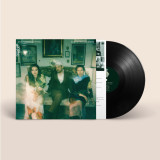
Recorded as part of the same daydreaming puzzle as Unwishing Well, Still Clouds at Noon brings out the slowcore/sadcore elements that drift through The Reds, Pinks & Purples' melancholy catalog. Donaldson names '90s hometown San Francisco acts such as American Music Club and the more obscure Timco as pivotal to his guitar playing and development as a songwriter, both of which shine bright here. The slower tempo ballads on Still Clouds_ often culminate in heavy fuzz drenched codas and showcase the more abstract poetic side of Donaldson's lyricism. There's an inherent pop-sensibility always at work though, with ear-worm melodies appearing over intoxicating circular riffs. Formerly a Bandcamp only digital release, this white vinyl version is remastered and adds two unreleased tracks, one featuring Mark Monnone from Australian pop-legends The Lucksmiths on bass. Strictly limited edition of 500 ww.
Seit über einem Jahrzehnt ist die Sängerin und Songwriterin Samira Winter eine feste Größe in der Musikszene von Los Angeles. In der DIY-Rock-Community der Stadt fand sie ihre kreative Heimat und schuf sich unter dem Namen Winter ihre ganz eigene Nische mit glorreich detailverliebtem und eklektischem Dream Pop. Ihr neuestes Album und Winspear-Debüt "Adult Romantix" ist ein Abschieds-Liebesbrief an LA - ,ein Tunnel aus Sommern und Erinnerungen" - inspiriert von der gotisch-romantischen Literatur Mary Shelleys und romantischen Komödien der 90er-Jahre. Samira wuchs in Curitiba, Brasilien auf und spielte in ihren ersten Bands in Boston, bevor sie 2013 nach Los Angeles zog und sich in die Stadt verliebte. Doch irgendwann verspürte sie den Wunsch nach einem Tapetenwechsel, um persönliches Wachstum zu ermöglichen - eine schmerzhafte, aber notwendige Erkenntnis, die sie schließlich nach New York City führte. In den rund zwei Jahren vor ihrem emotionalen Umzug von Küste zu Küste schrieb sie Songs im Übergangszustand - oft zwischen Tourneen, in verschiedenen Städten und temporären Unterkünften. Aus diesen Phasen entstanden die 13 Songs ihres neuen Albums "Adult Romantix", dem Nachfolger ihres gefeierten 2022er-Albums "What Kind of Blue Are You?". Nostalgisch und sehnsuchtsvoll verbindet "Adult Romantix" wirbelnde Gitarren, rauchige Vocals und einige bemerkenswerte Gastauftritte, etwa von Dimitri Giannopoulos (Horse Jumper of Love) und Hannah van Loon (Tanukichan). Beeinflusst von Klassikern wie "Rather Ripped" von Sonic Youth, "Either/Or" von Elliott Smith und dem sonnengetränkten kalifornischen Shoegaze der 2010er Jahre, schwankt "Adult Romantix" zwischen taufrischer, gitarrengetriebener Euphorie und dunkler, nächtlicher Sehnsucht. Geprägt von aufbrausenden Verzerrungen und offen gestimmten Akustikgitarren, liegt über diesen rohen, liebeskranken Liedern eine greifbare bittersüße Stimmung.
Seit über einem Jahrzehnt ist die Sängerin und Songwriterin Samira Winter eine feste Größe in der Musikszene von Los Angeles. In der DIY-Rock-Community der Stadt fand sie ihre kreative Heimat und schuf sich unter dem Namen Winter ihre ganz eigene Nische mit glorreich detailverliebtem und eklektischem Dream Pop. Ihr neuestes Album und Winspear-Debüt "Adult Romantix" ist ein Abschieds-Liebesbrief an LA - ,ein Tunnel aus Sommern und Erinnerungen" - inspiriert von der gotisch-romantischen Literatur Mary Shelleys und romantischen Komödien der 90er-Jahre. Samira wuchs in Curitiba, Brasilien auf und spielte in ihren ersten Bands in Boston, bevor sie 2013 nach Los Angeles zog und sich in die Stadt verliebte. Doch irgendwann verspürte sie den Wunsch nach einem Tapetenwechsel, um persönliches Wachstum zu ermöglichen - eine schmerzhafte, aber notwendige Erkenntnis, die sie schließlich nach New York City führte. In den rund zwei Jahren vor ihrem emotionalen Umzug von Küste zu Küste schrieb sie Songs im Übergangszustand - oft zwischen Tourneen, in verschiedenen Städten und temporären Unterkünften. Aus diesen Phasen entstanden die 13 Songs ihres neuen Albums "Adult Romantix", dem Nachfolger ihres gefeierten 2022er-Albums "What Kind of Blue Are You?". Nostalgisch und sehnsuchtsvoll verbindet "Adult Romantix" wirbelnde Gitarren, rauchige Vocals und einige bemerkenswerte Gastauftritte, etwa von Dimitri Giannopoulos (Horse Jumper of Love) und Hannah van Loon (Tanukichan). Beeinflusst von Klassikern wie "Rather Ripped" von Sonic Youth, "Either/Or" von Elliott Smith und dem sonnengetränkten kalifornischen Shoegaze der 2010er Jahre, schwankt "Adult Romantix" zwischen taufrischer, gitarrengetriebener Euphorie und dunkler, nächtlicher Sehnsucht. Geprägt von aufbrausenden Verzerrungen und offen gestimmten Akustikgitarren, liegt über diesen rohen, liebeskranken Liedern eine greifbare bittersüße Stimmung.
Seit über einem Jahrzehnt ist die Sängerin und Songwriterin Samira Winter eine feste Größe in der Musikszene von Los Angeles. In der DIY-Rock-Community der Stadt fand sie ihre kreative Heimat und schuf sich unter dem Namen Winter ihre ganz eigene Nische mit glorreich detailverliebtem und eklektischem Dream Pop. Ihr neuestes Album und Winspear-Debüt "Adult Romantix" ist ein Abschieds-Liebesbrief an LA - ,ein Tunnel aus Sommern und Erinnerungen" - inspiriert von der gotisch-romantischen Literatur Mary Shelleys und romantischen Komödien der 90er-Jahre. Samira wuchs in Curitiba, Brasilien auf und spielte in ihren ersten Bands in Boston, bevor sie 2013 nach Los Angeles zog und sich in die Stadt verliebte. Doch irgendwann verspürte sie den Wunsch nach einem Tapetenwechsel, um persönliches Wachstum zu ermöglichen - eine schmerzhafte, aber notwendige Erkenntnis, die sie schließlich nach New York City führte. In den rund zwei Jahren vor ihrem emotionalen Umzug von Küste zu Küste schrieb sie Songs im Übergangszustand - oft zwischen Tourneen, in verschiedenen Städten und temporären Unterkünften. Aus diesen Phasen entstanden die 13 Songs ihres neuen Albums "Adult Romantix", dem Nachfolger ihres gefeierten 2022er-Albums "What Kind of Blue Are You?". Nostalgisch und sehnsuchtsvoll verbindet "Adult Romantix" wirbelnde Gitarren, rauchige Vocals und einige bemerkenswerte Gastauftritte, etwa von Dimitri Giannopoulos (Horse Jumper of Love) und Hannah van Loon (Tanukichan). Beeinflusst von Klassikern wie "Rather Ripped" von Sonic Youth, "Either/Or" von Elliott Smith und dem sonnengetränkten kalifornischen Shoegaze der 2010er Jahre, schwankt "Adult Romantix" zwischen taufrischer, gitarrengetriebener Euphorie und dunkler, nächtlicher Sehnsucht. Geprägt von aufbrausenden Verzerrungen und offen gestimmten Akustikgitarren, liegt über diesen rohen, liebeskranken Liedern eine greifbare bittersüße Stimmung.
Im Jahr 2018 war Case Oats so etwas wie eine nebulöse Idee. Die Bandleaderin Casey Gomez Walker hatte bereits in Bands gespielt, und ihr Projekt Case Oats hatte eine selbst veröffentlichte Single, aber war keine Band, bis ein auswärtiger Freund sie fragte, ob Case Oats eine Show in Chicago headlinen könnten. Casey bluffte - ja, sie hatte eine Band, ja, sie waren bereit, eine Show zu spielen - und machte sich an die Arbeit. "Es war ein bisschen wahnhaft von mir", sagt sie, "aber ein bisschen wahnhaft zu sein hat ja auch etwas für sich." "Last Missouri Exit", das Debütalbum von Case Oats, ist ein bemerkenswert sicheres Album, bei dem sich die Band - Spencer Tweedy (Schlagzeug), Max Subar (Gitarre, Pedal Steel), Jason Ashworth (Bass), Scott Daniel (Fiddle) und Nolan Chin (Klavier, Orgel) - um Gomez Walkers Stimme und Gitarre gruppiert. "Last Missouri Exit" ist eine Sammlung scharf gezeichneter Charakterstudien. Gomez Walkers Hintergrund im kreativen Schreiben drückt sich in ironischen Beobachtungen und einem entwaffnend leichten Sinn für Lyrik aus, das Tiefgründige und Profane purzelt aus Songs wie "Bitter Root Lake" mit dem Gewicht eines Bekenntnisgedichts und der Leichtigkeit eines Gesprächs unter Freunden. Der rote Faden von Case Oats' erstem Auftritt bis zu ihrem Debütalbum ist Vertrauen, in die Songs und in ihre Spieler. "Last Missouri Exit" klingt aus den chaotischsten Kammern des Herzens und die Band schwillt um Gomez Walker herum an, die das Erwachsenwerden in Bezug auf die Loyalität zu verzweifelt fehlerhaften Menschen und schließlich, mit etwas Abstand von zu Hause, die Treue zu sich selbst beschreibt. Die Songs entstanden live, und die ersten Aufnahmen fanden, wie sich Gomez Walker erinnert, im Keller eines Hauses statt, das Ashworth, Subar und Tourmitglied Chet Zenor gemeinsam bewohnten. "Wir nahmen die Songs an drei heißen Augusttagen mit unseren Freunden auf und versuchten einfach, die Energie zwischen uns einzufangen". Tweedy, der die Session mit Ashworth und Subar aufnahm und das Album produzierte, sagt dazu: "Wir brachten gerade so viel Material mit in den Keller, dass wir es aufnehmen konnten. Wir hatten das Glück, in den Monaten vor der Session viele Konzerte gespielt zu haben, so dass wir einfach so spielten, wie wir gespielt hatten, ohne jede Wertigkeit." Diese anfängliche Kellersession ist das Zuhause, in dem "Last Missouri Exit" aufwuchs, und diente sowohl als Ursprungs- als auch als Zielort, da Gomez Walker und Tweedy den Gesang in getrennten Sessions zu Hause aufnahmen. Texte, die sich so wahrhaftig lesen wie "Your brother was the golden boy and you were your mother's pup / The safety of her guiding arms kept you from fucking up", heißt es in einem Couplet aus "Buick Door", das durch die Distanz zwischen Gomez Walker und den auslösenden Ereignissen ihrer Songs gestärkt wird. Ihre Stimme ist selbstbewusst und zart, sie fängt den Nervenkitzel eines Schlagzeugs oder die schmerzende Weite der Pedal Steel ein und kanalisiert den Schwung in die Hoffnungen und den Herzschmerz des Kleinstadtlebens im Mittleren Westen. Auf der Fahrt von Gomez Walkers Heimatstadt auf dem Freeway nach Chicago in Richtung Norden steht auf dem Schild kurz vor der Grenze zu Illinois unter anderem "Last Missouri Exit". Es ist ein Punkt auf der Landkarte und für sie ein Punkt, an dem es kein Zurück mehr gibt. Als sie ihn eines Tages überquerte, bedeutete das das Ende ihrer Kindheit und den Beginn ihres restlichen Lebens. Das Album ist ein Scharnier zwischen diesen beiden Zuständen, in dem sich die Schmerzen des Heimwehs mit dem Nervenkitzel des Aufbruchs zum Horizont überlagern. "In a Bungalow" betrachtet diese Überschneidung im Licht der goldenen Stunde, ein Lied, dessen leidenschaftliche Sehnsucht nach der Heimat - ihren süßen Quellen und langsamen Tagen und alten Freunden - nur möglich ist, weil sie einen Ort verlassen hat, der sich einst wie das Zentrum des Universums anfühlte. Wenn "Last Missouri Exit" ein Coming-of-Age-Album ist, dann deshalb, weil es um Wachstum und Perspektive geht, und weil es von einer Band gemacht wurde, die bereits jenseits des Horizonts lebt, nach dem das Album benannt ist. Es ist ein Album, das sich danach sehnt, gehört zu werden, während man den Sonnenuntergang von seiner Veranda-Schaukel aus beobachtet, aber seine wehmütige, idyllische Sicht auf den Mittleren Westen ist keine Nostalgie für die Vergangenheit - es ist das, was Case Oats einen Sommer lang im Keller auf einer Ad-hoc-Bühne gezaubert haben, ein Dokument einer Band, die um diese Songs herum zusammengewachsen ist, auf einem neu entdeckten Höhepunkt ihrer gemeinsamen Kräfte. Was sie geschaffen haben, ist warm und einladend, ein Album, das sich beim ersten Durchlauf offenbart und mit jedem Hören tiefer wird. Dies ist ihre Einführung; man fragt sich, was ihr Horizont noch bereithält.
Im Jahr 2018 war Case Oats so etwas wie eine nebulöse Idee. Die Bandleaderin Casey Gomez Walker hatte bereits in Bands gespielt, und ihr Projekt Case Oats hatte eine selbst veröffentlichte Single, aber war keine Band, bis ein auswärtiger Freund sie fragte, ob Case Oats eine Show in Chicago headlinen könnten. Casey bluffte - ja, sie hatte eine Band, ja, sie waren bereit, eine Show zu spielen - und machte sich an die Arbeit. "Es war ein bisschen wahnhaft von mir", sagt sie, "aber ein bisschen wahnhaft zu sein hat ja auch etwas für sich." "Last Missouri Exit", das Debütalbum von Case Oats, ist ein bemerkenswert sicheres Album, bei dem sich die Band - Spencer Tweedy (Schlagzeug), Max Subar (Gitarre, Pedal Steel), Jason Ashworth (Bass), Scott Daniel (Fiddle) und Nolan Chin (Klavier, Orgel) - um Gomez Walkers Stimme und Gitarre gruppiert. "Last Missouri Exit" ist eine Sammlung scharf gezeichneter Charakterstudien. Gomez Walkers Hintergrund im kreativen Schreiben drückt sich in ironischen Beobachtungen und einem entwaffnend leichten Sinn für Lyrik aus, das Tiefgründige und Profane purzelt aus Songs wie "Bitter Root Lake" mit dem Gewicht eines Bekenntnisgedichts und der Leichtigkeit eines Gesprächs unter Freunden. Der rote Faden von Case Oats' erstem Auftritt bis zu ihrem Debütalbum ist Vertrauen, in die Songs und in ihre Spieler. "Last Missouri Exit" klingt aus den chaotischsten Kammern des Herzens und die Band schwillt um Gomez Walker herum an, die das Erwachsenwerden in Bezug auf die Loyalität zu verzweifelt fehlerhaften Menschen und schließlich, mit etwas Abstand von zu Hause, die Treue zu sich selbst beschreibt. Die Songs entstanden live, und die ersten Aufnahmen fanden, wie sich Gomez Walker erinnert, im Keller eines Hauses statt, das Ashworth, Subar und Tourmitglied Chet Zenor gemeinsam bewohnten. "Wir nahmen die Songs an drei heißen Augusttagen mit unseren Freunden auf und versuchten einfach, die Energie zwischen uns einzufangen". Tweedy, der die Session mit Ashworth und Subar aufnahm und das Album produzierte, sagt dazu: "Wir brachten gerade so viel Material mit in den Keller, dass wir es aufnehmen konnten. Wir hatten das Glück, in den Monaten vor der Session viele Konzerte gespielt zu haben, so dass wir einfach so spielten, wie wir gespielt hatten, ohne jede Wertigkeit." Diese anfängliche Kellersession ist das Zuhause, in dem "Last Missouri Exit" aufwuchs, und diente sowohl als Ursprungs- als auch als Zielort, da Gomez Walker und Tweedy den Gesang in getrennten Sessions zu Hause aufnahmen. Texte, die sich so wahrhaftig lesen wie "Your brother was the golden boy and you were your mother's pup / The safety of her guiding arms kept you from fucking up", heißt es in einem Couplet aus "Buick Door", das durch die Distanz zwischen Gomez Walker und den auslösenden Ereignissen ihrer Songs gestärkt wird. Ihre Stimme ist selbstbewusst und zart, sie fängt den Nervenkitzel eines Schlagzeugs oder die schmerzende Weite der Pedal Steel ein und kanalisiert den Schwung in die Hoffnungen und den Herzschmerz des Kleinstadtlebens im Mittleren Westen. Auf der Fahrt von Gomez Walkers Heimatstadt auf dem Freeway nach Chicago in Richtung Norden steht auf dem Schild kurz vor der Grenze zu Illinois unter anderem "Last Missouri Exit". Es ist ein Punkt auf der Landkarte und für sie ein Punkt, an dem es kein Zurück mehr gibt. Als sie ihn eines Tages überquerte, bedeutete das das Ende ihrer Kindheit und den Beginn ihres restlichen Lebens. Das Album ist ein Scharnier zwischen diesen beiden Zuständen, in dem sich die Schmerzen des Heimwehs mit dem Nervenkitzel des Aufbruchs zum Horizont überlagern. "In a Bungalow" betrachtet diese Überschneidung im Licht der goldenen Stunde, ein Lied, dessen leidenschaftliche Sehnsucht nach der Heimat - ihren süßen Quellen und langsamen Tagen und alten Freunden - nur möglich ist, weil sie einen Ort verlassen hat, der sich einst wie das Zentrum des Universums anfühlte. Wenn "Last Missouri Exit" ein Coming-of-Age-Album ist, dann deshalb, weil es um Wachstum und Perspektive geht, und weil es von einer Band gemacht wurde, die bereits jenseits des Horizonts lebt, nach dem das Album benannt ist. Es ist ein Album, das sich danach sehnt, gehört zu werden, während man den Sonnenuntergang von seiner Veranda-Schaukel aus beobachtet, aber seine wehmütige, idyllische Sicht auf den Mittleren Westen ist keine Nostalgie für die Vergangenheit - es ist das, was Case Oats einen Sommer lang im Keller auf einer Ad-hoc-Bühne gezaubert haben, ein Dokument einer Band, die um diese Songs herum zusammengewachsen ist, auf einem neu entdeckten Höhepunkt ihrer gemeinsamen Kräfte. Was sie geschaffen haben, ist warm und einladend, ein Album, das sich beim ersten Durchlauf offenbart und mit jedem Hören tiefer wird. Dies ist ihre Einführung; man fragt sich, was ihr Horizont noch bereithält.
"Songs in the Key of Yikes" ist ein typisches Superchunk-Album: viszeral und zeitlos und verdammt eingängig - ein kathartischer Balsam für diese bedrückenden Zeiten. "Bruised Lung" - "No Hope" - "Care Less" - "Climb the Walls" - "Everybody Dies". Wenn man die Trackliste von "Songs in the Key of Yikes" überfliegt, fragt man sich unweigerlich: Sind Superchunk okay? In einer Welt, die wohl düsterer ist als die, die "Wild Loneliness" (2022) oder "What a Time to Be Alive" (2018) begrüßte, geht es uns da überhaupt noch gut? "Es war schon immer so, dass jeder etwas durchmacht, von dem man vielleicht nichts weiß", bemerkt Mac McCaughan. "Das gilt derzeit mehr denn je - aber es ist auch so, dass wir alle gemeinsam etwas durchmachen. Angesichts dessen, was nützt Kunst und wo findet man Glück? (Spoiler-Alarm: Ich weiß es nicht.)" Auf der Suche nach einer Antwort entfesselt "Songs in the Key of Yikes" einen Sound, der triumphierend und hell in der Dunkelheit ist, "Majesty Shredding" im Overdrive. Die Lead-Single ,Is It Making You Feel Something" gibt früh den Ton an, wobei die Band - McCaughan, Laura Ballance, Jim Wilbur und Laura King - aus dem Potenzial für Freude eine Hymne baut und in schlammverschmutzte Gewässer taucht und mit einer Perle wieder hochkommt. "No Hope" ist ähnlich widerstandsfähig, McCaughans Texte zeichnen ein niederschmetterndes Bild, bevor sie in den titelgebenden Refrain übergehen. Er wiederholt den Satz neun Mal, macht eine Pause und verwandelt die Stimmung vollständig, indem er den Gesang mit der Zeile "and here we are singing" unterbricht. Der Text ist scharf, gleichzeitig eine einfache Beobachtung und eine tiefgründige Aussage über das Sein, die erdrückenden Nächte und endlosen Tage, aber McCaughans Stimme findet eine gewisse Süße darin, durchgehalten zu haben und dies auch weiterhin zu tun. Paradoxerweise grenzt die Energie von "Songs in the Key of Yikes" an Euphorie und bricht manchmal sogar in sie aus, wie in "Stuck in a Dream", das wie eine oasenartige Fata Morgana zwischen "Everybody Dies" und "Train on Fire" auftaucht, ein voller Sprint, der die Menge begeistert und sich zum Pogen im Pit eignet. "Care Less" ist ein düsterer, komischer Spiegel dieser Energie, ein Garage-Jam, in dem ein scharfzüngiger McCaughan Zuflucht vor dem Sturm sucht, indem er so tut, als würde er nicht direkt vor seiner Tür toben. Diese Strategie funktioniert nicht. Natürlich funktioniert sie nicht. Es ist ein Song auf einem Superchunk-Album, und Superchunk-Alben sind Argumente gegen Engstirnigkeit und für Partys, die groß genug sind, um alle zu beherbergen. Dieses Album begrüßt nicht nur Laura King nach zwei Jahren als Tour-Schlagzeugerin in der Band, sondern enthält auch Beiträge von Rosali Middleman ("Bruised Lung" und "Everybody Dies"), Bella Quinlan und Holly Thomas von Quivers ("Cue") und der Tour-Bassistin Betsy Wright ("Care Less"). Das Album wurde von Paul Voran (The Menzingers, Hurray for the Riff Raff) und Eli Webb produziert und von Mike Montgomery (The Breeders, Protomartyr) gemischt. Gemeinsam kommen sie zu keinem Ergebnis darüber, was gute Kunst in Krisenzeiten ausmacht und schaffen gleichzeitig großartige Kunst.
"Songs in the Key of Yikes" ist ein typisches Superchunk-Album: viszeral und zeitlos und verdammt eingängig - ein kathartischer Balsam für diese bedrückenden Zeiten. "Bruised Lung" - "No Hope" - "Care Less" - "Climb the Walls" - "Everybody Dies". Wenn man die Trackliste von "Songs in the Key of Yikes" überfliegt, fragt man sich unweigerlich: Sind Superchunk okay? In einer Welt, die wohl düsterer ist als die, die "Wild Loneliness" (2022) oder "What a Time to Be Alive" (2018) begrüßte, geht es uns da überhaupt noch gut? "Es war schon immer so, dass jeder etwas durchmacht, von dem man vielleicht nichts weiß", bemerkt Mac McCaughan. "Das gilt derzeit mehr denn je - aber es ist auch so, dass wir alle gemeinsam etwas durchmachen. Angesichts dessen, was nützt Kunst und wo findet man Glück? (Spoiler-Alarm: Ich weiß es nicht.)" Auf der Suche nach einer Antwort entfesselt "Songs in the Key of Yikes" einen Sound, der triumphierend und hell in der Dunkelheit ist, "Majesty Shredding" im Overdrive. Die Lead-Single ,Is It Making You Feel Something" gibt früh den Ton an, wobei die Band - McCaughan, Laura Ballance, Jim Wilbur und Laura King - aus dem Potenzial für Freude eine Hymne baut und in schlammverschmutzte Gewässer taucht und mit einer Perle wieder hochkommt. "No Hope" ist ähnlich widerstandsfähig, McCaughans Texte zeichnen ein niederschmetterndes Bild, bevor sie in den titelgebenden Refrain übergehen. Er wiederholt den Satz neun Mal, macht eine Pause und verwandelt die Stimmung vollständig, indem er den Gesang mit der Zeile "and here we are singing" unterbricht. Der Text ist scharf, gleichzeitig eine einfache Beobachtung und eine tiefgründige Aussage über das Sein, die erdrückenden Nächte und endlosen Tage, aber McCaughans Stimme findet eine gewisse Süße darin, durchgehalten zu haben und dies auch weiterhin zu tun. Paradoxerweise grenzt die Energie von "Songs in the Key of Yikes" an Euphorie und bricht manchmal sogar in sie aus, wie in "Stuck in a Dream", das wie eine oasenartige Fata Morgana zwischen "Everybody Dies" und "Train on Fire" auftaucht, ein voller Sprint, der die Menge begeistert und sich zum Pogen im Pit eignet. "Care Less" ist ein düsterer, komischer Spiegel dieser Energie, ein Garage-Jam, in dem ein scharfzüngiger McCaughan Zuflucht vor dem Sturm sucht, indem er so tut, als würde er nicht direkt vor seiner Tür toben. Diese Strategie funktioniert nicht. Natürlich funktioniert sie nicht. Es ist ein Song auf einem Superchunk-Album, und Superchunk-Alben sind Argumente gegen Engstirnigkeit und für Partys, die groß genug sind, um alle zu beherbergen. Dieses Album begrüßt nicht nur Laura King nach zwei Jahren als Tour-Schlagzeugerin in der Band, sondern enthält auch Beiträge von Rosali Middleman ("Bruised Lung" und "Everybody Dies"), Bella Quinlan und Holly Thomas von Quivers ("Cue") und der Tour-Bassistin Betsy Wright ("Care Less"). Das Album wurde von Paul Voran (The Menzingers, Hurray for the Riff Raff) und Eli Webb produziert und von Mike Montgomery (The Breeders, Protomartyr) gemischt. Gemeinsam kommen sie zu keinem Ergebnis darüber, was gute Kunst in Krisenzeiten ausmacht und schaffen gleichzeitig großartige Kunst.
"Astral Americana hymns hovering somewhere between the dirt and the stars" Pitchfork
"Mood music for moments of solitude, best experienced without distraction" The Times
"Overwhelmingly effective and ravishingly beautiful" The Wire
American Dust is an ode to the beauty of the American Southwest, where vast desert landscapes hold stories both stark and tender. Eve Adams’ characteristic folk noir weaves a vivid tapestry of love, sacrifice and quiet revelation, conjuring images of dust storms, stray dogs and far off trains.
The high desert of California is a vast and confounding place. Equally inspiring as it is punishing, it’s a landscape that carries magic in its deep dark nights, holding stories both tender and stark in the coarse layer of dust that settles upon everything. It’s long been a source of inspiration for musicians, writers, and painters, each of them adding to the same current, carried forward over time, through hope and hardship and the passing years.
Somewhere out there in that broad and boundless landscape, Eve Adams has been living her own desert life, quietly writing the follow-up to 2021’s Metal Bird LP. Where that album sang of liminal space, the dream-like turbulence of Hollywood’s golden age, American Dust is far more rooted in traditional storytelling; a eulogy for the American Dream channeled through that sweeping part of the country that holds such power and mystery. Slipping into different and varied costumes throughout its ten songs, it finds Eve not just observing the people around her but stepping into their shoes and peeling back the layers of their quiet lives.
Adams writes from within. A few years ago she moved out there, to “the middle of nowhere”, finding a slowness that didn’t exist in the city, and she knows only too well about the mystical nature of the land and those who live within it. Weaving together themes of grit and romance, American Dust holds its focus on the bittersweet poetry of lives lived in solitude, most notably the women who sustain life at the center of it all. “There’s something very radical about domestic life,” Adams says of this thread. “So many women live their entire lives behind closed doors, completely in the shadows. Within those lives is such sacrifice, devotion, and love. I wanted to honor that: the poetry in the mundane, the longing in the repetition. The way love survives boredom and dust and time.”
Eve is joined on American Dust by Canadian musician Bryce Cloghesy, aka Military Genius of Crack Cloud, who plays throughout and also helped produce the album. Musically bold and vivid, it’s an ambitious and detailed stride forward from what’s come before, the scope of the LP’s narrative reflected in the radiant sweep of the playing. On top of gentle piano and guitar, gorgeous strings drift through the album, lending the songs a woozy sense of romanticism; a collaboration with Gamaliel Traynor (Cello) and Caroline’s Oliver Hamilton (Violin).
For all the drama that’s coiled around these songs, it’s the recurring notion of love and hope fighting against everything that holds true throughout American Dust. Musically it’s lush and vibrant, intimate and cinematic side by side, and always bursting with warmth. But it’s what it holds in its weary bones that elevates it to something truly special, something more than just a collection of songs penned in the heart of the desert. The characters it speaks of, and from, feel shadowed but wholly real, like they’re bursting to share their stories that have remained hidden for years and years and they allow Eve Adams to grow as a songwriter right in front of our eyes.
“The same swirling dust that clung to the covered wagons of my ancestors as they crossed the Great American Desert is the same dust my great-great-grandmother swept off her porch during the Dust Bowl of 1936 in Oklahoma, is the same dust that blows in through the cracks in my windows here in the desert, carrying stories from a time long gone,” Eve says, reflecting on the personal narrative that runs through her new album.
“It’s not just dust—it’s American Dust, the kind that settles into the bones of a family and never leaves. I think about that dust as a symbol of the passage of time. I hope this album will be part of that same current, carrying forward for the next generations of my family to find. I’ve been lucky enough to have journals and poetry from my ancestors that documents their lives during times of pure hope and pure hardship. I’d like to think of this album as a contribution to that family history.”
LP comes with 24 page 8.5x11 full color booklet. In the blurred and memorial hallways of bygone time, to remember is to wander between the rooms of our own experiences, to appear and disappear, like a play of overlapping shadows. In music set drifting through the architecture of his own memories, Moses Brown weaves a story that oscillates between the past and the present, like a mason turning over stones to reconstruct his childhood home in this beautiful and disquieting soundtrack to growing up. On Stone Upon Stone, Moses' first solo LP attributed to his given name after several releases under the brilliant and despondent "Peace de Resistance" moniker, he moves sidelong into the realm of soundtracks with this score to the construction of his childhood home in a story spanning 1993-2023. Laid out in lush and provocative minimalist instrumentals, the album unfolds a story about the planning, partial construction, and dissolution of a home in constant state of becoming through the lens of its only child, coming of age under flux. Influenced by the approach of friends and collaborators Straw Man Army's OST to Charles Darwin's Voyage of the Beagle, Stone Upon Stone was originally intended as a soundtrack to a novel of the same name by Wieslaw Mysliwski, an epic set in Poland about a family's construction of a mausoleum. Struck by the story's parallels with his own family's project, he got the idea to complete the work as a personal narrative. Created from layers of different mellotron voices then separated, re-amplified, and recorded as if they were a sitting chamber orchestra, the music eerily blurs the line between human and synthetic, giving way to something akin to a memory with it's blurriness of fact and fiction. In the same spirit of association, this record is certainly influenced by other minimalists working within the confines of "soundtrack", like Philip Glass' North Star and the film work of Michael Nyman. But Brown's soundtrack works within its own peculiar depth of field, living in the listener's imagination, thriving in its own sense of loneliness, aspiration, and confusion that only childhood can evoke. Listeners will feel the entropy of aging in Stone Upon Stone, like a memoir in cascading tones, that sets it apart from so much else in DIY music, and rewards with repeated listens. For Fans of Philip Glass, Kali Malone, Julius Eastman, Mica Levi, Roedelius.
"Songs in the Key of Yikes" ist ein typisches Superchunk-Album: viszeral und zeitlos und verdammt eingängig - ein kathartischer Balsam für diese bedrückenden Zeiten. "Bruised Lung" - "No Hope" - "Care Less" - "Climb the Walls" - "Everybody Dies". Wenn man die Trackliste von "Songs in the Key of Yikes" überfliegt, fragt man sich unweigerlich: Sind Superchunk okay? In einer Welt, die wohl düsterer ist als die, die "Wild Loneliness" (2022) oder "What a Time to Be Alive" (2018) begrüßte, geht es uns da überhaupt noch gut? "Es war schon immer so, dass jeder etwas durchmacht, von dem man vielleicht nichts weiß", bemerkt Mac McCaughan. "Das gilt derzeit mehr denn je - aber es ist auch so, dass wir alle gemeinsam etwas durchmachen. Angesichts dessen, was nützt Kunst und wo findet man Glück? (Spoiler-Alarm: Ich weiß es nicht.)" Auf der Suche nach einer Antwort entfesselt "Songs in the Key of Yikes" einen Sound, der triumphierend und hell in der Dunkelheit ist, "Majesty Shredding" im Overdrive. Die Lead-Single ,Is It Making You Feel Something" gibt früh den Ton an, wobei die Band - McCaughan, Laura Ballance, Jim Wilbur und Laura King - aus dem Potenzial für Freude eine Hymne baut und in schlammverschmutzte Gewässer taucht und mit einer Perle wieder hochkommt. "No Hope" ist ähnlich widerstandsfähig, McCaughans Texte zeichnen ein niederschmetterndes Bild, bevor sie in den titelgebenden Refrain übergehen. Er wiederholt den Satz neun Mal, macht eine Pause und verwandelt die Stimmung vollständig, indem er den Gesang mit der Zeile "and here we are singing" unterbricht. Der Text ist scharf, gleichzeitig eine einfache Beobachtung und eine tiefgründige Aussage über das Sein, die erdrückenden Nächte und endlosen Tage, aber McCaughans Stimme findet eine gewisse Süße darin, durchgehalten zu haben und dies auch weiterhin zu tun. Paradoxerweise grenzt die Energie von "Songs in the Key of Yikes" an Euphorie und bricht manchmal sogar in sie aus, wie in "Stuck in a Dream", das wie eine oasenartige Fata Morgana zwischen "Everybody Dies" und "Train on Fire" auftaucht, ein voller Sprint, der die Menge begeistert und sich zum Pogen im Pit eignet. "Care Less" ist ein düsterer, komischer Spiegel dieser Energie, ein Garage-Jam, in dem ein scharfzüngiger McCaughan Zuflucht vor dem Sturm sucht, indem er so tut, als würde er nicht direkt vor seiner Tür toben. Diese Strategie funktioniert nicht. Natürlich funktioniert sie nicht. Es ist ein Song auf einem Superchunk-Album, und Superchunk-Alben sind Argumente gegen Engstirnigkeit und für Partys, die groß genug sind, um alle zu beherbergen. Dieses Album begrüßt nicht nur Laura King nach zwei Jahren als Tour-Schlagzeugerin in der Band, sondern enthält auch Beiträge von Rosali Middleman ("Bruised Lung" und "Everybody Dies"), Bella Quinlan und Holly Thomas von Quivers ("Cue") und der Tour-Bassistin Betsy Wright ("Care Less"). Das Album wurde von Paul Voran (The Menzingers, Hurray for the Riff Raff) und Eli Webb produziert und von Mike Montgomery (The Breeders, Protomartyr) gemischt. Gemeinsam kommen sie zu keinem Ergebnis darüber, was gute Kunst in Krisenzeiten ausmacht und schaffen gleichzeitig großartige Kunst.
Brenda (Hudson Whitlock of Surprise Chef / Karate Boogaloo / The Pro-Teens) presents new album 'Bath Time', a suite of heartbreaking, cinematic indie-soul ballads from the hotbed of Melbourne, Australia.
Brenda encompasses the left-field soul sensibilities for which Whitlock has come to be recognised in cult instrumental groups Surprise Chef, Karate Boogaloo and The Pro-Teens, alongside heartfelt, introspective lyricism delivered in a sincere, delicate falsetto. Stylistically, lines can be drawn to the 1960s sweet soul ballads of The Delfonics, Jean-Claude Vannier's vivid arrangements for Serge Gainsbourg, and, of course, the unmistakable flavour of Melbourne's cinematic soul movement à la other Whitlock exploits Surprise Chef and Karate Boogaloo.
'Bath Time' contains ten entrancingly melancholic ballads that earnestly express Whitlock's dramatic indie-soul sensibilities; encompassing the classically introspective nature of the poetic lyricist and the idiosyncratic use of soulful instrumental arrangements. The songs encompass themes of old romantic habits dying hard, familial rifts and unrequited love.
True to his modest vagabond nature, Whitlock has 'released' six Brenda albums to date, each uploaded exclusively to bandcamp, gladly resigning the music to the underground. Whilst he created theses albums in solitude, playing each instrument himself, 'Bath Time' sees Whitlock relinquishes the isolationism of previous works in favour of including his trusted inner circle of friends and collaborators: Surprise Chef's Lachlan Stuckey and Jethro Curtin on guitar and keyboard respectively, Karate Boogaloo's Darvid Thor on bass, and production from Henry Jenkins (Surprise Chef, Karate Boogaloo, Frollen Music Library).
AVAILABLE IN BLACK ICE WITH ORANGE AND BLUE SPLATTER (COK015WW)
Hot on the heels of 12bit Jungle Out There's 'Right Mind' EP, Foundations Records brings you the hotly anticipated follow-up from rising star Arkyn on 'The Spirit EP' Drawing influence from classic '93 era jungle techno on the likes of Basement Records, it's perhaps his most accomplished work to date in his first foray into all hardware production. Arkyn is a UK based DJ and Producer. His production is influenced from a wide range of music he grew up listening to including Reggae, Dub, Soul, Techno and Funk to name a few. After discovering rave music through the underground party scene in Northampton, he began to cut his teeth DJing and has since gone on to play at some of the most established Jungle/Hardcore events in the country including Distant Planet, The Rave Story and Calling The Hardcore among others. He also recently debuted at Fabric for Motive Hunter Audio's takeover. Arkyn has released on FFF's 3am Eternal, Billy Daniel Bunter's Music Mondays and Motive Hunter Audio to name a few. He also runs his own label TufStuf Records. FOUNDATIONS002 - Arkyn - The Spirit EP Four tracks of Hardcore Jungle Techno and 4x4 made with Akai S3000 XL sampler, Roland 909, Roland JV 1080, Korg 01/W FD and Roland D50.
out of Stock
Last delivered 57 days ago available to reorder, subject to availability
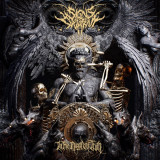
It has been a long time since Creepy Crawl released any music – the return to the fray was not something we had had thought about – times have changed, the world of underground music is almost unrecognizable – however things came back into focus earlier this year when the underground legend that is Mike Vest came calling…. Mike Vest is a one man musical tour de force known for his extensive work with such bands as Bong, Drunk in Hell, 11 Paranoias, Blown Out and Mienakunaru to name a few, releasing records on many underground labels such as Riot Season, Ritual Productions and Cardinal Fuzz etc For Brain Pills Mike has teamed up with Adam Stone from the excellent Poundland on vocals and Nick Raybould from Thought Bubble on drums and art – the result is very impressive indeed – primitive but deadly drums, pulverizingly heavy riffs – lots of fuzz and distortion going on coupled with Adam Stones demented and haunting vocal style all topped off by the excellent and disturbing artwork courtesy of Nick Raybould.
The LP Goatshead is homage to Mike's hometown of Gateshead – Goatshead being the ancient pagan name. The record has been mastered for this vinyl release by crust punk legend Bri Doom, known for his work with Sore Throat, Doom, Lazarus Blackstar and most recently with the excellent Disciple BC - the sound is massive, just what you would expect. Released on clear yellow vinyl with OBI strip and limited to just 300 copies – consume or die!
Ash Ra Tempel is the eponymous debut studio album by the Krautrock band Ash Ra Tempel. It features guitarist Manuel Göttsching with drummer Klaus Schulze and bassist Hartmut Enke.
Engineered by Conny Plank it was recorded in March 1971 and released in June 1971 on Ohr Records.
This 50Th Anniversary Album will be Released in Memoriam of all the Musical Contributors to this Release and on Manuel Göttsching´s MG.ART label. It´s the fourth and headlining edition in this series and was finalised, carefully overseen by Manuel Göttsching himself in the late Autumn of 2022.
Much has been written about the record and band.
Having finished a first musical chapter with their Steeple Chase Bluesband and still at very young age of only 17 and 18 years old Manuel Göttsching and Hartmut Enke met Klaus Schulze. Together they started to write and and compose what, to many, became one the holy grails of Psychedelic Rock and early Electronic Music -
the German variant which was later also named "Krautrock":
Ash Ra Tempel´s self-titled first album "Ash Ra Tempel".
"The trio of Klaus Schulze, Manuel Göttsching and Hartmut Enke decided to abandon conventional composition and song writing, in favour of free-form improvising and developing a new musical language. As such, they became notorious for jams that could exceed 30 minutes." Says Discogs. "Some of these recordings can be found on Manuel Göttsching´s "The Private Tapes" releases", which will be re-released on MG.ART as well, following this edition.
"Krautrocksampler" author Julian Cope mentioned it to be "… one of the greatest rock 'n' roll LPs ever made." (Julian Cope Presents Head Heritage | Unsung | Reviews | Ash Ra Tempel - Ash Ra Tempel". 15 March 2000.)
AllMusic called the album "both astonishingly prescient and just flat out good, a logical extension of the space-jam-freakout ethos into rarified realms."
Here we would like the Band to be heard, for what can easily be said as the first time in 50+ years, with the exception of some early Journalists for whom the young Manuel Göttsching wrote a statement of intent (the original text can be found inside this edition) as following:
"Our musical concept is based on a combination of blues rock and delicate collages of electronic sound. These two elements should remain inseparable. And in their complex unity, the different musical philosophies of each musician find a common sweet spot. Our music is a permanently impulsive experience left to develop as it will, starting from a common fixed point of departure. This is where the difficulty of the music begins: No standardized formulation of our music can and should be possible. Only the constant reaction within the band can determine the musical result. And this requires constant listening with full concentration on the part of the creators. The idea of a particular musician will be - if flexible enough - absorbed by the others, transposed to their own instrument, and reflected back into the music as an individual contribution. This reciprocity within the band is then transferred over to the audience. And this process means that their reaction is not only a contribution to the end result; it actually makes them jointly responsible for the creation of the final musical product.
…
On our album, the track "Amboss" represents the first layer. Conventional instruments communicate familiar music which is in part expanded through electronic means. In the second track of the album - "Traummaschine" - the actual basic sound approach is dissolved into an electronic Nirvana which no longer allows the concrete identification of actual instruments. Innocent, virgin listening, free from any and every association, can finally begin - and the music can be absorbed and processed free from the limitations of categorization. That is the purpose of our music: To convey freedom without any predetermined criteria or traditions.
Thank you for your attention."
(Taken from the original A-R-T Bio 1970)
Hartmut Enke, Manuel Göttsching and Klaus Schulze aka. Ash Ra Tempel travelled to Hamburg in March 1971 to record their debut, with assistance of another Icon, legendary engineer Conny Plank.
The rest is history.
out of Stock
Last delivered 13 months ago available to reorder, subject to availability
Ash Ra Tempel is the eponymous debut studio album by the Krautrock band Ash Ra Tempel. It features guitarist Manuel Göttsching with drummer Klaus Schulze and bassist Hartmut Enke.
Engineered by Conny Plank it was recorded in March 1971 and released in June 1971 on Ohr Records.
This 50Th Anniversary Album will be Released in Memoriam of all the Musical Contributors to this Release and on Manuel Göttsching´s MG.ART label. It´s the fourth and headlining edition in this series and was finalised, carefully overseen by Manuel Göttsching himself in the late Autumn of 2022.
Much has been written about the record and band.
Having finished a first musical chapter with their Steeple Chase Bluesband and still at very young age of only 17 and 18 years old Manuel Göttsching and Hartmut Enke met Klaus Schulze. Together they started to write and and compose what, to many, became one the holy grails of Psychedelic Rock and early Electronic Music -
the German variant which was later also named "Krautrock":
Ash Ra Tempel´s self-titled first album "Ash Ra Tempel".
"The trio of Klaus Schulze, Manuel Göttsching and Hartmut Enke decided to abandon conventional composition and song writing, in favour of free-form improvising and developing a new musical language. As such, they became notorious for jams that could exceed 30 minutes." Says Discogs. "Some of these recordings can be found on Manuel Göttsching´s "The Private Tapes" releases", which will be re-released on MG.ART as well, following this edition.
"Krautrocksampler" author Julian Cope mentioned it to be "… one of the greatest rock 'n' roll LPs ever made." (Julian Cope Presents Head Heritage | Unsung | Reviews | Ash Ra Tempel - Ash Ra Tempel". 15 March 2000.)
AllMusic called the album "both astonishingly prescient and just flat out good, a logical extension of the space-jam-freakout ethos into rarified realms."
Here we would like the Band to be heard, for what can easily be said as the first time in 50+ years, with the exception of some early Journalists for whom the young Manuel Göttsching wrote a statement of intent (the original text can be found inside this edition) as following:
"Our musical concept is based on a combination of blues rock and delicate collages of electronic sound. These two elements should remain inseparable. And in their complex unity, the different musical philosophies of each musician find a common sweet spot. Our music is a permanently impulsive experience left to develop as it will, starting from a common fixed point of departure. This is where the difficulty of the music begins: No standardized formulation of our music can and should be possible. Only the constant reaction within the band can determine the musical result. And this requires constant listening with full concentration on the part of the creators. The idea of a particular musician will be - if flexible enough - absorbed by the others, transposed to their own instrument, and reflected back into the music as an individual contribution. This reciprocity within the band is then transferred over to the audience. And this process means that their reaction is not only a contribution to the end result; it actually makes them jointly responsible for the creation of the final musical product.
…
On our album, the track "Amboss" represents the first layer. Conventional instruments communicate familiar music which is in part expanded through electronic means. In the second track of the album - "Traummaschine" - the actual basic sound approach is dissolved into an electronic Nirvana which no longer allows the concrete identification of actual instruments. Innocent, virgin listening, free from any and every association, can finally begin - and the music can be absorbed and processed free from the limitations of categorization. That is the purpose of our music: To convey freedom without any predetermined criteria or traditions.
Thank you for your attention."
(Taken from the original A-R-T Bio 1970)
Hartmut Enke, Manuel Göttsching and Klaus Schulze aka. Ash Ra Tempel travelled to Hamburg in March 1971 to record their debut, with assistance of another Icon, legendary engineer Conny Plank.
The rest is history.
out of Stock
Last delivered 13 months ago available to reorder, subject to availability
Limited 180g black vinyl (500 copies worldwide)
“Marcel Wave combine sharp-eyed Northern lyricism with DIY guitar-janglers rooted in a retro C86 aesthetic. Epic finale ‘Linoleum Floor’...is a gloriously bleak rumination on the horrors of enforced late-night hedonism worthy of prime Pulp” UNCUT
Marcel Wave write eulogies for tragic actresses, ancient riverbeds and concrete obscenity. Their inaugural sonic instalment ‘Something Looming’ is part trades club symphony, part itchy serenade, and part wistful lament. As their heady concoction of ‘Meades meets Pat-E-Smith meets Kirklees Borough Council’ gets prepped to be formally baptised on a dank stage near you, Upset the Rhythm and Feel It Records have dutifully stepped in to deliver its songbook to the masses on both sides of the pond.
Formed when Lindsay Corstorphine and Christopher Murphy of Sauna Youth and brethren Oliver and Patrick Fisher of Cold Pumas were summoned by northern ink-slinger Maike Hale-Jones, Marcel Wave’s debut offering is a walk through a smoke-filled pub with yellowing wallpaper and all eyes on you. It’s a chronicle of the death of the docklands, the decline of industry, of the high street, of civic pride, of civilisations, of hopes and dreams. As Hale-Jones delivers the bad news in her low, West Yorkshire brogue, Corstorphine adds the bells and whistles via the frantic pulsations of a wheezing Hohner organ in tandem with Fisher O’s rasping guitar. MW are completed by the throbbing basslines of Murphy and Fisher P’s fervent rhythms.
The title itself sets the tone for the listener. There’s a sense of foreboding in Hale-Jones’ lyrics which sit at the quintet’s core—elegiac, sardonic and piquant in equal measure. A mixture of narrative epilogues and inward paeans, her words weave tales across a broad thematic church. Crooked tales of urban renewal and the voices left behind are probed in ‘Barrow Boys’ and ‘Stop/Continue’ and are at the fore in ‘Where There’s Muck There’s Brass’ with its refrain lamenting ‘Concrete and slate shine in the rain, cities destroyed, nothing to gain’. In these lyrics, tower blocks loom over terraced houses with the same shadows that the Hollywood sign casts over Peg Entwistle before she takes her tragic leap. ‘Peg’ and ‘Elsie’ are both meditations on two different actresses with different fates crushed by the cut-throat trappings of showbusiness: ‘The mad hopes break, fragile as glass. She traded it all, for the cutting room floor.’ A snaking, existential dread also runs through the album, stated more obliquely in the otherwise poppier interludes of the title track ‘Something Looming’ and album opener ‘Bent Out of Shape’, and present too on the comparatively ramshackle ‘Discount Centre’, where Hale-Jones reports ‘On a mini bus on the outskirts of Enfield, I’m losing all of my spark’. On the album closing weeper ‘Linoleum Floor’, it is laid barer still—a keyboard-led reflection on the deflating nights out of our early-twenties.
Marcel Wave invites the listener to dance to society’s decline, and then to later weep into its lukewarm pint.
out of Stock
Last delivered 13 months ago available to reorder, subject to availability
Habibi Funk is more than happy to announce our 31st release which happens to be our 3rd various artists compilation. The album is dedicated to the cassette tape scene in Libya from the late 80s to early 2000s, from disco to reggae to pop. All songs previously unreleased outside of Libya and not available on any DSP platforms.
This compilation isn’t a sweeping history of Libyan music — it’s a personal journey into the sounds we fell in love with while digging through tapes, conversations, and stories across Libya and beyond. Rather than spotlighting the country’s most famous musical exports, the compilation brings forward a mix of overlooked gems and local classics of the cassette era: artists whose work thrived despite political limitations, and scarce international exposure. The music featured here blends reggae rhythms, synthy disco grooves, gritty pop, house, and funk, a vibrant collision of genres that reflects Libya’s unique sonic landscape from the 1980s to the early 2000s. Many of these recordings were recovered from the TK7 cassette factory in Sousse, Tunisia, a now-demolished site that once played a quiet but vital role in distributing and manufacturing Libyan music. Other tracks were digitised in a Cairo hotel room in 2021, where we transferred nearly 100 tapes over the course of three days, on-site using a high-grade cassette deck brought into Egypt with us. From that trove emerged artists like Ahmed Ben Ali, Cheb Bakr, and Najib Alhoush & The Free Music, who have already featured on our earlier releases. Their sounds sit alongside contributions from this release from the likes of Khaled Al Melody, Fathi Aldiyqz & Sons of Africa Band, City Lights Band, Libya Music Band, and Group Hewaya. During this era, Independent artists relied on makeshift home studios or travelled abroad to record in Tunisia and Egypt, gradually building their own infrastructures for creativity. By the 90s and early 2000s, as access to digital equipment increased, a few of the artists began setting up their own studios — a shift that gave rise to a more self-sufficient recording culture across the country. The resulting sounds are anything but homogeneous. They reflect Libya’s geographic and cultural crossroads: North African rhythms meet Arab melodies and deep African roots. Reggae, in particular, took on a local Libyan flavour — not just musically, through the slowed-down cadence of traditional shaabi beats, but socially, as a vehicle for expressing identity and pride. What ties all the artists on this comp together is a boundary- pushing approach to genre and style: recorded in small studios, exchanged by hand, and shaped by a cross-pollination of influences, from Benghazi to Tripoli and beyond. All tracks are licensed from their creators and in the case of the artists being deceased from their estates. All profits are being split 50:50 between us in the licensors and ownership remains with the creators, we only licensed the music.
out of Stock
Last delivered 9 months ago available to reorder, subject to availability
Zur Feier des 10-jährigen Jubiläums ist Chris Stapletons von der Kritik hochgelobtes Debütalbum Traveller jetzt erhältlich. Das 7-fach mit Platin ausgezeichnete Album wurde mit zahlreichen Preisen ausgezeichnet, darunter die Grammy Awards 2016 für das beste Country-Album und die beste Country-Solo-Performance für den Titeltrack. Jetzt auch zum ersten Mal als coloured Vinyl!
TOPS - die Musiker David Carriere, Jane Penny, Marta Cikojevic und Riley Fleck - schreiben zeitlose Musik, die zuverlässig Unmittelbarkeit und Tiefe miteinander verbindet. "Bury the Key", ihr erstes komplettes Album seit 2020, erscheint auf ihrem neuen Label Ghostly International und ist eine fesselnde Wiedereinführung für die Band aus Montréal: immer verfeinert, zweifellos Meister ihres melodischen Handwerks, aber ohne Angst, sich weiterzuentwickeln und sich an anderen, manchmal dunkleren Tönen zu versuchen. Das Album stellt sich den Gefühlen, die einst unter Verschluss gehalten wurden, beschäftigt sich mit dem Hin und Her zwischen Glück, Hedonismus und Selbstzerstörung. Während oft von fiktiven Figuren bevölkert, schöpfen ihre leuchtenden, groovenden, selbstproduzierten Songs aus persönlichen Beobachtungen: Intimität (sowohl innerhalb als auch außerhalb der Band), toxisches Verhalten, Drogenkonsum und apokalyptische Angst. Als die Aufnahmen begannen, bemerkten sie eine Verschiebung und lehnten sich an etwas, das sie scherzhaft als "böse TOPS" bezeichnen, so Penny. "Wir werden immer als weiche Band gesehen oder wie naiv oder freundlich auf eine kanadische Art, aber wir haben es zu einer Herausforderung gemacht, die Welt um uns herum wirklich zu kanalisieren." Durch die Linse einer sich abzeichnenden Epoche und der Klarheit, die mit dem Alter kommt, tauchen TOPS mit "Bury the Key" in eine düsterere Disco-Welt ein und geben ihrem weichen Sophisti-Pop eine schärfere Kante.
James Yorkston vereint auf "Songs for Nina and Johanna" starke Stimmen und große Gefühle inklusive Gast-Features von Nina Persson (The Cardigans) und Johanna Söderberg (First Aid Kit)!
"Songs for Nina and Johanna" ist das neue, einfühlsame Album des schottischen Singer-Songwriters James Yorkston. Das in Stockholm mit Mitgliedern des Second Hand Orchestra aufgenommene Album bringt James Yorkston erneut mit der unverwechselbaren Stimme von Nina Persson (The Cardigans) zusammen, während er zum ersten Mal mit Johanna Söderberg (First Aid Kit) zusammenarbeitet. Beide singen jeweils mehrere Songs gemeinsam mit ihm. Das Album kreist um zutiefst persönliche Themen wie Familie, Liebe und Elternschaft - Motive, die für Yorkston nach über zwanzig Jahren musikalischer Laufbahn mehr denn je im Zentrum seines Schaffens stehen. Die warmen, oft melancholischen Songs leben von feinen Melodien, ehrlichen Texten und einer Intimität, die durch die Stimmen Perssons und Söderbergs noch verstärkt wird. Im Gegensatz zu früheren, eher improvisierten Produktionen folgte die Entstehung dieses Albums einer klaren Struktur. Die intensiven Sessions im Studio Rymden wurden von Produzent Daniel Bengtson begleitet, der ein offenes, kreatives Umfeld schuf.
James Yorkston vereint auf "Songs for Nina and Johanna" starke Stimmen und große Gefühle inklusive Gast-Features von Nina Persson (The Cardigans) und Johanna Söderberg (First Aid Kit)!
"Songs for Nina and Johanna" ist das neue, einfühlsame Album des schottischen Singer-Songwriters James Yorkston. Das in Stockholm mit Mitgliedern des Second Hand Orchestra aufgenommene Album bringt James Yorkston erneut mit der unverwechselbaren Stimme von Nina Persson (The Cardigans) zusammen, während er zum ersten Mal mit Johanna Söderberg (First Aid Kit) zusammenarbeitet. Beide singen jeweils mehrere Songs gemeinsam mit ihm. Das Album kreist um zutiefst persönliche Themen wie Familie, Liebe und Elternschaft - Motive, die für Yorkston nach über zwanzig Jahren musikalischer Laufbahn mehr denn je im Zentrum seines Schaffens stehen. Die warmen, oft melancholischen Songs leben von feinen Melodien, ehrlichen Texten und einer Intimität, die durch die Stimmen Perssons und Söderbergs noch verstärkt wird. Im Gegensatz zu früheren, eher improvisierten Produktionen folgte die Entstehung dieses Albums einer klaren Struktur. Die intensiven Sessions im Studio Rymden wurden von Produzent Daniel Bengtson begleitet, der ein offenes, kreatives Umfeld schuf.
In an interview released to Billboard in 2017, east coast veteran AZ explains how this collaboration with legendary DITC producer Buckwild came along:
"The sound was shifting. A lot of brothers in the street were telling me "You got to save us." And I'm like, "Save y'all from what?" So I took that title to save the people, then Buckwild played a joint in the studio called "Save Them," and I was like, "This is it."
The two don't really need no introduction: with the Brooklyn lyricist gracing the mic since the mid 90's beginning with one of his first appearances alongside Nas on "Life's A Bitch" and dropping legendary classics such as "Doe Or Die", and the Bronx producer providing beats to artists that range from old school acts such as The Notorious B.I.G., Jay Z, Kool G Rap, Big Pun, modern day legends such as Vinnie Paz, Meyhem Lauren, Termanology and, last but not least, legendary DITC members Big L, Fat Joe, Diamond D and the list goes on and on.
AZ had to recruit "some brothers who I know respect the craft" and found them in Wu-Tang Clan's own Raekwon alongside the late great Prodigy of Mobb Deep. The song was released in April 2017 and brought a breath of fresh air with its classic vibe, together with a video being released just days before Prodigy's untimely passing in June 2017. The rest, you already know, is straight up hip-hop history.
out of Stock
Last delivered 13 months ago available to reorder, subject to availability
Du kannst sie nicht ab? Auch gut. Die SKINFLICKS machen ihr Ding so oder so.
Die Leute zerreißen sich gern das Maul, wollen andere lieber schnell abstempeln statt genauer hinzuschauen. Wie man sich auch anstellt, man wird verurteilt. Drum bleiben die SKINFLICKS sich treu, lassen sich von ihrem Pfad nicht abbringen und pfeifen auf das Geschwätz des Gesocks.
Nun sind „Luxemburgs meist Gehasste“ zurück mit ihrem fünften Album, „Condemnation, Inevitably“, auf dem sie wirklich ordentlich Gas geben! 13 Streetpunk-Granaten Marke Eigenbau, mit dem unverwechselbaren, hauseignen Sound, der euch die Ohren zum Schlackern bringen wird!
Wer Pogo mag kommt hier mit Krachern wie „Paedo“, „Skins in the Pit“, „Soho Boho“ und „Cross and Flag“ vollends auf seine Kosten. Gleichzeitig zeigen die Jungs ihre Vorliebe für eingängige Melodien, sodass selbst Hartgesottene nicht umhinkommen, bei „Hammer and Wrench“, „Your Boys“ und „Roots ’n' Boots“ inbrünstig mitzugröhlen.
Die SKINFLICKS sind natürlich auch bekannt für ihre äußerst provokanten und sarkastischen Texte. Dank der grosszügigen Prise Zynismus, die Songs wie „We're Only in it for the Money“, „F*** You and Yer Politics” sowie „Boomers and Groomers“ innewohnt, sind die Kritiker erst einmal wieder ausreichend versorgt.
Black 12" Vinyl, klassisch schwarz, 180 Gramm; extra audiophiler Tonträger von hoher Qualität - deutsche Pressung!; Stabile Kastentasche; Cover im Inside-Out Druckverfahren bedruckt, mehrfarbig bedruckte Innenhülle mit allen Songtexten, Innenhülle aus speziellem, rauem Papier; mehrfarbig bedruckte Vinyletiketten; CD mit allen Tracks des Albums; Handnummerierte Autogrammkarte von der gesamten Band signiert; limitiert auf 1.000 Exemplare.
Jeremy Zucker releases his fourth solo studio album, Garden State, on August 22nd.The thirteen- track project explores the New Jersey-native’s growth since leaving his hometown as a teenager, with themes of nostalgia & what it means to return home carrying new experiences & perspectives. With sentimental melodies & introspective lyricism, the music leaves listeners to reflect on childhood, maturing, & the impermanence of life.
Recorded from late 1996 through early 1997, Hold Onto I.D., The Shadow Ring's fourth album, marks the apogee of the trio's experimental rock epoch - their last record clinging to their factitious bandness before they let all song and structure go awash in sonic malaise for their final run of releases on Swill Radio. The surrealist dreams of City Lights and Put the Music in Its Coffin give way to pseudo-expressionistic lyrics mired in the banality and bleakness of the everyday, set against the backdrop of the Coombe House (as pictured on the album's cover). While Hold Onto I.D. is the group's most overtly autobiographical release to date, Lambkin's lyrics obfuscate his expressionist tendencies filtering them through the codes and languages of officialdom, linking the "inner self" with documents of the state_identification cards, National Insurance numbers, and British passport numbers. Having moved out of their parents' homes and into the top floor of the famed Coombe House, Graham Lambkin and Darren Harris set out to rework material drafted over the previous year, aided by Tim Goss, still safely in residence at the "Valebrook Inn." While the familiar sounds of Harris's deadpan recitation and Lambkin's electric guitar, amateurishly strummed, dominate the album, the emotive interludes of Goss's keyboards populate the record along with of home-cooked tape experiments and dime-store concrète. Originally released on CD and supported by a US tour with friends Scott Foust and Karla Borecky's Idea Fire Company, Hold Onto I.D. is perhaps the band's best-known and most accessible album. (The Shadow Ring's sole representative on a streaming platform, it was once acknowledged by the Guardian as one of "the 101 strangest records on Spotify.") Offered here for the first time on vinyl, Hold Onto I.D. is an essential album for both completists and the uninitiated alike. Throughout their legendary, decade-long run, the Shadow Ring were an enigmatic force on the international musical sub-underground. Before their disbandment in 2002, this shambolic rock outfit, formed by a group of rowdy teenagers in southeast England, left behind a mighty run of eight LPs, a handful of 7"s, and a spate of raucous live shows and cryptic zine appearances on both sides of the Atlantic, all which have bolstered their enduring word-of-mouth mystique. Beginning in 2023 with the first-ever vinyl pressing of the self-released pre-Shadow Ring tape The Cat & Bells Club (1992), Blank Forms Editions has been conducting a systematic retrospective of the storied group. Wax-Work Echoes and Hold Onto I.D. are the latest releases in a multiyear reissue effort that includes several LPs, a comprehensive CD box set, and a nearly five-hundred-page book.
Originally conceived as a compilation of outtakes and live recordings from The Shadow Ring's 1995 stateside tour, Wax-Work Echoes takes its name from the first line of "Put the Music in Its Coffin," the title track of the group's breakthrough release. Lambkin abandons the bitsand- bobs approach, advancing the Shadow Ring concept with entirely original material that builds on the unit's self-mythologizing lyrics, celebrates the clicking of horse hooves, ponders on the sociability of rats and mice, and warns of the dangers of poultry. The first Shadow Ring album to officially include Tim Goss in the main lineup, Wax- Work Echoes reveals the group in its final and lasting form, awash in the outer bounds of atmospheric exploration, with Lambkin's familiar wry and morbid lyricism and the stripped-down angularity of amateurishly detuned guitars fully intact. While Klaus Canterbury and Tony Clark seem all but forgotten, and the shrugged off S. Fritz is listed on the liner notes as performing only "when required," Lambkin did solicit contributions from outside the inner circle. A bit of "Mambo Twist," lifted from a tape of unreleased Vitamin B12 material sent to Lambkin by Alasdair Willis, found its way into "V.E.R.M.I.N.," while an extended epistle contribution from Richard Youngs (and, technically, Brian Lavelle) would be employed in the second half of "Catching Sight/Of Passing Things." Released on CD in 1996 for Bruce Russell's newly minted Corpus Hermeticum, Wax-Work Echoes was recorded concurrently with intense rehearsal periods, in anticipation of the forthcoming "Rose Watson Tour," and was supported by a celebratory fanzine media blitz. The album seemingly absorbs the frenetic excess of the band's transatlantic travels; Wax-Work Echoes channels the trio's wilder instincts into an unresolved catharsis, not yet free of frustration or restlessness. Out of print for almost three decades and available here for the first time ever on long-playing disc, Wax-Work Echoes is a classic from the outer eddies of The Shadow Ring's sound, a must-have for any aficionado's collection: "A window slides, glass slips from frame / And canvas carcass breathes again." Throughout their legendary, decade-long run, the Shadow Ring were an enigmatic force on the international musical sub-underground. Before their disbandment in 2002, this shambolic rock outfit, formed by a group of rowdy teenagers in southeast England, left behind a mighty run of eight LPs, a handful of 7"s, and a spate of raucous live shows and cryptic zine appearances on both sides of the Atlantic, all which have bolstered their enduring word-of-mouth mystique. Beginning in 2023 with the first-ever vinyl pressing of the self-released pre-Shadow Ring tape The Cat & Bells Club (1992), Blank Forms Editions has been conducting a systematic retrospective of the storied group. Wax-Work Echoes and Hold Onto I.D. are the latest releases in a multiyear reissue effort that includes several LPs, a comprehensive CD box set, and a nearly five-hundred-page book.
ULURU is a large sandstone rock formation in Australia. It's sacred to the Anangu, the local Indigenous of the area. For many years it had been deprived of its spiritual significance, due to mass tourism, capitalism, as well as greedy and selfishness of people who just want to make money out of it. However, as a result of the Anangu’s resilience, care and staunchness, huge changes took place in the national park around Uluru as well as in the broader public's consciousness, giving again to the Uluru the sacred identity that had been lost.
You might be reading and thinking now: so what's the point? Actually, there's no real point. I would rather say, there’s hope. The hope of seeing humans all around the world following the example of the Anangu. The hope of seeing humans finally stopping to treat the earth and all what’s part of it, what’s on and what’s in it, as a slave without soul. The hope of changing today, and if not today at latest by tomorrow. This system is failing. It's no longer sustainable, and there's no much time left. So everybody, don't sleep, be critical.
out of Stock
Last delivered 8 months ago available to reorder, subject to availability
For many bands, having all their gear stolen would be catastrophic. For Third Ear Band, this unfortunate 1968 incident opened a portal to beneficial change. Leader/percussionist Glen Sweeney viewed the heist as a sign to alter Third Ear Band's approach, and they switched to exclusively using acoustic instruments. With electrified psychedelia in full bloom, Sweeney, Paul Minns (oboe, recorder, whistles, flutes) and Richard Coff (violin, viola) struck out on an individualistic path, blending Indian raga with chamber music – without plugging in.
Third Ear Band's 1969 debut album, Alchemy, established them as a solemn, powerful force in the global underground. On Alchemy, Sweeney laid down a steady pulse on hand drums, while Minns and Coff wove in melismatic patterns on oboe, recorder, violin and viola. This approach carried over to Third Ear Band's self-titled sophomore album, often called Elements due to its track titles being named after the four basic components of medieval European alchemists' doctrines.
On this 1970 LP, Third Ear Band sounded at once ancient and contemporary, yet they turned on the hippies with their epic, trance-inducing jams that suggested secret knowledge of infinity. Although Third Ear Band flourished during the West's countercultural zenith, they were peculiarly estranged from it on a sonic level. Even outré contemporaries such as Comus and Jan Dukes De Grey sounded like pop groups compared to TEB. Having no traditional front person or electric instruments, Third Ear Band forged a singular path that flowered most vividly on Elements.
The long songs here stream forth from their skilled hands, evoking a communal transcendence in sound – a hypnotic swirl that doesn't swing, but rather wafts and undulates with cloistered beauty. TEB's music exists in an eternal now, a perpetual wow. It is an ouroboros of organic textures, seemingly magicked into the air spontaneously, yet possessing a rigor that suggests long hours in the lab. Without electricity, it somehow burrowed deeper into your consciousness.
Chickasha, Oklahoma is not a place known for producing a lot of original proto-punk bands. In fact, there is, to our knowledge, only one: Debris'. Formed in 1975 by bassist Chuck Ivey, guitarist Oliver "Rectomo" Powers and drummer Johnny Gregg, the trio created some of the most art-damaged outsider rock 'n' roll this side of MX-80 Sound.
When a local studio offered the package deal of ten hours for recording and mixing as well as pressing 1,000 LPs and two-color jackets, Debris' came in well-rehearsed – nailing all eleven of their songs in just one take. In April 1976, the same month as Ramones' debut album, Debris' would release their lone record onto the world.
Opener "One Way Spit" could easily be mistaken for a lost KBD single – from Chuck's bizarre count-in to the band's trashy start-stop rhythms, unfurling a Dadaist flag around Johnny's visceral vocals. On "Tricia," a reference to the then-current Patty Hearst trial, Oliver's gruesome groans are sardonically juxtaposed with an electric saw. These LSD-tinged tunes are a potent mix of Beefheart-ian controlled chaos and the genuinely weird avant-rock associated with the mid-'70s Cleveland scene.
Enhanced by analog synthesizers and electronic effects, the album sounds like Eno-era Roxy Music or Stooges' Fun House buried deep in the red Oklahoma dirt. While punk would spark a handful of bands who boldly straddled the line between the primal and the experimental, the relatively unsung Debris' were one of the first to do so.
Debris' had a standing invitation to play New York at Max's Kansas City and CBGB in 1976, although they never made it out of Oklahoma. The private-press edition of their self-titled album (also known as Static Disposal, which was actually the label name printed on the original front cover) has since become a collector's item and is even namechecked on the infamous NWW list.
Squanderers sind David Grubbs (Gastr del Sol), Wendy Eisenberg und Kramer. Sie kehren zurück und liefern mit Skantagio den Nachfolger ihres Debütalbums If a Body Meet a Body (Shimmy-Disc, 2024). "Wir waren einen Tag lang im Studio und haben alle Stücke der ersten LP gespielt, bevor wir in die Mittagspause gingen. Skantiago enthält die Stücke, die wir nach dem Mittagessen gespielt haben", sagt Bassist und Shimmy-Disc-Gründer Kramer. "Wir mögen Squanderer (Verschwender) sein, aber wir trödeln nicht. Und wir vertiefen uns nicht zu sehr in unseren spontanen Erfindungen, während wir im Studio sind." Für Fans von: Gastr del Sol, Editrix, Pan American & Kramer, Jim O'Rourke, Bill Orcutt
"Sun" ist das erste Album der aus Tennessee stammenden Baritonsaxophonistin Zoh Amba für das in Oslo ansässige Label Smalltown Supersound - und ihr zweites Album nach "Oh Sun", das 2022 auf dem Label Tzadik erschienen ist. Auf "Sun" stellt Amba eine neu zusammengestellte Gruppe mit einer Reihe von Kompositionen vor, die die Grenze zwischen Performance und Prozess verwischen - wobei sich sowohl die Musik als auch der Akt ihrer Aufnahme in Echtzeit entfalten, teilweise geleitet von improvisatorischen Aufnahmetechniken. Als Bandleaderin bewegt sich Amba an den Rändern eines improvisatorischen Deltas, in dem spiritueller Jazz und Free Folk nicht als getrennte Genres auftreten, sondern als Nebenflüsse derselben Strömung, die beide aus einem gemeinsamen Glauben an die Musik als heilige Kraft entspringen. Die Entscheidung, "Sun" auf Smalltown Supersound zu veröffentlichen, entstand aus einer gemeinsamen Verbindung zum verstorbenen deutschen Saxophonisten Peter Brötzmann, der sowohl ein spiritueller Mentor für Amba war als auch mehrere Platten auf dem Label veröffentlicht hat. Und während das Album in amerikanischen Folk-Traditionen verwurzelt ist, ist es Brötzmanns furchtloser Geist - selbst ein immenser historischer Katalysator für den europäischen Free Jazz -, der wie ein roter Faden durch die musikalische Zusammenarbeit des Ensembles und seine experimentellen Aufnahmetechniken verläuft. Für Amba war es jedoch wichtig, dass das Ensemble - bestehend aus Caroline Morton (Bass), Lex Korton (Piano) und Miguel Marcel Russel (Percussion) - vor den Aufnahmen eine tiefere musikalische Verbindung aufbauen konnte: ,Wir haben tagelang einfach nur zusammen gespielt, und ich habe versucht, mir mental Notizen zu machen, was in dieser Band ganz natürlich vorhanden war - bevor ich Anweisungen gab oder Noten austeilte. Ich wollte sehen, wo wir alle in diesem Moment in unserem Leben standen. Von dort aus begann ich, mit ihnen den Prozess zu gestalten. So entstanden die Struktur der Band und der Ansatz für das Album."