BLADERUNNER / OUTRAGE / RONI SIZE REMIXES AND REMASTERED ORIGINAL
Suburban Base returns with a heavyweight release, delivering fresh remixes of the classic Melody Madness by Cool Hand Flex, reimagined by two of the most respected names in the scene—Bladerunner and Outrage.
Bladerunner brings his signature rolling basslines and crisp production to the track, delivering a modern take while staying true to the original’s deep jungle roots. On the flip, Outrage delivers the AWOL Remix, a tribute to the legendary club night, channeling the raw energy of those iconic sessions with rugged breakbeats and deep, atmospheric textures.
This double A-side includes the highly valued Original Version and the much sought after Roni Size Remix from 1995, the release bridges the old and the new, paying homage to a foundational anthem while pushing the sound forward.
out of Stock
Last delivered 13 months ago available to reorder, subject to availability
Leo Blomov studio album, Blomovinho will be released on May 23, 2025 by Tricatel.
Leo Blomov releases his third album, Blomovinho, on Tricatel on 23 May, following on from his first two albums, Carpe Noctem and L'Ermitage, on Label Attitude. This album, which sings of wide open spaces, nature and freedom, is a tribute to Música Popular Brasileira.
It's Brazil, and of course it's not Brazil, any more than the great Guy Cabay and Sean O'Hagan are Brazil. As I listen to 'Sob As Estrelas', I also hear the Brian Wilson of 'Busy Doin' Nothin' and the Paddy McAloon of "Cruel".
Louis Philippe, from his liner notes
A record that effortlessly assumes the undeniable beauty of a classic moment.
Sean O'Hagan, extract from his text for Blomovinho
out of Stock
Last delivered 16 months ago available to reorder, subject to availability
Long out of print, limited 3000 run to mark the 10 Year Anniversary, clear vinyl on gold laminated sleeve. Featuring 96 F**ckries, Integrity, Don't @ Me & Man Don't Care. With production ranging from Deeco, to Preditah, to the deep bass of Toronto with the sounds of Tommy Kruise. Featuring the boys from Boy Better Know, Giggs, Big Narstie and the legend D Double E.
out of Stock
Last delivered 16 months ago available to reorder, subject to availability
Corrosiv, the sophomore album from Orchestroll, reveals the duo at their most mature and vulnerable. Originally conceived as a reflection on hybridity and bastardization, the album deploys New Age and ambient compositional tropes as a launchpad, exposing their trite sanctity to the realities of corrosion. Having come of age in the 1970s and 1980s, the New Age movement perdures today as a domain of contradictions; its promise of transcendence riddled with the very commercialized dogma from which its adherents claim to flee. Healing modalities such as reiki, crystal therapy, and sound baths are simultaneously pathways to solace and sites of exploitation; their sonic counterparts—ethereal synth pads, shimmering textures, celestial drones—claim to facilitate meditation and enlightenment while devolving into empty signifiers of vitality. With Corrosiv, Orchestroll displays neither reverence nor disdain toward New Age: they exhume it instead, revealing the saccharine effervescence and commodified murk undergirding its aesthetics. The result is intoxicating—disquieting.
Born from a two-week residency at EMS Studios and expanded through a performance at MUTEK Montreal’s 25th anniversary, Corrosiv has since outgrown its original conceptual nucleus, taking on a broader scope. Its inquiry into New Age ideology’s voided rhetoric and aesthetic mysticism now informs a broader interrogation of cultural mediocrity, anti-authoritarianism, gatekeeping, music industry toxicity, and the crumbling edifice of late capitalism and techno-feudalism—all the mechanisms by which meaning is stripped from ceremony, and once-potent forms of knowledge are subsumed into the machinery of economic extraction, severed from their original essence, and transformed into hollow simulacra. Corrosiv distills these themes through a loose narrative: a soul, fixated on wellness as dictated by cosmetic economism, becomes ensnared in an endless afterlife, unable to transcend and shed its dilapidated consciousness.
Framed as an act of audio dissolution, the album thus engages in an alchemical process, whereby complex waveshaping, morphing synthesis, and distortion enact a ritual of fragmentation. There is also friction: between the rigid, mechanical imposition of systematized order and the untamed, chaotic force of organic metamorphosis. Here corrosion and confinement are not solely conceptual motifs; they are enacted in real time, sculpting the album’s terrain. Scraping, tarnishing, degradation—the languid wear of form and substance—become instruments in their own right: buffing as abrasion, entrapment as transformation, corrosion as a means of reconfiguration. The ‘protagonist,’ if there must be one, is the listener, caught within the throes of structural determinism and the potential for emancipation, unable to pass into something greater as the specters of collapsed futures accumulate in the margins.
Corrosiv extends its reach through collaborations with familiar voices: Heith (PAN), VISIO (Haunter), Femminielli (Drowned by Locals), Habib Bardi (Interzone), and Jiyoung Wi (Enmossed, Psychic Liberation, Doyenne) each leave their imprint on its sprawling landscape. At 1h16m, it is a procession, dense with earworms that burrow into the listener’s unconscious.
Misshapen, broken-down metals leach copper into blood, acid reflux burning through the core. Psyche disaggregates into cosmic turmoil, drifting between planes—tongue on rustline, gullet laced with solvent hymns, molars unlatching, bitcrushed to marrowspill. A spasm of brine, ferrous scripture, venomtext blooming in leaden rivulets, cartilage smoldering in phosphor decomposition, synapses drowning in a quicksilver choir. Crest of bile, churning ore, breath clotting into arsenic mist, vein-thread cinched, a corrosive gospel, limb by limb, oxidized to silence.
Ultimately, as the music exhales its final breath, its residue refuses to dissipate—and stillness alone remains. There are no conclusions here—no resolution, no collapse—only the slow drift outward of a vessel unmoored, lost in the sea of symbolic souring. Corrosiv sings the song of a world barren of prophecy, littered with aesthetic detritus. Whether this magic has been transfigured or simply worn away is unclear: the last breath dissipates, but the oxidation does not stop. The silence, too, will decay.
Conceptualized, composed, performed, recorded, mixed, engineered and produced by Jesse Osborne-Lanthier, and Asaël Richard-Robitaille in 2023 and 2024 at Elektron Musik Studion (EMS) - Stockholm, Sweden and Landsc8pe Studio - Montréal, QC, Canada.
Artwork by Jesse Osborne-Lanthier.
Mastered by Stephan Mathieu @ Schwebung Mastering.
‘New Music for the 6 String Guitar’ is the 7th studio album from Radnorshire based guitarist Toby Hay. His debut in 2017 ‘The Gathering’, and 2018’s, ‘The Longest Day’, were both nominated for the Welsh Music Prize. This new album is a follow up to 2019’s ‘New Music For The 12 String Guitar’. Since then, he has released two collaborative albums, 2023’s self-titled ‘Jim Ghedi & Toby Hay’ released on the legendary Topic label, and 2024’s ‘After a Pause’, with Aidan Thorne, released on his own, Cambrian Records.
Like it’s 12 string predecessor, the concept for the new record was dreamt up by state51. The idea was to ask Roger Bucknall of Fylde guitars to build a new custom instrument specifically for a guitarist to write and record music for.
The ‘Curlew’ custom 6 string is made from Macassar ebony and light-coloured cedar and is set up to play in Toby’s unique tunings. The album was recorded over three days in the Wood Room at Real World Studios. All tracks are live performances with no overdubs.
“It is a beautiful studio, my brother Tim engineered the session. It is a very honest album, just me, in a room, one guitar, a mixture of compositions and improvisations. We were invited to watch the football with Peter Gabriel and a few of his friends on the final evening, a memorable experience!”
The natural world is a recurring theme across these 12 tracks, with inspiration ranging from Hay’s time working for the Radnorshire Wildlife Trust, to his recent Masters in Music & The Environment from the University of the Highlands and Islands. Inspiration also comes from Hay’s connection to his local landscape, his home in the Cambrian Mountains, and his sheep dog Bear. But ultimately this is an album that explores the relationship between musician and instrument.
With the guitar being built by Roger Bucknall, the album mixed by Tchad Blake, and the photography by Julian Broad, this album is full of talented contributions from masters in their fields.
Ukrainian composer Katarina Gryvul presents her third LP, SPOMYN, on Subtext. SPOMYN ('recollection') is an exploration of memory’s fragile, fragmented nature, revealing how it shapes the core of who we are. Each track is a fragment — a flicker of something lost, distorted, or forgotten — brought to life through unmediated emotion, acting as an invocation of continuity, connecting us to those who came before us and the fleeting moments of their existence that still resonate within us, and become elements in the lattice of our own selves. Gryvul’s corrupted choral pop compositions, augmented with full frequency electronic and organic experimentation, characterize SPOMYN’s uncanny and chimeric sound. Much like the blurred edges of memory itself, SPOMYN resists resolution, inviting listeners to disintegrate into worlds that linger in shadow and evoke the beauty of the unknowable.
Following her last LP Tysha (‘silence'), released in early 2022 on the Ukrainian imprint Standard Deviation, SPOMYN finds itself in a changed and fractured world in which the urgency to maintain a clear remembrance of the past in the face of erasure and misinformation is ever increasing.
Katarina Gryvul explores the simultaneously fixed and fluid nature of collective and personal narratives by filtering the remembrances of her cultural and musical experience through an idiosyncratic and intuitive approach to music production. The result is aggressively iconoclastic while holding dear the essence of the traditions she has inherited. Katarina Gryvul is a classically trained composer, violinist, and music producer. She blends concept of holophony with avant-garde techniques to develop distinct soundscapes through instruments, voice, analog synths and spatial audio.
Born from a desire to explore her background in film composing to create a music film, Hannah Holland’s upcoming album 'Last Exit On Bethnal’ is set for release via PRAH Recordings on 18th July. Together with director Lydia Garnett, the multi-faceted London producer shaped ideas born out of images the pair weren’t finding in film, inspired by queer icon filmmakers like Kenneth Anger and Derek Jarman. “We wanted to craft something unapologetically for dykes: a poetic, surreal exploration of dyke power and sexuality set in a fantasy underworld,” explains Holland. Once the film was shot, she channelled its stunning imagery and the energy of the cast into making the record. Seductive and bass-driven, its nine tracks merge sleazy guitars with 707 machine drums, beautiful evolving arps, and surreal moments of Lynchian dreaminess and Aphex Twin-inspired atmospherics. "It was a really amazing collaborative experience and coming together of a community to make something totally unique….and hot!” she continues. The first single ‘Biker’ features a filthy synth hook atop Hannah’s signature bass-guitar, perfectly capturing the raw and sexy energy of the album and its visual centrepiece. You can listen to it here. The film will be screened at a one-off club night at London’s ICA on 11th April in association with Culture Divided, Somesuch and Bala Project.
Hannah Holland has played a pivotal role in London’s alternative and queer London club scene since the mid-noughties. Rooted deeply in London’s fertile musical community, musical exploration and the transcendent potential of dancefloor have always been her biggest inspiration. Her recent delve into experimental theatre, film and TV scores has proved a future further artistic voyage to explore her creative vision. Holland first arrived on dancefloors sharing electro-tinged techno, with equal inspiration taken from the sounds of DnB and jungle heard at legendary parties such as Metalheadz, which she had frequented in her early teens. Having already been “borrowing” (and perhaps never since returning) Kraftwerk, Grace Jones and Talking Heads records from her parents, the influence of this metropolitan musical soup ensured that Holland emerged on the decks with a unique musical character and diverse taste, hallmarks of her sound that she has not lost since. This has been reinforced with trusted residencies at iconic parties such as Trailer Trash, Adonis, Glastonbury’s NYC Downlow, or undertaking far-reaching marathon sets at Berlin’s Panorama Bar. In 2006 Hannah started Batty Bass with vocalist Mama. Immediately a roadblock party and then a record label with releases from Josh Caffe and The Carry Nation sitting in its discography, Batty Bass explores the disparate strains of electro, acid, techno and house. Hannah also released her own music on the label including the ever-anthemic Paris’ Acid Ball.
A steady stream of releases have followed on Shall Not Fade, Super Rhythm Trax, Crosstown Rebels, Classic, Nervous, as well as remixes for Blessed Madonna ft. Kylie Minogue, Planningtorock, The Knife and Goldfrapp among others. Hannah also finds the time to play bass in several bands including Black Gold Buffalo whose debut album she also co-wrote. Her much-anticipated debut album, Tectonic, came out on PRAH Recordings in 2021, with a second on the way. Hannah’s latest venture into the world of film scores have included queer icon Bruce LaBruce’s ‘The Visitor,’ Channel 4 series Adult Material and award-winning indie feature Electrician.
Hannah Holland continues to push the boundaries of electronic and live music, telling stories and carving her own path in the deeper frequencies.
Dr. John's Gumbo is the fifth album by New Orleans singer and pianist Dr. John, a tribute to the music of his native city. The album is a collection of covers of New Orleans classics, played by a major figure in the city's music.
Dr John's Gumbo was released in 1972 and is in many ways a tribute by Dr. John, aka the Night Tripper, to his hometown of New Orleans. It features excellent interpretations of New Orleans traditionals ("Iko Iko", "Tipitina", "Junko Partner" and "Stack-O-Lee") and contemporary R&B written or played by the likes of Huey Piano Smith ("Blow Wind Blow" and "Huey Smith Medley") and Earl King ("Big Chief" and "Those Lonely Lonely Nights").
Dr. John delivers a strong set of infectious songs drenched in good vibes and spiced with a pinch of voodoo. His eccentric (stage) appearance adds unique color to his stature as master of the ivories and as an entertainer.
We expect this definitive deluxe 180-gram 45 RPM 2LP Analogue Productions (Atlantic Series) reissue of Dr. John's Gumbo to be a cherished addition to the music collections of all fans of New Orleans classics.
An endling is the final member of a species. When an endling dies, the species is extinct. Pakistani-American composer Qasim Naqvi returns with Endling. Written as a modular synth prequel to his 2023 BBC Concert Orchestral work, God Docks at Death Harbor, Endling takes the listener on a 43-minute odyssey through an intense and beautiful landscape, set hundreds of years into the future. On the album"s centrepiece "Power Down the Heart," featuring Moor Mother, our character stumbles upon an A.I. being that is in the final moments of its life. As a kind of last rites, this ancient artificial consciousness describes the beauty, sadness and horror it has observed for hundreds of years. Qasim Naqvi is a percussionist, composer and synthesist. Along with being the drummer of lauded cult minimalist trio, Dawn of Midi, Naqvi is an accomplished solo artist and his passion for multidisciplinary work has brought him into the world of film, dance, installation art, and the stage of orchestral and chamber music. His concert music has been commissioned and performed by The London Contemporary Orchestra, The BBC Concert Orchestra, Crash Ensemble, Bang on a Can All Stars, Jennifer Koh, Stargaze, The Cello Octet of Amsterdam, The Helsinki Chamber Choir and others.
In October of 1999, Nina Nastasia recorded the album that would finally document her well-seeded career as a local singer-songwriter in New York City. It was exemplary of Nastasia's style, delicate string arrangements, the restrained beauty of her live band, the deceptive simplicity of her voice, and poignant, life-wise lyrics. The following year, "Dogs" was released on CD by micro-indie label Socialist Records. By the end of 2000, the "Dogs" CD was out of print. But "Dogs" had a special grassroots effect on Nina Nastasia's music career, as fans of the record would correspond across internet message boards and zines, discussing songs and soliciting copies of the rare edition. The album would also mark the beginning of a lasting peer relationship with noted recording engineer Steve Albini. In 2004, Touch and Go Records reissued "Dogs" on CD and, for the first time, on vinyl. The vinyl quickly sold out and remained out of print for nearly two decade_ until now.
Serving as a lead single for Montréal-based artist NARCY’s new double LP “To Be An (Arab)”, COMMUNITY is a centerpiece of a banger.
Led by the legendary Dave Chappelle, NARCY, Niko Is, Talib Kweli, Donnell Rawlings, Mo Amer and Issa Ali reminisce on the 2020 pandemics' Summer Camp Cornfield Shows led by Dave. "COMMUNITY" is a high-level (no pun intended) posse cut reminiscent of ATCQ's "Scenario" - banging and uplifting energy and smothered in bars. Produced by 2oolman, Federico 'c sik' Lopez and NARCY. Limited Edition Run.
"An undisputed Canterbury Scene classic for the first time in Half-Speed Mastered Edition. This 1978 critically acclaimed debut album from the supergroup National Health fused Progressive Rock with Jazz-oriented melodies to create the complex signature sound of one of the Canterbury Scene"s finest bands! The album features the outstanding talents of keyboardists extraordinaire Dave Stewart and Alan Gowen, virtuoso drummer and lyricist Pip Pyle, vocalist Amanda Parsons, guitarist Phil Miller and bassist Neil Murray. The music is essentially a fusion of contemporary classical sounds expertly performed by top-drawer rock and modern jazz players, aspiring to the highest level of musical curiosity and creativity. This half-speed mastered edition offers an unprecedented clarity and depth to the album"s already rich sound. The intricate details of each composition will shine, allowing long-time fans and newcomers alike to appreciate the technical prowess and inventive spirit that made National Health a Canterbury Scene milestone. First official vinyl reissue".
In October of 1999, Nina Nastasia recorded the album that would finally document her well-seeded career as a local singer-songwriter in New York City. It was exemplary of Nastasia’s style, delicate string arrangements, the restrained beauty of her live band, the deceptive simplicity of her voice, and poignant, life-wise lyrics. The following year, “Dogs” was released on CD by micro-indie label Socialist Records. By the end of 2000, the “Dogs” CD was out of print. But “Dogs” had a special grassroots effect on Nina Nastasia’s music career, as fans of the record would correspond across internet message boards and zines, discussing songs and soliciting copies of the rare edition. The album would also mark the beginning of a lasting peer relationship with noted recording engineer Steve Albini. In 2004, Touch and Go Records reissued “Dogs” on CD and, for the first time, on vinyl. The vinyl quickly sold out and remained out of print for nearly two decade… until now.
Dark Blue Vinyl. Nina Nastasia's rare gift of a voice is an intimate, winged presence that is able to either freeze or melt your heart; that can powerfully soar and twist, or brush ultra-gently against you, suddenly summoning goose bumps. Released in 2003 by Touch and Go Records (and out of print for almost two decades), Run to Ruin is the third album by Nina Nastasia. It was recorded by Steve Albini at Black Box studio in Noyant-la-Gravoyère, France and at Looking Glass studio in New York. Combined with the prodigious talents of her backing band and the sparse but lush arrangements of the instruments, the songs on Run to Ruin evoke haunting scenes of heartache, passion and a slightly seedy world. Nina's voice is at once delicate and intense, neither sweet nor harsh, i conveys an array of emotion moving between joy and sadness with just a moment's pause.
Two tracks from Priori’s This But More album are reimagined through the emotive, minimalistic lens of Loidis — the alias of Brian Leeds (aka Huerco S., Pendant, West Mineral). These extended versions deepen the textures of the originals while amplifying their rhythmic core. Eyes closed, head down — dancefloor experiments in full effect.
out of Stock
Last delivered 16 months ago available to reorder, subject to availability
For his last solo record ‘Through a Room’, Bill Nace shifted his usual saturated guitar sound and added tapes, hurdy gurdy, doughnut pipe, bird calls and the mysterious Japanese taishōgoto. Setting up for the final night of his three day residency at OTO with only the taishōgoto soundchecked, Nace hoped that Parker would arrive with his small soprano as its opposite. “I’ve been interested in state change, you know, playing until there’s a shift in time.” Known for his development of multiphonics to produce a constantly shifting pattern, Evan Parker has evolved an instantly recognizable sound - his work the soprano most distinct. Happily, it was the soprano Evan brought with him and as soon as the two start to play they entwine - taking off in a double helix of keys and reed primed for endless reconfiguration. Space warps under the velocity of playing, the pitch rising unrelentingly. It felt like unending lift off in the room, sheer energy until the last note makes remember your feet have been on the floor the whole time. Total time bending shredding.
Nina Nastasia's rare gift of a voice is an intimate, winged presence that is able to either freeze or melt your heart; that can powerfully soar and twist, or brush ultra-gently against you, suddenly summoning goose bumps.
Released in 2003 by Touch and Go Records (and out of print for almost two decades), Run to Ruin is the third album by Nina Nastasia. It was recorded by Steve Albini at Black Box studio in Noyant-la-Gravoyère, France and at Looking Glass studio in New York. Combined with the prodigious talents of her backing band and the sparse but lush arrangements of the instruments, the songs on Run to Ruin evoke haunting scenes of heartache, passion and a slightly seedy world. Nina's voice is at once delicate and intense, neither sweet nor harsh, it conveys an array of emotion moving between joy and sadness with just a moment's pause.
Im »Mellow Mood« benannten, fünften Kapitel der Serie kehrt Oscar Peterson nach dem solistisch bestrittenen Vol. 4 zu seiner Triobesetzung mit Sam Jones (b) und Bob Durham (dr) zurück. Es ist ein Album, auf dem der Kanadier in einigen Stücken die Giganten des US-Jazz feiert. So startet er mit Duke Ellingtons »In A Mellotone«, das er variantenreich und mit überbordender Physis interpretiert.
Die Horace Silver-Komposition »Nica's Dream« leitet er aus lyrischer Contenace zu improvisatorischem Sprudeln, Gershwins »Summertime« spielt er in einer vom melancholischen Melos gänzlich befreiten, nach seinen eigenen Worten »kühnen« Fassung. Mit »On Green Dolphin Street« greift er ein Thema aus dem gleichnamigen Film auf, entfaltet seine tänzelnden Tastengänge über dem Bordun von Jones, der gegen Ende auch ein wunderbares Solo liefert. Mit den abschließenden Stücken umspannt er einen weiten zeitlichen Rahmen: »Sometimes I'm Happy« führt in die Unschuld der Zwanziger Jahre zurück, »Who Can I Turn To« hingegen stammt aus den Sechzigern. Peterson hat es bereits für sein Soloalbum eingespielt, hier wird es nach einem verblüffenden Tempowechsel im Triogefüge ausgearbeitet.
Auf dem abschließenden Volume der Serie »Exclusively For My Friends« setzt Oscar Peterson mit seinen Kollegen Sam Jones (b) und Bob Durham (dr) noch einmal sehr unterschiedliche Glanzpunkte. Das überschäumende, vorwärtstreibende Titelstück kann seine Wurzeln im Gospel nicht verleugnen, kontrastiert wird es mit der schlichten und doch so tiefsinnigen Ballade »Emily«. Mit der Jobim-Komposition »Quiet Nights« (im Original »Corcovado«) demonstriert das Trio, zu welchem Feingespür es bei der Adaption der Bossa Nova fähig ist. Die ansonsten so träumerische Nummer wird hier mit rasant swingender Unbeschwertheit einer erstaunlichen Metamorphose unterzogen. Durch die Auswahl von »Sax No End« verbeugt sich Peterson vor dem europäischen Jazz: Die Komposition stammt vom belgischen Bigband-Leader Francy Boland und wird von Petersons mitreißendem, sehr muskulösem Spiel geradezu in Brand gesetzt. Zum Finale »When Lights Are Low« von Benny Carter: Über zehn Minuten gestaltet das Trio bedächtig und souverän diese versonnene Komposition, wobei Sam Jones mit seinen delikaten Begleitfiguren nochmals eine besondere Rolle zukommt.
Kip Moores sechstes Album 'Solitary Tracks' mit 23 Songs beweist, dass Moores innerer Kompass nach wie vor stark ist. Ein in jeder Hinsicht intensives Album - stimmlich, textlich wie auch klanglich -, auf dem Moore seine prägnante Feder nach innen richtet. Bis auf einen Song hat er alle Songs selbst geschrieben oder an ihnen mitgeschrieben und ein trotziges Gefühl persönlichen Wachstums in ein rohes Roots-and-Soul-Paket gepackt, das gemeinsam mit Jaren Johnston, Oscar Charles und Jay Joyce produziert wurde.
Wenn drei visionäre Köpfe der elektronischen Musik aufeinandertreffen, entsteht ein Sound, der Grenzen sprengt. Demise Of Love ist das Projekt von Daniel Avery, James Greenwoods Ghost Culture und Working Men’s Club – eine Kollaboration, die aus gegenseitiger Wertschätzung und dem Streben nach neuen Klängen entstanden ist. Demise Of Love verbindet rohe Energie mit klanglicher Präzision. Das Ergebnis ist eine Fusion aus industriellen Klanglandschaften, pulsierendem Acid-House und melancholischen Melodien. Ihre Musik fordert heraus, fesselt und bleibt haften. Die EP, abgemischt von Alan Moulder, bringt das Beste der drei Musiker zusammen: Synthesizer, die den Raum aufbrechen, intensive Refrains und eine Soundästhetik, die sich nicht einordnen lässt. „Strange Little Consequence“ wechselt spielerisch zwischen Acid-Groove und monumental anmutendem Rock-Refrain. „Carry The Blame“ fängt die Weite des Detroit-Techno ein, „Be A Man“ verbindet Industrial-Punk mit düsterer Melancholie, und „Like I Loved You“ hebt mit hymnischem Gesang in elektronische Höhen ab. Auch inhaltlich geht die EP tief: Texte über Entfremdung, Kontrollverlust und die Suche nach Verbindung verleihen der Musik zusätzliche Schwere. Zeilen wie „Dead peasants excite you / Rewards of the plight fall / Into your hands“ aus „Strange Little
Consequence“ oder „Your ways are antiquated / And I’m bored now“ aus „Be A Man“ spiegeln das Unbehagen unserer Zeit wider. „Demise Of Love“ ist keine bloße Zusammenarbeit, sondern eine Verschmelzung dreier einzigartiger Klangwelten zu etwas völlig Eigenem. Hier trifft Innovation auf Emotion – kompromisslos, intensiv und von zeitloser Eleganz.
Gerade erst hat Ole Luk mit seiner Hauptband Solbrud den renommierten Gaffa-Pris für das Metalalbum des Jahres abgeräumt und eine Nominierung für den nicht minder renomierten Nordic Musik Price erhalten.
2025 schüttelt der kreative Musiker mit seinem Soloprojekt Afsky ein Debütalbum aus dem Ärmel, das definitiv seine Spuren im Blackmetal hinterlassen wird. Luk setzt auf Bewährtes: Depressiv-raue Prügelparts reihen sich aneinander und erzeugen eine frostige Atmosphäre, aber er scheut auch nicht davor zurück, Melodie (wohl dosiert), Postrock, Doom und nordische Folkelemente einzubauen. Auch das ist nicht neu und wurde schon das eine oder andere Mal in diesem Genre praktiziert, aber Luk setzt es mit einer Entschlossenheit um, dass diese Parts nicht wie Fremdkörper, sondern als vollständig integrierte Teile der Songs wirken. Bemerkenswert ist der Gastauftritt von Amalie Bruun (Myrkur), die für den Song »Oh Månelose Nat« ihre Nyckelharpa sowie Gesang beisteuert.
Jahtari label compilation full of all-new Outsider Dubs, Dancehall bangers and lots of cosmic low end, marking twenty years of Reggae oddness from Leipzig.
Vol. 5 is the first addition to the Jahtarian Dubbers series in over ten years, starting off with ‘The Loop Jerk’ by DJ and activist Dave Watts aka KingLMan (who sadly passed away in 2024).
Kiki Hitomi turns up the heat with ‘Red Mustang’, a raw but sweet PG 18-rated Japanese lofi Reggae gem, followed by ‘Casio HipHop’, an addictive synth & drum machine session by UK bedrock producer Kris Kemist (Reality Shock Records).
Singjay miracle El Fata brings the positive energy with ‘Boom Sound’, a synthie dancehall scorcher hot off the tape reels at Naram’s studio in the New Zealand bush, while Jura Soundsystem’s hypnotizing ‘On My Way (Dub)’ easily shifts gears into Sly & Robbie-mode.
Side B starts off with Pupajim’s prophetic ‘Tidal Wave’, produced by digi-reggae specialist Raggattack and coming in an epic extended Disco Dub version.
Melodica wizard Taka Noda (Mystica Tribe) and synth shaman Danny Wolfers (Legowelt) enter into deep magnetic communion with their Sacred Tascam tape deck on ‘Cabal of Puppeteers’, followed by DJ veteran Speng Bond chanting ‘Wha Mek’ over a spaced out depth charge by Jahtari co-founder Rootah.
Gameboy-whisperer DJ Scotch Egg (WaqWaq Kingdom, Seefeel) joins forces with disrupt and Dub trumpet black belt Pablo Volt (STA) for a mindbending journey going all the way from synth heavy Roots to Acid Jazz, on Namahage‘s ‘Voidout Dub’.
The voyage ends with a hazy and mystical Ambient Dub version of ‘Muuri’ by Finish singer Tiiu Helinä, with Tapes on keys – not to be missed!
All lovingly mixed by disrupt, coming with iconic artwork by Disko 69 (Doppeldenk).
out of Stock
Last delivered 13 months ago available to reorder, subject to availability
Im März 2015 veröffentlichte Sufjan Stevens Carrie & Lowell - sein bisher persönlichstes Album. Das mit einer unerwartet klaren Vision präsentierte Album war eine Rückkehr zu Sufjans Folk-Wurzeln und zeichnete sich durch eine bewusste, sparsame Instrumentierung aus. Das Album war ein sofortiger Erfolg bei den Kritikern, und in den folgenden Jahren sollte sich die Musik unaufhaltsam in unsere Kultur einweben. Diese Deluxe-Edition enthält ein erweitertes Doppel-LP-Album mit sieben bisher unveröffentlichten Bonustracks, einem 40-seitigen Kunstbuch und einem neuen Essay von Sufjan. Diese Ausgabe bietet außerdem ein alternatives Cover: eine gerahmte Version des Original-Polaroids, das herausgezoomt wurde, um die in Kinderhandschrift geschriebene Bildunterschrift "Carrie & Lowell" zu zeigen, die den Ursprung des Albumtitels verrät (sie wurde von Sufjans Schwester Djamilah geschrieben). Das von Sufjan gestaltete 40-seitige Booklet enthält verschiedene Collagen alter Familienfotos aus vier Generationen, die mit Kunstwerken und Zeichnungen (zu den Themen Tod, Sterben, Trauer und dem Bundesstaat Oregon) sowie mit Landschaftsaufnahmen kombiniert wurden, die Sufjan vor über zehn Jahren auf einer Reise durch den Westen der USA gemacht hat. Das Originalalbum ist auf der ersten Disc, während die zweite Disc 40 Minuten an Extras enthält, darunter Demo-Versionen von "Death With Dignity", "Should Have Known Better", "The Only Thing" und "Eugene". Ausgedehnte Outtakes von 'Fourth of July' und 'Wallowa Lake Monster' sind ebenfalls enthalten, beide mit einer eher filmischen Stimmung. Das letzte Juwel ist das Original-Demo von "Mystery of Love", das von den ursprünglichen Carrie & Lowell-Albumsessions stammt, aber später für Luca Guadagninos Film "Call Me By Your Name" überarbeitet und neu aufgenommen wurde. Die vorliegende Demoversion enthält Sologitarre und Gesang mit leicht verändertem Text. "Carrie & Lowell" war das Ergebnis eines immens schwierigen Prozesses, in dem Sufjans Songwriting ihn nach dem Tod seiner Mutter im Stich ließ. Die seltene Übergabe der Produktionsaufgaben an Thomas Bartlett führte ihn schließlich aus einem Kreislauf kreativer Zweifel heraus. Im Ringen mit Dunkelheit und Verwüstung, Leben und Tod konnte Sufjan schließlich beginnen, der Schönheit und Hässlichkeit der Liebe einen Sinn zu geben. Sufjan ging mit dem Album auf Tournee und brachte seine Erkenntnisse persönlich mit seinen Zuhörern in Verbindung, so dass es zu einer Art Übergabe kam - die Songs wurden zu denen der Zuhörer und deren Leben, Verluste und Komplexität. Nach der Veröffentlichung des Albums wurde die Live-Tournee in ein Live-Album umgewandelt, das so überraschend feierlich und kathartisch ist, dass es zu etwas ganz anderem wird. Outtakes, Remixe und iPhone-Notizen wurden auf Sufjans "The Greatest Gift"-Mixtape veröffentlicht, ebenso wie eine Sammlung von "Fourth of July"-Versionen, die einen Moment des Albums aufgriffen und jede seiner Ecken und Kanten ausloteten. Zehn Jahre später geht diese Jubiläumsausgabe anders vor als diese anderen Schätze. Anstatt das Album zu dekonstruieren oder darauf aufzubauen und sein Vermächtnis fortzuführen, führt diese Ausgabe den Hörer zurück zu den Momenten, die zur Veröffentlichung des Albums führten und diese einschlossen. "Carrie & Lowell" wird noch einmal in seiner vollen Form präsentiert, zusammen mit einem Blick auf die verschiedenen Wege, die es hätte einschlagen können. Es gibt neue Ecken zu erforschen, fotografische Umsetzungen von Momenten, die zuvor nur lyrisch gemalt wurden, direkte Reflexionen des Schöpfers des Albums, eine subtil andere Gewichtung bestimmter Silben, die aus Sufjans Gedanken sprechen, kurz bevor er sie mit der Welt teilte.
Im März 2015 veröffentlichte Sufjan Stevens Carrie & Lowell - sein bisher persönlichstes Album. Das mit einer unerwartet klaren Vision präsentierte Album war eine Rückkehr zu Sufjans Folk-Wurzeln und zeichnete sich durch eine bewusste, sparsame Instrumentierung aus. Das Album war ein sofortiger Erfolg bei den Kritikern, und in den folgenden Jahren sollte sich die Musik unaufhaltsam in unsere Kultur einweben. Diese Deluxe-Edition enthält ein erweitertes Doppel-LP-Album mit sieben bisher unveröffentlichten Bonustracks, einem 40-seitigen Kunstbuch und einem neuen Essay von Sufjan. Diese Ausgabe bietet außerdem ein alternatives Cover: eine gerahmte Version des Original-Polaroids, das herausgezoomt wurde, um die in Kinderhandschrift geschriebene Bildunterschrift "Carrie & Lowell" zu zeigen, die den Ursprung des Albumtitels verrät (sie wurde von Sufjans Schwester Djamilah geschrieben). Das von Sufjan gestaltete 40-seitige Booklet enthält verschiedene Collagen alter Familienfotos aus vier Generationen, die mit Kunstwerken und Zeichnungen (zu den Themen Tod, Sterben, Trauer und dem Bundesstaat Oregon) sowie mit Landschaftsaufnahmen kombiniert wurden, die Sufjan vor über zehn Jahren auf einer Reise durch den Westen der USA gemacht hat. Das Originalalbum ist auf der ersten Disc, während die zweite Disc 40 Minuten an Extras enthält, darunter Demo-Versionen von "Death With Dignity", "Should Have Known Better", "The Only Thing" und "Eugene". Ausgedehnte Outtakes von 'Fourth of July' und 'Wallowa Lake Monster' sind ebenfalls enthalten, beide mit einer eher filmischen Stimmung. Das letzte Juwel ist das Original-Demo von "Mystery of Love", das von den ursprünglichen Carrie & Lowell-Albumsessions stammt, aber später für Luca Guadagninos Film "Call Me By Your Name" überarbeitet und neu aufgenommen wurde. Die vorliegende Demoversion enthält Sologitarre und Gesang mit leicht verändertem Text. "Carrie & Lowell" war das Ergebnis eines immens schwierigen Prozesses, in dem Sufjans Songwriting ihn nach dem Tod seiner Mutter im Stich ließ. Die seltene Übergabe der Produktionsaufgaben an Thomas Bartlett führte ihn schließlich aus einem Kreislauf kreativer Zweifel heraus. Im Ringen mit Dunkelheit und Verwüstung, Leben und Tod konnte Sufjan schließlich beginnen, der Schönheit und Hässlichkeit der Liebe einen Sinn zu geben. Sufjan ging mit dem Album auf Tournee und brachte seine Erkenntnisse persönlich mit seinen Zuhörern in Verbindung, so dass es zu einer Art Übergabe kam - die Songs wurden zu denen der Zuhörer und deren Leben, Verluste und Komplexität. Nach der Veröffentlichung des Albums wurde die Live-Tournee in ein Live-Album umgewandelt, das so überraschend feierlich und kathartisch ist, dass es zu etwas ganz anderem wird. Outtakes, Remixe und iPhone-Notizen wurden auf Sufjans "The Greatest Gift"-Mixtape veröffentlicht, ebenso wie eine Sammlung von "Fourth of July"-Versionen, die einen Moment des Albums aufgriffen und jede seiner Ecken und Kanten ausloteten. Zehn Jahre später geht diese Jubiläumsausgabe anders vor als diese anderen Schätze. Anstatt das Album zu dekonstruieren oder darauf aufzubauen und sein Vermächtnis fortzuführen, führt diese Ausgabe den Hörer zurück zu den Momenten, die zur Veröffentlichung des Albums führten und diese einschlossen. "Carrie & Lowell" wird noch einmal in seiner vollen Form präsentiert, zusammen mit einem Blick auf die verschiedenen Wege, die es hätte einschlagen können. Es gibt neue Ecken zu erforschen, fotografische Umsetzungen von Momenten, die zuvor nur lyrisch gemalt wurden, direkte Reflexionen des Schöpfers des Albums, eine subtil andere Gewichtung bestimmter Silben, die aus Sufjans Gedanken sprechen, kurz bevor er sie mit der Welt teilte.
Die deutschen Epic-Doom-Metal-Meister Lord Vigo veröffentlichen im Mai 2025 ihr sechstes Studioalbum auf High Roller Records. Nach den von Presse und Fans gleichermaßen gefeierten "Danse De Noir" (2020) und "We Shall Overcome" (2022) handelt es sich bei "Walk The Shadows" mitnichten um den dritten Teil der begonnenen Trilogie. ""Walk The Shadows" steht für sich alleine und ist unabhängig von einem durchgehenden Konzept", erläutert Schlagzeuger, Sänger und Keyboarder Vinz Clortho. "Das war nach zwei doch sehr ausgefeilten Konzeptalben eine schöne Abwechslung für uns. Es hat wirklich Spaß gemacht." Stücke wie "Through A Glass Darkly", "Servant Of The Dark" oder "The Triumph Of The Killing Heart" verströmen eine Art von Gothic-Horror-Atmosphäre, die einem eklektischen Mix aus Sisters Of Mercy, Fields Of The Nephilim und sogar The Cure ziemlich nahe kommt. "Das kann man durchaus so ausdrücken", stimmt Vinz Clortho zu. "Das Album kombiniert viele verschiedene Stile und kreiert dadurch etwas ganz Neues. Meine Roots liegen im klassischen Metal, und dies in Kombination mit den düsteren Songs auf der neuen Platte ergibt eine komplett andere Richtung für Lord Vigo. Ich denke nicht, dass es ein Album gibt, das ähnlich wie "Walk The Shadows" klingt. Ich weiß nur nicht, ob das ein Vorteil oder ein Nachteil ist." "Der Song 'Walk The Shadows' ist die erste Single", erklärt Vinz. "Dazu haben wir auch ein Video gedreht. Jeder Song steht für sich. Deswegen ist es auch schwierig, bestimmte Nummern herauszuheben. 'El Hakim' ist zwölf Minuten lang, es ist nicht nur der längste Song des Albums, sondern auch der atmosphärisch dichteste. Ganz sicher einer meiner Favoriten." "Stilistisch ist das neue Album sehr wohl ein Sprung für uns" fährt Vinz fort. "Aber genau aus diesem Grund denke ich, dass es eine wegweisende Platte für uns werden kann. Es gibt Gruppen, die immer wieder das gleiche Album schreiben. Aber das sind nicht wir. Bei Lord Vigo klingt jede Scheibe anders. Diesmal haben wir unsere Komfortzone verlassen. Kommerziell mag das nicht unbedingt sinnvoll sein. Aber das ist uns ziemlich egal. Wir wollen Erfolg auf unser Weise. Stellenweise singe ich eine ganze Oktave tiefer als für gewöhnlich. Auch das ist ein Grund dafür, warum "Walk The Shadows" so klingt, wie es klingt."
SoiSong ist das helle, atemberaubende und kurzlebige Projekt, das 2007 von Ivan Pavlov (CoH) und Peter ,Sleazy" Christopherson (von Coil) gegründet wurde. Das Duo kombinierte Pavlovs kompromisslos visuelle digitale Ästhetik mit Sleazys dekadenter, düsterer und skurriler Herangehensweise an die Kreation. Die beiden benannten das Projekt nach dem thailändischen Wort für `zwei' (Song) sowie nach den schäbigen Rotlichtvierteln ("düstere Soi / Gasse") von Bangkok. Gemeinsam entwickelten sie eine einzigartige, elegante, aber eher kryptische Musiksprache. Das Debütalbum "xAj3z" von SoiSong ist eine digitale Referenz an den Jazz: scheinbar akustische, überschäumende, Grenzen sprengende, digitale Unterhaltung, in der Lichtstrahlen und tropische Hitze mit Nullen und Einsen unterlegt sind. Das Album ist ein definierendes Statement und ein Wegweiser für die Möglichkeiten in der (damals) entstehenden Musiklandschaft der späten 2000er. Ohne den Wunsch, kommerziell zu sein, war SoiSong nicht an die Konventionen einer einfach zu definierenden Verschlagwortung verpflichtet, und in ihrem eigenen, ,neuen, noch nicht kategorisierbaren Genre", wobei "xAj3z" ein Meisterwerk ist. "xAj3z" mischt frei Musikstile und kombiniert verschiedene Ansätze des Musizierens: Künstliche Vokalisten werden von echten Drums begleitet, Jazz-Noir-Arrangements treffen auf die zarte Melodik der Südsee, und Computer werden warm und organisch zum Klingen gebracht. Das Album zeigt keine offensichtliche Genre-Definition und zielt darauf ab, mit dem Hörer auf höchster emotionaler Intensität zu kommunizieren, oft lyrisch, manchmal dunkel, manchmal amüsant und sogar erhebend.
SoiSong ist das helle, atemberaubende und kurzlebige Projekt, das 2007 von Ivan Pavlov (CoH) und Peter ,Sleazy" Christopherson (von Coil) gegründet wurde. Das Duo kombinierte Pavlovs kompromisslos visuelle digitale Ästhetik mit Sleazys dekadenter, düsterer und skurriler Herangehensweise an die Kreation. Die beiden benannten das Projekt nach dem thailändischen Wort für `zwei' (Song) sowie nach den schäbigen Rotlichtvierteln ("düstere Soi / Gasse") von Bangkok. Gemeinsam entwickelten sie eine einzigartige, elegante, aber eher kryptische Musiksprache. Das Debütalbum "xAj3z" von SoiSong ist eine digitale Referenz an den Jazz: scheinbar akustische, überschäumende, Grenzen sprengende, digitale Unterhaltung, in der Lichtstrahlen und tropische Hitze mit Nullen und Einsen unterlegt sind. Das Album ist ein definierendes Statement und ein Wegweiser für die Möglichkeiten in der (damals) entstehenden Musiklandschaft der späten 2000er. Ohne den Wunsch, kommerziell zu sein, war SoiSong nicht an die Konventionen einer einfach zu definierenden Verschlagwortung verpflichtet, und in ihrem eigenen, ,neuen, noch nicht kategorisierbaren Genre", wobei "xAj3z" ein Meisterwerk ist. "xAj3z" mischt frei Musikstile und kombiniert verschiedene Ansätze des Musizierens: Künstliche Vokalisten werden von echten Drums begleitet, Jazz-Noir-Arrangements treffen auf die zarte Melodik der Südsee, und Computer werden warm und organisch zum Klingen gebracht. Das Album zeigt keine offensichtliche Genre-Definition und zielt darauf ab, mit dem Hörer auf höchster emotionaler Intensität zu kommunizieren, oft lyrisch, manchmal dunkel, manchmal amüsant und sogar erhebend.
Drei Jahre nach der Veröffentlichung ihres Debütalbums "caroline" kommt jetzt ihr neues Album "caroline 2". Die Gruppe verbrachte 18 Monate mit verschiedenen Schreibsessions in Großbritannien, wobei die Aufnahmen hauptsächlich in den Big Jelly Studios in Ramsgate stattfanden. Produziert wurde das Album von Jasper Llewellyn, Casper Hughes, Mike O"Malley und Syd Kemp, gemischt von Jason Agel und gemastert von Heba Kadry. Das neue Album "caroline 2" beginnt mit einer lauten Gitarre, die den Sound und gleichsam die Marschroute für das neue Album vorgibt. Dabei gibt sich der Klangkosmos von caroline weiterhin als unergründlich. Voller euphorischer Tiefen und musikalischer Fallstricke, die einen zurück auf einen gemütlichen Soundteppich ziehen. Und dennoch klingt auch das neue unverkennbar nach der Band, die man nicht in Schubladen stecken kann. In gewisser Weise macht das zweite Album von caroline somit da weiter, wo sein Vorgänger aufgehört hat - das grandiose, selbstbetitelte Debüt von 2022 endete mit "Natural death", auf dem sie ebenfalls die Möglichkeiten von hypnotischen Gitarrenmustern erkundeten -, aber in vielen anderen Bereichen betreten sie Neuland. Das Ergebnis ist ein Album von außerordentlicher Tragweite, auf dem das Organische und das Künstliche, das Raue und das Schöne, das Ursprüngliche und das Verschwommene aufeinanderprallen und sich miteinander verbinden.
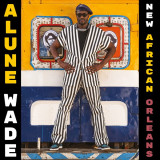
In his sixth and latest album “New African Orleans”, released by ENJA and Yellow Bird, bass guitarist and composer Alune Wade explores the multiple junctions between his native West African rhythms, the Afrobeat and juju rhythms from Lagos and the brass band repertoire immortalized in New Orleans. “I’m exploring a world that goes from my roots to the lost branches on the other side of the Atlantic,” explains the musician from Senegal. He has whittled down around 50 compositions – both original and standards - to a dozen which Alune recorded in Paris, Dakar, Lagos and New Orleans. “The idea first came to me during the Jazz à Gorée festival I organized back in 2014,” he explains. “It had me reflect on the notion of reversing the musical trip most people take from the United States to the African continent. I wanted to set out westward and begin a musical conversation with the best artists, both in Nigeria and the US.”
To achieve this, Wade has invited top artists from both sides of the Atlantic, including the Nigerian talking drummer Olaore Muyiwa Ayandeji, the percussionist Weedie Braimah and the jazz drummer Herlin Riley from New Orleans. The musical inspirations are equally transatlantic, ranging from Dr. John to Manu Dibango and Charlie Parker. But the 45-year-old also pays homage to his father who was a brass band star in his native Senegal back in the Sixties.
BACKGROUND
We only have a partial idea of the birth and remarkable development of the music born of the transatlantic slave trade. From Malinke ballads to Cuban son, from call-and-response patterns to field hollers and hip-hop, Yoruba rhythms to Argentinian tango, from Angolan percussions to the New Orleans brass band sounds… all have roots in Africa and a shackled migration that lasted four centuries. No more so than Congo Square in the Louisiana capital. In 2024, we mark the 300th anniversary of the implementation of the Code Noir which “gave enslaved Africans Sundays off to dance”. A drop in the ocean, but one which shows the importance of culture as a lifebuoy against this barbaric trade. As the Guadeloupian writer Daniel Maximin once claimed: “Our music guided us from the scream to the song, from dragging our chains to dancing.”
Wilson Tanner come to shore with a new album of floating melodies, lightly salted. Throwing electroacoustic conventions overboard, Andrew Wilson (Andras) and John Tanner (Eleventeen Eston) recorded this new work aboard a 1950s riverboat with a resourceful array of weatherproof electronic instruments and a long extension lead. These eight compositions pull in a by-catch of maritime folklore; of Siren and Selkie, Seagull and engine oil slick. A change of course from their debut album 69 (Growing Bin Records, 2016), the ambient temperature drops as II casts out to sea in uncertain weather and returns to the safe harbours of Port Phillip Bay.
The seafarers head out to My Gull's poised optimism. The birds watch but do they listen? By the arrival of Loch and Key, the shoreline has dissolved completely, the boat floating in serene infinity as the rest of the world spins. Conditions soon take a treacherous turn on Killcord Pts I-III - a 12 minute odyssey that battens down the hatches as these sailors eye merciless waves and blinding ocean spray, jointly channelling Berlin-school electronics and sea legs. In the aftermath, the waterlogged bleeps of Idle survey the damage as our parched crew sound the distress signal and ultimately descend into delirium.
Known for navigating individual courses as solo musicians, Wilson and Tanner's collective storytelling is saturated in detail, buoying between tension and harmony. II modestly stands as some of both artists' most accomplished material.
out of Stock
Last delivered 5 months ago available to reorder, subject to availability
Presented here on solid white vinyl, Small Faces is the second studio album by Small Faces, released through Immediate Records on 23 June 1967. The Immediate album shares its name with their 1966 Decca debut album, which has led to some confusion regarding the titles and as a result, this album has been unofficially dubbed The First Immediate Album by fans.
Considered to be the artistic breakthrough for the group in terms of songwriting and composition, and marks their transition from a mod-influenced blue-eyed soul/R&B band to a psychedelic studio group. It was the band’s first LP to contain solely original compositions and includes ‘Green Circles’, ‘Talk To You’ and ‘(Tell Me) Have You Ever Seen Me’.
The album reached number 12 on the UK charts, becoming their only original studio album to chart outside the top-10, but is considered by many fans to be the groups best album.
Kicking off what will be an Alice Coltrane year with more releases to come in the next 12 months, is a previously unreleased, killer live recording from 1971. Recorded live, by Impulse! at a charity gala given at Carnegie Hall for the benefit of the Integral Yoga Institute in 1971, this incredible set never saw commercial release until now. The gala concert was one of two halves with the first two transcendental tunes by Alice taken from the album she had just released on Impulse! and then two explosive tunes by her late husband John Coltrane. Naturally, à la Coltrane/Dolphy at the Gate, which picked up the recent Grammy nomination for Best Liner Notes, the package includes some knockout editorial, with essays by Lauren Du Graf and Alice’s producer Ed Michel.
out of Stock
Last delivered 16 months ago available to reorder, subject to availability
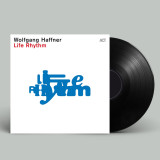
»Ich denke immer wieder aufs Neue darüber nach, wie ich mich als Schlagzeug-spielender Bandleader so positionieren kann, dass das Instrument eine tragende Funktion einnimmt, dies aber auf eine musikalische Weise geschieht und auf keinen Fall als Zurschaustellung von Virtuosität«, sagt Wolfgang Haffner. Diese Haltung zieht sich als roter Faden durch seine gesamte Karriere - und auch durch »Life Rhythm«, sein zehntes Album auf ACT.
Und obwohl Haffners Musik gängigen Vorstellungen virtuoser Schlagzeug-Leader ganz bewusst widerspricht, steht das Instrument diesmal besonders im Fokus. Ausgangspunkt dafür war Wolfgang Haffners allererstes Solokonzert im Jahr 2022 auf Schloss Elmau. Er erinnert sich: »Das war eine Wahnsinns-Herausforderung bei der ich auch vor der Entscheidung stand: Spiele ich jetzt eine Stunde Schlagzeugsolo? Natürlich nicht! Also habe ich habe eine Menge melodisch klingender Perkussionsinstrumente eingebaut, Passagen live geloopt, mit Echos und Delays gearbeitet – im Grunde wie im Studio, nur eben auf der Bühne.« All dies brachte Haffner dazu, sich noch einmal auf ganz intensive Art mit dem Thema mit dem Instrument zu beschäftigen, welches ihn sein Leben lang begleitet. Und so haben alle Stücke auf »Life Rhythm« diesmal ihren Ursprung, nicht wie sonst bei Haffner, am Piano, sondern am Schlagzeug.
Das Ergebnis dieses Prozesses kann man gleich zum Auftakt von »Life Rhythm« auf dem Titeltrack erleben: Das Stück basiert auf einem hypnotischen Groove, bei dem nicht die Becken, wie sonst im Jazz üblich, die Time angeben, sondern vor allem die Trommeln. Das dieser Groove direkt Phil Collins und besonders an dessen Stück »Take Me Home« erinnert, ist kein Zufall: Collins' Art, Drum-Parts zu elementaren Teilen des Songwritings zu machen, ist bis heute eine von Haffners größten Inspirationen. Und auch jedes weitere der elf sehr kompakten, Song-haften Stücke auf »Life Rhythm« öffnet eine eigene Welt des musikalischen Schlagzeugspiels: Mal mal trocken-reduziert mit Besen wie auf »Balance«, poppig bei »Joy of Life«, mit filigranen Becken-Grooves, dezenter Elektronik und Percussion auf »Eternity« oder minimalis-tisch bis kurz vor der Stille in »Silence and Sound«.
Das aus all diesen Stilistiken ein so stimmiges Ganzes ent-steht liegt daran, das Wolfgang Haffner diese im Laufe seiner Karriere bis in die Tiefe durchdrungen hat - an der Seite von stilbildenden Charakteren wie Al Jarreau, Chaka Khan, Pat Metheny, Jan Garbarek, Esbjörn Svensson, Nils Petter Molvaer, Albert Mangelsdorff, Ricardo Villalobos und vielen, vielen mehr. All diese Kollaborationen haben Wolfgang Haffners Voka-bular am Instrument und auch als Komponist geprägt und die da-mit verbundenen, unterschiedlichsten Stile sind gleichermaßen Teil seiner musikalischen Persönlichkeit.
Vielseitigkeit und höchste Musikalität sind auch die Eigen-schaften, die Wolfgang Haffner und seine Mitmusiker auf »Life Rhythm« verbinden. Die Basis bildet ein bestens einges-pieltes Trio zusammen mit Keyboarder Simon Oslender, selbst auch Drummer und Bandleader, und Thomas Stieger, einem der gefragtesten deutschen Bassisten in Pop wie Jazz. Dazu kommen Trompeter Sebastian Studnitzky, Mitstreiter Haffners seit seinem ACT-Debüt »Shapes« und der Finne Arto Mikälä, eine echte Entdeckung in Sachen Klangvielfalt an der Gitarre. Diese Band herausragender Allrounder erweitert Haffner um eine Reihe musikalischer Charaktere, die der Musik ihre ganz eigene Farbe verleihen: Nils Landgren, Freund und Weggefährte seit mehr als 20 Jahren, Saxofon-Ikone Bill Evans, Sting-Gitarrist Dominic Miller, Balkan-Beat-Star Shantel, Bass-Feingeist Nicolas Fiszman, Oud-Virtuose Thomas Konstantinou und Bruno Müller, einer der besten deutschen Jazzgitarristen.
»Life Rhythm«, sagt Wolfgang Haffner, »ist für mich eine Fortsetzung, keine Wiederholung«. Die Musik trägt mit ihrer Wärme, Kraft und Klarheit die charakteristische Handschrift, die Haffner mit seinen Alben und auf tausenden von Konzerten in mehr als 100 Ländern zum wohl populärsten Schlagzeug-spielenden Leader Europas gemacht hat. Und gleichzeitig ist es eine Evolution seiner Musik. Gut möglich, dass Haffners Erfolg genau darin begründet ist, dass seine Musik immer etwas Ver-trautes und etwas Neues beinhaltet und dass Haffner sein Publikum so immer »mitnimmt« im Fluss seiner Ideen - und in einem gemeinsamen »Lebensrhythmus«
Wir schreiben das Jahr 2025 und FEINE SAHNE FISCHFILET kündigen ihr neues Album „WIR KOMMEN IN FRIEDEN“ an:„Alle gegen alle, im Krieg mit sich und untereinander und natürlich immer exklusiv mit der alleinseligmachenden Offenbarung im Gepäck.
Jeden Tag passiert so viel, so viel Scheiße, so viel Dummes, aber auch immer die guten Sachen mit den Freundinnen und Freunden, der Familie, mit all denen, die noch nicht komplett im Arsch sind. Zeiten, in denen man sich nur umdrehen muss und einem die Idee für das nächste Lied an den Kopf geworfen wird. Und so erscheint am 30. Mai unser neues Album mit einer Menge neuer Songs. Wir kommen in Frieden. Das ist unsere letzte Warnung.“
Angetrieben durch ihren ureigenen Signature Sound - High Energy Melody-PunkRock mit Trompete – gelingt den fünf Musikern mit ihrem neuen Werk eine hinreißende Bestandsaufnahme und gleichzeitig Ausblick auf eine der ungewöhnlichsten Band-Karrieren der letzten Jahrzehnte dieses Landes, ein wilder Trip, der sie aus der vorpommerschen Provinz durch viele Irrungen und Wirrungen bis an die Spitze der deutschsprachigen Musikszene geführt hat.
Produziert wurde der Longplayer erneut von Philipp »Philsen« Hoppen, der auch schon bei Alben von Die Ärzte, Kraftklub, Deichkind und K.I.Z. seine versierten Finger im Spiel hatte.
out of Stock
Last delivered 16 months ago available to reorder, subject to availability
Fünf Jahre nach ihrem gefeierten Album 'forevher' meldet sich die britische Sängerin Shura mit ihrem dritten Studioalbum 'I Got Too Sad For My Friends' zurück. Eine Mischung aus Kammerpop, 60er-Jahre-Folk und Lagerfeuer-Americana, die Shuras introspektives Songwriting in eine weite Landschaft ausdehnt - ruhiger als der gefühlvolle Schwung von 'forevher' und rustikaler als der grüblerische Synthie-Pop ihres Debüts 'Nothing’s Real' aus dem Jahr 2016.
Obwohl das Album Themen wie Isolation, Traurigkeit und Depression bearbeitet, klingt es aber alles andere als niedergeschlagen - Shuras kristallklarer Gesang trifft auf eine warme, erdige Produktion. Shura dazu ganz selbst-ironisch: „Auch wenn es nicht unbedingt eine maximalistische Platte ist, was den Sound angeht, war der Ansatz für mich, die Platte mit maximaler Freude aufzunehmen - was urkomisch ist, denn es geht darum, unglücklich zu sein!“
Angegangen wie eine „Old-School-Platte“, die eher eine Performance als eine Produktion einfängt, wurde ein Großteil des Albums live aufgenommen, wobei Keys, Bass, Gitarre und Schlagzeug in einem Rutsch aufgenommen wurden. Nur der Gesang wurde separat aufgenommen - mit Ausnahme des sanften Funk-Tracks Ringpull.
"In 2020, Chick Corea—27-time GRAMMY® winner, National Endowment for the Arts Jazz Master, and one of the most iconic figures in jazz—hit the road with his powerhouse trio of Christian McBride and Brian Blade, and embarked on what would be his final tour. Candid Records and Chick Corea Productions proudly present the recordings from that tour as Trilogy 3, the third installment from this extraordinary group. This unforgettable double live album showcases their unparalleled chemistry and cements their legacy in contemporary jazz history.
With years of collaboration to draw from, 9-time GRAMMY®-winning bassist Christian McBride and 4-time GRAMMY®-winning drummer Brian Blade bring a profound musical connection to their work with Corea. Their longstanding partnership fuels a dynamic, ever-evolving soundscape that elevates the art of the jazz trio to new heights.
Following the critically acclaimed Trilogy (2013) and Trilogy 2 (2018) albums, which each earned two GRAMMY Awards® including Best Jazz Instrumental Album, Trilogy 3 marks yet another milestone for this celebrated ensemble. The release brings together live performances from their February-March 2020 tour, cut short by the onset of the pandemic, capturing the trio’s extraordinary interplay and artistic brilliance. The album features fresh interpretations of jazz standards and Chick Corea originals, including the first trio recording of Corea’s iconic composition ""Windows"" since its appearance on the album Now He Sings, Now He Sobs, nearly six decades ago.
Widely regarded as one of Chick’s most acclaimed ensembles, this trio has consistently pushed the boundaries of jazz with technical brilliance, playful camaraderie, and deep emotional resonance. Trilogy 3 invites listeners to join these masters on a journey through music that is both timeless and groundbreaking."
Kurz nachdem True North ihr Debut Album “Out Loud” veröffentlichten, haben sich die Bandmitglieder schon wieder im Studio zusammengefunden und in den folgenden Monaten an gleich mehreren Songs gearbeitet. Mit ihrem ersten veröffentlichten Album, ihrem ersten Record Deal in der Tasche und ihrer ersten Tour im Rücken, war die junge Band voller Energie, Inspiration und neuer Erfahrungen, die True North’s Sound auf ein moderneres, perfektioniertes Level brachten.
Gitarrist Joel Ferber hat auch bei diesem Album die Produktion übernommen, und mit der Zeit hat sich eine Sammlung ihrer besten Arbeiten ganz natürlich zu ihrem zweiten Studioalbum gefügt. Der Titel “Either Way, The Sun’s Exploding” spiegelt eine gewisse, erzwungene Apathie der Bandmitglieder wider, so wie sie in ihren neuen Songs tiefer in ernstere Themen, musikalisch wie
textlich, eintauchen. Diese umfassen Herzschmerz, Angst, Demut, Selbstreflektion und die immer präsente Jagd nach Wachstum.
True North verbinden Elemente des Alt-Rock, Emo und Pop-Punk und kreieren einen einzigartigen Sound, der modern klingt und gleichzeitig nostalgisch werden lässt. Voll von eingängigen Melodien und emotionsgeladenen Texten.
Obwohl ANTROPOMORPHIA für "Devoid of Light" insgesamt zweieinhalb Jahre im Studio verbrachten haben, verloren sie dabei nie ihre Vision aus den Augen: Nämlich eine Vielzahl von harten musikalischen Texturen, einschließlich fanatischer Aggression, misanthropischer und nihilistischer Texte mit dunklen Emotionen wie Wut, Verzweiflung und Schmerz zu dunklen und bedrückenden Klanglandschaften zu kombinieren. ANTROPOMORPHIA wurden 1990 im niederländischen Tilburg aus der Gruft gehoben. Als Pioniere ihres Genres wurden sie schnell zu einem Fundament der Death Metal Szene in den Niederlanden. Trotz gelegentlicher Unterbrechungen konnten ANTROPOMORPHIA ihren Status als Underground-Ikonen mit einer Reihe gefeierter Veröffentlichungen kontinuierlich festigen. Ihre kompromisslose Herangehensweise und der sich ständig erweiternde Malstrom musikalischer Texturen brachte einen stetig wachsenden Einfluss von Black Metal Elementen in die musikalische und visuelle DNA der Niederländer. Jetzt kehren ANTROPOMORPHIA mit "Devoid of Light" zurück und zeigen der Welt, dass sie immer noch danach dürsten, die Grenzen der Death Metal Szene zu überschreiten. Dreht die Regler auf 10 und lasst dieses monströse Album von der Leine!
In dark and difficult times, the music of Barney Lister and Kojo Degraft-Johnson lifts us up. As MRCY, the production and vocal duo are confronting the many crises of modern life with a fresh sound full of punchy instrumentation, enveloping orchestration and lyrical honesty. On their latest project, VOLUME 2, Barney and Kojo deliver emotive music that surprises as much as it comforts, referencing timeless sounds as much as a sense of the cutting edge. Channeling soulful vocal melody alongside afrobeat polyrhythms, jazz soloing and driving, distorted grooves, tracks like "Man" address the challenges of modern masculinity, while standout number "Fear" drives a message that encourages us to fight the terror we might feel about the state of the world with optimism. Following the acclaimed release of their 2024 debut project VOLUME 1, which saw the duo nominated as Rising Stars at the Rolling Stone Awards and named as one of DIY's Class of 2025, MRCY returns with vital music that addresses the complexities of being alive today. "We're trying to extinguish fear with optimism and worry with love," Barney says. "VOLUME 2 breaks the mould to present a bigger picture of who we are - something with angst, surprises and more guts. The main feeling of the project is that the world is fucked but let's dance through it."