
En stock
Disponible en stock et prêt pour l'expédition
Last In: 6 months ago
12,56 €
Disponible en stock et prêt pour l'expédition

Having been deck slaying as near their London headquarters as Germany and as far as Canada, goth techno prodigy Lesser Of is steadily approaching double digit release count. With an established residence at queer x trans focused, revolutionary event series Subverted, their efforts have been welcomed to a formidable list of industrial electronic labels and remixed by a tidy sum of high profile scene icons.
Here at Depth.Request our sonars are attuned to emanant potential, and so we conscript Lesser Of to hammer out our fourth acetate offering to date. To this, harsh noise and drone music inspirations are declared, alongside an artistic secret of the trade: lights-off sessions in live room of a recording studio vibrating with the pulse of a bass guitar ran through a freeze pedal were what begot the tracks, and they are well intent on assaulting your headphones with noise. Reeko on the remix - yes, this record fucks.
Prolonged, ominous intro? Nah. Have a face full of Crude Manifestation Of Power instead, as an insatiable, 10-minute long opener braces your ears for a week of ringing with a sonic equivalent of metallic thrashing one could expect from being a sinful, rave-lusting scoundrel. On title-diverting continuation Within My Fragility the words "strength in fragility" are truly alliterated as the pace, abrasiveness and intensity of pummelling are all ramped up fiercely, with linear open hats thrown against them from time to time for good measure. Having reached 140 BPM and concrete mean, Masked proceeds in a well anticipated ra(n)ge: infernal atmosphere, sandy hats and layered tectonic tremors achieved with increasingly undefined low end consisting of a rumble line and rolling kick morphing into abrasive haze. Winding the tempo back a notch, a halftimearranged contemplation Our Descent grows in direct, hyperborean vector: glassy drones and sharp syncopulsation first - atonal reverberations, distorted arpeggios and punchy stabs endwise. Reeko's analog reinvention of Masked convolves the drum structure by borrowing from breakbeat narratives and authorizes the dystopian ambiance to rise and fall on more gradual, panning, confined terms; adding, however, more disorder to the mix with spectrum slicing, high-range chaos.
As you would have learned to expect from Depth.Request, Within My Fragility EP is not an easy listening five-tracker. If by the end of it you find yourself feeling as if you just stepped out of a pounding warehouse at 3AM and you don't know what day it is, you wouldn't have been experiencing this mindspace alone.
Commandez maintenant et nous commanderons l'article pour vous chez notre fournisseur.

The new EP "Decay Product" by Lesser Of represents dark dystopic industrial finery and obscure noise-techno finesse.
Thematically, the EP is underlined with the following words of the artist:
Our chaos weeps all light
and the powerless will be condemned
to a world of ever-growing sores.
Commandez maintenant et nous commanderons l'article pour vous chez notre fournisseur.

Anders Trentemøller's career is a travel-heavy one, with his touring schedule taking him pretty much all over the world. But it's his home port that's inspired his latest project, the sprawling, stunning compilation mix 'Harbour Boat Trips Vol. 02: Copenhagen'. Clocking in at just over an hour long, the compilation sees Trentemøller curate and craft sixteen songs into a heavy, hazy mix that ranges from shoegaze to electronica, featuring both familiar and celebrated artists like A Place to Bury Strangers (with a new Trentemøller remix) and Slowdive to more obscure finds, as well as Trentemøller's own tracks and remixes, most notably a brand new Trentemøller cover of Neil Young's classic 'Transformer Man'. The mix sees him pick up a thread he left off earlier in his career. In 2009 he put together 'Harbour Boat Trips - 01: Copenhagen', a compilation mix comprised of his favourite music, both Danish and international, from across four decades, loosely inspired by the motion and movement of Copenhagen's busy harbour. Closing in on a decade later, we're getting the second edition, with 'Harbour Boat Trips - 02' arriving this November.
Commandez maintenant et nous commanderons l'article pour vous chez notre fournisseur.

2027 marks two decades since musician and producer Paul ‘Mudd’ Murphy struck out on his own and launched Claremont 56, a label initially dedicated to “music by Mudd and friends” and named after the house he grew up in. To celebrate its 20th anniversary, Murphy has assembled the label’s first ever decades-spanning vinyl retrospective: a six-LP re-mastered collection bringing together key cuts, cult classics, personal favourites, hard-to-find gems and inspired remixes from across the catalogue.
Unlike the label’s previous 10th anniversary box set, which focused on unreleased material and never-before-heard remixes, 20 Years of Claremont 56 traces the musical story of the imprint to date. Across six records, it showcases the distinctive Claremont 56 sound in all its many forms: acoustic, electric and electronic instrumentation, Balearic sunshine, krautrock grooves, folk-inflected psychedelia, slow-burning chuggers and deeply considered dancefloor music.
The set comes housed in a custom box featuring cover art by long-term label illustrator Mark Warrington. Inside are six slabs of vinyl across three gatefold sleeves, accompanied by liner notes from music journalist and author Matt Anniss, Murphy himself, and many of the artists whose music features in the collection.
The journey begins with a selection of formative late-noughties releases, including Mudd & Pollard’s chugging, picturesque ‘Villa Stavros’, the folksy beauty of Smith & Mudd’s ‘Shulme’ and Murphy’s exotic reworking of Ahmed Fakroun’s ‘Drago’. From there, the collection moves freely through deep cuts, overlooked gems, album highlights and some of the most inspired remixes in the label’s catalogue.
Among those remixes is Murphy’s own über-Balearic rework of Zee Erf’s cover of ‘Southern Freeez’, a mix dedicated to his partner Emma; an extraordinary 22-minute, Manuel Göttsching-meets-ambient-dub revision of Smith & Mudd’s ‘Vegetable Square’ by friends-of-the-family Idjut Boys; Larry Heard’s typically deep and immersive house treatment of Jack Cutter’s ‘Serpent Strut’; and Quiet Village’s ambient-house ‘deep space dub’ of Mudd’s ‘Spielplatz’. Also included are lesser-celebrated but no less rewarding reworks by Recloose, Jex Opolis, Felix Dickinson and Deep88.
The collection represents every corner of Claremont 56’s self-contained musical universe, from the Murphy-assembled in-house collectives Hillside, Paqua and Bison - whose members famously included the late Holger Czukay and his life partner Ursula, to long-serving label artists such as Almunia and Hear & Now, as well as later additions and artists who took some of their first steps on the label through its much-loved Claremont Editions compilations.
That means the deeply cosmic krautrock of Bambi Davidson, the folk-meets-Americana of Torn Sail and the samba-electrofunk of Jpye sit alongside baggy Balearic sing-alongs such as Bel’s ‘Ready To Die’ and Sillyboy’s Ghost Relatives’ ‘In a Small Place’, recent high-profile guest releases such as Chaz Jankel’s ‘Rhumba Jam’, and string-laden ambient pieces such as Four Hands’ wonderful ‘Hizou’.
Packed with classic cuts, formative gems and overlooked treats, 20 Years of Claremont 56 is not only a fabulous label retrospective, but also an essential collection of timeless music from a label whose output has remained distinctive and unique for two decades.
il devrait être publié sur 09.10.2026
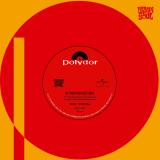
Trio Ternura was a true family project, made up of three Brazilian siblings with deep musical roots.
They recorded a couple of albums and quite a few 7”s with exclusive tracks that never made it into the LPs. Lesser known than the highly sought-after ‘A Gira’, yet every bit as perfect for the dancefloor, ‘Razão De Ser’ (1972) blends Brazilian scents, soul music, and stunning vocal harmonies into a timeless masterpiece. On the flip side we find ‘O Mensageiro’, an uptempo and catchy tune that’s sure to set the dance floor ablaze.
These single-only songs are reissued here for the first time and cut at 45 RPM for superior sound quality.
il devrait être publié sur 16.10.2026
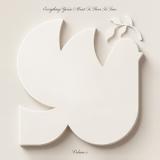
Over the last decade and a half, Rotation Sound System’s annual gathering in the Staffordshire countryside has become one of underground dance music culture’s true success stories – an intimate gathering of like-minded friends and partygoers, powered by a custom-built six-way sound system, with music provided by a carefully curated line-up of dusty-fingered diggers, selectors and hand-picked live performers.
At the heart of the collective’s unique and much-loved approach lies a dedication to finding and sharing lesser-known gems and audio obscurities – fantastic records whose charm and quality has long been overlooked.
Last year, the core members of the crew – founders Dean Meredith and Ben Shenton (renowned for their productions as Mind Fair), and Wrekin’ Havoc trio Rob J, Stuart Robinson and Rich Hall – offered a snapshot of their unique musical approach via debut compilation Everything You Are About To Hear Is True, Volume 1, in the process introducing a global audience to some of the countless unknown mid-tempo classics nestled in their collections.
Fresh from another sold out edition of their acclaimed micro-festival, they’re back with volume two, another must-have collection of slept-on classics, loved-up shufflers and wide-eyed Balearic beats, all of which have played a part in Rotation’s story over the last 13 years.
Appearing on gatefold double vinyl with extensive liner notes telling the stories behind the tracks, Everything You’re About To Hear Is True, Volume 2 is full to bursting with music that sounds mind-blowing on the crew’s high-end sound system.
For proof, check the analogue-rich intergalactic shuffle of Paul Atreides’ 2015 jam ‘Arrakis Walk’, the relaxed boogie-soul of Rocky Winters’ Chaz Jankel produced ‘Vicious Circle’, the easy-listening-jazz-rock bliss of Vincent Maclin’s ‘Should’ve Took a Chance’, the 80s soul squelch of ‘Ecstasy (Centurion Mix)’ by Endgames and the immersive British dub drift of Sigma’s ‘Remember (Dub Style)’.
Everywhere you look, you’ll find eye-opening and ear-pleasing delights. There’s Pinky’s lightly acid-flecked, breakbeat-fuelled, acid house-era street soul classic ‘I Wanna Be The One (Instrumental Groove)’, the 1992 new age downtempo seduction of Linda Myers (‘Shine On Me’), the Clavinet-and-synth sporting jazz-rock/space-rock fusion of Wolfhound (1984 gem ‘Another Moon Song’), the Gallic colour of Buzy’s ‘Keep Cool (Version Maxi)’ and the guitar solo-laden electrofunk explorations of mid-80s UK act Lifesighs (‘Get Serious’, here presented in its extended instrumental form).
il devrait être publié sur 18.10.2026
![The Officials - Babylonian [2 mixes] (7")](https://www.deejay.de/images/l/2/1/1228021.jpg)
One of the best mid 70s roots tunes, reissued the way we always wanted to see it. The Officials (later known as Earth & Stone) "Babylonian" was released on a very rare Jaguar 45 as a solo vocal, but also had a lesser known release on a Dynamic Sounds compilation album. That album cut is a duo harmony vocal over a slightly different take of the rhythm, and never reissued on vinyl before. Both vocal cuts are now paired back to back in crisp master tape quality.
Disponible en stock et prêt pour l'expédition

Repress!
Sublime deep House of the highest order from New Jersey's very own Kerri 'Kaoz 6:23' Chandler
'The Mood EP' is pure quality from start to finish & is one of Chandler's lesser spotted releases that is undoubtedly a classic
Released on the legendary Nervous label in 1998 it still stands head & shoulders above most other releases of the time
Fresh, essential & lovingly re-mastered & reissued for 2014
Disponible en stock et prêt pour l'expédition

Super Spicy Records, a colourful nu-disco and re-edit imprint founded by Mexican producer Monsieur Von Pratt, continues to offer up action-packed, compilation style EPs via the must-check Super Spicy Recipe series. Volume ten, the second of 2026, is another expansive affair featuring six scintillating jams. Expect horns-and-strings sporting nu-disco joy (Scorpio 69 and DJ Sobrino's infectious 'Fuego', Afro-Latin-fired disco-house fun (Tamati's joyous 'Yaounde Love Affair'), sample-rich jazz-house/deep house fusion (Monsieur Von Pratt's own 'What Is Jazz' and Milton V's energy-packed 'Sounds of Jazz'), housed-up disco re-edit action (Nico Raibak's 'It's So Good') and hands-aloft, tooled-up boogie revivalism (Raga's 'The Middle', a fine re-edit of a lesser-known electrofunk gem).
Cet article n'a pas encore été publié. Vous pouvez pré-commander le produit maintenant.
For his sixth solo album, Ezéchiel Pailhès returns with a new collection of songs infused by a sunny wandering spirit.
Within each of the twelve songs on SOL is a thread of melancholic happiness that has permeated much of Pailhès’ music and songwriting. He addresses love, the passing of time, hope, lost illusions, fleeting moments of grace, the temptation of forgetting, a need to escape, and desire. All this is
insulated by understated orchestrations that blend acoustic and electronic instrumentation with deft confidence.
The Portuguese and Brazilian concept of saudade—a form of melancholic longing and nostalgia— pervades, thanks in part to Pailhès decision to record the album in Rio de Janiero and to reinterpret some of the finest works of Música Popular Brasileira (MPB). In particular, he revisits a handful of
lesser known classics from the mid-century samba and bossa nova era—originally written or performed by talents including Vinícius de Moraes, João Gilberto, Tom Zé, Dorival Caymmi, João Donato, Os Tincoãs, and Ataulfo Alves.
The shift from Brazilian Portuguese to French and the decision to adapt rather than perform a straightforward cover versions, allows Pailhès to invent a form of prosody and euphony (the musicality and harmonious combination of words) that feels vibrant and unlike anything else in today’s French
chanson landscape.
“Some lyrics are simple translations from Portuguese, in what I’d call an expanded version. For others, I started from a single word or a single phrase and embroidered an entirely new text that carried me elsewhere,” explains Pailhès. “I allowed myself great interpretive freedom, while preserving the humanist dimension of the original songs. I’ve always been deeply moved by the way Brazilians transfigure reality through heightened emotion. I love this visceral and spontaneous country, which always seems to live through emotion. And above all, I love its music both popular and unifying,
bringing together all social classes. In that sense, it’s very political music, but even more so utopian, made by the people and for the people.”
On this new album, however, the French artist was keen to avoid cliché. Each song is therefore built around a carefully balanced interplay between Pailhès’ piano and synthesizers, alongside restrained arrangements of percussion, brass, bass, and cavaquinho (a small four-string plucked guitar). These parts were recorded in Rio de Janeiro with two musicians who regularly perform alongside the legendary Caetano Veloso—Kainã Do Jêje and Alberto Continentino—joined by Thomas Harres, Antônio Neves, Eduardo Neves, and Gabriel Loddo.
Since the 1960s, France and Brazil have shared a long-standing cultural and musical relationship. Some Brazilian artists, most famously Gilberto Gil, took refuge in France during the dictatorship years (1964–1985). But above all, French chanson quickly fell in love with the richness and ingenuity of
bossa nova and samba, translating and reinventing them in the language of Molière. Throughout the 1960s and 1970s, albums and hits by Henri Salvador, Georges Moustaki, Pierre Barouh, Pierre Vassiliu, and Claude Nougaro all drew from the MPB repertoire.
Fifty years later, with SOL, Ezéchiel Pailhès reinvents this rich Franco-Brazilian musical legacy, bringing to it a personality and modernity that stand confidently alongside those of his forbears.
Disponible en stock et prêt pour l'expédition
Agent By Default In Hybrid Systems' is a deep dive into today’s and tomorrow’s society. Across four tightly constructed tracks, cinematic-surrealist musician and DJ JessyJiggy reflects on how mankind and machine-driven systems coexist and evolve. We act, respond, and adapt as agents by default caught between instinct and structure. Built for movement yet rooted in observation, every progression feels less like a command and more like a suggestion inviting listeners to negotiate their own place inside the grid.
This poetic concept translates into music where analogue and digital tools merge into a hybrid sound. Compositions carry an almost automatic rhythm that drives motion while sound design elements subtly reference modern technology. Raw, bass-driven, minimal and techno showcase the breadth and progressiveness of Rotterdam with its brutalist spirit embedded in every detail.
Carefully mixed and mastered by Simon Lescure, who works at the intersection of sound design, club culture, and contemporary art, the record is optimized for a wide spectrum of sound systems while offering a distinct, full-bodied experience on the dance floor. With his vision of music as a system of memory and tension, a way to hold time and transmit presence, raw energy is brought into focus, shaping JessyJiggy's signature sound with clarity, weight, and intent.
A work committed to pushing boundaries and contributing something lasting to the electronic music landscape, this record is crafted to become a cult classic.
Disponible en stock et prêt pour l'expédition

300 pages, 175 x 129mm paperback book w/ french flaps.
DINTE mint their short run book publishing imprint, The End books, with this vast collection of flyers for dances, clashes and blues parties from across the UK between the early 1970s and mid 1990s. Comes complete with intro by David Katz (People Funny Boy: The Genius of Lee 'Scratch' Perry, Solid Foundation: An Oral History of Reggae) and outro by Kevin Le Gendre (Don't Stop the Carnival: Black British Music, Children of the Ghetto: Black Music in Britain). Colour scans sit alongside scuzzy photocopies amassed over several years with the assistance of multiple archivists. The material presented in A Night to Remember is not just valuable musical history, but the story of a community and a culture that revolutionised sound culture in the UK.
"The flyers collected in A Night To Remember speak to the burgeoning sound system underground that flourished in Britain in the 1970s, 80s and early 90s. There are held events on hallowed ground as well as lesser-known sets. Flyers for house parties remind that shebeens remained an important feature of social life in black communities and the many sound clash and cup clash events emphasise the rivalry and camaraderie that has always been at the heart of the culture, as friends go head-to-head with their dub plates, vying for that definitive crown. Dances featuring guest appearances by name-brand artists such as Sugar Minott, Lone Ranger, Barrington Levy and Admiral Bailey, as well as sound systems such as Jack Ruby, King Jammies, Ray Symbolic, Arrows, Black Scorpio and Metro Media remind how closely the local sound systems remained to their Jamaican roots, even as sounds such as Saxon, Unity, Java and Diamonds carved out a distinctly British niche. All hail the enduring sound systems of Britain – long may they reign!" — David Katz
Disponible en stock et prêt pour l'expédition

Black Truffle is thrilled to announce Dalbergia Retusa, an extensive double LP selection of the solo guitar music of Hans Reichel, compiled by Oren Ambarchi. Last heard on Black Truffle as one quarter of the joyously anarchic Bergisch-Brandenburgisches Quartett, Hans Reichel (1949-2011) is one of the great figures of experimental guitar music. Though perhaps lesser known than peers like Derek Bailey, Fred Frith and Keith Rowe, Reichel’s rethinking of the instrument was in some ways the most radical of all. Early on, he dispensed with existing guitars to build a series of his own that explored the use of additional strings and fretboards, moveable pickups, extra bridges, special capos, and other innovations documented in the extensive booklet accompanying this release.
Reichel was a long-term resident of Wuppertal, the small Western Germany city that became an unlikely centre of European free jazz in the late 1960s, also home to Peter Brötzmann and Peter Kowald. His solo debut Wichlinghauser Blues was an early entry into the FMP discography and began a relationship with the label that stretched into the 1990s; all the solo performances heard here were first released on FMP. As Reichel says in the charming archival interview with Markus Müller included here, he was ‘always a cuckoo’s egg at FMP’, a label that began as an outlet for roaring European free jazz. What strikes the listener right from the opening selection on Dalbergia Retusa—‘Return of the Knödler show’, from 1987’s The Dawn of Dachsman—is the extraordinary beauty of Reichel’s music, at once alien in the shimmering sonorities and unconventional pitch relationships made possible by his invented instruments, and deeply lyrical, even romantic in its harmonic content. Growing up in West Germany in the 1960s, Reichel’s formative influences were mainly British and American rock bands, a background that shines through in many of the pieces included here: ‘An old friend passes by’ is haunted by the ghost of Hendrix’s rhythm guitar, and the wild closer ‘Heimkehr der Holzböcke’, taken from a rare 1975 7” and the only piece to use overdubbing, layers errant hammer-on and slide tones over a Canned Heat boogie chug.
Reichel was an important source for the development of Oren Ambarchi’s own extended approach to the electric guitar. Appropriately enough, his selection opens with the very first piece by Reichel he ever heard, on a flexidisc included with a 1989 issue of Guitar Player magazine. Though Reichel collaborated with others extensively in many settings and also performed on violin and his other major contribution to instrument invention, the daxophone, his music for solo guitar remains at the core of his oeuvre. Focusing exclusively on solo pieces recorded between 1973 and 1988, the 23 pieces on Dalbergia Retusa showcase the range and consistency of Reichel’s work, allowing the listener to see how his performances developed hand-in-hand with his instrumental inventions. On a piece from his very first LP, played on an 11-string instrument (partly strung with piano strings and using a schnapps glass a slide), we hear his intensive exploration of fret-hammering to create zither-like, chiming tone, which Reichel would hone further in later years with a double fretboard guitar specifically designed to be hammered rather than fretted and picked. On a piece from 1979’s Death of the Rare Bird Ymir, Reichel uses two steel-string acoustic guitars at once, with beautiful results: ‘some even say too beautiful’, he jokes in the interview included here. Many of the pieces from the 1980s make use of varieties of the ‘pick behind the bridge guitar’, instruments of uncanny harmonic richness primarily designed to be played on the ‘wrong’ side of the bridge. At times the unexpected behaviour of attacks, resonance, and decay can almost seem electronic, conjuring up the technology-assisted work of Henry Kaiser or even Fennesz, but realised solely through Reichel’s unorthodox techniques on his invented instruments. Extensively illustrated with photos and Reichel’s own plans and drawings of his instruments, Dalbergia Retusa is an essential introduction to the unique world of Hans Reichel. Rarely has music been at once so strange and so beautiful.
Disponible en stock et prêt pour l'expédition

Influences and inspirations come from far and wide. Sometimes they can be household names or pioneers. Other times, they can be lesser-known outfits; less known, but no less influential. Futuro belong to the latter category for Italo Moderni.
Javier and Raúl are two Spanish synthesizer sorcerers who are steeped in the traditions of italo disco and the analogue sounds of the 1980s. While Italo Moderni was still in its infancy, Futuro were a shining light with a young upstart by the name of Adrian Marth even making videos for their tracks. From these beginnings, a mutual respect and friendship developed. Now, the circle is complete with the six tracks making their way onto Accidenti; an EP that marks Futuro’s debut on Italo Moderni.
The collection showcases the breadth of Futuro’s sound. With all instrumentation played through classic analogue machines, the six works journey through neon-streaked city nights, deep uncharted jungle and sun-kissed beaches. Drawing on the music of Rimini, silver screen soundtracks and arcade innocence, this is an EP that remembers and reimagines the 1980s. Intent is immediately set, with the tense and textured “L’assalto” delivering movie score synth stabs alongside crisp percussion. “Matador” is pure elegance, panpipe playfulness countered by glacial refrains and shimmering key shifts. “Iguazu” transports the listener to the wildlife and wilderness of the Amazon; cascading chords glisten as the canopy sings. Futuro takes to the skies with the sonorous swoops of “Il sogno dell’aviatore” before the lovelorn landing of “Fantasma d’amore”, a sumptuous synthesizer serenade of unrequited romance. To close, we’re firmly on the ground for “Sotto le stelle.” Under these sparkling stars, glimmering notes glow with warmth in a finale fitting for such an EP.
And, it is fitting to finally have Futuro on Italo Moderni. A group that has inspired and will continue to do so well into the future. An accidental discovery, mutual respect and a partnership rooted in a love of synthesizers has brought Accidenti into being.
Disponible en stock et prêt pour l'expédition

In 1978 a newly formed Augusta, Georgia group Marshall, Donovan and Broomfield chose to record cover versions of two songs previously recorded in 1973 and 1974 respectively by Florida siblings group Cornelius Brothers and Sister Rose. These Eddie Cornelius penned songs “Let me Down Easy” and “Since I Found My Baby” would form both sides of Marshall, Donovan and Broomfield’s first 45 single, released on group founder John Marshall’s own Augusta label. The flipside “Since I Found My Baby” would eventually gain popularity across the pond with aficionados of the UK modern soul scene of the early 1980’s and beyond.
John Marshall began his musical career in a high school group called The Fabulous Gardenias who recorded the doowop ballad “It’s You, You, You” backed with the up-tempo R n B mover “What’s The Matter With Me” released on Tommy Brown’s local Liz label (named after his wife future Motown recording artist, Liz Lands) in 1961.The Fabulous Gardenias featured John Marshall, the late Atlanta alumni Calvin Arnold, “Little” Joe Jones Jr (later of the Tams) and a fourth guy only remembered as Harold. John Marshall later sang with another Atlanta group The Tams of “Hey Girl Don’t Bother Me” fame from 1970 through to 1978.
Later in 1978, John Marshall having relocated to Augusta, GA the previous year was casually emptying the contents of his mailbox outside his home when a car suddenly pulled up. The driver called out “Hey I recognize you, you’re John Marshall you used to be with the Tams!” The driver continued to introduce himself as John Donovan stating that he too was a singer, followed by an impromptu performance, and hey! sure enough he could sing! A later introduction to Charles Broomfield (John Marshall’s next-door neighbour at that time) would lead to the formation of the group Marshall, Donovan, Broomfield with the addition of Mary Marshall and Pat Donavan (the then, two John’s respective wives) as backing vocalists. The previously mentioned group’s first release the John Donovan led “Let Me Down Easy/Since I Found My Baby” was recorded at the now defunct Jam Studio’s in Atlanta. Upon release, the “Let Me Down Easy “side received considerable local radio play but only led to the group performing a handful of local shows. On the strength of the group’s first release a second 45 release followed in 1980 “Let’s Dance/That’s Love” both sides of this 45 were penned by Charlston, South Carolina native, Harold Thomas who John Marshall knew from his time with the Tams, Thomas having once been part of Bill Pinkney &the Original Drifters and later the Tams management teams. This second 45 never gained the same local attention of “Let Me Down Easy” and after three years together the Marshall’s, Donovan’s and Charles Broomfield went their separate ways. John Marshall lost contact altogether with his former group members and left the music business taking up employment at International Paper Mill until his retirement in 2013.
Due to the current resurgence in popularity of “Since I Found My Baby” with copies regularly selling for four figure sums, Soul Junction have reacquainted ourselves with John Marshall to you bring you “Since I Found My Baby” backed with “Let Me Down Easy” with the addition of the excellent and lesser, known stepper “That’ Love” making this an excellent value 45 release.
Disponible en stock et prêt pour l'expédition

Ever developing his evocative style and dynamic sphere of influence, ASC's latest EP is afurther evolution of the atmospheric legend's repertoire that simply cannot be missed.
A1 - Everybody
ASC opens his latest Spatial EP in subtle fashion, classic genre effects punctuating anunsettling intro before deliciously crisp drums seize the stage and build continually with hi-hats generating an urgency to the vibe. A series of micro melodies delivered withtrademark technical flair float across stunning breaks, before a rousing baseline caps off asuperbly evocative mix which delights the listener and dancer in equal measure.
A2 - Seconds To Midnight
Straight in with a purposeful 808 bassline, ASC delivers another powerhouse display ofbreakbeat fluency, jumping between chunky, juddery drum patterns with a choppedversion of a lesser-used but very effective break sample last heard on ASC's very ownclassic, Polaris. Epic vocal effects surround Seconds To Midnight with a tense aura whilesuitably pitched strings and synth work are dusted liberally throughout the piece.
AA1 - Restless Dreams
Amen fans unite! ASC's love for the most classic of breaks shines through once againwith an enthralling workout for the ages. Introduced with eerie pad work and a solobassline, the atmosphere is crafted through a plethora of pads and samples while theamens thunder on with a detailed array of editing skills on show - thumping kicks andsnares keep the energy levels high bar after bar leaving nothing in their wake.
AA2 - Core Memories
A gorgeous female vocal opens Core Memories, a track which uses the classic breakfeatured on the first ever Spatial release, Force Majeure. Here, a refreshing set oftechniques are on show from ASC as he carves and chops the break to the tune ofcautious horns, highlighting the serene yet uncertain backdrop to a wonderfully varied anddetailed collage to close this distinctive and progressive EP from the label head.
Words by Chris Hayes (Spatial / Red Mist)
Disponible en stock et prêt pour l'expédition

The year is 1988. The Second Summer of Love is in full swing and A Guy Called Gerald was dominating the charts with “Voodoo Ray”, one of the first true house anthems and by far Gerald’s biggest hit. Later that year he dropped another 12” of the same pedigree together with producer team T-Coy featuring the legendary Haçienda resident DJ Mike Pickering: Dream 17. _x000d__x000a_A bit lesser-known than AGCG’s smash record, this EP is the perfect blend of the Madchester rave ethos and the early jackin’ sounds coming out of Chicago at the time.
Soulful vocals and playful drums coupled with one of the most recognisable 303 basslines ever programmed will transport you to those blissful dancefloors where nothing but the here and now seemed to matter. But, make no mistake: this record is as much about celebrating the past as it is about looking to the future, and will remain relevant for many years to come. _x000d__x000a_Annette – Dream 17 is now available as a limited edition of 500 copies on purple coloured vinyl.
Disponible en stock et prêt pour l'expédition
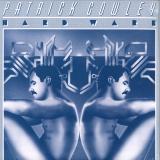
Cybernetic disco maestro Patrick Cowley graces Dark Entries once again with Hard Ware, an LP of far-out funk and synthpop celebrating what would have been Cowley’s 75th birthday. Best known for his chart-topping disco anthems, Cowley left us with an incredible body of work before his tragic death in 1982 due to AIDS-related illness. Since 2009, Dark Entries has been working with Cowley’s friends and family to uncover the singular artist’s lesser-known sides, including his soundtracks for gay pornographic films, which the label chronicled on compilation albums School Daze, Muscle Up, and Afternooners. Hard Ware presents the closing chapter in a trilogy of unreleased Cowley dancefloor bangers that began with 2022’s heavy-hitting Male Box and was continued with the soul and garage-inflected From Behind in 2024. The most expansive release in said trilogy, Hard Ware delivers ten tracks of pure, uncut Cowley: sultry, psychedelic, sarcastic, and just a bit sleazy. Cowley devotees will delight in “Tech-No,” a sparse instrumental demo version of his epically dystopian “Tech-No-Logical World.” You could soundtrack your next aerobics session with cheeky numbers like “Pajama Party Massacre” or “Shake It Up,” both of which feature Cowley himself on vocals. The frenetic “Big Ass in Motion” is built around samples from Rudy Ray Moore and The Madam’s infamous “Sensuous Black Woman,” an X-rated comedy record that would later feature in classic booty house records. Mid-tempo cosmic groovers are well-represented with jams like “Hellfire” and “Megablue,” which perfectly capture Cowley’s bathhouse-in-outerspace sensibilities. No collection of Cowley’s work would be complete without an interstellar floor-filler, and we’ve got quite a few here, like “Jungle Jump,” which pits whirling beats with dub-laced swirls of synth, or “Spellbinding Lover,” a Donna Summer-indebted melancholic boogie masterpiece that features Sylvester backup singer Jeanie Tracy. Hard Ware closes with the chilling synth-hymn ”Ice Age,” in which Loverde vocalist Peggy Gibbons sings of a coming frosty apocalypse. The story told in “Ice Age” mirrors the coming AIDS crisis and feels like a haunting premonition from Cowley. The record comes in a sleeve with a hand-airbrushed circuitboard-inspired design by Gwenaël Rattke, and includes lyrics as well as liner notes by Andrew Ryce and Peggy Gibbons. Hard Ware is another crucial document of a tremendous talent taken too soon.
Disponible en stock et prêt pour l'expédition

Eko, or Eko Roosevelt, is a Cameroonian composer, pianist & vocalist. He was born in Kribi in 1946, the son of a local Tribal Chief. Eko developed his love for music at church, later pursuing his growing passionwith music studies abroad, first in Dakar and then in Paris. After concluding his studies in France he went on to a recording career and between 1975 - 1982 released a number of full-length LPs, 7" singles and albums on cassette, before returning to Kribi to take over the role of Tribal Chief from his father, a role he holds to this day.
While the name "Eko" may not be immediately familiar to all, his music will be well known to many, from the DJs to the dancers, the heads to the home listeners. Evergreen classics like “Kilimandjaro My Home”, have remained a mainstay in the record bags & USB crates of disco jocks since its release in the late 70s, while numerous of his other crossover Afro-disco gems have been bootlegged, edited and remixed by a seemingly endless number of both greater & lesser-known producers who have all paid tribute to his work. Eko Roosevelt’s position in the ranks of Cameroon’s great musicians cannot be overstated. As a composer, songwriter, pianist and singer he has influenced generations of musicians both in Cameroon and France and further abroad, while he has written & arranged for many of the Cameroonian musical community.
Here Canopy, with the benediction of Eko himself, officially reissues two of his works that have not been rereleased since their first outings. Stylistically the two songs straddle the line between Afro-disco, funk and pop, with a slightly Balearic, almost AOR sensibility.
“Phone Me Tonight” is taken from a 7” record that has barely resurfaced since it was self-released in 1981 on the “Eko Music’ imprint. The song is an uplifting opus that demonstrates Eko’s deftness for creating catchy songs that succeed in their songwriting prowess and melody crafting, both on and off the dance floor. It is a stripped back composition that employs the key elements to great effect. The groovy bass line is underpinned by a tight Afro-disco beat as Eko’s unmistakeable voice draws us in and with a masterful use of repetition and hooks, creates a song that feels familiar from the outset, while being brand new to almost all listeners. As the song develops, the synth lines lift the song higher and higher, culminating in a euphoric transcendence perfect for elevating the mood of any dancefloor.
“Take Me As I am Now”, is sourced from Eko’s first album, “Nalandi” which originally came out in 1975 on Dragon Phenix. Here we have another fine example of Eko’s ability to hone compositions that blend thelines between pop song writing and more loopy dance floor orientated structures. The vocal hook repeats throughout the song, with only minor variations, making the song feel comfortingly familiar from its early bars. An instantly appealing bass line sets the stage for the sleek guitars and taut horn arrangements. The end result is a feel-good balance of melody and groove that makes for a timeless feel with a positive message!"
Disponible en stock et prêt pour l'expédition

The debut release from the recently-launched London party of the same name, Balearic London shines a light on lesser known grooves from the past in this new edits series - and reappraisals of some classics given a new twist. A1 will result in spicy synchronised dancing wherever you play it so proceed with caution. Catch the Balearic London crew at festivals this summer including secretsundaze presents Multi Multi...
Disponible en stock et prêt pour l'expédition

Much has changed for Ilan Pdahtzur since the release of his Night City Life compilation six years ago. Back then, he was a little-known record collector who shared obscure, synth-heavy music that “captured the night-time glow” of the city he calls home, London, via a dedicated Instagram page. Fast forward to 2025 and Ilan is now a respected member of the international digger-selector community, having delivered must-check mixes for the likes of Bordello A Parigi, Bayete, Hunee’s Lifetones and Sound Metaphors.
It seems a fitting time, then, for Spacetalk to unleash Night City Life II, a second deep dive into Ilan’s distinctive, neon-lit sound world – a place where European synth-pop rarities, Italo-dance treats, dancefloor-focused post-boogie instrumentals soundtrack strolls around shuttered skyscrapers, dockside housing estates and wharf-side warehouse conversions.
In the six years that have passed since the release of Night City Life, Ilan has uncovered many more rarities, private-press gems and slept-on treats, with 14 of these featuring on the dusty-fingered crate-digger’s sublime sequel. As with its predecessor, much effort has been made to track down the artists behind the synth-heavy songs on show, with the vinyl edition featuring extended liner notes where some tell the story of their track in detail. Musically, there’s much to set the pulse racing within Ilan’s superb selections, from the slow-motion shuffle of Playground’s self-released 1984 B-side ‘Rainy Day Woman’ and the brilliance of Shamor’s 1985 South African synth-pop special ‘Close To You (Bwela Pafupi)’, to Sharon & Tracy’s ‘The Sheik’ – a belly-dancing inspired slab of TB-303 bass-driven house – and the kaleidoscopic, piano-rich 1992 Euro-house brilliance of ‘Come Into My Life’ by Jennifer.
Dive deeper into the collection and more under-appreciated musical masterpieces make their presence felt. There’s Sicilian musician Claudio D’Ignoti’s lesser-known boogie-era single ‘Anche Per Noi’, where rubbery bass guitar, Nile Rodgers style disco guitar licks and spacey synths dominate the sound space, Lena’s fashion circuit-inspired, early Pet Shop Boys-esque ‘Embrasse-Moi (Strumentale)’ – one that members of Milan’s Paninaro movement would surely have enjoyed – and a sublime, spaced-out and effects laden dancefloor dub of ‘Rescue Me (Imagination)’ by Jimmy D, a genuinely sought-after jam originally released on a now impossible-to-find seven-inch single. Offering another genuinely distinctive, carefully curated collection of lesser-known musical treats, Night City Life II is another essential, immersive and synthesizer-powered journey through Ilan’s unique sonic world.
Disponible en stock et prêt pour l'expédition

From an artist in their seventies, you probably wouldn’t expect to hear an album like this. But Brazilian drumming legend Ivan ‘Mamão’ Conti has been experimenting and innovating for the last half a century. As one third of cult Rio jazz-funk trio Azymuth, Mamão was at the root of the group’s ‘samba doido’ (crazy samba) philosophy, which warped the traditional samba compass with jazz influences and space age electronics. Even with his lesser known jovem guardua group The Youngsters, Mamão was experimenting with tapes and delays to create unique, ahead-of-its-time sounds, way back in the sixties. More recently Mamão recorded an album with hip-hop royalty Madlib under the shared moniker ‘Jackson Conti’.
With his first album in over twenty years, and the first to be released on vinyl since his 1984 classic The Human Factor, Mamão shares his zany carioca character across eleven tracks of rootsy electronic samba and tripped out jazz, beats and dance music. Featuring Alex Malheiros and Kiko Continentino on a number of tracks, the Azymuth lifeblood runs deep, but venturing into the modern discotheque (as Mamão would call it), Poison Fruit also experiments with sounds more commonly associated with house and techno, with the help of London based producer Daniel Maunick (aka Dokta Venom).
Take a bite of Mamão’s psychoactive Papaya and join the maestro on a weird and wonderful stroll through the Brazilian jungle.
United by a love for the music of Mamão and Azymuth, the CD and digital edition also feature the previously released remixes and dubs from some of today’s most forward-thinking producers with a penchant for percussion, including IG Culture, the 22a crew, Max Graef and Glenn Astro.
Disponible en stock et prêt pour l'expédition

Parade Ground march back to Dark Entries with The Hidden Side, a compilation of B-sides and unreleased material. Brothers Jean-Marc and Pierre Pauly started Parade Ground in Brussels in 1981. Their Dada-laced brand of post-punk fuses propulsive drum machines and icy synths with skeletal guitar riffs and Jean-Marc’s distinct and powerful voice, pioneering the subgenre of emotional body music. The brothers met Daniel B. and Patrick Codenys of Front 242 in 1982, marking the beginning of an enduring collaborative partnership. In 2011, Dark Entries released The Golden Years, a compilation chronicling the band’s A-sides and exposing them to a new generation of EBM enthusiasts. The Hidden Side continues this mission, illuminating lesser-known facets of the band’s oeuvre. The tracks here were written between 1982 and 1989, and showcase Parade Ground’s range of styles - all cold, dark, and brooding. Tracks like “Riddle in the Stain Glass Window” and the previously unreleased “Looking Through Keyholes” see the band in menacing coldwave mode, rocking chorus-drenched bass guitar and blasts of analog synth. The band’s dancier proclivities shine elsewhere, like on “Off-Balance” or the supremely funky “Hollywood (The Sexiest Fish),” a floor-filler driven by bass guitar and thumping digital drum machine beats. Also included is “Marble Mind,” a previously unreleased latter-period track from the band recorded by Patrick Codenys at 242 Studio. The Hidden Side includes liner notes featuring lyrics and a photo of Jean-Marc and Pierre Pauly. Additionally, a newly remastered edition of The Golden Years will be released along with The Hidden Side.
Disponible en stock et prêt pour l'expédition

London party crew Balearic London are back following their sold-out-and-repressed Macarena-infused Vol. 1 release with another four tasty edits, this time focusing squarely on the '90s after the mostly '80s focus of their debut.
A piano house classic de-cheesed and rearranged for maximum dancefloor effect, a total re-fit of an ambient techno opus beloved by the master Jose Padilla, an all-time pop banger taken in an even sleazier direction and a lesser known piano-powered progressive beauty's outro gets expanded for a dramatic dancefloor moment. Feel Balearic or your money back!
Disponible en stock et prêt pour l'expédition

This absolute classic gets a remix from legendary old skool and jungle master, and Infrared owner, the one and only J Majik. Keeping the feel both modern and traditional, J Majik has created a perfect remix of this timeless classic.
Meanwhile, Dj Stephano has stepped his already considerable game up a level, and brought a new depth and perspective to the lesser known, but equally essential track "Field of Dreams".
Disponible en stock et prêt pour l'expédition
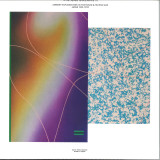
The next installment of MFM's popular multi-artist compilation Virtual Dreams: 'Virtual Dreams - Ambient Explorations In The House And Techno Age, Japan 1993-1999'. As with Part One, released in 2020, 'Virtual Dreams II' shines a light on house and techno-adjacent music that helped redefine the definition of ambient music during the 1990s.
The focus of Part One heavily fell on music from techno and house producers in Europe, eagerly exploring new soundtracks for chill-out rooms and re-imagining the potential future of club culture from new perspectives. For Part Two, we narrow the lens to focus on a unique time and place, namely Japan between 1993-1999. Despite missing out on the 'Acid House Fever', club culture was beginning to take shape in Japan during the early '90s. In contrast to the rest of the world, where ambient techno / IDM emerged as a by-product or response to the scene, 'listening techno', as it is known in Japan, was a central pillar of the culture right from the start.
'Virtual Dreams II' aims to shine a light on this unique moment in time where the thread of ambient music weaved its way through the music of an emerging club culture. This period saw the birth of many great Japanese techno labels such as Sublime Records, Transonic Records, Syzygy Records, Frogman Records, and Form@ Records, following in the late '90s. 'Virtual Dreams II' features ambient, chill-out, and intelligent techno from these leading labels alongside other lesser-known but equally influential imprints, as well as ambient deviations from Japanese house producers. Much of the music featured has only ever been released on CD.
'Virtual Dreams II' is compiled by Eiji Taniguchi and Jamie Tiller, who have worked closely together on previous Music From Memory releases such as 'Heisei No Oto' and 'Dream Dolphin - Gaia'. It is also the final project Jamie Tiller worked on before his tragic passing in 2023. Jamie had been researching, planning, and compiling this version of Virtual Dreams even before the first chapter was released, believing that there were many great tracks in Japan that fit the concept of the series. Knowing how much love and energy he put into compiling it gives it an extra special place in our hearts.
Compiled by Jamie Tiller and Eiji Taniguchi with artwork by Kenta Senekt, design by Steele Bonus and liner notes by Itaru W. Mita,
Disponible en stock et prêt pour l'expédition

Black Vinyl[26,85 €]
“Wild Boy …” is a reissue of the well-known 2016 release curated by Brian Chidester, renowned researcher and biographer of Eden Ahbez. Especially for this album, Brian wrote an interesting text about Abi’s life, which definitely became the decoration of the release.
With the new 2020 re-release, we went a little further and kept what is commonly referred to as studio cuts. It’s a few more minutes in the studio with ahbez himself, full of emotion and life. In addition, to the delight of fans, the edition includes an additional composition Nature Boy (Mantovani Orchestra).
Especially, it is worth noting the outstanding mastering prepared from practically decomposed tapes by the Grammy-nominated Jessica Thompson, which guarantees the deepest and warmth possible sound. Jessica a huge ahbez fan and we’re highly appreciated for what she has done to save his music for the future.
Eden Ahbez is definitely at the origin of psychedelic music and this release can be taken as further proof. Over the past twenty years, the iconic figure of the world’s first hippie Eden ahbez has become famous primarily for his 1948 song “Nature Boy”, praising universal love, and his amazingly solo album from the 1960s called “Eden’s Island” – one from the first concept albums in the history of music and probably the first psychedelic music album. “Wild Boy: The Lost Songs Of Eden Ahbez” deepens understanding of the origins of the psychedelic movement in the 1950s.
The disc contains a musical selection of works by Eden ahbez himself, written by him in the period after Nature Boy. The inclusion of songs such as “Palm Springs” – Ray Anthony Orchestra and “Hey Jacques” by Erta Kitt gives the listener the chance to discover for the first time the little-known recordings of world-famous artists composed by Eden ahbez. Through “Wild Boy” and “Surfer John” you can hear the author’s handling of absurd rock and exotic experimentation, as well as sweet psychedelic pop like Monterey (with Paul Horn on flute). Overall, Wild Boy: The Lost Songs Of Eden Ahbez offers an overview of the lost works of 1949-1971 with seven unpublished recordings and eight rare singles.
If in 2020 you are missing the hallucinogenic content in Eden Ahbez, it amazingly makes up for that deficiency with simple chords, expansive arrangements, and lyrics about travel, relaxation, free love, and spirituality. Thus creating the standard of psychedelic music. Eden Ahbez’s songs weren’t only fantasy and his personal philosophy was the real thing that he lived.
reviews:
“This carefully and extensively researched compilation culls covers by top notch mainstream artists juxtaposed with unreleased Eden recordings. What might sound like a mixed bag is actually more like a chronological, musical non-fiction novel about Eden Ahbez. While Eden was writing hundreds of songs and performing live and making recordings in various styles, his songs were also being picked up by popular artists like Nat King Cole and Eartha Kitt who recorded with a more polished mainstream style. There are also some early rock n roll style recordings here. Eden’s professionally recordings often end up as Novelty Pop records such as “Child of Nature” and “The Clam Man” but if you read between the lines and listen to the lyrics it is pretty eye-opening that he is singing about Eastern-religion-style and pre-hippie philosophies about being at one with the planet Earth.
All of this is explained in the lengthy liner notes inside the lp along with a few choice photos that establish Eden as a founding father of Southern California mystic/psychedelic music.” – Tiki_News
“Eden Ahbez’s life philosophy was summed up in the lyrics of his most famous song, “Nature Boy,” a 1948 hit for Nat King Cole: the song describes a “strange enchanted boy” who wanders the world in search of truth. “The greatest thing you’ll ever learn,” he concludes, “is to love and be loved in return.” Ahbez was a pre-cursor of California’s beatniks and hippies, and an exalted icon of ex-otica via his rare 1960 album Eden’s Island. Beyond “Nature Boy” and Eden’s Island, though, there were nu-merous lesser-known Ahbez record-ings. Ahbez biographer Brian Chidester has been doing an exemplary job of archiving and documenting that catalog of work. The Exotic World of Eden Ahbez (reviewed in UT#38) appeared a few years ago, gathering together 14 Ahbez-related rarities” – Ugly Things
Disponible en stock et prêt pour l'expédition

Wade "Jimmy" Dyce was an original member of Cultural Roots. He was a vocalist and played a key role in shaping the sound of the group. Cultural Roots emerged as a four-part harmony group for producer Donovan Germain in the late 1970s, releasing « Revolutionary Sounds » and « Mr Bossman » which counts among ‘Jah Shaka's favourite tunes’. Then they released « Hell A Go Pop », one of the Greensleeves label’s lesser-known classics.
In the early 80's, Wade Dyce produced alone three songs at Chris Stanley's famous Music Mountain studio. Wade Dayce surrounds himself with the best musicians of the time, namely the Revolutionaries, but does not remember the exact formation apart from Sly Dunbar on drums and Bongo Herman on percussion. « Humble », « Money Mare » and « Hide & Seek » are three forgotten songs that can be described as killer roots from the middle of the 80s and which you can (re)discover again through this reissue on the original Moving On label. For this release, Jamwax worked with Parade Studio for this original and unique Disco 45 cover graphic creation.
Today, Wade, now sixty-seven years old, is living in Salem, Massachusetts, where he graduated in 2010 as a mental-health specialist. Long live to the Cultural Roots !
Disponible en stock et prêt pour l'expédition

Some Songs Of A Dumb World
'The light at sunset is mysteriously pinkish.'
After Trip Trap, TRIP's sub-label GALAXIID releases the debut album by the Species Of Fishes duo. The record, originally released by the Dutch experimental label Korm Plastics in 1994, has influenced two generations of post-Soviet musicians. 'Some Songs of a Dumb World' is like a quest that you can either take up or appreciate as a mosaic of different music styles.
Igor Kolyadny and Vitaly Stern initially worked separately but later shared ideas during home sessions to build their own psychedelic world. They used a large number of cassette samples, including the voices of physicists, paranormal researchers, astronomers, and wildlife TV show hosts, combining them with pulsating rhythms inspired by various electronic music genres. The result, as the duo
described it in an Inverted Audio interview, is 'a sort of alienated, extraterrestrial, studying view on the sound component of human activity.'
For the very first time, the tracks from the debut album by Species Of Fishes are now available on vinyl. The double LP reissue with the refreshed version of the original artwork includes the original tracks, mixed between 1993 and 1994, but re-edited and remastered by Igor Kolyadny in 2021. Two tracks were released on the lesser-known follow-up 'Songs of a Dumb World Part 2', while "Salmon Hunting/Kaluga-Mars" is being released for the first time.
Disponible en stock et prêt pour l'expédition

4/5 REVIEW IN SHINDIG! ''Incorporating afrobeat and a more spiritual sound in amongst its heavy beats and super-tight musicianship''
As pioneers in the burgeoning modern funk scene of the '90s The Poets of Rhythm created new standards, transcending the parameters lesser groups were defined by. With Discern / Define the Poets took their brand of classic funk to the next level by blending elements of rock, psychedelia, afro-beat, jazz and heavy, heavy drums to create a wholly original brand of transcendent, funky soul.
Anyone who has tried to cop an OG in the last twenty years knows how difficult of a task that has proven to be - not necessarily due to rarity, but more to the fact that people simply DO NOT get rid of this album. It's a testament to the fact that Discern / Define has no shelf life. It's a bonafide classic that any discerning funk and soul fan must have in their collection. Now sporting a deluxe gatefold jacket with reimagined artwork, it is an honor to get these back on the shelves of a record shop near you. Cop one today!
"They have the unique power of being able to depart from tradition in order to bring advancement music and unsuspecting listeners, yet still please the purists with home-cooked "Funk-of-Ages" values"
- Lyrics Born
Disponible en stock et prêt pour l'expédition

Polish septet EABS apply an innovatve approach to jazz, distlling it
through the prism of hip-hop, blending it with elements of soul, funk and electronic music. ‘Slavic Spirits’ was 2 years in the making and contains 100% original material. They are joined by 22a head-honcho Tenderlonious who lends his exceptonal soprano saxophone and flute playing to all seven tracks.
Afer their very well-received 2017 debut album ‘Repettons (Leters to Krzysztof Komeda)’, focusing on the lesser-known works of the legendary Polish composer, the Wroclaw-based EABS decided to further expand this lead and released two more vinyl records, ‘Live At Jazz Club Hipnoza (Katowice)’ and ‘Kraksa / Svantetc’, the later recorded directly on tape and released via 22a, which crowned the “Kom eda triptych”. The astounding recepton of these releases built up loyal following outside of their natve Poland and whet listeners’ appette for completely new recordings.
For this LP the musicians turned to Slavic mythology and Polish demonology, while pondering upon the contemporary spiritual conditon of Poles. The enigmatc “Slavic melancholy” remains the main inspiraton, as the band tried to extract it from their own DNA. ‘Slavic Spirits’ is an endeavour to get in touch with the world of a long and brutally lost culture which, due to lack of sources, will never be thoroughly explored.
Personnel: Marek Pedziwiatr (piano, synths & vocal), Vojto Monteur (guitar), Pawel Stachowiak (bass), Jakub Kurek (trumpet), Olaf Wegier (tenor saxophone), Marcin Rak (drums), Spisek Jednego (samples, sound fx & percussion), special guest: Tenderlonious (soprano saxophone & flute)
Disponible en stock et prêt pour l'expédition

Two lost Disco classics appearing for the first time on a single 12” featuring soul legend Leon Ware and Jo Ann Harris, a little known backing singer for Bob Dylan throughout the 80s.
Both songs originally appeared on the ‘20 Minute Workout’ Video and LP released in 1983 by Canadian label Ronco, ‘What Does It Take’ providing an uptempo crescendo to the third part of the workout and ‘Never Gonna Give You Up’ the final warm down track. Licensed from producer Ira Newborn, Hollywood soundtrack royalty who composed the scores for an incredible run of films including The Blues Brothers, Ferris Bueller’s Day Off, The Naked Gun trilogy, Weird Science, Ace Ventura and Uncle Buck. Ira’s lawyer persuaded him to get involved in the project for Ronco and it was Ira who hand picked Leon Ware and Jo Ann Harris to add vocals to two tracks to aid the commercial potential of the album.
There are two original versions backed with extended instrumentals sourced from a rare Lazer Disc Version of the album. It feels right to shine a light on one of Leon Ware’s lesser known performances, whilst the Jo Ann Harris cut has a distinct Balearic air featuring sultry keys and sax at a tempo of 98 BPM.
Disponible en stock et prêt pour l'expédition

Dynamite cuts release a first-time masterpiece The George Semper Music Archives & Dynamite Cuts Records
“Knowbody’s Gonna Love You” is a masterpiece vocal demo written by George Semper almost 50 years ago. Lost and almost forgotten, lying dormant on a master tape recorded late 60s. Such a wonderful and fresh song, perfect swing and groove.
Finding this demo completed the puzzle with an unknown one-off press acetate record. That was within Georges collection, now we know he had wrote it. The acetate was titled “Knowbody’s Gonna Love You” Joanne. With a little more investigation Joanne became the lesser known soul singer Joanne Vent. She recorded one LP on the label A&M back in the late 60s, which just happened to be the same time George worked for the label… One off press limited edition x400 copies with heavy card sleeve
Disponible en stock et prêt pour l'expédition

Nearly 10 years on since his last solo LP, Berlin techno icon Marcel Dettmann arrives on Dekmantel with an expansive album captured in a flash of inspiration.
In many ways Fear Of Programming is a reflection on the artistic process – the critical hurdles one has to overcome, the constant strive for originality, the ability to capture inspiration in its pure moment of inception. Bar the closing title track (and we all know Marcel loves a surprise closing), these 13 tracks came together during a period in which our hirsute host was able to immerse himself in studio practice and set the intention to record an album’s worth of material every single day. From the resulting mass of work there were many options to choose from, and Fear Of Programming stood out as one of the most complete statements on Dettmann’s approach in the here and now.
Unconcerned with an overarching concept, it was the work in the studio which drove the musical direction. No labouring over knotty arrangements, no painstaking mix downs – just honest expression, a moment caught, a groove locked, a stroke of synth sent pirouetting over a cavernous bed of texture. The results are varied, and while you might well hear plenty of bruising machinations in line with the techno Dettmann has made his name on, there are plenty of other shades expressed across the album.
Ambient sojourns, beatless epics and angular electronica have equal footing with strident, floor-friendly workouts. Standout piece ‘Water’ offers an icy ballet of swinging minimal and drip-drop melodics fronted by Ryan Elliott on lesser-spotted vocal duties, urging, ‘give me a sign, just a little something to let me know that you’re mine’. It’s playful, but still underpinned with the sincerity that comes with Dettmann’s work.
Running on instinct, Dettmann presents an honest version of himself in the here and now, speaking through the sonics and not over-thinking the results. His decades of experience helming a thousand techno parties speak for themselves, while his evolution as a musical entity through collaboration and his own BAD MANNERS label demonstrate his appetite for change. Indeed, the working method which resulted in the album also spurred him on to create a live set beyond his well-established DJ practice. Without resorting to a conceited overhaul, Fear Of Programming opens up the idea of what Dettmann represents in the modern techno landscape.
Disponible en stock et prêt pour l'expédition

Mr. K takes on two different disco moods in the latest in his long-running series of edits on 45.
Danny Krivit’s edit of Tony Orlando’s “Don’t Let Go” was released in Japan in 2012 and immediately became a sought-after, impossible to find rarity. Orlando’s version of “Don’t Let Go” was released at the height of the disco era, but the song itself was already a well-worn pop standard, having been covered by numerous artists before the pop singer tried his hand at it, switching things up with a percolating disco groove. “I never expected to rave about a Tony Orlando record,” wrote Vince Aletti in his Record World column in June of 1978, “but this one’s really terrific… My pick for a summer refresher.” The Jimmy Simpson mix on the original 12-inch follows the vocals with a long instrumental section that teases the various elements provided by the Muscle Shoals band (guitar, vibes, strings, and above all a sinuous synth) back in over the relentless bass and drums. Danny’s edit, which he’s trimmed down for its debut on 7-inch, works with this instrumental break and more than lives up to Aletti’s description as an addictive warm weather jam.
From the moody instrumental sound of “Don’t Let Go” we move to the bright uptempo vocal track "I Fall In Love Everyday." In spite of the relative obscurity of this fabulous but lesser-known cut, it comes with a sparkling pedigree. “I Fall In Love Everyday” was written by Jay Graydon (whose credits also include “Turn Your Love Around” for George Benson and “Breakin’ Away” for Al Jarreau), produced by Motown ace Mickey Stevenson (who wrote “Dancing In the Street”) and arranged by David Foster, who was just making the transition from session keyboardist to the superstar songwriter/arranger he’d become. The backing track was first used for singer/TV personality Jaye P. Morgan’s version of the song a year earlier, but you certainly can’t blame the team for reusing the music when the band included studio heavyweights like Harvey Mason, Lee Ritenour, Ray Parker Jr., and Kenny Loggins. Danny’s creative edit fashions a clean, DJ-friendly instrumental intro where none existed on the original, and gives new life to a track that’s sure to bring some sunshine to dancefloors.
As always, these unique selections from Mr. K’s personal stash are cut on a loud, club-ready 7-inch pressing.
Disponible en stock et prêt pour l'expédition

The Yummy Fur’s first album of new material in over 25 years is seductive and ambiguous; a fast-paced flip through scenes from art, myth, life and fantasy; a witty whole made from glittering scraps. The band’s original incarnation – fronted by singer, songwriter and guitarist John McKeown from 1992 to 1999 – morphed from making quick-hit cartoon-art songs to Eno and Cale-influenced creepers, populated by characters from McKeown’s life in Glasgow and the films, books and poetry that he lived a parallel life through. Everybody Talks About The Weather delights in using every past iteration of the band as potent collage material: a melee of sounds and ideas existing at once, revealing themselves then dipping back into hiding.
Recorded by the original core trio of McKeown, Brian MacDougall (guitar) and Paul Thomson (drums), Everybody Talks About The Weather comes 17 years after the band reformed for sporadic live shows, and seven years after the release of their sorta-greatest hits compilation Piggy Wings (Rock Action). Ten tracks long with nothing to spare, it is as condensed and vital as their best songs, with a new clarity of sound that allows their ambiguities to come into the light.
The album begins with “Cogs”, a taunting inquisition from within. As McKeown stages a fight between his id and ego, the tension heats up between conversational guitar lines and minimalist repetition; threatening sing-song melody and real, palpable menace. The band members are forced in tandem only to break apart, sustaining a genuine sense of just-hidden danger throughout the whole record – except, arguably, “Headphones”, a looser moment which sees McKeown make an existential something out of nothing while waiting for someone in the car (“I should have brought a book.../My ears are bleeding from the compression on your album”)
The songs are riots of reference: “Unity Over Europe” is a slyly complex two act play about the Mitford sisters – Diana, Unity, and Nancy, in a wink to the YF canon – smashing tragic biographical detail together with allusions to Thomas Pynchon and Francis Bacon. Pynchon is also lifted to serve “Blue Sunshine”, a collision of school shooters, serial killers and fictional fuck-ups (“Fast forward to Compton/Fast forward to Pynchon/Fast forward to Columbine'”) whose buzzy guitar lines are taunting and confrontational like a smarmy teenager. The innocuous title of “My Lasagne” belies a song that exists in several time periods at once: a visit to see Guernica, 50 people with their backs to the portrait of Dora Maar; the time that Picasso painted from; the Reina Sofia and the dirty streets of the Malasaña; myth-making musicians and the myths they’re riffing off overlapping and leering at each other.
All this could be laboured in lesser hands, but cultural verbosity is second nature to The Yummy Fur, who transform all this source material into songs that are weird, sexy, funny and absurd. Meaning is not happily understood or flattened. Susan Sontag's essay Against Interpretation accompanied McKeown as he wrote this album, and she’s paraphrased in “Semolina Ballerina”, the album’s justification of artistic ambiguity. Thomson’s motorik beat leads a gathering of back-and-forth instrumental phrases – including a wiry contribution on saxophone – embodying the futility of trying to parse something definitive from repeated action. “Listen to the very first thing that’s in your head,” Sontag-via-McKeown commands directly, then slinks sideways: “Interpretation is a conversation in an unmade bed”
The album features two more focused portraits, or at least The Yummy Fur’s version of such a thing. “Wanda” merges the life of filmmaker Barbara Loden and the title character of her semi-autobiographical 1970 feature film, with Loden’s then-husband Elia Kazan joining the fray of no-good men in her film. It’s a mix of adaptation and avant-criticism, with McKeown’s wordplay and mannered pronunciation mirroring the way that non-fiction and fiction twist around each other in the song. The title track is a series of vignettes and impressions from the lives of the band’s ‘90s inner circle, positing painter Mac McNaughton as a kind of Falstaffian ringleader. As with Piggy Wings and the recent single “New T-Shirt”, McNaughton painted the cover of Everybody Talks About The Weather – like the album’s music, the image of a coy girl in a white dress is an uncanny amalgamation of styles, suggestions and references just out of reach, as though seen in an art museum in a dream.
The album ends with two reads of the same frustration. “King of Nothing” is the closest The Yummy Fur will ever get to sludge-rock: the band melts together into a dusty, dreary haze as McKeown drowns in a drudgery of personal struggle (“Two jumpers on in Babylon/And only cats to talk to”) and the rhythmic toppling of heroes (Rowlands, Duvall, Munro). The majority of visible dirt is cleaned off for “Say Hello”, an uncharacteristic depiction of throwing the windows open after a dark night of the soul. Here, the situation is still cold and hard (“When the sun burns gold, but the heat never reaches your fingertips”) but it feels surmountable. Everybody Talks About The Weather is an unpredictable album from an unpredictable group, but ending on a moment of almost uncomplicated light is maybe its biggest surprise. - Claire Biddles (2026)
il devrait être publié sur 25.09.2026

Black Vinyl[15,55 €]
The Yummy Fur’s first album of new material in over 25 years is seductive and ambiguous; a fast-paced flip through scenes from art, myth, life and fantasy; a witty whole made from glittering scraps. The band’s original incarnation – fronted by singer, songwriter and guitarist John McKeown from 1992 to 1999 – morphed from making quick-hit cartoon-art songs to Eno and Cale-influenced creepers, populated by characters from McKeown’s life in Glasgow and the films, books and poetry that he lived a parallel life through. Everybody Talks About The Weather delights in using every past iteration of the band as potent collage material: a melee of sounds and ideas existing at once, revealing themselves then dipping back into hiding.
Recorded by the original core trio of McKeown, Brian MacDougall (guitar) and Paul Thomson (drums), Everybody Talks About The Weather comes 17 years after the band reformed for sporadic live shows, and seven years after the release of their sorta-greatest hits compilation Piggy Wings (Rock Action). Ten tracks long with nothing to spare, it is as condensed and vital as their best songs, with a new clarity of sound that allows their ambiguities to come into the light.
The album begins with “Cogs”, a taunting inquisition from within. As McKeown stages a fight between his id and ego, the tension heats up between conversational guitar lines and minimalist repetition; threatening sing-song melody and real, palpable menace. The band members are forced in tandem only to break apart, sustaining a genuine sense of just-hidden danger throughout the whole record – except, arguably, “Headphones”, a looser moment which sees McKeown make an existential something out of nothing while waiting for someone in the car (“I should have brought a book.../My ears are bleeding from the compression on your album”)
The songs are riots of reference: “Unity Over Europe” is a slyly complex two act play about the Mitford sisters – Diana, Unity, and Nancy, in a wink to the YF canon – smashing tragic biographical detail together with allusions to Thomas Pynchon and Francis Bacon. Pynchon is also lifted to serve “Blue Sunshine”, a collision of school shooters, serial killers and fictional fuck-ups (“Fast forward to Compton/Fast forward to Pynchon/Fast forward to Columbine'”) whose buzzy guitar lines are taunting and confrontational like a smarmy teenager. The innocuous title of “My Lasagne” belies a song that exists in several time periods at once: a visit to see Guernica, 50 people with their backs to the portrait of Dora Maar; the time that Picasso painted from; the Reina Sofia and the dirty streets of the Malasaña; myth-making musicians and the myths they’re riffing off overlapping and leering at each other.
All this could be laboured in lesser hands, but cultural verbosity is second nature to The Yummy Fur, who transform all this source material into songs that are weird, sexy, funny and absurd. Meaning is not happily understood or flattened. Susan Sontag's essay Against Interpretation accompanied McKeown as he wrote this album, and she’s paraphrased in “Semolina Ballerina”, the album’s justification of artistic ambiguity. Thomson’s motorik beat leads a gathering of back-and-forth instrumental phrases – including a wiry contribution on saxophone – embodying the futility of trying to parse something definitive from repeated action. “Listen to the very first thing that’s in your head,” Sontag-via-McKeown commands directly, then slinks sideways: “Interpretation is a conversation in an unmade bed”
The album features two more focused portraits, or at least The Yummy Fur’s version of such a thing. “Wanda” merges the life of filmmaker Barbara Loden and the title character of her semi-autobiographical 1970 feature film, with Loden’s then-husband Elia Kazan joining the fray of no-good men in her film. It’s a mix of adaptation and avant-criticism, with McKeown’s wordplay and mannered pronunciation mirroring the way that non-fiction and fiction twist around each other in the song. The title track is a series of vignettes and impressions from the lives of the band’s ‘90s inner circle, positing painter Mac McNaughton as a kind of Falstaffian ringleader. As with Piggy Wings and the recent single “New T-Shirt”, McNaughton painted the cover of Everybody Talks About The Weather – like the album’s music, the image of a coy girl in a white dress is an uncanny amalgamation of styles, suggestions and references just out of reach, as though seen in an art museum in a dream.
The album ends with two reads of the same frustration. “King of Nothing” is the closest The Yummy Fur will ever get to sludge-rock: the band melts together into a dusty, dreary haze as McKeown drowns in a drudgery of personal struggle (“Two jumpers on in Babylon/And only cats to talk to”) and the rhythmic toppling of heroes (Rowlands, Duvall, Munro). The majority of visible dirt is cleaned off for “Say Hello”, an uncharacteristic depiction of throwing the windows open after a dark night of the soul. Here, the situation is still cold and hard (“When the sun burns gold, but the heat never reaches your fingertips”) but it feels surmountable. Everybody Talks About The Weather is an unpredictable album from an unpredictable group, but ending on a moment of almost uncomplicated light is maybe its biggest surprise. - Claire Biddles (2026)
il devrait être publié sur 25.09.2026

Trusted Rhythm Records seeks to live up to its name right from the off with a debut vinyl compilation that explores deep house from multiple angles. Yuu Udagawa first comes at things from a soulful perspective, with diffuse pads and jazzy melodies heating up a nice soft groove. DFRA's 'Give Me' (Masaki Morii remix) is a playful, musical sunset sound for when you're dancing by the Med somewhere and the flipside begins with a tropical deep house heater that is organic and baked in sunlight. Trinidadian Deep keeps things dialled in and spiritual with his mix of Jean-Jez and a Coflo remix closes with more bold rhythms but no lesser depth. Sophisticated stylings all round.
Commandez maintenant et nous commanderons l'article pour vous chez notre fournisseur.

Marion Poncet delivers his heartbeats in full length format as 2x12“ on Smallville's Fuck Reality.
While Traumer might be the most prominent moniker of Romain Poncet- and the one he is currently touring the world as- there is countless other musical projects that the artist is operating as. And its the lesser-known side-projects, that complete the picture of a truly versatile musical mind. So next to Traumer, you'll meet Brako, Amine Laje, Jinger, Redspecs- Marion Poncet - and even more side-projects within the world of Romain. He has always seen his monikers as a form of expression and to showcase his musical broadness. Of course there is House music in all different shades & moods- but Romain also released techno, downbeat & trippy things for the heads as well as broken beat material.
„The Raging Swells Crushing The Cliff Of My Love” was written during a period of longing for his love – so here is a deeply personal album as a musical dedication. Expect thoughtful-but-crunchy house music with a chunk, that sounds as if it was made for Smallville's Fuck Reality imprint.
Fuck Reality LP 02 comes as a 2x12”, as always with a full cover artwork by Stefan Marx.
Love from Smallville - stay positive – Fuck Reality!
Commandez maintenant et nous commanderons l'article pour vous chez notre fournisseur.
