quête:little harry

Genres
Tout
L'Entourloop - Chickens in Your Town LP 2x12"

Breeding in open air since 1964, Sir James and King Johnny are the figureheads of the mysterious L'ENTOURLOOP collective. Feed with good grains from Sounds Systems, vinyle's culture (Scratchs / Beatmaking / Sampling) and rocked by the epic dialogues of a certain cinema, L'ENTOURLOOP concocte with love a music half-way between Kingston, London and New York! After rocking more than 300 scenes around the world, the two unflagging ambassadors continue to surprise us on stage. Well accompanied by the incredible Bermudian MC Troy Berkley and the maestro N'Zeng at the trumpet, L'ENTOURLOOP gives us an eclectic live and survitaminated at each of its outings!!

En stock

Disponible en stock et prêt pour l'expédition

31,89
The Last Ff The Crooners - Live Records From The Palm Tree

The Palm Tree needs no introduction to anyone who has visited this part of town. Diamond boozer and Blitz survivor, it stands solitary on the Regent's Canal between Mile End and the Roman Road, quietly resisting the urge to move with the times. On weekend evenings you can enjoy the jazz standards of the Great American Songbook played by the musicians who feature on the album, no ticket required.

Tom Oldham (@tommyophoto) is a London-based portrait photographer, shooting portraits of musicians, sports stars and talented folk all round the world. His work has been widely recognised by the Taylor Wessing Photographic Portrait Prize, the Open Series in the AoP Awards and most recently the Sony World Photography Awards 2018.

Andy Gangadeen is a drummer of international renown, playing with bands as prominent and diverse as Duran Duran, Massive Attack, Spice Girls and Chase & Status. He a true pioneer of live dance music drumming and has been known to pick up the sticks at The Palm Tree from time to time.

pas en stock

Commandez maintenant et nous commanderons l'article pour vous chez notre fournisseur.

22,65

Last In: 8 years ago
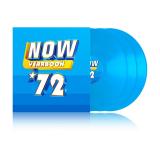
Various - NOW - Yearbook 1972 (3x12")
  • A1: John Lennon, The Plastic Ono Band, Yoko Ono & The Harlem Community Choir - Happy Xmas (War Is Over)
  • A2: Rod Stewart - You Wear It Well
  • A3: Don Mclean - American Pie
  • A4: America - A Horse With No Name
  • A5: Simon & Garfunkel - America
  • A6: Harry Nilsson - Without You
  • A7: Bob Dylan - If Not For You
  • A8: Paul Mccartney & Wings - Mary Had A Little Lamb
  • B1: Bread - Baby I'm-A Want You
  • B2: Carly Simon - Anticipation
  • B3: Neil Diamond - Song Sung Blue
  • B4: Gilbert O'sullivan - Clair
  • B5: Colin Blunstone - Say You Don't Mind
  • B6: Cat Stevens - Morning Has Broken
  • B7: Michael Jackson - Got To Be There
  • B8: Labi Siffre - It Must Be Love
  • B9: Johnny Nash - I Can See Clearly Now
  • C1: Alice Cooper - School's Out
  • C2: Roxy Music - Virginia Plain
  • C3: Mott The Hoople - All The Young Dudes
  • C4: Sweet - Wig Wam Bam
  • C5: Slade - Mama Weer All Crazee Now
  • C6: Elton John - Crocodile Rock
  • C7: Chicory Tip - Son Of My Father
  • C8: Jeff Beck - Hi Ho Silver Lining
  • D1: The Stylistics - Betcha By Golly, Wow
  • D2: Bill Withers - Lean On Me
  • D3: Love Unlimited - Walkin' In The Rain With The One I Love
  • D4: Sly & The Family Stone - Family Affair
  • D5: The O'jays - Back Stabbers
  • D6: The Supremes - Floy Joy
  • D7: Michael Jackson - Ben
  • D8: Melanie - Brand New Key
  • D9: The New Seekers - I'd Like To Teach The World To Sing (In Perfect Harmony)
  • E1: Elton John - Rocket Man (I Think It's Going To Be A Long Long Time)
  • E2: Python Lee Jackson Featuring Rod Stewart - In A Broken Dream
  • E3: Slade - Take Me Bak 'Ome
  • E4: Electric Light Orchestra - 10538 Overture
  • E5: Hawkwind - Silver Machine
pré-commande08.05.2026

il devrait être publié sur 08.05.2026

37,19
Various - Randy's 50th Anniversary  Chapter Two (2x12")
 
25
également disponible

Chapter One[36,35 €]


RANDY'S 50th ANNIVERSARY CHAPTER ONE / VARIOUS - First time on vinyl for Chapter Two second part of the acclaimed previously CD only set that was released to celebrate the 50th Anniversary of Randy's Records. From Augustus Pablo's groundbreaking 'Java' to Carl Malcolm's UK pop crossover hit 'Fattie Bum Bum' Chapter Two showcase classic after classic from a all-star line up of the 70's reggae music greats including Black Uhuru, Horace Andy, Dennis Brown, Gregory Isaacs, The Heptones & Big Youth. Beautifully packaged with inner sleeves featuring rare photos and liner notes by reggae historian, Dennis Katz.

pré-commande18.05.2026

il devrait être publié sur 18.05.2026

36,35
Various - Randy's 50th Anniversary Chapter One (2x12")
  • A1: Java - Augustus Pablo
  • A2: Hospital Trolly - I Roy
  • A3: King Of Babylon - Junior Byles
  • A4: Don't Go - Horace Andy
  • A5: A Little Love - Jimmy London
  • A7: Cheater - Dennis Brown
  • A9: For The Love Of You - John Holt
  • A10: Too Late To Turn Back Now - Alton Ellis
  • A11: Be Thankful - Donovan Carless
  • A12: Woman Of The Ghetto - Hortense Ellis
  • A13: Children Of The Ghetto - Senya
  • A14: Lonely Soldier - Gregory Isaacs
  • A16: Going To Zion - Black Uhuru
  • A17: Ordinary Man - Lloyd Parks
  • A18: Ordinary Version 3 - Impact All Stars
  • A19: Hold Tight - African Brothers
  • A20: Righteous Man - Keith Poppin
  • A21: Created By The Father - Errol Dunkley
  • A22: The Race - The Gladiators
  • A24: My Guiding Star - The Heptones
  • A27: No Jestering - Carl Malcolm
  • A28: Knotty No Jester - Big Youth
  • A29: Fattie Bum Bum - Carl Malcolm
  • A25: Something On Your Mind - Hubert Lee
  • A26: Country Boy - Charley Ace & Dirty Harry
également disponible

Chapter Two[36,35 €]


RANDY'S 50th ANNIVERSARY CHAPTER ONE / VARIOUS - First time on vinyl for Chapter Two second part of the acclaimed previously CD only set that was released to celebrate the 50th Anniversary of Randy's Records. From Augustus Pablo's groundbreaking 'Java' to Carl Malcolm's UK pop crossover hit 'Fattie Bum Bum' Chapter Two showcase classic after classic from a all-star line up of the 70's reggae music greats including Black Uhuru, Horace Andy, Dennis Brown, Gregory Isaacs, The Heptones & Big Youth. Beautifully packaged with inner sleeves featuring rare photos and liner notes by reggae historian, Dennis Katz.

pré-commande18.05.2026

il devrait être publié sur 18.05.2026

36,35
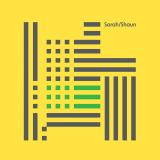
Sarah/Shaun - Someone's Ghost

Sarah/Shaun

Someone's Ghost

12inchHM030EP
Hobbes Music
14.04.2026

Following Parnell March’s Back Bar Grooves EP in February and November’s release of the Dust Tears (lead song from Sarah/Shaun’s debut) remixes, Edinburgh’s Hobbes Music label returns with a second EP of dream pop from husband-and-wife duo Sarah/Shaun (pronounced simply Sarah Shaun), alias Sarah and Shaun McLachlan (pronounced McLochlun), who wooed hearts and wowed critics with debut EP ‘It’s True What They Say?’ last year.

‘It’s True What They Say?’ attracted fans across the board: Artist Of The Week in The Scotsman, rapturous reviews from The Skinny and Tokyo's Ban Ban Ton Ton blog, BBC 6Music airplay courtesy of Nemone (Mary Anne Hobbs' Morning Show), more radio play from Radio Scotland's Roddy Hart & Vic Galloway, plus Simone Butler (Primal Scream) and Jim Sclavunos (Bad Seeds) via their respective Soho Radio shows, not forgetting ringing endorsements from the likes of David Holmes, Youth, Kevin Bales (Spiritualized), Brent Rademaker (Beachwood Sparks) and Julian Corrie (Franz Ferdinand).

They played gigs supporting Glasgow's huge Glasvegas, at festivals (Kendall Calling, Dunbar Music, Hidden Door), plus a slew of venues across the Scottish capital, ending the year with a trio of shows supporting Glaswegian 80s pop legends The Bluebells at Aberdeen’s Tunnels, Dunfermline’s PJ Molloys and Edinburgh’s Liquid Rooms, while The List magazine tipped them among their Ones To Watch For 2025, with journalist Fiona Shepherd suggesting they were “blending the starry-eyed pop of Sonny & Cher with the electronic experimentation of Chris & Cosey.”

Very much the companion piece to the debut EP but arriving a full twelve months later, Someone’s Ghost is emblematic of the duo’s desire not to rush things or release anything half-baked.

“I’ve always wanted to create the perfect pop record and I do really feel that we’ve achieved that with this one,” says Shaun. And he’s clearly not the only person who thinks so.

REVIEWS, FEEDBACK ETC:

"I LOVE that! Dreamy dreamy pop." ROY MOLLOY (Marvellous Crane/Alex Cameron) on BLAST RADIO, Sydney
“the Scottish music scene’s cream of the cool... buzzy drum beats, high, distant chimes, and heavenly electronics…. very ethereal.” THE SKINNY

"Listening to Sarah/Shaun is like eavesdropping on a noir dreampop, long-distance phone call between them both, across two separate sonic locations. On this stunning 4-song EP, Sarah’s voice, effortlessly mesmerising, draws you into these big beautiful and haunting passages of perfect dream-pop. All beautifully produced in a multi-layered-scape of low-fi analogue textures, epic cinematic crescendos, intense electro-pulse grooves and warped psycho-pop guitar riffs. Within the songs lurk a sense of unresolved emotions, longing and pathos. There are shades of classic Lee Hazelwood & Nancy Sinatra but also Post-Punk Electronica and Beach House. But what a unique sound they’ve created of their own. I love it" DAVID MCCLUSKEY (The Bluebells)
"Absolutely beautiful" SEAN JOHNSTON (A Love From Outer Space)
"Lovely stuff here! Total quality." MARTYN 'MASH' HENDERSON
"Ooooh. Everything the last record promised is here. Well done" GEORGE T aka George Demure (Accident Machine)
"Vince clark Era Depeche Mode in places" KEVIN BALES (Spiritualized)
"Sounds cool. Well done" PETE KEMBER (Sonic Boom, Spacemen 3)
"Glorious, it (Debbie Harry) grabs hold of you and doesn't let go." IAIN DAWSON aka RAVECHILD (Everyone Wants To Play The Hits Podcast)

SOMEONE’S GHOST

Born out of an incredibly anxious, stressful time, the songwriting process for these recordings has been something of a personal tonic for Shaun…

“There was a period when I was having nightmares,” he reveals. “Apparently I was saying there was someone in the room, I was talking to that person and Sarah was seeing all this while I was still asleep.

So, I was thinking that this was my ghost. I started writing songs because I was going through something and I was dealing with something and writing songs was a comfort. My ghost was a comfort, whether it was real or not. The idea of it was a comfort.”

“I firmly believe that everyone has someone who watches over them but all of the songs are essentially about being there for someone,” he says. “Everybody needs someone but also everyone needs to stay real and keep what you have, keep it close, never let it go. If you don’t have it, continue to tell people you’re there for them. It’s about loving and hoping people will be good to you in return.”

While Shaun took the songwriting lead on Filter Of Love and EP closer The Sound Which Stresses The Sound Of My Ears, Debbie Harry was originally instrumentally conceived by producer Jaguar Eyes, alias Ali Chisholm, later lyrically completed by Shaun, and the EP’s lead track, Anhedonia, and one of its stand-outs (much like Starbed on the debut) was conceived by Sarah, as a result of experiencing a bit of a spiritual epiphany of her own.

“When I first heard the word Anhedonia, I didn't know what it meant but when I found out I thought about it quite a bit. How sad it would be to have no enjoyment in anything,” she explains. “This song is really about my own personal beliefs. When I have been down, that's one of the things that helps me the most. It talks about trying to make amends but realising, for some things, you can't. But I think with any kind of faith comes hope… which is always a good thing.”

A record about hope, truth, honesty, a belief in something bigger than oneself… and all set to a soundtrack that wouldn’t feel out of place in a David Lynch or Eighties feature film. What more could anyone ask for, really?

There’s equally a desire to offer something universal and positive to anyone who tunes in. The labels for the 12” edition reveal the dual mantras “Who just wants to survive?” and “It’s about time to live a little”, with both messages also engraved in each record’s run-out grooves. T-shirts accompanying debut EP It’s True What They Say? bore the slogan “Kill Them With Kindness” - leading caps intentional. Shaun carries the acronym KTWK everywhere he plays, as a reminder: it’s stitched into his guitar strap. And this particular wee pebble has already caused a few ripples: people have been approaching him at gigs to acknowledge their appreciation and respect for it.

"We feel we have made an honest, open, colourful, body of work,” say the duo. “We hope to go out and play the songs with the guys (our band) and then potentially make more records. We are taking things as they come. Everything has been organic so far, after all. We are looking forward to whatever this brings."

En stock

Disponible en stock et prêt pour l'expédition

18,70
Various - Randy's 50th Anniversary LP 2x12"
  • A1: Java / Augustus Pablo
  • A2: Hospital Trolly / I Roy
  • A3: King Of Babylon / Junior Byles
  • A4: Don’t Go / Horace Andy
  • A5: A Little Love / Jimmy London
  • A6: Cheater / Dennis Brown
  • B1: For The Love Of You / John Holt
  • B2: Too Late To Turn Back Now / Alton Ellis
  • B3: Be Thankful / Donovan Carless
  • B4: Women Of The Ghetto / Hortense Ellis
  • B5: Children Of The Ghetto / Senya
  • B6: Lonely Soldier / Gregory Isaacs
  • C1: Going To Zion / Black Uhuru
  • C2: Ordinary Man / Lloyd Parks
  • C3: Ordinary Version 3 / Impact All Stars
  • C4: Hold Tight / African Brothers
  • C5: Created By The Father / Errol Dunkley
  • C6: The Race / The Gladiators
  • D1: My Guiding Star / The Heptones
  • D2: Something On Your Mind / Hubert Lee
  • D3: Country Boy / Charley Ace & Dirty Harry
  • D4: No Jestering / Carl Malcolm
  • D5: Knotty No Jester / Big Youth
  • D6: Fatty Bum Bum / Carl Malcolm

Von Augustus Pablos bahnbrechendem „Java” bis zu Carl Malcolms UK-Pop-Crossover-Hit „Fattie Bum Bum” präsentiert Chapter Two einen Klassiker nach dem anderen von einer All-Star-Besetzung der Reggae-Größen der 70er Jahre, darunter Black Uhuru, Horace Andy, Dennis Brown, Gregory Isaacs, The Heptones und Big Youth. Wunderschön verpackt mit Innenhüllen mit seltenen Fotos und Liner Notes des Reggae-Historikers David Katz.

En stock

Disponible en stock et prêt pour l'expédition

31,72
Various - Randy's 50th Anniversary LP 2x12"
  • A1: Java - Augustus Pablo
  • A2: Hospital Trolly - I Roy
  • A3: King Of Babylon - Junior Byles
  • A4: Don't Go - Horace Andy
  • A5: A Little Love - Jimmy London
  • A6: Cheater - Dennis Brown
  • B1: For The Love Of You - John Holt
  • B2: Too Late To Turn Back Now - Alton Ellis
  • B3: Be Thankful - Donovan Carless
  • B4: Woman Of The Ghetto - Hortense Ellis
  • B5: Children Of The Ghetto - Senya
  • B6: Lonely Soldier - Gregory Isaacs
  • C1: Going To Zion - Black Uhuru
  • C2: Ordinary Man - Lloyd Parks
  • C3: Ordinary Version 3 - Impact All Stars
  • C4: Hold Tight - African Brothers
  • C5: Righteous Man - Keith Poppin
  • C6: Created By The Father - Errol Dunkley
  • C7: The Race - The Gladiators
  • D1: My Guiding Star - The Heptones
  • D2: Something On Your Mind - Hubert Lee
  • D3: Country Boy - Charley Ace & Dirty Harry
  • D4: No Jestering - Carl Malcolm
  • D5: Knotty No Jester - Big Youth
  • D6: Fattie Bum Bum - Carl Malcolm

Beginnend mit dem fröhlichen Ska von Lord Creators Unabhängigkeitshymne 'Independent Jamaica' zeigt das Chapter One Album den wahren Verlauf der jamaikanischen Musik in den 1960er Jahren mit einer virtuellen Who's Who der Reggae-Musik, darunter Bob Marley, Peter Tosh, Toots & The Maytals, Rico, Skatalites, John Holt & Alton Ellis. Wunderschön verpackt mit Innenhüllen mit seltenen Fotos und Liner Notes von Steve Barrow von Blood & Fire.

En stock

Disponible en stock et prêt pour l'expédition

31,72
The Necessaries - Completely Necessary (Anthology 1978-1982) (LP 3x12")

“The group has no niche, it doesn’t fit in anywhere,” explains Necessaries drummer Jesse Chamberlain in a 1980 Melody Maker interview. “We just state the facts about life in America, like The Clash did about England, but we’re not so heavy about it.” The Necessaries rose from the ashes of Harry Toledo & The Rockets, a little-known New York art-rock band playing gigs at Max’s Kansas City during glam’s metamorphosis into punk. —From the liner notes by Michael IQ Jones The Necessaries came together in 1978 and in the too-brief lifespan of the band counted among their members, Ed Tomney (Rage To Live, Luka Bloom), Jesse Chamberlain (Red Crayola), Ernie Brooks (Modern Lovers), Arthur Russell (The Flying Hearts), Randy Gun (Love Of Life Orchestra). First championed by John Cale on the strength of Tomney’s songs, Cale produced their first single for Spy Records (under the I.R.S. umbrella) which was released in 1979. With the forward momentum brought about by the single, the band set about tracking demos intended for Warner Bros., but The Necessaries ultimately would sign to Seymour Stein’s Sire Records. These rough demo basic tracks lacked overdubs, mixes and any finishing touches that would have made them viable for commercial release, but due to tour commitments, the band had to put the sessions on hold to hit the road. While on tour, the band was shocked to discover that Sire had issued the unfinished tracks as their debut album Big Sky (issued in 1981). The band had Big Sky withdrawn and replaced with Event Horizon (issued in 1982) which included half the original tracks from Big Sky and continued to record throughout 1982 aiming for a follow-up. It was not to be and their final studio sessions remained unissued until now. Completely Necessary (Anthology 1978–1982) is the first authorized collection of recordings by The Necessaries and includes 37 tracks, 28 of which are previously unissued. Completely Necessary represents the most accurate musical history of the band laid out across three albums. Disc one is the band-approved first album Event Horizon, followed by Pilots Facing North, a disc collecting studio recordings spanning 1978–1981 and disc three finally sees the release of their final sessions, Songs From The Blue Colony. Album notes by Michael IQ Jones trace the history of the band for this compilation produced by The Necessaries’ Ed Tomney and Cheryl Pawelski (Omnivore Recordings). The audio has been restored and mastered by Michael Graves at Osiris Studio, and both the 3-LP and 2-CD sets feature previously unseen photos across the package. Finally, an essential missing piece of the late ’70s/early ’80s New York scene that was just slightly ahead of the college alt-rock soon to come, is finally available to rediscover—this time it’s authorized and absolutely necessary. BUY! HERE’S WHY! • The first authorized and comprehensive anthology by The Necessaries. • Mid-’70s/early ’80s New York rock/punk/art scene band included members: Ed Tomney, Ernier Brooks, Arthur Russell, Jesse Chamberlain, and Randy Gun. • 37 tracks, 28 previously unissued. • Liner notes by Michael IQ Jones, plus unseen photos.

En stock

Disponible en stock et prêt pour l'expédition

61,98
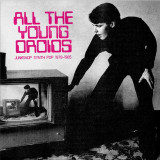
VARIOUS - ALL THE YOUNG DROIDS: JUNKSHOP SYNTH POP 1978-1985 (LP 2x12")
 
24
également disponible

Black Vinyl[27,69 €]

MB Crystal Vinyl[32,73 €]

LTD Trans Pink Vinyl[32,82 €]


2025 REPRESS ON TRANSPARENT GREEN VINYL


Compiled by Philip King “And then came the rise of synth pop : blokes with dodgy haircuts hunched over keyboard-operated machines stuffed with wires and do-it-yourself tone oscillators making sounds like a brood of geese passing gas in a wind tunnel. Whoopee! This is the way the ‘70s ended : not with a blood-curdling bang bang but with a cheap, synthesized, emasculating whimper.” NICK KENT, NME. All The Young Droids: Junkshop Synth Pop 1978-1985 is a new compilation that charts the underbelly of the epoch-defining sound of the synthesiser in 80s popular music. Compiled by Philip King (previously seen compiling All The Young Droogs, Glitterbest and Boobs - The Junkshop Glam Discotheque), the music here connects the dots between DIY synth enthusiasts grappling with new, cheap synthesisers at the tail-end of punk and wannabe, jobbing songwriters enthral to the new music pioneered by Gary Numan, Depeche Mode and Daniel Miller’s Mute Records. Featuring rare tracks of auto-didactic progressive pop music, proto-techno punk, shoot-for-the-stars-land-in-the-gutter chart flops and heralded, underground synth classics, School Daze paints a picture of beautiful failure. Complete with extensive sleeve notes written by King and never before seen imagery, all 24 tracks were remastered by RPM in-house engineer Simon Murphy, many from vinyl copies due to lost master tapes. The story told on All The Young Droids is one of the dawning opportunity presented by both the emergence to the market of cheaper analog synthesisers and the distribution networks plus indie labels that exploded with the advent of punk music in 1976. While the music that sprouted out all over the globe in the wake of these factors was decried as fake, plastic, a refutation of punk’s guitar-led revolution, it’s telling that much of the music on All The Young Droids.. was created in bedrooms, ramshackle studios and home-made set ups with often borrowed equipment. In the era of record labels jumping to capitalise on the success of The Sex Pistols, The Clash (both on major labels, of course) these artists struggled to stand out from a new gold-rush with next to no budget or PR team. With radio and labels desperate for the new Yazoo, what resulted was a testament to necessity being the mother of invention. At the time, the synthesiser was the music of the future, a shiny new machine that could paint like an orchestra with a single finger and a 4-track. In the hands of Manchester avant-pranksters Gerry & The Holograms it’s a pulsing, sardonic weapon.. the only instrument on the Messthetics classic lampooning of New Wave fashion. In Hamburg, a 16 year old Andreas Dorau used it to write and record (with his female classmates on vocals) a global smash in Fred Vom Jupiter (later licensed to Mute Records). The hard-to-find English version (Fred From Jupiter, natch) is included here. Many artists with alreadystoried careers caught the bug and recorded synthesiser-fuelled peons to space, computers, the future and, of course, love-interests. Harry Kakoulli, late of Squeeze, recorded a solo album in 1979 that included the incredible power-synth-pop smash-that-never-smashed I’m On A Rocket. Similarly, Ian North of Neo and American Power Pop stalwarts Milk ’n’ Cookies bought a Korg MS20 and used a tape machine to record We’re Not Lonely, an absolute lost-classic of minimal synth pop. We’re Not Lonely also features on the Junkshop Synth Pop sampler 7” twinned with John Howard unreleased track You Will See, released April 12th 2025. There are plenty of compilation debuts in evidence. Sole Sister were a mysterious trio who were featured on the Scaling Triangles compilation of female-fronted, queer-adjacent post-punk / underground music that also featured The Petticoats. Selwin Image were from San Francisco and featured members of the recently defunct power pop/punk group The Pushups. Their stupidly catchy The Unknown fizzes with New Wave energy - think XTC to Sparks but remains unreleased until now. Dream Unit’s A Drop In The Ocean is an early synth wave cut, positively teaming with Joy Division instrumentation, previously only released on a long-forgotten and super rare, self-released EP. Incandescent Luminaire’s Famous Names belies an archetypal struggle of a small-town trying to make it in a cruel industry but is a thrilling New Romantic-Synth Wave cross over with a OMD gloominess that’s a joy to hear. Feminist Minimal Wave track I Am A Time Bomb by performance artist Peta Lilly and Michael Chance is a revelation destined for new found cult status. It was released on 7” and lost until now. The flipside to the subterranean, never-made-it synth pop mentioned above are the ambitious, even fruity attempts at success that have a perennial elegance to their confidence. New Jersey-ite Billy London (real name Ed Barth) tried to cash in on the synth boom with Woman, released by a major label, a lurching new wave track built on the Louie Louie rhythm and a wonderfully camp Lou Reedstyle sleazy vocal before exploding in the synthesised chorus. The song bombed but with a chorus like this, you have to wonder why? Ex-Glitter Band member John Springate’s My Life is truly epic, with doomed chord progressions and massive sounding drums turning into at least 3 different songs in the course of the track. Before you wonder what’s going on the song resolves with a glorious return to the main refrain. The dry-ice-dressed dance floor is well catered for too. Design’s Premonition and Vision’s Lucifer’s Friend are stone-cold minimal synth bangers, well loved but given a new lease of life here. The Warlord’s The Ultimate Warlord was released in 1978, a homespun proto Hi NRG banger that was later re-recorded by The Immortals in Canada who had a club hit with it. One-man- band Disco Volante’s No Motion was re-issued by Synth wave label Medical in 2012 but makes its first vinyl compilation appearance here. Close your eyes and you can imagine what Lawrence of Felt would have sounded like with some cheap Korgs a little earlier in his career. Gibraltar-based trio The Microbes imagined a computer programming people to dance - how prescient - and ended up with a propulsive, robo-funk track with splendid rubbery bass playing over a tectonic drum machine. Previously picked up by Belgian label Stroom TV, Dee Jay Bert & Eagle’s heavily Euro-accented I Am Your Master demands the listener to “come to paradise!” In a frankly terrifying manner. All The Young Droids is the first compilation to peel away from the narrative that dour, Minimal Synth and Cold Wave were the only musical children of the first rush of synth pop. Philip King and School Daze Records describe a much more complicated world: along with the austere, Brutalist children of Daniel Miller (who produced Alan Burnham’s Bowie-Low-influenced Science Fiction here) was a plethora of desperate cash-ins, accidental mainstream hits, ambitious pop dramas and major label punts that went nowhere. Crucially, the compilation blurs the line between junk and treasure. What if the two things are interchangeable. What if it’s all science fiction?

En stock

Disponible en stock et prêt pour l'expédition

27,69
VARIOUS - ALL THE YOUNG DROIDS: JUNKSHOP SYNTH POP 1978-1985 (LP 2x12")
 
24
également disponible

MB Crystal Vinyl[32,73 €]

LTD Trans Pink Vinyl[32,82 €]

LTD Trans Pink Vinyl[27,69 €]


Compiled by Philip King
“And then came the rise of synth pop : blokes with dodgy haircuts hunched over keyboard-operated
machines stuffed with wires and do-it-yourself tone oscillators making sounds like a brood of geese
passing gas in a wind tunnel. Whoopee! This is the way the ‘70s ended : not with a blood-curdling bang
bang but with a cheap, synthesized, emasculating whimper.”
NICK KENT, NME.

All The Young Droids: Junkshop Synth Pop 1978-1985 is a new compilation that charts the
underbelly of the epoch-defining sound of the synthesiser in 80s popular music. Compiled by Philip
King (previously seen compiling All The Young Droogs, Glitterbest and Boobs - The Junkshop
Glam Discotheque), the music here connects the dots between DIY synth enthusiasts grappling with
new, cheap synthesisers at the tail-end of punk and wannabe, jobbing songwriters enthral to the new
music pioneered by Gary Numan, Depeche Mode and Daniel Miller’s Mute Records. Featuring rare
tracks of auto-didactic progressive pop music, proto-techno punk, shoot-for-the-stars-land-in-the-gutter
chart flops and heralded, underground synth classics, School Daze paints a picture of beautiful failure.
Complete with extensive sleeve notes written by King and never before seen imagery, all 24 tracks
were remastered by RPM in-house engineer Simon Murphy, many from vinyl copies due to lost master
tapes. The story told on All The Young Droids is one of the dawning opportunity presented by both the
emergence to the market of cheaper analog synthesisers and the distribution networks plus indie labels
that exploded with the advent of punk music in 1976. While the music that sprouted out all over the
globe in the wake of these factors was decried as fake, plastic, a refutation of punk’s guitar-led
revolution, it’s telling that much of the music on All The Young Droids.. was created in bedrooms,
ramshackle studios and home-made set ups with often borrowed equipment. In the era of record labels
jumping to capitalise on the success of The Sex Pistols, The Clash (both on major labels, of course)
these artists struggled to stand out from a new gold-rush with next to no budget or PR team. With radio
and labels desperate for the new Yazoo, what resulted was a testament to necessity being the mother
of invention.

At the time, the synthesiser was the music of the future, a shiny new machine that could paint like an
orchestra with a single finger and a 4-track. In the hands of Manchester avant-pranksters Gerry & The
Holograms it’s a pulsing, sardonic weapon.. the only instrument on the Messthetics classic lampooning
of New Wave fashion. In Hamburg, a 16 year old Andreas Dorau used it to write and record (with his
female classmates on vocals) a global smash in Fred Vom Jupiter (later licensed to Mute Records).
The hard-to-find English version (Fred From Jupiter, natch) is included here. Many artists with alreadystoried careers caught the bug and recorded synthesiser-fuelled peons to space, computers, the future
and, of course, love-interests. Harry Kakoulli, late of Squeeze, recorded a solo album in 1979 that
included the incredible power-synth-pop smash-that-never-smashed I’m On A Rocket. Similarly, Ian
North of Neo and American Power Pop stalwarts Milk ’n’ Cookies bought a Korg MS20 and used a
tape machine to record We’re Not Lonely, an absolute lost-classic of minimal synth pop. We’re Not
Lonely also features on the Junkshop Synth Pop sampler 7” twinned with John Howard unreleased
track You Will See, released April 12th 2025.

There are plenty of compilation debuts in evidence. Sole Sister were a mysterious trio who were
featured on the Scaling Triangles compilation of female-fronted, queer-adjacent post-punk /
underground music that also featured The Petticoats. Selwin Image were from San Francisco and
featured members of the recently defunct power pop/punk group The Pushups. Their stupidly catchy
The Unknown fizzes with New Wave energy - think XTC to Sparks but remains unreleased until now.
Dream Unit’s A Drop In The Ocean is an early synth wave cut, positively teaming with Joy Division
instrumentation, previously only released on a long-forgotten and super rare, self-released EP.
Incandescent Luminaire’s Famous Names belies an archetypal struggle of a small-town trying to
make it in a cruel industry but is a thrilling New Romantic-Synth Wave cross over with a OMD
gloominess that’s a joy to hear. Feminist Minimal Wave track I Am A Time Bomb by performance artist
Peta Lilly and Michael Chance is a revelation destined for new found cult status. It was released on 7”
and lost until now.

The flipside to the subterranean, never-made-it synth pop mentioned above are the ambitious, even
fruity attempts at success that have a perennial elegance to their confidence. New Jersey-ite Billy
London (real name Ed Barth) tried to cash in on the synth boom with Woman, released by a major
label, a lurching new wave track built on the Louie Louie rhythm and a wonderfully camp Lou Reedstyle sleazy vocal before exploding in the synthesised chorus. The song bombed but with a chorus like
this, you have to wonder why? Ex-Glitter Band member John Springate’s My Life is truly epic, with
doomed chord progressions and massive sounding drums turning into at least 3 different songs in the
course of the track. Before you wonder what’s going on the song resolves with a glorious return to the
main refrain.

The dry-ice-dressed dance floor is well catered for too. Design’s Premonition and Vision’s Lucifer’s
Friend are stone-cold minimal synth bangers, well loved but given a new lease of life here. The
Warlord’s The Ultimate Warlord was released in 1978, a homespun proto Hi NRG banger that was
later re-recorded by The Immortals in Canada who had a club hit with it. One-man- band Disco
Volante’s No Motion was re-issued by Synth wave label Medical in 2012 but makes its first vinyl
compilation appearance here. Close your eyes and you can imagine what Lawrence of Felt would have
sounded like with some cheap Korgs a little earlier in his career. Gibraltar-based trio The Microbes
imagined a computer programming people to dance - how prescient - and ended up with a propulsive,
robo-funk track with splendid rubbery bass playing over a tectonic drum machine. Previously picked up
by Belgian label Stroom TV, Dee Jay Bert & Eagle’s heavily Euro-accented I Am Your Master
demands the listener to “come to paradise!” In a frankly terrifying manner.
All The Young Droids is the first compilation to peel away from the narrative that dour, Minimal Synth
and Cold Wave were the only musical children of the first rush of synth pop. Philip King and School
Daze Records describe a much more complicated world: along with the austere, Brutalist children of
Daniel Miller (who produced Alan Burnham’s Bowie-Low-influenced Science Fiction here) was a
plethora of desperate cash-ins, accidental mainstream hits, ambitious pop dramas and major label
punts that went nowhere. Crucially, the compilation blurs the line between junk and treasure. What if the
two things are interchangeable. What if it’s all science fiction?

En stock

Disponible en stock et prêt pour l'expédition

27,69
Chas and Dave - Annuver Fing Coming LP

Chas and Dave

Annuver Fing Coming LP

12inchDEMREC1324
Demon Records
01.05.2026
  • 1: Old Dog And Me
  • 2: Strummin
  • 3: Gertcha
  • 4: Sideboard Song
  • 5: Rabbit
  • 6: Ain't No Pleasing You
  • 7: Margate
  • 8: Wish I Could Write A Love Song
  • 9: Harry Was A Champion
  • 10: The Diddlum Song (Diddle-Umma Day)
  • 11: When Two Worlds Collide
  • 12: A Little Bit Of Me
pré-commande01.05.2026

il devrait être publié sur 01.05.2026

27,52
KALIA VANDEVER - WE FELL IN TURN

Kalia Vandever

WE FELL IN TURN

12inchAKP016
AKP Recordings
30.04.2026out soon

'We Fell In Turn' is the solo debut from Brooklyn-based trombonist, composer, and quartet leader Kalia Vandever. Vandever, who plays with Harry Styles and Japanese Breakfast, “sculpts her trombone’s golden tones into dazzling compositions” (Pitchfork), writing music that tends to “dip you into a feeling or a pattern or a breathing speed, and keep you there” (The New York Times). In 2022, Vandever released Regrowth, an album that “features the ecstatic, brilliant melodies that have become Vandever’s signature sound” (Bandcamp). This spring, Vandever brings contemplative reflection to We Fell in Turn, a brave and understated work from an ascending voice in American jazz.

Recorded over three days in upstate New York, 'We Fell In Turn' is improvisational — a stark palate of solo trombone, voice, effects, and little more. “My solo process has always been heavily rooted in improvisation,” says Vandever. “I wanted the process to feel similar to the way I perform. Lee Meadvin, who engineered and produced the album, had a heavy hand in the creative process as well. He would dictate prompts before I started improvising and those pieces ended up shaping a lot of the imagery that comes up throughout the record.”

Connecting the dots between Jeff Parker’s 'Forfolks', and early releases from Grouper, 'We Fell In Turn' is a study of space and patience, embracing vulnerability in its sparse adornment. At times, the album is reminiscent of Patrick Shiroishi’s 'Hidemi', both in its familial inspiration and solo instrument study, while sharing the ineffable feel of William Basinski’s 'The Disintegration Loops' — the traces of her trombone folding in on themselves in an organic loop. Emotionally generous throughout, Vandever acts as a torchbearer for jazz’s historical yearning for connection.

On 'We Fell in Turn' Vandever draws inspiration from childhood memories — events that shaped her approach to love, community, and partnership, and her maternal homeland of Hawaii. “We were exploring childhood memories, earliest experiences with disappointment and pain, and my Hawaiian roots,” says Vandever. “We Fell In Turn came after I titled the track "We Wept In Turn". Both come from the intangible feeling of waking up from vivid dreams, particularly the experience of falling right before waking up or waking up in tears.”

Through this exploration into her heritage, Vandever also found guidance. “In Hawaiian mythology, ‘aumākua are known as ancestral spiritual guides that manifest in different forms, whether physical or intangible,” says Vandever. “My ‘aumākua visits me in my dreams, usually with a reassuring hug or a reminder of my past. Memories and early experiences seem to escape me, but find their way back in dreams.” And now they’ve found their way into 'We Fell in Turn', Kalia Vandever’s stunning solo debut.

pré-commande

Cet article n'a pas encore été publié. Vous pouvez pré-commander le produit maintenant.

25,63
Guilty Razors - Complete Recordings 1977 - 1978

UILTY RAZORS, BONA FIDE PUNKS.


Writings on the topic that go off in all directions, mind-numbing lectures given by academics, and testimonies, most of them heavily doctored, from those who “lived through that era”: so many people today fantasize about the early days of punk in our country… This blessed moment when no one had yet thought of flaunting a ridiculous green mohawk, taking Sid Vicious as a hero, or – even worse – making the so-called alternative scene both festive and boorish. There was no such thing in 1976 or 1977, when it wasn’t easy to get hold of the first 45s by the Pistols or the Clash. Few people were aware of what was happening on the fringes of the fringes at the time. Malcolm McLaren was virtually unknown, and having short hair made you seem strange. Who knew then that rock music, which had taken a very bad turn since the early 1970s, would once again become an essential element of liberation? That, thanks to short and fast songs, it would once again rediscover that primitive, social side that was so hated by older generations? Who knew that, besides a few loners who read the music press (it was even better if they read it in English) and frequented the right record stores? Many of these formed bands, because it was impossible to do otherwise. We quickly went from listening to the Velvet Underground to trying to play the Stooges’ intros. It’s a somewhat collective story, even though there weren’t many people to start it.
The Guilty Razors were among those who took part in this initial upheaval in Paris. They were far from being the worst. They had something special and even released a single that was well above the national average. They also had enough songs to fill an album, the one you’re holding. In everyone’s opinion, they were definitely not among the punk impostors that followed in their wake. They were, at least, genuine and credible.

Guilty Razors, Parisian punk band (1975-1978). To understand something about their somewhat linear but very energetic sound, we might need to talk about the context in which it was born and, more broadly, recall the boredom (a theme that would become capital in punk songs) coupled with the desire to blow everything off, which were the basis for the formation of bands playing a rejuvenated rock music ; about the passion for a few records by the Kinks or the early Who, by the Stooges, by the Velvet mostly, which set you apart from the crowd.
And of course, we should remember this new wave, which was promoted by a few articles in the specialized press and some cutting-edge record stores, coming from New York or London, whose small but powerful influence could be felt in Paris and in a handful of isolated places in the provinces, lulled to sleep by so many appalling things, from Tangerine Dream to President Giscard d’Estaing...
In 1975-76, French music was, as almost always, in a sorry state ; it was still dominated by Johnny Hallyday and Sylvie Vartan. Local rock music was also rather bleak, apart from Bijou and Little Bob who tried to revive this small scene with poorly sound-engineered gigs played to almost no one.
In the working class suburbs at the time, it was mainly hard rock music played to 11 that helped people forget about their gruelling shifts at the factory. Here and there, on the outskirts of major cities, you still could find a few rockers with sideburns wearing black armbands since the death of Gene Vincent, but it wasn’t a proper mass movement, just a source of real danger to anyone they came across who wasn't like them. In August 1976, a festival unlike any other took place in Mont-de-Marsan – the First European Punk Festival as the poster said – with almost as many people on stage as in the audience. Yet, on that day, a quasi historical event happened, when, under the blazing afternoon sun, a band of unknowns called The Damned made an unprecedented noise in the arena, reminiscent of the chaotic Stooges in their early adolescence. They were the first genuine punk band to perform in our country: from then on, anything was possible, almost anything seemed permissible.

It makes sense that the four+1 members of Guilty Razors, who initially amplified acoustic guitars with crappy tape recorder microphones, would adopt punk music (pronounced paink in French) naturally and instinctively, since it combines liberating noise with speed of execution and – crucially – a very healthy sense of rebellion (the protesters of May 1968 proclaimed, and it was even a slogan, that they weren’t against old people, but against what had made them grow old. In the mid-1970s, it seemed normal and obvious that old people should now ALSO be targeted!!!).
At the time, the desire to fight back, and break down authority and apathy, was either red or black, often taking the form of leafleting, tumultuous general assemblies in the schoolyard, and massive or shabby demonstrations, most of the time overflowing with an exciting vitality that sometimes turned into fights with the riot police. Indeed, soon after the end of the Vietnam War and following Pinochet’s coup in Chile, all over France, Trotskyist and anarcho-libertarian fervour was firmly entrenched among parts of the educated youth population, who were equally rebellious and troublemakers whenever they had the chance. It should also be noted that when the single "Anarchy in the UK" was first heard, even though not many of us had access to it, both the title and its explosive sound immediately resonated with some of those troublemakers crying out for ANARCHY!!! Meanwhile, the left-wing majority still equated punks with reckless young neo-Nazis. Of course, the widely circulated photos in the mainstream press of Siouxsie Sioux with her swastikas didn’t necessarily help to win over the theorists of the Great Revolution. It took Joe Strummer to introduce The Clash as an anti-racist, anti-fascist and anti-ignorance band for the rejection of old-school revolutionaries to fade a little.

The Lycée Jean-Baptiste Say at Porte d’Auteuil, despite being located in the very posh and very exclusive 16th arrondissement of Paris, didn’t escape these "committed" upheavals, which doubled as the perfect outlet for the less timid members of this generation.
“Back then, politics were fun,” says Tristam Nada, who studied there and went on to become Guilty Razors’ frontman. “Jean-Baptiste was the leftist high-school in the neighbourhood. When the far right guys from the GUD came down there, the Communist League guys from elsewhere helped us fight them off.”
Anything that could challenge authority was fair game and of course, strikes for just about any reason would lead to increasingly frequent truancy (with a definitive farewell to education that would soon follow). Tristam Nada spent his 10th and 11th unfinished grades with José Perez, who had come from Spain, where his father, a janitor, had been sentenced to death by Franco. “José steered my tastes towards solid acts such as The Who. Like most teenagers, I had previously absorbed just about everything that came my way, from Yes to Led Zeppelin to Genesis. I was exploring… And then one day, he told me that he and his brother Carlos wanted to start a rock band.” The Perez brothers already played guitar. “Of course, they were Spanish!”, jokes their singer. “Then, somewhat reluctantly, José took up the bass and we were soon joined by Jano – who called himself Jano Homicid – who took up the rhythm guitar.” Several drummers would later join this core of not easily intimidated young guys who didn’t let adversity get the better of them.

The first rehearsals of the newly named Guilty Razors took place in the bedroom of a Perez aunt. There, the three rookies tried to cover a few standards, songs that often were an integral part of their lives. During a first, short gig, in front of a bewildered audience of tough old-school rockers, they launched into a clunky version of the Velvet Underground's “Heroin”. Challenge or recklessness? A bit of both, probably… And then, step by step, their limited repertoire expanded as they decided to write their own songs, sung in a not always very accurate or academic English, but who cared about proper grammar or the right vocabulary, since what truly mattered was to make the words sound as good as possible while playing very, very fast music? And spitting out those words in a language that left no doubt as to what it conveyed mattered as well.
Trying their hand a the kind of rock music disliked by most of the neighbourhood, making noise, being fiercely provocative: they still belonged to a tiny clique who, at this very moment, had chosen to impose this difference. And there were very few places in France or elsewhere, where one could witness the first stirrings of something that wasn’t a trend yet, let alone a movement.

In the provinces, in late 1976 or early 1977, there couldn’t be more than thirty record stores that were a bit more discerning than average, where you could hear this new kind of short-haired rock music called “punk”. The old clientele, who previously had no problem coming in to buy the latest McCartney or Aerosmith LP, now felt a little less comfortable there…
In Paris, these enlightened places were quite rare and often located nex to what would become the Forum des Halles, a big shopping mall. Between three aging sex workers, a couple of second-hand clothes shops, sellers of hippie paraphernalia and small fashion designers, the good word was loudly spread in two pioneering places – propagators of what was still only a new underground movement. Historically, the first one was the Open Market, a kind of poorly, but tastefully stocked cave. Speakers blasted out the sound of sixties garage bands from the Nuggets compilation (a crucial reference for José Perez) or the badly dressed English kids of Eddie and the Hot Rods. This black-painted den was opened a few years earlier by Marc Zermati, a character who wasn’t always in a sunny disposition, but always quite radical in his (good) choices and his opinions. He founded the independent label Skydog and was one of the promoters of the Mont-de-Marsan punk festivals. Not far from there was Harry Cover, another store more in tune with the new New York scene, which was amply covered in the house fanzine, Rock News (even though it was in it that the photos of the Sex Pistols were first published in France).
It was a favorite hang-out of the Perez brothers and Tristam Nada, as the latter explained. “It’s at Harry Cover’s that we first heard the Pistols and Clash’s 45s, and after that, we decided to start writing our first songs. If they could do it, so could we!”
The sonic shocks that were “Anarchy in the UK”, “White Riot” or the Buzzcocks’s EP, “Spiral Scratch” – which Guilty Razors' sound is reminiscent of – were soon to be amplified by an unparalleled visual shock. In April 1977, right after the release of their first LP, The Clash performed at the Palais des Glaces in Paris, during a punk night organised by Marc Zermati. For many who were there, it was the gig of a lifetime…
Of course, Guilty Razors and Tristam were in the audience: “That concert was fabulous… We Parisian punks were almost all dressed in black and white, with white shirts, skinny leather ties, bikers jackets or light jackets, etc. The Clash, on the other hand, wore colourful clothes. Well, the next day, at the Gibus, you’d spot everyone who had been at this concert, but they weren’t wearing anything black, they were all wearing colours.”

It makes sense to mention the Gibus club, as Guilty Razors often played there (sometimes in front of a hostile audience). It was also the only place in Paris that regularly scheduled new Parisian or Anglo-Saxon acts, such as Generation X, Siouxsie and the Banshees, the Slits, and Johnny Thunders who would become a kind of messed-up mascot for the venue. A little later, in 1978, the Rose Bonbon – formerly the Nashville – also attracted nightly owls in search of electric thrills… In 1977, the iconic but not necessarily excellent Asphalt Jungle often played at the Gibus, sometimes sharing the bill with Metal Urbain, the only band whose aura would later transcend the French borders (“I saw them as the French Sex Pistols,” said Geoff Travis, head of their British label Rough Trade). Already established in this small scene, Metal Urbain helped the young and restless Guilty Razors who had just arrived. Guitarist for Metal Urbain Hermann Schwartz remembers it: “They were younger than us, we were a bit like their mentors even if it’s too strong a word… At least they were credible. We thought they were good, and they had good songs which reminded of the Buzzcocks that I liked a lot. But at some point, they started hanging out with the Hells Angels. That’s when we stopped following them.”

The break-up was mutual, since, Guilty Razors, for their part, were shocked when they saw a fringe element of the audience at Metal Urbain concerts who repeatedly shouted “Sieg Heil” and gave Nazi salutes. These provocations, even still minor (the bulk of the skinhead crowd would later make their presence felt during concerts), weren’t really to the liking of the Perez brothers, whose anti-fascist convictions were firmly rooted. Some things are non-negotiable.
A few months earlier (in July 1978), Guilty Razors had nevertheless opened very successfully for Metal Urbain at the Bus Palladium, a more traditonally old-school rock night-club. But, as was sometimes the case back then, the night turned into a mass brawl when suburban rockers came to “beat up punks”.

Back then, Parisian nights weren’t always sweet and serene.

So, after opening as best as they could for The Jam (their sound having been ruined by the PA system), our local heroes were – once again – met outside by a horde of greasers out to get them. “Thankfully,” says Tristam, “we were with our roadies, motorless bikers who acted as a protective barrier. We were chased in the neighbouring streets and the whole thing ended in front of a bar, with the owner coming out with a rifle…”
Although Tristam and the Perez brothers narrowly escaped various, potentially bloody, incidents, they weren’t completely innocent of wrongdoing either. They still find amusing their mugging of two strangers in the street for example (“We were broke and we simply wanted to buy tickets for the Heartbreakers concert that night,” says Tristam). It so happened that their victims were two key figures in the rock business at the time: radio presenter Alain Manneval and music publisher Philippe Constantin. They filed a complaint and sought monetary compensation, but somehow the band’s manager, the skilful but very controversial Alexis, managed to get the complaint withdrawn and Guilty Razors ended up signing with Constantin with a substantial advance.

They also signed with Polydor and the label released in 1978 their only three-track 45, featuring “I Don't Wanna be A Rich”, “Hurts and Noises” and “Provocate” (songs that exuded perpetual rebellion and an unquenchable desire for “class” confrontation). It was a very good record, but due to a lack of promotion (radio stations didn’t play French artists singing in English), it didn’t sell very well. Only 800 copies were allegedly sold and the rest of the stock was pulped… Initially, the three tracks were to be included on a LP that never came to be, since they were dropped by Polydor (“Let’s say we sometimes caused a ruckus in their offices!” laughs Tristam.) In order to perfect the long-awaited LP, the band recorded demos of other tracks. There was a cover of Pink Floyd's “Lucifer Sam” from the Syd Barrett era – proof of an enduring love for the sixties’ greats –, “Wake Up” a hangover tale and “Bad Heart” about the Baader-Meinhof gang, whose actions had a profound impact on the era and on a generation seeking extreme dissent... On the album you’re now discovering, you can also hear five previously unreleased tracks recorded a bit later during an extended and freezing stay in Madrid, in a makeshift studio with the invaluable help of a drummer also acting as sound engineer. He was both an enthusiastic old hippie and a proper whizz at sound engineering. Here too, certain influences from the fifties and sixties (Link Wray, the Troggs) are more than obvious in the band’s music.

Shortly after a final stormy and rather barbaric (on the audience’s side) “Punk night” at the Olympia in June 1978, Tristam left the band ; his bandmates continued without him for a short while.

But like most pioneering punk bands of the era, Guilty Razors eventually split up for good after three years (besides once in Spain, they’d only played in Paris). The reason for ceasing business activities were more or less the same for everyone: there were no venues outside one’s small circuit to play this kind of rock music, which was still frightening, unknown, or of little interest to most people. The chances of recording an LP were virtually null, since major labels were only signing unoriginal but reassuring sub-Téléphone clones, and the smaller ones were only interested in progressive rock or French chanson for youth clubs. And what about self-production? No one in our small safety-pinned world had thought about it yet. There wasn’t enough money to embark on that sort of venture anyway.

So yes, the early days of punk in France were truly No Future!

pas en stock

Commandez maintenant et nous commanderons l'article pour vous chez notre fournisseur.

21,43

Derniere entrée: 26 jours
JAY-JAY JOHANSON - WHERE'S THE CAT EP
  • Seven & Five Ft. Loft Blue
  • Trompe L'il (Long Version)Ft. Harry Goaz
  • Ten Little Minutes (Tricks Dub Version)
  • Glue (Alex Gopher Remix)
  • Access All Areas
  • Voice Memo N°234
  • Two Sleepy People

Jay-Jay Johanson returns with his new EP Where's the Cat?, a 7-track project featuring unreleased and reworked material from his latest album Backstage. Highlights include an unexpected collaboration with New York rapper LoftBlue, an extended version of Trompe L'oil featuring actor Harry Goaz (Twin Peaks), a refined remix by Alex Gopher, and two dub versions. The EP closes with Voice Memo No. 234, an intimate recording that offers a glimpse into the Swedish artist's creative process.

pré-commande06.03.2026

il devrait être publié sur 06.03.2026

27,31
Professor Bop Presents Various - Down At The Ugly Men's Lounge Vol. 8 (LP 10")
  • A1: Why Don’t You Do Right - Cleo Jons & Dick Reynolds Orchestra
  • A2: Fiche Le Camp Jack - Richard Anthony & Les Angels, Dir. Christian Chevallier
  • A3: I Pawned Everything - Walter Spriggs & Jesse Stone Orchestra
  • A4: Don’t Play No Mambo - The Charioteers & Sid Bass Orchestra
  • A5: Mr. Sandman - Chris Powell & The Blue Flames
  • A6: Teen Age Rock - Pete Rugolo & His Orchestra
  • A7: The Rhinoceros - Osie Johnson & His Orchestra
  • B1: Lady Be Good - Knud Jörgensen & The Metronome Singers
  • B2: Walk Softly Children - Elizabeth Lands, Orchestra Cond. By Dave Martin
  • B3: Timber’s Gotta Roll - The Deep River Boys Feat. Harry Douglass
  • B4: Blues In The Closet - The Tritones
  • B5: The Baggage Room Blues - Tom Kennedy
  • B6: Write Me Baby - The Metrotones
  • B7: Rat Race - Little Norman (Norman Kaye)

Auf dem komplett unübersichtlichen Markt der Vinyl-Wiederveröffentlichungen rarer Aufnahmen aus dem im weitesten Sinne Rock & Roll/Rhythm & Blues/Popcorn-Umfeld hat sich die Serie DOWN AT THE UGLY MEN’S LOUNGE mit einer komplett eigenständigen konzeptionellen Farbe etabliert. Das authentische 10“-Format und die Covergestaltung mit obskuren und anonymen Musikerfotos der ersten fünfzig Jahre des 20. Jahrhunderts sind gleichermaßen unverkennbar wie unwiderstehlich.
Das stilistische Spektrum der neuen Auswahl rarer und rarster Trouvaillen aus dem legendären Archiv von Prof. Bop bleibt dem Ursprungskonzept treu: Zwischen Boogie und Mambo, zwischen Blues und Bop, zwischen Exotica und Egozentrik...weniger amateurhaft gespielter Teenager-Rockabilly, eher Rock & Roll etc. von musikalisch versierten und Jazz-geschulten Vollprofis. Allesamt Aufnahmen der goldenen Epoche 1950 – 1962.

pré-commande20.02.2026

il devrait être publié sur 20.02.2026

20,80
NEIL ARDLEY - A SYMPHONY OF AMARANTHS

When we did the first ever vinyl reissue of this 1972 masterpiece back in 2012 it sold out so fast and so many lost the chance to grab a copy has translated into continuous messages asking us to do a repressing of this marvel - which we did and, again, it sold like hot bread. So here is a new edition of this UK jazz masterpiece, this time with a twist :

- Silk-screened cover art : we respect the original design, but have upgraded the printing from regular offset to silk screen to give it an artistic touch!

- In adition to the limited black vinyl edition (400 copies), we offer an ultra limited clear vinyl version (100 copies-only!)

One of the big names in UK Jazz, Neil Ardley was offered the leadership of the seminal New Jazz Orchestra in 1964. Under his direction the Orchestra moved though different styles and changes of personnel, bringing in musicians such as Mike Gibbs (trombone), Harry Beckett andHenry Lowther (trumpets) or even Jack Bruce (bass), some of them also contributed with the writing of some original compositions, making the NJO the root from which the UK's 70's jazz scene was to blossom.

By 1972 the NJO was already defunct, but his legacy remained in the works of its members. Ardley's 'A Symphony Of Amaranths' is a perfect example of what was boiling in the UK jazz scene. It was Ardleys tribute to his idols Duke Ellington and Gil Evans, and featured the skills of some great musicians of the scene including Don Rendell,Stan Tracey, Henry Lowther, Harry Beckett, Jeff Clyne & Jon Hiseman. Side B is inspired by the words of Edward Lear, W. B. Yeats, James Joyce and Lewis Carroll that are musicated by Ardley and feature, among other highlights, Ivor Cutler's narration of 'The Dong With A Luminous Nose' and Norma Winstone's vocals on 'Will You Walk A Little Faster'.


Musicians that participated in the recording session :

- Derek Watkins, Nigel Carter, Henry Lowther, Harold Beckett (trumpets)
- Derek Wadsworth, Ray Premru (trombones)
- Dick Hart (tuba)
- Barbara Thompson, Dave Gelly, Don Rendell, Dick Heckstall-Smith (woodwind, saxes)
- John Clementson (oboe)
- Bunny Gould (bassoon)
- Dave Gelly (glockenspiel)
- Neil Ardley (prepared piano)
- David Snell, Sidonie Goossens (harp)
- Stan Tracey (piano, celeste)
- Karl Jenkins (electric piano)
- Alan Branscombe (harpsichord)
- Frank Ricotti (vibraphone, percussion)
- Chris Laurence, Jeff Clyne (bass)
- Jon Hiseman (drums, percussion)
- Eric Gruenberg, Jack Rothstein, Kelly Isaacs (violin)
- Ken Essex (viola)
- Charles Tunnell, Francis Gabarro (cello)
- Ivor Cutler (narrator)
- Norma Winstone (vocal)
- Jack Rothstein, Neil Ardley (conductors)

pas en stock

Commandez maintenant et nous commanderons l'article pour vous chez notre fournisseur.

28,19

Last In: 6 months ago
Frankey & Sandrino - Please EP (Incl. Echonomist Remix)

Frankey & Sandrino come back to Rekids with the ‘Please’ EP, landing 10th October 2025 alongside a remix from Echonomist.

They follow their 2022 ‘Brainscan’ EP on Radio Slave’s label, as well as a remix for Denney in 2023. With an irresistible bassline, smooth melody, and a nostalgia-fuelled vocal, ‘Please’ is the kind of track you hear as you walk into a busy tent at a festival, hands in the air, energy abundant. Frankey & Sandrino are masters at crafting emotional dancefloor bangers, going a little deeper on the progressive ‘Genie’, building up to busy stabs and mind-melting, futuristic sound design. Completing the EP, the pair call in Greek DJ and producer Echonomist to remix ‘Please’. The Innervisions and Exit Strategy artist strips the original back, transforming it into a dark, hypnotic groover built for smoke-lit dance floors.

Frankey & Sandrino are a German duo that has been shaping dance floors since 2009 with their distinct, trend-defying sound. With releases on Kompakt, Diynamic, and their own Sum Over Histories, and regular appearances at clubs like fabric and Stereo, they now return to Rekids with the ‘Please’ EP.Founded in 2006, Radio Slave’s Rekids has since launched the Techno-focused Rekids Special Projects in 2017 and its latest sublabel, REK’D, in 2024. With Matt Edwards as the sole A&R, Rekids has been instrumental in developing emerging artists and remains a trusted home for House and adjacent sounds, recently featuring names such as Harry Romero, Tal Fussman, Tiger Striipes, William Kiss, Oliver Dollar, The Hacker, and more.

En stock du12.05.2026

13,66

Derniere entrée: 22 jours
Articles par page:
N/ABPM
Vinyl