“The revelation that you didn’t need formal training to start a band in 1977 and the realization that you don’t need to be Merce Cunningham to dance are one and the same.” - Ryan Schreiber, Pitchfork,2003 47 minutes. Two sides. A single spine jacket. Confident and deliberate. Lightning in a bottle. The Rapture’s ‘Echoes’ was, and is, a clear-eyed kick in the teeth, a band at the peak of their powers and producers with an ambitious vision making. a. point. The whole ‘indie crowd finally learns to dance’ narrative is overwrought and irrelevant in 2023 - perhaps context is no longer king - but what remains clear is that this album, made by a San Diego punk band who had moved to New York via Seattle, and produced by the DFA in their own studio, where time and gear and ideas both good and bad were aplenty, maintains an energy and search for catharsis that could bulldoze even the most uptight. For whatever reason, it’s remained out of print on vinyl since its initial run. (Don’t worry, though, there were a lot of CDR promos lying around.) And now, with minimal pageantry, it’s back. Recut by Bob Weston, loud and cl
Australia post-punk duo The Native Cats - bassist Julian Teakle and singer and electronics operator Chloe Alison Escott (who released solo album Stars Under Contract via Chapter in 2020). Spiritual forebears to the current wave of speak-singing post-punk a la Dry Cleaning and Sleaford Mods, The Native Cats have grown a sizable cult following from their home in Tasmania (Australia's remote and chilly island state) since the late 2000s. Their minimal bass and drums rumble is offset by Chloe's lyrics which twist, confound and linger. The band have toured the US and played Memphis' legendary Goner Fest, been written up by the likes of Stereogum, NPR and Brooklyn Vegan, and performed at the Sydney Opera House. In 2020, they were riding a growing wave of recognition and admiration following their best run of records to date, culminating in killer double A-side single Two Creation Myths. But the pandemic and Australia's extended lockdowns brought with them a period of intense loneliness, isolation and despair. Chloe's confidence as a lyricist, singer and performer was at an all-time low. Even in those low times, the apparition of Native Cats LP #5 just kept on calling out. Julian never stopped recording instrumental demos and emailing them to Chloe. Chloe never stopped writing, and even began revisiting lyrics that had previously felt too raw or revealing to include.. Small moments of inspiration grew into more substantial ones. The band committed to weekly songwriting sessions, started to accept invitations to perform again, and had crowds fall instantly in love with their new songs. Recorded with producer Ben von Fürstenberg, The Way On is the Way Off takes a meticulous, painterly approach to the band's heavy, scorching songs. Every element is chosen for its thematic resonance and emotional impact. Chloe's lyrics arise from deep-rooted trauma and identity issues she is finally facing head-on, as well as reflections on post-punk history and lineage - the title of the album is drawn from the rules and principles David Thomas wrote for his band Pere Ubu. With the setbacks and self-doubt now a distant memory, The Way On is the Way Off is everything The Native Cats believed it could be when its completion seemed impossible, and everything they have been working towards since the day they began.
Chainsaw Massacre Garage Dirty Rock'n'Roll Ultra Trash Punk from Bern Switzerland, incl. Blow Um Mau Mau and disturbing Scorpions cover version of: Speedy's coming Beat-Man: "1986 Bern, Schweiz, die Monsters wurden gegründet 2011 ihr Neues und insgesammt 8thes Album wird geboren POP UP YOURS , alles hat angefangen als Mix zwischen ihren Rockabilly und Garage Punk legenden und in der zwischenzeit sie die Monsters zu Richtigen Monster herangewachsen, die ihr ganzes leben Tun und Schaffen in eine ihr eigene musik 'SIMPLE RAW TRASH ROCK' rein bringen, eine ins Minimalste gezerrte von trash triefende Ein Riff Gitarre gekopelt mit einem Stupiden ein Ton direkten in den magen hauenden Bass zusammen mit 2 Schlagzeuger die differenter nicht sein können einer virtuos der andere stupid Bum-Täg das ist das rezept der Musik der Monsters, angefangen mit der inspiration und das lebensgefühl der mitte 50er rock'n'roll bewegung und jetzt angekommen im jahre 1974 die geburt der Blues Explosion, inspiriert von bands wie AC/CD, TEN YEARS AFTER, CREAM, THE RAMONES etc mit ihrem eigenen Dreh drin Chainsaw Masseacre Garage Punk Trash, the Monsters woollen ihrer musik Pop up Yours nennen wir nennens einfachheitshalber TRAAAAASHHH !!! die Scheibe fängt an mit einem der einfachsten und direktesten Love songs ever I WANT YOU ein Riff und eine Linie wo direct sagt auf was es ankommt, noch mehr Einfachheit findet man in 'more you talk less I here you' was auch heute eigentlich zu fast einer politischen aussage gewertet werden kann , aufegommen wurde fast das ganze album in Italien's Outside Inside Studios und abgemischt von Nene/Guz und Pumi die Trashigsten der songs wurden im Hauseigenen Jesus Loves you studio aufgenommen, die Songs sind alles eigen kompositionen ausser das von den Kraut Rock Legenden Scorpions gecoverte Speedy's coming aus ihrem Fly to the Rainbow album aus dem jahre 1974 . so ..wilkommen zu den Monsters und ihrem SIMPEL RAW ONE RIFF TRASH ROCK!"
Rhythm Cult's unstoppable momentum continues after achieving consecutive number-one positions across online and physical platforms. RCM019, their most recent release, welcomes the incredibly gifted Chilian producer Dinky into the fold.
Dinky's hypnotic blend of deep house, strong techno, and precise minimalism has earned her a residency at the famed Panorama Bar, in Berlin confirming her position as a unique voice in the electronic industry.
The EP kicks off with the soulful and uplifting "Come Hold Me," a futuristic house anthem that effortlessly fuses tribal rhythms with intricate stuttering synth patterns.
Dinky provides the unmistakable and irresistible vocal hook that suggest this will be a summer anthem in the making. "She's Got Nowhere To Go" follows, riding on an insistent one-note bass line and yet more addictive vocal snips, complemented by disco stabs that complete the party vibe. Dinky's skilful use of stuttering glitches and inventive sample manipulation showcases her love for minimal detail and angular funk.
Finally, dOP turn in not one but two remixes of their unique and unconventional take on house and techno. First, their reinterpretation of "Come Hold Me" takes us on a journey to the deeper realms of house, riding on a low-slung acidic bass groove while enveloping the listener in waves of lush synths, perfect material for warming up dancefloors or setting the mood for the early hours. Then they wrap “She’s Got Nowhere To Go’ around an elastic bass and dosed with warped synth lines to create an irresistibly explosive dancefloor weapon.
The EP exudes sophistication, weaving intricate futuristic house sounds that are imprinted with the influences of Balearic, acid, and deep house. These heaters are undoubtedly set to light up dancefloors throughout the summer season. With this exciting collaboration, Rhythm Cult further cements its position as one of the industry's most cutting-edge labels, and Dinky's addition adds a distinctive dimension to their roster.
Prepare to find yourself absorbed by this exceptional release from two forces shaping the future of electronic music.
out of Stock
Last delivered 19 months ago available to reorder, subject to availability
Tin Fingers takes on a darker, melancholic direction on their second full album. Felix Machtelinckx' weeping vocals, preaching, searching, and trying to understand God, form the leitmotif. With rich melodies, haunting piano sounds, improvisations, first takes and no overdubs, Tin Fingers is searching for pureness and keeping things human and simple. The band is playing together intuitively, without a computer, without ego, just for the sake of music
The creation of the album was very fluent and spontaneous. Singer Felix wrote the backbones of the songs and the lyrics on acoustic guitar and piano. He wanted to have songs ready in order to be able to record and write arrangements fast. With an eye for details but without overthinking, keeping the ideas fresh. 'I wanted to stay in love with the music.' he explains. 'It needed to go fast, very fast, in just two weeks the entire album was recorded and ready to be mixed.'
In the studio, the band especially focused on picking the right mood rather than playing the right notes.
They were fed up with working on a computer for many hours, overthinking production choices, and adding instruments on top of each other as if they were Lego blocks. This time they decided to work in a more traditional way, going for first takes, jams, and essentially working with analog gear. No computers, no screens, no distractions. Only four humans in a studio trying to make a sound together by keeping things spontaneous and raw. They said goodbye to perfection and worked towards an unfinished product, a snapshot.
Tin Fingers also didn't want to sound like any other artist on this record. They decided not to listen to music during the sessions, and to never express ideas by referencing other bands. Just before the studio session, however, bass player Simen Wouters broke the rules and shared Bonnie 'Prince' Billy's, I See Darkness. Its dark and searching sound ended up inspiring the band unmistakably.
Once the recording was finished, the band decided to keep the volatile rhythm going and asked reputable NYC-based mixer and producer D. James Goodwin to finish the job. Goodwin, known for his analog folk productions with a real American punchy sound but a tender touch, proved the right man for the job. He opened up the songs and kept things poetic, minimal but impressive.
out of Stock
Last delivered 2 years ago available to reorder, subject to availability
Hilary Woods' artistry is one of rare emotive reach. Her minimalist and compositional finesse combine with densely layered atmospheric instrumentation and dreamlike vocals to create music rich with both delicacy and intensity. The Sunday Times hailed her early solo recordings as "a revelation."After the release of two critically acclaimed EPs, Woods spent 2017 writing and recording songs on an eight-track in an abandoned flat she was living in at the time. Layering piano, synth, tape machine, field recordings, vocals, drone, unadorned beats, and old string instruments, these songs culminate in her debut solo LP Colt. Straddling the acoustic and electronic worlds, Colt is an intensely personal journey through grief, abandonment, and mutating love. Woods navigates this journey with a lyrical potency that cuts through stark piano, sensuous synth work, and textural acoustics. Somewhere between Marissa Nadler, Grouper and Julee Cruise, these songs evoke both the anguish of their content and the ecstasy of their craft.
Skream has become a shining example of the power of diversity, skillfully weaving together a variety of styles and influences in a way that makes sense.
Skreamizm Vol. 8 is a definitive release that represents an artist who is continuously evolving, while also driving the canon of electronic music forward effortlessly.
After a 10 year hiatus he revives his groundbreaking dubstep series Skreamizm and joins the dots between his house and techno releases, through to grime, dubstep and more.
out of Stock
Last delivered 2 years ago available to reorder, subject to availability
Classic Hip-hop meets minimalism and dusty vinyl on Anchovies Cali Agents alum Planet Asia is as sharp as ever with his lyrical smithing. Apollo Brown's style is evident behind the dust and grime of these smoky samples. The Detroit producer approached this album like a director would a movie. Apollo painstakingly laid out every detail of the project and knew what he wanted from the finished product. He knew that only one rapper could execute his vision. Enter Planet Asia. The West Coast legend was able to fit directly into the plan and bring his talents to the album, creating a perfect match.
Planet Asia. The West Coast legend was able to fit directly into the plan and bring
his talents to the album, creating a perfect match.
out of Stock
Last delivered 2 years ago available to reorder, subject to availability
We know you're not supposed to because it's often said to be a cheap marketing gimmick but frankly, we love a good anonymous new producer to get wondering about.
And here we have just that in the form of Skat who we're told is "heavily influenced by East End Edits and Digwah Ltd" and opens a new series with a one-sided 12".
'Skat 01' is a worthy tech cut with minimal drums loops and brushed metal surfaces all wound up into a tight groove and overlaid with some rudely vocal raps. It's the sort of tune that brings a unique character to any set and is sure to get the crowd demanding its ID.
out of Stock
Last delivered 2 years ago available to reorder, subject to availability
Garçon Voyage is the first single in French from Courrier Sud's upcoming EP on Délicieuse Records. The song paints a fresco of that special and unsettling moment at the beginning of a relationship when one of the two falls in love, but isn't sure if they'll be loved in return. Its rhythm is heady like a beating heart, set to a mix of minimalist synths, somewhere between Metronomy and Flavien Berger.
out of Stock
Last delivered 2 years ago available to reorder, subject to availability
Multi-instrumentalist Oscar Browne's roots lie in the foundational intricacy of golden-age songwriting A founding member of the London based folk- collective Broadside Hacks (amongst other banded- ventures), Oscar Browne's debut solo endeavour 'Never Quite Right' was released in 2022 to critical acclaim; an established inauguration which saw him eventually signing to So Young Records in the spring of 2023. Following a six-month spree in which Browne found himself tirelessly writing in order to process the changes taking place around him, the five songs which would eventually go on to form his debut EP 'If Only', are a deep- dive into the heart and soul of an artist who masterfully captures all the joys and heartaches of life in your early-twenties. Recorded over one week at Bristol's The Playpen, home to producer Ali Chant (Aldous Harding, Katy J Pearson), 'If Only' was all-in-all, a long time coming. Selfaccustomed to doubling things up and hiding imperfections, it was through the art of collaboration, and Ali's teachings in the power of emotional transparency that the pairing of Browne and Chant really shined. "Ali was a massive part in keeping the recordings minimal" notes Browne "he kept the rawness". Oscar Browne's creative- capability is a limitless array of captivating delights. These aren't simply re-interpretations of eras gone by. Browne channels as much Ben Howard or Kurt Vile as he does Nick Drake and John Martyn. Rather, it's through his ear for musical- lucidity, highlighted throughout the course of these selected songs, that enables Browne to transport his love of traditional folk and folklore, into a uniquely contemporary realm. His fearlessness in baring- all to those who'll listen creates an artistic magnitude will only keep growing with fine prowess, as Browne continues to cut his teeth as a beguiling 'one to watch'
Garçon Voyage is the first single in French from Courrier Sud's upcoming EP on Délicieuse Records. The song paints a fresco of that special and unsettling moment at the beginning of a relationship when one of the two falls in love, but isn't sure if they'll be loved in return. Its rhythm is heady like a beating heart, set to a mix of minimalist synths, somewhere between Metronomy and Flavien Berger.
out of Stock
Last delivered 2 years ago available to reorder, subject to availability
Turning trash into treasure ist das Motto von Crystn Hunt Akrons neuem Album 'Lick My Fur'.
Darauf nimmt die interdisziplinäre Künstlerin den akustischen Trash unserer Zeit her, transformiert ihn und setzt ihn neu in Beziehung. Der überladene Rausch, die groteske Künstlichkeit und der gezwungene Spaß von Plastik-Pop und Aprés Ski wurden zerlegt und neu kombiniert im Kontext kontemporärer elektronischer Musik. Dabei prallen Welten aufeinander: Hyperpop-Overstatement und Techno-Minimalismus, große Pop-Gesten und abgeklärte Coolness, Club und Performance.
EYE is back. Metamujer marks the third installment on the Knekelhuis label and we’re extremely happy to release this document of another chapter in Laurène Exposito’s life. Recorded on various locations ranging from the Swiss mountains to the chalky coasts of Brittany, Metamujer is an 8-track ode to salty love and closeness to nature, a tribute to a modest lifestyle à la Henry David Thoreau. Far from being praise for self-sufficiency, this new LP is deeply influenced by Laurène’s environment. We can hear Korg MS-10 created synthetic waves (Sanatorium) and birds (Luscinia), but one can also catch her singing in Italian, one of 3 languages spoken in Switzerland. Still minimalist and yet more aesthetically diverse, her new sounds are on the edge of EBM and synth pop, between classic minimal wave tunes and rustic ballads on acid.
out of Stock
Last delivered 2 years ago available to reorder, subject to availability
I Talk To Water, the fifth album for Kompakt by Danish producer Kölsch, is the artist’s most personal statement yet. While all the trademarks that make his music so popular and powerful are still present – lush, melodic techno; swooping, trance-like figures; sensuous, shivery texturology – I Talk To Water is also a deep and intimate rapprochement with family and history, a beautiful, finely detailed document of loss and memory, and a tracing of the long, unbroken thread of grief that runs through our lives once we’ve lost those we loved.
The emotional core of I Talk To Water, then, is a cache of recordings by Kölsch’s father, Patrick Reilly, who passed away in 2003 from brain cancer. With time rendered elastic by the pandemic and its associated lockdowns, its sudden, alienating shifts in everyday living, Kölsch found himself reflecting on his father’s passing and ongoing spiritual presence, thinking about how best to memorialise such a significant figure in his own life. Those recordings opened a gateway, of sorts, for Kölsch to move through – a way to bring past and present together and entwine them in a sensitive, poetic manner.
Kölsch’s father was a musician – “touring in the sixties and seventies, in the Middle East especially, he was doing the whole hippy trail, playing guitar, and wrote some songs over the years,” he recalls. “But all in all, he decided to focus on family rather than pursue a musical career.” Reilly kept playing and writing music over the years, though Kölsch hadn’t listened to the material for some time: “I’d never had the guts to listen to it, because I just felt too fragile listening to his voice. It’s such a tough thing to go through.”
During the pandemic, though, Kölsch listened through the fragmented body of work that his father had produced over the years. “I decided I’m gonna finally release my dad’s music twenty years after his passing,” he reflects. “This whole album is about the process of loss, and for me it’s been one of my main driving forces in my musical life, the whole emotional aspect of whatever I’ve done has been based in that feeling that he’s not there anymore.”
Recordings of Reilly appear on three songs across I Talk To Water. His guitars drift pensively across “Grape”, offering a lush thread of melody that Kölsch wraps with clicking, driftwood rhythms and droning, melancholy bass. “Tell Me” is a lovely three-minute art song, a sadly beautiful reflection, minimally adorned with gentle keys and a muted pulse. And on the closing “It Ends Where It Began”, Kölsch lets his father’s acoustic guitar take centre stage for a lament that’s unexpectedly folksy, a guitar soli dream, which Reilly originally recorded in 1996. “He actually recorded it for my first album that never came out,” Kölsch reveals, “and I had it sitting around forever. That is purely him.”
These three imagined collaborations between father and son are poised and delicate. But their relationship also marks the gorgeous music Kölsch has made across the rest of I Talk To Water, from the itchy yet lush “Pet Sound” (titled in tribute to one of Reilly’s favourite albums), the flickering synths and yearning vocal samples that slide through “Khenpo”, the ecstatic shuddering that marks “Only Get Better”, or “Implant”’s slow-motion pans and subtle reveals.
There’s also the title song, where Kölsch is joined by guest Perry Farrell (Jane’s Addiction, Porno For Pyros), singing a mantra for internal reflection: “I talk to water / Searching for myself / Looking for answers / Oceans of you.” Farrell’s appearance brings another timbre, another spirit to the album, aligning neatly with his recent interest in electronic music. “He was completely taken by this idea of talking to water,” Kölsch says, thinking about the ways we collectively lean towards the natural world as a comfort and a listener, a guide through mourning, a way to map out the terrain of the heart. This mapping is something that Kölsch has proven remarkably adept at through the years; dance music for both body and mind, but also both for the here-and-now, and for the hereafter.
“I Talk To Water”, das fünfte Album des dänischen Produzenten Kölsch für Kompakt, ist zweifellos das persönlichste Statement des Künstlers bislang. Während alle Markenzeichen, die seine Musik so beliebt und kraftvoll machen, immer noch präsent sind – üppige, melodische Techno-Tracks; schwebende, tranceartige Elemente; sinnliche, fiebrige Texturen – ist “I Talk To Water” auch eine tiefe und intime Annäherung an Familie und Geschichte. Es ist ein wunderschönes, fein ausgearbeitetes Dokument des Verlusts und der Erinnerung, und es verfolgt den langen, ungebrochenen Faden der Trauer, der durch unser Leben läuft, sobald wir diejenigen verloren haben, die wir liebten.
Der emotionale Kern von “I Talk To Water” besteht aus Aufnahmen von Kölschs Vater, Patrick Reilly, der 2003 an Hirnkrebs verstarb. Durch die Pandemie und ihre damit verbundenen Lockdowns, die plötzlichen, entfremdenden Veränderungen im Alltag, fand Kölsch sich in Gedanken an den Tod seines Vaters und seine fortwährende spirituelle Präsenz wieder. Er überlegte, wie er eine so bedeutende Figur in seinem eigenen Leben am besten verewigen könnte. Diese Aufnahmen öffneten ihm sozusagen ein Portal, um Vergangenheit und Gegenwart miteinander zu verbinden und sie auf sensible und poetische Weise zu verweben.
Kölschs Vater war Musiker – “er tourte in den sechziger und siebziger Jahren, vor allem im Nahen Osten, auf dem Hippie Trail, spielte Gitarre und schrieb im Laufe der Jahre einige Songs”, erinnert sich Kölsch. “Aber alles in allem entschied er sich, sich auf die Familie zu konzentrieren, anstatt eine musikalische Karriere zu verfolgen.” Reilly spielte und schrieb jedoch im Laufe der Jahre weiterhin Musik, obwohl Kölsch das Material lange Zeit nicht angehört hatte: “Ich hatte nie den Mut, es anzuhören, weil ich mich einfach zu zerbrechlich fühlte, seine Stimme anzuhören. Es ist so schwer, das durchzustehen.”
Während der Pandemie hörte sich Kölsch jedoch durch das fragmentierte Werk, das sein Vater im Laufe der Jahre produziert hatte. “Ich beschloss, die Musik meines Vaters zwanzig Jahre nach seinem Tod endlich zu veröffentlichen”, reflektiert er. “Dieses ganze Album handelt von dem Verlustprozess, welcher für mich generell eine der Hauptantriebskräfte in meinem musikalischen Leben ist. Der ganze emotionale Aspekt von dem, was ich getan habe, basierte auf dem Gefühl, dass er nicht mehr da ist.”
Auf “I Talk To Water” sind Aufnahmen von Reilly in drei Songs zu hören. Seine Gitarren ziehen nachdenklich durch “Grape”, bieten einen üppigen Melodiefaden, den Kölsch mit klickenden, treibenden Rhythmen und dröhnendem, melancholischem Bass umwickelt. “Tell Me” ist ein schönes dreiminütiges Kunstlied, eine traurig-schöne Reflexion, minimal geschmückt mit sanften Tasten und einem gedämpften Puls. Und auf dem Abschlusstrack “It Ends Where It Began” lässt Kölsch die akustische Gitarre seines Vaters im Mittelpunkt stehen, ein überraschend folkiger Klagegesang, den Reilly ursprünglich 1996 aufgenommen hatte. “Er hat es tatsächlich für mein erstes Album aufgenommen, das nie veröffentlicht wurde”, enthüllt Kölsch, “und ich hatte es ewig liegen.”
Diese drei erdachten Kollaborationen zwischen Vater und Sohn sind ausgewogen und zart. Aber ihre Beziehung prägt auch die wunderschöne Musik, die Kölsch im Rest von “I Talk To Water” geschaffen hat, angefangen bei dem nervösen, aber üppigen “Pet Sound” (benannt als Hommage an eines von Reillys Lieblingsalben), den flimmernden Synthesizern und sehnsüchtigen Vocal-Samples in “Khenpo”, den ekstatischen Erschütterungen in “Only Get Better” oder den langsamen Schwenks und subtilen Enthüllungen in “Implant”.
Es gibt auch den Titelsong, in dem Kölsch von Gast Perry Farrell (Jane’s Addiction, Porno For Pyros) begleitet wird, der ein Mantra für die innere Reflexion singt: “I talk to water / Searching for myself / Looking for answers / Oceans of you.” Farrells Auftritt bringt eine weitere Klangfarbe, einen weiteren Geist in das Album, der gut zu seinem jüngsten Interesse an elektronischer Musik passt. “Er war völlig fasziniert von der Idee, mit Wasser zu sprechen”, sagt Kölsch und denkt darüber nach, wie wir kollektiv zur Natur als Trost, Zuhörer, Führer durch die Trauer neigen, um die Gelände des Herzens zu kartieren. Diese Kartierung ist etwas, in dem Kölsch im Laufe der Jahre erstaunlich geschickt war; Tanzmusik für Körper und Geist, sowohl für das Hier und Jetzt, als auch für das Leben danach.
out of Stock
Last delivered 9 months ago available to reorder, subject to availability
Second Second Coming', Mary Vision’s sophomore LP, is a pastiche of many of Alex Fippinger’s influences, from Lou Reed to Spacemen 3. It is an effort to maximalize the minimal, and to create sound that is at once layered and clear. With that, the lyrics also touch on many subjects with an overarching general thesis: the exploration of self and culture under duress. The album allows you to tune into these explorations via different sonic sounds. You’ll find the pop sound in the first single, 'Fantasy (Ba Ba Ba)', for instance, right before you find yourself indulged in the psychedelic swirl of 'Love Drone'.
The writing experience was one initially based in home recordings. Alex Fippinger would manifest these recordings in his Brooklyn apartment and show them to the 7-piece band who always added a flavor not imagined by Alex himself. Yukary Morishima, who played bass on the record, is very prominent throughout. Aaron Peart found himself to be an integral piece to the writing as well, providing a specific flavor to the songs via lead guitar. Jack Dawson played keys for the first time on a Mary Vision record, adding a playful vibe that Mary Vision fans haven’t heard before. Guido Colzani added drums that are full, yet simple, giving the simple song structures a meaningful foundation. Max Braun held it down on the rhythm guitar, the crux of the songs. Mark Perro was a utility man, adding major guitar licks throughout as well as playing harmonium and providing next level backup vocals. Paul Blackwell engineered and produced this record to where it is now. From the opening chords of 'Window Pane' all the way to the come down of 'Riding Into the Sun', the album is a novel, an unforgettable night out on the town that you won’t forget. If a record could have a character-arc, 'Second Second Coming' would be the textbook example.
Standard LP on 180g clear vinyl, printed inner-sleeve, download card included. 'Interiors' is the fifth studio album by Brooklyn-based minimalist post-punk/synth-pop duo The Vacant Lots. The 8 songs on 'Interiors' synthesise all of the band's past work while pushing forward into the future. It's Jared Artaud and Brian MacFadyen's darkest and most visionary work yet. Ethereal metallic synths and blistering electronics are driven by disco-on-downers dance beats lashed with gutter-rock guitar riffs and icy detached vocals with evocatively concise and lacerating lyrics. Recorded over many sleepless nights and amphetamine-fueled mornings in the project's isolated Brooklyn bunker home studios, the album follows the band's minimal is maximal aesthetic coalescing into dark bedroom anthems for loners and lovers with nods to 70s/80s punk and nightclub music ala Joy Division, Iggy Pop's The Idiot, Depeche Mode, and New Order. On the lead single "Amnesia," Jared Artaud says "It's about dealing with duality and integrating the conflicting feelings within a relationship. It's about feeling dissociative and getting burned by the fire. Then coping with how this inevitably leads to the dissolution of the relationship. This is a mantra for all the songs on the album.
Best Record lights up a surefire classic from the annals of Italian dance music, made courtesy of Italo-Disco heavyweights Klein & MBO, who were not a company looking to get rich, but just 2 individuals: Tony Carrasco (USA), Mario Boncaldo (Italy), in one word... LEGENDARIES! with something burning inside to share. Italy certainly had a huge influence on the nascent Chicago house scene which embraced the best jams of Italo-Disco and created a movement of those simple yet complex sounds like those of "The MBO Theme", beautiful song, smooth and sweet, to give you time to think about some amazing dance moves and bring back very beautiful memories. The song was originally a hit created by the likes of Ron Hardy thanks to his punchy synth bass and captivating European vocals. So this was the first house song ever made and it's from the '80s, loved from the beginning by Derrick L. Carter, one of the pioneers of House Electronica in Chicago and Farley "Jackmaster" Funk, who broadcast on WBMX-FM of Chicago as a member of the DJ team Hot Mix 5. Pure Italo-Disco! Simple analog drum machine (sounds like a TR-606) and analog synthesizer, which in the case of Klein & MBO, is most likely a Sequential Circuits Pro-one. Italo's first purely minimal songs from the early 80s. This sought-after dancefloor gem has been given a faithful remastering touch, as is the Best Record method, which also brought out a previously unreleased edit of the track called "Italian Version", which extends the club qualities of the jam to the maximum impact of the party.
Espen Eriksen – piano Lars Tormod Jenset – bass Andreas Bye – drums Andy Sheppard – saxophone. The combination of Espen Eriksen Trio and UK saxophone giant Andy Sheppard is truly a match made in jazz heaven, and in the words of Andy: “I knew from the first time I heard the trio play that I would fit right in. I loved the melodic sense and vibe and was thrilled when I was invited to guest with the trio in London in 2016”. The common conclusion drawn in reviews of their first album Perfectly Unhappy five years ago was simply “more, please”, and now we are delighted to introduce As Good As It Gets, the quite brilliant follow-up. The two album titles aptly indicate a subtle change in mood, and it´s fair to say that the new album finds the trio slightly more lively and sunny in parts, still highly melodic and lyrical, often with a typically Nordic melancholic signature (check the Grieg nod in album closer Drifting Clouds). Eriksen is a master of catchy tunes and when Sheppard adds his inimitable playing to the trio´s minimalistic approach, magic is created. Espen Eriksen Trio was formed in 2007 and released their debut album in 2010. As Good As It Gets is their seventh album, all on Rune Grammofon. They have toured on four continents, becoming an increasingly popular concert attraction in several countries. Eriksen´s background is ranging from jazz to pop music and the church organ, while Jenset lived and worked as a musician in Copenhagen for seven years before relocating to Norway. Andreas Bye is one of Norway´s most requested drummers in jazz and pop and has played with Bugge Wesseltoft, John Scofield, Joshua Redman, Dhafer Yousef, Nils Petter Molvær and many others. With a career spanning over four decades, working together with the likes of George Russell, Gil Evans, Carla Bley, Steve Swallow and numerous others, Andy Sheppard is truly one of Europe’s leading saxophonists. As a leader he has recorded for labels like Antilles, Verve, Blue Note and lately four albums for ECM.
SG is none other than Andrew Pekler returning to faitiche with an album of sentimental guitar escapism. For Lovers Only / Rain Suite features ten tracks made using only an electric guitar and a handful of effects pedals (plus some additional recordings of rain) and finds Pekler once again attempting to reconicile his tendencies towards kitsch, experimentation and minimalism.
What does Pekler's pseudonym SG stand for? Sentimental Guitar? Sound Gallery? Shy Guy? Sad Gnosis? Saudade Glamour? Soft Goth? We don't know, but we asked notorious Chicago romantic Sam Prekop for his take on the album – his reply:
--
It’s a wonder where the rivers go and far, how fast or slow.
Just seconds to remember, who can forget, when you are lost.
I think to recount every step, in both hands, eyes open, the clouds unfold, one two three. Every other step, just as well.
Where the moss is soft, you know strong. How many hours, days? I could have been careful, did I forget?
Never mind. Waking up, in these arms, where the rivers go, slow. One two three, one two three.
Gottwax is back with its seventh instalment, and this time, the reins are in the hands of the Beeyou co-founder and FUSE regular, Laidlaw. Laidlaw showcases his unparalleled talent and versatility as a producer in the 'Prophecy' EP, solidifying his status as one of the rising stars in the scene. This four-track EP takes listeners on a journey through deep house, stripped-back grooves, and breakbeat, making it an absolute essential for every discerning DJ's collection.
The EP kicks off with 'Wait Till The End,' a deep house gem with a playful bass line, moody chords, and sparkling top notes. Each element is thoughtfully crafted, blending harmoniously to create an atmosphere that subtly builds throughout the track. 'Wait Till The End' is a flawlessly realised tune, serving as an incredibly strong start to this EP.
Next up is 'Planet 727,’ is a minimal groover with deep, subby bass and hints of tribal drums, infusing the rhythm with captivating movement. This track is one for late-night, ensuring the dance floor keeps moving till the early hours.
As the title track of the EP, 'Prophecy' does not disappoint. This groove-laden breakbeat track is brimming with deep sub bass and intricate textures, leading into an infectious melody. A must-have in every DJ's bag, 'Prophecy' will undoubtedly be the soundtrack for countless future parties.
Closing out the EP is 'That Was Well Quick,' a high-energy composition adorned with mesmerising melodic textures. With its hypnotising baseline groove and captivating top lines, this track creates an infectious atmosphere, injecting an electrifying energy into the dance floor. 'That Was Well Quick' is an absolute essential for all devoted electronic music lovers.
We are beyond excited to welcome Laidlaw to the Gottwax family and share this incredible release you. Prepare to be taken on an unforgettable sonic journey with the ‘Prophecy EP’.
out of Stock
Last delivered 11 months ago available to reorder, subject to availability
Legendary 2010’s indie band Crocodiles’ guitarist Charles Rowell’s new synthpop-meets-gothic rock project. Think Nick Cave crooning over Martin Rev’s minimal electronics or The Lords of the New Church-era Stiv Bators jamming with Wayne Hussey and Douglas Pearce.
After relocating from New York to France, Charles Rowell began stuffing his suitcase with various synths and samplers while taking cheap bus rides to bordering countries.
While living out of a hotel in north east Paris, he played his demos for Third Coming Records who quickly released the Bad Trip EP in 2020. Concerts became more frequent after the pandemic, with the release of Spellwound and a few have become infamous with guitars smashed to pieces, broken glasses, unruly audience front flipping onto the stage.
With Paris providing the background and a scene of friends such as avant-garde drag artist Tuna Mess and industrial techno veteran Poison Point who pushed his creativity even further, Crush Of Souls constant spirit is that it remains unpredictable and thrives on collaboration.
This is even more true with his upcoming album (A)Void Love.
Written over a period of intense insomnia that coincided with a run of shows playing guitar for Australian legend Harry Howard, Crush Of Soul’s main man Charles Rowell finally found rest after writing and recording the last song entitled World of Fear. Six months prior he had quit his job as a chef, traveled east to Prague for inspiration and returned ragged and sleepless.
Rowell’s insistence on keeping the instrumentation simple and clean came from an arduous two years of literal blood, sweat and tears. Every bit of drama, eastern excursion and sleep psychosis can be found within the walls of (A)Void Love.
Acoustic guitars and dramatic synths provide a cold wilderness for the various rhythms to inhabit; touches of minimal electronics, cold wave and synth pop can be found while the song writing remains classic for lovers of Echo & the Bunnymen and Nick Cave & the Bad Seeds.
There’s always been a thread of synth-punk, death rock and DIY noise running through all of Charles’ projects (Crocodiles, ISSUE, Flowers of Evil), however Crush Of Souls pushes harder and further into the darkness with the new album ‘(A)Void Love’.
out of Stock
Last delivered 3 years ago available to reorder, subject to availability
When South Korean balearic prodigy Mogwaa came to MM Discos with an idea for his rst full-length album, we were a bit surprised.
He said, ‘I want to do an album of bossa tracks with synths, a drum machine and my guitar’. We obviously had to take him up
on that deal.
Fresh from the recent Bandcamp feature on his own brand of danceoor-ready modern boogie, Seungyoung Lee (aka Mogwaa)
arrives back on MM Discos with his - and our - rst full length exercise. With six tracks per side of 80s inuenced synth and bossa
badness, ‘Hazy Dreams’ is an exercise in simplicity, and more proof of the ever-expanding musical horizons of one of the scene’s
most virtuosic instrumentalists.
Pairing a sensitivity to the construction of ambient, funk, bossa and cassette-tape 80s experiments with his own cinematic subtlety,
‘Hazy Dreams’ takes a gentle, minimalistic approach, crafting its own escapist world that oers a welcome diversion from the
steady ow of busy balearica and downtempo.
Opening track ‘Full Bloom’ paints a picture of midsummer at dawn, some clear-skied island where lush vegetation climbs through
hibiscus gardens. ‘Nacimiento’ is an AOR/bossa crossover evoking West Coast yachting in full afternoon, and A3, ‘Soothing’, adds
a touch of wistfulness with reverb-doused guitars over meandering bass motifs.
The easy kick-and-snare combo of ‘Levitation’ sets the scene for a drum machine love aair, unrequited love on the rocks, and
‘Flashback’ plays with short delay trails and o-kilter melodic sequences, where you feel the soft presence of the nebula approaching
at the break of day. Closing out the A-side, ‘Dispatching’ reaches out even further into the imagined cosmos of Mogwaa’s
picture-perfect world, portraying an ambience at dusk, observing, calmy, as pued-up pink clouds melt into the evening canvas.
On the other side, Mogwaa explores quiet corners with ‘Illusions’, a slow meditation on the nature of simple presence, and ‘Echoes
of You’, a stream of subdued brush strokes that crescendo into higher frequencies on gently undulating pads. B3, ‘Moondance’,
ups the tempo and recalls classic Mogwaa with its sideways shue and starry melodic refrain, pivoting through folk-dance
moods and surprising chord changes.
Nearing the end of the album, ‘Footprints’ wades through tall grass in search of altered states, innite and hypnotic, changing
course only to crouch down and study the landscape, and B5, ‘It always comes and goes’, pictures the to-and-fro of jetstreams and
comets in the blinding midday sky. Finally we have the closing credits of ‘Swingin’ that looks o into the horizon, jaunty and exalted,
a guitar-led tribute to an easy-going world, and ultimately mindful of the power of dreams.
We’re humbled to have such a special record for our rst full-length release on the label.
out of Stock
Last delivered 3 years ago available to reorder, subject to availability
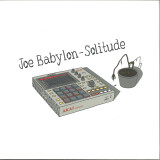
California's Joe Babylon has been steering his own Roundabout Sounds through some lovely deep house waters over the last few years. Now the producer makes a big statement with his own debut album. He is something of a veteran having co-founded Plug Research back in 1994 and hosted underground events in Los Angeles during the mid '90s. Following on from outings alongside the likes of Rick Wilhite and Rondenion he now brings his own dusty, carefully disheveled house sounds to the fore. They have been crafted using an MPC which gives them their rough-edged appeal and they go from heads down back room joints to dubbed-out minimalism via dream late-night reveries. It makes for a fresh take on a tried and tested house template.
out of Stock
Last delivered 2 years ago available to reorder, subject to availability
NOAR is a young collective of enthusiasts in electronic music from Dresden.
The aim is to bring locals from dresden and eastern germany on the screen of like minded people. The scene is bursting with talents and audiophiles of several generations and therefore we want to give these talents a platform and make their output accessible to like-minded people.
‘Clone Scratch’ by Friedrich Ernst comes with a distinct electro vibe for build ups in a club and vocals in dreamy watery manner reminds us what’s up to us.
‘locknr01’ by The Isolator gives us a cold industrial goosebumps. A whole factory is under pressure performing that straight electro tune while heavy strings foreshadow its collapse. Here and there screws turn out of the steel beams, soft like bubbles. You have to take cover to avoid being shot.
A3 by Anachronism follows straight up. ‘Lost Control by Distance’ shows us what unconsciousness feels like. In this breakbeat thunderstorm we are sitting in a crashing airplane not quite ready for what's coming next.
With ‘Establishment’ the thunderstorm lightens and suddenly soft sunrays from Planetary Secrets come through the cloud cover. You are dreaming with soft melodies warming up your face while your body is moving to uk influenced breakbeat.
The duo KAWA KAWA is making their release debut with B2. This track clearly serves you on peak times with lovely and rough vocals while its energy easily lets you understand what a desire means.
The EP is finished with a fast electro belter from Otis Key. With it’s minimalistic approach
‘Copy Natural Processes at the Nanoscale’ lets you dive into the grid of existence with your electron microscope. From time to time you can see light coming from underneath with cold strings layered between the rhythm.
Dude what if...Is it… the matrix?
out of Stock
Last delivered 5 months ago available to reorder, subject to availability
RYUICHI SAKAMOTO'S LANDMARK 1981 ALBUM REISSUED FOR THE FIRST TIME IN DECADES OUTSIDE OF JAPAN. THE ALBUM WILL BE REISSUED IN ITS RARE JAPANESE EDITION TOGETHER WITH A 2-LP LIMITED EDITION FEATURING THE ALBUM PLUS A 2ND LP FEATURING ITS NEVER-RELEASED FULL INSTRUMENTAL MIX, ALL REMASTERED BY BERNIE GRUNDMAN.
Wewantsounds is proud to announce the reissue of Ryuichi Sakamoto's third solo album "Hidari Ude No Yume" (Left Handed Dream), originally released in 1981 on the Alfa label. Save for a small-scale Dutch vinyl release in 1981, it is the first time the album's original Japanese edition is released outside of Japan (the European release on Epic Records included significantly different tracks and mixes). Newly remastered from the original tapes by renowned engineer Bernie Grundman, this LP edition comes with original artwork featuring a striking cover shot by famous photographer Masayoshi Sukita (sourced from the original negative), OBI strip and 4-page insert with new introduction by journalist Anton Spice. The album will also be released as a 2-LP limited edition gatefold including the album's full instrumental mix.
Ryuichi Sakamoto's third album, "Hidari Ude No Yume" was recorded at the legendary Alfa Studio 'A' in Tokyo during the Summer of 1981. it came after "B-2 Unit" in 1980 and his debut album "Thousand Knives Of" in 1978, the very year Sakamoto was invited by Haruomi Hosono to join Yellow Magic Orchestra alongside Yukihiro Takahashi. In the process, they became global stars as the group rewrote the rules of electronic pop and toured around the world, yet Sakamoto was keen to remain active as a solo artist.
?In 1981, the musician decided to record an album rooted in Pop, following "B-2 Unit" which had a more of an experimental edge and his landmark electro debut from 1978. For this new album entitled "Hidari Ude No Yume," Sakamoto invited British producer Robin Scott, who had had huge hit with 'Pop Muzik,' to co-produce. They entered the Alfa studio in July 1981, accompanied by a handful of musicians. These included his fellow YMO musicians Haruomi Hosono and Yukihiro Takahashi, keyboard programmer extraordinaire Hideki Matsutake who'd been on Sakamoto's first two albums and became YMO's unofficial fourth member, violinist Kaoru Sato, saxophonist Satoshi Nakamura and American guitarist Adrian Belew who'd played with David Bowie, The Talking Heads' "Remain In Light" and more recently, Tom Tom Club’s debut (co-writing 'Genius Of Love').
?Together, they created a fascinating mix of pop, ambient and electronic music with elements of avant garde and traditional Japanese music, the whole firmly rooted in a solid groove. Sakamoto wanted to give the album a spontaneous feel and decided to let ideas flow and evolve organically during the sessions as musicians would develop them together. From the funk of 'Relâché' to the new wave feel of 'Venezia' and the ambient minimalism of 'Slat Dance,' the album is remarkably consistent while displaying a wealth of global influences as shown by the diversity of instruments featured on the credits: Marimba, didgeridu, traditional Japanese instruments such as the Sho and Hichiriki flutes.
?The album was released in Japan in 1981 and Epic Records picked it up for Europe a year later but decided to release it in a significantly altered version. The sequencing was completely reshuffled and two tracks, 'Saru No Ie' and 'Living In The Dark' were completely dropped while three others, ‘Relâché’, ‘Tell 'em To Me’, ‘Venezia’ were heavily remodelled with english lyrics and became 'Just About Enough', 'Once In A Lifetime' and 'The Left Bank'. Last but not least, a new English-sung track, 'The Arrangement,' was added, making the album nine tracks instead of ten for the Japanese edition.
Altogether this International version called "Left-Handed Dream" was a very different album from the Japanese one and although both were successful at the time and further established Ryuichi Sakamoto as a global solo artist, the Japanese edition of "Hidari Ude No Yume" remains largely unknown to international ears.
Wewantsounds is now delighted to release this original Japanese edition for the first time in decades as a single LP together with a 2-LP limited-edition set adding, as a bonus, its fascinating instrumental mix, discovered in the label's vaults a few years ago (Note that 'The Garden Of Poppies', 'Slat Dance' and 'Saru No Ie' are instrumentals but for the consistency of the album we kept them on the Instrumental Mix). "Hidari Ude No Yume" is an essential album in Ryuichi Sakamoto's rich discography. It is now available in its purest original Japanese form.
out of Stock
Last delivered 4 years ago available to reorder, subject to availability
The "Produkt" compilation takes us back to the time between 1979 and 1984, when post-punk was the main expression of the underground movement. Bands in the wake of PIL and Joy Division came out like mushrooms after the punk crush. In this compilation you will find mostly unknown yet interesting productions. This is a 10 track album, all originally released on 7" from all over the world: from Poland to Sweden, from Yugoslavia to Denmark. A perfect item for both enthusiasts and completists but also for those curious, passionate of those extraordinary years and lovers of a genre that still continues to evolve and that indeed continues to storm clubs around the world
Boss Priester makes his LOCUS debut with his bustling four-track ‘Hotel Dijon’ EP.
Working hard in the studio to develop his own take on minimal-leaning house and techno, The Hague-based DJ/ producer Boss Priester is starting to reap the rewards and emerge as another hotshot from the country’s hotbed of electronic talent. Racking up support from the likes of Dungeon Meat, East End Dubs, Michel de Hey, Dr. Banana and Alec Falconer, his releases on What NxT and Dark Side Of The Sun have accompanied appearances at the likes of Thuishaven, Colorado Charlie and Lovelee. Another fan of the young Dutchman is FUSE and LOCUS boss Enzo Siragusa, and late September brings a first appearance on the latter imprint as he makes his label debut with his four-track ‘Hotel Dijon’ EP.
Title track ‘Hotel Dijon’ comes loaded with raw drum licks, cosmic synths and menacing, swirling low-ends for a heavy-hitting opener set to cause serious dance floor damage, while the slinking ‘ROF66’ mixes eerie stabs with shuffling drums and bouncy baselines for another heavyweight anthem. Next, ‘SUP01’ keeps things ticking nicely on a similar tip with yet more punchy percussion arrangements linking with playful sound design peppered with zippy FX, before closing the show with the hopped-up, bass-driven sonics of final effort ‘Wek’.
Boss Priester ‘Hotel Dijon’ EP drops via LOCUS on 22nd September 2023.
out of Stock
Last delivered 28 days ago available to reorder, subject to availability
Baguette Magique returns with four original tracks produced by Madrid’s own Babu, who shares with us a beautiful and timeless piece of work.
The Ep starts off with “The Chamber”, a perfect intro to the electric energy of the record with a mischievous bass line, laser sounds and trippy chopped-off vocals from video game Halo that welcomes you literally into’s Babu’s universe.
Then comes “Play My Game” which shares the same name of the EP as we consider it to be the center piece of the record. A timeless electro gem, cut for the club and for the after hours.
The beautiful deep bass, malicious synths and ominous robotic voices are genuine and powerful. The Madrid based producer keeps on giving bangers for the club on the flip side with “Radio Transmission”.
The electricity is tangible in this hybrid track between Minimal, Techno and Electro topped off with glitchy fx and looped vocals. We conclude the ride with the lovely retro house track “Alpedrete House”. The deeper and groovier sounds make it the romantic cut from the record to dance and maybe fall in love on the dance floor.
out of Stock
Last delivered 2 years ago available to reorder, subject to availability
RYUICHI SAKAMOTO'S LANDMARK 1981 ALBUM REISSUED FOR THE FIRST TIME IN DECADES OUTSIDE OF JAPAN. THE ALBUM WILL BE REISSUED IN ITS RARE JAPANESE EDITION TOGETHER WITH A 2-LP LIMITED EDITION FEATURING THE ALBUM PLUS A 2ND LP FEATURING ITS NEVER-RELEASED FULL INSTRUMENTAL MIX, ALL REMASTERED BY BERNIE GRUNDMAN.
Wewantsounds is proud to announce the reissue of Ryuichi Sakamoto's third solo album "Hidari Ude No Yume" (Left Handed Dream), originally released in 1981 on the Alfa label. Save for a small-scale Dutch vinyl release in 1981, it is the first time the album's original Japanese edition is released outside of Japan (the European release on Epic Records included significantly different tracks and mixes). Newly remastered from the original tapes by renowned engineer Bernie Grundman, this LP edition comes with original artwork featuring a striking cover shot by famous photographer Masayoshi Sukita (sourced from the original negative), OBI strip and 4-page insert with new introduction by journalist Anton Spice. The album will also be released as a 2-LP limited edition gatefold including the album's full instrumental mix.
Ryuichi Sakamoto's third album, "Hidari Ude No Yume" was recorded at the legendary Alfa Studio 'A' in Tokyo during the Summer of 1981. it came after "B-2 Unit" in 1980 and his debut album "Thousand Knives Of" in 1978, the very year Sakamoto was invited by Haruomi Hosono to join Yellow Magic Orchestra alongside Yukihiro Takahashi. In the process, they became global stars as the group rewrote the rules of electronic pop and toured around the world, yet Sakamoto was keen to remain active as a solo artist.
?In 1981, the musician decided to record an album rooted in Pop, following "B-2 Unit" which had a more of an experimental edge and his landmark electro debut from 1978. For this new album entitled "Hidari Ude No Yume," Sakamoto invited British producer Robin Scott, who had had huge hit with 'Pop Muzik,' to co-produce. They entered the Alfa studio in July 1981, accompanied by a handful of musicians. These included his fellow YMO musicians Haruomi Hosono and Yukihiro Takahashi, keyboard programmer extraordinaire Hideki Matsutake who'd been on Sakamoto's first two albums and became YMO's unofficial fourth member, violinist Kaoru Sato, saxophonist Satoshi Nakamura and American guitarist Adrian Belew who'd played with David Bowie, The Talking Heads' "Remain In Light" and more recently, Tom Tom Club’s debut (co-writing 'Genius Of Love').
?Together, they created a fascinating mix of pop, ambient and electronic music with elements of avant garde and traditional Japanese music, the whole firmly rooted in a solid groove. Sakamoto wanted to give the album a spontaneous feel and decided to let ideas flow and evolve organically during the sessions as musicians would develop them together. From the funk of 'Relâché' to the new wave feel of 'Venezia' and the ambient minimalism of 'Slat Dance,' the album is remarkably consistent while displaying a wealth of global influences as shown by the diversity of instruments featured on the credits: Marimba, didgeridu, traditional Japanese instruments such as the Sho and Hichiriki flutes.
?The album was released in Japan in 1981 and Epic Records picked it up for Europe a year later but decided to release it in a significantly altered version. The sequencing was completely reshuffled and two tracks, 'Saru No Ie' and 'Living In The Dark' were completely dropped while three others, ‘Relâché’, ‘Tell 'em To Me’, ‘Venezia’ were heavily remodelled with english lyrics and became 'Just About Enough', 'Once In A Lifetime' and 'The Left Bank'. Last but not least, a new English-sung track, 'The Arrangement,' was added, making the album nine tracks instead of ten for the Japanese edition.
Altogether this International version called "Left-Handed Dream" was a very different album from the Japanese one and although both were successful at the time and further established Ryuichi Sakamoto as a global solo artist, the Japanese edition of "Hidari Ude No Yume" remains largely unknown to international ears.
Wewantsounds is now delighted to release this original Japanese edition for the first time in decades as a single LP together with a 2-LP limited-edition set adding, as a bonus, its fascinating instrumental mix, discovered in the label's vaults a few years ago (Note that 'The Garden Of Poppies', 'Slat Dance' and 'Saru No Ie' are instrumentals but for the consistency of the album we kept them on the Instrumental Mix). "Hidari Ude No Yume" is an essential album in Ryuichi Sakamoto's rich discography. It is now available in its purest original Japanese form.
out of Stock
Last delivered 5 years ago available to reorder, subject to availability
A Tele Music CLASSIC from 1972, Pierre-Alain Dahan's Continental Pop Sound is of those library albums with something for everyone. Breaks? Check. Fuzz guitar? Check. Slower, jazzy stuff? Double check. It's a stunning collection of psychedelic rock, soulful funk and retro pop stylings that's currently going for over £200 on Discogs. And with good reason. French drummer, percussionist and composer Pierre-Alain Dahan was a key member of the legendary Arpadys, Disco & Co, Voyage, Tumblack (with Wally Badarou and Sauveur Mallia) and Jef Gilson Septet. So, you know this Be With reissue is nailed on essential.
Skip the by-numbers opener "Rock Extra" and head straight to the deeeeeep, minimalist groove of "Slowrama", a humid masterclass in low-slung, creeping crime funk with weighty breaks and beefy bass complimented by hypnotic wah-wah and warm electric piano. Sensational. It was sampled by Prince Po in 2004 for his "Love Thang" track. The galloping "Latin Pop Sound" is a percussive, Santana-esque tour de force featuring fantastic guitar shreds over a bassline to die for. "Morning Melody" is a lightweight amble whereas the brief but deliciously psych-rock heavy "Islam Blues" is a must for your mixes when requiring short segue tracks. The A-Side closes out with "Phasing Drums N° 1, 2 & 3", all completely ace. For us, N° 3 is the pick of the bunch, with particularly slooooow and deliberate drums underpinned by a droning, sinister organ. Hip-hop, before hip-hop, no less.
The genuine monster "Pacific Rock" blasts out the gate to usher in Side B, a thrilling and unrelenting pop-rock instrumental that really drives. "Quasimodo Pop" contains great slow mo funk breaks and scratchy guitars that alternate with pretty heavy riffing to create a compelling base track. "Carmel Beach" is as beautiful as the location it's named after, as insouciant guitars glide over super slo-mo beats and dramatic organ before it breaks down to a laconic, reflective electric piano showcase. Sumptuous. "Auto Moto Rallye" is a brief driving funk gem, as you might expect, complete with revved up guitars tuned and played to emulate the irresistible sound of growling race cars.
The upbeat, piano-led rock stomper "V.S.O.P Rock" is all well and good but, what you might really be here for is the trio of tracks that ensure the LP ends on an almighty high. The three most famous tracks “Rythmiques 1, 2 & 3” all come complete with *ultra*-dope breaks. N° 2 is probably our favourite, with the shuffling bassline and breaks combo augmented by the wonderful cowbell. Though on any other day, it could be N° 3! This album is often considered as the “baby brother” to Tele Music's Rythmiques, and this triptych is all the proof you need. Outstanding.
One of the very best French drummers ever, Pierre-Alain Dahan began his career at the Blue Note in Paris with Sonny Stitt, Dexter Gordon and Daniel Humair. Some start, eh?! He also participated in the recording of Serge Gainsbourg's cult album 'La Ballade de Melody Nelson' before going on to make countless KILLER library funk records and be a key member in the legendary Arpadys, Disco & Co, Voyage, Tumblack (with Wally Badarou, Sauveur Mallia et al), Jef Gilson Septet (alongside Henri Texier) and many more. Some pedigree.
The audio for Continental Pop Sound has been remastered by Be With regular Simon Francis, ensuring this release sounds better than ever. Cicely Balston's expert skills have made sure nothing is lost in the cut whilst the original, iconic Tele Music house sleeve has been restored here at Be With HQ as the finishing touch to this long overdue re-issue.
out of Stock
Last delivered 3 years ago available to reorder, subject to availability
András Cséfalvay makes simple music with a potent atmosphere. A well-known figure in the Slovak underground (artistic, literary and music) scene, he returns after years of silence with a collection of intense songs. It's music which tackles both fantasy concepts and environmental trauma; Cséfalvay, armed only with the voice of a bard and his own hand-made guitar, will kindle your imagination and take you to the most unexpected corners of your mind.
More than a singer, on 'Future Role of the Church in the Forthcoming Enviromental Transformation' Cséfalvay acts like a narrator, wearing his heart on his sleeve. He sings of his hate of percussion instruments, Jupiter and other planets, tells tales of guns and love, nature and Mithrandir. His unique style is completely absorbing, despite the minimal, traditional set-up known from his live performances. Existential, yet light, these twelve songs mark a welcome return of a fascinating artist who presents his own vision of the past, present and future – it's bleak and existential, but also filled with purity and honesty that's impossible to resist.
'Future Role of the Church in the Forthcoming Environmental Transformation' is András Cséfalvay's second album, and his first for the sincere label Weltschmerzen.credits
Selected Songs 1997-2003 compiles some of the finest moments in the recording history of Hydroplane, the Melbourne-based indie-pop three-piece that operated alongside The Cat’s Miaow through the second half of the nineties. It’s the third release in what feels, now, like a loosely planned series by World Of Echo, documenting the music made by this group of friends in Melbourne sharehouses (The Cat’s Miaow’s Songs ’94-’98, 2022), or in the case of The Shapiros (Gone By Fall, 2023), while traversing the International Pop Underground.
Hydroplane would be familiar to anyone already following these breadcrumb trails – Andrew Withycombe, Bart Cummings and Kerrie Bolton were the group’s core, all members of The Cat’s Miaow. With Cat’s Miaow drummer Cameron Smith itinerant, having moved to London, the trio used this opportunity to expand their music. It’s a subtle, but important shift. If The Cat’s Miaow was about the perfect, minimalist, two-minute pop song, Hydroplane’s music was far more open-ended, embracing the loops and drones, sampled house-y shuffle beats, the burbling of a Roland Jupiter-4 synth, all of which the trio joined, effortlessly, to their endless capacity for moving, elegant melodicism.
They may have only planned to release one seven-inch single, but the sound Hydroplane created was so bewitching, so compelling, that the project’s lifespan ran for around half a decade, and they ended up releasing three albums, including a self-titled debut recently reissued by Efficient Space, and seven singles. There are all kinds of compelling things happening in the music compiled here – the hazy repetition of the gentler side of Krautrock is in here, somewhere, which also suggests Stereolab at their most intimate and disarmed; the gently drifting guitars, gauzy and oneiric, set the songs adrift and floating, each one lost in its own imagined, distracted world. Songs like “The Love You Bring” set indistinct tonal floats across dance rhythms, in a way not quite heard since My Bloody Valentine’s “Instrumental” – but with the added gift of Bolton’s gorgeous voice.
This loose coalition with dance music, and the quiet experimentalism at the heart of Hydroplane, also gestures towards peers like Hood, Acetate Zero and Other People’s Children, and releases on renegade labels like Wurlitzer Jukebox and Enraptured. Like those groups and labels, The Cat’s Miaow were reconciling independent pop music’s past – sweet melody and melancholy, chiming and droning guitars – with the futures promised by DIY electronics and nascent digitalia, the interface of indie and IDM that led to some of the underground’s most blissful, texturally swoonsome music. All that is here, but also, the poise of the melodies is pure Cat’s Miaow, though, with Bolton’s voice sailing, pacifically, over some of the most pared-down, gorgeous music made during their decade.
It was a time, too, when such music could make waves – “We Crossed The Atlantic”, one of their early singles, was picked up by John Peel, who played it repeatedly on his legendary radio show, the song reaching #13 on his 1997 Festive 50. That the song itself was a cover of a tune by 1960s Australian beatnik-pop-poet Pip Proud felt even more perfect – a group of outsiders paying tribute to another outsider, played on the radio one of the few broadcasters brave and human enough to take a chance on this music. But it was a time where everything was up for grabs, and genres were flowing into each other: folk songs went drone; indie re-discovered noise; ambient pop floated, again, out onto the dancefloor. And while they may have been sequestered away in Melbourne, Australia, Hydroplane felt core to that scene, a quietly driving force.
Compiling material from across their brief but mercurial career, this double album perfectly captures the magic and mystery of Hydroplane’s dreamlike, perfect pop songs.
out of Stock
Last delivered 3 years ago available to reorder, subject to availability
Wild Is The Wind, Nina Simone’s sixth album for Philips, has all the variety her work for the label was known for—from the minimal title track to the traditional folk song “Black Is The Color Of My True Love’s Hair” to the banned-on-radio “Four Women”. In 2020, the album was ranked 212 on Rolling Stone's 500 Greatest Albums of All Time.
Verve’s Acoustic Sounds Series features transfers from analog tapes and remastered 180-gram vinyl in deluxe gatefold packaging.
The life-affirming energy at the heart of Sven Väth‘s recent album Catharsis is revisited, reanimated, and remixed by some of the most exciting names around, closing the circle on a superlative burst of
recent work that has not only given us the epic original LP, but also the extraordinary compilation What I Used To Play.
Roman Flügel, Benjamin Damage, Robert Hood, Planetary Assault Systems, Mano Le Tough… do we need to go on? This hand-picked list of luminaries have answered the call and certainly don’t disappoint, each fusing their signature sound with Sven‘s DNA to create a wild, uncompromising companion piece to the original album.
True to form, the running order is very much rooted on the dance floor, Silvi‘s Dream, revisited by Damiano von Erckert, explodes like a Balearic sunrise. Dreamy strings with a touch of Detroit create a lovely atmosphere while the beautiful piano sound goes right into your heart and appears as if you could feel the warm sun on your skin. Roman Flügel’s acidic rework of What I Used To Play is a homage to the 80s and the early sound of electronic music which creates nostalgic feelings and offers a greatly produced retro soundscape à la Kraftwerk. Staying close to the original, but with the perfect amount of spin, it’s a symbiotic interplay of synthetic bass pads, and a tiny bell melody. Robag Wruhme’s cranking minimal funk takes us down The Worm-hole. A concise interference sound builds
up sustained tension, tangled but structured, deep and yet driving. Robag took over the deep and dirty rhythms of the original perfectly and delivers a versatile piece. This opening salvo oozes quality and
sets things up perfectly for the electrified celebration of hi-octane technology come.
Jonathan Kaspar‘s growling interpretation of We Are provides a melancholic atmosphere with fascinating percussion parts. Zaps shoot through the air like small laser pistols while we let ourselves
be carried away by the bass, the frisky vocal stutter effect is the icing on the cake. Speeding things up, the euphoric trance that engulfs Krystal Klear’s epic version of Feiern. Expansive strings increase up
to ecstasy and guide us to a love-filled unity. This remix is sure to be an excellent peak-time smasher for the open-air season. On to a wild ride of pure techno with Benjamin Damage, who delivers a dry and uncompromising Berlin Techno version of Mystic Voices. Harder pace but the string synthesizer harmony brings light to an otherwise gloomy environment. Next up is Luke Slater’s PAS Deep Heet Mix to add a retro nineties vibe to proceedings on Nyx. Entering a rough space with gigantic clap impacts, we are blessed with straightforward Techno. Shimmering and spooling, this groove hits the
mark. Then, as if it was ever in doubt, Sven‘s lofty place in the techno firmament is underlined by a peak-time contribution by non-less than Detroit legend Robert Hood. Unmistakable, you must recognize the signature Robert Hood drive on Butoh. Chord stabs fulfill the Detroit feeling with offtaking string elements and high-energy vocal transformations. It’s a warm embrace that triggers emotions. Planetary Assault Systems then blasts things ever deeper into the cosmos on a second outing of Nyx. Reduced and to the point but of course, true to form, with powerful tribal percussion parts and intensive cutting hi-hats.
From there on in, the collection gradually re-enters the atmosphere, burning with a phosphorescent, melancholy glow. Harald Björk extrapolates Being In Love into a hypnotic groove for the early hours. A playful and atmospheric electronica interpretation to soothe our souls due to disharmonious synth pads and a dreamy deformation of the original melody. Mano Le Tough harnesses the ethno-rhythms
and brooding energy of Catharsis into a low-slung, tribal stomper. Anomalous organ parts ring out and link up with a trance-like sequence, summer feelings arouse as you feel like you can almost smell Ibizan air. The collection comes full circle with a second equally seductive interpretation of Silvi‘s Dream by Florian Hollerith. Stripped-down and hypnotic, the homage to Sven's girlfriend Silvi is extended as a reverence to Sven himself. Sven's profound vocal clearly infuse time and space and leave a forever-lasting memory of love.
By accident or design, it somehow leaves us with the reassuring sense that, although this specific part of the journey may be drawing to a close, the mission of the man behind it all most definitely isn't.
written & produced by: Sven Väth & Gregor Tresher
out of Stock
Last delivered 3 months ago available to reorder, subject to availability
Stephen Steinbrink discovered a short YouTube video of a street magician who approaches a highschooler walking home in Barstow, California. “Here, let me show you my idea,” he says, as he places a quarter on the kid’s hand. The magician performs some relaxed flourishes, and the coin vanishes. In silence, the kid stares at his hand at the nothing where there once, indisputably, was something, until his wonder finds a single word: “Cool.” The title of Disappearing Coin, the new album from Oakland songwriter Stephen Steinbrink, comes from this short clip. “When I look at it now,” he says, “I relate to the kid, who’s obviously uneasy in his body, and going through the experience of being a teenager in the early 2000s growing up in a bleak desert town like I did. I also relate to the coin, an inanimate disc of possibility. And I relate to the magician, an absurd facilitator of sending what is tactile and concrete into the wispy conceptual realm.” “I’ve watched it probably a hundred times,” he says. “It cracked me up but also blew my mind open the feeling of wonder I experienced watching this video became a guide as I navigated new ways of staying in the realm of what’s both real and magical.” Following the 2018 release of Utopia Teased, Steinbrink completed an apprenticeship in the nearly-lost art of Stained Glass, becoming a glazier at a studio that over three years, fully restored the enormous 90-year-old windows in San Francisco’s Grace Cathedral. He committed to his Buddhist study, beginning lay monastic training before the process was thwarted by the pandemic. He dove deeper into music production for other artists, engineering two albums by Boy Scouts released on Anti- Records in 2018 and 2021. Steinbrink delighted in the way these pursuits pulled at the thread of ego’s tapestry and decentralized him from his craft, allowing him to embody a new role as a creative caretaker engaging in practices that felt communal and restorative. “As I slowly began writing for myself again, I tried to imbue my new songs with this sense of playfulness and wonder I felt while exploring these other interests.” He says. Feeling unlocked from the pressures of perfection that he often felt in his earlier work, creating Disappearing Coin felt buoyant and healing. “The album feels like an integration of all of my past musical selves zeroing in on the present,” Steinbrink explains, “I felt free to explore new ways of writing, through different perspectives, experimenting with fictional songwriting, visual archetypal language, and total collaboration.” This “total collaboration” was a joyous new venture after years of solo performing and recording. The album can be seen as a 42 minute session of show and tell, the manifestation of Steinbrink repeating the mantra of “Here, let me show you my idea” to himself over and over. Disappearing Coin is at once a welcome return for the veteran Steinbrink and the debut of a totally new artist, one who has found a new path to himself with new goals of openness, curiosity, and self-acceptance. “Recalls the magic pop purity of Arthur Russell...its minimalism manages to feel enlightened and transformative.” PITCHFORK // “Melodic and self-assured. Steinbrink delivers his knotted lyricism with a smooth lilt.
Eight years on from the release of his compelling debut album ‘Sun, Cloud’, Luke Howard has now established himself as one of the most important and exciting musicians in contemporary classical music. The composer has been at the forefront of opening up piano music to a new generation, while challenging the notion of what can be achieved in the form. New album ‘All Of Us’ is not only an exquisite portrait of isolation, loss, resistance and reconciliation in both stark and rich shades of piano, orchestra and electronics, but the theme of quarantine provides a framework for the record. Throughout the album, Howard shifts between subtle permutations of shifting sound, etched with his trademark intimacy and restraint, and applied with a palate both minimalist and expansive; to his own piano, celeste and synthesiser, the Budapest Art Orchestra (conducted by Peter Pejtsik) plays strings, guests added flugelhorn, viola, contrabass and modular synth whilst fellow post-classicist Ben Lukas Boysen provides additional programming, production and mixing on ‘Critical Spirit’ and ‘The Opening Of The Gates’.
"Don't Stop" is the third album retrospectively released by Ghia. As the subtitle "Early Works & Artefacts 1984-1987" implies, it features some of their earliest compositions as well as tracks that were recorded during the same period as their "Curaçao Blue" LP.
The album is a fusion of diverse music styles. Listeners will delight in a range of genres, including electro, funk, soul, jazz-funk, synth pop, and even rap/hip-hop, all woven together as a cohesive work that remains mostly instrumental. As a whole, "Don't Stop" represents Ghia's funkiest and most experimental release to date. Notably, the LP features a rap version of Hermann Hesse's controversial German poem "Armer Teufel am Morgen nach dem Maskenball" ("Poor Devil the Morning After the Costume Ball") from 1926, accompanied by a drum machine rhythm and funky guitar. This poem depicts a person who drank too much the night before, telling the story and describing his hangover. The title track "Don't Stop" and the thrilling minimal electro-funk tune "3 A.M. at Moëf Gaga" both evoke old-school electro influences. The latter references the Spanish discotheque Moëf Gaga, located on the Balearic coast, which the dynamic duo of Lutz Boberg and Frank Simon frequented during their 1980s holidays. While the exact music played at 3 A.M. is unknown, listening to Ghia's track will undoubtedly capture the mood of the place.
One of the key tracks of the album is "Message From The Other Side", which could easily be noted as one of the nicest European synth-funk instrumental pieces ever. The track is based on a sick synth bass line, sparkled with DX7 chord hits, funky guitar, and a delightful "marimba" solo in the last third. The solo was actually played on Boberg's keyboard, using a special sound cartridge. This particular track had to be edited and technically revised by Marian Tone and DJ Scientist as the existing demo version of the song could not be used as is. With its stunning groove, this track will surely be a DJ's favorite.
Listening to the complete album, there is more of Boberg's keyboard wizardry: could you believe that the trumpet solo on "Jump In The Water" as well as the short but stunning slap bass solo on "Talk Too Much" were both played by on the DX7? However, this new release, unlike the jazzy "Curaçao Blue", is not about solos or virtuous playing - it clearly shows the duo's direction towards more electronic composition and clear song structures. The versions of "September Garden", "When The Rain is Falling" as well as "Talk Too Much" are actually instrumental mixdowns of vocal songs. And again, we get a blissful take of "Close To You", here a version from 1986. This soulful jazz-funk ballad could already be heard on "Curaçao Blue" while the final vocal version with singer Lisa Ohm can be found on the recently released "This Is" LP. This shows that the Ghia composers, Boberg and Simon, were perfectionists - tracks were reworked again and again, making them better and better.
The album was mastered and restored with great care, and we are pleased to provide you with a perfect example of mid 1980s home-recording pleasures, tinged with a youthful spirit and providing a sound that cannot be recaptured anymore nowadays. Alongside "This Is" and "Curacao Blue" it should be another perfect addition to any 80s groove collection as well as a great pick for DJs that love and play disco, leftfield electro and funk. The LP is limited to 500 copies.
out of Stock
Last delivered 3 years ago available to reorder, subject to availability
Be With present the first ever reissue of the ultra rare double pack DJ promo of Malcolm McLaren & Bootzilla Orchestra's "Call A Wave". Originally slipping out in 1989 to a select few, there were rumoured to be only ever 300 copies pressed. Indeed, the entire package never got a proper release and now goes for a small fortune.
Say what? Bootsy Collins, Jeff Beck and Malcolm McLaren, all in one band, composing over a Barry White sample? And that's just the original. But you can forget about that for now. Here we have the incredibly sought-after "DFC Dance Mix", mixed by Massimino Lippoli of Morenas / Sueño Latino fame for the legendary DFC Italy. It's a throbbing, vital, dramatic slice of dreamy ambient house. A deep, entrancing track that's both blissful and dancefloor dynamite. It features the iconic, disaffected female vocal chopped up over elegant piano snatches, Beck's ace guitar stylings over rolling, heavy drums and a killer, hypnotic bassline with sparkling harp coming and going. It's exotic, otherworldly and brimming with that very special late 80s/early 90s Mediterranean vibe. Yes, it's Balearic, it's House. Above all else, it's a pure uncut slice of halcyon summer days, pressed on wax.
But on side B we also have the mesmeric "Breakdown Mix", again mixed by DFC Italy. For some, *this* is the mix to have - and who are we to argue? This time, the vocals are treated so they're uttered backwards, contributing to the wonderfully disorienting magic of this particular mix.
And how could we forget the equally iconic "Orbital Mix"? Not by the actual group Orbital, but courtesy of S'Express's Mark Moore & William Orbit, no less. A brilliant, beautiful remix that's perhaps more musical. They make more obvious use of the sample from the original Barry White track ("I'm Gonna Love You Just a Little More Baby") that Malcolm was inspired by. Flip over to Side D to find the duo's uber-horizontal "Return To The Deep Ambient Mix", a floaty, beatless gem that'll leave you swooning.
To round out this quite astonishing package, the "New Age Mix", again coming from the DFC Italy camp, elegantly sends us off into the cosmos with minimal percussion and maximum vibes.
Every mix on this DJ double pack is truly killer. Simon Francis remastered the original audio for this release and Cicely Balston's precise cut for Alchemy at AIR Studios ensures this 2x12" well and truly pumps. The immaculate Record Industry pressing will ensure this incredibly sought-after masterpiece finds a home in many more DJ boxes this and every summer. For the artwork, we've recreated the original DJ promo, a plain white gatefold sleeve complete with the iconic burnt orange hype sticker. Hold tight. Roof down, tops off.
out of Stock
Last delivered 3 years ago available to reorder, subject to availability
Hot on the heels of his successful first Rubi Records release, Ashley Tindall, AKA Skeptical, comes with another three-track EP showcasing his evolving and expanding sound. The opener, 'Rhubarb', shows clear influences of fatherhood, with sampled sounds of happy childhood leading into what is possibly Skeptical's deepest track to date. While this is no piece of bland 'intelligent' D&B by any stretch, the build up intro of warm pads that leads into a chilled head-nodder stands a good chance of having you listening with eyes closed, smiling as fond memories wash over you. Next up is the deceptive 'Capsize'. Starting with the strings of an old sea shanty, the track sounds like it will follow the more chilled route of 'Rhubarb', before the introduction of some twisted minimal sonics and trademark 'steppy Skeppy' drums quickly change that notion! The swift addition of a fizzing, rubber-band b-line completes the switch up and you're sailing on far from calm waters. The return of the shanty violins amidst this is inspired, showing that breaking from the expected norm is not just something that this producer isn't shy of doing, but something he does exceptionally well. To round off, Skeptical steps back into more typical sonic territory with a slice of intense D&B minimalism titled 'Foiled'. This deceptively simple-sounding track hides a wealth of meticulously-crafted and perfectly-balanced elements that deliver a somewhat claustrophobic atmosphere that will appeal to lovers of the outer-edges of cutting-edge D&B. Skeptical's new EP promises to be just as successful as his first release, showcasing his unique and evolving sound.
out of Stock
Last delivered 23 months ago available to reorder, subject to availability