Das selbstbetitelte Album von Ava Luna markiert eine fundierte und introspektive Entwicklung für das Quartett aus Brooklyn. Die Band, die nun aus Carlos Hernandez, Julian Fader, Ethan Bassford und Felicia Douglass besteht, kehrt nach einer längeren Pause mit einem reduzierten Sound zurück, der sich auf Schlagzeug, Bass und zwei Gesangsstimmen konzentriert. Dieser Back-to-Basics-Ansatz, eine Abkehr vom ,kosmischen" Gefühl ihres Vorgängeralbums ,Moon 2", hat seine Wurzeln in gemeinsamen Erfahrungen in NYC und den Rhythmen des Alltags. Themen wie Erschöpfung, Gemeinschaft und fragile Freude tauchen in Songs wie ,Lasting Impression" über die Arbeitsmüdigkeit und ,Math Money Job", einem spielerischen Gesang über Wiedersehen und Verkörperung, auf. Julians Schlagzeug und Ethans Bass Themen wie Erschöpfung, Gemeinschaft und prekäre Freude tauchen in Tracks wie ,Lasting Impression" über Arbeitsmüdigkeit und ,Math Money Job", einem verspielten Gesang über Wiedersehen und Verkörperung, auf. Julians Schlagzeug und Ethans Bass treiben das Album an, das teilweise vom rohen Sampling-Stil von Soul Coughing inspiriert ist, der in Tracks wie ,Frame of Us" zu hören ist. Gesanglich bewegen sich Carlos und Felicia wie eine Einheit - sie verschmelzen, harmonieren und fragmentieren mit Absicht, besonders in ,Archive". Obwohl im Kern minimalistisch, ist der Sound des Albums üppig und strukturiert, angereichert durch Congas von Reggae-Legende Larry McDonald, Klavier, Samples und Gitarren-Noise. Songs wie ,Social Diving" und ,My Walk" spiegeln persönliche und urbane Geschichten wider, während ,Your Man" und ,Fancy" von Widerstandsfähigkeit und Würde erzählen. Das Ergebnis ist Ava Luna in ihrer ehrlichsten und raffiniertesten Form - ein Porträt von NYC und einer Band, die sich noch immer weiterentwickelt und nichts von ihrer Dringlichkeit eingebüßt hat.
out of Stock
Last delivered 12 months ago available to reorder, subject to availability
STANDFIRST Titanic, the project spearheaded by Mabe Fratti and Hector Tosta (aka I. la Católica), return with a sumptuous and life-affirming new album.
In her sensational 1929 biography Tiger Woman, dancer and socialite Betty May claimed her ‘coster’s eye’ meant she liked to wear as many colours as possible. “Colours to me are like children to a loving mother. Each is my favourite, yet I can never bring myself to deny the others by preferring one.” May’s bold and inclusive strategy is one that manages to transfer itself, almost a century later, to Hagen, the new record by Titanic.
Many will know Titanic as the Mexico City-based brainchild of cellist and singer Mabe Fratti and multiinstrumentalist Hector Tosta who is now operating under the pseudonym, I. la Católica, (taken, rather unusually, from the name of the street the pair live on). With Hagen, and their previous release, Vidrio, (2023), the pair are creating a distinctive signature sound in modern alternative pop music. Nobody else sounds quite like them. Both records have an open hearted nature and simple, winning melodies that play off against a taste for drama, spectacular orchestration and a feeling of otherworldly mystery. Hagen is the more ambitious, sometimes more mystical effort. From the opening handclaps of ‘Lágrima del Sol’, (a wonderfully uptempo playground chant translating as a tear from the sun but, surely, not referencing the brand of pineapple wine?), the record dances its way through various mid-to-late-eighties inspirations, lush and widescreen passages of melancholy and vertiginous contrasts.
Mystery is often found in the simple but slightly odd song titles. English translations of various track titles give, ‘you swallowed the gum’, ‘leak’, ‘a tear from the sun’, ‘raising the trophy’ ‘digging dimensions’, ‘the owner’, ‘the decapitated hen’ and ‘the trap is exposed’. All denote striking images, metaphysical hints and emotional cues or simple, even childlike actions. Though Fratti and Tosta don’t reveal its provenance, the album’s title could even be a crafty play on words: the listener would be forgiven in thinking the moments of brash contrast and eyebrow raising theatricalism in the music constitute a musical nod to German punk chanteuse, Nina Hagen.
On Hagen, singer and cellist Mabe Fratti once again displays her brilliant knack of speaking to us directly. There is never the suspicion of her playing to the gallery, and the directness of many of the lyrics don’t allow it. Parallel to this, Fratti has an almost magical ability to give Hector Tosta’s melodies, and her and Tosta’s lyrics ones imbued with an insight and meaning that feels otherworldly. Tosta admitted it was “pretty wild to hear Mabe take the interpretations to a different place” and the listener can pick up on the delight Fratti takes in (literally) adding a voice to the many narratives.
Two examples can be shown here: ‘Gotera’ (Leak) uses harsh slashes of cello and tough, gunfire-like guitars and drums and multiple vocal lines that could be acting as a Greek chorus. They play off brilliantly against Fratti’s soft, slightly baleful vocal take that delivers lyrics such as: ‘nobody knows where the leak is / but I know where it is / they fight in front of the door and / nobody can go in’. With ‘La Gallina Degollada’ the somewhat blithe melody melody line, sung with what could be sarcastic brio by Fratti, plays against an itchting rhythm and rasping guitar part. The punch comes when you see that the song is about a chicken that has been decapitated and read lyrics such as: ‘I already saw it, it moved, the decapitated chicken’ / ‘could it be that I'm broken’ and ‘Two people hurt each other by thinking that they no longer agree’/ ‘Hours pass and the chicken represents what scares me’.
There may be death and fights to deal with, but there is also a quality of chirpy self-reliance about Hagen that is a key part of its nature. Like Betty May and her colourful outfits, Hagen’s sound often revels in its own sense of richness. Throughout, the record delivers vaulting string sections or glutinous guitar squeals that could, like the powerful, driving ‘Escarbo Dimensiones’ (Digging Dimensions) have come directly from a glossy 1980s TV series. Fratti sees this “glam sound” developed by Tosta on the aforementioned track and ‘Te Tragaste el Chicle’ (You Swallowed The Gum), as moments that were truly “revealing” for the album as a whole during its making.
What else? The thud and thump of ‘La Trampa Sale’ (The Trap is Exposed), and its sudden change of tempo and mood betrays a monstrously ambitious piece of music, the players almost greedily creating the sounds. Other moments are heart wrenching: ‘Libra’ ends on a poppy chord switch that cleverly ramps up the emotion inherent in the music’s notation. You could almost imagine a teenager in a bedroom forty years ago, rewinding the track over and over on a small, cheap cassette player, unable to get enough of that sugarsweet switch. Elsewhere, Oneohtrix Point Never adds stardust and an unearthly sense of space on the changeable, slightly moody meditation, ‘Pájaro de Fuego’ (Firebird). The record ends with ‘Alzando el Trofeo’ (Lifting the Trophy), a track that could soundtrack a state wedding, what with its beautiful cascading piano parts, a sugary vocal and short triumphal guitar riffs that add a rich patina to the overall sound. Fratti: “When I doubled those vocals on ‘Alzando el Trofeo’ I felt there was an epiphany happening, right at that moment.”
Making a good record is a team game. Tosta and Fratti recall seeing Randall from Circular Ruin Studios in NYC “tweak the drums in ‘Libra’ to make that amazing effect of the gated reverb”, or the shaping of ‘Gotera’, “when (recording engineer) Nate Salon added some synths to the track.” Drummer Eli Keszler, “an amazing and versatile player” had the songs down pat in a couple of days” and, according to Tosta, Oneohtrix Point Never “just came to one of the sessions and we hung out, and after all the recordings he and Nate were together in some studio and out of nowhere they sent us some beautiful tracks for ‘Pájaro de Fuego’! Fratti concurs. “He decided that he wanted to record because he was listening to the record (Nate works closely with him) and he really liked it! It was a total honour, indeed!”
Bedazzled by the playing, the skyscraping ambition in the arrangements and the giddy moments of contrast thrown up by Hagen, we could allow ourselves a brief moment of flippancy and state that Titanic’s new record is Yacht Rock meets Aeschylus, full-on. It’s also worth speculating that, in this hyper-sensitive, intemperate age, Titanic’s music has the power, however fleetingly, to heal hurts. Hagen is a brilliant showcase for a fresh and enriching form of pop music: displaying a magpie eye for what glints and plundering what has gone before.
Like Vidrio, Hagen was partially and additionally recorded at Fratti and Tosta’s house, aka Tinho Studios in Mexico City, as well as Golden Girl Studios & Circular Ruin Studios in New York City. Mixing was done by Santiago Parra in Pedro y el Lobo Studios, Mexico City and mastered by Rafael Anton Irisarri at Black Knoll Studios, New York City. The recording engineer was Nate Salon.
Hagen featured Mabe Fratti on cello, vocals & backing vocals, I. la Católica on guitar, keyboards, prepared piano, bass & backing vocals, drums by Eli Keszler and synths in ‘Pájaro de Fuego’ from Daniel Lopatin and Nate Salon.
All compositions on Hagen are written by I. la Católica, except ‘Escarbo Dimensiones’ & ‘Pájaro de Fuego’, which were composed by I. la Católica and Mabe Fratti. The record was produced by I. la Católica and co-produced by Nate Salon & Mabe Fratti. And all lyrics are by I. la Católica except ‘Escarbo Dimensiones’, ‘Gotera’, ‘Gallina degollada’ & ‘Pájaro de Fuego’, which were written by I. la Católica & Mabe Fratti.
out of Stock
Last delivered 12 months ago available to reorder, subject to availability
On September 19, 2025, Mac Declos will release his second album, MTY-013 « Nothing Stands Still », on Mama Told Ya. Following the acclaimed MTY-007 « Hard Work Always Pays Off » and a trilogy of striking EPs : Angel Eyes (2025), Endless Cycle (2024), and Cuir en Cage (2023), as well as countless DJ sets and All Night Longs around the globe, Mac is now ready to unveil a bold new chapter in his musical journey.
Nothing Stands Still is a sonic artefact: a double-vinyl album composed of 12 timeless tracks. Eleven pieces are produced solely by Mac Declos, with one co-produced alongside Anetha. The album also features unique contributions from Mac’s mother, Doona Rolls, and Mac’s dad, Eric Declosmenil, adding emotional
depth to the project. While music is often elusive and ephemeral, with Nothing Stands Still, Mac Declos set out to create an archive of the future that transcends time and trend, an echo meant to endure. Once again, Mama Told Ya reminds us: Music remains.
out of Stock
Last delivered 6 months ago available to reorder, subject to availability
The Reds, Pinks & Purples is a San Francisco indie band led by Glenn Donaldson (The Ivy Tree, Skygreen Leopards, Art Museums and Painted Shrine). For fans of_ Guided By Voices, The Chills, Teenage Fanclub, The Shins, The Replacements, Leonard Cohen, The Go-Betweens, Robert Wyatt. Having penned over 200 songs in the last six years, The Reds, Pinks and Purples release a collection of tracks previously unreleased on physical format that continues to romanticise the wonders and woes of the world. With song titles that read like chapter sub-heads for a post-Douglas Coupland novella, 'The Past Is A Garden I Never Fed' takes The Reds, Pinks and Purples central orator Glenn Donaldson through the turmoil of small talk and everyday water cooler moments with a fine sense of pathos and irony. Set to a soundtrack that swerves between the dark days of Television Personalities and Byrdsian twang to the Jarvis Cocker-styled rhetoric and vocal tenderness of 'Richard In the Age Of The Corporation' with hints of everything from Husker Du's fuzzed splendour to the chiming majesty of The Chameleons it's an empowering listen. The pathos and irony of the glorious track 'The World Doesn't Need Another Band' sets out the band's store, it's a measured and quietly outspoken rant at lacklustre opposition peppered with a gorgeous guitar break. Meanwhile, 'I Only Ever Wanted To See You Fail' rumbles with an Eddie And The Hot Rods pre-punk riff before dissolving into a tale of self-doubt and remorse, bemoaning others' good luck. 'Toxic Friend' is from the book of the TVP's Daniel Treacey with an upbeat chorus that smacks of all that was good in old school indie in a hail of fuzzy logic and guitars. From humble beginnings as a home recording project, The Reds, Pinks and Purples has blossomed into a sporadic live unit with tours on both sides of the Atlantic and appearances at Pitchfork Fest London and Woodsist Fest as well as support slots for indie legends such as Destroyer, Guided By Voices, and The Feelies. "Donaldson's best work hides allure within a bigger picture, like a jangle-pop egg hunt" Pitchfork.
pictured cover sealed in shrink wrap (first time ever on Samosa)
Samosa Records comes back with a real summer bang in the form of the ‘Afro-Ritmo EP’ – a four-track journey into afro soaked vibes courtesy of Anura & Sr. Lobezno and featuring label boss De Gama!
First up on side A is the EP’s title track, the mesmerising ‘Afro Ritmo’. Anura & Sr. Lobezno announce their arrival on Samosa Records with this spicy West African rhythm bomb. Kakaki trumpet fanfares meld with intricate synth stabs and ethereal Oja flute, whilst the solid tribal beats and rolling bass dictate the dance moves. And dance you must…
Track 2 is the deliciously glitchy, conga bonanza ‘Sungu Sa’. Make no mistake, ‘Sunga Sa’ is out to get you from the very first beat – tempting you to go behind the curtain as the haunting guitar lures you ever closer to its secret door. Dark, uplifting and ritualistic, the chant of ‘Sunga Sa’ will live in your head rent free well after the sun has gone down. Don’t say you weren’t warned.
Over on Side B De Gama takes the title track ‘Afro-Ritmo’ and applies his unique sonic rubs, balms and enhancers to create a pulsating after hours jam full to the brim with Afrotropic sparkle and magic dust. Like an unstoppable chugging train steaming through a savanna, De Gama is the conductor supreme as the raspy synth, bluesy guitar riff and uplifting brass fanfares entwine around that pounding beat.
Finally, Track 4 gives us the seriously powerful Javier Morrilas remix of ‘Afro-Ritmo’. The original is stripped right down and given the Big Beat treatment for this insanely good take – a peak time switcheroo of a track that keeps you guessing as to where it’s taking you. As the flutey breakdowns and broken beat madness get you, you will fall in love with this one instantly.
The ‘Afro Ritmo’ EP is a powerful, masterful four tracker from Anura & Sr. Lobezno which is well at home in the Samosa Records cooking pot. Spread the word, buy the vinyl. You won’t be disappointed.
• Reviewed with love by The Black Light Disco
Written, Produced, Arranged and Mixed by Anura & Sr. Lobezno.
Keyboards & Percussions: Anura.
Trumpet: Jimmy Garcia
Sax & Flute: Carlos Ligero
Trombone: Prudencio Valdivieso
*Remix and Additional Productions by Stefano Gamma aka De Gama for De Gama Rec - Rome.
Jazz Guitar & Acoustic Bass by Pietro Nicosia.
** Remix and Additional Productions by Javier Morillas.
All tracks mastered by Francesco Pierguidi at L’n’P Studio – Rome.
Artwork and computer graphics by Nerina Fernandez.
SMS038
out of Stock
Last delivered 5 months ago available to reorder, subject to availability
First official vinyl showcase from Untamed Sounds Studio featuring Lucadread on vocals. Digi Killer style.
Untamed Sounds Studio was established in 2015 in Northeast Italy as a sound system, hosting regular events for several years. In 2019, the physical system was sold, and the project moved to the UK, shifting its focus to music production. Since then, Untamed Sounds has collaborated with a wide range of sound systems, DJs, and singers, particularly in the dubplate field, providing exclusive tracks to sounds across the globe. Whether it's roots, dub, digital, or year 3000 style, Untamed Sounds continues to staying true to its foundation, rooted in Jamaican music.
Produced and Arranged by Untamed Sounds.
Mixed by Dougie Conscious at Conscious Sounds Studio, UK.
Mastered by Dubfiles.
out of Stock
Last delivered 12 months ago available to reorder, subject to availability
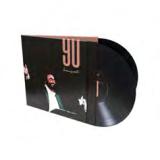
Luciano Pavarotti und Decca verband eine der längsten exklusiven Beziehungen zwischen einem Künstler
und einem Plattenlabel. Zur Feier dieses Vermächtnisses und seines 90. Geburtstags am 12. Oktober 2025
präsentiert Decca das ultimative Greatest-Hits-Album „NOVANTA”. Es enthält seine bekanntesten und
beliebtesten Arien und Lieder, legendäre Live-Mitschnitte einiger seiner größten Konzerte sowie Raritäten,
Neuentdeckungen und bisher unveröffentlichte Titel. Pavarotti war ein einzigartiges Phänomen und einer
der berühmtesten Künstler der Welt. Wie kaum ein anderer hat er es geschafft, die Welt der Oper einem
breiteren Publikum zugänglich zu machen. Das Album bietet nun die Möglichkeit, seine Darbietungen, die
die Welt begeistert haben, noch einmal zu hören.
Das 4CD-Set umfasst 75 Tracks und fast 5 Stunden Musik, davon eine komplette CD mit Bonus-Inhalten:
Raritäten und bislang unveröffentlichte Aufnahmen. Das Doppel-Vinylalbum und die 1CD Version dieses
Albums bieten mit 25 bzw. 20 Tracks eine kleinere, aber ebenfalls umfassende Auswahl aus Pavarottis
Schaffen. Auch hier gibt es spannende Neuentdeckungen und selten veröffentliche Aufnahmen zu hören.
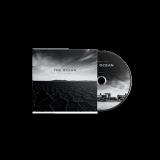
Because of the large demand for a vinyl reissue of THE OCEAN's first instrumental studio album "Fogdiver" (2003), Pelagic Records now brings you a limited edition repress of the original, which has been sold out in 2004 and then again in 2011 - including new artwork by Martin Kvamme (who designed the covers of all following THE OCEAN albums). "Fogdiver" was the band's first proper studio album - over two decades have passed since its release and yet the songs still sound surprisingly fresh and exciting. This may be due to the fact that most of the songs on "Fogdiver" were newer at the time than most of the tracks that ended up on 2006's ,AEOLIAN" album: ,The chronology of our early albums is misleading", comments the band: "When we decided to do an instrumental debut album, we wrote all brand new tracks for it, although we had already written most of the material for the consecutive "Fluxion" and "Aeolian" albums - but this material didn't work without vocals, so we decided to hold it back and release our newest mterial first". The band decided to keep the rough yet powerful sound of the original recordings, which took place at the band's Oceanland basement catacombs in Berlin-Kreuzberg, an old aluminum factory where panels for submarines were manufactured during world war II.
Because of the large demand for a vinyl reissue of THE OCEAN's first instrumental studio album "Fogdiver" (2003), Pelagic Records now brings you a limited edition repress of the original, which has been sold out in 2004 and then again in 2011 - including new artwork by Martin Kvamme (who designed the covers of all following THE OCEAN albums). "Fogdiver" was the band's first proper studio album - over two decades have passed since its release and yet the songs still sound surprisingly fresh and exciting. This may be due to the fact that most of the songs on "Fogdiver" were newer at the time than most of the tracks that ended up on 2006's ,AEOLIAN" album: ,The chronology of our early albums is misleading", comments the band: "When we decided to do an instrumental debut album, we wrote all brand new tracks for it, although we had already written most of the material for the consecutive "Fluxion" and "Aeolian" albums - but this material didn't work without vocals, so we decided to hold it back and release our newest mterial first". The band decided to keep the rough yet powerful sound of the original recordings, which took place at the band's Oceanland basement catacombs in Berlin-Kreuzberg, an old aluminum factory where panels for submarines were manufactured during world war II.
Returning to Die Schachtel with his fourth full-length with the label, the Genoa born, Bologna based, guitarist and electroacoustic composer, Stefano Pilia, delivers “Lacinia”, a new, immersive cycle of compositions, delving deeper into the realm of metaphysical, spiritual, and divine meaning, weaving astounding arrangements of sonority from a palette of synths, strings, brass, organ, various electroacoustic instruments, and percussion. Resting at a refined intersection of the acoustic and electroacoustic, drone, and chamber music - overwhelmingly beautiful, delicate, and bold, - “Lacinia” stands as a high-water mark in Pilia’s already remarkable and forward-looking career.
Since its founding in Milan during the early years of the new millennium, Die Schachtel has occupied a singular place in the landscape of experimental music, issuing a carefully curated body of reissues and archival releases by historically significant figures and projects like Christina Kubisch, Luciano Cilio, Marino Zuccheri, Prima Materia, Claudio Rocchi, Lino Capra Vaccina, Gruppo di Improvvisazione Nuova Consonanza, Roland Kayn, and numerous others, balanced against bristling contemporary counterparts by the likes of Jim O'Rourke, Giovanni Di Domenico, Nicola Ratti, Luigi ArchettI, Valerio Tricoli, etc. Running like a spine through the label’s output is a deep dedication to the work of the Italian guitarist and electroacoustic composer Stefano Pilia. Now Die Schachtel returns with “Lacinia”, Pilia’s forth full-length with the label and their first release of 2024. Building on the ground of deeply personal engagement with metaphysical, spiritual, and divine meaning, explored within his previous LP with Die Schachtel, 2022’s “Spiralis Aurea”, “Lacinia” encounters the composer working in close calibration with various ensembles, including the Bologna based Ensemble Concordanze and Comunale di Bologna String Orchestra, weaving synths, strings, brass, organ, various electroacoustic instruments, and percussion into an astounding reconfiguration of immersive, contemporary minimalism that stands among Pilia’s most noteworthy releases to date. Issued by Die Schachtel in two special double vinyl editions and a CD edition, “Lacinia” features artwork by Bruno Stucchi/Dinamomilano, and is an absolute marvel that draws you in and doesn’t let go.
First emerging during the early 2000s, over the past two decades – via solo releases and numerous collations with artists like Oren Ambarchi, Valerio Tricoli, Alessandra Novaga, Z'EV, Andrea Belfi, David Grubbs, and numerous others - the Genoa born, Bologna based, guitarist and electroacoustic composer, Stefano Pilia has presented a singular voice within Italian experimental music, harnessing visceral energy and hands-on immediacy within delicately woven tapestries of sonority, each investigating the sculptural properties of sound and illuminating its relationship to space, memory, and the suspension of time. “Lacinia”, Pilia’s forth solo venture with Die Schachtel, encounters the composer reentering his longstanding practice of collaboration with various ensemble forms, including the Bologna based Ensemble Concordanze, for the albums central piece, “Lacinia Off Axis”, spinning stunning string confirmations by Pietro David Carami and Elena Maury on violin, Alessandro Savio on viola, and Mattia Cipolli on cello.
A new, important cycle of compositions by Pilia, “Lacinia” (meaning "lace" in Latin) builds upon the exploration of the metaphysical, spiritual, and divine dimensions through numbers, geometry, and the creation of tonal forms explored by 2022’s “Spiralis Aurea”, mirroring archetypal, immutable forms at the juncture of the abstract realm of mathematics and architectural structures in the physical world, expands the poetics and compositional ideas featured in its predecessor. Regraded by Pilia as both a series of individual compositions and a single work, “Lacinia” was conceived to “define a circular path (a sort of "rhizomatic lace") where the beginning and end touch, suggesting the concept of time not only as linear but also cyclical and ritualistic—an eternal return, a process of transformation where matter changes, its state changes, but without altering the invisible internal principle of mutation”, embarking upon a a series of “steps, degrees, and energetic quanta in a progression of archetypal whole numbers and transcendent creation.”
The resulting 16 tracks unfold as a series of complex sonic meditations. While deeply resonant with the minimalism of composers like Arvo Pärt, LaMonte Young, Pauline Oliveros, and Eliane Radigue, Pilia digs deep and moves far beyond the predictable tonal relationships and structures of that idiom, echoing the ancient liturgical and devotional music of composers like Gesualdo da Venosa, Monteverdi, and John Dowland, at a refined intersection of the acoustic and electroacoustic, drone, and chamber music.
Fascinatingly structured as a whole to include a number of motif returns, across which we encounter works like “Lacinia Off Axis” appearing in slightly different rendering, states, or evolutions three times, and compositions like “Eve” appearing twice in subtly different forms and arrangements - first for four oscillators, guitar and voice and then for string orchestra - as well “Maris Stella”, which similarly makes two appearances, first for horn trio, organ and percussion, and then for string orchestra, with “Lacinia” Pilia delves further into the world of chamber music than ever before, creating a deeply inward, mediative body of work the totality of which, guided by its rich string arrangements of arching, sorrowful tone, feels almost like a mass for some unproclaimed loss; simultaneously locked in the nuances of a moment, while managing to suspend time.
Perhaps most remarkable is Pilia's ability to create a remarkable sense of sonic cohesion while using such a varied number of ensembles and instrumentation. From the sprawling string arrangements delivered by Comunale di Bologna String Orchestra, under the direction of Paolo Mancini, and Ensemble Concordanze, and a flute trio (Cadux / Plectere) brilliantly played by Manuel Zurria, to pieces for sax, organ and percussion, violin duo and percussion, organ and percussion, Pilia manages to create a sense of singular, encompassing world that flows forward like a shifting stream.
Overwhelmingly beautiful, delicate, and bold, “Lacinia” is unquestionably a high-water mark in Stefano Pilia’s already remarkable, forward-looking career. Nothing short of a marvel of contemporary Minimalism that, through its shifting arrangements of harmonics, tonality, and texture draws flickering images of ancient forms of music into the present day, “Lacinia” is Issued by Die Schachtel in two special editions on double vinyl and a CD edition, featuring artwork by Bruno Stucchi/Dinamomilano. This is an immersive all-consuming listen that can’t be missed.
out of Stock
Last delivered 12 months ago available to reorder, subject to availability
Schwarzes Recycling-Vinyl. Kommt mit Texblatt und Downloadcode. Great Resignation! So wird das massenhafte Kündigen von Bullshitjobs während der Corona-Pandemie bezeichnet. Die Verweigerung die eigene Arbeitskraft zu den widrigsten Bedingungen zu verkaufen, wenn es nicht mal zum Leben reicht. Auch wenn man sowieso bald wieder ran muss - nur für einen Moment spüren, die Macht zu haben alles lahm zu legen, hörten einfach alle auf: Wertschöpfung, Broligarchie, Kaufland, Deutschland. pogendroblem haben sich also nochmal zusammengerauft und ein neues Album gemacht. Drei Jahre für ein neues Album? In der Tat: Great Resignation. Oder zu wenig die Brotjobs gekündigt? Und wenn sie die Arbeit so hassen, warum haben sich pogendroblem dann noch weiter in die Musikindustrie reinbegeben? Widersprüche schärfen und aushalten. Ambiguitätstoleranz. Nachdem AWINHSMK Ende 2022 bei Audiolith erschien, ging es für die Band wild hin- und her zwischen Pop-Festivals, Punkbühnen, Preisverleihungen und Solishows für selbstverwaltete Kulturzentren oder gegen die extreme Rechte. Nun der Nachfolger Great Resignation bei Kidnap. Das Schulterklopfen der Kulturförderung darf natürlich auch nicht fehlen. Zwölf Tracks auf 1:22 bis 2:30. Ästhetisch nochmal diversifiziert und dennoch aus einem Guss, entstanden unter Regie von Gregor Hennig im Studio Nord Bremen, gemischt von Daniel Roesberg und gemastert von Christian Bethge. Musikalisch klarer und pointierter als zuvor. Obviously punk, poppige Niedlichkeit, Garage Vibes, bisschen Hamburger Schule, bisschen Kraut, etwas düsterere Gitarren und natürlich Brotschneidemaschine durch FX geballert. Wahrscheinlich Post-Punk. Doch Achtung, das ist keine Neue Neue Deutsche Welle! Große Resignation! Die große Traurigkeit zieht sich durch die Platte hindurch, auch in den auf den ersten Blick lustigen Liedern. Denn hier sind sich pogendroblem treu geblieben, es geht um absurde Alltagsgeschichten, um Subjektivierung, die nicht mehr zu funktionieren scheint. Um Fragmentierung von Gesellschaft, Arbeitsbeziehungen, der Linken. Wie durch die Zeit der Monster (Antonio Gramsci) navigieren, fragen pogendroblem. Wie weiter machen gegen Faschisierung und Klimakrise? Lösungsansätze werden diskutiert und ausprobiert. Es ist klar: Es kann nicht immer so weitergehen.
Ben Beinn — mountain mountain — an imagined summit, recursive and unstable.
Poole’s new album Ben Beinn follows 2024’s In a River Shadow, and deepens his exploration of environment, voice, and abstraction. If the previous record moved with flowing water and submerged hymns, Ben Beinn climbs into elemental instability: passing storms, coded skies, and sodden ground.
Across ten tracks, Poole entangles the Celtic New Age sound world — traditional instrumentation (flute, low whistle, bagpipe, piano, strings) — with synthesis, environmental recordings, and abstracted voice. The sound palette is tactile — marked by microtonal harmony, swelling dissonance, and a breathy naïvety. Voices in Gaelic, Norwegian, and English surface and dissolve, stretched beyond recognition — more weather than word.
The album’s title refers to a tautological hill — Ben Beinn, or “mountain mountain” — a recursive site where motifs surface, fracture, and re-emerge. On 365 Days of Rain, rainfall data becomes a rhythmic lattice that slips from metrical order. 1000 opens the record in cinematic emergence: mountain icicles and frozen streams swell into strings and breathy melodic weight. Pulling from the connective folktales of hill and mountain trolls — “Dance for a thousand years,” Poole writes, “for jeg har sovet tidlig så lenge.”
Recorded in Scotland between 2024–2025, Ben Beinn draws from environmental recordings of frozen hill passes, storm drains, and peat bogs using contact mics and hydrophones. Rather than simply reflecting place, these recordings press against it — layering the sonic materiality of landscape with synthesis and song. An inflection point between fabrication — folk music as performed identity, a carrier of story — and its obfuscation through digital networks, where tradition is refracted into plural forms.
Musical reference points include the emotionally saturated textures of Inoyama Land, the folk-electronic hybrids of Eli Storbekken, the hyperrealist collage practices of Noah Creshevsky, and the disquieting sonic simulations of James Ferraro. While Ferraro captures the uncanny surfaces of networked life, Ben Beinn turns inward — toward a located listening, shaped by weather, memory, and terrain.
The second in a triptych that began with In a River Shadow, Ben Beinn continues Poole’s excavation of environmental and folk material through contemporary methods. If the first record submerged itself in flowing water and submerged hymns, this one is shaped by the slow pressures of land and sky — a music of erosion, recurrence, and elemental presence.
Steve Hauschildt returns after 6 years with a new album titled Aeropsia. After a transcontinental relocation from the US to Tbilisi, Georgia, the electronic composer emerges from a personal and global transformation to explore themes of perceptual distortion, disconnection, and renewal.
Aeropsia (which roughly translates as “seeing the air”) refers to a visual phenomenon in which objects appear to float or shimmer, often due to changes in pressure, perception, atmospheric shifts or neurological disturbance. This becomes a metaphor for the liminality that informs the record: blurry visions, dreamlike displacements, and the fragile membrane separating what is seen from what is felt.
In the years since his last solo release, Hauschildt’s world has been marked by relocation and a growing sense of global turbulence. These experiences became the raw material for a work that navigates institutional haze and uncertainty itself. The result is music that employs decay as method, structure as entropy, and mutation as expression.
While Aeropsia remains subjective in its vision, Hauschildt invited two previous collaborators to expand the album’s gravitational pull. Cellist Lia Kohl, who previously performed on Nonlin, returns and brings a tactile warmth to select tracks, while guitarist Michael Vallera threads spectral harmonics into the mix. The album’s electronic foundation and its tactile elements meet in a state of luminous suspension to navigate the shifting in physical and psychological terrain.
out of Stock
Last delivered 47 days ago available to reorder, subject to availability
Fetter’s Body of Noise erupts at the threshold between ravey hypnosis and avant-pop experiment, slithering through the hinterlands of unconscious desire. Nine shape-shifting tracks conjure haunted landscapes where beauty refuses clarity and dancefloor logic warps underfoot. Vocals swoon, drift, and demand—stacking into fragments that multiply and weave through saturated pulses and shimmering, snarling synths.
Opening track "Like a Rose" traces a dreamer’s transition into the unstable physics of a perplexing but familiar dream world, where they gradually become lucid. “Beast” follows up humming with shadowed urgency, threading a path through self-sabotage and metamorphosis. “Spathiphyllums” drifts a while in a lush lostness, aching for something new before fracturing into wild, cathartic collapse. Side B’s “Do I Exist? (D.I.E)” and “The Longing” spiral into existential wonder, searching for a human origin story—both personal and collective—against a backdrop of uncertainty, while “Headache” thrusts forward as an absurd and insistent manifesto to stay the course and harness one’s own power within the madness.
Body of Noise is crafted not only for sweating bodies in motion, but for distorting time and opening psychic portals, where surrender becomes strategy and uncertainty transforms into ecstatic navigation. Rooted in all-hardware improvised production and shaped by Fetter’s years of boundary-blurring visual and performance art, their debut LP feels alive and in flux. Reminiscent of a spectral pop chorus trapped in a loop of broken machinery, or a lost broadcast from a dancefloor in a parallel realm, Body of Noise is a journey into chaos, transformation, and a bold refusal to be contained.
About Fetter:
Fetter makes clubby self-destructing noise pop to dance and weep to. Oscillating between ethereal and pounding, their all-hardware, largely improvised live sets take listeners through a foggy wilderness of saturated rhythms and menacing synth lines, a golden voice guiding the way through. Fetter is the stage moniker of multimedia artist Jess Tucker. Their performances take place in clubs as well as galleries, often incorporating video, installation, and interactive performance art elements to create other-worldly surrounds of mesmerizingly unhinged bodies and faces.
RAWAX proudly presents the second part of Ricardo Villalobos' Salvador "Trilogy"!
The three Masterpiece records which came out between 1998 - 2000 on Frisbee Tracks,
are part of Ricardo's own series on RAWAX - including new tracklistings!
out of Stock
Last delivered 4 days ago available to reorder, subject to availability
John Carpenters Soundtracks für die jüngste Halloween-Trilogie, die er zusammen mit seinen langjährigen Mitarbeitern Cody Carpenter und Daniel Davies komponierte, markierten die Rückkehr des legendären Regisseurs und Komponisten zur Filmmusik nach fast zwei Jahrzehnten Pause. Halloween (2018), Halloween Kills (2021) und Halloween Ends (2022) wurden alle von David Gordon Green inszeniert, der Carpenter bereits früh in die Vorproduktion einbezog und ihn schließlich als ausführenden Produzenten und Soundtrack-Komponisten für die Trilogie engagierte. Nun werden erstmals erweiterte Ausgaben aller drei Soundtracks in einer Deluxe-Box von Carpenters langjährigem Label Sacred Bones Records veröffentlicht. Beim Anhören der aktuellen Halloween-Soundtracks fällt als Erstes der Teamgeist des Komponisten-Trios auf. Der mittlerweile berühmte Part mit der gestrichenen Gitarre in ,The Shape Hunts Allyson" aus Halloween wird, wie alle Gitarrenparts in der Trilogie, von Daniel Davies gespielt. John bezeichnet Daniel als den ,Abenteurer" der Gruppe und schreibt ihm zu, Sounds eingeführt zu haben, an die er selbst nie gedacht hätte. Cody, den sein Vater als ,musikalisches Genie" bezeichnet, ist eine ebenso wichtige Präsenz. Es ist seine ruhige, methodische Hand, die den Ideen, die entstehen, wenn diese drei zusammenkommen, Gestalt verleiht. Die Filmmusik für die neuen Filme mag sich um bekannte Themen drehen, aber sie ist auch klanglich viel vielfältiger und musikalisch gewagter als alles, was John 1978, als er den Originalfilm ,Halloween" komponierte, hätte schaffen können. Zusätzlich zu den einzelnen erweiterten Veröffentlichungen wird die ,Halloween Expanded Trilogy" als Teil eines limitierten Deluxe-Boxsets im 6xLP- und 3xCD-Format erhältlich sein. Diese Editionen enthalten exklusive neue Verpackungen und Artworks von Chris Bilheimer sowie ausführliche Liner Notes des Musikkritikers Brad Sanders, darunter exklusive Interviews mit John Carpenter und Regisseur David Gordon Green. Beide Box-Sets enthalten außerdem drei Sammlerposter von Creepy Duck, ein exklusives Posterdesign von Chris Bilheimer und ein luxuriöses Lentikular-Cover, das das Artwork zum Leben erweckt. Die erweiterte Version von ,Halloween Kills" enthält 25 unveröffentlichte Musikstücke, während ,Halloween Ends" 10 neue Tracks hinzufügt und ,Halloween" ein komplett neues Artwork und eine neue Verpackung von Chris Bilheimer erhält. Für John-Carpenter-Sammler, Halloween-Komplettisten und alle Fans großartiger Filmmusik ist die ,Halloween Expanded Trilogy" ein unverzichtbares, wegweisendes Release.
A Milan-born multi-instrumentalist of Venetian heritage, Alberto Baldan Bembo was a gifted vibraphonist, organist, pianist, arranger, and composer whose work bridged jazz, pop, and film music. By the early 1960s, he was performing with Italy’s leading ensembles, including I Menestrelli del Jazz and Bruno De Filippi’s group, and soon became an in-demand session musician. For several years, he toured with the legendary Mina, providing the piano and organ backbone to her live shows—a role that sharpened the cinematic sensibility and refined musicianship that would later define his soundtrack work. In the years to come, he would be celebrated for his scores to films such as L’Amica Di Mia Madre (1975) and Lingua Argento (1976), earning a place alongside Piero Umiliani, Alessandro Alessandroni, Berto Pisano, and other luminaries of Italy’s golden age of soundtrack and library music.
Io E Mara is the soundtrack to a film that was never made. Originally released on the CGD label in 1969, this debut album from the brilliant Maestro Baldan Bembo is a sophisticated concept-album tracing 24 hours in the life of two young lovers. Told entirely through music, the record unfolds as a continuous suite of ten tracks, where cinematic lounge, bossa, and jazz flavors mingle to create a dreamlike atmosphere. Baldan Bembo’s signature piano and organ are masterfully complemented by Mara’s ethereal vocals, while immersive soundscapes of crashing waves, seagulls, and rain showers enhance the feeling of a deeply personal and intimate journey. A cast of exceptional musicians brings this vision to life, including Bruno De Filippi on electric guitar and sitar, Carlo Milano on electric bass, Rolando Ceragioli on drums, and Pasquale Liguori on sound effects. This singular work not only showcases the burgeoning talent of a future soundtrack master but also features the original pop art front cover by Italian cult illustrator Guido Crepax.
END[GER] Die Band Wednesday aus Asheville, North Carolina errichtet im Laufe der zehn Songs von "Rat Saw God" einen Schrein voller aufregender Details: Halb lustige, halb tragische Botschaften aus den Südstaaten, die sich klanglich irgendwo zwischen dem wimmernden Skuzz von Neunzigerjahre-Shoegaze und klassischem Country-Twang entfalten - mit verzerrter Pedal Steel und Frontfrau Karly Hartzman, die mit ihrer Stimme, den Lärm durchschneidet. Ein Song von Wednesday ist wie ein Quilt. Eine Kurzgeschichtensammlung, eine verschwommene Erinnerung, ein Flickenteppich aus Porträts des amerikanischen Südens, der disparate Momente einfängt und als Ganzes doch irgendwie einen Sinn ergibt. Karly Hartzman, die Songschreiberin, Sängerin, Gitarristin und Leiterin der Band, ist eine Geschichtensammlerin als auch eine Geschichtenerzählerin: Eine aufmerksame Beobachterin von Menschen und witzigen Bemerkungen. "Rat Saw God", das neue und beste Album des Quintetts aus Asheville, ist ekphrastisch, aber ebenso autobiografisch und vor allem sehr einfühlsam. Es wurde in den Monaten unmittelbar nach der Fertigstellung von dem zweiten Album der Band, "Twin Plagues", geschrieben und innerhalb einer Woche im Drop Of Sun Studio in Asheville aufgenommen. Die Songs auf "Rat Saw God" erzählen keine Epen, sondern das Alltägliche. Sie sind lebensnah, erzählen vom wahren Leben, sie sind verschwommen und chaotisch und seltsam zugleich - was Hartzmans eigenem Ethos entspricht: "Everyone's story is worthy. Literally every life story is worth writing down, because people are so fascinating." A Wednesday song is a quilt. A short story collection, a half-memory, a patchwork of portraits of the American south, disparate moments that somehow make sense as a whole. Karly Hartzman, the songwriter/ vocalist/guitarist at the helm of the project, is a story collector as much as she is a storyteller: a scholar of people and one-liners. Rat Saw God, the Asheville quintet's new and best record, is ekphrastic but autobiographical and above all, deeply empathetic. Across the album's ten tracks Hartzman, guitarist MJ Lenderman, bassist Margo Shultz, drummer Alan Miller, and lap/pedal steel player Xandy Chelmis build a shrine to minutiae. Half-funny, half-tragic dispatches from North Carolina unfurling somewhere between the wailing skuzz of Nineties shoegaze and classic country twang, that distorted lap steel and Hartzman's voice slicing through the din. Rat Saw God is an album about riding a bike down a suburban stretch in Greensboro while listening to My Bloody Valentine for the first time on an iPod Nano, past a creek that runs through the neighborhood riddled with broken glass bottles and condoms, a front yard filled with broken and rusted car parts, a lonely and dilapidated house reclaimed by kudzu. Four Lokos and rodeo clowns and a kid who burns down a corn field. Roadside monuments, church marquees, poppers and vodka in a plastic water bottle, the shit you get away with at Jewish summer camp, strange sentimental family heirlooms at the thrift stores. The way the South hums alive all night in the summers and into fall, the sound of high school football games, the halo effect from the lights polluting the darkness. It's not really bright enough to see in front of you, but in that stretch of inky void - somehow - you see everything. The songs on Rat Saw God don't recount epics, just the everyday. They're true, they're real life, blurry and chaotic and strange - which is in-line with Hartzman's own ethos: "Everyone's story is worthy," she says, plainly. "Literally every life story is worth writing down, because people are so fascinating." But the thing about Rat Saw God - and about any Wednesday song, really - is you don't necessarily even need all the references to get it, the weirdly specific elation of a song that really hits. Yeah, it's all in the details - how fucked up you got or get, how you break a heart, how you fall in love, how you make yourself and others feel seen - but it's mostly the way those tiny moments add up into a song or album or a person.
Mit ihrem fünften Album kehrt das slowenische Trio Sirom zurück - und präsentiert ein klanglich wie thematisch weitreichendes Werk. In the Wind of Night... knüpft an das gefeierte The Liquified Throne of Simplicity (2022) an, geht aber neue Wege: melodischer, zugänglicher, ohne die hypnotische Tiefe und rhythmische Komplexität zu verlieren, die Sirom auszeichnen. Ana Kravanja, Iztok Koren und Samo Kutin verweben auf überlangen Tracks folkloristische Motive, dissonante Texturen und rituelle Klanglandschaften. Sie nutzen fast zwei Dutzend akustische Instrumente - viele davon selbst gebaut - und erschaffen so eine Musik, die sich jeder Kategorisierung entzieht. Die Stücke wirken wie Klangwanderungen durch imaginäre Landschaften, mal dicht und tranceartig, mal luftig und klar strukturiert. Das Album wurde live aufgenommen und spiegelt die kollektive Arbeitsweise der Band wider. Sirom bleiben dabei kompromisslos eigenständig - und sind heute eine der spannendsten Stimmen der europäischen Avant-Folk-Szene.
This solo album features all 10 tracks from Kaneko Ayano's band, Kanekoayano's, album "Stone Thread" newly re-recorded with her own acoustic guitar.
It's her first full-length album in about two years since her previous album, "A Towel Blanket Comes Alone" As with her previous releases, the recording
and mixing was handled by Yasumasa Hamano (IZU STUDIO), and the mastering was handled by Soichiro Nakamura (peace music).
The jacket artwork is a new design by artist TIDE. Available in CD and LP formats only.
Ostinato as resistance: Rafael Anton Irisarri’s landmark work reimagined. Marking the tenth anniversary of the American composer’s critically acclaimed album 'A Fragile Geography', this new edition arrives renewed, both sonically and visually.
First released in 2015 (Room40) during a period of personal upheaval and creative reinvention, it endures as a testament to resilience, transformation, and the connection we hold with the places that shape us.
Written in the aftermath of a devastating theft, A Fragile Geography was born out of loss. Just days before a cross-country move to New York, Irisarri’s entire Seattle-based studio was wiped out. Instruments. Recordings. Archives. Gone without a trace. He arrived on the East Coast to an empty room and the daunting task of starting over.
“This album wasn’t just a record; it was a lifeline,” Irisarri reflects. “It became a way to process the emotional chaos that followed: uprooting, instability, and ultimately, the slow, intuitive rebuilding of a life.”
Composed and recorded in the rural woods of the Hudson Valley, the album took shape in seclusion, surrounded by nature, and through a process guided by improvisation. Embracing limitations, Irisarri wove textural layers of field recordings with half-remembered melodies from his Seattle years, piecing them together like fragments of memory. Tracks like “Displacement,” “Hiatus,” and “Persistence” juxtaposed haunting stillness with restless momentum, mapping an inner terrain of grief, catharsis, and rebirth.
Among its defining sounds is “Empire Systems,” a monumental centerpiece built around a simple four-chord progression, organ textures, and guitar drones. Gradually, the track expands into layers of immersive loops and thick, enveloping distortion that wash over the listener like a rolling wave. Often cited as the album’s most majestic passage, it captures Irisarri at his most sonically ambitious. With a harmonically saturated structure crafted from restraint and repetition, it remains one of his most recognizable compositions: an exercise in the art of maximal minimalism.
From the outset, “Reprisal” received praise from BBC’s Mary Anne Hobbs, who championed the track on her radio show. Her support played a key role in introducing Irisarri’s work to wider audiences and solidifying his place within the lineage of electronic, drone, and experimental sound artists. A slow-burning elegy, the piece emerges from a haze of distortion and sub-bass, with dense, unrelenting drones carrying a sense of mounting tension. Just as it seems to collapse under its own weight, flickers of guitar emerge like distant light through fog. It’s a meditation on dissonance, resolve, and the elusive possibility of release.
The closing track, “Secretly Wishing for Rain,” is steeped in saudade: a longing for Seattle’s dour grey skies, lush green landscapes, and desaturated sunsets. Through it, Irisarri mourns a vanished chapter of life bound to the city, a time documented in scattered mementos and cherished collections, now permanently gone. A reflection on what could never be recovered: an era lost to time. Julia Kent’s looped cello motifs added a melancholic warmth to the track, marking the first collaboration between the two artists and sparking a musical dialogue that would keep growing in the years that followed.
More than a career highlight, A Fragile Geography has laid the foundation for Black Knoll studio, which Irisarri rebuilt from the ground up. The studio has since grown into a creative hub for countless projects, with Irisarri engineering records for iconic music figures like Terry Riley, Ryuichi Sakamoto, William Basinski, MONO, Devendra Banhart, Grouper, Emeralds, Steve Hauschildt, Julianna Barwick, and many others. Carried by its lasting influence, the album has quietly captured the ear of a younger generation, its sound and emotional arc finding new listeners in unexpected corners.
The album’s new visual language was reimagined in collaboration with Mexico City–based designer Daniel Castrejón. Irisarri captured ghostly images at Gaztelugatxeko Doniene, a historic coastal site in Bermeo, Euskal Herria. Castrejón then treated the photographs with distressed textures and spectral overlays. The final artwork channels the rugged, elemental forces that shaped both the music and Irisarri’s aesthetic, renewing his ties to ancestral ground inspired by the Basque homeland of his bloodline.
Mastered by Stephan Mathieu with exceptional attention to detail, this anniversary edition uncovers every nuance in the sound design, enhancing clarity and presence. With each listen, new elements emerge, inviting discovery and reconnection.
“I don’t experience this album as a document of grief anymore,” says Irisarri. “I hear adaptation and I'm reminded that when everything falls apart, something meaningful, maybe even beautiful, can emerge.”
out of Stock
Last delivered 9 months ago available to reorder, subject to availability
Ostinato as resistance: Rafael Anton Irisarri’s landmark work reimagined. Marking the tenth anniversary of the American composer’s critically acclaimed album 'A Fragile Geography', this new edition arrives renewed, both sonically and visually.
First released in 2015 (Room40) during a period of personal upheaval and creative reinvention, it endures as a testament to resilience, transformation, and the connection we hold with the places that shape us.
Written in the aftermath of a devastating theft, A Fragile Geography was born out of loss. Just days before a cross-country move to New York, Irisarri’s entire Seattle-based studio was wiped out. Instruments. Recordings. Archives. Gone without a trace. He arrived on the East Coast to an empty room and the daunting task of starting over.
“This album wasn’t just a record; it was a lifeline,” Irisarri reflects. “It became a way to process the emotional chaos that followed: uprooting, instability, and ultimately, the slow, intuitive rebuilding of a life.”
Composed and recorded in the rural woods of the Hudson Valley, the album took shape in seclusion, surrounded by nature, and through a process guided by improvisation. Embracing limitations, Irisarri wove textural layers of field recordings with half-remembered melodies from his Seattle years, piecing them together like fragments of memory. Tracks like “Displacement,” “Hiatus,” and “Persistence” juxtaposed haunting stillness with restless momentum, mapping an inner terrain of grief, catharsis, and rebirth.
Among its defining sounds is “Empire Systems,” a monumental centerpiece built around a simple four-chord progression, organ textures, and guitar drones. Gradually, the track expands into layers of immersive loops and thick, enveloping distortion that wash over the listener like a rolling wave. Often cited as the album’s most majestic passage, it captures Irisarri at his most sonically ambitious. With a harmonically saturated structure crafted from restraint and repetition, it remains one of his most recognizable compositions: an exercise in the art of maximal minimalism.
From the outset, “Reprisal” received praise from BBC’s Mary Anne Hobbs, who championed the track on her radio show. Her support played a key role in introducing Irisarri’s work to wider audiences and solidifying his place within the lineage of electronic, drone, and experimental sound artists. A slow-burning elegy, the piece emerges from a haze of distortion and sub-bass, with dense, unrelenting drones carrying a sense of mounting tension. Just as it seems to collapse under its own weight, flickers of guitar emerge like distant light through fog. It’s a meditation on dissonance, resolve, and the elusive possibility of release.
The closing track, “Secretly Wishing for Rain,” is steeped in saudade: a longing for Seattle’s dour grey skies, lush green landscapes, and desaturated sunsets. Through it, Irisarri mourns a vanished chapter of life bound to the city, a time documented in scattered mementos and cherished collections, now permanently gone. A reflection on what could never be recovered: an era lost to time. Julia Kent’s looped cello motifs added a melancholic warmth to the track, marking the first collaboration between the two artists and sparking a musical dialogue that would keep growing in the years that followed.
More than a career highlight, A Fragile Geography has laid the foundation for Black Knoll studio, which Irisarri rebuilt from the ground up. The studio has since grown into a creative hub for countless projects, with Irisarri engineering records for iconic music figures like Terry Riley, Ryuichi Sakamoto, William Basinski, MONO, Devendra Banhart, Grouper, Emeralds, Steve Hauschildt, Julianna Barwick, and many others. Carried by its lasting influence, the album has quietly captured the ear of a younger generation, its sound and emotional arc finding new listeners in unexpected corners.
The album’s new visual language was reimagined in collaboration with Mexico City–based designer Daniel Castrejón. Irisarri captured ghostly images at Gaztelugatxeko Doniene, a historic coastal site in Bermeo, Euskal Herria. Castrejón then treated the photographs with distressed textures and spectral overlays. The final artwork channels the rugged, elemental forces that shaped both the music and Irisarri’s aesthetic, renewing his ties to ancestral ground inspired by the Basque homeland of his bloodline.
Mastered by Stephan Mathieu with exceptional attention to detail, this anniversary edition uncovers every nuance in the sound design, enhancing clarity and presence. With each listen, new elements emerge, inviting discovery and reconnection.
“I don’t experience this album as a document of grief anymore,” says Irisarri. “I hear adaptation and I'm reminded that when everything falls apart, something meaningful, maybe even beautiful, can emerge.”
out of Stock
Last delivered 12 months ago available to reorder, subject to availability
Dabrea is the first release by Kliche, a new alias from Biri. The record features three timeless and dubwise dancefloor cuts alongside a closing downtempo roller. Steeped in lush ambiance, and with a sense of urgency echoing the exploratory energy of rave’s formative years.
Following a move to London from Berlin, these tracks were recorded early 2025 and mixed at Willem Twee Studios in Netherlands. The record represents a fresh start for the producer after stepping away from club music, seeking a freedom of expression beyond the conventions of techno.
Fusing the melodic ideations of braindance with soundsystem weightiness and a deftness of craft, Dabrea is an impressive statement that ignites new energy into the contemporary club continuum.
out of Stock
Last delivered 6 months ago available to reorder, subject to availability
Nicola Conte & Nico Lahs return with their eagerly awaited second EP, continuing the musical journey they began with their acclaimed 12” Macumba de Oxalȧ / La Danse de l’Esprit.
This new release confirms the creative synergy between two producers who speak the same musical language: a refined blend of spiritual jazz, Afro-American rhythms and electronic sensibility, designed for the most eclectic and sophisticated dancefloors. The Tema Due project is aimed at a refined club scene, attentive to the depth and purpose of sound. Once again, Conte and Lahs are turning the dance floor into a ritual space, where body and spirit move in harmony in a musical language that not only entertains but also elevates.
In this “EP2”, Nicola Conte and Nico Lahs collaborate for the first time with the talented young Brazilian percussionist Gabriel Prado and consolidate their long-standing partnership with pianist Pietro Lusso, who plays a fundamental role in shaping the musical identity of this work. Among the tracks, “Share Your Love” stands out in particular, interpreted by Brazilian singer Nina Miranda, who brings emotional depth to a track that talks about peace, sharing and love between peoples, and is enriched by the participation of Giovanni Guidi on Fender Rhodes and synths.
“EP2” precedes the release of Tema Due’s full-length album, which is currently taking shape – a work that promises to further consolidate the duo’s shared vision, expanding their conceptual and sonic scope. To crown this creative cycle, the album will also be followed by a third EP with additional unreleased tracks, symbolically closing a trilogy of sound and vision. A coherent, intense and uncompromising musical journey, where club culture meets spirituality and artistic exploration.
out of Stock
Last delivered 7 months ago available to reorder, subject to availability
Curated by DJ Simas Slabačiauskas, this double LP introduces a fresh and distinctive sound: Baltic Balearic.
Born on the shores of the Baltic Sea, it’s a sun-soaked yet soulful journey—blending ambient textures, downtempo rhythms, and Balearic-inspired grooves with a heartfelt Baltic touch.
Featuring original tracks and remixes by Simas — including reworks of beloved Lithuanian
bands — the compilation also brings together international contributions from Autarkic, Saphileaum, and Auntie Flo, while introducing a wave of fresh new talent.
This collection is more than music; it’s a reflection of a lifestyle — the calmness of a summer
evening, the beauty of untouched nature, and the sense of community that comes from gathering on the beach to witness the setting sun. It’s an invitation to slow down, take your shoes off, and spend an hour with this music — ideally while watching the sunset, or simply with your eyes closed.
out of Stock
Last delivered 12 months ago available to reorder, subject to availability
Die „Girls Gang Remixes“ 12“ wartet mit Clubversionen und Remixen von befreundeten Künstlern wie dem legendären DJ Hell, dem Dark-Disco-Allstar Damon Jee, dem italienischen Produzenten Phunkadelica und dem französischen Sänger und Filmkomponisten The Populists (alias Yan Wagner) auf. Ausserdem enthält sie noch Clubversionen von den beiden Singles „Promise Me feat. Curses“ und „Schall & Rauch“ und eine griechische Version von dem Sommerhit „Halkidiki“.
DJ Hell ist der Pate des Electroclash und Gründer des einflussreichen Labels International Gigolo Records. Helmut Geier steht seit vielen Jahrzehnten hinter den Decks und spielt entweder in den größten Clubs der Welt, auf riesigen Musikfestivals oder bei Laufstegshows für die angesagtesten Modemarken, neben der Produktion von Musik, der Schauspielerei in Filmen und dem Designen von Kleidung. Sein Extended Mix von FOMO (Fear Of Missing Out) ist eine krachende, genreübergreifende Reise durch Zeit und Raum. Eine neue Baseline, treibende Hihats, Live-Atmosphäre und ein druckvoller Kick heben den Track auf ein neues Level und machen ihn zu einer Waffe auf der Tanzfläche. Der aus Südfrankreich stammende Damon Jee ist eine Pionierfigur in der Dark-Disco-Szene. Mit über zwei Jahrzehnten Erfahrung in der elektronischen Musik hat der Dust & Blood-Labelbesitzer einen ganz eigenen Sound entwickelt. Er verwandelt „Girls Gang“ in eine Clubbombe, indem er seine charakteristische Big-Room-Energie einfließen lässt, einen epischen Break hinzufügt und die Vocals in eine andere Welt verzerrt. The Populists ist das cluborientierte DJ-Projekt des französischen Sänger-Produzenten, Gesaffelstein-Kollaborateurs und Filmkomponisten Yan Wagner. Seit 2014 veröffentlichte er EPs und Tracks auf Tastemaker-Labels wie Lumière Noire, Zone, Detriti, Ritmo Fatale & XXX. Auf seinem Remix von 'Disco Goth' kombiniert er entspannte Italo-Disco-Grooves mit New Beat Drums und verleiht dem Original ein ganz anderes Feeling.
Girls Gang wurde überragend aufgenommen und unter anderem Magazinen wie Rolling Stone, Mixmag, Musikexpress, Kulturnews, Visions, TAZ, Penthouse, Brigitte sowie Sonic Seducer (Album des Monats) und Orkus abgefeiert. Radiostationen wie KEXP, BBC Radio 1, Sunshine Live (Album der Woche), Radio Eins, Flux FM, WDR 1Live und Deutschlandfunk berichteten über das Album, das mittlerweile auf über 20.000 weltweite Radioeinsätze und mehr als 1 Million Streams kommt. Auch führende Online-Plattformen wie Spiegel Online, Plattentests (Album der Woche), Laut.de (Song der Woche) und Tonspion (#6 Album des Monats) lobten die Veröffentlichung in höchsten Tönen.
Format: Schwarzes Vinyl (140 g) mit alternativen & Clubversionen sowie Remixen von Damon Jee, DJ Hell, Phunkadelica & The Populists.
out of Stock
Last delivered 3 months ago available to reorder, subject to availability
”Downton Abbey: The Grand Finale” ist der Soundtrack zum letzten Film der Downton Abbey Serie. Die
Musik wurde erneut vom mehrfach ausgezeichneten Komponisten John Lunn geschrieben, der für seine
bisherige Musik für die Downton Abbey Serie bereits 2 Primetime Emmys erhalten hat.
Der Film begleitet die Familie Crawley in den 1930er Jahren. Die beliebten Charaktere suchen nach
neuen Wegen, um Downton Abbey in den turbulenten Zeiten in die Zukunft zu führen und stoßen dabei
auf allerlei Hindernisse.
Das Album umfasst 21 Tracks und erscheint als CD und auf Vinyl
GG Allin singles compilation reissued on vinyl. If you had an immense amount of courage (as well as a strong stomach), then you may have been 'lucky' to have experienced G.G. Allin the way he was meant to be -- on-stage. In the studio, G.G.'s recordings more times than not did not match the fire of his live performance (and after watching some of his brutal shows on video, how could they'), as they were issued on a variety of little-known indie labels, and of varying quality. One of the first compilations to truly pull tracks from throughout G.G.'s controversial career is 2004's Expose Yourself: The Singles Collection 1977-1991. A few selections have been impossible to find for years, such as the early G.G. single "Love Tunnel" b/w "Devil's Triangle," which makes its first appearance in years here. Elsewhere, you'll find tracks that have appeared elsewhere -- "Snakeman's Dance," "When I Die," "Gypsy Motherfucker," etc. -- but are among G.G.'s best. Since it touches upon most of his different eras, Expose Yourself: The Singles Collection 1977-1991 is easily one of the better G.G. comps to appear. ~ Greg Prato
GG Allin singles compilation reissued on vinyl. If you had an immense amount of courage (as well as a strong stomach), then you may have been 'lucky' to have experienced G.G. Allin the way he was meant to be -- on-stage. In the studio, G.G.'s recordings more times than not did not match the fire of his live performance (and after watching some of his brutal shows on video, how could they'), as they were issued on a variety of little-known indie labels, and of varying quality. One of the first compilations to truly pull tracks from throughout G.G.'s controversial career is 2004's Expose Yourself: The Singles Collection 1977-1991. A few selections have been impossible to find for years, such as the early G.G. single "Love Tunnel" b/w "Devil's Triangle," which makes its first appearance in years here. Elsewhere, you'll find tracks that have appeared elsewhere -- "Snakeman's Dance," "When I Die," "Gypsy Motherfucker," etc. -- but are among G.G.'s best. Since it touches upon most of his different eras, Expose Yourself: The Singles Collection 1977-1991 is easily one of the better G.G. comps to appear. ~ Greg Prato
Frank Zappas episches Album „One Size Fits All“ aus dem Jahr 1975 feiert sein 50-jähriges Jubiläum
mit einem weiteren vollgepackten Multi-Disc-Box-Set mit 75 % unveröffentlichtem Material. Die Box enthält vier CDs mit dem 2012 von der Legende Bob Ludwig neu gemasterten Hauptalbum sowie anderthalb
Discs mit Studio-Outtakes, Live-Konzerten, Work-Mixes und relevanten Vault-Tracks. Die Live-Besetzung
bestand aus der klassischen 6-köpfigen Band mit George Duke und Ruth Underwood.Ruth Underwood
steuerte auch neue Linernotes für das Paket bei, zusammen mit historischen Essays von David Fricke und
„Vaultmeister“ Joe Travers. Das Booklet zum 50. Jahrestag enthält außerdem neu veröffentlichte Fotos
von Sam Emerson.
Die Blu-Ray Disc enthält brandneue Dolby Atmos- und 5.1-Mischungen direkt von den 24-Spur-Masterbändern
des Albums, Hi-Res-Versionen des Hauptalbums und zwei Bonus-Surround-Tracks mit alten Mixes von
Zappa selbst. Außerdem sind zwei Bonusvideos von den klassischen KCET-TV-Dreharbeiten enthalten, die
zum ersten Mal neu bearbeitet wurden, seit FZ 1974 das Material in die Hände bekam.
Die 2LP „black glitter“ Jubiläumsedition enthält einen brandneuen analogen Schnitt des Albums, eine
Bonus-LP mit den Highlights des Box-Sets und das Booklet der 50th Anniversary Edition.
New compilation by Coco Maria on her own new founded imprint Club Coco. Comes with a 4 page folded insert.
There are albums that aren’t just listened to—they’re lived in. Club Coco – New Dimensions in Latin Music is one of them. This compilation, curated by Coco María, marks the first release on her own label and serves as a sonic portrait of what Latin music can become when it’s guided by intuition rather than labels. Eleven tracks open the windows and cross continents as effortlessly as changing a song. Here, Neapolitan synthesizers coexist with digital cumbias, voices whisper from within the groove, and rhythms invite movement—without urgency or pretense.
This selection isn’t defined by a genre but by a feeling: that of someone dancing with an open heart and keen ears. Each track is a postcard from a corner of the world, and also a love letter to rhythm and the emotions it stirs. From Bogotá to Naples, passing through Lima, Amsterdam, and New York, this compilation offers a journey where past and future brush against each other in the present moment. Club Coco doesn’t aim to define a sonic truth, but to invite listeners to discover new ways of hearing and feeling.
The party has already started. Come on in.
out of Stock
Last delivered 7 months ago available to reorder, subject to availability
NILS FRAHM and F.S.BLUMM have confirmed the release of their fifth collaborative album, Handling. Containing three tracks but 40 minutes long, it finds the duo advancing from 2021’s dub-influenced 2X1=4, deploying its lessons in ambitious new territory that also nods to earlier collections. Recorded at his studio in Berlin’s Funkhaus, the album will be released by LEITER on vinyl and via all digital platforms on September 19, 2025.
Handling’s three exquisitely detailed pieces are each entitled ‘Leuchter,’ German for ‘candlestick,’ encapsulating the LP’s luminescent glow and rising inner energy. Its scrupulous arrangements exploit a magic cabinet of instruments, among them pianos, celestas and cristal baschets, glockenspiels, guitars and multiple forms of percussion. Their painstakingly engineered improvisations were equally meticulously reassembled in a series of intense editing sessions.
That the duo’s collaboration is built on a friendship and mutual admiration dating back to the early 2000s enables an unusual level of trust, despite both operating in their own distinct manner. “It’s not Frank, it’s not Nils,” they reflect. “We’ve become a new persona.” Handling blends Blumm’s organic chaos with Frahm’s structured intuition, offering a distinct and luminous experience that doesn’t just sound different, but feels like its own evolving world.
out of Stock
Last delivered 12 months ago available to reorder, subject to availability
After a much acclaimed series opener, the creators of The Hidden Beauty Of Dutch House ’94-’98 are back! They’re bringing us this second batch of eight carefully selected masterpieces from The Netherlands’ blossoming scene of the day.
Just like volume I, its sequel is filled with thought-to-be-lost tracks from Dutch producers whose names you rarely come across. It took another deep and long dive into the "Atlantis" of Dutch House to gather this collection. Most of the original master tapes literally had to be dusted off before playing…
Suitable for any true House afficionado, you’ll find a panoramic range of styles and flavours on this second selection, as there was on the first. A truly representative flashback has to show the versatility and broadness of both the music and culture of the nineties. The days of open minds and dancing-like-nobody’s-watching. When we went to the club to discover new sounds and dimensions. The time when this attractively fresh music was the hero of every successful night.
Lovingly compiled for your listening pleasure. So, sit back, open up, and surrender to the beauty of Dutch House!
out of Stock
Last delivered 59 days ago available to reorder, subject to availability
The worst of A. G. Cook’s debut album: Drum Solo, Note Velocity, Feeling, No Yeah, Green Beauty, The Best Day, Superstar – Live at Secret Sky, Waldhammer, Triptych Demon, Could It Be, Chandelier, Hold On, Unreal, The End Has No End. Limited edition 140g Silver Vinyl. No secret tracks.
1xLP
12” Vinyl Record (140g, Silver)
12” Record Jacket Pantone 877C Silver, Matte Flood, Spot High Gloss
The magic of A Vision of Panorama returns with the new album Serene Architect — a meditative yet rhythmic journey through luminous musical structures. This is a record about space: physical, internal, emotional.
Known for his soft Balearic touch, coastal synths, and an almost telepathic sense of groove, A Vision of Panorama offers something more here — a designed world where every sound functions as a piece of sonic architecture.
The album features tracks previously released on the legendary Café del Mar — On Avance, Baby Konyawa, Rumbabuena, Golden Sand, Neon Whispers - now reimagined in exclusive versions created specifically for vinyl. These new interpretations sound deeper and more expansive, subtly reinforcing the album’s architectural concept: to renew the familiar without destroying its essence. Architecture of calm, harmony in motion - Serene Architect designs sound for open skies and slow dances beneath the sun.
out of Stock
Last delivered 7 months ago available to reorder, subject to availability
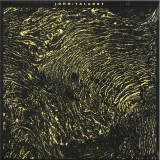
If there is one person, who has been causing a stir on the international club circuit recently, it is Barcelona's John Talabot. Already his debut “My Old School“ (which is meant literally by the way) on Permanent Vacation in 2009 and shortly after that the single “ Sunshine”, which he put out on his own Hivern Disc imprint, made him one of the most promising musicians of the Spanish electronic scene. And those two releases also already set the mark for John Talabot’s unparalleled music: raw, loopy, heavy on the kick drum, sample based, moderate on the tempo, distorted on the drums and light years away from the clean and ever revolving house sound of today. This unique style which also blends influences from afro beat, Detroit techno, Chicago house and cosmic disco, but also northern soul or the energy of Flamenco, immediately turned some heads around. James Murphy, Âme and Aeroplane started including Talabot music in their sets like it was the most natural thing. However - and this is quite rare - he not only gained legions of fans in the house and disco community, but also amongst the leftfield pop and indie rock followers. NME and Resident Advisor both had “Breakthrough“ features on John Talabot and he can be proud of a “Best New Music“ dubbing on
Pitchfork. (Being rather elusive on showing his face in magazines or the web it also came to some funny rumors that John Talabot was the alter ego of a well-known techno producer from Detroit).
At the same time he drew the attention of like-minded artists like James Holden and Luke Abott from Border Community, Blondes or Delorean, which lead to a bunch of fertile collaborations: Luke Abbott and Blondes remixed Talabot’s “Sunshine“ single , John Talabot remixed a track by Delorean and vice versa Delorean’s Ekhi contributed vocals to the track “Journeys “ on John’s album). Another example is the Young Turks Label (home of Jamie XX, Holy Fuck, El Guincho or SBTRKT ) on which he released the “Families“ EP in 2010. It was praised beyond limits. Pitchfork for
instance hailed: “… where pop and house influences sweetly buffer up against one another to provide an unyielding sense of elation“ and even brought Talabot a comparison with artists like Four Tet or Caribou.
While staying true to his sound, John Talabot has nevertheless shown a constant evolution as a producer since his first release. He has traced a solid musical path that has turned him into one of the big references of European House and has made him also a highly in demand Remixer (for the likes of The XX, Francesco Tristano’s “Aufgang” project, Shit Robot on DFA, Thaiti 80, Joakim or Teengirl Fantasy to name just a few ).
A progression that now crystallizes in “ƒin”, his first full-length album for Permanent Vacation. A record, in which the Barcelona mastermind sets aside the danceable immediacy to expand his stylistic palette more than ever. For that purpose, Talabot melts all the elements that have constructed his distinctive sound until now and makes them emerge from a new perspective, in which the construction of complex song structures, intricate rhythms and superpositions of ever-evolving melodies and atmospheres pick up the baton of the “a kick-drum and a sampler” philosophy of his initial productions. The result brings us 11 tracks (we should call them songs really!) dominated by dark ambiances, gaseous textures and bittersweet moods that, above all, reveal a kind of vivacity that’s really hard to find in contemporary electronics. “Fin” is far from being a track collection. From the majestic opener “Depak Ine“ to it’s solemn ending with
“So Will Be Now“ , one of the two tracks that features Talabot’s soul and label mate Pional, each song traces an overall dialogue with the rest, culminating a highly emotional journey through Talabot’s always compelling and unique musical vision.
out of Stock
Last delivered 6 months ago available to reorder, subject to availability
On his new album All Cylinders, Yves Jarvis expresses a brazen songcraft and pure musicianship. 11 tracks he played himself, without a single additional contributor, transforming his now four-time-Polaris-nominated vision into the stuff of verses and choruses, hooks and hits, vibrating like a cosmic anthropology. Whereas once he had fetishized analog tape, now Jarvis appreciated the value of working without any such preciousness: much of All Cylinders was recorded on bare-bones Audacity, sans plugins, channeling the spirit of Paul McCartney’s II.
Jarvis is an omnivore, and All Cylinders smashes together a stunning array of influences: Serge Gainsbourg, Judee Sill, Sheryl Crow, Captain Beefheart, Jackson Browne, Throbbing Gristle, Ray Charles, Brian Eno, Fleetwood Mac… All distilled into tunes that feel like taking sips from a cup, or drags from a cigarette. Vivid and self-contained songs that are just two or three minutes long. “I feel like this is the least contrived thing I’ve ever done,” Jarvis declares. Lyrics that matter. Vocals up front, where people will actually hear them. “If something’s true to you,” he explains, “it’s probably true to a million other people.”
The first run of All Cylinders on limited edition vinyl sold out, leading to this highly anticipated second pressing. This edition includes 4 bonus tracks from the forthcoming deluxe release, making it an essential piece for fans and collectors alike. Originally released via In Real Life to critical acclaim from Pitchfork, Financial Times, NPR, Aquarium Drunkard, Far Out Magazine, New Noise, Out Front, KCRW, RANGE, Atwood Magazine, The Luna Collective, Billboard Canada, The Fader, Blamo! Podcast, Stereogum, and Guitar World.
múm are returning with a new album on Morr Music. »History of Silence« is the first full body of work by the Icelandic collective since 2013's »Smilewound« and their seventh studio album to date—recorded, deconstructed, put back together again, refined and finished over the course of two years. Vibrantly oscillating around a carefully curated palette of electronic and analogue sounds, the eight new tracks reflect the group's continuous strive to explore sonic spaces through subtle yet gripping songwriting.
For a long time now, múm have been exploring the idea of distance in their music. In the beginning, this was born purely out of necessity. Founded in Iceland in the late 1990s, the members soon began embarking on journeys across the world—collectively while touring, but also individually, exploring new places to live and create. Settling in, moving on, catching up: The concept of distance soon became an integral part of the collective's process. »History of Silence« leans into this idea, with space and time becoming indispensable pillars of the arrangements. While being coherent and structured, they echo their origins from different seasons, cities, and spaces—neatly stitched together with unparalleled craftsmanship. They breathe an overall airy and intimate atmosphere, yet resonate with the structural heft of time.
On »History of Silence« time manifests in unexpected, liberating, and mesmerizing ways. It does not move reliably forward; it drifts, takes twists and turns, even disappears completely. Electronic textures blur into acoustic sounds, voices flicker and dissolve, melodies stumble and repeat. The arrangements often feel like they’re wandering, gently resisting direction. »Our Love is Distorting,« for instance, begins with a subtle piano motif, playing hide and seek with feedback noises, digital artefacts, and lush—yet very quiet—string arrangements, before gradually forming into a distinctive song. It's a perfect illustration of múm's general approach on this album. »Mild at Heart« turns this idea upside-down, flowing freely from start to finish with moments of silence sprinkled in—serving to emphasize the musical elements. The music on »History of Silence« moves like weather: unexpected, intimate, quietly detailed. Contrasted with vivid phrases, rhythmic shifts, and small hooks, the album offers a new angle of compositional clarity and vision.
Work on »History of Silence« began at Sudestudio in southern Italy. Additional recordings were made in Reykjavík, Berlin, Athens, Helsinki, New York, and Prague. The strings were recorded by Sinfonia Nord at the Hof concert hall, Akureyri, arranged and conducted by Ingi Garðar Erlendsson, who has worked with the band for many years. The orchestral elements don’t dominate the record—instead, they surface gently, adding depth and resonance to the songs without disturbing the songs' fragility.
Contrary to what the album title suggests, »History of Silence« is a collection of bold and colorful songs, no matter how muted they might sound at times. They tickle like a feather drifting through the wind, ending up in unexpected places, stimulating long-forgotten thoughts and feelings, intimate moments of introspection. The songs move through the echoes those moments leave behind: the emotional traces of things unsaid, the weight of stillness. Offering closeness by means of distance and much-needed support.