out of Stock
Order now and we will order the item for you at our supplier.
19,96 €
Order now and we will order the item for you at our supplier.
expected to be published on 10.04.2026

Order now and we will order the item for you at our supplier.
On Stock and ready to ship

This album brings together key tracks from Doug Carn recorded for Black Jazz Records in the 1970s.
Doug Carn is one of the most-important (and least-recognised) forces in the creation of the canon of 'deep and spiritual jazz music' - full of powerfully emotive intensity, consciously-uplifting lyricism and addictively beautiful melodies.
All of his LPs during this period have since achieved cult classic status including 'Infant Eyes', 'Adam's Apple', 'Spirit of the New Land' and 'Revelation'.
Aside from his songwriting and keyboard skills, many of the tracks here feature the stunning and powerful 5-octave range vocals of Jean Carn (later Carne), his wife at the time.
Musicians featured on this album include Alphonse Mouzon, Charles Tolliver, Henry Franklin, Michael Carvin, Walter Booker, Ronnie Laws and others. Aside from Carn’s compositions there are also striking interpretations of music by Lee Morgan, Miles Davis, John Coltrane, McCoy Tyner, Bobby Hutcherson and Wayne Shorter.
Black Jazz became one of the defining labels of independent and conscious jazz music in the 1970s alongside other important labels such as Strata-East and Tribe Records. As well as this Best of Doug Carn release, Soul Jazz Records are also releasing a Best of Black Jazz Records collection at the same time.
On Stock and ready to ship
Standard[31,30 €]
Special Edition includes a CD-R of a interview program with the producers of "Beam Penetration" in 1970. At the end of the program, the Flower Travellin' Band appeared with motorcycles and performed in the studio. Also includes insert with English translation of the interview.
2025 repress. Expo 70, held in Osaka, was a pivotal event for the Japanese people and their relationship with the rest of the world, demonstrating both the nation's ongoing economic recovery from World War Two and the creative spirit of Japanese society and its artists. The event gained international acclaim for its adventurous architectural design, visual art and electronic music. Some of Japan's most renowned composers were involved, but also present were the now-legendary rockers, the Flower Travellin' Band. A series of performances, billed as "Night Events" were held at the Expo; the most radical of these was "Beam Penetration and Mad Computer, plus the Minimal Sound of Motorcycles", but its anti-establishment feel and general madness took the Expo organizers by surprise and it was cancelled after only one night, despite being scheduled for a longer run. An air of myth developed around the event, but a recording of the event has been discovered and this release is the result. And what an event it was: a night-time sound-bomb with a fabled band, electronic sound and 50 motorcycles with horns blaring,spotlights, electronic billboards and a robot ― all flashing, roaring andhowling at the night sky. This release comprises a CD, a 10-inch record with fold-out sleeve and large obi, plus fascinating notes in Japanese and English by Kenichi Yasuda, an expert on Japanese rock music, and Koji Kawasaki, a renowned researcher of Japanese electronic music, as well as rare photos.
The Item is out of Stock. We will send You an Email as soon as it´s available again if you click on "in Stock Mail"

expected to be published on 10.04.2026
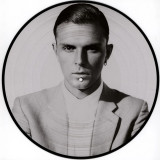
This 15th Anniversary celebration marks the first time this album has ever been available on vinyl , Bonus Tracks
On Stock and ready to ship
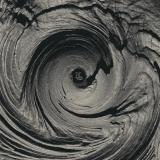
On Lila, his debut LP, Moroccan artist Karim presents a series of undulating electronic rhythms laser-etched into tessellated form: drumless techno from the pre-Sahara, built for communal psychic expansion.
Drumless, yes, but not percussionless. There are shakers, castanets, stabs, plonks, thuds. There are insistent basslines propelling forward, pulsing with energy, rippling in time. There are tones interlocking, rolling, fluttering, pattering. Dancing within, around, between each other. Considered in terms of sheer geometry, Lila is a techno record, unmistakably. But it sounds quite unlike any other techno record you've heard lately.
To write the album, Karim borrowed from the music of the Gnawa, a religious-spiritual musical tradition descended from West African peoples brought to Morocco as slaves hundreds of years ago. Now integrated deeply into Moroccan culture, the centerpiece of Gnawa music is the lila—or "night," in Arabic—an all-night-long ritual of rhythm designed to induce participants and musicians alike into a healing trance state. Which, if you're a dedicated raver, may sound familiar, yes?
Crafted entirely with modular synthesizers, Lila conjures a range of textures and moods. The show opens with "Bakh," a blissful exercise in beatlessness, clear and crystalline. On "Philipoussis," "Kiyex," and "Sonic," arpeggiated synths approximate Gnawa chants while interlaid percussion keeps time in multiple meters. "La" and "Kille" pulse in half-time, ideal for creative mixing. "Joul à lèvre" bristles with electricity, the sound of a charged lightning rod. "Pamil," woozy and lurching, feels like being shipwrecked on a forgotten island. Last and absolutely certainly not least, on the final track, "Miloir," Karim faces West and unleashes the album's only kick drum for a ten-minute psychedelic techno masterpiece. The mind warps; the body moves.
Lila is released on Tikita, Karim's own record label, founded in 2014. Tikita's discography, spare but tightly curated, features artists from across the globe pushing outwards into techno's deepest reaches. Karim's album pushes even farther. Listen for yourself.
The Item is out of Stock. We will send You an Email as soon as it´s available again if you click on "in Stock Mail"

Limited edition of 200 numebred copies on 180g black vinyl with insert.
"Brudna - Bielizna" is the second album by the boy band KOSMONAUCI. This album consists of original compositions by the band members, which were created over the past two years and evolved together with the artists during concerts. The Kosmonauts' music is rooted in jazz and improvisation, but over time, the musicians have developed many new paths and ways of drawing from many other, seemingly disparate musical genres. On the album "Brudna - Bielizna" the Kosmonauts continue to explore various genre and stylistic combinations. However, the second album is more focused and connected to the band members' jazz inspirations. KOSMONAUCI have been playing together since high school, and this is clearly audible.
The Item is out of Stock. We will send You an Email as soon as it´s available again if you click on "in Stock Mail"
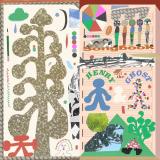
On his new album, Micha Acher rearranged compositions for bands such as Tied & Tickled Trio and Ms. John Soda from previous years.
Why are we interested in ghosts? What fascinates us about the eerie? According to cultural theorist Mark Fisher, the allure that the eerie possesses is not captured by the idea that we „enjoy what scares us“. It has, rather, to do with a fascination for the outside. For that which lies beyond standard perception, cognition or experience, as he writes in his book „The Weird and the Eerie“.
In fact, also none of the 15 pieces from Henry and the Ghost is really scary. On the contrary, they all feel strangely familiar. Like revenants or doppelgängers, which in fact they are. They have all been released before. But in a different form. In different line-ups. With different band projects such as Tied & Tickled Trio, The Notwist or the Alien Ensemble.
With the „Songbook“, Micha Acher's aim was, as he says, to find out how the familiar pieces sound in a chamber music instrumentation. Therefore he met with Theresa Loibl (bass clarinet, piano), Timm Kornelius (bassoon), Markus Rom (guitar, banjo, electronics) and Simon Popp (drums, percussion) in his living room for a musical séance in the summer of 2022. The séance lasted two days. Afterwards, Markus Rom (Oh No Noh), added some haunting electronical ideas.
The mood of most of the pieces is melancholic. There are surprising twists and siren-like melodies. Just as ghost stories should be. However, most of the songs sound very light-footed. With their feet in pop, folk, jazz and classical music. Pieces such as „Johanna“ with its wheezing harmonium and spooky piano, or the dreamy „Modest Farewell“ on the other hand have a cinematic flair. Immediately faces and scenes arise in the mind. But at the beginning, there is „Hamlet“. It starts with ghostly electronics and merges into a calm, almost classical guitar piece. Could it be that the ghost of Hamlet's father is hiding between the strings?
„34E“ begins with a banjo. Then the deep humming of Micha Achers sousaphone and the other brass instruments kick in. In the slow, solemn „Aelita“, the sousaphone starts a dialogue with a children's piano. With the banjo and the other wind instruments acting as mediators. The title of „All Tomorrow's Past“ brings Velvet Undergrounds „All Tomorrow's Parties“ to mind. Another ghost from the past. What connects the two pieces is free-floating percussion, which accompanies the sumptuous melodies.
„Arc“ takes us on an exhilarating voyage at sea, with the sousaphone providing powerful propulsion. Towards the end, things get quite turbulent. With the clarinet stirring up the water, before the sea calms down again. „Henry and the Ghost“ is characterised by a ghostly mood change between major and minor. In „Radio Four“ the banjo with its stoic chords keeps the lively brass section in check. „Solid Ground“ is imbued with melancholy. „Space Minor“ takes us into outer space, with the power of sousaphone and percussion.
„Tomorrows“ is filled with cautious optimism. And the concluding „Nordlead“ turns out to be a revenant of the instrumental „N.L.“ from The Notwist's legendary album „Shrink“ from 1998. In the new version, the piece sounds like a distant echo. One that also brings to mind how Micha Acher's music has evolved. Which new worlds he explored and opened up since the nineties. And yet Acher's signature is recognisable in every single note of this fascinating „Songbook“.
expected to be published on 12.06.2026

Maria is the debut album from renowned Brazilian electric bassist and composer Moyses Dos Santos. A homecoming for the London-based artist, Moyses’ debut reconnects him with his North-Eastern roots while assembling an international cast of collaborators including legendary Brazilian arranger Arthur Verocai, US trumpet sensation Theo Croker and London-based vocal star Lynda Dawn.
After relocating from Brazil to London in the early 2000s, Moyses dos Santos quickly became one of the capitals’ most in-demand players, sharing stages, studios, and writing credits with best-selling artists including Nile Rodgers, Janelle Monáe, Emile Sandé, Gregory Porter and Omar.
In 2022, Moyses toured with Brazilian jazz-funk legends Azymuth, completing the rhythm section alongside Brazilian drumming master Ivan "Mamão" Conti. "It felt like he was my wise Brazilian grandfather figure." Moyses recalls. "When you spend so many years working internationally, you unconsciously start to leave certain parts of yourself behind. Mamão encouraged me to reconnect with Brazilian music, and that's where this record really began."
Brazil’s North-east, where African, indigenous and European traditions collided and fused most intensely, produced a musical heritage unlike anything else on earth, Moyses dos Santos is a product of this syncretism. On Maria, named after his mother, Moyses brings the musical vocabularies of his youth to the fore. From the soul of the church band where he began to learn his trade as a musician, to the rolling batucadas – maractus, baiaos, sambas and frevos – which he played throughout his teenage years.
Drawing on the lineage of North American electric bass giants like George Duke, Jaco Pastorius, and Stanley Clarke, Moyses runs Brazilian musical traditions through jazz, funk, soul and disco: his sound charged with the cosmopolitan energy of London's contemporary jazz scene.
Lead single and album opener “Boa Viagem’ is joyous, carnivalesque dancefloor jazz: a timeless groove for the nightclub and street party alike. Calling directly to a higher power “Brazilian Spirit” is an astral-jazz phenomenon, featuring the transcendent trumpet playing of Grammy nominated Theo Croker. On “Saudade” Moyses calls upon iconic Brazilian maestro Arthur Verocai, whose signature string arrangements cascade around the divine vocals of ascendant London artist Lynda Dawn.
With impeccable style, charisma, warmth and virtuosity, Moyses steps forward with his stunning debut Maria: out on vinyl, LP, CD and digitally on the 12th June 2026.
Order now and we will order the item for you at our supplier.

Order now and we will order the item for you at our supplier.

2026 Repress
Trickpony rightfully return with their sensual sophomore record, a six track tip of downtempo anthems elaborating on the sonic blueprint established through Pillow Talk (STEP11). Contemporary trip hop revivalists at the core; the trio specialise in new age pop collages, stripped, subbed and dubbed for your pleasure. With whispered secrets tangled over atmospheric decay and hooks that tug at heartstrings, the trickpony DNA is embedded deep in the musical discourse; “24/7 Heaven” elevates even the most devious to a divine higher place.
From top to tail slung breaks crash like waves, rolling and seeping into opulent synthesis which fills the room. Sometimes music can say a thousand words without a single lyric; Ripple and Trick Trick fixating on textural constructions, layers of harmonic delight working in unison with forward thinking percussion patterns. Angel and No/Direction delve deeper into a more sparse, stripped back landscape; delayed fragments with room to breathe between vocal stylings that will lodge themselves into your memory one word at a time.
Closing with a psychedelic exploration, Memphis Light derails structure formula and drum&bass starts to feel technicolour. With an understated maturity exuding from all angles, STEP17 offers an introspective assortment of illustrious songs ready to reach into your subconscious.
Order now and we will order the item for you at our supplier.

On Stock and ready to ship
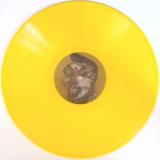
Brooklyn Sway's 7th drop might best be described as the black market edition, but as always we leave the gumshoe work to those heads out there savvy enough to figure it out themselves. Thugfucker alum Acid Tourist and BKS stalwart DeWinter remix celebrated West Coast sideman ROC's cover of a tune that needs no intro, transforming a torch song into an acid belter while keeping its quality intact. Charles Levine, best known as Charlie from Soul Clap, steers close to his usual antics with 'Ocean Waves & Ashtrays', his ashtrays obviously full of blunt ends as he runs the voodoo down on a sultry funk number laced with fat lead keys and ideal for beach party afterhours or smoky late-night sessions. Returning for a second BKS appearance, Ohm Hourani's 'SupaDupaFly' fetches the funk again with rap vocal samples sliding just inside the industry 10% rule set amidst seesawing synths for a woozy, extended effort sure to influence sobriety decisions. On 'Hearts & Diamonds,' label honcho Jay Prouty and mainstay David Paglia join forces jailbreaking two legendary NYC freestyle anthems into a combination that rocks more like high period New Order, so when you catch Fumero's psychedelic painting winking at you off the plate after a few spins, you'll understand exactly why the sway resides in Bucktown.
On Stock and ready to ship

On Stock and ready to ship

Following the success of his debut EP 'Departure', J Michael Harris returns with a dynamic neo-jazz album that marks his evolution as an artist. Bringing together legendary musicians from London, Los Angeles, and Atlanta, the album embodies elements of jazz, dance and electronica while drawing inspiration from luminaries such as Robert Glasper, J Dilla, Aphex Twin, Sampha, and Herbie Hancock.
All music written by J Michael Harris (saxophone, piano, fender rhodes, synths, EWI, clarinet, flute)
featuring
Freddy Sheed (drums, percussion, programming/ Lewis Capaldi, The Japanese House, The 1975)
Jimmy Haslip (bass/ Yellowjackets, Allan Holdsworth, Jeff Lorber Fusion)
Mo Pleasure (piano, hammond b3/ Earth Wind and Fire,
Michael Jackson, Ray Charles)
Karlos Edwards (percussion/ Nitin Sawney, Spice Girls, Mark Ronson)
Henry Collins (trumpet/ Amy Winehouse, Tom Jones, Van Morrison)
Mixed and Mastered by Guy Massey (The Divine Comedy, Kylie, The Beatles)
expected to be published on 15.05.2026
COL. VINYL[24,79 €]
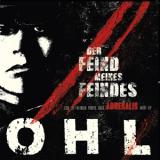
Collector's Reissue der auserkauften OHL-Veröffentlichungen "Der Feind Meines Feindes" sowie der Mini-LP "Adrenalin" im Doppel-10inch Vinylformat. Erstauflage streng limitiert auf 333 Exemplare, davon 200 in klassisch schwarzem Vinyl und 133 als farbiges Vinyl im special red-black propeller design. Wiederveröffentlichung des 2017er Hammer-Albums, gekoppelt mit der ein Jahr später erschienen (damals auf 500 Stück limitierten) Adrenalin Mini-LP. Schließt nahtlos an die gnadenlose Härte der "1000 Kreuze"-Ära an, aber es gibt auch Überraschendes zu entdecken, der Song "Adrenalin" ist persönlich statt politisch. 16 OHL-Songs, die auch nach fast 10 Jahren in einer Welt voller Kriege, Einschrüänkungen der freiheitliche Grundwerte und religiösem Fanatismus leider nichts von ihrer Aktualität eingebüßt haben. Unbequem, provokant und politisch hochbrisant! Eben typisch OHL! Die 2017er/18er OHL-VÖs jetzt zusammen als Doppel-10" (limitiert) wieder erhältlich.
expected to be published on 15.05.2026
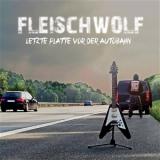
Keine Ahnung wieviel ungezählte Stunden die Jungs von FLEISCHWOLF seit ihrer Gründung vor 10 Jahren auf der Autobahn verbracht haben, aber bei über 300 Club- und Festivalshows kommt da ganz schön was zusammen. Genug jedenfalls für die "Letzte Platte vor der Autobahn", ihre brandneues, 4. Album zum Bandjubliäum. "Blinker links" und ab auf die Überholspur: Genug neues Material haben die Punk-Thrash-Hardcore-Rotz(Rock)-Löffel jedenfalls gut verstaut im Kofferraum und auf ihre neue Scheibe gepackt. Da ächzen die Stoßdämpfer und freut sich die Schallplatten-Nadel, wenn mit "Jetzt geht es los" die wilde Fahrt beginnt. Dabei lassen die Mettcore-Spezialisten sich erneut nicht ausbremsen: Mit ihrer charmant-prolligen Art verheizen Sie alles was ihnen so unter den Asphalt brennt mit rebellischer "I don't give a fuck" -Attitüde und jeder Menge Spass in wohlklingenden Krach ohne Geschwindigkeitsbegrenzung. Fleischwolf kann weder ein "Punkrock-Polizist" stoppen und na klar - "Aufgeben ist keine Option"! Ein ganz besonderer Song zu dem die Band Vinnie van der Schnuut ("Fresse"/ "BPM") und Mr. Wheelchair ins Studio eingeladen hat, der seit seinem Unfall 2010 mit gebrochenem Genick nur noch den Kopf bewegen kann. Begleitet von Gitarrengewitter trifft hier Punkrock auf Metalcore, Gefühl auf Härte - Eine bewegende Kampfansage an das Leben! Das die Band jede Menge "Asi-Elixir" getankt hat, war schon mit der "Kleiner Vorgeschmack" Doppel-10nch Vinyl glasklar. Und so gibt's nicht nur musikalisch jede Menge Qualm aus den Auspuff: "Watt denn", "Geh Sterben" sind nicht gerade für Sonntagsfahrer geeignet und nicht nur bei der Fahrprüfung gilt "Mach die Augen auf"! Wenn Du also einen Hybrid aus klassischen Deutschpunk, Hardcore-Thrash mit fettem RocknRoll-Vergaser suchst und der Zugkraft eines 14-Tonners_, steig in die verdammte Karre und dreh das Radio auf! "Hier ist die letzte Platte vor der Autobahn"! Und hier ist garantiert nicht die letzte Platte von Fleischwolf, dafür aber die mit den bislang meisten Pferdestärken!
expected to be published on 08.05.2026
"Weejuns is all about interplay,"erklärt Gitarristin Mollestad. ,Bitches Blues besteht aus sechs Instrumentalstücken oder Musikabschnitten mit einer extremen Bandbreite an Dynamik. Einige basieren auf kräftigen Beats, während andere Stücke weitaus lyrischer und rubato sind. Die Bandbreite reicht von riffbasierten rockigen Stücken über lautes Chaos bis hin zu melancholischen Balladen und sogar völlig freien Improvisationen." Mit einem kultivierten und dennoch erfrischend instinktiven Ansatz, Instrumente und Einflüsse miteinander zu verflechten, wechselt Bitches Blues (ein ironischer Verweis auf Miles Davis' Album Bitches Brew) unvorhersehbar zwischen langsamen und sanften, klar gegliederten Songs mit disziplinierten Akkordfolgen und explosiven Ausbrüchen kathartischer und komplexer Strukturen. Weejuns (eine Slang-Abkürzung für ,Norwegians") stellten sich 2023 mit einem selbstbetitelten Doppel-Live-Album vor. Ursprünglich von Mollestad für das Kongsberg Jazz Festival zusammengestellt, wo sie mit dem renommierten Musicians Prize ausgezeichnet wurde, hat sich die Chemie innerhalb von Weejuns als dauerhaft und verlockend erwiesen, auch als Gegenpol zum bisher härtesten Album des Hedvig Mollestad Trios, Bees in the Bonnet aus dem Jahr 2025. Mollestad hat mit ihrem gleichnamigen Trio acht gefeierte Alben veröffentlicht. Das Markenzeichen ihrer 15-jährigen Karriere ist die Verschmelzung von ernsthaftem Können mit einem offensichtlichen Fokus darauf, Spaß am Klang zu finden. Als Tochter eines Jazzmusikers vertiefte sie sich in dessen Plattensammlung und studierte klassische Werke von Miles Davis, Charlie Parker, Joe Pass und Jim Hall, bevor sie in ihren 20ern Riff-gewaltige Titanen wie Led Zeppelin, Black Sabbath und Mahavishnu Orchestra entdeckte. Dies führte zur Gründung des Hedvig Mollestad Trios, dessen unermüdlicher Aufnahme- und Tourneeplan seit Anfang der 2010er Jahre der Gitarristin eine Reihe von Auszeichnungen einbrachte, darunter zwei norwegische Grammys (Spellemannprisen) und die Ernennung durch das DownBeat-Magazin zu einer der 25 Künstlerinnen, die ,den Jazz für Jahrzehnte prägen könnten". Ståle Storlokken (Bass, Synths) ist Gründer und langjähriges Mitglied von Supersilent und Elephant9, seit Mitte der 90er Jahre die ,rechte Hand" von Terje Rypdal und hat mit Motorpsycho auf Platte und auf der Bühne sowie mit unzähligen anderen zusammengearbeitet. Ole Mofjell (Drums) ist das jüngste Mitglied und spielt bei Krokofant, Signe Emmeluths Amoeba und seinem eigenen Free-Jazz-Trio 3 Days Of Maceration.
expected to be published on 17.04.2026

Nurtured on 90s alternative indie, lucky break's music melds the emotional directness of Fiona Apple, the wide-eyed warmth of Bedouine and the Americana-leaning alt rock of Lucinda Williams. Fans of Alvvays, Hole, Phoebe Bridgers and The Breeders will find familiar touchstones here. lucky break is a hand-drawn cartoon character and a girl with a guitar, an ever-expanding container for the feelings that come with making art. She can be very sad and very joyful, living somewhere between worlds. On her debut for Fire Records, made it!, lucky break builds a new world for her character to inhabit. made it! collects songs written between the ages of 19 and 23, documenting the uncertainty of early adulthood, the end of a first major relationship and the process of learning to stand up for yourself. Tracks like "Crush" pair sharp lyrical insight with big drums and crisp bass, while "Head Down" uses bright, dreamy guitars to explore themes of politics, consumer culture and moral complacency. Confessional, direct and emotionally precise, lucky break's songwriting is matched by a versatile and expressive vocal performance that shifts across moods and styles throughout the record. Produced with Elliott Woodbridge in Burbank, made it! is a playful, self-assured debut from a young artist who has already found her voice and is stepping confidently into a bright future. Digisleeve-CD and coloured Vinyl-LP w/ dlc available!
expected to be published on 08.05.2026
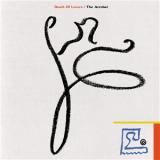
Dass Death Of Lovers das Potenzial für mehr als ihre bislang einzige EP "Buried Under A World Of Roses" haben, war schon 2014 bei der Veröffentlichung unverkennbar. Die Frage war eher, wann kommt die Band aus Philadelphia, die seitdem mehr oder weniger permanent auf Tour ist, endlich dazu, ihr erstes Album aufzunehmen? "The Acrobat" besticht mit glitzernden Shoegaze-Gitarren, wavigen Rhythmen und konzentrierten, durchdachten und atemberaubend schönen Melodien. Die Stücke zeichnen sich durch eine einladende Komplexität und Tiefe aus, die Stimmung ist immer funkelnd und spannend und bietet einen schönen Kontrast zu den ehrlichen und dunklen Texten. "The Acrobat" erreicht eine warme Vertrautheit und klingt doch völlig neu. Und obwohl die Titel leicht aus dem Soundtrack zu jedem Lieblingsfilme der 80er-Jahre stammen könnten, gibt es eine neue Perspektive und eine Weiterentwicklung, die das "Post-Punk"-Reglement neu schreibt.
expected to be published on 17.04.2026
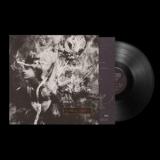
Das 1990 erschienene 4AD-Debütalbum von His Name Is Alive festigte die Stellung der Band innerhalb der bereits etablierten, ätherischen Klangtradition des Labels, indem es dessen Sound neu erfand und durch ein Prisma brach. Ein zartes und leicht entrücktes Dream-Pop-Album, das nahezu zehn Jahre von Defevers Heimaufnahmen bündelt - zusammengeführt zu einem eindringlichen Gesamtklang durch den geisterhaften, femininen Gesang von Karin Oliver. Produziert und gemischt von Ivo Watts-Russell sowie dem This Mortal Coil-Kollaborateur John Fryer, ist das Album ein kraftvolles Eröffnungsstatement, das mit rauschhaften Refrains und texturierten Gitarrenklängen Neugier weckt. Es behandelt die beiden zentralen Themen Liebe und Verlust, die taumelnd und wie in einem Traum vorgetragen werden.
expected to be published on 08.05.2026
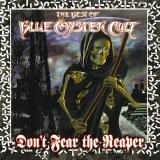
»Don't Fear The Reaper: The Best of Blue Öyster Cult« wurde im Jahr 2000 veröffentlicht und ist ein umfassendes Kompilationsalbum, das die bekanntesten Titel aus der legendären Karriere von Blue Öyster Cult präsentiert. Es umfasst ihre Anfänge in den frühen 1970er Jahren bis zu ihrem Erfolg in den 1980er Jahren und enthält Hits wie das legendäre »Don't Fear The Reaper«, das kraftvolle »Godzilla« und das eindringliche »Burnin' for You«.
Blue Öyster Cult sind bekannt für ihre Mischung aus Hardrock mit Elementen aus Metal und Psychedelic. Ihre komplexen Gitarrenriffs und geheimnisvollen Texte kommen in dieser Sammlung voll zur Geltung. Das Album unterstreicht den innovativen Sound der Band, der mit seiner einzigartigen Mischung aus schweren Riffs, komplexen Harmonien und düsteren Themen das Rockgenre mitgeprägt hat.
Sowohl für langjährige Fans als auch für neue Hörer ist »Don't Fear The Reaper: The Best of Blue Öyster Cult« ein Muss, das einen perfekten Einstieg in die einflussreichsten und zeitlosesten Titel der Band bietet.
»Don't Fear The Reaper: The Best Of Blue Öyster Cult« ist als limitierte Auflage von 2000 Exemplaren auf kristallklarem und schwarz marmoriertem Vinyl erhältlich.
expected to be published on 27.03.2026

expected to be published on 10.04.2026
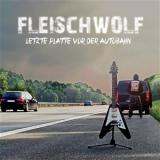
Keine Ahnung wieviel ungezählte Stunden die Jungs von FLEISCHWOLF seit ihrer Gründung vor 10 Jahren auf der Autobahn verbracht haben, aber bei über 300 Club- und Festivalshows kommt da ganz schön was zusammen. Genug jedenfalls für die "Letzte Platte vor der Autobahn", ihre brandneues, 4. Album zum Bandjubliäum. "Blinker links" und ab auf die Überholspur: Genug neues Material haben die Punk-Thrash-Hardcore-Rotz(Rock)-Löffel jedenfalls gut verstaut im Kofferraum und auf ihre neue Scheibe gepackt. Da ächzen die Stoßdämpfer und freut sich die Schallplatten-Nadel, wenn mit "Jetzt geht es los" die wilde Fahrt beginnt. Dabei lassen die Mettcore-Spezialisten sich erneut nicht ausbremsen: Mit ihrer charmant-prolligen Art verheizen Sie alles was ihnen so unter den Asphalt brennt mit rebellischer "I don't give a fuck" -Attitüde und jeder Menge Spass in wohlklingenden Krach ohne Geschwindigkeitsbegrenzung. Fleischwolf kann weder ein "Punkrock-Polizist" stoppen und na klar - "Aufgeben ist keine Option"! Ein ganz besonderer Song zu dem die Band Vinnie van der Schnuut ("Fresse"/ "BPM") und Mr. Wheelchair ins Studio eingeladen hat, der seit seinem Unfall 2010 mit gebrochenem Genick nur noch den Kopf bewegen kann. Begleitet von Gitarrengewitter trifft hier Punkrock auf Metalcore, Gefühl auf Härte - Eine bewegende Kampfansage an das Leben! Das die Band jede Menge "Asi-Elixir" getankt hat, war schon mit der "Kleiner Vorgeschmack" Doppel-10nch Vinyl glasklar. Und so gibt's nicht nur musikalisch jede Menge Qualm aus den Auspuff: "Watt denn", "Geh Sterben" sind nicht gerade für Sonntagsfahrer geeignet und nicht nur bei der Fahrprüfung gilt "Mach die Augen auf"! Wenn Du also einen Hybrid aus klassischen Deutschpunk, Hardcore-Thrash mit fettem RocknRoll-Vergaser suchst und der Zugkraft eines 14-Tonners_, steig in die verdammte Karre und dreh das Radio auf! "Hier ist die letzte Platte vor der Autobahn"! Und hier ist garantiert nicht die letzte Platte von Fleischwolf, dafür aber die mit den bislang meisten Pferdestärken!
expected to be published on 08.05.2026

Floh de Cologne – Lucky Streik ist ein Klassiker der deutschen Krautrock-/Rockgeschichte, erstmals veröffentlicht Anfang der 1970er Jahre und nun wieder als 2LP-VinylEdition erhältlich. Die Platte vereint politisch engagierte und experimentelle Rockmusik mit gesellschaftskritischen Texten, für die die Band bekannt ist
Order now and we will order the item for you at our supplier.

UILTY RAZORS, BONA FIDE PUNKS.
Writings on the topic that go off in all directions, mind-numbing lectures given by academics, and testimonies, most of them heavily doctored, from those who “lived through that era”: so many people today fantasize about the early days of punk in our country… This blessed moment when no one had yet thought of flaunting a ridiculous green mohawk, taking Sid Vicious as a hero, or – even worse – making the so-called alternative scene both festive and boorish. There was no such thing in 1976 or 1977, when it wasn’t easy to get hold of the first 45s by the Pistols or the Clash. Few people were aware of what was happening on the fringes of the fringes at the time. Malcolm McLaren was virtually unknown, and having short hair made you seem strange. Who knew then that rock music, which had taken a very bad turn since the early 1970s, would once again become an essential element of liberation? That, thanks to short and fast songs, it would once again rediscover that primitive, social side that was so hated by older generations? Who knew that, besides a few loners who read the music press (it was even better if they read it in English) and frequented the right record stores? Many of these formed bands, because it was impossible to do otherwise. We quickly went from listening to the Velvet Underground to trying to play the Stooges’ intros. It’s a somewhat collective story, even though there weren’t many people to start it.
The Guilty Razors were among those who took part in this initial upheaval in Paris. They were far from being the worst. They had something special and even released a single that was well above the national average. They also had enough songs to fill an album, the one you’re holding. In everyone’s opinion, they were definitely not among the punk impostors that followed in their wake. They were, at least, genuine and credible.
Guilty Razors, Parisian punk band (1975-1978). To understand something about their somewhat linear but very energetic sound, we might need to talk about the context in which it was born and, more broadly, recall the boredom (a theme that would become capital in punk songs) coupled with the desire to blow everything off, which were the basis for the formation of bands playing a rejuvenated rock music ; about the passion for a few records by the Kinks or the early Who, by the Stooges, by the Velvet mostly, which set you apart from the crowd.
And of course, we should remember this new wave, which was promoted by a few articles in the specialized press and some cutting-edge record stores, coming from New York or London, whose small but powerful influence could be felt in Paris and in a handful of isolated places in the provinces, lulled to sleep by so many appalling things, from Tangerine Dream to President Giscard d’Estaing...
In 1975-76, French music was, as almost always, in a sorry state ; it was still dominated by Johnny Hallyday and Sylvie Vartan. Local rock music was also rather bleak, apart from Bijou and Little Bob who tried to revive this small scene with poorly sound-engineered gigs played to almost no one.
In the working class suburbs at the time, it was mainly hard rock music played to 11 that helped people forget about their gruelling shifts at the factory. Here and there, on the outskirts of major cities, you still could find a few rockers with sideburns wearing black armbands since the death of Gene Vincent, but it wasn’t a proper mass movement, just a source of real danger to anyone they came across who wasn't like them. In August 1976, a festival unlike any other took place in Mont-de-Marsan – the First European Punk Festival as the poster said – with almost as many people on stage as in the audience. Yet, on that day, a quasi historical event happened, when, under the blazing afternoon sun, a band of unknowns called The Damned made an unprecedented noise in the arena, reminiscent of the chaotic Stooges in their early adolescence. They were the first genuine punk band to perform in our country: from then on, anything was possible, almost anything seemed permissible.
It makes sense that the four+1 members of Guilty Razors, who initially amplified acoustic guitars with crappy tape recorder microphones, would adopt punk music (pronounced paink in French) naturally and instinctively, since it combines liberating noise with speed of execution and – crucially – a very healthy sense of rebellion (the protesters of May 1968 proclaimed, and it was even a slogan, that they weren’t against old people, but against what had made them grow old. In the mid-1970s, it seemed normal and obvious that old people should now ALSO be targeted!!!).
At the time, the desire to fight back, and break down authority and apathy, was either red or black, often taking the form of leafleting, tumultuous general assemblies in the schoolyard, and massive or shabby demonstrations, most of the time overflowing with an exciting vitality that sometimes turned into fights with the riot police. Indeed, soon after the end of the Vietnam War and following Pinochet’s coup in Chile, all over France, Trotskyist and anarcho-libertarian fervour was firmly entrenched among parts of the educated youth population, who were equally rebellious and troublemakers whenever they had the chance. It should also be noted that when the single "Anarchy in the UK" was first heard, even though not many of us had access to it, both the title and its explosive sound immediately resonated with some of those troublemakers crying out for ANARCHY!!! Meanwhile, the left-wing majority still equated punks with reckless young neo-Nazis. Of course, the widely circulated photos in the mainstream press of Siouxsie Sioux with her swastikas didn’t necessarily help to win over the theorists of the Great Revolution. It took Joe Strummer to introduce The Clash as an anti-racist, anti-fascist and anti-ignorance band for the rejection of old-school revolutionaries to fade a little.
The Lycée Jean-Baptiste Say at Porte d’Auteuil, despite being located in the very posh and very exclusive 16th arrondissement of Paris, didn’t escape these "committed" upheavals, which doubled as the perfect outlet for the less timid members of this generation.
“Back then, politics were fun,” says Tristam Nada, who studied there and went on to become Guilty Razors’ frontman. “Jean-Baptiste was the leftist high-school in the neighbourhood. When the far right guys from the GUD came down there, the Communist League guys from elsewhere helped us fight them off.”
Anything that could challenge authority was fair game and of course, strikes for just about any reason would lead to increasingly frequent truancy (with a definitive farewell to education that would soon follow). Tristam Nada spent his 10th and 11th unfinished grades with José Perez, who had come from Spain, where his father, a janitor, had been sentenced to death by Franco. “José steered my tastes towards solid acts such as The Who. Like most teenagers, I had previously absorbed just about everything that came my way, from Yes to Led Zeppelin to Genesis. I was exploring… And then one day, he told me that he and his brother Carlos wanted to start a rock band.” The Perez brothers already played guitar. “Of course, they were Spanish!”, jokes their singer. “Then, somewhat reluctantly, José took up the bass and we were soon joined by Jano – who called himself Jano Homicid – who took up the rhythm guitar.” Several drummers would later join this core of not easily intimidated young guys who didn’t let adversity get the better of them.
The first rehearsals of the newly named Guilty Razors took place in the bedroom of a Perez aunt. There, the three rookies tried to cover a few standards, songs that often were an integral part of their lives. During a first, short gig, in front of a bewildered audience of tough old-school rockers, they launched into a clunky version of the Velvet Underground's “Heroin”. Challenge or recklessness? A bit of both, probably… And then, step by step, their limited repertoire expanded as they decided to write their own songs, sung in a not always very accurate or academic English, but who cared about proper grammar or the right vocabulary, since what truly mattered was to make the words sound as good as possible while playing very, very fast music? And spitting out those words in a language that left no doubt as to what it conveyed mattered as well.
Trying their hand a the kind of rock music disliked by most of the neighbourhood, making noise, being fiercely provocative: they still belonged to a tiny clique who, at this very moment, had chosen to impose this difference. And there were very few places in France or elsewhere, where one could witness the first stirrings of something that wasn’t a trend yet, let alone a movement.
In the provinces, in late 1976 or early 1977, there couldn’t be more than thirty record stores that were a bit more discerning than average, where you could hear this new kind of short-haired rock music called “punk”. The old clientele, who previously had no problem coming in to buy the latest McCartney or Aerosmith LP, now felt a little less comfortable there…
In Paris, these enlightened places were quite rare and often located nex to what would become the Forum des Halles, a big shopping mall. Between three aging sex workers, a couple of second-hand clothes shops, sellers of hippie paraphernalia and small fashion designers, the good word was loudly spread in two pioneering places – propagators of what was still only a new underground movement. Historically, the first one was the Open Market, a kind of poorly, but tastefully stocked cave. Speakers blasted out the sound of sixties garage bands from the Nuggets compilation (a crucial reference for José Perez) or the badly dressed English kids of Eddie and the Hot Rods. This black-painted den was opened a few years earlier by Marc Zermati, a character who wasn’t always in a sunny disposition, but always quite radical in his (good) choices and his opinions. He founded the independent label Skydog and was one of the promoters of the Mont-de-Marsan punk festivals. Not far from there was Harry Cover, another store more in tune with the new New York scene, which was amply covered in the house fanzine, Rock News (even though it was in it that the photos of the Sex Pistols were first published in France).
It was a favorite hang-out of the Perez brothers and Tristam Nada, as the latter explained. “It’s at Harry Cover’s that we first heard the Pistols and Clash’s 45s, and after that, we decided to start writing our first songs. If they could do it, so could we!”
The sonic shocks that were “Anarchy in the UK”, “White Riot” or the Buzzcocks’s EP, “Spiral Scratch” – which Guilty Razors' sound is reminiscent of – were soon to be amplified by an unparalleled visual shock. In April 1977, right after the release of their first LP, The Clash performed at the Palais des Glaces in Paris, during a punk night organised by Marc Zermati. For many who were there, it was the gig of a lifetime…
Of course, Guilty Razors and Tristam were in the audience: “That concert was fabulous… We Parisian punks were almost all dressed in black and white, with white shirts, skinny leather ties, bikers jackets or light jackets, etc. The Clash, on the other hand, wore colourful clothes. Well, the next day, at the Gibus, you’d spot everyone who had been at this concert, but they weren’t wearing anything black, they were all wearing colours.”
It makes sense to mention the Gibus club, as Guilty Razors often played there (sometimes in front of a hostile audience). It was also the only place in Paris that regularly scheduled new Parisian or Anglo-Saxon acts, such as Generation X, Siouxsie and the Banshees, the Slits, and Johnny Thunders who would become a kind of messed-up mascot for the venue. A little later, in 1978, the Rose Bonbon – formerly the Nashville – also attracted nightly owls in search of electric thrills… In 1977, the iconic but not necessarily excellent Asphalt Jungle often played at the Gibus, sometimes sharing the bill with Metal Urbain, the only band whose aura would later transcend the French borders (“I saw them as the French Sex Pistols,” said Geoff Travis, head of their British label Rough Trade). Already established in this small scene, Metal Urbain helped the young and restless Guilty Razors who had just arrived. Guitarist for Metal Urbain Hermann Schwartz remembers it: “They were younger than us, we were a bit like their mentors even if it’s too strong a word… At least they were credible. We thought they were good, and they had good songs which reminded of the Buzzcocks that I liked a lot. But at some point, they started hanging out with the Hells Angels. That’s when we stopped following them.”
The break-up was mutual, since, Guilty Razors, for their part, were shocked when they saw a fringe element of the audience at Metal Urbain concerts who repeatedly shouted “Sieg Heil” and gave Nazi salutes. These provocations, even still minor (the bulk of the skinhead crowd would later make their presence felt during concerts), weren’t really to the liking of the Perez brothers, whose anti-fascist convictions were firmly rooted. Some things are non-negotiable.
A few months earlier (in July 1978), Guilty Razors had nevertheless opened very successfully for Metal Urbain at the Bus Palladium, a more traditonally old-school rock night-club. But, as was sometimes the case back then, the night turned into a mass brawl when suburban rockers came to “beat up punks”.
Back then, Parisian nights weren’t always sweet and serene.
So, after opening as best as they could for The Jam (their sound having been ruined by the PA system), our local heroes were – once again – met outside by a horde of greasers out to get them. “Thankfully,” says Tristam, “we were with our roadies, motorless bikers who acted as a protective barrier. We were chased in the neighbouring streets and the whole thing ended in front of a bar, with the owner coming out with a rifle…”
Although Tristam and the Perez brothers narrowly escaped various, potentially bloody, incidents, they weren’t completely innocent of wrongdoing either. They still find amusing their mugging of two strangers in the street for example (“We were broke and we simply wanted to buy tickets for the Heartbreakers concert that night,” says Tristam). It so happened that their victims were two key figures in the rock business at the time: radio presenter Alain Manneval and music publisher Philippe Constantin. They filed a complaint and sought monetary compensation, but somehow the band’s manager, the skilful but very controversial Alexis, managed to get the complaint withdrawn and Guilty Razors ended up signing with Constantin with a substantial advance.
They also signed with Polydor and the label released in 1978 their only three-track 45, featuring “I Don't Wanna be A Rich”, “Hurts and Noises” and “Provocate” (songs that exuded perpetual rebellion and an unquenchable desire for “class” confrontation). It was a very good record, but due to a lack of promotion (radio stations didn’t play French artists singing in English), it didn’t sell very well. Only 800 copies were allegedly sold and the rest of the stock was pulped… Initially, the three tracks were to be included on a LP that never came to be, since they were dropped by Polydor (“Let’s say we sometimes caused a ruckus in their offices!” laughs Tristam.) In order to perfect the long-awaited LP, the band recorded demos of other tracks. There was a cover of Pink Floyd's “Lucifer Sam” from the Syd Barrett era – proof of an enduring love for the sixties’ greats –, “Wake Up” a hangover tale and “Bad Heart” about the Baader-Meinhof gang, whose actions had a profound impact on the era and on a generation seeking extreme dissent... On the album you’re now discovering, you can also hear five previously unreleased tracks recorded a bit later during an extended and freezing stay in Madrid, in a makeshift studio with the invaluable help of a drummer also acting as sound engineer. He was both an enthusiastic old hippie and a proper whizz at sound engineering. Here too, certain influences from the fifties and sixties (Link Wray, the Troggs) are more than obvious in the band’s music.
Shortly after a final stormy and rather barbaric (on the audience’s side) “Punk night” at the Olympia in June 1978, Tristam left the band ; his bandmates continued without him for a short while.
But like most pioneering punk bands of the era, Guilty Razors eventually split up for good after three years (besides once in Spain, they’d only played in Paris). The reason for ceasing business activities were more or less the same for everyone: there were no venues outside one’s small circuit to play this kind of rock music, which was still frightening, unknown, or of little interest to most people. The chances of recording an LP were virtually null, since major labels were only signing unoriginal but reassuring sub-Téléphone clones, and the smaller ones were only interested in progressive rock or French chanson for youth clubs. And what about self-production? No one in our small safety-pinned world had thought about it yet. There wasn’t enough money to embark on that sort of venture anyway.
So yes, the early days of punk in France were truly No Future!
Order now and we will order the item for you at our supplier.
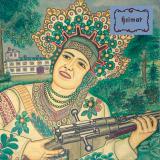
Those albums that never age, that never cease to surprise with their innovative freshness-listen after listen-defying the years that go by. Released in 2016, Heimat's debut album is one of those records you love knowing is there on the shelf or on the turntable, like a reassuring talisman. To mark it's 10th anniversary, and such an awaited repress, we decided to honor this landmark album as it deserves: with a powerful remaster by Tioma Tchoulanov (UVB76, NzeNze) featuring enhanced dynamics, and an ultra-limited edition on blue splatter vinyl.
What a beautiful object this is, celebrating-alongside Armelle and Olivier Demeaux-ten years spent exploring the outer limits of music, in France and abroad, from SMAC venues to squats and other joyful initiatives. Their deeply sincere music loses none of it's naive tension; the emphasis is there, yet it remains restrained, contained, almost nervous, without any show of. Here, then, is something to make this fantastic album, a subtle milestone in a teeming musical landscape. A fine achievement indeed!
expected to be published on 31.07.2026
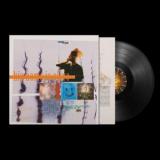
Mouth By Mouth ist das erste Album von His Name Is Alive bei dem die Band alle Prozesse - einschließlich des Mixings - selbst kontrollierte, und markierte einen deutlichen Wandel: Es ist zugleich ihr vielfältigster und zugänglichster Katalogeintrag. Die kontinuierliche künstlerische Weiterentwicklung des Projekts ermöglichte es Defever, einen außergewöhnlich experimentierfreudigen Ansatz für Klang und Vision des Albums zu verfolgen und seiner Liebe zu unterschiedlichsten Musikstilen freien Lauf zu lassen - von loop-basiertem Dub über zuckersüßen Pop der 1960er, verzerrten Dream-Gaze, atmosphärischen Alternative-Noise bis hin zu gitarrenbetontem Folk. Indem die Band das Surreale aufgriff und ihren experimentellen Ansatz noch weiter intensivierte, während Defevers Studiofähigkeiten voll zur Entfaltung kamen, gilt dieses Album für viele als ein Höhepunkt ihres Schaffens.
expected to be published on 08.05.2026

expected to be published on 10.04.2026

Carve is the second full-length by Bay Area artist Kathryn Mohr. Written over the course of five years and recorded over several weeks in a rural singlewide in the Mojave Desert, the album centers on love experienced as a form of grief, not as an aftermath of loss, but as a condition of intimacy itself.
Mohr describes Carve as an album about how memory exists outside the body, embedded in places and landscapes. It is shaped by her first return to the American Southwest since a childhood road trip at age five, and by the experience of moving through terrain that holds emotional weight long after its origins fade. The record considers how intimacy feels after years of isolation, and what it takes to carve out a life that allows for trust, presence, and feeling rather than mere survival. The project took form after a difficult tour that ended in Joshua Tree. Mohr pointed her car into the desert and drove alone, crisscrossing the Mojave on dirt roads. Months later, she returned to record the album, working alone with an acoustic guitar, a field recorder, and limited supplies. Following that period, Mohr began to allow for intimacy and connection. The time she spent recording Carve in the desert did not create isolation so much as mirror it. Working alone out of an old, western-themed jail Airbnb, the physical enclosure reflected the emotional conditions under which much of the record had been written: distance, restraint, and long stretches of stillness. In that context, love was not experienced as escape, but as something inseparable from impermanence and the awareness of loss.
This tension between connection and inevitability sits at the center of Carve. Some of the album’s songs were written earlier, during a prolonged period marked by emotional distance and apathy. Over those four years, Mohr was working through unprocessed childhood memories and their long-term effects on her ability to connect with others. The work was slow and difficult, involving a fundamental reshaping of how she related to herself and to the world. Carve was mixed by Richard Chowenhill of Flenser labelmates Agriculture. Rather than offering resolution, the album documents the act of remaining present within tension. Carve is not about escaping grief, but about accepting it as inseparable from love itself. Kathryn Mohr’s previous effort “Waiting Room” received the coveted ‘Best New Music' designation and a score of 8.4 from Pitchfork.
Order now and we will order the item for you at our supplier.
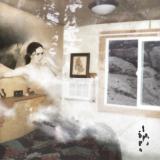
Carve is the second full-length by Bay Area artist Kathryn Mohr. Written over the course of five years and recorded over several weeks in a rural singlewide in the Mojave Desert, the album centers on love experienced as a form of grief, not as an aftermath of loss, but as a condition of intimacy itself.
Mohr describes Carve as an album about how memory exists outside the body, embedded in places and landscapes. It is shaped by her first return to the American Southwest since a childhood road trip at age five, and by the experience of moving through terrain that holds emotional weight long after its origins fade. The record considers how intimacy feels after years of isolation, and what it takes to carve out a life that allows for trust, presence, and feeling rather than mere survival. The project took form after a difficult tour that ended in Joshua Tree. Mohr pointed her car into the desert and drove alone, crisscrossing the Mojave on dirt roads. Months later, she returned to record the album, working alone with an acoustic guitar, a field recorder, and limited supplies. Following that period, Mohr began to allow for intimacy and connection. The time she spent recording Carve in the desert did not create isolation so much as mirror it. Working alone out of an old, western-themed jail Airbnb, the physical enclosure reflected the emotional conditions under which much of the record had been written: distance, restraint, and long stretches of stillness. In that context, love was not experienced as escape, but as something inseparable from impermanence and the awareness of loss.
This tension between connection and inevitability sits at the center of Carve. Some of the album’s songs were written earlier, during a prolonged period marked by emotional distance and apathy. Over those four years, Mohr was working through unprocessed childhood memories and their long-term effects on her ability to connect with others. The work was slow and difficult, involving a fundamental reshaping of how she related to herself and to the world. Carve was mixed by Richard Chowenhill of Flenser labelmates Agriculture. Rather than offering resolution, the album documents the act of remaining present within tension. Carve is not about escaping grief, but about accepting it as inseparable from love itself. Kathryn Mohr’s previous effort “Waiting Room” received the coveted ‘Best New Music' designation and a score of 8.4 from Pitchfork.
expected to be published on 17.04.2026

Whole Cake Island: Sweets and Dangers in an Unforgiving World! As Luffy and his crew face an Emperor, Big Mom, for the first time, they must join forces to save Sanji in the extravagant kingdom of Totto Land.
Composer: Kohei Tanaka
Kohei Tanaka has been a lyricist, composer and arranger for a multitude of animated works and video games, including Sakura Wars, Assassination Classroom and the One Piece saga, since its inception.
Order now and we will order the item for you at our supplier.
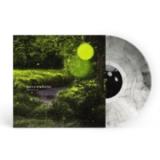
expected to be published on 19.10.2026

After two co-headlining tours over the past decade, (the) Melvins are continuing their long tradition with us of teaming up with another band on an album. Next up – Napalm Death! This isn’t just some split release with the bands each getting a side. Savage Imperial Death March is a full collaboration with both Melvins & Napalm Death playing together on all the tracks.
This release originally came out on super-limited CD and vinyl via AmRep in 2025 (tour and AmRep store only). This will be an extended version with 2 extra songs, brand new artwork from Mackie Osborne, new vinyl variants, and will be the official release for the first time at record stores, DSPs and more.
Napalm Death are credited as pioneers of the grindcore genre by incorporating elements of crust punk and death metal. Even after exerting an indelible influence on the entire world of heavy music for nearly 40 years, there is still no band on Earth that sounds like Napalm Death. Not just pioneers, but an enduring benchmark for invention and fearlessness in heavy and experimental music of all kinds, the Birmingham legends are still hurtling forward at full pelt.
The Melvins are one of modern music’s most influential bands. Having formed in 1983, the group — founded by vocalist/guitarist Buzz Osborne, with drummer Dale Crover joining a year later — has been credited with merging the worlds of punk rock and heavy music, forming a new subgenre all their own. Over their 40-plus-year career, they’ve released more than 30 original albums, numerous live records, and far too many to count singles and rarities.
On Stock and ready to ship

expected to be published on 10.04.2026
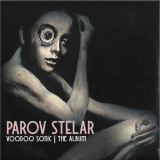
The Voodoo Universe is now complete! The masterpiece combining the Trilogy 1-3 will be released on November 27th and is a magnificent work show of the multifaceted genius.
Concerts by successful musicians often have an air of church-mass: Fans pay homage to their idols, hailing them, giving the impression of following them blindly. Parov Stelar, a globally successful musician from Austria, is one such artist. Is this art of seduction a kind of Voodoo, Black Magic even? Who can tell? It makes no difference whatsoever, as to his fans Parov Stelar easily passes as a High-Priest of grooves that perfectly understands how to put them in ecstasy.
In Voodoo, Bondieu, a higher being communicates to the masses through priests called Loas. Parov Stelar manages to do so with his music. Voodoo Sonic was born and delivered with the idea to replace the conventional album with several EPs, allowing greater musical freedom and the possibility to explore the many sonic landscapes of Voodoo Sonic.
Now the Voodoo Sonic Universe is complete and celebrated with all three parts combined into one ultimate and highly demanded package. It's a Parov Stelar work show which makes it possible to enjoy his diverse sound world in all of its facets.
The Artwork for Voodoo Sonic was designed and painted by Parov Stelar himself. From the art studio to the recording studio, on to the dance floor in the form of art and beats. Parov Stelar is an all in one king of art.
The icing on the cake is the Voodoo Sonic documentary, which can be seen on all Parov Stelar channels available. (coming September 2020).
If you want to see Parov Stelar live, you will get the chance in summer 2021 at festivals in many countries following by a headliner tour across Europe towards the end of the year.
Order now and we will order the item for you at our supplier.
expected to be published on 13.04.2026