Als William J. Tsamis, Gründer der Epic-Metal-Heroen Warlord, am 13. Mai 2021 im Alter von nur 60 Jahren viel zu früh für immer von uns gegangen ist, schien dies für viele das Ende einer der kreativsten Metal-Formationen Amerikas zu markieren. Doch überraschender Weise schlugen Warlord zurück, mit neuer Besetzung und einem neuen Studioalbum, "Free Spirit Soar" (auf High Roller Records).
Mit Bass- und Gitarrenspuren von Bill Tsamis von Originalaufnahmen (auf zwei Stücken übernimmt Eric Juris dessen Parts), legt das aktuelle Line-Up um Mark Zonder (Drums), Jimmy Waldo (Keyboards) und Giles Lavery (Gesang) mit "From The Ashes To The Archives - The Hot Pursuit Continues" jetzt ein weiteres Album nach.
Sänger Giles Lavery erklärt: "Wir wollten uns mit dieser Veröffentlichung in der aktuellen Besetzung (sowie Bills Gitarren- und Bassspuren von 2002) noch einmal das Album "Rising Out Of The Ashes" vornehmen, das Material aber mehr an Bills ursprünglicher Vision der Songs orientieren."
Das Vinyl von "From The Ashes To The Archives - The Hot Pursuit Continues" umfasst acht Songs, wogegen die CD-Variante mit 14 Stücken aufwartet (darunter viele rare Versionen von längst vergriffenen Compilations).
"From The Ashes To The Archives - The Hot Pursuit Continues" nährt die Vorfreude auf die anstehenden Live-Auftritte der neu formierten Warlord im Jahre 2024.
Zusammen mit Bands wie Hans-A-Plast und Der Moderne Man gehören Rotzkotz Anfang der 80er zum Umfeld von No Fun Records, einem hannoverschen Label aus der linksalternativen Szene. Zunächst spielen sie klassischen Punk-Sound, den sie auf ihrem zweiten Album um elektronische Sounds und teils dadaistisch anmutende Texte ergänzen: Mit Lebensfroh + Farbenfroh veröffentlichen sie so 1981 eines der spannendsten Alben der alternativen deutschsprachigen Musik der 80er Jahre. Gute 40 Jahre später wird das Album jetzt inklusive der zwei Songs der "Kein Problem"-Single (ein kurzer Ausflug zum Major EMI) wiederveröffentlicht - neu gemastert und ergänzt um ausführliche Linernotes sowie bisher unveröffentlichtes Bildmaterial. Zwischen Punk und Avantgarde, zwischen elektronischen Sounds und digitaler Dystopie, zwischen Majorlabel-Deal und No Fun Records, zwischen 70ern und 80ern - Rotzkotz sitzen zwischen allen denkbaren Stühlen und schaffen es dabei, mit Farbenfroh + Lebensfroh ihre Nische auf eine auch heute noch außergewöhnliche Art zu besetzen.
American Standard beginnt mit einem Schock. Sänger Michael Berdan steht allein und schreit: "A part of me, but it can't be me. Oh God, it can't." Alles beginnt mit einem Geständnis. Hinter den erschütternden Schreien verbirgt sich der Schmerz der Bulimia nervosa. Es ist der Schmerz einer Krankheit, die ebenso physisch wie psychisch ist. Dies ist eine Art von Aufbruch. Mit jedem Satz von American Standard schält Uniform eine neue Schicht ab und erzählt die Geschichte im Inneren der vorhergehenden. Die Texte dringen in den Kern des innersten Selbst ein, in das kleine menschliche Wesen, das im Griff der Krankheit zerquetscht wird. Um diese Geschichte von Essstörungen, Selbsthass, Wahnvorstellungen, Manie und letztendlicher Entdeckung zu entschlüsseln, holte sich Berdan Hilfe von zwei überragenden literarischen Außenseiterfiguren. Zusammen mit B.R. Yeager (Autor des modernen Kult-Klassikers Negative Space) und Maggie Siebert (dem Kopf hinter dem zeitgenössischen Body-Horror-Meisterwerk Bonding) nehmen die drei Autoren das persönliche Material auseinander, um ein Porträt psychischer und physischer Krankheit zu präsentieren, das so eindringlich und erschreckend ist wie nichts anderes im heutigen Kanon. Das Ergebnis ist eine akkurate Artikulation eines Zustands, der über einfache Qualen hinausgeht, und fängt die aufregende Transzendenz und Befreiung ein, die Krankheit in diesem Prozess bringen kann. American Standard ist mit Sicherheit das thematisch gelungenste und musikalisch selbstbewussteste Album von Uniform, das es bisher gab. Abschnitte drehen sich und explodieren. Motive driften ins Ungewisse ab, bevor sie sich mit neuer Kraft wieder durchsetzen. Genres kollidieren und brechen auf und formen etwas Eigenwilliges und Neues. Es gibt eine Größe, die zum Teil auf die Hinzufügung des Interpol-Bassisten Brad Truax zurückzuführen ist, zusammen mit dem perkussiven Druck und Zug des zurückkehrenden Schlagzeugers Michael Sharp und des langjährigen Tour-Schlagzeugers Michael Bloom, der hier sein Uniform-Aufnahme-Debüt gibt. Diese Großartigkeit ist jedoch ganz klar der Größe und Kraft der Arrangements von Gitarrist und Gründer Ben Greenberg zuzuschreiben, die immer elegant zu den intensiven lyrischen Themen passen. Ohne den geringsten Zweifel ist American Standard ein Kunstwerk, quälend in seiner Ehrlichkeit und unerbittlich in seinem Streben nach klanglicher Transzendenz. Es ist abscheulich. Es ist wunderschön. Es ist notwendig.
delving ist ein Studioprojekt des Multiinstrumentalisten Nicholas DiSalvo, der vor allem als Frontmann der Heavy-Psych-Rock-Band Elder bekannt ist. 'All Paths Diverge' folgt auf das 2021 erschienene Debütalbum 'Hirschbrunnen' und setzt DiSalvos unvorhergesehenen Weg als einer der einzigartigsten Songwriter des Psychedelic-Rock-Genres fort. Nach anderthalb Jahrzehnten als Frontmann des bahnbrechenden progressiven Psychedelic-Quartetts Elder gründete DiSalvo delving als zweites Ventil, um musikalische Ideen auszudrücken, die nicht in das Paradigma seiner Hauptband passten. Später rief er noch die Projekte Weite und Eldovar (mit Kadavar) ins Leben. Delving erforscht Instrumentalmusik mit einem starken Fokus auf Psychedelic Rock, Krautrock, frühe elektronische Musik sowie Ambient-Sounds, und zeigt dennoch immer die eindrucksvollen Melodien und das einzigartige Songwriting, die seine Markenzeichen sind.
Die sieben langen Tracks des Albums wurden erneut aus einem ständig wachsenden Songbook voller Ideen ausgewählt, und sind eine Momentaufnahme von DiSalvos aktuellen musikalischen Interessen sowie seiner Liebe zur Klangerkundung und vermeiden Genre-Grenzen. Der Albumtitel ist als subtile Abfuhr des alten Sprichworts "Alle Wege führen nach Rom" gedacht und stellt klar, dass Veränderungen unvermeidlich sind und nichts in Stein gemeißelt ist.
'All Paths Diverge' ist auf cremeweißem 180Gr. Doppel-Vinyl inklusive Download-Karte
"Vanatühi" by Kiwanoid is a technopagan concept album. Track titles refer to the word "nothing" in various languages.
The sonic landscape is crafted using deprecated tools: a first-generation 4-bit laptop, the DOS operating system, and a tracker program. Inspired by glitch aesthetics, the sound palette includes clicks, error noises, and low-bitrate techno sounds. Initially, the structures of the pieces may appear complex and chaotic. This electronic thicket might seem abstract, cold, and inaccessible, yet upon closer examination, it reveals a plethora of diverse species, coming across as somewhat nostalgic and warm, evoking surreal associations. From beneath towering sequoias peek pixelated ferns, LED eyes are blinking from below the undergrowth, and against the backdrop of a crackling campfire and cave paintings, a lively stomping of microchips unfolds.
Sudden contrasts, sharp cutting edges, a tachycardic bass drum engine, and irregular polyrhythms make themselves physically felt. Elsewhere, haunting lo-fi textures, hidden ambient drones, mysterious hums, and obscurely garbled samples offer introspective breathers. The dynamic range of the music is favourably extensive, and the raw imperfections of the sound are unmasked by reverb effects or other generic tools. Interwoven throughout are outsider rhythm loops, which could find a home at an alien rave party or a hobgoblin honky-tonk. Various human voice samples build a bridge to the listener, allowing them to embody a cyborg-like experience.
While each twist and turn remains unpredictable, these diverse approaches align in complementary patterns and stochastic regularities, making the whole surprisingly coherent, despite its chaos. The album doesn't bore the audience with intentionally irritating compositions or pseudocomplexity - it demands attention, but doesn't try to outrun its listeners.
out of Stock
Last delivered 2 years ago available to reorder, subject to availability
Kompakt is proud to announce, finally, a reissue of the first, self-titled GAS album. Originally released on electronica imprint Mille Plateaux back in 1996, it’s been unavailable in its original form ever since – the version of GAS included in 2008’s Nah Und Fern box featured several different tracks. Here, however, GAS is restored in all its glory, the debut full-length from Wolfgang Voigt’s most enigmatic, quixotic project.
There had, of course, been signs of what was to come. Back in 1995, Voigt essayed the first GAS release, a slender, yet remarkable four-track EP, Modern. Its centre label featured a reduced symbol – an overhead or lamp light, switched on, its glow radiating outwards in four bold black lines – a perfect representation of the tight, stylised ambient electronic pop contained on that 12”. A few curious compilation tracks were floating around, too, for Mille Plateaux’s Modulation & Transformation and Electric Ladyland series. If you were attentive enough, you could tell something was up.
But nothing quite prepared us for the languorous, effervescing loops and regular-like-clockwork beats that Voigt folded together on GAS. Its six long tracks, all untitled, neither begin nor end but hazily fade into earshot, vibrate majestically in your cochlea for fifteen-or-so minutes – some a bit shorter, some longer – and then meander away, reading the mise-en-scène for the next example of Voigt’s drift and dream logic to unfold. The material is referential in the most distant way, and you can sense only the most evanescent of ghostly presences, haunting these six compositions.
GAS feels, also, like a more pliable hint at what’s to come, as the GAS concept really solidified on its successor, 1997’s Zauberberg, and reach its apotheosis on Königsforst and Pop. Those three albums share a very similar palette – blurred, hazy samples, often of classical music, stacked and cross-thatched across a muted 4/4 thud. GAS, then, is an outlier of sorts: it’s more expansive in its remit, lighter in its mood, perhaps more fleet of foot. This, of course, is part of its charm.
In clearing space for Voigt, by preparing the terrain, GAS sits both at the edge of the forest, and at the verge of an expansive, wide-eyed future; one where GAS would become truly eternal.
Text by Jonathan Dale
Kompakt ist stolz, endlich eine Neuauflage des ersten, selbstbetitelten GAS-Albums ankündigen zu können. Ursprünglich im Jahr 1996 auf dem Electronica-Label Mille Plateaux veröffentlicht, ist es seitdem nicht mehr in seiner ursprünglichen Form erhältlich – die gleichnamige Version von GAS, die 2008 in der Nah Und Fern Box enthalten war, enthielt verschiedene andere Titel. Nun liegt das 3er Album in seinem naturbelassenen Originalzustand wieder vor.
Bereits 1995 zeichnete sich mit der Maxi GAS - Modern auf Profan, sowie einigen Kompilation-Beiträgen auf Modulation & Transformation und Electric Ladyland auf Mille Plateaux dieser frühe, weltentrückte, rätselhafte GAS Sound ab, der sich erst in den sechs scheinbar endlosen, majestätisch-sprudelnden Tracks des Albums voll entfaltete. Die Musik ist von ätherischer Leichtigkeit, in der wie aus einer anderen Sphäre abstrakte Referenzen aus weiter Ferne nur andeutungsweise herüberzuwehen scheinen.
Dieser frühe, eher sphärisch-leichte, gleich einer sonnendurchfluteten (Wald-)Lichtung anmutende GAS Sound, stellt gewissermaßen den Ausgangspunkt der audiovisuellen „Welt“-Reise in den düster-romantischen Acid-Wald dar, in den sich GAS ab 1997 mit den Alben Zauberberg, Königsforst, Oktember und ab 2000 mit Pop an anderer Stelle wieder hinaus und in seine ganz eigene Ewigkeit begeben hat.
out of Stock
Last delivered 8 months ago available to reorder, subject to availability
Ungod is the debut album by industrial rock band Stabbing Westward, released in 1994. The album blends aggressive guitar riffs with dark, brooding electronic elements, capturing the angst and intensity of the early 90s alternative scene. Produced by John Fryer, known for his work with Nine Inch Nails and Depeche Mode, Ungod features standout tracks like ""Violent Mood Swings"" and ""Nothing,"" showcasing Christopher Hall's raw, emotive vocals and the band's gritty, atmospheric sound. Although it didn't achieve mainstream success, Ungod gained a cult following, establishing Stabbing Westward as a significant force in the industrial rock genre. The album's dark, introspective themes and innovative production remain influential in the industrial rock landscape. Ungod is being reissued for the first time since its original release and is available as a 30th anniversary edition of 1000 individually numbered copies on translucent red & black marbled vinyl. The vinyl package includes an insert.
Lavender Vinyl. In the late 1970s, a peculiar sound began bubbling up from the land of 10,000 lakes. Buried beneath 50 solid inches of annual snow, Minneapolis made a Sound quite different than what the pop world foresaw. It issued forth as a slick, black, technologically advanced fusion, poised to storm the charts. Never known for sizable African-American populations, the Twin Cities of Minneapolis and St. Paul in fact harbored a tight-knit community of musicians working feverishly through the late '70s and early '80s toward a radical manipulation of American dance music, coating futuristic funk with the glamorous sheen of guitar rock. Synthetic ebony and ivory met electricity, with sexed-up results sent shockingly across the pop heavens like violet lightning.
Wer die Leoniden auch nur ein einziges Mal auf einer Bühne hat performen sehen, wird sich noch lange
erinnern: An surreal glückselige Gesichter auf und vor der Stage, an breite Sound-Kulissen, an solidarische
Circle Pits, Salto-Schläge, experimentelle Synth-Verrenkungen und zirkulierende Gitarren. Der überbordende, von Punk-Spirit getragene Live-Moment bildet seit Tag eins das Zentrum der Band-DNA. Lennart
und Felix Eicke, Jakob Amr, Marike Winkelmann und Djamin Izadi verbreitern die eigene Nische, erhalten
den subkulturellen Geist früher Tage, hieven das Indiepop-Postpunk-Synthgrunge-Ding auf’s nächste Level
und transformieren mit »Sophisticated Sad Songs« kollektives Unbehagen in Sekunden gemeinschaftlichen
Glücksgefühls.
Und damit wären wir beim Leoniden-Paradoxon. Die Lieder des Kieler Fünfgespanns sind maximal tanzbar
und für die größtmöglichen Bühnen prädestiniert. Im direkten Kontrast dazu transportieren dieselben Stücke
auf lyrischer Ebene fast immer negative, weltverschmerzte Gedanken, die nur darauf warten, im kollektiven
Tanzrausch ertränkt zu werden. Musikmachen war und ist für die Leoniden immer Selbsttherapie, Ausdruck und Ventil der eigenen Verkopftheit, kathartisches Dampf-Ablassen - das macht sie ja erst so stark,
so mitreißend. In der anstehenden Festivalsaison wird das Quintett einmal mehr über Bühnen klettern und
hunderte Individuen im Moshpit verknäulen lassen - mit seinem neuen, vierten Album »Sophisticated Sad
Songs«.
Pinwheel Dewdrop / Blue Vinyl, limited to 200 copies. BANE's legendary album "Don't Wait Up" is getting the deluxe treatment from End Hits Records for its 10th anniversary! Released in the spring of 2014 as End Hits No. 10, it marked the beginning of the end for the iconic hardcore band. Initially, the band intended to record a final 7" to support a two-year-long farewell tour around the globe. However, they were eventually convinced by the label to record and release a full album instead. Upon release, "Don't Wait Up" was an instant success among supporters and critics alike. BANE embarked on a successful final tour and then called it quits. "Don't Wait Up" became a holy grail for vinyl collectors in the meantime. But the stars aligned, and much to the delight of hardcore enthusiasts around the world, the band came back together to tour again. To celebrate this landmark release and the return of BANE as a live band, End Hits Records is releasing an extraordinarily packed re-release of this classic album. The packaging features a deluxe gatefold sleeve with die cuts and is enhanced with layers of glow-in-the-dark lacquer. The ultra-limited anniversary reissue is available now from End Hits Records.
After the first casual meeting at Lessinia Psych Fest 2014 (Maxigross festival in the Lessini Mountains) Miles managed to come back in Italy during spring 2015 to work with the band. In march 2015 they went together in the studio house of the band in the small mountain village of Vaggimal (Verona) to improvise and record one month straight, interrupting the sessions only for a few shows between Verona and Roma. They put few microphones around a big room in the house to catch the general sound in a Daniel Lanois’s style, and they played in the dark of the night without any light to forget the individual sound of each member, focusing only on the main sound of the Music. Miles brought from LA some recordings he made with drummer Joe Westerlund (Megafaun, Califone…) and, starting from that material, they begin to play on that. After these magical musical encounter they became close friends, sharing an house in Verona (Casa Tega), many albums, shows and life experiences, forgetting about these Vaggimal Sessions, that bring inside of itself the magic and the purity of any first meeting. These naked recordings are the only witness of this session.
out of Stock
Last delivered 2 years ago available to reorder, subject to availability
Songs ’94-’98 is a smart selection of material from The Cat’s Miaow, an Australian indie-pop group that gifted their decade with some of its finest songs. Released on World Of Echo, the album draws from the group’s string of excellent seven-inch singles, a small clutch of compilation contributions, and features one previously unreleased song, “I Take It That We’re Through”, recorded in 1998. Part of the burgeoning international pop underground of the nineties, The Cat’s Miaow’s legend has only built over subsequent decades, as more people discover this most quixotic and curious of groups: a recent appearance on A Colourful Storm’s compilation of Australian indie-pop, I Won’t Have To Think About You, is testament to their enduring influence. In part emulating the selection of tracks on the 1997 CD-only compilation, Songs For Girls To Sing, Songs ’94-’98 is also the group’s first ever full-length 12” vinyl collection. The Cat’s Miaow started out in 1992 as a home-recording duo, Bart Cummings (guitar, bass, vocals) and Andrew Withycombe (bass, guitar) taking time out from duties with Girl Of The World and The Ampersands (respectively), knocking out songs on Withycombe’s four-track. Soon joined by Kerrie Bolton (vocals) and Cam Smith (drums), the quartet spent the next five years quietly, slowly working away in the suburbs of Melbourne, recording gem after gem of independent pop. Like many of their Australian precursors or peers – The Particles, Even As We Speak, The Cannanes – The Cat’s Miaow were more successful overseas, a sadly typical phenomenon within the Australian musical landscape. The Cat’s Miaow were always worldly and stylish, anyway, each seven-inch single a refined artifact, each song a peaceable jewel. You could hear some relationships with other music – someone (if not everyone) in The Cat’s Miaow was a Galaxie 500 fan; there’s a minimalism to the playing and melodies that recalls Young Marble Giants, Marine Girls, Beat Happening – but the spirit in these songs is endearingly individualised, the result of a hermetic vision, an ideal of what a simple, unadorned pop song could be. They had a winning way with simplicity, songs like “Autumn”, “Crying” and “I Can’t Sleep Thinking You Hate Me” passing by in the blink of a moistened eye, and when they stretched out, as on “Firefly”, you can hear hints of the drifting ambience they’d perfect in their other band, Hydroplane. It’s not much of a surprise that The Cat’s Miaow found a receptive audience, and no small amount of support, from the networked communities of indie-pop labels and fanatics that developed in the nineties – they released records on imprints like Drive-In, Darla, Bus Stop and Quiddity, shared a flexi-disc with Stereolab, and appeared on countless compilations over the years. But they also understood the importance of the local: their first few cassettes reached the world’s mail routes via Wayne Davidson’s legendary Melbourne tape label, Toytown; they turned up on a split single with Davidson’s group, Stinky Fire Engine; they appeared on a tribute cassette for one of Australia’s finest, The Sugargliders, and indeed that’s Josh Meadows of said group playing wah guitar on “Stay”. The Cat’s Miaow also rarely played live – one launch gig, for the Munch video compilation, and a few parties – which is a great way to maintain mystique. Cosmopolitan yet homely, dedicated to their craft, The Cat’s Miaow always felt a little like a group moving in slow motion, using that pace and focus fully to embrace the art of the perfectly stated pop song – every element in place, no flash and no fuss, no excess, just the core of the thing. Few managed to tease such fierce poetry from such understated, elegant means. From Australia or anywhere.
Doppel-LP auf rotem Vinyl, limitiert auf 2000 Stück. Das lange vergriffene Debütalbum der beliebten Indie-Rock-Band Velocity Girl aus dem Jahr 1993 ist wieder erhältlich, mit einem neuen, von der Band genehmigten Mix und einem kompletten Album mit Bonustracks, das Singles, Outtakes und die Peel Session der Band von 1993 enthält. Velocity Girl gründeten sich etwa 1989 an der Universität von Maryland außerhalb von Washington DC und setzten sich kurz darauf aus Gitarrist Archie Moore (Black Tambourine), Gitarrist Brian Nelson (Black Tambourine), Schlagzeuger Jim Spellman (Starry Eyes, Foxhall Stacks, High Back Chairs, Julie Ocean, Piper Club), Bassist Kelly Riles (Starry Eyes) und Sängerin Sarah Shannon (Starry Eyes, The Not Its) zusammen. Die Band kombinierte englisch inspirierten lärmenden Shoegaze-Fuzz mit rauem US-Indie-Rock und klassischem 60er-Jahre-Pop-Songwriting. Eine Killer-Single auf Slumberland und pausenloses Touren erregten die Aufmerksamkeit der damaligen Indie-Rock-Kenner, und nach einem hitzigen Werben, das sowohl Abendessen als auch Nachtisch beinhaltete, unterzeichneten Velocity Girl in Hoboken, New Jersey einen Vertrag auf einer Motorhaube, und machten Sub Pop zu ihrer Heimat. 1992 begann die Band mit der Arbeit an ihrem Debütalbum "Copacetic" in den Easley Studios in Memphis - einst Heimat der Bar-Kays und anderer klassischer Soul-Bands - unter der Leitung von Bob Weston (Volcano Suns, Shellac), und mischte das Album anschließend mit Weston in Chicago. Obwohl das Album starke Songs enthielt - Popsongs wie "Audrey's Eyes", "Pop Loser" und "Living Well" neben ehrgeizigen Erkundungen wie "Pretty Sister" und "Here Comes" - hatte die Band wenig Erfahrung mit der Produktion und es fehlte ihr an den Fähigkeiten, im Studio "das Boot zu steuern". Infolgedessen war das Album eine eher schlichte Angelegenheit, der es an der Üppigkeit der früheren Aufnahmen mangelte. In den Ohren der Band war das ein Schock, und sie merkten bald, dass dies nicht die Platte war, die sie zu machen hofften. Bob Weston hatte genau das getan, was von ihm verlangt wurde, und die Klänge eingefangen, aber die Band hatte nicht ihren Teil dazu beigetragen, eine klare Vision zu formulieren. Aber die Zeit der Band im Studio war vorbei, und Polvo war gerade aufgetaucht, um an ihrem Album zu arbeiten, also machten sich Velocity Girl auf, um das Video zu Audrey's Eyes" zu drehen. "Copacetic" kam 1993 auf den Markt und die Leute schienen es zu mögen, aber innerhalb der Band gab es ein Gefühl der Enttäuschung bis zu dem Punkt, an dem die meisten Mitglieder es nicht mehr ertragen konnten, die Platte zu hören. Seitdem hat die Band viel über Aufnahmen gelernt, und Archie Moore eine Karriere als Tontechniker eingeschlagen, so dass die Band schließlich beschloss, sich mit "Copacetic" nochmal auseinanderzusetzen. Nach umfangreichen Ausgrabungen tauchten die 2"-Bandspulen im Haus der Mutter von Jims Ex-Frau auf, und im Frühjahr 2023 begann Archie mit der Arbeit an einem Remix. Song für Song entstanden die neuen Abmischungen genau so, wie die Band sie sich vorgestellt hatte. Der erhabene Gesang von Sarah (die am College Oper studiert hat), die klingende Leadgitarre, die saftigen, verwaschenen Rhythmusgitarren und das klare, stampfende Schlagzeug. Die Popsongs sind viel poppiger. Der Klang ist kraftvoller, und die Platte ist ein zusammenhängendes Werk, das von Song zu Song fließt. Der Ansatz war nicht, ein Album zu machen, das nach 2024 klingt, sondern sich auf das Jahr 1992 zurückzubesinnen und das Album zu machen, das die Band damals hätte machen sollen. Das Ergebnis, "UltraCopacetic (Copacetic Remixed and Expanded)", ist eine spannende alternative Geschichte von "Copacetic". Und während sie dabei waren, hat die Band den Rest ihres Studiomaterials aus dieser Zeit ausgegraben und aufgefrischt: "Ultracopacetic" enthält "Warm/Crawl" von der Velocity Girl/Tsunami Split 7", ,Creepy' von der Crazy Town 7", "Stupid Thing" von der Audrey's Eyes 7" und die unveröffentlichte Albumauskopplung ,Even Die'. Abgerundet wird das Ganze durch die komplette John-Peel-Session der Band aus dem Jahr 1993 mit fünf Liedern, darunter zwei Tracks, die seit der ursprünglichen Sendung nicht mehr zu hören waren. "UltraCopacetic" ist wirklich die definitive Version von Velocity Girls erstem Album.
Ein Jazz-Trio ist eigentlich nicht mehr als ein Pianist, ein Bassist und ein Schlagzeuger. Im Falle von Bill Charlap ist ein Jazz-Trio viel mehr: eine ganze Welt aus Rhythmus, Melodie, Kontrapunkt, zupackendem
Drive und ausgefeilter Eleganz. Der mit dem GRAMMY ausgezeichnete Pianist gründete sein langjähriges Trio mit Bassist Peter Washington und Schlagzeuger Kenny Washington bereits 1997 und konnte es schon bald als eines der führenden Ensembles im Jazz etablieren.
Obwohl Bill Charlap und seine beiden Mitstreiter sich „nur“ im Kosmos aus bekannten Jazz Standards und Broadway Tunes bewegen, ist ihre Musik auch nach 27 Jahren und beinahe 20 Alben noch immer so spannend und erfrischend, als hätte man all diese Ohrwürmer noch nie zuvor gehört – besonders wenn man das Trio live erleben kann, so wie bei diesem energiesprühenden Mitschnitt aus dem New Yorker Village Vanguard.
Die atemberaubend schöne, aber auch manchmal etwas deprimierend miefige Idylle des schönen Bodensees ist die Kulisse für das kommende Sommerloch-Album von Schmutzki. In ihrer alten Heimat haben die drei Punkrocker aus Stuttgart 13 herz- und hirnerweichende Anekdoten aus dem mockenden Schlamm des ,Schwäbischen Meers" gezogen. Mal heiter, mal nachdenklich werden hier so einige Wurzeln ausgegraben, die man längst abgestorben glaubte. Doch als Kind vom See kannst du soweit wegrennen wie du willst, irgendwann holt er dich ein und es heißt: Bodensee Calling!
Since its founding back in 2014, Blume has carved a unique place in cultural landscape, issuing free-standing works, spanning the historical and contemporary, that represent singular gestures of creativity within the field of experimental sound. Joining their broad efforts in building networks of context and understanding that already includes the works by Werner Durand, Sarah Hennies, Bruce Nauman, John Butcher, Jocy de Oliveira, Mary Jane Leach, Valentina Magaletti, Alvin Curran, Julius Eastman, Alvin Lucier, and shortly after returning with the first ever vinyl release to attend to James Tenney’s legendary “Postal Pieces”, the label is now offering a brand new, ambitious work by the American composer Ben Vida, entitled “Vocal Trio”, conceived, performed, and recorded in Bremen, Germany, during the Spring of 2022. A truly stunning work of compositional conceptualism, combining the ideas of systems based synthesis with real-time vocal collaboration - issued in a highly limited vinyl edition of 200 copies mastered by Stephan Mathieu, featuring specially commissioned liner notes by Bradford Bailey and a leporello insert offering the piece visual score - it’s a landmark in contemporary experimental practice and arguably the most forward-thinking and exciting piece by one of the most exciting American artists working today.
Ben Vida first emerged during the mid 1990s within a loose constellation of experimental musicians, centred around a performance series of improvised workshops at the Myopic Bookstore in Chicago, alongside Jim O'Rourke, Kevin Drumm, Chad Taylor, and the other future members of Town and Country - Jim Dorling, Joshua Abrams, and Liz Payne - the band within which he would gain widespread recognition over the following years. Like many other members of that scene, Vida remains a restless product of a fleeting context - Chicago during the 1990s and early 2000s - continuously undermining concrete notions of idiom and signifier within a practice that witnessed him rendering bristling abstractions within Pillow, glacial melodies with Town and Country, the art-rock mayhem of Bird Show Band, and the angular, driving indie rock of Joan of Arc, before becoming immersed in a practice of systems based synthesis, beginning in the 2010s, that guided much of his first decade of output as a solo performer and composer.
As early as 2013, he began to incorporate acoustic sound sources - specifically the human voice - into his work. It was this shift, evolving and refining itself over the last decade, that underscores radically the leap in his practice represented by “Vocal Trio”, a work that encounters Vida composing for the human voice with the ideas that allow for synthesis - transferring the underlying concepts and structures of both subtractive and additive synthesis to the acoustic realm - without using a synthesiser.
During the Spring of 2022 Vida was in Bremen, Germany, collaborating on a dance piece with the choreographer Fay Driscoll, when the production fell into delays. Finding himself with time on his hands, a space at his disposal, and the company of two dancers - Amy Gernux and Lotte Rudhart - who were also singers, the idea for the piece - to utilising the larynx as audio paths (multi-harmonic or harmonically pure) while conceptualising each person’s mouth as a filter to sculpt the timbre and resonance of a given tone - began to take shape in his mind. Considering how typographical scores might be developed into a non-linguistic social framework, Vida drafted a single page of text - what became the score for “Vocal Trio” - accompanied by a set of harmonic suggestion and loose parameters, seeking a core meaning from each word's phonic make-up by each of the three singers (Vida, Gernux and Rudhart) singing as slowly as possible.
At the core of the pulsing vocal drones - intoxicating, harmonically rich long-tones - that make up the duration abstraction of “Vocal Trio”, is Vida’s regard for music as a social space. It is an experiment that seeks liberation through the act of collective music making, by challenging the terms through which the act of composing is perceived and then relinquishing control. The piece’s rehearsals were simply the three performers hanging out, allowing their knowing each other and natural dynamics to contribute to its form as the score, before recording during a single afternoon at the end of a number of days sharing company and space.
Creatively visionary and groundbreaking on numerous terms, as well as being intoxicatingly beautiful and remarkably listenable, Ben Vida’s “Vocal Trio” represents a striking step forward for one of the most ambitious and outstanding sonic artists working in the United States today. Issued by Blume in a highly limited vinyl edition of 200 copies mastered by Stephan Mathieu, featuring specially commissioned liner notes by Bradford Bailey and a leporello insert offering the piece visual score, this is hands down one of the most important contemporary records we’re likely to encounter in 2024.
out of Stock
Last delivered 2 years ago available to reorder, subject to availability
keiyaA ist eine in New York lebende Singer-Songwriterin, Produzentin und Multiinstrumentalistin. Aufgewachsen in Chicagos South Side, verbindet keiyaA ihre Jazz-Ausbildung, ihre R&B-Sensibilität und ihre Hip-Hop-Erziehung, um neue Soul-Sounds zu kreieren, die von ihrer kraftvollen, schwülen Stimme und ihrer dichten Lyrik überflutet werden. Ihr Ziel ist es, die Erzählung und den Intellekt der schwarzen Frau in der spätkapitalistischen Welt in den Mittelpunkt zu stellen. Forever, Ya Girl" fand großen Anklang und landete auf mehreren Best of the Year"-Listen, was sie an die kulturelle Spitze katapultierte und ihr das Lob von Künstlern wie Solange, Jay-Z, Earl Sweatshirt, Blood Orange und Moses Sumney einbrachte und die Aufmerksamkeit von Marken wie Apple, Nike und Chanel erregte, die alle in Kampagnen auf keiyaA und ihre Arbeit aufmerksam machten. Seit ihrer Veröffentlichung ist keiyaA zu einer gefragten Kollaborateurin geworden und hat mit MIKE, Armand Hammer, Loraine James, Nilüfer Yanya, Bartees Strange, Nick Hakim, Mount Kimbie, Nubya Garcia und vielen anderen zusammengearbeitet.
out of Stock
Last delivered 2 years ago available to reorder, subject to availability
-3rd album from veteran rap duo Dillon & Batsauce. Dillon on the raps & scratches, Batsauce on the beats. ('On Their Way' - 2018, 'Self Medicated' - 2020).
-Produced entirely by Batsauce, guest features include Grand Puba, Kool Keith, Quelle Chris, Reef the Lost Cauze, Headkrack and Jay Myztroh of Stono Echo.
-Atlanta, GA + Jacksonville, FL album release parties booked for end of July + Northeast Tour Run scheduled for August.
-Batsauce has been producing hip hop and soul for 20+ years with multiple albums on labels BBE (Barely Breaking Even) producing for his wife, soul-singer, Lady Daisey + Galapagos4 where he produced multiple projects for Qwazaar of Typical Cats. He is 1/3 of the group, 'The Smile Rays' (which includes Lady Daisey and Paten Locke). He's also done extensive work with Akrobatik, Mr. Lif and even has multiple songs with George Clinton!
-Dillon is an Atlanta, GA based MC/DJ who has been releasing records for 20 years, 10 of those years was running FULL PLATE, the label he started in 2013 with Paten Locke (RIP). Dillon has worked with many of Hip-Hop's elite from the old school to the true school such as Chuck D, Diamond D, Count Bass D, Kool Keith, Greg Nice, Grand Puba, Homeboy Sandman, J-Live, Quelle Chris, Sadat X, Ras Kass, Stacy Epps, Planet Asia, eLZhi, Slimkid3 of The Pharcyde - and the list goes on!
-Classic black, standard weight vinyl in full-color jacket w/ matte finish. Includes Download Card.
Underground hip-hop veterans, Dillon and Batsauce have been making unorthodox rap music together for nearly 20 years with a simple formula: Batsauce makes the beats, Dillon writes the songs, and whatever happens, happens. After carving out their own lane with a catalog of EPs and LPs over the past 2 decades, the duo has finally slowed down enough to ask themselves, 'What Have We Done'?
Is the title of their latest effort rhetorical or meant to be an actual question? If so, Dillon and Batsauce probably don't want to know the answer. They probably don't want you, the listener, to think too much about it either. Instead, 'What Have We Done' is an invitation to experience the trials and tribulations, the small wins and the big losses of being aging independent artists in an increasingly cut-throat world for music makers.
But Dillon & Batsauce aren't the only ones on this joyride, we also hear from a well-curated crew of characters they've befriended along the way, from bonafide legends like Grand Puba and Kool Keith to modern day rap heroes, Quelle Chris & Reef the Lost Cauze. The end result is a collection of songs that runs the gamut from personal to aspirational to...delusional. Whether it's 'too much' or 'not enough', the answer to the question, 'What Have We Done' remains open to interpretation. Perhaps it’s not a question at all, but merely the naturally visceral reaction when career creators look back at a life lived on the edge.
Track Listing: 1. What Have We Done (Intro) 2. Mind Made 3. Quiet as a Library 4. Eddie Farah 5. Make History 6. Cannonball feat. Grand Puba 7. Banana Peels 8. Accolades feat. Reef the Lost Cauze & Jay Myztroh 9. Wakin' up Hungry feat. Headkrack 10. Goin' Viral 11. Ready on the Left feat. Kool Keith 12. What Are We Doing (Interlude) 13. Watercolors feat. Quelle Chris 14. Speak Easy 15. Isiah Thomas 16. Rock Bottom 17. Yoga Flame
out of Stock
Last delivered 2 years ago available to reorder, subject to availability
Step into a world where authenticity meets emotional resonance with Maxo's 2018 album, "Smile," produced by the mastermind Lastnamedavid. This release marks the genesis of a new era, a departure from prevailing trends, and an introduction to the genuine artistry of Maxo.
"Smile" is a testament to Maxo's effortless storytelling and emotional delivery, setting a refreshing tone in the contemporary music landscape. Lastnamedavid's soulful production serves as the perfect backdrop, creating a sound that is as real as the content it supports. The album captures a range of emotions, painting a vivid picture of Maxo's journey through the realms of honesty, youthfulness, troubles, and hope.
From the reflective "Same Hoodie Since ‘05," a sobering exploration of identity and roots, to the anti-romantic ballad "Evelyn," Maxo invites listeners to join him on a personal and introspective journey. "Smile" serves as a reminder, not just to Maxo but to an entire generation, to appreciate every situation, irrespective of the circumstances.
The project features a notable collaboration with Sharp, adding an extra layer of depth to the already rich tapestry of "Smile." As Maxo unfolds his narrative, the synergy between his lyrical prowess and Lastnamedavid's production creates a sound that is not just music but an authentic expression of self.
"Smile" is more than an album; it's a sonic exploration of the human experience, capturing the essence of Maxo's voice and vision. In a world of fleeting trends, Maxo and Lastnamedavid deliver a timeless record that resonates with honesty, making "Smile" a standout release in the musical landscape of 2018.
Siamese entwickeln sich zum Aushängeschild der dänischen Musikszene. Inspiriert von Bands wie Architects und Bad Omens, navigiert die Band mit Finesse durch die zeitgenössische Heavy-Musiklandschaft.
Auf ihrem kommenden Album "ELEMENTS" begeben sich Siamese auf eine Reise der Erkundung und Weiterentwicklung. Mit Songs, die bereits auf Serious XM Octane und Kerrang! Radio rotieren, präsentiert "ELEMENTS" nicht nur einen härteren Sound, sondern feiert auch das 10-jährige Bestehen der Formation. Nach emeinsamen Touren mit Schwergewichten wie Korn, Corey Taylor, Nothing More und Beartooth, ist klar, dass Siamese Reise noch lange nicht zu Ende ist. Wieso sollte man sich auch bremsen, wenn man dem Ende ins Auge geblickt hat und als Sieger
hervorgegangen ist?
Isata Kanneh-Mason erkundet mit ”Mendelssohn” drei Facetten eines der berühmtesten Namen der klassischen Musik: das glanzvolle Klavierkonzert Nr. 1 von Felix mit den London Mozart Players, die lange verschollene ”Ostersonate” seiner Schwester Fanny sowie Transkriptionen von Mendelssohns berühmtester Musik durch andere Komponisten.
Im Jahr 2024 spielte Isata in dem von der Kritik hochgelobten Film ”The Other Mendelssohn” mit, der das Leben der außergewöhnlich talentierten, aber übersehenen Fanny Mendelssohn, später Fanny Hensel, beleuchtet. In dem Film wird die Tatsache aufgedeckt, dass die Ostersonate, ein seit 150 Jahren verschollenes Stück, in irklichkeit von Fanny und nicht von Felix geschrieben wurde. Isata war die erste
Künstlerin, die das Werk, das dem richtigen Komponisten ugeschrieben wird, aufführte.
Das Album enthält die Weltersteinspielung der neuen Urtextausgabe von Fanny Mendelssohns Ostersonate sowie wunderschöne Transkriptionen für Soloklavier von Liszt (”Auf den Flügeln des Liedes”) und Rachmaninoff (”Ein Sommernachtstraum”). Zwei der ”Lieder ohne Worte” von Felix und Fannys ”Nocturne”, ebenfalls für Soloklavier, werden auch von Isata auf diesem Album präsentiert.
"Oyster Cuts", das vierte Album und Merge Records-Debüt von Quivers, zeigt, dass die in Melbourne, Australien, ansässige Band in der Art von Emotionen schwimmt, in denen sich die meisten Menschen zu verlieren fürchten. Der überdimensionierte Gitarrenpop von Quivers schimmert wie die Oberfläche eines Ozeans, unter der ein Riff liegt, das abwechselnd schön und schmerzhaft ist, dessen Züge fremdartig und scharf genug sind, um zu verwunden. Angetrieben von Melodien, die manchmal an Galaxie 500 und The Pretenders erinnern, machen Quivers Musik, die zart und hart ist und den Hörer dazu zwingt, immer wieder einzutauchen, wobei jeder Song einen neuen Gefühls-Blickwinkel eröffnet. "Oyster Cuts" ist Sonnenschein-Pop mit Blut im Wasser. Die Verluste und Lieben, die Quivers' Musik seit ihren Anfängen geprägt haben - der plötzliche Verlust eines Bruders im gebrochenen Optimismus von "We'll Go Riding on the Hearses" (2018) und das Leben in und nach der Trauer von "Golden Doubt" (2021) - fließen in "Oyster Cuts" ein, das sich dem Weitermachen verschrieben hat, während es akzeptiert, dass einige Gefühle, wie Trauer, ein Kreislauf sind. Entscheidend ist, dass Quivers sich verpflichten, miteinander Vorwärts zu gehen. Ohne den Chor und die Streicher von "Golden Doubt" ist "Oyster Cuts" ein Beispiel dafür, was immer noch möglich ist, wenn vier Leute - Sam Nicholson (Gitarren), Bella Quinlan (Bass), Michael Panton (Gitarren) und Holly Thomas (Schlagzeug) - zusammen Musik machen. Durch die Verwendung von Tape Loops - die "Oyster Cuts" eröffnen und schließen und das Album wie Haie umkreisen - legen Quivers Wert auf Wiederholung, setzen gemusterte Riffs ein und navigieren durch kreisförmige Gedanken, bis sie an ihre Grenzen stoßen und schließlich zu einem neuen Song zusammenfinden. Ihr verträumter, sonnenverwaschener Jangle-Pop ist dadurch schlanker und muskulöser geworden, und ihre Sound-Palette wird durch Anklänge an The Cure, Echo & the Bunnymen und The Durutti Column verdunkelt. Innerhalb dieses Rahmens betreten Quivers als Band Neuland, indem sie ihrem charakteristischen Gruppengesang eine neue Dimension hinzufügen: Quinlan übernimmt bei vier Songs die Leadstimme, die ineinander verwobenen Gitarren von Nicholson und Panton werden in den Mittelpunkt gestellt und der zielgerichtete Groove von Quinlan und Thomas treibt das Ganze voran. Die Songs von Quivers fühlen sich wie lange Gespräche zwischen Freunden an, in dem Sinne, dass ein Gespräch sowohl ein Akt der Sprache als auch ein Raum ist, den Menschen füreinander einnehmen. Die ersten beiden Tracks auf "Oyster Cuts", "Never Be Lonely" und "Pink Smoke", nehmen diese privaten Universen, die aus gemeinsamer Sprache, Erinnerungen, Songfetzen und dem Licht eines Handybildschirms mitten im Doomscroll bestehen, und verwandeln sie in ein Leuchtfeuer, in suchende Texte, die von massiven Hooks entfacht werden. "All I ever wanted was a true friend / All I wanted was a friend with benefits / All I ever wanted was transcendence" singen Quinlan und Thomas zu Beginn des Albums, und von da an spult "Oyster Cuts" in den Horizont hinaus. Die vier Mitglieder von Quivers erforschen diesen Raum nicht nur, sondern füllen ihn auch so weit wie möglich mit sich selbst aus, indem sie sich aneinanderbinden, egal wie unklar und chaotisch Herzensangelegenheiten werden können. Jeder Moment der Katharsis, den Quivers aus dem Äther zaubern, ist eine Einladung, sich ihnen anzuschließen. Wenn man ihnen zuhört, wie sie dort aufsteigen, wo andere grübeln würden, ist es unmöglich, ihrer Einladung zu widerstehen.
Ein allumfassender akustischer Angriff, eine Kraft, die so unaufhaltsam und lebendig ist wie die Flut. Das Post-Rock-Kraftpaket AND SO I WATCH YOU FROM AFAR kehrt mit seinem 7. Studioalbum ,Megafauna" zurück. Studioalbum "Megafauna" zurück. Das neue Album ist eine eigenwillige Erkundung und eine von Herzen kommende Würdigung mit der ganzen Intuition, Intimität und dem Humor von vier festen Freunden, die sich ihrem 20-jährigen Bandbestehen nähern. Die Absicht hinter "Megafauna" ist von Anfang an klar. Zwei Gitarren, ein Bass und ein Schlagzeug, allesamt in einer Woche aufgenommen, erwachen in einem Endorphinrausch der Zusammenarbeit und des Miteinanders nach der physischen und psychischen Wildnis der Isolation zu überschäumendem Leben. Die Leadsingle "Do Mór" ist eine absurd verspielte Kollision aus unbeschwerten Gitarrenhooks, mühelosen Jazz-Synkopen und der triumphalen Rückkehr von ASIWYFAs unnachahmlicher Wall-of-Sound-Verzerrung, während der Eröffnungstrack "North Coast Megafauna" als Hymne für das gesamte Album und vielleicht auch für eine wiedererstarkte Band dient, die die freudig-schockierende Konfrontation ihres Sounds stolz auf ihren Ärmeln trägt. An anderer Stelle stehen Introspektion und düstere Sentimentalität im Mittelpunkt, wobei das Downtempo-Stück "Years Ago" eine bemerkenswerte dynamische Tiefe bietet. "Megafauna" ist das erste neue Werk der Band seitdem von der Kritik hochgelobten, aber nur sehr limitiert veröffentlichten "Jettison" aus dem Jahr 2022, ein ambitioniertes Multimedia-Ensemblewerk voller Experimente mit Gästen. Gitarrist Niall Keenedy bezeichnete "Jettison" scherzhaft als "das reife Album" der Band und umrahmte das Schreiben von "Megafauna" mit dem langjährigen Mantra der Band "DO THE SCARY THING", das sie ständig auf das Neue, den Fortschritt, die Evolution und das Unbekannte zusteuern lässt. Während die neue Platte ASIWYFA in einer vertrauteren, traditionellen Form zeigt, ist "Megafauna" in dieser Post-"Jettison"- und Post-Pandemie-Welt eine ohrenbetäubende und trotzige Absichtserklärung des treibenden Kerns der Band, die Zusammengehörigkeit statt Trennung zelebriert. Übrigens, das klasse "Jettison" jetzt auch wiederveröffentlicht!
Ein allumfassender akustischer Angriff, eine Kraft, die so unaufhaltsam und lebendig ist wie die Flut. Das Post-Rock-Kraftpaket AND SO I WATCH YOU FROM AFAR kehrt mit seinem 7. Studioalbum ,Megafauna" zurück. Studioalbum "Megafauna" zurück. Das neue Album ist eine eigenwillige Erkundung und eine von Herzen kommende Würdigung mit der ganzen Intuition, Intimität und dem Humor von vier festen Freunden, die sich ihrem 20-jährigen Bandbestehen nähern. Die Absicht hinter "Megafauna" ist von Anfang an klar. Zwei Gitarren, ein Bass und ein Schlagzeug, allesamt in einer Woche aufgenommen, erwachen in einem Endorphinrausch der Zusammenarbeit und des Miteinanders nach der physischen und psychischen Wildnis der Isolation zu überschäumendem Leben. Die Leadsingle "Do Mór" ist eine absurd verspielte Kollision aus unbeschwerten Gitarrenhooks, mühelosen Jazz-Synkopen und der triumphalen Rückkehr von ASIWYFAs unnachahmlicher Wall-of-Sound-Verzerrung, während der Eröffnungstrack "North Coast Megafauna" als Hymne für das gesamte Album und vielleicht auch für eine wiedererstarkte Band dient, die die freudig-schockierende Konfrontation ihres Sounds stolz auf ihren Ärmeln trägt. An anderer Stelle stehen Introspektion und düstere Sentimentalität im Mittelpunkt, wobei das Downtempo-Stück "Years Ago" eine bemerkenswerte dynamische Tiefe bietet. "Megafauna" ist das erste neue Werk der Band seitdem von der Kritik hochgelobten, aber nur sehr limitiert veröffentlichten "Jettison" aus dem Jahr 2022, ein ambitioniertes Multimedia-Ensemblewerk voller Experimente mit Gästen. Gitarrist Niall Keenedy bezeichnete "Jettison" scherzhaft als "das reife Album" der Band und umrahmte das Schreiben von "Megafauna" mit dem langjährigen Mantra der Band "DO THE SCARY THING", das sie ständig auf das Neue, den Fortschritt, die Evolution und das Unbekannte zusteuern lässt. Während die neue Platte ASIWYFA in einer vertrauteren, traditionellen Form zeigt, ist "Megafauna" in dieser Post-"Jettison"- und Post-Pandemie-Welt eine ohrenbetäubende und trotzige Absichtserklärung des treibenden Kerns der Band, die Zusammengehörigkeit statt Trennung zelebriert. Übrigens, das klasse "Jettison" jetzt auch wiederveröffentlicht!
First Aid Kit neu bei Sony Music: nach den beiden Independent-Alben "The Big Black & The Blue" (2010) und "The Lion's Roar" (2012, beide Wichita Recordings) veröffentlichen Klara (21) und Johanna Söderberg (23) mit "Stay Gold" ihr drittes Album nun bei Columbia Records. Die Söderberg-Schwestern stammen aus dem Stockholmer Vorort Enskede, wo sie 2007 damit begannen, eigene Songs zu schreiben. Bereits ein Jahr später nahm sie das The Knife-Label Rabid Records unter Vertrag, bei dem im selben Jahr die Debüt-EP "Drunken Trees" erschien. Der Re-Release der EP beim Indielabel Wichita Recordings 2009 enthielt zusätzlich eine Coverversion des Fleet Foxes-Stückes "Mountain Peasant Song", mit dem First Aid Kit 2008 bei YouTube für Furore gesorgt hatten.
Nachdem den beiden mit dem Debütalbum "The Big Black & The Blue" der Einzug in die Top 30 der schwedischen Charts gelungen war, schafften sie gleich mit dem zweiten Longplayer "The Lion's Roar" den internationalen Durchbruch.
Die erste Single aus "Stay Gold" (VÖ 6. Juni) heißt "My Silver Lining".
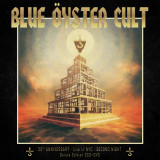
Nach dem triumphalen Erfolg ihres 50-jährigen Jubiläums bereiten sich BLUE ÖYSTER CULT auf die Veröffentlichung der mit Spannung erwarteten "50th Anniversary Live - Second Night" vor.
Dieser elektrisierende Auftritt, bei dem das zweite Album der Band "Tyranny and Mutation" aufgeführt wird, verspricht eine spektakuläre Fortsetzung des historischen Drei-Nächte-Auftrittes der Band in der Sony Hall in NYC zu werden. Im September 2022 begeisterten BLUE ÖYSTER CULT ihre Fans mit einer einzigartigen Trilogie von ausverkauften Shows, die jeweils einem ihrer ersten drei Alben gewidmet waren.
Gründungsmitglied Albert Bouchard hatte an allen drei Abenden einen besonderen Auftritt und verlieh dem historischen Meilenstein eine
nostalgische Note.Fast drei Stunden lang lieferte die Band an jedem Abend ein fesselndes Set, das sich durch die gesamte klassische erste Albumtrilogie zog und die Fans mit einer Mischung aus Fan-Favoriten, Deep Cuts und klassischen Hits verwöhnte. Die Atmosphäre war elektrisierend, und das Label Frontiers hat die Magie eingefangen und wird jeden Abend als individuelles Package veröffentlichen.
ReissuePIG DESTROYER kündigen zum 20-jährigen Jubiläum eine remixte und remasterte Neuauflage von Painter of Dead Girls an, einer Sammlung früher
Aufnahmen und B-Seiten! Zum ersten Mal seit fast 10 Jahren ist "Painter of Dead Girls" auf Vinyl erhältlich.
Die erste Hälfte der Compilation besteht aus zwei Teilen, wobei die erste Hälfte Songs enthält, die ursprünglich als Test für das Einspielen des
Equipments aufgenommen wurden, bevor die Band ihr bahnbrechendes Album "Prowler In The Yard" veröffentlichte. Die zweite Hälfte des Materials
enthält Songs von den kultigen Splits mit Gnob und Benümb, Covers von Helmet und The Stooges, den lange verschollenen Track 'Delusional
Supremacy 2K' und eine rohe Keller-Live-Aufnahme von "Rejection Fetish".
Das Cover wurde von Chris Taylor von Pg. 99 gestaltet, der später auch für das kultige Terrifyer-Album der Band verantwortlich zeichnete, das in
diesem Jahr ebenfalls 20 Jahre alt wird.
At the muddy miracle that was Woodstock, the most miraculous performance just might have been Jefferson Airplane’s. The band had been one of the first to sign on for the festival, their imprimatur prompting many other acts to hop on board, and their stature had landed them a coveted headlining slot closing Saturday night’s schedule. But, as the torrential downpours and the unexpected crush of half a million people kept on delaying their set, the chances of putting on anything approaching a quality performance seemed to diminish.
According to Paul Kantner, “We were supposed to go on at 10:30 at night and we’d been up and down about four or five times on acid that night, getting ready to go on, and then everything was delayed for whatever reasons. So, we didn’t get on until like 7:00 the next morning and everybody was pretty much burned out.” Kantner’s protestations to the contrary, the Airplane (with guest pianist Nicky Hopkins in tow) played a scorching two-hour set that defied the elements and the circumstances. Grace Slick led the charge as the band plunged into a frenetic version of Fred Neil’s “The Other Side of This Life”: “Alright, friends, you have seen the heavy groups. Now you will see morning maniac music. Believe me, yeah. It’s a new dawn!” What followed was an adventuresome (and surprisingly tight) set that not only featured the band’s big hits like “White Rabbit” and “Somebody to Love” but also premiered songs from the Volunteers album that was still three months away from being released, including a 21-minute version of “Wooden Ships!” Indeed, about the only members of the crew who weren’t up to snuff were the ones filming the concert documentary, which explains why the Airplane is not one of the acts that commonly come to mind when thinking about Woodstock; they didn’t appear in the film due to subpar footage, and only one of their songs (“Volunteers”) was included the chart-topping 3-LP Woodstock release.
Now, Real Gone Music is proud to present Jefferson Airplane’s complete Woodstock performance. The 3-LP set comes inside a gorgeous, double-gatefold jacket sporting photos of the band at Woodstock, most of them taken by the legendary Henry Diltz; liner notes by folk-rock guru Richie Unterberger complete the package. Pressed in iridescent, “clouds breaking” blue for its 55th anniversary, this release makes a convincing claim that Jefferson Airplane’s Woodstock performance ranks right up there with those of Jimi, Sly, and Santana as a festival highlight. Limited to 1000 copies!
In the early 1990s gangsta rap was becoming more popular. KRS-One took to the mic and continued to write socially conscious raps resulting in the hard-hitting 1992 album Sex And Violence which would be the fifth and final studio album under the Boogie Down Productions name. Produced by KRS-One, Pal Joey, Kenny Parker, D-Square, and Prince Paul, the album explores the darkest sides of the American urban landscape and psyche, with KRS as narrator, detailing all sides of the matrix. While singles like the alarming drum-driven "Duck Down" and the funky-as-hell "We In There" got most of the attention in ‘92, the deeper sequence reveals plenty of additional gems: the history lesson of the dark and dusty "Drug Dealer"; "Ruff Ruff", with scowling MC favorite Freddie Foxxx (aka Bumpy Knuckles); the grooving "Questions and Answers," and the frantic record industry track "How Not To Get Jerked." The album kicks off with an intro skit featuring KRS-One as a DJ in panic needing vinyl which at the time was a dying format while cassettes and CDs became the dominant format. Thirty-two years later vinyl DJs and Hip-Hop vinyl collectors no longer need to panic. Get On Down in partnership with Sony Music's CERTIFIED is proud to bring back to vinyl this underrated gem in the BDP catalog. Featuring one of the dopest album covers by American artist Robert Williams, Sex and Violence is pressed on colored vinyl and packaged in a gatefold jacket with full lyrics.
Nur wenige, streng limitiert: glänzendes Gatefold-Jacket, bedruckte Innenhüllen mit Live-Fotos der Band, LP 1 blaues, LP2 weißes Vinyl. Nach ihren 30+-Jubiläums-EPs und zugehöriger Reissue-Serie sind FU MANCHU endlich mit brandheißem neuem Material zurück! The Return Of Tomorrow ist das erste neue Album von Fu Manchu seit sechs Jahren, und sie haben sichergestellt, dass sich das Warten gelohnt hat. Ihr 14. Album ist ihre erste Doppel-LP mit neuem Material und wurde als Vinyl-Hörerlebnis konzipiert. Die erste LP enthält sieben Songs in ihrem ikonischen Heavy-Fuzz-Sound, darunter die erste Single "Hands Of The Zodiac" und das unerbittlich eingängige "Loch Ness Wrecking Machine". Auf der zweiten LP wird die Band mit sechs langsameren Stücken, darunter das Synthie-beeinflusste "Solar Baptized" und der Titeltrack, etwas ruhiger. Beide LPs haben 45 Umdrehungen pro Minute für den bestmöglichen Sound. CD-Hörer brauchen sich keine Sorgen zu machen, da diese Version des Albums speziell für dieses Format gemastert wurde.Wie das letzte Album der Band, Clone Of The Universe, und die dreiteilige Fu30 EP-Serie wurde The Return Of Tomorrow im Racket Room in Santa Ana, Kalifornien, von Jim Monroe (Adolescents, Ignite) aufgenommen und gemeinsam mit Fu Manchu produziert.
A mastermind in showcasing various shades of house music in their inimitable manner, Danish-born, Amsterdam-based DJ/producer Samuel Andre Madsen, aka S.A.M., stands as a rare talent within the current house landscape. Whether crafting trippy, cosmic and psychedelic late-night excursions, delicate, hazy journeys, or groove-driven, heady cuts, their studio naus and innate musical talent has seen them release via a list of leading labels while heading up their own Delaphine, Dahlia and Oscillat imprints - not to mention their longstanding role as one-third of globally renowned trio Mandar. Returning to Up The Stuss following their stand-out collaborative ‘Get Together’ project with label boss Chris Stussy three years ago, 2024 welcomes a blissful late summer outing with the excellently crafted ‘Check It Out’ EP. From the deep, captivating and hypnotic sonics of the title track to the skippy Tiger Balm’, the bumping grooves of ‘Race To Lose’ and the classy tones of ‘Forever Rhodes’, prepare to be transported across the house realm with yet another faultless EP from one of the best around.
out of Stock
Last delivered 54 days ago available to reorder, subject to availability
Marking its first decade of activity, Blume returns with the first ever vinyl reissue of the seminal “New Music for Electronic and Recorded Media”, from 1977, the third and final instalment in a suite of releases that includes James Tenney’s “Postal Pieces” and Ben Vida’s “Vocal Trio”. Unquestionably among the most important collections of experimental music to emerge during the 20th Century, “New Music for Electronic and Recorded Media” is the original feminist presentation in its context, releasing the work of Johanna M. Beyer, Annea Lockwood, Pauline Oliveros, Laurie Spiegel, Megan Roberts, Ruth Anderson, and Laurie Anderson under its collective banner. Includes newly commissioned liner notes by Jennifer Lucy Allen and Bradford Bailey.
Since its founding back in 2014, Blume has carved a unique place in cultural landscape, issuing free standing works, spanning the historical and contemporary, that represent singular gestures of creativity within the field of experimental sound. Joining their broad efforts in building networks of context and understanding that already includes the efforts of efforts of Werner Durand, Sarah Hennies, Bruce Nauman, John Butcher, Jocy de Oliveira, Mary Jane Leach, Valentina Magaletti, Alvin Curran, Julius Eastman, Alvin Lucier, and others, Blume delivers their third release in their first suite of releases for 2024, the fist ever vinyl reissue of the seminal “New Music for Electronic and Recorded Media” compilation, originally issued by Thomas Buckner's 1750 Arch Records in 1977. Out of print for decades on vinyl and arguably the most important feminist statement in the history of experimental music, illuminating the work of Johanna M. Beyer, Annea Lockwood, Pauline Oliveros, Laurie Spiegel, Megan Robert, Ruth Anderson, and Laurie Anderson - in a number of cases representing their recording debuts - during a crucial moment in the history of experimental music. Blume’s brand new edition - complete with newly commissioned liner notes by Jennifer Lucy Allen and Bradford Bailey, as well as reproducing Charles Amirkhanian’s original accompanying text - radically shifts perceptions of the past and present day with its truly revolutionary sounds.
Issued by Thomas Buckner's 1750 Arch Records in 1977, and out of print nearly the entire time since, “New Music for Electronic and Recorded Media” can be understood within two simple frameworks. On one hand, it is an astounding document of the landscape of experimental music toward the end of the 1970s. On the other, it is a historically significant feminist statement, being the first collection of experimental music entirely dedicated to female composers, a number of whom were grossly under-celebrated at the time, but have since gone on to be regarded as among the most important composers of their generation.
The eight pieces gathered by “New Music for Electronic and Recorded Media” - Johanna M. Beyer’s “Music of the Spheres”, Annea Lockwood’s “World Rhythms”, Pauline Oliveros’ “Bye Bye Butterfly”, Laurie Spiegel’s “Appalachian Grove I”, Megan Roberts’ “I Could Sit Here All Day”, Ruth Anderson’s “Points”, and Laurie Anderson’s “New York Social Life” and “Time To Go (For Diego)” - might be regarded as the first cohesive vision of alternate proximity or expression of experimental music to what has always been a frustratingly male dominated environment, and to the tropes, temperaments, and sensibilities that have been historically perceived to define it. It is an expanded vision of truth. While the presence of feminine sensibilities and temperaments in experimental music, however they may present themselves, were anything but new in 1977, “New Music for Electronic and Recorded Media” was the first opportunity, beyond the temporal limitations of live performance, to view them collectively, rather than as individualised expressions within a larger body of similar gestures (as was the case of Oliveros’ inclusion in Odyssey’s 1967 “New Sounds In Electronic Music” and “Extended Voices” compilations) where they might be confused for something else; to regard and celebrate a radical notion of feminine sonority for its unique characteristics and through its interrelations.
While its historical significance and groundbreaking nature can not be debated in its totality, nearly half a century on “New Music for Electronic and Recorded Media” remains compelling in both its musicality and the palpable sense of its lasting influence. Every composition across the album’s two sides is not only engrossing and deeply compelling - feeling as fresh and relevant as the day it was laid to tape - but clearly tangible in their lasting influence. Viewed in context, the album’s eight works feel like breath of fresh air when compared to much of what came before, and laid the groundwork for much of what was to come, introducing a new, often more holistic temperament and more sensitive and inclusive sensibility into the landscape of experimental music.
Particularly in the case of Annea Lockwood, Pauline Oliveros, Laurie Spiegel, Ruth Anderson, and Laurie Anderson, it's hard to throw ourselves back in time and imagine a moment when these composers rested in a fairly marginalised corner of the creative landscape. Blume’s brand new edition of “New Music for Electronic and Recorded Media” - complete with newly commissioned liner notes by Jennifer Lucy Allen and Bradford Bailey, as well as reproducing Charles Amirkhanian’s original accompanying text - brings us back to this confounding moment and points us toward a crucial moment of change set forth by these incredible composers and their sounds. Absolutely seminal and not to be missed.
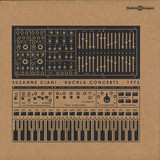
Finders Keepers invite you to witness the incredible first ever Buchla synthesiser concerts/demonstrations providing a distinctive feminine alternative to The Silver Apples Of The Moon if they had ever been presented in phonographic form. This is history in the remaking.
This spring Finders Keepers Records are proud to release an archival project that not only redefines musical history but boasts genuine claim to the overused buzzwords such as pioneering, maverick, experimental, groundbreaking and esoteric, while questioning social politics and the evolution of music technology as we've come to understand it. To describe this records as a game-changer is an understatement. This record represents a musical revolution, a scientific benchmark and a trophy in the cabinet of counter culture creativity. This record is a triumphant yardstick in the synthesiser space race and the untold story of the first woman on the proverbial moon. While pondering the early accolades of this record it's daunting to learn that this record was in fact not a record at all... It was a manifesto and a gateway to a new world, that somehow never quite opened. If the unfamiliar, modernistic, melodic, pulses, tones and harmonics found on this 1975 live presentation/grant application/educational demonstration had been placed in a phonographic context alongside the promoted work of Morton Subotnick, Walter Carlos or Tomita then the name Suzanne Ciani and her influence would have already radically changed the shape, sound and gender of our record collections. Hopefully there is still chance.
In short, Suzanne was a self-imposed twenty-year-old employee of the Buchla modular synthesiser company, San Francisco's neck and neck contender to New York's Moog. Buchla was run by a community of festival freaks and academic acid eaters whose roots in new age lifestyles and the reinvention of art and music replaced the business acumen enjoyed by its likeminded East Coasters. In the eyes of the consumer the creative refusal to adopt rudimentary facets like a piano keyboard controller rendered the Buchla synthesiser the more obscure stubborn sister of the synth marathon, steering these incredible units away from the mainstream into the homes and studios of free music aficionados, art house composers and die-hard revolutionaries. Championed and semi-showcased by composer Morton Subotnick on his albums The Bull and Silver Apples Of The Moon, Buchla's versatility began to open the minds of a new generation, but the high-end design features and no-compromise modus operandi was often confused with incompatibility and, in the pulsating shadow of Moog's marketing, the revolution would not be televised nor patronised. Suzanne Ciani, as one of the very few female composers on the frontline (and also providing the back line) did not lose faith.
These concerts' are the epitome of rare music technology historic documents, performed by a real musician whose skills and academic education in classical composition already outweighed her male synthesiser contemporaries of twice her age. At the very start of her fragile career these recordings are nothing short of sacrificial ode to her mentor and machine, sonic pickets of the revolution and love letters to an absolutely genuine vision of and 'alternative' musical future. In denouncing her own precocious polymathmatic past in a bid to persuade the world to sing from a new hymn sheet, Suzanne Ciani created a bi-product of never before heard music that would render the pigeon holes ambient' and futuristic' utterly inadequate. Providing nothing short of an entirely different feminine take on the experimental records' of Morton Subotnick and proving to a small, judgmental audience and jury the true versatility of one of the most radical and idiosyncratic musical instruments of the 20th century. These recordings have not been heard since then.
The importance of these genuinely lost pieces of electronic musics puzzle almost eclipses the glaring detail of Suzanne's gender as a distinct minority in an almost exclusively male dominated, faceless, coldly scientific landscape. Those familiar with Suzanne's work, a vast vault of previously unpublished non-records', will already know how the creative politics in her art of being' simultaneously reshaped the worlds of synth design, advertising and film composition before anyone had even dropped a stylus in her groove. Needless to say this record, finally commanding the archival format of choice, courtesy of the Ciani and Finders Keepers longstanding unison, was not the last first' with which this hugely important composer would gift society, and the future of a wide range of exciting evolving creative disciplines.
You have found a holy grail of electronic music and a female musical pioneer who was too proactive to take the trophies. With the light of Buchla and Ciani's initial flame Finders Keepers continues to take a torch through the vaults of this lesser-celebrated music legacy shining a beam on these non-records' that evaded the limelight for almost half a century. You can't write history when you are too busy making it. With fresh ink in the bottomless well, let's start at the beginning. Again. You, are invited!
out of Stock
Last delivered 6 years ago available to reorder, subject to availability
Das in Chicago ansässige Quintett Brigitte Calls Me Baby kündigt sein Debütalbum 'The Future Is Our Way Out' an, das über ATO Records erscheinen soll!
'The Future Is Our Way Out' wurde teilweise im RCA Studio A in Nashville mit dem 9-fachen Grammy-Preisträger Dave Cobb (Jason Isbell, Sturgill Simpson, Chris Stapleton) aufgenommen.
Mit ihren poetischen Meditationen über Sehnsucht, Angst und die Komplexität der Vergänglichkeit ist das Album eine kraftvolle Weiterentwicklung der Debüt-EP 'This House Is Made Of Corners' von Brigitte Calls Me Baby, welche von vielen Seiten gelobt und mit dem Nervenkitzel einer vergangenen Ära beschrieben wurde. Post-Punk Elemente wechseln sich mit tanzbaren Rhythmen und Gitarrenriffs ab, die vor allem zusammen mit der Stimme von Sänger Leavins immer wieder an The Smiths erinnert.
Bei der Wahl des Titels für das Debütalbum landete die Band bei einem Satz, den Leavins als Teenager impulsiv auf ein weißes T-Shirt gekritzelt hatte, und den er im Laufe der Jahre immer wieder aufgriff und schließlich in einen üppigen und filmischen Popsong verwandelte.
Mit 'The Future Is Our Way Out' legen Brigitte Calls Me Baby nun ein Werk vor, das auf geniale Weise Genres und Epochen überspannt und die üppige Romantik des Pop aus der Mitte des Jahrhunderts mit der frenetischen Energie und stacheligen Intensität des Indie-Rocks der frühen Jahrtausendwende verbindet. Im Mittelpunkt steht Leavins' hypnotisch croonender Gesang. Das Ergebnis ist eine seltene Konvergenz von Raffinesse, Stil und unverhohlener Aufrichtigkeit.
Heaven Born and Ever Bright is the third studio album by British rock band Cardiacs. It was produced by Tim Smith, engineered by David Murder and mixed by both Available on CD Digifile and Single Sleeve Violet coloured vinyl (pressed from the 1991 master) Cardiacs are an English rock band formed in Kingston upon Thames by Tim Smith (guitar and lead vocals) and his brother Jim (bass, backing vocals) in 1977 under the name Cardiac Arrest. One of Britain's leading cult rock bands, Cardiacs' sound folded in genres including art rock, progressive rock, art punk, post-punk, jazz, psychedelia and heavy metal (as well as elements of circus, baroque pop, medieval music, nursery rhymes and sea shanties), all of which was topped by Smith's anarchic vocals and impressionistic lyrics. Their bizarre sound and image made them unpopular with the press, but they amassed a devoted following Tim Smith was the primary lyricist, noted for his complex and innovative compositional style. He and his brother were the only constant members in the band's regularly changing lineup. The band created their own indie label, the Alphabet Business Concern, in 1984 and found mainstream exposure with the single "Is This the Life?" from their debut album A Little Man and a House and the Whole World Window (1988). Their second album, On Land and in the Sea (1989), was followed by Heaven Born and Ever Bright (1992), which displayed a harder edged, metal-leaning sound retained in the subsequent albums Sing to God (1996) and Guns (1999). Tim Smith was hospitalised with dystonia resulting from a cardiac arrest in 2008, which brought increased and belated critical recognition to Cardiacs, with several music outlets calling Sing to God a masterpiece. His death in 2020 saw a raft of tributes on social media
It’s hard to overstate the importance of Fanny’s 1970 self-titled debut album. For the first time, a group of women (sisters June and Jean Millington, Alice De Buhr and Nickey Barclay) wrote and sang their own songs, played their own instruments and, perhaps most importantly, rocked just as hard as any male band out there. And, as the first all-female band signed to a major label (Reprise) and with superstar producer Richard Perry at the board, these four women became perhaps L.A.’s biggest “buzz band,” landing repeated bookings at the Whisky-a-Go-Go with a who’s who of rock’s glitterati in attendance. Fanny became the reference point for generations of female rockers to come after them, from Joan Jett to Girlschool to Courtney Love and beyond. They were truly the Godmothers of Chick Rock. The self-titled debut by Fanny is available as a limited edition of 750 individually numbered copies on silver coloured vinyl, housed in a gatefold sleeve.
British-Trinidadian poet/musician/author Anthony Joseph’s latest album was inspired by and echoes the fertile London scene. Anthony has surrounded himself with some of the best musicians on the local scene, including Jason Yarde, Shabaka Hutchings (Sons Of Kemet, The Comet Is Coming), Crispin Robinson (founder of the iconic acid jazz band Galliano,) and Rod Youngs (Gil Scott Heron’s drummer). Operating as a dedication to poetic ancestors and a coming together of musical generations, ‘The Rich are Only Defeated When Running for their Lives’ is also an almighty jam. Recorded live in August 2020, it shows off the prowess of a team of master musicians from Paris and London. Jason Yarde, who also produced Joseph’s 2018 album ‘People of the Sun’ is credited as producer/ composer/arranger - to startling, albeit intimate, effect. Running throughout the release are inter-connected themes: memory, place, belonging and acts of homage. Anthony Joseph has released seven previous albums - six on Heavenly Sweetness - and collaborated with Archie Shepp, Keziah Jones and Meshell Ndgeocello who produced his album, ‘Time’ in 2014. He is the author of four poetry collections and three novels. His 2018 novel Kitch: A Fictional Biography of a Calypso Icon was shortlisted for the Republic of Consciousness Prize, the Royal Society of Literature’s Encore Award, and long listed for the OCM Bocas Prize for Caribbean Literature.
out of Stock
Last delivered 3 months ago available to reorder, subject to availability
Mastered and cut on 140g transparent vinyl by legendary mastering engineer Matt Colton at Metropolis Studios, London. Pressed at optimal media, Germany.
About the Album
‘Isthmus’ is Ross Tones’s 5th album for Houndstooth in 10 years.
It only seems fitting for it to return to the eclecticism of 2014’s ‘Mosaic’.
An isthmus is a narrow strip of land that connects two larger bodies.
The two islands contrast in time, topography, chaos and character.
One sears.
The other, buried by blizzards.
A land bridge fights the tide; offering harbour.
Connecting the estranged.
Giving battle to the noise.
It is uncertain who won.
out of Stock
Last delivered 18 months ago available to reorder, subject to availability
Strut present the first definitive retrospective of an icon of 1970s and ‘80s soul, jazz and disco, Patrice Rushen, covering her peerless 6-year career with Elektra / Asylum from 1978 to 1984. Joining Elektra after three albums with jazz label Prestige, Patrice had shown prodigious talent at an early age and had first broken through after winning a competition to perform at the Monterrey Jazz Festival of 1972. By the time of the recordings on this collection, she had become a prolific and in-demand session musician and arranger on the West coast, appearing on over 80 recordings for other artists. She joined the Elektra / Asylum roster in 1978 as they launched a pop / jazz division alongside visionaries like Donald Byrd and Grover Washington, Jr. “The idea was to create music that was good for commercial radio / R&B,” Patrice explains. “We were all making sophisticated dance music, essentially.”
Drawing on some of the leading musicians in L.A. like saxophonist Gerald Albright, drummer “Ndugu” Chancler and bassman Freddie Washington and keeping an open minded approach from her training in classical, jazz and soundtrack scores, Patrice’s music was a different, more intricate proposition to many of the soul artists of the time. “L.A. musicians were not so locked into tradition,” she continues. “None of us were accustomed to limitation and the record label left us to take our own direction.”
Early classics like ‘Music Of The Earth’ and ‘Let’s Sing A Song Of Love’ were among Patrice’s first as a lead vocalist before her ‘Pizzazz’ album landed in 1979, featuring the unique disco of ‘Haven’t You Heard’ and one of her greatest ballads, ‘Settle For My Love’. “Although ballads make you feel more vulnerable as an artist because they are often personal, I think listeners relate to that sincerity,” she reflects. By now, Patrice’s records were supremely arranged and produced as her confidence as an all-round writer, producer, arranger and performer grew. Slick dancefloor anthem ‘Never Gonna Give You Up’ and the ‘Posh’ album in 1980 led to her landmark album ‘Straight From The Heart’ two years later. Receiving little support from her label, Patrice and her production team personally funded a promo campaign for the first single from it, ‘Forget Me Nots’. It went on to peak at no. 23 on the Billboard Hot 100 and the album was later Grammy-nominated, while the track became a timeless anthem and popular sample, inspiring Will Smith’s theme for the film ‘Men In Black’ and George Michael’s ‘Fastlove’.
Patrice’s final album for Elektra, ‘Now’ kept the bar high with sparse, synth-led songs including ‘Feel So Real’ and ‘To Each His Own’. It concluded a golden era creatively for Patrice which remains revered by soul and disco aficionados the world over.
‘Remind Me’ features all of Patrice Rushen’s chart singles, 12” versions and popular sample sources on one album for the first time. Formats included a 3LP set and 1CD fully remastered by The Carvery from the original tapes. Both formats include an exclusive new interview with Patrice Rushen and rare photos.
• First definitive Patrice Rushen compilation released on vinyl since the ‘80s
• Includes all of her chart hits, DJ favourites and sample sources
• Official release featuring full interview with Patrice Rushen about her career and music • Features rare photos from her personal collection + some of the photographers she has worked with during her career
• Fully remastered by The Carvery from the original ¼” tapes
• Start of full Patrice Rushen reissue programme from her Elektra era
out of Stock
Last delivered 6 years ago available to reorder, subject to availability
The magic and majesty of Holger Czukay’s late career works for Claremont 56 is being celebrated on a new compilation. The former Can bassist – a musical maverick renowned for his freewheeling approach to composition, recording and promotion – released a string of inspired tracks on Paul Murphy’s label between 2009 and 2012, typically delivering hard-to-pigeonhole workouts, bona-fide epics and radical reinventions of some of his most beloved tracks.
The collection has been a labour of love – fitting given the sonic details and inventive musicality that marked out the late artist’s solo career – for Claremont 56 founder Paul Murphy AKA Mudd, who first reached out to Czukay after witnessing his now legendary live performance at the Roundhouse in 2009. As Murphy details in his introductory liner notes, it led to a productive working relationship between the pair that included collaborative recording sessions with Ben Smith in Czukay’s legendary Innerspace Studio – a former cinema in Cologne in which much of Can’s music was recorded.The impact of that Roundhouse gig on Murphy is reflected in the fact that two of the tracks on the collection are based on that celebrated performance. There’s ‘Ode To Perfume’, a languid and solo-laden version of one of Czukay’s most celebrated solo records that ratchets up the original’s inherent dreaminess, and a jaunty take on quirky kraut-pop number ‘Photosong’ featuring a spoken introduction recorded at the concert in question.
Murphy’s ability to coax Czukay into delving into his archives is evident across the compilation. Opener ‘A Perfect World (Remix)’ is an eccentric, ever-building masterpiece originally recorded in 1984 – but later re-imagined for Claremont 56 – featuring vocalist Sheldon Ancel and former Can band-mates Jaki Leibezeit and Michael Karoli, while ‘Fragrance’ is a subtly re-wired slab of picturesque Balearic kraut-dub which was initially recorded as a coda for ‘Ode To Perfume’ but lay unreleased for decades.
Then there’s ‘Let’s Get Cool’, a bright and breezy, French horn-sporting 2009 take on 1979 avant-disco classic ‘Cool In The Pool’; ‘My Persian Love (Remix)’, a 2010 re-take of one of his earliest solos recordings; and the near 18-minute brilliance of ‘Music Is A Miracle’. Originally recorded for his fans in the 1980s – but only released three decades later – this widescreen epic not only features drums by Jaki Leibezeit and a fine spoken word vocal by Czukay, but also numerous nods to some of his most revered tracks.
It's fitting, too, that two of the most potent cuts feature Czukay’s much-missed wife and musical muse Ursa Major: the dense, trippy and fittingly out-there ambient soundscape ‘In Space’, and the mesmerising ‘Music To be Murdered By’. Partially inspired by hearing painfully out of tune violin practice through his studio windows, the track was originally recorded for an unreleased album but finally found a home on Claremont 56’s 10th anniversary box set ion 2017. A genuinely spaced-out and mind-mangling slab of organic dub in Czukay’s distinctive style, it delivers a fine curtain call to the iconic artist’s endlessly inventive career.
out of Stock
Last delivered 11 months ago available to reorder, subject to availability