Assiko Golden Band de Grand Yoff is the sprawling drum collective tearing up Dakar's nightlife scene. Senegalese poet Djiby Ly (Wau Wau Collectif) is backed by fourteen different percussive instruments plus horns, winds, balafon, and the occasional accordion, combining Count Ossie's spiritually elevated polyrhythms with Fela Kuti's orchestra and Tony Allen's groove. Based in the impoverished neighborhood of Grand Yoff and operating as a mutual aid group for the larger community, the band builds its songs on ancient rhythms passed on from Senegal, Cameroon and the infamous Gorée Island. In both Wolof and French, Djiby preaches a message of uplift and cooperation rooted in the Sufi teachings of the Mouride Brotherhood, as well as Christianity and animist religions. "Senegal, my life my joy" is the call and response chanted over cascading, infinitely layered drum patterns on opener "La Musique Du Coeur." "We build our own country" the band proclaims in Wolof on "Xarritt." For twenty years and across three generations of band members, Assiko have played raucous all-night jams at weddings, secret parties, and political rallies. Grainy cellphone footage of their live shows have spread online. But this is their first album, the result of a collaboration with Swedish musician and archivist Karl-Jonas Winqvist (Sing A Song Fighter), who met the band in Dakar in 2018 and facilitated recording sessions and overdubs via Whatsapp (no small feat with so many musicians). This is vital, exciting and innovative music, alive with energy and purpose, a band rooted in a very specific community but speaking to the world.
Black Truffle is thrilled to present a previously unheard performance by rudra veena master Ustad Zia Mohiuddin Dagar, recorded in the North Indian city of Vrindavan at the Druhpad Samaroh festival in 1982. Z.M. Dagar was a nineteenth-generation descendant of the Dagar family of musicians, famed for their profoundly meditative approach to the tradition of Hindustani court music. Perhaps the most revered members of the family were the brothers Mohinuddin and Aminuddin Dagar, who played a key role in reawakening interest in dhrupad in the mid-20th century. The great exponents of the tradition from whom Z.M. Dagar descended were all singers, and dhrupad is essentially vocal music. However, as Z.M. Dagar explained, the veena family of instruments plays an important role in the education and practice of dhrupad singers, especially as an aid to mastering the fine microtonal nuances of pitch essential to the genre. Introduced as a child by his father to the rudra veena, a large and low-pitched veena amplified by two enormous gourds, Z.M. Dagar became the first modern dhrupad musician to perform with it as an instrumental soloist, giving his first recital at the age of 16. Devoted to the instrument throughout his life, he made innovations to its design and materials, as well as introducing novel techniques (such as playing without the use of the traditional wire plectrum, resulting in the remarkable warmth of his tone). In the great Dagar family tradition, his approach to the various ragas that make up the dhrupad repertoire was stately, slow, and considered, with a great emphasis on the alap, the heavily improvised exposition section. True to form, in this recording of Dagar performing the night raga Yaman Kalyan, the alap section stretches out to more than forty minutes of slow-motion bliss, a frozen tanpura drone hovering above Dagar’s gracefully bent notes and elegantly twisting phrases. In the alap’s first half, Dagar’s figures are so intently focused on the lower reaches of the rudra veena’s range that they register more as shudders and moans than melodic patterns. As the performance continues, he slowly climbs in pitch, though continuing with the same intent focus on the articulation of single notes and subtle microtonal variations. This leads to the jod section of the performance, which, though still accompanied only by the tanpura, gradually takes on a more rhythmic character. Developing almost imperceptibly over the course of nearly thirty minutes, the jod moves from the stillness of the opening alap to a rapid pulse that announces the closing section of the piece, where Dagar is joined by Shrikant Mishra on the pakhawaj (a double headed hand drum). Where many performers use the final section of the raga as an exercise in unrestrained virtuosity, Dagar and Mishra subtly weave a web of finely shifting accents and hypnotic melodic variations, bringing the recording to a fitting conclusion while remaining within the meditative space occupied by the performance as a whole. Adorned with beautiful archival photographs of Dagar taken by Swedish percussion legend Bengt Berger and accompanied by detailed notes from Bradford Bailey, Vrindavan 1982 is a stunning document of music unmatched in its patient focus and mysterious emotional depth. .
out of Stock
Last delivered 2 years ago available to reorder, subject to availability
Take the 101 north out of Los Angeles, and you'll pass by Agoura Hills, where the core duo of the band Dub Thompson grew up. Whatever you see in that town won't readily prepare you for the music they wrote while there, but you're free to look."Most everyone who's in a group who's our age lives on the Internet," says guitarist Matt Pulos. "The kinds of things that have shaped our band aren't anchored to any one time or place."Pulos and his bandmate, drummer Evan Laffer, are currently both 19 years old, and are putting that line of thought to the test; their musical influences travel from the Midwestern malaise of Big Black and Pere Ubu, to Kraut pioneers Can and Kraftwerk, while bowing to the British belligerence of The Fall and This Heat.Recording the album while living with Foxygen's Jonathan Rado at his rented house in Bloomington, the band had its first taste of a heavy Indiana summer, and all the humidity and insect life that buzzes along with it. "We woke up every day, ate hard-boiled eggs and stood on a porch," says Pulos of the experience.Their first collection of songs slyly unties the shoes of genre and convention, shapeshifts mischievously, and tramples on the promises delivered on the name itself.There are only eight songs on this rangy debut.Intense blasts of hook-filled noise rock ("Hayward!"), rocksteady marionette stomp ("No Time"), hypnotic bouts of doomy poetics ("Epicondyles"), outlandishly sexy groove rock ("Dograces"), and a number of other bite-sized forays into parts unknown are made manifest across 9 Songs. The vibes are strong here. Pulos sings and plays like he's working out long-standing grudges, pulling the most sinewy tones from an acoustic guitar and ripping huge chunks of demon flesh out of his electric. Laffer matches him step for step on the drums, an exacting presence behind the kit who pushes even the band's more placid moments into bouts of tension. Together they succeed in animating their musical ideas to startling, almost unnatural life. Reverb units, keyboards, samples and processing gluing everything together, saturated in the August heat and worn in until they sound second nature, it's like somehow you've been listening to these songs forever.
Oslo-based sludge-metal power trio SAVER are back with a vengeance. The band's new album `From Ember And Rust' channels the bare-knuckle ferocity of their 2019 full-length debut, `They Came With Sunlight', alongside a formidable command of dynamic, texture and sonic space that belies the relative youth of the project. Having erupted into the Norwegian metal scene without warning, SAVER is the result of heavy veterans Ole Ulvik Rokseth, Markus Stole and Ole Christian Helstad combining their years of experience into one three-headed beast, hellbent on pushing the boundaries of what the band is collectively capable of. Restless by nature, SAVER are constantly refining and reinventing their sound. The band's debut record was followed by two wildly creative collaborations which saw the trio marry their signature ferocity with some unlikely creative bedfellows in order to test new depths. `Emerald', 2021's full-length release, paired SAVER's calculated minimalism with the frenetic, percussive energy of Belgian post-metal collective Psychonaut whilst last year's `Split EP' saw SAVER and Norwegian folk singer/songwriter Frodekal reinterpret a song from each other's back catalogue with hauntingly spectacular results. With this revelatory experience still ringing in their ears, `From Ember And Rust' bears all of SAVER's heavy hallmarks alongside a newfound sense of dynamic anticipation and organic progression, which ties the seven tracks together as a significant body of work in the band's ascendant trajectory. As well as sharing their years of experience making the heaviest music they can, SAVER also share a passion for the unmistakable soundscapes of classic science-fiction. Already a key component of SAVER's distinctive sound; Rokseth's otherworldly, cinematic synth work is given centre stage on `From Ember And Rust' as the band boldly embark on a new journey together. As their first non-collaborative release in four years, `From Ember And Rust' could be interpreted as the band returning to the safety of their roots. However, SAVER are more determined than ever to keep pushing their sound into uncharted territory as the world they find themselves in continues to turn.
Oslo-based sludge-metal power trio SAVER are back with a vengeance. The band's new album `From Ember And Rust' channels the bare-knuckle ferocity of their 2019 full-length debut, `They Came With Sunlight', alongside a formidable command of dynamic, texture and sonic space that belies the relative youth of the project. Having erupted into the Norwegian metal scene without warning, SAVER is the result of heavy veterans Ole Ulvik Rokseth, Markus Stole and Ole Christian Helstad combining their years of experience into one three-headed beast, hellbent on pushing the boundaries of what the band is collectively capable of. Restless by nature, SAVER are constantly refining and reinventing their sound. The band's debut record was followed by two wildly creative collaborations which saw the trio marry their signature ferocity with some unlikely creative bedfellows in order to test new depths. `Emerald', 2021's full-length release, paired SAVER's calculated minimalism with the frenetic, percussive energy of Belgian post-metal collective Psychonaut whilst last year's `Split EP' saw SAVER and Norwegian folk singer/songwriter Frodekal reinterpret a song from each other's back catalogue with hauntingly spectacular results. With this revelatory experience still ringing in their ears, `From Ember And Rust' bears all of SAVER's heavy hallmarks alongside a newfound sense of dynamic anticipation and organic progression, which ties the seven tracks together as a significant body of work in the band's ascendant trajectory. As well as sharing their years of experience making the heaviest music they can, SAVER also share a passion for the unmistakable soundscapes of classic science-fiction. Already a key component of SAVER's distinctive sound; Rokseth's otherworldly, cinematic synth work is given centre stage on `From Ember And Rust' as the band boldly embark on a new journey together. As their first non-collaborative release in four years, `From Ember And Rust' could be interpreted as the band returning to the safety of their roots. However, SAVER are more determined than ever to keep pushing their sound into uncharted territory as the world they find themselves in continues to turn.
A hidden gem of Uruguayan music, Los Terapeutas's second album, released in 1990, is an original take on candombe and its hypnotic groove, blending pop songcraft with expansive soundscapes, never losing their rhythmic pulse. Los Terapeutas is a band of songs, where new wave, candombe beat, funk and rock were mixed in a unique way, with a strange frontman who had traces of Eduardo Mateo, Damo Suzuki, Frank Zappa and David Byrne. "Candombe del no sé quien soy" is related to what the group did live at that time: looking for a state of hypnotic hanging with their songs. The playing of the candombe drums was obviously an inspiration to look for that trance state, as was the music of Mateo and that of Opa, but influences can also be traced from the rhythmic experiments of German band Can of the 70s. The album was released in the late 1990s, a complicated time for Uruguayan music. The album was released on vinyl, a format that was losing weight compared to the CD. They would not release an album together again until 1997. In the 2000s, Los Terapeutas slowly expanded their audience, while also leaning towards a more electric sound. The new generation of Uruguayan musicians recognized the pioneering work of the band and Alberto Wolf was seen as a kind of godfather by several of the rock groups that were beginning to become massive.
In late 2021 the JUBG gallery (run by Magazine's Jens-Uwe Beyer alongside Albert Oehlen and Alexander Warhus) showed the German brothers Schaufler. Matthias, a painter, and Aksel, a musician and DJ (Superpitcher), came up with an exhibition soundtrack that was released back then as one half of an ultra rare drawing / vinyl combination only. (https://jubg.space/editions)
Subsequently, the music caught Barnt's and Crato's ears. The bittersweet pulsating ode to being an artist, sprawling and boundless, complete with voices from the sky, seemed perfect for our label. We are happy to announce that the regular release of schaufler vs schaufler part 1 & 2 will indeed come out on Magazine now.
„Gut malen kann jeder Depp.“
Favourite Artists, DJ Koze, Robag Wruhme, Superpitcher etc.
out of Stock
Last delivered 2 years ago available to reorder, subject to availability
Stepping out of the bedroom and into the Real World, Liverpool’s Strawberry Guy headed down to Peter Gabriel’s idyllic Real World Studios with Manchester’s Northern Session Collective in tow and set about trying to soften and expose the bare bones of his two biggest streaming tracks 'F Song' and 'Mrs Magic'.
Stripped of drums & synths, the music is pared down to piano and romantic new strings arrangements, bringing the careful melodies & indrawn lyrics to the fore.
Having recorded the original tracks in his Liverpool bedroom, swapping the originals’ string samples for their real-life counterparts lends the tracks an even more ethereal quality than the self-produced originals. The trip to Real World marks a first foray into studio recording for Strawberry Guy, and a new high-fidelity direction for the project, as he begins the process of making his sophomore album.
The vinyl edition of these new songs is out November 10, and features the two new strings versions along with the originals of both tracks, meaning fans can finally get their hands on a physical version of early single “F Song.”
While the music of Strawberry Guy favours a hermetic, headphones-forward sound lying somewhere between Bryter Layter-era Nick Drake, The Clientele, Slowdive’s Pygmalion, and the psychedelic 70s output of fellow Liverpudlian Paul McCartney, it’s nonetheless become a smash on TikTok and streaming services with a fanatical young and diverse fan base.
Cylene II is the new materialization of the collaboration between François J. Bonnet & Stephen O"Malley, initiated in 2018 and continued without interruption since then, taking form in a myriad of contexts ranging from common practice to recording sessions, concerts and tours. Cylene II bears witness to these different contexts, offering a multifaceted sound signature developed on different occasions (artist residencies in La Becque, Switzerland and Modena, Italy, live performance excerpts, a studio session at INA-GRM Studios in Paris). The epic opening track "Four Rays (Anti Divide)" welcomes, for the first time, other musicians - in this case a wind quintet - expanding the duo"s sonic palette without betraying the fundamental component of their music, namely the driving of sonic energy. Elsewhere, Bonnet and O"Malley propel the energy between themselves, extending the singular climate that has characterized their musical development over the past five years. Among their minimal presentation of tones and resonances, as glacial harmonic intersections slowly elevate with massive physicality to an orchestral degree, new refinements become evident: the music"s relationship to silence, and a brightening of the fine metallic edge glowing at its core. For the listener, Cylene II is a sound that reaches from the deep and scales up to the far firmament in its careful motion, drawing emotions viscerally from the chest, giving rise to the suggestibility of the soul. A séance of sorts for all who witness it, whether playing or listening.
Live in Brooklyn was recorded at the iconic Brooklyn Bowl in New York on December 22nd 2022 at Matisyahu’s annual Festival of Light. The release features live versions of his hits such as “One Day” and “King Without A Crown”. As well as cover tracks, written by his son Laivy, that they perform together. The first single, “One Day” will be released on June 2nd. The album will be released on June 30th, which is Matisyahu’s birthday. This show was also recorded visually. We will have individual clips of each track to post to socials ahead of the release. This release also takes place at the end of a 15 stop tour, and one week prior to his opening slot for 311 at Red Rocks.
In the decade or so that hard-working New York quartet Sunwatchers have operated, the group has steadily & subtly refined their sound - a brain-blasting mixture of jazz, psychedelia, krautrock, punk, noise, & Saharan blues - into something that is avant-leaning enough to appeal to the discerning jazz & experimental music fan & weird & wooly enough to get the true heads' toes tapping. "Music Is Victory Over Time" is the band's 5th album, and fourth for Chicago-based Trouble In Mind Records, seeing the long-running lineup of Peter Kerlin (bass guitar), Jim McHugh (guitars), Jason Robira (drums), and Jeff Tobias (alto saxophone and keyboards) in prime form. Album opener "World People" is a classic Sunwatchers number whose title expresses their Anarcho-Internationalist ideology (and the atypically multi-culti make up of their crowds), with an underlying melodic resonance to New Orleans funeral marches à la Albert Ayler _ a triumphant call to arms to all peoples. Live fave "Too Gary"'s gang vocal shout punctuates a motorik rager named for a phrase often uttered by a badass eight year old skateboarder McHugh knew with a speech impediment (it means "that's too scary"). "T.A.S.C." (or "Theme For Anarchist Sports Center") is inspired by Sonny Sharrock's maligned 80's output & sounds exactly like a wrathful, mutant version of a prime-time athletic show theme, replete with the requisite "sitcom ending." The sun- scorched "Foams" - a longform piece intended to depict natural stuff like tides, nightfall, and time slowly passing, ancient, peaceful and slightly gross all at once - practically jumps out of the speakers, its palpable intensity crackling in your eardrums. The title of "Tumulus" might reference an ancient burial mound, but the music itself might be the group's most high-tech song to date, complimented by an arpeggiating sequencer, three different forms of tape delay and an electric saxophone; ecstatic, fiery & deeply spiritual. "There Goes Ol' Ooze" is a smoky creeper that lets Tobias & Kerlin take a walk for a while, with respectful nods to the Stones and Steve Reich. "Song For The Gone" closes out the album, showcasing a sincerely tender moment for the gang, as an expression of love and resolve for dear friends who had recently, tragically died. Its cascading, bluesy melody attuning itself to our own collective unconscious grief. Having the distinct pleasure of being the first band to record in John Dwyer 's new LA-based recording studio Discount Mirrors, "Music Is Victory Over Time" boasts a beefed up sound. The band worked closely with in-house engineer Eric Bauer - facilitator, troubleshooter, sonic obsessive, a legendary freak and a DIY lifer. The band also had full access to the studio's epic armory of gear: amps, axes (it's Dwyer's Eddie Harris model electric sax), synths, a bass guitar once belonging to Klaus Flouride of the Dead Kennedys. Crucial for the sounds and the vibe. The album art was created by Josh MacPhee, the activist artist, author, archivist and founding member of both the radical artist collective Just Seeds and Interference Archive, a public collection of materials from social movements based in Brooklyn. MacPhee's participation in the project works as a statement of Sunwatchers' progressive utopian intentionality, and organically underscores their involvement in revolutionary projects within and without of their hometown. Listening to "Music Is Victory Over Time", Sunwatcher's rebellious spirit & unbridled enthusiasm remain fully intact, but the secret sauce is their infectious irreverence in the face of the horrors of this world. Much of our best cultural commentary is Trojan-horsed to the general public via humor & satire & the band has a knack for lacing the ridiculous with the radical. It's good to have them back. "Music Is Victory Over Time" is released worldwide digitally via most DSPs, on CD, black vinyl & a limited "Sunflare" blue/red splatter vinyl while supplies last.
In the decade or so that hard-working New York quartet Sunwatchers have operated, the group has steadily & subtly refined their sound - a brain-blasting mixture of jazz, psychedelia, krautrock, punk, noise, & Saharan blues - into something that is avant-leaning enough to appeal to the discerning jazz & experimental music fan & weird & wooly enough to get the true heads' toes tapping. "Music Is Victory Over Time" is the band's 5th album, and fourth for Chicago-based Trouble In Mind Records, seeing the long-running lineup of Peter Kerlin (bass guitar), Jim McHugh (guitars), Jason Robira (drums), and Jeff Tobias (alto saxophone and keyboards) in prime form. Album opener "World People" is a classic Sunwatchers number whose title expresses their Anarcho-Internationalist ideology (and the atypically multi-culti make up of their crowds), with an underlying melodic resonance to New Orleans funeral marches à la Albert Ayler _ a triumphant call to arms to all peoples. Live fave "Too Gary"'s gang vocal shout punctuates a motorik rager named for a phrase often uttered by a badass eight year old skateboarder McHugh knew with a speech impediment (it means "that's too scary"). "T.A.S.C." (or "Theme For Anarchist Sports Center") is inspired by Sonny Sharrock's maligned 80's output & sounds exactly like a wrathful, mutant version of a prime-time athletic show theme, replete with the requisite "sitcom ending." The sun- scorched "Foams" - a longform piece intended to depict natural stuff like tides, nightfall, and time slowly passing, ancient, peaceful and slightly gross all at once - practically jumps out of the speakers, its palpable intensity crackling in your eardrums. The title of "Tumulus" might reference an ancient burial mound, but the music itself might be the group's most high-tech song to date, complimented by an arpeggiating sequencer, three different forms of tape delay and an electric saxophone; ecstatic, fiery & deeply spiritual. "There Goes Ol' Ooze" is a smoky creeper that lets Tobias & Kerlin take a walk for a while, with respectful nods to the Stones and Steve Reich. "Song For The Gone" closes out the album, showcasing a sincerely tender moment for the gang, as an expression of love and resolve for dear friends who had recently, tragically died. Its cascading, bluesy melody attuning itself to our own collective unconscious grief. Having the distinct pleasure of being the first band to record in John Dwyer 's new LA-based recording studio Discount Mirrors, "Music Is Victory Over Time" boasts a beefed up sound. The band worked closely with in-house engineer Eric Bauer - facilitator, troubleshooter, sonic obsessive, a legendary freak and a DIY lifer. The band also had full access to the studio's epic armory of gear: amps, axes (it's Dwyer's Eddie Harris model electric sax), synths, a bass guitar once belonging to Klaus Flouride of the Dead Kennedys. Crucial for the sounds and the vibe. The album art was created by Josh MacPhee, the activist artist, author, archivist and founding member of both the radical artist collective Just Seeds and Interference Archive, a public collection of materials from social movements based in Brooklyn. MacPhee's participation in the project works as a statement of Sunwatchers' progressive utopian intentionality, and organically underscores their involvement in revolutionary projects within and without of their hometown. Listening to "Music Is Victory Over Time", Sunwatcher's rebellious spirit & unbridled enthusiasm remain fully intact, but the secret sauce is their infectious irreverence in the face of the horrors of this world. Much of our best cultural commentary is Trojan-horsed to the general public via humor & satire & the band has a knack for lacing the ridiculous with the radical. It's good to have them back. "Music Is Victory Over Time" is released worldwide digitally via most DSPs, on CD, black vinyl & a limited "Sunflare" blue/red splatter vinyl while supplies last.
Euroteuro, die Dritte! November 2023, Die Wiener Pop Gruppe EUROTEURO um Mastermind Peter T. präsentieren ihr neues drittes Album "VOLUME III". Mit ihrem Sommerhit "AUTOGRILL" hat das Wiener Kollektiv EUROTEURO einen ewigen Ohrwurm für alle italophilen Espresso-Freunde geschaffen. Mit dem 2022 erschienenem zweiten Album hat das Popkollektiv bewiesen, dass sie weit mehr als ein One-Hit-Wonder sind. Leichtfüssiger Elektropop trifft auf Cover-Versionen von XTC bzw Georg Kreisler-Songs. Dem folgten Auftritte im österreichischen ORF-Fernsehen, ein Headliner-Slot am Wiener Popfest, eine Einladung zum Fusion Festival nahe Berlin und so manche Cameo-Auftritte in österr. Filmen & Serien. Mit markantem Wiener Schmäh tourt EUROTEURO mit ihrem expressiven Synth-Pop nun in Duo-Besetzung durch den deutschsprachigen Raum. Mit im Gepäck ihre neue Vinylscheibe inkl. der Single "Teuer", wo sie das mittlerweile vom Gespenst zum realen Türsteher mutierte Phänomen der Teuerung besingen. "900 Euro warm. Viel zu teuer! Regelbruch - Strafe zahlen. Viel zu teuer!" Ein atemloses Stück Musik, das den Wahnsinn der uns umgibt ein Stück weit zu kanalisieren versucht. Die aktuelle Single "Zeit" kann als Ode an die Entschleunigung gesehen werden. Nicht alles muss immer sofort sein, manchmal muss man einfach nur um "ein bischen mehr Zeit" bitten. "Sie singen für dein Recht auf Eskapismus, selbst wenn du dir nichts mehr leisten kannst. Euroteuro zelebrieren einen Prekariat und Proletariat vereinenden Scheißdrauf-Hedonismus ("Insel" bzw. das unverwüstliche Debüt "Autogrill") und nehmen dabei auch vor die Song-gewordene Anwendung von Bertrand Russells Lob des Müßiggangs ("Kündigung", "Sag Alles Ab") nicht Halt. In diesem Sinn kann man Zeilen wie "Lassen sie einfach das Studium sein" aus "Wenn das alle täten" ebenso als ironisch wie ernsthaft subversiv interpretieren. Die Verweigerung der vom Neoliberalismus verlangten ständigen Selbstoptimierung trifft dabei auf den gelebten Widerspruch der beiden emblematischen europäischen Fetische von Bewegungsfreiheit und Wachstum." (Robert Rotifer)
Jord (Swedish for “Earth”) performs Swedish Atmospheric Black Metal with ear-catching melodies. For fans of Enslaved, Vintersorg and Borknagar! Jord is an atmospheric Black Metal band with Blackgaze and post rock influences founded in 2020 as a one-man project by Jurg. Based in Sweden the inspiration came from northern nature, folk lore, mysticism, a man’s relation to this part of the earth and bands like Alcest, Enslaved, Anathema and Russian Circles. Two albums were released by Northern Silence Productions, “Sol” in 2021 and “Måne” 2022. Jord transformed into a trio in late 2022 and the new demo songs got attention from Hammerheart Records. A few months later a full studio recording of the third album ”Tundra”, in this new band setting, was done. “Tundra” tells the stories about ancient gods, dark and terrifying beings from Swedish folk lore mixed with modern day power struggles. There is a sand grain of truth to every story however old it may be. Jord uses these old mythologies to give a hint about today’s problems with authorities, mind control and delusions. But most importantly on how the elite will break and fall when they have pushed us too far.
Das neue Flamingods-Album 'Head Of Pomegranate' wurde vom Grammy-gekrönten Produzenten Ben H. Allen (Animal Collective, Deerhunter, M.I.A.) aufgenommen. Die Londoner Band kreiert seit über einem Jahrzehnt unverwechselbare, genreübergreifende Musik. Das Durchdringen von Genres wie Psychedelia, New Wave, Electronica und Punk – oft innerhalb desselben Songs – ist ihre Spezialität, ebenso wie das Talent, Einflüsse aus dem einzigartigen kulturellen Erbe und die Liebe zum UK Rock'n Roll der 70er Jahre zu vermischen. Opener und erste Single 'Dreams (On The Strip)' geben mit stimmungsvollen Synths, düsteren Drum-Machines und dem euphorischen Refrain den Ton vor. Es ist eine neue Ära für die Band und sie möchte, dass wir dies von Anfang an wissen.
"Heavy music for nerdy people", so beschrieb mal jemand die Musik von Mint Mind. "For" oder "from"? Beides naturlich. Nach den ersten "VG+"-Songs hat man ein Gefuhl, wie die Welt von Mint Mind aussieht: Instrumente und Verstarker aus mehreren Dekaden und in unterschiedlichen Aggregatzustanden, teils gestapelt an den Wanden. Davor, daneben und dazwischen Synthesizer und Effektgerate, teilweise groß wie Gullideckel. Im windschiefen Plattenregal zwei Hande voll Comics, Alben von New Order, Devo, den B52s, fast der gesamte SST-Katalog, sowie Krautrock-Klassiker von Can und Faust. "VG+", das dritte Album von Mint Mind, ist ein großes, generationenubergreifendes Indie-Rock-Album geworden.
"Heavy music for nerdy people", so beschrieb mal jemand die Musik von Mint Mind. "For" oder "from"? Beides naturlich. Nach den ersten "VG+"-Songs hat man ein Gefuhl, wie die Welt von Mint Mind aussieht: Instrumente und Verstarker aus mehreren Dekaden und in unterschiedlichen Aggregatzustanden, teils gestapelt an den Wanden. Davor, daneben und dazwischen Synthesizer und Effektgerate, teilweise groß wie Gullideckel. Im windschiefen Plattenregal zwei Hande voll Comics, Alben von New Order, Devo, den B52s, fast der gesamte SST-Katalog, sowie Krautrock-Klassiker von Can und Faust. "VG+", das dritte Album von Mint Mind, ist ein großes, generationenubergreifendes Indie-Rock-Album geworden.
lim. two color Vinyl. Gatefold Cover with sticker and download code on postcard.
Welcome Back, friends, to the Yacht Soul cruise that never ends!
This theme, explored at length in the previous installment of this series, is a fertile one that just keeps on giving, and give it certainly does on the tracks we have dug up for your perusal, enlightenment, edification and enjoyment on Yacht Soul 2.
For those just joining us, the concept here concerns R&B and soul artists mining the songbooks of their white contemporaries for cover versions that serve the dual purposes of potentially garnering some crossover radio airplay as well as introducing great songs to segments of the listening public who might otherwise miss them. Some of these versions might have come about because they were personal favorites of the artist in question, others might have been strongly suggested by their labels or by the publishing company, but all of them provide an entirely new perspective on what were already fantastic songs to begin with.
So there you have it--a further dig into this nebulous concept that reveals more unexpected connections and crossed paths. Understanding the hows and whys of the way these particular covers and collaborations came to be is as fascinating as just enjoying the music itself, and there really is a lot of great music to dig into this time around! We hope you enjoy listening to it as much as we did putting it together.
VITAL SALES POINTS:
- Second volume from the YACHT SOUL series. First volume is the second best selling "Too Slow To Disco" compilation so far.…
- Extensive Global Promo by Tobias Kirsch/Germany and Special Requests UK
- Record Relase Parties planned.
out of Stock
Last delivered 2 years ago available to reorder, subject to availability
Daneshevskaya (Dawn-eh-shev-sky-uh), the project of New York's Anna Beckerman, writes songs steeped in the folklore of her own personal history. Her artist (and real middle) name comes from her Russian-Jewish great-grandmother, a person whose presence she has always felt although their paths never crossed in real life. Beckerman grew up in a musical family; her father is a music professor, her mother studied opera and her own songs often feel spiritual, less so by any religious connotation and more as a hymn-like, archival record of Beckerman's own past, present and future. Her first release on Winspear, Long is the Tunnel, contemplates how the people you meet impact the pathway you travel. Through songs like the poignant "Somewhere in the Middle," the lilting "Challenger Deep" and the surreal "Big Bird," the EP paints a distinctive collage between traditional songwriting and modern turns of phrase that remain spellbound in the unadulterated luster of self discovery. The seven songs read as both patchwork memories/diary entries and elegies to those in her life. Co-produced by Ruben Radlauer and Hayden Ticehurst of Model/Actriz and Artur Szerejko, the final versions of these initial demos also saw contributions from Lewis Evans of Black Country, New Road (saxophone), Maddy Leshner (keys) and Finnegan Shanahan (violin), adding to the gleaming instrumentation that makes each song sound like a world within itself. Long is the Tunnel is filled with hyperreal imagery that denotes a form of escapism: two of the songs reference birds, which Beckerman describes as about being transfixed by something you can't take your eyes o‑ while also being able to leave at will. Long is the Tunnel prolongs this feeling of being completely immersed: by desire, emotion, and fantasy, though the somber melancholy of her love songs are often more manifestations to her internal self than anyone else.
Daneshevskaya (Dawn-eh-shev-sky-uh), the project of New York's Anna Beckerman, writes songs steeped in the folklore of her own personal history. Her artist (and real middle) name comes from her Russian-Jewish great-grandmother, a person whose presence she has always felt although their paths never crossed in real life. Beckerman grew up in a musical family; her father is a music professor, her mother studied opera and her own songs often feel spiritual, less so by any religious connotation and more as a hymn-like, archival record of Beckerman's own past, present and future. Her first release on Winspear, Long is the Tunnel, contemplates how the people you meet impact the pathway you travel. Through songs like the poignant "Somewhere in the Middle," the lilting "Challenger Deep" and the surreal "Big Bird," the EP paints a distinctive collage between traditional songwriting and modern turns of phrase that remain spellbound in the unadulterated luster of self discovery. The seven songs read as both patchwork memories/diary entries and elegies to those in her life. Co-produced by Ruben Radlauer and Hayden Ticehurst of Model/Actriz and Artur Szerejko, the final versions of these initial demos also saw contributions from Lewis Evans of Black Country, New Road (saxophone), Maddy Leshner (keys) and Finnegan Shanahan (violin), adding to the gleaming instrumentation that makes each song sound like a world within itself. Long is the Tunnel is filled with hyperreal imagery that denotes a form of escapism: two of the songs reference birds, which Beckerman describes as about being transfixed by something you can't take your eyes o‑ while also being able to leave at will. Long is the Tunnel prolongs this feeling of being completely immersed: by desire, emotion, and fantasy, though the somber melancholy of her love songs are often more manifestations to her internal self than anyone else.
Daneshevskaya (Dawn-eh-shev-sky-uh), the project of New York's Anna Beckerman, writes songs steeped in the folklore of her own personal history. Her artist (and real middle) name comes from her Russian-Jewish great-grandmother, a person whose presence she has always felt although their paths never crossed in real life. Beckerman grew up in a musical family; her father is a music professor, her mother studied opera and her own songs often feel spiritual, less so by any religious connotation and more as a hymn-like, archival record of Beckerman's own past, present and future. Her first release on Winspear, Long is the Tunnel, contemplates how the people you meet impact the pathway you travel. Through songs like the poignant "Somewhere in the Middle," the lilting "Challenger Deep" and the surreal "Big Bird," the EP paints a distinctive collage between traditional songwriting and modern turns of phrase that remain spellbound in the unadulterated luster of self discovery. The seven songs read as both patchwork memories/diary entries and elegies to those in her life. Co-produced by Ruben Radlauer and Hayden Ticehurst of Model/Actriz and Artur Szerejko, the final versions of these initial demos also saw contributions from Lewis Evans of Black Country, New Road (saxophone), Maddy Leshner (keys) and Finnegan Shanahan (violin), adding to the gleaming instrumentation that makes each song sound like a world within itself. Long is the Tunnel is filled with hyperreal imagery that denotes a form of escapism: two of the songs reference birds, which Beckerman describes as about being transfixed by something you can't take your eyes o‑ while also being able to leave at will. Long is the Tunnel prolongs this feeling of being completely immersed: by desire, emotion, and fantasy, though the somber melancholy of her love songs are often more manifestations to her internal self than anyone else.
Miguel Atwood-Ferguson lebt in seiner Heimatstadt Los Angeles und ist einer der herausragenden Musiker, Orchestratoren, Arrangeure und Komponisten unserer Zeit. „Les Jardins Mystiques Vol.1“ ist sein lang erwartetes Debütalbum. Es präsentiert uns eine leidenschaftliche Liebeserklärung und ein Reich der schönen Möglichkeiten.
Es gibt eine Fülle von Möglichkeiten, sich Miguel Atwood-Fergusons Musik zu nähern - und es gibt keine Grenzen, wohin sie jemanden führen könnte. Als Komponist, Arrangeur, Multiinstrumentalist und Produzent hat er an mehr als 600 Alben und Soundtracks für genreübergreifende Künstler:innen gearbeitet, darunter Flying Lotus, Thundercat, Anderson .Paak, Mary J. Blige oder Seu Jorge. Seine Klangpalette umfasst Jazz, Klassik, Hiphop, Electronica, Avantgarde, Pop und vieles mehr. Zu seinen gefeierten Live- und Aufnahmeprojekten gehören die innovative orchestrale Neuinterpretation des Repertoires von J Dilla, „Suite For Ma Dukes“ (2009), seine produktiven Werke mit seinem langjährigen Freund und Kollaborateur Carlos Niño, darunter das improvisierte Album, „Chicago Waves“ (2020), auf International Anthem, und seine Gruppen wie das Quartetto Fantastico und das Miguel Atwood-Ferguson Ensemble. „Les Jardins Mystiques“ ist ein Projekt, das Miguel Atwood-Fergusons musikalisches Universum offenlegt und mit anderen teilt. Es hat sich über ein Dutzend Jahre hinweg entwickelt, wurde größtenteils von ihm selbst finanziert und zeigt seine ausgesprochen elegante Musikalität (u. a. auf Geige, Bratsche, Cello und Keyboards) sowie seine freigeistigen Dialoge mit mehr als 50 Instrumentalist:innen. ‚Volume 1‘ ist hierbei bloß der erste Teil eines geplanten Triptychons, das insgesamt ganze zehneinhalb Stunden origineller und erfrischend ausladender Musik umfassen wird. Atwood-Ferguson verband sich mit seinen Gastmusiker:innen auf vielfältige Weise: durch gesellige Studiodialoge, durch Fernkommunikation während der Pandemie und durch die Energie von Live-Auftritten in seiner Heimatstadt, darunter im Del Monte Speakeasy (das herrlich belebende, von einem Klavier begleitete „Dream Dance“) und im Bluewhale (u. a. „Ano Yo“ mit dem temperamentvollen Alt-Saxophon von Devin Daniels und den kosmischen Harmonien von „Cho Oyu“). Bennie Maupin, der legendäre US-Multi-Blasinstrumentalist, zu dessen Repertoire auch Miles Davis' Fusion-Opus „Bitches Brew“ gehört, spielt Bassklarinette auf der hinreißenden Eröffnungsnummer „Kiseki“. Im Laufe seiner illustren Karriere hat Miguel Atwood-Ferguson mit Künstler:innen wie Rihanna, Ray Charles, Lana Del Rey, Lady Gaga, Anderson .Paak, Dr. Dre, Kamasi Washington, Mary J. Blige, will.i. am, Big Boi, Arthur Verocai, Bonobo, Lianne La Havas, Kaytranada, Moses Sumney, Seu Jorge, Common, The Roots, The Cinematic Orchestra, Jamael Dean, Shafiq Husayn, Adrian Younge & Ali Shaheed Muhammad, Carlos Niño, Bilal und viele mehr zusammengearbeitet.
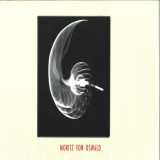
What are the differences and similarities between human and artificial sound, between oscillations generated by vocal cords and synthesizer voices, voltage amplified by speakers? On Silencio, his latest album for Tresor Records, Moritz von Oswald works with a 16-voice choir to explore this concept.
Drawing from the ensemble works of long-standing inspirations Edgard Varèse, György Ligeti and Iannis Xenakis, von Oswald and Vocalconsort Berlin delve into the space between sounds, creating a deeply textured collection that shifts between light & ethereal and
dark & dissonant.
As masterfully demonstrated in the early work of von Oswald and Mark Ernestus’ influential Basic Channel project, repetition and reduction are key elements here, much in the tradition of techno and minimalism. The vast dynamism of the human voice adds to the
profound weight of electronics while offering up a rhythmic source and sonic noise palette unexplored in von Oswald’s repertoire. In Silencio, von Oswald dredges a dank murk, pulling clouds over a distant pulse. It hangs, ready to take on new forms.
The compositions were written in von Oswald’s Berlin studio on classic synthesizers, such as the EMS VCS3 & AKS, Prophet V, Oberheim 4-Voice and the Moog Model 15. These abstract recordings were transcribed to sheet music for choir by Berlin-based Finnish composer and pianist, Jarkko Riihimäki and performed by Vocalconsort Berlin in Ölberg church in the city’s Kreuzberg district, only few metres down the road from where Dubplates & Mastering and Hard Wax opened their doors for music enthusiasts for many years so long. The recordings of the choral versions were then incorporated into the synthesized parts of the album and brought into anew electronic context; in Silencio, the focus is not on using one means to imitate the other, but to sonically discuss the tensions and harmonies between the two worlds and create a dialogue between them.
The relationship between von Oswald and Tresor Records goes back thirty years, all the way to Blake Baxter’s Dream Sequence in 1991 - which von Oswald engineered alongside Thomas Fehlmann. The collaboration with Fehlmann lived on, seeing the duo team up as 3MB with Eddie Fowlkes or Juan Atkins. More recently, the Detroit-Berlin connection continued as Juan Atkins & Moritz von Oswald present Borderland.
For von Oswald, Tresor Records and also the participating guest musicians of the choir, this release brings together audiences from other musical areas, cross-pollinating; Silencio is an album that stands for itself beyond the musical genre boundaries.
out of Stock
Last delivered 17 months ago available to reorder, subject to availability
In apartheid-era South Africa, gospel music provided solace and served as a tool for covert communication to circumvent the censorship of the settler regime. By the 2010s, South African gospel, deeply ingrained in the soul of Soweto, assumed a new role—as a heartfelt cry against persistent failures and shortcomings, a cry mourning a South Africa that never materialized.
A new South Africa needed a new gospel sound.
In 2016, nine young men from different parts of Diepkloof, a celebrated neighbourhood brimming with talent within Soweto's sprawling township, came together to form the sound of a new South Africa under the name Diepkloof United Voice.
Diepkloof United Voice's music has gone viral multiple times on TikTok, YouTube, and Facebook, garnering between 60,000 to 2 million views. The comments section displays flag emojis from Brazil to India, showcasing the global reach of their music.
This album was recorded on site in Soweto, in an abandoned classroom of Lebowa Elementary School in Diepkloof Zone 3, where the choir rehearsed for years. Amid rolling blackouts, Diepkloof United Voice poured their heart, soul, and vocal chords into their debut record, combining classic South Africa gospel, Soweto's own kasi soul, American blues, and Zulu flavor, to present the contemporary gospel sound of a changing South Africa.
The promise of a new South Africa might finally be realized, as Diepkloof United Voice guarantees the country's future is guided by the truth, uttered with each gasp of breath from their inimitable voices.
In apartheid-era South Africa, gospel music provided solace and served as a tool for covert communication to circumvent the censorship of the settler regime. By the 2010s, South African gospel, deeply ingrained in the soul of Soweto, assumed a new role—as a heartfelt cry against persistent failures and shortcomings, a cry mourning a South Africa that never materialized.
A new South Africa needed a new gospel sound.
In 2016, nine young men from different parts of Diepkloof, a celebrated neighbourhood brimming with talent within Soweto's sprawling township, came together to form the sound of a new South Africa under the name Diepkloof United Voice.
Diepkloof United Voice's music has gone viral multiple times on TikTok, YouTube, and Facebook, garnering between 60,000 to 2 million views. The comments section displays flag emojis from Brazil to India, showcasing the global reach of their music.
This album was recorded on site in Soweto, in an abandoned classroom of Lebowa Elementary School in Diepkloof Zone 3, where the choir rehearsed for years. Amid rolling blackouts, Diepkloof United Voice poured their heart, soul, and vocal chords into their debut record, combining classic South Africa gospel, Soweto's own kasi soul, American blues, and Zulu flavor, to present the contemporary gospel sound of a changing South Africa.
The promise of a new South Africa might finally be realized, as Diepkloof United Voice guarantees the country's future is guided by the truth, uttered with each gasp of breath from their inimitable voices.
First music in 10 years from cult favourites Dark Dark Dark.
B Side is a solo cut from the bands lead vocalist Nona Maie Invie.
10” EP limited to 500 in UK/EU.
Fans of contemporaries Weyes Blood (of which DDD multi-instrumentalist Walt McClements is now a full-time member) and Angel Olsen (in whose live and studio band Invie is now a staple) will find much to love in these songs, as well as the b-side, Invie’s solo piece, “For Now” which, not unlike Invie’s 2017 solo release under the moniker IN / VIA, makes use of seamlessly interwoven piano and swelling, liquid synthesizer.
Invie sounds a bit like an alternate dimension Sharon Van Etten here and elsewhere. The three song set has the understated intensity of Nick Cave’s The Boatman’s Call and the promise of emotional liftoff that characterizes Kate Bush’s The Sensual World.
Dark Dark Dark’s rich history is punctuated by house shows and train hopping; touring as support for The National in Portugal;
playing both the National and TV on the Radio’s ATP Festivals, and years of indefatigable coast-to-coast U.S. touring. It’s a
history rich with recordings, including a pair of celebrated full-lengths produced by Tom Herbers (Low, The Cactus Blossoms),
three EPs, and a feature film score. Now, ten years later, –– surprise –– a new 10” single.
In 2013, when Dark Dark Dark released the What I Needed EP, anyone might have guessed it was a bridge between the previous year’s lauded LP Who Needs Who and the next big venture. The band had closed out 2012 as part of Australia's touring Harvest Festival, during which they stepped up to fill an unexpectedly vacant slot much later in the day, enchanting thousands of unsuspecting festival goers. Alas, after that, the band went silent.
The release of these new songs is certainly delightful and perhaps startling, as is the promise of more solo work from singer Nona Marie Invie. On the gorgeous and stately “Didn’t I Try,” Invie’s voice is elegant as ever, couched in the familiar sounds of Marshall LaCount’s distorted banjo and Mark Trecka’s rolling drums. The loping and haunted “Something Was There” follows –– a staple of Dark Dark Dark’s live sets in the last year of their touring.
Considering this band's history, their distinctive and dramatic sense of identity, this music is really and truly for fans of Dark Dark Dark.
Originally released as a hand-numbered CD on New Year's Eve of 2004, Last Light captures Tor Lundvall 's hushed songcraft at its most ghostly and grayscale, stripped bare like branches bracing for winter. Initially conceived of as "a piano album with sparse electronics" (with the working title November), Lundvall's palette steadily expanded, incorporating synthesizer, samples, bass, metronomes, and his signature spectral vocals. A journal entry from the spring of 2002 proved formative to his evolving vision: "I remember watching the blueish-grey light shimmering outside and hearing distant sounds echoing far away, eventually sinking into silence and stillness." The album's 12 tracks are steeped in this sense of autumnal transience, of bearing witness to what fades. The music moves in whispered swells, between dirge, drift, and devotional. Synths chime like slow-tolling bells; percussion shuffles and shivers, icy and isolated; bass traces a low-lidded plod - it's a mode both austere and seductive, lulling the listener into its landscapes of deepening dusk. Lyrically, Lundvall's language skews observational and depressive ("through lace curtains / grey light falls / dark clouds gather / in my soul" ), with each song like a gauzy glimpse into a different tableau framing winter's descent: rust - colored leaves, frozen ponds, cold crescent moons. Lundvall has long considered Last Light a "personal favorite" in his discography, and it's easy to hear why. In texture, finesse, and pacing, it vividly evokes the rare mood of fragile, frosty pastoral noir depicted in his iconic oil paintings. His is an art of the half-seen and half-remembered, of fleeting figures, shapes and shadows, and gathering darkness. Of all that disappears, and the ghosts that never leave: "So I wait / as the years / slowly drain the magic and the light / and the girl / I never loved / haunts me through the dark roads of my life."
The late percussionist Milford Graves was one of the most unique artists the world has ever seen. Born in Jamaica, Queens in 1941, he began his career in the early '60s as a part of New York's vibrant Latin jazz scene. His focus quickly turned inward, shifting towards a practice that explored the very nature of self. From his work in the New York Art Quartet and collaborations with Albert Ayler, Sonny Sharrock and more to his important contributions during NYC's loft era – he is, simply put, free jazz royalty.
In April 1966, the duo of Graves and pianist Don Pullen played at Yale University. As John Corbett writes in the liner notes, "This performance was something of a turning point for Graves. Until then he had been working in other people's bands or collective ensembles. He was phenomenally busy. In 1965 alone, he recorded with NYAQ (two LPs), Giuseppi Logan Quartet, Paul Bley Quintet and Lowell Davidson Trio, and he made his first recording released under his own name, Percussion Ensemble. Every one of these is important in its own way, but none of them quite anticipate how radical was the music that he and Pullen would unleash that evening in New Haven."
Originally released on the artists' own Self-Reliance Program label, this legendary one-night performance would be split into two volumes: In Concert At Yale University and Nommo. While rooted in African rhythms, Graves' music has its own sense of time. As the drummer stated in a 1966 DownBeat interview, "Time was always there, and the time I see is not the same as what man says time is. It works by impulsion."
The late percussionist Milford Graves was one of the most unique artists the world has ever seen. Born in Jamaica, Queens in 1941, he began his career in the early '60s as a part of New York's vibrant Latin jazz scene. His focus quickly turned inward, shifting towards a practice that explored the very nature of self. From his work in the New York Art Quartet and collaborations with Albert Ayler, Sonny Sharrock and more to his important contributions during NYC's loft era – he is, simply put, free jazz royalty.
In April 1966, the duo of Graves and pianist Don Pullen played at Yale University. As John Corbett writes in the liner notes, "This performance was something of a turning point for Graves. Until then he had been working in other people's bands or collective ensembles. He was phenomenally busy. In 1965 alone, he recorded with NYAQ (two LPs), Giuseppi Logan Quartet, Paul Bley Quintet and Lowell Davidson Trio, and he made his first recording released under his own name, Percussion Ensemble. Every one of these is important in its own way, but none of them quite anticipate how radical was the music that he and Pullen would unleash that evening in New Haven."
Originally released on the artists' own Self-Reliance Program label, this legendary one-night performance would be split into two volumes: In Concert At Yale University and Nommo. While rooted in African rhythms, Graves' music has its own sense of time. As the drummer stated in a 1966 DownBeat interview, "Time was always there, and the time I see is not the same as what man says time is. It works by impulsion."
Five groups, one mythical studio - documenting the emergence of a generation!
The initial postulate was simple: five groups, one emblematic studio and 24 hours for each to imagine and record two unreleased tracks with one objective - the will to document a French jazz scene in the midst of renewal.
In these last few years, several innovative currents have shaken up the world of jazz and attracted new fans. They have bubbled up from Los Angeles, impregnated with hip-hop culture (Kamasi Washington, Terrace Martin, Thundercat), or from London, tinged with African rhythms (Nubya Garcia, Kokoroko, Ezra Collective). Meanwhile, in France, a new scene is emerging, carrying with it more of a dancefloor-oriented sound influenced by electronic music - an obvious kinship with the French Touch explosion of the late 90s.
Historically, every movement has been assimilated to a certain neighbourhood, to specific clubs where late at night, young guns stayed up to imagine the jazz of tomorrow - the Cotton Club for the jazz of the 20s, Minton’s Playhouse in Harlem for Be-Bop, the Black Hawk in San Francisco for West Coast jazz, Birdland in New York for Hard-Bop or a lot more recently, the Total Refreshment Centre which has been the playing field for the new London scene.
In Paris too, this new sound is associated with actual venues, places which have allowed these groups to form, create a repertoire and forge an aesthetic - Le Baiser Salé for Monsieur Mâlâ, La Gare/Le Gore for Photon, La Pêche in Montreuil for Ishkero, La Petite Halle for Underground Canopy and also le Duc des Lombards and le 38 Riv’ for Alex Monfort; it’s in a live context that this music will always continue to evolve.
Keeping this “live” spirit, with all its spontaneity, was actually the guiding line for the elaboration of this Studio Pigalle compilation. Each take was recorded in the most organic way possible, bringing all the musicians together in the same room to limit post-production alterations before the final cut was assembled, in just one day, by studio in-house sound engineer, Felix Rémy.
A feeling of urgency permeates a record guided by an artistic production taking care to crystalise the essence of this artistically free-range generation whose childhoods were rocked just as much by Bill Evans and Roy Hargrove as by J Dilla and Jeff Mills. One of the two tracks recorded is geared towards the dancefloor, and the other, more cosmic/ambient gives freer rein to individual interpretation.
There were therefore many possible ways of interpreting these guidelines for the five formations which number among the most distinctive on the current French musical landscape, and the occasion, for some, to rummage through their archives! With Transe (Mbappé) and Da Verdere (Vella), Monsieur
Mâlâ present us with two unreleased tracks issued from the very first rehearsals of the quintet reworked especially for this compilation. “Seen the aesthetic range of this group, it all worked out very naturally in the studio”, recounts keyboardist Nicholas Vella “Recording like they did in the sixties with all the channels live and working with small imperfections was a very interesting task, even when it came to the mix, we had to make do with the takes we had... “
“Our group is very recent, and with this session, in just two tracks, we had the opportunity to present the entirety of our musical universe,” says Photons pianist Gauthier Toux. “All too often, we assimilate this fusion between jazz and dance music to computers and post-production modifications. For “Dessine”, we kept the first take, and we must have recorded just three or four for the other track with more of a techno bent. In one day, we understood that we could play our entire repertoire live, from A to Z”.
“When the Komos label offered me this project, it immediately spoke to me”, remembers Alex Monfort “Straight away, I thought of “Since I Met You”, a track with a nine/four time signature which really is reminiscent of a new- soul groove, but with this extra cosmic vibe! I wrote the words to the chorus and Nina Tonji placed her voice on the track, adding her own verses. For “Tonight”, the up-tempo track, I wanted to head off in more of a hybrid direction inspired by Kaytranada or the Black Radio series by Robert Glasper. A cross-over between jazz and hip-hop which really does represent my world, and I also tried to place vocals centre stage (Emcee Agora)”.
“We truly resonated with the way Antoine Rajon imagined this compilation and the recording session”, confide Warren Dongué and Jérémy Tallon from Underground Canopy. “When arriving in this studio we felt as if we had gone backtothe70s! Inkeepingwiththespiritofthisera,heknewhowtoletus keep our spontaneity, without recording in too many takes, and that’s how we like to work”.
“We managed to adhere to the themes of the compilation without changing our instrumentation, we wanted to remain faithful to the sound of Ishkero on these new compositions and take them somewhere else” – says drummer TaoEhrlich -“Withoutaddinganyelectronics.Thesessionwassupervisedin a truly subtle and benevolent manner. From a human perspective, it was also a wonderful experience”.
Whether turned towards hip-hop, ethnic or electronic music, the artists featured on this Studio Pigalle compilation represent the eclecticism of a new generation in the process of writing the first chapters of its history. Open to experimentation, these artists continue to hold high an immutable love for improvisation and creation in the moment... another definition of the word Jazz!
A thrilling immersion into FM synthesis and a puzzle of MIDI data, the Los Angeles based multi-instrumentalist Gregg Kowalsky returns to Mexican Summer with Eso Es, his sophomore outing for the label and first new music since 2017’s L'Orange L'Orange. Representing a significant creative leap for the veteran composer, Eso Es unfolds as a hypnotic journey into Kowalsky’s inner world, laced with a depth of emotiveness and vulnerability that’s rarely encountered in the electronic music realm. Raised in South Florida and trained at Mills College under Fred Frith and Pauline Oliveros, Kowalsky first came to prominence during the mid-2000s as a member of the thriving experimental music scene in the Bay Area, issuing a series of stunning albums on imprints like Kranky and Root Strata and contributing to a reinvigoration of American made Minimalist and electroacoustic music. In an addition to composing solo works, pieces for large ensembles, film soundtracks, dance performances, and site-specific installations over the past twenty years, during the 2010s Kowalsky concentrated his energies as one half of the critically acclaimed duo Date Palms, performing extensively and releasing three hypnotic albums, including 2011’s Honey Devash on Mexican Summer.
out of Stock
Last delivered 2 years ago available to reorder, subject to availability
Der Rotterdamer DJ/Produzent Jochem Paap begann 1990 unter dem Pseudonym Speedy J - als Anspielung auf seine DJ-Skills - Techno-Tracks zu kreieren. 1993 erschien sein Debütalbum 'Ginger' mit der Absicht, 'seine Musik aus dem Rave in die Hörumgebung zu Hause zu bringen' (allmusic), was seinen minimalistischen, aber melodischen Produktionsstil einem breiteren Publikum zugänglich machte. Kritiker lobten seine akribische Aufmerksamkeit für das Audiodesign, den geschickten Einsatz von Interludes und eine sorgfältige Balance von Four-to-the-Floor-Grooves mit Ambient-Texturen. 'Ginger' wurde in zahlreichen Retrospektiven von Trendsetter-Magazinen wie Pitchfork, The Wire und FACT als wegweisender Release hervorgehoben. Die 2021 remasterte Reissue kommt im Originaldesign der langjährigen Warp-Begleiter The Designers Republic.
out of Stock
Last delivered 8 months ago available to reorder, subject to availability
Beloved Polish downtempo / nu jazz masters Skalpel present an exquisite collection of the older Skalpel’s classics and some exclusive material performed live by a masterful 17-piece Big Band. Skalpel’s “Big Band Live” brings mellow, smoky vibes, hypnotic grooves and vibrant, occasionally blissful mood. Polish jazz at its best!
Skalpel is a nu-jazz classic. On their debut and sophomore albums “Skalpel” and “Konfusion” (Ninja Tune) they were able to resurrect the dusty spirit of the 60s & 70s jazz and reimagine it for the 21st century audiophiles. They created emotionally charged music, sophisticated in its structure. After ten years Skalpel returned in 2014 with “Transit” an album that segued from sample-based music into compositions created on virtual instruments. Their critically acclaimed 2020 album “Highlight” together with the follow-up: „Escape Remixes EP” (which included a remix by rising modern classical star Hania Rani and globally respected house duo Catz‘ N Dogz ) had almost 6 million streams on Spotify alone. Their last studio album „Origins” was an inspiring contemporary vision adapting various currents of electronica and dance music of the millennium era. The latest release earned them a „Polish Grammy” - Fryderyk Award.
The journey continues as Marcin Cichy and Igor Pudło present Skalpel Big Band. Patryk Pilasiewicz, composer and musician from Poznań, who is the originator of the idea, dissected and revised Skalpel’s music for a seventeen-person Big Band. The idea was to weave new, acoustic interpretation of Skalpel’s compositions with their original electronic sound.
The band’s true skill, though, lies in how their instruments interlock, the structuring of movements that grow songs from rotted dirges to triumphant war cries, rhythmic tension building until a riff explodes it into something unexpected and completely satisfying. Notably, the band welcomes Andre Sanabria to take over vocal duties, “Andre has been a musical force in all his previous bands. His vocal intensity is compelling,” Howell says. Sanabria screams like he’s trying to tear the songs apart, though he manages to find moments of almost zen-like contemplation. It’s a deft and mesmerising performance, aided by his deeply thoughtful lyrics about, as Howell says, the steady dismembering of the things that bind us.Whilst the album is a depiction of people losing connection with each other, the shows that the band put on see their audiences coming together in catharsis and fighting back against this separation. In this case, hope inspires action - a knock-on effect of community through art.
Auf Album Nr. 4 wendet die britische Electronic Music Komponistin, Produzentin und Musikerin, die auch mit Ihren Filmscores für einiges Aufsehen sorgen konnte, ihren Blick nach innen, setzt sich mit Trauma und Trauer auseinander und konfrontiert ihre Ängste. Für Fans von u.a. Fever Ray.
Elizabeth Bernholz (geb. Walling), geboren 1981 in Canterbury, England, besser bekannt unter ihrem Künstlernamen Gazelle Twin, ist eine Electronic Music Komponistin, Produzentin und Musikerin, die derzeit in Leicestershire, England, lebt.
Auf ihren bisherigen drei Studioalben hat Gazelle Twin nach außen geblickt: auf Städte, auf einen gequälten Körper, auf die sich windenden Eingeweide des ländlichen Großbritanniens. Auf ihrem ersten Album für das neue Label Invada Records wendet sie ihren Blick jedoch nach innen. Black Dog ist ein Album über die Konfrontation mit der Angst und die Erwartung, dass die Dinge, die in der Dunkelheit lauerten, als man ein Kind war, verschwinden werden, wenn man erwachsen wird.
Black Dog erzählt eine Geschichte, die sich wie ein Film entrollt. Es geht darum, wie unsere Kindheit unser Erwachsensein geprägt hat: wie sich jedes Gefühl von Trauma und Trauer für immer in die Erinnerung eines Menschen einbrennt, egal wie sehr wir versuchen, ihm zu entkommen. Black Dog deutet an, wie diese Gefühle in besonderer Intensität zurückkehren, wenn man Eltern wird, wenn man sich selbst dabei beobachtet, wie man Dinge weitergibt, von denen man sich wünscht, sie nicht gehabt zu haben, nicht zu wollen.
In gewisser Weise läutert sich Bernholz auf diesem Album selbst. Im Gegensatz zu ihren maskierten Charakteren bei früheren Veröffentlichungen ist ihr Gesicht erkennbar, und sie erklärt, dass sie sich „dieses Mal nicht so weit entfernt hat" von ihrer Persona. Sie stellt sich als Medium für die Stimmen in ihrem Inneren vor, anstatt sie mit anderen Ideen zu verdrängen. Dabei wirkt sie groß und innig, ihre Stimme wechselt von feinfühliger Zärtlichkeit zu doomiger Kraft.
Dies ist ein Album, bei dem alte Geschichten geplündert, verdaut und wieder hochgewürgt werden müssen, um neue zu schreiben, bei dem wir uns selbst völlig in Frage stellen müssen. Black Dog blickt zurück und blickt hinein. Wir verschaffen uns Zugang, während wir zuhören. Unser Innerstes nach außen gekehrt.
Isabelle Adjani ist das, was man eine Ikone des französischen Kinos nennen kann. Mit ihren fünf César-Auszeichnungen (ein beeindruckender Rekord) in der Kategorie "Beste Schauspielerin" für "Possession", "Ein tödlicher Sommer", "Camille Claudel", "La Reine Margot" und "Skirt Day" hat sie keinen Zweifel an ihrem Starstatus gelassen - sowohl in Frankreich als auch international. Die Wartezeit auf ein Album von Isabelle Adjani schien nicht enden zu wollen.
Nach ihrer legendären Reise mit Serge Gainsbourg, die sie vom Grund des Swimmingpools (Adjanis eigene Worte in ihrer ersten musikalischen Veröffentlichung mit der französischen Musiklegende Gainsbourg, Pull marine) zu den Höhen des Ruhms führte, begann sie mit der unglaublichsten Besetzung zu arbeiten, die diese Ära zu bieten hatte - Benjamin Biolay, Etienne Daho, Gaëtan Roussel, Seal, Simon Le Bon, Christophe, Akhenaton, Daniel Darc, Philippe Pascal, David Sylvian, Youssou N'Dour und Peter Murphy. Diese Veröffentlichung ist das Ergebnis von 15 Jahren Sessions und Treffen, bei denen die Zeit einfach keine Rolle mehr spielte.
Das neue Album, das vollständig von Pascal Obispo produziert wurde und bei dem Pascal Obispo und Cécile de Laurentis gemeinsam Regie geführt haben, ist endlich aus seiner Puppe geschlüpft. Isabelle Adjani meldet sich mit ihrem einzigartigen Album "Bande originale" (dt.: "Soundtrack") zurück, das in Form von 12 Duetten ein musikalisches Großereignis für die Festtage sein wird.
Omnivore Recordings Reaching For The Stars:Trios/Duos/Solos mit elf weiteren, bisher unveröffentlichten Aufnahmen.
In den Trios spielen Henry Grimes (Thelonious Monk, McCoy Tyner, Sonny Rollins) und Kalil Madi (Freddie McCoy, Mongo Santamaria - sowie Hasaan's Metaphysics) sechs Titel ein (vier davon erschienen in ihren Studio-Versionen auf The Max Roach Trio Featuring The Legendary Hasaan).
Hinzu kommen drei Songs mit der Sängerin Muriel Gilliam, alias Muriel Winston, und zwei Solo-Porträts des Meisterpianisten. Produziert von der Grammy®-prämierten Produzentin Cheryl Pawelski und dem ASCAP-prämierten Autor Alan Sukoenig, enthält Reaching For The Stars ein neues Essay von Pianist, Komponist und Autor Ethan Iverson. Wie bei den früheren Veröffentlichungen von Omnivore Hasaan Ibn Ali wurde auch diese Sammlung sorgfältig restauriert und von dem mit dem Grammy® ausgezeichneten Toningenieur Michael Graves gemastert.
Diese Sammlung ist ein weiterer Einblick in die bisher ungehörten Aufnahmen von Hasaan Ibn Ali, dessen verschollene Aufnahmen beweisen, dass er nach den Sternen griff und sie alle berührte.
Mick Jenkins, lyrical hip-hop mastermind and Chicago's Finest, returns with the album "The Patience." He chose to title it "The Patience" because it was that patience that he needed to get to the point in his career where he is now.
Waiting to get free from a label that didn't share his vision was very frustrating, especially since he had to consciously hold back his musical gems in order to release them in collaboration with a partner and team that believed in his art and supported him in his vision for his music.
During this time, Mick worked on his upcoming amazing body of work that has evolved into something very special. Mick at times compares himself to a star chef, brewing up lyrics, seasoning each line to perfection. The album is bursting with offbeat rhymes, sophisticated grooves and complex metaphors. On 'The Patience', the artist shows in an impressive way that he is one of the best in his genre.
Features on the album include JID, Freddie Gibbs, Benny The Butcher and Vic Mensa, who are no less eloquent as rappers and round out the record excellently. Also the production, peppered with live instruments and many jazz influences, makes the hip-hop hearts beat faster.
"Field of Reeds" ist ein dunkles, ehrliches und experimentelles Orchesterwerk, das die Liebe der Band zu Bach, Britten und Stephen Sondheim widerspiegelt. Es markiert eine klangliche Abweichung für die Band und stellt eine weitere kompromisslose Veränderung einer Band dar, die ihresgleichen sucht.
"Field of Reeds" wurde in Zusammenarbeit mit dem Dirigenten André de Ridder arrangiert und wird begleitet vom Basso profundo Adrian Peacock, dem renommierten britischen Jazztrompeter Henry Lowther, dem niederländischen zeitgenössischen Komponisten Michel van der Aa, dem schwedischen Soundtrack-Arrangeur Hans Ek und der portugiesischen Jazzsängerin Elisa Rodrigues. Zur Feier des 10-jährigen Jubiläums enthält diese Ausgabe eine geätzte Seite auf schwarzem Doppelvinyl.