Die lang erwartete offizielle Veröffentlichung von "Thy Kingdom Come"! "Thy Kingdom Come", das ursprünglich am 30. Juni 1998 auf Dr. Dre's Aftermath Entertainment veröffentlicht werden sollte, ist das fünfte Studioalbum von King Tee. Zur gleichen Zeit Aufgenommen wie die Multi-Platin-Alben Dr. Dre - "2001" und Eminem - "The Slim Shady LP", enthält "Thy Kingdom Come" Gastauftritte von Dr. Dre, MC Ren (N.W.A.), DJ Quik, Too $hort, NBA-Legende Shaquille O'Neal, Ice-T, Kool G Rap, Dawn Robinson (En Vogue, Lucy Pearl) - um nur einige zu nennen. Für die Produktion des Albums zeichnen sich Dr. Dre (Eminem, 50 Cent, Snoop Dogg, Xzibit), Mike Dean (Kanye West, Beyoncé, The Weeknd, Jay-Z), DJ Quik (2Pac, Snoop Dogg), Bud'da (Aaliyah, Ice Cube) und Dr. Dre's Aftermath-Produzenten DJ Battlecat, Stu B Doo, Chris "The Glove" Taylor und Fredwreck sowie Ant Banks, Step One und SLJ verantwortlich. Das Album wurde von Dr. Dre gemischt und überwacht. Remastert in hochauflösendem 24-bit 44.1 kHz Audio im Jahr 2022.
Blue Hawaii was Elvis’ 8th film, and on its release in 1961 became one of that year’s most
successful titles at the box office. It remained one of the singer’s all-time favourite movies,
and began a love affair with the island, which had become America’s 50th state in 1959.
Blue Hawaii was the usual Elvis mix of exotic locations, beautiful girls and lots of songs. The
soundtrack of Blue Hawaii did not disappoint – the sleeve boasting “14 Great Songs”. The
title track was a perfect introduction, while the Hawaiian setting meant that space was found
for the atmospheric Hawaiian Sunset and Island Of Love (Kauai). Room was also found for
two other island-related songs - Aloha Oe and Hawaiian Wedding Song, both of which had
been hits for Bing Crosby back in the 1930s. But where Blue Hawaii really scored for fans
was the inclusion of the boisterous Rock-A-Hula Baby and a song which would go on to
become one of the singer’s best-loved ballads – Can’t Help Falling In Love. Based in part on
an 18th Century French melody, for many years this became Elvis’ in-concert finale.
Long before today's 'rebellious' pop idols, singers Frank Sinatra,
Dean Martin and Sammy Davis Jr. plus Actor Peter Lawford and
Comedian Joey Bishop had entered showbiz legend as the
genuinely hellraisin' Rate Pack. The handle proved a gift to
journalists chronicling the life and high times of the all-male quintet
whose leading lights were, without a doubt, three of the greatest
entertainers of the 20th Century. Captured on this 3LP compilation
album are some excellent musical memories performed at their best
The triumvirate of Roky Erickson, Tommy Hall and Stacy Sutherland had to feature. Transcendent slower songs (often) don’t feature full band performances – so, no Splash One. The song had to be a band original. So, no Baby Blue. 13 unlucky for some. This compilation launches a new phase in the 13th Floor Elevators catalogue and previews the forthcoming series THE QUEST FOR PURE SANITY: the release in optimal quality of all surviving source material for all of the band’s recordings. ‘13 OF THE BEST’ has been mastered separately to vinyl, CD, digital and streaming for the best possible sound quality for each format. Each original source has been referenced to the earliest vinyl pressing and meticulously transferred at 96khz 24- bit resolution. Multitrack tapes of the original recording sessions have been newly mixed in strict accordance with the records as first released. ‘You’re Gonna Miss Me’, the band’s seminal single, is presented here for the first time in true stereo. Taken from the original multitrack session tape, the song has been mixed to stereo in accordance with the iconic mono 45 as recorded and engineered by Walt Andrus. ‘Slip Inside This House’ viewed by fans and critics alike as the Elevators’ masterpiece and one of the key psychedelic recordings of the era, is included on the LP as the edited mono single mix so the loudest possible cut can be achieved. The eight-minute stereo version is included on all other formats. ‘Never Another’, ‘Dr Doom’ and ‘Livin’ On’ from the band’s final sessions have been newly mixed but without the overdubs added almost a year after recording. While the session tapes survive, the overdubs do not. ‘Livin’ On’ features Roky Erickson’s original superior vocal performance instead of the overdub used on the ‘BULL OF THE WOODS’ LP. What is uniquely presented here is 100% Elevators as mixed and intended for the LP. No embellishments! ‘13 OF THE BEST’ is produced by 13th Floor Elevators official archivist and historian Paul Drummond who has also written sleeve notes with full track-by-track information.
The triumvirate of Roky Erickson, Tommy Hall and Stacy Sutherland had to feature. Transcendent slower songs (often) don’t feature full band performances – so, no Splash One. The song had to be a band original. So, no Baby Blue. 13 unlucky for some. This compilation launches a new phase in the 13th Floor Elevators catalogue and previews the forthcoming series THE QUEST FOR PURE SANITY: the release in optimal quality of all surviving source material for all of the band’s recordings. ‘13 OF THE BEST’ has been mastered separately to vinyl, CD, digital and streaming for the best possible sound quality for each format. Each original source has been referenced to the earliest vinyl pressing and meticulously transferred at 96khz 24- bit resolution. Multitrack tapes of the original recording sessions have been newly mixed in strict accordance with the records as first released. ‘You’re Gonna Miss Me’, the band’s seminal single, is presented here for the first time in true stereo. Taken from the original multitrack session tape, the song has been mixed to stereo in accordance with the iconic mono 45 as recorded and engineered by Walt Andrus. ‘Slip Inside This House’ viewed by fans and critics alike as the Elevators’ masterpiece and one of the key psychedelic recordings of the era, is included on the LP as the edited mono single mix so the loudest possible cut can be achieved. The eight-minute stereo version is included on all other formats. ‘Never Another’, ‘Dr Doom’ and ‘Livin’ On’ from the band’s final sessions have been newly mixed but without the overdubs added almost a year after recording. While the session tapes survive, the overdubs do not. ‘Livin’ On’ features Roky Erickson’s original superior vocal performance instead of the overdub used on the ‘BULL OF THE WOODS’ LP. What is uniquely presented here is 100% Elevators as mixed and intended for the LP. No embellishments! ‘13 OF THE BEST’ is produced by 13th Floor Elevators official archivist and historian Paul Drummond who has also written sleeve notes with full track-by-track information.
A gorgeous and gripping portrait of Fenne's last two years, Big Picture was pieced together in an effort to self-soothe. Tracked live in co-producer Brad Cook's North Carolina studio, the album delineates the phases of love and becomes a map of comfort vs claustrophobia. Though its creation took place amid personal and global turmoil, the ruminative yet candid Big Picture is Fenne's most cohesive, resolute work to date, both lyrically and sonically. "This isn't a sad album _ it's about as uplifting as my way of doing things will allow," she says. "These songs explore worry and doubt and letting go, but those themes are framed brightly." With confidence and quiet strength, each track provides an insight into Fenne's ever-changing view of love and, ultimately, its redefinition _ love as a process, not something to be lost and found. While the album was written alone in Fenne's Bristol flat - a fact intentionally reflected in its compact sonic quality - Big Picture was transformed from a solitary venture into a unifying collaboration during the recording process when she was joined by her touring band, Melina Dutere of Jay Som (mixing), Christian Lee Hutson (guitar and co production), and Katy Kirby (vocals). Notably, these 10 songs are Fenne's first and only to have been written over the course of a relationship; 2018's On Hold and 2020's BREACH both confront the pain of retrospection, saying goodbye to a love that's gone. Big Picture does the exact opposite _ rooted firmly in the present, it traces the narrative of two people trying their hardest not to implode, together. "This album is an observation of the way I think about love, the selfexamination that comes with closeness and the responsibilities involved in being a big part of someone else's small(er) world," summarizes Fenne. "It was written in a place of relative emotional stability - stability that felt unstable because of its newness, but also because of the global context. 2020 was the year of letting go, but we'd all already let go of so much and nothing felt like mine anymore. Writing always did, though, so that's what I chose to do."
A gorgeous and gripping portrait of Fenne's last two years, Big Picture was pieced together in an effort to self-soothe. Tracked live in co-producer Brad Cook's North Carolina studio, the album delineates the phases of love and becomes a map of comfort vs claustrophobia. Though its creation took place amid personal and global turmoil, the ruminative yet candid Big Picture is Fenne's most cohesive, resolute work to date, both lyrically and sonically. "This isn't a sad album _ it's about as uplifting as my way of doing things will allow," she says. "These songs explore worry and doubt and letting go, but those themes are framed brightly." With confidence and quiet strength, each track provides an insight into Fenne's ever-changing view of love and, ultimately, its redefinition _ love as a process, not something to be lost and found. While the album was written alone in Fenne's Bristol flat - a fact intentionally reflected in its compact sonic quality - Big Picture was transformed from a solitary venture into a unifying collaboration during the recording process when she was joined by her touring band, Melina Dutere of Jay Som (mixing), Christian Lee Hutson (guitar and co production), and Katy Kirby (vocals). Notably, these 10 songs are Fenne's first and only to have been written over the course of a relationship; 2018's On Hold and 2020's BREACH both confront the pain of retrospection, saying goodbye to a love that's gone. Big Picture does the exact opposite _ rooted firmly in the present, it traces the narrative of two people trying their hardest not to implode, together. "This album is an observation of the way I think about love, the selfexamination that comes with closeness and the responsibilities involved in being a big part of someone else's small(er) world," summarizes Fenne. "It was written in a place of relative emotional stability - stability that felt unstable because of its newness, but also because of the global context. 2020 was the year of letting go, but we'd all already let go of so much and nothing felt like mine anymore. Writing always did, though, so that's what I chose to do."
A gorgeous and gripping portrait of Fenne's last two years, Big Picture was pieced together in an effort to self-soothe. Tracked live in co-producer Brad Cook's North Carolina studio, the album delineates the phases of love and becomes a map of comfort vs claustrophobia. Though its creation took place amid personal and global turmoil, the ruminative yet candid Big Picture is Fenne's most cohesive, resolute work to date, both lyrically and sonically. "This isn't a sad album _ it's about as uplifting as my way of doing things will allow," she says. "These songs explore worry and doubt and letting go, but those themes are framed brightly." With confidence and quiet strength, each track provides an insight into Fenne's ever-changing view of love and, ultimately, its redefinition _ love as a process, not something to be lost and found. While the album was written alone in Fenne's Bristol flat - a fact intentionally reflected in its compact sonic quality - Big Picture was transformed from a solitary venture into a unifying collaboration during the recording process when she was joined by her touring band, Melina Dutere of Jay Som (mixing), Christian Lee Hutson (guitar and co production), and Katy Kirby (vocals). Notably, these 10 songs are Fenne's first and only to have been written over the course of a relationship; 2018's On Hold and 2020's BREACH both confront the pain of retrospection, saying goodbye to a love that's gone. Big Picture does the exact opposite _ rooted firmly in the present, it traces the narrative of two people trying their hardest not to implode, together. "This album is an observation of the way I think about love, the selfexamination that comes with closeness and the responsibilities involved in being a big part of someone else's small(er) world," summarizes Fenne. "It was written in a place of relative emotional stability - stability that felt unstable because of its newness, but also because of the global context. 2020 was the year of letting go, but we'd all already let go of so much and nothing felt like mine anymore. Writing always did, though, so that's what I chose to do."
A Wednesday song is a quilt. A short story collection, a half-memory, a patchwork of portraits of the American south, disparate moments that somehow make sense as a whole. Karly Hartzman, the songwriter/ vocalist/guitarist at the helm of the project, is a story collector as much as she is a storyteller: a scholar of people and one-liners. Rat Saw God, the Asheville quintet's new and best record, is ekphrastic but autobiographical and above all, deeply empathetic. Across the album's ten tracks Hartzman, guitarist MJ Lenderman, bassist Margo Shultz, drummer Alan Miller, and lap/pedal steel player Xandy Chelmis build a shrine to minutiae. Half-funny, half-tragic dispatches from North Carolina unfurling somewhere between the wailing skuzz of Nineties shoegaze and classic country twang, that distorted lap steel and Hartzman's voice slicing through the din. Rat Saw God is an album about riding a bike down a suburban stretch in Greensboro while listening to My Bloody Valentine for the first time on an iPod Nano, past a creek that runs through the neighborhood riddled with broken glass bottles and condoms, a front yard filled with broken and rusted car parts, a lonely and dilapidated house reclaimed by kudzu. Four Lokos and rodeo clowns and a kid who burns down a corn field. Roadside monuments, church marquees, poppers and vodka in a plastic water bottle, the shit you get away with at Jewish summer camp, strange sentimental family heirlooms at the thrift stores. The way the South hums alive all night in the summers and into fall, the sound of high school football games, the halo effect from the lights polluting the darkness. It's not really bright enough to see in front of you, but in that stretch of inky void - somehow - you see everything. The songs on Rat Saw God don't recount epics, just the everyday. They're true, they're real life, blurry and chaotic and strange - which is in-line with Hartzman's own ethos: "Everyone's story is worthy," she says, plainly. "Literally every life story is worth writing down, because people are so fascinating." But the thing about Rat Saw God - and about any Wednesday song, really - is you don't necessarily even need all the references to get it, the weirdly specific elation of a song that really hits. Yeah, it's all in the details - how fucked up you got or get, how you break a heart, how you fall in love, how you make yourself and others feel seen - but it's mostly the way those tiny moments add up into a song or album or a person.
out of Stock
Last delivered 3 years ago available to reorder, subject to availability
Light in the Attic Records is proud to present the next installment of the Nancy Sinatra Archival Series with the first ever reissue of the classic 1972 album Nancy & Lee Again. Recorded during a 1972 reunion between Nancy and the enigmatic Hazlewood, the album contains some of the pair's most enduring and ambitious duets including the epic "Arkansas Coal (Suite)," the sensual "Paris Summer" and the incredibly powerful Dolly Parton-penned "Down From Dover." Equal parts daring, psychedelic, cinematic, and sweet, Nancy & Lee Again reveals with each track a timeless, natural chemistry between two artists who would remain influential for generations to come. Nancy & Lee Again is available in a variety of formats, including vinyl and CD. The vinyl LP is presented in an expanded gatefold jacket and is accompanied by a 20-page booklet, featuring an array of photos from the legendary singer, actress, and activist's personal collection, as well as in-depth Q&A with Nancy Sinatra, conducted by the reissue's GRAMMYr-nominated co-producer, Hunter Lea (also available in the CD package). All formats have been beautifully designed by Darryl Norsen of D. Norsen Design, and include two bonus tracks, "Machine Gun Kelly" (first time on vinyl) and the previously unreleased "Think I'm Coming Down." Nancy, the eldest daughter of Frank Sinatra, had been working with the Oklahoma-born songwriter since 1965, when she topped the pop charts with "These Boots Are Made For Walkin'." Over the next five years, the two artists forged a prolific relationship in the studio, with Hazlewood writing and producing many of Nancy's solo hits. Soon, the duo found success with a series of duets, including "Sand," "Summer Wine," and "Some Velvet Morning" - all of which appeared on their highly-influential 1968 debut. Not long after the critical acclaim and chart success of Nancy & Lee died down, however, Hazlewood unexpectedly relocated to Sweden, leaving his musical partner in the proverbial dust. America, meanwhile, was in the midst of a cultural shift, as the Vietnam War waged on. By the turn of the decade, the musical landscape had changed significantly. "Trivial music and not profound music became unimportant," recalls Nancy, speaking to Hunter Lea. "It was a tough time." And yet, despite the circumstances, the stars somehow aligned for the duo to record some of their most magnificent music together. Returning to Los Angeles for the project, Hazlewood - who reprised his role as producer - chose to take a new direction with the duo's sophomore album. Nancy recalls, "It was more dramatic; it was more fun to do, more challenging to do_. It was more grandiose." Nancy & Lee Again remains a creative high point in the careers of Sinatra and Hazlewood and, upon its release, garnered rave reviews from Billboard, Record World, and Cash Box, among others. Yet, Nancy & Lee Again never received the spotlight it so utterly deserved. "We didn't have label support at all in those days," recalls Nancy. "Without the strength of a label, records die. We were old. We were old-fashioned. We were just not what was happening. It's a very ageist kind of business." Nevertheless, she adds, "I think it's a very good album. I think it's timeless." Now, after years of being a sought-after rarity, this gem in the Sinatra-Hazlewood canon can finally get its due.
Light in the Attic Records is proud to present the next installment of the Nancy Sinatra Archival Series with the first ever reissue of the classic 1972 album Nancy & Lee Again. Recorded during a 1972 reunion between Nancy and the enigmatic Hazlewood, the album contains some of the pair's most enduring and ambitious duets including the epic "Arkansas Coal (Suite)," the sensual "Paris Summer" and the incredibly powerful Dolly Parton-penned "Down From Dover." Equal parts daring, psychedelic, cinematic, and sweet, Nancy & Lee Again reveals with each track a timeless, natural chemistry between two artists who would remain influential for generations to come. Nancy & Lee Again is available in a variety of formats, including vinyl and CD. The vinyl LP is presented in an expanded gatefold jacket and is accompanied by a 20-page booklet, featuring an array of photos from the legendary singer, actress, and activist's personal collection, as well as in-depth Q&A with Nancy Sinatra, conducted by the reissue's GRAMMYr-nominated co-producer, Hunter Lea (also available in the CD package). All formats have been beautifully designed by Darryl Norsen of D. Norsen Design, and include two bonus tracks, "Machine Gun Kelly" (first time on vinyl) and the previously unreleased "Think I'm Coming Down." Nancy, the eldest daughter of Frank Sinatra, had been working with the Oklahoma-born songwriter since 1965, when she topped the pop charts with "These Boots Are Made For Walkin'." Over the next five years, the two artists forged a prolific relationship in the studio, with Hazlewood writing and producing many of Nancy's solo hits. Soon, the duo found success with a series of duets, including "Sand," "Summer Wine," and "Some Velvet Morning" - all of which appeared on their highly-influential 1968 debut. Not long after the critical acclaim and chart success of Nancy & Lee died down, however, Hazlewood unexpectedly relocated to Sweden, leaving his musical partner in the proverbial dust. America, meanwhile, was in the midst of a cultural shift, as the Vietnam War waged on. By the turn of the decade, the musical landscape had changed significantly. "Trivial music and not profound music became unimportant," recalls Nancy, speaking to Hunter Lea. "It was a tough time." And yet, despite the circumstances, the stars somehow aligned for the duo to record some of their most magnificent music together. Returning to Los Angeles for the project, Hazlewood - who reprised his role as producer - chose to take a new direction with the duo's sophomore album. Nancy recalls, "It was more dramatic; it was more fun to do, more challenging to do_. It was more grandiose." Nancy & Lee Again remains a creative high point in the careers of Sinatra and Hazlewood and, upon its release, garnered rave reviews from Billboard, Record World, and Cash Box, among others. Yet, Nancy & Lee Again never received the spotlight it so utterly deserved. "We didn't have label support at all in those days," recalls Nancy. "Without the strength of a label, records die. We were old. We were old-fashioned. We were just not what was happening. It's a very ageist kind of business." Nevertheless, she adds, "I think it's a very good album. I think it's timeless." Now, after years of being a sought-after rarity, this gem in the Sinatra-Hazlewood canon can finally get its due.
Tape
"And we"re coming out of dreams / And we"re coming back to dreams" is the first thing you hear Bill say as you remake your acquaintance on YTILAER. Right out the gate, he"s standing in two places at once: meeting up with old friends behind the scenes and encountering them on the record, finding himself coming round the bend and then again as someone else on down the line. Like the character actor he played on Gold Record, writing stories about other people, telling jokes about everyone, and in singing them, becoming the songs. "You do what you"ve got to do / To see the picture" Bill"s got a full band sound going on this one, with him and Matt Kinsey on guitars, Emmett Kelly on bass and backing vocals, Sarah Ann Phillips on B3, piano and backing vocals and Jim White on drums. Jim and Matt sing on one song, too, and some other singers come in, too. Bill plays some synth here and there, and Carl Smith drifts in and out of the picture with his contra alto clarinet, as do Mike St. Clair and Derek Phelps on brass. Somehow in between them all, you might think you hear the distant sound of a steel guitar. And you might - but you might not, too. In this company, Bill continues his journey, tunneling underneath the weathered exterior of what seems to be and into the more nuanced life everything takes on in the dark. With Bill"s voice making the extraordinary leaps and bounds that measure the lives of the songs, the band follow him through passages that seem to invent themselves; other times playing with deeply soulful grooves and/or desperate intensity, as these moments come and go. There"s nothing they can"t do. "I wrote this song in five and forever / I"m writing it right now" Bill sings on "Natural Information" - an admission of the everyday alchemy he"s forever trafficking in. Time passes, triangulating the encounters that went into any one record with two out of any three others, all of it made flesh, new constitution, in our stereo speakers. If every album is its own life, it stands to reason that they"re invariably passing in the night. Cascading images flowing from the stream of consciousness. Turning like pages from the journal, unspeakably personal, then suddenly become tall tales, like a book pulled off the shelf, completely unbound. Headlines flow through. Mirror images, mirthful ones. Bill"s lyrics strain at the lines on the page, not content to separate the printing of the fact from the myth or be confined to ink on paper. They want to fly free. And they do. "I realize now that dreams are real" On YTILAER"s inner sleeve, alongside his lyrics, Bill celebrates the "exhilaration and dread" of cover artist Paul Ryan"s paintings. Paul"s another one met up with again down the road, his indelible cover imagery on Apocalypse and Dream River now an axis of meaning in the Callahanian world - and in the bright colors found in these new images, a parallel to Bill"s recognitions here. "A breath of exquisite air as we come up from drowning", sounds like the desired hope for those hearing the songs of YTILAER.
out of Stock
Last delivered 3 years ago available to reorder, subject to availability
‘’Ace Todmorden label makes a significant discovery on its own doorstep: a superb cache of ‘loner folk’ songs recorded in the early-70s by Hebden Bridge’s answer to Nick Drake’’ UNCUT PLAYLIST
"This is music that can confidently hold its own with pioneers such as Davey Graham, Michael Chapman, Bert Jansch and Jackson C Frank, as influenced by jazz, blues and steel guitar as any of the old songbook classics from ancient Albion.” Benjamin Myers
"Defiantly Northern and out of this world" Folk Radio
Anti-counter culture loner folk from a teenage attic in the heart of rural Northern hippiedom.
Today the valley town of Hebden Bridge in West Yorkshire is world-renowned as something of a bohemian backwater. It wasn’t like this back in the late 1960s and the early 1970s, when a disparate selection of radicals, drop-outs, heads, musicians, artists and writers started to be attracted to the Calder Valley. Local lad and future poet laureate Ted Hughes called the area “the fouled nest of industrialisation”.
Over time, those seeds of radicalism and collectivism ensured Hebden Bridge evolved into a place where people could be themselves and all shades of individual oddness not only tolerated but actively encouraged. But back at the turn of the dreary 1970s it remained a monochrome world defined by its unforgiving surrounding landscapes, where the old gritstone over-dwellings were stained with soot and rain lashed down for weeks.
It was here that Trevor Beales, who was born in 1953, grew up, and from where he drew musical and lyrical inspiration.
Perhaps it was this dual nationality heritage, unusual in the valley’s largely white working class population at the time, that gave the teenager Trevor Beale’s music an outsider’s perspective. The discovery of Bob Dylan, Django Reinhardt, The Byrds and James Taylor at a young age, lead to him picking up a guitar at the age of ten, and he was soon writing his own originals and performing them at local (though often remote) folk clubs and pubs.
Recorded in the attic of the family home at Ivy Bank in Charlestown on the verdant wooded slopes at the edge of Hebden Bridge between 1971 and 1974, these early recordings are collected here for the first time and mark Trevor Beales long-overdue solo debut.
In these songs is a suffer-no-fools sense of realism that is defiantly Northern, yet also expresses a worldliness that belies Beales’ young years, whilst also showcasing an inherent storyteller’s ear for narrative. Here is a postcard from the past at that crucial musical period of transition, when the idealistic exponents of the 1960s emerged into an austere new decade that was to be shaped by strikes, rising unemployment and economic upheaval.
Two aspects of this music make it remarkable: Beales’ natural ability showcases a sophisticated guitar-picking style that was leagues ahead of many of his (older, more recognised) contemporaries. This is music that can confidently hold its own with pioneers such as Davey Graham, Michael Chapman, Dave Evans, Bert Jansch and Jackson C Frank, as influenced by jazz, blues and steel guitar as any of the old songbook classics from ancient Albion.
Secondly, his lyrics are a far cry from either the naïve bedroom scribblings of a teenager who has barely left his upland home, nor do they fall foul of the type of lazy cliches and sub-Tolkien imagery that was still in abundance in the early 1970s. Most remarkably the earliest songs here were laid down less than a year after he left school (an unearthed report written by his headteacher on July 3rd 1970 noted he had “a considerable ability and interest in music”, though his education ended abruptly when he simply walked out of a science lesson one sunny day while at sixth form, never to return).
Trevor’s music is grounded in reality – his reality. ‘Then I’ll Take You Home’, for example, considers the Guru Marajai, who encouraged his acolytes to give over their worldly possessions, yet who drove a Rolls Royce and lived like a playboy. Unsurprisingly, this latest in a long line of spiritual charlatans found several followers in Hebden Bridge, and Beales casts a disdainful eye over the growing popularity for such false prophets.
With its ancient narratives and propensity for myth-making, folk has certainly produced it’s fair share of cult figures who have enjoyed rediscovery or career resurgence and with this debut compilation of home recordings, rescued from cassette tapes, Trevor Beales might just be the latest addition. Certainly he was the real deal.
Crucially, Beales' music is never jaded or cynical, but instead possesses a poet’s ear, a strong sense of self and some sound critical faculties. And much of it recorded at an age when he could neither vote nor order a pint of heavy.
Trevor Beales died suddenly and unexpectedly on March 29th 1987, aged 33. He left behind Christine and their young child Lydia.
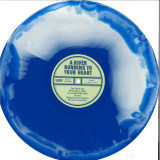
Eric D. Johnson rarely lingers at one location too long. As a kid growing up in the Midwest, Johnson's family moved around a lot, but it wasn't until he became a touring musician years later that motion became a central part of his identity. That transient lifestyle stoked an enduring reverence for the world he watched pass by through a van window. A sense of place is a unifying theme he's revisited with Fruit Bats throughout its many lives. From the project's origins in the late '90s as a vehicle for Johnson's lo-fi tinkering to the more sonically ambitious work of recent years, Fruit Bats has often showcased love songs where people and locations meld into one. It's a loose song structure that navigates what he calls "the geography of the heart." "The songs exist in a world that you can sort of travel from one to another," says Johnson. "There are roads and rivers between these songs." Those pathways extend straight through the newest Fruit Bats album, aptly titled A River Running to Your Heart . Self-produced by Johnson_a first for Fruit Bats_with Jeremy Harris at Panoramic House just north of San Francisco, it's Fruit Bats' tenth full-length release and one that finds the project in the middle of a creative resurgence. After two decades of making music, hard-earned emotional maturity has seeped into Johnson's songs, resulting in a more complex sound that's connected with audiences like no other previous version of Fruit Bats. A River Running to Your Heart represents the fullest realization of that creative vision to date. It's a sonically diverse effort that largely explores the importance of what it means to be home, both physically and spiritually. And while that might seem like a peculiar focus for an artist who's constantly in motion, for Fruit Bats, home can take many forms_from the obvious to the obscure. Lead single "Rushin' River Valley" is a self-propelled love song written about Johnson's wife that clings to the borrowed imagery of the place where she grew up in northern California. Then, there's the gentle and unfussy acoustic ballad "We Used to Live Here," which looks back to a time of youthful promise and cheap rent. But the wistful "It All Comes Back" is perhaps the most stunning and surprising track on the album, Johnson's production skills on full display. Built upon intricate layers of synths, keyboards, and guitars, it's a pitch-perfect blend of tone and lyricism that taps into our shared apprehensions and hopes for a post-pandemic life. "We lost some time / But we can make it back / Let's take it easy on ourselves, okay?" sings a world-weary but ultimately reassuring Johnson in the song's opening lines. It's the kind of performance that makes you hope Fruit Bats stays in this one place, at least for a little while longer.
Eric D. Johnson rarely lingers at one location too long. As a kid growing up in the Midwest, Johnson's family moved around a lot, but it wasn't until he became a touring musician years later that motion became a central part of his identity. That transient lifestyle stoked an enduring reverence for the world he watched pass by through a van window. A sense of place is a unifying theme he's revisited with Fruit Bats throughout its many lives. From the project's origins in the late '90s as a vehicle for Johnson's lo-fi tinkering to the more sonically ambitious work of recent years, Fruit Bats has often showcased love songs where people and locations meld into one. It's a loose song structure that navigates what he calls "the geography of the heart." "The songs exist in a world that you can sort of travel from one to another," says Johnson. "There are roads and rivers between these songs." Those pathways extend straight through the newest Fruit Bats album, aptly titled A River Running to Your Heart . Self-produced by Johnson_a first for Fruit Bats_with Jeremy Harris at Panoramic House just north of San Francisco, it's Fruit Bats' tenth full-length release and one that finds the project in the middle of a creative resurgence. After two decades of making music, hard-earned emotional maturity has seeped into Johnson's songs, resulting in a more complex sound that's connected with audiences like no other previous version of Fruit Bats. A River Running to Your Heart represents the fullest realization of that creative vision to date. It's a sonically diverse effort that largely explores the importance of what it means to be home, both physically and spiritually. And while that might seem like a peculiar focus for an artist who's constantly in motion, for Fruit Bats, home can take many forms_from the obvious to the obscure. Lead single "Rushin' River Valley" is a self-propelled love song written about Johnson's wife that clings to the borrowed imagery of the place where she grew up in northern California. Then, there's the gentle and unfussy acoustic ballad "We Used to Live Here," which looks back to a time of youthful promise and cheap rent. But the wistful "It All Comes Back" is perhaps the most stunning and surprising track on the album, Johnson's production skills on full display. Built upon intricate layers of synths, keyboards, and guitars, it's a pitch-perfect blend of tone and lyricism that taps into our shared apprehensions and hopes for a post-pandemic life. "We lost some time / But we can make it back / Let's take it easy on ourselves, okay?" sings a world-weary but ultimately reassuring Johnson in the song's opening lines. It's the kind of performance that makes you hope Fruit Bats stays in this one place, at least for a little while longer.
out of Stock
Last delivered 3 years ago available to reorder, subject to availability
Das neue Album "Risiko" von Steiner & Madlaina ist einmal mehr eine sehr persönliche Angelegenheit, die sie aber hin und wieder mit einem rotzigen Statement gehörig aufmischen. Nora und Madlaina haben sich für die Aufnahmen der zwölf Songs des neuen Albums neun Tage lang mit ihrer Band in das französische "Black Box Studio" in der Normandie zurückgezogen. Dort wurden alle Takes live eingespielt und zusammen mit Giuliano Sulzberger produziert.
"Die Aufnahmen zählen zu den besten Zeiten, die wir als Band erlebt haben", sagen Nora Steiner und Madlaina Pollina über ihr bereits drittes Album. Genau DAS hört man aus jedem der zwölf Songs heraus. Ob es damit das beste Album ist, das sie je gemacht haben? Die Entscheidung überlassen sie anderen.
Der Vorgänger "Wünsch mir Glück" landete in ihrer Heimat auf Platz 2 der Album-Charts - in Deutschland wurde es Platz 32. Gehen wir also am Ende ruhigen Gewissens mal ins "Risiko" und sagen: Dieses Album würde sich wirklich gut auf der 1 machen. Ob in Deutschland oder der Schweiz? Ach, warum nicht in beiden Ländern?
“Shambly Television Personalities/Swell Maps style earworm indie rock.” Brooklyn Vegan
“RIPPER! Melbourne’s TERRY return to complete a hat trick of three albums in three years (TERRYilogy?) that leaves the piss streak that is the rest of indie pop in 2018 dribbling down its own leg in the dust.” 8/10 CLASH
Call me Terry! It’s been a hot minute since we last heard from Terry, what’s he been up to? Five years on from their last album, ‘I’m Terry’, the Australian post-punk quartet proudly present their new record, ‘Call Me Terry’, for release on April 14th 2023.
Terry is made up of pairs Amy Hill & Al Montfort, and Xanthe Waite & Zephyr Pavey who started playing together for the fun of it in 2016. Seven years, four albums and three EP’s later, Terry is ready to pick up the phone again. Over the past few years Terry have kept themselves busy - but not only with Terry things. On top of numerous releases with alternating side projects (Constant Mongrel, The UV Race, Primo!, Sleeper & Snake, Chateau, Rocky, the list goes on… ) members of Terry have moved interstate, undertaken studies, had children and started new fields of work.
Terry began sharing the demos for ‘Call Me Terry’ online with each other in 2020 - as we all did - before getting together in 2021 at their trusty rehearsal space to record the beds. Overdubs were completed at Terry’s homes over the following year. Lyrically, in true Terry fashion, the record wastes no time in scrutinising Australia’s corrupt, colonial history. They sing it loud and sprawl it across the jacket of this record, highlighting the greed, privilege and entitlement of white, wealthy “Australia” which they won’t stand a second for.
Musically, ‘Call Me Terry’ still has the classic Terry sound; the four vocals singing as one gang, sharp guitars and quirky, burbling synths, the rolling bass and drums, all amidst their clever, dancey pop songs. Since day dot it’s been hard to reference a band that really sounds like Terry, which is always amazing. Truly a sound of their own!
But the sugar on top here may just be some of their finest horn, string and piano performances to date - all of which never feel crowded, cluttered or over-involved. More just excellent, necessary melodies. Rest assured Al still gives his famed Fuzz Factory a workout - and throws his tremolo into the pedal chain. It goes off. Tremolo is the order of the day for Amy and Xanthe too who also embrace the wobble, whilst Zephyr keeps the pulse of their politico-pop anchored.
Terry isn’t afraid to call the shots and Terry isn’t afraid to point the finger. Listen to what Terry has to say.
Kristian Matsson has never remained in one place for very long. Having spent much of the last decade touring around the world as The Tallest Man on Earth, Matsson has captivated audiences using, as The New York Times describes, “every inch of his long guitar cord to
roam the stage: darting around, crouching, stretching, hip-twitching, perching briefly and jittering away…Mr. Matsson is a guitar-slinger rooted in folk, and his songs are troubadour ballads at heart.”
Now, Matsson returns as The Tallest Man on Earth with Henry St., his sixth studio album following 2012’s There’s No Leaving Now, full of “vivid imagery, clever turns-of-phrase, and devastating, world-weary observations” (Under The Radar) and 2015’s Dark Bird Is A
Home, his “most personal record… surreal and dreamlike” (Pitchfork). Henry St. notably marks the first time he recorded an album in a band setting. “My entire career I’ve been a DIY person––mostly fueled by the feeling that I didn’t know what I was doing, so I’d just do everything myself.”
But now, longing for the energy that’s only released when creating
together with others, Matsson invited his friends to come and play.
Nick Sanborn (of Sylvan Esso) produced Henry St., which includes contributions from Ryan Gustafson (of The Dead Tongues) on guitar, lap steel and ukulele, TJ Maiani on drums, CJ Camerieri (of Bon Iver) on trumpet and French horn, Phil Cook on piano and organ, Rob
Moose (of Bon Iver, yMusic) on strings and Adam Schatz on saxophone.
Angelo is an EP, named after a car, featuring nine songs Brijean have crafted and carried with them through a period of profound change, loss, and relocation. It finds percussionist and singer Brijean Murphy and multi-instrumentalist/producer Doug Stuart processing the impossible the only way they know how: through rhythm and movement. The months surrounding the acclaimed release of Feelings, their full-length Ghostly International debut in 2021 which celebrated tender self-reflection and new possibilities, rang bittersweet with the absence of touring and the sudden passing of Murphy's father and both of Stuart's parents. In a haze of heartache, the duo left the Bay Area to be near family, resetting in four cities in under two years. Their to-go rig became their traveling studio and these tracks, along with Angelo, became their few constants. Whereas Feelings formed over collaborative jams with friends, Angelo's sessions presented Murphy and Stuart a chance to record at their most intimate, "to get us out of our grief and into our bodies," says Murphy. They explored new moods and styles, reaching for effervescent dance tempos and technicolor backdrops, vibrant hues in contrast to their more somber human experiences. Angelo beams with positivity and creative renewal _ a resourceful, collective answer to "what happens now?". Angelo the car is a 1981 Toyota Celica they got off Craigslist during their first stint in Los Angeles, where Murphy and Stuart have since settled. "Such a bro-y, `80s dude car, it's been super fun to drive around in a new town," Murphy says. "He's older than us, he's a classic, he's got a story." It is a spiritual vehicle with a cinematic appeal, first dropping them off in an alleyway for the scene-setting intro, "Which Way To The Club." The question is quickly resolved by "Take A Trip" as a cruising bassline mingles with crowd sounds, hand-claps, cuíca hiccups, whip-cracks, even a horse neigh. Brijean have found some club on this cross-dimensional trip - the kind of imagined space or chamber within one's self capable of "shifting a fraction of who you are," says Murphy. They wrote the track with the simple intention to be "as free as we could be," adds Stuart, likening the flip on the B section to a realm unlocked: "What if the world changed completely? You open the door to a new room." Next is "Shy Guy," a motivational anthem for the wallflowers among us. Murphy sets up the daydream: "We are in junior high, we're on the dance floor, what's going down, who is dancing, who is not, how are we gonna make them dance?" The narrator, the MC, hypes up the room as conga-driven rhythms bounce between languid synth and guitar lines. "Show me how to move...I feel something...I know you feel it too," Murphy sings sweetly, calling back to the opening lines of Feelings, and this time the audience chants it back. It is easy to picture Brijean performing this one - something they only got to do a handful of times until more recently, opening shows for Khruangbin and Washed Out, an experience they found informative. Murphy explains, "It was inspiring to be out there and let loose more. To see how people can expand their expression on stage gave me more liberty with how I viewed my musicianship. My role for so long was to be a backup percussionist, so why would I ever leave the drums, you know? But then after playing all these runs, you see these artists and realize you can, you have permission." "Angelo" and "Ooo La La" deliver the danciest stretch in Brijean's catalog to date. The title track adopts a deep house pulse replete with strings, hi-hats, and kicks. The latter opts for a funkier groove that foregoes verses in favor of warbled hums and extended breakdowns. What follows is perhaps the duo's dreamiest run, a comedown initiated with the honey-hued interlude "Colors" drifting into "Where Do We Go?", a tropicália reverie where Murphy contemplates the passage of time and space. It all culminates in "Caldwell's Way," a fond farewell to their Bay Area community - "a part of my life that I knew couldn't come back," says Murphy. Above shimmering organ sounds, lush strings, and the birdcall of their former neighborhood, she wistfully articulates the uncertainty of moving on by remembering the characters dear to them. There's the wisdom of their neighbor, Santos, who refused payment when helping them move out: "I'd rather have 100 friends than 100 dollars." And the song's namesake, Benjamin Caldwell Brown, a friend and club night cohort for many years. "I'm only miles away, maybe I'm just feeling lonely," the line resigns to warm nostalgia, and "Nostalgia" runs the closing credits to this healing and transportive collection.
out of Stock
Last delivered 3 years ago available to reorder, subject to availability
Multi-Award winning, hugely influential musician Feist returns with Multitudes, her sixth solo album and first since 2017’s Pleasure.
Multitudes was produced by Feist with longtime collaborators Robbie Lackritz (The Weather Station, Bahamas, Robbie Robertson) and Mocky (Jamie Lidell, Vulfpeck, Kelela). Blake Mills (Bob Dylan, Fiona Apple, Perfume Genius) and Joseph Lorge came in to mix, with Mills as a co-producer in the final stages.
Multitudes took shape soon after the birth of her daughter and sudden death of her father, a back-to-back convergence of life-altering events that left the Canadian singer/songwriter with “Nothing performative in me anymore.” As she cleansed her songwriting of any tendency to obscure unwanted truths, Feist slowly made her way toward a batch of songs rooted in a raw and potent realism which is touched with otherworldly beauty.
Largely written and workshopped during an intensely communal experimental show of the same name through 2021 and 2022, the songs on Multitudes developed in parallel with and were deeply influenced by the mutuality of the unconventional experience. The production, developed by Feist with legendary designer Rob Sinclair (David Byrne’s American Utopia, Peter Gabriel, Tame Impala) was formulated to bring people together as they re-emerged from lockdown while providing an outlet for connection between artist, art, and community.
Violeta Vicci rides a motorbike, is fluent in seven languages, and feels at home in England, Switzerland and Spain. A multifaceted, contemporary violinist, vocalist and composer, she feels comfortable genre-crossing from classical to ambient, multilayered electronics, her influences ranging from Bach to Brian Eno. Her music has been played on BBC Radio 3 (Hannah Peel), Radio 4 Woman's Hour, BBC6 (Iggy Pop), KEXP and Resonance FM.
Since starting the violin at the age of four and giving her concert debut at the age of fifteen, she fulfilled her long life dream to study at the Royal Academy of Music. Violeta has recently supported the Orb on their 30th anniversary UK tour and collaborated with the likes of Thom Yorke, Elbow, Jonsi (Sigur Ros), Steeleye Span and Ellie Goulding. She also arranges the strings for Fontaines DC and writes and performs with psychedelic rock band TTRRUUCES. "We didn't have a TV when growing up, so spending time in nature, building castles in the sand, reading, playing music and listening to fairy tales, played a big role in creating my inner magical universe."
During lockdown, Vicci started "Live Music in Nature" a series of live-streamed concerts performed in beautiful natural locations around the UK, combining strings, voice and effect pedals to create a soundtrack to nature.
She has been nominated for a Royal Philharmonic Society Award 2021 and has released two studio albums to date.
King Creole was the fourth of Elvis Presley’s Hollywood movies, released in June
1958. Loosely based on Harold Robbins’ novel A Stone For Danny Fisher, about a
struggling young Boxer. Producer Hal Wallis decided it would make a perfect vehicle
for Elvis Presley, and so the lead character became a Singer instead of a Boxer, and
the whole project was promptly transformed into a musical. It’s one of the best of the
Presley soundtracks opening with the title track King Creole penned by Leiber &
Stoller, followed by R&B number Crawfish, and the contrasting Rock'n'Roll track
Dixieland Rock which is reminiscent of Jailhouse Rock. Sadly, it was to be the last
truly dramatic role Elvis was ever given, and Presley himself would always cite King
Creole as his personal favourite out of all the films he made.
After co-writing a top five song for Kitty Wells, Mommy For A Day, Buck ended
1959 with a hit of his own, Under Your Spell Again. The next six years brought
many more; Foolin' Around, Under The Influence Of Love and Heartaches By
The Number. However, Owens’ popularity had peaked by the late 1960s. So,
in 1969 he embraced the small screen and became co-host of Country Music
TV programme, Hee-Haw. The arrival on the scene of Country-Rock pioneers
the Flying Burrito Brothers in the late 1960s gave Buck Owens another share
of reflected glory. They loved the raw Hillbilly feel of his music, developed to
compete with the string-laden ‘Countrypolitan’ sound so popular in the early
1960s in the hands of Eddy Arnold, Jim Reeves and Patsy Cline.
Five years since his last solo outing, Pev makes a very welcome return on his own label for Livity Sound's 60th release.
Having focused on expanding the innovative scope of Livity through a prolific release schedule, frequent label nights and the 10th anniversary Molten Mirrors compilation, on the 'Pulse E.P.', Pev delivers on his reputation for inventive, sharply-focused club music with four lean, focused club tracks across the tempo range.
From the crooked formation and pointillist bleeps of ‘Pulse I’ through the light-footed percussion and airy melodies of ‘Pulse II’ to ‘Pulse III’s strafing techno synths and ‘Pulse IV’s surefooted, bass-loaded house jack, it’s an EP of variation and consistency in equal measure. From the infectious, alien melodic lines to the elegant angles of the drums, not to mention the weighty subs, it’s all strikingly fresh and unmistakably Pev.
Livity Sound is a label set up by Peverelist in 2011 as a vehicle for a raw and exploratory strain of UK techno, rooted in the heritage of UK dance music and sound system culture. It has since become one of the UK's foremost protagonists for cutting edge underground electronic music.
out of Stock
Last delivered 18 months ago available to reorder, subject to availability
Any moment can crash your emotional state of mind. You are looking for help. You can’t find it with-inside of you. A Diamond shines twice a day. The night can be day and vice versa. We love you, no doubt. Our friends love you too. Do you love yourself? A Zebra is not a unicorn but is still unique. Who are you to tell us We can’t do it? EUPHORIC SPIRITS EUPHORIC SPIRITS Women are strong and full of love and positive energy. This life is a gift and you should genuinely use it. Read a book. Internet TV connects your brain to something not valid; remember that. We still love you. You are beautiful. Come with us to hidden spheres and find your inner voice. Shock, Projection, Ideals, Sorrow, Disaster, Fundamental, Weak, Strong, More, Less.
We love you. Follow us to the planet of our inner fears, and we do magic. It will become another planet. Together forever. We love you.
out of Stock
Last delivered 13 months ago available to reorder, subject to availability
Frech, wild und ohne Kompromisse: THE HELLFREAKS verbinden modernen Metal mit rotzigem PunkEinschlag!
THE HELLFREKS, Ungarns rebellischster Punk/Metal Export, veröffentlichen am 14. April 2023 das neue Album, Pitch Black Sunset, über Napalm Records. Darauf liefert das Quartett aus Budapest eine packende Mischung aus Modern Metal und Post-Hardcore mit einschlägigen Skate Punk Elementen. Die 2009 gegründete Band kann bereits auf eine spannende Diskografie zurückblicken, die unter anderem Highlights wie den Psychobilly-Punk-Hit „Boogie Man“ enthält. THE HELLFREAKS sind in zahlreichen europäischen Ländern aufgetreten und eroberten die US-amerikanischen Bühnen auf ihrer Tournee im Jahr 2015.
Nun setzen sie mit ihrem fünften Album Pitch Black Sunset einen neuen Meilenstein mit ihrer einzigartigen Mischung aus Metal, Post Hardcore und Punk.
Bereits der Album-Opener „Old Tomorrows” ist ein gelungener Kick Off und erstklassiger Repräsentant, der mit groovigen Metalbeats und den intensiven, frechen Screams von Zsuzsa „Shakey Sue” Radnóti unmittelbar ein Ausrufezeichen setzt und die In-Your-Face-Attitüde der Band hervorhebt. THE HELLFREAKS demonstrieren zudem gekonnt ihre Qualität als individuelle Musiker, während sie mühelos schwere Riffs mit starken Beats und aggressiven Shouts verschmelzen lassen. Dabei liefern bittersüße Gesangslinien den perfekten Kontrast. So beweisen THE HELLFREAKS mit Pitch Black Sunset eindeutig, dass sie bereit sind, ihr nächstes Kapitel aufzuschlagen!
María Dueñas presents her highly anticipated Deutsche Grammophon debut album; Beethoven and Beyond captures a towering performance of the Beethoven Violin Concerto, recorded live at Vienna’s Musikverein and featuring the artist’s own cadenzas. The album also includes works by Kreisler, Saint-Saëns, Spohr, Wieniawski and Ysaÿe, with a companion disc of Beethoven cadenzas by the same composers.
180g bone coloured vinyl, standard outer sleeve, printed inner sleeve, hand-numbered /500 download card included. Adelaide, Australia-based outfit Los Palms. The nine-track collection serves up an infectious and hedonistic cocktail of jangly surf-rock, 1960s garage and 13th-floor psychedelia. Los Palms described their sound as "Desert Jangle", with influences all the way from 60s Peruvian bands like Los Saicos, Los Destellos & Los Holy's to modern Californian sweethearts Allah-Las & LA dirt shredders Night Beats. Whilst taking a trip through Los Palms' 'Skeleton Ranch', listeners can expect songs drenched in heartbreak, love and mystery: "These are neo-psych ghost stories that create a detailed musical landscape by mixing feedback, fuzz, eerie organs and reverb-soaked guitar and vocals."
Nachdem Thees Uhlmann im Rahmen seiner "Junkies & Scientologen" Tour in den vergangenen drei Jahren 170 Konzerte gespielt hat erscheint am 02.12.2022 das Thees Uhlmann & Band Live Album "100.000 Songs Live in Hamburg". 3LP Edition (Grünes Vinyl, Gatefold), inklusive Din A2 Poster.
A deluxe edition as a 2 x LP on yellow vinyl, features bonus demos, b-sides and live session recordings. The Hidden Cameras burst onto the Toronto music scene in the early 2000"s boasting an irresistible combination of pop and queer sensibilities. Playing self-proclaimed "Gay Church Folk Music" a new genre of their own making and songs ranging from haunted, aching ballads to foot-stomping anthems, the band"s outrageous stage shows packed such disparate venues as sweaty dance bars, art museums, a working porn cinema as well as many churches. Fronted by lead singer-songwriter Joel Gibb, the ensemble continues its musical provocations to this day, with Berlin now as its centre of gravity. The Hidden Cameras had yet to release a note of commercially available music when, in early 2002, they became among the most discussed and celebrated unsigned bands in the history of their native Toronto. By the close of the year, they had been the subject of uncommonly sensational features in The Globe and Mail (Canada"s national newspaper) as well as in every daily and weekly in Toronto. The reasons for the reckless enthusiasm of these usually cautious journals was simple: revelatory live performances that attacked and transcended the staid, dispassionate traditions of rock nightclub culture; and the songs of band front-man and mastermind Joel Gibb, a talent of uncommon melodic and poetic gifts. "The Smell of Our Own", The Hidden Cameras debut album was originally released in April 2003 on Rough Trade to tremendous critical acclaim.
Trey Gruber's posthumous debut double LP Herculean House of Cards. A compilation of early demos, studio demos, and live recordings. A tortured songwriter and struggling addict who jolted the tired Chicago DIY scene with his own brand of primal despair, Trey Gruber and his band Parent were on track to join the ranks of Twin Peaks, Mild High Club, and Whitney. His death in 2017 at the age of 26 brought it all to a halt. In his final years Trey wrote and recorded hundreds of previously unheard demos, dandelions in the cracked concrete of 21st century disconnect, an alphabet's worth of which have been compiled by his family and friends for his only album: Herculean House Of Cards. The 26-song 2xLP covers years of material, from home tape recordings, sessions at Mathew Roberts (Mild High Club) & Paul Cherry's home studio, to a studio session with Charles Glanders (Whitney) at Chicago's Foxhall Studios, along with audio taken at The Hideout during his last live performance, among others. Though Gruber was an unrelenting perfectionist who was constantly self-deprecating about his best demos, Herculean House of Cards is a wholly comprehensive and accurate reflection of his infectious charisma and raw songwriting. He had a charmingly distinct way with words but also could be disarmingly vulnerable. Like he was in life, Gruber never shied away from being open with his struggles with alcoholism and addiction. On the vivid opener "Eisenhower to the West Side," he sings in painstaking detail of, "A jail-skin cell, a junkies fight/Corner-boys full of grace/And Jesus Christ full of spite." He told then-future bandmate flautist Rebecca Ridge, "It's not some Lou Reed glorification of drugs _ `makes me feel like a man'_ I talk about the disconnect and the ugliness. They're sad pop songs." But even with the pain and the darkness in his lyrics, Gruber's songs had an unmistakable sense of hope and catharsis.
Trey Gruber's posthumous debut double LP Herculean House of Cards. A compilation of early demos, studio demos, and live recordings. A tortured songwriter and struggling addict who jolted the tired Chicago DIY scene with his own brand of primal despair, Trey Gruber and his band Parent were on track to join the ranks of Twin Peaks, Mild High Club, and Whitney. His death in 2017 at the age of 26 brought it all to a halt. In his final years Trey wrote and recorded hundreds of previously unheard demos, dandelions in the cracked concrete of 21st century disconnect, an alphabet's worth of which have been compiled by his family and friends for his only album: Herculean House Of Cards. The 26-song 2xLP covers years of material, from home tape recordings, sessions at Mathew Roberts (Mild High Club) & Paul Cherry's home studio, to a studio session with Charles Glanders (Whitney) at Chicago's Foxhall Studios, along with audio taken at The Hideout during his last live performance, among others. Though Gruber was an unrelenting perfectionist who was constantly self-deprecating about his best demos, Herculean House of Cards is a wholly comprehensive and accurate reflection of his infectious charisma and raw songwriting. He had a charmingly distinct way with words but also could be disarmingly vulnerable. Like he was in life, Gruber never shied away from being open with his struggles with alcoholism and addiction. On the vivid opener "Eisenhower to the West Side," he sings in painstaking detail of, "A jail-skin cell, a junkies fight/Corner-boys full of grace/And Jesus Christ full of spite." He told then-future bandmate flautist Rebecca Ridge, "It's not some Lou Reed glorification of drugs _ `makes me feel like a man'_ I talk about the disconnect and the ugliness. They're sad pop songs." But even with the pain and the darkness in his lyrics, Gruber's songs had an unmistakable sense of hope and catharsis.
out of Stock
Last delivered 3 years ago available to reorder, subject to availability
Limited Whirlpool Blue Vinyl! Auckland, New Zealand post-punk group Guardian Singles return to Trouble In Mind for their follow-up to 2021's debut with "Feed Me To The Doves", a ten-track socio-political burner addressing our collective spiritual chaos that pulls influence from across the history of punk & permeates it into something decidedly Aotearoan & uniquely their own in ways that are both personal & universal. "Feed Me To The Doves" is the first album to feature the current, long-standing lineup of Thom Burton (guitar, vocals), Fiona Campbell (drums), Yolanda Fagan (bass), and Durham Fenwick (lead guitar). The band has been playing live together now for a few years & it shows. The songs herein vary from the deeply personal, to sketches or postcards, as Burton says "_scribbled while watching the dregs of a delirious culture war play out through broken smartphones and praline vape clouds." Expertly recorded at Neil Finn's Roundhead Studios in Auckland by engineer Steven Marr, who Burton says had a "great sense of being able to keep the urgency of the songs while adding lushness and keeping things sounding like they're about to break at any second". Marr helped turn the album's scrappy beginnings into something more cohesive and beautiful.
When we established Balmat in 2021, neither of us could have imagined that within two years, we’d be putting out an album by one of our musical heroes: Mike Paradinas, aka µ-Ziq. The British producer has been an inspiration to label co-founders Albert Salinas and Philip Sherburne since the 1990s. In fact, his album-length remix project The Auteurs Vs µ-Ziq was one of the very first pieces of electronic music that Philip bought, way back in 1994. To have the opportunity to release his music now feels like a real full-circle moment.
Paradinas, of course, needs no introduction. Under a slew of aliases, chief among them µ-Ziq, the British artist revolutionized leftfield electronic music in the 1990s—coincidentally, this year marks the 30th anniversary of his debut album, Tango N’ Vectif, for his friend and sometime collaborator Aphex Twin’s Rephlex label—and his label Planet Mu has built up a formidable catalog of visionary, forwardlooking records, mapping virtually every corner of the electronic spectrum. With 1977, he turns the clock backward in a sense, and not just with the album’s title: Rooted in classic ambient and electronic sounds, these 15 tracks evoke the anything-goes spirit of the early ’90s, before the tools and tropes had calcified into cut-and-dried styles.
There’s no shortage of familiar sounds on 1977. There are echoes of raves and chillout rooms and transmissions from the fringes of techno; there are detuned synths and glistening reverb tails and, above all, gauzy vox pads, the eerie glue that holds it all together. The title, he says, is meant to invoke a general sense of nostalgia, bookmarking a year in his boyhood when he became more selfaware. More than anything, 1977 sounds like µ-Ziq distilled: Stripped of his signature breakbeats and customary chaos, Paradinas’ first-ever strictly (well, mostly) ambient album presents the essence of his music in a whole new light.
Along the way Paradinas touches on dark-ambient drones (“Marmite”), horror-film themes (“Belt & Carpet”), jungle breaks (“Mesolithic Jungle”), and even house music (“Houzz 13”), which marks the first bona fide dance-floor moment on Balmat to date). Yet the album never—to our ears, anyway— feels expressly retro. Rather, Paradinas plucks timeless sounds out of the ether and gives them a gentle tap, spinning them into unexpected new orbits. At times, 1977 feels like an experience of extended déjà vu: When we first listened to it, we had the sense that we already knew this music. It was as though we had heard it years ago, perhaps on a battered cassette tape lent to us by a friend, and been searching for it ever since. We hope you feel the same.
out of Stock
Last delivered 3 years ago available to reorder, subject to availability
The Bass Junkie sound spans the old school beats and vibes of the Electro genre’s origins, to the borderline industrial. Phil is a battle hardened Bass Bot from the future armed with his trusty MPC.
The obsession with all things sci-fi continues with this 'Cruising The Bass Nebula' EP. Out this February on my Asking for Trouble label, this is testament to his non-stop love of the genre and keeps on evolving with this funky 10".
Phil Klein aka Bass Junkie has been part of the Bass furniture for decades. I first came across him at my local roller disco somewhere in the 80s where he would flex his early DJ skills. Phil was cutting and scratching on the decks way before anyone I knew.
His history is quite something. In the early 90s he contacted Dave Noller from Dynamix II in Florida and after sending demos (pre-Internet of course). He ended up going there to make some tunes under the name of Cybernet Systems.
Phil has had many monikers and worked with lots of people over the years. Model Citizens with Matt Whitehead, IBM, Gods of Technology and Kronos Device with Si Brown (Dexorcist) and myself both as The Brink and part of The Resonance Committee to name a few. 2021 saw the release of the album Sub Sonic Survivor on Bass Agenda. He's had releases on lots of labels over the years including Control Tower, Firewire, SMB, Ed DMX's Breakin records, Andrea Parker's Touchin Bass label, Billy Nasty's Electrix and his own Battle Trax label.
Throbullating throughout the galaxy since 1986!
out of Stock
Last delivered 3 years ago available to reorder, subject to availability
Civilistjävel! returns to Copenhagen label FELT with a four track EP following on from 2022's Järnnätter album.
Equally well placed next to the Biosphere / early Fax +49-69/450464 camp as well as various decades of electro-acoustic drone practitioners, Fyra platser (Four Places) also includes a trip-hop leaning collaboration with Cucina Povera. Whilst Järnnätter drew influence from the cyclical, chasmic nature of dub techno, Fyra platser hones further in on the ‘between’ areas in a minimal, reductivist fashion. The rhythms are there to follow but are primarily beatless and more expansive, though skewing perceptions of time in the same trademark manner.
Three locations in the Nordingrå area of the Swedish high coast are exorcised and channelled through sound. ‘Kolugn’ is a deliberately grainy, sepia-tinged continuation of the likes of Robert Rutman’s work across the 70s American avant-garde. It sits in contrast to the more obviously synthesis-led direction of fellow longform piece ‘Valmsta’. The location slowly changes to Finland via Athens, scenes of cafe conversations and hazy polaroids informing the lyrics of ‘Louhivesi’. The result sounds like a 90s illbient record dropped around 30 bpm and the stylus has caught on a perennial 8-bar loop. The balance of Cucina Povera’s cold, reverb-heavy vocal inflections drive the track into another dimension. If Moral were the Scandi Joy Division, this pairing must be the Scandi Massive Attack.
out of Stock
Last delivered 3 months ago available to reorder, subject to availability
The 90’s San Francisco underground electronic scene always commanded a great deal of love and respect here at OCD. It played an important role not only in the development of the global electronic music scene, but also in our personal, never-ending journey of discovery.
Back in 1996, between the early releases of one of the SF’s scene most important and pioneering record labels, Sunburn Records, an EP titled “Plum Pudding EP” by an artist called “Trailmix” appeared. It featured 4 tracks spanning between early hours progressive-house and more gentle, mellow breaks with a hint of electronica.
For many years it has been one of our most favourite record from that scene and era.
27 years later, we’re beyond stoked to have being able to successfully track down that gentleman by the name of Alan Aronoff (Trailmix) who, with no hesitation, allowed us to reissue that special EP on The Secret Sun.
out of Stock
Last delivered 3 months ago available to reorder, subject to availability
Underneath his mysterious metal mask, MF DOOM hides the cachet underground legends are made of. After his first group KMD’s sophomore album Black Bastards was shelved by Elektra in 1994, and his blood brother Subroc — one half of the sibling rap duo — passed away, surviving frontman Zev Love X slowly mutated into the supervillain MC known as MF DOOM, and the rap world is better for it.
The 1999 release of Operation: Doomsday marked MF DOOM’s official debut, reintroducing a mysterious figure who would soon become one of underground rap’s greatest voices. Within its 19 tracks, Operation: Doomsday reveals the confluence of DOOM’s tragic past, personal interests and daring creativity. His clever rhymes and remarkable schemes stood out against the landscape, and every sound he touched — from cartoon theme songs, to ‘80s soul, to rap classics and more — got reinterpreted into something brand new and surreal.
Decades later, MF DOOM is still celebrated for all facets of his work and influence. In the face of tragedy, DOOM re-infiltrated the rap game on his own terms, and crafted an instant cult classic. Operation: Doomsday stands as a testament to the power of betting on yourself against all odds.
out of Stock
Last delivered 32 days ago available to reorder, subject to availability
In 2015, when we launched Hip Dozer, we were overwhelmed by the amount of talent that was still championing this old school way of making beats and the incredible creativity that was circulating in the scene.
In a period where hip hop was evolving so much and going further (sometimes for the better but also for the worse), it was obvious to us that we had to defend this rising scene of young beatmakers who were so attached to the roots of old-school beatmaking but who were always taking it to another level.
It's been 7 years since we created Hip Dozer Records with our first anniversary compilation and that's what makes this compilation so special every time. Its purpose remains the same and will always be to champion the art of beatmaking that we love and to help showcase new artists in the scene.
This year we are lucky enough to have some of our favourite talents from the scene on board with artists like Saib, Flughand, Phoniks, Cookin Soul, SoulChef and Wun Two.
We would like to say a huge thank you to all the artists who have been involved in this project and who have been as enthusiastic as we are in making it happen. It has been such a pleasure since the beginning of this adventure and this is only the beginning. Much love to all of you who listen and support wherever you are.
out of Stock
Last delivered 2 years ago available to reorder, subject to availability