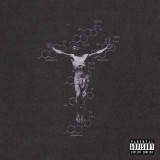
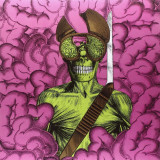
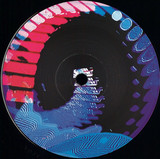
Celebrating the 5th anniversary of Conway's legendary tape with DJ Green Lantern "Reject On Steroids" with a vinyl reissue in collaboration with Drumwork Music. Tape features guest appearances by Royce Da 5'9" and Benny, and productions by DJ Green Lantern. For the occasion we have two different artworks by Shk, limited to 1500 units each.
Celebrating the 5th anniversary of Conway's legendary tape with DJ Green Lantern "Reject On Steroids" with a vinyl reissue in collaboration with Drumwork Music. Tape features guest appearances by Royce Da 5'9" and Benny, and productions by DJ Green Lantern. For the occasion we have two different artworks by Shk, limited to 1500 units each.
Transmitting from deep in the Finnish underground, Nazar sends out a signal of mysterious, synthetic auras and shadowy, skittering sequences. From smoky outsider techno to rainy-day electro abstraction, the label’s emphasis is on expression and intrigue as each release reaches across the energetic spectrum of moody machine music.
The first release on Nazar presents a cast of protagonists from the Helsinki scene who share precisely the kind of nocturnal tendencies the label is seeking out. Seasoned duo General Electrix open up the A side with ‘Redshifter’, a silken web of 606-powered electro and warmly haunted synth work that nods to the early years of Autechre. Making an early step out into the public domain, Asyx follows up swiftly with the exquisitely detailed machine funk of ‘kVelorum ‘, where a vivid tapestry of noise, squelch and bleep techno gets smartly woven between airy pad tones and a rock-solid rhythm section.
On the B side, Helsinki mainstay Kaiunta brings a dramatic flourish to mid tempo creeper ‘Phantasm’, matching a densely packed rumble of live drums with sweeps of nervy atmospherics and a murky inversion of the classic gated trance lead. 53X rounds out the Nazar mission towards broad BPMs and fresh ideas with a crunchy swerve towards sample-heavy downtempo laced with a generous dose of psychedelics and angular noise.
NAZAR001 is the kind of record that yields surprises and slots into unexpected moments depending on when and where the needle drops, providing versatile moments for adventurous selectors and continuing the fine tradition of outsider electro and techno from Finland.
nicht am Lager
Zuletzt vor 4 Monaten geliefert unverbindlich nachbestellbar
Aufgenommen 1986, ist das die großartige, verschollene Country-LP von Fred & Toody Cole (Weeds, Lollipop Shoppe, Zipper, Torpedoes, Rats, Western Front, Desperate Edge, Dead Moon, Pierced Arrows usw.)! Alle Songs sind Eigenkompositionen - ein paar traurige, beschwingte Balladen und ein paar richtig punkige Nummern. Bei zwei Songs spielen Fred & Toddy mit ,Rollie", einer klapprigen Roland-Drum-Machine, die den Takt nicht so gut halten konnte. Die restlichen Songs wurden mit einer kleinen, knallharten Band aufgenommen.
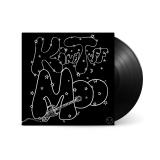
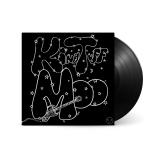
Moo is the first wide release on my new label MUP! When I decided to make a new record, it only seemed right to go back to what brings me the most joy, which is, Rock & Roll music. I got my Tascam 388 fixed, the same tape machine I had used to record my first album, King Tuff Was Dead. It had been sitting in my parent’s house in Vermont for the past 14 years, but I had finally dragged it out to LA. I stopped caring if there were mistakes. There’s not enough mistakes. I played my old, blue, Gibson SG, Jazijoo, and she spewed mangled electrified gold. For once, I sang and I didn’t hate my voice. I played the drums badly and bounced them in mono to one track and it sounded like glorious shit. I wish it sounded even worse. Rock & Roll is the music of rodents and bugs. It should sound like it crept from a decrepit trashcan or a crypt or a toilet. It is not chill or vibey, autotuned or on the grid. It is not perfect, which is why it’s perfect. And I don’t care if it’s dead or alive, cool or uncool: when I hear it, and when I play it, as a chubby and balding 43 year old punk weirdo, I FEEL ENERGIZED. All in all, MOO is a full circle moment. A return to form. A return to rock. A return to Vermont. A return to myself. Reconnecting the dots. Restarting the engine. Plugging in the stack. Finally letting King Tuff be King. Fucking. Tuff.
Moo is the first wide release on my new label MUP! When I decided to make a new record, it only seemed right to go back to what brings me the most joy, which is, Rock & Roll music. I got my Tascam 388 fixed, the same tape machine I had used to record my first album, King Tuff Was Dead. It had been sitting in my parent’s house in Vermont for the past 14 years, but I had finally dragged it out to LA. I stopped caring if there were mistakes. There’s not enough mistakes. I played my old, blue, Gibson SG, Jazijoo, and she spewed mangled electrified gold. For once, I sang and I didn’t hate my voice. I played the drums badly and bounced them in mono to one track and it sounded like glorious shit. I wish it sounded even worse. Rock & Roll is the music of rodents and bugs. It should sound like it crept from a decrepit trashcan or a crypt or a toilet. It is not chill or vibey, autotuned or on the grid. It is not perfect, which is why it’s perfect. And I don’t care if it’s dead or alive, cool or uncool: when I hear it, and when I play it, as a chubby and balding 43 year old punk weirdo, I FEEL ENERGIZED. All in all, MOO is a full circle moment. A return to form. A return to rock. A return to Vermont. A return to myself. Reconnecting the dots. Restarting the engine. Plugging in the stack. Finally letting King Tuff be King. Fucking. Tuff.
Hagridden' is the second full-length from Scottish sisters Bratakus. Fiercely political and unapologetic, the duo made up of siblings Brèagha Cuinn (guitar and vocals) and Onnagh Cuinn (bass and vocals) deliver ten songs that combine garage rock and feminist punk with the same deft poise as forerunners The Distillers, The Donnas, Bikini Kill and X-Ray Spex.
In 2019, a BBC news report called Bratakus "the UK's most remote punk band". Formed in 2015 outside a small whiskey village called Tomintoul in the Scottish Highlands, the sisters (then 14 and 8 years old) have maintained a DIY ethos in everything they've done. Recording at home, self-releasing music, booking their own tours and with no drummer available locally, the duo turned their limitation into a statement, performing live with a drum machine and cementing their reputation as an uncompromising force within the punk scene.
'Hagridden' marks a new beginning for the two sisters, introducing real drums to the recording process (including a guest appearance from Chris Dangerous of Swedish rock band The Hives) plus a more focused approach to songwriting. The message and music are just as loud, but the execution is now deadlier than ever.
DYING VICTIMS PRODUCTIONS is proud to present ZERRE’s highly anticipated second album, Rotting on a Golden Throne, on CD and vinyl LP formats. From the cellars of Würzburg, Germany, ZERRE have been keeping the torch of old-school thrash metal burning while carving their own vicious path. Their sound draws on the razor-sharp aggression of classic Metallica and Exodus and the stomping groove of early Faith No More: no frills, no mercy. Their third full-length, 2024’s Scorched Souls, tore through the scene and earned critical acclaim for its searing riffs and unflinching energy. Now, ZERRE take a decisive step forward with Rotting on a Golden Throne. Darker, more overtly political, and more aggressive than its predecessor, this fourth full-length dives headfirst into the rot of power, corruption, and human decay – a brutal soundtrack for a world teetering on the edge. Onstage, ZERRE embody the chaos of their music: riff-driven assaults, breakneck tempos, and a raw intensity that leaves no room to breathe. On record, while those influences still remain, but the DNA has been splintered into something more unique and definitely more powerful: thrashing, yes, but within a crossover framework that feels titanic. The production is razor-sharp, but with ominous atmosphere to spare; the execution is even sharper, as the drumming especially pulses like a dread locomotive; and vocals spit forth venom, raging against a machine fatted by suffering. As the throne collapses, ZERRE deliver the anthem of its fall. Keep on Rotting on a Golden Throne!
Formed in 1987 by Fruitbat and Jim Bob, Carter The Unstoppable Sex Machine burst onto the scene with their signature style of punk-pop infused with samples, drum machines, and social commentary. Join Jim Bob and Fruitbat, as they take a retrospective look back at the complete Carter U.S.M. singles, from 1988 to 1997.
First released in 1995, 'Straw Donkey' is an essential introduction to Carter The Unstoppable Sex Machine, featuring the U.K. Top 20 singles 'The Only Living Boy In New Cross', 'After The Watershed (Early Learning The Hard Way)', 'Rubbish', and 'Lean On Me I Won't Fall Over', along with classics such as 'Sheriff Fatman', 'Anytime Anyplace Anywhere' and 'Bloodsport For All'.
With two deeply cherished compilations already in the bag, Luke Una steps up for the third volume in his É Soul Cultura series on Mr Bongo. A love letter to the dancefloor and its power to unite people from all corners of society amid growing division and extremist politics. Genre-spanning in nature, the 15 tracks travel between cosmic soul, boogie, proto-house, slo-mo technoid grooves, drum machine afro, astral bass-bugging futurism, jazz funk, dance, and disco. Each having the ability to move the body as much as the heart.
From his formative years in Sheffield to co-founding Manchester’s much-fabled Electric Chair with Justin Crawford, through to helming the iconic LGBTQ institutions of Homoelectric / Homobloc, Luke has spent 40 years immersed in dance music. His latest outlet, É Soul Cultura, has grown from a label to a globe-spanning events series with Luke holding residencies and embarking on tours across the world from Japan and Australia to America and Europe.
“For me, the dancefloor was never about a one-dimensional, thudding, 130 BPM beat only. It's a much more dynamic, broader vision than that. I cut my teeth in an era where a 100 BPM record had as much impact, excitement, and energy as a 134 BPM dancefloor jazz funk or techno record”, Luke mentions. É Soul Cultura Volume 3 is the perfect embodiment of that notion: “It’s about four decades in the trenches playing dance music, the late-night afters, the shebeens, the basements, warehouse parties, the eight-hour journeys in East London, through to festival sets at Houghton and We Out Here. It’s music unconstrained by genre or tempo and more about making your body move”.
But this isn’t simply a collection of disparate dance tracks; they carry meaning and soul. “It’s less about escapism, more about reconnection. My experience of post-covid has been the coming together of all the clans in various clubs and gatherings. A reaction to a very toxic world out there, where the aggro rhythms of division have sought to divide us, and people don't meet as often. The coming back together face-to-face in clubs has encouraged a real love in the air, there's a real togetherness and collective spirit”.
Opening up the compilation is a track that channels that very message, the transcendental, soul-rousing Harris & Orr ‘Spread Love’. Joining the dots from there, to the low-slung deep house closer of Fatdog ‘Remember’, you’ll find electronic drum machine Nigerian funk, sitting side by side with dancefloor Cape Verdean brilliance, a post-punk cover of Fela Kuti, rubbing shoulders with cosmic electro, and an Una-championed, 8-minute, kickless DJ Harvey remix. There’s jazz funk in various guises moving from boogie synth to astral travelling, slo-mo acidic raw techno, and a ‘79 soul stepper, alongside swirling percussive Italo disco and tribal-charged house. All infused with an innate ability to bring people together.
As society becomes increasingly fractured, É Soul Cultura Volume 3’s message is more than movement. It’s about dance music’s power to unify people from all walks of life and break down the barriers that divide us.
nicht am Lager
Zuletzt vor 29 Tagen geliefert unverbindlich nachbestellbar
Mizery aus San Diego sind ein rebellisches Kraftpaket, das mit seinem Crossover-Hardcore-Sound für Aufsehen sorgen will. Mizery wurden 2014 mit ihrer EP ,Survive The Vibe" bekannt, gefolgt von ihrem 2016 erschienenen Album ,Absolute Light" (Flatspot Records). Mit ihren groovigen Rhythmen und dynamischen Live-Auftritten erregten sie schnell Aufmerksamkeit. Die Idee zu Mizery hatten die Kindheitsfreunde Jose Luna (Gesang) und Taylor Parker (Leadgitarre). Als die beiden den Schlagzeuger Cayle Sain trafen, wurde aus der Idee echt was. Bald darauf holten sie Miguel ,Mikey" Salazar am Bass dazu und begannen als Vierergruppe zu komponieren. Nach der Veröffentlichung des Albums tourten Mizery mit Genre-Größen wie Power Trip, Terror und Backtrack und nahmen Ahmad Ali am Bass auf, wodurch Mikey zur Rhythmusgitarre wechselte. Wie der Rest der Welt kam auch die Band während der Pandemie zum Stillstand, schrieb aber weiter Songs und war bereit, mit voller Kraft zurückzukommen. Im Dezember 2023 erschütterte der unerwartete Tod des Schlagzeugers Cayle Sain, der auch mit Twitching Tongues, God's Hate und GhosteMane auftrat, die Musikszene und brachte Mizery verständlicherweise zum Stillstand. Während sie ihre Trauer verarbeiteten und nachdachten, wussten die Mitglieder von Mizery, dass sie weitermachen mussten, und eine gefundene Aufnahme gab ihnen ein neues Ziel. Jose und Taylor entdeckten, dass Cayle die Vorproduktions-Demos, die sie ihm geschickt hatten, genommen und in einem professionellen Studio Schlagzeugspuren dafür aufgenommen hatte. Mit der Hilfe des Produzenten Taylor Young (The Pit) konnte die Band diese Schlagzeugspuren bekommen und sie für ihre selbstbetitelte EP verwenden. Die Mizery-EP, die am 20. März 2026 bei Flatspot Records erscheinen soll, ist ein offen politisches Album, das sich um Erneuerung und Reflexion dreht. In den sechs Tracks werden die Texte als Waffe eingesetzt, wie Jose erklärt: ,Es ist eine Reflexion einer Welt, die einige von uns sehen und andere ignorieren. Die Gewalttaten, die Angst vor Gewalt und die Auswirkungen von Gewalt." Die Songs weichen von einem geradlinigen Kurs ab und mischen mitreißende Rap-Gesangspassagen mit metallischen Riffs, einfallsreichen Grooves und einigen Überraschungen. Die Einflüsse stammen von Leeways ,Adult Crash", Merauders ,5 Deadly Venoms" und Only Living Witness' ,Innocents", kombiniert mit den Werken von Rage Against The Machine und P.O.D., die die Bandmitglieder in ihrer Jugend geprägt haben. Schon beim Opener ,Renegade Rhythm" wird klar, dass Mizery es ernst meint, wenn sie sich mit dem Zustand der Welt auseinandersetzen und dabei Musik machen, die im Kopf bleibt. ,The Weapon PT.II" ist der lauteste Track auf der EP und setzt auf Worte, um Veränderungen zu bewirken, statt auf physische Gewalt. Den Abschluss der EP bildet der selbstgerechte Song ,Eulogy" mit Gastgesang von Sammy Ciaramitaro von DRAIN. Der Song entstand als frühe Demo und war der einzige Track, für den Cayle programmierte Drums anstelle von Studioaufnahmen verwendet hatte. Um die Single zu vervollständigen, sprang Schlagzeuger David Stalsworth (Militarie Gun, Torena) bei den Aufnahmen ein und ist nun Mitglied von Mizery. Während manche die Veröffentlichung der EP als Triumph betrachten mögen, ist sie für Mizery ein Beweis für ihre Beharrlichkeit und zeigt, dass die Band bereit ist, in eine neue Ära einzutreten.
Mizery aus San Diego sind ein rebellisches Kraftpaket, das mit seinem Crossover-Hardcore-Sound für Aufsehen sorgen will. Mizery wurden 2014 mit ihrer EP ,Survive The Vibe" bekannt, gefolgt von ihrem 2016 erschienenen Album ,Absolute Light" (Flatspot Records). Mit ihren groovigen Rhythmen und dynamischen Live-Auftritten erregten sie schnell Aufmerksamkeit. Die Idee zu Mizery hatten die Kindheitsfreunde Jose Luna (Gesang) und Taylor Parker (Leadgitarre). Als die beiden den Schlagzeuger Cayle Sain trafen, wurde aus der Idee echt was. Bald darauf holten sie Miguel ,Mikey" Salazar am Bass dazu und begannen als Vierergruppe zu komponieren. Nach der Veröffentlichung des Albums tourten Mizery mit Genre-Größen wie Power Trip, Terror und Backtrack und nahmen Ahmad Ali am Bass auf, wodurch Mikey zur Rhythmusgitarre wechselte. Wie der Rest der Welt kam auch die Band während der Pandemie zum Stillstand, schrieb aber weiter Songs und war bereit, mit voller Kraft zurückzukommen. Im Dezember 2023 erschütterte der unerwartete Tod des Schlagzeugers Cayle Sain, der auch mit Twitching Tongues, God's Hate und GhosteMane auftrat, die Musikszene und brachte Mizery verständlicherweise zum Stillstand. Während sie ihre Trauer verarbeiteten und nachdachten, wussten die Mitglieder von Mizery, dass sie weitermachen mussten, und eine gefundene Aufnahme gab ihnen ein neues Ziel. Jose und Taylor entdeckten, dass Cayle die Vorproduktions-Demos, die sie ihm geschickt hatten, genommen und in einem professionellen Studio Schlagzeugspuren dafür aufgenommen hatte. Mit der Hilfe des Produzenten Taylor Young (The Pit) konnte die Band diese Schlagzeugspuren bekommen und sie für ihre selbstbetitelte EP verwenden. Die Mizery-EP, die am 20. März 2026 bei Flatspot Records erscheinen soll, ist ein offen politisches Album, das sich um Erneuerung und Reflexion dreht. In den sechs Tracks werden die Texte als Waffe eingesetzt, wie Jose erklärt: ,Es ist eine Reflexion einer Welt, die einige von uns sehen und andere ignorieren. Die Gewalttaten, die Angst vor Gewalt und die Auswirkungen von Gewalt." Die Songs weichen von einem geradlinigen Kurs ab und mischen mitreißende Rap-Gesangspassagen mit metallischen Riffs, einfallsreichen Grooves und einigen Überraschungen. Die Einflüsse stammen von Leeways ,Adult Crash", Merauders ,5 Deadly Venoms" und Only Living Witness' ,Innocents", kombiniert mit den Werken von Rage Against The Machine und P.O.D., die die Bandmitglieder in ihrer Jugend geprägt haben. Schon beim Opener ,Renegade Rhythm" wird klar, dass Mizery es ernst meint, wenn sie sich mit dem Zustand der Welt auseinandersetzen und dabei Musik machen, die im Kopf bleibt. ,The Weapon PT.II" ist der lauteste Track auf der EP und setzt auf Worte, um Veränderungen zu bewirken, statt auf physische Gewalt. Den Abschluss der EP bildet der selbstgerechte Song ,Eulogy" mit Gastgesang von Sammy Ciaramitaro von DRAIN. Der Song entstand als frühe Demo und war der einzige Track, für den Cayle programmierte Drums anstelle von Studioaufnahmen verwendet hatte. Um die Single zu vervollständigen, sprang Schlagzeuger David Stalsworth (Militarie Gun, Torena) bei den Aufnahmen ein und ist nun Mitglied von Mizery. Während manche die Veröffentlichung der EP als Triumph betrachten mögen, ist sie für Mizery ein Beweis für ihre Beharrlichkeit und zeigt, dass die Band bereit ist, in eine neue Ära einzutreten.
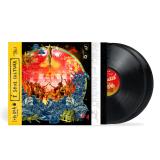
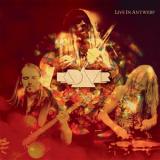
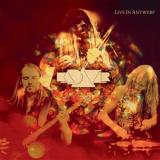
Neuauflage von Kadavars Album "Live in Antwerp", das ursprünglich 2014 veröffentlicht wurde! ,Live in Antwerp" ist ein Konzertmitschnitt der Hardrock Stoner Kadavar, das 2014 bei Nuclear Blast erschienen ist. Es war ihr erstes Live-Album und insgesamt viertes. Die Platte enthält Live-Versionen von elf Titeln, die ursprünglich auf den Studioalben ,Kadavar" und ,Abra Kadavar" erschienen sind und im November 2013 im Trix in Antwerpen, Belgien, aufgeführt und aufgenommen wurden. "Kadavar are a great live band and Live In Antwerp is a noble testament to that fact." - The Sleeping Shaman 2014 - Lineup: Lupus Lindemann - Guitar /Vocals - Christoph Tiger Bartelt - Drums - Simon Dragon Bouteloup - Bass - Shazzula Vultura - Theremin - Classic black vinyl, 2LP, gatefold sleeve.
Grünes Vinyl, limitiert auf 200 Exemplare. Neuauflage von Kadavars Album "Live in Antwerp", das ursprünglich 2014 veröffentlicht wurde! ,Live in Antwerp" ist ein Konzertmitschnitt der Hardrock Stoner Kadavar, das 2014 bei Nuclear Blast erschienen ist. Es war ihr erstes Live-Album und insgesamt viertes. Die Platte enthält Live-Versionen von elf Titeln, die ursprünglich auf den Studioalben ,Kadavar" und ,Abra Kadavar" erschienen sind und im November 2013 im Trix in Antwerpen, Belgien, aufgeführt und aufgenommen wurden. "Kadavar are a great live band and Live In Antwerp is a noble testament to that fact." - The Sleeping Shaman 2014 - Lineup: Lupus Lindemann - Guitar /Vocals - Christoph Tiger Bartelt - Drums - Simon Dragon Bouteloup - Bass - Shazzula Vultura - Theremin - Green coloured vinyl, 2LP, gatefold sleeve.
Neuauflage von Kadavars Album "Live in Antwerp", das ursprünglich 2014 veröffentlicht wurde! ,Live in Antwerp" ist ein Konzertmitschnitt der Hardrock Stoner Kadavar, das 2014 bei Nuclear Blast erschienen ist. Es war ihr erstes Live-Album und insgesamt viertes. Die Platte enthält Live-Versionen von elf Titeln, die ursprünglich auf den Studioalben ,Kadavar" und ,Abra Kadavar" erschienen sind und im November 2013 im Trix in Antwerpen, Belgien, aufgeführt und aufgenommen wurden. "Kadavar are a great live band and Live In Antwerp is a noble testament to that fact." - The Sleeping Shaman 2014 - Lineup: Lupus Lindemann - Guitar /Vocals - Christoph Tiger Bartelt - Drums - Simon Dragon Bouteloup - Bass - Shazzula Vultura - Theremin - Classic black vinyl, 2LP, gatefold sleeve.
What's the first thing you think of when someone mentions Thee Oh Sees? Probably their riot-sparking live show, right? Visions of a guitar-chewing, melody-maiming John Dwyer careening across your cranium, rounded out by a wild-eyed wrecking crew that drives every last hook home like it's a nail in the coffin of what you thought it meant to make 21st-century rock 'n' roll? Yeah, that sounds about right. But it misses a more important point-how impossible Thee Oh Sees have been to pin down since Dwyer launched the project in the late '90s as a solo break from such sorely missed underground bands as Pink and Brown and Coachwhips. (While Dwyer still records songs on his own, Thee Oh Sees is now a five-piece featuring keyboardist / singer Brigid Dawson, guitarist Petey Dammit, drummer Mike Shoun and multi-instrumentalist / singer Lars Finberg.) That restlessness extends to everything from the towering, thirteen-minute title track of 2010's Warm Smile LP to the mercurial moods of 2008's The Master's Bedroom Is Worth Spending a Night In. Now, Thee Oh Sees chase the home-brewed symphonies of Castlemania with the scrappy, high-wire hooks of Carrion Crawler / The Dream. Originally envisioned as two EPs, it was cut live to tape in less than a week at Chris Woodhouse's Sacramento studio in June, reflecting the battering-ram bent of the band's live show better than any bootleg ever could. "As I'm sure most would agree," explains Dwyer, "Castlemania was more of a vocal tirade. This one's meant to pummel and throb." That it does, whether one blasts the slow, speaker-bruising build of "The Dream," the sunburnt organs and dovetailing guitars of "Crack in Your Eye" or the interstellar instrumental "Chem-Farmer," a perfect example of what happens when one takes a well-oiled machine-a gang of rabid road warriors, really-and adds a second, groove-locked drum set to the mix. To listen is to realize that Dwyer's music is as manic as the underground comic inclinations of his artwork; colorful and confusing in a way that's more than welcome. It's downright refreshing, like a slap in the face at 5:00 in the morning. Or, as Dwyer puts it, "You have to leave a mark somehow."
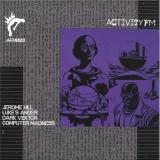
Jerome Hill, Lukes Anger, Dark Vektor and Computer Madness deliver a no-nonsense 12 Inch strike between Electro, Detroit pressure and machine funk. Punchy drums, icy synth cuts, raw momentum, built for DJs, built for floors. Four producers, four angles, one shared language of body-ready electronics, driven by Detroit energy and sharp-edged Electro.
nicht am Lager
Zuletzt vor 3 Monaten geliefert unverbindlich nachbestellbar
Creaked out of an eck with two heads and no brain - just fracking around. Juli Zimmer and Sayizan Stange are Blowjobs Are Real Jobs, crawling right under your skin. Armed with guitar, MS-20 and a trashy drum machine, they bark about dogs, ostriches, stolen bodies, heads buried in sand, plastic spoons in freezer pops, and the big question of where the hell this whole loving-living thing is going anyway. The songs build up expectations like a delicious drink, which then, oops, gets taken away and never delivered. That’s how it is sometimes, you little puffball!
End of 2025, Blowjobs Are RealJobs dropped their first DIY tape, Bloody Situation Menstruation Masturbation. Their notorious sets, somewhere between performance art and riot gig, pop up almost monthly: gallery openings, summer garden chaos, or grimy St. Pauli basement bars. Now the duo’s first 7-inch vinyl brings 5 songs at 45 rpm with a fold-out cover, limited to 200 copies.
nicht am Lager
Zuletzt vor 6 Monaten geliefert unverbindlich nachbestellbar
Roman Khropko delivers four cuts balancing precision club mechanics with flashes of emotion. The record moves between stripped minimal techno and warmer electro, designed to unfold gradually.
The A side opens with Glimpse, a straight-forward roller driven by tight drums and a suspenseful build. Piece of Truth follows with a funkier swing, blending elastic basslines with subtle tech house inflections that keep things in motion.
On the B side, Fractum settles into a hypnotic minimal tech mood, laying steady groundwork for an extended club stretch. The closing track, Among The Machines, shifts into emotional electro territory, carrying melodic tension that leaves a melancholic aftertaste.
A concise and functional toolset for the dancefloor. This is one to stay in your bag for a long time.
nicht am Lager
Zuletzt vor 4 Monaten geliefert unverbindlich nachbestellbar
Studio Barnhus presents ARN4L2, a producer from Cartagena, who debuts on the Stockholm label with the striking EP TIERRA BOMBA, a record built from the fractured memory of an island in the
Colombian Caribbean, understood as a surface in motion.
The project draws on tools present in the early development of the Champeta genre – the Yamaha RY30 drum machine, the Yamaha DD-14 drum pad, and the Pyramid mixer – alongside percussive
gestures and guitars characteristic of the style. On songs like the effortlessly bouncy title track and the gaita-laced curveball BULLA, featuring the characteristic melodic flute of the region, ARN4L2’s instinct for propulsion and detail comes into focus, while vocal tracks like the energetic closer LA ÑAPA integrate the artist’s voice as texture, without hierarchy or center.
TIERRA BOMBA becomes a point of convergence, where technology, sonic practices, and fragments of local popular culture meet in the present tense. Released through Studio Barnhus on
12'' vinyl and all digital platforms on March 13.
Text written by Edna Martinez.
nicht am Lager
Zuletzt vor 5 Monaten geliefert unverbindlich nachbestellbar
A journey into the raw and visceral origins: from the demo sessions mixed by Steve Albini to the night of the very first secret show on December 20th, 1988. In the heart of Chicago, Geordie and Martin Atkins turned frustration and distance into pure creative energy, recording the now-legendary "Black Cassette" demos at Albini"s house. Distorted, menacing bass lines, unruly oscillators, and Albini running endlessly up and down the stairs between the basement drum room and the pantry control room defined a sound that was brutally direct and uncompromising. The first interactions with the Yamaha drum machine foreshadowed elements that would later shape parts of the album. Those sessions sparked essential ideas, while the future studio - purchased from Steve and moved to Wabash Ave - would soon become the core of Invisible Records and Killing Joke"s operations. On the other side, a truly rare document: excerpts from Atkins"s very first show with the band, at Burberries in Birmingham on December 20th, 1988. In a small, mirror-lined club filled with tension, adrenaline, and inevitable collisions with the walls, Extremities, The Fanatic, Intravenous, and The Beautiful Dead were performed publicly for the first time. It was the night when everything ignited: the blast beat still in its embryonic stage, the controlled fury Geordie demanded - "can you go a bit more Moonie on it?" - and above all Jaz"s theatrical yet strikingly genuine laughter. Not just joy, but a declaration: a giant "fuck off" to the doubters and a prelude of what was about to come. A raw, essential, indispensable testimony: the birth of an era.
A journey into the raw and visceral origins: from the demo sessions mixed by Steve Albini to the night of the very first secret show on December 20th, 1988. In the heart of Chicago, Geordie and Martin Atkins turned frustration and distance into pure creative energy, recording the now-legendary "Black Cassette" demos at Albini"s house. Distorted, menacing bass lines, unruly oscillators, and Albini running endlessly up and down the stairs between the basement drum room and the pantry control room defined a sound that was brutally direct and uncompromising. The first interactions with the Yamaha drum machine foreshadowed elements that would later shape parts of the album. Those sessions sparked essential ideas, while the future studio - purchased from Steve and moved to Wabash Ave - would soon become the core of Invisible Records and Killing Joke"s operations. On the other side, a truly rare document: excerpts from Atkins"s very first show with the band, at Burberries in Birmingham on December 20th, 1988. In a small, mirror-lined club filled with tension, adrenaline, and inevitable collisions with the walls, Extremities, The Fanatic, Intravenous, and The Beautiful Dead were performed publicly for the first time. It was the night when everything ignited: the blast beat still in its embryonic stage, the controlled fury Geordie demanded - "can you go a bit more Moonie on it?" - and above all Jaz"s theatrical yet strikingly genuine laughter. Not just joy, but a declaration: a giant "fuck off" to the doubters and a prelude of what was about to come. A raw, essential, indispensable testimony: the birth of an era.
Limited Green LP is for Indies only. all LPs include a DL card. Island Family is the fifth album from Isle-of-Eigg dwelling electro-acoustic psych-pop wonder Pictish Trail, AKA Johnny Lynch. A strange, unpredictable, sardonic and yet deeply personal record inspired by all from Fever Ray to The Flaming Lips, Liars, Mercury Rev and Beck, Island Family is Pictish Trail's contrarian view of arcadia; a search for the euphoric in the bucolic, bound up in sometimes conflicting ideas and feelings around nature and environment, sincerity and artifice, escapism and belonging. It's an album about how no man can remain an island, however hard he might try. Released by Fire Records, with support from Johnny's own label Lost Map, and produced by long-term collaborator Rob Jones (The Voluntary Butler Scheme, The Gene Dudley Group), 'Island Family' opens with its title track, a song of death, ghosts and the ties that bind, fusing abrasive electronic beats with a tongue-in-cheek fireside folk refrain and the haunted ice cream van melody of a digitally reincarnated traditional Scottish jig. A purgative surrender to nature's whim driven by a clattering machine drumbeat rolled in a puddle of filthy dirty fuzz, 'Natural Successor' is five-and-a-half-minutes of cathartic churning bass. 'In The Land of The Dead' is an eight-bit glitch-core reflection on island party excesses spasming into existential dread and regret, suitably accompanied by a funereal mariachi band. It's followed by the epic 'It Came Back', the understated verses and arms-aloft falsetto chorus of which are accompanied by a tense, foreboding bass-driven electro hip hop instrumental with (spoiler) a brain-shattering industrial-metal meltdown. 'Melody Something' is the album's purest moment, a cautiously uplifting solar-powered-ballad about losing track of time in the cycle of the seasons, and the gap between memory and reality. Shapeshifting closer 'Remote Control' is a channel hopping cabin-fever-dream flipping from warped boyband ballad to deep-fried fuzz pop. "One of my favourite artists" Lauren Laverne, BBC 6 Music
Music From Memory is thrilled to present ‘Aquáticos’, a captivating new record from Los Angeles producer Eddie Ruscha and Brazilian guitarist Fabiano Do Nascimento. Blending Nascimento’s expressive, Afro-samba and choro-inflected guitar with Ruscha’s cosmic, groove-driven sound, ‘Aquáticos’ marks the start of a vibrant musical partnership—an organic, free-spirited collaboration full of interplay and vitality.
Conceived during the early 2020’s, ‘Aquáticos’ grew from a series of recording sessions in which the music unfolded naturally, in a state of effortless flow. Album opener ‘Nascer,’ the very first piece they recorded, captures such a moment perfectly: Nascimento’s 7- and 10-string nylon guitars weave seamlessly with Ruscha’s modular synths, drum machines, and vintage keyboards. Like much of Ruscha’s work under Secret Circuit and E Ruscha V, it is rich in lush, rhythmic textures—pulsing and bubbling with vibrant energy.
The initial session that produced the opening track set the tone for the record, establishing a template of intuitive interplay and musical freedom. Each subsequent session built upon the last, gradually shaping ‘Aquáticos’ across nine tracks, all characterized by melodic richness, rhythmic depth, and an unshakable sense of spontaneity.
‘Aquáticos’ pulls the listener gently into a celebration of musical conversation — a radiant, immersive journey where Ruscha and Nascimento’s instruments breathe together, echoing the joy, curiosity, and playful spirit that define their collaboration.
Sleeve art and design by Michael Willis.
nicht am Lager
Zuletzt vor 4 Monaten geliefert unverbindlich nachbestellbar
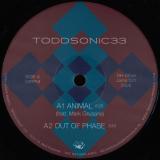
Chicago beat mathematician Toddsonic33 flipping it real durty for us...
4 tracks that are part machine yet fully fused with soul, a sound that feels as authentic Chicago as it can get. With 2 featurings from fellow Chicagoan Don's Mark Grusane and Darryn Jones, this is a real deep dive into the jackin' drum sound from the windy city.
nicht am Lager
Zuletzt vor 22 Tagen geliefert unverbindlich nachbestellbar
Eight years have passed since 8 regards obliques, the album in which Jaumet reinvented his spiritual jazz classics, letting them drift into other dimensions. Since then, an intense tour alongside Thomas de Pourquery and a new recording adventure with Zombie Zombie have taken him on the road. Yet it is in the inspiring calm of his brand-new studio in Bagnolet that he found the material for Du cortex à l’iris, his new album recorded for his label Versatile Records. Du cortex à l’iris continues this delicate balance that defines Jaumet’s signature: a constant tension between hypnotic abstraction and an almost animal groove. "To reduce the distance between my cortex and my senses, in order to compose mental images with sounds," he says. This intention runs through the entire album: a desire to make people dance, yes, but with echoes of EBM, bursts of cinematic landscapes, and that singular way of slowly inducing trance rather than declaring it. Saxophone, synths, analog drum machines: the arsenal remains familiar, but the approach is even more direct. Playing fast, composing in the moment, letting the hand run before the mind corrects. Capturing something primal, spontaneous, almost raw – as if the sound were really passing, this time, directly from the cortex to the iris.
nicht am Lager
Zuletzt vor 7 Monaten geliefert unverbindlich nachbestellbar
B. Chamber (Stratum A), by B. Close, is the first full length solo release by Los Angeles-based multi-disciplinary artist Brian Close. The first of two volumes assembled from some thirteen hours of music produced by Close while residing in Connecticut from 2021-2025, B. Chamber (Stratum A) offers a vivid, fractal afterimage of a prolific, specific time and space in the artist’s oeuvre.
After leaving New York City early in the pandemic to a farmhouse in the countryside with dedicated spaces for multiple sound stations, Close developed an intensive daily practice of melding with the machines. The vast, pastoral backdrop of rural CT provided inspiration and contrast for his ongoing investigations into dynamic, poly-rhythmic electronic music. The sounds on B. Chamber (Stratum A) range from the machine-modeling of acoustic instruments and natural environments to the utterly unhuman, spinning on the axis between crystalline, pointillist precision and shifty blown-cone distortion. Close’s atypical interpretations of rhythm, noise and other undefined musics land in a hybrid zone of their own.
Throughout B. Chamber (Stratum A), Close’s productions are in perpetual motion. Foxtrot’s shifting hi-hats and disembodied voices rise like cicadas propelled by glitching machines and tangled rhythms, Many Drive draws momentum from dubby stabs and twinkling atmospherics. Character Community’s nimble, drifting snares and erratic static are uplifted by swelling synths, and Mpan’s modular mining forgoes drums but is no less propulsive for it. Acre Voices’ seasick pads and deft drum patterns tap an energizing nerve, and closer 5D Bow’s ambush of pummeling machine gun fire spirals into the tryptamine palace and emerges completely rinsed and refreshed.
Equally powerful in the club as in the outdoors, in the headphones eyes closed or on the move, B. Chamber (Stratum A) grants an immersive temporary trip on B. Close’s unique wavelength, with Stratum B to complete the picture in the summer of 2026.
Brian Close (b. 1979, NYC) uses the cold logic of mathematics to trigger states of total sensory displacement. Close co-founded multiple AV studios to explore the "hypnotic"—a ritualistic practice of motional-graphism and improvisational sound. His work is a study in synesthesia and the architecture of trance, using geometric precision to dissolve the sense of time. It is a digital-visceral experience built on heavy logic, designed for large-scale immersion and timelessness.
Close is one half of Georgia who have released records on Palto Flats, Firecracker Recordings, Meakusma, Youth, OOH-Sounds and EM Records, and have a long-running residency on NTS.
B. Chamber was written, produced and mixed by Brian Close.
Mastered by Rashad Becker.
Artwork by Brian Close.
Michel Houellebecq is, of course, well-known for his novels, translated into more than 40 languages, and his Goncourt Prize (The Map and the Territory, 2010), but perhaps less so for his debut album, released exactly a quarter of a century ago on Tricatel label. One can sense the influence of Serge Gainsbourg's L'Homme à la Tête de Chou, a disillusioned Procol Harum and a world-weary Burt Bacharach hovering over Houellebecq's poems in Présence Humaine, a now cult classic album orchestrated by Bertrand Burgalat and the musicians of Eiffel. Twelve thousand copies sold and a few concerts later, the writer decided (or so we thought) to bid farewell to the stage, only to generate more media attention though his literary success. Frédéric Lo is, of course, known as an exceptional lyricist, composer, arranger, and producer, author of a sublime fourth solo album (L'Outrebleu, released last March) and a master of collaborative work, notably with Bill Pritchard, Peter Doherty and Daniel Darc. Initially, Michel Houellebecq and Frédéric Lo met for the tribute album that the latter was planning for the tenth anniversary of Daniel Darc's death, but their recording of "Psalm XXIII" was, to their great disappointment, rejected by the label and therefore did not appear on the final version of Cœur Sacré (2023). Fortunately, every cloud has a silver lining, and the two men decided to take their collaboration a step further. Lo decided to set the writer's words to music, in his studio in Pantin. Raw, stripped-down music draped in electronica, adorned with piano and antediluvian drum machines, often minimalist, sometimes repetitive, provides the perfect backdrop for twelve tracks that question and reflect on humanity's past and future (if indeed there is one). Reflections on the human condition, 21st-century style, a work of speculative fiction conceived by two eternally modern "young lads," Souvenez-Vous de l'Homme (Remember Man) is an album that might occasionally evoke The Stranglers' La Folie, and, given the title, that's probably no coincidence. But above all, it's a hypnotic and melancholic album, uncompromising and captivating. Most importantly, it's an album like no other.
On his new album, the Ivorian balafon virtuoso Aly Keïta explores new horizons for his instrument in improvised music. Together with his Berlin-based trio, he conquers the peaks of balafon possibilities one by one, wandering between groovy African rhythms, spectacular polyphony and elements of jazz, and combining them into a fusion that is both futuristic and deeply in roots. In Balafon Evolution, Keïta establishes a new level of balafon artistry, creating universal, contemporary soundscapes that transcend cultural boundaries. The Aly Keïta Trio embodies the pulsating spirit of the Berlin jazz scene. Coming from different cultural backgrounds, the three musicians found a common language on stage as they explored the metropole, one of the most active, buzzing jazz hubs of Europe. Aly Keïta and the Dutch drummer Marcel van Cleef, began playing together in 2008, forming the core of the trio"s future "groove machine". As a part of the "Aly Keïta and Magic Balafon" formation, they shared a prize of the Global music contest "Creole" in 2009. Recognised as one of the most intriguing and innovative bass players among the new generation, the Italian bass player Roberto Badoglio, joined trio in 2014, becoming a true "fusion reactor" of the band.
A blend of Metal Indus and Bass Music, VIOLENCE is an ambitious and atypical project produced by Niveau Zero, one of the pioneers of French Bass Music. Composed of Fabio Meschini (Guitar / Ex: As They Burn) , Morgan Sansous (Drums), John Kazadi (Lead Vocal) and Frédéric Garcia aka Niveau Zero ( Machines and Vocal ).
OPUS I', their 1st album (2021), composed in collaboration with choice guests such as Billy Graziadei (Biohazard, Powerflo), Bastien Hennaut (HORSKH) and Code: Pandorum... has frankly succeeded in arousing the enthusiasm of both Metal and Bass Music audiences.
On stage, the band has not been outdone, offering a crescendo of increasingly furious performances over the last year alongside bands like Biohazard, Mass Hysteria, Ten 56, Horskh, Shaargot, Novelist, Revnoir, King Yosef.
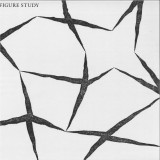
Figure Study is the Manhattan-based duo of Nathan Antolik and April Chalpara. They formed in 2009, after meeting through the Wierd Records weekly party, where they would play their first concert soon after. While their debut 7" contained two songs recorded in 2009, this full length contains all new material recorded throughout the past year.
For their debut self-titled album, Figure Study utilizes a carefully tailored set up of vintage analog synthesizers and drum machines. Figure Study creates a lush sound where haunting vocals echo over dark melodies that reflect an isolated and disintegrating world. Songs flux between dissonant dance numbers and more sparse, somber compositions, each carrying a sense of urgency and modernism. Figure Study's sound includes influences from such early underground artists as Kirlian Camera, Nine Circles, and The Actor.
The album was recorded in their small Chinatown studio using a sparse set-up of analog synthesizers, drum machines and sequencers. It was mixed at The Wave Lab in Brooklyn by AJ Tissian and mastered for vinyl at Fantasy Studios in Berkeley by George Horn. Each LP is packaged in a specially designed jacket and includes an insert with lyrics. Figure Study draw their own model using shapes and forms from the synthetic landscape.
Saxophonist and producer Ben Vince announces the release of his sixth album, Street Druid, the first in almost six years via AD 93.
Street Druid merges acoustic, manipulated and electronic sound and it has saxophone, synth, voice, guitars and drum machine, and features drum kit from Moses Boyd. It features artwork by Byzantia Harlow. It is at once tender, psychedelic and fierce. It is not interested in genre or category. It lasts just under 45 minutes.
A prelude for the future, hands join to cast a peace spell. Consciousness is vast water seeking divine essence and meaning where colours merge and refract. The street druid walks through the night, a benevolence in the darkness, guiding you home. Immersed in noise, life can feel empty, like hollow vessels, a sentient interlude. At times we are found in Gaia’s rhythm, kinetic and rebuilt, transcending through the impact of sound on the body. Every moment is a new change, a new challenge, a new life, we must ride the wave if we are not to be caught adrift or drown. Trying to keep hope intact, we must not retreat into fear, recognise we all live here in Longville and stop the fire before it engulfs us all.
nicht am Lager
Zuletzt vor 3 Monaten geliefert unverbindlich nachbestellbar
Hamburg is sinking into an ever-expanding landscape of fresh construction ruins born from investor fantasies, concrete monster-bridges and ghostly office spaces. But from secret basements, a Geflecht begins to grow. After the first tape by Hamburg duo Kostenfalle, now comes their second album on vinyl.
The furious electropunk of Kostenfalle has been cut into the matrix at 45 RPM. Nine
songs in the fast lane, driven by sequencers, synthesizers, drum machines, and bass guitar. Despite the electronic machinery, Kostenfalle remain fiercely dynamic, twisting and shifting through intricate structures and sudden turns. Punk and Electronic Body Music lock into a dance; without warning we’re plunged into a psychedelic riff, only to slam angrily into the next guardrail.
With alternating vocals, Christian manning the transistors, Philipp holding the bass, the lyrics emerge dark and oblique, meditating on life as a one-dimensional human and on the spaces between people. Boycott and sabotage. Explode and generate.
Don’t believe your ears - Pepper’s Ghost is the latest offering from NYC project Nuke Watch.
Whatever you think it is - it is not. By the same token it really can be whatever you want - electronica, jazz, improv, noise, new age, ambient - it’s none and all of these. Like the primitive visual illusion it’s named for - Pepper’s Ghost is a projection of a thing, it’s not the thing.
The Nuke Watch method - like that of Aaron Anderson and Chris Hontos’ other primary project Beat Detectives - leans almost entirely on live improvisation, with some advanced studio alchemy in post. Where the Beat Detectives palette draws from club music tropes, Nuke Watch blends recognizable tones (hand drums, woodwinds, keys, fretless bass) with sounds of providence unknown, the line between organic and synthesized instrumentation unintelligibly smudged. What is real and what is projection? It’s hard to say. What do our ears tell us? This is where we arrive at Pepper’s Ghost.
Warped as the sounds may be, the playing belies a crew of deeply expressive, learned improvisers who have their craft honed. Their friendship and psychic connection enhances the ritualistic rhythms, mutant modular synthesis, nimble keyboard runs, absurdist sampling and unidentified skronk. They’re wonderfully complemented across several tracks on this set by Cole Pulice’s levitational, sublime saxophone.
As unhinged as this might all appear, once the mind and music meet on the same wavelength this is profoundly moving, energizing and uplifting Alive Music that recalibrates the sense of what music can be.
Nuke Watch is Aaron Anderson and Chris Hontos, with an array of friendly guests. They’ve released records as Nuke Watch on The Trilogy Tapes, Commend and Moon Glyph. As Beat Detectives they’ve released records on Not Not Fun, 100% Silk and their own studio imprint NYPD Records.
Pepper's Ghost was written and produced by Aaron Anderson and Chris Hontos. Additional instrumentation on these recordings by Cole Police, Leonard King, Eric Timothy Carlson, Chris Farstad and William Statler. It was mixed by Chris Hontos and mastered by Jack Callahan. Painting on the cover is “The Unity Of Being” (2020), by Ry Fyan. Design and layout by Aaron Anderson.
RIYL - Musical illusions, puzzles and magic tricks, downtempo, music of the spheres, good journey, Eddie Harris, Ketron, "world building", orange sunshine, suspension of disbelief.
nicht am Lager
Zuletzt vor 7 Monaten geliefert unverbindlich nachbestellbar
"Western Massachusetts band Landowner play abrasively-clean minimalist punk. Singer Dan Shaw started Landowner in 2016, writing and recording the project's debut Impressive Almanac with a practice amp and a laptop drum machine. Shaw's initial concept was a made-up genre called “weak d-beat”, meant to sound intentionally absurd “as if Antelope were reading the sheet music of Discharge”. When Shaw joined with his current bandmates in 2017, they translated these early experiments in restraint, minimalism, and caricatured hardcore as a live band. This provided Landowner with its own unique set of blueprints: the guitars “slap hard” without using any distortion or effects, the rhythm section is tight, fast, and repetitious, and the song structures make space for lyrics that reflect on the global systems and dark absurdities our lives are tangled in. Comparisons could be made to The Fall, Lungfish, or Uranium Club, but across their five albums, they make it clear: Landowner just sound like Landowner.
Assumption is the band's fifth album. Sonically, it captures the vibrancy and intensity of their live performances. The album title “Assumption” encapsulates the album's multi-layered themes. We make assumptions, taking in information online through an overload of decontextualized snippets and headlines, and then quickly form conclusions, or we allow artificial intelligence to do the thinking for us. Assumption is the sound of a band that established its own musical identity and has reached a place of tightness with an ease gained from years of playing together, sounding mechanically precise and at the same time fully human. It may be the band's most cohesive and fully realized work to date."
Way back in 1981, two musicians got together to make a record. Mike Collins played guitar and had just bought a Roland CR78 - the first programmable drum machine. Keith O'Connell played Fender Rhodes piano and Prophet 5 synthesizer. Excited about the quirky and unusual instrumental track they'd composed, when the duo entered London's Utopia Studios to finish off their creation, neither could have predicted what was to follow... Now viewed by many as one of the most influential early electronic dance records, 'Rude Movements' was swiftly picked up on by David Mancuso, who used it to devastating effect at his infamous 'Loft Parties', in turn introducing it to Larry Levan, Frankie Knuckles, David Morales and Kenny Dope, a group of young DJs who would go on to write the blueprint for dance music as we know it.
In the more than 35 years since its release, 'Rude Movements' has continued to inspire and excite, sampled by The Bucketheads' classic House track 'Whew!' (featured on recent BBE compilation '20 years of Henry Street Records') and listed by a veritable 'who's who' of dance music's elite as an all-time favourite. Rare and much sought-after on vinyl, BBE are happy to announce the release of a fully remastered version of 'Rude Movements' presented alongside the original demo version 'Raw Movements', plus three other versions of the iconic track. Also included on the vinyl package are the Afrika Bambaata inspired 'Street Beat' and 808/MiniMoog workout 'Palace Strut', as well as three other 80s SunPalace compositions. CD and digital versions expand the catalogue still further, with more experimental SunPalace magic. Timeless original, quirky and unique, these recordings are set to inspire yet another generation of DJs,
producers and music fans.
Finlay Shakespeare is an electronic musician working from the UK and across Europe. A childhood obsession with his parents’ record collection led him to both create his own music and build his own synthesizer equipment throughout his teenage years. After studying audio engineering, he was invited to become in-house engineer for the Moog Sound Lab UK, leading to collaborations with acts as diverse as Suicide, Charlemagne Palestine, The Grid and Mica Levi & Eliza McCarthy, both in live and studio environments. In 2017, Finlay began recording a series of monthly “Housediet'' releases - all improvised and captured at home utilising drum machines, modular synthesis and processed vocals. After several encounters with Peter Rehberg of Editions Mego, a compilation of the Housediet tracks was drawn up by Rehberg and Shakespeare, culminating in the release of “Domestic Economy” in early 2019. “Solemnities' ', a second album for Editions Mego appeared the following year. In the period since Rehberg’s untimely passing, Finlay has recorded for Superpang, Modulisme and his own GOTO Records imprint. “Illusion + Memory”, meanwhile, continues on from where “Solemnities” left off, with Finlay once again aiming to work at the fringes of electronic pop. Alter is proud to present “Illusion + Memory”, the third full length physical LP of Shakespeare’s utterly unique and sophisticated output. Shakespeare’s obsession and knowledge of late 70’s and early 80’s electronic pop music is once again at the forefront of this intense and dynamic release. Alas, this is not some retro throwback. Shakespeare’s deep understanding of his machines breathes new life into a genre of music once defunct. Supporting the likes of Blancmange bolstered his reputation for sublime synth hooks and dark lyrical content. Building on his previous work in the field “Illusion + Memory” is an unabashed pop record, as joyous as it is intense, moving from the brooding opening ballad “Your Side of the River” through the punchy “Theresa” which could be read as a love song to Throbbing Gristle’s United. Elsewhere “Climb” unleashes the opportunity to the dancefloor as wild electronics snake into all manner of schizophrenic shapes. There is a romantic side to this music. In its homage to electronic pop of the late 70’s and early 80’s but also in the emotional punch Shakespeare injects into every second of every track. Shakespeare’s reboot of these musical forms is technically impressive, one rich in feeling and deep in emotion, atmospherically and vocally. The two come together to create a unique visceral sonic experience… today!
nicht am Lager
Zuletzt vor 7 Monaten geliefert unverbindlich nachbestellbar
21 songs are barely enough to show the "Many Faces of Memphis Electronic"! From less than a minute twisted psych pop and heartbreaking ballads to two minutes something fuzzy rockers, electronic r'n'r and sexy glam, you'll find all you need and much more in this incredible album! It takes at least 21 songs - and 30 Polaroids on the cover! - to show the "Many Faces of Memphis Electronic"! On the XYZ, Dum Dum Boys and NON! guitar player third solo album, entirely home recorded, you will find plenty of fuzzy bangers, trashy rockers, electronic r'n'r, lo fi disköpunk, sexy glam, twisted psych pop and heartbreaking ballads, 21 different faces on just 2 album sides! With the help of 60s fuzz pedals, analog synths, a wild organ, an out-of-space Theremin, raw drum machines and tons of delay, reverb and strange noises, all used to maximize the minimalism of the tracks, Memphis Electronic manages to create an orgy of arousing sounds, an overdose of aural pleasure, an irresistible avalanche of exciting songs, all ranging from 49 seconds snapshots to 2 minutes something instant classics!
A high-energy dance music genre that blends elements of pop, electro, hip-hop, and Latin rhythms, freestyle creates an irresistible urge to dance. It's characterized by fast tempos, complex drum machine patterns, and prominent synthesizers and often explores themes of love, heartbreak, and relationships. On this brand- new compilation, we celebrate the best of Tommy Boy and Easy Street's contributions to freestyle culture. This collection brings together hits from TKA, Jocelyn Enriquez, Information Society, K7, Jasmine and more.
After a series of successful outings alongside sidekicks Ofofo and Zongamin, studio wizard MYTRON turns in his debut solo full-length for Multi Culti World Records. With contributions on Invisible Inc, Calypso, Bongo Joe, Kalahari Oyster Cult, LYO, Codek Records and Earthly Measures, Mytron has carved out a name for himself in a carefully-curated left-field quadrant of the indie-dance galaxy. Tuning his oscillators to myriad sounds — from dub and disco to krautrock — the London-based producer perhaps most notably channels the pristine compositional style of Kraftwerk. While most apparent in the use of vocoder, there’s a consistent efficiency of arrangement that recalls the man-machine in effervescent, idealistic fashion. Mytron manages to keep it simple, funky and musical — whimsical tunes that bop along with analog grit, wilderness, and wonk. There’s a warmth and wit that shine through every synth line, an understated confidence that speaks of years spent tangled in wires and waveforms, with an inclusive sonic eclecticism that flattens hierarchies between genres, geographies, and generations. Each influence is invited to the table, treated not as pastiche but invited to dine and dance in a space where kosmische dub disco and Afro rhythms can coexist without borders. The sleeve design echoes this philosophy: video-feedback patterns hinting at our modern screens, both portals and filters — coloured, distorted intermediaries through which we perceive the world. In the trippiest sense, the record is both reflection and refraction — a sonic mirror held up to an interconnected, glitchy reality. Tailored equally for DJ use and home-listening head trip, the album is meticulous, mischievous and merry.
BanBanTonTon review:
On Mytron’s debut long-player for Multi Culti groovy 21st Century leftfield house gear collides with Daniele Baldelli and Beppe Loda’s hugely influential `80s afro / cosmic. The 9 tracks are chunky, chugging and full of funky, funny noises. Old school B-lines mixing with eccentric electronics. Spinning, spiralling sounds.
Sugar is an electro-pop, vocoder confection, cut from the same sonic cloth as cult classics like Codek’s Tam Tam. Created from tough trap drums, splashing effects and a mutant Giorgio Moroder bass arpeggio. The title track, Propellor, pits Kraftwerk-esque hardware harmonised vocals against a bongo loop and a whistling hook. Playground has simian shrieks surround tumbling tom-toms. Highway Maintenance adds kosmische synths to a dance of woodblocks and buzzing bottom end. Keep On Dubbing is an organ-led, clip clopping percussive canter.
Tracks such as Speaker Can Talk, shot through with disco lasers blasts and recalling Curt Cress’ Dschung Tek, also lift the tempo up, but the bulk of the music here is a mid-tempo, techno drum circle. Squelchy sequences gurgling in and out of programmed percussion. On Quasar, spiky acid edges in and slowly takes over.
Key references that come to mind are Baldelli’s own turn-of-the-2000s Cosmic Sound Project productions, and Wolf Müller’s scene shaking sides on Themes For Great Cites, from around a decade later.
Like a crusader, Apollo Noir relentlessly pursues his noble cause: pushing modular and analog experimentation ever further while remaining irresistibly accessible. Here is CORE, his 4th studio album, fusing post rave techno Detroit à la Drexciya and Manchester early Autechre (Spiral), OPN’s most epic era (Nobody On The Floor), futuristic UK jungle (A Good Brainwash), letfield amen-breaked ambient (ça va), a mega massive cadaver exquis song (CORE) featuring Remi Sauzedde’s very close friends (Janis, Ley, Claude Violante, Silly Boy Blue, S Diamah, Serguei Spoutnik and Fly HQ), diving deeper - as a true obsessive lover of drum machines (TR909, TR808 and TR606) - in the raw deconstruction of techno rhythms (Déconstruire), unleashing a dark and heavy Bassline at 145 bpm with grime vocal samples (Patternity), heavy modular beats blending perfectly with soft and voicy Korg M1 pads (Shame)... Apollo Noir knows his classics and contemporaries inside out, forging his own path with deranged yet beautiful twists (Thedral, Arco Arca).
nicht am Lager
Zuletzt vor 8 Monaten geliefert unverbindlich nachbestellbar
While Toronto producer Demuir regularly features on a wide variety of house labels, it's always worth keeping an eye on his Purveyor Underground label and its' limited-edition offshoot. He's back on the latter label for this outing, where he shares vinyl space with long-serving Parisian producer (and Robsoul founder) Phil Weeks. Demuir handles side A, delivering two passes on 'The Spark': the lightly funk-fuelled original mix, where woozy jazz samples dance atop a rubbery bassline and vintage Masters at Work style beats, and the more bumpin', cut-up and sub-heavy swing of the 'Some Too Suspect remix'. On side B, Weeks delivers 'Party Time', a typically low-slung and analogue-rich deep house number where classic boogie-era vocal samples and occasional chords wrap around loose-limbed machine drums and a killer TB-303 acid bassline.
nicht am Lager
Zuletzt vor 4 Monaten geliefert unverbindlich nachbestellbar
“Tubby did three original dub albums, ‘Dub From The Roots’. ‘The Roots of Dub’ and the third is ‘Brass Rockers’ with Tommy McCook ‘pon the flying cymbals. Where he mixed it with the horn going in and out in a dub way and one named ‘Shalom Dub’ you can call Tubby’s too because he mixed the versions as they were off forty fives’’
Bunny ‘Striker’ Lee
King Tubby and Producer Bunny ‘Striker’ Lee are intertwined in the birth of Dub Music. After discovering a mistake that made a ‘serious joke’ (more of which later...) they went on to release the first pressings of this new musical genre namely ‘Dub Music’. Tubby’s vast knowledge of electronics and Bunny’s vast catalogue of rhythms would lay the foundations of what today is taken as a standard... the Remix / Version cuts to an existing vocal tune.
Osbourne ‘King Tubby’ Ruddock was born in Kingston, Jamaica on 28th January 1941 and grew up in the High Holborn Street area of downtown Kingston. He studied electronics at Kingston’s National Technical College and also on two correspondence courses from the U.S.A... When he had qualified Tubby began repairing radios and other electrical appliances in a shack in the back yard of his mother’s home. His work in the early days included winding transformers and building amplifiers for Kingston’s Sound Systems. Tubby built his first Sound System in 1957 playing jazz and Rhythm & Blues at local weddings and birthday parties. His reputation as a man who knew and understood both electronics and music grew steadily and as the sixties drew to a close. Tubby
purchased his own basic two track equipment. He installed this alongside his dub cutting machine, a home-made mixing console, and his impressive collection of jazz albums in the back bedroom of his home at 18 Dromilly Avenue which he christened his music room.
Tubby and Striker were at Treasure Isle Studio’s one day while Ruddy from Spanish Town was working with the engineer Byron Smith....
“Tubby and myself was talking when Ruddy was cutting some dub but Smithy (engineer) made a mistake through we were talking and forgot to put in the voice. It was two track recording in those days. Ruddy said ‘No Man! Make it stay! and so they cut the rhythm. When I went over to Ruddy’s that Saturday night a dance was in progress and when they played the vocal to the tune... then he said we’re going to play ‘Part Two’. They never called it ‘Version’..and then he played the rhythm track. The song was a catchy song and everybody started to sing along and the deejay started to toast so everything went down well. On Monday morning I went up and I said ‘Tubbs the mistake we made was a serious joke.It mash up Spanish Town! The people went wild. So you have to start to do that now ‘cause when the man put on the ‘Part Two’ everyone start singing this song. It played about twenty times. I said you try Tubbs!’...Well the next Saturday night now when Tubby strung up down the farm U Roy said he’s going to play ‘Part Two’ but Tubby did it different now. He started with the voice then dropped it out and let the rhythm run and then he brought in the voice in the middle and from there Tubby started to get really popular.’’
Bunny ‘Striker’ Lee
Dynamic Sounds upgraded to sixteen track recording in 1972 and Tubby purchased, again with the help of a deal brokered by Bunny Lee. The old four track equipment and the MCI console from their Studio B. The four tracks now gave him far wider scope to work with and he began to create a new musical form where the bass and drum parts were brought up while the faders allowed Tubby to ease the vocal and rhythm in and out of the mix. It was only a matter of time before Tubby’s dub plate experiments began to make it on to vinyl and the first ever long-playing King Tubby releases would feature a collection of his mixes to a selection of Strikers rhythms. So please sit back and enjoy this historic set of sounds. Lovingly restored and with a few extra gems added to the CD Editions. These releases were the first to carry the name of King Tubby and the first to credit the great musicians that contributed so much to the rhythms that made these albums possible.
nicht am Lager
Zuletzt vor 29 Tagen geliefert unverbindlich nachbestellbar
The late pedal-steel guitarist Susan Alcorn leaves a final surprise hinting at new directions left underexplored on her collaboration with Nomad War Machine, the improvising metal duo of drummer Julius Masri and guitarist James Reichard. Their death-metal-influenced pummel adds new fire to her molten flow across a suite of improvised tracks that show off the vast range and simpatico of the trio. Julius Masri and James Reichard of Nomad War Machine: “An unexpected opportunity arose out of a catching-up conversation where Susan had revealed a recent fascination with death metal, confessing, ‘I’m 70 years old—I think about death!’ She had learned a couple of Arch Enemy songs on her pedal steel, particularly compelled by their frontwoman’s intensity and vigor as a performer. Voicing an appreciation for the hook-oriented sound of Swedish death metal made sense for a melodic thinker whose roots as veteran pedal steel player reached into the Texan Western swing circuit in the ’60s and ’70s. For her, ever the explorer, metal was a new, appealing point of departure into fresh musical territory. When she expressed an interest in playing with Nomad War Machine, it felt like there was a whole world of shared or complementary interests to explore.” Though known for her fluency in jazz, country, and free improvisation, Alcorn had also studied Arabic, the oud, and maqam, with all holding a deep curiosity for her. Pre-’70s country & western music had also been a lifelong presence for both members Nomad War Machine. Masri, a Lebanese free-jazz and metal drummer, and devoted fan of Texas swing legends like Speedy West, Jimmy Bryant, Leon Rhodes, and Joe Maphis, was also steeped in Arabic music traditions. James Reichard, before coming to “freely” improvised metal, xenharmonic music, and non-Western tuning systems, had grown up being subjected to countless singalongs to numerous pre-’70s country records, entranced by the pedal steel.
KIK is the new project of two core strategists of sonic enigma HHY & The Macumbas: Jonathan Uliel Saldanha & João Pais Filipe. Ditching acoustic instruments in favour of drum synthetics & tightly controlled sound design, the duo's debut album NIGHTSHIFT focuses on off-kilter club tracks that thwart 4-on-the-floor flavours whilst maintaining trance-inducing extended cycles. If the devil is in the details, this is all about the spectromophology of the details.
Beginning with moving morse code blips in an odd time signature We Can't Dance announces the characteristic unlife of the album's pulse. Once the kick enters, syncopations progressively accumulate into a weave of interacting rhythmic lines. Smoke Machine's groove is reminiscent of the riddims Saldanha explores in his HHY & The Kampala Unit, adding scintillating pads and snippets of blitzed out laughter.
The album's third track, Proff, hearkens back to the initial pulse, displaced and pitched down in register. Here's a more meditative temperament on display, where the regular geometries of the club have been moved into higher-order structures. Segments rise & fall into earshot. Deepening the meditative mood, Back Room explores a short melodic leitmotif anchoring the track's wander- lust.
The rhythmic assault continues in Tactical Gear, bringing further experiments into polyrhythmic contours exacerbated by preci- sion movements of echo & delay. Limping can be heard as a what-if sonic fiction taking Autechre-inspired abstractions through Durbanoid Gqom terrains. The album closes with its longest track, Night Shift, that segments into shifting sound worlds.
Drawing from industrial grit, cybernetic percussion and the eerie fluorescence of after-hours energy, NIGHTSHIFT exists in the liminal space between body music and abstraction——a soundtrack for phantom warehouses and malfunctioning machines. This isn’t just music; it’s an immersive sonic environment, a journey into the heart of deconstructed dancefloors.
For fans of Rian Treanor, Proc Fiskal, Jlin and Lorenzo Senni.
Most recently, HHY has been collaborating with Nyege Nyege through projects such as Kampala Unit and Arsenal Mikebe, performing live with the ensemble alongside Valentina Magaletti, and producing records for artists like Fulu Miziki, as well as collaborations with Phelimucasi, Rey Sapiens, Kingdom Choir and others. He also released Camouflage Vector: Edits From Live Actions 2017–2019 on the label, a live album featuring two tracks with Adrian Sherwood.
Previous collaborations include Tunnel Vision with Badawi (released on Tzadik), the HHY & The Macumbas album Beheaded Totem on House of Mythology, and Fujako (Wordsound, with MC Sensational), along with double-bill shows with acts such as Clipping and Death Grips.
With Spam Vol.2, KVR - Niels Broos, Dries Laheye & Lander Gyselinck - delivers its second statement.
Recorded in a beautiful studio tucked beneath a bridge in Rotterdam, the album distills a week of free improvisation into vivid, shape-shifting pieces. A beautiful chaos of bass guitars, synths stacked on clavs, drums and machines to get lost in, in between coincidence and intention. Jungle rhythms, elastic time, open structures and organic textures come together in a lively sound that feels playful as well as restless and deeply intuitive.
KVR is Niels Broos (Jameszoo, Binkbeats) on keys, Dries Laheye (STUFF., Selah Sue) on bass and Lander Gyselinck (STUFF., Lander & Adriaan, BeraadGeslagen) on drums.
For fans of Thundercat, Hudson Mohawke, The Comet Is Coming, Jameszoo, etc.
nicht am Lager
Zuletzt vor 8 Monaten geliefert unverbindlich nachbestellbar
2LP-Erstauflage auf farbigem Loser-Vinyl: "BIO PETROL" Disk 1 und "MAGENTA" Disk 2. "¡Simpatico! (Remastered and Expanded)" bringt das lange vergriffene zweite Album von Velocity Girl aus dem Jahr 1994, "¡Simpatico!", mit einem superfrischen Mastering und einer Menge Bonus-Tracks aus der "¡Simpatico!"-Zeit endlich wieder raus. Das Originalalbum klingt besser als je zuvor und wird durch ein komplettes Album mit B-Seiten und Raritäten ergänzt. Velocity Girl wurde um 1989 an der University of Maryland außerhalb von Washington DC gegründet, mit dem Gitarristen Archie Moore (Black Tambourine), dem Gitarristen Brian Nelson (Black Tambourine), dem Schlagzeuger Jim Spellman (Starry Eyes, Foxhall Stacks, High Back Chairs, Julie Ocean, Piper Club), dem Bassisten Kelly Riles (Starry Eyes) und der Sängerin Sarah Shannon (Starry Eyes, The Not Its). Die Band kombinierte englisch inspirierten, lauten Shoegaze-Fuzz mit rauem US-Indie-Rock und klassischem Pop-Songwriting im Stil der 60er Jahre. Eine Killer-Single auf Slumberland und ununterbrochene Tourneen erregten die Aufmerksamkeit der Indie-Rock-Kenner, und bald darauf unterschrieb Velocity Girl einen Vertrag mit Sub Pop auf einer Motorhaube in Hoboken, New Jersey. Nach der Tournee zur Unterstützung ihres Debüts ,Copacetic" verbrachte die Band den größten Teil des Jahres damit, eine Reihe von Songs für ein zweites Album zu schreiben. So hatten sie noch nie gearbeitet - es war eine neue Erfahrung, Zeit und Budget (vom Label!) darauf zu verwenden, ein Album zu produzieren, das kein selbst produziertes Punkrock-Studioalbum war. Nachdem sie ihr neues Material monatelang im lauten Stil von ,Copacetic" gespielt hatten, waren die Bandmitglieder von den Songs begeistert, wollten sich aber von der rauen, amateurhaften Atmosphäre ihrer früheren Alben lösen. Und ihre Einflüsse waren diesmal etwas anders: weniger My Bloody Valentine und Wedding Present, mehr New Order. Jemand bei Sub Pop brachte die Band mit John Porter zusammen, dem ehemaligen Mitglied von Roxy Music, der The Smiths, Billy Bragg, The Alarm und eine Reihe anderer Acts der 80er Jahre produziert hatte. Sie trafen sich während einer Tournee in Los Angeles. Er erklärte sich bereit, das Album in einer dreiwöchigen Session in den Cue Studios in Falls Church, Virginia, zu produzieren. Er war genau das, was die Band brauchte: ein Redakteur, Arrangeur und Zuchtmeister. Als er gnadenlos jeden unnötig wiederholten Takt herausschnitt, merkte die Band, dass sie sich zu einem klareren Sound hingezogen fühlte und fast komplett auf die laute Gitarre verzichtete, zweifellos beeinflusst durch Porters Präsenz. Velocity Girl waren super zufrieden mit dem Ergebnis, und ,¡Simpatico!" kam im Juni 1994 raus. Diese erweiterte Neuauflage enthält eine Reihe von Songs, die einige Monate nach den Albumaufnahmen in den Inner Ear Studios in Arlington, Virginia, aufgenommen wurden. Die Sessions lieferten spielerisch-experimentelle B-Seiten für die Singles des Albums, zwei Cover-Songs (das New-Order-Cover ,Your Silent Face" und ein Beach-Boys-Cover) für eine Single auf Merge Records und einen Compilation-Track.
Chris Liberator & Sterling Moss have produced some classics of the Acid Techno genre and now hope to add to that roster with this their first LP 'Culture Of Acid' on the seminal Stay Up Forever label. 8 banging tracks covering a multitude of Acid Techno/Techno styles including their collaboration with punk performing arts legend Doghouse on 'The Freaks' which has already been causing havoc on underground dancefloors.
nicht am Lager
Zuletzt vor 5 Monaten geliefert unverbindlich nachbestellbar
Efficient Space continues to bind its mind with Altered States Tapes, offering another service to How So?, Th Blisks' 2022 debut in home-cooked experimentation. A blurring of three vastly different heads into a single disjointed, but fluid organism, How So? finds Yuta Matsumura (The Lewers, Keanu Nelson), Amelia Besseny (Troth, Impatiens) and Cooper Bowman (Troth, CD3) working with vocals, melodica, deeply pulled samples, guitar, drum machine, synths and resourceful percussion. An Elixa-blueprint of sideways ambient rituals, fog-thick melodica dub and paranoid trip hop by way of Sydney's pioneering industrial collagists, the LP recirculates beyond its original 150-copy confines for those who missed its first apparition.
nicht am Lager
Zuletzt vor 8 Monaten geliefert unverbindlich nachbestellbar
Goose Bumpsis Hutter's second solo release and was produced by Hi-Style Records's Jimmy Sutton (JD McPherson, Pokey LaFarge, The Bellfuries). Sutton assembled an all star cast of musicians, including Alex Hall (engineer, drums) and Joel Paterson (guitar). Almost all recording was done live at the analog Hi-Style studio in Chicago. Bonafide contemporary rock star JD McPherson wrote "Everybody's Valentine" for Hutter; it could easily find its way into the next Bond film. Emanuela's influences draw from disparate historical musical threads like doo- wop, German punk, and classic country. From the balladry of "Monday Morning" to the punk-surf rock of "The Voices," Hutter's original songwriting shines throughout. Goose Bumpsis a must listen for fans of modern rock with a classic twist
Four Hardcore rave classics remastered and pressed at ISL-egendary label :
A1 comes from ISR27 (1994), AKA Sal Mineo.
A2 was unreleased on vinyl so far.
B1 used to be a Bastard Loud 06 (1995) killer !
B2 comes from Industrial Strength 11... in 1993.
Enjoy Lenny Dee's selecta for this third Hardcore Rave Classics Volume 3 !
nicht am Lager
Zuletzt vor 19 Tagen geliefert unverbindlich nachbestellbar
Techno pioneer Robert Hood debuts on Rekids with a blistering release entitled ‘Nothing Stops Detroit’ ahead of an album this winter.
Over the last three decades the Underground Resistance alum has continually been at the forefront of the techno genre whilst releasing on many of electronic music’s finest labels to boot. In recent years his solo outings have appeared on a select few labels such as Dekmantel, Music Man Records, not to mention his very own M-Plant. Having made appearances on Rekids in the past remixing label boss Radio Slave - both as Robert Hood (‘Don’t Stop No Sleep’) and Floorplan (‘Feel The Same’) - the Detroit originator now drops a four track release in his official debut on the label.
With its machine aesthetic, ‘Nothing Stops Detroit’ is unmistakably Hood from start to finish. Precision kick drums propel the title track forward as stuttering effects and deep stabs work alongside a march band rhythm. ‘7 Mile Dog’ is next with its grainy synths and scintillating pads, making way for the meandering bassline, rattling atmospherics and trippy, oscillating top line of ‘Ignite A War’. Finally, ‘The Cure’ is a cacophony of twisted percussion and rumbling low-end that energetically concludes matters.
Stone Machine Electric return with ‘FACES’, a deep and immersive exploration of their signature Doom Jazz sound, where slow burning grooves, atmospheric distortion and meditative heaviness merge into a single hypnotic flow.
The Texas trio expand the boundaries of doom, stoner and psychedelic rock with six expansive tracks shaped by textured guitars, fluid basslines and ritualistic drumming, creating a sense of weight and space that pulls the listener into a raw and introspective dimension.
‘FACES’ is an album built on tension and release, repetition and movement, crafted for those who seek heavy music that pushes beyond the traditional framework and into a more spiritual and experimental territory.
LP pressed onto Clear Purple Marble vinyl.
Essential for fans of Monolord, YOB, Shrinebuilder, Om and early Earth.
Waiting is the essence of travel. Patience is its own reward.
Two people. A Telecaster guitar with a few effect pedals. A drum machine. An audio interface is connected to a laptop. The ingredients are simple yet effective.
But any suggestion of four-track cassette machines and vintage bedsit productions is quickly dispelled by digital dubbiness and refined arrangements. A tail of reversed echos. The crystalline flourish of octave-pitched delays. Riddled hi-hats tickle and taunt. A bass drum asserts its space.
Winkler's guitar patterns have a fragmented, almost haphazard connotation. Searching in a shimmer of reverb. Until the beat, the framework, sets in to reveal structure. Intentionality. Reihse's programmed rhythms go just to the point of a groove, holding the moment of tension, knowingly delaying the gratification. Beats that have scratchy patina anda subtly playful edge; their crispness stands in contrast to the contemplative drift of the guitar. Is it a trance? Or a dance? Yes.
There are some apparent references here: a good portion of Les Disques du Crépuscule, some kraut-esque electronica, even a smidgen of Morricone / Spaghetti Western, blending into a kind of Musique Noir – yet these serve as a set of orientational coordinates, rather than quotations.
This is so far the most assured release by Periode, perhaps eschewing some of the naiveté that was wilfully cultivated in earlier output – there is no cheeky cover version this time. And no singing either. The nine pieces have the quality of a series, a variation on a mood, or a subset of moods. What emerges is an inviting swagger in the face of bleakness. There is a profound melancholy, but it is not the darker kind, and does not exclude humour.
First impressions may suggest that this is purely nocturnal music. Yet it equally evokes the harsh sunlight and baking summer heat. Or a rainy day. And transportation: the music suggests the motion of travel, even if that travel only happens within the mind. And waiting. Waiting while doing nothing much. Because that's all you can do. (Alexander Paulick)
Two years after their debut on Berlin-based Mannequin Records, Parisian duo Leroy Se Meurt returns with their second full-length album, Hier Pour Toujours. Far from any sense of nostalgia, this record offers no illusion of hope—history repeats itself, the future looks bleak, and their brand of electronic punk is the perfect soundtrack to it all.Drum machines dictate the pace while synths saturate the space, looping sequences grind relentlessly, and vocals lead this machine orchestra straight into the heart of the chaos. Drawing from their roots, Leroy Se Meurt pushes their fierce electronics further than ever—experimenting with bold slogans, spoken passages, and powerful sing-along choruses.The album opens with Pas Ma Croix, a commanding anthem built for the stage. It flows into Du Plafond à La Terre, driven by a monstrous electro beat and bassline, flirting with emotional vulnerability in its chorus before exploding into a synth solo. Alevlere Karşı once again taps into the duo’s EBM-meets-Turkish vocals signature style, hitting the mark with dancefloor precision.The title track, Hier Pour Toujours, closes side A with a more intimate, drumless moment—solemn but no less intense.That brief calm is shattered by Déviance, marking the return of guitars and an eruptive chorus brimming with raw energy. From there, the album launches into the furious Révolte Ardente, with its syncopated rhythm and vocals drenched in distortion, and continues with Pro Déclin, a stripped-down rhythmic skeleton carrying anti-growth mantras straight to the point. In a world clouded by confusion, the most direct messages often land the hardest.For a change of scenery, Fütürsüz dives into John Carpenter-esque territory—no drums, eerie night-streaked synths, and, for the first time in the band’s history, nearly clean vocals.Closing the record, Encore crawls at a BPM so slow it’s nearly in reverse. But what it lacks in speed, it makes up for in weight—a crushing incantation capable of toppling sound systems.With Hier Pour Toujours, Leroy Se Meurt isn’t offering optimism, but rather persistence. Nothing is settled yet—and perhaps, just perhaps—there’s still light at the end of the tunnel.
Grupo um celebrate 50 years with release of lost dictatorship-era album nineteen seventy seven!
First time release - vinyl comes with printed innersleeves
Brazilian avant-jazz vanguardists Grupo Um celebrate their 50th anniversary, sharing a second previously lost 1970s album from the vaults. Nineteen Seventy Seven (titled after the year it was recorded) is another rip-roaring instrumental fusion treasure from the band which spawned from within Hermeto Pascoal’s famed mid-1970s São Paulo collective.
Like their debut album Starting Point, Grupo Um’s Nineteen Seventy Seven was recorded when Brazil's military dictatorship was at its most repressive. “There were no open doors to those who dreamt to be protagonists in creative instrumental music”, remembers drummer Zé Eduardo Nazario, “even popular composers and singers had to submit their songs to censors and many records were banned and confiscated from the stores.”
Just like Hermeto Pascoal's Viajando Com O Som (1977) and Grupo Um's previous album Starting Point (1975), both of which remained unreleased until the 21st century, Zé Eduardo asserts that the 1977 album was flatly 'without any chance to be released at that time."
Recorded at Rogério Duprat’s Vice-Versa Studios in São Paulo, the group were under both time and space restraints, “we chose the small Studio B,” Lelo Nazario recalls, “which had a Tascam (TE AC) 12x8 console and a 4-channel AMPEX AG 440 machine. Therefore, we had to record without overdubs, everything straight to tape.”
Expanding from a trio to a quintet, original Grupo Um members Lelo Nazario (keys), Zé Eduardo Nazario (drums), and Zeca Assumpção (bass) were joined by saxophonist Roberto Sion and percussionist Carlinhos Gonçalves. Carlinhos, Zé and Zeca had already played together in the group Mandala, while brothers Lelo and Zé had just finished a stint backing Hermeto Pascoal during his years in São Paulo.
Lelo was deeply immersed in modular synthesizer experimentation during this period, working extensively with the ARP2600 and EMS Synthi AKS. These electroacoustic explorations formed the sonic foundation for "Mobile/Stabile," one of his first compositions to merge modular synthesis with Brazilian music, a fusion that would ripple throughout the Brazilian jazz scene. The piece premiered at the first São Paulo International Jazz Festival in 1978, performed by Grupo Um with guest trumpeter Márcio Montarroyos. In a shocking moment, festival organizers interrupted the show mid-performance, sparking fierce backlash from both audience members and journalists who denounced the incident as artistic censorship during Brazil's era of political and cultural repression. The version on Nineteen Seventy Seven is the first recording of the composition.
Nineteen Seventy Seven combines Afro-Brazilian rhythm, modular synthesis and a plethora of whistles, percussion and effects pedals. Album opener “Absurdo Mudo” - so titled for the absurd difficulty it poses to the musicians performing it - starts out in a cloud of mysterious dissonance, before the haze breaks for a glorious keyboard and saxophone interplay atop an uptempo samba groove. “Cortejo dos Reis Negros (Version 2)” (Procession of the Black Kings), based on the maracatu rhythm, inverts the traditional jazz song structure by beginning with improvisations, which are followed by the theme and a final coda. “The studio also had two Parasound electronic reverb units,” Lelo notes, “and the timbre is very audible on the soprano sax and percussion.”
Grupo Um’s daring music represents a manifesto of resistance during the dictatorship years, but it’s one which remains just as relevant today. As Lelo puts it: “For me, the aesthetic issue has always been about combining contemporary avant-garde languages with Brazilian music, independent of categories and commercial interests. The result of this fusion takes music to a new level.”
Recording credits (1977)
Recorded at Vice-Versa B Studio, São Paulo, November 9, 1977
Produced by Lelo Nazario and Zé Eduardo Nazario
Engineered by Ricardo “Franja” Carvalheira
Lelo Nazario – Wurlitzer electric piano, acoustic piano, signal generator, percussion
Zé Eduardo Nazario – drums, percussion
Zeca Assumpção – electric bass
Carlinhos Gonçalves – percussion
Roberto Sion – soprano sax, clarinet
Release credits (2025)
Produced by UTOPIA Studio, São Paulo
Project Coordination in Brazil by Irati Antonio (Utopia Studio)
Tape Restoration and Digital Mastering by Lelo Nazario at Utopia Studio, July 2025
Liner Notes by Lelo Nazario and Zé Eduardo Nazario
Photography by Jorge Las Heras, Lelo Nazario, and artists' personal archives
Photo Restoration by Lelo Nazario
Artwork and Design by Alessandro Renaldin
Rough Trade Records freut sich, die Veröffentlichung einer neuen Single von Lankum anzukündigen. Ursprünglich für die Tanzshow "Specky Clark" von Oona Doherty im Sadler"s Wells Anfang des Jahres komponiert, ist die Single eine eindringliche, fast übernatürliche Interpretation des Nummer-eins-Hits "Ghost Town" von The Specials aus dem Jahr 1981. "Ghost Town" erscheint als 12"-Vinyl mit einer kunstvollen Gravur auf der B-Seite. Zur Entstehung des Stücks erklärt die Band: "Ghost Town kam unter ungewöhnlichen Umständen zu uns. Oona Doherty, deren Arbeit wir bereits aus dem Video zu Gilla Bands 'Shoulderblades" kannten, erzählte uns von einem neuen Stück über ihren Ururgroßvater, der als Kind nach Belfast geschickt wurde, um bei seinen Tanten in einem Schlachthof zu arbeiten. Sie wollte für eine Halloween-Party-Szene ein Musikstück, das zunächst verschwommen und unkenntlich beginnt und sich dann in den bekannten Song von The Specials verwandelt. Anfangs waren wir zögerlich - ein Ska-Cover war nicht unbedingt unser Stil -, doch schließlich entschieden wir uns, es zu versuchen. Dabei entstand eine spannende Studioerfahrung, in der wir begeistert mit Synthesizern und Drum-Machines experimentierten, um einen rauen 90er-Techno-Sound für das Outro zu schaffen. Wir sind sehr zufrieden mit dem Ergebnis und dankbar, dass Oona uns ermutigt hat, neue Wege zu gehen. Es ist uns eine Ehre, diese ikonische Nummer neu zu interpretieren, deren Themen - städtischer Verfall, wirtschaftliche Not und Frustration der Arbeiterklasse - heute so aktuell sind wie damals."
If you've been following the Payfone story over the last 13 years, you'll know that Phil Passera and Jimmy Day's long-running collaborative project has specialised in one-off musical morsels - sublime songs cooked up in cahoots with all manner of guest musicians and vocalists. Never ones to rest on their laurels, Day and Passera have now delivered a full six-track tasting menu in the shape of Lunch, their hotly anticipated debut album.
Recorded over an 18-month period at Passera's Barcelona studio and Day's studio in Brighton, Lunch is an unsurprisingly assured and musically detailed affair that's entirely made up of previously unheard songs. Unlike acid-flecked recent single 'Volt To Volt', which delivered a tweaked take on late 1980s house music, the album's six tracks showcase the trademark sound the duo has been developing since first joining forces 13 years ago.
Trawl back through Passera and Day's high-quality catalogue, which includes outings on Leng, Golf Channel Recordings and Defected as well as their own OTIS imprint, and that distinctive musical recipe becomes clear. Rooted in their love of classic drum machines and their trusty JUNO-60 synthesiser, the Payfone sound combines equal amounts of electronic and organic instrumentation, warm and inviting downtempo and mid-tempo grooves, and pertinent and thoughtful lyrics delivered with panache by an impressive roll call of guest vocalists.
Lunch, then, is a standalone sonic statement - an initially vinyl only album on their own OTIS imprint - that continues this impressive lineage. Like all Passera and Day's collaborative work, it is free of samples, with the pair preferring to create their own sounds from scratch. Opener 'Movin' On', featuring the honeyed vocals of former XL Recordings artist Willis Earl Beal AKA Nobody and slap-bass from Jo Gabriel Harris (who also features on three other songs across the album), is a deep and effortlessly evocative mid-tempo delight that perfectly sets the tone for what's to come.
Brooklyn-born April Pittman and Russian/Armenian vocalist Zara Kian lend their talents to woozy, sun-baked shuffler 'Paperman' before regular Payfone collaborator Ludmilla Rodriguez headlines 'Joan of Arc', a veritable Mediterranean breeze rich in tumbling analogue synth synths, elastic bass and tumbling guitar solos. Those yearning for a touch of lightly disco-flecked dancefloor heat will savour 'Spend The Night', where Los Angeles singer Collette Tibbetts AKA Carmella The Balls, accompanied by virtuoso keys courtesy of Parisian pianist Gabriel Cazes, rises above a sweet, melodious, dub disco-adjacent backing track. In contrast, 'Pamela' is low-slung and hypnotic, with 'Sofian' vocalist Barbara Alcindor ushering us through a deep, heady groove-scape.
Fittingly, Passera and Day round off Lunch via a vibrant and potent sweet treat, 'Pony Bar'. Headed up by the J.J Cale-esque lead vocals of man of mystery Leon Lace, the pedal steel-sporting song joins the dots between dusty Americana, kaleidoscopic Balearic beats and lilting, slow-motion disco. Like the rest of the album, you'll be thinking about it long after you've washed down the last few musical mouthfuls.
nicht am Lager
Zuletzt vor 3 Monaten geliefert unverbindlich nachbestellbar
Mathias Kaden returns to Rekids with the 'Circulate' EP, featuring a William Kiss Remix.
Mathias Kaden is back on Rekids after 2022’s ‘Blackbird’ EP, this time with the four-track ‘Circulate’ EP featuring a remix from the hotly tipped William Kiss. Kaden’s ‘Freedom’ kicks things off with stripped-back machine rhythm, tasteful stab melodies and a deeply satisfying low-end groove before an iconic gospel vocal joins in. Title track ‘Circulate’ is another infectious low-slung crawler with crunchy synth hits and a hypnotic and classy vibe that will get the dancefloor moving.
On the flip, William Kiss remixes Mathias Kaden’s ‘Freedom’ following his recent EP on Rekids' sibling label RSPX and the release of his collaborative project, Not Without Friends, with Luke Alessi and Jordan Brando on RÜFÜS DU SOL’s Rose Avenue. Kiss turns the track into a pumping peak-time cut with additional percussion and plenty of his signature Jackin’
flavour. Closing out the record, Kaden’s ‘Twisting Shadows’ introduces an acidic bassline and warped, dubbed-out vocals before dropping into an energetic trip.
Active since the mid-90s, Mathias Kaden appeared on Radio Slave’s Rekids for the first time in 2019 for ‘Liberate Drums’. He now returns to the label with the ‘Circulate’ EP, adding to his versatile discography on labels like Dyinamic and Vakant while also remixing work by Matthias Tanzmann, Onur Özer, Anja Schneider, and Trentemöller.
nicht am Lager
Zuletzt vor 15 Tagen geliefert unverbindlich nachbestellbar
Childhood Intelligence’s 18th release by ADSR aka. Todd Nickolas & Dominic Paterson from Toronto, Canada. The 2x12” album presents mostly tracks written and produced by Todd, with A1/D1 being in collaboration with Paterson. "Give a teenager in a rural Canadian setting an analog synthesizer, a drum machine and a four-track cassette recorder and feed him a steady diet of 80s EBM, Post-Punk, Synthpop, Electro, Dub, Acid, Hip Hop and House, and you’ll get the kind of genre melding electronic-based music that Todd Nickolas has been known for since his early days of writing and producing." The end result is a versatile one, with “Passive Articulation” presenting abstract Techno - House - Electro visions, and fusing all the elements of vintage Intelligent Dance Music that we cherish so much: warm basslines, beautiful chord progressions, diverse and surprising arrangements infused with haunting melodies, hypnotic cyber sounds, detached vocal cuts and dubbed percussion.…Overall fresh & timeless classiness for the present, past & future.
Recorded various locations New Hamburg, Kitchener-Waterloo, Ottawa, Toronto, San Francisco and Los Angeles. ADSR greatly thanks those who were there from the start, those who joined along the journey and those here now.
nicht am Lager
Zuletzt vor 8 Monaten geliefert unverbindlich nachbestellbar
The music of the duo Parajekt is created on electronic instruments. Drum machines, samplers, modular synths, and effects devices all culminate in a tape recorder, whose limitations invite them to work with great musical and sonic precision.
The resulting pieces serve as the first layer and as a sound score, which is then overwritten, mixed, and refined with dub techniques in a subsequent step.
Elements inspired by electronic beat music, musique concrete, and noise merge in a musical performance that brings the studio action onto the stage and places it front and center.
"Collision Drive" ist Alan Vegas zweites Solo-Studioalbum, das ursprünglich 1981 rausgekommen ist. Während sein Debütalbum den Grundstein für eine rohe, minimalistische Interpretation von Rockabilly und Blues gelegt hat, erweitert Collision Drive" die Palette mit einer raueren, vielschichtigen und ungefilterten Energie. Hier greifen Vegas Texte universelle Themen auf, die in seiner Faszination für das Straßenleben, Science-Fiction, Politik, Comics, Liebe und die Geheimnisse des Universums verwurzelt sind. Es ist ein Album, das vor Gefühl und Rebellion pulsiert und das gesamte Spektrum menschlicher Erfahrungen sowie Vegas sich weiterentwickelnde Vision zeigt. Alan erfand sich immer wieder neu, schuf und verfeinerte seine Meisterschaft der Variation und behielt dabei seine eigene unvergleichliche und unverwechselbare Ästhetik bei. Klanglich ist dieses Album dynamischer als sein erstes. Collision Drive" verzichtete auf Drum Machines zugunsten eines Live-Drummers und holte eine Hardrock-Band als Begleitung hinzu, wodurch es eine andere Sichtweise auf Vegas künstlerische Vision bot. Der schmerzhafte Punk-Rockabilly von Magdalena 82" entfaltet sich mit einer hypnotischen Mischung aus Gitarren-Slides und frenetischer Energie, während Vegas Cover von Be Bop A Lula" Gene Vincents Klassiker in ein aggressiv aufgeladenes, manisches Heulen verwandelt. Andere Tracks wie der treibende kosmische Rock 'n' Roll Raver" dringen in Psychobilly-Gefilde vor. Vega war unerbittlich innovativ und beschritt ständig neue Wege. Hier werden wir Zeugen seines vollständigen Aufstiegs in seine eigene Mythologie: teils Rockabilly-Outlaw, teils kosmischer Prediger, teils visionärer Außenseiter. Collision Drive" ist breiter angelegt als sein Debüt, aber genauso kompromisslos und eine mutige und persönliche Erkundung von Klang und Identität. Roh, elektrisierend und bahnbrechend bleibt es ein Kult-Meilenstein des Outsider-Rock und ein Prüfstein für die Entwicklung des Art-Punk und des experimentellen Pop von einer der furchtlosesten Ikonen New Yorks. Collision Drive" wurde von Josh Bonati anhand der Originalbänder neu gemastert und erscheint nun in einer ehrfürchtigen Neuauflage bei Sacred Bones.
"Collision Drive" ist Alan Vegas zweites Solo-Studioalbum, das ursprünglich 1981 rausgekommen ist. Während sein Debütalbum den Grundstein für eine rohe, minimalistische Interpretation von Rockabilly und Blues gelegt hat, erweitert Collision Drive" die Palette mit einer raueren, vielschichtigen und ungefilterten Energie. Hier greifen Vegas Texte universelle Themen auf, die in seiner Faszination für das Straßenleben, Science-Fiction, Politik, Comics, Liebe und die Geheimnisse des Universums verwurzelt sind. Es ist ein Album, das vor Gefühl und Rebellion pulsiert und das gesamte Spektrum menschlicher Erfahrungen sowie Vegas sich weiterentwickelnde Vision zeigt. Alan erfand sich immer wieder neu, schuf und verfeinerte seine Meisterschaft der Variation und behielt dabei seine eigene unvergleichliche und unverwechselbare Ästhetik bei. Klanglich ist dieses Album dynamischer als sein erstes. Collision Drive" verzichtete auf Drum Machines zugunsten eines Live-Drummers und holte eine Hardrock-Band als Begleitung hinzu, wodurch es eine andere Sichtweise auf Vegas künstlerische Vision bot. Der schmerzhafte Punk-Rockabilly von Magdalena 82" entfaltet sich mit einer hypnotischen Mischung aus Gitarren-Slides und frenetischer Energie, während Vegas Cover von Be Bop A Lula" Gene Vincents Klassiker in ein aggressiv aufgeladenes, manisches Heulen verwandelt. Andere Tracks wie der treibende kosmische Rock 'n' Roll Raver" dringen in Psychobilly-Gefilde vor. Vega war unerbittlich innovativ und beschritt ständig neue Wege. Hier werden wir Zeugen seines vollständigen Aufstiegs in seine eigene Mythologie: teils Rockabilly-Outlaw, teils kosmischer Prediger, teils visionärer Außenseiter. Collision Drive" ist breiter angelegt als sein Debüt, aber genauso kompromisslos und eine mutige und persönliche Erkundung von Klang und Identität. Roh, elektrisierend und bahnbrechend bleibt es ein Kult-Meilenstein des Outsider-Rock und ein Prüfstein für die Entwicklung des Art-Punk und des experimentellen Pop von einer der furchtlosesten Ikonen New Yorks. Collision Drive" wurde von Josh Bonati anhand der Originalbänder neu gemastert und erscheint nun in einer ehrfürchtigen Neuauflage bei Sacred Bones.
Deep, fragile, rhythmic, dubby and funny - the album Tremor by Silva is a collaboration between Moa Franzen, artist and performer, and Magnus Dahl, artist and music producer. With clarinet as the leading instrument, backed by cello, synths and drum machines, they build a world at the intersection of different genres, influenced by dance music, jazz and ambient.
nicht am Lager
Zuletzt vor 8 Monaten geliefert unverbindlich nachbestellbar
"Sunshine and Balance Beams", das neunte Album von Pile, ist eine Sisyphus-Parabel über Arbeit und Leben. Um es zu schreiben, begab sich Sänger Rick Maguire an ,einen dunklen Ort" und rang mit dem Konzept, dass es keine Erleuchtung und kein Ende des Leidens gibt. Maguire erforscht den Workaholismus, den Mythos der Leistungsgesellschaft und die Akzeptanz der Sterblichkeit - und das alles in einer teuflischen Allegorie, in der es darum geht, durch einen schattigen Wald zu stapfen und dem ungewissen Traum einer hellen Lichtung entgegenzugehen. Pile ringt mit existenziellen und sozialen Widersprüchen, indem sie klangliche Zwischenräume heraufbeschwören. Die Musik existiert irgendwo im temporären Gleichgewicht von Licht und Schatten, Chaos und Ordnung. Heiße, regenähnliche Gitarren, sich verschiebende Drums, die gewundene Wege in Klang und Tempo ebnen, unheimliche Synthesizer und wässrige Streicher fügen sich zu einem Panorama aus Laut-Leise-Dynamik zusammen, das der Emotionalität der donnernden Auftritte der Band entspricht. Die Gruppe engagierte eine Streichergruppe (Geigen, Bratsche, Cello), die glühende, durchkomponierte Arrangements spielten, die von der Cellistin Eden Rayz und Pile mitgeschrieben wurden. Sie ließen sich von Kino- und Opernpartituren von Chopin, Bernard Herrmann und Ralph Vaughan Williams inspirieren, was "Sunshine and Balance Beams" einen überlebensgroßen Sound verleiht, der Piles blitzschnelle Umsetzungen einiger ihrer bisher zugänglichsten Songtexte noch verstärkt. Die Aufnahme ist ein deutlicher Sprung im Produktionswert und stellt Maguires Gesang auf neue und aufregende Weise in den Mittelpunkt. Pile reisten nach Pawtucket, RI, um zwei Wochen lang bei Machines with Magnets mit ihrer langjährigen Tontechnikerin Miranda Serra (Kal Marks, Kira McSpice) aufzunehmen. Das Album wurde von Seth Manchester (Lightning Bolt, Mdou Moctar) gemischt und von Matt Colton (Aphex Twin, Swans, Muse) gemastert. "Sunshine and Balance Beams" ist das erste Album von Pile für das Chicagoer Label Sooper Records.
A rhythmic minimal ambient piece played with organic electronic sounds. Elements of electronic, psychedelic, and ethnic music are interwoven. The vinyl debut of Japanese composer / electronic musician NAT000. Mastered by ISAO KUMANO of Phonon, a Japanese audio equipment manufacturer. NAT000 : After performing live as a one-man drone under the name sonic mainly at 20000v in Koenji Tokyo and DOM in Nishi-Shinjuku (now EARTHDOM in Shin-Okubo), he became a band member of the hardcore bands BUTTHEAD SUNGLASS and ABRAHAM CROSS, which gained popularity in the underground scene in Tokyo in the 2000s.The Band has been performing in parks, abandoned buildings, and campgrounds. Since turning solo again, he has been producing electronic music and performing live using analog synths, samplers, drum machines, software, and effectors, and has privately released a CD of self-produced recordings. This album is a compilation of past works from those CDs and newly produced works for the album.
Electric Satie is a one-off conceptual project by Japanese composer Mitsuto Suzuki, who is mostly known for his work on Final Fantasy soundtracks. Released on CD-only in 1998, “Gymnopédie ’99” reimagines Erik Satie’s beloved piano compositions in electronic form ranging sonically from downtempo bossa-nova (featuring Brazilian percussionist Marco Bosco and vocalist Silvio Anastacio) to freestyle ambience and chillout room IDM, not far from the music featured on Music from Memory’s “Virtual Dreams II” or Warp Record’s “Artificial Intelligence.” A deeply imaginative composer and arranger, Suzuki harnesses a unique mix of drum machines, synthesizers, live percussion, soprano saxophone, piano, and spoken word to craft a lush and vividly futuristic sound world that video game soundtrack enthusiasts will easily fall into.
James Brown wants to know one thing before he and his band begin Sex Machine. “Can I get into the thing, really?,” he asks. His cohorts enthusiastically respond in the affirmative. And for the next hour and change, Mr. Dynamite gets into it and more, turning in a sweat-soaked, feet-moving, hip-swiveling, emotion-purging, in-the-red, drop-everything-you’re-doing-and-dance performance for the ages. Ranked by Rolling Stone among the 500 Greatest Albums of All Time, the sweeping 1970 effort towers as a testament to Brown’s inimitable legacy as well as the peak powers of his voice, vibrancy, and bands.
Sourced from the original master tapes, pressed at Fidelity Record Pressing, and housed in a Stoughton gatefold jacket, Mobile Fidelity’s numbered-edition 180g 33RPM 2LP set presents Sex Machine in audiophile sound for the first time. It explodes with the energy the lightning-strike music demands. Dynamic, immediate, present, airy: Everything from the brassiness and fluidity of the horns to the snap and decay of the snare to the swell and carry of the organ comes across in full-range perspective.
Then there’s Brown’s superhuman singing, which here emerges with a purity, naturalism, and transparency that ensure you feel everything. Screeching, shouting, pleading, moaning, preaching, stinging, commanding, testifying, crooning, humming: The Godfather of Soul contributes one of the finest vocal performances known to man. This definitive 55th anniversary reissue of Brown’s monster funk statement further exhibits a combination of clarity, solidity, separation, and imaging that helps bring to light what he and his crack ensembles committed to tape. Both in the studio and on the stage.
Just how lifelike does this reissue sound? Senior Mobile Fidelity Sound Lab engineer Krieg Wunderlich, who handled the remaster, notes: “There were some artifacts that sounded a bit like mistracking. But they turned out to be breath blasts on the vocal microphone. That is part of history. JB was workin' hard, and breathin' hard. And there was an edit the timing of that was truly strange. Again, a part of history.”
Originally marketed as a live album, Sex Machine contains six songs recorded in the studio and later overdubbed with canned crowd noise and reverberation. Save for “Low Down Popcorn,” the tracks on the latter half stem from a phenomenal performance captured in October 1969 at Bell Auditorium in Brown’s adopted hometown of Augusta, GA. The special relationship between the singer, the audience, and the location is palpable.
As the 1960s gave way to a new decade, Brown experienced immense success and dealt with unexpected change. Soul Brother Number One soon expanded his idea for an official live album captured in Augusta when the ensemble that backed him on that date morphed into the original version of the world-famous J.B.’s just months after the show. The virtuosic abilities, sticky chemistry, and rhythm-forward nature of the J.B.’s prompted him to book a one-off session in Cincinnati, OH, on a late July night.
Anchored by brothers William “Bootsy” Collins and Phelps “Catfish” Collins, the group — as well as two different drummers — laid down a nearly 11-minute rendition of “Get Up I Feel Like Being Like a Sex Machine” and a thrilling medley of “Bewildered,” “I Got the Feeling,” and “Give It Up or Turnit a Loose.” A pair of then-recent studio singles cut in separate locations in 1969, “Brother Rapp” and “Low Down Popcorn,” each featuring his prior group, took care of the second LP worth of material that complements the originally planned live set.
Complicated? Somewhat. Unusual? Definitely. But just as he elevated the expectations for all present and future R&B artists, Brown not only makes it all work. He makes it positively electrifying.
“Get Up I Feel Like Being Like a Sex Machine” is alone deserving of a dissertation on the art of funk music, seeing it moves up and down akin to an oil derrick, witnesses Brown unleashing a trademark series of grunts, squeaks, and “good god” asides, and glides to a hypnotic groove that won’t quit. Or look to the syncopated rhythms of “Brother Rapp (Part I and Part II),” one of multiple pieces here that signify the point where Brown began viewing every instrument as a percussive tool. Brown closes the three-song medley with his new band with a skedaddling “Give It Up or Turnit a Loose,” which provides jolts on the order of sticking your finger into a socket.
Not that the actual live material falls short in any way. Setting an insistent tempo for the vitality that follows, “I Don’t Want Nobody to Give Me Nothing” positions Brown as a role model, leader, and self-sufficient entrepreneur. All simmer and boil, the short and sweet “Licking Stick” dares you to keep pace. The floating, almost comforting “Spinning Wheel” spotlights the instrumental prowess of Maceo Parker and company, and functions as a seamless segue into the tender, horn-saluted “If I Ruled the World.”
And Brown and his mates still aren’t done. Just try to resist the one-two closing punch of “I Can’t Stand Myself (When You Touch Me)” and “Mother Popcorn.” Mercy.
Ain’t it funky? Sure ‘nuff.
nicht am Lager
Zuletzt vor 9 Monaten geliefert unverbindlich nachbestellbar
It's rare to hear a debut 12' single that really blows you away. That's hardly a controversial statement; in truth, most producers take time to find their feet, developing a distinct style over a period of years, rather than months.
Magnesii, then, is something special. Currently based in Amsterdam. The previously unheard of producer has delivered a stunning debut 12' for Tom Trago's Voyage
Direct label. R Raw, fuzzy and in turns melancholic, spellbinding and intense, its' three tracks bubble and hiss to the distinct sound of vintage analogue hardware.
You see, the young Dutch producer tends to avoid modern computers. 'I often feel like those screens suck my soul away,' he says. Instead, he jams out tunes on a tasteful selection of analogue gear, sequencing with either the Alesis MMT-8 or the Akai MPC2000 - a favourite toy of many of the Netherlands' best electronic producers - and adding basslines, beats, acid lines and melodies on obscure synths and drumcomputers'. His creations are then bounced down straight to 1/4" tape or cassette.
Some of these resultant jams, as showcased on this impressive debut, are nothing less than inspired. Acid lines rise and fall, machine drums rattle, and distinctive synth
lines weave in and out of the mix. These are raw tracks for the dancefloor blessed with all the colour and warmth associated with vintage hardware.
'RZTB Tantra' sets the tone, layering bubbling acid lines and dreamy chords over a relentlessly nagging bassline and punchy, scattergun drum machine percussion. 'Lava Jam' is decidedly deeper, with woozy, emotive melodies and alien electronics tumbling over a dusty rhythm pattern and tactile acid bass.
Magnesii completes a sterling debut with 'Van Dyke Island Jam', whose squidgy bassline and long, drawn-out M1 chords work in complete harmony with the crispy rhythm track and densely building percussion hits. Like its' predecessor, it too seems to be tinged with sadness, as if Magnesii's machines are shedding a tear for glories past.
Clearly, Magnesii is a name to look out for in future. For the time being, we'll have to make do with one of the most impressive debut 12' singles of 2014 to date.
Follow up to last years 12" on Voyage Direct from this active Amsterdam DJ/Producer. TIP!
.
" Back in December 2014, Elias Mazian debuted on Voyage Direct with a 12' that perfectly encapsulated his open-minded but interconnected approach to electronic music. He'd already showcased this ability to blend sounds and styles by becoming one of the most talked-about DJs on the Amsterdam scene. With Future Times' (and its superb flipside, They Don't Know'), Mazian gave notice of his undeniable production credentials.
Fast forward to the summer of 2017, and Mazian is ready to drop an EP that not only confirms his status as a rising star of Dutch dance music, but also showcases a newfound ability to combine a finely-tuned sense of what works on the dancefloor with the kind of compositional skills that can take a lifetime to perfect.
The Duplicate EP is an altogether more mature proposition than his debut 12', but retains many of the sounds and influences that marked out his first appearance on Voyage Direct - not least his love of spacey electronics, mood-enhancing chord progressions and sparkling synthesizer motifs.
This can be heard in particular on the title track, an ear-catching club jam that wraps chiming melodies, Mazian's own rapped vocal refrains and electro-era synths around a gently jacking, Chicago style house groove. It's deep, poignant and attractive, with subtle nods to the dreamy Windy City deep house of Larry Heard, the retro-futurist boogie business of Moon B and Dam Funk, and the kaleidoscopic electronic funk of Parliament.
Further proof of Mazian's increased musical maturity can be heard in the breathtaking Dream Mix' of Duplicate'. Featuring a yearning, almost melancholic vocal from the producer himself, the remix offers an analogue style deep house interpretation bristling with cascading melody lines, classic Chicago house bass and bubbly, deep space electronics.
The EP closes with superb bonus cut Ride That Shit Baby', an expansive chunk of mind-altering analogue deep house full of restless ride cymbals, crunchy drum machine hits, starburst electronics, delay-laden organ lines and swirling chord progressions. It's as intricately programmed and produced as anything Mazian has released to date, and twice as emotion-rich. In some ways, it's the perfect end to an EP in which Mazian brilliantly showcases the depth and breadth of his emerging talent."
Astropolis Records — the label born from the legendary electronic French festival — celebrates a decade of electronic devotion with a generous and deeply emotional anniversary compilation - a bit late, but never short on flair.
This double vinyl gathers the many faces of the Astropolis galaxy: in-house artists, long-time companions of the festival, and rising voices from a perpetually vibrant French scene. Across 18 artists, listeners are invited on a sonic journey where rave legacy, electronic dreamscapes, and collective fervor intertwine — true to the DNA of a festival that’s never known boundaries.
The record opens with grace and wonder courtesy of Rone, whose electronic touch channels both the intimate and the infinite. Between electronica and downtempo, The Dolphin Ambassador bathes in luminous melancholy, offering a moment of calm before the storm. In the same contemplative vein, we’re proud to unveil one of the first productions from Célélé alongside Théo Muller: Drum and Drift, a subtle blend of dubby vibrations and sunlit textures.
Astropolis has always thrived on happy collisions — and this compilation is proof of it. The unlikely meeting between Mézigue and Swooh sends house spiraling into a g-tech vortex on Broken Roll To Venice, a playful burst of groove, hybrid energy, and cheeky mischief. The same spirit of alchemy fuels Belaria & Madben, whose Into The Void burns bright as a 90s rave-meets-EBM anthem wrapped in hypnotic trance. Zaatar & Trunkline bring raw intensity to Come Into The Light, a sweaty, visceral banger at the crossroads of techno, dark disco, and EBM.
French techno pillars Scan X & Electric Rescue deliver a masterclass in elegant machine soul on Lost In Time. When Manu Le Malin teams up with Kmyle, the result is as sharp as it is cinematic: Little Big Man pulses with dramatic tension, balancing raw emotion and restrained fury. Elsewhere, Oniris & Benjamin Rippert reconnect with the melodic techno spirit of the label’s early days on Sonate, guided by a craftsman’s sense of harmony.
For the machine lovers, Legowelt & Cuften resurrect the spirit of early electroclash on Liar, a carnal fusion of analog synths and DIY attitude. And for the diehard dancefloor devotees, KiNK finally releases a cult track from his live sets: Give Me, a breakbeat-meets-vintage-house stormer tailor-made for those late-night sweats.
This anniversary compilation reaffirms the label’s openness to new generations and hybrid sounds, while paying tribute to the techno roots that shaped its foundation. Like the festival itself, it embodies sincerity and collective energy — a small manifesto linking generations, aesthetics, and territories, celebrating roots without nostalgia and the future without bending to trends.
nicht am Lager
Zuletzt vor 9 Monaten geliefert unverbindlich nachbestellbar
Sam Bhok releases his debut album, Sloom. Influenced by experimental club sounds as well as the filmic emotion of post-rock and film scores, Sloom resists minimalism in favour of dense, interlocking layers. Euphoric synth textures and fractured drum patterns drive the record, pairing club energy with reflective undercurrents as hardware synths and drum machines are set against caustically digital, hyper-modern sounds.
Known for his behind-the-scenes work with Gilles Peterson, most notably as an integral part of the Worldwide FM team, Sloom represents Sam stepping into focus as a skilled producer of forward thinking electronic music. Written between 2020 and 2025, the record is a statement of identity and a creative shift away from the world of the selector, and towards something more personal and expansive.
Mastered and cut by legendary engineer Beau Thomas on eco-mix marbled vinyl, Sam Bhok draws from analogue and modular synthesis, processed and twisted into restless forms that reflect the unease of the digital age. Sloom is charged with anxieties about technology, capitalism, culture, and climate, delivered both through introspective, IDM-informed tracks and moments of dancefloor catharsis.
A synthesiser sighs up and down the scale, a cool electro beat is wrapped in cotton wool and Fabian Drung aka JFR MOON sings about life in a bubble. "In a Bubble" is the name of this beautifully sentimental synth pop number, to which JFR Moon's new album owes its name. Although JFR MOON produces his music more professionally from album to album, the indie pop characterised by synthesizers and electro beats never seems too pleasing, remains unruly. Sometimes the pieces wander through curious psychedelic harmonies ("Silver"), sometimes they remind us of the Smiths ("Turn Around"), sometimes they stumble onto the dance floor ("Experience"). Blurred chords flit through "Stereo Tap", a yearning guitar melody wanders through "Ready", a nervous synth bass twitches through "Hun I Wish". Grooves meet echoing atmospheric sound textures. "I used to do folk where there was no rhythm at all," he says, "this time I wanted to write more uptempo songs, pay more attention to the drum machine." All tracks written and performed by JFR Moon. Mixed and produced by Thomas Zehnle (All Diese Gewalt, Levin Goes Lightly). Mastered by Enyang Urbiks. Additional vocals on ,In A Bubble" by Martha Rose. Solo guitar on ,Silver" by Dandy Deniz.
nicht am Lager
Zuletzt vor 9 Monaten geliefert unverbindlich nachbestellbar
Some things are just too good to be hidden from view. That's certainly the case with Things To Think About, the first album from Dutch electronic music legend Steve Rachmad's lesser-known Sterac Electronics project.
.
Rachmad first rose to prominence in the late 1990s, spearheading a surge in Dutch techno that was heavily inspired by the futurist intent and machine soul of Detroit. Since then, he has continued to successfully explore a wide range of dancefloor-centric electronic styles under a dizzying array of aliases.
It's a while, though, since the public has been treated to a heavy dose of Sterac Electronics material. He first established the alias at the turn of the millennium, primarily as an outlet for hardware-driven electro music shot through with funk and soul.
A handful of highly regarded 12' singles were released on Music Man and Interpersonal XP, before Rachmad began focusing on other projects. When inspiration struck, he returned to the project, jamming out tracks using a mighty collection of vintage synthesizers and drum machines.
Recently, Rachmad and Tom Trago decided to revisit the Sterac Electronics archive, discovering a killer collection of cuts created at different points over the course of the last 15 years.
Now 9 of those spellbinding hardware jams have been gathered together for the first time on Things To Think About, a warm, rich and evocative collection of electro-fuelled workouts that giddily pay tribute to the music of Rachmad's youth.
From the thrusting, synth-driven machine funk of Original Pattern' and mutant electrofunk revivalism of Game Changers', to the baggy West Coast boogie of Metratron' and intergalactic hustle of Archetype' (which sounds like Cybotron covering the 1988 version of The KLF's What Time Is Love'), Things To Think About is an lesson in the emotion-rich, mood enhancing possibilities of spontaneous hardware jams.
The highlights don't stop there, either. Check, for example, the crystalline synthesizer melodies, body popping drum hits and spacey chords of Tuning Into Frequencies' and the breezy humidity of opener Altruistic Endeavor'.
Like the rest of the tracks on the album, they feel timeless, as if they could have been made at any point during the last three decades. From Steve Rachmad, we wouldn't expect anything less.
Things To Think About will be released as a limited-edition double album, preceded by a 12' single featuring another previously unheard gem from the vaults.
Begging Dog ist das Indie-Punk-Projekt des in Los Angeles ansässigen Künstlers Jeff Kleinman. Als Ventil für seine Arbeit außerhalb der Band Choir Boy widmet sich Kleinman bei Begging Dog einem rohen, hausgemachten Sound mit Anklängen an Garage Punk und einer einfachen Sprache in den Texten. DEMO 1 ist 26 Minuten lang und voller rollender Bass- und Synthesizer-Linien, charismatischer Riffs und motorischer Drum-Beats. Textlich zeichnen die Songs eine Reihe von Beobachtungen, Szenen und Charakteren aus dem Leben: einen aufdringlichen Gewerkschaftsvertreter, einen Postboten mit einem festen Job bei der Bundesbehörde, einen zwanghaften Spieler und einen geliebten Obdachlosen aus der Nachbarschaft. Ehemalige Liebschaften werden zu einer Collage zusammengefügt, die mehrere Tracks begleitet, aus dem Zusammenhang gerissen, mit unverblümten, scharfsinnigen freien Versen. Kleinman nennt Bruce Springsteen als Inspiration dafür, wie seine Songs mit schlichter Tinte geschrieben sind, wobei er direkte Einfachheit gegenüber blumiger Prosa bevorzugt. Er greift eine gemeinsame Einsamkeit auf, die sowohl universell als auch vielleicht besonders einzigartig für das Leben in Los Angeles ist, mit schnörkellosen Nuancen und Verletzlichkeit. Im Titelsong singt Kleinman: ,Niemand liebt einen bettelnden Hund", eine Zeile, die er von einem Freund übernommen hat und die die Sichtweise des Projekts verkörpert: Die Welt kann einem das Gefühl geben, ein bettelnder Hund auf der Suche nach einem Zuhause zu sein. Auf dem Titelsong singt Kleinman ,no one loves a begging dog" (niemand liebt einen bettelnden Hund) in einer Zeile ,die er von einem Freund übernommen hat und die die Sichtweise des Projekts verkörpert: Die Welt kann einem das Gefühl geben, ein bettelnder Hund auf der Suche nach Zuneigung und Sicherheit zu sein, aber es liegt auch Schönheit in der Einsamkeit und der summenden Monotonie des Ganzen. Der synthlastige Titel ,Laughing Boy" reflektiert über den Sinn des Lebens, kritisiert hohe Mieten und erwähnt gleichzeitig den Duft von Jasminbäumen sowie die störende Präsenz der Polizei. In ,Common Place", umgeben von drängenden Drum-Machine-Kicks und Verzerrungen, singt er davon, wie er sich in einem 7-Eleven-Laden in der Innenstadt wirklich lebendig fühlt, um dann zwischen einer Tragödie, die er in einem Park miterlebt hat, und schönen Erinnerungen an das Leben in einer Wohngemeinschaft in Salt Lake City hin und her zu springen, bevor er sein neues Mantra verkündet: ,Es ist vorbei." Die Kontraste hier sind es, die diese Songs menschlich machen. Kleinman nahm DEMO 1 schnell und mit wenig mehr als sich selbst auf. Live übersetzt sich das dynamische Material von Begging Dog in eine siebenköpfige Band. Kleinman nahm DEMO 1 schnell und fast alleine auf. Live wird das dynamische Material von Begging Dog von einer siebenköpfigen Band umgesetzt. ,Egal, wie gut oder schlecht es einem geht, man sucht irgendwie nach etwas mehr", sagt Kleinman, ohne zu versuchen, eine größere Bedeutung in seiner Arbeit zu finden. ,Wenn ich über diese Dinge schreibe, versuche ich nicht, sie wichtiger zu machen, als sie sind." DEMO 1 profitiert von dieser geradlinigen, alltäglichen Bescheidenheit, die Offenheit mit Entschlossenheit und eingängigen Melodien verbindet.
Begging Dog ist das Indie-Punk-Projekt des in Los Angeles ansässigen Künstlers Jeff Kleinman. Als Ventil für seine Arbeit außerhalb der Band Choir Boy widmet sich Kleinman bei Begging Dog einem rohen, hausgemachten Sound mit Anklängen an Garage Punk und einer einfachen Sprache in den Texten. DEMO 1 ist 26 Minuten lang und voller rollender Bass- und Synthesizer-Linien, charismatischer Riffs und motorischer Drum-Beats. Textlich zeichnen die Songs eine Reihe von Beobachtungen, Szenen und Charakteren aus dem Leben: einen aufdringlichen Gewerkschaftsvertreter, einen Postboten mit einem festen Job bei der Bundesbehörde, einen zwanghaften Spieler und einen geliebten Obdachlosen aus der Nachbarschaft. Ehemalige Liebschaften werden zu einer Collage zusammengefügt, die mehrere Tracks begleitet, aus dem Zusammenhang gerissen, mit unverblümten, scharfsinnigen freien Versen. Kleinman nennt Bruce Springsteen als Inspiration dafür, wie seine Songs mit schlichter Tinte geschrieben sind, wobei er direkte Einfachheit gegenüber blumiger Prosa bevorzugt. Er greift eine gemeinsame Einsamkeit auf, die sowohl universell als auch vielleicht besonders einzigartig für das Leben in Los Angeles ist, mit schnörkellosen Nuancen und Verletzlichkeit. Im Titelsong singt Kleinman: ,Niemand liebt einen bettelnden Hund", eine Zeile, die er von einem Freund übernommen hat und die die Sichtweise des Projekts verkörpert: Die Welt kann einem das Gefühl geben, ein bettelnder Hund auf der Suche nach einem Zuhause zu sein. Auf dem Titelsong singt Kleinman ,no one loves a begging dog" (niemand liebt einen bettelnden Hund) in einer Zeile ,die er von einem Freund übernommen hat und die die Sichtweise des Projekts verkörpert: Die Welt kann einem das Gefühl geben, ein bettelnder Hund auf der Suche nach Zuneigung und Sicherheit zu sein, aber es liegt auch Schönheit in der Einsamkeit und der summenden Monotonie des Ganzen. Der synthlastige Titel ,Laughing Boy" reflektiert über den Sinn des Lebens, kritisiert hohe Mieten und erwähnt gleichzeitig den Duft von Jasminbäumen sowie die störende Präsenz der Polizei. In ,Common Place", umgeben von drängenden Drum-Machine-Kicks und Verzerrungen, singt er davon, wie er sich in einem 7-Eleven-Laden in der Innenstadt wirklich lebendig fühlt, um dann zwischen einer Tragödie, die er in einem Park miterlebt hat, und schönen Erinnerungen an das Leben in einer Wohngemeinschaft in Salt Lake City hin und her zu springen, bevor er sein neues Mantra verkündet: ,Es ist vorbei." Die Kontraste hier sind es, die diese Songs menschlich machen. Kleinman nahm DEMO 1 schnell und mit wenig mehr als sich selbst auf. Live übersetzt sich das dynamische Material von Begging Dog in eine siebenköpfige Band. Kleinman nahm DEMO 1 schnell und fast alleine auf. Live wird das dynamische Material von Begging Dog von einer siebenköpfigen Band umgesetzt. ,Egal, wie gut oder schlecht es einem geht, man sucht irgendwie nach etwas mehr", sagt Kleinman, ohne zu versuchen, eine größere Bedeutung in seiner Arbeit zu finden. ,Wenn ich über diese Dinge schreibe, versuche ich nicht, sie wichtiger zu machen, als sie sind." DEMO 1 profitiert von dieser geradlinigen, alltäglichen Bescheidenheit, die Offenheit mit Entschlossenheit und eingängigen Melodien verbindet.
French artist based in Brussels, Che Vuoi presents her first album Cinecittàx, a nod to the great Italian studio, and a tribute to false dreams.
A theatre at the back of a run-down piano bar, where surreal and intimate scenes unfold; words and stories drawn from disparate sources: Fellini, G. Réal, Diderot... or written by herself, spoken, shouted or barely whispered by an altered voice.
Noises, samples, a drum machine, a brush on a snare drum, a piano spinning round and round until it reaches delirium and its own abolition, leaving us suspended in a constant in-between or a time that never truly existed.
« This voice, gentle, mad, with lightning verve, tells between the lines and the echoes the presence of threatening shadows and ghosts. And it is Che Vuoi, her character, her world of images, that haunts us. It is a strange bewitchment that carries us beyond the words she has freed from "the stationery I stole from Bellavista the other night" ("le papier à lettre que j’ai chipé au Bellavista l’autre soir") into the lair of her universe, as whimsical as it is silky in which we let ourselves slip, as one would slip over the rock of an esoteric river, in the heart of a forest that makes music and has delirious things to tell us. »
In 2013 Voyage Direct released Tom Trago’s ‘Hidden Heart of Gold’, an expansive trip into intergalactic deep house territory that ranks as one of his most emotionally charged moments to date.
Hidden Heart Of Gold is undeniably special. A typically spacey and quietly soulful dancefloor epic that stretches out majestically over 13 spellbinding minutes. It was a highlight in many of Trago’s club sets for the best part of 12 months prior to release..
Virtual waves of ambient chords shimmer between the speakers, rising and falling as if drifting through time and space. Meanwhile, eyes-closed melodies reminiscent of classic stargazing techno and disembodied vocal samples ride a tough but unfussy machine drum rhythm and addictive bassline. There are well-timed breakdowns and a gradual, enveloping build towards a heart-breaking climax. Many listeners may feel contrasting emotions; a sense of undiluted joy while dancing, perhaps, but also the odd pang of melancholy when listening on headphones. It's that kind of record.
The tracks intergalactic, emotion-rich inspirations are explored further on the flipside Ambient Mix, a winding, beatless excursion brimming with hazy, late night beauty. Gentle and immersive, it offers a grandiose, never-ending world in which to shed your inhibitions. Shorn of the originals dancefloor paraphernalia, Tom's emotive, wide-eyed vision comes to the fore ¿ all sensual chords, far-sighted pads and gentle, outer-space melodies. Like the A-side club version, it may just take your breath away.
It was December 2015 when Simon Weiss delivered his first EP for Voyage Direct, an impressively intergalactic affair full of supersonic synthesizer arpeggio lines, Motor City influences and robotic drum machine hits. Two years on, the experienced Dutch producer returns to action for the first time since, in the process delivering another quartet of starry-eyed productions.
.
Through releases on Deepermotions, Rush Hour and Hometaping is Killing Music, Weiss has established a reputation for combining a deep understanding of dancefloor dynamics with a sci-fi inspired futurist aesthetic. Both of these complimentary traits are much in evidence on his second outing for Voyage Direct.
Weiss blasts off via Brain Fever', where raw, mind-altering arpeggio bass, fuzzy drum machine hits, spacey chords and alien electronics thrust our hero skywards. Think of it as techno for funk-fuelled, Italo-disco loving astronauts whose journey to the end of the universe is only just underway. This intergalactic funk blueprint is explored further on the deeper and more melodious You Want A Cigarette', where Weiss's vocoder vocals wrap themselves around mutant TB-303 lines, rush-inducing chords and clattering machine percussion.
On Space Ghetto (Booty)', our hero celebrates the discovery of previously unknown worlds in the only way he knows how. With kaleidoscopic, full-throttle electronic motifs and funk-fuelled synth-bass to the fore, Weiss offers his own unique take on electrofunk. Pleasingly fuzzy and tightly wrapped in the syncopated drum machine handclaps of ghetto-house, it's a typically far-sighted and attractive proposition.
With just two minutes to go until his spacecraft touches down on alien territory, Weiss rounds things off via the melancholic chord progressions and heartfelt vocoder vocals of Intro', a beat-free excursion just tailor made for dramatic set openings and spine-tingling mix endings. He may be stepping into unknown territory, but it won't be the last you'll hear from Simon Weiss.
Another side of Steve Rachmad. Preceeds and album of archive tracks that shows the far reaching talents of this master producer.. TIP!
Some things are just too good to be hidden from view. That's certainly the case with 'Things To Think About', the first album from Dutch electronic music legend Steve Rachmad's lesser-known Sterac Electronics project.
Rachmad first rose to prominence in the late 1990s, spearheading a surge in Dutch techno that was heavily inspired by the futurist intent and machine soul of Detroit. Since then, he has continued to successfully explore a wide range of dancefloor-centric electronic styles under a dizzying array of aliases.
It's a while, though, since the public has been treated to a heavy dose of Sterac Electronics
material. He first established the alias at the turn of the millennium, primarily as an outlet for hardware-driven electro music shot through with funk and soul.
A handful of highly regarded 12' singles were released on Music Man and Interpersonal XP, before Rachmad began focusing on other projects. When inspiration struck, he returned to the project, jamming out tracks using a mighty collection of vintage synthesizers and drum machines.
Recently, Rachmad and Tom Trago decided to revisit the Sterac Electronics archive, discovering a killer collection of cuts created at different points over the course of the last 15 years.
Now 9 of those spellbinding hardware jams have been gathered together for the first time on 'Things To Think About', a warm, rich and evocative collection of electro-fuelled workouts that giddily pay tribute to the music of Rachmad's youth.
'Things To Think About' will be released as a limited-edition double album, preceded by this 12' single featuring another previously unheard gem from the vaults.