Suche:mai bi

Styles
Alle
Josh. - Wer singt dann Lieder für dich LP

Drei Jahre nach seinem #1-Album „Reparatur“ meldet sich Josh. mit seinem vierten Studioalbum zurück. Auf „Wer singt dann Lieder für dich“ beweist der Wiener Singer-Songwriter und fünffache Amadeus-Preisträger erneut, wie er aus persönlichen Geschichten packende Popmusik schafft – mal leicht, mal melancholisch, immer mit einem Gespür für Timing, Humor und Gefühl. Seit seiner Kindheit spielt Josh. klassische Gitarre und war in Schulbands aktiv. Später studierte er sieben Jahre lang Jazz und Popularmusik, brach das Studium jedoch aus wirtschaftlichen Gründen ab – seine Liebe zur Musik blieb davon unberührt. Heute spiegelt sich diese Erfahrung in einem Sound, der organisch, warm und zugleich überraschend facettenreich ist. Für „Wer singt dann Lieder für dich“ hat Josh. so viele Instrumente wie nie zuvor selbst eingespielt – von Gitarre über Bass bis zur Pedal-Steel – und damit jedem Song eine unmittelbare Nähe verliehen. „Es war das bisher entspannteste und lustigste, gleichzeitig aber auch das arbeitsintensivste Album“, sagt er über die Aufnahmen, die erneut in kongenialer Zusammenarbeit mit Produzent Florian Koch entstanden sind. Seit „Teilzeitromantik“ (2021) ist Koch stetiger kreativer Partner, musikalischer Direktor und Schlagzeuger der Band – eine bewährte Konstellation, die für klare Strukturen und kreative Freiheit sorgt. „Ich glaube, dass es ein Album ist, das wieder die Leichtigkeit des Nonsens gefunden hat“, so Josh., „Momente, in denen man lachen, feiern oder einfach man selbst sein kann, treffen auf nachdenkliche, melancholische Songs.“ Es ist die Momentaufnahme eines 39-Jährigen, der reflektiert – und dabei stets offen für das Absurde und Komische in den kleinen Dingen bleibt.
„Ich habe mir beim Schreiben der Songs keine Grenzen gesetzt“, sagt Josh. „Das spiegelt meine Persönlichkeit ziemlich gut wider: Ich bin jemand, der gern einen Schmäh macht, wie wir hier in Wien sagen – aber gleichzeitig auch immer wieder kämpfen muss und viel über Gefühle, Schmerz und all das nachdenkt.“ Das zeigt sich auf „Wer singt dann Lieder für dich“ in jedem Detail, sei es bei humorvollen Beobachtungen, nostalgischen Rückblicken oder in Songs über das Älterwerden und die kleinen Lebenskrisen („Was hat uns bloß so müde gemacht?“). Nach einem Livejahr 2025, das eine Tour durch Österreich und Deutschland, einen Headliner-Gig auf dem Donauinselfest vor 100.000 Fans sowie eine Support-Show für Robbie Williams umfasste, hat „Austropop-Darling“ (TZ) Josh. in diesem Jahr wieder viel vor: Im April und Mai ist er auf komplett ausverkaufter Solotour in Österreich zu erleben, im Anschluss folgen Konzerte in Deutschland und der Schweiz. Im Sommer geht es gemeinsam mit Rian auf Open-Air-Tour durch Österreich.

vorbestellen10.04.2026

erscheint voraussichtlich am 10.04.2026

21,64
TRUCKFIGHTERS - MASTERFLOW

TRUCKFIGHTERS

MASTERFLOW

12inch174823
FUZZORAMA
10.04.2026
  • 1: Old Big Eye
  • 2: The Bliss
  • 3: Carver
  • 4: Truce
  • 5: Masterflow
  • 6: The Gorgon
  • 7: Gath
  • 8: Bad Horse
  • 9: Goin' Home

Zum ersten Mal seit einem Jahrzehnt sind die lebenden Fuzz-Legenden Truckfighters mit brandneuem Material zurück und entfachen die Rockszene erneut mit ihrer rohen Energie.MASTERFLOW - das Gleichgewicht zwischen Disziplin und Freiheit. Eine vibrierende Resonanz auf mehreren Ebenen - Körper, Geist, Raum, Zeit und Publikum in perfekter Harmonie.Tauche ein in MASTERFLOW und lass dich von den donnernden Klanglandschaften mitreißen, die nur Truckfighters erschaffen können.Das neue Album entfesselt eine unerbittliche Welle aus fuzz-getränkten Hymnen, massiven Riffs und hypnotischen Grooves, die die Desert-Rock-Wurzeln der Band widerspiegeln und ihren Sound zugleich in neues, weitläufiges Terrain vorstoßen lassen.Ganz im klassischen Truckfighters-Geist ist die Musik auf MASTERFLOW sowohl dynamisch als auch reich an Variationen - sie wechselt mühelos zwischen erdrückender Schwere und ausgedehnten, psychedelischen Passagen. Von erdbebentiefem Bassfundament bis hin zu aufsteigenden, melodischen Spannungsbögen balanciert die Band meisterhaft rohe Kraft mit Feingefühl und Flow. Jeder Track atmet, entwickelt sich und trifft mit klarer Absicht - eine nahtlose Reise, angetrieben von Schweiß, Fuzz und dem rein verzerrten Geist des Rock 'n' Roll.Dieses Album ist gemacht für überfüllte Clubs, endlose Highways und Lautsprecher am Limit - ein klangliches Monolith, das noch lange nach dem Verklingen des letzten Tons nachhallt.Eine große Europa-Release-Tour startet Mitte April und zieht sich durch den gesamten Mai, bevor sie nahtlos in den Festival-Sommer übergeht. Ob im Studio oder live auf der Bühne: Truckfighters liefern ein unvergessliches, überwältigendes Klangerlebnis.

vorbestellen10.04.2026

erscheint voraussichtlich am 10.04.2026

23,49
Sammy Virji - Same Day Cleaning LP
  • A1: One For The Books (With Giggs)
  • A2: Doctor (With Mj Cole)
  • A3: Cops & Robbers (With Skepta)
  • A4: Up & Down (With Tuff Jam)
  • A5: 925 (With Chris Lake)
  • A6: Dis Badman (With Champion And Irah)
  • A7: Survive (With Salute)
  • A8: Burn The River
  • B1: Tremor Take-Two (Interlude)
  • B2: Match My Mood (With Spice And Flowdan)
  • B3: Roads Roulette (With Unknown T)
  • B4: Nostalgia (With Issey Cross)
  • B5: Dub It In (With 33 Below)
  • B6: So Over You
  • B7: I Guess We’re Not The Same
  • B8: Leroy St

Re issue of the album on LP as previous versions had all sold out and were deleted.
Global Dance phenomenon Sammy Virji’s sophomore album ‘Same Day Cleaning’ sees the renowned party starter deliver UK Garage to the world like no one before. The new album is rooted in Sammy’s unmissable club ready production style and features a slew of legendary rappers & producers. The project lands after an insane year of global festival and headline touring for Sammy. ‘Same Day Cleaning’ follows Sammy’s hugely successful ‘If U Need It’ and his follow up singles including club mainstay ‘Damager’, with Interplanetary Criminal. The album also features Sammy’s massive link up with British icon Skepta, ‘Cops & Robbers’. ‘Same Day Cleaning’ is bigger, bolder and promises to propel Sammy Virji even further onto the global dance-music stage

vorbestellen10.04.2026

erscheint voraussichtlich am 10.04.2026

28,78
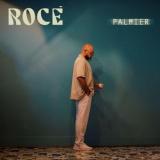
ROCÉ - PALMIER

ROCÉ

PALMIER

12inchHCLP4
Modulor Records
10.04.2026

THE RAPPER ANDPRODUCER"S NEW ALBUM
Palmier is producer and rapper Rocé"s new album. At the crossroads of Sade and Rakim, the album unfolds an impeccable flow over gentle melodies, the mellow sound of the saxophone softening the sharpness of the spoken truths. Rocé delivers a melody of hope, and appreciation of determination in the face of the impossible. "La Voie Lactée" features the captivating voice of Natacha Atlas and the sublime orchestrated violins of Samy Bishaï, the whole thing wrapped up in the style reminiscent of Isaac Hayes" soul and Portishead"s trip-hop. "Laisse les enfants courir" reveals a soulful hip-hop,between powerful groove and relentless flow, where Rocé blends political lucidity and poetic verse while Cisko"s subtle arrangements sculpt an organic, sensitive landscape, poised between tension and serenity. On "Lunaire", Rocé surprises us right away, with a sharp and melodic flow. Driven by powerful imagery and sharp lyrics, the track transforms anger into creative energy. It portrays an artist outsidethe mainstream, awareof the world"s failings but determined to create his own haven. Palmier embodies the melancholy of unfinished struggles, perseverance, and the promise of a brighter dawn.

vorbestellen10.04.2026

erscheint voraussichtlich am 10.04.2026

26,01
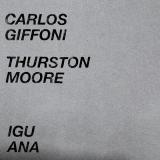
Carlos Giffoni & Thurston Moore - IGUANA (TAPE)

Carlos Giffoni reconnects with Thurston Moore for two sides of loose-limbed axe noise, oscillator worship and hard-phased, Spacemen 3-style feedback.

Giffoni’s been on a roll recently. Since the No Fun founder returned to the scene with »Vain¡, a genius set of synth mutations that appeared in iDEAL back in 2018, he’s been slowly ramping up the activity, dropping the celestial »Dream Walker« on Stephen O’Malley’s Ideologic Organ in 2024 and following it with »Pendulum«, a bumper compendium of collaborations, just a few weeks back. For those who remember Giffoni’s first trip round the block, he was always able to hold his own chopping it up in person, not just by mail.

Just scrub through his early catalog and you’ll see collabs with Nels Cline and Chris Corsano, Merzbow, Jim O’Rourke and Lasse Marhaug, and of course, Thurston Moore. The two rekindle their thing on »IGUANA’« picking up where 2001’s fabled »4 Guitars Live« performance left off. Here, Giffoni straddles a tabletop synth and FX while Moore attacks his signature Jazzmaster with a drumstick and a screwdriver – vibes fully intact.

Moore is on blistering form, sounding as if he’s taken a step back to refresh his approach since the early ‘00s when he could be spotted moonlighting on any number of basement-adjacent noise sides. Sawing at his strings and turning the guitar into a shrieking resonator, he leaves only faint vapours of the classic Sonic Youth sound as opiating accents on his animalistic wails and rumbles. On the opening half, his whammy – assisted shreds are balanced out by Giffoni’s off-world whirrs and airlocked vibrations, building a dense wall of noise towards an unexpectedly elegiac conclusion. At some point, Giffoni’s rasping churr transforms into a simmering shudder and Moore’s into hymnal drones – squint a bit and you could almost call it pretty.

Of course, they ramp things up on the flip, dissolving the melancholia with smokey white noise and twangy, post-Derek Bailey chimes that Giffoni accompanies with aggy oscillations. Like every great taped noise set, the recording quality is crucial - »IGUANA« was captured from the pit by Guillermo Hernandez Avendano, the dad of Lia Miranda who provides the cover photo. It’s that kinda show.

vorbestellen10.04.2026

erscheint voraussichtlich am 10.04.2026

19,75
Guilty Razors - Complete Recordings 1977 - 1978

UILTY RAZORS, BONA FIDE PUNKS.


Writings on the topic that go off in all directions, mind-numbing lectures given by academics, and testimonies, most of them heavily doctored, from those who “lived through that era”: so many people today fantasize about the early days of punk in our country… This blessed moment when no one had yet thought of flaunting a ridiculous green mohawk, taking Sid Vicious as a hero, or – even worse – making the so-called alternative scene both festive and boorish. There was no such thing in 1976 or 1977, when it wasn’t easy to get hold of the first 45s by the Pistols or the Clash. Few people were aware of what was happening on the fringes of the fringes at the time. Malcolm McLaren was virtually unknown, and having short hair made you seem strange. Who knew then that rock music, which had taken a very bad turn since the early 1970s, would once again become an essential element of liberation? That, thanks to short and fast songs, it would once again rediscover that primitive, social side that was so hated by older generations? Who knew that, besides a few loners who read the music press (it was even better if they read it in English) and frequented the right record stores? Many of these formed bands, because it was impossible to do otherwise. We quickly went from listening to the Velvet Underground to trying to play the Stooges’ intros. It’s a somewhat collective story, even though there weren’t many people to start it.
The Guilty Razors were among those who took part in this initial upheaval in Paris. They were far from being the worst. They had something special and even released a single that was well above the national average. They also had enough songs to fill an album, the one you’re holding. In everyone’s opinion, they were definitely not among the punk impostors that followed in their wake. They were, at least, genuine and credible.

Guilty Razors, Parisian punk band (1975-1978). To understand something about their somewhat linear but very energetic sound, we might need to talk about the context in which it was born and, more broadly, recall the boredom (a theme that would become capital in punk songs) coupled with the desire to blow everything off, which were the basis for the formation of bands playing a rejuvenated rock music ; about the passion for a few records by the Kinks or the early Who, by the Stooges, by the Velvet mostly, which set you apart from the crowd.
And of course, we should remember this new wave, which was promoted by a few articles in the specialized press and some cutting-edge record stores, coming from New York or London, whose small but powerful influence could be felt in Paris and in a handful of isolated places in the provinces, lulled to sleep by so many appalling things, from Tangerine Dream to President Giscard d’Estaing...
In 1975-76, French music was, as almost always, in a sorry state ; it was still dominated by Johnny Hallyday and Sylvie Vartan. Local rock music was also rather bleak, apart from Bijou and Little Bob who tried to revive this small scene with poorly sound-engineered gigs played to almost no one.
In the working class suburbs at the time, it was mainly hard rock music played to 11 that helped people forget about their gruelling shifts at the factory. Here and there, on the outskirts of major cities, you still could find a few rockers with sideburns wearing black armbands since the death of Gene Vincent, but it wasn’t a proper mass movement, just a source of real danger to anyone they came across who wasn't like them. In August 1976, a festival unlike any other took place in Mont-de-Marsan – the First European Punk Festival as the poster said – with almost as many people on stage as in the audience. Yet, on that day, a quasi historical event happened, when, under the blazing afternoon sun, a band of unknowns called The Damned made an unprecedented noise in the arena, reminiscent of the chaotic Stooges in their early adolescence. They were the first genuine punk band to perform in our country: from then on, anything was possible, almost anything seemed permissible.

It makes sense that the four+1 members of Guilty Razors, who initially amplified acoustic guitars with crappy tape recorder microphones, would adopt punk music (pronounced paink in French) naturally and instinctively, since it combines liberating noise with speed of execution and – crucially – a very healthy sense of rebellion (the protesters of May 1968 proclaimed, and it was even a slogan, that they weren’t against old people, but against what had made them grow old. In the mid-1970s, it seemed normal and obvious that old people should now ALSO be targeted!!!).
At the time, the desire to fight back, and break down authority and apathy, was either red or black, often taking the form of leafleting, tumultuous general assemblies in the schoolyard, and massive or shabby demonstrations, most of the time overflowing with an exciting vitality that sometimes turned into fights with the riot police. Indeed, soon after the end of the Vietnam War and following Pinochet’s coup in Chile, all over France, Trotskyist and anarcho-libertarian fervour was firmly entrenched among parts of the educated youth population, who were equally rebellious and troublemakers whenever they had the chance. It should also be noted that when the single "Anarchy in the UK" was first heard, even though not many of us had access to it, both the title and its explosive sound immediately resonated with some of those troublemakers crying out for ANARCHY!!! Meanwhile, the left-wing majority still equated punks with reckless young neo-Nazis. Of course, the widely circulated photos in the mainstream press of Siouxsie Sioux with her swastikas didn’t necessarily help to win over the theorists of the Great Revolution. It took Joe Strummer to introduce The Clash as an anti-racist, anti-fascist and anti-ignorance band for the rejection of old-school revolutionaries to fade a little.

The Lycée Jean-Baptiste Say at Porte d’Auteuil, despite being located in the very posh and very exclusive 16th arrondissement of Paris, didn’t escape these "committed" upheavals, which doubled as the perfect outlet for the less timid members of this generation.
“Back then, politics were fun,” says Tristam Nada, who studied there and went on to become Guilty Razors’ frontman. “Jean-Baptiste was the leftist high-school in the neighbourhood. When the far right guys from the GUD came down there, the Communist League guys from elsewhere helped us fight them off.”
Anything that could challenge authority was fair game and of course, strikes for just about any reason would lead to increasingly frequent truancy (with a definitive farewell to education that would soon follow). Tristam Nada spent his 10th and 11th unfinished grades with José Perez, who had come from Spain, where his father, a janitor, had been sentenced to death by Franco. “José steered my tastes towards solid acts such as The Who. Like most teenagers, I had previously absorbed just about everything that came my way, from Yes to Led Zeppelin to Genesis. I was exploring… And then one day, he told me that he and his brother Carlos wanted to start a rock band.” The Perez brothers already played guitar. “Of course, they were Spanish!”, jokes their singer. “Then, somewhat reluctantly, José took up the bass and we were soon joined by Jano – who called himself Jano Homicid – who took up the rhythm guitar.” Several drummers would later join this core of not easily intimidated young guys who didn’t let adversity get the better of them.

The first rehearsals of the newly named Guilty Razors took place in the bedroom of a Perez aunt. There, the three rookies tried to cover a few standards, songs that often were an integral part of their lives. During a first, short gig, in front of a bewildered audience of tough old-school rockers, they launched into a clunky version of the Velvet Underground's “Heroin”. Challenge or recklessness? A bit of both, probably… And then, step by step, their limited repertoire expanded as they decided to write their own songs, sung in a not always very accurate or academic English, but who cared about proper grammar or the right vocabulary, since what truly mattered was to make the words sound as good as possible while playing very, very fast music? And spitting out those words in a language that left no doubt as to what it conveyed mattered as well.
Trying their hand a the kind of rock music disliked by most of the neighbourhood, making noise, being fiercely provocative: they still belonged to a tiny clique who, at this very moment, had chosen to impose this difference. And there were very few places in France or elsewhere, where one could witness the first stirrings of something that wasn’t a trend yet, let alone a movement.

In the provinces, in late 1976 or early 1977, there couldn’t be more than thirty record stores that were a bit more discerning than average, where you could hear this new kind of short-haired rock music called “punk”. The old clientele, who previously had no problem coming in to buy the latest McCartney or Aerosmith LP, now felt a little less comfortable there…
In Paris, these enlightened places were quite rare and often located nex to what would become the Forum des Halles, a big shopping mall. Between three aging sex workers, a couple of second-hand clothes shops, sellers of hippie paraphernalia and small fashion designers, the good word was loudly spread in two pioneering places – propagators of what was still only a new underground movement. Historically, the first one was the Open Market, a kind of poorly, but tastefully stocked cave. Speakers blasted out the sound of sixties garage bands from the Nuggets compilation (a crucial reference for José Perez) or the badly dressed English kids of Eddie and the Hot Rods. This black-painted den was opened a few years earlier by Marc Zermati, a character who wasn’t always in a sunny disposition, but always quite radical in his (good) choices and his opinions. He founded the independent label Skydog and was one of the promoters of the Mont-de-Marsan punk festivals. Not far from there was Harry Cover, another store more in tune with the new New York scene, which was amply covered in the house fanzine, Rock News (even though it was in it that the photos of the Sex Pistols were first published in France).
It was a favorite hang-out of the Perez brothers and Tristam Nada, as the latter explained. “It’s at Harry Cover’s that we first heard the Pistols and Clash’s 45s, and after that, we decided to start writing our first songs. If they could do it, so could we!”
The sonic shocks that were “Anarchy in the UK”, “White Riot” or the Buzzcocks’s EP, “Spiral Scratch” – which Guilty Razors' sound is reminiscent of – were soon to be amplified by an unparalleled visual shock. In April 1977, right after the release of their first LP, The Clash performed at the Palais des Glaces in Paris, during a punk night organised by Marc Zermati. For many who were there, it was the gig of a lifetime…
Of course, Guilty Razors and Tristam were in the audience: “That concert was fabulous… We Parisian punks were almost all dressed in black and white, with white shirts, skinny leather ties, bikers jackets or light jackets, etc. The Clash, on the other hand, wore colourful clothes. Well, the next day, at the Gibus, you’d spot everyone who had been at this concert, but they weren’t wearing anything black, they were all wearing colours.”

It makes sense to mention the Gibus club, as Guilty Razors often played there (sometimes in front of a hostile audience). It was also the only place in Paris that regularly scheduled new Parisian or Anglo-Saxon acts, such as Generation X, Siouxsie and the Banshees, the Slits, and Johnny Thunders who would become a kind of messed-up mascot for the venue. A little later, in 1978, the Rose Bonbon – formerly the Nashville – also attracted nightly owls in search of electric thrills… In 1977, the iconic but not necessarily excellent Asphalt Jungle often played at the Gibus, sometimes sharing the bill with Metal Urbain, the only band whose aura would later transcend the French borders (“I saw them as the French Sex Pistols,” said Geoff Travis, head of their British label Rough Trade). Already established in this small scene, Metal Urbain helped the young and restless Guilty Razors who had just arrived. Guitarist for Metal Urbain Hermann Schwartz remembers it: “They were younger than us, we were a bit like their mentors even if it’s too strong a word… At least they were credible. We thought they were good, and they had good songs which reminded of the Buzzcocks that I liked a lot. But at some point, they started hanging out with the Hells Angels. That’s when we stopped following them.”

The break-up was mutual, since, Guilty Razors, for their part, were shocked when they saw a fringe element of the audience at Metal Urbain concerts who repeatedly shouted “Sieg Heil” and gave Nazi salutes. These provocations, even still minor (the bulk of the skinhead crowd would later make their presence felt during concerts), weren’t really to the liking of the Perez brothers, whose anti-fascist convictions were firmly rooted. Some things are non-negotiable.
A few months earlier (in July 1978), Guilty Razors had nevertheless opened very successfully for Metal Urbain at the Bus Palladium, a more traditonally old-school rock night-club. But, as was sometimes the case back then, the night turned into a mass brawl when suburban rockers came to “beat up punks”.

Back then, Parisian nights weren’t always sweet and serene.

So, after opening as best as they could for The Jam (their sound having been ruined by the PA system), our local heroes were – once again – met outside by a horde of greasers out to get them. “Thankfully,” says Tristam, “we were with our roadies, motorless bikers who acted as a protective barrier. We were chased in the neighbouring streets and the whole thing ended in front of a bar, with the owner coming out with a rifle…”
Although Tristam and the Perez brothers narrowly escaped various, potentially bloody, incidents, they weren’t completely innocent of wrongdoing either. They still find amusing their mugging of two strangers in the street for example (“We were broke and we simply wanted to buy tickets for the Heartbreakers concert that night,” says Tristam). It so happened that their victims were two key figures in the rock business at the time: radio presenter Alain Manneval and music publisher Philippe Constantin. They filed a complaint and sought monetary compensation, but somehow the band’s manager, the skilful but very controversial Alexis, managed to get the complaint withdrawn and Guilty Razors ended up signing with Constantin with a substantial advance.

They also signed with Polydor and the label released in 1978 their only three-track 45, featuring “I Don't Wanna be A Rich”, “Hurts and Noises” and “Provocate” (songs that exuded perpetual rebellion and an unquenchable desire for “class” confrontation). It was a very good record, but due to a lack of promotion (radio stations didn’t play French artists singing in English), it didn’t sell very well. Only 800 copies were allegedly sold and the rest of the stock was pulped… Initially, the three tracks were to be included on a LP that never came to be, since they were dropped by Polydor (“Let’s say we sometimes caused a ruckus in their offices!” laughs Tristam.) In order to perfect the long-awaited LP, the band recorded demos of other tracks. There was a cover of Pink Floyd's “Lucifer Sam” from the Syd Barrett era – proof of an enduring love for the sixties’ greats –, “Wake Up” a hangover tale and “Bad Heart” about the Baader-Meinhof gang, whose actions had a profound impact on the era and on a generation seeking extreme dissent... On the album you’re now discovering, you can also hear five previously unreleased tracks recorded a bit later during an extended and freezing stay in Madrid, in a makeshift studio with the invaluable help of a drummer also acting as sound engineer. He was both an enthusiastic old hippie and a proper whizz at sound engineering. Here too, certain influences from the fifties and sixties (Link Wray, the Troggs) are more than obvious in the band’s music.

Shortly after a final stormy and rather barbaric (on the audience’s side) “Punk night” at the Olympia in June 1978, Tristam left the band ; his bandmates continued without him for a short while.

But like most pioneering punk bands of the era, Guilty Razors eventually split up for good after three years (besides once in Spain, they’d only played in Paris). The reason for ceasing business activities were more or less the same for everyone: there were no venues outside one’s small circuit to play this kind of rock music, which was still frightening, unknown, or of little interest to most people. The chances of recording an LP were virtually null, since major labels were only signing unoriginal but reassuring sub-Téléphone clones, and the smaller ones were only interested in progressive rock or French chanson for youth clubs. And what about self-production? No one in our small safety-pinned world had thought about it yet. There wasn’t enough money to embark on that sort of venture anyway.

So yes, the early days of punk in France were truly No Future!

nicht am Lager

Bestelle jetzt und wir bestellen den Artikel für dich beim Lieferanten.

21,43

Last In: vor 14 Tagen
Stephan Eicher - Spielt Noise Boys

2025 Reissue.


Münchenbuchsee, a suburb of Bern, Switzerland. Stephan Eicher is the youngest of three children. His father, a radio and TV repairman, is also a jazz violinist and a sound tinkerer in his spare time. In the family home's converted fallout shelter turned studio, Mr. Eicher experiments with homemade sequencers, tortures handcrafted drum machines, and abuses reel-to-reel tape recorders—all under the fascinated gaze of young Stephan.

The boy quickly develops a musical curiosity, exploring sound through various experiments and wanderings. Alongside his younger brother Martin, Stephan crafts audio plays on a homemade multi-track recorder (essentially several cassette decks hooked together!), which they write, record, add sound effects to, and perform for family and friends. Just a couple of nice kids, really...

Then comes 1972, and Lou Reed's Transformer album changes everything for the Eicher kids. For 13-year-old Stephan, it's a revelation—especially "Vicious", the opening track, which he plays on repeat for months. He convinces his father to buy him an electric guitar. Not stopping there, his father also builds him a tube amp using an old radio.

Then comes adolescence. A rough one. Stephan leaves home at 16 and moves to Zurich. With obvious artistic talent, he persuades his art teacher to help him get into F+F, a radical, alternative art school—despite his young age. Accepted, he starts learning video techniques, determined to become a filmmaker.

At F+F, Stephan organizes Dada-style happenings and concerts with a group of friends known as the Noise Boys. Among them: one of his teachers on bass, Veit Stauffer on drums (who would later found ReR/Recommended Records), his girlfriend Sacha on vocals, and Stephan on guitar. In one of their early performances, they release a remote-controlled mouse covered in dull razor blades into the audience to create panic and chaos. Keeping with this aggressive, confrontational spirit, they once played a concert while wearing headphones blasting Tristan and Isolde, trying to perform their own songs simultaneously—to maximize the cacophony. The goal was always the same: clear the room.

Their “songs,” if you can call them that, followed suit. Take "Hungeriges Afrika", for instance—performed entirely with power drills and some drum feedback.

To make ends meet, Stephan returns to Bern on weekends to work as a waiter at the Spex Club, the city’s main punk venue. On September 16, 1980, during a show by proto-electro group Starter, the police raid the club and arrest everyone. Stephan, who manages to avoid arrest, seizes the opportunity to “borrow” Starter’s gear left behind. He suddenly finds himself in possession of a Roland Promars synth, a Korg MS20, and a gorgeous CR78 drum machine, which he runs through a Big Muff distortion pedal to get that perfect gritty sound.

He then sets out to reinterpret some Noise Boys tracks, reworking them during impromptu sessions recorded on a dictaphone (yes, a dictaphone—now the lo-fi sound makes more sense, doesn’t it?). He ironically titles the resulting cassette "Stephan Eicher spielt Noise Boys" ("Stephan Eicher plays Noise Boys"). This gem features seven tracks, which are the ones reissued here.

Back in Zurich, he visits his friends Andrew Moore and Robert Vogel, who have a DIY cassette duplication setup. They make 25 copies of Stephan Eicher spielt Noise Boys for Stephan and his friends. Robert encourages him to visit Urs Steiger of Off Course Records and play him the tape.

Without much hope, Stephan shows up at Urs’s office. But Urs is instantly hooked and suggests releasing a 7” single. Due to space constraints, they reluctantly drop two of the seven tracks ("Hungeriges Afrika" and "One Second"). As for the musical score featured on the cover—it was randomly chosen and remains a mystery to this day. Calling all music theory nerds!

The 7-inch is pressed in 750 copies and released in the first week of December 1980—a date Stephan remembers well, as it’s the same week John Lennon was killed. Smartly, Urs sends a promo copy to François Murner, Switzerland’s answer to John Peel, who hosts a show on alternative station Sounds. Murner falls in love with the record and starts giving it airtime. To Stephan’s surprise, sales follow—and people actually seem interested in his music.

Even this modest underground success scares Stephan a bit. He stops making music for a year and moves to Bologna, where he works as a programmer at Radio Città, a feminist radio station.

Meanwhile, Stephan’s younger brother Martin, who’s also involved in the punk scene, joins the band Glueams as a singer and guitarist. Glueams, named after the fanzine run by two of its members (drummer Marco Repetto and bassist GT), eventually rebrands as Grauzone. Stephan is invited to their shows to project hacked Super 8 visuals live on stage.

Urs Steiger, now working on a compilation titled Swiss Wave – The Album, asks Grauzone to contribute alongside bands like Liliput, Jack and the Rippers, The Sick, and Ladyshave (Fall 1980).

For the album, Martin tasks Stephan with producing their recording sessions. Under Stephan's artistic direction, two tracks emerge: "Raum" and "Eisbär". During "Eisbär", Martin plays a minimalist bass line borrowed from post-punk band The Feelies (just an open string). Drummer Marco Repetto struggles to keep time. Later that evening, unhappy with the takes, Stephan builds a four-bar drum loop from a ¼-inch tape and uses it instead of the flawed original. He then adds bleepy synths and wind sounds to complete the track’s icy vibe before handing it over to Urs.

The Swiss Wave – The Album compilation is released quietly at first, but things snowball thanks to "Eisbär", which eventually becomes a smash hit—selling over 600,000 singles.

Meanwhile, Stephan plays in a rockabilly band called SMUV (named after Switzerland’s social security agency) and begins producing artists, including the debut album of Starter (1981), which includes a more pop-oriented version of "Minijupe".

By early 1982, Stephan starts spending time with the post-punk girl band Liliput (formerly Kleenex). They’re older than him, and he happily drives them around in his Renault Major, acting as their roadie.

By 1983, Grauzone—signed to the major label EMI, which turned out to be a misstep—is falling apart. Stephan begins to pivot toward a more mainstream pop sound with his debut solo album Les Chansons Bleues.

But that... is already another story.

nicht am Lager

Bestelle jetzt und wir bestellen den Artikel für dich beim Lieferanten.

23,11

Last In: vor 14 Tagen
Soul Jazz Records pres. - BLACK JAZZ RECORDS – The Best of Black Jazz Records (2x12")

This album brings together some of the finest music ever released on Black Jazz Records which in its short four-year history, between 1971 and 1975, released over 20 superlative albums which all successfully blending spiritual jazz, funk and soul jazz of the highest calibre. Similar to other independent jazz labels at the time, including Strata-East Records and Tribe Records, Black Jazz focussed on a number of key artists, most of whom first established their career during this period, and all of whom are featured here. Featuring The Awakening, Doug Carn, Walter Bishop, Chester Thompson, Kellee Patterson and more. Black Jazz Records was founded in Oakland, California, by pianist Gene Russell and percussionist Dick Schory.

The label released twenty albums between 1971 and 1975. Artists who recorded for Black Jazz Records included Cleveland Eaton (bassist for Ramsey Lewis), keyboardists Doug Carn and Chester Thompson, vocalist Kellee Patterson, saxophonist Rudolph Johnson, bassist Henry Franklin, and spiritual fusion group The Awakening. The label was distributed and financed by Ovation Records, based in Chicago. Schory founded Ovation in 1969, shortly after leaving RCA. Schory was a Grammy-nominated percussionist who was also known for his development of the stereo recording techniques including Dynagroove and RCA Victor’s Stereo Action. Schory also pioneered quadrophonic sound, and a number of Black Jazz Records were in quadrophonic and other formats such as ¼” tape and 8-track.

Black Jazz launched in 1971 with Gene Russell’s ‘New Direction’. Russell was the creative force behind the label, acting as producer, engineer and A&R and focussed on developing new solo artists. The most successful of these was Doug Carn, who released four albums featuring his wife, Jean Carn, as vocalist. She later changed her name to Jean Carne and became a successful soul singer signed to Gamble and Huff’s Philadelphia International empire.

nicht am Lager

Bestelle jetzt und wir bestellen den Artikel für dich beim Lieferanten.

28,99

Last In: vor 14 Tagen
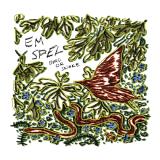
Em Spel - Bird or Snake LP

Bird or Snake is the second full-length album from Em Spel, whose intricate, flute-driven alt-folk pulses with life, from the driving drums and propulsively patterned guitars of “Poet” (featuring guest Sam Wagster on soaring pedal steel) through the organ and vocal-driven road trip love song of “Fruiting Body,” which features bird songs recorded on a handheld microphone in Maine. Bird or Snake teeters joyfully between art-folk and intimate indie rock, with delightfully dizzying vocal harmonies and songs that veer between rock, ambient, experimental, and folk.

This music sounds like nothing else, but fans of Weyes Blood, PJ Harvey, Kee Avil, Robert Wyatt, Laraaji, Laurie Anderson, and Brian Eno will all find something to love.

vorbestellen03.04.2026

erscheint voraussichtlich am 03.04.2026

20,97
STARLIGHT ASSEMBLY - THERE WILL BE FIREWORKS

The London based singer and keyboard player Dominic Appleton, known since the early eighties for his musical activity in the post punk/dream pop band Breathless, and perhaps even more for his vocal contributions to the legendary This Mortal Coil project on 4AD, joins forces with the Milanese producer and sound artist Matteo Uggeri, active from 1993 behind several projects spanning from industrial to post-rock and ambient soundscapes, known for collaborating with artists such as Maurizio Bianchi, Nocturnal Emissions, Controlled Bleeding, De Fabriek, OvO, Giuseppe Ielasi, Lau Nau, Giulio Aldinucci and many more.

Starlight Assembly’s first album, “Starlight and Still Air”, was released in 2021 by the American label Beacon Sound. In Italy the album received amazing reviews in all four of the main music monthlies. It was album of the month in Blow Up and Rockerilla ran a four page interview. Several articles and reviews were made, including a special issue on Foxy Digitalis by Brad Rose.

A remix project was launched afterwards, including old and new friends and fans of the two S.A. members: among the others, Robin Rimbaud/Scanner, Auscultation, Gabriel Saloman (Yellow Swans), Patricia Wolf, Insides, Julia Sabra with Fadi Tabbal, Sawako and Pan American.

The new album, “There Will Be Fireworks”, continues the duo’s complex cross-genres approach to music by melding Uggeri’s intricate musical textures with Appleton’s sweet and melancholic melodies, in this case even supported by the haunting guitars of Gary Mundy (in Breathless as well but also in Ramleh and Broken Flag’s label manager). The tracks on this album are more songlike, the journey more cohesive, with the artists playing more to one another’s strengths. The mastering will be done by Martin Bowes/Attrition, making it even more powerful and clean for its publication on Silentes (ex-Amplexus), historic italian label well known for releases by Rod Modell, Gigi Masin, Dirk Serries, Eraldo Bernocchi, Merzbow, Fabio Orsi and the latest releases by AUBE and much more.

1) WAIT FOR THE WORLD
2) TIME
3) THIS DESERT
4) ALL THE LOVE THE STANDS BESIDE US
5) MOTH TO THE FLAME
6) FRICTION
7) SYMPHONY IN MELANCHOLY
8) THE NOT DEAD
9) RELIEF
+
10) THERE WILL BE FIREWORKS (ghost track)

nicht am Lager

Bestelle jetzt und wir bestellen den Artikel für dich beim Lieferanten.

23,74

Last In: vor 25 Tagen
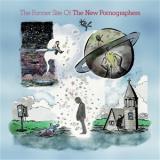
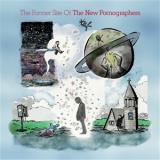
THE NEW PORNOGRAPHERS - THE FORMER SITE OF
  • Great Princess Story
  • 1: 2Pure Sticker Shock
  • 1: 3Ballad Of The Last Payphone
  • 1: 4Spooky Action
  • 1: 5Wish You Could See Me I'm Killing It
  • 1: 6Votive
  • 1: 7The Wine Remembers The Water
  • 1: 8Calligraphy
  • 1: 9Bonus Mai Tais
  • 1: 0The Former Site Of
auch erhältlich

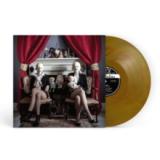
ORANGE & RED MARBLE VINYL[23,49 €]


Eine Frau ist auf einem Kreuzfahrtschiff gefangen. Ein Prediger beschließt, mit seiner Stadt unterzugehen. Ein Mann im Blumenladen verliert sich in der Bedeutung eines Arrangements. Diese und andere Menschen an persönlichen wie gesellschaftlichen Grenzpunkten stehen im Mittelpunkt von zehn zeitgemäßen und zugleich zeitlosen Kurzgeschichten, die The New Pornographers auf ihrem kommenden Album The Former Site Of in Form sorgfältig komponierter Popsongs versammeln.Wie schon Continue as a Guest zeigt auch dieses Album The New Pornographers - Bandleader A.C. Newman, Neko Case, Kathryn Calder, John Collins und Todd Fancey - dabei, wie sie ihren ohnehin reichen Katalog auf überraschende Weise erweitern. Unterstützt vom legendären Session-Drummer Charley Drayton (Divinyls, Keith Richards, Fiona Apple) war der Raum innerhalb eines New-Pornographers-Songs noch nie so klar definiert und zugleich so reich texturiert. Das verleiht den Figuren, deren Leben sich in Newmans einfühlsamen, bildhaften Texten entfalten, einen unverwechselbaren Puls.The Former Site Of verleiht dem Sound, den Newman durch das Schreiben und Aufnehmen im Heimstudio entwickelte, zusätzliche Tiefe und verfeinert den kreativen Prozess der Band weit über die Notwendigkeiten der Lockdown-Ära und der damaligen Remote-Zusammenarbeit hinaus. ,Die Zeit in meinem Studio hat vieles geöffnet", erklärt er. ,Ich kann zuerst das Skelett eines Songs zusammenstellen - nur ein paar Elemente, das zentrale Gefühl, wirklich so wenig wie möglich - bevor ich ihn zur Band bringe und von dort aus weitermache."Zwei Alben nach dieser Veränderung erschaffen The New Pornographers Klanguniversen von komplexer Textur und erzählerischer Detailfülle, bei denen jede Ebene darauf abgestimmt ist, eine unerwartete neue Facette offenzulegen. Wie schon auf Continue as a Guest ist eine der deutlichsten Ebenen die Art und Weise, wie sich ein Song um ein hervorgehobenes Instrument formt. Auf The Former Site Of ist es die Mandoline, die - in Carl Newmans Händen - der Lead-Single ,Votive" ihr Gefühl von Beschleunigung verleiht, während sie sich vom atmosphärischen Synth- und Keyboard-Intro zu einer klassischen, weit offenen Jam-Nummer aufbaut.,Hände schützen ein Streichholz / Ich versuche nur, das Licht am Brennen zu halten", singt Newman in dem Stück. Diese Metapher - das Festhalten trotz der Unsicherheit des Lebens - zieht sich wie ein roter Faden durch The Former Site Of. ,Bonus Mai Tais" handelt im Grunde davon, wie die Flamme erlischt: Newman schreibt darin offen über ein Treffen mit einem Freund, der an fortgeschrittenem Krebs erkrankt ist, und über seine eigene Entwaffnung angesichts dessen Offenheit im Angesicht des Todes. Es ist ein brutal trauriger Song, dessen Schmerz in Newmans Stimme schwebt - und zugleich einer der schönsten der Band, wobei die Harmonien von Neko Case und Kathryn Calder wie ein ätherischer Spiegel der Szene wirken.The Former Site Of platziert viele seiner Figuren am Rand des Vergessens - ihre Zeit wird knapp, ihre Situation scheint aussichtslos -, und doch halten sie fest. Das gilt auch, wenn The New Pornographers den Blick nach innen richten, wie auf ,Pure Sticker Shock", in dem Newmans Texte um Selbstwert kreisen. Dass sie sich selbst unter dieser so unterschiedlichen Figurenriege wiederfinden können - sogar die Cassini-Huygens-Sonde aus ,Spooky Action" - verleiht dem Album Zusammenhalt, noch bevor die sich wiederholende Schlusszeile des Titeltracks erklingt, die den Weg ins Herz jedes einzelnen Songs warm erleuchtet und einladend macht.Weit davon entfernt, einfach das erwartbare nächste Kapitel von The New Pornographers zu sein, ist The Former Site Of ein Plädoyer gegen Erwartungen - von einer Band, die sich weiterentwickelt, statt sich auf ihren Lorbeeren auszuruhen. Selbst in den dunkelsten oder selbstironischsten Momenten liegt in dieser Musik eine unwiderstehliche Spritzigkeit: eine Bestätigung, dass der Kampf ihrer Figuren und der Hörer:innen - wie das Foto eines fernen Planeten - es wert ist.

vorbestellen27.03.2026

erscheint voraussichtlich am 27.03.2026

23,49
THE NEW PORNOGRAPHERS - THE FORMER SITE OF

Eine Frau ist auf einem Kreuzfahrtschiff gefangen. Ein Prediger beschließt, mit seiner Stadt unterzugehen. Ein Mann im Blumenladen verliert sich in der Bedeutung eines Arrangements. Diese und andere Menschen an persönlichen wie gesellschaftlichen Grenzpunkten stehen im Mittelpunkt von zehn zeitgemäßen und zugleich zeitlosen Kurzgeschichten, die The New Pornographers auf ihrem kommenden Album The Former Site Of in Form sorgfältig komponierter Popsongs versammeln.Wie schon Continue as a Guest zeigt auch dieses Album The New Pornographers - Bandleader A.C. Newman, Neko Case, Kathryn Calder, John Collins und Todd Fancey - dabei, wie sie ihren ohnehin reichen Katalog auf überraschende Weise erweitern. Unterstützt vom legendären Session-Drummer Charley Drayton (Divinyls, Keith Richards, Fiona Apple) war der Raum innerhalb eines New-Pornographers-Songs noch nie so klar definiert und zugleich so reich texturiert. Das verleiht den Figuren, deren Leben sich in Newmans einfühlsamen, bildhaften Texten entfalten, einen unverwechselbaren Puls.The Former Site Of verleiht dem Sound, den Newman durch das Schreiben und Aufnehmen im Heimstudio entwickelte, zusätzliche Tiefe und verfeinert den kreativen Prozess der Band weit über die Notwendigkeiten der Lockdown-Ära und der damaligen Remote-Zusammenarbeit hinaus. ,Die Zeit in meinem Studio hat vieles geöffnet", erklärt er. ,Ich kann zuerst das Skelett eines Songs zusammenstellen - nur ein paar Elemente, das zentrale Gefühl, wirklich so wenig wie möglich - bevor ich ihn zur Band bringe und von dort aus weitermache."Zwei Alben nach dieser Veränderung erschaffen The New Pornographers Klanguniversen von komplexer Textur und erzählerischer Detailfülle, bei denen jede Ebene darauf abgestimmt ist, eine unerwartete neue Facette offenzulegen. Wie schon auf Continue as a Guest ist eine der deutlichsten Ebenen die Art und Weise, wie sich ein Song um ein hervorgehobenes Instrument formt. Auf The Former Site Of ist es die Mandoline, die - in Carl Newmans Händen - der Lead-Single ,Votive" ihr Gefühl von Beschleunigung verleiht, während sie sich vom atmosphärischen Synth- und Keyboard-Intro zu einer klassischen, weit offenen Jam-Nummer aufbaut.,Hände schützen ein Streichholz / Ich versuche nur, das Licht am Brennen zu halten", singt Newman in dem Stück. Diese Metapher - das Festhalten trotz der Unsicherheit des Lebens - zieht sich wie ein roter Faden durch The Former Site Of. ,Bonus Mai Tais" handelt im Grunde davon, wie die Flamme erlischt: Newman schreibt darin offen über ein Treffen mit einem Freund, der an fortgeschrittenem Krebs erkrankt ist, und über seine eigene Entwaffnung angesichts dessen Offenheit im Angesicht des Todes. Es ist ein brutal trauriger Song, dessen Schmerz in Newmans Stimme schwebt - und zugleich einer der schönsten der Band, wobei die Harmonien von Neko Case und Kathryn Calder wie ein ätherischer Spiegel der Szene wirken.The Former Site Of platziert viele seiner Figuren am Rand des Vergessens - ihre Zeit wird knapp, ihre Situation scheint aussichtslos -, und doch halten sie fest. Das gilt auch, wenn The New Pornographers den Blick nach innen richten, wie auf ,Pure Sticker Shock", in dem Newmans Texte um Selbstwert kreisen. Dass sie sich selbst unter dieser so unterschiedlichen Figurenriege wiederfinden können - sogar die Cassini-Huygens-Sonde aus ,Spooky Action" - verleiht dem Album Zusammenhalt, noch bevor die sich wiederholende Schlusszeile des Titeltracks erklingt, die den Weg ins Herz jedes einzelnen Songs warm erleuchtet und einladend macht.Weit davon entfernt, einfach das erwartbare nächste Kapitel von The New Pornographers zu sein, ist The Former Site Of ein Plädoyer gegen Erwartungen - von einer Band, die sich weiterentwickelt, statt sich auf ihren Lorbeeren auszuruhen. Selbst in den dunkelsten oder selbstironischsten Momenten liegt in dieser Musik eine unwiderstehliche Spritzigkeit: eine Bestätigung, dass der Kampf ihrer Figuren und der Hörer:innen - wie das Foto eines fernen Planeten - es wert ist.

vorbestellen27.03.2026

erscheint voraussichtlich am 27.03.2026

23,49
The Pale White - Inanimate Objects of the 21st Century LP
  • A1: Moth In The Headlights
  • A2: Float Away
  • A3: Göbekli Tepe
  • A4: Absolute Cinema
  • A5: Oh Brother
  • A6: Medusa
  • B1: Carpe Diem
  • B2: Mannequin
  • B3: This Fascination
  • B4: Disappoint Me
  • B5: All I Have To Do Is Dream

With their third album, Inanimate Objects of the 21st Century, Newcastle’s The Pale White prove once again that there’s no slowing them down. Following the success of their introspective sophomore album The Big Sad, brothers Adam (vocals/guitar) and Jack Hope (drums) return louder, sharper, and more defiant than ever. This third full-length is their most expansive yet: a record that blends the anthemic punch of classic rock with the urgency and edge of modern alternative.The title, Inanimate Objects of the 21st Century, is a nudge to the uncomfortable irony of our time – as technology accelerates, humanity feels increasingly frozen in place. Lead singer Adam Hope says: “Technology is moving, but we are not. Human civilization entered the 21st century wide-eyed and naive with mobile phones that would barely fit in our pockets. Fast forward a few decades and we’re so far from where we were that it almost looks like a bad 80’s sci-fi movie. Back then, that film would be watched in packed-out cinemas after an eagerly anticipated release, but now they stand emptier than they once were, attended mainly as a nostalgic experience in the age of Netflix and doomscrolling.

The birth of AI, algorithms, cryptocurrency, drones, holographic concerts, autonomous cars… we’re living in a strange transitional period which is both fascinating and terrifying in equal measure. We humans have now in fact become the inanimate objects - mannequins.After our softer, melancholic second album ‘The Big Sad’, we felt it was only right to move as fast as our world is moving and release our next within the year. ‘Inanimate Objects of the 21st Century’ is the evil twin, the Yin to The Big Sad’s Yang.”

vorbestellen27.03.2026

erscheint voraussichtlich am 27.03.2026

25,17
CHARLOTTE CORNFIELD - HURTS LIKE HELL
  • Before
  • Hurts Like Hell
  • Lost Leader
  • Lucky
  • Living With It
  • Number
  • Squiddd
  • Kitchen
  • Long Game
  • Bloody And Alive
auch erhältlich

CLEAR & YELLOW SWIRL VINYL[22,27 €]


Hurts Like Hell ist Charlotte Cornfields sechstes Album und das erste, das sie seit der Geburt ihrer Tochter aufgenommen hat - ein Wendepunkt für sie als Mensch und Künstlerin. Die wiederkehrenden Themen des Albums - persönliche Entwicklung und Erneuerung, die Beständigkeit der Liebe trotz Schwierigkeiten, Scham und Unbeholfenheit - haben dort ihren Ursprung. ,Diese Erfahrung hat mich aus mir selbst herausgeholt und mir eine andere Sichtweise auf die Dinge gegeben", sagt sie. ,Die Verletzlichkeit, Zerbrechlichkeit und Wildheit des Ganzen haben dazu geführt, dass ich mich weniger auf mich selbst konzentriere und mehr Abstand gewinne." Hurts Like Hell ist das offenste und stimmgewaltigste Album ihrer Karriere und auch dasjenige, an dem am meisten mitgearbeitet wurde. Cornfield zog sich in Philip Weinrobes Sugar Mountain Studio in Brooklyn zurück und wurde von einer kompletten Begleitband unterstützt, darunter El Kempner von Palehound, Bridget Kearney von Lake Street Dive, Adam Brisbin und Sean Mullins, mit wichtigen Beiträgen von Núria Graham und Daniel Pencer. Cornfield holte dann Feist, Buck Meek, Christian Lee Hutson und Maia Friedman als Gastsänger für das Album dazu. Das Ergebnis dieses Prozesses wird sofort in der Lead-Single ,Hurts Like Hell" deutlich, einem von Country-Klängen durchdrungenen Sehnsuchtslied, das Cornfield als ,eine Liebesgeschichte schüchterner Menschen" bezeichnet, wobei die Band Cornfields eigenwilligen Flow aufnimmt, als wolle sie das Herz ihrer Protagonistin wiegen. Dass der Song so verletzlich und so lebendig ist, ist eine Frage des Vertrauens zwischen Cornfield und ihren Bandkollegen, untereinander und in ihr Bauchgefühl. Ihr Sound liegt irgendwo zwischen Nashville Skyline und Harvest - eine warme, reichhaltige Antwort auf ihren verletzten, aber suchenden Ruf. Ein Großteil der Magie von Hurts Like Hell entsteht in dem Raum, den Cornfield für Harmonie schafft. Von Meek oder Hutson aufgegriffen, werden die Charaktere wie mit einem Pinselstrich zum Leben erweckt. Wenn Kempner oder Kearney hinzukommen, entsteht eine schillernde Facette der natürlichen, blitzartigen Chemie ihrer Band. In ,Kitchen" spiegelt Friedman Cornfields Erstaunen darüber wider, dass sie sich verliebt hat, und bringt die Emotion auf ihren ätherischen Höhepunkt. In ,Living With It" wird sie von Feist begleitet, die Cornfield über einen Gruppenchat für Mütter, die als Musikerinnen auf Tournee sind, kennengelernt hat. Cornfield ist mit den Narben ihrer Vergangenheit und der Hoffnung für die Zukunft zu diesem Album gekommen. Sie hat sich selbst von außen betrachtet und überlegt, was sie mit ihrer Musik nach der Geburt ihres Kindes erreichen will. Dabei war sie mutig genug, um Freiraum, Zeit und Hilfe von vertrauten und unerwarteten Quellen zu bitten - einem Gruppenchat, Songwritern, die sie bewundert, aber nicht persönlich kennt, Freunden, deren längst vergessener Song ihr den Refrain für einen neuen Song geliefert hat. Jedes ,Ja", jede Sprachmemo, jede geteilte Datei, jede offene Tür führte zu diesem Moment in Charlotte Cornfields Karriere. Nenn diesen Moment, wie du willst - eine Erweiterung, eine Wiedergeburt, ein Durchbruch - Hurts Like Hell ist groß genug, um ihm gerecht zu werden, und hat nichts von Cornfields Charme, Witz oder Dringlichkeit verloren. Es ist gleichzeitig eine Bestätigung ihrer Stellung unter den großen Singer-Songwritern ihrer Generation und die erste Formulierung ihrer Zukunft, egal welche Unsicherheiten und welche Liebe sie mit sich bringen mag.

vorbestellen27.03.2026

erscheint voraussichtlich am 27.03.2026

22,27
CHARLOTTE CORNFIELD - HURTS LIKE HELL

CHARLOTTE CORNFIELD

HURTS LIKE HELL

12inchMRGLPC1881
Merge
27.03.2026

Hurts Like Hell ist Charlotte Cornfields sechstes Album und das erste, das sie seit der Geburt ihrer Tochter aufgenommen hat - ein Wendepunkt für sie als Mensch und Künstlerin. Die wiederkehrenden Themen des Albums - persönliche Entwicklung und Erneuerung, die Beständigkeit der Liebe trotz Schwierigkeiten, Scham und Unbeholfenheit - haben dort ihren Ursprung. ,Diese Erfahrung hat mich aus mir selbst herausgeholt und mir eine andere Sichtweise auf die Dinge gegeben", sagt sie. ,Die Verletzlichkeit, Zerbrechlichkeit und Wildheit des Ganzen haben dazu geführt, dass ich mich weniger auf mich selbst konzentriere und mehr Abstand gewinne." Hurts Like Hell ist das offenste und stimmgewaltigste Album ihrer Karriere und auch dasjenige, an dem am meisten mitgearbeitet wurde. Cornfield zog sich in Philip Weinrobes Sugar Mountain Studio in Brooklyn zurück und wurde von einer kompletten Begleitband unterstützt, darunter El Kempner von Palehound, Bridget Kearney von Lake Street Dive, Adam Brisbin und Sean Mullins, mit wichtigen Beiträgen von Núria Graham und Daniel Pencer. Cornfield holte dann Feist, Buck Meek, Christian Lee Hutson und Maia Friedman als Gastsänger für das Album dazu. Das Ergebnis dieses Prozesses wird sofort in der Lead-Single ,Hurts Like Hell" deutlich, einem von Country-Klängen durchdrungenen Sehnsuchtslied, das Cornfield als ,eine Liebesgeschichte schüchterner Menschen" bezeichnet, wobei die Band Cornfields eigenwilligen Flow aufnimmt, als wolle sie das Herz ihrer Protagonistin wiegen. Dass der Song so verletzlich und so lebendig ist, ist eine Frage des Vertrauens zwischen Cornfield und ihren Bandkollegen, untereinander und in ihr Bauchgefühl. Ihr Sound liegt irgendwo zwischen Nashville Skyline und Harvest - eine warme, reichhaltige Antwort auf ihren verletzten, aber suchenden Ruf. Ein Großteil der Magie von Hurts Like Hell entsteht in dem Raum, den Cornfield für Harmonie schafft. Von Meek oder Hutson aufgegriffen, werden die Charaktere wie mit einem Pinselstrich zum Leben erweckt. Wenn Kempner oder Kearney hinzukommen, entsteht eine schillernde Facette der natürlichen, blitzartigen Chemie ihrer Band. In ,Kitchen" spiegelt Friedman Cornfields Erstaunen darüber wider, dass sie sich verliebt hat, und bringt die Emotion auf ihren ätherischen Höhepunkt. In ,Living With It" wird sie von Feist begleitet, die Cornfield über einen Gruppenchat für Mütter, die als Musikerinnen auf Tournee sind, kennengelernt hat. Cornfield ist mit den Narben ihrer Vergangenheit und der Hoffnung für die Zukunft zu diesem Album gekommen. Sie hat sich selbst von außen betrachtet und überlegt, was sie mit ihrer Musik nach der Geburt ihres Kindes erreichen will. Dabei war sie mutig genug, um Freiraum, Zeit und Hilfe von vertrauten und unerwarteten Quellen zu bitten - einem Gruppenchat, Songwritern, die sie bewundert, aber nicht persönlich kennt, Freunden, deren längst vergessener Song ihr den Refrain für einen neuen Song geliefert hat. Jedes ,Ja", jede Sprachmemo, jede geteilte Datei, jede offene Tür führte zu diesem Moment in Charlotte Cornfields Karriere. Nenn diesen Moment, wie du willst - eine Erweiterung, eine Wiedergeburt, ein Durchbruch - Hurts Like Hell ist groß genug, um ihm gerecht zu werden, und hat nichts von Cornfields Charme, Witz oder Dringlichkeit verloren. Es ist gleichzeitig eine Bestätigung ihrer Stellung unter den großen Singer-Songwritern ihrer Generation und die erste Formulierung ihrer Zukunft, egal welche Unsicherheiten und welche Liebe sie mit sich bringen mag.

vorbestellen27.03.2026

erscheint voraussichtlich am 27.03.2026

22,27
Carlos Dafé - Pra Que Vou Recordar LP
  • 01: De Alegria Raiou O Dia
  • 02: Tudo Era Lindo
  • 03: A Cruz
  • 04: Hello Mr. Wonder
  • 05: Bem Querer
  • 06: Pra Que Vou Recordar O Que Chorei
  • 07: Zé Marmita
  • 08: Bichos E Crianças
  • 09: O Metr?

Carlos Dafé (born October 25, 1947) is a singer and songwriter from Rio de Janeiro, recognised as one of the iconic voices of the Brazilian samba-soul era. Born into a family of musicians and trained at the conservatory, he rose to prominence in the 1970s alongside Tim Maia, Cassiano, and Hyldon, shaping the sound of Rio Noir with his warm baritone voice and soulful phrasing. His 1977 album, Pra Que Vou Recordar, became a cult classic among collectors and DJs worldwide, earning him the title of "Prince of Brazilian Soul." Still active today, Carlos Dafé remains an essential reference for artists exploring the boundaries between samba, soul, and MPB (Brazilian Popular Music). Released in 1977, Pra Que Vou Recordar reveals Carlos Dafé at the peak of his art, blending samba-soul, MPB, and the warm groove of the 1970s Rio de Janeiro scene. Surrounded by some of the city's finest musicians, Dafé showcases his baritone voice in deeply melodic arrangements and a series of songs that have become fan favourites. An album imbued with soul and elegance. The sound of BrazilianBlack music at its most sincere and timeless.

vorbestellen

Der Artikel ist noch nicht erschienen. Du kannst den Artikel jetzt vorbestellen, dieser ist nach Wareneingang für dich versandbereit.

28,53
Bratakus - Hagridden LP

Bratakus

Hagridden LP

12inchVENNLP079
Venn Records
27.03.2026

Hagridden' is the second full-length from Scottish sisters Bratakus. Fiercely political and unapologetic, the duo made up of siblings Brèagha Cuinn (guitar and vocals) and Onnagh Cuinn (bass and vocals) deliver ten songs that combine garage rock and feminist punk with the same deft poise as forerunners The Distillers, The Donnas, Bikini Kill and X-Ray Spex.
In 2019, a BBC news report called Bratakus "the UK's most remote punk band". Formed in 2015 outside a small whiskey village called Tomintoul in the Scottish Highlands, the sisters (then 14 and 8 years old) have maintained a DIY ethos in everything they've done. Recording at home, self-releasing music, booking their own tours and with no drummer available locally, the duo turned their limitation into a statement, performing live with a drum machine and cementing their reputation as an uncompromising force within the punk scene.
'Hagridden' marks a new beginning for the two sisters, introducing real drums to the recording process (including a guest appearance from Chris Dangerous of Swedish rock band The Hives) plus a more focused approach to songwriting. The message and music are just as loud, but the execution is now deadlier than ever.

vorbestellen27.03.2026

erscheint voraussichtlich am 27.03.2026

23,49
Witch Cross - Fit for Fight LP

Alongside the legendary Mercyful Fate and more obscure acts such as Alien Force, Randy, and Crystal Knight, Copenhagen's Witch Cross are undoubtedly one of the best Danish metal bands of all time. Their 1984 album “Fit For Fight” is definitely among the top five metal records in the country. One of the two guitarists on this masterpiece was a certain ‘Cole Hamilton’. His real name is Ole Hamilton Poulsen. He joined the band after the recording of Witch Cross' debut single, “Are You There” (from 1983). His partner on guitar was Mike Wlad (his birth name is Michael Koch). Mike Wlad is not only a founding member of Witch Cross, but also their main songwriter. After the premature end of the original Witch Cross, Mike Wlad formed a band called Harlot, which released a hard-to-find album called “Room With A View” in 1988. He then moved to London. Witch Cross are now active again and are currently working on their third album.

vorbestellen27.03.2026

erscheint voraussichtlich am 27.03.2026

23,32
Hidden Spheres - Primitive Needs LP

Hidden Spheres is a Rhythm Section mainstay for a reason: having released 3 EPs on the label, he has
developed his sound and fully emerged into a flow state. His residency at Public Records has enabled him to mould an EP perfect for any dancefloor, perfecting a Detroit indebted House style with influences from early Kerri Chandler and Ron Trent perfect for those heads down, hands-up moments.

Delivering 5 tracks that master dancefloor tension, it's difficult to pick a stand out. “Come On, Yeh” harks
back to the New Jersey House sound with dubby organ chord stabs and punchy 909 drums and a sublime bongo loop. “Don’t You Wanna” welcomes the house dancers, with a low-slung, heavily swung groove, resampled pads, and a deep spoken refrain that gives the track its title. Kicking off the B-side “Get Down” hits the subs, with unmistakably phat bass, moody strings and broad use of the iconic M1 organ bass patch “Organ2”. Followed by “I Feel Good” brings police sirens, 808s and swirling pads, to a glorious Deep House tune with a top chime motif that keeps the party moving. The final track of the B side, “You Don’t Know”, takes things down a notch, but maintaining the sublime tension with classic house piano chords and another wicked percussive loop.

Hidden Spheres has returned to his unadulterated House roots, with an EP that stays true to the classic sound. He has shaped an awesome body of work with character from deep spoken word samples, perfect use of dub sirens and grooves that can give any club a reason to invest in bigger

lagernd ab28.04.2026

14,92
WILL WOOD & THE TAPEWORMS - EVERYTHING IS A LOT (2015 MIX) LP 2x12"

Will Wood's very first LP displays a variety of genres, with a chaotic homemade anti-folk feel and an experimental edge. "Everything is a Lot" began its long production in 2014, when the singer-songwriter was still 20 years old and performing drunken alt-comedy at open mics. With no funding, Wood led a slapdash band into the studio to bring songs mainly from his teenage years to life, and the unstructured production process and youthful experimentation gave it a uniquely loose and chaotic feel. The debut LP's sound is defined by Wood's Jay Hawkins-esque vocal delivery, an out-of-tune old upright piano, wailing wind instruments, jangly guitar, high-powered yet loose drums, and sardonic overdriven kazoo solos. Delivering everything from swing jazz and twee indie pop to pseudo-mariachi and waltz, these sounds and their accompanying bizarre lyrics come together to match the existential title, "Everything is a Lot." Will Wood's early career can be primarily defined by his experimental vocal delivery, honky-tonk piano smashing, and darkly edgy songwriting. While his stylings have matured and taken on a more precise approach, his refusal to conform to expectations and constant shifts in the genre have continued to be hallmarks of his songwriting and production. In his "Will Wood and the Tapeworms" releases (Everything Is A Lot in 2015, SELF-iSH in 2016), audiences can see the first glimpses into what would eventually become his signature style, presented in a uniquely raw and chaotic state of potential.

nicht am Lager

Bestelle jetzt und wir bestellen den Artikel für dich beim Lieferanten.

32,35

Last In: vor 30 Tagen
Artikel pro Seite:
N/ABPM
Vinyl