Eight years deep into their existence, Paris-based Mawimbi are proud to present their debut album Bubbling.
Through their own label and events, the collective have championed up and coming artists who look to fuse african music
with the modern dancefloor. They’ve released records from Lya, Onipa, Afriquoi and James Stewart and brought
established artists and fellow travellers to such as Auntie Flo, Africaine 808, Awesome Tapes From Africa and Esa to
Paris. Now it’s time for the collective to unveil their identity as producers and musicians in their own right.
“Bubbling” refers to the many ideas, encounters and projects that the collective have come into contact with over
the past years. Through their events and their work as label curators and remixers (for artists such as Oumou Sangaré,
Blick Bassy, Cerrone, Onipa), Mawimbi have become known as ambassadors for “afro-electro” - whatever that might
mean - and their debut album buzzes with the contagious energy of the music they love. If you ask Mawimbi, Afro-electro
is about global and local inspiration, from both sides of the Black Atlantic. It’s about paying tribute to the forefathers and
the brothers and sisters in arms across the world. Afrobeat, highlife, South African bubblegum pop, Malian music,
maloya… Bubbling seeks to connect geographically separate but spiritually similar club sounds.
Hence “El Caribe” (feat. Ghetto Kumbé) is half cumbia, half Carribean dancehall, while “Ngana” (feat. Fatim
Kouyaté) has some elements of dub music and “Kakraa” (feat. K.O.G) nods to disco‐infused Ghanaian productions from
the 70s. Despite the influences, this is a record designed for home-listening, a nod to our present circumstances, but also
a deliberate step away from dancefloor. A moment of patience and reflection as much as joy and celebration.`
Above all, Bubbling is a personal record, about unexpected cross-pollinations and the collective’s individual
explorations of these musical territories. Mawimbi's own history is one of coincidences and chance encounters, and so is
“Bubbling”. All the collaborations were born out of the connections made over the last 8 years. A WhatsApp chat with
Zambian artist Mufrika, a spontaneous studio jam with Ghetto Kumbé in a Parisian Basement: these are captured
moments of real, vital connections made.
Like Mawimbi itself, Bubbling is a collage of relationships and shared experiences, shaped by nascent friendships
and musical encounters. It’s a truly DIY document in that sense, the sound of the last eight years of the Mawimbi
adventure: free spirited, passionate, warm and generous.
Buscar:mal e
Priya Ragu’s story is just as fascinating as her music. She was born and raised in Switzerland following her parents' escape from the Sri Lankan civil war in the early eighties. As she grew older, the Swiss and Sri Lankan cultures began to clash. Although they are now fully supportive of their daughter, Priya’s parents were initially strict, she wasn’t encouraged to listen to Western music or hang out at the mall after school. However, her musical ambitions soon began to take root.
At the age of 16, she performed Alicia Keys’ ‘Fallin’’ to her brother, who insisted she perform at a show he was doing with his rap group. Her father discovered their plans and stopped her from performing, but Priya wasn’t deterred. She instead made her ambitions more covert, sneaking out to jam sessions and open mic nights, before decided to fully pursue her ambitions by moving to America with the help of her friend, the rapper Oddisee. Working remotely with Japhna, the pair created several tracks which would provide the launchpad for where she is today.
‘damnshestamil’ Priya Ragu’s debut mixtape is a result of her highly productive creative partnership with her producer and brother Japhna Gold, featuring all Priya’s singles to date, including the international sensation ‘Chicken Lemon Rice’, ‘Good Love 2.0’, ‘Forgot About’ as well as her most recent single ‘Kamali’ which launched with a BBC Radio 1 ‘first play’ – with Annie Mac, and most recently A-Listed with the BBC Asian Network – showing no signs of slowing down.
Priya has coined the term ‘Raguwavy’ for her vibrant sound which defies standard genre definitions. It signposts the next era of forward-thinking R&B and electro-pop by tapping into the sonic accents of her Sri Lankan roots.
The current single ‘Kamali’ was inspired by a short BAFTA nominated film of the same name. It explores the story of Suganthi a single mother living in a small village in India, who was raised in a culture in which gender roles are clearly structured and as a result she stayed at home until she was old enough to marry. Suffering through abuse– she escaped to create a better future for herself and her daughter – Kamali. Musically and visually Priya connected to the story of Kamali and brought her world to life through song, placing emphasis on the important of motherhood and the circle of life.
As the road to the mixtape approaches - Priya fulfilled a lifetime ambition when she played a sold-out show as part of the Montreux Jazz Festival in Switzerland. Later Latitude Festival in July, and scheduled to perform at All Points East in August, where she begins to peel back the layers of her first body of work, to a live audience.
She will end the year on a high by embarking upon her long awaited debut UK & European headline tour. Consisting of nine shows spanning six countries, the tour includes a London show at the Jazz Café which is now sold out and will culminate with a homecoming show in Zurich a week later.
- A1: Shake The Dust
- A2: Nobody But You
- A3: Night Fires
- A4: One And Only One
- A5: Rhythm And Blues
- A6: Sure Thing
- A7: Oliver Swan
- A8: I Got The Fever
- B1: Do Me
- B2: I Betcha Heaven's On A Dirt Road
- B3: Gonna Let You Have It
- B4: Hale To The Man
- B5: Alone At Last
- B6: Get It Up
- B7: Shot From The Saddle
- B8: Rich Man
- B9: Down To The Station
LTD. COL. VINYL[44,41 €]
- Dritter Teil in LITAs hochgelobter Country Funk Serie! - Mit Dolly Parton, J.J. Cale, Conway Twitty, Larry Jon Wilson und Billy Swan, unter vielen anderen - Inklusive eines bisher unveröffentlichten Tracks von Tony Joe White - Alle Tracks neu gemastert - Neues Original-Artwork des renommierten Künstlers J. William Myers (der für Robert Altmans "Nashville", Waylon Jennings und Willie Nelsons "Waylon & Willie"-Album und die LP-Cover für die Charlie Daniels Band verantwortlich zeichnet) // Im Sommer 2012 wehte ein neuer Sound aus der staubigen Wüste herein. Es war ein Sound, der schwer zu fassen war, schwer zu kodifizieren; ein Sound, der sich wie ein wildes Pferd dem Zugriff entzog. Aber dies war kein Trend, keine Eintagsfliege, keine Vermischung von Stilen. Dieser Sound reichte Jahrzehnte zurück, in die zweite Hälfte der 1960er und frühen 1970er Jahre, als abenteuerlustige Künstler begannen, Country-Harmonien mit dem Hochgefühl des Gospels, dem sexuellen Schub des Blues und einem Hauch von Großstadt-Härte zu vermischen. Dies war ein neuer Sound mit einem einfachen Namen: Country Funk. Country Funk 1969-1975, erstmals 2012 veröffentlicht, brachte eine disparate Gruppe von Künstlern zusammen, die durch das einfache Gefühl ihrer Songs verbunden waren. Country Funk ist abwechselnd verspielt und melancholisch, slow jammin' und booty-shakin'. Es ist ein Sound, der sich sowohl im Studio als auch in der Bar durchsetzt, wie die auf Volume I vertretenen Künstler beweisen: Johnny Adams, Mac Davis, Dale Hawkins, Tony Joe White, Bobbie Gentry, Larry Jon Wilson, und viele andere. Nur zwei Jahre später wurde Volume I mit einer neuen Sammlung von Songs für Country Funk 1967-1974 (LITA 116, 2014) fortgesetzt. Volume II ließ nicht locker und bot alles, was man an Loose Talking und Lap-Steel Twangin' vertragen konnte. Schwergewichte wie Willie Nelson, Townes Van Zandt, Kenny Rogers, Dolly Parton und J.J. Cale teilen sich die Barhocker mit den weniger bekannten Stimmen von Bill Wilson, Donnie Fritts und Thomas Jefferson Kaye. Mit Country Funk Volume III 1975-1982 wird noch mehr Funk aus dem Kofferraum geholt. Diesmal sind die Jeans enger, die Haare größer und die Discokugel dreht sich zu einem Country-Synthie-Beat. Produziert und zusammengestellt von Jason Morgan (DJ/Sammler aus der Bay Area) und Patrick McCarthy (Co-Produzent/Compiler von Volume I & II), enthält die Trackliste neben den Stammgästen Dolly Parton, J.J. Cale, Larry Jon Wilson und Tony Joe White (dessen Track hier zum ersten Mal veröffentlicht wird) auch neue Gesichter wie Steven Soles, Gary & Sandy, Conway Twitty, Travis Wammack, Billy Swan, Rob Galbraith, Brian Hyland und viele mehr. Als die 1970er Jahre abebbten und sich die 1980er Jahre näherten, erweiterte sich die Palette des Country-Funks um Disco-Beats, schwere Moog-Synthesizer-Bässe und Clavinet. Volume III zeigt Künstler, die sich weiterhin gegen traditionelle Country-Tropen und -Produktionen wehren, während sie modernen Soul, Disco und verkorksten 80er-Jahre-Synthie-Pop in sich aufnehmen. Dies ist der wahre Soundtrack des Urban Cowboys. Aufsatteln, Partner.
- A1: Shake The Dust
- A2: Nobody But You
- A3: Night Fires
- A4: One And Only One
- A5: Rhythm And Blues
- A6: Sure Thing
- A7: Oliver Swan
- A8: I Got The Fever
- B1: Do Me
- B2: I Betcha Heaven's On A Dirt Road
- B3: Gonna Let You Have It
- B4: Hale To The Man
- B5: Alone At Last
- B6: Get It Up
- B7: Shot From The Saddle
- B8: Rich Man
- B9: Down To The Station
LP[38,28 €]
- Transparentes Vinyl mit roten und blauen Schlieren - Dritter Teil in LITAs hochgelobter Country Funk Serie! - Mit Dolly Parton, J.J. Cale, Conway Twitty, Larry Jon Wilson und Billy Swan, unter vielen anderen - Inklusive eines bisher unveröffentlichten Tracks von Tony Joe White - Alle Tracks neu gemastert - Neues Original-Artwork des renommierten Künstlers J. William Myers (der für Robert Altmans "Nashville", Waylon Jennings und Willie Nelsons "Waylon & Willie"-Album und die LP-Cover für die Charlie Daniels Band verantwortlich zeichnet) // Im Sommer 2012 wehte ein neuer Sound aus der staubigen Wüste herein. Es war ein Sound, der schwer zu fassen war, schwer zu kodifizieren; ein Sound, der sich wie ein wildes Pferd dem Zugriff entzog. Aber dies war kein Trend, keine Eintagsfliege, keine Vermischung von Stilen. Dieser Sound reichte Jahrzehnte zurück, in die zweite Hälfte der 1960er und frühen 1970er Jahre, als abenteuerlustige Künstler begannen, Country-Harmonien mit dem Hochgefühl des Gospels, dem sexuellen Schub des Blues und einem Hauch von Großstadt-Härte zu vermischen. Dies war ein neuer Sound mit einem einfachen Namen: Country Funk. Country Funk 1969-1975, erstmals 2012 veröffentlicht, brachte eine disparate Gruppe von Künstlern zusammen, die durch das einfache Gefühl ihrer Songs verbunden waren. Country Funk ist abwechselnd verspielt und melancholisch, slow jammin' und booty-shakin'. Es ist ein Sound, der sich sowohl im Studio als auch in der Bar durchsetzt, wie die auf Volume I vertretenen Künstler beweisen: Johnny Adams, Mac Davis, Dale Hawkins, Tony Joe White, Bobbie Gentry, Larry Jon Wilson, und viele andere. Nur zwei Jahre später wurde Volume I mit einer neuen Sammlung von Songs für Country Funk 1967-1974 (LITA 116, 2014) fortgesetzt. Volume II ließ nicht locker und bot alles, was man an Loose Talking und Lap-Steel Twangin' vertragen konnte. Schwergewichte wie Willie Nelson, Townes Van Zandt, Kenny Rogers, Dolly Parton und J.J. Cale teilen sich die Barhocker mit den weniger bekannten Stimmen von Bill Wilson, Donnie Fritts und Thomas Jefferson Kaye. Mit Country Funk Volume III 1975-1982 wird noch mehr Funk aus dem Kofferraum geholt. Diesmal sind die Jeans enger, die Haare größer und die Discokugel dreht sich zu einem Country-Synthie-Beat. Produziert und zusammengestellt von Jason Morgan (DJ/Sammler aus der Bay Area) und Patrick McCarthy (Co-Produzent/Compiler von Volume I & II), enthält die Trackliste neben den Stammgästen Dolly Parton, J.J. Cale, Larry Jon Wilson und Tony Joe White (dessen Track hier zum ersten Mal veröffentlicht wird) auch neue Gesichter wie Steven Soles, Gary & Sandy, Conway Twitty, Travis Wammack, Billy Swan, Rob Galbraith, Brian Hyland und viele mehr. Als die 1970er Jahre abebbten und sich die 1980er Jahre näherten, erweiterte sich die Palette des Country-Funks um Disco-Beats, schwere Moog-Synthesizer-Bässe und Clavinet. Volume III zeigt Künstler, die sich weiterhin gegen traditionelle Country-Tropen und -Produktionen wehren, während sie modernen Soul, Disco und verkorksten 80er-Jahre-Synthie-Pop in sich aufnehmen. Dies ist der wahre Soundtrack des Urban Cowboys. Aufsatteln, Partner.
- A1: Menschenfresser
- A2: Jenseits Von Eden
- A3: Zeitlos
- A4: Macht Kaputt Was Euch Kaputt Macht
- A5: Allein Machen Sie Dich Ein
- A6: Ich Werde Dich Lieben
- A7: Du Bist Es
- A8: Blinder Passagier
- A9: Sklavenhändler
- A10: Wann, Wenn Nicht Jetzt
- B1: Komm Schlaf Bei Mir
- B2: Wenn Die Nacht Am Tiefsten
- B3: Morgenlicht
- B4: Warum Geht Es Mir So Dreckig?
- B5: Ich Bin Müde
- B6: Wir Müssen Hier Raus
- B7: Mein Name Ist Mensch
- C1: Einlass / Schliemann (Dvd)
- C2: Menschenfresser (Dvd)
- C3: Jenseits Von Eden (Dvd)
- C4: Nur Dich (Dvd)
- C5: Zeitlos (Dvd)
- C6: Macht Kaputt Was Euch Kaputt Macht (Dvd)
- C7: Allein Machen Sie Dich Ein (Dvd)
- C8: Ich Werde Dich Lieben (Dvd)
- C9: Du Bist Es (Dvd)
- C10: Blinder Passagier (Dvd)
- C11: Sklavenhändler (Dvd)
- C12: Wann, Wenn Nicht Jetzt (Dvd)
- C13: Mein Namen Ist Mensch (Acapella) (Dvd)
- C14: Komm Schlaf Bei Mir (Dvd)
- C15: Wenn Die Nacht Am Tiefsten (Dvd)
- C16: Morgenlicht (Dvd)
- C17: Warum Geht Es Mir So Dreckig? (Dvd)
Seit anderthalb Jahrzehnten geht Jan Plewka (Selig) auf Tour und singt die Songs von Rio Reiser und Ton Steine Scherben. Die Shows mit der schwarz-roten Heilsarmee sind inzwischen legendär und begeisterten bereits abertausende Besucher bei über 200 ausverkauften Performances. Im September erscheint nun das Live-Album + DVD "Wann wenn nicht jetzt - Jan Plewka singt Ton Steine Scherben und Rio Reiser II", das bei den Auftritten auf Kampnagel in Hamburg aufgenommen wurde. Die Singles "Jenseits von Eden" und "Macht Kaputt was euch kaputt macht" sind bereits erschienen. "Mit 14 Jahren habe ich Ton Steine Scherben zum ersten Mal gehört. Seitdem bin ich ein glühender Verehrer von Rio Reiser, von seiner Musik, seiner Poesie, seinen Utopien. Seit über 15 Jahren bin ich mit diesem Programm nun schon auf Tour. Das ist die eine Konstante in meinem Leben." - Jan Plewka Der Traum geht weiter: Wenn Jan Plewka mit der schwarz-roten Heilsarmee auf der Bühne steht, um die unvergesslichen Songs von Rio Reiser und Ton Steine Scherben zu feiern, wird sehnsüchtig und zärtlich, gleichzeitig revolutionär und kraftvoll. "Wann wenn nicht jetzt" versammelt auf Doppel-LP / CD 17 Livetracks, die 2019 auf Kampnagel aufgezeichnet wurden und filmisch von Tom Stromberg festgehalten wurden. Die beiliegende DVD kommt mit fünf Bonustracks auf insgesamt 22 Stücke.
LTD Edition!
Wenn ein Großteil von DJ Seinfelds früherer Arbeit von sepiafarbenem Dunst geprägt war - ein Ergebnis der absichtlichen Lo-Fi-Produktionstechniken des Produzenten - dann rückt seine Musik auf dem brandneuen Album, „Mirrors“, fest in den Fokus.Aufgenommen zwischen Berlin und Malmö, ist „Mirrors“ der Nachfolger von DJ Seinfelds von der Kritik gefeiertem Debütalbum, „Time Spent Away From U“, von 2017 und sein erstes für Ninja Tune. Benannt nach einem Zitat von Armands Lieblingsschriftsteller, dem argentinischen Romancier Julio Cortázar, findet sich der Produzent auf dem Album in einer ruhigeren und geerdeten Stimmung wieder, nachdem ein unglücklicher Vorfall in seiner Familie ihn in den letzten Jahren dazu zwang, mehr Zeit zu Hause in seiner Heimat Schwedenzu verbringen.
2016 als Teil der Lo-Fi-House-Szene neben Produzenten wie Ross From Friends und Mall Grab bekannt geworden, veröffentlichte DJ Seinfeld (dessen Name auf ausgedehnte Sessions beim Schauen der klassischen US-Sitcom nach einer Trennung und einem Umzug nach Barcelona zurückgeht) 2017 sein Debütalbum, das unter anderem vom internationalen Rolling Stone und Pitchfork gelobt wurde. Es erregte auch die Aufmerksamkeit von Zeitgenossen wie Flume, Flying Lotus, Bonobo und Martin Garrix und führte dazu, dass DJ Seinfeld zu einem weltweit gefragten DJ wurde, der überall von Glastonbury bis Coachella, Warehouse Project, Sónar By Night und MoMaPS1 Sets spielte und die Bühne mit zahllosen Künstler*innen teilte, von Jeff Mills bis Stormzy, Underworld und Bicep, außerdem begleitete er Disclosure auf einigen Terminen ihrer US-Tour. Im Jahr 2018 erschien seine DJ-Kicks, wodurch er zu einer auserwählten Gruppe von DJs und Produzent*innen katapultiert wurde, zu der auch Moodymann, DJ Koze oder Nina Kraviz gehören. Um das Ganze abzurunden, eröffnete Aphex Twin seine Live-Shows mit dem DJ Seinfeld-Track, „Sakura“.
New Yorker Singer-Songwriter entdeckt den Westcoast-Sound. Das 2019 erschienene Album "The Unseen In Between" etablierte den amerikanischen Musiker Steve Gunn als einen Großmeister des US-Songwritings - mit seinem neuen Album "Other You" unterstreicht er nun diesen Anspruch. Gunn, der ursprünglich aus Pennsylvania stammt und mittlerweile in Brooklyn lebt, ist für die Aufnahmen zu seinem neuen Album an die Westküste gereist. Das passt perfekt, denn seine Musik ist der ideale Soundtrack für Roadtrips von der Ostküste an die Westküste des Landes. Sein fein destillierter Sound lässt sich dabei zwischen Roots Rock, Americana, Folk und Jazz treiben. Steve Gunn ist Traditionalist und Suchender zugleich. Zumeist geht er nur mit losen Ideen ins Studio, bei denen er am Anfang nie so genau weiß, wo sie ihn am Ende hinführen werden. Ähnlich gestaltete sich das auch dieses Mal. Sein sechstes Studioalbum "Other You" nahm Steve Gunn zusammen mit Produzentenlegende Rob Schnapf (Beck, Elliott Smith, Kurt Vile) in dessen Mant Studios in Los Angeles Ende 2020 und Anfang 2021 auf. Schnapf hat großen Anteil an der Entstehung dieses Albums. Er schüttelte nicht nur das Soundbett auf, sondern mischte auch Steve Gunns Stimme in den Vordergrund, um den poetischen Lyrics des Songwriters die richtige Bühne zu bieten. Mit Hilfe von befreundeten Musikern wie Juliana Barwick, Mary Lattimore, Bridget St. John, Jeff Parker, Bill MacKay, Ben Bertrand und dem Schlagzeuger Ryan Sawyer (TV On The Radio, Thurston Moore, Gang Gang Dance) entstand mit "Other You" ein Album, mit dem Steve Gunn nicht nur die Grenzen von Genres auslotet, sondern auch seine eigenen.
Mali Hayes has been simmering to the surface for a while now. Emerging from a Manchester jazz community that's enjoying its own renaissance away from the much-reported on London scene, the vocalist and songwriter's bittersweet neo-soul sound is trans-Atlantic – think initial progenitors such as Erkyah Badu, D'Angelo and Jill Scott – but is rooted in Manchester's mixed communities and the different walks of life she encounters.
Forgive You / Come Closer – owes itself to Gilles Peterson and Brownswood Music's Future Bubblers programme, when Hayes met producers Cult Architect and Medikul while part of the mentorship scheme. Airplay from Gemma Bradley, Victoria Jane & Mo Ayoub on Radio 1, Jamz Supernova & Gilles Peterson on BBC Radio 6, Victoria Jane on BBC Introducing, Jamz Supernova on Selector Radio. Features in Clash Magazines 'Next Wave' playlist and Spotify's 'Rhythm & Groove by DJ Taro' playlist.
The two tracks come out as part of a new series of 7" releases from Manchester institution Band on the Wall and their new label Band on the Wall Recordings. Based out of the iconic music venue, charity and cultural hub, the label builds on a successful compilation released to raise funds during the Covid-19 pandemic
Re-mastering by: Kevin Gray
This is a reissue of a now out-of-print album from live trio date by the legendary LA-based pianist, composer and multi-bandleader, Horace Tapscott. Pianist Horace Tapscott is always at his best when he is leading a trio. Born in 1934 in Houston, Texas, Horace came from a musical family centered around his mother, Mary Malone Tapscott, who worked professionally as a singer and pianist. When Horace was nine, the family moved to Los Angeles. As a teenager in the late 1940's, Horace was surrounded by the music of Central Avenue: Art Tatum, Charlie Parker, Coleman Hawkins, Dexter Gordon, were among the many cats on the set. Around this time, Horace also began to take music lessons from teachers Dr. Samuel R. Browne and Lloyd Reese, whose other students included Eric Dolphy and Frank Morgan. Horace's musical studies included trombone in addition to piano.
In 1952, Horace graduated from Jefferson High, got married to Cecilia Payne and went into the Air Force. Horace played in an Air Force Band while he was stationed in Wyoming for his term of duty. After mustering out, he returned to Los Angeles where he worked around on various gigs until he joined the Lionel Hampton Big Band as a trombonist.
In 1959, Horace finally went with the Hampton Big Band to New York, where his friend Eric Dolphy introduced him to John Coltrane. A tough winter, a lack of gigs, and too many nights on the floor of a friend's art gallery finally sent Horace packing for sunny Southern California, where a life with wife and family awaited his return.
The sixties saw Horace emerge as a die-hard leader of the Avant Garde. Horace began to gain public notice playing with his own group, that included alto saxophonist Arthur Blythe, bassist David Bryant, and drummer Everett Brown II. Horace also appeared on records for the first time.
Horace was always outspoken about racism, politics, stereotypes, and social ethics. His forward-minded vocal presence on and off the microphone is as much a part of his art as his piano playing. As a result, he was labeled a "dissident," categorized as an "employment risk," and black-listed from the music industry establishment in the early 1970's. None of this slowed Horace down. He began gigging sporadically at Parks and Recreation events and for churches around Watts. This "dark period," with his only regular gig at his friend Doug Weston's Troubadour on Los Angeles' "Restaurant Row", was also a time of intense creativity.
Around 1977, Horace reorganized the Pan-Afrikan Peoples Arkestra with the help of several old friends and many new faces. The Arkestra performances involve singing, dancing, and poetry in addition to the music. Soon after the new group's debut, Horace came to the attention of producer Tom Albach who contracted Horace to record a number of albums for Nimbus Records. Albach also helped introduce Horace to an international audience by arranging several European tours.
The 80's saw Horace emerge as one of jazz's premiere solo pianists. He recorded several solo piano albums for Nimbus.
Crystal Winds legendary sophisticated soul LP first released on the privately pressed Cash Ear label in 1982, it's mad to me these amazing tracks have never made it to 45 yet so time to put that right, the classiest of classy 70s soul sides for your Djing and listening pleasure, you all know how much I love floaty 70s joints, not sure it gets better than this.
The key figures behind Crystal Winds were Paul Coleman and M.C. (Morris) Brown, both alumni of the band Rasputin's Stash which had had two albums out in the mid-'70s which had done reasonably well for Atlantic subsidiary Cotillion and Chicago indie Gemigo, respectively.
Between them, keyboardist Coleman and saxophonist Brown wrote the vast bulk of the album (guitarist Martin Dumas co-wrote Lover's Holiday with Brown, and one J.Lagrone is added to the credits of So Sad and Signs of Winter's Time) and handled the male lead vocals, with the distaff element provided by Theresa Davis. Brown wrote the horn arrangements, the pair did the string arrangements, and legendary concertmaster Rich Tufo (associated with Curtis Mayfield and other Curtom acts including Linda Clifford) was also on hand for the album (credited with conducting and orchestrating both strings and horns). Guitarist Dumas had also been a member of Rasputin's Stash, as had drummer E.Frank Donaldson (who plays on two tracks).
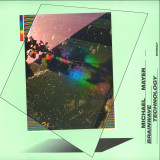
Michael Mayer’s latest EP, Brainwave Technology, comes at you purposeful, stealthy and sly. It’s a glorious left turn for the redoubtable producer, one that sees his typically lean and lithe productions buffed to a metallic, futurist sheen. There’s a gleam in the eyes of tracks like “Brainwave Technology” and “Alpha” that speaks of serious fun, of the intersection of the pleasure zone and the frontal lobe.
“Brainwave Technology” itself is informed by Mayer’s deep dive into the thorny terrain of artificial intelligence, transhumanism and posthumanism. Inspired by reading German philosopher Richard David Precht, Mayer found himself heading down the “proverbial rabbit hole,” as he describes it, “watching hours of YouTube material by self-proclaimed prophets of these ‘inevitable’ changes to come.” Never one to be taken in by the egotist’s dance, Mayer’s cynicism about the whole endeavour is tempered, a little, by the deeper questions that these figures gesture towards: “Is it really an evolutionary step that man and machine become one? Or is it rather a marketing plot by Silicon Valley billionaires?”
On “Brainwave Technology”, Mayer plays the charlatans at their own game, turning their logic against them by exposing the fruitiness of their ‘visions’. “I chose irony as my sword with which I chopped off some quotes from some of those batshit crazy prophets and self-promoters,” he explains of the drooling psychobabble he drops in the track’s lacuna. There’s a sense of humour here – how could you not laugh at these hungover egotists? – but there’s levity too, a sense that Mayer’s using sound to expose the contradictions and double-speak at the heart of these half-formed ideas. It’s a Burroughsian tactic, to slice into the heart of the voice to see what hidden truths surface.
It was Burroughs, too, who once said that “when you cut into the past, the future leaks out”; Brainwave Technology cuts into the logic of the futurologist to leak out the messiness of modern reality. On “Alpha” and “Gamma”, Mayer seems to conjure up the stark, ominous music that’d soundtrack a science fiction reinterpretation – or preinterpretation – of our modern malaise, all funereal wreaths of electronic noise and clatterboxing beats. As the EP resolves with “Device For The Young At Heart”, Mayer’s questions are piling up: “Do we want to become immortal and live on as a download? Do we really give up on Earth and put all our effort into colonising Mars?” There are no answers, of course, but plenty of imaginings-to-be. Brainwave Technology soundtracks both dystopian and utopian possibilities of what could come next.
COLOURED CLEAR VINYL[26,85 €]
New Yorker Singer-Songwriter entdeckt den Westcoast-Sound. Das 2019 erschienene Album "The Unseen In Between" etablierte den amerikanischen Musiker Steve Gunn als einen Großmeister des US-Songwritings - mit seinem neuen Album "Other You" unterstreicht er nun diesen Anspruch. Gunn, der ursprünglich aus Pennsylvania stammt und mittlerweile in Brooklyn lebt, ist für die Aufnahmen zu seinem neuen Album an die Westküste gereist. Das passt perfekt, denn seine Musik ist der ideale Soundtrack für Roadtrips von der Ostküste an die Westküste des Landes. Sein fein destillierter Sound lässt sich dabei zwischen Roots Rock, Americana, Folk und Jazz treiben. Steve Gunn ist Traditionalist und Suchender zugleich. Zumeist geht er nur mit losen Ideen ins Studio, bei denen er am Anfang nie so genau weiß, wo sie ihn am Ende hinführen werden. Ähnlich gestaltete sich das auch dieses Mal. Sein sechstes Studioalbum "Other You" nahm Steve Gunn zusammen mit Produzentenlegende Rob Schnapf (Beck, Elliott Smith, Kurt Vile) in dessen Mant Studios in Los Angeles Ende 2020 und Anfang 2021 auf. Schnapf hat großen Anteil an der Entstehung dieses Albums. Er schüttelte nicht nur das Soundbett auf, sondern mischte auch Steve Gunns Stimme in den Vordergrund, um den poetischen Lyrics des Songwriters die richtige Bühne zu bieten. Mit Hilfe von befreundeten Musikern wie Juliana Barwick, Mary Lattimore, Bridget St. John, Jeff Parker, Bill MacKay, Ben Bertrand und dem Schlagzeuger Ryan Sawyer (TV On The Radio, Thurston Moore, Gang Gang Dance) entstand mit "Other You" ein Album, mit dem Steve Gunn nicht nur die Grenzen von Genres auslotet, sondern auch seine eigenen.
Austin, Texas-based singer-songwriter and former frontman of The Ugly Americans and The Scabs, Bob Schneider has become one of the most celebrated musicians in the live music capital. Combined with his scruffy good looks and diverse musicals styles, Schneider's talent has defied genres. Combing elements of funk, country, rock, and folk with the more traditional singer/songwriter aesthetic, Schneider draws inspiration from the '70s with a modern twist reminiscent of Beck. His powerful lyrics tackle tough subjects about alienation, drug addiction, and lost romance. Schneider has won more than 59 Austin Music Awards including Best Album, Best Songwriter, Best Musician, and Best Male Vocals making him the most decorated artist in Austin music history. Schneider's fan base reaches far beyond the city limits of Austin. He started gaining national recognition when released 2001's Lonelyland, his major-label debut for Universal Records, followed by 2004's I'm Good Now. Since leaving Universal, Schneider went on to release more award-winning albums under Vanguard and began releasing "side projects" on his label, Shockorama Records. He has released more than a dozen albums and doesn't plan on slowing down anytime soon. Schneider and his team will be releasing a new record 'In A Roomful Of Blood with A Sleeping Tiger' dropping in August 2021 as well numbers live shows all throughout Texas.
- My Mistress’ Eyes (Sonnet No. 130)
- When In Disgrace (Sonnet No. 29)
- Tired With All These (Sonnet No. 66)
- When Most I Wink (Sonnet No. 43)
- Sin Of Self-Love (Sonnet No. 62)
- As An Unperfect Actor (Sonnet No. 23)
- Mine Eye Hath Played The
- Painter (Sonnet No. 24)
- Let Me Not To The
- Marriage Of True Minds (Sonnet No. 116)
- How Like A Winter (Sonnet No. 97)
Birgit Minichmayr captures the imagination and holds centre-stage on
‘As An Unperfect Actor: Nine Sonnets by William Shakespeare’. This
won’t come as a surprise to people in the German-speaking world,
where the Austrian actor is well-known from countless appearances on
TV and a substantial filmography. Perhaps equally unsurprising is the
deep experience she can bring to Shakespeare: as an ensemble
member of the Burgtheater company in Vienna, she has repeatedly lived
out the searingly dramatic lives of the Bard’s characters, notably the
daemonic anger of Lady Macbeth, the sadness of Ophelia and even the
uncomfortable truths of the Fool in King Lear.
What might be more of a surprise, however, is the exhilarating musicality
she shows on this, her first complete album as a vocalist. One could
have predicted the crystal clarity, meaning and intent in her words - the
desolation in her voice in “the very birds are mute... the leaves look pale”
in Sonnet 97, for example. And yet there is more, much more, not least
Minichmayr’s uncannily instinct to find artful and felicitous ways to shape
musical phrases.
Composer/ pianist Bernd Lhotzky has provided a wonderful array of
musical contexts. As Minichmayr says: “He got so deep into the meaning
of each sonnet, his music made it different every time. And we talked a
lot about the colour, the meaning of each poem.” The opening track, ‘My
Mistress’ Eyes (Sonnet 130)’ is a masterfully deft piece of gender-fluid
irony. In the poem, a man is describing possibly the ugliest woman he
has ever seen - while also declaring that she is the one he loves.
Lhotzky gives us an acerbic version in that most male-led of dances, the
tango, complete with bandoneon, in which the words are sung by... a
woman. Minichmayr then gives a masterclass in how to end a song as
she hits, holds and nails the words “false compare” with triumphant
fearlessness.
Throughout the course of the album, we are magically transported to
new musical and emotional places. As Minichmayr says: “Through
singing, through just doing it, I was able to find deep love, or deep
sadness. I was really touched by it.”
One of the secrets to this album’s success is Lhotzky’s wish to find
melodies which have a certain ease and straightforwardness about
them. He says that he approaches all music - whether he is listening to it
or writing it - with one simple and direct question: “What story is this
telling me?” Lhotzky is known for his work in the field of early jazz, but
the range here is far broader, with allusions to such examples of fine
songwriting as Brassens, Robert Plant and James Taylor.
LP pressed on 140g black vinyl.
- A1: Miguel A Ruiz - Transparent
- A2: Camino Al Desvan - La Contorsion De Pollo
- A3: Mecanica Popular - Impresionistas 2
- A4: Finis Africae - Hybla
- A5: Orfeon Gagarin - Ultima Instancia
- B1: Victor Nubla - 2000 Lenguas
- B2: Javier Segura - Malaguenas 2
- B3: Jabir - Vuelo Por Las Alturas De Xauen
- B4: Miguel A Ruiz - Trivandrum
- B5: Mecanica Popular - Impresionistas 1
- C1: Finis Africae - Hombres Lluvia
- C2: Esplendor Geometrico - Sheikh
- C3: Victor Nubla - Chandernagor
- C4: Luis Delgado - El Llanto De Nouronihar
- C5: Camino Al Desvan - Adjudicado A La Danza
- D1: Mataparda - Me Llena La Cachimba
- D2: Suso Saiz - Horizonte Paseo
- D3: Camino Al Desvan - Fock Intimida A Gordi
- D4: Mataparda - La Papa Suave
- D5: Eli Gras - Flu
Following “La Contra Ola” (BJR015), Bongo Joe presents 'La Ola Interior', a compilation exploring the ambient side of the Spanish electronic music produced in the 80’s, bringing together 19 little-known and innovative pieces from the golden age of Spanish electronic music !
It gathers musicians from various horizons and of many generations, who shared the desire to create an immersive soundscape and to combine electronic music with non-Western musical traditions. As a general rule, the Anglo-Saxon tropism did relate the spanish peninsula’s ambient music to the Balearic Sound, that is to say to the relaxing music played in Ibiza’s nightclubs. But this music takes place in the productive territory of experimental musics, and particularly in its two main breeding grounds: the tape recording underground and the independent musicians-producers scene.
Inseparable from the processes of self-publishing, distribution and exchange of music that were then taking place in Spain in an artisanal way, the vast underground movement of cassettes was divided between an "ethno-trance" combining industrial beats and oriental sounds on the one hand (Esplendor Geométrico, Miguel A. Ruiz / Orfeón Gagarin) and unclassifiable low-fi tinkerers on the other hand (Camino al desván, Eli Gras, Mataparda, Victor Nubla). Hyperactive, this scene is radical and strongly dominated by the hardest musical styles, but the ambient, influenced by the German Kosmische Musik and "krautrock", also develops here.
The second vein of Spanish ambient comes from some of the independent labels of the peninsula (DRO, GASA, El Cometa de Madrid, EGK) whose activity will mark the return of some of the most adventurous musicians-producers of the 70s. Some were influenced by American minimalism (Luis Delgado / Mecánica Popular, Suso Saiz, Javier Segura), others by Fourth-World Music conceived by Jon Hassell and Brian Eno (Finis Africae, Jabir). Having passed through folk, ancient, traditional or contemporary music, and being familiar with improvisation and studio techniques, these artists come from a mutant hippie culture, capable of phagocyting many musical styles from electronic ambient to ethnic improvisation and modal jazz.
These two scenes and generations that make up LA OLA INTERIOR intersect around a common interest in non-Western musical traditions. Their exploration may be that of the tribal origins of electronic rhythms or the Arab heritage of Spain. Above all, it is a dreamy exoticism, an immobile journey as the sounds, rhythms or instruments of these traditions are scrutinized by Western practices (avant-garde music, electronic technology). The result is a hybrid music, filtered and reinvented, neither Western nor extra-Western, with a pronounced taste for the fusion of opposites, which we have called "Acid Exoticism" because of its permanent search for trance or contemplation. Atmospheric, contemplative and serial, these musics still plunge us today into a sensorial journey, at the same time interior and distant, organic and technological, between exotic reminiscences and interior visions.
Ubiquity Records presents a limited repressing of "Awakeining" by the legendary Pharaohs which is highly sought after and has been out of print for several years. Awakening was originally released in 1971 and re-issued by Luv n’Haight in 1996 and quickly became a must-have for collectors of spiritual, deep, Afro-centric Jazz. "The legend of The Pharaohs starts at Crane Junior College on the West side of Chicago. Under the tutelage of James Mack a student band is formed- The Jazzmen- which in 1962 wins the best band category at Chicago's annual Harvest Moon Festival which translated into the early members finding success at Chess Records as studio musicians. After a while these musicians moved over to the South Side to the fledgling Affro Arts Theater where they joined the Artistic Heritage Ensemble, under the leadership of Phil Cohran and where they eventually merged after Cohran left to teach at Malcolm X Junior College. It was this version of the band: Louis Satterfield, Charles Handy, “Big” Willie Woods (Trombone), Oye Bisi (African drums), Shango Njoko Adefumi (African Drums), Black Herman Waterford (Quinto drum, alto sax), Don Myrick (saxes), Yehudah Ben Israel (guitar, vocals), Alious Watkins (trap drums, tuba), Derf Reklaw Raheem (percussion, flute), Aaron Dodd (Tuba); that in 197I recorded “The Awakening”. By 1972 when “In The Basement” was recorded the unit had expanded to include Derrick Morris (trap drums), Warren Bingham (guitar), Rahm Lee (trumpet) and Sue Conway (Vocal).
- (I've Had) The Time Of My Life
- Mombo
- I Sure Would Like A Mom
- Hot Pants Rain Dance
- I Want To Take You Higher
- Sexy Little Tiger
- Playdates
- Who’s A Fun Mom On Halloween
- Bad At Being A Nun
- Give It To Teddy
- Christmas Of My Dreams
- Teddy’s Bleaken Story
- The Bleaken
- Art Song
- O Christmas Tree
- The Bleaken Reprise
- Do You Hear What I Hear?
- Twinkly Lights
- Girl Power Jam
- Ga Ga
- Makin’ It By Hand
- Bfot On The Kiss Spot
- See Something Sing Something
- Sleepovers
- Happy Birthday We Forgot
- Sugar Cookies
- Bat Out Of Hell
- Mommies Are The Best
- Best Couple Friends
- Weasel Weasel
The second volume of music from the hit Fox TV show ‘Bob’s Burgers’. The Emmywinning, top-rated show was named one of the 60 Greatest TV Cartoons of All Time
by TV Guide.
In addition to the show’s cast, the album features high-profile guests including Adam
Driver, Tiffany Haddish, Jenny Slate, Daveed Diggs, Max Greenfield, Toddrick Hall,
Aparna Nancherla and Matt Berninger (of the National).
The ‘Bob’s Burgers’ audience is wide-ranging: strong performance with 15-25 year
olds, median viewing age of 37, 35 share among males 35-54 and a 16 share of
females in the same group.
Campaign will include promotion from the cast and show production team.
‘The Bob’s Burgers Music Album Vol. 2’ includes nearly every single musical morsel
from Seasons 7 through 9.
This 90-song smorgasbord will feature the Belcher family - Bob (H. Jon Benjamin),
Linda (John Roberts), Tina (Dan Mintz), Gene (Eugene Mirman) and Louise (Kristen
Schaal) - as well as the show’s numerous recurring and special guests.
For fans of the show, enjoying the music of Bob’s Burgers on its own is both an
irresistible to-go bag and ultimately a world unto itself. Lose yourself in the strangely
epic disco celebration ‘Hot Pants Rain Dance’, sing along with the musical theatre
gem ‘The Wedding Is My Warzone’, or do whatever you’re gonna do to ‘Sexy Little
Tiger’ but don’t miss ‘The Bob’s Burgers Music Album Vol. 2’.
- 1: All I Need
- 2: Kiss Like The Sun
- 3: About Last Night
- 4: Downtown
- 5: Rabbit Hole
- 6: Lost
- 7: Scene
- 8: Lonely Hours
- 9: Maybe It’s Today
- 10: Screaming
- 11: Hold Tight
It may be his fifth album, but Saturday Night, Sunday Morning marks the start of chapter two for Jake Bugg. Arguably his most complete and coherent record to date, Saturday Night, Sunday Morning manages to combine a love of ABBA, the Beach Boys, Supertramp and the Bee Gees, with a contemporary pop sound: one that’s already spawned his most ubiquitous song in years via euphoric lead single, All I Need. “I knew what I was looking for this time around,” the 27-year-old says, firmly. “And I feel like I accomplished it.” It’s almost 10 years since a two-fingered Bugg burst onto the scene with his eponymous debut, one that topped the UK album charts and saw the then 18-year-old from Nottingham fêted as the next Bob Dylan. A Rick Rubin-produced follow up, Shangri La, quickly followed. But progress stalled with Bugg’s third, largely self-produced, record, On My One, in 2016. “I was having a hard time on that third record,” Bugg admits, five years removed. “The support from the industry wasn’t what it was. All those people telling you how great you are weren’t there anymore. It does feel like the rug’s been swept from under your feet.” What that record provided, however – along with its comparatively stripped-back follow up, Hearts That Strain (2017) – was a much-needed course corrector: one that set Bugg on the upward trajectory he finds himself on today. “When I came to terms with that was when I left the ego at the door,” he says. “It didn’t work out. But it led here. And this is probably my strongest record." It’s testament to Bugg’s rediscovered confidence that Saturday Night, Sunday Morning – a nod to the debut novel by Nottingham author Alan Sillitoe – sees him working with some of his highest profile collaborators to date, most notably American songwriters Andrew Watt and Ali Tamposi, best known for their work with pop heavyweights Post Malone, Dua Lipa, Miley Cyrus, Camila Cabello. “I was looking for how I can incorporate my sound for a more modern era. And I kind of struck gold working with Andrew Watt and Ali Tamposi,” Bugg says. Convening in LA, the first track the trio wrote together is the jealousy-inflected About Last Night, a song about the “insecurities you go through as a young person in a relationship with someone.” “It’s got such dark undertones, which I love,” Bugg says, of a song that showcases a newly discovered, Beach Boys-esque falsetto. “But it’s also very, very pop. That’s what I’ve always loved. With ABBA, with Supertramp. I love pop music. But when you can get it to be dark, I love it even more.” It’s a trick the trio repeated again on Scene, Bugg’s personal favourite from the album and a song that best encapsulates the combination of old and new: Watt’s George Harrison-esquire guitar brushing up against contemporary melodic choices by Tamposi. “I love writing with her,” Bugg says of the Havana hitmaker. “She brought that women’s perspective. And I knew that I’d got that balance of what I wanted. That old school chorus with contemporary verses. That to me was my favourite song when I wrote it, and it still is.” Perhaps the biggest example of Bugg’s newfound ego-less approach to writing, however, came in the shape of Downtown, a song that grew from an idea by Jamie Hartman (Celeste, Lewis Capaldi, Rag'n'Bone Man), and sees Bugg deploy the higher range of his voice to ethereal, ’60s Bee Gees effect. “Usually, the initial spark of an idea comes from me. And when it doesn't, it sometimes loses my attention,” Bugg admits. On Downtown, however, he relished his role as arranger: “Because there were a lot of moving parts and chords, it was almost like a puzzle,” he says. “I’d never approached a song like that before. “What I’ve been enjoying on this record is the collaborative process,” he continues. Working with people, writing with people. Because I’ve realised all I really want to achieve is to be the best writer I can possibly be. And I think by working with other people, it allows you to learn a lot as well.” It’s a theory Bugg has put to the test during lockdown, when he was approached by his manager about writing the soundtrack to an upcoming documentary, The Happiest Man In The World, about Brazilian footballer Ronaldinho. “It’s kind of a completely different experimental outlet,” Bugg explains of his first ever score. “I approach my own work quite professionally. But with this I can just switch off and go into a different world. And it’s been brilliant – I’ve had to learn different styles of guitar: bossa nova, samba. It’s a bit Vangelis, who’s probably my favourite artist – which may surprise people.” Possibly. But you get the impression that surprising is what Bugg likes to do. “I don’t like to be stuck doing the same thing,” he admits. “And that’s what this record Saturday Night, Sunday Morning was. I wanted to push myself. I’m always learning new influences. I’m careful not to get stuck on the same thing. “It’s not going to be right every time. It’s not going to be good every time,” he continues. “But if that’s the process it takes to get to this record, where people are loving the songs again, then that’s the journey we have to take.” For Jake Bugg, chapter two starts now. New album ‘Saturday Night, Sunday Morning’ is out August 20th on RCA Records
Malice Records was a short lived, but hugely popular gabber offshoot from Kniteforce Records back in the early 90s. Focused on a direct, uplifting but hard and nails sound, it incorporated big distorted kicks with furious amen breaks and ridiculous riffs. Malice returns for this limited release, with beautiful artwork and on its customary white vinyl, with original artist Dj Psycangle bringing two unreleased tracks, made in 1995, straight from DAT to vinyl, and two brand new tracks showing that while the years might have passed, the talent remains…