
pre-order now26.06.2025
expected to be published on 26.06.2025
14,83 €
expected to be published on 26.06.2025

Über die letzten zwei Jahrzehnte hat sich Papa Roach als echter Trendsetter im Heavy-Genre etabliert: Sie wurden für zwei Grammys nominiert, tourten weltweit mit allen von Eminem bis Marilyn Manson und erschufen die Nu-Metal-Hymne »Last Resort«, die siebzehn Jahre nach Erscheinen noch immer auf Heavy Rotation in den Rock-Radios läuft.
Dennoch markiert das neunte Album der Band »Crooked Teeth« die Rückkehr zu ihren ursprünglichen – hungrigen – Wurzeln. Aufgenommen wurde das Album mit den aufstrebenden Produzenten Nicholas »RAS« Furlong und Colin Brittain in einem kleinen Studio in North Hollywood. Furlong und Brittain sind mit der Musik von Papa Roach aufgewachsen und haben die Band dazu inspiriert, sich auf einige der Tugenden zu besinnen, die sie an Papa Roach immer besonders gemocht hatten – allen voran die bemerkenswerte Rap-Technik von Frontmann Jacoby Shaddix.
Order now and we will order the item for you at our supplier.

In May 1981 B-Movie and Soft Cell went into Advision Studios in London with the same producer, Mike Thorne (Wire, Bronski Beat, China Crisis, The Communards) to record singles for the label they were both signed to. Phonogram had really wanted to sign B-Movie but had also committed to Soft Cell, having been coerced into it by Stev0, who managed both artists and wouldn’t let them have one without the other. B-Movie commenced recording the dark moody anti-fame anthem ‘Marilyn Dreams’, whilst Soft Cell got underway on a cover of an obscure Northern Soul classic. When both songs were released in July 1981, ‘Tainted Love’ became a worldwide hit and shot Soft Cell to international fame, making them the biggest stars of 1981. B-Movie had formed in 1979, in Mansfield, a typical northern town in the middle of the Nottinghamshire coalfield. Originally a three piece featuring, vocal / bass, guitar and drums, they expanded by adding a keyboard player to broaden their initial post punk sound. Local Lincoln independent record label, Dead Good Records, firstly put them on the compilation LP ‘East’, followed by 7" inch EP and then a mini-album releases, which led to an appearance on the legendary Some Bizarre label (alongside the likes of Blancmange, Depeche Mode, Soft Cell and The The)
Major label interest followed, from which came the deal with Phonogram, B-Movie initially re-recording the track ‘Remembrance Day’, which reached No61 in the UK chart in early 1981 and, more importantly, was played by BBC Radio 1 DJ John Peel, and appearing in his Festive 50 for that year. All of the recordings the band made during their Phonogram period have been consigned to the Universal Music vault for several decades, with the band finally managing to have these returned in 2024. The various tapes have been digitised and restored, resulting in the creation of what would have been their 1982 debut LP ‘that never was’. Ten tracks including the three singles plus seven previously unreleased recordings. The CD version contains a further seven recordings including the 12” versions, single B-sides and the track “Moles’” from the Some Bizarre compilation.So “Hidden Treasures” from B-Movie, is only four decades late but still able to sit seamlessly alongside contemporaries like The Chameleons and The Sound. The LP is a darker, more brooding and psychedelic affair, more akin to the gothic elements of the Bunnymen or Joy Division, than the ‘pop sensations’ Phonogram wanted them to become. By both opening and closing this chapter of B-Movie, it puts them firmly in the same bracket as their new wave and post-punk contemporaries, which is the least they deserve, as one of the great ‘lost’ bands of the early 1980’s. "It’s nice to hear B-Movie are finally getting a chance to release their forgotten gems’” Matt Johnson (The The) Vinyl
expected to be published on 30.05.2025

Über die letzten zwei Jahrzehnte hat sich Papa Roach als echter Trendsetter im Heavy-Genre etabliert: Sie wurden für zwei Grammys nominiert, tourten weltweit mit allen von Eminem bis Marilyn Manson und erschufen die Nu-Metal-Hymne »Last Resort«, die siebzehn Jahre nach Erscheinen noch immer auf Heavy Rotation in den Rock-Radios läuft.
Dennoch markiert das neunte Album der Band »Crooked Teeth« die Rückkehr zu ihren ursprünglichen – hungrigen – Wurzeln. Aufgenommen wurde das Album mit den aufstrebenden Produzenten Nicholas »RAS« Furlong und Colin Brittain in einem kleinen Studio in North Hollywood. Furlong und Brittain sind mit der Musik von Papa Roach aufgewachsen und haben die Band dazu inspiriert, sich auf einige der Tugenden zu besinnen, die sie an Papa Roach immer besonders gemocht hatten – allen voran die bemerkenswerte Rap-Technik von Frontmann Jacoby Shaddix.
expected to be published on 16.05.2025

Über die letzten zwei Jahrzehnte hat sich Papa Roach als echter Trendsetter im Heavy-Genre etabliert: Sie wurden für zwei Grammys nominiert, tourten weltweit mit allen von Eminem bis Marilyn Manson und erschufen die Nu-Metal-Hymne »Last Resort«, die siebzehn Jahre nach Erscheinen noch immer auf Heavy Rotation in den Rock-Radios läuft.
Dennoch markiert das neunte Album der Band »Crooked Teeth« die Rückkehr zu ihren ursprünglichen – hungrigen – Wurzeln. Aufgenommen wurde das Album mit den aufstrebenden Produzenten Nicholas »RAS« Furlong und Colin Brittain in einem kleinen Studio in North Hollywood. Furlong und Brittain sind mit der Musik von Papa Roach aufgewachsen und haben die Band dazu inspiriert, sich auf einige der Tugenden zu besinnen, die sie an Papa Roach immer besonders gemocht hatten – allen voran die bemerkenswerte Rap-Technik von Frontmann Jacoby Shaddix.
expected to be published on 16.05.2025

Parisian mambo " is the second album by " Cecilya & the Candy Kings ". The entire LP is an homage to the city of Paris, that has made musically grown up the catalan singer since she settled down in the capital of love. The 11 songs of the album take you to a musical journey back to the 1950"s by the hand of a woman with a powerful and luminous voice committed to the causes of her time. Cecilya"s lyrics, intimate and universal at the same time, not only speak about love and celebrationas the old rhythm"n"blues did. She speaks about dreams (broken or not), internal struggles, healing,emigration, her native Mediterranean sea, the chance to be a freewoman, the superficiality of the world we live in and the nostalgia for better times.The music, signed Rodolphe Dumont, has been carefully created and produced to sublimate Cecilya"s personal universe. The retro sound ambiances and catchy melodies truly take us back to the times of Elvis and Marilyn Monroe. "Parisian mambo" captures the essence of the cream of rhythm"n"blues from the golden era: a mix of blues,rock"n"roll, boogie-woogie, mambo and far more.The musicians on the album are:Cecilya Mestres on vocals, Rodolphe Dumont on electric guitar, Sax, Gordon on tenor and baritone saxophones, Olivier Cantrelle on piano, Abdell B. Bop on double bass and Denis Agenet on drums.
expected to be published on 09.05.2025

expected to be published on 14.03.2025

Comes with an insert with exclusive pictures and condensed interview about the serie with Lloyd Miller made in March 2022 printed on 300 gram Favini "Remake" paper, plus exclusive goodies!
Personnel:
Manucher Paydar - Tar Drum
Lloyd Miller- Drum (Zarb), Lute (Oud), Lute (Kamanche), Lute (Sehtar)
Marilyn Miller -lute
Jan Otterstrom - Guitar
Stan Wood - Percussion
Anna Claire Eastmond - Vocals
Notes:
The second and last chapter of Dr Miller's journey between cultures and its uses, which began with "The Far East", dissected and looked into the root of the sound of distant Asia, continues with this new chapter dedicated instead to the countries bathed by the Mediterranean and contiguous to Central European history. From Spain to Arabic sounds, a new compendium that takes us back to other places and times, Dr Miller is once again able to dissect and encapsulate sounds and spices from distant places and spaces in a time machine. Thanks to these historical documents, we have the opportunity to discover feelings that are impossible to find 50 years later, sucked up and watered down by globalization and social capitalism.
expected to be published on 14.02.2025

Vinyl Only / Heavyweight Vinyl / Original Glued Prints tip-on by hand on Thick Cardboard 700 gram / 2 Separated parts handily gluing / PVC Outer Sleeve / Insert sheet Q&A with Lloyd Miller by Tony Higgins / Handcrafted silk-screen "Lloyd Miller 1938/2024" on Vintage paper with 100% natural "Persian Blue" color.
Personnel:
Manucher Paydar - Tar Drum
Lloyd Miller - Dulcimer Santur, Oud, Shamisen, Dhol, Tabla
Marilyn Miller - Flute
Tú Trinh Dàm - Voice
Dusdi Siwi Jarn - Voice
Notes:
Made with the intention of exploring and experiencing the various musical and cultural perspectives of a territory as vast as that of Persia, "Near And Far East" is a significant historical document that transcends the restrictive concept of territory but rather inhabits a space of absolute time. The album's content is not just window into faraway places, but a leap into the times and cultures that have now been swallowed up by the incessant movement of globalization and capitalism. Listening to it is turning your ear into the true musical culture of countries whose rapid change has eliminated the cultural peculiarities at their roots. Inspired by his long journeys in Iran, Lloyd Miller takes us on a journey through the instruments and sounds of a time, giving us his interpretations of a musical world that was - and that now remains - an historical document for future explorers who are curious about the mysterious musical arts of the middle and far east. Certainly a holy grail for samplers and loopers who can find exotic panoramas here! (Tony Higgins)
expected to be published on 14.02.2025

expected to be published on 20.12.2024

The acclaimed trio of Mikkel Ploug, Sissel Vera Pettersen, and Joachim Badenhorst is set to release their fourth studio album, Lento, on November 1, 2024, through the Klein label. Following their celebrated albums 'Equilibrium', 'Walking Voices', and 'Liquid Light', this new release further cements the group’s position as an innovative voice in contemporary music.
Lento offers an evocative blend of jazz, folk/world, classical, minimalism, and avant-garde influences, crafted through a dynamic mixture of free improvisation and original compositions. The trio’s unique synergy is evident in every track, pushing the boundaries of genre while maintaining an intimate and expressive core.
The trio comprises of the Norwegian vocalist and saxophonist Sissel Vera Pettersen, a multifaceted artist known for her collaborations with Chick Corea and Marilyn Mazur, Her contributions to Lento showcase her versatility, moving seamlessly between voice and saxophone with a fluidity that anchors the group’s explorative sound.
On guitar is Danish virtuoso Mikkel Ploug, who is renowned for his work with saxophonist Mark Turner and composer Bent Sørensen, Ploug's playing on Lento is both intricate and expansive. Completing the trio is the Belgian reed player Joachim Badenhorst, whose talents on the clarinet have earned him a spot in Downbeat Magazine’s "Rising Star" polls. Badenhorst is known for his work with Han Bennink Tony Malaby’s, Kris Davis and his own projects Carate Urio Orchestra and Zero Years Kid.
Having garnered praise from critics and fans alike for their previous albums, the trio continues to evolve and captivate. Lento is a testament to their ability to fuse disparate musical elements into a coherent, deeply moving whole. Expect meditative passages, explosive bursts of improvisation, and moments of pure musical dialogue that transcend traditional boundaries.
expected to be published on 01.11.2024

Avril Lavigne is the 5th studio album from Avril Lavigne, originally released on November 1, 2013. It features the digital expanded edition track-list on vinyl for the first time, adding 3 bonus tracks and the hits “Hello Kitty”, “Here’s to Never Growing Up” and “Rock N Roll”.
expected to be published on 21.06.2024
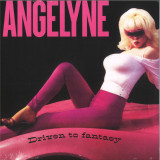
LA goddess Angelyne’s neon-draped sophomore LP Driven to Fantasy steers its way to Dark Entries as part of the ongoing celebration of our 15th anniversary! "Who is Angelyne? Angelyne is a voluptuous, blonde, self-made star who drives a hot pink Corvette; wears her clothes short and tight, and is influenced by Barbie and Marilyn Monroe.” In 1984, a series of billboards popped up in the LA area featuring the lone word “Angelyne” along with a mysterious woman posing provocatively. The campaign created an instant stir, making her one of the first icons who was "famous for being famous", and it led to the recording of her second solo LP. Released in 1986, Driven to Fantasy features 8 tracks of bubblegum-hued new wave with a distinctly LA flavor. On sassy titles like “Sex Goddess”, “Skin Tight”, and “Flirt”, Angelyne fused the glam and grit of southern Californian punk with flashy synth-pop style. This will be the first time that this cult record will be in print since its original release, and comes on pink Corvette-colored vinyl with a 2-sided poster featuring lyrics. Angelyne is more than just a billboard or a rock star; she’s been an actress, a visual artist, and even a political candidate. Celebrate a true Hollywood legend with this historic reissue.
Order now and we will order the item for you at our supplier.

Leading Danish trombonist Lis Wessberg is grounded by the concept that a strong melody, and a rich sound are the two most important elements in composition and performance.A continuation of the refined contemporary answer to the"Cool Jazz" sound she"s been cultivating for the past 30 years, her sophomore album"Twain Walking" is set to release on April 12th onApril Records. With more than50 album credits to her name, and having performed and toured with renowned artists including Marilyn Mazur, Fredrik Lundin, Joyce Moreno, Kid Creole & The Coconuts, Ernie Wilkins Almost Big Band feat. Randy Brecker, and more, 2021 saw the release of her debut album "Yellow Maps"to critical acclaim from all around Europe. Diving deep into the personal exploration of her creative roots, "Twain Walking"hails from the warm vitality of New Orleans jazz, to the reflective hum of the ECM sound, and the boundary pushing songwriting of Radiohead. With a respectful nod to her influences such as Miles Davis, Curtis Fuller, Danish Erling Kroner, and Palle Mikkelborg, Wessberg operates within thetraditions they established. However, resisting producing a mere echo of the past, she cultivates her owndistinctaesthetic inspired in equal parts by her heroes as well as contemporary zeitgeist. Led by Wessberg"s dynamic trombone playing, her breathlike approach to the instrument mimics a lamenting human voice singing intricately lyrical melodies. Rock inspired drum grooves, thick synth timbres, and cavernous reverbs craft an expansive and dream-like contemporary soundworld in which Wessberg"s thoughtfully crafted compositions can unfold. From spacious,Nordic ballads todance floor psychedelia, the ensemble tackle all ten varied compositions with confidence, maturity, and a dedicated sense of self-expression. Featuring Estonian rising star Karmen Roivassepp on vocals, her effortless soloisticcontributions explore lyrical themes of recognising the beauty in love in life, elevating the record"s melancholic and reflective tone.
expected to be published on 03.05.2024

Karamel-farbiges Vinyl. Die Consolidated Productions von Mel Alexander, die von 1961 bis 1991 am äußersten Rand des hart umkämpften Musikgeschäfts von L.A. tätig war, gehörte zu den am längsten bestehenden unabhängigen Plattenfirmen in schwarzem Besitz im 20.Jahrhundert. Verstrickt in ein verwirrendes Netz von Labels - darunter Ajax, Angel Town, Car-AMel, Emanuel und Kris - versammelt diese erste Ausgabe 28 schwelende R&B-Songs von Lee Harvey, B.B. Carter, Marilyn Calloway, Del Reys, Deb Tones, De Velles, Gene Russell's Trio, Jimmy "Preacher" Ellis und Ty Karim. Consolidated Productions Vol. I wurde von den originalen 1/4-Zoll-Bändern neu gemastert und enthält sorgfältig recherchierte Anmerkungen, eine Diskografie und Fotos von einem wichtigen Produzenten.
expected to be published on 05.04.2024

Dicks’ debut LP has been acknowledged as a foundational statement in Punk ever since its initial 1983 release. Following their first single, 1980’s “Dicks Hate The Police,” and a live split with fellow Austinites the Big Boys, Kill From The Heart does not disappoint. Originally released on SST, the album stands apart from the mass of generic thrash-hardcore contemporaries— fueled by the manic, but controlled power of singer Gary Floyd along with the original lineup of guitarist Glen Taylor, bassist Buxf Parrot and drummer Pat Deason. Dicks were operating at an absolute peak at this point, alternating damaged workouts that suggest Flipper or No Trend on one end and highly charged tracks in the vein of Minutemen or Tales of Terror on the other. Straight out of the gate on “Anti Klan,” the band trades blues-grounded guitar with squealing feedback and intensely political lyrics. The raw emotional sincerity of Floyd, who was openly gay in Reagan-era Texas, provides unmistakeable urgency to songs such as “No Nazi’s Friend,” “Rich Daddy” and the title track, which remains one of the stone-cold classic punk anthems. Forty years on, Kill From The Heart continues to smolder—an arresting testament to the possibilities embodied in creative rage. It is no surprise that Dicks have been covered by Mudhoney, Jesus Lizard and more. Superior Viaduct is honored to present this truly essential reissue. Comes with original tracklist, insert and download card.
expected to be published on 23.02.2024

Meteora - a chain of Greek-Byzantine monasteries was built around the 14th century on top of sandstone rock formations in the fading range of the Pindus Mountains, in the Thessalian lowlands of Greece At an over 600 meters high, some of them were only accessible by rope ladders or winches for hundreds of years. Makiko Hirabayashi learned of this place during a concert tour to Athens and was immediately captivated by its symbolic power: the isolated units which nevertheless exist in a larger context; fragile and floating, but at the same time firmly grounded. The opening title of the new, fifth album of her trio seems to have been perfectly chosen; "Warp", relating to the space above the early monasteries on the rock formations, as well as connecting the album to her previous release Weavers, in which much was woven with warp threads. A high-pitched bass, the subtle use of electronics, like everything else that follows, seem to emerge somehow from outer space. These are seemingly simple structures that only reveal themselves as complex architecture upon repeated listening - meditative and fleeting, but at the same time permanently carved into the rock. Minimalistic piano figures from which melodic fragments emerge, in their very clarity offer ample material for improvisation. With onomatopoeic percussion, an impressionistic and scenic painting is sketched in "Birds Ascending", whereas enthralling rhythms lead the way in "Chestnut Alley" or the sky-racing "Meteor". In between those, you find the improvised miniatures like "The Door" or "Slip", aspherical connections between worlds: imaginary doors, rope ladders or hinges. After the lockdown album Weavers, Makiko Hirabayashi is back in the piano trio setting with Klavs Hovman on bass and the legendary percussionist/ drummer Marilyn Mazur, reclaiming her space and time. Some of the material produced here has been part of their live repertoire for some years and gone through a maturing process, becoming an integral part of the whole album put together in the spirit of Meteora.
expected to be published on 30.11.2023

• Following on from the highly successful first two editions
of Dance Masters featuring the classics mixes from
maestros Shep Pettibone and Arthur Baker the spotlight
turns to another remix legend, John Luongo.
• Boston born, John is one of the truly legendary DJ's and
remixers of the Disco era. John got his break at Epic by
overdubbing percussion from salt shakers and spoons
onto a promo and then passing them back the tape. This
resulted in him being flown to New York, and put in a
studio (of his choice) to mix and produce Melba Moore`s
“You Stepped Into My Life”. From this point everything he
touched was a hit. He went onto remix Disco classics by
Jackie Moore – “This Time Baby”, Dan Hartman “Vertigo
/ Relight My Fire” and Patti Labelle “Music Is My Way Of
Life”.
• John, however was not afraid of remixing artists that
didn’t fit into the disco genre and this attitude is borne out
by the tracklisting of this compilation on which Gladys
Knight and The Pips rub shoulders with ZZ Top and Billy
Idol, and Baltimora appears alongside Bill Nelson and ILevel.
• “…if you played this whole thing, just put it on and
didn’t tell anyone it was me, they’d say ‘boy, what a great
group of songs this is!’” - John Luongo
• The collection is housed in a beautiful lift-off-lid box, with
a 16 page booklet featuring foreword by Arthur Baker, an
in-depth essay written by Alexis Petridis (Rock and Pop
reviewer for The Guardian) and complete with rare photos
from John’s personal collection plus a limited signed insert.
• All tracks remastered by Nick Robbins at Sound
Mastering.
• A 43-track 4CD edition is also available, along with a 2LP
vinyl edition featuring 16 highlights.
Order now and we will order the item for you at our supplier.

Soundtrack to the 1988 film Mondo New York on vinyl. Featuring songs from John Sex, Manitoba's Wild Kingdom, Dean and the Weenies, Phoebe Legere, Luis Perico Ortiz and Johnny Pachecho and more.
expected to be published on 17.11.2023

Famous Last Words is a fully realised expansion of the dystopian futurism that has captivated audiences since CASISDEAD first announced himself in 2013. Over the past decade, he"s dipped in and out of the shadows, blessing fans with cult hits while maintaining his anonymity, shunning media attention and donning various masks; a rejection of the spotlight that"s helped to create folklore around a rapper who"s widely regarded as one of the UK"s most inventive lyricists. Famous Last Words is as much a sci-fi film as it is a rap record, a labyrinth of vice, crime and faded glamour. The listener steps through a portal into a realm narrated by CASISDEAD, whose command of storytelling drops you right into the underground of a city where he is the main character in a shady network of gangsters, girls and drug deals. However, Famous Last Words isn"t a story of bravado or posturing; much of the album deals in themes of loss, regret and paranoia, a persona constantly self-reflecting amongst the madness that surrounds him. The album features a carefully and idiosyncratically curated roll call of collaborators including Pet Shop Boys" Neil Tennant, Connie Constance, Kamio and Desire. The vocalists are immersed in CASISDEAD"s hallmark 80"s-inspired synthpop soundscapes, aided and abetted by a production cast that includes Stranger Things composer Kyle Dixon and producer, composer and Italians Do It Better label founder Johnny Jewel. Meanwhile, actors Ed Skrein and Emma Rigby"s narrative weaves through the record, amplifying the widescreen, cinematic experience.
Order now and we will order the item for you at our supplier.

«YENTL: Deluxe 40th Anniversary Edition» feiert den 40. Jahrestag der Veröffentlichung des Films und des Soundtracks Yentl. Disc 1 enthält den Original-Soundtrack zu Yentl, und Disc
2 enthält 15 Tracks, die Barbra als Demos in ihrem Wohnzimmer auf einem Stereo-Kassettendeck aufnahm, um den Film zu drehen, wobei Barbra jeden Track kommentiert. Bei den
Aufnahmen wird Barbra nur von Michel Legrand am Klavier begleitet
expected to be published on 27.10.2023

"Released in May 1986 on SST Records and Blast First! in the UK, EVOL was the third studio album by Sonic Youth and showed the first signs of the band transforming their No Wave past into a greater alt-rock sensibility. “EVOL … marks the true departure point of Sonic Youth’s musical evolution,” noted Pitchfork, “In measured increments, Thurston Moore and Lee Ranaldo … bring form to the formless, tune to the tuneless, and with the help of Steve Shelley’s drums…, impose melody and composition on their trademark dissonance.” ""If Daydream Nation is Sonic Youth’s opus, EVOL was crucial research. There’s a directness that makes everything feel close. It is pure tension with little release. The entire record is a shadow." Stereogum likewise praised the album as one, “full of suspense…, the cornerstone Nico-evoking monotone [by Kim Gordon]. ‘In The Kingdom #19,’ featuring Mike Watt on bass and … vocals [by Ranaldo]…, is a harrowing story of a highway wreck over a suitably edgy instrumental backing punctuated by … live firecrackers in the vocal booth.” For Popstache, “EVOL slithers into the unconscious. Once the....detuned melodies and haunting riffs and final whispers of feedback depart from the speakers… the music [leaves] a faded footprint, forever reeling the listener back for another strange trip.” // “The seeds of greatness…” Pitchfork (who placed the album #31 of the Top 100 Albums of The 1980s) // “A near-masterpiece.” Trouser Press // “A stunningly fluent mixture of avant-garde instrumentation and subversions of rock’n’roll.” All Music Guide"
expected to be published on 14.07.2023

2023 Repress
Les Disques de culte are back with a new exploration of the original soundtracks of the golden age of French X-rated films, the cult movie La Femme-objet, which has never been released before (neither on LP or any other format). A tribute to pleasure, composed by Jean-Claude Nachon, who at the dawn of the eighties was using without any restrains all the arsenal of the pioneers of the "electro-porn" to enhance the prodigious performance of Marilyn Jess. Languorous and effective beats, between psychedelic reggae, synth-pop and electro-orgasmics take-offs, gathered in this intimate selection to listen alone or accompanied…
Fully restored the audio tracks from original material. Inside, in a gatefold, you'll find a copy of a rare vintage italian X-rated comics (translated in english) starring Marilyn Jess and la Cicciolina, so that you can get busy with your hands while listening to your LP.
Order now and we will order the item for you at our supplier.

Black Vinyl[27,35 €]
Ltd Edition!
John Cale kündigt "Mercy", sein erstes neues Album mit eigenen Songs seit einem Jahrzehnt, für den 20. Januar über Double Six / Domino an und präsentiert eine neue Single mit Video, "Storys Of Blood feat. Weyes Blood".
Wieder einmal hat Cale die Art und Weise, wie seine Musik gemacht wird, klingt und sogar funktioniert, neu definiert. Sein fesselndes 12-Track-Album "Mercy" bewegt sich durch echte Dark-Night-of-the-Soul-Elektronik hin zu verletzlichen Liebesliedern und hoffnungsvollen Überlegungen für die Zukunft. Trump und Brexit, Covid und der Klimawandel, Bürgerrechte und Rechtsextremismus - Cale ließ die schlechten Nachrichten des Tages in seine Zeilen einfließen, ob das nun bedeutete, über die Souveränität und den rechtlichen Status des in polnähe schmelzenden Meereises nachzudenken oder über die ungelenke Bewaffnung der Amerikaner.
Für "Mercy" hat Cale einige der neugierigsten jungen Köpfe der Musikwelt um sich versammelt: Animal Collective, Sylvan Esso, Laurel Halo, Tei Shi, Actress. Sie sind nur ein Teil der erstaunlichen Besetzung hier, brillante Musiker, die in Cales vollendete Vision der Welt hineinklettern und ihm helfen, sie neu zu gestalten.
Format:
- Limitierte 140G transparent-violette Doppelvinyl im Gatefold Sleeve inkl. bedruckten Innenhüllen
Order now and we will order the item for you at our supplier.

Kelsea’s fourth album, SUBJECT TO CHANGE, arrived on September 23, 2022. The first single, “HEARTFIRST,” quickly took over airwaves, and was the “most added song at country radio” the week of its release. Most recently, Kelsea earned a GRAMMY® nomination for “Best Country Solo Performance” for “HEARTFIRST.” Kelsea Ballerini is ready to continue making history in 2023 and beyond. The two-time Grammy nominee previously teased Subject To Change in April, and said that the '90s-tinged "Heartfirst" set the tone for what's to come. "There is a lot of nostalgia to this record," she said. "It does sound really '90s-inspired, '90s country and '90s pop... I really just wanted to start this next chapter with something that feels good. It's breezy, it's happy, and I hope people hear that."
expected to be published on 02.06.2023

Every Aspect of the Production Personally Supervised by Barbra Streisand
Mixed by Jochem van der Saag from the Original Analogue Session Tapes & Mastered in 24 bit/96 kHz by Paul Blakemore
Lacquer Pressing Master Created by Bernie Grundman
Pressed at RTI
Tip-On Gatefold Jacket
Deluxe 12-Page Booklet Featuring Barbra's Recollections, the Recording's History & Production, and Performance Photos
The Premiere New York City Nightclub Event of 1962! The Most Anticipated Live Album of 2022!
In the fall of 1960, New York City wasn't the same urban mecca it is today. Neither was eighteen-year old Barbra Streisand, who emerged on the Greenwich Village club scene at a small, cozy venue on West 8th Street called the Bon Soir, where she received rave reviews and wooed the crowd with her incredible performances. Within two years Streisand, whose magnificent interpretations of both standards and quirky, obscure cabaret tunes was a nationwide sensation, was knocking audiences dead with her nightly performance as Miss Marmelstein in David Merrick's I Can Get It For You Wholesale on Broadway.
Sixty years, multiple Grammy, Emmy, Oscar, Tony and Golden Globe awards and nearly two hundred million record sales later, Barbra has for the first time authorized the release of a major portion of her Bon Soir performances, as captured in 1962 by Columbia Records. IMPEX Records - in conjunction with Sony Music Entertainment - is proud to present the audiophile 180-gram vinyl LP and SACD editions of the most sought-after recordings in Barbra's legendary career: Live at the Bon Soir: Greenwich Village, NY - November 1962. This gorgeous album features twenty-four brilliant performances personally selected by Barbra Streisand from the original Bon Soir master tapes and expertly mixed and mastered by Paul Blakemore and Jochem van der Saag, under the supervision of producers Barbra Streisand, Martin Erlichman and Jay Landers.
IMPEX RECORDS has created two versions of this noteworthy release: a two-LP vinyl edition and a 24 bit / 96 kHz SACD. To achieve the best fidelity possible, engineer Paul Blakemore transferred the original three-track session tapes to high-resolution 96/24-bit digital files, which were then mixed by Jochem van der Saag. For mastering, Blakemore used an all-analog signal-processing chain in order to maintain the warmth of the original analogue recordings. To master the vinyl LP edition, IMPEX engaged Bernie Grundman, who has mastered many of Barbra's albums over the last sixty years, to create the lacquer pressing master.
Rich with the club's atmosphere, these historic, essential recordings present a warm, charming portrait of a truly important moment in New York City history and American pop culture. Several years removed from Manhattan's flourishing jazz nightclub scene, tiny clubs such as the Bon Soir began popping up, and served as both a forum and launching pad for some of the finest vocalists and musicians the east coast had to offer.
Because of Barbra's success there, Columbia Records A&R rep David Kapralik decided that the first album from his newly-signed artist would emanate from a setting in which she had become most comfortable: the small stage at the Bon Soir. Producer Mike Berniker and recording engineers Roy Halee and Adjutor "Pappy" Theroux set up the mics and recorders, and for three nights harnessed the electrifying show that Barbra had crafted.
"The recordings we did at the Bon Soir were so authentically 'Barbra.' I produced her first three albums at Columbia, and while they were wonderful accomplishments, I thought that what she did each night at the Bon Soir transcended anything we ever did in the studio." - Mike Berniker
Columbia ultimately decided to bring Barbra into the studio to record her first album, and except for the inclusion of several tracks on compilations through the years, the Bon Soir tapes laid dormant in the vault. Now, through this extraordinary release, everyone can at last enjoy the early sound and style of an icon in-the-making: the same brilliant artist whose performances at the Bon Soir were lauded by everyone from actress Helen Hayes to lyricists Alan and Marilyn Bergman. We invite you to join us for an evening at the fabled Bon Soir. Take a seat, order a drink and revel in the magic that is Barbra. You will not be disappointed!
expected to be published on 30.04.2023

Black Vinyl[24,33 €]
140G
- Limited Edition auf 2023 Stück weltweit, handnummeriert zum 10-jährigen Jubiläum! Die 2LP erscheint im transparenten Vinyl (crystal clear), die Bonus 7inch im schwarzen Vinyl inkl. Gatefold Sleeve!
2013 verblüffte DJ Koze die Menschheit mit seinem zeitlosen Meisterwerk `Amygdala´, einem Album voller psychedelischer Strahlkraft, Tiefe und magischen Klangwelten, in denen es auch nach 10 Jahren Dauerschleife immer noch neue Nuancen zu entdecken gibt. Dieses Jubiläum feiern wir nun mit einer gnadenlos limitierten Coloured Vinyl Edition. Schnell Warenkorb Patsche Patsche machen!
Order now and we will order the item for you at our supplier.

Red Vinyl
Die Filmmusik von Nick Cave & Warren Ellis zum Netflix-Film 'Blonde' (Regie: Andrew Dominik), der das Leben der Hollywood Ikone Marilyn Monroe porträtiert.
Von ihrer unbeständigen Kindheit als Norma Jeane über ihren Aufstieg zum Star und ihre romantischen Verstrickungen lässt 'Blonde' die Grenzen zwischen Fakten und Fiktion verschwimmen, um die wachsende Kluft zwischen ihrem öffentlichen und ihrem privaten Ich zu erkunden. Im Film mit dabei sind unter anderem Bobby Cannavale, Adrien Brody, Julianne Nicholson, Xavier Samuel und Evan Williams mit. Der Soundtrack von Nick Cave & Warren Ellis wird auf CD und in drei Coloured LP-Formaten in limitierter Auflage erhältlich sein.
expected to be published on 03.03.2023

Black Vinyl[17,86 €]
ACID KLAUS, the new collaborative solo project from songwriter-producer and Northern England cult leg-end, Adrian Flanagan (The Moonlandingz, International Teachers of Pop, Eccentronic Research Council & lots more) announces his debut concept album co-produced with his music partner in the ERC, Dean Honer titled Step On My Travelator: The Imagined Career Trajectory of Superstar DJ & Dance-Pop Producer, Melvin Harris which will be released on Yard Act"s ZEN F.C. label. The album features contributions from Adrian"s long-time collaborators and friends including actress, Maxine Peake, US musician and video director, Charlotte Kemp Muhl (Ghost of a Sabertooth Tiger), Maria Uzor from Sink Ya Teeth and the Bradford-born pop-noir singer (currently singing in The Specials), Hannah Hu who is joined on lap steel guitar on a track by Richard Hawley. The album is completed by a whole host of fresh and exciting artists (as well as the aforementioned Lieselot Elzinga) - there"s the enigmatic Queen Bee of the Calder Valley, solo artist, Bianca Eddleston who goes under the name Soft Focus and finally from South Wales (and the current talk of the South London scene), the incredible welsh language singer-songwriter, Cat Rin.
expected to be published on 03.02.2023

CHRISTIAN DEATH was formed by Rozz Williams in Los Angeles, California in 1979. Williams was eventually joined by guitarist/songwriter Rikk Agnew of ADOLESCENTS, James McGearty on bass and George Belanger on drums. This CHRISTIAN DEATH line-up was responsible for recording the band's iconic 1982 debut, ONLY THEATRE OF PAIN, widely regarded as the #1 American goth album of all-time. This exclusive double-LP version of OTOP commemorates its 40th anniversary- the first disc is the digitally remastered, original version of the album while the second disc is comprised of "Dogs" from HELL COMES TO YOUR HOUSE, four pre-Frontier demos, two studio demos made for a second Frontier Records' LP that never happened and two alternate studio mixes from OTOP. The gatefold LP jacket is printed in its original its black and metallic gold, includes a Colver collage poster and a hardcover copy of the photo book, ONLY THEATRE OF PAIN and all come in a hard slipcase. The oversized 12" x 12" book features rare and never-before-seen photos of CHRISTIAN DEATH as well as new interviews with photographer Edward C. Colver, the surviving band members, Frontier's Lisa Fancher and others. Colver befriended the band and followed them around in late 1981 and early 1982 at more than a dozen concerts as well as photo shoots in Rozz Williams' family home (used on the back cover and insert of ONLY THEATRE OF PAIN) and a session of now famous images at a Pomona CA cemetery. Info: Just as the theatrically-minded LA punk scene was beginning to give rise to such morbidly themed outfits as 45 Grave and the Flesh Eaters, an androgynous teenaged street performer named Rozz Williams (né Roger Painter) founded CHRISTIAN DEATH, one of the most prolific, enduring, and beloved gothic acts of all time. Williams' otherworldly groan can make "Only Theatre of Pain" difficult going for those that aren't the gothic faithful, but the loud/not-too-fast music (courtesy of ex-ADOLESCENTS guitarist Rikk Agnew and the walking-dead rhythm section of bassist James McGearty and drummer George Belanger) is appropriately doom 'n' gloomy, with inventive arrangements and clear sound - thanks to Frontier Records' go-to punk production legend, Thom Wilson- capturing the mood in full B-movie fidelity. The lyrics sacriligiously address horror topics and religion: they're overwrought (the backwards masking of 'Mysterium Iniquitatis' being one clever exception) but easy to overlook in the wash of inspired rock noise. The original lineup's recorded debut is a gem. Artists inspired by CHRISTIAN DEATH include Danzig, Craddle of Filth, Paradise Lost, Korn, Type O Negative, Nine Inch Nails, Marilyn Manson and Jane's Addiction. Press: "A depraved masterpiece, this was punk rock made poetic, subversive, and gracefully savage."- AV Club "The Gothic album to out-gothic all others" - Melody Maker "Only Theatre of Pain's influence should not be underestimated" - Record Collector Limited availability!
expected to be published on 20.01.2023

Violet Vinyl[25,84 €]
For nearly 60 years, John Cale has been reimagining how his music is made, sounds, and even works. MERCY, Cale’s first full album in a decade, moves through true dark-night-of-the-soul electronic torment toward vulnerable love songs and hopeful considerations for the future with the help of some of music’s most curious young minds. Cale has always searched for new ways to explore old ideas of alienation, hurt, and joy; MERCY is the latest transfixing find of this unsatisfied mind.
John Cale announces MERCY, his first new album of original songs in a decade, out January 20th via Double Six / Domino. For nearly 60 years, or at least since he was a young Welshman who moved to New York and formed The Velvet Underground, Cale has been reinventing his music with dazzling and inspiring regularity. There was the bewitching chamber folk of Paris 1919 followed instantly by the gnarled rock of Fear, the provocative and spare song cycle Music for a New Society followed more than 30 years later by mighty and unabashed electronic updates. Once again, here is Cale, reimagining how his music is made, sounds, and even works. His engrossing 12-track MERCY moves through true dark-night-of-the-soul electronics toward vulnerable love songs and hopeful considerations for the future.
On MERCY, Cale enlists some of music’s most curious young minds: Animal Collective, Sylvan Esso, Laurel Halo, Tei Shi, Actress. They’re only some of the astounding cast here, brilliant musicians who climb inside Cale’s consummate vision of the world and help him redecorate there. Cale turned 80 in March, and he’s watched as many peers have passed away, particularly during the last decade. MERCY is the continuation of a long career’s work with wonder. Cale has always searched for new ways to explore old ideas of alienation, hurt, and joy; MERCY is the latest transfixing find of this unsatisfied mind.
The writings and recordings that shaped MERCY piled up for years, as Cale watched society totter at the brink of dystopia. Trump and Brexit, Covid and climate change, civil rights and right-wing extremism—Cale let the bad news of the day filter into his lines, whether that meant contemplating the sovereignty and legal status of sea ice melting near the poles or the unhinged arming of Americans. Lessons from a life (still being) richly lived floated to the fore, too, nodded to on the previously released “NIGHT CRAWLING.” If we’re always regretting our past, aren’t we conscripting ourselves to permanent disappointment?
During “STORY OF BLOOD,” after the piano prelude gives way to a frame-rattling beat and synthesizers that feel like sunshine splashed across a snowfield, the voices of Cale and Weyes Blood’s Natalie Mering slide past one another, two phantoms trying to find a partner amid the modern din. “Swing your soul,” they both sing in aspiration. In the final verse, Cale remembers this existence is not just about himself. “I’m going back to get them, my friends in the morning. Bring them with me into the light.” The accompanying video by Emmy-winning director Jethro Waters is a mix of disturbing and serene featuring both Cale and Weyes Blood. Its deep tones and religious images emphasize the track’s dark, spiritual mood.
Cale elaborates: “I’d been listening to Weyes Blood’s latest record and remembered Natalie’s puritanical vocals. I thought if I could get her to come and sing with me on the ‘Swing your soul’ section, and a few other harmonies, it would be beautiful. What I got from her was something else! Once I understood the versatility in her voice, it was as if I’d written the song with her in mind all along. Her range and fearless approach to tonality was an unexpected surprise. There’s even a little passage in there where she’s a dead-ringer for Nico.”
expected to be published on 20.01.2023

All compositions by Christian Wallumrod. Trondheim Voices is a groundbreaking Norwegian ensemble of improvising vocalists, constantly challenging and changing the framework for how a vocal ensemble can produce sound art. Each singer's individuality, and her timbre combined with the other voices, are in focus, resulting in a unique quality to the groups collective sound. Through their many collaborations with cutting edge composers like Christian Wallumrod, Marilyn Mazur, Jon Balke, Mats Gustavsson and Maja Ratkje, they have made solid statements as developers within vocal and improvised music. Trondheim Voices are exploring and developing new music in the interaction between the singers, the audience, their surroundings and new technology. Christian Wallumrod has worked as a musician and composer since 1992, and he is considered one of the most prominent and influential musicians of his generation in Norway. Following his debut on ECM Records ("No Birch", 1996), he has released a string of albums with Christian Wallumrod Ensemble (CWE) on the same label, all to considerable critical acclaim. The album "Outstairs" (2013) was awarded the Norwegian Grammy's (Spellemannprisen). Brutter (2012), Christian's collaboration with drummer brother Fredrik, has released three albums (Hubro). Hubro is also the home for albums with CWE and Dans Les Arbres, as well as Wallumrod's solo piano records Pianokammer (2015) and Speaksome (2021). Wallumrod has written commissioned works for Ensemble Allegria, Håkon Stene, Oslo Strykekvartett, BOA and Trondheim Jazz Orchestra
expected to be published on 16.12.2022

The exceptional 100% TSF Jazz collection is embellished with its latest " 100% Women " volume dedicated to the great female Jazz performers. Let yourself be carried away by the finesse of this selection which honors the women of Jazz. With: Cecile McLorin Salvant, Carmen McRae, Ayo, Nina Simone, Doris Day, Dinah Washington
expected to be published on 25.11.2022

Blue Vinyl[19,29 €]
ACID KLAUS, the new collaborative solo project from songwriter-producer and Northern England cult leg-end, Adrian Flanagan (The Moonlandingz, International Teachers of Pop, Eccentronic Research Council & lots more) announces his debut concept album co-produced with his music partner in the ERC, Dean Honer titled Step On My Travelator: The Imagined Career Trajectory of Superstar DJ & Dance-Pop Producer, Melvin Harris which will be released on Yard Act"s ZEN F.C. label. The album features contributions from Adrian"s long-time collaborators and friends including actress, Maxine Peake, US musician and video director, Charlotte Kemp Muhl (Ghost of a Sabertooth Tiger), Maria Uzor from Sink Ya Teeth and the Bradford-born pop-noir singer (currently singing in The Specials), Hannah Hu who is joined on lap steel guitar on a track by Richard Hawley. The album is completed by a whole host of fresh and exciting artists (as well as the aforementioned Lieselot Elzinga) - there"s the enigmatic Queen Bee of the Calder Valley, solo artist, Bianca Eddleston who goes under the name Soft Focus and finally from South Wales (and the current talk of the South London scene), the incredible welsh language singer-songwriter, Cat Rin.
expected to be published on 18.11.2022

Fifth album by Leipzig based drummer, composer and band leader Eva
Klesse, with featured guest musician Wolfgang Muthspiel, Klesse has
assembled a strong quartet of talented German musicians, who all
contribute to her striking compositions
Eva is working as a drummer and a composer in various musical projects, among
others with Julia Hülsmann Octet, Sarah Chaksad Large Ensemble, Trillmann,
Jorinde Jelen Band and her own quartet (with Evgeny Ring, Philip Frischkorn and
Marc Muellbauer), furthermore she plays with - among others - musicians like
Ethan Iverson, Marilyn Mazur, Wolfgang Muthspiel and Nils Landgren.Several
concert tours led her to China, Chile, Malaysia, Mexico, Honduras, El Salvador,
Guatemala, Nicaragua, Switzerland, Turkey, Spain, Belgium, Serbia, the Dominican
Republic, the United States, Argentina, Egypt and France.
The debut album of the "Eva Klesse Quartett" ("Xenon") was released in 2014 on
Enja Records and won the Jazz Echo 2015 (German Music Award) in the category
"Newcomer of the year". The second album "Obenland" was released in 2016, the
third one called "miniatures" in 2018, the fourth one called "creatures & states" in
2020.
"A rising star on the German jazz scene." - London Jazz News
expected to be published on 11.11.2022
Black Vinyl[29,83 €]
"Released in May 1986 on SST Records and Blast First! in the UK, EVOL was the third studio album by Sonic Youth and showed the first signs of the band transforming their No Wave past into a greater alt-rock sensibility. “EVOL … marks the true departure point of Sonic Youth’s musical evolution,” noted Pitchfork, “In measured increments, Thurston Moore and Lee Ranaldo … bring form to the formless, tune to the tuneless, and with the help of Steve Shelley’s drums…, impose melody and composition on their trademark dissonance.” ""If Daydream Nation is Sonic Youth’s opus, EVOL was crucial research. There’s a directness that makes everything feel close. It is pure tension with little release. The entire record is a shadow." Stereogum likewise praised the album as one, “full of suspense…, the cornerstone [Nico-evoking] monotone [by Kim Gordon]. ‘In The Kingdom #19,’ featuring Mike Watt on bass and … vocals [by Ranaldo]…, is a harrowing story of a highway wreck over a suitably edgy instrumental backing punctuated by … live firecrackers in the vocal booth.” For Popstache, “EVOL slithers into the unconscious. Once the....detuned melodies and haunting riffs and final whispers of feedback depart from the speakers… the music [leaves] a faded footprint, forever reeling the listener back for another strange trip.” // “The seeds of greatness…” Pitchfork (who placed the album #31 of the Top 100 Albums of The 1980s) // “A near-masterpiece.” Trouser Press // “A stunningly fluent mixture of avant-garde instrumentation and subversions of rock’n’roll.” All Music Guide"
expected to be published on 10.06.2022

In 1956 "I Put A Spell On You" was released on the Okeh label, this release was what really changed Hawkin's fortunes.
According to legend, Hawkins intended it as a refined ballad, but he and his band were all somewhat the worse for alcoho
when they finally entered the studio. The result was intense and mesmerizing.
Although never a chart hit, the record had a massive impact. Covered by Nina Simone, Marilyn Manson and literally
dozens of others, it became a modern standard. Enjoy it once again on glorious vinyl, along with "Yellow Coat", "Hong
Kong" and "Ol' Man River".
expected to be published on 11.04.2022

Freda Payne’s two-step classic rare groove “Tell Me Please” gets it’s long overdue first release on 7” single. Since first recorded and released in 1978 it has remained only as an album track from Freda’s “Supernatural High” LP that year. This Skip Scarborough composed song also featured on Expansion’s ‘Skip Scarborough Songbook’ but a 7” edition has never appeared before. It is accompanied by a Pam Sawyer/Marilyn McLeod song
“I Get High (On Your Memory)” produced by Tony Camillo. Originals of this on Capitol Records from 1977 exchange hands for small fortunes making both these songs on one 7” single an essential purchase. Both high quality definitive luxury soul.
expected to be published on 25.03.2022

After the release of their first album, Il Est Vilaine ask to artists and friends to deliver a series of high-flying remixes: Tolouse Low Trax, Krikor, Khidja, Marvin & Guy, Golden Bug, Rubin Steiner, C.A.R…
Tolouse Low Trax opens the ball with a destructured version of Yvré- L'évêque while keeping the darkness of the track. We can hear a nod to the track "Holland Tunnel Dive" anthem of the Salon des Amateurs.
For the eponymous track Khidja were inspired by the sounds of the land of the rising sun which is a good thing to accompany the song of Narumi Hedgehog! A bright version and influenced by YMO's era Sakamato.
Golden Bug & In Field proposes an alternative just as trippy as the original version of Marilyn Drum, a trip between neighborhood hospitals and crazy guru.
Another version of Yvré-l'Evêque this time Krikor takes care of it and takes out his sampler for a digi-dancehall version that only he has the secret, Faya !
Rubin Steiner delivers a version back to the roots of Bar à Gwin mixing deep house texture and 80's-NY-hip-hop/electro.
The two Italians of Marvin & Guy bring out the hits, the guitars and the arpeggios for an epic version of Mystères de Lorient.
To close the album, we find Narumi Hérisson at the controls of her piano for a dreamy and sensitive version of Phare Ouest where her voice and that of Yula Kasp are mixed in the greatest harmony!
Order now and we will order the item for you at our supplier.

expected to be published on 16.12.2021
