"I think I have never met anybody, with the exception of Brazilian guitarists Baden Powell and Toquinho, as connected to his instrument as Agustín Pereyra Lucena" – Vinicius de Moraes
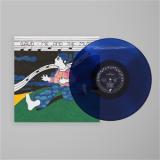
Far Out continues its exploration into the singular catalogue of Argentine guitarist and songwriter Agustin Pereyra Lucena with a special Record Store Day edition of his most celebrated album Ese Dia Va A Llegar.
Agustín Pereyra Lucena was one of South America’s outstanding guitarists. Hailing from Buenos Aires but obsessed with the music of neighbouring Brazil, Agustin abandoned his architecture studies to pursue music full-time, earning friendship and collaborations with Brazilian music's greatest figures including Vinicius de Moraes, Baden Powell, Toquinho, Dorival Caymmi, Maria Bethania and Chico Buarque.
Originally released in 1975, the album has been better known in some parts of the world as Brasiliana – a title repurposed by Agustín's European record label in the 70s to exoticize the sounds of South America for the continental market. It finds Agustin and band—which includes key collaborators Guillermo Reuter on contrabass, and Carlos Carli on drums and percussion— at their most blissfully laid back. The album features idiosyncratic renditions of classics by Antonio Carlos Jobim, Vinicius de Moraes, João Donato and Agustin’s personal hero and friend Baden Powell, alongside Agustín's own works which ooze with captivating mystical wonder.
The analog warmth of the recording is such that it feels like you’re there in mid-seventies Buenos Aires, on a balmy late night session at Estudios Audión, with a group of phenomenally impressive musicians. The heat generated is offset only by the cool temperament of everyone involved. On the handful of vocal tracks on the album, Agustin’s gentle voice is responded to by the liquid smooth vocals of Laura Hatton, Luis Maria Cosenza and Patricia Scheuer.
Agustin’s unique position in the annals of his continent’s musical history has been lovingly maintained by Agustin’s nephew Jose Luis Pereyra Lucena, who has entrusted Far Out Recordings to preserve and re-release Agustin’s works. The music has been professionally remastered at London’s Metropolis Studios, using multiple copies of well kept original vinyl.
Reissued worldwide for the first time under its original title and cover as Agustin originally intended, Ese Dia Va A Llegar will be presented in a limited edition obi-stripped gatefold replica sleeve.
Cerca:mark hand
DJ Support: Gilles Peterson, Osunlade, Lakuti, Sean McCabe, Craig Smith, Marcia Carr + more
JuJu Muzik presents “Counting Clouds,” the newest work from Chicago house pioneer Harry Dennis, whose poetic influence spans over three decades and legendary projects like Jungle Wonz, The IT, and Fingers Inc. Featuring an exceptional lineup of remixers & producers - Rob Redford & Damian Charles with a contemporary soulful rework that nods to classic Chicago, Rude Boy Rupert delivering a broken-beat-infused UK underground twist, Mark Hand with his warm jazz-rooted depth and Julian Garnett offering a signature JuJu Muzik interpretation—the release bridges Chicago’s foundational spirit with today’s global house movement, celebrating the genre’s past, present, and future.
First & Last is the debut outing of MC D alongside his partner in rhyme Audio MC. Fresh-faced schoolboy scions of Hijack, The Demon Boyz and Silver Bullet, and peers of the likes of Gunshot, Hardnoise and The Criminal Minds, the pair were taken under the wing of The Powerlords as part of the Powerpack crew (alongside Construction and Trouble), and were given the moniker 2XDEF. Brought to the attention of South London’s fledgling dance label Mendoza Records by producer DJ Fusion, this release would mark the the beginning of a longterm creative partnership between him and MC D, with Mendoza label-mate CSP called in for remix duties. Gritty, explosive and raw, the record stalled at the white label stage with only a handful distributed to radio and club DJs, earning it the status of underground classic. First & Last became exactly that for the short-lived crew.
M.C.’s/How Many Miles? is the follow-up solo single and arrival proper of MC D. With DJ Fusion once again handling production and scratch duties, this extended player is no less uncompromising than its predecessor. Benefitting a full release with the now iconic Mendoza green labels, it cemented the young MC in the annals of UK rap history. MC D (aka Darren James) cut one more record for Mendoza as part of his Silent Eclipse project before moving on to future collaborations with the likes of The Principle (Caveman), Deckwrecka, Rodney P and Skinnyman. M.C.’s/How Many Miles? is ranked amongst Mark McDonald’s Top 100 UK rap records in the essential Megablast book published in 2024.
- 01: Music And Song
- 02: I Ought To Watch That-Ego
- 03: Gifted-For Cecilia
- 04: Eulegy For Dewey
- 05: It´s Time To Become
- 06: Touchin Your Feelings
- 07: Jazz Is Ourselves
- 08: On Black
- 09: Baaad News For Mr. Blues
- 10: Rhythm Is Accenting Time
- 11: Greater Than Pain
"FEELING FULLY YOURS" PRE-ORDER ONLY EDITION:
Heavyweight Vinyl / Original glued prints on Thick Cardboard 700 gram / 2 Separated parts hand-glued / Glossy lamination / PVC outer sleeve / Bandcamp Limited Edition 30 pages paperback booklet printed on "Favini Tintoretto Bianco" 350 gram cardboard / "Watoji" Japanese hand-bound with black cotton / hand painted cherry red fore-edge / Full interview to Jym Marks by Tony Higgins printed on 90 gram "Fedrigoni Constellation Snow"/ full album lyrics printed on 90 gram "Favini Seaweed Paper"and exclusive full format B&W picture printed on high quality photographic paper, Books front cover printed on 300 gram Moldmade paper.
‘White Series #4’ marks the debut EP of Marc Feldmann and Dominik André as a producer duo. The record opens with ‘Natural Oscillation’
, a hypnotic techno piece where flowing percussion meets subtle trance influences. ‘A Breeze of Mistral’ builds on this energy with layered repetition and a deep pulse that unfolds gradually, drawing the listener further in. On the flip side, Audrey Danza reinterprets Natural Oscillation with a direct, dancefloor-focused approach. She sharpens the groove, raises the tempo, and pushes the track forward with her signature, driving drums and a tightly locked kick, transforming the original’s hypnotic flow into a no-frills cut. The EP slows the pace with ‘Discernible Rhythms’, a reflective, 80s-influenced synth chugger that adds warmth and restraint to the record. Released as a hand-stamped white label on Subject To Restrictions Discs, White Series #4 reflects and continues the label’s contribution to the more understated forms of electronic club music.
- Erase You From My World
- Still Suffer
- Promised Only Lies
- Destruction Of My Soul
- Fear The Panic
- Death Of Hope
- Beauty In The Losses
- A Deeper Struggle
- To Hurt The Most
- Deconstruct It
GREEN TINT CASSETTE[14,08 €]
Niemand hätte jemals die Entwicklung voraussehen können, die Hardcore nehmen würde, als diese Bewegung entstand. Und Anfang der 2000er Jahre hätte niemand vermutet, dass eine Band wie TERROR auch 24 Jahre nach ihrer Gründung noch immer eine der einflussreichsten Bands des Subgenres sein würde. Ihre Aggressivität, gepaart mit ihrer Liebe und Wertschätzung für die Szene, die so viele gekommen und gegangen sind oder sogar ganz vergessen haben, hat ihnen Erfolg beschert - nun veröffentlichen sie ihr zehntes Album, STILL SUFFER, das am 24. April bei Flatspot Records erscheint. TERROR stammt aus Los Angeles, Kalifornien, aus einer Zeit, als Hardcore eine Band brauchte, um wieder auf Kurs zu kommen, da das Genre aus der Bahn geraten war. TERROR stürmte herein, machte sich sofort einen Namen und ließ nicht mehr locker. Die Band hat ihren Ursprung in der kalifornischen Hardcore-Szene, die sich in den späten 1980er und frühen 1990er Jahren von der Punk-Szene abspaltete. TERROR stammt aus Los Angeles, Kalifornien, und entstand zu einer Zeit, als Hardcore eine Band brauchte, um die Dinge wieder ins Lot zu bringen, da das Genre aus der Bahn geraten war. TERROR stürzte sich in die Szene, hinterließ sofort seine Spuren und gab sie nie wieder auf. In Zusammenarbeit mit dem Produzenten (und ehemaligen Gitarristen) Todd Jones schuf die Band zehn schnelle, aggressive, provokative Tracks, die die Themen aufgreifen, die TERROR überhaupt erst so einflussreich gemacht haben. Songs über Selbstermächtigung, Überleben und den unerbittlichen Willen, sich Herausforderungen mit den Werten und der Unterstützung zu stellen, die innerhalb dieser Mauern zu finden sind. STILL SUFFER wurde durch die Technik und zusätzliche Produktion von Taylor Young im The Pit Recording Studio, das Mixing von Jon Markson und das Mastering von Brad Boatright bei Audiosiege vervollständigt, mit zusätzlicher Vocal-Technik von Jay Zubricky bei GCR Audio und Drum-Technik im Studio 606 von Taylor Young und Oliver Roman. Die Gastvocals auf dem Album stammen von Jay Peta von Mindforce bei ,Beauty in the Losses", Brody King von God's Hate und Dan Seely von King Nine bei ,Deconstruct It", zusammen mit Hot Water Music's und Drum-Technik im Studio 606 von Taylor Young und Oliver Roman. Die Gastvocals auf dem Album stammen von Jay Peta von Mindforce bei ,Beauty in the Losses", Brody King von God's Hate und Dan Seely von King Nine bei ,Deconstruct It", zusammen mit Hot Water Music's Als Gastsänger auf dem Album sind Jay Peta von Mindforce in ,Beauty in the Losses", Brody King von God's Hate und Dan Seely von King Nine in ,Deconstruct It" sowie Chuck Ragan von Hot Water Music zu hören, der in ,Fear The Panic" eine selbstbewusste Performance liefert. Dieser Song wurde auch von Chad Gilbert von New Found Glory co-produziert. Von Anfang an hat TERROR nie den Dingen den Rücken gekehrt, die diese Band seit ihrer Gründung so wichtig gemacht haben. Mit der Veröffentlichung von STILL SUFFER wird deutlich, dass die Band keine Anzeichen einer Schwäche zeigt und weiterhin mit den Werten und der Unterstützung, die sie innerhalb dieser Mauern findet, Herausforderungen direkt angeht. Die Songs handeln von Selbstermächtigung, Überleben und dem unerbittlichen Willen, sich Herausforderungen mit den Werten und der Unterstützung, die innerhalb dieser Mauern zu finden sind, direkt zu stellen. Von Anfang an hat TERROR nie den Dingen den Rücken gekehrt, die diese Band seit ihrer Gründung so lebendig gemacht haben. Mit der Veröffentlichung von STILL SUFFER wird deutlich, dass die Band keine Anzeichen einer Schwäche zeigt und weiterhin erfolgreich ihre Mission verfolgt, authentischen Hardcore zu liefern und der Welt zu zeigen, dass dies viel mehr als nur Musik ist. Diese Gemeinschaft und Bewegung, die niemand wirklich in Worte fassen kann, ist genau der Ort, aus dem die Energie stammt, die TERROR antreibt, mit STILL SUFFER weiter zu wachsen und sich weiterzuentwickeln. ,Die Ewigkeit ändert sich nicht, du bist genauso beschädigt wie ich."
2 x LP Purple Vinyl in Picture Sleeve
Reissue of the legendary Deep House album While You Wait by Nottingham group, Schmoov! celebrating the 25th Anniversary of the release. Available for the first time since its initial release in 2001 & highly sought after on the second-hand market, with the only copies available selling for £70+. Presented here on special purple vinyl, giving a new generation of vinyl collectors an opportunity to own a piece of UK Deep House history.
Real heads with good memories and a lifelong love of good grooves might remember that the original mixes of 'Disco Glory' first appeared on DJ Garth's Wicked imprint in 1996. Top DJ dogs like Danny Tenaglia, Francois K and Doc Martin all used to drop them on the regular and ensuing remixes even made their way onto Sony Pictures' 'Groove' soundtrack. The DJ Garth & ETI mixes have long been out of print, so fetch a pretty penny on the second-hand market, which means it's great news that the 30th anniversary is marked with a fresh return to wax. The Acid Rock mix is psychedelic and trippy, the Look To The Moon dub is a dark and dubby tech sound that could be brand new, and the Ye Olde Organ Grinder mix has a moody and retro house charm.
Acclaimed producer, DJ, and dancefloor healer Octo Octa (Maya Bouldry-Morrison) announces her fourth full-length album, Sigils For Survival. Following 2013's Between Two Selves, 2017's Where Are We Going?, and 2019's Resonant Body, the new record marks a decade since Maya publicly came out as transgender in November 2015. ''As an autobiographical artist, I set out to write an album that would be a milestone for this past decade of joy and sorrow,'' Maya explains. ''Sigils For Survival is my attempt to encapsulate the intentions and techniques that I used to move through life into a spell.'' For each of the record's eight tracks, Maya drew a sigil. Each is a personal symbol intended to ''bind magic to the song and seal its intention.'' These drawings appear throughout the physical edition's design. Maya's sister, New York artist Hope Morrison, incorporated each sigil into her original paintings, which comprise the album's vivid artwork. Hope Morrison, whose imagery translates the sigils' energy into vivid form; the layout was designed by Jo?o Ervedosa. Created entirely on hardware instruments and later mixed in Logic, Sigils For Survival captures the tactile immediacy of live performance. Maya preserved the feel of MIDI-clock drift and off-grid recording, letting her machines interact in the rhythmic pocket, rather than confirming them to a click. Alongside her signature deep, ecstatic electronics, the album features hand-played dulcimer, hand-pan, and recorder. Her voice also returns, carrying spells of love, protection, and transformation. Across Sigils For Survival, Octo Octa channels the ecstatic house lineage into an intimate ritual space. The music speaks of immediacy, play, and communion -- of magic as method, love as survival, and sound as spellcraft. Sigils For Survival is both a document of ten years lived fully and an invocation for the next chapter -- a glowing testament to music's power to protect, transform, and set the spirit free.
2026 Repress
Two formidable producers deliver an absolute weapon of a release, each taking charge of one side of the vinyl.
Already on his second release with the Time Passages family, Tal Fussman needs no introduction.
For Skatman, this marks his first appearance on the label, though he has been on the radar of the label boss for quite some time.
His music is hypnotic, subtle, and deeply rooted in the dance floor — perfectly aligned with the timeless aesthetic of Time Passages X.
As sublabel of Time Passages, TPX continues its strictly limited approach: only 300 copies, untitled, and with no digital release.
Two tracks that speak louder than words.
Cindytalk has remained a majestic proposition over the decades, one marked by a continued process of disintegration and regeneration. Change has been a constant for Cindytalk, as has been the presence of the Scottish musician Cinder, who has fronted the project since the early '80s. The first Cindytalk albums embraced a dark theatricality of post-punk dissonance and abject rock deconstruction that coupled industrial dirges with Cinder's beatific vocals, these same vocals that were once plied to the earliest This Mortal Coil and Cocteau Twins recordings,forever binding Cinder to the 4AD lore. But even on those albums, Camouflage Heart and In This World, Cinder was pushing the band to embrace the studio as a tool for further abstraction of sodden drones, cobwebbed dark elegance, and decayed textures.
By the early aughts, Cinder had reimagined Cindytalk through the granular processes of digitalia with a handful of equally celebrated works of glitch-born expressionism for Editions Mego. Cinder explains that "those elements were growing roots under our sound and had started to organically change the shape of what we were doing. The fucked-up rock music was in retreat and the electro-acoustic abstractions were becoming apparent. Fast forward to the early part of the 21st Century and my first laptop. It seemed natural where I needed to begin that part of my new sonic journey. To further explore those and new territories. Sunset and Forever is intrinsically connected to what came before."
Sunset and Forever is a labyrinthine opus, one that returns to the themes of the sacred and profane that have rippled through all of Cindytalk's recordings, albeit in various guises. The opening track "Embers of Last Leaves" is a haunted piece of undulated, cyclical tones that entwine into a sorrowful chorale with Cinder's own voice. Thumps of electronic drum kicks and bass drops dot the apocalyptic menace of "Tower of the Sun" but serve not as a rhythmic grid, but as painterly noises that further disrupt and disturb the machined dissonance. A cinematic radioluminescence blooms from the tempered electronics within "For Those Eyes, Shadows Of Flowers." The finale "I See Her in Everywhere" bookends the opening number with a seemingly human chorus build from electronic tones cast in cathedral reverence. Sounds throughout may appear adjacent to those of Fennesz, Holly Herndon, or even Lovesliescrushing from time to time, but Sunset and Forever remains purely Cindytalk.
Cover designed by Chris Bigg, known for his iconic design work for 4AD. Mastered by James Plotkin.
Melbourne / Naarm strongholdButter Sessionsclock 15 years in the game with a trilogy of 12"s, sustaining their uncompromising streak of peak-form electronics. The family-style V/A binds friends, collaborators, former studio neighbours and DJ booth allies, capturing a label that exists as community as much as catalogue.
Disc Three entrantRBIserves up a tweaked-out psy-not-psy cut with a built-in spin-back upending the room, beforeUnsolicited Joints- siblingsCousinandBen Fester- slide in with a deep dub techno shuffler. Tokyo mainstayHarukaseals the side withEventide, a serotonin-tipped house curveball made in collaboration with Rotterdam'sCharlton Bakeliet, one of the last internationals to grace the Mercat X booth.
The B-side blooms withOK EG's zoned, psychoactive techno, handing over toHybrid Manto diffuse the tension with their morphing dubwise excursion.Yuzo Iwatacontinues his uncategorisable strain, self-described as EPM (Electronic Psychedelic Music), marked by Japanese ingenuity and free of genre boundaries. Finally,Sleep Dround out the set with a rogue link-up withPosseshot, a raw and adrenalised raver laced with a vocal that snarls closer to The Prodigy than hip-hop.
Whether taken alone or folded into the three-disc triptych, each instalment stands as a bag-ready constant, charged with Butter Sessions' curatorial finesse.
Collecting Orders For 2026 Repress
As Soul Capsule, Baby Ford and Thomas Melchior made some of minimal techno's most accomplished records. It has been many years since they stopped turning out new material - sadly - but their archive tracks are still in hot demand and undeniably relevant. While 1999's 'Lady Science' might be their most famous offering, this EP from 2001 on Aspect Music is no less vital and it will currently cost you well over L250 on second-hand markets. It is Ford's Trelik label who reissues it here in all its glory: the entirety of the a-side is taken up with 'Law Of Grace,' a delightfully deep and breezy minimal dub house roller with pensive chords draped over the frictionless drums. 'Meltdown' has a more experimental feel with brushed metal drums beneath a wordless vocal musing. The cult 'Lady Science' (Tek Mix) is also inched with the whole package being remastered by D&M to make this one utterly essential.
To mark 10 years since SOPHIE’s game-changing singles collection PRODUCT, Numbers are celebrating with a special edition featuring 11 songs across Deluxe Vinyl and Compact Disc.
This anniversary release includes bonus tracks, track-by-track slide posters, and a SOPHIE PRODUCT Card. Physical editions are now available for pre-order and released on 11th July 2025.
SOPHIE classics ‘BIPP’, ‘LEMONADE’ and ‘VYZEE’ are joined by two immaculate PRODUCT-era songs ‘OOH’ and ‘GET HIGHER’ recorded and produced at the time, each with colourful single artwork completing the set.
‘OOH’ is one of SOPHIE's earliest productions that has been through several revisions since 2011. It was one of three original tracks that Numbers had signed when SOPHIE uploaded the song alongside 'BIPP' and 'ELLE' to her Soundcloud, and while it had been through several iterations and speed changes, this finalised version was completed by SOPHIE in 2019.
SOPHIE once described ‘OOH’ as “hi tech club dance pop”. Musically speaking, the earworm hook is carved out by her signature portamento-infused synths and candy-coated lyrics, a firm cult classic approved by AG Cook and Charli XCX. Initially titled 'MAKE RESPECT', the track was first performed live by SOPHIE in 2011 to a handful of lucky people at a beach afterparty surrounding Sonar Festival, Barcelona and later that year at Manhattan's New Museum. The vocal was recorded as the first track in the same one-day recording session as SOPHIE's debut single 'NOTHING MORE TO SAY', released on the Huntley & Palmers label, where Sophie's songwriting was performed by the London vocalist Jaide Green.
The genesis of the ‘OOH’ and ‘NOTHING MORE TO SAY’ recording session is lore-worthy in its own right: after watching Jaide Green perform live with Olly Murs during the sixth series of The X Factor in 2009, SOPHIE reached out and invited Jaide to record in her home bedroom studio.
‘GET HIGHER’ was born during joyous sessions in 2013, when SOPHIE’s beat was introduced to the vocalists Cassie Davis and Sean Mullins. The track feels like a visionary precursor to ‘Vroom Vroom’, and doesn't sound out of place next to the sub-clang intensity of SOPHIE’s ‘HARD’ and ‘MSMSMSM’. Striking a playful balance between blissed-out hyperpop and club-ready Atlanta trap, it showcases SOPHIE’s signature, laser sharp sound design. Originally released as a bonus track on the Japanese CD edition of PRODUCT, ‘GET HIGHER’ has remained a hidden gem.
A groundbreaking producer, songwriter and performer, SOPHIE's visionary approach reshaped the landscape of pop and electronic music. Emerging in the early 2010s, SOPHIE introduced a hyper-detailed, futuristic sound defined by metallic textures, elastic basslines, and an uncanny blend of synthetic and emotional tones. Collaborating with artists including Charli XCX, Madonna, Vince Staples and Arca, SOPHIE helped pioneer a new pop movement while challenging conventions around identity, genre and production. SOPHIE's work continues to resonate deeply, leaving a lasting impact on a generation of artists and listeners alike. Discography: PRODUCT (2015), OIL OF EVERY PEARL'S UN-INSIDES (2018), SOPHIE (released posthumously, 2024).
Still Music are proud to present the reissue of “A Message For The DJ” by one of Detroit’s finest, Delano Smith featuring the distinct vocals of Diamondancer. Featuring the now legendary remix by Jimpster, that has constantly been played since it’s initial release in 2005 by DJ’s across all scenes within the House spectrum.
Original copies of this Deep House classic are hard to come by on the second-hand market, regularly changing hands for close to £70, if you’re lucky enough to find one! Here’s your chance to get one over on those pesky Discogs sharks. Don’t delay!
- A1: Black Loops - Soul To Soul Communication
- A2: Tuccillo - Move It Again
- A3: Timmy P - Big Bad
- B1: Chez Damier & Ben Vedren - Conspiracies
- B2: Agnès - Mrnb (Safe And Effective Mixx)
- C1: Cinthie - Hudd House
- C2: Jovonn - Dance Off
- C3: Iron Curtis - Speak To Te, Baby (20Th Anniversary Mix)
- D1: Dj Sneak -Ten Times 10
- D2: Darius Syrossian - Get Static
- E1: Eddie Leader - From The H.u.d.d
- E2: Groove Armada - Play Me Raw
- F1: Oliver Dollar - Sp Beater
- F2: Tiger Stripes - Touch Me
- F3: Olive F - Bangers And Mash
- G1: St. David - The Screaming
- G2: Seven Davis Jr - Infrasound
- H1: Mark Farina & Homero Espinosa - Look Around You
- H2: Rhythm Plate - Posthumous
- H3: Dfra & Nick Weraver - Heat Beats Fast
For two decades, Hudd Traxx has stood as a pillar of underground house music – a label defined by longevity, taste, and its ability to bridge the old school with the new. To mark its twentieth anniversary, the revered UK imprint presents ‘20 Traxx From The Hudd’, a specially curated, all-new twenty-track compilation handpicked by label founder Eddie Leader.
The compilation brings together a global, star-studded lineup of artists who embody the Hudd Traxx ethos: soulful, inventive, and uncompromisingly underground. Contributions come from Groove Armada, Seven Davis Jr., Chez Damier, Cinthie, Jovonn, Oliver Dollar and others, offering a snapshot of the label’s wide-ranging influence. From the silky deep house depths of Black Loops’ opener ‘Soul to Soul Communication’, to the unmistakable analog warmth across Cinthie’s ‘Hudd House’, to the raw, stripped-back energy of Seven Davis Jr.’s ‘Infrasound’, the collection captures the many deeper shades of house Hudd Traxx has championed for twenty years.
Founded in 2005, Hudd Traxx has served as a trusted home for pioneering artists such as Nightmares On Wax and Matthew Herbert, guided by Eddie Leader’s consistent curatorial vision and unwavering commitment to craft. As a producer, his releases on Classic, Robsoul, and Balance Alliance have been supported by Laurent Garnier, Josh Wink, Disclosure, and many more. ‘20 Traxx From The Hudd’ isn’t just a celebration of the past; it’s a fervent reminder that Hudd Traxx remains as relevant and vital as ever.
- 1:
- 2: The Telehealth Shuffle
- 3: Kokomo 2
- 4: Donor Country (A Good Cause)
- 5: Age Of Muralcide
- 6: Things I've Killed
- 7: Cost Of Inaction
- 8: Silver Spoon
- 9: Cool Job
- 10: Yassify Me
- 11: Maria, Machine
- 12: Villain Era
- 13: Living, Laughing, Loving, Trying
Steig ein in die neueste Mega-Firma von Seattle, Telehealth. Sind sie Rebellen, die mit Synth-Punk/New Wave die Grundlagen unserer techno-kapitalistischen Hölle untergraben wollen? Oder sind sie Unternehmer, die Marken aufbauen, um die Märkte zu stören und die Massen auszunehmen? Der einzige Weg, das rauszufinden, ist, ihr Debütalbum für Seattles älteste Mega-Firma, Sub Pop Records, zu kaufen. Green World Image folgt auf eine ausgedehnte US-Tournee, ein selbst veröffentlichtes Album und eine knackige 7"-Single aus dem Sub Pop Singles Club aus dem Jahr 2023. Für Fans von B-52s, Water From Your Eyes, Devo und Snooper. Die Kalshi-App ist ein ,Prognosemarkt für den Handel mit der Zukunft", eine Plattform, auf der Leute auf das Ergebnis von fast jedem realen Ereignis wetten können - von der Genauigkeit der Wettervorhersage bis hin zur Frage, ob in Gaza offiziell eine Hungersnot ausgerufen wird oder nicht. Als der Mitbegründer der Plattform, Tarek Mansour, Ende 2025 als offizieller Wett-Partner zu CNN kam, meinte er nach dem Deal: ,Die langfristige Vision ist, alles zu finanzieren und aus jeder Meinungsverschiedenheit einen handelbaren Vermögenswert zu machen." Telehealth wurde in dem chancenreichen Umfeld des Post-COVID-Seattle als skalierbares Musik-Startup mit ähnlichen Zielen gegründet. Das Unternehmen wurde 2022 von dem Ehepaar und Glücksspielbegeisterten Alexander Attitude (Synthesizer/Gesang/Gitarre) und Kendra Cox (Synthesizer/Gesang) gegründet, zu denen sich die langjährigen Mitarbeiter Ian McCutcheon (Schlagzeug), John O'Connor (Bass) und Dillon Sturtevant (Gitarre) gegründet. Die Gruppe will alle Meinungsverschiedenheiten darüber, wie die chaotische lokale ,Musikszene" weitergehen soll, zu Geld machen. Kann man DIY sein und gleichzeitig eine gute Suchmaschinenoptimierung haben? Kann man progressives kulturelles Ansehen und bares Geld gleichzeitig verdienen? Ist Kunst, die durch ,Kulturförderungen" der Tech-Industrie finanziert wird, irgendwie langweilig, authentisch gorpcore (junge Männer leben laut der New York Times den ,Quarter-Zip-Lifestyle") oder ironischerweise punkig? Für Telehealth ist die Antwort auf diese Fragen nicht ja oder nein, sondern eher eine unerschlossene Lücke im Musikmarkt, die auf eine Band wartet, die visionär und verrückt genug ist, auf die Verbreitung zu setzen. Produziert von Trevor Spencer, Green World Image, ist das zweite Album von Telehealth (nach dem Debütalbum Content Oscillator und einer Veröffentlichung des Sub Pop Singles Club, beide aus dem Jahr 2023) und sein Börsengang mit den Angel-Investoren Sub Pop ein vertikal integriertes Kunstwerk für die Post-Grunge-, Post-Flanell-Seattleiter und Konsumenten auf der ganzen Welt, die ebenfalls bereit sind, ihre eigene Leidenschaft für Musik zu finanzieren. Das traumainformierte, ergebnisorientierte und äußerst tanzbare Weirdo-Punk-Album ist inspiriert von Attitudes Zeit als ehemaliger Architekt in einer Climate PledgedÖ-Stadt, die mit ihrem Netzwerk aus effizient zonierten 5-über-1-Gebäuden die Kunst der ,Green World"-Architektur perfektioniert hat. Der PNW-Post-Punk von Telehealth schafft ähnliche architektonische Räume, in denen sich die glänzenden, futuristischen, techno-industriellen Rhythmen und Synthesizer des Seattle der Bezos-Ära mit dem rohen, unabhängigen Underground-Sound vermischen, den die Stadt aus kulturellen und Marketinggründen liebevoll bewahrt. Das Ergebnis? Stell dir XTC, REM und YMO vor, mit einem stärkeren Fokus auf ROI. Stell dir The B-52s vor, aber B2B. Stell dir einen intelligenteren Brainiac, einen transhumanen Gary Numan oder einen terminalen Online-Pylon vor. Endlich eine Band mit so vielfältigen Talenten, dass sie sowohl in deinem Keller als auch in den Amazon Spheres spielen kann.
[a] 1[USER ONBOARDING SEQUENCE]
REPRESS ALERT! Long out of press and with copies regularly changing hands for close to £100 on the second-hand market, Air Miles are proud to present a limited repress of their inaugural release, “An Ode To Midnight EP’ by Jeigo.
The tone is set from the off with the eponymously named first track of the release ‘an Ode to midnight’. The tracks mellow break beat feel is met by warm rushing pads, ebbing and flowing between textures of the night before last.
Floor focussed, zero fussing ‘Wing Systems’ carries the front side at an orbital trajectory. No time for an intro, the drums jolt you into alertness, the wobbly bass perfectly counterpointed by gated, washing keys.
‘Lime Hawk’, melancholic euphoria brings the release back to the conscious. It’s structure toy-fully crescendos and builds, all while the Balearic synth peaks with the sub line keeping you grounded throughout.
Rounding off the record is ‘By My Side’ meandering the record into slightly darker territories. The shifting keys wash over, the siren call vocals penetrate and the thudding kick punches through, anchoring the track as an emotionally driven, cerebral affair.
2026 repress !
Nous'klaer Audio presents Martinou - Chiral, the follow full-length up to his 2021 album Rift. This time nine tracks across two vinyls. An album flowing 'in a way' like Rift, but it's different: More outspoken, heavier sound design and it peaks on a blissful note. ''Open up the blinds and take me there. We'll break the surface tension. We'll dive in. I'm locked in your devotion. You give an inclination to our demise. It will be our exit. To bliss, we'll be its guardian. Once there was love. Clear as glassy water. No ripples, no waves. I followed while you led. Our arrival was warm. Hot, even. Stunning to a startling degree. Hands intwined, frolicking towards the blue. Hours passed, and white heat cede to an orange hue. We cooled down. Red. We rallied. Black. It began. Into the deep darkness we ran. White sand, it has a tendency to get everywhere. Salt water will only dehydrate you more. Shriveled and dry. Scratchy and coarse. More. And then we were lost. Fingers once locked grew distant. Morning, dear. Where have you gone? We looked. A glimpse from afar. Red. We rallied. Shall we share a bottle of wine? Black, lost again. Afternoon, friend. Where were you? Red. Alone. Black. We rallied. Shall we try somewhere new? Sand and salt. Evening, sir. Reservation for one? Reservations a plenty, I say. Evening, miss. Dining alone? Aren't we all? Dining, miss, not dying. Oh, yes, alone. Black. Sand and salt. I found you. No. No. Wait, do I know you? You feel like a dream. Don't touch me. Move along, sir. Who are you? Leave. Who are you? Where did you go? Keep moving. I am, I will. Time to move on. I'm moving! Leave. Don't touch me. Leave. Why are you? Exit. Purple. Orange. Yellow. White. Blue. Morning, dear. Shall we have breakfast? I think I'll sleep some more. But it's our last day. I know. See you downstairs when you're ready. OK. I open up the blinds. A bird breaks the surface tension. Locked in. To Devotion? No. Demise. An inclination. Reverie. Take me there. Where? Exit (To Bliss) '' Text by Gregory Markus
Mike Shannon drops the ‘Off World Synthetics’ EP on Rekids. The Cynosure label boss follows up his ‘Shadow Moves’ EP on sister imprint RSPX on January 16th, 2026
Canadian DJ and producer Mike Shannon kicks off the year on Radio Slave’s Rekids with the ‘Off World Synthetics’ EP, landing 16th January 2026 and marking his first appearance on the label since 2023’s ‘Shadow Moves’ for sub-label RSPX. A long-standing force in Minimal and House with a discography stretching two decades, collaborations on Richie Hawtin’s Plus 8, and his own Cynosure and Haunt Recordings labels, Shannon has carved out a reputation as a respected staple in the booth and the studio.
Inspired by Alejandro Jodorowsky and Möbius’ INCAL graphic novels, Mike Shannon’s ‘Off World Synthetics’ EP opens with ‘Synthetic Salsateca’, where a static groove drives a playful, squelching synthline. ‘Back To The Hood’ follows with rattling, mechanical energy before the fl ip reveals ‘Off World Sparkle’, its wonky sequences bending around rubbery low-end. Closing cut ‘Only Noodles’ pushes deeper into warped clicks, scratches, and subtly shifting textures, rounding off an EP that’s raw, restrained, and devastating in the right hands and on the right system.
- A1: Hurts And Noises
- A2: Wake Up
- A3: I Don't Wanna Be A Rich
- A4: Terrorist Bad Heart
- A5: Provocate
- A6: Lucifer Sam (Pink Floyd)
- B1: Happy!?
- B2: So Lazy
- B3: I Feel Down
- B4: Stupido
- B5: Guilty
- B6: Caroline Says (Loo Reed)
UILTY RAZORS, BONA FIDE PUNKS.
Writings on the topic that go off in all directions, mind-numbing lectures given by academics, and testimonies, most of them heavily doctored, from those who “lived through that era”: so many people today fantasize about the early days of punk in our country… This blessed moment when no one had yet thought of flaunting a ridiculous green mohawk, taking Sid Vicious as a hero, or – even worse – making the so-called alternative scene both festive and boorish. There was no such thing in 1976 or 1977, when it wasn’t easy to get hold of the first 45s by the Pistols or the Clash. Few people were aware of what was happening on the fringes of the fringes at the time. Malcolm McLaren was virtually unknown, and having short hair made you seem strange. Who knew then that rock music, which had taken a very bad turn since the early 1970s, would once again become an essential element of liberation? That, thanks to short and fast songs, it would once again rediscover that primitive, social side that was so hated by older generations? Who knew that, besides a few loners who read the music press (it was even better if they read it in English) and frequented the right record stores? Many of these formed bands, because it was impossible to do otherwise. We quickly went from listening to the Velvet Underground to trying to play the Stooges’ intros. It’s a somewhat collective story, even though there weren’t many people to start it.
The Guilty Razors were among those who took part in this initial upheaval in Paris. They were far from being the worst. They had something special and even released a single that was well above the national average. They also had enough songs to fill an album, the one you’re holding. In everyone’s opinion, they were definitely not among the punk impostors that followed in their wake. They were, at least, genuine and credible.
Guilty Razors, Parisian punk band (1975-1978). To understand something about their somewhat linear but very energetic sound, we might need to talk about the context in which it was born and, more broadly, recall the boredom (a theme that would become capital in punk songs) coupled with the desire to blow everything off, which were the basis for the formation of bands playing a rejuvenated rock music ; about the passion for a few records by the Kinks or the early Who, by the Stooges, by the Velvet mostly, which set you apart from the crowd.
And of course, we should remember this new wave, which was promoted by a few articles in the specialized press and some cutting-edge record stores, coming from New York or London, whose small but powerful influence could be felt in Paris and in a handful of isolated places in the provinces, lulled to sleep by so many appalling things, from Tangerine Dream to President Giscard d’Estaing...
In 1975-76, French music was, as almost always, in a sorry state ; it was still dominated by Johnny Hallyday and Sylvie Vartan. Local rock music was also rather bleak, apart from Bijou and Little Bob who tried to revive this small scene with poorly sound-engineered gigs played to almost no one.
In the working class suburbs at the time, it was mainly hard rock music played to 11 that helped people forget about their gruelling shifts at the factory. Here and there, on the outskirts of major cities, you still could find a few rockers with sideburns wearing black armbands since the death of Gene Vincent, but it wasn’t a proper mass movement, just a source of real danger to anyone they came across who wasn't like them. In August 1976, a festival unlike any other took place in Mont-de-Marsan – the First European Punk Festival as the poster said – with almost as many people on stage as in the audience. Yet, on that day, a quasi historical event happened, when, under the blazing afternoon sun, a band of unknowns called The Damned made an unprecedented noise in the arena, reminiscent of the chaotic Stooges in their early adolescence. They were the first genuine punk band to perform in our country: from then on, anything was possible, almost anything seemed permissible.
It makes sense that the four+1 members of Guilty Razors, who initially amplified acoustic guitars with crappy tape recorder microphones, would adopt punk music (pronounced paink in French) naturally and instinctively, since it combines liberating noise with speed of execution and – crucially – a very healthy sense of rebellion (the protesters of May 1968 proclaimed, and it was even a slogan, that they weren’t against old people, but against what had made them grow old. In the mid-1970s, it seemed normal and obvious that old people should now ALSO be targeted!!!).
At the time, the desire to fight back, and break down authority and apathy, was either red or black, often taking the form of leafleting, tumultuous general assemblies in the schoolyard, and massive or shabby demonstrations, most of the time overflowing with an exciting vitality that sometimes turned into fights with the riot police. Indeed, soon after the end of the Vietnam War and following Pinochet’s coup in Chile, all over France, Trotskyist and anarcho-libertarian fervour was firmly entrenched among parts of the educated youth population, who were equally rebellious and troublemakers whenever they had the chance. It should also be noted that when the single "Anarchy in the UK" was first heard, even though not many of us had access to it, both the title and its explosive sound immediately resonated with some of those troublemakers crying out for ANARCHY!!! Meanwhile, the left-wing majority still equated punks with reckless young neo-Nazis. Of course, the widely circulated photos in the mainstream press of Siouxsie Sioux with her swastikas didn’t necessarily help to win over the theorists of the Great Revolution. It took Joe Strummer to introduce The Clash as an anti-racist, anti-fascist and anti-ignorance band for the rejection of old-school revolutionaries to fade a little.
The Lycée Jean-Baptiste Say at Porte d’Auteuil, despite being located in the very posh and very exclusive 16th arrondissement of Paris, didn’t escape these "committed" upheavals, which doubled as the perfect outlet for the less timid members of this generation.
“Back then, politics were fun,” says Tristam Nada, who studied there and went on to become Guilty Razors’ frontman. “Jean-Baptiste was the leftist high-school in the neighbourhood. When the far right guys from the GUD came down there, the Communist League guys from elsewhere helped us fight them off.”
Anything that could challenge authority was fair game and of course, strikes for just about any reason would lead to increasingly frequent truancy (with a definitive farewell to education that would soon follow). Tristam Nada spent his 10th and 11th unfinished grades with José Perez, who had come from Spain, where his father, a janitor, had been sentenced to death by Franco. “José steered my tastes towards solid acts such as The Who. Like most teenagers, I had previously absorbed just about everything that came my way, from Yes to Led Zeppelin to Genesis. I was exploring… And then one day, he told me that he and his brother Carlos wanted to start a rock band.” The Perez brothers already played guitar. “Of course, they were Spanish!”, jokes their singer. “Then, somewhat reluctantly, José took up the bass and we were soon joined by Jano – who called himself Jano Homicid – who took up the rhythm guitar.” Several drummers would later join this core of not easily intimidated young guys who didn’t let adversity get the better of them.
The first rehearsals of the newly named Guilty Razors took place in the bedroom of a Perez aunt. There, the three rookies tried to cover a few standards, songs that often were an integral part of their lives. During a first, short gig, in front of a bewildered audience of tough old-school rockers, they launched into a clunky version of the Velvet Underground's “Heroin”. Challenge or recklessness? A bit of both, probably… And then, step by step, their limited repertoire expanded as they decided to write their own songs, sung in a not always very accurate or academic English, but who cared about proper grammar or the right vocabulary, since what truly mattered was to make the words sound as good as possible while playing very, very fast music? And spitting out those words in a language that left no doubt as to what it conveyed mattered as well.
Trying their hand a the kind of rock music disliked by most of the neighbourhood, making noise, being fiercely provocative: they still belonged to a tiny clique who, at this very moment, had chosen to impose this difference. And there were very few places in France or elsewhere, where one could witness the first stirrings of something that wasn’t a trend yet, let alone a movement.
In the provinces, in late 1976 or early 1977, there couldn’t be more than thirty record stores that were a bit more discerning than average, where you could hear this new kind of short-haired rock music called “punk”. The old clientele, who previously had no problem coming in to buy the latest McCartney or Aerosmith LP, now felt a little less comfortable there…
In Paris, these enlightened places were quite rare and often located nex to what would become the Forum des Halles, a big shopping mall. Between three aging sex workers, a couple of second-hand clothes shops, sellers of hippie paraphernalia and small fashion designers, the good word was loudly spread in two pioneering places – propagators of what was still only a new underground movement. Historically, the first one was the Open Market, a kind of poorly, but tastefully stocked cave. Speakers blasted out the sound of sixties garage bands from the Nuggets compilation (a crucial reference for José Perez) or the badly dressed English kids of Eddie and the Hot Rods. This black-painted den was opened a few years earlier by Marc Zermati, a character who wasn’t always in a sunny disposition, but always quite radical in his (good) choices and his opinions. He founded the independent label Skydog and was one of the promoters of the Mont-de-Marsan punk festivals. Not far from there was Harry Cover, another store more in tune with the new New York scene, which was amply covered in the house fanzine, Rock News (even though it was in it that the photos of the Sex Pistols were first published in France).
It was a favorite hang-out of the Perez brothers and Tristam Nada, as the latter explained. “It’s at Harry Cover’s that we first heard the Pistols and Clash’s 45s, and after that, we decided to start writing our first songs. If they could do it, so could we!”
The sonic shocks that were “Anarchy in the UK”, “White Riot” or the Buzzcocks’s EP, “Spiral Scratch” – which Guilty Razors' sound is reminiscent of – were soon to be amplified by an unparalleled visual shock. In April 1977, right after the release of their first LP, The Clash performed at the Palais des Glaces in Paris, during a punk night organised by Marc Zermati. For many who were there, it was the gig of a lifetime…
Of course, Guilty Razors and Tristam were in the audience: “That concert was fabulous… We Parisian punks were almost all dressed in black and white, with white shirts, skinny leather ties, bikers jackets or light jackets, etc. The Clash, on the other hand, wore colourful clothes. Well, the next day, at the Gibus, you’d spot everyone who had been at this concert, but they weren’t wearing anything black, they were all wearing colours.”
It makes sense to mention the Gibus club, as Guilty Razors often played there (sometimes in front of a hostile audience). It was also the only place in Paris that regularly scheduled new Parisian or Anglo-Saxon acts, such as Generation X, Siouxsie and the Banshees, the Slits, and Johnny Thunders who would become a kind of messed-up mascot for the venue. A little later, in 1978, the Rose Bonbon – formerly the Nashville – also attracted nightly owls in search of electric thrills… In 1977, the iconic but not necessarily excellent Asphalt Jungle often played at the Gibus, sometimes sharing the bill with Metal Urbain, the only band whose aura would later transcend the French borders (“I saw them as the French Sex Pistols,” said Geoff Travis, head of their British label Rough Trade). Already established in this small scene, Metal Urbain helped the young and restless Guilty Razors who had just arrived. Guitarist for Metal Urbain Hermann Schwartz remembers it: “They were younger than us, we were a bit like their mentors even if it’s too strong a word… At least they were credible. We thought they were good, and they had good songs which reminded of the Buzzcocks that I liked a lot. But at some point, they started hanging out with the Hells Angels. That’s when we stopped following them.”
The break-up was mutual, since, Guilty Razors, for their part, were shocked when they saw a fringe element of the audience at Metal Urbain concerts who repeatedly shouted “Sieg Heil” and gave Nazi salutes. These provocations, even still minor (the bulk of the skinhead crowd would later make their presence felt during concerts), weren’t really to the liking of the Perez brothers, whose anti-fascist convictions were firmly rooted. Some things are non-negotiable.
A few months earlier (in July 1978), Guilty Razors had nevertheless opened very successfully for Metal Urbain at the Bus Palladium, a more traditonally old-school rock night-club. But, as was sometimes the case back then, the night turned into a mass brawl when suburban rockers came to “beat up punks”.
Back then, Parisian nights weren’t always sweet and serene.
So, after opening as best as they could for The Jam (their sound having been ruined by the PA system), our local heroes were – once again – met outside by a horde of greasers out to get them. “Thankfully,” says Tristam, “we were with our roadies, motorless bikers who acted as a protective barrier. We were chased in the neighbouring streets and the whole thing ended in front of a bar, with the owner coming out with a rifle…”
Although Tristam and the Perez brothers narrowly escaped various, potentially bloody, incidents, they weren’t completely innocent of wrongdoing either. They still find amusing their mugging of two strangers in the street for example (“We were broke and we simply wanted to buy tickets for the Heartbreakers concert that night,” says Tristam). It so happened that their victims were two key figures in the rock business at the time: radio presenter Alain Manneval and music publisher Philippe Constantin. They filed a complaint and sought monetary compensation, but somehow the band’s manager, the skilful but very controversial Alexis, managed to get the complaint withdrawn and Guilty Razors ended up signing with Constantin with a substantial advance.
They also signed with Polydor and the label released in 1978 their only three-track 45, featuring “I Don't Wanna be A Rich”, “Hurts and Noises” and “Provocate” (songs that exuded perpetual rebellion and an unquenchable desire for “class” confrontation). It was a very good record, but due to a lack of promotion (radio stations didn’t play French artists singing in English), it didn’t sell very well. Only 800 copies were allegedly sold and the rest of the stock was pulped… Initially, the three tracks were to be included on a LP that never came to be, since they were dropped by Polydor (“Let’s say we sometimes caused a ruckus in their offices!” laughs Tristam.) In order to perfect the long-awaited LP, the band recorded demos of other tracks. There was a cover of Pink Floyd's “Lucifer Sam” from the Syd Barrett era – proof of an enduring love for the sixties’ greats –, “Wake Up” a hangover tale and “Bad Heart” about the Baader-Meinhof gang, whose actions had a profound impact on the era and on a generation seeking extreme dissent... On the album you’re now discovering, you can also hear five previously unreleased tracks recorded a bit later during an extended and freezing stay in Madrid, in a makeshift studio with the invaluable help of a drummer also acting as sound engineer. He was both an enthusiastic old hippie and a proper whizz at sound engineering. Here too, certain influences from the fifties and sixties (Link Wray, the Troggs) are more than obvious in the band’s music.
Shortly after a final stormy and rather barbaric (on the audience’s side) “Punk night” at the Olympia in June 1978, Tristam left the band ; his bandmates continued without him for a short while.
But like most pioneering punk bands of the era, Guilty Razors eventually split up for good after three years (besides once in Spain, they’d only played in Paris). The reason for ceasing business activities were more or less the same for everyone: there were no venues outside one’s small circuit to play this kind of rock music, which was still frightening, unknown, or of little interest to most people. The chances of recording an LP were virtually null, since major labels were only signing unoriginal but reassuring sub-Téléphone clones, and the smaller ones were only interested in progressive rock or French chanson for youth clubs. And what about self-production? No one in our small safety-pinned world had thought about it yet. There wasn’t enough money to embark on that sort of venture anyway.
So yes, the early days of punk in France were truly No Future!
- A1: Design - Premonition
- A2: Vision - Lucifer’s Friend
- A3: Richard Bone - Alien Girl
- A4: John Howard - I Tune Into You
- A5: Ian North - We’re Not Lonely
- A6: Selwin Image - The Unknown
- B1: Harry Kakoulli - I’m On A Rocket
- B2: Rich Wilde - The Lady Wants To Be Alone
- B3: Billy London - Woman
- B4: Alan Burnham - Science Fiction
- B5: The Microbes - Computer
- B6: The Goo-Q - I’m A Computer
- C1: Gerry & The Holograms - Gerry & The Holograms
- C2: The Warlord - The Ultimate Warlord
- C3: Die Marinas - Fred From Jupiter
- C4: Dee Jay Bert & Eagle - I Am Your Master
- C5: Peta Lily & Michael Process - I Am A Time Bomb
- C6: Sole Sister - It’s Not What You Are But How
- D1: Alasdair Riddell - Do You Read Me?
- D2: Karel Fialka - Armband (The Mystery Song)
- D3: John Springate - My Life
- D4: Idncandescent Luminaire - Famous Names
- D5: Disco Volante - No Motion
- D6: Dream Unit - A Drop In The Ocean
2025 REPRESS ON TRANSPARENT GREEN VINYL
Compiled by Philip King “And then came the rise of synth pop : blokes with dodgy haircuts hunched over keyboard-operated machines stuffed with wires and do-it-yourself tone oscillators making sounds like a brood of geese passing gas in a wind tunnel. Whoopee! This is the way the ‘70s ended : not with a blood-curdling bang bang but with a cheap, synthesized, emasculating whimper.” NICK KENT, NME. All The Young Droids: Junkshop Synth Pop 1978-1985 is a new compilation that charts the underbelly of the epoch-defining sound of the synthesiser in 80s popular music. Compiled by Philip King (previously seen compiling All The Young Droogs, Glitterbest and Boobs - The Junkshop Glam Discotheque), the music here connects the dots between DIY synth enthusiasts grappling with new, cheap synthesisers at the tail-end of punk and wannabe, jobbing songwriters enthral to the new music pioneered by Gary Numan, Depeche Mode and Daniel Miller’s Mute Records. Featuring rare tracks of auto-didactic progressive pop music, proto-techno punk, shoot-for-the-stars-land-in-the-gutter chart flops and heralded, underground synth classics, School Daze paints a picture of beautiful failure. Complete with extensive sleeve notes written by King and never before seen imagery, all 24 tracks were remastered by RPM in-house engineer Simon Murphy, many from vinyl copies due to lost master tapes. The story told on All The Young Droids is one of the dawning opportunity presented by both the emergence to the market of cheaper analog synthesisers and the distribution networks plus indie labels that exploded with the advent of punk music in 1976. While the music that sprouted out all over the globe in the wake of these factors was decried as fake, plastic, a refutation of punk’s guitar-led revolution, it’s telling that much of the music on All The Young Droids.. was created in bedrooms, ramshackle studios and home-made set ups with often borrowed equipment. In the era of record labels jumping to capitalise on the success of The Sex Pistols, The Clash (both on major labels, of course) these artists struggled to stand out from a new gold-rush with next to no budget or PR team. With radio and labels desperate for the new Yazoo, what resulted was a testament to necessity being the mother of invention. At the time, the synthesiser was the music of the future, a shiny new machine that could paint like an orchestra with a single finger and a 4-track. In the hands of Manchester avant-pranksters Gerry & The Holograms it’s a pulsing, sardonic weapon.. the only instrument on the Messthetics classic lampooning of New Wave fashion. In Hamburg, a 16 year old Andreas Dorau used it to write and record (with his female classmates on vocals) a global smash in Fred Vom Jupiter (later licensed to Mute Records). The hard-to-find English version (Fred From Jupiter, natch) is included here. Many artists with alreadystoried careers caught the bug and recorded synthesiser-fuelled peons to space, computers, the future and, of course, love-interests. Harry Kakoulli, late of Squeeze, recorded a solo album in 1979 that included the incredible power-synth-pop smash-that-never-smashed I’m On A Rocket. Similarly, Ian North of Neo and American Power Pop stalwarts Milk ’n’ Cookies bought a Korg MS20 and used a tape machine to record We’re Not Lonely, an absolute lost-classic of minimal synth pop. We’re Not Lonely also features on the Junkshop Synth Pop sampler 7” twinned with John Howard unreleased track You Will See, released April 12th 2025. There are plenty of compilation debuts in evidence. Sole Sister were a mysterious trio who were featured on the Scaling Triangles compilation of female-fronted, queer-adjacent post-punk / underground music that also featured The Petticoats. Selwin Image were from San Francisco and featured members of the recently defunct power pop/punk group The Pushups. Their stupidly catchy The Unknown fizzes with New Wave energy - think XTC to Sparks but remains unreleased until now. Dream Unit’s A Drop In The Ocean is an early synth wave cut, positively teaming with Joy Division instrumentation, previously only released on a long-forgotten and super rare, self-released EP. Incandescent Luminaire’s Famous Names belies an archetypal struggle of a small-town trying to make it in a cruel industry but is a thrilling New Romantic-Synth Wave cross over with a OMD gloominess that’s a joy to hear. Feminist Minimal Wave track I Am A Time Bomb by performance artist Peta Lilly and Michael Chance is a revelation destined for new found cult status. It was released on 7” and lost until now. The flipside to the subterranean, never-made-it synth pop mentioned above are the ambitious, even fruity attempts at success that have a perennial elegance to their confidence. New Jersey-ite Billy London (real name Ed Barth) tried to cash in on the synth boom with Woman, released by a major label, a lurching new wave track built on the Louie Louie rhythm and a wonderfully camp Lou Reedstyle sleazy vocal before exploding in the synthesised chorus. The song bombed but with a chorus like this, you have to wonder why? Ex-Glitter Band member John Springate’s My Life is truly epic, with doomed chord progressions and massive sounding drums turning into at least 3 different songs in the course of the track. Before you wonder what’s going on the song resolves with a glorious return to the main refrain. The dry-ice-dressed dance floor is well catered for too. Design’s Premonition and Vision’s Lucifer’s Friend are stone-cold minimal synth bangers, well loved but given a new lease of life here. The Warlord’s The Ultimate Warlord was released in 1978, a homespun proto Hi NRG banger that was later re-recorded by The Immortals in Canada who had a club hit with it. One-man- band Disco Volante’s No Motion was re-issued by Synth wave label Medical in 2012 but makes its first vinyl compilation appearance here. Close your eyes and you can imagine what Lawrence of Felt would have sounded like with some cheap Korgs a little earlier in his career. Gibraltar-based trio The Microbes imagined a computer programming people to dance - how prescient - and ended up with a propulsive, robo-funk track with splendid rubbery bass playing over a tectonic drum machine. Previously picked up by Belgian label Stroom TV, Dee Jay Bert & Eagle’s heavily Euro-accented I Am Your Master demands the listener to “come to paradise!” In a frankly terrifying manner. All The Young Droids is the first compilation to peel away from the narrative that dour, Minimal Synth and Cold Wave were the only musical children of the first rush of synth pop. Philip King and School Daze Records describe a much more complicated world: along with the austere, Brutalist children of Daniel Miller (who produced Alan Burnham’s Bowie-Low-influenced Science Fiction here) was a plethora of desperate cash-ins, accidental mainstream hits, ambitious pop dramas and major label punts that went nowhere. Crucially, the compilation blurs the line between junk and treasure. What if the two things are interchangeable. What if it’s all science fiction?
Ninja was a niche Italo disco project formed by Cristina Peri (vocalist, composer and producer) and Enzo Benetti (DJ and producer). Together they managed to compose and produce only a handful of tracks, three of which were released under the Ninja moniker. Their collaboration resulted in a highly distinctive synth-pop sound, marked by a rock-leaning drum approach with a strong, metal-sounding snare, and melodic lines that deliberately avoided obvious, immediate catchiness.
The unique and “super obscure Italo treasure” reissued by Vintage Pleasure Boutique, titled “Mad About Love,” carries an additional point of interest: Pier Michele Bozzetti, better known as Miko Mission, was also involved in the production. “Mad About Love” is a rare and collector-sought track that has never been reissued before. With this new vinyl release, Vintage Pleasure Boutique once again steps forward with an archival initiative, hoping to bring genuine excitement to underground Italo fans and collectors alike.
"Drop That Beat," the cult classic by Ixxel that became a staple in clubs and at festivals in the late '90s, is making its return. The iconic track receives a contemporary interpretation by Mosimann, plus a high-energy club remix from NightFunk. Together marking a rebirth that sounds both timeless and hyper-modern.
Mosimann, the French-Swiss DJ-producer, singer and showman, is a leading figure in the French electronic scene, known for his bold, modern and versatile sound. A six-time DJ Mag Top 100 DJ artist, he stands out with explosive live performances in which he not only mixes, but also sings, plays drums, and commands keyboards, a technical virtuosity that makes him a unique live phenomenon, comparable to showmasters like James Hype. His rework of "Drop That Beat" injects the track with that same hybrid energy and performance-driven power.
Mosimann: "This track is very important to me. Fred Rister was much more than an influence: he was the first to truly get me into music production when I was 20 years old. Before he left us, he handed me the stems of Drop That Beat and told me: 'If one day you feel like it, work on a version.' It took me years of reflection, doubts, and memories before I found the strength to do it. Today, with the blessing of the two original composers, I'm finally releasing this version. It's both a tribute to Fred, a nod to Jacky Core and the Captain where I played so many times, and a way to carry on the legacy of that '90s Belgian techno which, to me, still feels very present today."
Belgian house star NightFunk complements this perfectly with a tight, club-ready remix that pushes the track straight onto today's peak-time dancefloors.
With this dual reboot, the essence of "Drop That Beat" remains intact, while both artists inject the track with their own signature touch. The result is an energetic release that resonates with nostalgic fans and a new generation of ravers alike.
This special edition will be released on vinyl via Serious Beats Classics, once again spotlighting the track's timeless character. A must-have for collectors and DJs eager to weave a piece of dance history into their sets.
2026 Repress
Thirteen years after their landmark debut, Italian duo Voices From The Lake (Donato Dozzy & Neel) return with their much-anticipated second album, 'II' (two) on their own Spazio Disponibile.The record marks a new chapter in one of electronic music's most revered projects. Born from a friendship and a singular musical vision, Voices From The Lake first emerged as a one-off live performance in the Japanese Alps, later distilled into their self-titled 2012 album. That record has since become a touchstone in ambient techno, reshaping the global landscape of hypnotic and atmospheric electronic music. In the years since, the duo have performed worldwide, released a handful of EPs, worked on installations, and founded record labels, all while continuing to refine the project's unique identity. Yet the core of Voices From The Lake has always been its deep, aqueous approach to sound, a sensibility that returns in full force on II. "The project was never meant to become what it did," the duo reflect. "At one point, we even paused it. Only to later embrace it in all its forms. II is both a continuation and a reinvention." True to that spirit, Voices From The Lake have explored extremes in recent years, from high-tempo live sets to seated listening concerts, while remaining anchored in the meditative pulse of ambient techno. II extends this lineage, carrying forward the immersive sound design and boundary-pushing vision that has defined their work from the beginning.
From the heart of Tamanrasset in South Algeria, Imarhan transcend Tuareg tradition, weaving hypnotic synths into desert blues. The result is a timeless work—deeply respectful of their roots, yet alive with a stirring sense of modernity.
ESSAM is the band’s fourth album, recorded with the same core lineup, but marks a significant shift in their sound and approach. Musically, it marks a departure from the rocky, bluesy, psychedelic Tuareg guitar-driven sound influenced by Tinariwen’s heritage — moving toward something more open, modern, and exploratory.
For the first time, their long-time sound engineer Maxime Kosinetz stepped in as producer. He travelled to Tamanrasset with Emile Papandreou (of the French duo UTO), a multi-instrumentalist who introduced electronic elements by sampling live instruments and reprocessing them in real time with a modular synthesizer — subtly reshaping the band's sonic identity.
The album was recorded mostly live, in one big room at Aboogi Studio — the band’s own rehearsal and recording space in Tamanrasset. The studio, a converted concert hall, has become a kind of cultural hub for the local youth. Friends dropped by during the sessions to contribute handclaps, vocals, and just be part of the energy. It’s a space where people gather, hang out, play dominoes, smoke chicha — a rare communal spot in a city that doesn’t offer many for young people, somewhat like a youth and community center.
This context — the creative shift, the live recording process, the atmosphere around Aboogi — might be interesting threads to explore in the conversation.
To submit or to surrender? Robert Johnson resident Oskar Offermann doesn’t have the answers, and that’s kind of the point. Things change: one moment you’re touring the globe as a recognizable face of one of the greatest clubs in the world, the next you’ve started a new life as a teacher. How do you handle that shift? On this record, Offermann doesn’t offer solutions so much as trace his own way through it, reflecting the whole process in his music and creative work.
Whatever the story, whatever the case, Oskar Offermann can still produce some of the most emotive, bleepy, strange dance music out there and this 12 inch is the proof. Sonically and conceptually it leans into that precise, melancholic German school: at points drawing from 80s wave and experimental music, then flirting with trancey motifs and closing in divinely crafted breakbeat. In just four tracks it packs in a surprising amount of functional range, exactly what you’d expect from one of RJ’s longest-standing residents. The A- and B-sides mirror each other: they open at full intensity, tempos pushed well past the 130 BPM mark, easy to imagine ripping through a peak-time floor – and still both sides land on something far more personal and reflective.
Even inside a framework of high-intensity club tunes, Oskar’s character shines through loud and proud. Think the slightly disjarring yet melodically captivating winds in the middle of the B1 trance induced number “Accepting”, or the masterfully paced build of opener “Planet Interface”. The same goes for A2 “Televise Improvise” and B2 “Sei mal nur lieb”: on paper they should feel like breathers next to the two behemoths, but they don’t. Offermann crams so much substance and personality into them that they become quietly dangerous. There’s that magical mix of squelchy acid, rough low end and naturalistic melodies on B2, and the relentless emotional drive of A2 “Televise Improvise”. Oskar is really, really good at making dance music irresistible.
Character, skill and honesty in one record, meant for the attentive listener and the brave DJ. A rare combination nowadays, get it fast!
This holiday season, global hip-hop icon Ice Cube makes a powerful return with Man Up — a brand-new album from a cultural trailblazer whose influence spans music, film, and activism. With over 10 million albums sold and six Platinum plaques, Cube’s legacy is undisputed, from his revolutionary work with N.W.A. to timeless solo anthems like “It Was a Good Day.” Now, sharper and more unapologetic than ever, he’s back to deliver a project that fuses his raw lyrical power with a message rooted in resilience and authenticity.
To mark the release, Man Up will be available exclusively as an ultra-limited vinyl drop this holiday season. Each record features a one-of-a-kind hand-crafted cover — a unique blend of artisanal design and proprietary technology (created without A.I.) — alongside city- and country-specific sleeves that pay homage to Cube’s global impact in places like LA, Tokyo, London, and France. The campaign will be amplified through a global social media rollout, city-focused influencer activations, and Ice Cube’s upcoming North American tour. Major press coverage and podcast appearances will further elevate the conversation, making Man Up not just an album, but a collector’s piece and cultural moment fans won’t want to miss.
The Éthiopiques series returns! Essential archive recordings from an extremely fruitful period in Ethiopian music.
Before “Swinging Addis” took over the world, there was Moussié Nerses Nalbandian — the Armenian-born composer who shaped modern Ethiopian music. Mentor, arranger, and pioneer, he laid the foundations of Ethio-jazz.
This Éthiopiques volume revives his forgotten legacy, recorded live by Either/ Orchestra First issue ever with new exclusive photos and in depth liner 8-page insert.
“Ethiopian jazzmen are the best musicians that we have seen so far in Africa.
They really are promising handlers of jazz instruments.”
Wilbur De Paris
(1959, after a concert in Addis Ababa)
አዲስ፡ዘመን። *Addis zèmèn* **A new era.**
The time is the mid-1950s and early 1960s, just before "Swinging Addis" bloomed – or rather boomed – onto the scene. Brass instruments are still dominant, but the advent of the electric guitar, and the very first electronic organs, are just around the corner. Rock’n'Roll, R’n’B, Soul and the Twist have not yet barged their way in. Addis Ababa is steeped in the big band atmosphere of the post-war era, with Glenn Miller's *In the* *Mood* as its world-wide theme song, neck and neck with the Latin craze that was in vogue at the same period. Life has become enjoyable once again, with the return of peace after the terrible Italian Fascist invasion of Ethiopia (1935-1941). The redeployment of modern music is part and parcel of the postwar reconstruction. *Addis zèmèn* – a new era – is the watchword of the postwar period, just as it was all across war-torn Europe.
The generation who were the young parents of baby boomers** were the first to enjoy this musical renaissance, before the baby boomers themselves took over and forever super-charged the soundtrack of the final days of imperial reign. Music is Ethiopia's most popular art form, and very often serves as the best barometer for the upsurge of energy that is critical for reconstruction. Whether it be jazz in Saint-Germain-des-Prés or the *zazous* who revolutionised both jazz and French *chanson* after the *Libération*, be it Madrid's post-Franco Movida, or Dada, the Surrealists and *les années folles* that followed World War I, the periods just after mourning and hardship always give rise to brighter and more tuneful tomorrows. Addis Ababa, as the country's capital, and the epicentre of change, was no exception to this vital rule.
**Two generations of Nalbandian musicians**
Nersès Nalbandian belonged to a family of Armenian exiles, who had moved to Ethiopia in the mid-1920s. The uncle Kevork arrived along with the fabled "*Arba Lidjotch*", the** "*40 Kids*", young Armenian orphans and musicians that the Ras Tafari had recruited when he visited Jerusalem in 1924, intending to turn their brass band into the official imperial band. If Kevork Nalbandian was the one who first opened the way of modernism, pushing innovation so far as to invent musical theatre, it was his nephew Nersès who would go on to become, from the 1940s and until his death in 1977, a pivotal figure of modern Ethiopian music and of the heights it. Going all the way back to the 1950s. Nothing less. And it is Nersès who is largely to thank for the brassy colours that so greatly contributed to the international renown of Ethiopian groove. While the younger generations today venture timidly into the genealogy of their country's modern music, often losing their way amidst a distinctly xenophobic historiographical complacency, many survivors of the imperial period are still around to bear witness and pay tribute to the essential role that "Moussié Nersès" played in the rise of Abyssinia's musical modernity.
Given the year of his birth (15 March 1915), no one knows for sure if Nersès Nalbandian was born in Aintab, today Gaziantep (Turkiye/former Ottoman Empire) or on the other side of the border in Alep, Syria... What is certain is that his family, like the entire Armenian community, was amongst the victims of the genocide perpetrated by the Turks. Alep, the place of safety – today in ruins.
Before Nersès then, there was uncle Kevork (1887-1963). For a quarter of a century, he was a whirlwind of activity in music teaching and theatrical innovation. *Guèbrè Mariam le Gondaré* (የጎንደሬ ገብረ ማርያም አጥቶ ማግኘት, 1926 EC=1934) is his most famous creation. This play included "ten Ethiopian songs" — a totally innovative approach. According to his autobiographical notes, preserved by the Nalbandian family, Kevork indicates that he composed some 50 such pieces over the course of his career. This shows just how much he understood, very early on, the critical importance of song as Ethiopia's crowning artistic form. Indeed, for Ethiopian listeners, the most important thing is the lyrics, with all their multifarious mischief, far more than a strong melody, sophisticated arrangements or even an exceptional voice. (This is also why Ethiopians by and large, and beginning with the artists and producers themselves, believed for a long time — and wrongly — that their music could not possibly be exported, and could never win over audiences abroad, who did not speak the country's languages).
Last but not least, one of Kevork's major contributions remains composing Ethiopia's first national anthem – with lyrics by Yoftahé Negussié.
Nersès Nalbandian moved to Ethiopia at the end of the 1930s, at the behest of his ground-breaking uncle. Proficient in many instruments (pretty much everything but the drums), conductor, choir director, composer, arranger, adapter, creator, piano tuner, purveyor of rented pianos,... he was above all an energetic and influential teacher. From 1946 onwards, thanks to Kevork's connexion, Nersès was appointed musical director of the Addis Ababa Municipality Band. In just a few years, Nersès transformed it into the first truly modern ensemble, thanks to the quality of his teaching, his choice of repertoire, and the sophistication of his arrangements. It was this group that would go on to become the orchestra of the Haile Selassie Theatre shortly after its inauguration in 1955, which was a major celebration of the Emperor's jubilee, marking the 25th anniversary of his on-again-off-again reign.
At some point or other in his long career, Nersès Nalbandian had a hand in the creation of just about every institutional band (Municipality Band, Police Orchestra, Imperial Bodyguard Band, Army Band, Yared Music School…), but it was with the Haile Selassie Theatre – today the National Theatre – that his abilities were most on display, up until his death in 1977. To this must be added the development of choral singing in Ethiopia, hitherto unknown, and a sort of secret garden dedicated to the memory of Armenian sacred music, and brought together in two thick, unpublished volumes. Shortly before his death (November 13, 1977), he was appointed to lead the impressive Ethiopian delegation at Festac in Lagos, Nigeria (January-February 1977).
His status as a stateless foreigner regularly excluded him from the most senior positions, in spite of the respect he commanded (and commands to this day) from the musicians of his era. Naturally gifted and largely self-taught, Nerses was tirelessly curious about new musical developments, drawing inspiration from the very first imported records, and especially from listening intensely to the musical programmes broadcast over short-wave radio – BBC *First*. A prolific composer and arranger, he was constantly mindful of formalising and integrating Ethiopian parameters (specific “musical modes”, pentatonic scale, and the dominance of ternary rhythms) into his “modernisation” of the musical culture, rather than trying to over-westernise it. It even seems very probable that *Moussié* Nerses made a decisive contribution to the development of tighter music-teaching methods, in order to revitalise musical education during this period of prodigious cultural ferment. Flying in the face of all the historiographical and musicological evidence, it is taken as sacrosanct dogma that the four musical modes or chords officially recognised today, the *qǝñǝt* or *qiñit* (ቅኝት), are every bit as millennial as Ethiopia itself. It would appear however that some streamlining of these chords actually took place in around 1960. It was only from this time onward that music teaching was structured around these four fundamental musical modes and chords: *Ambassel*, *Bati*, *Tezeta* and *Antchi Hoyé*. A historical and musical “details” that is, apparently, difficult to swallow, especially if that should honour a *foreigner*. Modern Ethiopian music has Nersès to thank for many of its standards and, to this day, it is not unusual for the National Radio to broadcast thunderous oldies that bear unmistakable traces of his outrageously groovy touch.
Originally released in the height of the underground disco revival, The Sounds Of Revolution EP has since become a sought-after modern classic. After years out of circulation — and with original copies now trading hands for €80-100 on the second-hand market — this long-requested EP finally returns to vinyl.
Italian producer Giovanni Damico (aka G-Machine / Ron Juan) delivers four timeless boogie cuts that perfectly bridge vintage Italo, cosmic disco and modern club energy. From the euphoric synth hooks of the title track to the robotic funk of “Italians In A Line”, this EP captures everything that made Damico a staple in DJ bags across Europe.
Carefully reissued for a new generation of selectors, this release is equal parts heritage and dancefloor weapon — essential for fans of Italo, nu-disco, boogie and anyone building a serious disco collection. Expected shipping: End of May/begin of June 26.
Now marking eight years in the underground, Blur Records delivers a various artist collection that reflects its sound across always floor-facing cuts across a house and disco spectrum tinged with retro flair. 'Back To The Disco' by Hotmood opens with big loops and a hands in the air grove that is high on funky-disco vibes, while Delfonic keeps things tight on 'Let's Do The Magic' which centres a vocal hook and busy chords. Elsewhere, Crackazat's sultry rework of Scruscru's 'Just House' adds a jazz-leaning touch and 'Touch Me' shifts into a more restrained, late-night mood. Closing with the deep, plump drums of Sven Wegner's sexy, sax-laced 'Chuck The Boom', the collection stays consistently accessible and groovy throughout.
- 1: Sanctus
- 2: Angel
- 3: Far Away
- 4: Venite Adoremus
- 5: Dreaming Of Home
- 6: Voca Me
- 7: Stabat Mater
- 8: Salve Regina
- 9: Ave Maria
- 10: Deep Peace (Gaelic Blessing)
The album Greatest Hits - Wonder is more than a collection - it is a musical journey, bringing together the 10 most treasured songs Invisible Hands Music releases that have touched hearts worldwide. Invisible Hands Music is proud to have enjoyed a dynamic and enduring partnership with Libera, spanning six acclaimed studio albums distributed across more than 200 territories. Each song on embodies the passion, artistry, and collaboration that have driven remarkable achievements - from multiple No.1 chart positions to "Album of the Week" features in major markets including the UK, Japan, and the USA. This definitive collection celebrates Libera's most beloved recordings and offers longtime fans and new listeners a memorable one-stop experience.
To celebrate Bugged Out’s 30th anniversary, Disco Pogo has produced a book dedicated to the legendary club night - one of the UK’s most formative and enduring.
Edited by Bugged Out promoter Johnno Burgess, the book features new interviews with regular guest DJs including The Chemical Brothers, Erol Alkan, Tiga, Miss Kittin, Hot Chip, and 2manydjs. It also comprises oral histories written by journalists including Jim Butler, Ralph Moore, Luke Bainbridge, and Johnno himself, charting the club’s pivotal periods: Manchester’s Sankeys Soap in the 1990s, Liverpool’s Nation in the ‘90s and ‘00s, The End in London during the 2000s, and their much-loved five-year run of Weekenders at Butlin’s in the 2010s.
The book is not only a history of Bugged Out but also a chronicle of UK club culture from the mid-1990s to the present day. Told era by era, it reflects shifting fashions - from the utilitarian workwear of the ’90s, to the flamboyant electroclash era, to the neon excess of new rave - as well as the growing dominance of photography, evolving from a handful of disposable 'fun camera' shots to today’s flood of professional images in the Instagram age.
It is equally a story of the highs and lows of running a club night: from the exhilaration of seeing an idea grow from a 600 capacity club in Manchester in 1994 into a sold-out 12,000-capacity 30th-birthday party in London last year, to the painful, financial losses that came from significant failures.
The narrative is punctuated with idiosyncratic anecdotes: the time Daft Punk may or may not have played in Ibiza; Miss Kittin tearing up the rule book one night in Heaven; or Erol Alkan making his first unforgettable appearance in what he called “a proper club”.
'It’s Just A Big Disco' - named after one of the club’s iconic slogans - features hundreds of flyers and lineups, alongside photography by acclaimed event photographers including Luke Dyson, Mark McNulty, Tom Horton and Alistair Allan, plus candid snaps from friends and clubbers and a portrait of Miss Kittin by Wolfgang Tillmans.
- Hard To Love A Man
- Bowery
- Doing Something Wrong
- 31: Seasons In The Minor Leagues
- Werewolves Of London
- 31: Seasons In The Minor Leagues (Tonight I'm So Down) (Demo)
- One Thin Dime (Black Ram Session)
- Lonesome Valley (Echo Park Full Band Demo)
Im Februar 2026 erscheint zum zwanzigjährigen Jubiläum Hard to Love a Man" von Magnolia Electric Co. als erweiterte Edition und zum ersten Mal auf Vinyl. Diese Jubiläumsausgabe der ersten EP der Band enthält drei zusätzliche Tracks: remasterte Demos von 31 Seasons in the Minor Leagues" (zuvor unter dem Titel Tonight I'm So Down" bekannt) und Lonesome Valley", aufgenommen in den Echo Park Studios in Indiana während der Hard to Love a Man"-Sessions, sowie One Thin Dime", aufgenommen während der Black Ram"-Sessions in den Sound of Music Recording Studios in Richmond, Virginia. Working-Class-Rock" ist ein Begriff, der häufig zur Beschreibung von The Magnolia Electric Co. verwendet wurde. Kategorisch hatte sich die Band ihren Platz unter gleichgesinnten Ikonen wie Bob Seger, CCR, Tom Petty und Bruce Springsteen gesichert, doch es handelte sich nicht nur um eine ästhetische Beschreibung, sie untermauerten dies mit ihrer Arbeitsmoral. Im Jahr 2005 waren The Magnolia Electric Co. erstaunlicherweise acht Monate unterwegs. Diese Tatsache wurde den Bandmitgliedern selbst am deutlichsten bewusst, da sie so lange von ihrem Zuhause und ihren Liebsten getrennt waren. Daher die Bedeutung des Titeltracks. Wenn Jason Molina die Perspektive der Person einnimmt, die er zurückgelassen hat, und in Hard To Love A Man" singt: "It was hard to love a man like you / Goodbye was half the words you knew / While you were waiting for me not to call / I sent my love", dann wird die Einsamkeit und Schuld der Trennung schmerzlich deutlich. Jennie Benfords verletzliche Stimme, gepaart mit Jason Groths fließender Gitarre und Mike Kapinus' klagender Orgel, unterstreicht dieses Gefühl eindrucksvoll, unterlegt vom charakteristischen, präzisen und geschmackvollen Rhythmusfundament von Mark Rice und Pete Schreiner, während Nicole Evans eine neue, dynamische Stimme hinzufügt. Hard To Love A Man" und der Live-Favorit Werewolves Of London" wurden mit Steve Albini in seinen Electrical Audio Studios aufgenommen, die übrigen Tracks entstanden während eines kurzen fünftägigen Heimaufenthalts in Indiana bei Echo Park Studios mit Paul Mahern, dessen Engineering-Resume schon damals Projekte wie The Blake Babies, Lisa Germano und John Mellencamp umfasst. Während die Magnolien weiter wuchsen und erblühten, ließ Jason Molina die Insassen das Irrenhaus regieren.
- A1: Man Power
- A2: What You Gonna Do About It?
- A3: Freedumb
- A4: Guess What?
- B1: Forget Me If You Ain’t Wit Me
- B2: Before Hip Hop
- B3: Act My Age (Feat. Scarface)
- C1: Ratchet Ass Mouth
- C2: Respect My Space
- C3: California Dreamin
- C4: That Salt And Pepper
- D1: Bring Everybody
- D2: It’s My Ego (Feat Scarface & Quake Matthews)
- D3: All Work No Play
LTD. Germany Exclusive LP[45,59 €]
This holiday season, global hip-hop icon Ice Cube makes a powerful return with Man Up — a brand-new album from a cultural trailblazer whose influence spans music, film, and activism. With over 10 million albums sold and six Platinum plaques, Cube’s legacy is undisputed, from his revolutionary work with N.W.A. to timeless solo anthems like “It Was a Good Day.” Now, sharper and more unapologetic than ever, he’s back to deliver a project that fuses his raw lyrical power with a message rooted in resilience and authenticity.
To mark the release, Man Up will be available exclusively as an ultra-limited vinyl drop this holiday season. Each record features a one-of-a-kind hand-crafted cover — a unique blend of artisanal design and proprietary technology (created without A.I.) — alongside city- and country-specific sleeves that pay homage to Cube’s global impact in places like LA, Tokyo, London, and France. The campaign will be amplified through a global social media rollout, city-focused influencer activations, and Ice Cube’s upcoming North American tour. Major press coverage and podcast appearances will further elevate the conversation, making Man Up not just an album, but a collector’s piece and cultural moment fans won’t want to miss.
- A1: Scratch Pad 1
- A2: Messij Received
- A3: God's Gift
- A4: Tentative
- B1: Canada 2048
- B2: Wiped Out
- B3: Body In Motion (Body Plus Mix)
- B4: Onyx (Dark Side Of The Moon)
- C1: Messij Received (Wstwgbe Mix)
- C2: Canada (Drunken Auslander Mix)
- C3: Tentative (Woffenfum Mix)
- D1: Messij (Bobbing Boat Mix)
- D2: Body In Motion (Timeless Techno Mix)
- D3: Doh-T (Am / Fm Mix)
- E1: 95 Future Echoes
- E2: Turbine
- E3: Pencil Neck
- E4: Messij 2005 (New Science Mix)
- F1: Canada (Tim Reaper Remix)
- F2: Messij (Sherelle's Messij In A Bottle Hardcore Remix)
- F3: Doh-T (Mantra Remix)
- F4: Canada (Niknak Remix)
The legacy of wipE′out′′ has transcended time and cemented itself as a true transgenerational phenomenon. Launched in 1995, it didn’t just revolutionise the gaming industry, it created a bridge between the gaming ecosystem and the raver community. Its futuristic aesthetics and forward-thinking sound left a mark not only on mainstream audiences but also on the most demanding corners of the underground.
Decades later, the game’s impact is still alive. The release in 2023 of The Zero Gravity Soundtrack on Lapsus Records proved once again that wipE′out′′’s accompanying audio will go down in history as much more than just an anti-gravity racing game soundtrack.
This is why we decided to go deeper into the slipstream and build the second volume you’re now holding in your hands. Drawn from the original archives of Tim Wright, aka CoLD SToRAGE, this new collection surfaces unreleased cuts, pieces that couldn’t fit on the first edition, and a suite of self-authored ambient reworks that translate pure velocity into wide-screen atmospherics engineered for the long straights, the drone of airbrakes, the blue hour between checkpoints. It also reconnects the circuit, gathering selections and variants tied to later chapters of the saga — wipE′out′′ HD and wipE′out′′ Pure — plus alternative mixes that, until now, only existed in the Sega Saturn dimension of the franchise.
Finally, the material takes a leap into the future in the hands of four remixers especially chosen for this release: Tim Reaper, SHERELLE, Mantra, and NikNak, who collectively forge links between CoLD SToRAGE’s pioneering musical vision, the sound world of the game, and the contemporary breakbeats and drum & bass vanguard.
Expect the DNA you remember — accelerated breaks, trance-vector synths, jungle influences, sub-bass rumbling neatly beneath the craft’s hull, and at times even echoes of classic hardstyle — now revealed with new angles and air. The previously unheard material carries the same aerodynamic design sense that made these tracks feel faster than the track map itself, while the ambient versions open the field of view with melodies hovering at the lip of overdrive. Without a doubt, here you’ll find a strong sense of nostalgia. But this isn’t just nostalgia; it’s also proof that this sound world continues to evolve when you ease off the throttle.
For the faithful — crate-digging ravers, speed-run obsessives, and design nerds — this is an essential expansion pack: compiling rarities, restoring context, and reframing the emotional core of wipE′out′′ for late nights and early mornings alike. Bridging memory and momentum, club and console, rush and afterglow. Strap in.
Detailed tracklist, with annotations by Tim Wright aka CoLD SToRAGE
· Scratch Pad 1: “This track was composed using incomplete tracks that were developed around the time of the first wipE′out′′. It’s so long because it was used for a marathon-length Psygnosis promotional video.”
· Messij Received: “Messij was a firm favourite with wipE′out′′ fans, so it made sense that there’d be more where that came from — this was one of those re-workings.”
· God’s Gift: “I was always very fond of Erasure’s track Love to Hate You with the canned crowd FX sounds. God’s Gift was a tongue-in-cheek reference to how some musicians think they are just that. This was way before I even played live as CoLD SToRAGE.”
· Tentative: “I wasn’t sure about introducing some wacky beats and distorted sounds into one of the tracks, because it was kinda heading away from the other tracks, hence Tentative — but it turned out OK.”
· Canada 2048: “When wipE′out′′ 2048 was launched I decided to re-make Canada as a kind of tribute, but in a slightly new-tech, laid-back way, using Propellerhead Reason and all software synths.”
· Wiped Out: “Based on a few riffs from a MIDI file unused at the time of the original wipE′out′′ game compositions, this featured on my debut album MELT.”
· Body in Motion (Body Plus Mix): “A more trippy interpretation of Body in Motion that featured on non PlayStation versions of the game e.g. Sega Saturn.”
· Onyx (“Dark Side of the Moon”): “Onyx was my sole contribution to wipE′out′′ Pure on the Sony PSP handheld gaming console. This version was something I developed in a darker style, that eventually erupts into a crescendo.”
· Messij Received (WSTWGBE Mix): “Like I say, Messij was a hit with most wipE′out′′ fans, so when I was asked to compose more music for non-PlayStation versions, I adapted this tune into a parallel-universe version for PC and Sega Saturn. By the way, WSTWGBE refers to Who Said This Was Going To Be Easy?”
· Canada (Drunken Ausländer Mix): “In early 2018 I released a fresh album called Ch'illout′′, a re-working of many of my wipE′out′′ tracks in an ambient, Sunday-morning vibe style — it was a few years’ work, here and there.”
· Tentative (Woffenfum Mix): “Another chilled re-working of one of my wipE′out′′ tracks, the mix named with a nod to a good friend of mine, Carl Woffenden — someone who I've worked with for many years in the games industry.”
· Messij (Bobbing Boat Mix): “A nice cheesy computer blip-blop start belies its deep and upbeat chilled-out melodic finale.”
· Body in Motion (Timeless Techno Mix): “Another classic track given the chilled-out vibe mix, as featured originally on my Ch'illout′′ album. This one’s a really trippy, deep-space take on the original.”
· DOH-T (AM / FM Mix): “The idea with this chilled-out mix was to imagine all the melodic parts of this varied track being broadcast on terrestrial radio, so each theme drifts in and out through the radio static.”
· ’95 Future Echoes: “Originally developed as a companion album for wipE′out′′ HD, this track actually has its roots in a tiny loop of a song that never progressed to anything special back in the mid-’90s when I was composing for the original game.”
· Turbine: “Also from my wipE′out′′ HD album, it leans heavily into the upbeat, uplifting tunes from the original game, but also steals a bit of vibe and energy from The Prodigy, with those distorted flute sounds.”
· Pencil Neck: “This excerpt from my wipE′out′′ HD album features lots of sounds centre-stage and forward from Propellerhead Reason’s Subtractor virtual synth. I learned to love this more than my JD-800!”
· Messij 2005 (New Science Mix): “Yet another take on the track that still raises a smile, this time through a mix of samples from the original and Propellerhead Reason — the ‘new science’ when compared to an Amiga 1200 running Bars and Pipes.”
First album of French band La Femme released in 2013 with which they won Best New Band of the year at the French Music Awards and god certified gold. It marked also the beginning of their international recognition, confirmed since with their 2nd album Mystère in 2016 and their brand new album Paradigmes today. Includes the hits Sur La Planche, It's Time to Wake Up and Antitaxi! La Femmes's debut LP, is a mix of surf revival, updated cold wave (in a similar vein to countryman Lescop), 1960s yéyé and psychedelia. "Psycho Tropical Berlin: is apparently also their self-penned genre, they have also said "strange wave, new Motown, witch wave, silly mental wave"... whatever, aach term makes for a pillar to describe their music. Psycho Tropical Berlin is the story of a couple who slipped into chaos and survives by watching each other. Le Danger est partout - Peril is all around - as written in the booklet. Rock and pop, rococo bauhaus, fed from multiples influences (Krafwerk, Elli & Jacno). La Femme just want to please you. Generous and welcoming, she stretches you her white hand in the dark, if you grasp it, it could be the shiver of your life.
Warsaw 480km ist das Debütalbum des irisch/portugiesischen Quintetts pôt-pot, das die treibenden Grooves des Krautrock mit einer phosphoreszierenden Psych-Rock-Ausstrahlung verbindet, unterstrichen von Harmonium-Drones, hypnotischen männlich-weiblichen Gesangsharmonien und tiefen Schichten rauer Texturen. Das Album entstand in erster Linie aus Demos des Multiinstrumentalisten und Leadsängers Mark Waldron-Hyden während einer Zeit der Trauer und des persönlichen Umbruchs und wurde durch eine Reihe von Live-Studio-Sessions in voller Besetzung zum Leben erweckt, die ein außergewöhnliches Spektrum an Talenten dokumentieren, die sich in einer Umarmung der rohen Katharsis mit einer süßlich düsteren Kante vereinen. Ein entscheidendes Element von Warsaw 480km ist die beeindruckende Bandbreite an Einflüssen und atmosphärischen Landschaften. Waldron-Hyden beschreibt: ,Ich habe die ersten Songs geschrieben, als ich noch nicht wirklich an einem Ort lebte, daher denke ich, dass sie sich irgendwie vergänglich anfühlen - sie mit der Band zu entwickeln half mir, eine Zeit zu verarbeiten, in der ich emotional frei war, daher erinnern sie mich gleichermaßen an die schönen Erfahrungen, die wir als kreative Einheit teilten, und an die schwierigen Zeiten, die sie inspirierten." Die Leadsingle ,WRSW" ist ein Beispiel für diese Komplexität, denn ihr robustes rhythmisches Rückgrat trägt Tremolo-Gitarren, ein wummerndes Harmonium und eine halb gesprochene, an Lou Reed erinnernde Gesangslinie, in der Strophe und Refrain wunderbar miteinander verschmelzen. Vor allem ist Warsaw 480km ein Album, das seinen Reichtum und seine Aura durch bewusste Sparsamkeit erreicht, wie Waldron-Hyden erklärt: "Ollie Oliver Smith und Sara Sara Leslie sind Experten darin, das Beste aus einem Pedal, einem beschissenen Verstärker und einer geliehenen Gitarre herauszuholen, ein Ergebnis von angeborenem Talent und jahrelanger Erfahrung; sie verwenden einige Modulationen für dröhnende Passagen, aber es sind ihre Spielstile und ihr Verständnis für ,den Vibe`, die die geheimen Zutaten sind." Diese Art von intuitiver Verbindung und Zusammenarbeit ist unglaublich selten, und mit diesen zehn Stücken vollbringen pôt-pot etwas wahrhaft Entrücktes, indem sie tiefen Schmerz in eine leuchtende Träumerei alchemisieren. Für Fans von Lewsberg, Spacemen 3, Spiritualized, Brian Jonestown Massacre, Velvet Underground, The Oh Sees, Ty Segall, Uranium Club, Night Beats, Goat, Black Lips.