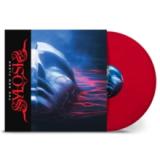
Mit The Mirror legt Buck Meek, Gitarrist von Big Thief, sein viertes Soloalbum vor - ein feinfühliges Werk über Sprache, Identität und das ständige Sich-Verändern. Freunde und Weggefährt:innen wie Adrianne Lenker, Jolie Holland oder Tucker Zimmerman wirken mit und hinterlassen ihre Spuren nicht nur musikalisch, sondern auch in den Texten. Meek begreift Songwriting als gemeinschaftlichen Prozess und nutzt den Spiegel als zentrales Bild: nicht zur Selbstbespiegelung, sondern als Gegenüber, das Fragen stellt. Aufgewachsen in einer kunst- und literaturgeprägten Familie in Texas, sammelte Meek früh vielfältige musikalische Erfahrungen - von Blues über Jazz bis Folk. Diese Offenheit prägt auch The Mirror. Gemeinsam mit Produzent James Krivchenia verbindet er die Live-Energie einer Band mit subtilen elektronischen Texturen. Die Aufnahmen entstanden in einem experimentellen, offenen Setting, das Spontaneität über Perfektion stellt. In seinen Songs geht es um Nähe, Verletzlichkeit und die Brüchigkeit von Erinnerung. Wortspiele, Spiegelungen und innere Dialoge machen Sprache selbst zum Thema. Angst und Zweifel erscheinen dabei nicht als Gegenspieler, sondern als Begleiter. The Mirror erklärt nicht - es hört zu, tastet sich vor und lädt dazu ein, dem Unbekannten mit Neugier zu begegnen.
Sicherhe
San Francisco–born singer-songwriter Ben Kweller returns with Cover The Mirrors, his seventh studio album — and perhaps his most personal work to date. Known in the late ’90s as a member of post-grunge outfit Radish, who were signed to Mercury Records and even counted Nils Lofgren among their fans, Kweller has since carved out a long and prolific solo career rooted in melodic indie rock and unfiltered emotion. Cover The Mirrors is a deeply poignant record, written in honour of what would have been Kweller’s late son Dorian Zev’s 19th birthday. It also marks Kweller’s first release since Dorian’s tragic passing in 2023 — an event that reshaped both his life and his music. Far from retreating into silence, Kweller channels his grief into a collection of songs that explore loss, love, and renewal with raw honesty. “This is the most personal, emotionally raw project I've ever worked on,” he reflects, and every track bears that truth. The album features an impressive roster of collaborators from across the indie landscape: Waxahatchee joins on “Dollar Store,” a sparse and arresting song built on two vocals and a guitar that eventually erupts into a distorted, soaring finale; MJ Lenderman lends his touch to “Oh Dorian,” a tender tribute steeped in warmth and melancholy; Jason Schwartzman resurrects his mid-aughts project Coconut Records for the haunting “Depression”; and psych-rock icons The Flaming Lips appear on the shimmering, otherworldly “Killer Bee.” Musically, Kweller’s craft is as sharp and sincere as ever — intimate yet expansive, stripped-down yet powerful. Cover The Mirrors captures an artist walking through grief with purpose, turning heartbreak into something both fragile and transcendent. It’s the sound of Ben Kweller looking loss directly in the eye — and finding beauty, courage, and connection reflected back. - “One of the great American songwriters” – Jack Antonoff TRACKLIST: A1. Going Insane A2. Dollar Store (feat. Waxahatchee) A3. Trapped A4. Park Harvey Fire Drill A5. Depression (feat. Coconut Records) A6. Don't Cave B1. Optimystic B2. Brakes B3. Killer Bee (feat. The Flaming Lips) B4. Letter To Agony B5. Save Yourself B6. Oh Dorian (feat. MJ Lenderman) Clear Vinyl LP
Our Mirage have carved out a distinct voice in the heavier music scene with emotionally charged lyrics, atmospheric textures, and searing intensity. Formed in 2017, the band quickly gained momentum through an ever-growing fanbase and a string of compelling releases. Their 2022 studio album Eclipse has amassed over 15 million streams on Spotify, cementing their reputation as one of Germany’s most exciting new metalcore exports. Now, the band is gearing up for their most ambitious release yet: Fractured Minds, due out on January 30th, 2026. The record promises to be even more explosive, expanding on their signature mix of crushing heaviness and emotional depth. The momentum is already undeniable —with five singles released from Fractured Minds to date, the band has accumulated over 5.5 million Spotify streams on those tracks alone. Meanwhile, Our Mirage currently count more than 260,000 monthly listeners on Spotify, underlining their ever-growing international presence. Beyond streaming success, Our Mirage have proven themselves a formidable live act, playing major festival stages such as Summer Breeze Open Air and delivering powerful, emotionally raw performances night after night. In January and February 2026, the band will embark on a co-headline tour, bringing Fractured Minds directly to fans across Europe.
Another Thought was the first collection of Arthur Russell’s music to be released after his death in 1992. Released in 1993 on Point Music it marked the beginning of nearly 30 years of work to let the world hear the enormous archive of unreleased recordings Arthur left behind. Be With revisits this first compilation for a new gatefold double vinyl version and a triple-fold digipak CD reissue.
Both versions of Be With’s 2021 reissue of Another Thought have been mastered by Simon Francis and the vinyl cut by Pete Norman. The original artwork has been restored and tweaked at Be With HQ for the gatefold sleeve and the triple-fold digipak, with the essential help of Janette Beckman. Each version comes with an insert reproducing the liner notes and lyrics from the original CD release.
Together with Calling Out Of Context, Soul Jazz’s World of Arthur Russell, and much of the ongoing work of Audika, Another Thought is absolutely essential for even the most casual Arthur Russell collection. In fact we’d argue it’s essential for any fan of non-obvious pop music. This is the only place where you can hear some of Arthur’s most recognisable tunes and it’s an album that absolutely deserves to be kept in press.
We’ll assume that by now you’re all at least a little familiar with the story of Arthur Russell, the farm boy from Iowa who moved to 1970s New York. Arthur Russell the genuine musical genius who died just 40 years old, leaving behind a wealth of music that dwarfed the few 12"s and LPs that were released during his short life.
Although Arthur had been working on an album for Rough Trade during his last years, with the label no-longer operating it was Point Music (Philip Glass and Michael Riesman’s label set up together with Philips) who stepped in to help Arthur’s partner Tom Lee start working out exactly what Arthur had left behind.
Tom suggested that Arthur’s friend Mikel Rouse was the right person to make the first catalogue. Working in Tom and Arthur’s apartment he had only two weeks to go through what turned out to be around 800 tapes.
As Tom explained “at the end of each day he would generally wait for me to come home and I would, to the best of my knowledge, name and identify pieces in question from that day’s work. As he worked Mikel compiled about a dozen cassettes that he thought would present the most finished sounding songs for Don/Point to use. As Don listened he would then suggest and ask me and thus we collaborated on the choices.”
Don is Don Christensen, Another Thought’s producer. With a final selection of songs from recordings made between 1982 and 1990, including sessions with some of Arthur’s regular collaborators Peter Zummo, Steven Hall, Mustafa Ahmed, Elodie Lauten, Julius Eastman, Jennifer Warnes and Joyce Bowden, it was then Don’s job to turn these into a finished album.
Another Thought is a little different from the compilations of Arthur’s music that came out since. In our conversations with Steve Knutson (who founded Audika Records and who manages Arthur’s estate together with Tom), he explained that “more than any project released by Arthur during his lifetime or posthumously by Audika, ‘Another Thought’ is the most worked over. The material was significantly edited and rearranged from the original source tapes”.
If the aim was to release a comprehensive exploration of every facet of Arthur’s music, from the most avant-garde of his avant-garde compositions through to the most disco-not-disco of his disco-not-disco tunes then the project was a spectacular failure. But as a coherent album of non-obvious pop music Another Thought is wonderful.
Starting with the sparse voice-and-cello of the title track, A Little Lost adds some guitar along with the sneaking suspicion that we’re listening to something nowhere near as simple as it first sounds. By the time we get to This Is How We Walk On The Moon - it could be the moment you notice the congas, or the percussion that’s been building behind them, or maybe it’s that blast of trumpet and trombone - we realise we’ve gone from splashing around to being completely submerged in the musical world of Arthur Russell.
From here the album heads off on its journey around the sounds of the left-field contemporary classical music of the time, re-directed towards pop ears, with minor detours through the swirling woozy disco of the half-remembered night before on In The Light Of The Miracle and My Tiger, My Timing. Whether it’s just Arthur, his cello and some bleeps on Just A Blip, or whether he has some vocal help as he does on the bounding Keeping Up, this is difficult music made so, so easy. And through it all is Arthur’s voice and cello. Sometimes drowned in distortion and sometimes clear as a bell, but always there somewhere.
A Sudden Chill finally returns us to the calmer waters we started in and this last track closes the album with a melancholy that’s not surprising given how soon after Arthur’s death the album was put together.
Whilst Another Thought holds together with the consistency of a proper album, there’s still no getting away from the fact that this was put together from audio recorded in different ways, in different places, with different people at different times. Those with keen ears will hear traces of tape hiss, the occasional blown-out note and some digital fuzz, all fingerprints of those original recordings as well as of the 1990s digital equipment that was used to piece Another Thought together.
Add to this Arthur’s obvious pleasure in making music from the sort of sounds that can make microphones, speakers and ears uncomfortable, it’s no surprise that Another Thought isn’t glossy and pristine. Don Christensen’s productions have been careful to not scrub up those original recordings so much that they lose their original vibe, understandable given that Arthur wasn’t around as a guide. We’ve applied a similarly light touch with the mastering for these Be With versions, just working to make sure they sound like they should on both the vinyl and the CD.
Despite the Discogs rumours, Another Thought was never originally released as an LP. So when it came to the sleeve for this Be With vinyl version we took the original CD artwork as a starting point to come up with something that looks like it could have been in the record racks back in 1993.
We have to thank Janette Beckman for helping us reproduce her iconic photograph of Arthur in his newspaper boat hat. One of many photographs she took of Arthur, Janette shot this in her New York studio back in 1986 for a short article in the January ’87 issue of The Face Magazine. Those with eagle-eyes will notice we’ve used an ever-so-slightly different shot from the one that appeared in The Face and then again on the original cover of Another Thought. The original has long since been lost so we’ve worked with what is left in Janette’s archives. And we also have to thank Tom Lee for giving us permission to reproduce his liner notes from the original CD booklet, together with Arthur’s lyrics.
out of Stock
Last delivered 4 years ago available to reorder, subject to availability
Die Indie-Folk-Ikone Sam Beam, auch bekannt als Iron And Wine, bringt ein neues Studioalbum raus, das voll mit wunderschöner, natürlicher Americana ist, darunter zwei Kollaborationen mit dem weiblichen Folk-Trio I'm With Her. „Ich wollte schon immer diesen Titel verwenden", sagt Sam Beam über „Hen's Teeth“, sein achtes Album in voller Länge und sein sechstes für Sub Pop Records. „Ich liebe ihn einfach. Für mich steht er für das Unmögliche. Hühnerzähne gibt's nicht. Und genau so fühlt sich dieses Album an: wie ein Geschenk, das es eigentlich nicht geben dürfte, aber doch da ist. Eine unmögliche Sache, aber sie ist real."
„Hen's Teeth“ und sein vorheriges Album „Light Verse“ sind so was wie Geschwister. Sie wurden während derselben Sessions nach einer einjährigen Pause mit derselben Band im Waystation Studio in Laurel Canyon aufgenommen. „Wenn ich gerade richtig in Schreiblaune bin und die Band mich dort abholt, wo ich gerade stehe, treiben sie mich zu etwas, das ich mir nicht hätte vorstellen können. Ich bin an einem Punkt in meinem Leben, an dem Spontaneität für mich viel wichtiger ist. Ich muss nicht mehr so viel beweisen wie früher. Ich bin viel freier und liebe es mehr denn je, Musik zu machen. Es gibt keine richtigen oder falschen Antworten. Man betet einfach um Glück und gibt sein Bestes." In diesem Fall wurden die Gebete erhört und das Glück schlug voll zu. Die Musiker fanden so schnell zueinander und inspirierten sich gegenseitig so sehr, dass sie Songs oft in nur wenigen Takes aufnahmen, manchmal zwei oder drei pro Tag. Die beiden Alben können daher als zweieiige Zwillinge betrachtet werden: Sie teilen sich die DNA und ergänzen sich, haben aber unterschiedliche Identitäten und zeichnen sich ebenso durch ihre Unterschiede wie durch ihre Gemeinsamkeiten aus. Die Welt von „Hen's Teeth“ ist erdiger, dunkler, robuster und greifbarer als die von „Light Verse“. Die Songs haben Titel wie “Roses", “Robin's Egg", “Dates and Dead People" und “Singing Saw". “Run into the one you love forever / Laugh into each other's empty mouth", singt Beam in “Roses", dem ersten Titel des Albums. Es ist einer von mehreren Songs, in denen Liebende so tief miteinander verbunden sind, dass sie physisch verschmelzen. “Paper and Stone" erinnert daran: “But for the time we fell in two / You'd be me and I'd be you / One crust of bread could fit in our mouths / You'd breathe in and I'd let it out." Und in “In Your Ocean" finden wir Beam betend: “Praying for dry ground / Though I only want to drown / When I find myself swimming in your ocean".
Maria BC ist mit ihrem dritten Studioalbum und zweiten Release bei Sacred Bones zurück: "Marathon". Entstanden aus einem Gefühl der Dringlichkeit, masochistischer Entschlossenheit und Ausdauer, zeigt Marathon, was es heißt, weiterzumachen, egal ob man sich wehrt oder einfach nur überlebt - man ist auf lange Sicht dabei. Auf diesem Album beschäftigt sich Maria BC mit Themen wie Widerstand, Umweltzerstörung, persönliche Umbrüche und Zerstörung, die alle mit musikalischer Kraft und Energie verflochten sind. Während sich ,Spike Field" aus dem Jahr 2023 wie ein langer Atemzug anfühlte, ist ,Marathon" eine dynamische Erkundung von Ausdauer, Vorwärtsstreben, Widerstand, Beobachtung und Überleben. ,Für dieses Album habe ich mich entschieden, weniger Zeit mit der Produktion und Aufnahme zu verbringen und mehr Zeit mit dem Songwriting", erklärt Maria BC. ,Das Ergebnis ist meiner Meinung nach thematisch konsistenter, textlich prägnanter und präziser - ich wollte etwas Dynamischeres und Abwechslungsreicheres schaffen." Auf einer Mikroebene analysiert "Marathon" unsere Existenz - wie sie von persönlichen Ambitionen, Entschlossenheit und unserem Wunsch, das Beste aus unserem Leben zu machen, angetrieben wird. Auf einer Makroebene analysiert Maria BC die zerstörerischen, ausbeuterischen Energiesysteme, die unsere Welt antreiben: ,Maschinen, die um jeden Preis weiterlaufen, bis sie sich selbst zerstören", wie sie es beschreibt. Das Album, das an der Westküste geschrieben und aufgenommen wurde, ist sowohl weitreichend als auch unmittelbar und reicht klanglich von luftigen Akustiksongs bis hin zu glitchigen, verzerrten Tracks, die Chaos und Desillusionierung vermitteln, während gleichzeitig eine lyrische Linie beibehalten wird. In seinen dreizehn Songs scheut "Marathon" keine schwierigen Themen wie Grausamkeit und Mitschuld, Verlust und Zerstörung. Aber es hält hoffnungsvoll an Verbindung, Intimität und Einmischung fest. ,Manchmal, wenn ich Songs schreibe, stelle ich mir vor, dass die Stimme, die singt, eine Art Geist ist", sagt sie. ,Jemand von oben oder unten, der uns warnend zuruft: ,So könnt ihr nicht weitermachen.`" Letztendlich erzählt "Marathon" eine Geschichte von Beharrlichkeit, nicht nur von einem Leben, sondern von vielen, die sich über Raum und Zeit auf einer zerbrechlichen Erde entfalten.
I started writing the songs for V at the beginning of 2023, and the demos were finished by the end of that year. While creating this material, I kept returning to one thought: everything we take for granted - everything that feels stable and permanent - is, in reality, incredibly fragile. Nothing lasts forever, and the sense of things slipping away can hit much sooner than we expect. I tried to translate those feelings into sound. At that time, a lot of difficult things were happening in my life, things I didn't know how to cope with. Music became a form of therapy - a way to process emotions I couldn't express in any other way. In early 2024, we began working through the songs together as a full band. After finalizing the arrangements, we spent the rest of the year recording them. The process stretched over many months, split into several sessions across different studios. I didn't want to rush anything. I wanted, as always, to refine every detail the best we possibly could. Soon you'll be able to hear the result for yourselves. For me, this album is something deeply personal. It's an act of opening up to anyone who chooses to listen - a glimpse into things I can't fully describe with words, into what I felt and who I became during that period. I'm incredibly happy that together with my friends from the band, we've created another record. What comes next_ time will tell.
Magenta Vinyl, limited to 450 copies. I started writing the songs for V at the beginning of 2023, and the demos were finished by the end of that year. While creating this material, I kept returning to one thought: everything we take for granted - everything that feels stable and permanent - is, in reality, incredibly fragile. Nothing lasts forever, and the sense of things slipping away can hit much sooner than we expect. I tried to translate those feelings into sound. At that time, a lot of difficult things were happening in my life, things I didn't know how to cope with. Music became a form of therapy - a way to process emotions I couldn't express in any other way. In early 2024, we began working through the songs together as a full band. After finalizing the arrangements, we spent the rest of the year recording them. The process stretched over many months, split into several sessions across different studios. I didn't want to rush anything. I wanted, as always, to refine every detail the best we possibly could. Soon you'll be able to hear the result for yourselves. For me, this album is something deeply personal. It's an act of opening up to anyone who chooses to listen - a glimpse into things I can't fully describe with words, into what I felt and who I became during that period. I'm incredibly happy that together with my friends from the band, we've created another record. What comes next_ time will tell.
Vor ein paar Jahren kam mir beim Lesen von Thomas Manns ,Der Zauberberg" eine Idee. Diese Idee kam nicht von der Geschichte im Buch, sondern von den Spuren und der Atmosphäre, die darin beschrieben werden. Das war's: eine hörbare, atmosphärische Reise durch die Erinnerungen an einen Ort, der irgendwo hoch in den Schweizer Bergen verloren gegangen ist. Ein Jahrhundert nach den Ereignissen, die im Buch beschrieben werden, sind wir an den Ort der Handlung gereist, um die noch vorhandenen Geräusche einzufangen, die damals zu hören gewesen sein könnten, und die Geister, die vielleicht noch immer dort umherwandern. Zauberberg basiert auf diesen Aufnahmen, auf Aufnahmen der Musik, die Hans Castorp (die Hauptfigur des Romans) spielte, auf akustischen/elektronischen Instrumenten und digitaler Bearbeitung. Das Ergebnis ist eine Beschwörung von Zeit und Dauer, eine Erkundung dessen, was bleibt und was verloren geht, eine Meditation über die Auflösung und das Fortbestehen der Aura, die alles umgibt.
Mute welcomes German synthesizer and producer duo Felsmann + Tiley to the roster with the release of their new album Protomensch. Out February 13, 2026 on limited edition black vinyl packaged in a special gatefold sleeve featuring a mirror foil lamination on the inner panel revealing a ‘self-portrait of the protomensch.’
On Protomensch (German for “proto-human”), Felsmann + Tiley blend shimmering synthwave, pounding trance, and introspective IDM with synth-pop-infused tracks featuring guest vocalists including London’s Pet Deaths and Australian artists The Kite String Tangle, Woodes, and Laius.
This juxtaposition between sentient beings and machines permeates the whole album – right from the duo’s manifesto introducing us the highly intelligent yet irrevocably shortsighted and downright tragic character of Protomensch – the cover artwork featuring turtleneck wearing chimpanzee, futuristic music videos, and stark social media aesthetics to seated, next-level live-shows involving collaboration with dozens of visual artists.
Despite their online ubiquity, sparked in part by their viral reinterpretation of label-mate M83’s “Solitude,” which has been used over 1 million times on TikTok and high-profile syncs on shows including Young Royals (season two), the BAFTA-winning crime thriller Top Boy (season three), and Amazon’s The Better Sister, Felsmann + Tiley have lingered largely on the periphery, their origins cloaked in quiet anonymity, until now. With the release of Protomensch, Felsmann + Tiley present their fully realized artistic vision and step into the spotlight.
The next chapter in this series, 'Second Thoughts (Expanded Edition)', marks 50 years since Split Enz ventured to London to record with Roxy Music's Phil Manzanera in the producer's chair. This definitive 2LP set pairs the original 1976 mix, remastered from the original tapes, with a companion LP 'Wide Angle Enz' - a treasure trove of live recordings and alternate mixes, including a previously unreleased archival rough mix of '129 (Matinee Idyll)' which is exclusive to this release. Presented in the distinctive Australia/New Zealand sleeve featuring John Prew's band portrait, the album concludes with the hypnotic locked- groove of 'Mental Notes', mirroring the international version's striking finale. Pressed on two 140g vinyl, housed in a wide- spine sleeve with printed inner bags. Remastered from the original tapes by Phil Kinrade and overseen by Eddie Rayner, with lacquers cut by Harry Rudkins at AIR Studios.
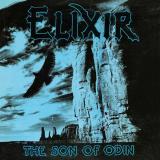
Auch wenn die NWOBHM zum Zeitpunkt der Veröffentlichung von Elixirs »The Son Of Odin«, im Juli 1986, bereits Geschichte war, zählt das Album zu den besten Alben der Bewegung. Mit einer neuen Fassung ihrer hoch gelobten Single ‘Treachery (Ride Like The Wind)’, viele Jahre nach der ursprünglichen 7“, wurde »The Son Of Odin« vom englischen Terrorizer-Magazin als eines der Top 20 Power-Metal-Alben gekürt, während es das Sweden Rock im April 2010 als „Album-Klassiker des Monats“ auswählte. Elixir starteten 1983 in London. Die fünf Musiker nannten seinerzeit das erste Album von MSG sowie »British Steel« von Judas Priest sowie neuere Bands wie Mercyful Fate und Queensryche als ihre Haupteinflüsse. 1985 erschien die Debüt-Single ‘Treachery (Ride Like The Wind)’, die im Kerrang! von keinem Geringeren als Ronnie James Dio in einem Gastbeitrag abgesegnet wurde, was die Band anspornte, ihr erstes Album in Angriff zu nehmen. Das Resultat war »The Son Of Odin«, aufgenommen im Januar 1986 im The Lodge Studio von The Enid und sechs Monate später abgemischt. Nahezu überall folgten überschwängliche Kritiken, nicht zuletzt im Metal Forces, wo Dave Constable zu Protokoll gab: „Eine selbstfinanzierte LP, die so manche Veröffentlichung eines Major-Labels in den Schatten stellt.“ Constable resümierte: „Ich höre mir lieber »The Son Of Odin« an, als die hundertste Version von »Turbo« oder »Somewhere In Time«.“ Die 40th Anniversary Edition dieses unsterblichen NWOBHM-Klassikers beinhalt zusätzlich zum regulären Album die vollständige Session, von der die ‘Treachery (Ride Like The Wind)’-Single stammt, genauso wie das vorangegangene Demo und die BBC Friday Rock Show Session. Zudem erzählen aktuelle Interviews mit Gitarrist Phil Denton und Manager Seymour Mincer erzählen die Geschichte des Albums.
Finally, finally, FINALLY! After many years of fruitless praying, a true collector grail can finally grace every turntable the world over. Bright And Shining is a miraculous leftfield library classic from the genius mind of Barbara Moore. It's Highly Addictive Happiness Music TM and one of the coolest records to come out of anywhere...ever! With originals almost impossible to find - and, when they do, going for over £300 - you already know how crucial this beautiful reissue is.
Recorded in 1981 for Sylvester Music Company, Bright And Shining is breezy, dreamy and funky in a perfectly smooth jazzy-soul-groove fashion, with Moore's patented celestial male-female vocal harmonies this time benefitting from the addition of Fender Rhodes and pumping bass lines.
As one particularly enthusiastic Discogs user put it: "If Eno is responsible for Music for Airports, Moore is responsible for Music for Holidays." Indeed, this is brilliantly unique, "maximum happiness music". If you miss the sun-dappled soft-psych soul of Koushik, the heavenly vocal arrangements of the great Library Music doyenne Barbara Moore - her depth, richness, sophistication and warmth - will see you just right.
The gigantic title track, "Bright And Shining", gallops out the gate, all sophisticated, jazzy leisure-soul with sax and guitars backing Moore's effortless vocal swag in this relaxed, mid-tempo head-nod strut. Worth the price of admission alone. Up next, the sunny, vibey "Fly Me High" features strolling, "unworded" vocals (aside from the refrain of the title) alongside breezy alto sax and electric guitar. Pastoral and perfect. The slow'n'sultry "Affluence" presents a moody elegance, a classical "downlifting" gem. Another crucial highlight is the breezy "Going On Holiday". It's happy. It's sunny. It's lively. It's cool and happy. Did we say happy? A mid-tempo, romantic sax workout, "Alto Sex"presents smooth jazzy funk before the first side closes out with the soaring, jazzy "Stay With Me". Seriously uplifting.
Side B opens with "Feel Fine", an excellent uptempo and bright jazz groove. Up next, "Canon" is wracked with refinement, a peaceful, smooth vocal harmony over repeating bass making for an elegant, late-night classic. It's followed by the laconic "Smooth And Soft", a laidback, casual sophisticated soul and easy-feeling jazz gem. The jazzy "Real Thing" is another exercise in strolling sophistication, complete with wordless vocal harmonies. The fairly self-explanatory "Voice Over Sax" sounds precisely how you would expect; a relaxed sax number with heavenly vocal support! To close, the carefree "Feeling Free" is a pleasant, light and breezy mid-tempo groove.
The audio for Bright And Shining has been meticulously remastered by Be With regular Simon Francis, ensuring this release sounds better than ever. Cicely Balston's expert skills have made sure nothing is lost in the cut whilst the records have been pressed to the highest possible standard at Record Industry in Holland. The original, iconic sleeve has been restored here at Be With HQ as the finishing touch to this long overdue re-issue. We'll grant the final word to MillionDollars. on discogs from about 10 years ago: "If you listen to the record on a sunny day you feel like going out surfing in a white linen suit with a blunt on your lips, catching a cool breeze."
out of Stock
Last delivered 7 months ago available to reorder, subject to availability
Roberto y su Nuevo Montuno recorded their first album, “El Nuevo Montuno Llegó” (1970), when Roberto Berríos was just 22 years old. This was also the debut release on Haddock’s own Uniart label. Berríos remembers that they did the recording in two sessions, splitting it up into four tracks per visit. The engineer was the famed Pedro “Pedrito” Henríquez, who recorded El Gran Combo, Roberto Roena and many others. The band had a mix of tasty, powerful originals, from Tony Cintrón’s title track that announced the band had arrived, ‘El Nuevo Montuno Llegó,’ to Quique Dávila’s mournful ‘Triste Arrabal.’ Then there was the hit Santería themed tune, ‘Llamé a Changó,’ which was a song that Quique Dávila brought to the band, but had been originally composed by Carlos Pinto, though Quique was given the credit. Dávila also composed ‘Me Queda Un Guaguancó,’ which is Roberto’s favorite song on the record (as well as a fan favorite), with Papo sounding like his friend Héctor Lavoe, and Quique Dávila’s proud manifesto declaring that Puerto Rico now had its own son montuno, ‘Oye Tu Son, Borinquen,’ featuring the pianist’s tasty but brief solo. The cover versions came from the group’s earliest period when most of their repertoire consisted of renditions of beloved but lesser known tunes, and include Louie Ramírez’s ‘Balancéate’ (a favorite of Roberto’s from Ray Barretto’s songbook), Bobby Valentín’s ‘Monina y Ramón’ (recorded during his stint with Willie Rosario), and a bolero indelibly sung by Cheo Feliciano when he was with the Joe Cuba Sextet, ‘Dichoso,’ written by Joe Cuba’s talented pianist, Nick Jiménez. Some of the arranging was done by Cintrón and some by Dávila, though Quique had some help from his old friend from El Combo Moderno, Freddie Miranda, who at that time was with Roberto Roena’s Apollo Sound. Roberto says that the arrangements of the cover tunes were made specifically to be different and more contemporary sounding than the originals. “El Nuevo Montuno Llegó” has become a legendary salsa dura classic from Puerto Rico and we are thrilled to present this first legitimately licensed and remastered vinyl reissue. It includes detailed liner notes that reveal the untold story of the band and their debut album, and rare photos.
Siavash Amini is a composer from Tehran, Iran. He Has worked with labels like Room40, Hallow Ground, Opal Tapes and Umor Rex for the better half of the past ten years. He has performed at festivals like CTM & MUTEK and many other well known international events. Apart from it Siavash is a co-founder of the “SET experimental art events” and “SETfest” in Tehran, Iran. His work ranges from fragile ambient pieces and brittle IDM (incorporating his distinctive style of atmospheric guitar playing) to noisy drones and bleak modern classical pieces. His compositions have been inspired by films such as Andrei Tarkovsky's The Mirror as well as novels by Dostoyesvky and poems by T.S. Eliot.
Saffronkeira is the Sardinian sound researcher Eugenio Caria being active in the electronic music scene since almost two decades. His most recent work - a cooperation with the Italian jazz trumpet legend Paolo Fresu - earned a lot of praise from the international music press for the pure timelessness of the album.
"Upon hearing a small snippet of sound an image is conjured, not a memory but not unfamiliar. A shell of a memory, thousand events superimposed on each other. While trying to extract points of a narrative to ease the discomfort of this recollection, I try to separate and unfold the image and with it the points of the spectrum which make up the sound, a shell of a narrative. Here is an album based upon an almost entirely imagined/ synthesized happening upon hearing a snippet of sound. It sounded like of a whole story that never happened but yet I felt myself amongst it’s participants, a sound triggering a false memory. Each sound in Eugenio’s collection of sounds and ideas guided me a to a point in the narrative and it’s construction. He had handed me a portals of some kind to a few scenes of the whole narrative. This is the soundtrack for that false memory from all the perspectives I can think of."
out of Stock
Last delivered 7 months ago available to reorder, subject to availability
TrioRox is a project born from the encounter between three leading figures on the Italian music scene (and beyond):
pianist Giovanni Guidi, bassist Joe Rehmer, and electronic musician DJ Rocca (Luca Roccatagliati).
Three individuals boast eclectic and impressive resumes. Guidi, a child prodigy of jazz piano, has released several
albums for the prestigious ECM label and has collaborated with top jazz and electronic musicians, from Enrico Rava
to Matthew Herbert, Joe Lovano, and Ricardo Villalobos. Joe Rehmer, an American living in Italy, is one of the most
sought-after bassists, sharing stages and recording studios with such luminaries as Bob Mintzer, James Moody, and
Danny Gottlieb. DJ Rocca has been a DJ and musician since the 1990s, boasting numerous albums, singles, and
remixes with and for key figures in the alternative dance scene (Andrew Weatherall, Dimitri From Paris, and Howie
B), as well as a stint in the jazz scene, releasing several albums with Franco D’Andrea.
The trio's music is a blend of electronic, dance, jazz, and pop, with hints of groove in house and techno, as well as
blends of electro, classical, and minimalism. A melting pot of styles between Keith Jarrett and Carl Craig. The album
will be released on IRMA Records in September 2024, featuring guests Luigi Di Nunzio, Gianluca Petrella, Dan
Kinzelman, and Jacopo Fagioli.
This EP of remixes is by:
Zed Bias: Manchester-based electronic musician, producer, and DJ in the Garage/2-step, Broken, and Funky
Breakbeat genres.
Alexander Robotnick: Italian record producer, DJ, and composer considered a cult figure in the New Wave and Italo
Disco scene.
Daniele Bladelli: One of the first and most important Italian DJs, famous for pioneering Afro and Cosmic music.
Bjorn Torske: Norwegian house and breakbeat producer. He has collaborated extensively with Röyksopp.
out of Stock
Last delivered 5 months ago available to reorder, subject to availability
Générique unveils a rich musical world that brings French chanson, indie rock and electronic textures together. The five tracks, recorded at La Frette Studios in Paris, are brought to life by an ensemble of acclaimed Anglo-American musicians directed by Mercury Prize-winning producer James Ford and Loren Humphrey. Tinged with dark, mischievous poetry that glimmers with sensuality, Générique is a hymn to liberated women. A call to live and love freely.
Während das musikalische Fundament die Einflüsse aus Nordamerikanischem Pop-Punk aufnimmt und zu einem eigenen Sound weiterentwickelt, stechen insbesondere die klare Haltung und tiefe persönliche Momente in den Texten heraus. Entstanden ist ein Punk/Rock Album, das nicht nach 20ern und Jugendbewegung klingt, sondern nach neuen Perspektiven, nach späten 30ern - menschlich und politisch. Seit Erscheinen des BLAUFUCHS Debüt-Albums vor rund 4 Jahren hat sich in der Welt viel verändert und wenig verbessert. Diese traurige Abwärtsspirale findet sich – mal drastisch und direkt, mal dezent akzentuiert – in allen Texten von „Bis jetzt ging alles gut“ wieder, das trotz Anflügen von Resignation auch stets einen Funken Hoffnung auf Besserung vermittelt. Blaufuchs betrachten nicht nur den gesellschaftlichen Wandel – sie sind selbst auch einer ständigen Veränderung ausgesetzt. Ihr zweites Album ist ein Stück weit auch ein Neubeginn mit einigen Neubesetzungen im Verlauf der letzten Monate. Hale Winter übernahm den Bass von Marisa, Jan Schlagowski das Schlagzeug von Alex Veth und mit Jan Jurat stieß ein weiterer Gitarrist zur Band. Den Blaufuchs Sound verändern die neuen Einflüsse nicht gravierend, die Drums werden ein Stück härter, die Gitarren etwas filigraner, aber die Handschrift von Hauptsongwriter John Hofmeister verbindet nach wie vor den amerikanischen Gesamtsound mit den deutschen Texten von Johannes König. Dennoch verzögerte sich die Entstehung des Albums durch die Umbesetzungen um mehrere Monate, was laut Johannes König auch nötig war: „Mir und John war extrem wichtig, dass auf dem Album auch Einflüsse unserer „Neuen“ zu hören sind, die uns live teilweise schon seit Jahren unterstützen.“ Aufgenommen wurde „Bis jetzt ging alles gut“ in den Limetree Studios in Ilsede und produziert von Sören Kucz und Gitarrist John Hofmeister. Mit „Fertig“ setzt die Platte einen extrem persönlichen Schlusspunkt und König wird hier deutlich direkter: „Den Druck, der mit der Verantwortung in der eigenen Familie, im Job und auch in der Band zusammenkommt, trifft im Alltag oft auf ein Männlichkeitsbild, in dem wider besseres Wissen versucht wird, Dinge alleine zu regeln.“
"Weil wir Menschen schaltbar sind.". Mit dem bedrückenden ""43" verkünden FJORT aus Aachen die Ankunft ihres fünften Albums namens"belle époque" (Grand Hotel van Cleef). Die erste Minute führt uns balladesk in die unvorstellbar entmenschlichte Zeit der deutschen Geschichte und spannt einen mahnenden Bogen in unsere Gegenwart. Erst dann spielt das Trio die stärkste Karte in seiner Hand: eine musikalische Entladung, die dem gerade Gehörten Nachdruck verleiht. Wenn in der folgenden Strophe "wir haben gemordet, gebrandschatzt, geschändet, erdrosselt - wir sind dazu fähig" mit 98dC Verzerrung geschrien und immer wieder zur Selbstreflexion angesichts dieses Entsetzens gemahnt wird, wird offensichtlich: "belle époque" ist das bisher wortgewaltigste Album der Band. "Wir leben in Hakenkreuzzeiten" schlussfolgern FJORT am Ende und uns wird unmissverständlich bewusst, wie kurz wir vor einer Wiederholung des Damals stehen. Auf der musikalischen Ebene sind FJORT nach wie vor ihr eigener Maßstab: Kompositionen wie Theaterstücke, emotional verdichtet, gleichzeitig in der Lage in Angst zu versetzen und zu erlösen.
"Weil wir Menschen schaltbar sind.". Mit dem bedrückenden ""43" verkünden FJORT aus Aachen die Ankunft ihres fünften Albums namens"belle époque" (Grand Hotel van Cleef). Die erste Minute führt uns balladesk in die unvorstellbar entmenschlichte Zeit der deutschen Geschichte und spannt einen mahnenden Bogen in unsere Gegenwart. Erst dann spielt das Trio die stärkste Karte in seiner Hand: eine musikalische Entladung, die dem gerade Gehörten Nachdruck verleiht. Wenn in der folgenden Strophe "wir haben gemordet, gebrandschatzt, geschändet, erdrosselt - wir sind dazu fähig" mit 98dC Verzerrung geschrien und immer wieder zur Selbstreflexion angesichts dieses Entsetzens gemahnt wird, wird offensichtlich: "belle époque" ist das bisher wortgewaltigste Album der Band. "Wir leben in Hakenkreuzzeiten" schlussfolgern FJORT am Ende und uns wird unmissverständlich bewusst, wie kurz wir vor einer Wiederholung des Damals stehen. Auf der musikalischen Ebene sind FJORT nach wie vor ihr eigener Maßstab: Kompositionen wie Theaterstücke, emotional verdichtet, gleichzeitig in der Lage in Angst zu versetzen und zu erlösen.
Carnivalfinds the Fort Worth trauma ray captures some of their strongest, most intense, and exploratory work within the boundaries of a whirlwind year. The breakout success of Chameleon, their 2024 debut on Dais Records, further established the band amidst the current wave of shoegaze revivalists, yet increasingly agile, able to weave between scenes, touring throughout 2025 with the likes of Deafheaven, Loathe, and TouchéAmoré. A confluence of blitzing riffs and stark beauty, theirsound continues to evolve, nodding to loud-quiet-loud greats across metal, grunge, and shoegaze from Slowdive to Smashing Pumpkins. Carnival delves into moodier, more cerebral material, like holding theirpast excursions against a funhouse mirror. There's a distinct sense ofunease in these songs, built as a band in a fleeting window of time, proving they work best under pressure and when pulling from thedarkest corners of their subconscious. The wordless "Carousel" ushers in the EP's unsettling atmosphere withblasts of static and downcast strums giving way to "Hannibal", ananthemic track packed with power riffs and raw emotion. The band has hit this kind of sheer power before, from 2018's "Solstice" to Chameleon's title track, while "Hannibal" contorts with a tinge ofunprecedented evil, slithery, "Stone Temple-y, Alice in Chains-y," Avilaquips. Lyrically, he taps into teenage angst, the feeling of beingdissected and rejected.
Carnivalfinds the Fort Worth trauma ray captures some of their strongest, most intense, and exploratory work within the boundaries of a whirlwind year. The breakout success of Chameleon, their 2024 debut on Dais Records, further established the band amidst the current wave of shoegaze revivalists, yet increasingly agile, able to weave between scenes, touring throughout 2025 with the likes of Deafheaven, Loathe, and TouchéAmoré. A confluence of blitzing riffs and stark beauty, theirsound continues to evolve, nodding to loud-quiet-loud greats across metal, grunge, and shoegaze from Slowdive to Smashing Pumpkins. Carnival delves into moodier, more cerebral material, like holding theirpast excursions against a funhouse mirror. There's a distinct sense ofunease in these songs, built as a band in a fleeting window of time, proving they work best under pressure and when pulling from thedarkest corners of their subconscious. The wordless "Carousel" ushers in the EP's unsettling atmosphere withblasts of static and downcast strums giving way to "Hannibal", ananthemic track packed with power riffs and raw emotion. The band has hit this kind of sheer power before, from 2018's "Solstice" to Chameleon's title track, while "Hannibal" contorts with a tinge ofunprecedented evil, slithery, "Stone Temple-y, Alice in Chains-y," Avilaquips. Lyrically, he taps into teenage angst, the feeling of beingdissected and rejected.
"EYE OF MELIAN open the gates to a different world with their new album Forest Of Forgetting, out February 20th, 2026 via Napalm Records. Named after a powerful primordial singing spirit from the world of J. R. R. Tolkien, EYE OF MELIAN draws inspiration from the master of fantasy and expands on his ethereal concept. Created by Delain’s Martijn Westerholt and featuring Auri’s Johanna Kurkela as a lead vocalist, EYE OF MELIAN’s Forest Of Forgetting is a masterclass in symphonic songwriting so whimsical the real world fades away. Completing the all-star lineup on their debut with Napalm Records are orchestral arranger Mikko P. Mustonen and backing vocalist and lyricist Robin La Joy, blessing twelve lush compositions with immortal life. Mesmerizing from the first gentle notes of opening track “Of Willows And Shadows”, Forest Of Forgetting weaves otherworldly piano melodies and epic strings around angelic vocals worthy of the powerful Valar themselves. “Child Of Twilight” deepens EYE OF MELIAN’s dreamy and bombastic Hollywood movie score approach, carefully building up an exceptionally enchanting atmosphere that carries on into the equally cinematic “Blackthorn Winter”, ever so elegantly broadening the view into the alluring realms the band is melodizing. “Dawn Of Avatars” features Nightwish multi-instrumentalist Troy Donockley on flute and uilleann pipes, as well as hurdy-gurdy fairy Patty Gurdy, before EYE OF MELIAN turns in the direction of heavy metal with a charming rendition of Bruce Dickinson’s anthem “Tears Of The Dragon” (originally released on Balls To Picasso in 1994 after the singer had left Iron Maiden). Forest Of Forgetting also comes with all its tracks as instrumental versions to dwell in the impressive orchestrals alone. With this opulent album, EYE OF MELIAN extends an invitation to faraway lands full of wonder. Forest Of Forgetting unfolds as quite the opposite of its title: utterly unforgettable."
After a series of successful outings alongside sidekicks Ofofo and Zongamin, studio wizard MYTRON turns in his debut solo full-length for Multi Culti World Records. With contributions on Invisible Inc, Calypso, Bongo Joe, Kalahari Oyster Cult, LYO, Codek Records and Earthly Measures, Mytron has carved out a name for himself in a carefully-curated left-field quadrant of the indie-dance galaxy. Tuning his oscillators to myriad sounds — from dub and disco to krautrock — the London-based producer perhaps most notably channels the pristine compositional style of Kraftwerk. While most apparent in the use of vocoder, there’s a consistent efficiency of arrangement that recalls the man-machine in effervescent, idealistic fashion. Mytron manages to keep it simple, funky and musical — whimsical tunes that bop along with analog grit, wilderness, and wonk. There’s a warmth and wit that shine through every synth line, an understated confidence that speaks of years spent tangled in wires and waveforms, with an inclusive sonic eclecticism that flattens hierarchies between genres, geographies, and generations. Each influence is invited to the table, treated not as pastiche but invited to dine and dance in a space where kosmische dub disco and Afro rhythms can coexist without borders. The sleeve design echoes this philosophy: video-feedback patterns hinting at our modern screens, both portals and filters — coloured, distorted intermediaries through which we perceive the world. In the trippiest sense, the record is both reflection and refraction — a sonic mirror held up to an interconnected, glitchy reality. Tailored equally for DJ use and home-listening head trip, the album is meticulous, mischievous and merry.
BanBanTonTon review:
On Mytron’s debut long-player for Multi Culti groovy 21st Century leftfield house gear collides with Daniele Baldelli and Beppe Loda’s hugely influential `80s afro / cosmic. The 9 tracks are chunky, chugging and full of funky, funny noises. Old school B-lines mixing with eccentric electronics. Spinning, spiralling sounds.
Sugar is an electro-pop, vocoder confection, cut from the same sonic cloth as cult classics like Codek’s Tam Tam. Created from tough trap drums, splashing effects and a mutant Giorgio Moroder bass arpeggio. The title track, Propellor, pits Kraftwerk-esque hardware harmonised vocals against a bongo loop and a whistling hook. Playground has simian shrieks surround tumbling tom-toms. Highway Maintenance adds kosmische synths to a dance of woodblocks and buzzing bottom end. Keep On Dubbing is an organ-led, clip clopping percussive canter.
Tracks such as Speaker Can Talk, shot through with disco lasers blasts and recalling Curt Cress’ Dschung Tek, also lift the tempo up, but the bulk of the music here is a mid-tempo, techno drum circle. Squelchy sequences gurgling in and out of programmed percussion. On Quasar, spiky acid edges in and slowly takes over.
Key references that come to mind are Baldelli’s own turn-of-the-2000s Cosmic Sound Project productions, and Wolf Müller’s scene shaking sides on Themes For Great Cites, from around a decade later.
Intricate structures with an intertwining of spontaneity and randomness, meeting the diverse genre influences of the band members from mediaeval music to shoegaze to noise. That is Unravel, the new album, and first in six years, from Czech band Manon Meurt.
"Unravel reflects the different stages of dissociation, a person's thoughts, observations - whether of the environment or of oneself - and admiration for the beauty and cruelty that nature mirrors," multi-instrumentalist and lyricist Kateřina Elznicová says of the album.
Produced by Eddie Stevens (Freakpower, Zero 7, Moloko, Roisin Murphy) the album was pieced together from recorded fragments, meticulously pieced together. The title Unravel refers to the development of the band, unravelling what they are to find the full potential of their music as well as uncovering the layered nature of the songs and emotions.
"Eddie Stevens’ approach to recording was a big surprise. We understood that there was no one right version of the songs. Each of our themes carries a certain energy that can manifest and blossom in many ways. Compared to previous records, the vision of each member was much more evident, while we learned not to cling to our individual ideas of a signifying break or a nu-metal bounce at the end of an ambient song. The main thing was a common concept," adds keyboardist David Tichý on creating the seven songs on the record.
Abum producer Eddie Stevens describes the collaboration, “Each album is an adventure. You do some preparation, check the route over and over, prepare for any eventuality that your packing space and imagination will allow, plan some places to stop and rest en route, places to eat, sleep, then consider the challenges - the ice wall, the summit, even just finding your way in foreign land. But despite all that planning, you can never really say for sure what’s going to happen, what unexpected path you might take, what strangers might invite you in for a cup of tea and to what ends. So it was making Unravel with Manon Meurt and engineer and studio owner Lukas Martinek at Svárov studios and of course back home in the relative safety of my studio. Musicians who quickly became friends showed me more than I showed them, people with ideas, with creativity seeping from their pores. Music making the right way: no blinkers, no walls, no preconceptions, no barriers, no rules. What a pleasure, and what a magical, technicoloured,
kaleidoscopic album we’ve made together, “
The combination of industrial material with plant motifs in the work Untitled_1 by Ukrainian artist Liza Libenko, which adorns the cover of Unravel, strongly attracted the band. After all, floral motifs have always been close to Manon Meurt's music. Libenko, a student of the Academy of Fine Arts and a finalist of the prestigious Austrian Strabag Artaward International Prize, has recently been working on overcoming the narrative boundaries of the canvas, the paintings "attack"the viewer. Sunflowers are a powerful symbol of life and the sun; in Libenko's paintings they are black and burnt, serving as an allegory for contemporary conditions. The work was photographed by photographer and artist Marcel Rozhoň, and the final processing of the Unravel album was done by graphic artist Zuzana Malá.
Minority Records is releasing a unique boxset Politique du silence with three early albums from Sylvain Chauveau, French composer of minimalist neoclassical music.
“When I made my first albums as a composer, I was obsessed with minimalism, and this quote from the film director Robert Bresson summed up my state of mind. I set myself three principles: 1) Use silence as a starting point, 2) Only add sound when it's absolutely essential, 3) Don't imitate the Anglo-Saxon musicians I admired, but draw on the musical culture of my country, France which lead me to listen intensively to Satie, Debussy and Ravel.” Chauveau explains the background to his work.
The collection Politique du silence contains the recordings of Des plumes dans la tête (2004), Un autre Décembre (2003) and Nocturne impalpable (2001) on coloured 180 gram vinyls. The cover features artwork by French photographer Valéry Lorenzo.
“When I discovered the simple and powerful black and white pictures by Valéry Lorenzo, in the 90s, I immediately fell in love with them. We became good friends and since then I ask him to let me use one of his photos for most of my album covers, or to make my portrait for press shots. It has become a real collaboration, music and images, for more than 25 years. It was then logical to ask him again for the cover of this boxset, like a gentle reflection on my piano and strings era. It's a true honour for me to see my early music recollected, repackaged, remastered after all this time. Which gives me hope that this music, in which I've put all my soul and heart during the years 2001 to 2003, is maybe not forgotten yet.” Chauveau himself adds of his collaboration with Valéry Lorenzo.
Nocturne impalpable and Un autre Décembre were re-issued by Minority Records in 2014 and 2015 and both titles completely sold out. This year’s release also includes the album Des plumes dans la tête in its world premiere on vinyl.
Nocturne Impalpable is a world of minimalism, abstraction, and contemporary rendition of classical music with variations for the piano, clarinet, strings, and accordion which are often compared to the compositions of composers Harold Budd and Claude Debussy. Here, Chauveau partially reveals his versatility as a composer by connecting electronic elements, noises, and ambient planes with monumental strings and piano preludes. The
album of piano variations Un autre Décembre is interspersed with field recordings and electronic noises. The inspiration for the recording of the album and for its name was the song Jaurès by the Belgian singer and composer Jacques Brel. This song tells the story of the grandparents’ generation who toiled in the mines. “Comfort and health won’t protect our generation from sadness and discontent. We also live through winter times, even if these are slightly warmer due to the current climate.” An album of 20 short instrumental sketches with several delicate intermezzos for the piano, string quartet, and the clarinet, Des plumes dans la tête, was composed for the eponymous film by director Thomas de Thier.
Sylvain Chauveau was born in 1971 in the French town of Bayonne and currently lives in Barcelona. His extensive discography of mainly meditative neo-classical recordings for the music labels FatCat, Sub Rosa, Sonic Pieces, and Flau is enriched by several collaborations and his participation in the Ensemble 0, Arca, and On projects. Chauveau has also composed many film soundtracks as well as music for the theatre. He has presented his works in Prague several times, most recently in the spring of 2024 at the Spectaculare festival. His compositions get tens of millions of streams on streaming services, and he’s been called the French king of minimalism.
Malena Zavala is an Argentinian-born, London-based artist, producer, and filmmaker, known for crafting ethereal, genre-blending music that navigates the space between her Latin heritage and her British upbringing. With the forthcoming album If This Life Could Start Again set for release on 30 January 2026 on Paraná Records, Zavala presents her most intimate, cohesive, and accomplished work to date, marking a significant evolution in her artistic journey.
With her new album, Malena creates an atmospheric dream pop world, weaving singer-songwriter intimacy with synth pop, Argentine folk, indiepop, rock and experimental music, threaded together by her blissful vocals and dreamy guitar work. Gorgeously warm and vivid, If This Life Could Start Again charts the journey from pain to acceptance, mapping out the non-linear nature of healing through a sonic landscape. Each song embodies a distinct emotion within that journey, from grief and chaos to feeling lost, seeking refuge, finding confidence, and finally acceptance and letting go. Drawing on her Argentinian roots, Malena uses the Andes mountains as both a visual and thematic anchor – the difficult climb towards higher ground becomes a metaphor for healing, whilst being lost at rock bottom reflects the darkest moments of the journey.
Completely composed and performed by Malena herself, the album was recorded in Girona’s L’Empordà countryside in Spain with producer Luke Smith. As a professional producer and audio engineer, this was Malena’s first time relinquishing production control – an intimate creative shift that allowed their shared vision to shape the album’s rich, enveloping sound.
However, Zavala’s career to date has been a testament to self-sufficient artistry. Her critically acclaimed debut, Aliso (2018), was written, recorded, and produced alone in her parents’ garage, which honed her dreamy bedroom pop sound. The album, praised by The Guardian for its “gently warped and beguilingly melancholy guitar pop,” ****, immediately catapulted her from DIY beginnings to prestigious stages, supporting acts like Lord Huron at London’s Roundhouse and Men I Trust at Village Underground and subsequently continuing on their UK/EU tours. Later with standout performances at Latitude, Green Man, and All Points East. Her consistent radio support from key influencers including BBC Radio 6 Music, BBC Radio 1's Huw Stephens, and Steve Lamacq has solidified her presence on the airwaves.
Her second album, La Yarará (2020), saw Zavala delve deeper into her roots, exploring Latin traditions like Cumbia and Bolero. This exploration of identity continues powerfully on the new album, but with a newfound lyrical depth and sonic confidence. The new album, If This Life Could Start Again, is a raw and transformative eight-track journey that maps the emotional landscape of healing. Written after a period of personal upheaval, the album traverses themes of grief, hereditary trauma, and self-discovery. The record’s narrative is structured like a mountain ascent. A challenging climb through varied emotional terrain, posing the central question: “Will you join the journey?” Sonically, this journey mirrors the non-linear path to acceptance, evolving from acoustic folk and synth-pop to funk-infused rhythms and rock anthems.
As a formidable live performer, Zavala has built a robust touring profile across the UK and Europe. She will embark on an extensive tour in February and March 2026 to support the album, with dates spanning major cities from London and Glasgow to Berlin, Paris, and Barcelona.
With If This Life Could Start Again, Malena Zavala fully realizes her artistic vision as a self-taught producer to an autonomous artist commanding her career through Paraná Records whilst reflecting the vast landscapes of her heritage and affirming her place as a compelling and evolving voice in contemporary music.
out of Stock
Last delivered 7 months ago available to reorder, subject to availability
A chance meeting in Mexico City set Points of Inaccessibility into motion. When Ibero-American composer Rafael Anton Irisarri crossed paths with Dutch media artist Jaco Schilp at MUTEK in 2024, a conversation about how technology shapes perception revealed an unexpected common ground. Schilp invited Irisarri to a spring 2025 residency at Uncloud, the Utrecht-based collective he co-founded, where Irisarri's sound began to take form amid an environment shaped by Schilp’s visual research.
The Uncloud studio was located inside the former Pieter Baan Centre, a forensic psychiatric prison where suspects of violent crimes were once confined. Its long history of silence and containment shaped the atmosphere in which the project developed. Within this setting, Irisarri coaxed long bowed-guitar tones through a network of pedals and looping systems. The raw gestures thickened into a vaporous and architectural field of sound. Schilp processed the material through a custom point-cloud software patch that produced images in continuous flux. The visuals flickered, dissolved and reformed like memories that resist coherence, functioning as a digital Rorschach that reflected the observer’s own perception.
Amid these spectral echoes, the project evolved into an examination of how the past persists within present signals. Memory endures as residue and interference, continually shaping perception even when its source has faded.
Schilp’s visual process required a continuous stream of sound in real time. Irisarri improvised throughout the residency, generating material that allowed the visuals to develop in parallel. Once back in his New York studio, he began shaping the recordings by carving pathways through the improvisations and mapping selected passages into MIDI. This process allowed him to build outward from the bowed-guitar material with minimal overdubs, adding Prophet 5 textures, Moog bass and strings that expanded the harmonic field while keeping the original performances at the center. To refine the structure, Abul Mogard provided editorial input, working with Irisarri’s stems to guide transitions and strengthen the overall pacing. The material, originally created under conditions of immediacy and constraint, evolved into a fully realized work through careful revision, patience and sustained reworking.
The title engages the geographic concept of the Poles of Inaccessibility, locations defined solely by their distance from all surrounding points. Irisarri adapts this idea to the conditions of digital life, where new forms of inaccessibility arise through the informational enclosures that structure perception. What appears to be a fully connected network often produces a deeper kind of separation, one shaped by the filtering logic of the systems that mediate experience. In this sense, the digital sphere mirrors its geographic counterpart. We inhabit spaces saturated with signals, yet the possibility of genuine contact becomes increasingly remote.
At its core, Points of Inaccessibility considers what can be understood as the new rituals of capitalist realism. Irisarri uses the term digital shamanism to describe the forms of simulated connection that organize contemporary life. These systems promise comfort through algorithms, influencers and AI interlocutors, yet they often reproduce the same conditions that generate loneliness in the first place. What appears as connection becomes the echo of connection, a sequence of gestures that imitate solidarity while withholding it. Like the geographic poles, these rituals are defined by distance. They pull us into environments where everything is illuminated, yet meaningful proximity becomes increasingly rare. In this sense, the work approaches a hauntology of the present, a reflection on futures that have stalled and intimacies that have been thinned by the algorithmic infrastructures that surround us.
This thematic tension unfolds across the album’s four movements. Faded Ghosts of Clouds introduces the work with textures that rise and dissipate in slow cycles, creating an atmosphere that resists clear definition. Breaking the Unison occupies a pivotal position in the sequence and focuses on the moment when the individual and the system fall out of alignment. Its shifting patterns trace the scattering of signals that once suggested connection, revealing the instability at the heart of contemporary perception. Signals from a Distant Afterglow forms the center of the album and features vocals by Karen Vogt, whose presence enters the sound field like a fragile transmission shaped by distance and delay. The closing piece, Memory Strands, follows motifs that appear, recede and briefly intersect before returning to quiet. Across these movements, the album outlines a landscape in which emergence and disappearance continually inform one another.
Listening to Points of Inaccessibility is an encounter with a sound field that is constantly in flux. Elements surface briefly, shift position and recede, creating a sense of motion that resists stable interpretation. The music moves between closeness and vastness, carrying traces of memory while withholding a clear point of resolution.
The album’s visual identity completes the project’s conceptual arc. In Mexico City, where Irisarri and Schilp first met, Daniel Castrejón transformed stills from Schilp’s point-cloud visuals into the cover image. The final artwork captures a single suspended frame of the digital material, a moment extracted from a field that is normally in constant motion. Its surface recalls the texture and abstraction found in the work of Catalan artist Antoni Tàpies, where material presence and erasure coexist within the same plane.
What emerges is a work that examines the tension between technological systems and human presence. Points of Inaccessibility asks whether connection is still possible within environments shaped by mediation and delay, or whether we have become isolated points within the very networks that promise proximity. What possibilities for relation persist within environments organized by algorithms and interruption? And how are we meant to understand presence when so much of it is constructed at a distance?
Points of Inaccessibility will be released on BioVinyl on February 6, 2026, with audiovisual performances planned throughout 2026.
Mastered by Stephan Mathieu
Artwork by Jaco Schilp
Design and layout by Daniel Castrejón
Artist photo by Iulia Alexandra Magheru.
out of Stock
Last delivered 7 months ago available to reorder, subject to availability
Allowing yourself to find meaning or beauty in the mundane is an act of generosity, Whether it’s seeing a smiling face in an electrical outlet socket, or discerning cosmic design amidst the forest floor detritus, it comes from a place of kindness to yourself and senses – and openness to hidden spirit of the world. These tracks came together during a period of intense personal change for adaa, rooted in a fruitful reflection on the connections between spirit and body, “feeling my flesh so I can feel and understand my spirit,” as adaa puts it. The sense of a crossover and clash of multiple connected realities – on-screens, on-line, on-earth, off-world, after-life – unites adaa’s multifaceted productions.
Ostensibly an assemblage of found sounds. scribbled thoughts and poems from diaries, and musial snippets, the album's scattered production reflects adaa’s own many mirror worlds. Field recording sit behind most tracks, alongside VST synths, guitars, and a variety of voices, from adaa’s own mangled vox to EVP samples taken from YouTube (recorded sounds believed to be spirits or paranormal activity), all processed to varying degrees.
While the music was mostly produced either in adaa’s studio in Providence, Rhode Island, or in bed, the field recordings bring the outside world in. The result of walks in the woods, hum of roads and highways, hiss of beaches, warmth of walks with friends and past lovers “around the East Coast”. It sits behind tracks like ‘sight’ where a lilting piano lin bobs atop a pond of rustling and distant whistles. Is that birdsong? Or ghosts? Saccharine hyperpop arpeggiation crossfades sharply into noise guitar squall. Angelic demon voices yawn into a hefty crescendo. Pure drones duet with gales of undefinable field sounds.
“Sometimes I feel like a seed in frosted soil,” says adaa. “If i choose to be optimistic.”
out of Stock
Last delivered 7 months ago available to reorder, subject to availability
Released by Fair Weather Friends Records, "Woven" marks a new chapter for the acclaimed Thessaloniki-based ensemble, featuring special guests Harris Lambrakis on ney and James Wylie on saxophone. Their collaboration expands the trio’s sound with new colors and textures, weaving together tradition and modern expression.
Its cover art is designed by the internationally celebrated and award-winning design studio Beetroot, giving the project a distinctive visual identity that mirrors its sonic depth.
This new quintet formation is a vision that Yako Trio have long aspired to bring to life. The collaboration with Lambrakis and Wylie adds new layers of texture and expression to the band’s music. The mystical, meditative tone of the ney intertwines with the emotive voice of the saxophone, expanding the trio’s sound into new territories. The result is a dialogue full of color, energy, and imagination — connecting tradition with modernism, East with West, and collective memory with contemporary creation.
Kolosso, a sacrilegious mix of 808, Tap, Drill, and Bastard Jazz.
Founded in 2023 under the guidance of multi-instrumentalist and producer Davide "Kidd" Angelica (who has previously worked with Inoki,
Deda, Voodoo Sound Club, and others), the group brings together some of the most visionary musicians in Bologna's underground scene.
Their music explores the chaos of contemporary life, intertwining urban sounds and jazz languages in a continuous exploration of new sonic
perspectives and narrative horizons. The result is powerful and powerful live performances, complemented by rich, layered, and meticulously
crafted album productions.
OVER is the conclusion of Phase 1 of the Kolosso project: extensive underground work, in the studio and on stage, seeking a point of collision
between jazz and urban sounds, trap, drill, and grime. Worlds seemingly distant but united by a common drive: to transform the chaos of the
present into language.
OVER is an attempt to go beyond: beyond the patterns of composition, beyond the rules of production. A huge sonic puzzle constructed with
patience, instinct, and perseverance.
OVER is the raw power of a musical collective condensed into an album. A tamed energy, yes, but still radioactive, like uranium: unstable,
dense, alive.
Featuring: DJ Craim, Awon, Lauryyn, Pasquale Mirra
CREDITS
Davide Angelica: compositions, guitar, samples
Salvatore Lauriola: bass
Giuseppe Allotta: drums
Gioacchino Allotta: keyboards, synth
Gabriele Polimeni: trumpet
Federico Califano: alto sax
Matteo Diego Scarcella: tenor sax, flute
Jacopo Trapani: compositions, recordings, mixing
Francesco Brini: mastering
„Wuthering Heights“ ist Charli xcx neues Album, welches sie für Emerald Fennells gleichnamigen neuen Film für Warner Bros. Pictures geschrieben. Der Film läuft unter dem deutschen Titel „Sturmhöhe“ am 12. Februar 2026 in unseren Kinos an, das Album erscheint einen Tag später bei Atlantic Records und kann ab sofort vorbestellt werden. Fennells Verfilmung erzählt eine der bekanntesten Liebesgeschichten der Literatur in einer radikal eigenen, zeitgenössischen Interpretation: Margot Robbie spielt Cathy, Jacob Elordi verkörpert Heathcliff. Ihre verbotene Anziehung schlägt um in eine Beziehung, die sich zwischen Begehren, Abhängigkeit und Kontrollverlust immer weiter auflädt.Für die vielfach ausgezeichnete britische Schauspielerin, Filmemacherin und Drehbuchautorin Emerald Fennell ist „Wuthering Heights“ nach „Promising Young Woman“ und „Saltburn“ die dritte Regiearbeit. Charli sagt über die Zusammenarbeit: „Emerald hat mich letztes Jahr an Weihnachten angerufen und gefragt, ob ich mir vorstellen könnte, an einem Song für ihre Adaption zu arbeiten. Ich habe das Drehbuch gelesen und war sofort inspiriert. Finn Keane und ich begannen daraufhin nicht nur an einem, sondern an mehreren Songs zu arbeiten, die sich stimmig in die Welt einfügen, die Emerald erschafft. Nach meinem letzten Album war es befreiend, komplett in etwas Neues einzutauchen – in einen Gegenpol zu dem, womit ich mich zuvor so intensiv beschäftigt hatte. Wenn ich an Wuthering Heights denke, denke ich an Leidenschaft und Schmerz, an England, an die Moore, an Matsch und Kälte, an Entschlossenheit und Härte.“
„Wuthering Heights“ ist Charli xcx neues Album, welches sie für Emerald Fennells gleichnamigen neuen Film für Warner Bros. Pictures geschrieben. Der Film läuft unter dem deutschen Titel „Sturmhöhe“ am 12. Februar 2026 in unseren Kinos an, das Album erscheint einen Tag später bei Atlantic Records und kann ab sofort vorbestellt werden. Fennells Verfilmung erzählt eine der bekanntesten Liebesgeschichten der Literatur in einer radikal eigenen, zeitgenössischen Interpretation: Margot Robbie spielt Cathy, Jacob Elordi verkörpert Heathcliff. Ihre verbotene Anziehung schlägt um in eine Beziehung, die sich zwischen Begehren, Abhängigkeit und Kontrollverlust immer weiter auflädt.Für die vielfach ausgezeichnete britische Schauspielerin, Filmemacherin und Drehbuchautorin Emerald Fennell ist „Wuthering Heights“ nach „Promising Young Woman“ und „Saltburn“ die dritte Regiearbeit. Charli sagt über die Zusammenarbeit: „Emerald hat mich letztes Jahr an Weihnachten angerufen und gefragt, ob ich mir vorstellen könnte, an einem Song für ihre Adaption zu arbeiten. Ich habe das Drehbuch gelesen und war sofort inspiriert. Finn Keane und ich begannen daraufhin nicht nur an einem, sondern an mehreren Songs zu arbeiten, die sich stimmig in die Welt einfügen, die Emerald erschafft. Nach meinem letzten Album war es befreiend, komplett in etwas Neues einzutauchen – in einen Gegenpol zu dem, womit ich mich zuvor so intensiv beschäftigt hatte. Wenn ich an Wuthering Heights denke, denke ich an Leidenschaft und Schmerz, an England, an die Moore, an Matsch und Kälte, an Entschlossenheit und Härte.“