RYOZO BAND’s New Single “QUIET FOG / FUGITIVE” Coming to 7-Inch Vinyl!
Following their previous release Pleasure and a remix by French beatmaker Lex (de Kalhex) that drew attention from multiple directions, RYOZO BAND
kicks off 2026 with a two track single available on streaming and 7-inch vinyl.
The lead track, “Quiet Fog,” is a mid tempo piece highlighted by a powerful horn ensemble, with an awe-inspiring saxophone solo that steals the spotlight.
It’s a track that showcases the band’s evolving groove and ensemble maturity.
Released simultaneously with the 7-inch, “Fugitive” is a cover of a hidden gem by Jamaica’s legendary ska band The Skatalites.
While paying homage to the original, RYOZO BAND reimagines it with their signature energy and dynamism, delivering an uptempo arrangement full of drive
and vitality. The result is an energetic yet sophisticated sound that promises to ignite live audiences.
RYOZO BAND is led by Ryozo Obayashi (SANABAGUN.), joined by an all star lineup: drummer Masaaki Nagata (Zainichi Funk), saxophonist Takehide
“KIDS” Hashimoto (Zainichi Funk), guitarist Tetsuta Otachi (SAHAS), keyboardist Yusei Takahashi (Setagaya Trio, Terumasa Hino Quintet), percussionist
Ryotaro Miyasaka (Yuta Orisaka Ensemble), and trumpeter Kyotaro Hori (ACO, TAMTAM). Each member brings a highly acclaimed background, blending
their influences into an ensemble rich in depth and vitality, modernizing ska and jazz elements with a contemporary twist.
A release brimming with passion and love for music—perfect for ushering in 2026. This single is proof that RYOZO BAND is evolving to the next stage.
Buscar:mode 1
- A1: There's A New Place On The Market
- B1: Every Time You Put Me Up, I Get Down Some New Way
Having taken their name from a line in Hooray For Hollywood – inspired by the song’s jarring use in Robert Altman’s Philip Marlowe detective movie The Long Goodbye – there is an aptly cinematic quality to Any Young Mechanic’s music.
With intricate scenes, enthralling narratives and unique characters cropping up across the lyrics, and a kaleidoscopic yet coherently interwoven spectrum of moods and emotions stretching through the music, the Adelaide five-piece bring a fresh language to folk music’s natural propensity to spin a good yarn.
So rather than offering borrowed references illuminated by the cosy flickers of campfire flames, on their debut album The Modern Shoe Is Ruining The Foot, the Australian band’s urgent songs conjure up vivid, widescreen vistas that blend the genre’s enduring charms with a musical dexterity and sharp vision reaching beyond folk’s usual corners.
“We are trying to make folk music for now,” suggests frontman Sam Wilson. “Turning it on its head in a new, sometimes uncanny way, because we don't want to just do the old thing again. I don't think it’s interesting to make things again, so we’re searching for a contemporary edge.”
The roots of this original yet inclusive approach, in part, go back to the Adelaide music scene that helped to forge Any Young Mechanic.
„Zuversicht“, das jetzt erscheinende fünfzehnte Album des laut Crescendo „klanggenialen Trompeters und Ausnahmekomponisten“ Nils Wülker, strahlt die Lebensenergie des Titels aus – in vielfacher, wunderbarer Hinsicht. Die elf Eigenkompositionen, eingespielt im Quartett mit den Jazz-Stars Aaron Parks (Grammy-Gewinner an der Seite von Terence Blanchard oder Joshua Redman) am Piano, Linda May Han Oh am Kontrabass (Grammy-Gewinnerin, u.a. mit Pat Metheny oder Kenny Barron zu hören) und dem laut Jazz Magazine „Drummer seiner Generation“ Greg Hutchinson, drängen den ECHO-Gewinner und Top Ten-Jazzer Nils Wülker bewusst aus seiner Komfortzone in eine schöne, neue Klangwelt. Wülkers Personalsound ist eindringlich und unverkennbar, das Ergebnis dennoch überraschend. Gemeinsam haben die Vier in nur dreieinhalb Tagen voll gemeinschaftlicher Schaffenskraft in den legendären Hansa Studios in Berlin (U2, David Bowie, Depeche Mode u.a.) ein Album geschaffen, das gleichermaßen zeitgemäß wie richtungsweisend ist – und in seinen starken Melodien und dem sagenhaften Interplay voll Zuversicht.
Das Resultat spricht für sich: „Zuversicht“ ist ein sehr organisches, in jeder Note lebendiges Album, dem die Kompositionen des Leaders in Kombination mit der kreativen Zusammenarbeit der drei weiteren Bandmitglieder enorme Größe und Eleganz verschaffen, eine immer wieder überwältigende Energie. Auch live auf Tour wird die Besetzung des Albums zu erleben sein – mit Nils Wülker an der Seite von Linda May Han Oh, Greg Hutchinson und anfangs, aufgrund von Termingründen, mit keinem Geringeren als Omer Klein am Piano. Gute Gelegenheiten, Nils Wülkers spontan entwickelte neue Stücke und die traditionsreiche, moderne Klangwelt dieser Musik unmittelbar zu erleben.
- Primrose
- The Playground
- Mrs. Bean
- Grass
- Saturday
- Big Green Tree
- Tinker (She Heard The News)
- Everything Is Green
- Sixties
- Sun
- Carballo
Originally released in 1999, Everything Is Green is the debut album from Brooklyn based The Essex Green, a seminal band within the Elephant 6 collective. Combining chiming guitars, warm harmonies, and subtle psych-pop textures, the album stands as a timeless document of late-90s indie pop creativity. This official vinyl reissue brings back the band's beloved debut in a beautiful transparent lime pressing, giving fans and collectors a chance to experience its delicate, sun-drenched melodies on wax for the first time since their original release in 1999. A must-have for those discovering the Elephant 6 universe or revisiting a modern classic of indie pop. For fans of: The Apples in Stereo, The Olivia Tremor Control, Camera Obscura.
- Hasiera 00:50
- 2: Iratzarri 0:37
- Sarrakio 02:10
- Dantza Bihurritua 03:50
- Desagertu 03:18
- Meditazioa I 02:09
- Besarkatu Ninduzun (Cdr Y Basandere Ahotsak) 03:50
- Meditazioa Ii 02:53
- Ametza Iii 02:06
- Oroipen 04:04
- Fallen Gaza 03:09
- Atseginzale Dantza 02:14
- Sua Eta Heriotza 00:59
- Agur Maria (Cdr Y Basandere Ahotsak) 03:55
- Bukaerako Dantza 04:03
- Amaiera 00:36
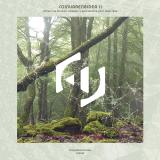
Una interpretación de Soinuarenbidea II debería partir de esta premisa: todo es posible, nada es aleatorio, y en sí mismo es un imposible de aleatoriedades. El escenario planteado explora la idea de realidad aumentada desde una percepción sonora, ambiental y colectiva. La obra transita hacia adelante y hacia atrás recreando experiencias extintas de porvenir incierto, tratando de facilitar un fin pacificador. Cada pieza sonora se crea, se despliega, se repliega y se destruye, en una torsión permanente de toda la realidad que hace posible cada fragmento musical, cada identidad acústica, cada espacio sonoro. Lo onírico, la ficción, y el viaje están continuamente presentes, y es en el transitar de cada fragmento donde se produce el diálogo de la exposición musical. Los elementos de esta ficción se recrean continuamente, en un continuum donde se entrelazan y se van contorsionando a medida que crecen o decrecen con cada fragmento de síntesis concreta. Los temas explícitamente musicales son el magma que conduce a dar voluptuosidad al disco, siendo la piel un contexto o límite que en sí mismo fluctúa indefinidamente en texturas y configuraciones posibles. Y la urdimbre del silencio es la síntesis que está continuamente presente y que trata de cohesionar los fragmentos en continua colisión expresiva. Las grabaciones de campo proporcionan el material sonoro concreto, y como un fractal sonoro cada una de ellas ofrece diferentes grados de interpretación que a su vez conduce a nuevos fragmentos y nuevas creaciones. Así que se puede pensar que esta es una síntesis de una posible realidad, pero interpretable en infinidad de maneras. Un movimiento y una estaticidad implícitas que generan estructuras y dinámicas acústicas. Lo que se escucha no es real, pero en sí mismo forma parte de la realidad, creando un escenario expectante. Lo cinematográfico, plástico y teatral, danzante y dinámico cobra importancia en este juego, porque se trata de contar una historia, una experiencia recreada desde los puntos de vista del arte visual. Es a su vez hilo conductor y entretenimiento, discurso político y puro divertimento. Es desde este espacio de convivencia artística que tiene sentido la totalidad y justifica el formato sonoro planteado. La contradicción de la obra es patente en el formato, y es a su vez el planteamiento de una accidentalidad en el devenir vital. Contenedor de Ruido recoge todas estas contradicciones y las manifiesta en la obra Soinuarenbidea II. Es una historia sonora, es un cuento acústico. Es un fragmento de vitalidad en imágenes audibles. Es una invitación a la reflexión, a la crítica, al disfrute, a la meditación, a la celebración. Y sobre todo es esperanzadora apreciación de la realidad como algo maleable que confeccionamos colectivamente, que requiere de una paciente observación y la participación colectiva global, en un mundo finito pleno de diversidades y del que ignoramos prácticamente todo, al que deberíamos volver con respeto y devoción.
Soinuarenbidea II-ren interpretazio batek premisa honetatik abiatu beharko luke: dena da posible, ezer ez da ausazkoa, eta, berez, ausazkotasun ezinezko bat da. Planteatutako agertokiak errealitate areagotuaren ideia aztertzen du, soinu-, ingurumen- eta talde-pertzepzio batetik abiatuta. Lanak aurrera eta atzera egiten du, etorkizun zalantzagarriko esperientzia desagertuak birsortuz eta helburu baketsua lortzen saiatuz. Soinu-pieza bakoitza sortu, hedatu, tolestu eta suntsitu egiten da, musika-zati bakoitza, identitate akustiko bakoitza eta soinu-espazio bakoitza ahalbidetzen dituen errealitate osoaren etengabeko bihurdura batean. Onirikoa, fikzioa eta bidaia etengabe daude presente, eta pasarte bakoitzaren joan-etorrian gertatzen da musika-erakusketaren elkarrizketa. Fikzio honen elementuak etengabe birsortzen dira, continuum batean, non sintesi zati zehatz bakoitzarekin hazi edo txikitu ahala elkar lotzen eta bihurritzen diren. Esplizituki musikalak diren gaiak diskoari atsegintasuna ematera eramaten duen magma dira, azala testuingurua edo muga izanik, testura eta konfigurazio posibleetan mugarik gabe aldatzen dena. Eta isiltasunaren irazkia etengabe presente dagoen sintesia da, zatiak etengabeko adierazpen-talkan kohesionatzen saiatzen dena. Landa-grabazioek soinu-material zehatza ematen dute, eta soinu-fraktal batek bezala, horietako bakoitzak interpretazio-maila desberdinak eskaintzen ditu, eta horrek, aldi berean, zati eta sorkuntza berrietara eramaten du. Beraz, pentsa daiteke errealitate posible baten sintesia dela, baina hamaika modutan interpreta daitekeena. Egitura eta dinamika akustikoak sortzen dituzten mugimendu eta estatikotasun inplizitu bat. Entzuten dena ez da erreala, baina, berez, errealitatearen parte da, eta agertoki espektakularra sortzen du. Zinematografikoak, plastikoak eta antzerkikoak, dantzariak eta dinamikoak garrantzia hartzen dute joko honetan, ikusizko artearen ikuspegitik birsortutako istorio bat, esperientzia bat, kontatzea baita helburua. Aldi berean, hari gidaria eta entretenimendua da, diskurtso politikoa eta dibertimendu hutsa. Elkarbizitzarako espazio artistiko honetatik osotasunak zentzua du eta planteatutako soinu-formatua justifikatzen du. Obraren kontraesana nabarmena da formatuan, eta, aldi berean, bizi-bilakaeran istripu-tasa bat planteatzea da. Zarata-edukiontziak kontraesan horiek guztiak jasotzen ditu eta Soinuarenbidea II obran adierazten ditu. Soinu istorio bat da, ipuin akustiko bat. Bizitasun zati bat da, irudi entzungarrietan. Hausnarketarako, kritikarako, gozamenerako, meditaziorako eta ospakizunerako gonbidapena da. Eta, batez ere, itxaropentsua da errealitatea modu kolektiboan egiten dugun gauza xaflakor gisa hautematea, behaketa pazientea eta partaidetza kolektibo globala eskatzen dituena, dibertsitatez betetako mundu mugatu batean, ia guztia kontuan hartzen ez duguna, eta errespetuz eta debozioz itzuli beharko genukeena.
An interpretation of Soinuarenbidea II should start from this premise: everything is possible, nothing is random, and in itself is an impossible randomness. The proposed scenario explores the idea of augmented reality from a sonic, environmental, and collective perception. The work moves back and forth, recreating extinct experiences of an uncertain future, seeking to facilitate a peaceful end. Each sound piece is created, unfolds, retreats, and is destroyed, in a permanent twisting of all reality that makes each musical fragment, each acoustic identity, each sonic space possible. The dreamlike, the fictional, and the journey are continually present, and it is in the transit of each fragment that the dialogue of the musical exposition takes place. The elements of this fiction are continually recreated, in a continuum where they intertwine and contort as they grow or diminish with each fragment of concrete synthesis. The explicitly musical themes are the magma that leads to the work's voluptuousness, the skin being a context or boundary that in itself fluctuates indefinitely in possible textures and configurations. And the warp of silence is the synthesis that is continually present and seeks to unite the fragments in a continuous expressive collision. The field recordings provide the concrete sound material, and like a sonic fractal, each one offers different degrees of interpretation that in turn lead to new fragments and new creations. So one can think of this as a synthesis of a possible reality, but interpretable in an infinite number of ways. An implicit movement and staticity that generate acoustic structures and dynamics. What is heard is not real, but in itself is part of reality, creating an expectant scenario. The cinematic, plastic and theatrical, dance and dynamic aspects take on importance in this game, because it is about telling a story, an experience recreated from the perspective of visual art. It is at once a common thread and entertainment, political discourse and pure entertainment. It is from this space of artistic coexistence that the whole makes sense and justifies the proposed sound format. The contradiction of the work is evident in its format, and it is, in turn, the presentation of an accidentality in the course of life. Noise Container gathers all these contradictions and manifests them in the work Soinuarenbidea II. It is a sound story, an acoustic tale. It is a fragment of vitality in audible images. It is an invitation to reflection, to critique, to enjoyment, to meditation, to celebration. And above all, it is a hopeful appreciation of reality as something malleable that we collectively craft, requiring patient observation and global collective participation, in a finite world full of diversity and of which we know practically nothing, to which we should return with respect and devotion.
Paisajes sonoros, diseño sonoro, drones y música grabada, realizada y arreglada para Contenedor de Ruido por David Aranaz. Coro: Basandere Ahotsak. Producido y mezclado por David Aranaz. Mástering: Estanis Elorza. Fotografía: David Aranaz. Texto: David Aranaz. Traducción: Saioa Aranaz Oreja. Trabajo y Diseño artístico: Cristina Martinez. Edición: Contenedor de Ruido Producciones y Sarbide Music. Distribución: Contenedor de Ruido.
Contenedor de Ruido agradece el apoyo en la realización de Soinuarenbidea II al coro Basandere Ahotsak y en especial a Eva Orbara Goicoa.
Soinuarenbidea II está dedicado al pueblo palestino.
Paisajes y objetos Sonoros, samplers y otras músicas transformadas para Soinuarenbidea II
Burlada: Paseos sonoros matinales por Merindad de Sangüesa, Calle Mayor, Capuchinas, Parque Uranga y varias iglesias y plazas. Pasajes del cotidiano: basura de papel, cristal y plástico.
Pamplona: Cementerio de San José. CEIP Sanduzelai /// Quinto Real: Fábrica de Armas, Puerto de Urkiaga y alrededores. Suite del silencio, bosques en movimiento /// Fábrica de armas de Orbaiceta: regatas, biosques, paseo sonoro hasta regata /// Belate: Puerto de Belate y alrededores. Vacas en pradera junto a las turberas /// Bardenas Reales: Suite de guitarra y Suite del silencio, estepa desértica /// Austria: Tranvías de Graz y Viena. Muchedumbre del metro de Viena.
Voces cinematográficas de: Matanza en Texas, Robocop, Espíritu Sagrado, Solo los Amantes Sobreviven, Voces de Gaza, Yojimbo, Terciopelo Azul, Los 7 Magníficos.
La pista A2 está dedicada a la memoria de David Lynch.
La pista B4 está dedicada a Eva Orbara Goicoa.
Pista A4: Contiene interpretaciones de piano de Three Piano Pieces Op.11 de Arnold Schoenberg.
Pista A5: Es una interpretación expandida con síntesis FM del Concerto Op. 24 - Etwas lebhaft - de Anton Webern.
Pista A7: Contiene la canción Besarkatu ninduzun (Letra de Josune López y música de Josu Elberdin) en interpretación de Basandere Ahotsak en la iglesia de Burutain bajo la tormenta.
Pista B2: Contiene la canción Recuerdos de la Alhambra (Fernando Tárrega) en interpretación torsionada de David Aranaz Sarasa.
Pista B14: Contiene la canción Agur María (Letra y Música de Estíbaliz Robles “Estitxu” y arreglo exclusivo de Alfonso Ortiz para Basandere Ahotsak) en interpretación de Basandere Ahotsak.
Equipamiento para Soinuarenbidea II.
Micros de condensador SE7, configuración XY y ORTF; Micros de cinta ORTIZ LUTHIER configuración XY y Blumlein; Grabadoras MARANTZ y ZOOM; Sintetizadores y samplers Elektron MONOMACHINE SPS-1, MACHINEDRUM SFX6 y MODEL:SAMPLES. Dave Smith MOPHO. Torso Electronics S-4. Sintetizador Modular 333 DIY; Guitarra clásica ALHAMBRA 6P; Esculturas Sonoras tipo Baschet, cristal y metales; Mesa Soundcraft FX16ii; Interface de Audio RME Babyface Pro FS; DAW Logic Pro; Procesamiento de modelado analógico con Acústica Audio, Waves, Softube, Brainworx, Sonible, Analog Obsesion, Tokio Dawn. Metering de Logic y RME DigiCheck . Amplificación Hafler PRO2400. Monitorización BW DM602 S3. Mezcla digital; Mastering híbrido.
'In 2023, sound artist and composer Weston Olencki toured across the American South. Beginning in their hometown in South Carolina, they snaked a circuitous path from the mountains of West Virginia to the banks of the Mississippi River. As the miles accumulated, so did the initial seeds of new work.
'Instruments and artifacts they acquired hitched a ride in the backseat, while songs and sounds filled their portable recorder: water in its various states, the familiar insectoid buzz of those summer nights, trains cutting through the landscape, the traditional music that lived alongside the communities that kept it. Olencki took it all in, and over time, found ways that these experiences coalesced into a bramble-like perspective of time, where past, present, and future intersect in ways both barbed and beautiful.
'Broadsides, Olencki’s newest solo full-length is the multilayered result of this journey. The album follows their landmark release Old Time Music from 2022, which presented radical interpretations of traditional tunes from Appalachia and throughout the South alongside original compositions that drew significantly on archival recordings. On Broadsides, Olencki rejects delineations between the unmoored avant-garde and the rootedness of one’s cultural heritage, revealing their porous and intertwined nature. “My mother was a quilter. Her mother before that,” they write in the album’s liner notes. “Quilting, like music, is a practice of embedding knowledge and remembrance into the very core of the thing you are making. It’s not just about the materials, but how they’re reassembled, recontextualized, stitched, woven to form new patterns - the minutiae of craft holding significance to those looking to find it. Stories woven from stories, never told the same way twice.”
'Like all great road trips, Broadsides unfolds slowly and continuously, with moments of dramatic reverie punctuating the endless melt of highway in the rearview. We’re immediately confronted by the uncanniness of revisiting old haunts, as Southern storms break through the initial churn of the freight locomotives of Alabama. Olencki’s interpretation of the bluegrass standard “Foggy Mountain Breakdown” captures the euphoria of melancholy in motion. The permutational plucks of banjo are bounced around the frame by a computer, its pitches determined within algorithmic sequences and transcriptions of classic three-finger licks. The tonalities of old-time are smeared and stretched until all that’s audible is the insistence that Heaven might be real.
'In the album’s second half, “Omie Wise,” a murder ballad made famous by Doc Watson, follows an interlude recorded on the river in North Carolina in which the titular character’s body was laid. Ghostly echoes of a dozen other renditions float through the substrata as Tongue Depressor’s Henry Birdsey accompanies them on the pedal steel guitar. The album’s central composition, “all my father’s clocks,” is a profound meditation on entropy and impermanence. The sound of their father’s extensive clock collection ticks away as Olencki pulls a bow across the length of an autoharp sourced from a rural strip mall. The instrument was left as detuned as it was found, the resonance of its deep bass drone and clanging high-end the result of years of neglect and the warping effects of Southern humidity.
'Historically, broadsides were an early form of broadcasting, an often- musicalized telling of current news pasted in the public square. The name was later taken up by Sis Cunningham and Gordon Friesen in the 1960s, whose Broadside magazine published songs and social commentary when American folk music resurfaced as an urgent way of communicating the multifaceted politics of its time.
'Olencki borrows the phrase to recall both this old form of songmaking and that later prominent reexamination of traditional music’s role in modern life, but also to draw attention to the fragmented and machine- mediated way heritage is diffused in this very different, but no less pivotal, moment.
'As a sanitized past is used as justification for current violence and domination, we can turn to these artifacts to better understand the history of ourselves, but only if they are consciously pushed to evolve. Broadsides represents one personal, striking vision of what far-flung futurisms could be respun from = these high, lonesome sounds: a reflection of the unbridled joy and deep sorrow inherent to living together through time, and a desire to push further into the untold and unknown.'
*Cover Picture: Pauline Oliveros
Practitioner, educator, DJ, and researcher, Femke Dekker (also known as Loma Doom) has long been immersed in both sound and education. Across lecture halls, archives, festivals, art galleries, independent radio stations, and dance floors, she orbits a central question: What if listening itself were an artistic practice? What might unfold when listening becomes method, medium, and material?
Open Field Listening takes shape around these ideas. Presented as a collaboration between Page Not Found—an artist-run platform dedicated to publishing and experimental practices—and the record label Osàre! Editions, the text originates from Dekker’s graduation thesis for the Master Education in Arts at the Piet Zwart Institute, Rotterdam.
There, she honed her skills as a pedagogue, inviting students into improvisational jam sessions, radio-making, and exercises that activate new modes of attention and a heightened sense of sonic curiosity.
Drawing on the work of scholars and artists—most notably Pauline Oliveros—Dekker approaches listening as a call to action: a way of tuning into one’s surroundings, one’s body, and the urgencies that contour our political and social worlds. She emphasizes the radical potential of reorienting knowledge toward collective attunement: the we rather than the I (or the eye). Inspired by Oliveros’s concept of Deep Listening—a way of expanding awareness through focused, embodied perception—Dekker acknowledges the composer as a foundational feminist figure whose insights continue to reverberate through the classroom, the studio, and beyond.
~~~
Page Not Found kindly thanks Mondriaan Fonds and the Municipality of The Hague for their generous support. Page Not Found is a centre for artistic and independent publishing, approaching these practices as vital, collaborative forms of cultural exchange.
Osàre! Editions is a music label founded by Elena Colombi. With a passion for diverse and experimental sounds, Osàre! Editions showcases unique artists and performers from around the world.
After a few previous edits here and there, the two outsiders are back to add another stop to their endless journey through worldwide funky sounds. Deep disco, Boogie with a capital B (as in Bass or Beat — take your pick), breezy modern soul with an AOR touch, or hypnotic Afrobeat — the purpose of this four-tracker is simple: to bring some heat to any dance floor. Groove is in the heart (of Africa), as somebody once said.
- Then A Valley
- Graze The Bell
- No Deeper
- Offering
- Will We Be There
- All This Has To Give
- Rush Creek
- Being Flowers
0747742387647[30,88 €]
"Graze the Bell" ist eine Sammlung von bewegenden, faszinierenden Solo-Klavierstücken und das bisher reinste Werk von David Moore. Bekannt für seine atmosphärischen Kompositionen mit Bing & Ruth sowie seine Zusammenarbeit mit dem Gitarristen Steve Gunn und Cowboy Sadness, ist dies Moores erstes weit verbreitetes Solo-Klavieralbum. Wie das Albumcover - ein Foto, das Moore von Hand bestickt hat - abstrahiert die Musik persönliche Erfahrungen zu transzendenten Eindrücken. Moore nutzt sein Klavier, um meditativ die Conditio Humana zu erforschen, und macht "Graze the Bell" zu einem Zufluchtsort des Klangs. Im Laufe ihrer zahlreichen Veröffentlichungen haben Bing & Ruth häufig ihre Form und ihren Sound verändert, sich zu einer fünfzehnköpfigen Gruppe entwickelt und sind schließlich zu einer Trio-Konfiguration gelangt. Ihr jüngstes Album ,Species" stellte Moores Farfisa-Spiel in den Vordergrund, während eine nachfolgende EP mit dem gleichen Namen seine Solointerpretationen des Albums enthielt. Dieser lange Prozess der Destillation konzentrierte sich stets auf Moores Kompositionen für das Klavier und sein Verständnis davon. Nach zwei Jahrzehnten gefeierter Ensemblearbeit ist das Erscheinen von ,Graze the Bell" ein Moment, in dem sich der Kreis schließt, eine Heimkehr - nicht einfach zu einem Ort oder einer Zeit, sondern zu einem leuchtenden Zentrum, das beides übersteigt. Einige der Stücke auf ,Graze the Bell" waren ursprünglich für ein Album von Bing & Ruth geplant, wurden aber schließlich als Soloprojekt neu konzipiert. Moore nutzte nur das Klavier und versuchte, die bewährten Methoden, die er im Laufe der Jahre entwickelt hatte, weiter auszubauen. ,Ich möchte mich weiterentwickeln", sagt er, ,und dogmatische Denkweisen hinterfragen." Er öffnete sich aktiv für Experimente und suchte nach einer tieferen Präsenz in seinem Spiel, wobei er seine Beziehung zum Klavier und zum Leben neu bewertete. Moores Musik basiert zwar auf komponierten Noten und schöpft aus Lebenserfahrungen, doch die Quelle seiner Inspiration bleibt eher unbeschreiblich. Indem er Letzteres bewusst pflegte, entwickelte er eine natürliche Fähigkeit, sich in einen tranceähnlichen Zustand zu versetzen. Moore kann sich mit dieser Absicht hinsetzen und ist ,innerhalb weniger Sekunden" ,vollkommen dort". Von der ersten bis zur letzten Note basiert das Album auf dem atemberaubenden Klang eines ,bestialischen" Steinway Model D aus Hamburg von 1987. Dies hängt zum Teil mit seinem subtilen Spielstil zusammen, der manchmal an Stille grenzt. Moores anmutige Herangehensweise gibt dem Klang Raum und offenbart Nuancen des Klaviers, die viele Spieler gewöhnlich ignorieren würden. Solche Nuancen wurden während der Aufnahmen des Albums im renommierten Oktaven Audio in Mt. Vernon, New York, gepflegt. Der Klang des Steinway-Flügels des Studios wurde unter der Produktionsleitung des Grammy-Gewinners Ben Kane mit Unterstützung von Owen Mulholland lebhaft eingefangen. Um Moores experimentellen Ansatz zu unterstreichen, setzten sie Pitch-Correcting-Software kreativ ein, um die verschiedenen Register des Klangprofils des Klaviers zu orchestrieren. Der Ausdruck ,graze the bell" (die Glocke streifen) kam Moore vor Jahren aus heiterem Himmel in den Sinn. Er fand ihn poetisch und blieb ihm im Gedächtnis haften. Moore, der lange Zeit daran geglaubt hatte, dass das Leben eine Reise ist, an deren Ende man etwas erreicht oder ankommt, und dies zunehmend in Frage gestellt hatte, fand zunehmend mehr Sicherheit darin, einfach da zu sein, wo er ist. ,Es gibt keinen Gipfel - und keinen Weg dorthin", schreibt er. ,Nur die Hoffnung, dass wir, wenn wir Glück haben, gelegentlich die Glocke streifen." Und diese Erkenntnis hat er in sein Klavierspiel einfließen lassen. Mit diesem Album hat er sich bewusst dafür entschieden, Eigenheiten, sowohl seine eigenen als auch die des Instruments, voll und ganz anzunehmen. Anmut, subtile Klänge, rohe Gesten und glückliche Zufälle werden hier geschätzt. Die Stickerei auf dem Cover zeigt seine Frau beim Drachensteigen an der Küste von North Carolina. Sie wurde während der Abmischung des Albums über zehn Monate hinweg methodisch mit Kreuzstich gestickt, und viele persönliche Lebensereignisse - traurige und hoffnungsvolle - sind in seine Handwerkskunst eingewoben. Da Moore selbst mit einer bipolaren Störung zu kämpfen hat, dienten sowohl das Album als auch die Stickerei als kathartische Mittel der Meditation für ihn. Moores Klavierspiel enthält eine versteckte Karte persönlicher Erfahrungen, die bezaubernde Wiederholung seiner Melodien navigiert seinen Weg und unseren durch die Skalen des Raums. Moores Musik weckt verborgene Gefühle, erweckt uns und erinnert uns an unser gemeinsames Zentrum. In einer Zeit, in der unsere Menschlichkeit regelmäßig abgelenkt und beeinträchtigt wird, lässt ,Graze the Bell" das Herz erklingen, das wir als unser wahres Zuhause kennen. David Moores "Graze the Bell" wird über RVNG Intl. veröffentlicht - eine spirituelle Heimkehr, wenn man so will.
- 1: Conversations
- 2: Ewe (Ay-Way)
- 3: Deep Felix
- 4: Reduction
- 5: Go Go Gadget
- 6: Joshua Johnson
- 7: Galaxe Interlude
- 8: Beastie
- 9: Jungle Boogie-In
- 10: Ja-Make-Ya Dance
- 11: Frogger
- 12: Can't Get Right
- 13: Thing Of Gold
From the visionary minds of Snarky Puppy’s Robert “Sput” Searight and Nate Werth, Ghost-Note’s explosive debut "Fortified" finally arrives on vinyl. This percussive tour de force seamlessly fuses funk, hip-hop, jazz and world rhythms into a captivating journey of rhythm and groove.
Featuring an all-star lineup of iconic players—including Shaun Martin, Mark Lettieri, and the legendary MonoNeon—this album is packed with tight grooves, deep tribal pulses, searing horn lines, and fearless synth wizardry.
More than just an album, Ghost-Note’s debut "Fortified" bridges classic funk traditions with cutting-edge jazz innovation. It’s a celebration of rhythm, culture, and community. Whether you drop the needle to ignite the dance floor or to get lost in its rich, layered textures, this LP is destined to become a crate-digger’s gem and a cornerstone for fans of modern funk-jazz.
Blue Yolk Vinyl
Ihr 2025 erscheinendes Album »The Darkest Place I've Ever Been« verspricht schon im Voraus, ihr bisher ehrgeizigstes und persönlichstes Projekt zu werden. Es taucht tiefer in die Selbstbeobachtung ein und behält dabei die rohe Intensität bei, die die Fans lieben gelernt haben. Mit unermüdlichen Tourneen über Kontinente und Auftritten bei großen Festivals haben sich Landmvrks einen Ruf für ihre rasanten Live- Shows aufgebaut, die das Publikum atemlos zurücklassen. Während sie sich auf dieses nächste Kapitel vorbereiten, beweisen sie weiterhin, warum sie eine treibende Kraft im modernen Metalcore sind, und führen ihr Genre in mutiges und unerforschtes Terrain.
We Jazz Records continues their 7" series with a new release by Oaagaada, a fresh quartet from the rural parts of Southern Finland. "Oag-ada / A Swimming Trip" appears on 30 October and presents the band's ability to create fiery and flowing jazz music with strong avantgarde leanings. Think Art Ensemble Of Chicago on their groovy mode and add a strong DIY mentality, four people in a room creating music in the now. The lows are low and the highs are high, with the trumpet firmly on the red, adding just the right amount of blurriness into the picture. Perhaps it's not "lo-fi jazz" per se, but rather music which is more concerned with other things than the cleanest of hi-fi imagery. This is "real jazz for real people".
The quartet includes Tuure Tammi (trumpet), Sami Pekkola (sax), Tero Kemppainen (bass) and Simo Laihonen (drums). Laihonen has recently appeared on We Jazz Records with Stanley J. Zappa and previously with Black Motor, and more Oaagaada can be heard on the recent "We Jazz Live Plates" album "Lonna 2019".
True to We Jazz style, the 7" single comes with old school heat-pressed labels and a plain brown paper sleeve.
Helsinki bassist Antti Lötjönen follows up his 2020 We Jazz Records debut LP with a new 7" introducing a fresh version of key album cut "Erzeben Strasse" and throws in a wild treatment by Petter Eldh's Koma Saxo on the flipside. "Erzeben Strasse" presents Lötjönen's Quintet East lineup in fine form, swinging steadily but also adding enough sideways movement to blur the lines just a little bit. The band features a stellar Finnish cast in Lötjönen (bass), Verneri Pohjola (trumpet), Mikko Innanen (baritone sax), Jussi Kannaste (tenor sax) and Joonas Riippa (drums).
The Koma Saxo treatment of the track, dubbed here as "Erzeben Koma" is full of fire. Uplifting, a bit hectic, beat-driven and jubilant, Eldh's band of brothers double the ensemble heard on Side A, both sampling and adding new recording into the mix. The entire Koma Saxo live band is featured here: Eldh (bass/production), Otis Sandsjö (tenor sax), Jonas Kullhammar (tenor sax), Innanen (alto sax) and Christian Lillinger (drums). The modern sound of Helsinki meet Mauerpark Liquid Jazz.
We Jazz Records is delighted to present the first ever vinyl release for two modern classic tracks by Swedish organist Eric Malmberg. Originally released in 2007 by the label Häpna on Malmberg's second solo album "Verklighet & Beat", the pair of tunes herein serve as proof of Malmberg's remarkable artistic vision, echoing both the pure pastoral beauty and the irresistible groove of his work. This release, part of the ongoing 7" series by We Jazz Records, follows the label's Artistic Director Matti Nives's 10+ years of obsession with the aforementioned Malmberg album after an initial chance encounter with the side A track on a WIRE Magazine compilation in 2007.
"Eric Malmberg's music is a small miracle. I don't want to call him a genius, because I don't want to jinx him. But I will say that he's a complete original, in addition to being a vastly talented musician. I will also say that his recordings and the two performances that I saw by Sagor & Swing merit a place on a short list of most enjoyed musical experiences of the last half decade. I could bleat about the quality of the work, but "most enjoyed" to me carries the stronger charge." – David Grubbs, New York, March 2007
"A special mention needs to go out to the phenomenal and totally bonkers 'Till minne av Lilly Lindström' a track which starts with a clean break, builds into dancefloor abusing Hammond-hammering mayhem and then ends up with lush string orchestrations and disco-lite sweeps. Insane and more enjoyable than you could possibly imagine - an album to totally lose yourself in, and one for anyone looking for something just that little different. Huge recommendation." – Boomkat
- A1: Feuer Und Eis
- A2: Valkyrensturm
- A3: Berserker Feat. Asenblut
- A4: Freie Vögel
- A5: Bei Vollmond
- A6: Zwielichtkarneval
- A7: Walpurgisnacht
- A8: Freya Feat. Nissara
- A9: Der Stete Tropfen
- A10: In Odins Goldener Hall
- A11: Götterdämmerung
- A12: Ein Goldener Morgen
SAGENBRINGER weaves fantasy and emotion, joy and sorrow into the 12 stories on ‘Zwischen den Welten’ (Between Worlds) through words and sound. All of this is packaged in a modern musical guise that has been forged from folk and metal elements into a hot iron. Stories are everywhere. They are countless and come from all corners of the worlds we know and don't know. But they always manage to stimulate the mind, touch the heart or send the soul on a journey. This is the calling of SAGENBRINGER: to spread these stories and not let them fall into oblivion. After establishing themselves in the German folk and pagan scene with their first two albums, ‘Sagenbringer’ and ‘Zeit der Geschichten’, and becoming a recurring name on festival posters across Germany, the young skald troupe are now releasing their third studio album on 30 January 2026. Zwischen den Welten (Between Worlds) transports listeners to the most diverse corners of mythology, legends and human emotions.
Was also geschieht, wenn Paris und Havanna aufeinandertreffen? Die beiden Künstler tauchen tief in die kubanische Tradition ein und spielen zugleich mit klassischen Formen. Dabei rufen sie eine Epoche in Erinnerung, die Roberto nur allzu gut kennt – die des frühen 20. Jahrhunderts, als sich spanische klassische Musik und kubanische Rhythmen vermischten und das entstehen ließen, was später Danzón und Danzonete genannt wurde. Fonseca und Segal fügen dem eine Prise Improvisation hinzu – und damit Moderne.
Man sucht diese Musik nicht, und man hört sie auch nicht, um sie zu analysieren – sie kommt zu einem. Ihre Subtilität überrascht, weil sie in Bildern spricht. Das melodische Wechselspiel kitzelt die Wahrnehmung, zieht einen in die Außenwelt und umhüllt einen, während es zugleich im Inneren weiterlebt. Es ist eine Welt aus Echos und Erinnerungen, ein Wirbel aus Ideen und Gefühlen, die sich ständig erneuern und immer neue Bedeutungen finden.
In einer Zeit, in der künstliche Intelligenz allgegenwärtig scheint – sowohl in der Musikindustrie als auch in unserem Alltag –, erinnert uns diese Musik daran, dass das Geheimnis nicht darin liegt, zu kontrollieren, hinzuzufügen oder die Schöpfung für sich zu beanspruchen, sondern vielmehr darin, zu dekonstruieren, wegzulassen und Raum für Klarheit zu schaffen. Das Geheimnis besteht darin, den kreativen Prozess zu seinem Wesenskern zurückzuführen – Nuit Parisienne à La Havane tut genau das. Es ist ein Album, das nicht um unsere Aufmerksamkeit bittet, keine Rezensionen erwartet und keine Analyse einfordert. Es will gefühlt werden – vielleicht sogar betrachtet – wie eine Abfolge von elf Kurzfilmen, die sich vor unseren Augen entfalten. Es liegt an uns, die Bilder in unserem Geist schweben zu lassen, sie aufzunehmen und schließlich wieder verschwinden zu lassen.
Diese fünftägige Improvisationssession führt uns durch höchst unterschiedliche Genres: von kubanischen Rhythmen verschiedener Epochen über französisches Chanson, klassische Musik, afrikanische Rhythmen bis hin zu östlichen Einflüssen. Sie stellt die Frage: Was wäre, wenn auch die Musik mit den großen Herausforderungen der modernen Welt konfrontiert würde?
- A1: Robert Pico - Le Chien Fidèle
- A2: Annie Girardot - La Femme Faux Cils
- A3: Spauv Georges - Je Suis L'état
- A4: Zoé - Zoé
- A5: Jacques Da Sylva - Fou
- A6: Valentin - Je Suis Un Vagabond
- A7: Jacques Malia - Histoire De Gitan
- A8: Bernard Jamet - Raison Legale
- B1: Jean-Pierre Lebort - Barbara Au Chapeau Rose
- B2: Les Concentrés - Fils De Dégénérés
- B3: Les Missiles - Publicité
- B4: Hegessipe - Le Credi D'hegessipe
- B5: Marechalement Votre - Ethero Disco
- B6: Mamlouk - Decollez Les
- B7: Mozaique - L'amour Nu
- B8: Jean-Marc Garrigues - Je Dis Non
- B9: Penuel - Astronef 328
The journey through French-speaking pop archives continues with this fifth volume, packed with fuzz, gimmicks, and dissent. Far from the charts, the selected tracks display a great creative freedom, often backed by corrosive humor. Welcome to the surprising, kaleidoscopic, and colorful world of the late sixties and early seventies, Wizzz!
Born in Montauban, Robert Pico stumbled into music by chance when he met René Vaneste, then artistic director at Pathé-Marconi. René brought him to Paris to record his first 45 RPM EP in 1964. A year later, Pierre Perret introduced him to Vogue, where he recorded his second album with Claude Nougaro’s orchestra. Sylvie Vartan then introduced him to RCA, where he recorded four singles, including the astonishing "Chien Fidèle," a track backed by a hair-rising fuzz guitar. Alongside his solo career, he also composed for other artists like Alain Delon (the song was recorded but remains unreleased), Magali Noël, Bourvil, and Georges Guétary. In the Paris of the sixties, he mingled with Mireille Darc, Elsa Martinelli, Marie Laforêt, France Gall, Françoise Hardy, Petula Clark, Régine, Dani, Serge Gainsbourg, Joe Dassin, Franck Fernandel, Charles Level, and Roland Vincent. Despite his efforts and winning a Grand Prix Sacem for his final record, Robert Pico didn’t achieve the expected success in show business and decided to leave Paris and return to the Southwest, where he devoted himself to writing. He is the author of 23 books (including Delon et Compagnie, Jean-Marc Savary Editions 2025, a memoir about his youth and his many encounters). Today, he is relieved to never have become a celebrity and devotes himself to his work with passion.
In 1969, the Franco-Italian movie Erotissimo was released, directed by Gérard Pirès (who later directed Taxi in 1998, written and produced by Luc Besson). This pop comedy features Annie Girardot, Jean Yanne, Francis Blanche, Serge Gainsbourg, Nicole Croisille, Jacques Martin, and Patrick Topaloff. The soundtrack was written by Michel Polnareff and William Sheller, with lyrics by Jean-Lou Dabadie. "La Femme Faux-cils," performed by Annie Girardot. It recounts the feelings of a rich CEO's wife who seeks to develop her sex appeal under the influence of advertisement and magazines. Groovy, sparkling and light, this track, with ITS lush arrangements humorously critiques consumer society and feminine beauty standards.
“Je suis l’Etat” (1967) is the flagship track of the first EP by singer-songwriter Spauv Georges, aka Georges Larriaga, better known as Jim Larriaga (1941-2022). Born into a family of bakers, the young man was initially planning to become a hairdresser when he discovered English-speaking music through Elvis Presley and the Beatles. After this revelation, he decided he would become a songwriter and gave himself five years to succeed. He recorded his first two EP’s independently for RCA under the pseudonym Spauv Georges; meaning “that poor George”, a nickname given to him by the mother of her friend Jean-Pierre Prévotat (future drummer of the Players, Triangle, or Johnny Hallyday). Portraying a depressed and eccentric young man, Spauv Georges created corrosive and amusing songs that didn’t reach a wide audience, despite a TV appearance with Jean-Christophe Averty.
Supported by his loyal friend and fellow songwriter Jean-Max Rivière, Georges Larriaga met the future singer Carlos in the early '70s, then Sylvie Vartan’s assistant. He wrote songs for Carlos, including the popular "La vie est belle," "Y’a des indiens partout," and "La cantine", which went onto become a huge hit in 1972. He also composed for Claude François (“Anne-Marie”, 1971), Charlotte Julian (“Fleur de province”, 1972), helped launch child singer Roméo (who sold 4 million records), and later wrote the hit "Pas besoin d’éducation sexuelle" (1975) for the young Julie Bataille. In 1971, Jim recorded an album for Disc'Az: “L’univers étrange et fou de Jim Larriaga”, which featured pop gems like “La maison de mon père”.
The story of the song "Zoé" began when Pierre Dorsay, artistic director at Vogue Records, asked Swiss singer and musician Pierre Alain to write a song for a new female singer. The inspiration came when he realized that Zoé (the artist's name) was also the name of France's first atomic battery, created in 1948, which consisted of uranium oxide immersed in heavy water! The lyrics reflect a bubbling energy that must be handled with caution, while the instrumentation echoes this atomic theme, notably with the use of a theremin.
Zoé’s career lasted only as long as a single 45 RPM, but it seems Christine Fontane was the vocalist behind this pseudonym, who is known for several EPs, a good "popcorn" album in 1964, and a handful of children’s singles in the '70s. Regardless, the photograph on the cover is of a different girl entirely.
Later, Pierre Alain continued his career, writing songs for himself, Marie Laforêt, Danièle Licari, Alice Dona, Arlette Zola (3rd place in Eurovision 1982), and achieving multiple gold and platinum records in Canada. Also an inventor with several patents, president of the Romande Academy, and head of the French Alliance in Geneva, he now composes atonal music, books, and poetry. Moreover, he is also the host of "Les Mardis de Pierre Alain" at "Le P'tit Music'Hohl" in Geneva.
Filled with oriental choruses and fuzz guitar, "Fou" is from Jacques Da Sylva's only EP released by Vogue in 1967. Despite the quality of this recording, all traces of this singer disappear after this first effort.
Valentin is a baroque pop singer born in Belgium. He is the songwriter and composer of most of the tracks on his three singles released in the late 60s in Canada. A legend says that he reincarnated himself as Jacky Valentin during the 1970s for a rock'n'roll revival career in Belgium, but his older brother sadly debunked this story. Valentin's first two singles were arranged by Claude Rogen, a Parisian session pianist who had come to Canada to promote the song “Mister A Gogo”, a cover of David Bowie’s “Laughing Gnome”, adapted by singer Delphine, his wife at the time. Far from his usual network, Claude Rogen arranged music for Polydor, including the arrangements for “Je suis un vagabond” in 1969, a jerk tune with string arrangements and a furious optimism.
Jacques Malia wrote, composed, and recorded his only 45 EP for Festival in 1966. “Histoire de gitan” is an incredible beat track with bohemian scat that tells the story of a gypsy musician who came to Paris to make it in the Music-Hall, to no avail. The hero of the song and its author probably shared a similar fate, as Jacques Malia faded into anonymity after this remarkable attempt.
Bernard Jamet recorded two EPs for Barclay in the late sixties and co-wrote several songs with Christine Pilzer, Pascal Danel, and prolific songwriters Michel Delancray and Mya Simile. The track “Raison Légale” (1968), his masterpiece, immerses the listener in a courtroom right when a murderer is being judged, with jerk rhythm and free arrangements. A unique, paranoid, judicial, and psychedelic oddity.
Jean-Pierre Lebrot-Millers started his career in show business in 1967 as a singer and songwriter for the Philips label. After three singles, he wrote several songs of a new kind with his friend Pierre Halioche, in the midst of the sexual liberation movement and the democratization of drugs. With provocative lyrics, “Les filles du hasard” and “Barbara au Chapeau Rose” were released on a Philips singles in 1968. The character of Barbara was inspired by a queen of Parisian nightlife during the psychedelic years: model Charlotte Martin, who dated Eric Clapton from 1965 to 1968, then Jimmy Page from 1970 to 1983. Jean-Claude Petit’s arrangements, with a table-filled intro, soul brass, and Hendrixian guitar, emphasize the flamboyance of a hedonistic and sexy character, whose dog is named Junkie because “Junkie est un nom exquis”! The track was recorded live in three takes with a full orchestra.
Upon its release, the record was censored by Europe 1 and RTL due to its references to drug use. Jean-Pierre Lebrot was then banned from the airwaves and later dismissed by his record label. He changed his artist name to Jean-Pierre Millers, while his companion Pierre Halioche became D. Dolby for a new dreamy composition, “Chilla”, which Jean-Pierre produced himself with arrangements by Jean Musy. Once again, the song was immediately censored everywhere. After this setback, he decided to stop singing and started taking on odd jobs to support his Swedish wife and their son until the day he met Jean-Pierre Martin, then production manager at Decca, who had worked with Manu Dibango. Martin offered Jean-Pierre Lebrot-Millers, then employed at Rank Xerox, the position of artistic director at Decca. He accepted and became, a year later, promotion director (radio, press, TV). He worked on Julio Iglesias’s first album for Decca, which became a massive hit and allowed him to meet Claude Carrère. The latter asked him to write new songs and find their performers, much like a “talent scout.” It’s through him that Jean-Pierre discovered Julie Pietri and Corinne Hermès. He composed “Ma Pompadour” for Ringo, Sheila’s husband, and took the microphone again for the syncope hit “Rendez-Vous” in 1982.
That same year, Jean-Pierre Lebrot-Millers tried to release a track for which he had heavily gone into debt: “Si la vie est un cadeau”. Having recorded it in London, he presented it to numerous professionals, all of whom refused to get involved. The same thing happened with Antenne 2 and the Sacem when he proposed the song as France’s entry for Eurovision. He then met Haïm Saban, who was producing cartoon soundtracks and had just launched the Goldorak theme song. Saban, having listened to the song, declared it had the potential to become a hit. He sent Jean-Pierre and Corinne Hermès to meet the CEO of the Luxembourg radio and television network. The latter received them, asked to hear a verse and chorus a cappella in his office, and immediately hired them to represent Luxembourg at Eurovision 1983. They reworked the arrangements and recorded a new version with Haïm Saban as co-producer. The song ended up winning Eurovision 1983, a great comeback for our hero. He continued producing and hung out with the band Nacash in Belgium when a couple came to introduce their daughter for an impromptu audition in a hotel room. The girl sang “Les démons de minuit” while dancing to a radio cassette. Impressed, he had her take singing lessons for a year and composed a song for her (for which he had the melody and title, but no lyrics). This required him to go on the hunt for a lyricist, who ended up being Guy Carlier. They recorded the song, which was initially a ballad, at Bernard Estardy’s CBE studio, and gave the singer a new name: Melody. They showed the song around their industry network without success. Later, Estardy called Jean-Pierre to suggest changing the rhythm and making it pop-rock. Orlando, Dalida’s brother, liked the result and decided to co-produce the track. “Y’a pas que les grands qui rêvent » became a classic hit. The song has since been covered by Juliette Armanet (as a ballad, like the original) and Valentina.
Born into an aristocratic Breton family, Hervé Mettais-Cartier worked as a DJ at Queen Kiss, a nightclub in Poitiers, where he formed the band Les Concentrés with Michel (an actor) and Christian (a radio technician). Together, they created a repertoire of whimsical songs (“Ma bique est morte”, “J’suis un salaud”, “Fils de dégénéré”...) that they performed on stage dressed in white (in homage to “concentrated milk”). They performed at Bliboquet and Olympia in 1968 for the 10th edition of the “Relais de la chanson Française” organized by L’Humanité-Dimanche and Nous les Garçons et les Filles, sponsored by Pepsi Cola. Winners in the author-composer category, alongside Danish singer Dorte, their visibility allowed them to record a 45, and appear on television in Jean-Christophe Averty’s show. The A-side of the disc features Bruno le ravageur, a casatchok dedicated to Bruno Caquatrix, the director of Olympia, nicknamed in the song “Coq Atroce” or “croque-actrices”. The B-side is dedicated to “Fils de dégénéré”, a quirky tribute to Hervé's aristocratic roots, mixing absurdity with sophisticated vocal harmonies.
After Les Concentrés, Hervé Mettais-Cartier formed the duo La Paire et sa Bêtise with his friend Olivier Robert. They performed in Parisian cabarets and toured with Pierre Vassiliu. In the late 1970s, Hervé began a solo career. He recorded two albums for the Motors label in 1978 and 1979, which did not achieve their anticipated success due to lack of promotion. In 1980, he met Bernadette, with whom he started a family and created a “Chansons à voir” (songs to see) show that he performed until his death at the end of 2024.
Publicité comes from the final EP by the Missiles (Ducretet Thomson, 1966), a disc that also includes “La (nouvelle) guerre de cent ans”, featured on Volume 4 of our Wizzz! series. Please refer to the booklet for the story of the band.
“He’s 1.82 meters tall, 28 years old, weighs 135 kg, is black and Belgian”: this is the description of singer Hegesippe on the back of his sole single (Decca, 1967). He appears on the album cover wearing a Greek toga, like a hippie gag – we are at the end of the year 1967. In “Le crédo d’Hegesippe”, this former bodyguard of Antoine and the Charlots plays the delightful card of the thick brute converted to Flower-Power and non-violence, with arrangements by Jean-Daniel Mercier, aka Paul Mille.
“Ethéro-disco” was released on a promotional record for clients of the Maréchal company (Liège, Belgium) for the New Year 1979. Over a funky rhythm, celebrity impersonations (Brigitte Bardot, Jacques Dutronc, Fernandel…) deliver an enigmatic text about pharmaceutical products like ether, bismuth, and aspartate. The track was composed by Dan Sarravah (responsible for Joanna's “Hold-up inusité” featured on Wizzz! Volume 3) and Tony Talado, who was also a singer (one 45 in 1967), songwriter (with over a dozen credits between 1964 and 1985 in various styles from surf music to disco), author (Devenez Végétarien, Dricot Editions, 1985), ad designer, and psychologist.
Décollez-les is on the A-side of Mamlouk's only single, a pseudonym for Marsel Hurten, who is known for his work on several EPs in the late sixties, as well as composing music for Hervé Vilard’s “Capri, c’est fini”, Claude Channes' “La Haine”, Annie Philippe’s “On m’a toujours dit”, and Nancy Holloway’s “Panne de Cœur”.
This strange song, with Afrobeat horns and absurd dialogues between a chef and his kitchen staff, is the result of a collaboration between Marsel Hurten and one of his neighbors, a photographer from Pavillon-sous-Bois (93), where the musician settled after returning from the Algerian War. A music video was shot to promote the record.
Marsel Hurten was born in Tourcoing (59) into a musical family. At a young age, he joined the brass band founded by his grandfather, playing the piston before studying trumpet at the conservatory, as well as teaching himself how to play the guitar. As an orchestra musician, he toured in France, Belgium, Germany, and England. He released a series of solo 45’s between 1965 and 1968 for the DMF and Az labels before stopping recording to focus on working for other artists (Gilles Olivier, Noëlle Cordier…).
“L’amour nu” (Vogue, 1971) is the work of the short-lived Belgian band Mozaïque. The track, written by singer Jacques Albin, closely resembles another of his compositions, “Carré Blanc”, which he recorded in 1969 for Disc’AZ.
Represented by the Lumi Son micro-label based in Marignane (Côte d'Azur), Jean-Marc Garrigues released two 45 RPMs in the late sixties, defending the French jerk sound. The song “Je dis Non” is a short, joyful ode to youth, pop music, and rebellion.
Songwriter and performer Jacques Penuel released three singles. The first one, “Astronef 328” (Fontana, 1969), features a dizzying series of chords punctuated by sound effects, a sci-fi story, and arrangements by Jean-Claude Vannier.
We would like to sincerely thank Pierre Alain, Moon Blaha, Marsel Hurten, Bastien Larriaga, Jean-Pierre Lebrot-Millers, Bernadette Mettais-Cartier, Robert Pico, Olivier Robert, Claude Rogen, Micky Segura.
- A1: Tomaga - Dub Divers
- A2: Zzmmyyhh - Ypy
- A3: Kuzaliwa Upya - Hieroglyphic Being
- A4: Hilal - Tarek Yamani
- A5: Vaguement (Haddadi) - Alan Strani
- B1: And The Ashes Of Our Burning Souls Will Fly Away - Ben Bertrand
- B2: Schein Davon - Conny Frischauf
- B3: Sitt-Il Muhanna - Aya Metwalli
- B4: Zumayyah (Remix) - Joakim
- C1: Yā Mal (Midaf ) - Poul Rovsing Olsen (Archive)
- C2: Zumayyah - Poul Rovsing Olsen (Archive)
- C3: Haddadi - Poul Rovsing Olsen (Archive)
- D1: Bahrï - Poul Rovsing Olsen (Archive)
2LP[24,75 €]
New FLEE publication focused on Arabian Gulf's pearl divers, their culture through their soundscape, traditional songs & rhythms. Including archival recordings and reinterpretations by moderns electronic artists such as Joakim, Tomaga, Ben Bertrand, Conny Frischauf, Hieroglyphic Being .....
Available as 2LP, black vinyls & 2LP+258p book (English & Arabic text) bundle.
The pearls of the Gulf have stoked the imagination and desire of people around the world for centuries, their magnificence matched only by the courage of the divers who found them. This project aims to honor the memory of these valiant free-divers, their culture and their music by the means of a 2XLP compilation with undisclosed original recordings of pearl divers and inspired modern-day compositions by artists like Tomaga, YPY, Ben Betrand, Tarek Yamani or Hieroglyphic Being. Along with that record, a 258 pages long book in Arabic and English is available featuring contributions from regional experts and artists to contextualize the tremendously rich theme that is pearling and its music.
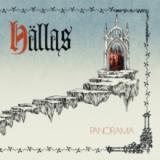
Adventure Rock pioneers Hällas deliver their most ambitious album yet with "Panorama”, released on 2026-01-30. The album both consolidates and expands the image of what the band is, but also what rock can be. This time different perspectives in a scenario are explored regarding whether humanity is capable of understanding a viewpoint other than their own. It reflects our time but is, in typical Hällas fashion, staged in a fictional, distant world.
Hällas' cult following in modern prog and hard rock will find "Panorama" familiar in a way: an imaginative hybrid of progressive 70s rock and heavy metal with echoes of both folk and psychedelia, along with conceptual content. In another sense, you have not quite heard a record like this from Hällas before. The self-confidence has never been as evident. Influences from different directions collide, and sometimes clash, contributing to the feeling that the expected instead culiminates in wonder at what it is you’re hearing.