This amazing performance features songs from her highly acclaimed release
"The Blues Album" in addition to fan favourites and never- before- heard tracks.
This incredible event welcomes Grammy- Nominated Recording Artist and "The
Blues Album" producer Joe Bonamassa as well as Kenny Wayne Shepherd and
Mike Farris as the night's special guests, giving attendees a once- in- a- lifetime
concert experience.
Limited edition 180g blue vinyl with its own unique sticker, includes
specially prepared liner notes by the 'Penguin Guide to Jazz' writer, Brian
Morton
"In a very real sense, Come Fly with Me captures Sinatra at his untouchable
zenith: his manner seductive, his promise romantic, his range of contacts, as the
track titles suggest, genuinely international." - Penguin Guide To Jazz
Fresno is the highly anticipated 6th studio album by Joyce Manor
Produced by Rob Schnapf, this 9 song album is an honest, hard-hitting, post-emo,
power pop masterpiece packed with the elevated writing and earnest delivery
Joyce Manor is loved for.Joyce Manor is a band from Torrance, CA consisting of
Barry Johnson (vocals/ guitar), Chase Knobbe (guitar), Matt Ebert (bass), Neil
Hennessy (new drummer, from The Lawrence Arms). Johnson and Knobbe
started the band in 2008 in the Disneyland parking lot, named after an apartment
complex that Johnson would walk past every day. Joyce Manor made their debut
as an acoustic two-piece. Quickly they learned that playing loud was much more
fun and invited friends to join the lineup. The band has released five studio
albums; Joyce Manor (2011), Of All Things I Will Soon Grow Tired (2012), Never
Hungover Again (2014), Cody (2016), and Million Dollars to Kill Me (2018).
Joyce Manor has toured extensively and their live show has been the driver
behind the band's success. They have made festival appearances at FYF Fest,
Coachella, Riot Fest and since the release of their last studio album in 2018, the
band has headlined NYC Central Park SummerStage, sold out two nights at the
Palladium in LA, and sold out two matinee show at LA's historic Union Station.
An appealing blast of West Coast new wave, with good songs played with
blistering intensity
The late 1970s and early 1980s were an explosive and exciting period for
music and the local San Francisco music scene was no exception
Jack Casady had been playing constantly from 1965-1972 as Jefferson Airplane,
continuing on as Hot Tuna on through 1977. Hot Tuna took a bit of a break and
SVT was born of this period, and these recordings represent this period so well.
Brian Marnell, Paul Zahl, Bill Gibson, Nick Buck and Jack Casady made some
exciting and somewhat furious music during this time period, bringing back such
memories of all of their live shows
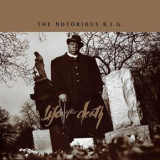
To celebrate the 25th Anniversary on 25th March 2022, the diamond-certified GRAMMY®-nominated double-disc opus will be released as a 25th Anniversary Super Deluxe Box Set on June 10, 2022. The Life After Death 25th Anniversary Super Deluxe Boxed Set consists of 8-LPs and a commemorative booklet featuring rare photos from the album cover shoot, liner notes by Sheldon Pearce, and exclusive reflections from members of the team who worked on the original album release. In addition to the original album, it includes the Hypnotize 12”, Mo Money Mo Problems 12”, Sky’s The Limit 12”, and Nasty Boy 12”.
Life After Death features 112, Jay-Z, Lil’ Kim, Ma$e, Bone Thugs-n-Harmony and Too $hort, along with tracks like “Kick In The Door,” “What’s Beef,” “Notorious Thugs,” “Ten Crack Commandments” and “Sky’s The Limit,”. The album hit #1 on the Billboard 200 chart and the US Top R&B/Hip Hop chart. It went diamond in the U.S. alone, double platinum in Canada, and platinum in the UK. The album received a GRAMMY® nomination in the category of “Best Rap Album.” “Hypnotize” earned a GRAMMY® nomination for “Best Rap Solo Performance,” and “Mo Money Mo Problems” was nominated for “Best Rap Performance by a Duo or Group.” Among dozens of lists and retrospectives, Rolling Stone touted Life After Death among its coveted “The 500 Greatest Albums of All Time.” The RIAA has awarded the album a Diamond Certification for more than 5 million copies sold of the double-LP.
Ted K. Kaczynski is notorious for both tragically murdering three people (and wounding an additional 23) via bombs sent in the mail and for his numerous writings on the evils of technology he composed during his primitive residency in the woods of Montana. Film director Tony Stone's choice to have the renowned electronic artist Blanck Mass score the film is somewhat ironic and creates an obvious tension perfect for the controversial and complex subject matter. 2020 saw the first Blanck Mass movie score, for the soundtrack to Nick Rowland's acclaimed cinematic debut Calm with Horses. This expansion into new areas of melodic composition and textural exploration won Blanck Mass many new fans, with the BBC's acknowledged number one film buff Mark Kermode proclaiming the work the soundtrack of the year. In 2021, Blanck Mass won the prestigious Ivor Novello Award for Best Original Film Score and has firmly established himself at the forefront of the latest wave of experimental soundscape wizards. Recording during lockdown at his studio in Edinburgh, Scotland, Blanck Mass's Ben Power was in the perfect setting for a musical piece intended to capture the isolation central to Kaczynski's story. Power was also working with a director in a time zone 10 hours behind and thus many sessions required working in the middle of the night, which added a fitting intensity to the composition process. He said of the project "I wanted it to feel like an `epic'" and drew on the legends Sergio Leone and Ennio Morricone for inspiration in encapsulating the energy of the perceived good vs. evil. The gentle madness of sound achieved is exquisite and slowly builds in intensity and desperation as the score moves along. Power is able to perfectly capture the complexity, the terror and the deep emotionality of the film while presenting an often breathtakingly beautiful and always masterful album that stands on its own as a work of art. For Fans of Tim Hecker, Oneohtrix Point Never, DJ Shadow, Coil, Arca, Andy Stott, Fuck Buttons.
out of Stock
Last delivered 4 years ago available to reorder, subject to availability
Homemade ambient synth songs that will lead you to a state between deep relaxation and pleasant chemical high. Subtle, sincere, but also strange, Leoni Leoni's music has a powerful attraction and a unique bewitching force. The synthesizers sizzle, the drum machine moves forward sometimes throbbing. Upon it, the Bernese musician and producer sings about life, about love, in their banality and magnificence. With 4 homemade cassettes released since 2019, Leoni Leoni has established herself as a major figure of the Swiss underground. With dozens of concerts across Switzerland and France, she distills to perfection her music in the weirdest places, the craziest parties. A bit of magic, the scent of drugs, the caress of a summer white night... let yourself be carried away.
out of Stock
Last delivered 4 years ago available to reorder, subject to availability
First ever reissue of one of the most sought after titles in the catalogue of Peruvian's label MAG, in high demand not only among Latin music collectors but also among those interested in the most exotic and experimental psychedelic sounds around. - It includes 'Astronautas a Mercurio', a cosmic descarga full of electronic effects, filtered voices and fierce guitars with wah wah and raw distortion, as well as guarachas, cumbias and descargas. - Details: Hugo Macedo was a member of the first sonora in Peru, directed by his brother: the Sonora de Lucho Macedo. His brothers were the singers of the band while he performed as a timbalero. After nine years he founded the Sonora Casino of Hugo Macedo in 1964, later incorporating his wife, Lucía "Pochita" Rivera as a vocalist. "Trompeteros" was released on the Peruvian record label MAG in 1972. Previously, the Sonora Casino had already recorded several albums for Philips since the mid-60s. At the time their repertoire was fed by rhythms such as cha cha cha, bolero, guaracha... Their MAG period would start in 1970 with the album "Pochita y la Sonora Casino de Hugo Macedo" in which Hugo Macedo's wife was granted with an important visual presence on the front cover, with a similar follow-up on "Trompeteros", creating some confusion since vocalist Pachito Nalmy was the actual main singer on the record. The vocalist, who hails from Callao, demonstrates here a great vocal versatility as captured on songs like 'Guajira del amor', with a heavy rhythm that will surely delight boogaloo lovers, or the bolero number 'Pasa, pasa', being both songs own compositions of the multitalented Nalmy. Guarachas, descargas and cumbias complete the offering of this fantastic album, one of the strongest tropical LPs in the MAG catalogue. But the real banger here is the almost magical 'Astronauts to Mercury', a cosmic descarga full of electronic effects, filtered voices and fierce guitars with wah wah and raw distortion, closer to the sound of any psychedelic recording than the classic tropical sound of La Sonora Casino, and right next to those elements, an impressive brass section that boosts the intensity of the song to the highest levels. It is not surprising that "Trompeteros" has become in recent years a highly sought-after album not only by Latin music collectors but also by those after the most exotic and experimental psychedelic sounds around... Pablo Iglesias aka DJ Bongohead
out of Stock
Last delivered 4 years ago available to reorder, subject to availability
During the late 2010s, music lovers around the world began obsessively listening to increasingly esoteric albums on Youtube. More often than not, they’d leave the browser on autoplay. This was how Facundo Arena, the composer and producer behind The Kyoto Connection, discovered the technonaturalistic pleasures of Kankyō Ongaku (environmental music), a distinctly Japanese interpretation of European, British and American minimalist composition and ambient music. “It was a kind of algorithmic magic,” he says.
Upload by upload, the utopian music of Hiroshi Yoshimura and his 80s Japanese contemporaries transported Facundo back to his childhood. When he was five, his father placed him in karate lessons and began watching martial arts movies with him. From those early experiences, Facundo became fascinated Japanese history, tradition, and culture, particularly that of Kyoto - the cultural capital of Japan. Kankyō Ongaku reminded him of hearing the sounds of Japanese folkloric instruments as a young boy, and suddenly, the way the influence of Japan had manifested in his music made sense. “I had the sensation that for many years, I’d been doing something similar to the style,” he explains.
Inspired, Facundo used an iPad and an old Akai cassette deck to record Postcards, his homage to Japanese minimalism and Kankyō Ongaku. By this stage, he was twelve years deep with The Kyoto Connection, the musical project he launched in 2005 in his hometown of Buenos Aires, Argentina. Over that late 2000s and 2010s, Facundo, later on joined by collaborators Rodrigo Trado (drums), Jesica Rubino (violin) and Marian Benitez (vocals, now his wife), released numerous D.I.Y albums. Project by project, they followed the threads between 80s synth-pop, ambient, new age, house, techno and acoustic composition.
Postcards introduced The Kyoto Connection to listeners around the world and brought Facundo into our orbit. During Argentina’s covid lockdown, Facundo received a set of soundscapes recorded in Kyoto by the Japanese musician and sound designer Masafumi Komatsu. Over several insular months, he decorated them with synthesisers, samples and subtle rhythms, creating The Kyoto Connection’s next album, The Flower, The Bird and the Mountain to be released via Isle Of Jura offshoot Temples Of Jura.
Ostensibly made up of twelve distinct tracks, listening to The Flower, The Bird and the Mountain feels more akin to spending calm, meditative time in twelve specific environments. Although the foundations they rest on are recordings made in geographic locations around Kyoto, Facundo has yet to visit Japan. As a result, the landscapes he paints sit somewhere between fiction and fact, richly pictorial sonic imagination juxtaposed with echoes of reality. Regardless, as his bubbling melodies and glistening synthesisers glide against Masafumi Komatsu's recordings, Facundo guides us into a blissful zone of tranquillity well worth spending time within.
out of Stock
Last delivered 5 months ago available to reorder, subject to availability
"The dazzling symphonic album he always threatened to produce" UNCUT 5/5
"A soulful symphonic masterpiece" ROLLING STONE
Originally released in Japan only on CD in 2002, Plush's Fed lives up to the cult-like adulation it has garnered ever since. A stunning symphony of Bacharach-inspired pop, Toussaint-swing andMelody Nelson-era-Gainsbourg, it's an album bound together by Liam Hayes' maverick genius, an uncompromising Brian Wilson-esque quest for sonic perfection. Positively indulgent in every way, this sumptuous record has long deserved to be treated to a deluxe vinyl edition. Lovingly overseen by Hayes and recent collaborator Pat Sansone (Wilco/The Autumn Defense), it will finally be available on the format it should've always been, this Record Store Day 2018. Remastered and presented as a double LP - cut specially at 45rpm - it comes housed in a beautiful gatefold jacket with expanded artwork throughout.
Its expansive, singular vision infamously took years to realise, involving Earth Wind & Fire's horn arranger (the legendary Tom Tom MMLXXXIV) amongst other elite personnel. Recorded with five different engineers (including Steve Albini and John McEntire), Hayes meticulously extracted every ounce of pop from each note. A long list of renowned studio ringers (including soul drummer Morris Jennings) and Chicago regulars (McEntire, Rizzo, Parker) among many others provide playing of demonstrably professional precision. As such, Hayes' complex, meandering melodies are rendered far more coherent and satisfying than they otherwise might have appeared, bringing his epic, anguished pop to a rarely seen level of perfection and depth. This unstinting dedication to the overarching vision was rewarded handsomely - artistically, at least.
However, as might have been expected, his deluxe approach resulted in a bill too steep for any American or European label to ultimately support. It has since seemed unlikely that it would see the light of day on either side of the Atlantic. Yet we were determined not to allow Hayes' lifetime achievement to go unnoticed or let music fans across the world miss out on one of the finest albums of this century.
A wide-eyed opus of stunning intensity, Fed oozes Hayes' impeccable influences without ever becoming overwhelmed by them. Incredibly, it touches upon Blaxploitation soul, Boz Scaggs-soft-rock, hints of jazz and blues, timeless baroque and skewed pop. In one long minute, the stabbing, soulful "So Blind" moves through five different melodic segments, horns shift easily from haunting backdrop to explosive forefront, smoothly giving way to strings as Hayes' voice casts its bewitching spell. The ambitious soul of "Having It All" has been described as the diffident cousin of Marvin Gaye's "Save The Children" whilst the breezy "Greyhound Bus Station" is pure 70s AM Gold, evoking the easy warmth of Jimmy Webb's beloved Land's End period. The sublime resignation of "No Education", a beautifully slow number that begins, "Never read a book in my life/ But I feel just fine" is post-rock ballad heaven. Arriving towards the end, the title track arrives as a majestic suite, moving from a horn-and-guitar-led instrumental via shifting melodies to Hayes' compelling vocal bursts.
An album of such brilliance, Fed can comfortably sit alongside such staggering statement pieces as David Bowie's Young Americans, Randy Newman's 12 Songs or Harry Nilsson's Nilsson Schmilsson. Indeed, for all the sprawling elements that went in - lengthy guitar builds, exploding horn sections, solemn strings, female backup chorus - it is a deeply personal and original record. Employing a distinct "more is more" aesthetic, he demonstrates remarkable restraint in producing an album of such intimacy. "My creation has drowned me," he memorably sings on languid opener "Whose Blues", yet he navigates the shifting styles and ideas with enviable ease.
OFFICIAL RE-ISSUE, DONE IN COOPERATION WITH THE FAMILY OF BOBBY COLE !!!
If you lived in New York during the 1950s through the 1990s and liked jazz, you knew about Bobby Cole. He played piano, sang, composed, arranged and, in 1967, released an album of original compositions titled "A Point of View" (Concentric Records). He had fans but avoided becoming mainstream. He stayed contemporary without becoming current. Jazz, folk, rock, modern dance scores…he wrote and performed them all. He smoked too much, drugged too much, drank too much. He was also cerebral, curious, a prodigious reader of poetry, philosophy, theology, and an uncommonly intelligent and literate lyricist.
On a December night in 1996, he had a heart attack while walking to work. An ambulance brought him to New York Hospital where, a few hours later, he died. Bobby Cole performed throughout Manhattan for forty years, but he spent most of the 1960s headlining at Jilly's, the midtown bistro owned by Frank Sinatra and his friend Jilly Rizzo. Sinatra called Bobby "my favorite saloon singer."
Bobby Cole caught the attention of Judy Garland, who visited Jilly's one night in 1964. She was hosting a weekly television show, and in the midst of a feud with her special materials arranger, Mel Torme. Three weeks later, Mel was out, and Bobby was in. He performed on Judy's show with his Trio. Bobby was scarcely 30 years old and it was his first time on television, but he was unruffled, sophisticated, and so damn cool. After Judy's show ended, Bobby occasionally arranged and conducted for her until she died.
Today, Jilly's is called the Russian Samovar and the piano is in the same spot. My husband and I ate there a few years ago. As we enjoyed our meal, I talked about Jilly's in the Sinatra era. Jilly had an apartment on the upper floor. I pointed up to the apartment and the balcony, where Jilly and Frank would sometimes drop water-balloons on unsuspecting pedestrians below. Another story described Jilly's as "tough, and you had to be tough to work there. Bobby Cole was tough. Frank and Jilly used to throw firecrackers at him to see if they could rattle him, but nothing rattled Bobby Cole. He ignored them and kept on playing." In the 1980s, Bobby headlined at a club called the Café Versailles. His daughter sometimes visited with her friends. She recalled that when she and her father would exit the club after work, a panhandler would be waiting for him. Bobby, who fought his own losing battle with the bottle, would slip the guy twenty dollars and wryly admonish him, "Be sure not to spend it on food." The night my husband and I visited the Russian Samovar there was a guy playing piano there, very young, and trying hard. I talked to him a little bit between his numbers about Bobby and the history of Jilly's and he was sweet, but I could tell he didn't care. I felt like one of those old people who bore young people to death with stories about things that happened before they were born – which, let's face it, is what I was. Nonetheless, when we were ready to leave, I put twenty dollars in his tip jar and said, "This is with compliments from Bobby Cole." After we left my husband said I should have added, "Be sure not to spend it on food."
Das wirklich großartige zweite Album von Paul Konopacka, Klaus Hoffmann, Kristian Kühl, König Wilhelmsburg und Jörkk Mechenbier aka Trixsi erscheint am 3. Juni auf Glitterhouse Records und hört auf den bescheidenen Namen:'And You Will Know Us By The Grateful Dead'. It's not a trick. It's just TRIXSI. Wie meinte unser erstes Bandinfo noch gleich? "Der Moment, wenn der Pantomime ein Bein gestellt bekommt und mit dem Gesicht in der Torte des Clowns landet, noch ehe dieser sie werfen kann, dann ist TRIXSI." Irgendwie so ähnlich jedenfalls. Stimmt auch eigentlich, bis auf die Sache mit dem Pantomimen. Dafür sind TRIXSI zu laut. Und die Sache mit dem Clown passt ehrlicherweise auch nur auf diesen Mechenbier, diesen Frontkasper, diese brüllende Bühnenbulette. TRIXSI sind schwer in Worte, aber ansonsten leicht zu fassen. Hier happened nicht mehr und nicht weniger, als der ganz normale Magic, den man mit einer handvoll Freunde in einem Topf namens "Band" eben so anrühren kann. Hier verdichtet sich ein wenig Erfindergeist und viel Auge für das, was bereits vollbracht wurde und Sinn ergab mit einem hohen Maß an Kreativität. Hier werden Reifen plattgestochen, statt den Versuch zu unternehmen, Räder neu zu erfinden. Angst oder Stress hat hier keiner mehr. Bock umso mehr. Freude trieft aus jeder Pore und tropft zu Boden, während die Bandmitglieder synchron den Kopf schütteln: Über den Zustand dieser Welt, das menschliche Miteinander im Allgemeinen und die Musikbranche im Speziellen. Die Band aus Hamburg spielt sowohl mit den funktionalen, antrainierten Momenten ihrer vorherigen, musikalischen Leben, als auch mit der Freiheit, die das Wegfallen von klanglichen und thematischen Konzepten wie HERRENMAGAZIN, FINDUS und LOVE A nun eben möglich macht. Da darf man beim Hören dann plötzlich an WEEZER und die EAGLES denken, während im Proberaum noch immer irgendwelche Punkrockplakate an der Wand hängen. Erlaubt ist, was gefällt. Und hier gefällt man sich untereinander gegenseitig. Einer ruft Prost, alle anderen nicken. Who the fuck is niezuvordagewesen? Wo bei deutschsprachiger Rockmusik der Spaß aufhört, fangen TRIXSI erst an. Und es steht zu befürchten, dass sie noch lange nicht fertig sind. - Jörkk Mechenbier (also ich selber) für die Band.
For the label’s next release, the team at Leng Records has decided to offer-up something a little bit different: a 12” compilation of little-known and hard-to-find Balearic gems selected by friend of the label Paul Beckett.
Plucked from the dusty corners of his collection, the five tracks on show are quietly colourful, tactile and musically rich excursions that effortlessly blur the boundaries between genres and sound terrific blasting from speakers on a humid Mediterranean or Adriatic afternoon.
First up is Ray & John’s languid, subtly disco-tinged ‘Day By Day (Instrumental)’, which originally featured on the flipside of the Italian duo’s sole single from 1984. Rich in rubbery bass guitar, sequenced synth-bass, sharp disco guitar licks, Fairlight stabs, dreamy chords and occasional chanted vocals, it sounds like Please-era Pet Shop Boys reclining at a Rimini pool party after copious amounts of happy pills.
It’s followed by Angel’o’s ‘Angelo’, a turn-of-the-80s gem picked from the band’s long-forgotten album, Dream Machine. Marked out by warming electric piano motifs, squelchy synth-bass and hazy lead vocals, the track successfully mixes krautrock and space rock sounds with the then fresh sound of synth-pop.
Next up is All Trouvee’s ‘Darling’, a thoroughly overlooked 1987 single whose minimalistic sleeve artwork lists each of the now-classic – and then cutting edge – synthesizers used to make the sun-soaked blend of mid-80s synth disco, AOR pop and sunset-ready jazz-funk piano solos.
Equally as impactful is Angel’s ‘Tomorrow Night’, a classic – if little-known – chunk of glossy, laidback synth-pop from 1980 that sounds like something you’d hear on AM radio stations in the early hours of the morning. Its’ sound – all delay-laden Linn drums, synth-horns, Nile Rodgers style guitar licks and echoing lead lines – was actually far sighted for the time but would become more familiar to listeners as synth-pop boomed in the mid 1980s. Those who buy the digital version of the EP will also have access to a longer, club-style mix as well as the short version featured on the 12”.
Rounding off a fine package is ‘Feeling Action’ by Eggs Time, a deliciously warm and woozy chunk of fretless bass-sporting Italian pop/West Coast jazz-rock fusion plucked from a real since of buried treasure: an Italian compilation called – for reasons that aren’t clear – Moby Dick. There’s certainly a tinge of both yacht rock and blue-eyed soul about the track’s gorgeous blend of FM synth sounds, eyes-closed jazz guitar solos, unfussy beats and sweet female lead vocals. It provides a fittingly horizontal finish to a collection packed to the rafters with long-overlooked, sun-baked treats.
out of Stock
Last delivered 2 years ago available to reorder, subject to availability
"Ihr brüllt von Liebe in engen Gewändern / Doch einer wie ich will die Welt noch verändern", singt Andreas Dorau im, zusammen mit Sven Regener verfassten, Hit "Kein Liebeslied". Statt von Liebe, wollte er lieber von anderen Dingen singen, von Wildschweinen ("Schwarze Furchen"), Prozessionen ("40 Frauen") und vom Hinterhaus, aus dem die Leute vorne rauskommen ("Hinterhaus"). Und so geschah es. Acht lange Jahre tüftelte der Maestro an der sogenannten "Wildschwein-Platte". Ihm zur Seite standen dabei Wolfgang Müller, Justus Köhncke, Carsten "Erobique" Meyer, Paul Kominek sowie Andreas und Dorau. So nämlich das Konzept des Albums, die Trennung von Andreas und Dorau. Auf dem Papier ein interessantes Konzept - hier der zarte Songs schreibende Künstler Andreas, dort das Partyanimal Dorau mit der fetten Bassdrum. "IbdEvuB" sollte ein Trennungsalbum der besonderen Art werden. Wie gesagt, auf dem Papier ganz gut, in der Praxis... na ja, ich sag nur "acht Jahre", aber acht Jahre nervenzerfetzende Tüftelei, die sich gelohnt haben. House, Softrock, Disco, Glampop, zusammengefügt zu einem schillernden Ganzen von Andreas und Dorau. Zum Teil in der Garage, zum Teil in den legendären Can-Studios in Weilerswist aufgenommen und produziert. Haben Andreas und Dorau mit "Ich bin der Eine von uns Beiden" die Welt verändert? Vermutlich nicht, aber sie haben ein großartiges, zeitloses, elektronisches Pop-Album erschaffen, welches sich lohnt wiederentdeckt zu werden. Ist doch auch was! Erschien erstmals 2005 auf Mute Enthält Klassiker wie "Kein Liebeslied", "40 Frauen" und "Im September" Endlich als re-mastertes Reissue wieder überall verfügbar
„Watertown“ - das vergessene Sinatra-Meisterwerk!
Auf seinem mutigen Album aus dem Jahr 1970 war Frank Sinatra einmal nicht mit Swing oder Balladen aus dem American Songbook zu hören. Stattdessen schlüpfte er mit zehn Pop-Songs in die ungewöhnliche Rolle eines einfachen Mannes mit Kindern, dessen Frau ihn und die Kleinstadt Watertown verlassen hat.
Als „Watertown“ veröffentlicht wurde, waren weder die Fans noch die Kritiker auf diesen Richtungswechsel vorbereitet, das Album ging unter. Aber mit der Zeit hat es einen immer besseren Ruf gewonnen. 2007 beschrieb The Guardian es als „eines von seinen größten Meisterwerken“. Auf „Watertown“ bewegt sich Sinatra im Pop-Territorium von Kollegen wie Glen Campell oder Neil Diamond. Geschrieben und produziert wurde das Album von Bob Gaudio, einem der vier Mitglieder der legendären Pop-Band The Four Seasons.
Jetzt erscheint „Watertown“ als neu gemischte und remasterte Ausgabe, auf Vinyl in der Original-Albumsequenz und auf CD & digital mit fünf Bonustracks aus der Albumsession, zwei Radiospots sowie dem Titel „Lady Day“, der ursprünglich nicht Teil des „Watertown“-Konzepts war. Ein ausführliches Booklet mit Erinnerungen vieler Beteiligter und seltenen Fotos rundet die Veröffentlichung ab.
The second album from Wehrmacht, “Biermächt” saw the band maturing while still retaining their Thrashcore roots. Released in mid-1988, “Biermächt” featured a slightly cleaner production than the one found on their debut album. To some fans this rendered the album with much less intensity, but to our ears the sound was still very powerful. The massive reverb used on the first album made “Shark Attack” sound like a true shark attack and only added to the overall intensity. This time around the drums are more compressed and some blast beat parts tend to get lost in the overall blur of things. But on the same token, the guitars are much sharper sounding. Marco Zorich and John Duffy were truly evolving as guitar heroes. The thing that is really great and different compared to “Shark Attack” are the funny bit songs. We love them and enjoy them. A lot of the songs on “Biermächt” were leftovers from their demo days, including the phenomenal “Night Of Pain”, one of our all time favorite Thrash songs ever, but newer stuff like “Radical Dissection” and “Balance Of Opinion” showed the band handling a more mainstream Thrash sound somewhere in the middle of a Slayer/Kreator sound and Metallica/Megadeth. There is a certain progressiveness to those songs that hint to a more elaborate musical future. “Biermächt” is a very strong Crossover/Thrash album with a laid back party vibe to it. The sound, however, is very in-your-face. This is not a subtle album by any means. It’s not that they were the funniest bunch around (their side project Spazztic Blurr went a lot further). But Wehrmacht did have their own specific sound (mostly because of the vocals and guitars). Especially after all these years it becomes obvious all Crossover lovers and Thrashers from those days do in fact have this album and hold it dearly. The album has historic importance as well as huge sentimental value. Biermächt is a landmark in eighties Crossover Thrash and should be checked out immediately by all newbies.
Kavinsky is a zombie who came back from the dead after his Testarossa crashed in 1986.
His first song, "Testarossa Autodrive", was an instant success, and was followed by two singles. In 2007, he was chosen by Daft Punk to open their now legendary "Alive" tour.
In 2011, his track "Nightcall", produced with Guy-Manuel de Homem-Christo, became the theme song for the film "Drive", and consequently a worldwide success.
Kavinsky's first album, "Outrun", was released in 2013, followed by a collaboration with The Weeknd on the song "Odd Look".
In 2022, Kavinsky is back with "Reborn", his second album recorded at the famous Motorbass studio in Paris, due March 25th. While recording it, Kavinsky had this special project to record a sequel to his hit song "Nightcall", which after all sounded almost like a movie scene. This sequel would be called "Zenith".
Therefore, like in the original, he composed a duet between a girl and a man, but reversed:
the verse is sung by the woman, the chorus by the man.
Prudence (formerly from the successful duet The Dø) is the female vocalist, Morgan Phalen (who sung with Justice and is the vocalist of the band Diamond Nights) plays the male character along with a special guest: the saxophone.
"Zenith" showcases Kavinsky's romantic side on a muted and futuristic sound.
More Late 70s/early 80s Westcoast Yachtpop you can almost dance to!
Buoyed by the incredible love felt for TSTD Vol. 1 in summer 2014, Berlin's renowned pop archaeologist, that master musical excavator DJ Super-markt, has leapt straight back into the soft-top and been out digging for the lost gems you'll find here on Volume 2. This is another perfect collection of missing-in-action, late-70s/early-80s smooth, singer/songwriter, AOR-paced, yacht-based pop and blue-eyed soul. Every song brims over with that West Coast sunshine, and for Volume 2 we've dug even deeper into obscure corners of LA, London, even Cologne, to create an even more potent soundtrack to that lost world that's somehow always with us. So join us on another sunset trip as we soundtrack summer 2015 in the company of these lost luminaries. Bask in every detail of that glorious over-production, and recall an era when the music industry had the time, money and sheer musical talent to make everything BIG. Pay no mind to the cynics, the cooler-than-thou-erati, or the buzz kills of the sincerity police. These are big tunes that deserve to be hits, even if it's taken 40 years to get there, driving slowly up that winding California coast road in the wonderful warm summer air.
Satiric glam band Steel Panther are known for their ridiculous concepts and hilarious lyrics, in combination with skilful musicianship. Their dedication to the concept caught on quickly and resulted in endless sold-out shows and commercial success. In 2011 they released their second studio album Balls Out, which features guest appearances by Chad Kroeger, Nuno Bettencourt and Dane Cook. Subtlety is not what this album is about, with titles such as “Supersonic Sex Machine”, “It Won’t Suck Itself” and “Let Me Cum In”. The album was even indexed in Germany and is only allowed to be sold to adults after request.
"Zuversicht, Vertrauen, das ist das Thema meiner Platte und ich glaube, jeder kann damit etwas anfangen", sagt die preisgekrönte nigerianisch-deutsche Künstlerin NNEKA über ihr neues Album "Love Supreme", das am 11. Februar 2022 erscheinen wird. Die von der Sunday Times als die neue Lauryn Hill gefeierte Sängerin veröffentlicht ihren ersten Longplayer seit dem vor sechs Jahren auf gleichem Label erschienenem Mini-Album "My Fairy Tales".
Die dreizehn Songs auf "Love Supreme" präsentieren Fortsetzung und Aufbruch zugleich. Während "This Life", die einzige Uptempo-Single des Albums, "About Guilt", "Walk Away" und einige andere mit dem langjährigen Partner Farhot geschrieben und produziert wurden, oder "With You" mit Mounir Maarouf entstand, der für den Großteil von "My Fairy Tales" verantwortlich war, arbeitete sie auch mit dem Berliner Produzenten/Autor Unik ("Tea?") und Klimperboy ("Love Supreme") und BASS-Produktionen ("Maya", "Yahweh") aus Hamburg zusammen. Es wird Zeit für "Love Supreme", denn diese einzigartige Künstlerin war ihrer Zeit immer voraus. Seit 2011, als sie ihr letztes richtiges Album "Soul Is Heavy" veröffentlichte, entstand eine neue Generation afroamerikanischer und afroeuropäischer Künstler, die nach dem Festival mit dem gleichen Namen "Afro-Punk" bezeichnet wurden. Musikalisch eklektisch präsentieren sie sich lässiger und alternativer, nicht nur was Kleidung und Frisuren angeht, sondern auch was Überzeugungen und allgemeines Interesse angeht. Etwas, das Nneka von Anfang an getan hat!
Nneka hat drei vorherige Alben veröffentlicht. Ihre Single Heartbeat aus 2009 brachte ihr einen UK-Top-20-Hit ein und wurde auch von Rita Ora für ihren #1 UK-Hit R.I.P. gesampelt. Sie gewann 2009 einen MOBO für den besten afrikanischen Act und trat in der David Letterman Show und in BETs 106 & Park auf. 2014 trat Nneka der Jury der 4. Staffel von "Nigerian Idol" bei. Nneka hat fast 300 Shows in Europa und über 100 Shows in den USA und Kanada vor über 1.000.000 Zuschauern in über 35 Ländern gespielt.
Die Doppel-LP kommt inkl. Etching und Poster!
Von der Kritik u.a. als 'die größte deutschsprachige Band unserer Tage' bezeichnet, finden sich auf dem neuen Erdmöbel Album Titel wie 'Supermond', 'Bernoulli-Effekt' oder 'Das Vakuum', der Song zum Corinna Harfouch Kinofilm 'Alles in bester Ordnung'.
Musikalisch ein bisschen wie Beatles und Steely Dan. Warme Bässe, feine Arrangements, Streicher und Saxophon. Gut, vertraut, neu.
FBK has been pumping out releases since 1994 as a staple in the midwest. Under aliases The Sleep Engineer (Xplor) and Powerhouse on The Acid Junkies' the Acid Life, he has been a shapeshifter with a steady stream of minimal, pure motorik pulsations that embody that Midwest Freak power. Measured yet transcendently driving - a mind-bending wormhole that weaves dark introspective turns into the unknown, Think For Yourself covers a diaspora of modes for the floor - all while encapsulating the energy of his live sets that we know and love. Topped off with a subterranean remix by undeniable icon Marcel Dettmann - a huge honor to have his name grace this release.
out of Stock
Last delivered 2 years ago available to reorder, subject to availability
The Mankunku Quartet's 1968 album 'Yakhal' Inkomo’ clocks in at just over 30 minutes of jazz perfection. This compact, and to-the-point, album would sit comfortably in amongst some of the best works in the catalogues of any of the quintessential jazz labels such as Blue Note, Prestige and Impulse. 'Yakhal' Inkomo’, however, was originally released on the South African record label World Record Co., which resulted in it becoming an elusive and sought-after piece for jazz collectors. First press copies sometimes fetch as much as £1,000 on the collectors' market. It has been long regarded as one of the finest South African jazz albums and DJ / broadcaster Gilles Peterson cemented this when he included it in his "best of genre" focussed radio show, 'The 20 - South African Jazz'.
Tenor saxophonist Winston "Mankunku" Ngozi recorded the session on 23rd July 1968 at the Manley van Niekerk Studios, in Johannesburg. It was recorded by Dave Challen and produced by Ray Nkwe. The session is built up of two original works by Mankunku on the A-side, 'Yakhal' Inkomo' & 'Dedication (To Daddy Trane and Brother Shorter)', and on the B-side, the Horace Silver composition 'Doodlin', and a John Coltrane number 'Bessie's Blues'. What is striking is how the Mankunku-penned compositions not only hold their own next to Silver and Coltrane but they are, arguably, the better tracks on the record - a testament to the beautiful writing and playing of Mankunku.
'Yakhal' Inkomo' features the great musicians; Agrippa Magwaza on bass, drummer Early Mabuza, and pianist Lionel Pillay. Pillay was of Indian descent, making this a mixed-race group, thus the very recording of the album was an act of resistance as it broke the apartheid restrictions of the time. The title of 'Yakhal’ Inkomo' means “the bellow of the bull”, the Black audience would have understood this as coded community symbolism and an act of protest but it escaped the attention of the white government.
For this edition, we have enlisted the services of Abbey Road Studios mastering, and lacquer-cutting engineer Miles Showell to cut a special half-speed master from the audio taken off the original master tapes. Miles has previously worked on our Arthur Verocai, Marcos Valle and Ian Carr re-issues, and once again we are blown away by the richness and clarity of Miles' work. We have also presented it as a replica copy using the cover artwork and labels from the primary World Record Co. original version.
On the sleeve notes, Ray Nkwe the producer and the President of the Jazz Appreciation Society of South Africa writes "This is the LP that every jazz fan has been waiting for" and Ray was not wrong, it's a stone-cold timeless jazz classic.
• Half-speed mastering at Abbey Road Studios
• Repressed with an OBI strip as well as a deluxe tip-on sleeve
• One of the finest South African jazz albums
• "This is the LP that every jazz fan has been waiting for" Ray Nkwe
Das vierzehnte Studioalbum der Alternative Country/Southern Rock Band aus Athens, GA zollt jener gleichnamigen Honky-Tonk Bar in Muscle Shoals, AL Tribut, in der Gründungsmitglieder Patterson Hood und Mike Cooley ihre Anfänge hatten und markiert eine deutliche Abkehr von den pointierten Kommentaren von The Unraveling und The New OK (beide 2020 veröffentlicht). Produziert von Langzeit-Kollaborateur David Barbe und live aufgenommen im Sommer 2021 in seinem Studio in Athens, GA, war Welcome 2 Club XIII nach nur drei Tagen auch schon eingespielt. Umso bemerkenswerter, hatte die Band doch eigentlich gar nicht die Absicht, ein neues Album zu machen. Gäste wie Margo Price, Mike Mills von R.E.M. und die in Mississippi aufgewachsene Singer/Songwriterin Schaefer Llana steuerten Background Vocals bei.
Picture yourself cruising around Tuscany in an Alfa Romeo, stopping off at the localpizza joint, spending the night playing snooker next to the swimming pool. PyschoWeazel take us straight back to the 80s with their vintage synths and hair spray hairstyle with the “BIANCO&ROSSO EPs”. Put on your nicest shirt, put your sunglasseson, get your pair of santiagos out, it’s your time to shine on the dancefloor!At the very edge of good taste, always with a pinch of fun and self-mockery, these sixtracks sound like the future of hedonist club music, 2022 style.These two EPs are a bit like both sides of the same coin. They include influencesthat shaped the duo’ssound: indie-Dance, Italo-disco, Cold Wave and EBM. PsychoWeazel used production techniques popular in the 80s: arpeggios, cowbells, snarerolls, re-claiming ear-catching melodies from that era and offering it with their freshand polished sound.
out of Stock
Last delivered 2 years ago available to reorder, subject to availability
Kavinsky is a zombie who came back from the dead after his Testarossa crashed in 1986.
His first song, "Testarossa Autodrive", was an instant success, and was followed by two singles. In 2007, he was chosen by Daft Punk to open their now legendary "Alive" tour.
In 2011, his track "Nightcall", produced with Guy-Manuel de Homem-Christo, became the theme song for the film "Drive", and consequently a worldwide success.
Kavinsky's first album, "Outrun", was released in 2013, followed by a collaboration with The Weeknd on the song "Odd Look".
In 2022, Kavinsky is back with "Reborn", his second album recorded at the famous Motorbass studio in Paris, due March 25th. "Renegade" which was recorded in collaboration with Victor Le Masne and Gaspard Augé (half of Justice) reinvents the French producer’s unique recipe: dark mood but with a thunderous groove. With a vocal assistance from Cautious Clay, « Renegade » announces one of this years’ most anticipated comebacks.
Souverän gemastert und grafisch neu aufgebrezelt, ist 'The Schlechtst Of' als erste von 10 Vinyl-Leckerlies für die ganze Welt verfügbar!
Knorkator 1997. Die Herren Alf Ator, Stumpen und Buzz Dee haben einige Konzerte gespielt und wollen nun ihre erste Platte machen. Alle Majors wenden sich ab, weil sie mit 'so etwas' nichts zu tun haben wollen. Kurz darauf winkt Herr Rodrigo Gonzales die Drei in sein Studio und schwuppdiwupp sind ungeschliffene Punk-Perlen, faszinierende Klassikwerke, oder technoide Industrialkracher auf CD gebannt. Sympathische Anarchie als Debut.
"Big Time" entstand mit einem Peitschenhieb in den seltenen, fruchtbaren Momenten, in denen sowohl frische Trauer als auch frische Liebe gleichzeitig auftreten, in denen sich Kummer und Verliebtheit gegenseitig verstärken, verkomplizieren und erklären. Verlust ist schon immer ein Thema in Olsens Songs gewesen, aber nur wenige können Elegien mit einer derart rücksichtslosen Energie schreiben, wie sie. Wenn diese aus allen Nähten platzende, bergab rasende Energie für ihre Arbeit unüberwindbar schien, beweist "Big Time", dass Olsen jetzt von einem verwurzelteren Ort der Klarheit aus schreibt. Dabei arbeitet sie mit einer elastischen Beherrschung ihrer Stimme - sowohl klanglich als auch künstlerisch. In diesen Liedern geht es nicht nur um die Transformation von Trauer, sondern auch darum, Freiheit und Freude in den Entbehrungen zu finden, die diese mit sich bringen. "Big Time" ist ein Album über die expansive Kraft der neuen Liebe, geschrieben in der Zeit, als Angel Olsen sich als queer outete und ihre ersten Erfahrungen mit queerer Liebe und Herzschmerz machte. Aber dieser Glanz und Optimismus wird durch ein tiefes und vielschichtiges Gefühl von Verlust gemildert. Während Olsens Prozess der Auseinandersetzung mit ihrem Queer-Sein und der Konfrontation mit den Traumata, die sie davon abgehalten hatten, sich selbst voll und ganz zu akzeptieren, fühlte sie, dass es an der Zeit war, sich ihren Eltern gegenüber zu outen - eine Hürde, die sie eine Zeit lang vermieden hatte. "Some experiences just make you feel as though you're five years old, no matter how wise or adult you think you are", schreibt sie über diese Zeit. Nach diesem tränenreichen, aber erleichternden Gespräch feierte sie mit ihrem/ihrer Partner*in, ihren Freund*innen, mit Austern und Wein. "Finally, at the ripe age of 34, I was free to be me." Drei Tage später starb ihr Vater, dessen Beerdigung Olsen zum Anlass nahm, den/die Partner*in ihrer Familie vorzustellen. Nur zwei Wochen später erhielt Olsen den Anruf, dass ihre Mutter in der Notaufnahme lag. Eine Zeit im Hospiz kam bald darauf, und eine zweite Beerdigung folgte kurz nach der ersten. Eine weitere Reise zurück nach St. Louis, eine weitere Trauerbewältigung, eine weitere Vertiefung und Intensivierung dieser noch jungen Liebe. Drei Wochen nach der Beerdigung ihrer Mutter war Olsen im Studio, um dieses unglaublich weise und zärtliche neue Album "Big Time" aufzunehmen. Ausgelassene Anspielungen an Tammy Wynette und Kitty Wells tauchen auf "Big Time" ebenso auf wie die komplexen Orchestrationen ihres genreübergreifenden 2019er Albums "All Mirrors". Während jenes Album voller dramatischer Veränderungen und Wendungen war, liegen die Überraschungen hier in ihrer Einfachheit - ein langsames Anschwellen der Streicher, eine Instrumentierung, die wie ein Sturm zyklisch ist, oder funkelnde Hörner in einer lichtdurchfluteten Break-up-Ballade, während kaum ein Synthesizer in Sicht ist. "Big Time" wurde zusammen mit dem Co-Produzenten Jonathan Wilson in seinen Fivestar Studios in Topanga, Kalifornien, aufgenommen und gemischt. Drew Erickson spielte Klavier, Orgel und kümmerte sich um die Streicherarrangements. Olsens langjährige Bandkollegin Emily Elhaj spielte durchgehend den Bass.
"Big Time" entstand mit einem Peitschenhieb in den seltenen, fruchtbaren Momenten, in denen sowohl frische Trauer als auch frische Liebe gleichzeitig auftreten, in denen sich Kummer und Verliebtheit gegenseitig verstärken, verkomplizieren und erklären. Verlust ist schon immer ein Thema in Olsens Songs gewesen, aber nur wenige können Elegien mit einer derart rücksichtslosen Energie schreiben, wie sie. Wenn diese aus allen Nähten platzende, bergab rasende Energie für ihre Arbeit unüberwindbar schien, beweist "Big Time", dass Olsen jetzt von einem verwurzelteren Ort der Klarheit aus schreibt. Dabei arbeitet sie mit einer elastischen Beherrschung ihrer Stimme - sowohl klanglich als auch künstlerisch. In diesen Liedern geht es nicht nur um die Transformation von Trauer, sondern auch darum, Freiheit und Freude in den Entbehrungen zu finden, die diese mit sich bringen. "Big Time" ist ein Album über die expansive Kraft der neuen Liebe, geschrieben in der Zeit, als Angel Olsen sich als queer outete und ihre ersten Erfahrungen mit queerer Liebe und Herzschmerz machte. Aber dieser Glanz und Optimismus wird durch ein tiefes und vielschichtiges Gefühl von Verlust gemildert. Während Olsens Prozess der Auseinandersetzung mit ihrem Queer-Sein und der Konfrontation mit den Traumata, die sie davon abgehalten hatten, sich selbst voll und ganz zu akzeptieren, fühlte sie, dass es an der Zeit war, sich ihren Eltern gegenüber zu outen - eine Hürde, die sie eine Zeit lang vermieden hatte. "Some experiences just make you feel as though you're five years old, no matter how wise or adult you think you are", schreibt sie über diese Zeit. Nach diesem tränenreichen, aber erleichternden Gespräch feierte sie mit ihrem/ihrer Partner*in, ihren Freund*innen, mit Austern und Wein. "Finally, at the ripe age of 34, I was free to be me." Drei Tage später starb ihr Vater, dessen Beerdigung Olsen zum Anlass nahm, den/die Partner*in ihrer Familie vorzustellen. Nur zwei Wochen später erhielt Olsen den Anruf, dass ihre Mutter in der Notaufnahme lag. Eine Zeit im Hospiz kam bald darauf, und eine zweite Beerdigung folgte kurz nach der ersten. Eine weitere Reise zurück nach St. Louis, eine weitere Trauerbewältigung, eine weitere Vertiefung und Intensivierung dieser noch jungen Liebe. Drei Wochen nach der Beerdigung ihrer Mutter war Olsen im Studio, um dieses unglaublich weise und zärtliche neue Album "Big Time" aufzunehmen. Ausgelassene Anspielungen an Tammy Wynette und Kitty Wells tauchen auf "Big Time" ebenso auf wie die komplexen Orchestrationen ihres genreübergreifenden 2019er Albums "All Mirrors". Während jenes Album voller dramatischer Veränderungen und Wendungen war, liegen die Überraschungen hier in ihrer Einfachheit - ein langsames Anschwellen der Streicher, eine Instrumentierung, die wie ein Sturm zyklisch ist, oder funkelnde Hörner in einer lichtdurchfluteten Break-up-Ballade, während kaum ein Synthesizer in Sicht ist. "Big Time" wurde zusammen mit dem Co-Produzenten Jonathan Wilson in seinen Fivestar Studios in Topanga, Kalifornien, aufgenommen und gemischt. Drew Erickson spielte Klavier, Orgel und kümmerte sich um die Streicherarrangements. Olsens langjährige Bandkollegin Emily Elhaj spielte durchgehend den Bass.
"Big Time" entstand mit einem Peitschenhieb in den seltenen, fruchtbaren Momenten, in denen sowohl frische Trauer als auch frische Liebe gleichzeitig auftreten, in denen sich Kummer und Verliebtheit gegenseitig verstärken, verkomplizieren und erklären. Verlust ist schon immer ein Thema in Olsens Songs gewesen, aber nur wenige können Elegien mit einer derart rücksichtslosen Energie schreiben, wie sie. Wenn diese aus allen Nähten platzende, bergab rasende Energie für ihre Arbeit unüberwindbar schien, beweist "Big Time", dass Olsen jetzt von einem verwurzelteren Ort der Klarheit aus schreibt. Dabei arbeitet sie mit einer elastischen Beherrschung ihrer Stimme - sowohl klanglich als auch künstlerisch. In diesen Liedern geht es nicht nur um die Transformation von Trauer, sondern auch darum, Freiheit und Freude in den Entbehrungen zu finden, die diese mit sich bringen. "Big Time" ist ein Album über die expansive Kraft der neuen Liebe, geschrieben in der Zeit, als Angel Olsen sich als queer outete und ihre ersten Erfahrungen mit queerer Liebe und Herzschmerz machte. Aber dieser Glanz und Optimismus wird durch ein tiefes und vielschichtiges Gefühl von Verlust gemildert. Während Olsens Prozess der Auseinandersetzung mit ihrem Queer-Sein und der Konfrontation mit den Traumata, die sie davon abgehalten hatten, sich selbst voll und ganz zu akzeptieren, fühlte sie, dass es an der Zeit war, sich ihren Eltern gegenüber zu outen - eine Hürde, die sie eine Zeit lang vermieden hatte. "Some experiences just make you feel as though you're five years old, no matter how wise or adult you think you are", schreibt sie über diese Zeit. Nach diesem tränenreichen, aber erleichternden Gespräch feierte sie mit ihrem/ihrer Partner*in, ihren Freund*innen, mit Austern und Wein. "Finally, at the ripe age of 34, I was free to be me." Drei Tage später starb ihr Vater, dessen Beerdigung Olsen zum Anlass nahm, den/die Partner*in ihrer Familie vorzustellen. Nur zwei Wochen später erhielt Olsen den Anruf, dass ihre Mutter in der Notaufnahme lag. Eine Zeit im Hospiz kam bald darauf, und eine zweite Beerdigung folgte kurz nach der ersten. Eine weitere Reise zurück nach St. Louis, eine weitere Trauerbewältigung, eine weitere Vertiefung und Intensivierung dieser noch jungen Liebe. Drei Wochen nach der Beerdigung ihrer Mutter war Olsen im Studio, um dieses unglaublich weise und zärtliche neue Album "Big Time" aufzunehmen. Ausgelassene Anspielungen an Tammy Wynette und Kitty Wells tauchen auf "Big Time" ebenso auf wie die komplexen Orchestrationen ihres genreübergreifenden 2019er Albums "All Mirrors". Während jenes Album voller dramatischer Veränderungen und Wendungen war, liegen die Überraschungen hier in ihrer Einfachheit - ein langsames Anschwellen der Streicher, eine Instrumentierung, die wie ein Sturm zyklisch ist, oder funkelnde Hörner in einer lichtdurchfluteten Break-up-Ballade, während kaum ein Synthesizer in Sicht ist. "Big Time" wurde zusammen mit dem Co-Produzenten Jonathan Wilson in seinen Fivestar Studios in Topanga, Kalifornien, aufgenommen und gemischt. Drew Erickson spielte Klavier, Orgel und kümmerte sich um die Streicherarrangements. Olsens langjährige Bandkollegin Emily Elhaj spielte durchgehend den Bass.
Orange Goblin formierte sich 1995 und spielte auf den ersten Veröffentlichungen hauptsächlich Stoner Rock mit stark psychedelischem Einschlag. Seit dem vierten Album 'Coup de Grace' tendiert die Band mehr in Richtung schnörkellosen Hard Rocks.
Sie spielten Live-Auftritte u. a. mit Unida, Queens of the Stone Age, Nebula, Monster Magnet und Cathedral und sowie als Vorgruppe von Alice Cooper. Die ersten fünf Alben erschienen beim renommierten Indie-Label Rise Above Records.
Die erstmalig als im LP-Format erscheinende Live-Aufnahme enthält 13 Tracks, darunter der Bonustrack 'Blue Snow', der auf bei der Digital Only-Version 2020 nicht enthalten war. Limited 2LP in Orange Splatter-Vinyl!
Manchester rock band Oceansize built a career and reputation of constructing sonic soundscapes from out of nowhere into the most monolithic, dynamic behemoths heard in aeons.
The band formed in 1998 and released four albums before calling it a day in 2011. They gained favourable comparisons in the press to bands like Mogwai, Tool, Nirvana, Jane’s Addiction, My
Bloody Valentine, Can and Faith No More among
others.
Oceansize challenged themselves and thus by the same token ensured the listener didn’t become comfortable while listening. And let's face it, - comfortable is, after all, boring.
‘Everyone Into Position’ was Oceansize’s second
studio album. Beggars Arkive are reissuing the
album on splattered yellow double vinyl.
Justin Thurgur has been at the heart of the UK's World Music scene for over twenty years; principally in his collaborations with the former Fela and Femi Kuti keyboardist, Dele Sosimi, and with the pianist and composer Kishon Khan, most recently in his groups Lokkhi Terra and Cubafrobeat. He has also worked with the likes of Afrobeat drum legend Tony Allen, and with the Cuban giants Giraldo Piloto, Julito Padron and Changuito. Thurgur is also a member of the seminal English folk group Bellowhead.
'Many Faces' brings together this musical journey, with Afro-infused grooves and nods towards Cuban Jazz and Dub, with Thurgur's early passion for the likes of Miles Davis, Coltrane, Lee Morgan, Wayne Shorter, Herbie Hancock, et al....
It features both Khan and Sosimi, who have contributed as co-writers as well as bringing their own inimitable sounds on piano, rhodes and hammond organ. Alongside them are some of the leading musicians on the UK's African, Cuban and Jazz scenes, plus collaborations with rising star singers Jade Pybus and Sahra Gure.
Justin Thurgur - trombone (and some additional keys)
Graeme Flowers - trumpet and flugel horn
Simeon May - tenor, baritone and alto sax
James Allsopp - bass clarinet
Jade Pybus - vocals (on 'Woman')
Sahra Gure - vocals (on 'Be A Little Wiser')
Kishon Khan - piano, rhodes and hammond organ (on tracks 1,3,4 and 5)
Dele Sosimi - piano (on tracks 2 and 6) and vocala (on track 6)
Phil Dawson - guitar
Suman Joshi - double bass (except track 5)
Jimmy Martinez - double bass (on track 5)
Tansay Omar - drums (on tracks 1,3 and 4)
Kunle Olofinjana - drums (on tracks 2 and 6)
Yoann Julliard - drums (on track 5)
Afla Sackey - congas and djembe (on tracks 1,2 and 6), shekere and cowbell, and vocals (on track 6)
Oreste 'Sambroso' Noda - congas (on tracks 3 and 5)
Evie Hilyer-Ziegler - violin and viola
Paul Sartin - violin
Track 1 written by J Thurgur and S Gure
Tracks 2 and 6 written by J Thurgur and Dele Sosimi
Track 3 written by J Thurgur
Track 4 written by J Thurgur and J Pybus
Track 5 written by J Thurgur and K Khan
Recorded at Fish Factory by Simone Gallizio and Sean Douglas, at Boneman Studios by Justin Thurgur, at Better Pass Your Own Studios by Phil Dawson, at Thank You Please Studio by Kishon Khan and at 224 Studios by Matteo Musetti.
Mixed at Hi Street Studio by Mauro Caccialanza.
Mastered at Gearbox by Caspar Sutton-Jones.
Artwork by Matthieu Dufour
Photos of by Siobhan Bradshaw, Justin Thurgur, Stephanie Sian Smith,
Chantal Azari, Alex Bonney, Heather Hoyle, Nicole Thurgur, Joanna Mendel, Tansay Omar, Richard Gearey, Faye Hilyer-Ziegler and Svetlana Onye.
2022 wird ein Jahr voller Erwartungen und Hoffnungen. Immerhin auch ein Jahr mit neuem SDP-Album! „Ein Gutes Schlechtes Vorbild“ ist das 10. (!) Studioalbum der Kult-Band aus Westberlin. Voller Brüche, aber wie aus einem Guss. Vincent und Dag bleiben sich treu und liefern ein „großes“ Album ab: vollgepackt mit lauten und leiseren Tönen, zwischen Ballade und Punk-Attitüde, selbstironisch, abwechslungsreich und nach wie vor absolut Detailverliebt.
Dabei bleiben SDP gewohnt gesellschaftskritisch und gehen in mehreren Songs auf den aktuellen Zeitgeist ein. Dass sich die beiden in den etwas mehr als zwei Jahren deutlich weiterentwickelt haben, ist nicht zu überhören.
Kurz: Mit hyperaktivem Finger am Puls der Zeit, liefern SDP ein Album, das mehr ist als die berühmte Summe seiner Teile und sich durchhören lässt, wie die besten selbstgemachten Hit-Compilations. Zu ihrer letzten Tour pilgerten insgesamt mehr als 150.000 Fans, und die Jubiläums-Show in der Berliner Wuhlheide im August 2019 war nach nur 20 Tagen mit 17.000 Besuchern restlos ausverkauft. Ihre Musikvideos zählen über 600 Millionen Views auf YouTube, sie spielen unzählige Headliner-Slots auf allen großen Festivals und halten den Status, als eine der erfolgreichsten deutschen Bands im Streaming-Bereich. Die letzten Alben sind bereits vergoldet und mehrere Singles haben Gold- und Platin-Status erreicht.
Dama Scout's first full-length sees the London/Glasgow trio stretch their creative muscles, further building upon their unique, individual tastes to bring together a world that’s ever-changing, infectious and brilliantly fresh. By pushing through the barriers of genre, Dama Scout’s constantly curious dive into contrasting sonic landscapes allows them to craft new terrain that takes its cues from East Asian pop and film. Mimicking the unpredictability of playing live shows, the tension between audience and artist and the push-and-pull of creative collaboration, 'gen wo lai (come with me)' ushers in an authoritative new era for the band. Here, jolting nightmares and reality-bending dreams exist side-by-side, and Dama Scout are our guides for every unnerving, enchanting moment.
3rd album by Have You Ever Seen the Jane Fonda Aerobic VHS? Artist: Have You Ever Seen the Jane Fonda Aerobic VHS? Genre: Garage pop Formats: Digital + vinyl (Black Vinyl + Ltd Edition Yellow Vinyl) Finnish“flower-garage”3-pieceHave You Ever Seen the Jane Fonda Aerobic VHS? have carved out a unique sound for themselves, opting to use keyboards instead of guitars. This is after songwriter Ekku Lintunen and drummer Janne-Petteri Pitkälä, on seeing the film Drive, instantly decided to form an 80ssynth-pop band as a side project to the garage-rock act they were in at the time. When Susse Stemma-Sihvolacame in on vocals, bringing her scuzzed out bass tones with her, it ended up being garage-rock with a twist. They are further shaped by the aesthetic and sonics of the underground cassette culture punkbands in their small town of Kouvolarely on, as well as the thread of styles that have tied the towns musical history together through the decades. Amish-mash of 60s girl-groups, punk, glam, grunge and NYC/Manchester indie coming together generates their electrifying style that has given rise to one of the most exciting and infectious bands to come out of the Nordics in recent years. Lintunen likens his songwriting to crafting surreal movies. Starting with a picture in his mind, he throws out lyrical phrases to create this image for the listener. Enough is held back though that there are more questions than answers. Like all great films, the listener interprets as they do. After their debut album Teenage Sweetheartwas released in autumn 2015and following with their sophomore album Jazzbelle 1984 / 1988the trio have been praised in the international music media, and gathered fans around the world.
3rd album by Have You Ever Seen the Jane Fonda Aerobic VHS? Artist: Have You Ever Seen the Jane Fonda Aerobic VHS? Genre: Garage pop Formats: Digital + vinyl (Black Vinyl + Ltd Edition Yellow Vinyl) Finnish“flower-garage”3-pieceHave You Ever Seen the Jane Fonda Aerobic VHS? have carved out a unique sound for themselves, opting to use keyboards instead of guitars. This is after songwriter Ekku Lintunen and drummer Janne-Petteri Pitkälä, on seeing the film Drive, instantly decided to form an 80ssynth-pop band as a side project to the garage-rock act they were in at the time. When Susse Stemma-Sihvolacame in on vocals, bringing her scuzzed out bass tones with her, it ended up being garage-rock with a twist. They are further shaped by the aesthetic and sonics of the underground cassette culture punkbands in their small town of Kouvolarely on, as well as the thread of styles that have tied the towns musical history together through the decades. Amish-mash of 60s girl-groups, punk, glam, grunge and NYC/Manchester indie coming together generates their electrifying style that has given rise to one of the most exciting and infectious bands to come out of the Nordics in recent years. Lintunen likens his songwriting to crafting surreal movies. Starting with a picture in his mind, he throws out lyrical phrases to create this image for the listener. Enough is held back though that there are more questions than answers. Like all great films, the listener interprets as they do. After their debut album Teenage Sweetheartwas released in autumn 2015and following with their sophomore album Jazzbelle 1984 / 1988the trio have been praised in the international music media, and gathered fans around the world.