
Reservar12.09.2025
debe ser publicado en 12.09.2025
27,09 €
debe ser publicado en 12.09.2025

If the setting is right, magic will happen. And so, this record came into being. Sunburned Hand of the Man, three decades into their one of a kind run, still possess the ability to amaze, stupefy and astound - even themselves. Recorded over a week at Big Blue, Adam Langellotti’s (Kurt Vile & The Violators) studio/house, "Nimbus" sees the band's amorphous lineup produce results such as high-test workouts, cryptic readings & a choice cover (Sun City Girls). A record that this band could only produce in 2024 and the required next step for the devoted fan base and or those interested in doing some self-work in an unconventional setting.
"Nimbus" by Sunburned Hand Of The Man includes the following tracks: "Ishkabibble Magoo", "Lily Thin", "Walker Talker" and more.
debe ser publicado en 12.04.2024

If the setting is right, magic will happen. And so, this record came into being. Sunburned Hand of the Man, three decades into their one of a kind run, still possess the ability to amaze, stupefy and astound - even themselves. Recorded over a week at Big Blue, Adam Langellotti’s (Kurt Vile & The Violators) studio/house, "Nimbus" sees the band's amorphous lineup produce results such as high-test workouts, cryptic readings & a choice cover (Sun City Girls). A record that this band could only produce in 2024 and the required next step for the devoted fan base and or those interested in doing some self-work in an unconventional setting.
"Nimbus" by Sunburned Hand Of The Man includes the following tracks: "Ishkabibble Magoo", "Lily Thin", "Walker Talker" and more.
debe ser publicado en 12.04.2024

Haga su pedido ahora y le encargaremos el artículo en nuestro proveedor.

"Featuring Nate Morgan on piano, Jesse Sharps on reeds, Danny Cortez on trumpet, Rickey Kelly on vibes, Joel Ector on bass and Derek Roberts on drums. This music was recorded in Santa Barbara in July of 1987. Since the passing of the great pianist /composer / bandleader Horace Tapscott, the Nimbus West label has continued to document the underground L.A. jazz scene that Mr. Tapscott was once at the center of. A number of great musicians who once collaborated
with Tapscott, like Jesse Sharps & Nate Morgan, have recorded albums as leaders on Nimbus West. The short liner notes state that "trying to play serious music in an area as shallow & fad-driven as Los Angeles, were too much for this band to deal with..." so they didn't last too long. No doubt. This LP is proof that this collective's music was strong, spirited, original and had a great deal to offer. I
can't say that I've heard of any of the rhythm section players but all six members of the collective are excellent musicians nonetheless.
Nate Morgan's "Retribution, Reparation" is first and it has one of those McCoy Tyner-like 70's ensemble vibes with spirited piano and Trane-ish tenor sax sailing on top. The entire sextet is in great form with impressive solos from trumpeter Danny Cortez, vibist Rickey Kelly and pianist Nate Morgan. How musicians as incredible as this escaped notice, I will never understand. The sextet is ultra-tight and swings furiously throughout. Bassist John Ector's "Big Spliff" has a most memorable theme that had me smiling all the way through. The long & inspired soprano solo by Jesse Sharps and that great piano interplay & solo makes this piece even more special. The only cover on this LP is Monk's "Well You Needn't" and it too is done exuberantly. There are over 100 minutes of outstanding music on this wonderful release. Another buried treasure to add to your collection of great gifts from the gods." - Bruce Lee Gallanter, Downtown Music Gallery
debe ser publicado en 01.09.2023

Haga su pedido ahora y le encargaremos el artículo en nuestro proveedor.

Originally recorded in 1983
A Never Before Released Studio Album
featuring Horace Tapscott with Flautist Aubrey Hart
and Saxophonist Kafi Roberts
Direct From the 1/4” MASTER TAPES (All Analog Cut)
Tip-On Sleeve
Insert with Liner Notes by Mark Weber
Recorded in October of 1983 - Horace Tapscott accompanied by only flute and sax, a sparse and beautiful album containing some of Horace Tapscott’s best playing (the Tapscott solos are among his finest on record)- Two sidelong tunes- Cut directly from the original Master Tapes- Tip-on sleeve - Insert with photos of Kafi Roberts (Sax) and Aubrey Hart (Flute) and a new essay by Mark Weber
Horace Tapscott : piano / Aubrey Hart : flute / Kafi Roberts : soprano saxophone
debe ser publicado en 03.12.2021

Originally recorded in 1986
featuring Nate Morgan and Horace Tapscott
Finally on LP as originally intended:
Straight from the 1/2” MASTER TAPES (All Analog Cut)
With Unseen Photos from the recording session
Tip-On Sleeve
Insert with Liner Notes by Mark Weber
First official Nimbus vinyl release of this classic album. LP cut directly from the 1/2” Master Tapes, this is, without a doubt, the definitive version of “Sharps and Flats” … the sound is akin to sitting in the control room while the band recorded, very detailed and deep in presentation and articulation. One of the very best (and also very last) studio recordings that Tom Albach undertook in the USA for his Nimbus label… this album sat in the vaults for many years before a cd was issued in the early 2000’s. (Unfortunately, the Cd and subsequent versions were sourced from a dubious DAT transfer which was 4 generations removed from the master tapes (at best).) This is really the first opportunity to hear the album as it was originally intended… Featuring a tip- on sleeve with session photos and a great shot of Jesse from the original cover shoot, and an insert with a new essay by Mark Weber.
debe ser publicado en 03.12.2021

Through his dedication to the Los Angeles grassroots projects that gave so much stability and focus to many younger musicians, artists and the community, Horace Tapscott became a neighbourhood hero at a time when the world wanted his presence. He stayed in Los Angeles and focused instead on building a community, rarely giving interviews and instead focusing on passing on the message from his mentors. He shaped a unique sound with his arkestra and community minded musicians. It was a close-knit family that emanated a sound that was deep and unique, flowing with a creative spirit that definitely comes through on this album.
In 1961 he founded the Pan-African Peoples Arkestra, which aimed to preserve, develop and publicise African-American music through the ever-growing family that emanated within many of the deprived areas of Los Angeles. Through his subsequent collaboration with Bruce Albach, a producer and founder of Nimbus West Records, they sought to document the importance of this music alongside many artists who were energetically linked to the ethos and understanding which came from the collective dialogue.
Here the composer leads four extensive arrangements through his 16 piece orchestra, featuring many of the Nimbus West artists including Adele Sebastian, Jesse Sharps and Linda Hill. The music weaves the sound of afro-futuristic music through changing tempos and a relentless dynamic expressive sound that is complex and beguiling with a deep spiritual sound throughout all four tracks.
The ceremonial ‘Peyete Song no. III’ is a great swirling evocative piece from the large collective, with amazing solos from especially Horace Tapscott who seems to find a sound from the piano that is from another dimension. The arrangement airs an important message of a people and their rituals.
Horace Tapscott gives Cal Massey’s composition ‘Nakatini Suite’ a splendid futuristic big band interpretation. The composition had been earlier illuminated by both Lee Morgan on his ‘Lee-Way’ album and John Coltrane on his ‘Believer’ album titled ‘Nakatini Serenade’. Through the more expansive soundscape, the interpretation allows for some great interplay between saxophonist Jesse Sharps and drummer Everett Brown Jr. with the whole orchestra led by Horace Tapscott capturing the essence of Cal Massey’s message.
Vocalist Adele Sebastian opens up the free probing arrangement ‘Quagmire Manor at 5am’ composition with a similar delivery as with her ‘Day Dream’ from the classic ‘Desert Fairy Princess’ album before the music takes off onto the mothership adding a sense of what time and space within the manner was about amongst many great musicians and artists. Their journey and moments encapsulated within the music.
There are certain albums you hear something new every time you revisit the music and this is one of those albums. An important part of Afro-American history; the politics and art which surrounded the album. If you get a chance check out the film ‘Horace Tapscott, Musical Griot’, by filmmaker Barbara McCullough, or buy the book ‘Songs Of The Unsung’: The Musical & Social Journey of Horace Tapscott’. Mark Jones/UK Vibe
debe ser publicado en 08.10.2021

Horace Tapscott's Pan-Afrikan Peoples Arkestra (P.A.P.A.) was one of the most transformative, forward-thinking and straight-up heavy big bands to have played jazz in the 1960s and 1970s. If P.A.P.A. doesn't have the interstellar rep of that other famous Arkestra, and if the name Tapscott doesn't ring bells like Monk or Tyner, there's a reason why: in an industry dominated by record labels, a band that doesn't record doesn't count. And the Pan-Afrikan Peoples Arkestra didn't record for nearly twenty years. But recording success was never their concern -- they weren't about that. First formed as the Underground Musicians Association in the early 1960s, Tapscott always wanted his group to be a community project.
From their base in Watts, UGMA got down at the grassroots. The group was renamed the Pan-Afrikan Peoples Arkestra in 1971, and soon after they established a monthly residency at the Immanuel United Church of Christ which ran for over a decade, while still playing all over LA and beyond. But they never released a note of music. It was the intervention of fan Tom Albach that finally got them on wax. Determined that their work should be documented, Albach founded Nimbus Records specifically to release the music of Tapscott, the Arkestra, and the individuals that comprised it. The first recording sessions in early 1978 yielded enough material for two albums, and the first release was Flight 17. The album commences with the magnificent title track. It is effectively in three parts. It begins with unaccompanied pianos. Then the ensemble embark on a dense, circular and mechanical movement, a platform for horns and pianos to swoop and dive. We return to Earth with a beautiful solitary flute. The second track, the piano-centric, ‘Breeze’ is different to ‘Flight 17’ in intensity and also brevity but it is quietly as daring as the title track. It concludes with a moving lush wash from the full Arkestra, which sound almost like strings only more substantial. These first two tracks take full advantage of the texture of the unusual mix of the various instruments. Next though, it’s a significant change with ‘Horacio’, which is an exuberant Latin infused jingle. It’s unlike anything else on the album. I like to think it was named after the conductor’s Cuban alter-ego! ‘Clarisse’ gracefully switches between slow blues and bop and is bookended with a grand vaguely East Asian theme. The busy bass line introduces ‘Maui’. As with the previous track, it moves between a number of contrasting melody lines and rhythms but there’s still space for a tuneful sax solo.
This is a must-have album. I think the first two tracks on their own make this release essential. Kevin Ward/UK Vibe/Boomkat
debe ser publicado en 08.10.2021

"Pianist Nate Morgan (1964-2013) was a central figure on the Los Angeles jazz undergound. A core member of the circle around the legendary bandleader, pianist and community organiser Horace Tapscott, Morgan had been part of Tapscott’s U.G.M.A.A. (Union Of God’s Musicians and Artists Ascension) since he was just a teenager, and was a key member of the Pan Afrikan People’s Arkestra, known as ‘The Ark’. Through the 1980s and 1990s he kept the PAPA flame alive, organising the Ark’s sprawling songbook, running legendary jam sessions, and keeping LA’s deep jazz roots well watered. By the early 2000s he was bringing hard won knowledge to a new generation as part of the Build The Ark collective. He was a musician’s musician, at the beating heart of the radical, community-minded Los Angeles jazz network that Tapscott and his associates had first put together in the early 1960s.
Retribution, Reparation was the second of the two LPs Morgan recorded for Tom Albach’s storied Nimbus West imprint. His first, Journey Into Nigritia had been a declaration of arrival laced with energies drawn from Cecil Taylor and Coltrane. One year later, with nods to Herbie Hancock (‘One Finger Snap’) and Ellington (‘Come Sunday’), Retribution, Reparation was a confident statement of purpose. Politically charged with pan-Africanist and Black nationalist sentiments inspired by Marcus Garvey, and titled with uncompromising directness, the album focusses the sound world of the Ark into a surging, restless masterpiece of spiritualised modal jazz. With Danny Cortez on trumpet and Ark stalwart Jesse Sharps on saxophones the frontline is explosive (this set is also one of the few places the extraordinary Sharps can be heard in a small group setting), while Fritz Wise and Ark regular Joel Ector hold down the rhythm section. Morgan’s forceful, Tyner-like chords and virtuosic solos and bind the music together. From the poised drama of the opening dedication to Tapscott’s U.G.M.A.A. (‘U.G.M.A.A.GER’) to the propulsive militancy of the title track, Retribution, Reparation spreads the word: ‘Advance to Victory, Let Nigritia Be Free!’"
debe ser publicado en 08.10.2021

Re-mastering by: Kevin Gray
This is a reissue of a now out-of-print album from live trio date by the legendary LA-based pianist, composer and multi-bandleader, Horace Tapscott. Pianist Horace Tapscott is always at his best when he is leading a trio. Born in 1934 in Houston, Texas, Horace came from a musical family centered around his mother, Mary Malone Tapscott, who worked professionally as a singer and pianist. When Horace was nine, the family moved to Los Angeles. As a teenager in the late 1940's, Horace was surrounded by the music of Central Avenue: Art Tatum, Charlie Parker, Coleman Hawkins, Dexter Gordon, were among the many cats on the set. Around this time, Horace also began to take music lessons from teachers Dr. Samuel R. Browne and Lloyd Reese, whose other students included Eric Dolphy and Frank Morgan. Horace's musical studies included trombone in addition to piano.
In 1952, Horace graduated from Jefferson High, got married to Cecilia Payne and went into the Air Force. Horace played in an Air Force Band while he was stationed in Wyoming for his term of duty. After mustering out, he returned to Los Angeles where he worked around on various gigs until he joined the Lionel Hampton Big Band as a trombonist.
In 1959, Horace finally went with the Hampton Big Band to New York, where his friend Eric Dolphy introduced him to John Coltrane. A tough winter, a lack of gigs, and too many nights on the floor of a friend's art gallery finally sent Horace packing for sunny Southern California, where a life with wife and family awaited his return.
The sixties saw Horace emerge as a die-hard leader of the Avant Garde. Horace began to gain public notice playing with his own group, that included alto saxophonist Arthur Blythe, bassist David Bryant, and drummer Everett Brown II. Horace also appeared on records for the first time.
Horace was always outspoken about racism, politics, stereotypes, and social ethics. His forward-minded vocal presence on and off the microphone is as much a part of his art as his piano playing. As a result, he was labeled a "dissident," categorized as an "employment risk," and black-listed from the music industry establishment in the early 1970's. None of this slowed Horace down. He began gigging sporadically at Parks and Recreation events and for churches around Watts. This "dark period," with his only regular gig at his friend Doug Weston's Troubadour on Los Angeles' "Restaurant Row", was also a time of intense creativity.
Around 1977, Horace reorganized the Pan-Afrikan Peoples Arkestra with the help of several old friends and many new faces. The Arkestra performances involve singing, dancing, and poetry in addition to the music. Soon after the new group's debut, Horace came to the attention of producer Tom Albach who contracted Horace to record a number of albums for Nimbus Records. Albach also helped introduce Horace to an international audience by arranging several European tours.
The 80's saw Horace emerge as one of jazz's premiere solo pianists. He recorded several solo piano albums for Nimbus.
debe ser publicado en 30.08.2021

Nimbus West spirit jazz essential: the Creative Arts Ensemble's classic debut One Step Out. One of the most sought after and highly-regarded titles to have appeared on Tom Albach's celebrated Nimbus West imprint, One Step Out is a timeless work of spiritualized jazz. A true gem from the Los Angeles jazz underground, the album was pianist and composer Kaeef Ruzadun Ali's first recording as leader of the Creative Arts Ensemble, the only large ensemble group that emerged directly from Horace Tapscott's legendary Pan Afrikan Peoples Arkestra community jazz group. A Los Angeles native, Kaeef was introduced to the Tapscott circle in the late 1970s. His first experience of the Arkestra's ethos was through PAPA tenorist Michael Session, who took him to the famous "Great House" at 2412 South Western Ave., LA -- a large mansion house which members of the Arkestra had taken over as a space for communal living. Life in the Great House was a continuous stream of music, dance and community events. "When I walked in there," recalled Kaeef, "it was like this whole rush came over me, just from going in the front door -- It was like a very, very warm feeling of love. I went and I came out with 'Flashback Of Time', and that was my first arrangement." Kaeef quickly became a significant contributor of compositions to the Arkestra's songbook -- his piece "New Horizon" would be recorded by Horace Tapscott for the latter's Tapscott Sessions series. But "Flashback Of Time" would eventually appear on One Step Out, played by the new group he had put together from stalwart Arkestra members. Inspired by both Tapscott's example and by the Art Ensemble of Chicago, Kaeef had wanted to follow their lead by assembling a larger unit. Featuring seasoned Arkestra regulars including reedsman Dadisi Komolafe, drummer Woody "Sonship" Theus and altoist Gary Bias, with veterans Henry "The Skipper" Franklin on bass and George Bohannon on trombone, One Step Out is a key document of the Los Angeles radical jazz underground. Featuring the sanctified vocals of Kaeef's sister, B. J. Crowley, the album is a tour de force of spiritually energized independent jazz music.
debe ser publicado en 30.06.2021

Re-mastering by: Ray Staff at Air Mastering, Lyndhurst Hall, London
Morgan was one of the most active artists in the Los Angeles underground jazz scene, and a member of the late great Horace Tapscott‘s artist collective Union of God’s Musicians and Artists Ascension (UGMAA). He performed alongside Tapscott, and other Nimbus recording artists like Jesse Sharps, who he introduced to Tapscott. He also performed with Arthur Blythe, Gary Bartz, Azar Lawrence, as well as soul icons Willie Hutch (notably on the Foxy Brown soundtrack) and Rufus & Chaka Khan. Most recently he contributed to Carlos Niño’s 2016 album Flutes, Echoes, It’s All Happening!, and was a part of Niño and vocalist Dwight Trible’s soul-jazz group Build An Ark (which also featured Tribe’s Phil Ranelin).
Journey Into Nigritia was Morgan’s debut as a leader, and the first of three recordings he released for Nimbus West. The album has a strong post-Coltrane spiritual feel, with some modal-based melodies, and some fiery solos from saxophonist Dadisi Komolafe. The record also features a solid rhythm section featuring bassist Jeff Littleton and drummer Fritz Wise.
Review by T J Gorton
At the dawn of the Reagan years, LA jazz pianist Nate Morgan recorded his first album for Nimbus West. Journey Into Nigritia portrays an artist marked by the icons of his day, and striving for reinvention. Although he came from a solid jazz background, coming up through the Pan Afrikan People's Arkestra, Morgan found more exciting work with pop bands in the seventies, including glory years with Rufus w/Chaka Khan. On Journey into Nigritia, Morgan re-embraces jazz. Included in the band are Jeff Littleton on bass, Fritz Wise on drums, and Dadisi Komolafe on alto sax.
The collection opens with the Trane-ish Mrafu. Komolafe blasts off in short order, and while the modal chording recalls Tyner, Morgan shows flashes of the nimble loquacious gift that define him. While Alice Coltrane incense perfumes "Morning Prayer, Morgan's devotional sincerity and personnel expression triumph.
Suitably complex with yearning minors, Mother features the trio performing a memorable composition. Littleton's deep-note sustain contrasts Wise's shimmering cymbals, while Morgan tells heart-wrenching truth. With a somewhat solemn theme, He Left Us a Song regularly bursts through into straight-ahead fast break sprints up and down the court. The unexpected "Study in C.T. offers an homage to Cecil Taylor and Morgan's musical roots with free improvisations on a dense and spiky theme. The exhilarating result has Morgan exploring his own way, with a winking slinging of jagged bass chords halfway through.
While a quarter century's experience has nurtured Morgan's prodigious gifts beyond this ambitious debut, Journey Into Nigritia offers enjoyable insights into his artistic evolution, while adding another precious title to the discography of one of the most woefully under-recorded greats of our time.
debe ser publicado en 30.06.2021

Haga su pedido ahora y le encargaremos el artículo en nuestro proveedor.

Re-mastering by: Kevin Gray
The best of pianist Horace Tapscott's recordings for the tiny Nimbus label is this 1981 LP which features him in a sextet with trumpeter Reggie Bullen, altoist Gary Bias, tenor saxophonist Sabir Matteen, bassist Roberto Miranda and drummer Everett Brown, Jr. The group stretches out on a couple of Tapscott's originals plus a 19½-minute version of Linda Hill's "Dem Folks." Although the music could be called avant-garde, its use of rhythms and repetition keep the results from being forbidding and the performances have a momentum of their own.
Scott Yanow/AMG
A great group recording from pianist Horace Tapscott – recorded in LA in the early 80s, but done with all the righteousness and spirituality of his earlier albums! Tracks are long and exploratory, but also relatively lyrical too – stretching out with a style that's never too "outside", and which has Horace and the group really soaring to the heavens on the best moments! The group here is a sextet – with the great Gary Bias on alto and soprano saxophone, plus Sabir Matteen on tenor, Reggie Bullen on trumpet, Roberto Miguel Miranda on bass, and Everett Brown on drums and percussion – all working with a cohesiveness that reminds us of some of Tapscott's larger group recordings, but with a cleaner, leaner kind of feel. Titles include "Lately's Solo", "Dial B For Barbara", and "Dem Folks".
Haga su pedido ahora y le encargaremos el artículo en nuestro proveedor.

Born in San Francisco, Rickey Kelly moved to Los Angeles in 1982.
I first heard Rickey on the local Jazz station and that haunting sound on vibes was just too much to resist. He was working at Hughes Aircraft and didn't have time for gigging in the evening. He had to take care of his family which numbered about six children. I began booking his band soon after meeting him. An artist this blessed should not be working a day job I thought. Rickey soon quit his job at Hughes aircraft and began performing full time. Rickey stayed in his apartment for long periods of time just practising. He often mentioned to me that he needed to stay in isolation to keep his music pure. During Rickey's stay in L.A. he had worked with all the great jazz and R @ B bands. Musicians like altoist Bobby Watson, the legendary drummer Billy Higgins, The Jazz Crusaders, pianist Ahmad Jamal, and one of the most popular artists of his generation Marvin Gaye, often called on Rickey to perform with their bands. As great as these artists were, the addition of Rickey Kelly on vibes seemed to make their music better.Because of his isolation Rickey's music has developed a uniqueness and purity of sound that transcends styles. One reviewer described it as a "childlike quality, a profound innocence”. Relax and listen closely. This is music with a purpose
debe ser publicado en 28.05.2021

LEGENDARY SESSION ! FIRST TIME EVER ON VINYL AND CUT DIRECTLY FROM THE ORIGINAL MASTER TAPES WITH NO DIGITAL PROCESS WHATSOEVER!!!
TIP ON SLEEVE PRINTED JUST LIKE THE OLD NIMBUS LP’s FROM THE 70’s and 80’s… BRAND NEW ARTWORK FROM ORIGINAL SESSION PHOTOS AND LINER NOTES BY Mark Weber
At long last…On Vinyl…From original tapes. 3/5ths of the Quintet that recorded "‘the Giant is Awakened’ LP in 1969…this album sat unreleased for 20+ years before it saw a small run on cd (with poor mastering the early 2000’s), now, 40 years after it was recorded, finally released in the original format it was intended for….This LP sounds fresh and amazing…if you’ve only heard the cd, you’ve not truly heard this lost gem in its full glory. edition of 500
Born in Mississippi in 1937 and beginning to play the saxophone at 14, Billie Harris relocated to Los Angeles in 1965 after a 4 year stint in the Air Force, becoming one of the great, unsung forces of underground jazz in the city for many years (he later relocated to the Mojave Desert, where, at last record, he still plays in a church band). A Venice Beach street musician and longtime member of the Pan Afrikan Peoples Arkestra - you can hear him playing on Live at I.U.C.C. and Flight 17, as well as Jesse Sharps Quintet & P.A.P.A.’s Sharps and Flats (reissued in 2018) - he was also director of the AZZ IZZ jazz club in Venice Beach during the 70s.
On April 29 and May 3, 1980, Harris entered the studio, backed by Horace Tapscott on piano, David Bryant on bass, Daa’oud Woods on percussion, and Everett Brown Jr on drums, recording, over those two days what was to be his only outing as a leader. Once heard, the tragic lack of further material can’t be ignored. It is a truly stunning piece of work, even more surprising for the fact that it sat unreleased for over 20 years, only to be released as a small, poorly mastered edition on CD during the early 2000’s. Now, finally appearing very first time on the format and label for which it was intended, 40 years after it was recorded, we can hear this lost gem in all its glory.
Harris was 43 years old at the time of the Nimbus West sessions that resulted in I Want Some Water, and the power and experience of his playing, honed over three decades, shows in full force. The band is equally imbued with power, sensitivity, and experience. Tapscott, Bryant, and Brown’s working partnership goes back to 1969, when they recorded Tapscott’s debut as a leader, The Giant Is Awakened. In quintet’s hands, channeling the heavy modal relationships pioneered by Coltrane, heavy spiritual groove lock and unfurl, threaded by the release via incredibly forward-thinking improvisation.
Like so much of the work that came out of the Pan Afrikan Peoples Arkestra scene, I Want Some Water has a giant sound, each track long in length, building slowly over time toward towering heights that leave the listener immersed in one of the greatest treasures of spiritual jazz that almost nobody ever heard. Rhythmic, rollicking, and tonally inspired, the joyous interplay of the band goes deep, locked in, and challenging the predictable path, while making nods to numerous, discreet traditions of music.
As far as reissues go, Nimbus’ first ever vinyl pressing of Harris’ I Want Some Water is about as good as it gets. Not only does it deliver some of the best music we’ve heard all year, but it takes huge steps toward allowing a crucial artist to be celebrated in a way that he’s always deserved.
Cut directly from the original master tapes, featuring brand new artwork from the original sessions and liner notes from Mark Weber, and issued in a limited edition of 500 copies, it’s an absolute must that can’t be missed.
Haga su pedido ahora y le encargaremos el artículo en nuestro proveedor.

Nimbus, a local student band in Mecosta, Michigan, is one of the highest peaks of self released AOR/Mellow Fusion/Blue eyed soul! This 7 inch is cut out from the only work of Nimbus "Children of the Earth" which was released as private pressing vinyl and distributed just a few copies in 1980. P-VINE are very proud of releasing this EP as new one of Groove Diggers series.
debe ser publicado en 26.03.2021

Sealed original copies of the Horace Tapscott's 'The Tapscott Sessions' solo piano series, released on Nimbus West Records from 1982 to 1984. Horace Tapscott has been one of the top "unknown" jazz pianists in the Los Angeles area since the 1960s, recording far too few sessions which has led to him being continually overlooked by jazz fans from outside L.A. During 1982-84 he recorded seven solo piano albums for the tiny Nimbus label, playing unaccompanied solos, his improvisations consist of deeply emotional exploration of his music. Tapscott has always had a strikingly original sound that, despite occasional hints at other pianists, is quite distinctive, falling between advanced hard bop and the avant-garde. Totally Essential.
Jazz, with its many iterations and forms, has always been a music on the move - its own changes and evolutions mirroring a flux in the perception of what is and was. This is all too evident when addressing its avant-garde realisations, particularly those rising across the 1960s and 70s - free and spiritual - musics which were both of their moment and beyond them - of a specific people, culture, social reality, philosophy, and political position, while transcending each. These radical sounds have rarely received the wide understanding, recognition, and appreciation in their own time. Thankfully, we have have hindsight. Historical Avant-garde jazz, springing from African American communities and taking seed in every corner of the globe, is increasingly celebrated for the seminal music is was and remains, but there’s still plenty of work to be done, especially when addressing the long standing rift in the United States which favours the east coast over the west.
debe ser publicado en 28.02.2021

A never before issued recording of Horace Tapscott leading his legendary Pan Afrikan Peoples Arkestra, 'Live at Century City Playhouse 9/9/79' documents the entirety of a 2 hours performance, sprawling across glorious 3 LPs, that rises as one of the most beautiful, striking, and historically important records of the year. A joyous explosion of sound, seeded by social, political, and community-based action, at the juncture of spiritual and free jazz, this one's a 10 out of 10 and not to be missed.
debe ser publicado en 15.01.2021

Nimbus Sextet are a major new talent on the UK jazz scene. Led by pianist/keyboardist Joe Nichols, the Glaswegian contemporary jazz outfit play infectiously original music that spans the musical spectrum. Nimbus Sextet’s fresh take on jazz blends instantly relatable melodic hooks with driving grooves, sophisticated musicianship and episodic compositions.
The core of the Nimbus Sextet sound comes courtesy of Joe with long-time collaborators Alex Palmer and Mischa Stevens. The trio met while studying at Edinburgh University and have continued to perform together ever since. Nimbus Sextet was fully formed in 2018 with the addition of Martin Fell and Euan Allardice joining the line-up with James Mackay arriving later.
It was around this point the band started to compose and record the first shoots of what would become Nimbus Sextet’s blend. A decidedly wellbalanced alchemy, arrived at somewhat naturally
by way of the varied musical influences and contributions from each of its culturally diverse members. You’re as likely to hear elements of
Herbie Hancock and Gil Scott-Heron as easily as The Roots and Robert Glasper.
debe ser publicado en 05.10.2020

I recently discovered a bunch of atmospheric drum & bass I had written around 2006-2008 on an old backup drive that I thought was long gone. Upon discovering the contents, I found a group of tracks that I had totally forgot about, so it almost felt like hearing them for the first time. Clear Skies was due to be released on vinyl around 2007 (I think?), but for reasons I cannot recall, it never happened. Instantly, the thought of putting this out on vinyl came to me and here we are. I felt that out of this specific batch of tracks, Nimbus was the one that complimented Clear Skies the most, which is also a nice dichotomy between having a clear sky and having one full of nimbus clouds. This marks the fourth white label release for the series, and something that might open the way for more releases in a similar vein. - ASC
Haga su pedido ahora y le encargaremos el artículo en nuestro proveedor.

Adele Sebastian was an Afro American jazz flutist and singer, active from the early 70s (when she was still a teenager) until her untimely death at the age of 27 (!) in 1983 from a kidney failure. In fact she had been depending on monthly dialysis to stay alive for years. She lived through and for the music and you can hear it on her only solo album 'Desert Fairy Princess' which was first issued in 1981. The mostly acoustic instrumentation brings a very natural and therefore rather retrospective sound considering the year the album was recorded. Adele and her band pull it off right from the start as if it had been 1966 and it was time for a revolution to shake the dust from the old time jazz. In a perfect way she mixes classic American vocal jazz elements with playful and more free passages, Latin music and tribal African sounds in the lengthy and quite rhythm oriented 'Man From Tanganyika' and makes the title track start with a mystical 'Allahu akbar' chant while it turns more and more into a dark and gloomy song with something like a psychedelic edge reminiscent of Pharoah Sanders on his early works. Wild rhythms from drums, percussions with tons of bells and chimes weave a thick groove carpet and conjure a magical atmosphere. Those jazz aficionados who love the mid 60s John Coltrane, his sidekick Pharoah Sanders and Alice Coltrane will go crazy for this album.
Haga su pedido ahora y le encargaremos el artículo en nuestro proveedor.

Don't let the date fool you, released back in 1983 this modal to slightly free jazz outfit from California takes you on a journey back to the late 60s and very early 70s, into the spiritual realms of greats like John Coltrane, Pharoah Sanders, John McLaughlin and Miles Davis among others. A soul jazz treasure from the LA scene of the early 80s - a fantastic record that I rank with the best Strata East sides of the time! The group's led by alto saxophonist Dadisi Komolafe, and features vibes by Ricky Kelly, piano by Eric Tillman, bass by Roberto Miranda, and drums by Sunship Theus - all working together in a style that's infused with soulful, post-Coltrane exploratory energy, never going too far outside, and always staying true to the rhythmic pulse at its core. Kelly's vibes are really great - sparkling underneath solos by Komolafe that remind me a lot of Gary Bartz's earliest work.
Haga su pedido ahora y le encargaremos el artículo en nuestro proveedor.

En el almacen y preparando para el envío

Cologne is Danny Lane and Vasilios Manoudakis - a photographer and a ship captain who make songs together. Vasilios works as a boats captain in New York while Danny stays landlocked, producing tracks and hustling work as a photographer/actor in Los Angeles.
The two communicate with one another through music, sending loops and snippets from wherever they happen to be, independently writing pieces of songs that smoothly snap into
place. Throughout this, the two share a thing for synths and classic pop, creating songs that are warm, relaxed, and inescapably catchy. Though their influences range from 80s dance music to minimal house and ambient music, they see Cologne as something new and have a very pure idea of success: If people like it, we are happy. Vinyl tastes better...
Haga su pedido ahora y le encargaremos el artículo en nuestro proveedor.

Ein Schlussakt voller Dissonanzen, Spannungen und Unklarheiten mit süchtig machendem Potenzial.
Der aus Kanada stammende und in Europa lebende Pianist, Entertainer und Grammy-Gewinner Chilly Gonzales ist für den innigen Klavierklang seiner Erfolgsalben "Solo Piano" (2004) und "Solo Piano II" (2012) ebenso bekannt wie für seine Selbstdarstellung auf der Bühne und Kompositionen für preisgekrönte Stars wie Jarvis Cocker, Feist und Drake. "Gonzo", wie ihn engste Weggefährten nennen, strebt stets danach, ein Mann seiner Zeit zu sein. Er nähert sich dem Klavier auf der Basis einer klassischen und jazzmusikalischen Ausbildung - aber mit der Haltung eines Rappers. Wie die beiden vorangegangenen "Solo Piano"-Alben findet auch die dritte Folge ein glückliches Ende in C-Dur, doch auf dem Weg dorthin finden sich mehr Dissonanzen, Spannungen und Unklarheiten als früher. Denn mittlerweile ist es Chilly Gonzales egal, ob seine Musik gefällt oder nicht, und damit werden falsche Noten auch nicht mehr glattgebügelt. Dadurch erhalten seine geheimnisvollen Akkorde und seltsamen Strukturen einen solchen Suchtfaktor, dass sie schließlich wie unvermeidlich klingen. Im Gegensatz zu den ersten beiden Editionen ist die musikalische Reinheit von "Solo Piano III" kein Gegengift für unsere Zeit, sondern reflektiert all das Schöne wie auch Hässliche, das uns umgibt.
Haga su pedido ahora y le encargaremos el artículo en nuestro proveedor.

Mirror Trax proudly presents it's first release: the Esox Lucius EP by Esox Lucius! Born in the late 90's, Esox Lucius seems to have soaked up his environment quickly. Old school flavour transmitted to the depths where Esox Lucius roams seems to be the recipe for elementary and spaced-out techno. Nimbus on the A side is a classic techno track reminiscent of the X-Mix days! It's soothing melody and driving bass will propel you towards the clouds, cruise-missile style. On the B side, the first track Indica is a high-speed techno train. Driven by it's resonant lead and shifting snares, B1 will definitely leave you as high and disoriented as the name implies. Common thread on the B side seems to be a Hague-ish influence, as the closing track is a heavy grinding techno track with a hint of electro. B2 will definitely sink your ship so make sure The Hoff is around!
300 copies available.
Haga su pedido ahora y le encargaremos el artículo en nuestro proveedor.

After the killer first EP, Somewhen is back with another stunning work on his own label SANA.
The follow up 12' from Somewhen's SANA tetralogie contains four drifting electronic tracks.
On the A side starter "Nimbus" is followed by the rite "Altar". Banned on the flipside electronic killer
"Ecsit" merges the sound of Somewhen while "Koppernigk" isolates our view.
Unknown number, no repress, no digital download.
Haga su pedido ahora y le encargaremos el artículo en nuestro proveedor.

Brooks Mosher's return on Dolly with three hot new tracks, with his trademark analog synths and catchy hooks all present, effectively shape-shifting between moody Detroit / classic Chicago house and just plain & uplifting comtemporary underground club music. Three tracks that will unite dancefloors worldwide.
Haga su pedido ahora y le encargaremos el artículo en nuestro proveedor.
very dark techno tools, for the very deep nights!!!
Haga su pedido ahora y le encargaremos el artículo en nuestro proveedor.

Part 2[28,78 €]
"Spiritual Jazz 19" besteht aus zwei Doppel-LP-Sets, die den Einfluss und die Ausdrucksformen jenes Underground-Jazz beleuchten, der sich in der zweiten Hälfte des 20. Jahrhunderts in Kalifornien und den angrenzenden Bundesstaaten entwickelte. Die insgesamt 24 Titel erscheinen in Gatefolds und enthalten Liner Notes, Fotos und Download-Codes.
Die US-Westküste wird oft mit dem Boom des Cool Jazz in den 1950er Jahren in Verbindung gebracht; doch überall dort, wo Jazz gespielt wurde, florierten auch modale, afrozentrische und spirituell geprägte Strömungen – und die Westküste bildete da keine Ausnahme. In der Nachkriegszeit rangierte die Central Avenue in L.A. als bedeutendstes Jazz-Viertel Amerikas direkt hinter Manhattan. Auch wenn Manhattan in jenen Jahren das faktische Zentrum des Jazz-Universums war, übte Kalifornien eine stärkere Anziehungskraft auf die Kultur im Allgemeinen aus und zog Menschen aus dem ganzen Land in den Bann seiner aufkeimenden Gegenkultur der 1960er Jahre.
Hier untersuchen wir die Auswirkungen dieser Gegenkultur auf den Jazz. Wir beleuchten den Einfluss der Black Panthers – der prägendsten Kraft innerhalb der schwarzen politischen Bewegung nach der Ära der Bürgerrechte – und widmen uns den neuartigen spirituellen Praktiken und Religionen des aufkommenden New Age. In Kalifornien waren zahlreiche eigenwillige Independent-Labels wie Arhoolie, Theresa und Nimbus sowie viele weitere private Unternehmungen ansässig; wir präsentieren die Ergebnisse ihres Strebens nach musikalischer Freiheit. All diese Faktoren beeinflussten die Entwicklung und Blütezeit des Jazz und der Jazzmusiker an der Westküste – und die Evolution des Spiritual Jazz in dieser Region wird hier eingehend betrachtet.
debe ser publicado en 02.10.2026

Part 1[28,78 €]
Spiritual Jazz 19" besteht aus zwei Doppel-LP-Sets, die den Einfluss und die Ausdrucksformen jenes Underground-Jazz beleuchten, der sich in der zweiten Hälfte des 20. Jahrhunderts in Kalifornien und den angrenzenden Bundesstaaten entwickelte. Die insgesamt 24 Titel erscheinen in Gatefolds und enthalten Liner Notes, Fotos und Download-Codes.
Die US-Westküste wird oft mit dem Boom des Cool Jazz in den 1950er Jahren in Verbindung gebracht; doch überall dort, wo Jazz gespielt wurde, florierten auch modale, afrozentrische und spirituell geprägte Strömungen – und die Westküste bildete da keine Ausnahme. In der Nachkriegszeit rangierte die Central Avenue in L.A. als bedeutendstes Jazz-Viertel Amerikas direkt hinter Manhattan. Auch wenn Manhattan in jenen Jahren das faktische Zentrum des Jazz-Universums war, übte Kalifornien eine stärkere Anziehungskraft auf die Kultur im Allgemeinen aus und zog Menschen aus dem ganzen Land in den Bann seiner aufkeimenden Gegenkultur der 1960er Jahre.
Hier untersuchen wir die Auswirkungen dieser Gegenkultur auf den Jazz. Wir beleuchten den Einfluss der Black Panthers – der prägendsten Kraft innerhalb der schwarzen politischen Bewegung nach der Ära der Bürgerrechte – und widmen uns den neuartigen spirituellen Praktiken und Religionen des aufkommenden New Age. In Kalifornien waren zahlreiche eigenwillige Independent-Labels wie Arhoolie, Theresa und Nimbus sowie viele weitere private Unternehmungen ansässig; wir präsentieren die Ergebnisse ihres Strebens nach musikalischer Freiheit. All diese Faktoren beeinflussten die Entwicklung und Blütezeit des Jazz und der Jazzmusiker an der Westküste – und die Evolution des Spiritual Jazz in dieser Region wird hier eingehend betrachtet.
debe ser publicado en 02.10.2026

DJ Support: Gilles Peterson, Osunlade, Lakuti, Sean McCabe, Craig Smith, Marcia Carr + more
JuJu Muzik presents “Counting Clouds,” the newest work from Chicago house pioneer Harry Dennis, whose poetic influence spans over three decades and legendary projects like Jungle Wonz, The IT, and Fingers Inc. Featuring an exceptional lineup of remixers & producers - Rob Redford & Damian Charles with a contemporary soulful rework that nods to classic Chicago, Rude Boy Rupert delivering a broken-beat-infused UK underground twist, Mark Hand with his warm jazz-rooted depth and Julian Garnett offering a signature JuJu Muzik interpretation—the release bridges Chicago’s foundational spirit with today’s global house movement, celebrating the genre’s past, present, and future.
En el almacen y preparando para el envío

RE:VERSAL is a home for pioneering dance and electronic music, featuring classics, gems, and rarities from the world’s largest music archive.
The label's first release features an assortment of big hitters who shaped the dance music scene, such as Soul II Soul, The Orb, Masters At Work, and those like Kruder and Dorfmeister, who elegantly brought dance tracks into the world of downtempo. This release is the first of its kind, combining multiple major labels, genres, and artists under one roof.
A strictly limited one-time pressing on high-quality 12" 180g heavyweight vinyl.
Roots in the past, fruits in the present.
a A1: Back To Life (However Do You Want Me) Masters At Work House Remix - Soul II Soul, Caron Wheeler
a A1: Back To Life (However Do You Want Me) Masters At Work House Remix - Soul II Soul, Caron Wheeler
a A1: Back To Life (However Do You Want Me) Masters At Work House Remix - Soul II Soul, Caron Wheeler
a A1: Back To Life (However Do You Want Me) Masters At Work House Remix - Soul II Soul, Caron Wheeler
[a] A1: Back To Life (However Do You Want Me) [Masters At Work House Remix] - Soul II Soul, Caron Wheeler
[a] A1: Back To Life (However Do You Want Me) [Masters At Work House Remix] - Soul II Soul, Caron Wheeler
[a] A1: Back To Life (However Do You Want Me) [Masters At Work House Remix] - Soul II Soul, Caron Wheeler
[a] A1 | Back To Life (However Do You Want Me) [Masters At Work House Remix] - Soul II Soul, Caron Wheeler
En el almacen y preparando para el envío

The Subdermic, AKA Lilly Phoenix, is a Cambridge, U.K. based electronic artist of mixed genre disciplines who first appeared on the electronic music scene in 2010 with her highly rated electronic anthem ‘Electric Cabaret’. Since then, she’s went onto release techno, electro, acid and abstract ambient music over numerous renowned labels around the globe.
Continuing with the ‘Limited As Fuck’ series of releases, on our fiercely independent techno label based in Scotland, we’re very squiggly wiggly proud to present our first ever strictly acid release. And who better to have on it than the educator of acid herself, The Subdermic, with her first ever solo vinyl release.
In her alias as The Subdermic, Lilly has limitless skill in manipulating her veritable vicious machines to do her ethereal acid bidding. Her ever so bright mind with accompanying golden feathers and electronic voice, a representative of death and rebirth, and with her powerfully infectious height of the night acid bomb club shenanigans, is what this strictly acid RIOT release is all about. This four tracker features relentless acid abuse from the get go, the first two tracks come screamin’ n’ howlin’ and the third is an overt offering of acid-jack overdose. Then to meld even further into the rising flames, Cruel Diagonals delivers unearthly divine vocals of such piercing emotional clarity, it’s really quite mesmerising, to finish the release off in style, or when the sun goes down, or rises, it’s your choice. Be who you were born to be, rise anew like a Phoenix.
WARNING: YOUR ACID ADVENTURE, SHOULD YOU CHOOSE TO ACCEPT THIS RIOTous MISSION, WILL SELF DESTRUCT IN …………….
En el almacen y preparando para el envío

En el almacen y preparando para el envío

debe ser publicado en 23.09.2026
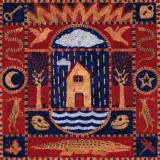
Inspired by a now-demolished artists' collective on the outskirts of Copenhagen, 'The House' is the debut album of Belgian-Dutch singer-songwriter Elis Floreen. Written during her years in the Danish capital, the album grew out of a place filled with decades of forgotten objects, artworks and stories. A temporary refuge for artists, dreamers and people caught between chapters of their lives.
As residents came and went, the house became a world of its own, shaped by shared meals, late-night conversations, evolving traditions and the countless stories left behind by those who passed through. When the building was eventually demolished, Floreen found herself holding on to its spirit through song. The result is an album that explores belonging, memory and the strange ways people become part of one another's lives.
Produced by Jo Francken and Pieterjan Maertens, known from their work with Tamino, 'The House' blends intimate folk, adventurous pop and richly layered arrangements into a musical world that feels both playful and deeply moving. Drawing on the storytelling spirit of Paul Simon, Kate Bush and Aldous Harding, Elis Floreen transforms everyday moments into something timeless, introducing a distinctive new voice with a debut album full of warmth, imagination and heart.
debe ser publicado en 18.09.2026
