Dark Horse Records is re-releasing the legendary Joe Strummer & the Mescaleros live concert at Acton Town Hall, remastered by Grammy award-winner Paul Hicks (The Beatles, The Rolling Stones, George Harrison) on double black vinyl. The concert, recorded on November 15, 2002, was a benefit for striking firefighters and was one of Joe's last performances (he died a month later).
Part of the performance was a reunion with Mick Jones, Strummer's former bandmate from The Clash, who reunited with Strummer on stage for three songs for the first time in almost twenty years. It was also the last time they were on stage together.
"For a long time, I'd come across these discs without really understanding what connected them, apart from a button and that famous logo designed by René Dessirier. Then, with a little more digging, I discovered the "self-production" link. For choirs, schools, folk singers, young pop groups, popular homes and even great composers who engraved unique copies of certain recording sessions...
The French equivalent of the English "Derby Service", the Kiosque d'Orphée, formerly at 7 Rue Grégoire de Tours in the 6th arrondissement, was taken over by Georges Batard in 1967 and moved to 20 Rue des Tournelles in the 4th arrondissement of Paris. The adventure lasted until 1991. Georges Batard was a sound engineer who used a Neumann tube engraver to engrave acetates from the tapes he received, before printing the precious vinyls in the press factories of the day, where he was able to produce very small runs of between 50 and 500 copies.
Of course, there were other structures for releasing his records, such as Voxigrave or, later, FLVM, but none of them had so many records in their catalog. Le Kiosque d'Orphée was neither a label nor a publisher, but a structure that allowed you to press your own vinyl, at a time when it was quite an adventure to get your first 45 rpm or 33 rpm album released!
Georges Batard was described as passionate and conscientious. His son, bassist Didier Batard, wrote of him:
"Georges was passionate about recording and reproducing the stereo sound of his great passion, music. He paid close attention to distortion rates, signal-to-noise ratios, response curves, rise times and other damping factors in audio equipment. He was looking for the exact reproduction of concert hall sound in his living room (with the same sound level, if possible...). In the late '50s/early '60s, he found other sound enthusiasts in AFDERS (Association Française pour le Développement de l'Enregistrement et de la Reproduction Sonores). He became its honorary president. Every Saturday afternoon, its members met to test au- dio equipment. Their opinions were published in the monthly Revue du Son.
All you had to do was send in your tapes and choose the number of record copies you'd like to take home with you, so you could finally share your creations and, in a way, exist. You could opt for a generic sleeve, available in several colors, directly customizable with your name and credits, or you could design your dream sleeve yourself in your living room or at a printer's.
This "Do It Yourself" temple gave birth to some superb pouches. Stencilled, hand-written, illustrated with paintings, drawings, illustrations by friends or girlfriends of the time, photo prints hastily stuck in the middle of a blank, white sleeve, on which the traces of time would leave their imprints, so that collectors and the curious would come and buy them decades later, with the promise of a musical discovery, unfortunately not always fulfilled...
What most of these records have in common is the youth of their songwriters, whether or not they've had a career. Stories of buddies, of getting by and dreams of glory made up this catalog. Most of them were amateur productions, both in terms of the level of the musicians and the quality of the recordings, made on a two-track or, the ultimate luxury, a 4-track in a teenager's bedroom or parents' living room.
It was the beginning of the home studio, thanks to the advent of the Revox portable tape recorder. A bit of a shaky DIY system, but, in return, the luxury of setting no limits: one-sided tracks, no outside censorship, no artistic director, no manager, no Barclay or EMI/Pathé Marconi logos...
When you finally had your own record, you could give it away or sell it to friends, family or after concerts. You could also drop it off at the nearest record shop, with undisguised pride.
It was also a calling card that could be sent to radio stations or music labels, in the hope of launching a career...
Many of the protagonists in this story tried to sign with labels, but in those days, bridges were not so easy to build between one's hometown, or even one's village, and the major or more specialized label that might have released these records. At the time, the advertisements published in the press by the Kiosque d'Orphée opened up the field of possibilities for provincial composers. It was now possible to make their own record, without having to go through the process of signing with a label.
Some of the composers who have gone on to make a career have used this channel to release their first record or parallel projects (Claude Engel, Dominique A, Andy Emler, Michel Deneuve, Claude Mairet, Mick Piellard, Tristan Mu- rail...) and sometimes even single or very limited pressings of work or promotional copies (Bernard Parmegiani, Jef Gilson...).
This album is the conclusion of a long investigation, begun six years ago. It took a long time to find the records, scattered all over the place, in the homes of collectors and sometimes the musicians themselves, and then to listen to them, sometimes painstakingly, to unearth these moments of grace.
From this work, 23 tracks remain, but there are dozens of others that could have been included, so we had to choose, and the choice had to be as universal as possible. This selection is obviously not objective, but I hope you'll like it.
On A Golden Shore arrives as The Hanging Stars reflect on a year of triumphs. With an Americana Music Association Bob Harris - sanctioned award and a Nashville sell-out in Third Man’s Blue Room with Jack White approvingly looking on, they’re a leading light in the UK Cosmic Americana cohort. Their standing has allowed them to pay less attention to any preconceptions of what they are ‘supposed to be’. On A Golden Shore - their fifth album and their second for the pioneering Loose Music, following 2022’s Hollow Heart - finds them definitively themselves and presents a set of disparate songs whose fundamental linkage is the band that made them. On A Golden Shore was recorded at Edwyn Collins’ Clashnarrow Studios with Sean Read producing. Singer/guitarist Richard Olson, drummer Paulie Cobra, multi-instrumentalist Patrick Ralla, plus freshman bassist Paul Milne – laid down the album’s backbone over eight days. Mostly recorded live, even the solos done as a piece. Much is first take because trying better, it never worked as well. Pedal-steel player Joe Harvey-Whyte created and added his parts at his London studio bringing ‘shimmery psychedelic goodness’. Smartly sequenced On A Golden Shore proceeds in clusters of songs; commencing with the free and easy choogle of ‘Let Me Dream Of You’, encompassing the sunny glam of ‘Sweet Light’, the baggy Balearic waft of ‘Happiness Is A Bird’, the pan pipes and bongos of the exotic ‘Golden Shore’, through to the rolling banjo of ‘No Way Spell’ and the celestial cascades of ‘Heart In A Box’. Fashioned instinctively On A Golden Shore is ultimately an album of sensation as much as thought, filled with fleeting moments of blissful excess, and stumbling, rushing flutters of sound; its evanescent psychedelia, divine choruses, and shards of strings combine into an infectious, compelling Cosmic Heartbreak Boogie.
Dire Straits never made a big to-do about its final run. In classic understated British fashion, the band simply let its music speak for itself. And how. Originally released in September 1991, On Every Street became the group's swan song – a lasting testament to the influence, musicianship, and integrity of an ensemble whose merit has never been tainted by cash-grab reunions or farewell treks. It remains an essential part of the Dire Straits catalog and a blueprint of the distinctive U.K. roots rock the collective played for its 15-year career.
Sourced from the original master tapes, housed in gatefold packaging, and pressed at RTI, Mobile Fidelity's 180g 45RPM 2LP set of On Every Street presents the album like it has always been meant to be experienced: in reference-grade audiophile sound. Recorded at AIR Studios in London and produced by Dire Straits leader Mark Knopfler, it features all of the band's sonic hallmarks – wide instrumental separation, visceral textures, seemingly limitless air, broad soundstages, atmospherics that you can almost reach out and feel. Each element is made more vibrant, physical, and lifelike on this collectible reissue, which marks the first time this 60-minute work has been available at 45RPM speed.
Afforded generous groove space and black backgrounds, the songs from On Every Street burst with nuanced details and vibrant colors. Dire Straits' playing appears to float, their intricate performances organized amid hypnotic, fluid, three-dimensional arrangements. Mobile Fidelity's definitive-sounding set also brings into transparent view Knopfler's finely sculpted guitar lines, expressive tones, and laid-back vocals – as well as the balanced accompaniment from his band mates. Here's a record on which you can hear the full blossom and decay of individual notes, and imagine the size and shape of the studio. It is in every regard a demonstration disc. And it happens to be filled with timeless fare.
Remarkably, On Every Street almost never came to light. Dire Straits initially dissolved in September 1988 after touring behind its blockbuster Brothers in Arms and suffering the departure of two members. At the time, Knopfler professed his desire to work on solo material; bassist John Illsley also explored side projects. But Knopfler's decision in 1989 to form the country-leaning Notting Hillbillies reignited a spark to reconvene his primary band and craft a fresh batch of songs. Six years removed from Brothers in Arms, Knopfler, Illsley, keyboardist Alan Clark, and keyboardist Guy Fletcher teamed with A-list session pros – steel guitarist Paul Franklin, percussionist Danny Cummings, saxophonist Chris White, guitarist Phil Palmer included – to create what still stands as an unforgettable farewell.
The platinum record brings the band full circle in that it returns Dire Straits to a quartet formation; finds the group refreshingly out of step with the era's prevailing trends; and sees Knopfler and Co. knocking out song after song with the deceptive ease of a punter tossing back a pint at a pub. That subtle cool, clever poise, and innate control – signature traits that no other band ever matched – dominate On Every Street. Knopfler's clean, virtuosic six-string escapades unfurl with dizzying melodicism and economical efficiency. Led by his winding fills and focused solos, Dire Straits traverse a hybrid landscape of rock, jazz, country, boogie, blues, and pop strains with near-faultless prowess.
More than any other entry in the group's oeuvre, On Every Street welcomes quick detours down back alleys and into the depths of human souls. What makes it more brilliant is its staunch refusal to cater to commercial expectations or take advantage of prior successes; every passage feels true, every measure echoed in the service of song. It's evident in the humorous satire of "Heavy Fuel," closeted desperation of the witty "Calling Elvis," and shake-and-bake bounce of "The Bug." It pours from the album's darker corners, as on the high-and-lonesome melancholy of the title track and bruised emotionalism of "When It Comes to You."
Hinting at the open-minded approaches and boundless curiosity he'd embrace as a solo artist, Knopfler doesn't limit himself when it comes to style or subject matter. Look no further than "You and Your Friend," a shuffle whose all-inclusive lyrics encourage an array of interpretative meanings. Another of the album's deep cuts, "Iron Hand," comes on as one of the band's most memorable moments – the narrative addressing the abuses of power at the 1984 Battle of Orgreave during the U.K. miners' strike. Given cinematic heft by the expert production, the true-fiction account puts into perspective the richness, poetry, and depth of On Every Street.
"Every victory has a taste that's bittersweet," sings Knopfler on the title track. At least that bittersweetness seldom sounded so damn good on record.
"Memories Of Love" is the fourth full length album by soul singer & songwriter Myles Sanko following the acclaimed "Born In Black & White" (2013), "Forever Dreaming" (2014) and "Just Being Me" (2016). In ten stylishly recorded and arranged new songs "Memories Of Love" Myles Sanko captures the uplifting spirit from his numerous outstanding stage performances on the European jazz festival & club circuit of the last few years and transforms them into a stunning collection of modern soul music.
"This album is my most personal album yet", says Myles Sanko. "Each song is a memory of love, a story of love, good or bad, happy or sad. Love is not always as we picture it in fairy tales but a work in progress for as long as we choose to love. Over the years I have written love songs and most of them have some reality in them but also a lot of fiction. Maybe this was because I wasn't truly ready to share that part of me in a way that I am defiantly more comfortable doing now. I'd say becoming a father has changed my outlook and made me a little more brave and accepting of myself". One of the main reasons for the positive balance in sound and spirit of "Memories Of Love" are the musicians. Myles Sanko recorded the album together with the same band he was touring with over the last eight years. He produced it himself and co-wrote most music with long time bandmate Tom O'Grady (Resolution 88).
out of Stock
Last delivered 5 years ago available to reorder, subject to availability
Suffolk-based singer songwriter James Varda’s fourth and final album before his death from a long battle with cancer in 2015, Chance And Time, set for a vinyl only reissue on Unspun Heroes is an astonishing aural document of a creative, forward -thinking musician coming to terms with a life slowly evaporating away. There is hubris, melancholy and an undeniable weight of sadness in these ten songs but, miraculously, there is also a stoic realisation and acceptance from Varda that is both heart-wrenching and deeply affecting. On Chance And Time Varda reconnects the human spirit to the land, a heavy, fearful heart to an optimistic soul, and in a beautiful poetic flourish gives a real tangible sense of loving and hope to his family and friends offering genuine reassurance and even, at times, a green light for celebration.
Carrying a certain air of mystique, that same sense of a ‘other worldliness’ if you will of say a Karen Dalton or a Jeff Buckley, Varda’s delivery and tone carries huge emotional weight here and an unique ability to add an honest perspective and warmth to the starkest of realities. The hard hitting impact of the opening tracks is blunt and sharply defined. There is pain, hardship, and fear wrapped in these tales - ‘The Doctor Spoke, Two Hearts Broke” - made all the more hitting as this is a real life journey in the here and now being catalogued. As we move towards the second half of the record there is something even deeper and truly incredible at play. Varda’s whole demeanor is one of understanding and acceptance - hear the celebratory shamanic vibe of the extraordinary ‘Pass It On’ and the poignantly reflective, chokingly sad finale ‘We Won’t Dream’ - bringing to an end a record that will leave a mark on everyone who hears it. Real art is both timeless and omnipresent, these songs from James Varda will hang in the air forever and be there for those who look to find understanding, joy and a sense of hope. Chance And Time is both an extraordinary record and poignant study of life and living, of death and what comes after.
James Varda released four albums between 1988 and his death in 2015. A fledgling career beginning on the singer-songwriting folk scene where his arrival was met with both curiosity and critical acclaim as was his debut, the John Leckie produced Hunger. Any momentum was lost however as it would be ten years before the next, In The Valley was met with a ruffle of applause. Cancer took hold of the troubadour and for a number of years Varda lived life and wrote songs until The River And The Stars appeared like a phoenix from the flames as he began to wrestle with the realities of his situation. It’s a record that beautifully lays the ground for this his masterpiece that was to follow.
Unspun Heroes, a new label set up by Simon White, has the sole purpose of finding and reissuing albums that he considers both undervalued and seemingly ignored. All releases will be on vinyl only complete with Obi strip and extensive liner notes. Each will be individually numbered and limited.
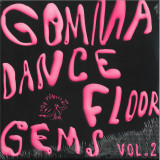
12 tracks originally released on the indie dance label GOMMA RECORDS between 2001 and 2010. (Gomma was the label Toy Tonics did before starting Toy Tonics.)
Along with DFA and Output records Gomma released a wild mix of electronic dance music, indie rock, undergound disco, post punk and new wave funk that was big in the 2000s. The Y2K sound!
Gomma released music by artists like Peaches, Whomadewho, The Rammellzee, James Murphy, LCD soundsystem and artists like Nick McCarthy of Franz Ferdinand.
Now it’s 2023 and its feels fresh to put a spotlight on some of these tracks again.
And so here comes a 2nd compilation part of Gomma tracks:
Nancy Whang the singer of LCD Soundsystem, WhoMadeWho (the band started their career on Gomma), Italian disco producer Bottin, UK Indie Disco hero The Deadstock 33s aka Justin Robertson, NY Disco hipsters In Flagranti, German producers Munk and many more on this compilation.
Gomma not only was a record label, but was also a home for cutting edge design, wild T-shirt styles, underground exhibitions with new artists from the Berlin scene and crazy poster and fanzine design.
Many graphic design trends of the last years were preceded by what the artists on Gomma were doing. And many record and street wear labels of today look a bit like Gomma was looking before ... copying the images that Gomma preceeded: ironic cartoons, trash aesthetics, greek symbols, ugly design ideas and lot of ironic things.
The Gomma visuals world was exposed in a couple of exhibitions around the world and at a big exhibition at #hausderkunst München before the label was closed in 2015. (when Toy Tonics took off...)
out of Stock
Last delivered 14 months ago available to reorder, subject to availability
Miles Davis' A Tribute to Jack Johnson is the best jazz-rock record ever made. Equally inspired by the leader's desire to assemble the "greatest rock and roll band you have ever heard,” his adoration of Johnson, and Black Power politics, Davis created a hard-hitting set that surges with excitement, intensity, majesty, and power. Bridging the electric fusion he'd pursued on earlier efforts with a funkier, dirtier rhythmic approach, Davis zeroes in on concepts of spontaneity, freedom, and identity seldom achieved in the studio — and just as infrequently accepted by the mainstream.
Sourced from the original analog master tapes, pressed on MoFi SuperVinyl, and housed in a Stoughton jacket, Mobile Fidelity's 180g LP reissue brings it all to fore with startling realism. Benefitting from SuperVinyl’s nearly inaudible noise floor, superb groove definition, and clean, ultra-quiet surfaces, this 180g LP showcases everything — from the bold tonality of the headliner's white-hot trumpet solos to the decay of crashing cymbals, carry of wiry guitar notes, and echoes of the studio — in reference fashion.
Bristling with exuberance, Davis' high-register passages explode with authority and commanding presence. Around him, a barrage of urgent backbeats, knifing riffs, and supple bass lines emerge amidst black backgrounds. One of the most prominent differences long-time fans will notice is how much more aggressive, immediate, and vibrant the music sounds, with those aspects central to the composer's original desires.
Utilizing wah-wah and distortion, the go-to instrumentalist of the performances— guitarist John McLaughlin — attacks with a nasty edge, slashing style, and vicious streak that allows A Tribute to Jack Johnson< cross the until-then-impenetrable divide between rock and jazz. Davis puts both feet in the former camp and erases any gap. The stories of the record’s creation are nearly as legendary as the sounds within: Two sessions, multiple jams, different sets of musicians (several uncredited), and near-miraculous production perfectionism that made it all appear cohesive.
The least-well-known masterpiece of Davis' career, the 1971 record — seamlessly assembled and spliced together by producer Teo Macero — was a victim of limited record-label promotion. Audiences also didn’t immediately know what to make of its original cover art — faithfully replicated here. In addition, the powers that be at Columbia Records were directing the public’s attention to Miles at Fillmore, a completely different kind of album guided by two keyboardists. A Tribute to Jack Johnson practically lives in a different universe, one from the future. To many listeners who did manage to hear it — among them critic/musician Robert Quine, Stooges leader Iggy Pop, and renowned critic Robert Christgau — it surpassed everything that came before.
Indeed, Davis treated it as a personal manifesto: An opportunity to salute the Black championship boxer admired for his threatening image to the establishment and impeccable taste in clothes, cars, women and music. Davis explains in the liner notes his affinity for Johnson — a stance mirrored by the defiant music, which hits with a prize fighter's force and reflects the graceful elegance with which a pugilist navigates the ring — and closes the album with a Johnson quote read by Brock Peters.
Inspired not only by Johnson but by Jimi Hendrix and Sly Stone, Davis changed his approach and his band. He surrounds himself with a cadre of musicians in their 20s and, in the case of bassist Michael Henderson, a 19-year-old fresh from touring with Stevie Wonder. Henderson gives Davis what he requested: boogie-based grooves that don’t lose shape or direction. Soprano saxophonist Steve Grossman, drummer Billy Cobham, and organist Herbie Hancock adhere to a similar aesthetic that prizes brazenness, innovation, and energy.
In that vein, during a portion of “Yesternow,” Davis segues into a separate performance (which became known in its entirety as “Willie Nelson”) played by guitarists McLaughlin and Sonny Sharrock, bass clarinetist Bernie Maupin, keyboardist Chick Corea, bassist Dave Holland, and drummer Jack DeJohnette. Dig it!
Talking with jazz scholar Bill Milkowski — who himself noted how McLaughlin’s unrestrained style, decibel-forward volumes, and rapid-fire power chords engendered himself to the rock crowd at the same time that his harmonics and syncopation still definitely made him a jazz player — guitarist Henry Kaiser summed up part of the appeal of A Tribute to Jack Johnson as well as anyone, saying: “It’s a jazz record that way way more open than other jazz records at the time, but still not free jazz. McLaughlin’s rhythm guitar playing on ‘Right Off’ — the use of different chords in a rock shuffle than what anybody had used before — was revolutionary.”
And to think that’s just one aspect of a record that contains multitudes. “Never let them forget it.” Indeed.
What is the price we pay for joy, and is it worth it? The thread of this question runs taut through The Fourth Wall"s upcoming album, Return Forever, a fever dream of a record that unearths unresolved complexities of the immigrant experience in nine chapters. Throughout the album, songwriter Stephen Agustin circles a fire that feels so bright and yet so unknowable; there are not many answers to be found, only a disruption, the emergence of a world seen with new eyes. The Fourth Wall self-recorded Return Forever, beginning with recordings Agustin made in isolation during the pandemic. The record features Kasey Shun, Chris Lau, Kendall Sallay, and Andrew White. It is slated on DevilDuck Records.
Limited to 300 Hand-Numbered Copies Pressed on White, Black and Red Splatter Vinyl OT The Real & araabMUZIKís new collaborative album Zombie is now available as a limited edition vinyl release. The 12-track project, released through Black Soprano Family records, was executive produced by Benny The Butcher and features appearances by several Black Soprano Family members. The BSF boss has been a fan of the Philadelphia based rapper since they met while recording “Coke & Guns” (off the album Broken Glass) and when he had the chance to put together a full project with OT and the MVP of the MPC, Benny seized the opportunity, bringing both OT and araabMIUZIK out to the BSF studio in Buffalo to record what would ultimately become “The Crown,” the first single off of Zombie featuring Benny The Butcher & ElCamino. The guest appearances on Zombie were carefully curated, purposefully tapping artists that hadn’t yet collaborated with OT (outside of Benny) and araabMUZIK in order to deliver something new to fans, including 38 Spesh, Conway The Machine, ElCamino, Rome Streetz, LIHTZ and Amir Ali.
Formed in 1977 by brothers Kim Chang-wan, Kim Chang-hoon and Kim Chang-ik, Sanullim are one of the fathers of Korean psychedelic rock.
“Evening Breeze” is the first ever comp focused on their little known 1979-83 albums, selecting their most fuzzed-out, hard-psych-pop-funk (Korean style) tracks.
Selected by (probably) Sanullim number one non-Korean fan Antoni Gorgues.
Produced by Amir Amor (Rudimental) , the album sees the Kaiser Chiefs return with a fresh and bold new sound. From the Nile Rodgers co-write of new single 'Feeling Alright', to the frantic 'Beautiful Girl', horn-laden Kaiser Chiefs throwback 'Job Centre Shuffle' and joyous punch in the gut that 'Jealousy', these ten tracks are a true statement of intent from a band that continues to deliver the goods again and again. Where 2019's Duck straddled the tide between Northern- Soul euphoria and early '00s antithesis, 2024 will see Kaiser Chiefs stepping into a renewed spotlight; a hook- heightened universe in which Ricky Wilson, Andrew "Whitey" White (guitar), Simon Rix (bass), Keyboardist Peanut and Vijay Mistry on drums, come together to once again create what they craft best; breakthrough belters for the world's dancefloor.
Twin giant towers of amps grinding out minimal beat bloop, the transient sound molecules smell of burning gear and the floor of the pit—this is organic, electronic music at its finest. Dance? Why not. Freak out? For sure. Brothers from a different mother (Bjorn Copeland and Aaron Warren) à la two-thirds of Black Dice have come together with this fantastic debut Flaccid Mojo for us. These are mean beat vipers, spitting and tumescent on the abattoir floor.
I would call it drug music, but I’m not sure what drugs these humans consume. Stem cell and adrenal gland cocktails I’m guessing. Futuristic and primal it is, beats from the Thunder-Dome, fight music for fuckers. I’ve seen them on two separate occasions blow the power for an entire building. Baller move, boys. Produced perfectly by Chris Coady (look him up to be impressed). This record is a burning car in a field and I love it.
For fans of Black Dice, Container, Whitehouse, Negativland, Ralph Records, minimal beats à la Profan, vintage Japanese noise, Severed Heads, windburn and chapped lips. (John Dwyer)
out of Stock
Last delivered 2 years ago available to reorder, subject to availability
First compiled as a double CD in 2002, Moon's Milk (in Four Phases) is a suite of four EPs that Coil released seasonally via their in-house Eskaton imprint across 1998. The line-up for these sessions were John Balance, Peter "Sleazy" Christopherson, Drew McDowall, and William Breeze. Recorded primarily at their home studio in Chiswick, London on the eve of a permanent relocation to the small seaside town of Weston-Super-Mare, the collection has long loomed as a pivotal and pinnacle work in the group's discography, but has never been officially reissued, or repressed on vinyl. Time has only ripened its tapestry of regal strangeness. Arranged sequentially in tribute to the equinoxes and solstices, Moon's Milk captures Coil at a revelatory crossroads, leaning deeper into improvisation, spontaneity, and sound design. "Moon's Milk or Under an Unquiet Skull" initiates the proceedings on Spring Equinox, a two-part netherworld organ séance woven from vocal drones, cathedral keys, seasick strings, and opiated undertow. From there, Summer Solstice skews lighter but no less incantational, with Balance embracing his voice-as-instrument across lucid dream torch songs ("Bee Stings"), purgatorial spoken word ("Glowworms/Waveforms"), sultry chamber pieces ("Summer Substructures"), and falsetto ravings ("A Warning From The Sun (For Fritz)"). Autumn Equinox exudes more of a pensive and twilit mood, from the Rose McDowall-sung folk ballad "Rosa Decidua" ("I hear your voice sing near to me / I've put away the poisoned chalice (for now) / And lie down amongst the flowerbeds") to hall-of-lords hallucination "The Auto-Asphyxiating Hierophant" to the liminal string-plucked classic "Amethyst Deceivers," featuring excellent alien guitar by Breeze layered with Balance's oft-quoted couplet: "Pay your respects to the vultures / For they are your future." The album's final chapter, Winter Solstice, is its most swooning, remote, and ceremonial. Opener "A White Rainbow" stirs strings, layered choral vocals, and shivering rhythm into an imploding burial hymn. "North" oscillates bleakly, a ghost in the machine murmuring opaque prophecy ("This black dog has no owner / This black dog has no odour"), while "Magnetic North" is its inverse, a guided meditation of gently flickering software and surreal chakra poetics ("Red rose filling the skull / Yellow cube in the lower pelvis / Silver moon crescent below the navel"). The suite fades to grey with a traditional English carol ("Christmas Is Now Drawing Near"), rendered like an executioner's song by Rose McDowall's doomed, beautiful voice. The Dais box set includes the entirety of the rare Moon's Milk Bonus Disc CD-R / 2019 Threshold Archives Copal CD, which includes three collaborations with Thighpaulsandra. This material is as rich and intoxicating as the previous four phases, ranging from electro-acoustic singing bowl rituals ("Copal") to dissonant electronic recitations of visionary Angus MacLise poetry ("The Coppice Meat") to ominous classical melancholia ("Bankside"). Once again, Coil confirm the vastness of their confounding, infinite alchemy, explored and refined across decades of experimentation - both sonic and bodily. From postindustrial to post-everything, theirs is an art untethered, in the wilds of its own design.
out of Stock
Last delivered 2 years ago available to reorder, subject to availability
Jacob Lusk, Ryan Hope & Ari Balouzian; an acclaimed gospel singer and choir director, an established film director and a classically trained musician and soundtrack artist. This is the trio that fate brought together and now make up Gabriels.
Their debut EP ‘Love & Hate In A Different Time’ comprises five songs that sound instantly of another era without faltering into throwback territory. True masters of story-telling, their timeless take on vintage soul, new R&B and just a hint of ultra-contemporary altpop have seen them become firm favourites of Gilles Peterson, Off White’s Virgil Abloh, Benji B, Annie Mac, Elton John... the list goes on.
The lead track and new single, ‘Love & Hate In A Different Time’, showcases their sound perfectly. A soul-stirring song with elements of funk and that joyous gospel influence too. Jacob has one of those terrifically cavernous deliveries and understands the power of when to adopt restraint and when to let rip. It’s raw, show-stopping and combines to form a magical few minutes of cinematic sound, unlike anything else out there today.
In the song’s long-form video, directed by band member and British born musician Ryan Hope (himself a celebrated music video director), we’re taken through a history of the dancefloor in archive footage, culminating in Jacob singing Billie Holliday’s Strange Fruit to a rapt audience during a Black Lives Matter protest in LA last year. It’s an engrossing, moving watch and an evocative listen.
out of Stock
Last delivered 14 months ago available to reorder, subject to availability
None More Records are very proud to present 'Fictions', the third album, and debut LP for the label from Twospeak. Twospeak are band leader and saxophonist Ronan Perrett's bold and dynamic four-piece that draw inspiration equally from the world of contemporary jazz, bands like The Bad Plus and ADHD, the early 1970's Canterbury Scene of Soft Machine and Caravan, Hot Rats-era Zappa and Deerhoof-esque indie rock, putting this all together in a heady brew and sounding uniquely themselves.
Fictions is a huge step forward for the band, building on Twoism and Reflector, taking the band to new heights. Each song on their new album is based on a piece of non-musical art which include paintings, sculpture, literature and film. Each track is named after and aims to capture the character and mood of its original inspiration.
out of Stock
Last delivered 2 years ago available to reorder, subject to availability
PREGOBLIN II is a strange name for a debut album. For the artist who created it, Alex Sebley aka PREGOBLIN, its astonishingly heartfelt and brilliantly catchy assemblage of songs is the culmination of a tortuous genesis period. Its release finally, he hopes, will usher in a fresh, more positive chapter for him, a sequel to all the misery and bullshit up to this point – hence the title. The creative journey to this point has been labyrinthine and frequently painful. As far back as the early ’10s, Sebley was registering his embryonic talent alongside Lias and Nathan Saoudi in The Saudis, the chaotic pre-Fat White Family ensemble where he played guitar and co-authored raw, post-punk material including FWF’s breakthrough tune ‘Touch The Leather’. PREGOBLIN receive a healthy 50,000 plays a month on Spotify. Previous singles include: Combustion which to date has amassed 2.2M streams and was dubbed ‘Single of the year’ last year in The Quietus. Other PREGOBLIN songs include Anna (flowers Won’t Grow), Love Letters, Snakes & Oranges and Wimpy & Wimpy Love with the Pop Group. “PREGOBLIN II’s genre-straddling dexterity and melodic riches mark it out as a loser classic fit to rank alongside Beck and Daniel Johnston. The tunes are memorable and the execution’s forward-facing and inspired” ★★★★ MOJO MAGAZINE // Live Shows February: 2nd Friday London - Amp Studios (with Harry Merry) 17th Saturday Leicester - Academy 2 (with Pip Blom) 19th Monday Cambridge - Junction 2 (with Pip Blom) 20th Tuesday Brighton - Chalk (with Pip Blom) 21st Wednesday London - Heaven (with Pip Blom) 24th Saturday Bristol - Simple Things Festival 25th Sunday Milton Keynes - MK11 (with the Libertines)
PREGOBLIN II is a strange name for a debut album. For the artist who created it, Alex Sebley aka PREGOBLIN, its astonishingly heartfelt and brilliantly catchy assemblage of songs is the culmination of a tortuous genesis period. Its release finally, he hopes, will usher in a fresh, more positive chapter for him, a sequel to all the misery and bullshit up to this point – hence the title. The creative journey to this point has been labyrinthine and frequently painful. As far back as the early ’10s, Sebley was registering his embryonic talent alongside Lias and Nathan Saoudi in The Saudis, the chaotic pre-Fat White Family ensemble where he played guitar and co-authored raw, post-punk material including FWF’s breakthrough tune ‘Touch The Leather’. PREGOBLIN receive a healthy 50,000 plays a month on Spotify. Previous singles include: Combustion which to date has amassed 2.2M streams and was dubbed ‘Single of the year’ last year in The Quietus. Other PREGOBLIN songs include Anna (flowers Won’t Grow), Love Letters, Snakes & Oranges and Wimpy & Wimpy Love with the Pop Group. “PREGOBLIN II’s genre-straddling dexterity and melodic riches mark it out as a loser classic fit to rank alongside Beck and Daniel Johnston. The tunes are memorable and the execution’s forward-facing and inspired” ★★★★ MOJO MAGAZINE // Live Shows February: 2nd Friday London - Amp Studios (with Harry Merry) 17th Saturday Leicester - Academy 2 (with Pip Blom) 19th Monday Cambridge - Junction 2 (with Pip Blom) 20th Tuesday Brighton - Chalk (with Pip Blom) 21st Wednesday London - Heaven (with Pip Blom) 24th Saturday Bristol - Simple Things Festival 25th Sunday Milton Keynes - MK11 (with the Libertines)
Since emerging in 1997, Chicago quartet Plain White T's — Tom Higgenson vocals, Tim Lopez [lead guitar, vocals], Mike Retondo [bass], and De'Mar Hamilton [drums] — have remained visible and viable. They have consistently delivered unforgettable pop rock anthems that take up real estate in your brain for months at a time. They have amassed over 2.7 billion total global streams, earned two Grammy nominations, and collected several Platinum-plus and Gold certifications across their impressive catalogue. Their signature single "Hey There Delilah" went quadruple-platinum, topped the Billboard Hot 100, and earned the pair of aforementioned GRAMMY® nominations in 2008 — for "Song of the Year" and "Best Pop Performance by a Duo or Group with Vocal." They have made their pop culture mark by appearing on highly visible shows such as the Macy's Thanksgiving Day Parade, Sesame Street, iCarly, 90210, Beavis & Butthead, and Frankenweenie, all the while nabbing press accolades from TIME, Billboard, ESPN, Rolling Stone, AV Club, MTV, MSNBC, and more. Plain White T's have proven to be a reliable musical force, as well as a career band that shows no signs of stopping or slowing down.
The previously unissued soundtrack to the 1964 noir, You're Not From A round Here, discovered after 55 years in the Louis Wayne Moody archive. A hobo's bindle full of twangy tremolo, reverb-drenched revenge, and existential echo. Songs of a lienation, paranoia, dark alleys, betrayal, prison, prostitution, trains, gun play, feminine betrayal, and the dusty, lonely road of self discovery. A black and white affair trapped under the weight of a post-war technicolor allure, You're Not From Around Here lives in a universe of moral ambiguity.
The previously unissued soundtrack to the 1964 noir, You're Not From A round Here, discovered after 55 years in the Louis Wayne Moody archive. A hobo's bindle full of twangy tremolo, reverb-drenched revenge, and existential echo. Songs of a lienation, paranoia, dark alleys, betrayal, prison, prostitution, trains, gun play, feminine betrayal, and the dusty, lonely road of self discovery. A black and white affair trapped under the weight of a post-war technicolor allure, You're Not From Around Here lives in a universe of moral ambiguity.
Except from Rachid Taha, who allowed himself a few forays into the teeming, vibrant heaths of techno, no raï singer other than Cheb Malik has ever ventured into this terrain known for its abundance of sound. If you know about Malik Adouane's ancestry, this is hardly surprising. Born in Librecourt, near Lens, he comes from a union between an Italo-Celtic mother who instilled Western sounds into his ears and a father, a former miner born in Biskra (north-east Algeria), a palm grove near the desert, musically renowned for its lively diwan that could be called Saharan opera. In addition, the town is renowned for its chakhchouka, a dish called after its rich blend of various ingredients and spices. Just like Malik’s music, as he was a fan of James Brown, Barry White, classical Arabic and raï music. He had been thinking about it from the beginning, but the dream took a long time to materialize. In January 1986, many raï idols turned up in Bobigny, France, for a historic and seminal festival. In the midst of the audience, the young man, dressed in black leather, provided security for the concerts of many stars before becoming one himself. He would rub his eyes, not because he was dazzled, but because they were clouded by a nostalgia that remained him of itself. So, with his head full of sounds warmly recommended by the best DJs, he set out, a little provocatively, to position himself at the cutting edge of music with a new concept called "After raï". It combined the sweet and precious past with an almost uncontrollable creative audacity. It's a balm made in a test-tube-studio from a mix of Arabic melodies and lyrics - a kind of "Arabeat", and the arrogant modernity produced by samplers, electronic spinning, roaring bass and guitars made for house music. The pinnacle of the record is a masterful cover of Isaac Hayes' Shaft, which set dancefloors on fire in Paris, London, Ibiza and New York, and became internationally known thanks to its presence on a Paris Dernière compilation curated by French musician and DJ Béatrice Ardisson along with Claude Challe's iconic Buddha Bar series. Now, shall we dance?
An intimate, vast, and mineral landscape, that's MaMaMa’s first album.
« Hier Sera Meilleur » (« Yesterday Will Be Better ») is the most personal project the musician has ever undertaken. It's an album of confessions and echoes. The echoes of the world within him, those of the past that haunt and drive the present, and also the echoes of the future that are already speaking to us.
Entirely composed, written, arranged, and mixed by Elliot, the tracks that make up this album blend organic recordings with synthetic productions. Euphonium, saxophone, clarinet, or a string quintet recorded in the studio coexist and intersect with various synthesizers and electronic plug-ins.
Ancient textures meet modern sounds. Black and white turns into color.
Everything changes and nothing is ever just what we perceive it to be, MaMaMa seems to tell us, however for the duration of a song, we are there. Yesterday will be better.
Mother Engine began to take form in a dilapidated garage between a sanitation center and a set of train tracks. This would be their laboratory, workshop, and recording studio where they developed a process of working that included a newfound love for sample manipulation. They collaborated with other musicians including Matt Norman (Lily & Horn Horse) and Henry Birdsey, an experimentalist, to bring their production out of the digital landscape of Ableton. Between the tape machine, the amp, the turntable, and the computer, Amiture found magic. Each song is a part of a complex sonic matrix that reflected a vision and a sound neither one could have procured alone, always centered around Whitescarver’s classically trained voice and Goupil’s gritty, tripped-out-guitar sound, merged and then steeped in the traditions of American guitar music, industrial music, and folk melody.
"A New Form of Beauty (1981) was recorded and produced by the band itself. It includes the tracks of the first four parts of what was a five-part, mixed-format project with Rough Trade Records. Part 1 was a 7” record, Part 2 was a 10”, Part 3 was a 12”: these were recorded between July and October 1981. Part 4 was ‘Din Glorious’, released as an audio cassette, was a recording of extracts of a live event on 8th November 1981 at the Douglas Hyde Gallery in Dublin. Part 5 was to be a film of ‘Performance, Exhibition, Event staged at the Douglas Hyde Gallery on 7th and 8th November 1981.
This deluxe edition features all four parts remastered from original tape in a 3LP Tri-fold reverse board sleeve deluxe package with a 16 page 11 inch deluxe artbook containing brand new sleevenotes by Jon Wood and original Guggi drawings. "
The founders of Cukor Bila Smert’ (Ukrainian: Цукор– Біла Смерть, English: Sugar – White Death) band were Svitlana Okhrimenko (a.k.a. Svitlana Nianio), Oleksandr Kohanovs’kyi, and Tamila Mazur, who studied at the Reinhold Glier Kyiv Academy of Music in 1984-1988. In the summer of 1988, they got acquainted with Eugene Taran, a young guitarist and artist. He joined the band and also became the ideologist of Sugar – White Death. Moreover, Eugene coined the name for the band: the irony towards the Yellow Press. The musicians gathered at Kohanovs’kyi’s house, where they spent their free time not only playing music but also listening to and discussing new records and thinking about the conception of their new project.
For two years, the band recorded a few home-made albums, such as “Rhododendrons Coral Aspides” in 1988 (which is considered lost), where Kostyantyn Dovzhenko took part as a guitarist and sound engineer. He also replaced Taran during the recording session because Eugene was passing an exam at that time. The band also recorded another album – “Lilies and Amaralises,” in 1989, which is also considered lost. Eugene remembers that the band made a lot of recordings but did not pay so much attention to them. Sugar – White Death played live occasionally but spent more time creating their own sound, which was named by Oleksii Dekhtyar (a founder of “Ivanov Down”) as a “sugar calypso sound.” At that time, the music was mostly created by Oleksandr Kohanovs’kyi, and the lyrics were written by Svitlana Okhrimenko and Eugene Taran.
In February 1990, a quartet came to the Scientists House Studio in Kyiv, where they had one studio session only, recorded by Valerii Papchenko. Musicians played live for about one take. This session was represented on the “Mannered Music” compilation by several blocks – “Venus with Long Neck,” “The New Sissies,” and “Rhododendrons Coral Aspides,” which was shortened to “Rhododendrons” on the cassette (two songs from which – “Summer Will Not Come” and “The Great Hen-Yuan’ River,” dedicated to Grigorii Khoroshylov, the sinologist from Kyiv). The compilation cover design was created by Eugene Taran. Later, this tape got to Vlodek Nakonechnyj, the founder of Koka Records, a young Polish label, who released “Mannered Music” on cassettes and made efforts to invite Sugar – White Death to play several gigs in Poland.
In November 1990, Sugar – White Death played their last gig as a quartet in Kharkiv. They were invited by Sergii Myasoyedov, who curated the art association “Nova Scena” (The New Scene). The band played selected tracks from the albums “The New Sissies” and “The Shellfishes in Gold Wrappers” (the last one is also considered lost). Due to Sergii Myasoyedov's efforts, the performance was documented: he saved a lot of photos and fragments of soundboard recordings on reel-to-reel tape.
Later, Oleksandr Kohanovs’kyi and Tamila Mazur left Sugar – White Death: Oleksandr founded his own project Pan Kifared, and Tamila became a bass player of Shake Hi-Fi (whose co-founder was Eugene Taran). Sugar became a duo of Svitlana and Eugene. They started to focus on their next work: “Antinoy Is Leaving” in late 1990.
In 1992, they were also invited by Sergii Myasoyedov for a studio session in Kharkiv, where due to the efforts of Oleksandr Vakulenko, Sugar recorded the new album called “All Secrets Of A Poem”. Some tracks from the work (“Dead Ceremony,” “Vienna Is Sleeping,” and “Untitled”) were released on their next and last album, “Selo” (“The Village”). The rest compositions were published as a part of the compilation for the first time.
In the autumn of 1992, the musicians went to Poland, where Vlodek Nakonechnyj, who wanted Sugar to come to a “real” studio, organized their last recording session. Although the journey’s beginning was unsuccessful (Eugene’s guitar was taken away by a customs officer when crossing the border), the musicians worked fast during the session at the Arek Was studio at Marki on an 8-track reel-to-reel machine. Boleslav Blazhchyk took part as a cellist, playing the parts created by Svitlana. The album was completed in three days – the musicians spent two days recording and one-day mixing, mostly done by Eugene Taran. In 1993, this work was released as “Selo” (“The Village”) album on cassette tapes by Koka Records (remastered by Tadeusz Sudnik). Later, Sugar – White Death was disbanded.
By the turn of the 80s, the impact of David Bowie’s ground- breaking Berlin recordings – the synths, the alienation, the drily futuristic production – was being felt on music across Europe. What’s more, the records being made were reflecting back and influencing Bowie’s own work – 1979’s Lodger and 1980’s Scary Monsters owed a debt to strands of German kosmische (Holger Czukay), new electronica (Patrick Cowley, Harald Grosskopf), and the latest works from old friends and rivals like Robert Fripp, Peter Gabriel and Scott Walker, all of whom had been re-energised by the fizz of 1977.
Compiled by Saint Etienne’s Bob Stanley and the BFI’s Jason Wood, Fantastic Voyage is the companion album to their hugely successful Café Exil collection, which imagined the soundtrack to David Bowie and Iggy Pop’s trans-European train journeys in the mid-to-late seventies. “Fantastic Voyage” is what happened next.
Bowie’s influences and Bowie’s own influence were rebounding off each other as the 70s ended and the 80s began, notably in the emergent synthpop and new romantic scenes as well as through the music of enigmatic acts like the Associates and post-punk pioneers such as Cabaret Voltaire.
Like Low and Heroes, some of the tracks on Fantastic Voyage are spiked with tension (Grauzone’s ‘Eisbär’) while some share those albums’ sense of travel (Simple Minds’ ‘Theme for Great Cities’, Ryuichi Sakamoto’s ‘Riot in Lagos’) and others find common ground with “Lodger’s” dark, subtle humour (Thomas Leer’s ‘Tight as a Drum’, Fripp’s ‘Exposure’).
This is the thrilling, adventurous sound of European music before the watershed moment when Bowie would abandon art- pop for America and the emerging world of MTV with “Let’s Dance” in 1983. Fantastic Voyage soundtracks the few brief years when the echo chamber of Bowie, his inspirations, and his followers created an exciting, borderless music that was ready to challenge Anglo American influences.
out of Stock
Last delivered 2 years ago available to reorder, subject to availability
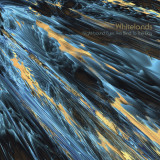
The eagerly awaited debut album from the London-based four-piece * At the forefront of the new generation of Black British guitar music with Big Joanie and Bob Vylan * Supporting Slowdive on their UK tour in February * Singles playlisted by BBC Radio 6 Music, Spotify and others Whitelands are Etienne, Jagun, Vanessa and Michael and they are ostensibly a shoegaze band ever since Etienne stumbled across Slowdive's KEXP session in his recommended videos on YouTube a few years ago. However, they come at the resurgent, Gen Z-soundtracking genre from a refreshingly different angle thanks to their mishmash of musical backgrounds. There's also the fact that their line-up is fully PoC in what is traditionally seen as a predominantly white genre. "There's an underlying narrative that it's OK for white men to be romantic, sensitive, emotional and make dreamy music and, by contrast, young Black men should be making angry music," says Vanessa. "We've all grown up with these stereotypes and therefore I think people are mystified when they see Whitelands." "I consume a lot of media," says Etienne of his wide range of influences. "Videogames, music, news, paintings, manga, animations and film are my go-to, especially anime. There is this drive to want to understand and feel the whole weight of an expression. So, the songs are based on other songs, pictures, aesthetics, 'vibes', an emotion someone else felt. Fundamentally, you are what you eat." As a result of this diet, the lyrics are stunning, dealing with everything from unbalanced relationships and vulnerability to depression, being diagnosed with ADHD and, on the new single 'Tell Me About It' (featuring vocals by Dottie from the band's Sonic Cathedral labelmates deary), trying to navigate love following that diagnosis. The album is bookended by two poetically political songs - 'Setting Sun' and 'Now Here's The Weather' - that deal with imperialism, racism and performative ignorance. "We've experienced tokenism, micro-behaviours, envy and resentment," concludes Vanessa. "So we feel we have to continually prove ourselves. We know we're making a positive impact, but I want Whitelands to really break some barriers."
Originally released in 1993 on DJ Phantasy’s Liquid Wax label, it has now been repressed in conjunction with Vinyl Fanatiks on coloured vinyl.
Ment 4 Bass is a duo comprising of DJ Phantasy and DJ Lee, two legends of the game, linked together by Jack Smooth, who at the time worked for Basement Records, where Lee worked behind the counter and Phantasy produced in the studio.
This record, as with most of the Liquid Wax backcat, is sought after on original press so we are delighted to be able to get this repress out to you in a high quality gloss Liquid Wax housebag and white inner sleeve. Released on either red, white or blue 180g heavyweight vinyl. LIMITED PRESSING.
out of Stock
Last delivered 3 years ago available to reorder, subject to availability
Seid gewarnt: Der Eurovision Song Contest ist nicht der Kern der Geschichte von BLIND CHANNEL. Die sechsköpfige Band, die sich ihren Weg in den weltweiten Mainstream erkämpft hat, hat sich schon immer die unterschiedlichsten Einflüsse zu eigen gemacht. Von Nu-Metal-Ikonoklasten bis hin zu Pop- und Hip-Hop-Giganten - alle sind gleichermaßen Bestandteil der DNA von BLIND CHANNEL. Das ist die Basis ihrer Anziehungskraft, sie sind nur daran interessiert, sich selbst treu zu bleiben, während sie fleißig nach Schlüsseln suchen, um die Türen des Erfolgs aufzuschließen. BLIND CHANNEL haben in ihrem Heimatland ihr Äquivalent zur Beatle-Manie gefunden und sind der nächste große Exportschlager, denn seit ihrem Erfolg tauchen in ihrem Fahrwasser immer mehr Bands in Finnland auf. Ihr Hunger ist immer noch ungebremst, und wenn es heißt, groß rauskommen oder nach Hause gehen, dann auf jeden Fall: noch größer. Ihr neues Album "EXIT EMOTIONS" enthält bereits jetzt Klassiker wie "FLATLINE", "HAPPY DOOMSDAY" oder "DEADZONE", das teilweise von dem zeitgenössischen Rockproduzenten Johnny Andrews (Motionless In White, Halestorm, Ice Nine Kills, Three Days Grace) mitgeschrieben und von Zakk Cervini (Limp Bizkit, Blink-182, Machine Gun Kelly, Good Charlotte) gemischt wurde.
Part of The Optic Sevens 5.0 Reissue Series
Limited to 500 copies worldwide. Pressed on Clear vinyl. Includes poster.
Hard to find debut single originally released on Molesworth Records in 1988 Formed in Huntingdon, Cambridgeshire after drummer Simon Scott met Guitarist Graham Garduilo in local band The Giant Polar Bears.
They were tour buddies to Ride and most of the late 1980s shoegaze bands. Simon Scott was stolen by Slowdive after a gig at the White Horse in Hampstead in 1990, where the Boo Radleys opened the three-band bill.
They split after releasing two albums. John Peel loved them and NME gave debut album Lovehappy 9 out of 10.
Nächstes Jahr feiern Ipecac ihr 25-jähriges Bestehen. Um die Feierlichkeiten einzuläuten, veröffentlicht das Künstlerfreundliche Label das 2005er Album General Patton vs. The X-Ecutioners zum ersten Mal auf Vinyl..., in einer limitierten Silver Streak-Ausgabe.
Die Veröffentlichung bringt Mike Patton, den legendären Frontmann von Faith No More, Mr. Bungle, Tomahawk und vielen anderen, mit einer der angesehensten DJ-Crews des Hip-Hop, The X-Ecutioners, zusammen. Die Zusammenarbeit kam zustande, nachdem die beiden Gruppen einige improvisierte Live-Shows zusammen gespielt hatten. Der süße Duft der Chemie wehte schon bald durch die Luft, und so beschloss man, einen Schritt weiter zu gehen und gemeinsam an einem kompletten Album zu arbeiten. Das Ergebnis sind 23 Tracks, die einen direkten Zusammenprall zwischen Hip-Hop und der wilden und verrückten Welt von Ipecac darstellen.
- Ltd. Col. LP: (Silver Streak Vinyl; zum ersten Mal auf Vinyl erhältlich; mit einem 24x36 ausklappbaren Poster und einigen metallischen PMS Farben)
Peace Okezie, das Genie hinter Master Peace, nimmt kein Blatt vor den Mund. Er muss die Dinge aussprechen und verkörpert den Satz: "Wenn du es sagen willst, dann sag es einfach." Obwohl er nie unvorsichtig oder unsympathisch mit seinen Worten umgeht, ist dieser Satz eine Bestätigung, die ihn antreibt.
Seine Energie ist auf Augenhöhe mit der eigenwilligen, überschäumenden und vor allem extrem guten Musik, die er macht. Bei Master Peace geht es darum, die Menschen in seine verrückte, wunderbare und kakophonische Welt einzuladen. Er zieht Hörer an, die sich nach Rebellion und Abweichung von der Norm sehnen. Mit seinem Debütalbum "How To Make A Master Peace" verschiebt Master Peace die Parameter des Genres mehr denn je. Peace lässt seine Inspirationen spielen, indem er die Generationen der britischen Musik, die ihn groß gemacht haben, in seinen Sound integriert. "I Might Be Fake" hat die Dringlichkeit von "Giddy Stratospheres" von den Long Blondes aus dem Jahr 2005, gemischt mit der Spacigkeit des Klaxons-Katalogs der späten Nullerjahre. "Shangaladang" ist eine Ode an Peace' Black-Music-Inspirationen, mit einer Anspielung auf Skepta; hier passt er den Text "I've got my hood mates and white niggas" aus dem 2016er Song "Man" des Rappers an seine rauere, The Clash-artige Melodie an.
Der raue Künstler wird bereits als neue Stimme des britischen Indie gefeiert und war bei den AIM Awards 2023 als "One To Watch" nominiert. Das 11-Track-Album ist eine Mischung aus der alternativen Musik, mit der der Brite aufgewachsen ist, von Arctic Monkeys & Friendly Fires bis hin zu Gorillaz.
Das mit einem Grammy ausgezeichnete Tuareg-Kollektiv Tinariwen veröffentlicht eine limitierte Picture-Disc mit den 4 Bonustracks der digitalen Deluxe-Version ihres gefeierten neunten Studioalbums 'Amatssou' (2023). Der Leadtrack 'He Layla' ist von einem Traditional aus der Djanet-Region inspiriert, wo das Album aufgenommen wurde. In typischer Tinariwen-Manier erzählt der Song von der Vergangenheit, als die Sahara unter französischer Kolonie stand, während poetische Metaphern des wilden Lebens in der Wüste verwendet werden.
In den zwei Jahrzehnten, seit Tinariwen aus ihrer Basis in der afrikanischen Wüste hervortraten, um den Globus zu bereisen, haben sie viele renommierte Country-, Folk- und Rockmusiker aus den USA kennengelernt, darunter Kurt Vile, Stephen O'Malley, Jack White und Wilco. Tuareg-Nomaden und Cowboy-Wanderer. Kamelzüge und Mustang-Pferde. Der zeitlose Horizont der endlosen Sahara und die wilde Grenze des Wilden Westens – mehrere tausend Meilen Ozean trennen den Wüstenblues von Tinariwen und die authentische Country-Musik des ländlichen Amerikas, aber die Links sind genau so spürbar wie romantisch.
The "Economix" EP is a cherished item among collectors, embodying a golden era of rave. Released in 1992, it's oftencompared to other iconic EPs of the time, like 2-X-Treme's 'X-tremity EP' The tracks "Loop" and "Panic" particularly stand out for many.
"Loop" garners attention for its sampling of The S.O.S. Band and Alexander O'Neal's "The Finest", while "Panic" is notable for its two distinct samples: one from Hijack's "TheBadman Is Robbin'" and another from MC Duke and DJ Leader1's "I'm Riffin".
This hand stamped run of white label red vinyl represses catersto the enduring demand among the oldskool rave aficionados. Each track on the EP showcases a blend of hardcore, jungle,and house vibes, contributing to its revered status within the oldskool rave community.
out of Stock
Last delivered 2 years ago available to reorder, subject to availability
Here In, Absence" ("Here, In Absence" for the book) is the result of the dialogue between the Finnish photographer Mikael Siirilä and the music artists The Humble Bee & Offthesky initiated by IIKKI, between March 2023 and January 2024.
After a first release in 2019 on IIKKI ("All Other Voices Gone, Only Yours Remains"), a second one in 2020 on LAAPS ("We Were The Hum Of Dreams"), Craig Tattersall (The Humble Bee) and Jason Corder (Offthesky) come back with a third stunning out-of-time beauty, paired with the Mikael Siirilä photography works.
Craig Tattersall is a former member of The Remote Viewer and Famous Boyfriend bandmate Andrew Johnson. Tattersall's music can be found these days more often under his alias The Humble Bee; as a founder member of The Boats; and in his collaborative works with the likes of Bill Seaman in The Seaman And The Tattered Sail. He has run the wonderful label Cotton Goods from 2008 to 2015 and since 2009 he has recorded 16 solo albums on his moniker The Humble Bee and almost the same under his name on some collaborations.
Jason Corder is experimental-ambient multimedia artist based in Denver, CO. He has been producing music, video art, audio software, and the occasional interactive sound sculpture, for over 20 years. He teaches private courses on generative music and occasionally lectures on various sound design topics at Denver University. He currently is the Audio Director at the Denver based videogame studio Dire Wolf. Over the years, he has worked with labels such as Home Normal, 12k's term, Facture, LAAPS and more. Over the years he has performed at Mutek, Decibel, Communikey and other festivals, sharing the bill with likeminded artists Pole, Matmos, William Basinski, and more.
Mikael Siirilä: "I am a darkroom artist (b. 1978) based in Helsinki, Finland. My small individual photographs examine the themes of absence, presence and outsiderhood. My characters appear immersed in their inner worlds and moments of being: simultaneously absent and intensely present. The pictures also reveal the outsider’s gaze, lost in observation and reflection. My pictures are true observations captured with minimal interaction with the subjects. Their origin is in the act of looking, and they feel causally connected to the world. The craft of printmaking is inseparable from my artistic expression. I work solely with black & white film and the darkroom. The slow, contemplative process lends the pictures a calmness. I make physical pictures I want to stare at, feel and become lost in. Again and again."
Fine Art Book, Ltd. to 500 copies:
Hardcover book printed on Munken Lynx 150g/m2 // 80 pages, 18cm x 24cm, 51 photos // Logo and slot embossed // Selective UV varnish // Visible seam and cutting cover pages // Hand-numbered, hand-stamped.
For a long time, the music of Congo-born Bony Bikaye had to be sought in the purgatory of "world music", where diamonds in the rough cohabited with bland nightmares of white dudes who froze rumba like fish sticks. Worse, they did put it on the menu, when so many longed to move on. Take Bikaye, who grew up listening to modern european music, digs Krautrock, struggles with tradition, obviously looking for trouble in the genre. In Brussels, he recorded a few albums with CY1 (Loizillon/Micheli), and brilliant defectors from Aksak Maboul, produced by Hector Zazou. Now it's up to french trio TONN3RR3 to take up the torch and build this project that proudly brags: "It's a bomb". Thought up at home by Guillaume Gilles (compo/keyboards), the album was finished at One Two Pass It studio, with Olivier Viadero and Gae"lle Salomon on percussion, Yoann Dubaud (machines & bass) and Guillaume Loizillon (synth of CY1 fame, and matchmaker of this affair). It's a deeply musical record, crafted by no-attitude reference players with nothing left to prove, and you can hear it. Floats well above the fray. "Keba na butu", beware. Indeed : beyond the simple pleasures of soukouss, or the rumba guitar riff that spins like a merry-go-round that skipped technical inspection, lie lush orchestrations. Freestyle, synthetic : something old, something new, something what-the- fuck-is-that-now. There's straight, there's syncopated, there's 808 and knee-jerk inducing bass patterns_with a vision. BIKAY3 plays his voice more than ever. His crazy vibrato has improved like hard liquor over the years. In "Zela" and "Balobi" in particular, he puts it to good use with flamboyant, Screamin' Jay Hawkins-style antics. He can also resort to pure storytelling : "La fore^t et les dieux", is a French-spoken excursion into the wild, moving along in grasslands of synths and percussion with TONN3RR3. A tale of gods and spirits, plain and simple. Nicole Mitchell brings the occasional flute in "Akei" for this trip in the bush of ghosts where lingala and kikongo rub with English and French. They saved "It's a bomb" for the end, a bastardized rumba, with rimshots that slap like a cool hand on willing skin. We're living in a golden age of reissues coming out in droves and satisfying our desire to catch up on our neighbors' musical heritage, but let's not miss the boat : it's now or never to listen to the music of the living. - Halory Goerger
Soul Jazz Records’ 200% Dynamite! set the benchmark for reggae meets funk compilations that has never been bettered. Out of print for over 15 years this new 2023 edition with new tracks and is being released in a one-off limited-edition heavyweight special-edition coloured vinyl pressing + download code exclusively for Record Store Day 2023.
Jam-packed with reggae tunes that crossed-over to become dancefloor hits such as Tenor Saw’s sound boy anthem ‘Ring the Alarm,’ K.C. White’s classic cut of the seminal ‘No, No, No’ and Augustus Pablo’s ‘Rockers Rock’, 200% Dynamite explores the links between reggae, jazz, funk and soul.
Carrying on perfectly from 100% Dynamite, this second compilation continues to trace the history of Jamaican reggae and the influence of American styles such as funk and jazz had on this music.
Featured here are serious funk and rocksteady tunes from the likes of The Skatalites and Johnny Osbourne through to Jamaican jazz from masters such as Tommy McCook and Byron Lee, as well as some serious dub from the likes of Augustus Pablo, King Tubby and Jackie Mittoo.
New bonus tracks on this new 2023 edition include seminal dancehall party cuts Sister Nancy’s ‘One Two’ and Chaka Demus and Pliers’ ‘Murder She Wrote’, alongside classic soul to reggae covers including cuts of Marlena Shaw’s ‘Women of the Ghetto’ and Odyssey’s ‘Don’t Tell Me Tell Her’.
‘Once again, Soul Jazz goes digging through the reggae vaults and produces another sterling compilation. If you’re looking for a primer on the music of the island, you could do worse than buying every one of the records in this superb compilation series.’ All Music
‘In Soul Jazz’s outstanding Dynamite! series 200% is the head-turner. The label has its finger on the pulse of the now just as surely as it does on that of the past.’ Pitchfork
‘Soul Jazz Records ‘Dynamite’ series has quickly become a
rewarding guide to reggae’s most infectious back pages. Every home
needs some Dynamite.’ Irish Times
‘Soul Jazz Records’ long-running series
of highly-regarded reggae albums.’
Rough Trade
out of Stock
Last delivered 2 years ago available to reorder, subject to availability
Soul Jazz Records’ new 10th anniversary edition of their long-out-of-print Punk 45: There Is No Such Thing As Society. This is a one-off limited-edition heavyweight specialedition cyan coloured vinyl pressing + download code. The album charts the rise of underground punk and post-punk in the UK from 1977-81. This album is fully remastered and relicensed and includes five new tracks from 23 Skidoo, Notsensibles, Pretty Boy Floyd, The Astronauts and The Impossible Dreamers.
The album is a collection of seminal, classic, obscure and rare punk and post-punk singles from the likes of The Mekons, Johnny Moped, The Killjoys, The Rings and many more which all chart the rise of independent music and Do It Yourself culture that exploded in the wake of punk and during the years of Britain under Margaret Thatcher. The album comes complete with text, biographies on each of the bands, exclusive photos and original record artwork and is newly available as a limited-edition super-loud, super-heavy double gatefold-sleeve vinyl edition complete with full sleeve-notes plus download.
out of Stock
Last delivered 2 years ago available to reorder, subject to availability