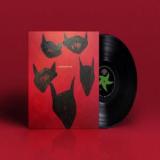
Practical Limits of Nihilism is a double album by Das Ding containing 14 brand new tracks. On the album, Danny Bosten searches for meaning in an incomprehensible world in which even nihilism does not offer a way out anymore. Created on self-built analogue synths and drum machines, Practical Limits of Nihilism sees the typical Das Ding sound evolving into new territory, including 4 vocal tracks. The atmosphere varies from dark wave to ambient trance and italo, while remaining true to itself. The artwork on the gatefold sleeve was also created by Danny Bosten and reflects a collapsing world, leading to the emptiness that is symbolised by the white vinyl the album is pressed on.
Following the underground cult success of Mystical Funk, Gerardo Frisina returns to the 7” format with a new double-sider aimed at dancefloors, collectors, and selectors with a taste for cinematic funk. A record that feels as though it emerged from a lost Afro-funk session, where cosmic funk and Afro-Latin grooves are filtered through a distinctly modern electronic sensibility.
On the A-side, “Duala”, inspired by the African city of Douala, pays tribute to Afro-funk in its most visionary era, evoking the unmistakable sound made famous by the great Manu Dibango. The track opens into a dense and hypnotic electronic funk journey: pulsating basslines, fluid guitars, psychedelic synthesizers, and a rhythmic tension that recalls the golden age of Afro-funk. A nocturnal voyage through rare groove and cinematic atmospheres, with the groove constantly remaining at the heart of the composition.
On the B-side, “Lindeza” is a tribute to the beauty and richness of Brazilian musical culture. A track that shifts perspective while keeping the temperature high: elegant, percussion-driven electronics with a Latin spirit, flowing at around 110 BPM. Warm and magnetic, the piece carries all the hallmarks of Gerardo Frisina’s sound, where futuristic jazz, tropical funk, batucada, and club culture meet in a refined production designed equally for deep listening and the dancefloor.
out of Stock
Last delivered 4 months ago available to reorder, subject to availability
ICONIC FRENCH LABEL VULTURE RETURNS WITH A NEW CHAPTER.
Marking its 25th anniversary, Alan Braxe label Vulture looks beyond its archive, from the French Touch imprint of “Intro” and “In Love With You” to The Upper Cuts, entering a new phase.
This chapter opens with Femme d’Intérieur. Developed in close collaboration with Million Miles and Braxe, the debut introduces French lyrics to the label’s catalogue, shifting toward a nocturnal strain of French Boogie and soulful songwriting.
The B-side reconnects the project to the label’s club lineage through remixes by Shakedown and JKriv (Razor-N-Tape).
out of Stock
Last delivered 89 days ago available to reorder, subject to availability
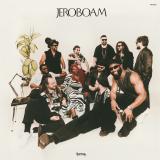
With just three years on the scene, Jéroboam is already considered as one of the most exciting and essential new voices in contemporary soul funk.
A true manifesto for live music and the dancefloor, this 11-piece live machine hits the stage like a juggernaut and doesn’t just play funk, they live and breathe it.
After a slew of certified underground classic releases on Space Grapes and Chuwanaga which have been supported worldwide by tastemakers and connoisseurs, Jéroboam is now presenting its long awaited first LP on Favorite Recordings.
From boogie-funk to 2-step soul crossover, Jéroboam delivers 8 heartelf songs, combining razor-sharp compositions with genuine and relatable lyrics.
Achieving such an exciting and challenging piece of work is the outcome of a long and inspiring process started more than 10 years ago in Paris.
From their early beginnings on the local scene, the core musicians of Jéroboam thrived on their mutual love for funk music under the name and concept of Echoes Of.
Building on these successful experiences and expanding its line up over the years, the band has been able to sharpen its sound, craft a distinctive crossover identity and create its own original music under a brand new entity : Jéroboam.
This momentum culminates in their debut full-length album, set for release in june 2026 on Favorite Recordings, a defining moment for one of Europe’s most vital modern funk acts.
out of Stock
Last delivered 4 months ago available to reorder, subject to availability
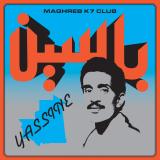
After Maghreb K7 Club – Synth Raï, Chaoui & Staïfi (1985-1997) and Maghreb K7 Club Disco Singles Volume 1, 2, and 3, Sofa Records and Les Disques Bongo Joe team up again for a new project exploring funky, synth-driven tape music from the Maghreb.
This compilation brings together eight songs —delivering a Saharan pop sound melted with reggae, dub, new-wave and funk — by Yassine (Ahl) Nana, the iconic figure of Mauritanian pop music in the 1980s and 1990s. Yassine and his band recorded songs between Nouakchott, Paris, and Rabat, resulting in only a pair of rare cassette tapes. This music was definitively part of the vibrant wave of African sounds sweeping across the continent at the time, from Abidjan to Oran and Kinshasa.
This compilation features previously unreleased recordings, along with liner notes, interviews, and exclusive iconography.
out of Stock
Last delivered 9 days ago available to reorder, subject to availability
Berlin lo-fi crooner Der Assistent returns with "Ultramarin", a sun-faded suite of soft-focus pop, Balearic grooves and late-night yacht moods drifting between languages, moods and references – slightly surreal, and quietly melancholic.
Following the tropical haze of its predecessor "Amnesie am Amazonas", his third album makes a slightly bigger splash: classic late-80s digital pianos, downbeat grooves and flashes of dub-reggae intertwine with subtle soprano and alto saxophone lines that drift between lounge melancholy and nocturnal jazz.
Laid-back opening cut “Wenn der Scirocco weht” pays homage to Japanese lovers rock, while the dubby downbeat title track celebrates the color blue in French, English, Italian and German, echoing situationist slogans and painter Yves Klein’s idea of “the invisible becoming visible.” Lead single “Mann am Telefon” dives into hazy yacht-pop and lo-fi soul, gradually unfolding into an instrumental outro that recalls the early synth romanticism of Vangelis.
Across the album, Der Assistent traces a playful tale of split personalities – with subtle nods to Fight Club and Blade Runner – culminating in the lush closing 80s R&B ballad “Total Confusion”.
Written, recorded, produced and mixed entirely by Der Assistent, Ultramarin also inaugurates his new imprint of the same name.
RIYL: Fishmans, Eddie Chacon, The Zenmenn.
out of Stock
Last delivered 70 days ago available to reorder, subject to availability
Blue Hour is the most recent release from Friday Night Plans, recently signed by Modern Obscure Music. The project marks FNP's shift from their 'pop' roots towards a more experimental and ambient sound. Friday Night Plans is pioneered by singer/songwriter Masumi who has collaborated on this project with acclaimed Japanese producer Ena. Together, they have created a collection of songs that represents the quiet introspection and emotions of the AM hours, using improvisation during the production process to create a cyclical record that is described as 'dreamlike'. Masumi attributes the project to a journey consisting of fragments of memory through each song; a reflection of how nostalgia and recollection connects us to emotions.
out of Stock
Last delivered 4 months ago available to reorder, subject to availability
Crash is a debut EP of Abel Dalum, aka KennyKrazyWorld. Often appearing on tracklists of many, now breaking through with his highly anticipated 4 piece solo, no-remix EP. Across four movements, KennyKrazyWorld sketches a system in flux: fragments of noise, texture, and space dissolving into one another. As he likes to say himself, "its all about the percussions".
Petrichor opens with the residue of a storm — metallic air, wet circuitry, the pulse of machines breathing beneath the rain and a broken up kick. Like a scene from Blade Runner or a concert hall opening somewhere deep in the megalopolis. The 10-minute track is there to pull in and not let go. Dust follows, bone-dry and disintegrating, rhythm shedding its structure until only motion remains, hooking the listener to lose himself in its enchanting wormhole of evolving percussions and atmospheres.
At its core, the 3rd "backbone" track of the same-named EP, Crash, is already breaking apart: percussive tension folding in on itself, and a memorable voice over to seal the deal. Divergent closes the loop — but doesn't leave the listener with breadcrumbs, rather with a feeling like a party in full effect being closed at 3AM due to some scumbag cops…
Crash is techno as erosion, but also a study of groove and flow — repetition worn into form, emotion distilled through pressure.
To Cherish zeigt Northcote, das Projekt des kanadischen Singer-Songwriters Matt Goud, in einer Phase persönlicher und kreativer Erneuerung. Seit 2008 bekannt für seine warme Stimme, seine aufrichtigen Texte und energiegeladenen Live-Shows, hat Northcote durch Touren in Nordamerika und Europa sowie gemeinsame Auftritte mit Künstlern wie The Gaslight Anthem, Frank Turner und Hot Water Music eine treue internationale Fangemeinde aufgebaut. Das Album entstand in den Rain City Studios in Vancouver unter der Leitung von Produzent Jesse Gander, der den Songs eine kraftvolle, unmittelbare Klarheit verleiht. To Cherish spiegelt eine Zeit des Umbruchs wider - das Ende einer langjährigen Beziehung, eine wichtige spirituelle Übergangsphase und die kreative Aufbruchsstimmung nach der Rückkehr auf die Bühne. Musikalisch knüpft das Werk an die intime Dynamik der Duo-Tourneen an. Langzeitpartner Stephen McGillivray trägt mit seinem charakteristischen Gitarrenspiel maßgeblich zur Atmosphäre bei, unterstützt von Paul Rigby, Percussionist Mike Battle und Bassist Eric Paone. Die Songs vereinen lyrische Tiefe mit emotionaler Intensität und laden dazu ein, die Höhen und Tiefen des Lebens bewusst wertzuschätzen.
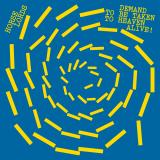
Die Musik auf Horse Lords' "Demand to Be Taken to Heaven Alive!" wirkt zugleich unglaublich detailliert und zutiefst menschlich. Die zwölf versammelten Stücke sind vielschichtig, verflochten, tonal und rhythmisch komplex - moiré-artige Muster aus Interaktion und Verzahnung, die sich sowohl körperlich als auch geistig entfalten, voller klanglicher Gänge mit einem unausweichlichen Groove. Künstler sind nicht notwendigerweise Wissenschaftler, Logiker oder spirituelle Führer, doch durch ihr persönliches Verständnis von Ordnung und Erfahrung eröffnen sie einen unmittelbaren Zugang zu gesteigerten Zuständen von Materialität und Immaterialität. Horse Lords wurden 2010 in Baltimore gegründet; sie gingen aus einer anderen Gruppe namens Teeth Mountain hervor und starteten als Trio mit Gitarrist Owen Gardner, Bassist Max Eilbacher und Schlagzeuger Sam Haberman, bevor der Altsaxofonist Andrew Bernstein zum Kernensemble hinzustieß. Obwohl das Quartett aus einer fruchtbaren Noise- und Experimental-Rock-Szene hervorgegangen ist - einem legendären Umfeld für Künstler und Außenseiter, das viele einflussreiche Bands hervorgebracht hat (Lungfish, Matmos) - war ihr Ansatz über sechs Alben, zahlreiche Kollaborationen und als gefeierte Liveband weit vielseitiger, als es die punktierten Rhythmen instrumentaler elektrischer Rockmusik vermuten lassen. Für dieses Projekt wird die Band durch Bassklarinettistin Madison Greenstone, Posaunist Weston Olencki und - erstmals bei Horse Lords - durch Gesang von Nina Guo und Evelyn Saylor ergänzt. Der Entstehungsprozess von "D2BT2HA!" brachte geografische Hürden mit sich, da die vier Mitglieder seit 2021 in unterschiedlichen Städten leben. Nach sechzehn Jahren als funktionierende Band übersteigt ihre gemeinsame Sprache jedoch jeden Ort. Die aus Deutschland stammenden Gardner, Eilbacher und Bernstein trafen sich in Berlin für die Aufnahmen, während Haberman die Schlagzeugparts in Baltimore erarbeitete. Beim Hören würde man dies nicht unbedingt erkennen, und gemeinsames, räumlich getrenntes Arbeiten ist heutzutage ohnehin keine Seltenheit mehr. Die Band merkt an, dass "es wichtiger war, den Konzepten und Visionen der jeweils anderen zu vertrauen, als Abschnitte immer wieder zu spielen, um zu überprüfen, ob die Musik funktioniert - obwohl dieses Vertrauen nur durch sehr enges gemeinsames Arbeiten möglich wurde". Obwohl "D2BT2HA!" nicht im engeren Sinne eine Suite ist, beeinflusst und durchdringt sich die Musik in komplexen Verknüpfungen selbst. Horse Lords erklären: "Uns gefällt die Vorstellung von Kunst als Werkzeug zur Perspektivveränderung - dass man Ideen rotieren kann und sie aus einem anderen Blickpunkt sehen/hören/fühlen kann." Oder, wie es der Swami Satchidananda Saraswati zugeschriebene Satz ausdrückt: "Understanding is standing under where you are already standing." Das Eröffnungsstück ,Eureka 378-B" ist ein Arrangement von sakraler Harfenmusik aus dem 19. Jahrhundert, getragen vom Gesang von Guo und Saylor; seine Melodie entfaltet sich weit und setzt einen tonalen Startpunkt für vieles, was folgt. Dazu kommen die kurzen "Rotations", die Fragmente aus anderen Stücken isolieren. Offensichtlich tragen die Titel der Stücke einiges an Bedeutung, und "D2BT2HA!" bildet da keine Ausnahme - Transzendenz und Erhebung sind der Musik inhärent, und wenn jede Kunst politisch ist, so sind die Tendenzen von Horse Lords optimistisch und gemeinschaftsorientiert. Transformation und Neubetrachtung sind nicht nur kompositorische Strategien, sondern eine philosophische Haltung, was sich in Titeln wie ,A City Yet To Come", dem Titeltrack oder utopischen Bezügen zeigt. Wie sie selbst sagen: "Wir versuchen Musik zu machen, die den Status quo herausfordert und dem Hörer einen Weg zur Befreiung eröffnet. Das Studium und die Erforschung von Klang und Musik hat eine spirituelle und ekstatische Dimension, und wir haben große Ehrfurcht vor ihrer Wirkung auf den Einzelnen und die Welt." "D2BT2HA!" enthält unzählige klangliche und konzeptuelle Schichten, doch angesichts der unverkennbaren Kraft und Menschlichkeit der Musik ist der Prozess, sie zu entschlüsseln, begeisternd und zutiefst lohnend. Selten ist eine Platte, die einen so unmittelbar packt und zugleich bei jedem Hören vollkommen neu erscheint.
Die Musik auf Horse Lords' "Demand to Be Taken to Heaven Alive!" wirkt zugleich unglaublich detailliert und zutiefst menschlich. Die zwölf versammelten Stücke sind vielschichtig, verflochten, tonal und rhythmisch komplex - moiré-artige Muster aus Interaktion und Verzahnung, die sich sowohl körperlich als auch geistig entfalten, voller klanglicher Gänge mit einem unausweichlichen Groove. Künstler sind nicht notwendigerweise Wissenschaftler, Logiker oder spirituelle Führer, doch durch ihr persönliches Verständnis von Ordnung und Erfahrung eröffnen sie einen unmittelbaren Zugang zu gesteigerten Zuständen von Materialität und Immaterialität. Horse Lords wurden 2010 in Baltimore gegründet; sie gingen aus einer anderen Gruppe namens Teeth Mountain hervor und starteten als Trio mit Gitarrist Owen Gardner, Bassist Max Eilbacher und Schlagzeuger Sam Haberman, bevor der Altsaxofonist Andrew Bernstein zum Kernensemble hinzustieß. Obwohl das Quartett aus einer fruchtbaren Noise- und Experimental-Rock-Szene hervorgegangen ist - einem legendären Umfeld für Künstler und Außenseiter, das viele einflussreiche Bands hervorgebracht hat (Lungfish, Matmos) - war ihr Ansatz über sechs Alben, zahlreiche Kollaborationen und als gefeierte Liveband weit vielseitiger, als es die punktierten Rhythmen instrumentaler elektrischer Rockmusik vermuten lassen. Für dieses Projekt wird die Band durch Bassklarinettistin Madison Greenstone, Posaunist Weston Olencki und - erstmals bei Horse Lords - durch Gesang von Nina Guo und Evelyn Saylor ergänzt. Der Entstehungsprozess von "D2BT2HA!" brachte geografische Hürden mit sich, da die vier Mitglieder seit 2021 in unterschiedlichen Städten leben. Nach sechzehn Jahren als funktionierende Band übersteigt ihre gemeinsame Sprache jedoch jeden Ort. Die aus Deutschland stammenden Gardner, Eilbacher und Bernstein trafen sich in Berlin für die Aufnahmen, während Haberman die Schlagzeugparts in Baltimore erarbeitete. Beim Hören würde man dies nicht unbedingt erkennen, und gemeinsames, räumlich getrenntes Arbeiten ist heutzutage ohnehin keine Seltenheit mehr. Die Band merkt an, dass "es wichtiger war, den Konzepten und Visionen der jeweils anderen zu vertrauen, als Abschnitte immer wieder zu spielen, um zu überprüfen, ob die Musik funktioniert - obwohl dieses Vertrauen nur durch sehr enges gemeinsames Arbeiten möglich wurde". Obwohl "D2BT2HA!" nicht im engeren Sinne eine Suite ist, beeinflusst und durchdringt sich die Musik in komplexen Verknüpfungen selbst. Horse Lords erklären: "Uns gefällt die Vorstellung von Kunst als Werkzeug zur Perspektivveränderung - dass man Ideen rotieren kann und sie aus einem anderen Blickpunkt sehen/hören/fühlen kann." Oder, wie es der Swami Satchidananda Saraswati zugeschriebene Satz ausdrückt: "Understanding is standing under where you are already standing." Das Eröffnungsstück ,Eureka 378-B" ist ein Arrangement von sakraler Harfenmusik aus dem 19. Jahrhundert, getragen vom Gesang von Guo und Saylor; seine Melodie entfaltet sich weit und setzt einen tonalen Startpunkt für vieles, was folgt. Dazu kommen die kurzen "Rotations", die Fragmente aus anderen Stücken isolieren. Offensichtlich tragen die Titel der Stücke einiges an Bedeutung, und "D2BT2HA!" bildet da keine Ausnahme - Transzendenz und Erhebung sind der Musik inhärent, und wenn jede Kunst politisch ist, so sind die Tendenzen von Horse Lords optimistisch und gemeinschaftsorientiert. Transformation und Neubetrachtung sind nicht nur kompositorische Strategien, sondern eine philosophische Haltung, was sich in Titeln wie ,A City Yet To Come", dem Titeltrack oder utopischen Bezügen zeigt. Wie sie selbst sagen: "Wir versuchen Musik zu machen, die den Status quo herausfordert und dem Hörer einen Weg zur Befreiung eröffnet. Das Studium und die Erforschung von Klang und Musik hat eine spirituelle und ekstatische Dimension, und wir haben große Ehrfurcht vor ihrer Wirkung auf den Einzelnen und die Welt." "D2BT2HA!" enthält unzählige klangliche und konzeptuelle Schichten, doch angesichts der unverkennbaren Kraft und Menschlichkeit der Musik ist der Prozess, sie zu entschlüsseln, begeisternd und zutiefst lohnend. Selten ist eine Platte, die einen so unmittelbar packt und zugleich bei jedem Hören vollkommen neu erscheint.
Der Mittlere Westen, insbesondere der Teil, aus dem Eric D. Johnson stammt, ist eine weitgehend flache Weite. Wenn man auf der Autobahn hindurchbraust, sieht man Städte und Ortschaften in der Ferne aufragen, doch wenn man blinzelt, verpasst man andere von Menschenhand geschaffene Gegenstücke zum Leben in der Ebene, die die Landschaft prägen: Hügel um Hügel, erbaut aus den Abfällen der Vergangenheit: Mülldeponien. Einige dieser Hügel eignen sich hervorragend als Schlittenhügel, Parks und Wanderwege. Andere verwandeln organische Abfälle in Kompost. ,The Landfill" ist etwas ganz anderes: ein Berg, der die Landschaft in Johnsons Herzen dominiert. Im Laufe seiner mittlerweile 25-jährigen Karriere unter dem Namen Fruit Bats war der Großteil von Eric D. Johnsons Schaffen das Ergebnis von Geduld und Feinschliff. Seine Songs sind, um einen Ausdruck zu verwenden, Langzeitprojekte, die auf Alben zum Leben erweckt werden, welche lange Zeiträume und Erinnerungen umfassen. "Baby Man" änderte das - er verbot sich, auf Material zurückzugreifen, an dem er vor der Aufnahme des Albums gearbeitet hatte. Es war sowohl ein atemberaubendes Dokument von Johnsons Können als Singer-Songwriter als auch ein ungeschönter Bericht über die zwei Wochen, in denen er das Album aufnahm. "Diese Session war vorbei", erklärt er, "aber es gab noch viel mehr zu erkunden. Mir gefiel die Unmittelbarkeit davon, und ich wollte sehen, wie sich das auf ein Fruit-Bats-Album mit voller Bandbesetzung übertragen lassen würde." Innerhalb weniger Wochen war er wieder im Studio, diesmal mit seiner Band: David Dawda (Bass), Josh Mease (Gitarren, Synthesizer), Frank LoCrasto (Klavier, Synthesizer) und Kosta Galanopoulos (Schlagzeug). Wenn man sich "The Landfill" anhört, stellt man fest: Diese Band rockt. Johnson produzierte die ersten Aufnahmesessions in den Bear Creek Studios in Washington und machte sich daran , "den Sound dieser Band einzufangen, die mich immer wieder in Staunen versetzt - das Gefühl, in einem Raum mit Musikern zu sein, die man liebt und denen man genug vertraut, um sie einfach machen zu lassen." Sie nahmen das meiste davon in einem Durchgang auf - ohne Click-Tracks, ohne zusammengestellte Gesangsparts und mit minimalen Overdubs, wobei der häufige Mitwirkende Thom Monahan zurückkehrte, um zusätzliche Produktionsarbeit zu leisten und den finalen Mix von ,The Landfill" zu erstellen. "So machen wir es auch mit meiner anderen Band, Bonny Light Horseman, und ich war neugierig, wie es bei den Fruit Bats funktionieren würde", bemerkt Johnson. "Es ist sowohl ein sehr persönliches Album als auch mein bisher kollaborativstes." Es ist zudem das live-orientierteste Album der Fruit Bats seit "The Ruminant Band" aus dem Jahr 2009, und durch die Reduzierung der Spuren, die einen Song einer kompletten Band normalerweise ausmachen, ist die psychedelische, technicolorartige Verträumtheit ihres Sounds lebendiger denn je. Die Songs auf "The Landfill" zeichnen sich sofort als einige der besten in Eric D. Johnsons Werk aus, Suchende und Hymnen gleichermaßen. Es ist der bisher gewaltigste Gipfel, den er erklommen hat.
Der Mittlere Westen, insbesondere der Teil, aus dem Eric D. Johnson stammt, ist eine weitgehend flache Weite. Wenn man auf der Autobahn hindurchbraust, sieht man Städte und Ortschaften in der Ferne aufragen, doch wenn man blinzelt, verpasst man andere von Menschenhand geschaffene Gegenstücke zum Leben in der Ebene, die die Landschaft prägen: Hügel um Hügel, erbaut aus den Abfällen der Vergangenheit: Mülldeponien. Einige dieser Hügel eignen sich hervorragend als Schlittenhügel, Parks und Wanderwege. Andere verwandeln organische Abfälle in Kompost. ,The Landfill" ist etwas ganz anderes: ein Berg, der die Landschaft in Johnsons Herzen dominiert. Im Laufe seiner mittlerweile 25-jährigen Karriere unter dem Namen Fruit Bats war der Großteil von Eric D. Johnsons Schaffen das Ergebnis von Geduld und Feinschliff. Seine Songs sind, um einen Ausdruck zu verwenden, Langzeitprojekte, die auf Alben zum Leben erweckt werden, welche lange Zeiträume und Erinnerungen umfassen. "Baby Man" änderte das - er verbot sich, auf Material zurückzugreifen, an dem er vor der Aufnahme des Albums gearbeitet hatte. Es war sowohl ein atemberaubendes Dokument von Johnsons Können als Singer-Songwriter als auch ein ungeschönter Bericht über die zwei Wochen, in denen er das Album aufnahm. "Diese Session war vorbei", erklärt er, "aber es gab noch viel mehr zu erkunden. Mir gefiel die Unmittelbarkeit davon, und ich wollte sehen, wie sich das auf ein Fruit-Bats-Album mit voller Bandbesetzung übertragen lassen würde." Innerhalb weniger Wochen war er wieder im Studio, diesmal mit seiner Band: David Dawda (Bass), Josh Mease (Gitarren, Synthesizer), Frank LoCrasto (Klavier, Synthesizer) und Kosta Galanopoulos (Schlagzeug). Wenn man sich "The Landfill" anhört, stellt man fest: Diese Band rockt. Johnson produzierte die ersten Aufnahmesessions in den Bear Creek Studios in Washington und machte sich daran , "den Sound dieser Band einzufangen, die mich immer wieder in Staunen versetzt - das Gefühl, in einem Raum mit Musikern zu sein, die man liebt und denen man genug vertraut, um sie einfach machen zu lassen." Sie nahmen das meiste davon in einem Durchgang auf - ohne Click-Tracks, ohne zusammengestellte Gesangsparts und mit minimalen Overdubs, wobei der häufige Mitwirkende Thom Monahan zurückkehrte, um zusätzliche Produktionsarbeit zu leisten und den finalen Mix von ,The Landfill" zu erstellen. "So machen wir es auch mit meiner anderen Band, Bonny Light Horseman, und ich war neugierig, wie es bei den Fruit Bats funktionieren würde", bemerkt Johnson. "Es ist sowohl ein sehr persönliches Album als auch mein bisher kollaborativstes." Es ist zudem das live-orientierteste Album der Fruit Bats seit "The Ruminant Band" aus dem Jahr 2009, und durch die Reduzierung der Spuren, die einen Song einer kompletten Band normalerweise ausmachen, ist die psychedelische, technicolorartige Verträumtheit ihres Sounds lebendiger denn je. Die Songs auf "The Landfill" zeichnen sich sofort als einige der besten in Eric D. Johnsons Werk aus, Suchende und Hymnen gleichermaßen. Es ist der bisher gewaltigste Gipfel, den er erklommen hat.
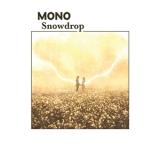
Als MONO ihr vorheriges Album OATH 2023 gemeinsam mit ihrem langjährigen Produktionspartner und Freund Steve Albini aufgenommen hatten, konnten sie sich nicht vorstellen, dass es das letzte Studioalbum sein würde, das sie zusammen machten. Albini starb im darauffolgenden Jahr tragisch, und dieser Verlust hinterließ eine unermessliche Leerstelle - nicht nur im Leben all jener, die Steve persönlich kannten, sondern bei jedem, der eine emotionale Verbindung zu einem der Tausenden von Alben hat, an deren Entstehung er in den vergangenen vier Jahrzehnten beteiligt war. Er brachte Klarheit in das Chaos und eine selbstlose Hingabe an die Kunst und die Künstler, die ihresgleichen suchte. Auf persönlicher wie auf praktischer Ebene stellte sein Tod MONO vor tiefe Trauer und große Unsicherheit. Albini war zu einem grundlegenden Bestandteil des unverwechselbaren MONO-Sounds geworden, und allein der Gedanke daran, ihn ersetzen zu müssen, war mehr als entmutigend.Und dann kam: Brad Wood (Touché Amoré, The Smashing Pumpkins).Ausgewählt aufgrund seiner Vertrautheit mit MONOs kreativen und technischen Arbeitsprozessen - ebenso wie seiner jahrzehntelangen Freundschaft mit Steve Albini - betrat Brad Wood im September 2025 das legendäre Electrical Audio Studio, um aufzunehmen, was schließlich zu Snowdrop werden sollte. Gemeinsam mit dem in Chicago ansässigen Dirigenten und Orchesterleiter Chad McCullough verpflichteten MONO ein zehnköpfiges Orchester und einen achtköpfigen Chor für die acht monumentalen Stücke, aus denen Snowdrop besteht. Die Band spielte, und Wood nahm in demselben heiligen Raum auf, in dem die meisten MONO-Alben ihrer 25-jährigen Geschichte entstanden waren - die Songs auf Snowdrop tragen daher ein besonderes Gewicht. Abgemischt wurde das Album von Wood in seinem Seagrass-Home-Studio in Los Angeles; es klingt zugleich intim und umhüllend.Wo leicht ein Schatten über Snowdrop hätte liegen können, findet sich stattdessen eine außergewöhnliche Atmosphäre der Dankbarkeit. Statt in Herzschmerz zu verweilen, entsteht eine eindringliche Wertschätzung für das gut gelebte Leben mit einem geliebten Freund - und eine Sehnsucht danach, was noch kommen mag. Snowdrop ist der Klang einer Band, die Schock und Trauer in Hoffnung und Staunen verwandelt - und neue Klarheit im befreienden Gefühl des Nichtwissens findet.
Jeffrey Alexander and the Heavy Lidders return with their best album yet, and a UK tour this August. Press by Silver PR
‘’On the alternate timeline where the Meat Puppets inherited the bulk of the Grateful Dead’s tourheads when Jerry Garcia died in 1995, none of this would be necessary, because Jeffrey Alexander and the Heavy Lidders are a household name for evolving their own musical space that overlays dusty folk, cosmic jazz, deep psych, free improv, and even (gasp!) indie rock, building an audience that ranges from open-eared curiosity seekers to deep committed music weirdos that’s also yielded the Heavy Lidders, an infamous sub-cult of concert tapers that you’re already sick of hearing about. A lot of other things are better over on that timeline, too.
But in this consensus reality (and probably the other one, too), Liquid Donnon catches the Lidders at their heaviest, “heavy” in the Lidderverse being far from a monolithic musical idea. There’s heavy like the album-opening “From Loch Raven to Fells Point,” one of several tracks with elegant and gnarled conversational jams featuring the core Lidders lineup of Alexander alongside guitarist Drew Gardner and bassist Jesse Sheppard (both of Elkhorn) and drummer Scott Verrastro. But there’s heavy, too, like “Calliope Walker” and “Tightroping,” featuring Gardner shifted to dream-space vibraphone, the former with saxophonist Tacuma Bradley, the latter with Christina Carter of Texas noise-psych legends Charalambides on veil-crossing wordless vocals, her first collaboration with Alexander in some 20 years.
But then there’s also heavy like the cover photo of Alexander’s late friend and album namesake Donnon, taken at a Dead show at Rich Stadium in Buffalo in 1989, a spirit threading through the songs and weaving unexpectedly into Alexander’s life decades later, emerging especially when Alexander passed through a near-death experience of his own. But, taken together, the different heavies of Liquid Donnon add up into a state of musical grace, where all the Heavy Lidders from all the universes come together as one. Just, like, imagine.
Convened in 2019 on Alexander’s relocation back to his native east coast, the Heavy Lidders are the latest hard-touring expression for the guitarist’s music, joining a vast and tangled discography (and tape list) that includes the beloved long-running west coast Dire Wolves Just Exactly Perfect Sisters Band and, before them, the Iditarod and Black Forest/Black Sea, as well as a bushel of solo play-all-the-instruments projects, a stint with Jackie-O Motherfucker, sessions with Kemialliset Ystävät and Avarus and others, and you’ll have to keep digging for the rest.
And while it’s not hard to find tapers at Lidders gigs (and they encourage you to be one), or to track themes and songs over Alexander’s many live releases, Liquid Donnon makes a new primary text, the original versions of six new pieces for the repertoire. The album closes with a devastating pairing of “Reservoir Drop” into “The Summer Song,” floating into a duo between Alexander’s guitar and Carter’s voice. Catch a half-dozen Lidders shows this summer, and you might not ever catch them playing it like that again, but you just might open the doorway back to that better place." - Jesse Jarnow (writer, WFMU DJ, producer and host of The Good Ol’ Grateful Deadcast)
In Lande’s words: “It’s a daydreaming song about wanting a life of excitement and adventure rather than a dull and ordinary life - one where people underestimate you and belittle you. And where you’re forced to buy into capitalism and become a pathetic, losing player in a game that you hate. I’d rather escape and live in a queer space fantasy and be brave.”
Available on limited turquoise vinyl and digipack CD
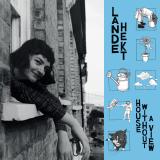
It is with both pride and excitement that we announce the reissue of ‘House Without A View’, the out-of-print second album by singer-songwriter Lande Hekt – the first of a three-part reissue series on Circuitry, with ‘Going To Hell’ and ‘Gigantic Disappointment’ (first time physically) to follow in the coming months.
With a new album ‘Lucky Now’ released on Tapete in January, supported by an extensive spring UK tour (dates below), Lande’s contemporary twist on the classic C86 indie sound - with a queer feminist punk identity lyrically explicit throughout – is drawing in an ever-growing audience of devotees, such is the consistent quality of her songwriting, and the personality within.
The opening track of the album is ‘Half With You’ which “is about growing into yourself as a queer person, and enjoying who you are after not enjoying it for so long,” says Lande. ‘Cut My Hair’ is about how her relationship with her gender has changed over the last few years, becoming more comfortable in herself and understanding more about what makes her happy. “It’s also about how easy it is to not talk to people when you’re struggling, which is something I did for a long time,” admits Lande.
The title track of ‘House Without a View’ deals with childhood trauma and how events of our formative years “affect us so much into our adult lives and are intrinsic to our personalities and the way we cope (or don’t) with life and relationships,” says Lande. Although there’s darkness and sadness within the record, there’s also some shining beacons of positivity and a light-hearted side, albeit with a side of frustration. ‘Lola’ was written about Lande’s cat shortly after she came to live with her and her girlfriend. “She’s the first pet I’ve ever had and I wasn’t quite ready for how hard it would be to not be able to verbally communicate with her. I worried constantly that she was depressed because all she did was sleep, but my girlfriend assured me that that was regular cat behaviour.”
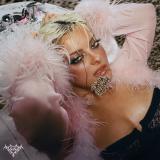
You can't put Bebe Rexha in a box. From her Grammy-winning songwriting roots on Eminem's "The Monster" to global chart-toppers with David Guetta and Florida Georgia Line, Rexha has established herself as a premier musical chameleon. With her latest project, Dirty Blonde, she officially enters a new era as an independent powerhouse. Now signed to EMPIRE, the Brooklyn-born star has crafted a 13-song "genre kaleidoscope" that serves as her first-ever visual album, representing a total creative rebirth and a departure from the major-label system she's known since she was a teenager.
Recorded across London, Tokyo, and Europe, Dirty Blonde captures the energy of Rexha's global travels. The project seamlessly blends heavy-hitting dance floor anthems with deep, personal storytelling. With the lead single "New Religion" she takes us straight to the club by reimagining the iconic dance record "Insomnia" by Faithless. On "Tokyo," she explores a drum & bass pulse inspired by a late-night rendezvous in Japan, while "Cike Cike" (produced by long-time collaborator DJ Snake) sees Rexha embracing her Albanian heritage by mixing traditional linguistic roots with modern 808 basslines.
At the emotional core of the album is the lead single, "I Like You Better Than Me." The track strips away the pop-star veneer to tackle themes of insecurity and self-scrutiny, blending raw lyrics with a pop-rock edge. From the Jersey-bounce-meets-country vibes of "Drink and a Little Love" to her vulnerable reflections on fame, Dirty Blonde is a celebration of an artist who is finally playing by her own rules. As Rexha firmly asserts, "The old Bebe is dead," leaving behind a focused, stronger creator who is making the music she truly loves.
Tresor Records is fortunate enough to be sitting on a catalogue of past releases that no other label in electronic music would turn down. Three of the finest in this collection were contributed by Surgeon;
“Basictonalvocabulary”, “Balance” and “Force + Form”, which all came out between 1997 and 1999.
Surgeon’s inimitable combination of Detroit techno and post-industrial sounds emanating from his British homeland found its fullest expression in these masterful trio of releases.
Following the release of Surgeon's first album in 5 years "Crash Recoil" earlier in 2023, Tresor Records have decided that its high time to give these seminal albums another airing.
out of Stock
Last delivered 29 days ago available to reorder, subject to availability
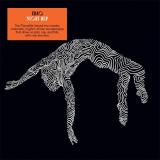
Growing together both personally and musically… That is indeed the good fortune of the musicians in the Marseille-based trio ubaq. We’re talking about bassist Antoine Carletto, guitarist Lucas Schemidt, and drummer Antoine Saussol, winners of the Rezzo springboard competition at Jazz à Vienne 2025. In their early twenties, they met in their late teens while still honing their musical skills. Nearly ten years later, they burst onto the scene, in perfect harmony, with their very first album, “Night WIP,” a follow-up to their EP, “20bis,” released in 2024. They owe their stylized stage name—written in lowercase with a “q”—to the ubac, that side of a mountain with very little sun exposure, where twilight reigns. “We liked that idea because we’re night owls,” says bassist Antoine Carletto. Hence the “night” for “nuit” and the “WIP” for “Work In Progress,” explains guitarist Lucas Shemidt. ubaq’s music is characterized by a nocturnal, melancholic heaviness, pierced by beams of light. “We love creating music that soothes us and highlights the precious nature of composing and playing in complete harmony,” says Antoine Carletto. “We cultivate complex tones, sometimes difficult to bear, whether they’re nostalgic or even verging on depression. But we manage to convey emotions without falling into clichés,” adds Antoine Saussol. Night and twilight serve as the perfect catalysts for this trio, which moves forward with perfect chemistry and harmony.
On this album, they feature the German-Armenian rapper and singer Talin, who is also based in Marseille. She appears on the track “Regarding Others,” where she chants that even though the year 2026 may see mothers weeping in every corner of the world, she still manages to smile. Thus, this track explores the three musicians’ relationship with the world and the necessity of looking at others. The unsettling “Sciatiq,” the haunting “Sakakinik,” and the ambivalence of “Flayosc”—the final track, on which the trio features trombonist Jules Regard—owe their titles to the musicians’ own observations and experiences. The multi-faceted track “Proud,” in two parts, is a tribute to Lucas Schemidt’s mother, who has since passed away. The presence of wind instruments—whether Jules Regard’s trombone or Mathieu Fabre’s saxophone on the intense track “From The Ending”—adds textures missing from the natural landscape depicted in “Night WIP.” This debut album captures the obsessions and introspective wanderings—sometimes anxious, sometimes enchanted—of a trio that cultivates melody as a pledge of warm fulfillment.
Back to Titanic is the second soundtrack album released for the ultimate classic film Titanic. Composer James Horner created a new suite of light and dark music to represent "the soul” of his original score. The inspiration used in composing the original soundtrack formed the basis for the new pieces Horner developed for this album. It features a piano solo performed by James Horner in “The Portrait” and newly recorded suites by the London Symphony Orchestra and the Choristers of King's College.
The first highlight is the opening 19-minute suite, "Titanic Suite", which captures the essence of the film. The other major suite is the final track, titled “Epilogue - The Deep and Timeless Sea”. James Horner returns to the main Titanic theme in a subtle way, honoring the losses of the disaster.
The soundtrack of Back to Titanic is available as a limited edition of 1500 individually numbered copies on violet vinyl. The records are packaged in a deluxe sleeve finished with linen laminate and includes a 4-page booklet with liner notes by director James Cameron.
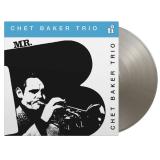
Mr. B is the album recorded in 1983 by Chet Baker and is considered one of the best from that period. Baker plays compositions by Herbie Hancock (Dolphin Dance), Horace Silver (Strollin') and Dave Brubeck (In Your Own Sweet Way).
The sadness of the songs is felt throughout, in a lazy sometimes slow and sluggish tempo. The album includes two bonus tracks “White Blues” and “Father X-mas” and band members include Michel Graillier (piano) and Ricardo Del Fra (bass).
Mr. B is available as a limited edition on silver vinyl. The album sleeve contains liner notes by Wim van Eyle and affixed on the protective sleeve is the 50th Anniversary Timeless Jazz sticker.
Art Blakey is one of the inventors of the modern bebop style of drumming. Known as a powerful musician and a vital groover his brand of bluesy, funky hard bop was and continues to be profoundly influential on mainstream jazz. For more than 30 years, his band Art Blakey & The Jazz Messengers included many young musicians who went on to become prominent names in jazz.
Released in the late fifties, A Night In Tunisia is a jazz milestone and prime example of Blakey's exceptional rhythmic prowess. This album is not all about drumming though; it leaves much space for great melodical interplay by fellow musicians Sam Dockery on piano, John Griffin and Ferris Benda on saxophone, Bill Hardman on trumpet and Jimmy De Brest on double bass.
A Night In Tunisia is available as a limited edition of 1500 individually numbered copies on orange vinyl, and is packaged in a deluxe sleeve with linen laminate finish.
The small print:
• Due to rights restrictions, this item is only available in the MOV store to European customers.
The second in a series of releases from Digi Dub’s archives, this 10” serves, as the title suggests, as a tribute to the late, great Julian Fairshare.
On the A-side, Julian vocalises, in his unique style, his crazy finger flicking lyrics over a slinky Digidub riddim that was always a favourite on his sound system. Repent, the (only) slightly more traditional flipside, finds him commenting on the politricks and lies of those in charge, asking them to change their ways, with backing vocals by Helen Macdonald.
A true rasta with firm principles and a heart of gold, Julian was brought up by his Windrush generation parents in a Brixton house that hosted blues parties, and as a result became deeply involved in sound system culture from an early age. For years he ran the Fairshare Unity Sound, working with people from all cultures and walks of life, always maintaining an inclusive attitude while also favouring the more experimental side of dub. In later years he used the name ‘Unruly Julian’, which suited him somehow.
He toured widely around Europe and was one of the first to take a roots and culture sound system to the USSR. Nearer to home he played regularly on the London underground scene, which is where Lee Digidub and Julian first met, leading to a steady supply of dubplates for his sound. On a memorable visit to the studio, Julian announced that he wanted to voice a dub that Lee was working on, which led to them releasing I Scream and No Way on David Records.
“Sadly missed, it’s such a shame that the great man isn’t here to enjoy this release in person, but it’s wonderful that people get a chance to listen to Julian Fairshare: a unique vocalist, soundman and mentor to so many” Lee Digidub Berwick
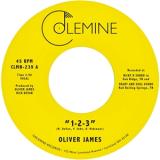
Oliver James aus Tennessee, eine Zeitkapsel des klassischen R&B-Sounds, kehrt zum Label Colemine zurück - mit zwei neuen Stücken auf einer unverzichtbaren 45er-Single. Auf der A-Seite ist sein erster neuer Track seit 2022 zu hören. ,1-2-3" ist ein mitreißender Soul-Stomper im Stil von Memphis und Stax. Nick DeVan und Vincent John (Eraserhood Sound) haben den Track gemeinsam geschrieben; sie haben die Instrumentalparts fertiggestellt, waren aber bei den Texten ratlos. Da wurde James hinzugezogen, und er nutzte seine Zeit bei der Arbeit in einer Kirche, um die Texte zu formulieren, aus denen schließlich dieser Song entstand. Die B-Seite entstand in Zusammenarbeit mit Nashvilles Gritty-Funk-Ensemble The Gripsweats. Es ist ein ernsthafter Song mit Texten, die von James' und DeVans Mitgefühl inspiriert sind. ,I'm no stranger to love that I used to know", klagt James; seine Lieblingszeile des Songs. Untermalt von üppigen Streicher- und Bläserarrangements ist ,Nothing Is Forever" ein melancholischer und herzlicher Gegenpol zur A-Seite.
In celebration of the Persianate new year usually taking place on March 21st Afghan-German producer artist Farhot announces his follow up project "Nowroz 1401" which translates into "New Year 1401" - the number marking the year according to the solar calendar which is used in countries like Afghanistan and Iran. While Nowroz is being celebrated in several additional regions like Azerbaijan, Kazakhstan or Kirgizstan and partly also in Pakistan, Syria, Tajikistan, Georgia and Turkey - this 4-Track EP pays tribute to Afghan contemporary artists like singer-songwriter Calid, London based Elaha Saroor and rapper Khan all while referencing the golden era of Afghan psychedelic pop most prominently represented by Ahmad Zahir samples - and with that marking this special release as a contribution to preserving Afghan culture and tradition while Afghanistan"s recent brutal occupation by the Taliban continue to threaten and erase Afghan artistic tradition. Further "Nowroz 1401" was born out of the urgent feeling to uphold and celebrate an essential tradition of Persianate cultures so that the following generations of diaspora children don"t lose access to their cultural heritage while not being able to live or visit their countries of origin, where such holidays are institutionalized and therefore experienced as a community festivity.
"raqs", which translates to the Dari noun for "dance" is written the same way like its Arabic original made of the three root letters: ra qa sa - to dance. under this premise of cultural kinship Afghan-German producer artist Farhot is about to addanother sonic layer to his discography, this time designed for the dance floor - a space, where culture can be shared by many, which invites movement and connection.while his earlier work was heavily influenced by the various traditions of hiphop, which later was enfused with sounds inspired by his Afghan roots, on "Raqs" he explores the vibrant musical heritage of mostly Arabic speaking regions from North Africa to West Asia, where as his fascination for Somali music also took him to East Africa. Like a well versed HipHop producer Farhot"s approach to "raqs" was guided by a virtual sampling journey which allowed him to connect and fuse sounds from Egypt, Lebanon or Somalia carefully woven into an EP that stands apart from his previous work but nevertheless carries his sonic signature: productions, that can sound as complex and immense as they sound playful and simple or creating intensity through unconventional ways of chopping and distorting vocals - amongst others one will find samples of Lebanese legend Fairuz dressed in an almost experimental uptempo production. Whoever followed Farhot"s work around the release of his sophomore LP Kabul Fire Vol. 2 via his own label Kabul Fire Records will know that he releases music intentionally alway ensuring a new quality to music, especially when he samples from cultures that are often times overshadowed by conflict or simply forgotten. With "raqs" he reminds us of the rich musical traditions that always existed beyond the west. he also reminds us of the ways that music can connect beyond borders, like an Afghan producer from Germany, who loves Somali music and Fairuz.
Like a thief in the night, and almost 4 for years after his critically acclaimed full-length album Kabul Fire Vol 2, beat virtuoso Farhot has returned to the (crime) scene with his latest all-instrumental record "stealing from cats". While on his last LP, he took listeners on a journey to the dusty streets of his birthplace Kabul, he is now taking them along as he goes out stealing sounds from dusty Jazz archives. Reminiscent of that time when Blue Note invited Madlib into their catacombs to create the seminal "Shades of Blue" LP, this slow-paced record sees Farhot eclectically fusing Jazz samples with downtempo, instrumental hip-hop art. From the hazy, chopped vocal samples of the intro tune "selfish" to the dreamy closer "they need me", this 12-song masterpiece is as much an homage to the virtuosity of Jazz cats as it is to the fine art of sampling that Farhot cheekily calls stealing.
Koaraktor is a magic nobody from the end of the street - as per his words. We know that he"s a versatile beatmaker who only produces tasteful hiphop instrumentals in lo-fi fashion. With his debut album "Hikikomori" he pays tribute to the reclused life style he chose over participating in any form of society - leaving no traces or clues about who he really is. So this hiphop instrumental album is the only way you can catch a glimpse into an hikokomori"s creative genius.
On her second EP "Reality Check", Kuoko continues to make her way and search for her own answers. On the follow-up to her debut "Lost Woods", her electro-pop sound remains mystical and spherical, but, as the title implies, this project sees the Hamburg-based music producer deal with a number of quite tangible, personal and social topics. On songs like "Floating" or "Hiding in the Dark" she reminds us to follow our guts despite the ever- increasing pressures of society and technology . Despite the heavy undertone, the atmosphere remains positive all throughout the EP as Kuoko"s crystal-clear voice floats through the elaborate, ethereal soundscapes that she created. After putting out her debut EP in 2018, playing several live shows - three of them at the Reeperbahnfestival - and winning a local award for emerging artists (Krach + Getöse), the young multi- talented artist now invites us to check out her latest work. Accept this invitation and give it a listen. It"s definitely worth it.
qu"s debut album where did the sun go? presents his sonic transformation from a producer to a producer artist in his own right, not only engineering beats, but writing songs, arranging instrumentation and directing his own vision onto a full length album. where did the sun go? features prominent artists like Jay Prince (UK) and Serious Klein (GER), emerging artists Josh Kye (UK) and Malaya (US) as well as Kabul Fire artists agajon and Ninja Kidsoul. on 15 tracks qu proves his versatility in creating an alternative sound that is inspired by the music traditions of hiphop, rnb & jazz.
After releasing his first beat & instrumental album "Alltimers" in 2020, Berlin based multi-talent V.Raeter is back and kicking off the champagne for his upcoming sophomore LP "Sunday on a Monday" - this time released via Kabul Fire Records, also known as the nourishing home of high class instrumental releases in proud HipHop fashion. Sunday on a Monday is a sample based instrumental gem that pays tribute to the laid-back atmosphere of late summer days.
After releasing his first beat & instrumental album "Alltimers" in 2020, Berlin based multi-talent V.Raeter is back and kicking off the champagne for his upcoming sophomore LP "Sunday on a Monday" - this time released via Kabul Fire Records, also known as the nourishing home of high class instrumental releases in proud HipHop fashion. Sunday on a Monday is a sample based instrumental gem that pays tribute to the laid-back atmosphere of late summer days.
Germany"s producer elite gathers on this new instrumental compilation by Kabul Fire Records and, just in time for the G20 summit in 2017, is sending a powerful signal against nationalist isolationist politics and global exploitation. Label boss Farhot has brought together pretty much everyone that has rank and name in the German hip hop scene: Bazzazian, The Krauts, Dexter, KitschKrieg, Brenk Sinatra, Ghanaian Stallion, Suff Daddy, Samy Deluxe, DJ Desue, and many more. Everything exclusive, everything fire! The proceeds from the project go to a school construction project of the Hamburg association Visions for Children e.V. in Afghanistan. Make beats not borders!
Colemine ist stolz darauf, die neueste 45er von Aaron Frazer zu präsentieren. Diese hier ist etwas ganz Besonderes. Zwei Tracks mit der Rhythmusgruppe der legendären Cold Diamond & Mink, dem Rückgrat des finnischen Soul-Labels Timmion. Die A-Seite ist ein neuer Track: ,It's A Shame". Und es ist vielleicht wirklich schade, dass dieser Titel es nicht auf die "Into The Blue" LP geschafft hat, denn er ist ein echter Knaller. Meisterhaft von Aaron und Produzent Alex Goose zusammengestellt und arrangiert, besticht der Track durch knackige Drums, Aarons charakteristisches, seidiges Falsett und wunderschöne Streicharrangements. Du wirst den Refrain noch tagelang vor dich hin summen. Die B-Seite ist der Album-Closer auf ,Into The Blue" - und das aus gutem Grund. Es fühlt sich wirklich wie ein süßer und gefühlvoller Abgesang am Ende eines Films an. Ein Klagelied über die Höhen und Tiefen der Liebe, das Gefühl, angesichts des Scheiterns dumm dazustehen, aber trotzdem weiterzumachen. Es fühlt sich an wie ein verlorenes Sample, das von Aaron und Goose gekonnt ins Hier und Jetzt geholt wurde. Für Fans von Durand Jones & The Indications, Pale Jay, Jason Ngonda, Thee Sacred Souls, Neil Frances, Khruangbin.