Area Silenzio is eat-girls" debut record and it is both haunted and haunting. For the past four years, the French trio have been crafting their songs into little self-contained worlds with the patience of entomologists, taking them out all over the country and Europe to confront them with the wilderness of a live audience. The ten resulting tracks are a collection of electronic madrigals, groove-driven songs played on a mischievous multi-speed Victrola, ranging from languid dub drips to full-on drum machine cavalcades. Their live performances have that same ghostly, ephemeral quality. There is something other-worldy about the three of them, a suggestion of telepathy, their three voices blending together or going their separate ways like a flock of starlings. They secured opening slots with artists as different as Thalia Zedek, Exek and The Young Gods, just to name a few. It is the elusive essence of their music that allows them to feel at ease pretty much anywhere they find themselves: part no-wave disco rhythms, part post-punk throbbing basses, folk tunes and synthesizers in equal measures, with a perpetual attention to hooks and melodies. The album was self-recorded, a necessary measure to protect the delicate nature of the inner landscapes painted by the band. In this case "delicate" does not mean "soft" by any means: the industrial disco inferno of "A Kin", the ritualistic kraut stampede of "Para Los Pies Cansados" and the bubbly post-funk rhythms of "Trauschaft" will leave you gasping for air once you come out on the other side. "On a Crooked Swing", the opener, is all arpeggiated bass and stumbling kicks. "Unison" will dip you into a hallucinatory river where nothing is what it seems to be and rescue you at the very last second. "Canine", the first single off the record, will gently but firmly reach for your jugular with its vulpine Farfisa and deceptively nonchalant drum beat. The vocal polyphonies on "3 Omens" sound like a field recording of traditional music from a tiny country that has yet to be discovered. eat-girls exist on a slightly different plane from ours, where everything is teeming with secrets and hidden life. Area Silenzio is a precious polaroid shot from that world, or, as Tom Verlaine would have it, "a souvenir from a dream".
‚Himmel‘ sind am Ende nur eine menschliche Erfindung - genau wie die ‚Hölle‘. Alle Definitionen beruhen auf dem Wunsch der Menschheit, der
Realität zu entfliehen und eine Form der Sicherheit zu finden, die als Gegenstück zu dem höllischen Leben, das wir führen müssen, fungiert. Aber
schauen wir uns einmal selbst in die Augen: „Down The Heavens“.
11 Jahre nach ihrem letzten Album „And Babylon Fell“ melden sich DISPARAGED mit einem neuen Death Metal Magnum-Opus zurück. „Down The
Heavens“ beginnt mit einem leisen Atmen, bevor ‚Among The Chosen Ones‘ mit seinen brutalen Drums und schnellen Gitarrenstrokes alles in Schutt
und Asche legt, aber das ist nur eine Facette von DISPARAGEDs Songwriting. ‚The Throne‘ macht seinem Namen mit einem mächtigen Gitarrensolo
alle Ehre, und ‚Drown In Madness‘ hält das Brutalitätsniveau weiter hoch, fügt aber einen unwiderstehlichen Groove hinzu. Während sich der Sturm
mit ‚The Bridge‘ durch akustische Gitarren und Keyboard-Soundscapes für einen Moment beruhigt, wirkt das folgende ‚Sole Survivor Of The Flames‘
nur noch eindringlicher und epischer. Auf dem Album sind auch zwei illustre Gäste zu hören: Andy LaRocque (King Diamond) und Damir
Eskic (Destruction) fügen 'Another Day' und dem Titeltrack ihre ganz eigene Note hinzu. „Down The Heavens“ zeigt, dass Death Metal unerbittlich und
vielseitig zugleich sein kann. Ralph Beier (Gitarren), Tom Kuzmic (Gitarren und Gesang), Heinz Imhof (Drums) und Reto Hardmeier (Bass) haben ein
Muss für alle Extrem-Metaller geschaffen.
TERRITORY: Deutschland, Österreich, Belgien, Schweiz, Tschechische Republik, Frankreich, England, Italien, Irland, Niederlande, Polen
‘Trust The Stars’ is the brilliant new album by Chicago-based The O’My’s that comes via HiyaSelf Recordings – the label founded by legendary DJ & producer Nightmares On Wax.
Comprising of Chicago natives Nick Hennessey and Maceo Vidal-Haymes – the duo channel their experiences into gritty, genre-bending music that grabs listeners with its sound & forms a rich palette of sonic influences through soul, hip-hop, lo-fi, alt-R&B, jazz & washed-out psychedelia.
Having worked with some of the biggest names in the industry, including Chance the Rapper, Noname, Saba, and Mick Jenkins, the new album is no different - featuring a host of esteemed collaborations including tracks with Children of Zeus’ Konny Kon; the incredible poet & singer Jamila Woods, fast becoming a leading light in the alt-R&B & neo-soul scenes; and the Pitchfork championed Southern rapper Pink Siifu.
Born out of a period of experimentation and endless creation, the forthcoming album explores themes of love, loss, and personal rediscovery, with a maturity and depth that reflects the duo's years of experience.
In 2009, you couldn't ignore Kyteman. It truly was his year. His album "The Hermit Sessions" likely topped the year-end lists of many critics and music enthusiasts.
With his HipHop Orchestra, sometimes 25 members strong, Kyteman made more than his mark at numerous festivals, including Pinkpop, Paaspop, Oerol, North Sea Jazz, Lowlands, Appelpop, a sold-out gig at the HMH in Amsterdam, and many club performances, always bringing the energy to the next level. His appearances on Dutch televisionshows like 'Raymann Is Laat' and 'De Wereld Draait Door' are also legendary. Now, 15 years later, the music has not lost any of its power. It is high time for a re-release of this iconic album in a special 15th Anniversary Edition, with an additional booklet with photo's, credits and a reflection by Colin Benders.
Lou Barlow personified home recording’s rise in the late ’80s and was arguably one of the few key players that changed the trajectory of songwriting as the ’90s charted its cultural course. For the 30th anniversary of his Really Insane 7-inch and Winning Losers EP, Emil Amos and Steve Shelley have compiled an overview of Barlow’s best solo work under the name Sentridoh. Based around an even mix of legendary tracks and extra deep cuts, this compilation focuses on Barlow’s arrangement innovations, signature textural explorations, and radical ability to turn psychological upheaval into classic songs.
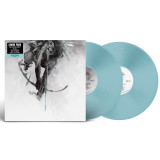
The Hunting Party wurde im Juni 2014 veröffentlicht und ist das sechste Studioalbum von Linkin Park. Das 12-Track-Album enthält die Singles „Final Masquerade“, „Until It's Gone“ und „Guilty All The Same“. Auf diesem Album sind mehrere Gastmusiker von Linkin Park zu hören: Daron Malakian (System of a Down), Page Hamilton (Helmet), Tom Morello (Rage Against The Machine / Audioslave) und Rakim. Diese limitierte Auflage ist auf blauem, durchscheinendem Vinyl gepresst.
out of Stock
Last delivered 23 months ago available to reorder, subject to availability
Fom the Sleevenotes by Paul Murphy: Jazz Room Records:
"I took a trip to the If Music Store, 2nd Floor, above the paint shop and that got me hooked on the sound of COPA SALVO.
"You NEED this!" said Jean-Claude. "They're an amazing and unique Jazzy Combo from Japan!" But at the time I was stuck in some dead end Gulag job getting things together for the launch of a record label idea I'd been working on and the bobs were just not in abundance. Especially in the part of the wallet marked "Japanese Vinyl Import Department". But he gave it a spin and I was pretty much hooked from that day on.
Things soon looked up though and the next sighting of COPA SALVO was on the BBE Records release: A Journey Into Deep Jazz Vol. 3 (Compiled by that very same Jean-Claude!) which featured COPA SALVO - Hasta La Victria Siempre, a pounding piano driven homage to Fidel which incidentally is one of the featured numbers of the album that is soon to be released on Jazz Room Records.
I kept looking for more COPA SALVO as I was really intrigued by the sound they produced and, over a period of time I managed to obtain nearly all of their sparse catalogue. Once Jazz Room Records had started to get established and the release of the Colin Curtis Presents: indigo jam unit compilation had been a success I thought "Time for COPA SALVO to make their Jazz Room debut!"
This Jazz Room Records Compilation will feature their unique and highly original compositions which are an energetic meltdown of Funk, J-Jazz, Afro-Cuban, Boogaloo and range from the Heavy Latin Jazz Vibes of Bolivia 67 to the Kung Fu '70's sound of Tong King Rock with a journey that takes in an Eastern Folktale and a Jump Up Life along the way."
Vocal/Guiro : Tadahiro Masuda
Piano : Eri Konishi
Bass : Hironori Kobayashi
Percussion : Yo Sato
Percussion : Pyon Nakajima
Timbales/Drum : Peach Iwasaki
out of Stock
Last delivered 14 months ago available to reorder, subject to availability
Jawad Nawfal and Mazen El Sayed, better known by their stage names of MUNMA and EL RASS, met for the first time in Beirut, during the summer of 2011. A common friend told Jawad wonders about an MC who rapped and slammed in the classical Arabic language, as opposed to the vernacular Lebanese dialect. The two musicians met in a small café in Beirut’s Hamra neighborhood, spoke of music, argued about politics, and decided to collaborate at once. They began working on tracks the following day. A month later, they had already produced a dozen sketches, instrumental beds and accapella vocal tracks. These demos eventually landed in the hands of Ziad Nawfal and Fadi Tabbal, who set out to bring to life the duo’s first recorded album. “Kachf el Mahjoub” (the title is from a Sufi master-work penned some 900 years ago) was eventually released as a limited edition of 500 CD’s, during a launch event at then-budding alternative venue Metro al Madina in Hamra, on the 22nd of February 2012. These CDs went out of print in record time, as can be expected, and the album’s mythical status became reinforced over time – El Rass & Munma collaborated sporadically during the next ten years, but never fully grasped the level of musical intensity and explosive tension attained on this first outing. It has been a longstanding dream of ours, here at Ruptured, to produce a vinyl version of this album, and we are thrilled to say this moment has finally come. Artist ALI RAFEI’s original artworks have been painstakingly reproduced, the music has been dutifully remastered for vinyl by CEDRIK FERMONT, and the records were pressed by our friends at Mother Tongue in Verona. We added bonus track "Fi Kala'at Tarablus" to this 10th anniversary reissue for good measure – recorded during the same sessions that yielded “Kachf el Mahjoub”, it appears on the digital version of the album. “Kachf el Mahjoub” is a landmark album in Lebanon’s alternative music scene, and the MENA region’s hiphop and indie scenes writ large. At the time of their collaboration, El Sayed was a prolific writer and musician, at ease with a variety of instruments, notorious for his masterful flow in the classical Arabic language, with lyrics tackling both social and political sensitive subjects; Nawfal has previously released an impressive number of albums and EPs, exploring downtempo electronica and ambient dubstep, for a number of Lebanese and international labels. The collision of the former’s brazen, slammed vocals and the latter’s harsh beats works wonders on “Kachf el Mahjoub”, Munma’s sound-world perfectly fitting El Rass’s agitated discourse, alternating between broken beats, elaborate percussion, and ambient layers of synths. At times reminiscent of mutant hiphop outfit Shabazz Palaces, at others of the collaboration between dubstep producer Kode9 and the late vocalist The SpaceApe, this album is an uncanny meeting of Arabic hip-hop and electronica, an exceptional event in the realm of contemporary Lebanese alternative music.
out of Stock
Last delivered 23 months ago available to reorder, subject to availability
SONGS OF A LOST WORLD’ is the long-awaited new album from The Cure, their 14th studio release and their first in 16 years.
'SONGS OF A LOST WORLD' was written and arranged by Robert Smith, produced and mixed by Robert Smith & Paul Corkett and performed by The Cure - Robert Smith: Voice / guitar / 6string bass / keyboard, Simon Gallup: Bass, Jason Cooper: Drums / percussion, Roger O'Donnell: Keyboard, Reeves Gabrels: Guitar. The album was recorded at Rockfield Studios in Wales.
Robert Smith created the sleeve concept, and Andy Vella, a long-time Cure collaborator, handled the album's art and design. The cover art features 'Bagatelle', a 1975 sculpture by Janez Pirnat
out of Stock
Last delivered 20 months ago available to reorder, subject to availability
All 8 of the Mad Professor remixes included here are previously unreleased and include his dub mixes of 2 tracks not originally featured on Mezzanine but from the same period – Metal Banshee – a dub version of Superpredators which was a cover of Siouxie and the Banshee’s Metal Postcard – and Wire, a track they recorded for the soundtrack of the film Welcome to Sarajevo.
out of Stock
Last delivered 23 months ago available to reorder, subject to availability
Lemonheads’ seminal album ‘It’s A Shame About Ray’, lovingly reissued for it’s 30th Anniversary. The long overdue reissue includes a slew of extra material, including an unreleased ‘My Drug Buddy’ KCRW session track from 1992 featuring Juliana Hatfield, B-sides from singles ‘It’s A Shame About Ray’ and ‘Confetti’, a track from the ‘Mrs. Robinson/Being Round’ EP, alongside demos that will be released for the first time on vinyl. This reissue celebrates their prestigious fifth album, these deluxe bookback editions feature new liner notes and unseen photos.
Described by music journalist and author Everett True as “A 30-minute insight into what it’s like to live hard and fast and loose and happy with like-minded buddies, fuelled by a shared love for similar bands and drugs and booze and freedom.”. ‘It's A Shame About Ray’ had a considerable impact back in those heady, carefree days of '92, the record perfectly captures Dando’s ability to effortlessly encapsulate teenage longing and lust over the course of a two-minute pop song.
Singles such as 'My Drug Buddy' and the breezy perfect pop of the title track might stand out (plus the add-on of 'Mrs. Robinson' which later copies included), but the album's real strength lies in the tracks in-between; the truly fantastic 'Confetti' (written about Evan's parents' divorce), and the eye-wateringly casual acoustic cover of 'Frank Mills' (from the "hippie" musical Hair), a version that seems to resonate with every ounce of pathos and emotion felt for the lost 1960s generation. To hear Evan Dando sing lines like 'I love him/but it embarrasses me/To walk down the street with him/He lives in Brooklyn somewhere/And he wears his white crash helmet' is to truly appreciate how wonderful and tantalising pop music can be. Then, there's the rush of insurgency and brattishness on the wonderfully truncated 'Bit Part'; the topsy-turvy 'Ceiling Fan In My Spoon'... this was male teenage skinny-tie pop music on a level of brilliance with The Kinks, early Undertones, Wipers.
out of Stock
Last delivered 23 months ago available to reorder, subject to availability
The title track, Pink Velvet is as smooth as velvet and as playful as pink. Featuring a full string and horn section in the choruses. Harking back to the glory age of musical sounds heard at iconic places like Paradise Garage and The Loft, but with modern production and arp synth lines and solos filling verses.
A2 Don’t Wait was a 'note to self'. Life’s short, do the thing, do the thing now. Funnily enough the track is kinda the opposite, it meanders, it noodles, it’s a journey, until… until the choruses, then it doesn’t wait, it drops, it happens, just like life!!
Flipping over to the B side, On My Mind is a love song, a ballad if you will. This dubbed out, solo ridden number explores existential themes like life, love, thought and spring reverb… all things fundamental to human existence.
And rounding out the EP, really giving you something for every occasion - B2 features Inkswel’s masterful REMIX/reinterpretation of On My Mind featuring two new vocalists LYMA bringing that sultry magic he is becoming renowned for and Elf Trazporter laying down the absolute heat. It’s broken beat in feel and party in nature.
out of Stock
Last delivered 14 months ago available to reorder, subject to availability
No one has lived a life quite like Marcos Valle. He became an overnight international sensation, fled a military dictatorship, dodged the Vietnam war draft, had his music sung by Homer Simpson, made enemies with Marlon Brando, and became an unsuspecting fitness guru for multiple generations. But to truly understand the great Brazilian composer, arranger, singer and multi instrumentalist, one must listen to his music.
Lead Single (Life Is What It Is) : Between the release of his first album in 1962 and today, Marcos Valle has released twenty-two studio albums traversing definitive bossa nova, classic samba, iconic disco pop, psychedelic rock, nineties dance and orchestral music. He has also had his songs recorded by some of the all time greats, including Frank Sinatra, Sarah Vaughn, Sergio Mendes, Elis Regina, and (last but not least), Emma Button of the Spice Girls. He has also had his music sampled by Jay-Z, Kanye West, Pusha T and many more.
With his twenty-third studio album Túnel Acustico, Valle set out to bring it all together.
“I believe my music is many things. It goes in different directions. I have many different ways of writing music, sometimes it’s melodies and harmony, sometimes the groove is the focus. But all the music I have made over my sixty year career is unified. It is all natural and it is all sincere. And this is what I wanted to bring to my new album.”
A prominent feature of Valle’s career has been his dual residence between Brazil and the USA. Originally moving over in the mid-sixties on the back of bossa nova’s international proliferation, Valle toured with Sergio Mendes and became hugely in demand as a composer and arranger. But the Vietnam War loomed and the threat of being drafted saw him return to Brazil. He spent the following years in Rio writing music for TV and film, as well as four cult favourite albums in collaboration with some of Brazil’s most groundbreaking musicians including Milton Nascimento, Azymuth, Som Imaginario and O Terco.
By 1975, Brazil's military dictatorship was at its most oppressive, making living and working increasingly difficult. Valle moved back to the US where he would reside in LA, writing songs for, and collaborating with the likes of Eumir Deodato, Airto Moreira, Chicago, Sarah Vaughn and Leon Ware, amongst others.
Túnel Acústico features two songs originally conceived during Valle’s time on the West Coast: “Feels So Good”, a stirring two-step soul triumph written in 1979 with soul icon Leon Ware, and the sublime AOR disco track “Life Is What It Is”, composed around the same time, with percussionist Laudir De Oliveira from the group Chicago.
Built around an unfinished demo Marcos found on a shelf in his house 44 years after it was made, the “Feels So Good” demo was restored with the help of producer Daniel Maunick, who also utilised AI stem-separation to remove the placeholder vocal ad-libs. Valle added Portuguese lyrics to sit alongside Ware’s vocal hook, as well as extra keyboards and percussion.
Also written in late seventies LA, “Life Is What Is It” was co-penned by Laudir De Oliveira from the band Chicago and first released on the bands’ Chicago 13 album with lyrics by Robert Lamb. Another nod to his good times in LA, Valle recorded his own version for Túnel Acústico, upping the tempo and deepening the groove for a blast of irresistible summer soul.
On Túnel Acústico, Valle's core band features two members of the renowned Brazilian jazz-funk group Azymuth: Alex Malheiros on bass and Renato Massa on drums. The rhythm section is completed by percussionist Ian Moreira, with additional contributions from guitarist Paulinho Guitarra and trumpeter Jesse Sadoc.
The contemporarily composed music on Túnel Acústico features an impressive lineup of guest lyricists, including renowned Brazilian artists: Joyce Moreno (Bora Meu Vem), Céu (Nao Sei), and Moreno Veloso (Palavras Tão Gentis) as well as Valle's brother Paulo Sergio Valle (Tem Que Ser Feliz).
The album closes with "Thank You Burt (For Bacharach)", a tribute to the legendary composer who passed away in 2023.
Túnel Acústico will be released on 20th September 2024 via Far Out Recordings. Valle is set to tour Europe and America in support of the album.
out of Stock
Last delivered 19 months ago available to reorder, subject to availability
The 24 songs on this double album are in some ways a completion. Together with Young Man Songs here are nearly all the songs Kerry Lee Crabbe and Daryl Runswick wrote (and Daryl sang) which are good enough to be issued. The subject matter here is wider ranging than on Young Man Songs:love songs, but also family, heroes and antiheroes, zen, celebration, nostalgia, philosophy, life and death.
Daryl Runswick writes: "I first set Kerry Lee Crabbe's words to music in 1967; for the last time in 2010. Our most prolific period was 1970-1980 during which time we had considerable success as a songwriting team, though we didn't have big hits. The pinnacle for us was when Cleo Laine recorded a whole album of our songs (One More Day: well worth looking out for on vinyl or CD). There are a number of reasons for our lack of hits: songwriting was for neither of us our main job - not 'the principal source of his revenue' as Paul Simon put it (One Trick Pony) - we did it in our spare time. Also, neither of us had any interest in being an entrepreneur, nor did we employ a manager to push the songs; also, perhaps we were snobs who disdained moneygrubbing; but perhaps the main reason was that these are art songs: art songs in the style of pop music, yes, but not aimed (other than tangentially) at the commercial market.
We'd have loved to have hits but that's not why we did it and we didn't bother overmuch flogging our wares around. Kerry and I were introduced to one another as undergraduates at Cambridge University. Kerry had written the book and lyrics for a musical (Someone is Squeaking) and I was instructed by Clive James, then President of the Footlights Club where I was Musical Director, to compose the songs. It was put on at the Edinburgh Festival Fringe in 1967 with Julie Covington in the lead role. Kerry directed and I was musical director, playing piano in the accompanying trio. After that summer I went down to London to be a jazz bass player while Kerry had a further year at Trinity College, Cambridge. After he came down, we got together again and continued making songs."
On How It Ends (?), slinky melodies snake through nocturnal atmospherics, drawing you into a world built on poetic, painterly lyricism. Night Crickets, a long-distance groove affair that materialized during the drawn-out days of lockdown, has emerged once again to soundtrack our waking dreams.
David J (Bauhaus, Love & Rockets), Victor DeLorenzo (Violent Femmes) and multi-instrumentalist Darwin Meiners spearhead a loose collective of like-minded creative souls whom, through sheer tenacity and a burning desire to collaborate and create, transcend the restrictions of space and time. Audio files shared from Los Angeles to Milwaukee, from London to the San Francisco Bay, and the ghosts of Candlestick Park shimmer through the fog, coalescing in a glorious ‘gesamtkunstwerk’ that draws from the past, the present and the imagined future.
Declaring Bauhaus, Love And Rockets, and Violent Femmes iconic, foundational bands in the history of alternative music would receive little pushback from those in the know. San Francisco born artist Darwin Meiners is a fan of all three. A chance meeting with David J grew into a friendship, and Darwin not only became a bandmate, but his manager. After reaching out to Victor DeLorenzo through e-mail, Darwin met the Violent Femmes drummer after their set at Coachella. Soon, after the three collaborated on Darwin’s 2014 release Souvenir.
As the pandemic took hold, Darwin was looking for a new project to occupy the lock down time and approached Victor, who was keen to proceed and suggested that David join as well. The musical trust established between these three was immediate and Night Crickets were born. Within weeks a global process was initiated between them, the recordings eventually forming the album, A Free Society.
Following that release, inspired by how well – and quickly – they all worked together, the trio kept up their collaboration. “We are each free to discover musical connections that could only exist in an ideal creative setting” explains Victor. “We are very lucky to have three musicians who write, sing and play various instruments in one trio… our egos seem to melt into one when we face musical decisions, so our expeditions are always filled with pure discovery, humor and drive!”
How It Ends (?) was crafted with the same collaborative spirit as A Free Society. Each member contributed contributed unique elements to spur their collective creativity—whether a drum pattern, a lyrical concept, or a musical idea—and together, they expanded these initial sparks into the finished work. True to their approach, much of what you hear was captured in the first take, reflecting a genuine, unfiltered moment.
The music on the How It Ends (?) is a true evolution of the debut album. It is deeper and darker. Having said that, the dark tone is alleviated by a healthy measure of the buoyant, bouncy and melodic. “Much of the new material is very psychedelic and the contrast between this heavy, dark psychedelia and the more uplifting pop elements puts me in mind of The Beatles’ ‘Revolver’ album to some degree,” tells David J. “The recording process for the new album was exactly the same as the first in that we all recorded remotely, taking turns to share files and reacting spontaneously to the previous track, overdubbing then passing on once again until we all felt that the track was done.”
“While we didn’t start with a specific theme, the album emerged as a contemplative exploration of endings” says Darwin. “It touches on the loss of individuals, the shifting of ideas, and the fragility of systems. Beneath this sense of darkness and finality, however, there are threads of beauty and glimpses of hope. We invite you to immerse yourself in the album and experience the journey we’ve embarked upon.”
Just under a year after their acclaimed self-titled debut, dreampop duo deary release a brand new six-track EP – Aurelia – via Sonic Cathedral on November 1. It includes the singles ‘The Moth’, ‘Selene’ and ‘The Drift’ and features Slowdive drummer Simon Scott playing on three songs. It will be available on three different vinyl variants, a CD with three bonus tracks and digitally. It’s a stunning record, which displays a new-found maturity in terms of production as well as musically and lyrically. The band – singer Rebecca ‘Dottie’ Cockram and guitarist/producer Ben Easton – have had to grow up in public since the release of their debut single at the start of 2023, supporting legends such as Slowdive and Cranes and TikTok sensations like Wisp along the way. An aurelian is a rare old term for a lepidopterist – someone who studies and collects moths – derived from the Latin aurelia, meaning chrysalis. The perfect title for an EP which is based around the theme of metamorphosis and change. “It leans on the natural world, the human body, the earth and sky as well as human emotion,” says Ben of how the EP represents physical and metaphysical growth. “Change can be daunting but equally exciting, which is something we’ve come to learn.” “While writing the EP, I found a letter I had written to myself when I was 22,” adds Dottie. “I was fresh out of university and had moved back in with my parents as Covid was in full force. I was uninspired and lost and reaching out to my future self for some hope. It was a physical representation of what can happen in a few years; how much can change and how you never know what’s coming next. “I found it interesting that – at the age of 26 – here I was looking back to my younger self for hope or just some comfort in the fact that things will and do move on. It was important to me to bring both of these versions of myself into the new songs.” “Personally, I had noticed a change in myself; a new level of social anxiety, a strange disassociation to things that once brought me joy as well as negative repetitions in my daily life,” reveals Ben. “I began the year sober which allowed me to finish the writing process as a letter of care to my own mental health. There are motifs throughout the EP – for example the riffs in ‘The Moth’ and ‘The Drift’ being reminiscent of each other – which are like musical reflections of these repeated cycles.” It’s musically where the change deary have undergone is most obvious. ‘The Moth’ mixes howling guitars atop a strident breakbeat making it more Curve than Cocteaus; ‘Selene’ is a slow-building wall of noise; ‘The Drift’ combines a perfect pop melody with an incredible sense of urgency. These three singles are balanced by the brief but beautiful ‘Where You Are’ which leads into the Portishead-style trip-hop of ‘Dream Of Me’. The title track has been a staple of their live sets for about a year as ‘Can’t Sleep Tonight’, but its mix of The Cure circa Disintegration and Mezzanine Massive Attack has grown and evolved so much that they renamed it ‘Aurelia’ as the embodiment of the change they have been through. “We’ve allowed deary to naturally grow over the past year, we didn’t want to force it to take a certain shape or sound,” explains Dottie of the duo’s slow and steady approach. “A lot of the last EP was written by sending ideas back and forth over WhatsApp, but this time we were able to sit in the same room and I think that really shows. We know each other a lot better now as we have experienced this journey together and that benefits the writing process as we are more open with each other and can be vulnerable.” “Aurelia definitely feels a lot more collaborative, more personal and more fully realised than the first EP,” concludes Ben. “It feels like a real document of what has been a very important time in both of our lives. Ironically, the band has changed and matured even more since the recording, so we’re both excited to document the next stage
Camelot, the legendary seat of King Arthur's court in Early Middle Ages Britain, was probably not a real place. A corruption of the name of a real Romano-Briton city, the word "Camelot" accumulated symbolic, mythic resonances over centuries, until achieving its present usage as a near-synonym of "utopia." In the mid-20th century alone, Camelot inspired an explosion of representations and appropriations, among them the violent, affectless Arthurian court of Robert Bresson's 1974 film Lancelot du Lac and the absurdist iteration of Monty Python's 1975 Holy Grail, both of which feature armored knights erupting into fountains of blood; the mystical Welsh world of novelist John Cowper Powys's profoundly weird 1951 novel Porius, with its Roman cults, wizards and witches, and wanton giants; and the nationalist nostalgia of President John F. Kennedy's White House. Unsurprisingly there are fewer Camelots in more recent memory. Camelot, Canadian songwriter Jennifer Castle's extraordinary, moving 2024 chronicle of the artist in early middle age, charts a realer, more rooted, and more metaphorical place than the fabled Camelot of the Early Middle Ages (or its myriad depictions), but it too is a space more psychic than physical. In Castle's Camelot, the fantastic interpenetrates the mundane, and the Grail, if there is one, distills everyday experience into art and art into faith, subliming terrestrial concerns into sublime celestial prayers to Mother Nature, and to the unfolding process of perfecting imperfection in one's own nature. Co-produced by Jennifer and longtime collaborator Jeff McMurrich, her seventh record is at once her most monumental and unguarded to date, demonstrating a mastery of rendering her verse and melodies alike with crisply poignant economy. For all their pointedly plainspoken lyrical detail and exhilarating full-band musical flourishes, these songs sound inevitable, eternal as morning devotions. "Back in Camelot," she sings on the lilting, vulnerable title track, "I really learned a lot / circles in the crops and / sky-high geometry." The album opens with a candid admission of sleeping "in the unfinished basement," an embarrassing joke that comes true. But the dreamer is redeemed by dreaming, setting sail in her airborne bed above "sirens and desert deities." If she questions her own agency_whether she is "wishing stones were standing" or just "pissing in the wind"_it does not diminish the ineffable existential jolt of such signs and wonders. This abiding tension between belief and doubt, magic and pragmatism, self and other, sacred and profane, and even, arguably, paganism and monotheism, suffuses these ten songs, which limn an interior landscape shot through with sunstriped shadows of "multi-felt dimensions" both mystical and quotidian. The epic scale and transport of "Camelot," with its swooning strings, gives way dramatically to "Some Friends," an acoustic-guitar-and-vocals meditation in miniature on Janus-faced friends and the lunar and solar temperatures of their promises_"bright and beaming verses" versus hot curses_which recalls her minimalist last album, 2020's achingly intimate Monarch Season. (In a symmetrical sequencing gesture, the penultimate track, the incantatory "Earthsong," bookends the central six with a similarly spare solo performance and coiled chord progression, this time an ambiguous appeal to _ a wounded lover? a wounded saint? our wounded planet?) Those whom "Trust" accuses of treacherous oaths spit through "gilded and golden tooth"_cynics, critics, hypocrites, gurus, scientists, doctors, lovers, government, the so-called entertainment industry_sow uncertainty that can infect the artist, as in "Louis": "What's that dance / and can it be done? What's that song / and can it be sung?" Answering affirmatively are "Lucky #8," an irrepressible ode to dancing as a bulwark against the "tidal pools of pain" and the "theory of collapse," and "Full Moon in Leo," which finds the narrator dancing around the house with a broom, wearing nothing but her underwear and "big hair." But the central question remains: who can we trust, and at what cost faith, in art or angels or otherwise? Castle's confidence in her collaborators is the cornerstone of Camelot. Carl Didur (piano and keys), Evan Cartwright (drums and percussion), and steadfast sideman Mike Smith (bass) comprise a rhythm section of exquisite delicacy and depth. This fundamental trio anchors the airiness of regular backing vocalists Victoria Cheong and Isla Craig and frames the guitars of Castle, McMurrich, and Paul Mortimer (and on "Lucky #8," special guest Cass McCombs). Reprising his decennial role on Castle's beloved 2014 Pink City, Owen Pallett arranged the strings for Estonia's FAMES Skopje Studio Orchestra. On the ravishing country-soul ballad "Blowing Kisses"_Pallett's crowning achievement here, which can be heard in its entirety in the penultimate episode of the third season of FX's The Bear_Jennifer contemplates time and presence, love and prayer_and how songwriting and poetry both manifest and limit all four dimensions: "No words to fumble with / I'm not a beggar to language any longer." Such rare moments of speechlessness_"I'm so fucking honoured," she bluntly proclaims_suggest a state "only a god could come up with." (If Camelot affirms Castle as one of the great song-poets of her generation, she is not immune to the despairing linguistic beggary that plagues all writers.) Camelot evinces a thoroughgoing faith not only in the natural world_including human bodies, which can, miraculously, dance and swim and bleed and embrace and birth_but also in our interpretations of and interventions in it: the "charts and diagrams" of "Lucky #8," a daydreamt billboard on Fairfax Ave. in LA in "Full Moon in Leo," the bloody invocations of the organ-stained "Mary Miracle," and all manner of water worship, rivers in particular. (Notably, Jennifer has worked as a farmer and a doula.) The album ends with "Fractal Canyon"'s repeated, exalted insistence that she's "not alone here." But where is here? The word "utopia" itself constitutes a pun, indicating in its ambiguous first syllable both the Greek "eutopia," or "good-place"_the facet most remembered today_and "outopia," or "no-place," a negative, impossible geography of the mind. Utopia, like its metonym Camelot, is imaginary. Or as fellow Canadian songwriter Neil Young once sang, "Everyone knows this is nowhere." "Can you see how I'd be tempted," Castle asks out of nowhere, held in the mystery, "to pretend I'm not alone and let the memory bend?"
. For Fans Of: The Weather Station, Weyes Blood, Adrianne Lenker, Phoebe Bridgers, Joan Shelley, Lana Del Rey, Cass McCombs, Angel Olsen & Neil Young. Camelot, the legendary seat of King Arthur’s court in Early Middle Ages Britain, was probably not a real place. A corruption of the name of a real Romano-Briton city, the word “Camelot” accumulated symbolic, mythic resonances over centuries, until achieving its present usage as a near-synonym of “utopia.” In the mid-20th century alone, Camelot inspired an explosion of representations and appropriations, among them the violent, affectless Arthurian court of Robert Bresson’s 1974 film Lancelot du Lac and the absurdist iteration of Monty Python’s 1975 Holy Grail, both of which feature armoured knights erupting into fountains of blood; the mystical Welsh world of novelist John Cowper Powys’s profoundly weird 1951 novel Porius, with its Roman cults, wizards and witches, and wanton giants; and the nationalist nostalgia of President John F. Kennedy’s White House. Unsurprisingly there are fewer Camelots in more recent memory. Camelot, Canadian songwriter Jennifer Castle’s extraordinary, moving 2024 chronicle of the artist in early middle age, charts a realer, more rooted, and more metaphorical place than the fabled Camelot of the Early Middle Ages (or its myriad depictions), but it too is a space more psychic than physical. In Castle’s Camelot, the fantastic interpenetrates the mundane, and the Grail, if there is one, distills everyday experience into art and art into faith, subliming terrestrial concerns into sublime celestial prayers to Mother Nature, and to the unfolding process of perfecting imperfection in one’s own nature. Co-produced by Jennifer and longtime collaborator Jeff McMurrich, her seventh record is at once her most monumental and unguarded to date, demonstrating a mastery of rendering her verse and melodies alike with crisply poignant economy. For all their pointedly plainspoken lyrical detail and exhilarating full-band musical flourishes, these songs sound inevitable, eternal as morning devotions. “Back in Camelot,” she sings on the lilting, vulnerable title track, “I really learned a lot / circles in the crops and / sky-high geometry.” The album opens with a candid admission of sleeping “in the unfinished basement,” an embarrassing joke that comes true. But the dreamer is redeemed by dreaming, setting sail in her airborne bed above “sirens and desert deities.” If she questions her own agency whether she is “wishing stones were standing” or just “pissing in the wind” it does not diminish the ineffable existential jolt of such signs and wonders. This abiding tension between belief and doubt, magic and pragmatism, self and other, sacred and profane, and even, arguably, paganism and monotheism, suffuses these ten songs, which limn an interior landscape shot through with sunstriped shadows of “multi-felt dimensions” both mystical and quotidian. The epic scale and transport of “Camelot,” with its swooning strings, gives way dramatically to “Some Friends,” an acoustic-guitar-and-vocals meditation in miniature on Janus-faced friends and the lunar and solar temperatures of their promises—“bright and beaming verses” versus hot curses which recalls her minimalist last album, 2020’s achingly intimate Monarch Season. (In a symmetrical sequencing gesture, the penultimate track, the incantatory “Earthsong,” bookends the central six with a similarly spare solo performance and coiled chord progression, this time an ambiguous appeal to … a wounded lover? a wounded saint? our wounded planet?). Those whom “Trust” accuses of treacherous oaths spit through “gilded and golden tooth” cynics, critics, hypocrites, gurus, scientists, doctors, lovers, government, the so-called entertainment industry sow uncertainty that can infect the artist, as in “Louis”: “What’s that dance / and can it be done? What’s that song / and can it be sung?” Answering affirmatively are “Lucky #8,” an irrepressible ode to dancing as a bulwark against the “tidal pools of pain” and the “theory of collapse,” and “Full Moon in Leo,” which finds the narrator dancing around the house with a broom, wearing nothing but her underwear and “big hair.” But the central question remains: who can we trust, and at what cost faith, in art or angels or otherwise? Castle’s confidence in her collaborators is the cornerstone of Camelot. Carl Didur (piano and keys), Evan Cartwright (drums and percussion), and steadfast sideman Mike Smith (bass) comprise a rhythm section of exquisite delicacy and depth. This fundamental trio anchors the airiness of regular backing vocalists Victoria Cheong and Isla Craig and frames the guitars of Castle, McMurrich, and Paul Mortimer (and on “Lucky #8,” special guest Cass McCombs). Reprising his decennial role on Castle’s beloved 2014 Pink City, Owen Pallett arranged the strings for Estonia’s FAMES Skopje Studio Orchestra. On the ravishing country-soul ballad “Blowing Kisses” Pallett’s crowning achievement here, which can be heard in its entirety in the penultimate episode of the third season of FX’s The Bear Jennifer contemplates time and presence, love and prayer and how songwriting and poetry both manifest and limit all four dimensions: “No words to fumble with / I’m not a beggar to language any longer.” Such rare moments of speechlessness “I’m so fucking honoured,” she bluntly proclaims suggest a state “only a god could come up with.” (If Camelot affirms Castle as one of the great song-poets of her generation, she is not immune to the despairing linguistic beggary that plagues all writers.) Camelot evinces a thoroughgoing faith not only in the natural world including human bodies, which can, miraculously, dance and swim and bleed and embrace and birth but also in our interpretations of and interventions in it: the “charts and diagrams” of “Lucky #8,” a daydreamt billboard on Fairfax Ave. in LA in “Full Moon in Leo,” the bloody invocations of the organ-stained “Mary Miracle,” and all manner of water worship, rivers in particular. (Notably, Jennifer has worked as a farmer and a doula.) The album ends with “Fractal Canyon”s repeated, exalted insistence that she’s “not alone here.” But where is here? The word “utopia” itself constitutes a pun, indicating in its ambiguous first syllable both the Greek “eutopia,” or “good-place” the facet most remembered today and “outopia,” or “no-place,” a negative, impossible geography of the mind. Utopia, like its metonym Camelot, is imaginary
~~~From Mississippi and Olvido Records~~~~~~ Steel-string guitar and vocals by the great Giorgos Katsaros, a mythic figure of Greek rembetiko. Our obsession with underground Greek music continues with 10 ultra-rare recordings of heartbreak and vice from rembetiko legend Giorgos Katsaros. Katsaros, who by some accounts lived to be over 100 years old, carried the old songs of Greece to the Diaspora in the United States, bridging centuries of music in one storied lifetime. Born in 1901 on the Greek island of Amorgos, Katsaros' was enchanted with the songs he picked up as a kid in the streets of Piraeus and Athens. Encouraged by his grandfather, an amateur singer, Katsaros developed a style that mirrored his upbringing - centuries-old Asia Minor songs, island rhythms of his homeland, well-known Athenian songs of the time, and anonymous `rebetiko' songs. Katsaros' songbook was vast, but he was most drawn to the street life and music of the manges of early 20th-century Greece: outcasts who dealt with the indignities of an unstable economy and an inauspicious future with the old standbys: wine, hash, and dancing. These ten tracks are remastered from Katsaros's 64 surviving early recordings, many rarely heard since their original release. Hypnotic melodies plucked over repeating thumbed basslines back his deep, mournful voice. Katsaros brought this nostalgic late-night music to smoke-filled rooms of Greek exiles in Chicago, Philly, and New York, where he emigrated in 1917. He continued to travel the country and play until his music was supplanted by more modern styles in the 1950s. He retired to the town of Tarpon Springs, FL, famous for its Greek sponge fishers, til a late-in-life revival brought him back to Greece for a few massive concerts and national accolades in the 1990s. Like many great artists, Katsaros carefully curated his own mythic backstory over the decades. He sometimes claimed he was born in 1888, making him 109 on his passing, and conflicting accounts of his birth and travels circulate to this day. Greek researchers Stavros Kourousis and Konstantinos Kopanitsanos, who also compiled these tracks, contribute groundbreaking new historical research on Katsaros' life. Lyrics, poetically translated by Tony Klein, further fill in the picture. Clean and rare 78s were remastered by Stereophonic. Katsaros has never sounded better than on this LP, pressed on red vinyl, with extensive notes and lyrics.
Al Jarreau hat immer gesagt, dass er Al Jarreau-Musik singt, und er war wirklich einzigartig: Seine sechs Grammy-Awards und neunzehn Nominierungen als "Bester Sänger" decken nicht weniger als drei Kategorien ab – Jazz, Pop und R&B – mit anderen Worten, musikalische Genres interessierten ihn nicht wirklich. "Musik mag für andere Leute in Kategorien fallen, und ich verstehe das", sagte er, "aber für mich gilt: Wenn ich einen Song mag, muss ich ihn machen, und das war's. Wenn du zu meinen Konzerten kommst, setze ich mich auf deine Schulter und flüstere dir etwas ins Ohr. Ich öffne den Geist und gehe durch viele Türen." Diese Art von reichhaltigen, beschreibenden Bildern beschwört die Höhenflüge der stimmlichen Fantasie herauf, zu denen sein Gesang jederzeit fähig war. Er konnte einen Song plötzlich in neue und unerwartete Richtungen lenken. Er erklärte es immer so: "Wenn es ein Rückgrat für das gibt, was ich tue, dann ist es die Jazz-Umgangssprache."
Musik, Klänge und Rhythmus schienen ihn zu durchströmen, und das war kein Wunder. 1940 in eine musikalische Familie geboren, war er ein überdurchschnittlicher Student und schloss sein Studium mit einem Bachelor of Science in Psychologie und anschließend einem Master in beruflicher Rehabilitation ab. Und doch war die Musik nie weit von ihm entfernt. In den späten 1960er Jahren schloss er sich einem Trio an, das vom Pianisten George Duke geleitet wurde, und arbeitete daran, das Singen zu einer Vollzeitbeschäftigung in Los Angeles zu machen.
Zu diesem Zeitpunkt hörte ihn Siggi Loch, der damals ein hochkarätiger Manager bei Warner Brothers Records (WEA) war und später ACT Records gründete. "Ich sah Al Jarreau 1974 zum ersten Mal im Troubadour in Los Angeles und war sofort von seiner Stimme und seiner Bühnenpräsenz gefesselt", erinnert er sich. "Am nächsten Tag ging ich zu Mo Ostin, dem Präsidenten der WEA, um ihn davon zu überzeugen, ihn zu unterschreiben." Nach anfänglichen Widerständen erhielt Loch grünes Licht und 1975 erschien Jarreaus Debütalbum für WEA, "We Got By". "Ich habe Al nach Deutschland gebracht, bevor er in den USA Erfolg hatte", fährt Loch fort. "Al trat drei Nächte lang in Hamburg auf und ich schaffte es, Michael Naura, den Chef der Jazzabteilung des NDR, davon zu überzeugen, den dritten Abend für die Live-TV-Übertragung aufzunehmen." Diese Show machte Al über Nacht in Deutschland berühmt, und seitdem hat er immer einen besonderen Platz in den Herzen des deutschen Publikums. "We Got By" gewann den Preis der Deutschen Schallplattenkritik und seine erste Deutschlandtournee füllte große Konzertsäle.
Es folgte "Glow" (1976), das in Europa erneut gut ankam und einen zweiten Preis der Deutschen Schallplattenkritik gewann, in den USA aber nicht so gut ankam: "Das richtete sich an ein 'Smooth Jazz'-Publikum", so Loch. "Es hat Al nicht vor einem Live-Publikum eingefangen. Also bat ich darum, dass seine nächste Veröffentlichung ein Live-Album sein sollte. Mo Ostin stimmte widerwillig zu", und "Look to the Rainbow" wurde in Europa ein Riesenerfolg, "Als es in den USA veröffentlicht wurde, wurde es Al's Durchbruchsalbum und brachte ihm seinen ersten Grammy ein, also ist es wirklich richtig zu sagen, dass seine Karriere vor allem in Deutschland begann!", sagt Loch.
Jarreaus langjährige Zusammenarbeit mit dem NDR veranlasste Jörg Achim Keller, Chefdirigent der NDR Bigband, 2016 eine Zusammenarbeit mit dem Sänger vorzuschlagen: "Eine Produktion mit der Musik von Al und Ellington zu machen, war etwas, was ich schon seit Anfang der 2000er Jahre machen wollte", erinnert er sich. "Die Reaktion von Al war von Anfang an sehr positiv." Jörg bereitete eine Liste von einigen hundert Ellington-Titeln vor, und wie sich Jarreau später erinnerte: "Wir gingen einfach die Liste durch, und es war ein Fall von 'Oh, der funktioniert für mich' und 'Lass uns das als alten Darm-Blues machen – was für mich wichtig war, war, mich in der Musik wiederzufinden und vielleicht eine andere Art von Aussage über Ellington zu machen, damit die Leute die Musik auf eine andere Art und Weise hören konnten. alles, was sie vorher gehört hatten."
Beim Schreiben der Charts achtete Jörg darauf, Jarreaus Herangehensweise an das Material zu respektieren, indem er ihm Raum ließ. Tracks wie "I'm Beginning to See the Light" oder "I Got It Bad (and that Ain't Good)" geben den Solisten der Band ebenfalls Spielraum, um ihr Bestes zu geben. "Das sind hochentwickelte, intelligente Solisten, die mit jedem auf der Welt spielen können", sagte Jarreau. "Sie pushen mich, und ich liebe den Push, und sie lassen mich wie eine echte Sängerin klingen!"
Jarreau und die Band tourten in der zweiten Hälfte des Jahres 2016 mit der Musik, "Es gab immer noch einige Feinabstimmungen während der Tour, von Konzert zu Konzert", fügte Jörg mit einem Lächeln hinzu. "Er liebte es, diese Balladen zu singen – und jede hatte ein anderes Gefühl. "Am Sonntag" war ihm aber sehr wichtig. Diese Tabelle wurde zweimal überarbeitet, bevor er schließlich damit zufrieden war! Bei einigen Songs entschied er sich für einen reinen Balladenstil – 'I Got It Bad (and that Ain't Good)', einige Melodien wurden in eine Pop/R&B-Tasche gesteckt ('Lush Life', 'Come Sunday') und er liebte das 'Old Gutbucket Blues'-Feeling von 'I Ain't Got Nothing but the Blues'."
Rückblickend auf diese Sessions und Tour sagt Jörg: "Es waren Al's Stil und Persönlichkeit, die alles zusammenhielten. Das Ganze war eine echte Kombination aus der musikalischen Meisterschaft von Jarreau und Ellington – es hat das Publikum in ganz Europa angesprochen, sie liebten das Programm." Dieses Gefühl teilt auch Siggi Loch, der Jarreau mit der NDR Bigband in Paris erwischte: "Es war offensichtlich, dass er es wirklich genoss, diese Musik aufzuführen, und er tat es mit so viel Energie und Emotion, es war eine Freude zu sehen und zu hören. Leider verstarb Al nur wenige Monate später."
In vielerlei Hinsicht schließt sich mit "Ellington" ein Kreis: Es fühlt sich sehr richtig an, dass Jarreaus letztes Album auf ACT veröffentlicht wird, dem Label, das von Siggi Loch gegründet wurde, dessen starkes und unerschütterliches Eintreten für den Sänger ihn ursprünglich auf den Weg zum Superstar brachte. Und die Tatsache, dass es vom NDR und seiner hauseigenen Bigband aufgezeichnet wurde, ist eine passende Erinnerung daran, dass es sich um eben jenen Sender handelte, dessen TV-Sendung Jarreau einst über Nacht in Deutschland berühmt gemacht hatte. Darüber hinaus wurde "Ellington", genau wie "Look to the Rainbow", das Jarreaus internationales Durchbruchsalbum war, auch live aufgenommen. Manchmal gibt es Verbindungsfäden zwischen Ereignissen, die auf den ersten Blick in keinem Zusammenhang zu stehen scheinen, und das Ergebnis erweist sich nicht nur als besonders und magisch, sondern auch bedeutungsvoll und tief berührend. Das ist hier auf jeden Fall der Fall.
Robert Glasper’s holiday album In December was released last year as an Apple Music exclusive. We’re now able offer it widely available to physical retail and all DSPs!
Is there anything to be done with carols like “God Rest Ye Merry Gentlemen” and “Joy to the World” that hasn’t been done in the past 300 years? If there is, Grammy-winning pianist, composer, and producer Robert Glasper is the kind of artist to do it. “I like covering songs that people know well,” Glasper tells Apple Music. “That’s what I’ve done throughout my whole career.” It’s true: As a jazz pianist, he’s obviously learned his way around making classics his own, whether they were written by Mongo Santamaría or Kurt Cobain. But, he says, “The biggest challenge in making a holiday album was trying to do it in a way that feels festive but at the same time feels real and not corny.”
He succeeds on both fronts on In December, his holiday album that mixes classic carols with a set of originals, and which was recorded in Spatial Audio. Part of what keeps it credible is the fact that Glasper’s hiphop/R&B/jazz fusion is done on a compositional level instead of just a cosmetic one (no collages of sampled sax solos and drum loops here). The covers reveal a lot about his musical worldview: Sung by Tony winner Cynthia Erivo (The Color Purple), “God Rest Ye Merry Gentlemen” is turned into dark, airy neo-soul, while “Joy to the World”—sung by Alex Isley—feels like a Stevie Wonder ballad. But the originals reveal even more. “The intention for this album was less about Christmas songs and more about songs that feel good during the holidays,” Glasper says. “I stayed away from thinking too much about Christmas and its traditional lingo, and concentrated on real things people go through during the holiday season.”
Arthur Russell first visited The Gallery in 1976 with his then boyfriend Louis, who introduced him to Nicky Siano. Arthur became a regular at the space and one night as Siano was playing “Turn the Beat Around”, which had just been released, Arthur waved at him from outside the booth and asked to come in. Nicky opened the door and Arthur suggested they make a record like this together. This ended up being a huge step for Siano as it marked the first ever production by a DJ making a record from scratch.
Arthur had written a song and had an arrangement for it so they assembled a band featuring Wilbur Bascomb who was one of Nicky’s favorite bassists, as well as, Allan Schwartzberg, David Byrne, Miriam Valle, Peter Gordon and Peter Zummo who were all friends of Arthur’s. Russell played the cello and piano – and that was the band. They recorded throughout 1977 and the “Kiss Me Again” 12 inch was finally released in 1978 on Sire Records selling more than 300,000 copies.
Week–End Records is proud to release the first ever reissue by this outstanding disco production. Remastered from the original tapes. With liner notes by David Byrne, Nicky Siano, Peter Gordon and Peter Zummo.
out of Stock
Last delivered 3 months ago available to reorder, subject to availability
Anadol and Marie Klock have teamed up for a joint album, La Grande Accumulation. They met two years ago at a festival in England crowded with violent seagulls and outsider musicians. Klock being prone to barking on stage and Anadol not laughing at jokes she doesn’t find funny, they straight away had the intuition that they would meet again. And so they did, a few months later, at Anadol’s studio in Istanbul.
Today, the two Pingipung artists present the fruit of this musical friendship. La Grande Accumulation was born out of the peculiar atmosphere of the studio neighbourhood in Büyükada, an island where thousands of cats run free and humans randomly destroy things during apocalyptic times when parts of Turkey had just been turned into dust by terrible earthquakes. The French lyrics are inspired by hours of conversations, the music is consequently drenched in absurdity, overflowing with a strong urge to live and enjoy. According to the LP sticker, this album has been certified “Best handshake of 2024”, and stickers never lie.
La Grande Accumulation brings together Marie Klock's mysterious metaphors and Anadol's intriguing radiophonic psych-pop. Stretching forms beyond common sense to see how long they can resist is probably their favourite game. The result are six highly imaginative tracks that challenge the sub-3-minutes standards of Spotify pop.
Gözen Atila aka Anadol is well known to the Pingipung audience, with three solo LPs on the label. Her music follows a kind of collage logic, she interweaves countless styles, combining field and studio recordings with obscure quotation marks here and there. "I hope no one will come and explain this music to me, because it's the most beautiful music there is", says Kristoffer Cornils about her solo album Felicita.
Marie Klock is a French writer and musician who produces songs oscillating between synthpop and neo-folk, full of anarchic humour and existential dread. Her recent solo LP on Pingipung was a captivating tribute to the recently deceased poet Damien Schultz entitled Damien est vivant.
Marie Klock delivers her lyrics in song or spoken word, stream-of-consciousness musings on strange human adventures, and her rich keyboard melodies culminate in a nonchalant dialogue with the bass trombone (La Reine des Bordels). In the opulent opening piece (La Grande Accumulation), a woman is cursed to take home everything she kicks in the street; a bit later, we stumble upon a ghoul hiding in the gutter (Sirop amer), Mona Lisa loses her teeth (Sonate au Jambon) and a warthog struggles to climb the stairs of a silver tower (Sabots triviaux).
La Grande Accumulation was mixed and mastered by Jonas Romann at Chaos Compressor Club in Hamburg and cut to vinyl by Kassian Troyer at D&M in Berlin. It's an audiophile LP that invites to focus on every detail in this heap of musical ideas.
out of Stock
Last delivered 20 months ago available to reorder, subject to availability
SYML—Welsh for “simple”—makes music that taps into the instincts that drive us to places of sanctuary, whether that be a place or a person. Born and raised in Seattle, Brian Fennell studied piano and became a self-taught producer, programmer, and guitarist. This May marked the fifth anniversary of his self-titled debut album, which included the platinum-selling song “Where’s My Love” and the Gold Record fan favorite, “Girl,” and one year since his sophomore album, The Day My Father Died, which was recorded and produced with fellow Seattle-native Phil Ek (Band of Horses, Father John Misty, Fleet Foxes) and features Elbow’s Guy Garvey, Lucius, Sara Watkins of Nickel Creek, and Charlotte Lawrence. In the last year, he was also featured on Lana Del Rey’s song, “Paris, TX,” from her Grammy-nominated album Did You Know That There’s A Tunnel Under Ocean Blvd, and realized several other notable collaborations including UK-electronic artist George Fitzgerald, Latin Grammy-nominated Colombian artist Elsa Y Elmar. In February 2024, he launched his imprint, FIN. Recordings, a new venture in collaboration with his label, Nettwerk Music Group, and management team, Good Harbor Music. Says Fennell about Infinity, “Sometimes, songs are wandering souls with no home, and it’s not until enough of them are written that the home is realized. I have a proud obsession with all things apocalyptic and the doom and wonder of an ever-expanding universe. This group of songs is an ode to the absurdity of human existence and my fondness for it. My inspirations were very cinematic ranging from big blaring soundscapes to more gentle, dusty settings like Ennio Morricone was so gifted in painting. I am fascinated by what humans are capable of, especially the stories we tell ourselves to explain our world and the space around it. Importantly, I am thankful for the creative space to make art without rules or expectation.
Pedals is the second studio album from post-hardcore band Rival Schools, released 10 years after their debut record United by Fate was first released. Pedals was recorded by the entire original cast, whom were seen as a tremendous influence within the post-hardcore movement. Where United by Fate was an album often ready to burst at the seams with energy, Pedals shows a more matured and controlled feel, even somewhat experimental at moments with bass tones and frequent use of acoustic guitars and distortion effects. Much like the 2022 reissue of Rival School's first LP, this reissue features packaging updates curated specifically by the band to create the definitive version of this record. The album's artwork has been updated with new gatefold packaging and a slip-case cover along with an updated set of lyrics and liner notes. In addition to all ten original tracks, the second disc of this edition includes three b-sides and four live tracks.
Nach dem 2017er Solo-Debüt "How The West Was Won", Perretts erstm Album nach fast 30 Jahren, und dem 2019er Nachfolger "Humanworld, erscheint nun Perretts drittes Solo-Album "The Cleansing" mit Gästen, wie Johnny Marr, Bobby Gillespie, Fontaines D.C.'s Carlos O'Connell uvm.
Nach dem 2017er Solo-Debüt "How The West Was Won", Perretts erstm Album nach fast 30 Jahren, und dem 2019er Nachfolger "Humanworld, erscheint nun Perretts drittes Solo-Album "The Cleansing", ein ambitioniertes Doppelalbum mit 20 Songs.
Neben seinem bewährten Team, bestehend aus seinen Söhnen Jamie (Gitarre/Produktion) und Peter Jr. (Bass) sowie Mitgliedern seiner Live-Band, wird Perrett von einer Reihe von Stargästen unterstützt, darunter Johnny Marr, Bobby Gillespie, Carlos O'Connell von Fontaines D.C. und Dream Wife-Gitarristin Alice Go.
Perretts einzigartige, narkotisierende und verführerische Melodien, sein hinreißender Süd-London-Ton und seine mitreißende Rock-Dynamik verbinden sich nun mit einer größeren Bandbreite an musikalischen Arrangements und lyrischen Anliegen - unter anderem zu Themen wie Kunst, Sucht, Altern, Social Media und Hexenprozessen.
Founded in the late 1960s by record store owner Seidou
Adissa, Albarika Store is one of the most important
independent record labels on the African continent. That
it was founded in the relatively small ex-French colony
of Benin (then still called Dahomey), is a testament to its
founder’s musical taste and vision for what the local
musical scene had to offer.
This September, Acid Jazz releases the first ever vinyl
and CD overview of the label and its music, compiled by
David Hill of The Soul Revivers and West African
musical expert Florent Mazzoleni, who also wrote the indepth notes.
The compilation provides a look into what was a
developing and then thriving post-colonial music scene.
It focuses on the label’s biggest and most prolific act
Orchestre Poly-Rhythmo and its founder Melome
Clement – who released under a variety of names often
spotlighting on the musicians’ key to their sound. It also
looks at the other established artists on the label such
as the incendiary Les Sympathics De Porto Novo and
Les Volcans. All of these artists create a unique mix of
Westernised Funk, Soul and Latin sounds crosspollinated with the traditional music of the region.
“Sleep Deprivation” began in 2006, during a time when our sleep patterns were drastically altered by constant travel and late-night gigs. This relentless cycle of broken sleep became a persistent part of our lives, and over time, we noticed something remarkable: our music became more emotional, raw, and vulnerable. Sleep, or the lack of it, affects every aspect of life, and its influence on our creative process was undeniable. For this album, we chose to embrace that emotional intensity, allowing it to take centre stage over traditional arrangements. Sleep deprivation blurs the lines of logic, and the part of the brain that usually handles structure and order begins to falter. In that haze, deeper feelings rise to the surface, unfiltered and honest. With this album, we surrendered to that experience, letting the emotional chaos shape the music, and the result is an exploration of what happens when you’re pushed to your limits, both physically and creatively.
out of Stock
Last delivered 9 months ago available to reorder, subject to availability
Time It Was Always Time, the debut duo release from Berke Can Özcan & Jonah Parzen-Johnson on We Jazz Records, is a refreshing and full-throated expression of joy and curiosity. In a year when 76 countries hold national elections and we find ourselves in an existential battle against apathy and cynicism, this effortlessly authentic album offers an innocent reminder that the antidote to stagnation is curiosity and the fuel for change is the joy of building something transformative together.
Second release on Robert Pollard's new Splendid Research label is a vinyl & CD reissue of a 1984 demo cassette by Children's Crusade, post-punk teenage band of Guided By Voices' Doug Gillard. The Cleveland guitarist went on to record for Scat, Homestead and Restless Records with the bands Death of Samantha, Cobra Verde, My Dad Is Dead, and Gem, before joining GBV (1996-2004), then Nada Surf (2010-2016), then rejoining GBV (2016-present), as well as playing on albums by Richard Buckner, Neko Case and others. 1980s Cleveland was a hotbed for indie rock, following in the Northern Ohio footsteps of Pere Ubu, The Dead Boys, The Styrenes, Mirrors and Devo. "Children’s Crusade was a fleeting blotch on the wild, mid-80s Cleveland underground music scene, slowly seeping through like a drop of oil on the uniformly black jeans of that era – noticeable only after it settles, spreads, and you realize it won’t come out in the wash."
Duke Pearson’s great 1964 album Wahoo! was a perfect encapsulation of his talents as a pianist, composer and bandleader. Writing for a sextet featuring Donald Byrd on trumpet, James Spaulding on alto, Joe Henderson on tenor, Bob Cranshaw on bass, and Mickey Roker on drums, Pearson presents evocative originals including ‘Amanda’, ‘Bedouin’, and ‘ESP’. This Blue Note Classic Vinyl Edition is stereo, all-analog, mastered by Kevin Gray from the original master tapes, and pressed on 180g vinyl at Optimal.
"In a world where there are no more heroes, the Fleshtones walk the earth like Roman gods. Since their inception in 1976 in Queens, New York, and their sweaty, boozy gestation at legendary venues such as CBGB, Max’s Kansas City, and the storied Club 57— recently feted at the Museum of Modern Art, where their proto-video underground film “Soul City” was unspooled for art stars, glitterati, and a raft of punk rockers who managed to get past the front gate — they have perpetrated their proprietary brand of SUPER ROCK, a frenetic amalgam of garage punk and soul, punctuated by the big beat and unleashed with the spectacular show business majesty which has kept them on the road for over forty years, adored by audiences whose love for them borders on religious fervor.
It’s Getting Late (…and More Songs About Werewolves) is a smash that could have dropped at any point in their epic career — it is an outburst, and a celebration of the SUPER ROCK sound. Unlike their contemporaries, they have not dialed down the tempos to compensate for osteoporosis, they have not lost anything on their fastball, and continue to throw it for strikes. The hardest working band in garage rock has never sounded better, and now you see why they've been your favorite band's favorite band for decades."
Die Schweizer Ausnahmekünstlerin Seraina Telli hat sich mit der bezaubernden Clémentine Delauney von Visions of Atlantis zusammengetan, um eine herausragende akustische Version ihres Hit-Songs "I'm Not Sorry" aufzunehmen.
Diese Unplugged Version reicht dem Original absolut das Wasser:
Mit der aktuellen und wichtigen Message und der reduzierten instrumentalen Untermalung schaffen die beiden Ausnahme Stimmen Telli und Delauney eine intime und fesselnde Interpretation des Songs.
In the age of streaming platforms and social media, stimulation is easy to come by. Real pleasure, however_the kind that feeds our soul rather than draining it_is in shockingly short supply. The second LP by THUS LOVE is full of that kind of nourishing euphoria. It swoons, shakes, and swaggers with a combination of grit and sensuality that's been hard to locate in music lately. It's called, fittingly, All Pleasure. The album came out of a period of dizzying growth and transformation for the group. When they began work on it, vocalist/guitarist Echo Mars and drummer Lu Racine were still reeling from the runaway success of their 2022 debut Memorial_a set of lush, elegant post-punk that brought praise from The FADER, the NME, and the Guardian_along with processing the departure of the founding bassist. With All Pleasure, the band re-formed with new bassist Ally Juleen and guitarist/keyboardist Shane Blank. The group convened in a barn in the woods that Mars had transformed into a recording studio, and kept one rule at the forefront: "If it's not joyful, don't do it." What emerged from that mission is a stunningly gorgeous album, full of big, arcing melodies and a range of kinky stylistic twists that will surprise listeners who know the group just for Memorial's chorus-drenched 80s-style psychedelia. "Birthday Song" gives grungy glam rock with a transcendent hook that underlines Echo's lyrical tribute to communal joy. "Get Stable" transmutes existential panic into sharp-angled punk pop. The anthemic title track is something like the album's mission statement, paying tribute to the power of joyful creation. Mixed by Matthew Hall and Rich Costey and mastered by Bob Weston, All Pleasure was recorded as live as possible, capturing the sheer infectious ecstasy that comes from sharing space together and making a divine racket. Put on All Pleasure, tap into the energy that THUS LOVE is putting out, and you just might find an escape.
King Pari ist ein Duo aus Los Angeles und Minneapolis, das sich vom Sound von Prince und psychedelischem Dub inspirieren lässt, um so etwas wie 'Schlafzimmer-Funk' zu kreieren - ansteckende Lo-Fi-Songs voller Emotionen und funky Grooves.
Die Mitglieder von King Pari, Joe und Cameron, spielten in verschiedenen Bands in Minneapolis, unter anderem mit einigen von Princes engsten Vertrauten.
Der erste Auftritt von King Pari war als Vorgruppe von Kamasi Washington, und Joes vorherige Band wurde von Prince persönlich eingeladen, im Paisley Park zu spielen.
Standardmäßig in mandarinfarbenem Vinyl mit Artwork von Lou Beach (Yellow Magic Orchestra, Bill Withers, Weather Report).
An expedition in sound in 10 sequences: Enfoncement Deep Sink, Gouffre circulaire [Circular Abyss], Noyau secret [Secret Core], Apesanteur [Weightlessness], Entrailles [Entrails], Four solaire [Solar Furnace], Fissures [Cracks], Mer intérieure [Inner Sea], Éruption [Eruption], Remontée [Ascension]. "Labyrinthe !" is not only a very unique piece in Pierre Henry's masterful repertoire, but also a remarkable demonstration of his compositional skills and musical singularity. Indeed, for this piece, Pierre Henry was deprived of his own, otherwise essential, sonic material. Here, the sounds, provided by GRM collaborators at the time, carry their own distinct stories, sensitivities and qualities. Yet, despite this discrepancy, Pierre Henry's voice, the breath and dynamics of his own music, quickly appear. Through this sonic maze, a music arises, utterly focused on sounds, their development and their use, which Pierre Henry applies with extraordinary clarity and determination.
Du willst dreckigen und kompromisslosen Rock 'n' Roll ohne Schnickschnack? Du wirst ihn bekommen!
NITROGODS präsentieren ihr neues Album "Valley Of The Gods", das alles bietet, was die Fans an der Band lieben und du kannst dir sicher sein, dass sie ihr ganzes Herzblut hineingesteckt haben - und einen Schuss Blues.
"Valley Of The Gods" ist das 5. Studioalbum von NITROGODS; auf das die Band verdammt stolz ist!
Die Zusammenarbeit der Band war noch nie so intensiv, wie bei dieser Platte.
Man hört die typischen Markenzeichen der Band: Dreckiger Rock 'n' Roll mit Eiern; kein Plastik, keinen Scheiss, alles voll in die Fresse!
Großartige Songs: Rau und simpel und niemals glattrasiert.
Die Band ist noch einen Schritt weiter gegangen und hat ihr ganzes Herz samt einer Prise Blues reingepfeffert. Aber es klingt immer nach NITROGODS, es wurden keine Kompro
Du willst dreckigen und kompromisslosen Rock 'n' Roll ohne Schnickschnack? Du wirst ihn bekommen!
NITROGODS präsentieren ihr neues Album "Valley Of The Gods", das alles bietet, was die Fans an der Band lieben und du kannst dir sicher sein, dass sie ihr ganzes Herzblut hineingesteckt haben - und einen Schuss Blues.
"Valley Of The Gods" ist das 5. Studioalbum von NITROGODS; auf das die Band verdammt stolz ist!
Die Zusammenarbeit der Band war noch nie so intensiv, wie bei dieser Platte.
Man hört die typischen Markenzeichen der Band: Dreckiger Rock 'n' Roll mit Eiern; kein Plastik, keinen Scheiss, alles voll in die Fresse!
Großartige Songs: Rau und simpel und niemals glattrasiert.
Die Band ist noch einen Schritt weiter gegangen und hat ihr ganzes Herz samt einer Prise Blues reingepfeffert. Aber es klingt immer nach NITROGODS, es wurden keine Kompromisse gemacht!
Du willst dreckigen und kompromisslosen Rock 'n' Roll ohne Schnickschnack? Du wirst ihn bekommen!
NITROGODS präsentieren ihr neues Album "Valley Of The Gods", das alles bietet, was die Fans an der Band lieben und du kannst dir sicher sein, dass sie ihr ganzes Herzblut hineingesteckt haben - und einen Schuss Blues.
"Valley Of The Gods" ist das 5. Studioalbum von NITROGODS; auf das die Band verdammt stolz ist!
Die Zusammenarbeit der Band war noch nie so intensiv, wie bei dieser Platte.
Man hört die typischen Markenzeichen der Band: Dreckiger Rock 'n' Roll mit Eiern; kein Plastik, keinen Scheiss, alles voll in die Fresse!
Großartige Songs: Rau und simpel und niemals glattrasiert.
Die Band ist noch einen Schritt weiter gegangen und hat ihr ganzes Herz samt einer Prise Blues reingepfeffert. Aber es klingt immer nach NITROGODS, es wurden keine Kompromisse gemacht!



![El Rass & Munma - Kachf el Mahjoub / Unveiling the Hidden [10th Anniversary Reissue]](https://www.deejay.de/images/l/7/0/997770.jpg)