After 10 years of Andy Shauf"s The Party... it"s time for the afterparty. The Party (10th Anniversary Edition) adds nine never-before-released tracks to the original studio version of this essential indie album of the last decade, including two brand new songs plus alternate cuts and demo recordings. With The Party, Shauf masterfully creates a cast of memorable and unique characters. They show up "Early to the Party," reveal secrets ("To You") or try to reveal nothing ("The Magician"). In "a city the size of a dinner plate," everyone knew the guy who keeled over after smoking what he promised would be his last pack of cigarettes ("Alexander All Alone"). There"s the girl dancing by herself in the middle of the room, with the "Eyes of Them All" upon her. One moment you"re dancing with someone who bears an uncanny resemblance to your ex ("Martha Sways") and later slagging your best friend as way of endearing yourself to his recently dumped ex ("Quite Like You"). All of this is set to ornate arrangements of fuzzed-out guitars, string sections, clarinets and dreamy synths, all draped over delicate piano, acoustic guitars and rainy-day drums.
A dream come true for A Colourful Storm to be releasing an early gem by Tenniscoats, a duo whose DIY spirit, boundless creativity and lust for life and collaboration has left an indelible mark. From self-releasing albums and tapes on their own Majikick imprint to meeting kindred spirits The Pastels, Bill Wells and Jad Fair in between outings for Morr Music, Chapter and Häpna, to name but a few, Tenniscoats have embodied an understated determination and optimism for over two decades.
"A foghorn melodica, voice, fractions, fragments, nothing and everything all at once. We Are Everyone opens out slowly, a little eerily, magic tumbles into play in well-measured rations. Meanwhile, on the cover, Saya and Ueno's heads seem to merge into the sky as if living amongst the wisdom of the clouds. Or maybe somewhere between sleep and reality, like Ueno's description of Tenniscoats' music. We Are Everyone is one of those records where you almost feel engulfed in its making - you feel like you're in the room with Tenniscoats as they push themselves to the limit, trying to make the very best record they can." - Stephen Pastel
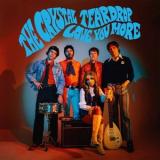
The Crystal Teardrop's first album, THE CRYSTAL TEARDROP IS FORMING, came out on Rise Above Records' subsidiary Popclaw in May 2025. Steeped in classic psychedelic guitar pop and the Paisley Underground scene, not to mention the broader 60s cultural aesthetic, it has made them firm favourites with audiences in the UK and Europe. Now, barely a year later, comes its infectious follow-up, LOVE YOU MORE, also on Popclaw. The songs on LOVE YOU MORE are fundamentally upbeat, but there are hard edges, both musically (check out the guitar solo on It's Too Late!) and lyrically.
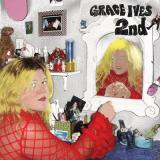
Grace Ives' melodic ideas simply do not leave her alone. She is always singing. Much of her work stems from simple and relatable nuggets of experience. It is almost as if putting her thoughts to a melody are a way of processing the world as she sees it unfold around her. These humble origins of her ridiculously catchy songs are, she says, result of a “keep it simple, stupid” approach, one that she pulls off with the fire-y confidence of artists such as Bratmobile or Minutemen. As Grace would have it: “I’m a man of few words, or just the same words over and over again. Everything about me is very laid back, my music is just supposed to be fun, danceable. I write songs so that they get stuck in people’s heads. I follow a formula. Butterfly is two notes, Mansion is six. I’m trying to keep it minimal, just so I can get this idea out and listen to it. I just try to crank these out, not so I can do something else, like sleep, drink, or go to a party, but so I can do more. I’m relatable, I shop on a budget, I’m your friend, and I want to write songs for you… to dance to. And I’m a great cook—I make a killer bolognese.”
After a savage summer of performing over 35 festival shows, COLLIGNON continue their journey with the release of Bicicleta.
Bicicleta was written and recorded right in the midst of the band's summer tour. Gino, Yves and Jori seized the moment, the album captures exactly where they currently stand as a band: thriving on the energy of their live performances, with the desire to dive deeper into their music.
The result is Bicicleta—a diverse and authentic album that stays true to COLLIGNON’s distinctive blend of wildly grooving beats, psychedelic guitars, and sharp keyboard riffs. The music transports listeners across many borders, all while maintaining their signature COLLIGNON sound.
This album was made with vinyl in mind, designed to be experienced as a complete journey. From the first Maloya rhythms of "Fonkér la Mér" (Kreol for 'fond du cœur de la mer', meaning ‘from the bottom of the heart of the sea’) to the Brazilian groove and cosmic crescendo of "Vai Vai Vai (Into the Stars)", Bicicleta is a trip that flows from track to track.
The album, recorded while Jori left his Portuguese studio for a year-long stay in the Netherlands, pays homage to what -without engine, exhaust or pollution- might be considered the finest emblem of Dutch culture: the bicycle.
The words of adventurer Nellie Bly, written in 1896, still ring true today: ‘In a frenetic era of expanding possibilities, cycling offers a journey into a landscape of dreams. The bicycle has always signified independence and freedom in steering one’s daily course and the byways of its occasional adventures.’
To truly experience this album, nothing compares to holding the vinyl sleeve in your hands and spinning the record on your turntable.
Jon Spencer teams up with Kendall Wind and Macky Spider Bowman - the rhythm section from Woodstock NY punk rock wunderkind The Bobby Lees - to chew bubblegum and kick ass.
Two years after “Spencer Gets It Lit” (Marc Riley’s BBC6 Music Album of the Year, “hugely entertaining”**** MOJO, “a sonic witchdoctor who’ll blow your mind” UNCUT****) there is still more work to be done saving rock'n'roll music.
“Sick of Being Sick!” will be released on limited clear 45rpm Super-Stereo cut vinyl.
Jon Spencer has been innovative force in the independent music scene since the mid-80s. An acclaimed live performer, he has toured all the continents except Antarctica and has amassed a dizzying discography as the leader of Pussy Galore, The Jon Spencer Blues Explosion, Heavy Trash, and Jon Spencer & the HITmakers, as well as with Boss Hog, The Honeymoon Killers, The Gibson Brothers, and Taxi Girls.
His collaborations include (but are not limited to) working with Steve Albini, Add N To X, Nicole Atkins, Beastie Boys, Beck, Bomb The Bass, R.L. Burnside, James Chance, Coldcut, Chuck D, Dan The Automator, Jim Dickinson, DJ Shadow, Einsturzende Neubauten, Guitar Wolf, GZA, David Holmes, Japanese Popstars, Dr. John, Calvin Johnson, Steve Jordan, Khan, Moby, Money Mark, The Muffs, The North Mississippi All Stars, Princess Superstar, Puffy AmiYumi, The Sadies, Nancy Sinatra, Solex, Solomon Burke, Speedball Baby, Rufus Thomas, UNKLE, Unloved, Andre Williams, and Bernie Worrell.
His production credits include: Cheater Slicks, Demolition Doll Rods, Experimental Tropic Blues Band, Perrosky, Mike Edison, Jesper Munk, Sunshine & The Rain, The Bobby Lees, and Samantha Fish & Jesse Dayton.
The voice draws you in, calmly at first. But soon we realise something’s not right, a volatility churns beneath the surface of Flora Hibberd’s Mammoth, the second record from the British songwriter in as many years. An evolution from the lush acoustic warmth of debut album Swirl, these are ten songs shot through with the energy of an epoch, gone electric, raging and vital. Things in tumult: Hibberd’s voice is the arrow to the heart, refracted through pond water and mirrored back strangely in the voices, the beings that coalesce around her. Produced by Ben Lanz (Beirut, The National), the songs of Mammoth walk a vertiginous tightrope, stirred by the electronic waves of Lanz’s modular synthesisers and buoyed up by the bodily embrace of his magnificently arranged brass sections. Hibberd’s initial folk-leanings have disappeared, making way for a tense, tight sound – the raw and fluid drums of Lucien Chatin, the frank bass lines of Nils Sørensen, the feverish guitar of Victor Claass, her longtime collaborator. Figures emerge from the thicket, offer their own voices: Sufjan Stevens (Ache, Perfect Ripple), This Is The Kit’s Kate Stables and Lonny (Deltaplane, Mythic Figure) and J.E. Sunde (Shelley, Dew Pond). Crafted first as demos by Flora, Ben and Victor in Le Vésinet over half a year, the drums, bass and guitar were then recorded live by Ben at Aaron Dessner’s studio Mini Pond in the Basque Country. Lovingly mixed in Paris by Étienne Caylou and mastered with aplomb by Chab, Mammoth glistens with a pop sheen without ever tempering its jagged edges.
The word classic is a much overused one, but in the case of this much in demand 1999 four tracker, it's no exaggeration. There has been much conjecture over the years over the identity of the producer - or producers - behind the mysterious Clint Foster name, but our lips are sealed, we ain't no grasses. All we will say if you like your techno seriously laced with acid, tough and sinewy but equally funky then then you'll love this. Opener 'Indium' is pinned down by machinefunk handclaps, a gloopy bassline and a synth line that coasts pretty majetsically. 'Patterns' is faster, harder and dubbier, not a million miles in its rhythmic shuffle from Carl Craig's 'My Machines', while 'Throughway' is the truly hypnotic one, big on the atmospheric scale. 'Afterdark' closes things, airy synths swelling and hovering over an addictively chunky beat. No names, no packdrill, just four essentially fantastic bits of classsy techno that haven't dated in all the years since. Essential.
Step into a journey through time with Lapa Dula's debut album "Agua", proudly presented by the Early Sounds team. “Agua” is a sonic and aesthetic collage, a tribute to the sounds and memories of Naples and its surroundings in the vibrant cultural and social scene of the mid 1980s, not just a reflection of producer’s Alessandro La Padula childhood memories, but also a nod to the myths and legends of Partenope. Written between Rome and Naples and co-produced by label head Pellegrino, "Agua" is the latest addition to the imprint’s distinctive "Mediterranean sound" blending funk, Latin, world music, and disco, with songs like the balearic title track "Agua" and the nostalgic ode to rural life "Sibilla", also inspired by the myth of the Sibyl of Cumae, this album takes you on a journey of emotions and experiences.
From vernacular "Scemanfu", a fun play on the French expression "je m'en fous" (I don't care), to the contemplative "Navigante", dedicated to those who have found solace in the sea or in the virtual world, and the final track "Baibai", inspired by the adventurous and licentious affairs of English nobleman Sir Nathaniel Thorold, who lived on the island of Capri, each song tells a story and adds a piece to this mosaic of sounds, images, and places.
out of Stock
Last delivered 3 years ago available to reorder, subject to availability
All-enveloping superbly alternative third take on 1988’s ‘Charmed Life’ album featuring previously unissued versions and a half dozen previously unreleased songs. Includes liner notes and an interview with Jad and David Fair.
Tomorrow’s World is the new album from synth-punk/darkwave artist N8NOFACE. Fully produced by Dave Sitek of TV on the Radio, the record also features contributions from Hudson Mohawke, Snow Wife, and Angélica Garcia.
On Tomorrow’s World, N8NOFACE pushes beyond the DIY spaces that formed him, delivering his most ambitious album yet: a collection of hard-as-nails songs that manage to be furiously catchy. In line with N8's cyberpunk aesthetic, Tomorrow's World's title comes from the 1960s British TV show of the same name about tech and science. N8 came across the show when he found a clip of Kraftwerk performing and breaking down their music on it, with Tomorrow's World being credited in breaking the band to a wider audience. In N8's words, the album sees him “imagining what the punks and the street kids might be listening to in 2077.”
* 2026 REPRESS *
Ashanti Selah – Musician & Dub Producer hailing from the UK, is the eldest son of the world-renowned soundman, Aba Shanti-I. Ashanti's musical journey began at a tender young age, during his formative years of soundsystem exposure through his father's musical infrastructure he learned the art of the Dub. His education continued as he attended his father’s long-standing annual sessions at the Notting Hill Carnival and traveled the globe as a crew member and diligent student. Via his Steppas Records imprint, Alpha Steppa, son and nephew of pioneering dub-duo Alpha & Omega presents a unique collaboration between two second generation Dub / Reggae producers. 'Ashanti Selah Meets Alpha Steppa' is a testament to their teachers and the product of a life spent in dub. Steppas Records delivers four unique cuts of the long-time Aba Shanti-I exclusive 'Violin Step', featuring the uplifting and transcendental strings of Ras Divarius. New generation soundsystem music with a deep roots foundation.
out of Stock
Last delivered 5 years ago available to reorder, subject to availability
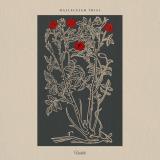
Hallelujah Trial is Tom Roberts (Cranebuilders, Beatowls) and John Canning Yates (Ella Guru): two Liverpool songwriters who knew each other for twenty years before they ever played a note together. Roberts brought a folder of songs to Yates' front room. Yates answered with piano. A weekly ritual of tea and talk became a repertoire, the repertoire became a debut performance at the final La Violette Società, and a few weeks later the songs became an album, recorded in May 2026 in the Gustav Adolf Church, the Scandinavian seamen's church on the edge of Liverpool's Baltic Triangle.
The sound is spacious, stripped back and gloriously melodic: voice, guitar and piano, songs in a room, storytelling that recalls Bill Callahan, Lee Hazlewood and the late Johnny Cash records. Yates' Ella Guru drew a Peel session and 'the best debut album since Marquee Moon' from the Independent on Sunday. Roberts' Cranebuilders recorded two Peel sessions of their own. The pedigree is genuine. The songs are better.
Recorded, mixed and produced by John Canning Yates. Mastered by Jason Mitchell (PJ Harvey, Aldous Harding). Sleeve by Pascal Blua, after a rose from William Turner's herbal of 1568. The closing 'Reprise' carries a hallelujah chorus of friends and family, recorded live in the ch
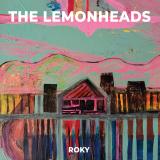
The Lemonheads release a strictly limited edition 12” single on 21st September featuring three classic tracks on white vinyl. Lead cut is ‘Roky’, Evan Dando’s homage to the late, great outsider genius Roky Erickson (of garage psyche legends 13th Floor Elevator and much solo strangeness).
"If Roky Erickson had vanished from the face of the earth after The 13th Floor Elevators released their epochal debut single, ‘You're Gonna Miss Me’, in early 1966, in all likelihood he'd still be regarded as a legend among garage rock fanatics for his primal vocal wailing and feral harmonica work." AllMusic
‘Roky’ is Evan's incisive take on the songwriter’s struggles and features a searing guitar break from the song's co-writer Nick Saloman (The Bevis Frond)
The Bevis Frond toured with The Lemonheads in support of the latter’s much-praised ‘Love Chant’ album of 2025 from where ‘Roky’ originally comes. And, to complete this unique package, the Frond cover two Lemonheads’ songs, ‘The Great Big No’ and ‘My Drug Buddy’; both sounding like the kind of UK-based left field power pop that inspired Kurt Cobain in the formative days of grunge – indeed, they could have snook out on the original Rough Trade or 53rd & 3rd labels at any time.
Fact fans looking for Roky-styled curveball ley line between events, might note that The Lemonheads covered The Bevis Frond’s ‘Old Man Blank’ on 2019’s ‘Varshons II’, the same year that Roky sadly passed.
Stars & Quotes:
“One of the most distinctive voices of the ‘90s” The New York Times
“The Lemonheads are one of my favorite bands” Jimmy Fallon
“Gloriously euphoric melancholy” MOJO (on Roky)
Without turning anything upside down, the trio has released their second album, gracefully deepening the unique path they have carved out for themselves. It is an album that already stands in stark contrast to the attention-deficit culture of our times. Indeed, whilst music sometimes seeks to concentrate the intensity of its references and artefacts, the trio takes a step back, deploying an intensity that is subtly distributed. Thanks to their progressive instrumental tracks blending elements inherited from dub, jazz, folk and even musique concrète, the trio has never allowed the quality of their music to suffer from their experimentation; at the same time, they have never been afraid to venture off the beaten track to achieve the sound they desire. Every single track of this album cast like fragile bridges over various landscapes that explore cycles and the natural rhythm within. It is up to the listener to tread carefully and not lose their footing and embrace the cinematic movement of this music. The three artists have indeed achieved a musical expression so free that it possesses the power of illusion. We are suddenly swept up in all these illusions, to the point where our memories are in flux. Both haunting and in motion, this trio’s music offers an impregnable mental retreat and an invitation to dance. This album conveys a dreamlike conviction that time, in its relentless flight, might—if only for a moment—be brought to a halt. A halt that awaits you.
For over 25 years, David Madson (aka Odd Nosdam) has been stationed away from the light of the mainstream, diligently working the nightshift. Every so often, we awake to find another of his bleary and beautiful missives slung into the waking world – albums whose assemblages of sampled grooves, atmospheres and voices are unified by a hallucinatory sense of melody, like disparate visions strung together through ribbons of sleep-talk. From his earliest days as a member of the seminal group cLOUDDEAD, through his remixes for artists such as Boards of Canada and Black Moth Super Rainbow, Nosdam has been reporting back from his rounds upon the perimeters of culture and consciousness, forging a musical language all of his own.
On Patrol is the second Odd Nosdam LP to be released on The Notwist’s imprint Alien Transistor – following on from the 2019 album Mirrors – and continues a collaborative history that begun with a 2008 remix of The Notwist song, “Sleep”. It’s a love letter to the vinyl format, produced with the aim of optimizing for a single LP. This objective permeated every aspect of the album’s production, from the duration of each side through to the vinyl mastering (Jessica Thompson) and lacquer-cutting (Dubplates & Mastering, Berlin). As we've come to expect, the album is built almost entirely from found sounds, many of which were taken from obscure and second-hand vinyl gathered during Nosdam’s ceaseless crate-digging escapades. Other sources include field recordings made in 2022 at the Catalonia summer home of artist Salvador Dalí, which are baked into the swirling sci-fi glide of “Here to Know (Adéu Mix)”, and a sumptuous clunking bass line courtesy of Organi’s Mike Walti, which runs like an infinite highway through the fuzzy, sunbaked sprawl of “Deepsimple”.
Odd Nosdam’s work has always swept the entire atmospheric spectrum, from rhythmic vigour to levitational beauty. On Patrol is perhaps his finest assimilation of these extremes. “Sgt. Pepsi” is the perfect case in point: a formidable slow groove capsizes into vinyl crackle after a mere minute, before the song resurrects itself through sweeping strings and vocal harmonies, sliding against each other like the overlain romantic denouements to a dozen Hollywood films from the 1940s. Elsewhere, “Get You In (Belong Mix)” drapes shoegaze guitar over a trundling funk backbeat, straddling the physical world and the outer realms, while hushed voices point toward the song's implied themes of cultural cliques, critical consensus and the plight of the eternal outsider: “Sure, I can get you in... these people are my friends, I’m one of them - I belong.”
This is music that both endures and disappears. Odd Nosdam has always wielded a strange relationship with time, scrambling association with any specific era, weaving together numerous tempos simultaneously. There is no master clock. Each track could happily hold up as an infinite loop, yet Nosdam clearly favours the potency of the gone-too-soon, applying the fadeout just as hypnosis starts to crest. Indeed, the songs are both the product of meticulous long-term construction and spontaneity. While the foundations of On Patrol have come together over several years, the recording process involved channeling vibes through a vintage Roland Space Echo and bouncing song fragments back and forth from hard disk to cassette 8-track, gifting a phased permanence to creative decisions made on the fly – a hat-tip to the production processes of Nosdam's longtime hero, Lee ‘Scratch’ Perry. Like a recurring dream, On Patrol appeals to both the plains of momentary ephemera and the long-established backchannels of the unconscious, equal parts revelation and deja vu.
Text by Jack Chuter
Artwork by Ian Ferguson
out of Stock
Last delivered 6 days ago available to reorder, subject to availability
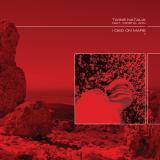
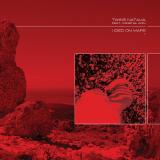
Twelve years have passed since TWINS NATALIA’s debut album, “Destiny Room”, but Dave, Marc and Steve have never really stopped working on new ideas and projects, including the release of a mini-album from Marc’s solo project SHIBUYA STATION. This featured their first collaboration with Greek artist KRIISTAL ANN (also known from PARADOX OBSCUR), who provided the vocals for the track “Madness”. This led to Anna being invited by TWINS NATALIA to perform lead vocals on their cover version of KNOW’s “Knights of Pleasure”. The results were so pleasing that, from then on, Anna was persistently ’pestered’ to work on a TWINS NATALIA EP, which slowly morphed into a complete album entitled “I Died On Mars”. The album is a journey through electronic soundscapes and pure, dark ’80s minimal synth-pop, full of melancholia, haunting melodies, elaborate synth sound design and sequencing, ranging from neat to gnarly, and, of course, KRIISTAL ANN’s charismatic voice icing the cake.
“I Died On Mars” presents us with further surprises: TWINS NATALIA version of “The Dagger In Me” by ’80s Greek post-punk legends THE HANDS OF CAIN, as well as “A Different Hum” by PARADOX OBSCUR, a song that surely needs no further introduction. Anna has not shied away from specially re-recording the vocals for this version, while both versions have been given some distinctly Twins Natalia-specific additions and treatments. Furthermore, Anna has contributed her own composition “Find Me I A Fantasy”, so you’re in for a treat or two, for sure.
Mastering by Nikolas Haldoupis at SoundCave Studios Athens.
Graphic design by Steve Lippert with some original photography by Kriistal Ann.
out of Stock
Last delivered 6 days ago available to reorder, subject to availability
Blume returns to James Tenney's Postal Pieces with a second volume: the three Swell Pieces and Koan, written for Alison Knowles, Pauline Oliveros, La Monte Young and Malcolm Goldstein, on vinyl for the first time from one of the key suites of 20th Century avant-garde music.
In 1970, James Tenney (1934-2006) reversed the entropy of his own life and went west. After spending the majority of the post-war years at the centre of cultural ferment in New York, he accepted a position at the newly inaugurated California Institute of the Arts (CalArts), alongside Allan Kaprow, Simone Forti, John Baldessari, Nam June Paik, Alison Knowles, Morton Subotnick, Harold Budd and Charlemagne Palestine. While the move began an enduring period of relative obscurity, Tenney quietly remained one of the most distinct and groundbreaking composers of his generation, producing a remarkably focused body of work inquiring after the elemental character and perception of sound.
Among the most celebrated of his efforts are the Postal Pieces, a suite of eleven compositions completed in 1971. Citing his strong dislike of writing letters, Tenney sent his friends short scores on the back of postcards. The eleven pieces are composed around three themes: his concept of swell form (utilizing repetition and progressing through a structurally symmetrical arch), intonation, and the desire to produce "meditative perceptual states."
Composed for a group of friends - the visual artist Alison Knowles, the composers Pauline Oliveros and La Monte Young, and the composer and violinist Malcolm Goldstein - the four works on this second volume are intimate, poetic and discreet. They were written roughly contemporaneously with the formation of minimalism by many of Tenney's closest friends, and share its elements of chance, durational tone, repetition and constraint, but they approach them on different terms, anticipating the more complex forms of post-minimalism. Rooted in gestalt theory, they are music in which the composer almost entirely disappears, offering greater attention to the artists to whom they were sent and to the subjective experience of the listener.
A student of Carl Ruggles, John Cage, Harry Partch and Edgard Varèse, an active member of Fluxus, a pioneer of computer music at Bell Labs and a collaborator of Carolee Schneemann, Tenney represents a winding thread connecting the entire history of American avant-garde and experimental music. The second collection by Blume attending to the Postal Pieces, recorded by The Barton Workshop under the direction of James Fulkerson, follows the long sold-out first volume (BLUME 022). It comes with exact replicas of the original postcard graphic scores and newly commissioned liner notes by Bradford Bailey.
out of Stock
Last delivered 6 days ago available to reorder, subject to availability
The follow up to her UK number 1 album This Is How Tomorrow Moves, the stark and striking fourth album by beabadoobee is named for the electricity towers that dot every major artery in the world—the strong, spindly structures that reminded Beatrice Laus of her connection to friends and family at home while she was staring down extreme disconnection and isolation on tour over the past few years.
The title can also be read as an allusion to Laus’ spiky, forceful new sound—the waves of distortion that crash and shatter across this record’s 14 songs mirroring the intense crackle you hear when walking under power lines. The pylon is also a fitting symbol for an album that reckons with the repetitive anxieties of your mid-twenties: What if I’m always going to be this way? What if life is just pylon after pylon on the road?
The album’s first single is available to stream and buy from today: “Sun Has Set” introduces Pylon as, in essence, a set of songs that began as diary entries, words that Laus thought she’d never be able to say out loud. “A lot of the songs on this record are things I wish I could have said to someone,” she says. “This song has this petty tunnel vision—it’s like, I hate you. You’re gonna stay here and listen to how much I hate you. Because I never got to say that.” The single comes accompanied by a striking first person video directed by Bea’s partner and longtime visual collaborator Jake Erland.
Ever a devotee of pure rock music—both as something to be cherished and something to be played with—Laus casts these feelings in songs that touch on classic grunge, midwest emo and ‘90s radio rock, zeroing in on a sound that is both harsher and more direct than any of her previous records. She says the music she’s loved has “always been an influence” on her music, and so for B4 she went straight to the source. A fair few of Beabadoobee’s composite influences contributed to Pylon, a fact that speaks to the goodwill and respect Laus has amassed over the course of her relatively brief career.
Hayley Williams sings on “Nothing to Prove,” a deeply anthemic indie-rock song about getting your power back from fairweather friends who just want a bit of your success. The moody “Powerlines” features a verse from Turnstile singer Brendan Yates, a master of matching vocal force with emotional nuance. Elsewhere, you’ll find contributions from Pinegrove’s Evan Stephens Hall, Deftones’ Chino Moreno, and Title Fight’s Shane Moran, as well as, on “Write Me A Letter”, production work from Laus’ longtime friends and collaborators Matty Healy and George Daniel of The 1975.
Beabadoobee will debut songs from the record on the Powerlines Tour, her first ever arena shows and biggest tour to date, taking in shows across North America, the UK and Europe this autumn-winter. The Powerlines Tour kicks off 1 October and includes stops at Madison Square Garden, The Kia Forum, The O2 and more (full routing below). Support comes from Wisp in the US, Canada and UK and Violet Grohl in France, The Netherlands, Belgium and Germany.
Born in the Philippines and raised in London, Beatrice Laus emerged as a British alternative music icon across three acclaimed albums and five EPs. She has garnered multiple BRIT Award and BBC Sound Of nominations, and won NME’s Radar award, whilst amassing over 10 billion streams worldwide and more than 12 million followers across her social channels.
This Is How Tomorrow Moves became her first record to reach number 1 on the UK Official Album Chart in 2024, following her Top 10 albums Fake It Flowers (which reached number 8) in 2020 and 2022’s Beatopia (#4). Earlier this year, beabadoobee released the one-off single ‘‘All I Did Was Dream Of You,” teaming up with Grammy-nominated best New Artist The Marías, the result of a longtime mutual creative admiration between María Zardoya and Bea.
out of Stock
Last delivered 9 days ago available to reorder, subject to availability
It's time for no.7 in the Disco Combine vinyl only series, with two heavy hitters re-worked and re-mixed from the tapes by Dave 'Love' Lee. On the A is 'Not This Time (Baby) (Give Me Some Moore Mix)' a much loved slice of Philly Disco,Aabsolutely bursting with lush orchestral arrangements. This classic jam has been given a noticeably different refresh, with a show-stopping acapella intro and more of the less heard instrumental passages. Speaking of classic, on the B is 'Jammin' Up In Smoke (Ready Steady Eddie Mix)' a Harris Machine, gospel charged chuggerAwhich is given a more groove based mix, which builds up instrumentally before hitting some falsetto vocals half way through, leading to a big hands in the air finale. Stay still if you can!!
out of Stock
Last delivered 9 days ago available to reorder, subject to availability
At its heart, this is truly a classic love story...
Musician, songwriter, and entertainer George Butts has always worked in the spirit of independence and love.
Beginning his musical journey on the East Coast, George spent his formative years playing in bands before eventually making his way to Southern California, ready to step out and pursue his own musical vision.
It was here that music and fate would meet, leading him to something equally important: Kathie, the woman who would become his lifelong partner- personally, professionally, and creatively.
Together, they embraced that same independent spirit and began building something of their own. In the mid-1980s, they established K-Star Productions, a label that became the home for George’s music and marked the beginning of a new chapter in their lives.
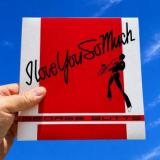
In 1986, that journey produced “I Love You So Much,” a song title that feels especially fitting once you learn the story behind it. Written as a dedication to their newly formed relationship, the song carries a sense of warmth that somehow feels familiar to us all. Built around the distinctive sound of a Linn drum machine, layered with lush synths and George’s unmistakable horn melodies, the record radiates heartfelt affirmations of love, capturing not only the spirit of independent ’80s Modern Soul, but the energy of two young hearts coming together and dancing in rhythm.
The record would soon become a dancefloor favorite among local DJs and clubgoers alike. But what began in Southern California would carry George much farther than they could have imagined. The success of the music helped establish him as a respected musician and entertainer, leading to performances and residencies throughout the 1980s and ’90s, from lounges along California’s golden coast to stages as far away as Japan.
Nearly four decades later, these recordings have been lovingly remastered from the original source material by Ron Leeper, the original recording engineer, allowing the warmth and spirit of the music to shine once again.
But this is more than the reissue of a rare independent record.
These classic songs evoke feelings of love and unity, filled with warm melodies, soulful grooves, and an undeniable sense of joy, all brought to life through the partnership of George and Kathie.
Together, they created their own label, followed their dreams, and lived life on their own terms- proving just how far a shared vision can take you.
Today, the music carries that same spirit: heartfelt, uplifting, and alive with the optimism of two people creating something they truly believed in. What they started with K-Star Productions helped launch a musical legacy that would take them around the world and back, a journey that continues today with George still performing live.
out of Stock
Last delivered 9 days ago available to reorder, subject to availability
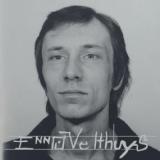
A collection of previously unreleased material (between '75 & '90) by Enno Velthuys.
Compiled by Hessel Veldman.
"Hello boys and girls, my name is Enno Velthuys and I am the idiot of the group (and also the
most intelligent, the most sensitive, the most artistic and he who has to carry the heaviest
load, because this boy's luggage, DAMN, it's pretty heavy).
Luckily, I had already been through a lot when I got this ‘knock in the head’. Sex, drugs, lots
of rock and roll and a sunny childhood with beautiful views I look back on with nostalgia.
Later on I lost my focus and I only thought about one thing: how to get out of it (that damn
problem, my shifted reality, my blind spot, that piece of poisoned apple of forbidden
knowledge choking my throat)!
But I can't think my way out of it, psychiatrists are just ordinary people, and very heavy pills
suppress everything (I'll just take my pills) FLASH!
You ask me what it takes to create music or art that is meaningful and tells a story. It’s hard
when you haven't had enough setbacks, nothing more than maybe a little blues. I'm not
saying it was the right path, but at least I've come a long way. And now I'm a fish in a pool.
Please understand that this is very disturbing. It's not my waterway. A fish belongs in a river.
And my star sign is fish. >))D
See you soon, EnnO"
out of Stock
Last delivered 9 days ago available to reorder, subject to availability
The Return of The Vagabond – Revisited! On The New Way
There are figures that do not belong to any single era. They traverse .me, watch the world evolve, and
con.nue their journey guided by a singular compass: music.
Born from a concept by Use Vinyl Records, The Return of The Vagabond – Revisited! On The New Way is a
compila.on that sets the "Vagabond" back in mo.on—an iconic symbol for those who live music as a
journey without boundaries of .me, genre, or genera.on.
His return takes shape through a curated selec.on of .meless interna.onal disco, funk, and rock classics,
reinterpreted with fresh soundscapes while remaining deeply faithful to the spirit of the originals. This
musical odyssey is helmed by Daniele Baldelli & Marco Dionigi, Marco Fra=y, (Ino)2, DJ Mauri, and
Corrado Pres@, proving that great music can transcend .me, reinvent itself, and con.nue to inspire.
More than just a compila.on, The Return of The Vagabond – Revisited! On The New Way is a sonic voyage
that rediscovers legendary tracks through a modern lens. It is a project that demonstrates how authen.c
music never belongs to the past: it evolves, changes its skin, and con.nues to resonate deeply with the
present.
out of Stock
Last delivered 9 days ago available to reorder, subject to availability
Beneath the sleek, confident guitar line that powers “Overdrive,” the lead single of All Over You, another guitar marks the time more impatiently, as if the groove its locked into is the timebomb- tightness of a pre-hookup heartbeat. Its energy isn’t nervous — after all, it’s hard to be nervous with Will Schwartz cooing come-ons like “I just wanna get you in the bed / Light you up like a cigarette” in your ear — but it is urgent. Excited. Titillated.
That’s the word that best describes the prospect of a new Imperial Teen record: titillating. They come out every five or six years, each new album acting as, to quote Roddy Bottum, “an episodic piece of where we are now, where the world is now, who we have become, and the geography of our collective consciousness.” There is considerable distance between Imperial Teen, its members — Bottum (guitars, keyboards, vocals), Schwartz (vocals, guitars, keyboards), Jone Stebbins (bass, vocals), and Lynn Truell (drums, vocals) — having made lives for themselves in different cities, but the collective consciousness that exists between them makes distance and time seem immaterial to the listener.
Time, especially time together, is not immaterial to Imperial Teen: it is precious. “For the last few records,” Stebbins explains, “the process has been similar. We live great distances away from each other, so initially, we get together to collaborate, write, and create. When we have enough material, we reconvene to record. Both scenarios, creating and recording, take multiple trips, sometimes with big lapses of time in between due to our various schedules.” Bottum concurs: “The biggest challenge in writing and recording is the distance between us, but the longing and desire and the ultimate coming together becomes more potent as a result.”
All Over You is a triumph of maximized moments together, four people bringing the force of their personalities to bear on years of built-up ideas. Title track “All Over You,” initially built over the computer, gained its charming sneer in the studio, where Stebbins’ buoyant, fuzzed out bassline added bounce to the song’s punchy, sloganeering lyrics, a perfect set-up for Truell to drive the song home, screaming the last line of the chorus, “We’ve got nothing to do,” like a rallying cry for a generation that’s been given nothing and told to deny themselves everything. “In my head,” Truell says, “I just went back to punk, to that feeling of prowling around looking for anything to do and being so mad about how boring everything is that you just have to yell.” The track had an attitude, it had an unexpected texture thanks to Truell’s playing improvised percussion, but her scream is what took it to the next level, transforming it into a signature Imperial Teen song.
One of Imperial Teen’s less magical concerns on All Over You is the effect capitalism has on the creation of art. This expresses itself in the headspinning rush of music industry success and disappointment that plays out in “Hands All Up,” and also in Imperial Teen’s sound. All Over You features the band’s most expansive, textured palette to date, and much of it’s steeped in — bubblegum music and boy/girl harmonies, electro beats and grungy distortion, power pop mall anthems and kiss-off lyricism — has been dismissed, at one point or another, as a fad. Time, of course, has proven otherwise, and All Over You makes a case for Imperial Teen as four of that time’s architects, inheriting, preserving, and pushing the boundaries of what pop music can be from one song to the next.
“We want to make people dance and think and feel,” says Schwartz. In all of those ambitions, All Over You crushes, brought to life by four musicians who found each other in the clubs of San Francisco over three decades ago and have remained family ever since. It is less a return from hiatus than a broadcast from the sonic utopia Imperial Teen has long ruled over, where the music is bratty and sexy and the parties don’t stop until everyone’s found euphoria. A raveup for mind, body, and soul, best enjoyed in a dark room packed with as many sweaty bodies as possible
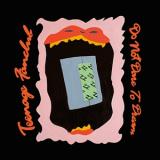
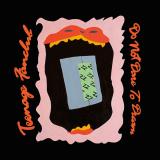
Norman Blake und Raymond McGinley machen seit 37 Jahren gemeinsam Musik bei Teenage Fanclub, und auch wenn manche Aspekte des Bandlebens mit der Zeit einfacher geworden sind, können ihnen die einfachsten Dinge immer noch einen Strich durch die Rechnung machen. Blake sagt dazu: "Es ist schwierig, wenn es darum geht, sich einen Namen für ein Album auszudenken. Vor allem, wenn man schon 12 davon gemacht hat." Der Titel ,Do Not Dare To Dream" leitet sich ab von Blakes ,I Do Not Dare To Dream", einem mitreißenden, hymnischen Song, der von klangvollen Akustikgitarren getragen und am Ende von einem Duell elektrischer Gitarren begleitet wird, die sich wie eine beruhigende Umarmung umeinander schlingen. Blake erklärt, dass der Titel jene Memes verspotten soll, die die Menschen dazu auffordern, zu träumen, was für ihn irgendwie lächerlich ist. "Ich glaube nicht, dass die Welt so funktioniert." Das 13. Album von Teenage Fanclub ist voller Songs, die ruhig und entschlossen sind und eine Bestandsaufnahme des angespannten Zustands der Welt vornehmen, ohne der Verzweiflung zu verfallen. Blakes warme, von Orgelklängen untermalte Midtempo-Ballade ,Day In The Sun" und Raymond McGinleys ,Over And Over" sprechen beide davon, wie jeder einen neuen Sinn im Leben finden kann, indem er sein Herz öffnet. "Wir können immer noch fröhlich und optimistisch sein, auch wenn die Lage nicht gerade rosig ist", sagt McGinley. Blake und McGinley werden auf ,Do Not Dare To Dream" von ihren Bandkollegen Euros Childs (Keyboards und Gesang), Francis Macdonald (Schlagzeug) und David McGowan (Bass) begleitet. Dieses Quintett spielt nun schon so lange zusammen, dass keiner der beiden Hauptsongwriter und Gitarristen von Teenage Fanclub das Bedürfnis verspürt, sich vor dem Gang ins Studio über ihre Songs den Kopf zu zerbrechen oder Arrangements auszuarbeiten. Sie warten lieber auf die Beiträge der übrigen Bandmitglieder. Die Aufnahmen fanden im Black Bay Studio in der Ortschaft Kirkibost auf der schottischen Insel Great Bernera in den Äußeren Hebriden statt. Wie langjährige Fans wahrscheinlich wissen, nimmt Teenage Fanclub jedes Album an einem neuen Ort auf, damit die einzigartige Atmosphäre dieses Ortes die Musik beeinflussen kann. Great Bernera war ihr bislang abgelegenster Aufnahmeort, was der Band half, sich auf die Arbeit zu konzentrieren, sie aber auch in einen Zustand der Ehrfurcht versetzte, da sie von der tosenden See und antiken Ruinen umgeben waren. Das Ergebnis ist eine Sammlung von Liedern, die von der richtigen Perspektive von Musikern durchdrungen ist, die schon eine Weile im Geschäft sind, aufgenommen an einem Ort, der schon noch länger existiert. Wie Blake es ausdrückt: ,Ich glaube, es läuft einfach so ab, dass man von einer Sache zur nächsten übergeht, und ehe man sich versieht, sind 30 Jahre vergangen." McGinley fügt hinzu: ,Ja, es ist schon eine ganze Weile her, seit wir mit dem angefangen haben, was wir tun, aber für uns kommt es uns vor, als wäre überhaupt keine Zeit vergangen. An dem Ort, an dem wir das Album aufgenommen haben, wurde schon vor Tausenden von Jahren gesungen. Das Leben ist kurz, aber die Musik ist ewig."
Norman Blake und Raymond McGinley machen seit 37 Jahren gemeinsam Musik bei Teenage Fanclub, und auch wenn manche Aspekte des Bandlebens mit der Zeit einfacher geworden sind, können ihnen die einfachsten Dinge immer noch einen Strich durch die Rechnung machen. Blake sagt dazu: "Es ist schwierig, wenn es darum geht, sich einen Namen für ein Album auszudenken. Vor allem, wenn man schon 12 davon gemacht hat." Der Titel ,Do Not Dare To Dream" leitet sich ab von Blakes ,I Do Not Dare To Dream", einem mitreißenden, hymnischen Song, der von klangvollen Akustikgitarren getragen und am Ende von einem Duell elektrischer Gitarren begleitet wird, die sich wie eine beruhigende Umarmung umeinander schlingen. Blake erklärt, dass der Titel jene Memes verspotten soll, die die Menschen dazu auffordern, zu träumen, was für ihn irgendwie lächerlich ist. "Ich glaube nicht, dass die Welt so funktioniert." Das 13. Album von Teenage Fanclub ist voller Songs, die ruhig und entschlossen sind und eine Bestandsaufnahme des angespannten Zustands der Welt vornehmen, ohne der Verzweiflung zu verfallen. Blakes warme, von Orgelklängen untermalte Midtempo-Ballade ,Day In The Sun" und Raymond McGinleys ,Over And Over" sprechen beide davon, wie jeder einen neuen Sinn im Leben finden kann, indem er sein Herz öffnet. "Wir können immer noch fröhlich und optimistisch sein, auch wenn die Lage nicht gerade rosig ist", sagt McGinley. Blake und McGinley werden auf ,Do Not Dare To Dream" von ihren Bandkollegen Euros Childs (Keyboards und Gesang), Francis Macdonald (Schlagzeug) und David McGowan (Bass) begleitet. Dieses Quintett spielt nun schon so lange zusammen, dass keiner der beiden Hauptsongwriter und Gitarristen von Teenage Fanclub das Bedürfnis verspürt, sich vor dem Gang ins Studio über ihre Songs den Kopf zu zerbrechen oder Arrangements auszuarbeiten. Sie warten lieber auf die Beiträge der übrigen Bandmitglieder. Die Aufnahmen fanden im Black Bay Studio in der Ortschaft Kirkibost auf der schottischen Insel Great Bernera in den Äußeren Hebriden statt. Wie langjährige Fans wahrscheinlich wissen, nimmt Teenage Fanclub jedes Album an einem neuen Ort auf, damit die einzigartige Atmosphäre dieses Ortes die Musik beeinflussen kann. Great Bernera war ihr bislang abgelegenster Aufnahmeort, was der Band half, sich auf die Arbeit zu konzentrieren, sie aber auch in einen Zustand der Ehrfurcht versetzte, da sie von der tosenden See und antiken Ruinen umgeben waren. Das Ergebnis ist eine Sammlung von Liedern, die von der richtigen Perspektive von Musikern durchdrungen ist, die schon eine Weile im Geschäft sind, aufgenommen an einem Ort, der schon noch länger existiert. Wie Blake es ausdrückt: ,Ich glaube, es läuft einfach so ab, dass man von einer Sache zur nächsten übergeht, und ehe man sich versieht, sind 30 Jahre vergangen." McGinley fügt hinzu: ,Ja, es ist schon eine ganze Weile her, seit wir mit dem angefangen haben, was wir tun, aber für uns kommt es uns vor, als wäre überhaupt keine Zeit vergangen. An dem Ort, an dem wir das Album aufgenommen haben, wurde schon vor Tausenden von Jahren gesungen. Das Leben ist kurz, aber die Musik ist ewig."
Norman Blake und Raymond McGinley machen seit 37 Jahren gemeinsam Musik bei Teenage Fanclub, und auch wenn manche Aspekte des Bandlebens mit der Zeit einfacher geworden sind, können ihnen die einfachsten Dinge immer noch einen Strich durch die Rechnung machen. Blake sagt dazu: "Es ist schwierig, wenn es darum geht, sich einen Namen für ein Album auszudenken. Vor allem, wenn man schon 12 davon gemacht hat." Der Titel ,Do Not Dare To Dream" leitet sich ab von Blakes ,I Do Not Dare To Dream", einem mitreißenden, hymnischen Song, der von klangvollen Akustikgitarren getragen und am Ende von einem Duell elektrischer Gitarren begleitet wird, die sich wie eine beruhigende Umarmung umeinander schlingen. Blake erklärt, dass der Titel jene Memes verspotten soll, die die Menschen dazu auffordern, zu träumen, was für ihn irgendwie lächerlich ist. "Ich glaube nicht, dass die Welt so funktioniert." Das 13. Album von Teenage Fanclub ist voller Songs, die ruhig und entschlossen sind und eine Bestandsaufnahme des angespannten Zustands der Welt vornehmen, ohne der Verzweiflung zu verfallen. Blakes warme, von Orgelklängen untermalte Midtempo-Ballade ,Day In The Sun" und Raymond McGinleys ,Over And Over" sprechen beide davon, wie jeder einen neuen Sinn im Leben finden kann, indem er sein Herz öffnet. "Wir können immer noch fröhlich und optimistisch sein, auch wenn die Lage nicht gerade rosig ist", sagt McGinley. Blake und McGinley werden auf ,Do Not Dare To Dream" von ihren Bandkollegen Euros Childs (Keyboards und Gesang), Francis Macdonald (Schlagzeug) und David McGowan (Bass) begleitet. Dieses Quintett spielt nun schon so lange zusammen, dass keiner der beiden Hauptsongwriter und Gitarristen von Teenage Fanclub das Bedürfnis verspürt, sich vor dem Gang ins Studio über ihre Songs den Kopf zu zerbrechen oder Arrangements auszuarbeiten. Sie warten lieber auf die Beiträge der übrigen Bandmitglieder. Die Aufnahmen fanden im Black Bay Studio in der Ortschaft Kirkibost auf der schottischen Insel Great Bernera in den Äußeren Hebriden statt. Wie langjährige Fans wahrscheinlich wissen, nimmt Teenage Fanclub jedes Album an einem neuen Ort auf, damit die einzigartige Atmosphäre dieses Ortes die Musik beeinflussen kann. Great Bernera war ihr bislang abgelegenster Aufnahmeort, was der Band half, sich auf die Arbeit zu konzentrieren, sie aber auch in einen Zustand der Ehrfurcht versetzte, da sie von der tosenden See und antiken Ruinen umgeben waren. Das Ergebnis ist eine Sammlung von Liedern, die von der richtigen Perspektive von Musikern durchdrungen ist, die schon eine Weile im Geschäft sind, aufgenommen an einem Ort, der schon noch länger existiert. Wie Blake es ausdrückt: ,Ich glaube, es läuft einfach so ab, dass man von einer Sache zur nächsten übergeht, und ehe man sich versieht, sind 30 Jahre vergangen." McGinley fügt hinzu: ,Ja, es ist schon eine ganze Weile her, seit wir mit dem angefangen haben, was wir tun, aber für uns kommt es uns vor, als wäre überhaupt keine Zeit vergangen. An dem Ort, an dem wir das Album aufgenommen haben, wurde schon vor Tausenden von Jahren gesungen. Das Leben ist kurz, aber die Musik ist ewig."
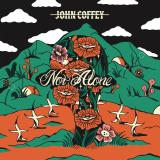
John Coffey built a reputation as one of the most explosive live bands in Europe - even becoming an internet sensation with the legendary “beer catch”. From Graspop to Sziget, Wacken to Pinkpop, Vainstream to Jera On Air, 2000trees and Hurricane/Southside - the Dutch group has played several of the biggest festivals, sold out the Melkweg in Amsterdam and even launched their own punk rock festival - Coffey Fest - to celebrate community and uncompromising music. Never shying away from the world around them, John Coffey actively uses their platform to speak out on social justice and political urgency. The new studio album "Not Alone" is about the power of connection. About discovering that there are other people who feel what you feel. Whether you find that connection through a partner, a friend, a helpline, or a room full of people feeling the same music. Talking helps. Singing helps. Screaming along helps. Armed with new music, a fierce activist ethos, and upcoming European tour dates, the band proves that engagement and heavy rock ’n roll are a perfect match.
Much like a teacher, Meryl Streek imparts his knowledge and lived experiences to all who are willing to listen. His third album, ‘Stories They Don’t Teach You At School’, serves as an alternative form of education, delivered through a visceral blend of factual soundbites and raw emotion, loops and samples, guitars and bass. The lyrics resonate with core values of compassion, resilience, and community—themes rarely explored within a classroom setting or seen in today's fragmented society. By prioritising conviction over commercial success, the Dublin artist's outspokenness may invite controversy. Yet beneath the fervor lies a profound desire for positive social change at home in Ireland, and beyond.
Meryl Streek returned to Darkland Studios in Dublin to fine-tune the recordings previously made in a shed at the back of his ma's garden. Here he continued the genre-blurring nature of his earlier work, enticing listeners toward dissonant landscapes and hypnotic rhythms. Gentle piano tones collide with abrasive synths, creating a striking tension between beauty and noise. Streek tempers his rage when appropriate, integrating atmospheric textures and pop sensibilities into his ever-expanding sonic collage.
As is tradition with any Meryl Streek record, ‘Stories They Don’t Teach You At School’ unearths many uncomfortable truths. ‘Rotten Fruit’ examines media manipulation and the numbing proliferation of misinformation, all soundtracked by synth-punk. With gliding keys and a crunchy bassline, ‘Council Estates’ critiques systemic government failures affecting the working class. ‘Kelly’ is a slice of electronica that details an ongoing criminal investigation, currently classified as a “Contested Cause of Death”. The indie pop of 'The Chancer' brings much-needed attention to landlord politicians. As the album progresses, the mission remains absolute: to provide a voice for the voiceless.
To amplify these narratives, Meryl Streek handpicked a diverse group of collaborators for the project. ‘Rotten Fruit’ features Steve Ignorant of anarcho-punk collective CRASS. ‘Depression’ opens with a touching recording of the late Liam Norton, close friend and former touring companion, while Pete Holidai of The Radiators From Space contributes guitars on the song. Comedian Phill Jupitus provides the spoken outro for ‘The Chancer'. ‘Housing For All’ incorporates audio from Derelict Ireland campaigners Frank O’Connor and Jude Sherry. Venn Records owner and Gallows guitarist Laurent ‘Lags’ Barnard joins forces with Adebisi Shank bassist Vinny McCreith on the aggressive ‘Bullet,’ while Sophie Porter of Other Half provides bass guitar for ‘Life is Not a Rehearsal’. The album concludes with a three-minute spoken word piece by Frankie McNamara, the viral creator behind ‘Meditations for the Anxious Mind’.
In her 1990 protest anthem “Black Boys on Mopeds,” the late Sinead O’Connor warned, “To say what you feel is to dig your own grave”. With this release, Meryl Streek firmly holds the shovel.
Creole Culture is the triumphant return of Dawn Richard’s King Creole era. Steeped in history but with its flag planted firmly in the future, Creole Culture pulls elements from Richard’s heritage as a Black and Native American woman who has spent a lifetime making and engaging with music. Following New Breed (2019) and Second Line (2021), Creole Culture is akin to a panel of a triptych: a fully-realized sonic and narrative universe in which Richard, as King Creole, rebuilds her hometown of New Orleans in her image. She not only honors her city for what it was or what it gave her, but stakes a claim for it as a cradle of global culture now and for all time.
Creole Culture follows two acclaimed avant-garde R&B albums with composer Spencer Zahn — the later of which, 2024’s Quiet in a World Full of Noise, found Richard exorcising the specters of grief and trauma in the wake of her father Frank Richard’s health struggles and the killing of her cousin Cisco. It is a softer take on the brass-soaked swagger of Richard’s previous King Creole efforts, an evolution brought about when she realized she had left a crucial viewpoint out of her exploration of New Orleans: her own. “New Breed was the story of New Orleans through my father’s eyes,” Richard explains. “I used his samples, his music, his cultures, his work with Chocolate Milk, his side of the family. Second Line was my mom — her interludes riddled the album with her depiction of what is meant to be a Creole woman in New Orleans. The masculine and feminine sides of King Creole had expressed themselves through them, but the story felt unfinished, like my version of the story was untold.”
That story is, for lack of a better word, complex: at turns triumphant and tragic, sexy and mournful, braggadocious and contemplative. Creole Culture presents Richard’s New Orleans as a utopian soundscape — an intoxicating blend of R&B, soul, hip-hop, pop, and jazz — that’s survived and thrived despite the dystopian circumstances visited upon it. Richard presents the melange of influence and artifact on Creole Culture with the care of a botanist nurturing new hybrids in a rose garden.
What emerges from that care is at once delightful and unexpected, enlisting a crew of guest stars including Big Freedia, Anjelika “Jelly” Joseph, Tarriona “Tank” Ball, and Durand Bernarr for features that play against type. Tank’s turn at spoken word verse on “l v r” serves to add dimension to King Creole’s New Orleans, as does Joseph’s undeniable voice on “chuuuurch.” “I’m not normally a features girl,” says Richard, ”but King Creole can’t build a world from scratch without help. What’s beautiful about the features here — which is also true of my band and producers — is they come from people who understand the materials of the world they’re from, they’re people I love, and they’re people who are just extraordinary at what they do. They’re part of the atmosphere of this place. You need them for the record to breathe.”
In the end, that’s what King Creole creates: a space where Dawn Richard can breathe, can be at peace with herself, and let loose with others. From finding love in opening single “enough” to relishing in the Afrocaribbean futurism of “fiesta,” Creole Culture is a tremendous, freeing breath of fresh air. It captures the resolve of a woman and a place who’ve survived the unimaginable and sees the future not as something to be endured, but as something to be created. Dawn Richard has been making that future one album at a time over the course of her career. Creole Culture is her most stunning one yet.
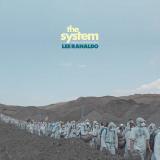
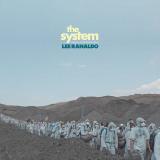
A quick scan of the world’s favourite crowdsourced discography reveals that Sonic Youth co-founder Lee Ranaldo was not a total stranger to crackling electric experimentation in the years following his songwriting turns of the 20-teens. Yet »The System«, ingeniously culled and sequenced from Ranaldo’s soundtrack work for Dutch filmmaker Joris Postema’s ›eco-doc‹ of the same name, nonetheless feels like a reawakening. Quietly released in a vastly different (and much more ›filmic‹) form by Doxy Music/Riva Media Records in 2025, this LP reimagines and reconfigures the initial release, including unreleased material written and recorded for the film, to lend it new stature as both a return to drone-improv form and a reunion with introspective Downtown angst.
Given the state of the world, it’s not surprising that the film Ranaldo scores – a documentary on three climate activists bruising their fists on the black iron prison of techno-fascist deathkultur – is a study in despair and futility. But rather than wallowing in navel-gazing doom and gloom, the film documents the unstoppable spirit that has animated human resistance since the time of the Pharaohs.
As it turns out, the gorgeous scope of Lee Ranaldo’s guitar palette is a perfect manifestation of the hope and despair that animates the film. But like other high-water marks in the guitar-centric soundtrack canon – the high plains raga of Bruce Langhorne’s »Hired Hand«, Neil Young’s sparse and ghostly solo transmissions on »Dead Man«, or the monolithic mantras of Popol Vuh’s »Nosferatu« – its devotion to spectral gestures and meditative song forms launches it firmly outside of the OST orbit into a universe fully its own.
It might seem like a long journey from the Lower Manhattan rhythmic grime of the album’s opener »Tajikistan (Nice to Meet You)« (reminiscent of guitar opuses like Robert Quine and Jody Harris’s »Escape«) to the ringing cowboy chords of the final track, but the narrative logic of the LP pulls the listener along as solidly as a pack horse. As the LP unwinds, and collaborators like Jim Jarmusch, cellist Leila Boudreil, Yeah Yeah Yeahs snare shaman Brian Chase, and guitarist Yonatan Gat take their places, new vistas unfurl: the ritualistic thrum of »Berlin Blockade«, the haunted overtone palaces of »Bergelmir«, and the cavernous acoustic strumming of »Instruments of Violence«. It all winds up with the high lonesome standard »Cool Water«, each unhurried note trailing off into long-tail reverb, layers of shifting vocal harmonies pulling everything skyward – a hopeful note in an album where existential dread never lurks too deeply below the surface.
In the end, »The System« functions both as a film score and a hallucinatory (mostly) instrumental guitar record, revealing a sensibility not too often spotted in the 21st century – a liminal space where the song, the jam, and the meditation merge into a blurred whole. »The System«’s expansive fabric, emerging from a collective sound circling around Ranaldo’s signature tones, envelops and ampl amplifies the contributions of its community of creators – the perfect antidote to narcissistic despair. Much like the subjects of the film light the way towards intra-generational resistance, the music of »The System« reveals a path through gathering darkness. The world could be yours if you follow.
De Kloe: their name is as hard to explain as the music they channel from a total oddball universe. Rumour has it a wormhole sits hidden between the beer crates and a broken dartboard in the basement of the DPG Media building in Antwerp. Leon Jespers, Elian Van den Eynde and Midas Heuvinck stepped through and came back with De Kloe’s first full-length album.
Needless to say, De Kloe operates in the cracks - splicing obscure samples, fractured lyrics, jagged basslines, and serrated guitar riffs into something volatile and alive. Club rhythms pulse underneath, but nothing stays in place for long. Tracks mutate, structures dissolve, and both live and on record the band leans into instinct over control.
After the singles ‘Our House’ & ‘The Fish’ the trio finally presents their debut album ‘Vanity Fair’: more extravaganza tunes you didn’t know you need it, but soon will be addicted to.
A place where pop music collides with dubbed out samplemania, short sharp no wave riffs, sun-gazing psychedelica, 90’s indie sleaze, post everything vibes and endless sonic fun & happiness.
Some people would say Vanity Fair is a musical exploration of glossy machinery, the dacay of celebrity and a secret wink to John Bunyan’s Pilgrim’s Progress where
everything is on display and nothing is quite what it seems.
Other will say ‘Vanity Fair’ is a splendid record with 12 marvelous songs you just have to listen to and buy it because your life will only gets better from then on.
We believe both of them.
Credits
All songs written and produced by De Kloe
Elian Van den Eynde: guitar
Leon Jespers: electronica & keyboard
Midas Heuvinck: bass
Guest musicians
Kiara Govaert & Nina Brügger: vocals
Kiara Govaert: ocarina
Co-production and mixing by Martijn De Bondt
Recording by Simon Beeckaert
Mastering by Gert Van Hoof
Graphic design and layout cover by Leon Jespers
Entirely written by Dylan, the album was recorded at Magic Box studios over the past year. Anchored by the gravitational pull of his unmistakable vocal and longstanding relationship with the acoustic guitar, the 10- track set is gritty, raw and emotionally charged. A rousing, carousing blast of brass, blues, banjo, piano and classic, retrofutureproof, singalong songwriting. It marks a bold step forward for one of Scotland's most compelling voices
Futurismo proudly present a vital compilation born in the shadows of American punk; AMERICAN GRAVE Gothic Punk / Deathrock USA: 1978-1988, the third volume in their Altered Vision anthology series.
Drawing from darkest depths of the American spirit, American Grave is testament to a subculture spawned from late night savagery, graveyard hangouts and suburban isolation. Deathrock, post-punk, goth, whatever term you prefer, this compilation showcases the sounds and aesthetics of a tarnished golden era, an underground movement that took the DIY concepts of punk and the velocity of a burgeoning hardcore scene and immersed it in echoes, distortion, tribal rhythms and macabre vocals, thematically preying upon cult horror flicks, surrealism, and the manipulation of religious iconography. Whilst the UK had a counterpart scene many would hail as Goth, this was different, this was a truly American incarnation, a new breed of youth haunted by the ghosts of old blues, garage and glam, bleak theatrical imagery dressed up to evoke a response, smeared eyeliner, leather, bones…black. This was a backlash against a culture in decay, bucking against a puritanical oppression brought on by the archaic social standards set by their parents. It was aggression manifested as gloom, it was a ceremony, the celebration of death.
American Grave has been co-curated by Wesley Eisold (Cold Cave/American Nightmare/Heartworm Press) in collaboration with Futurismo head honcho Del Jae, to bring you a haunting tracklist ranging from the all important integral mainstays of the genre to those rarer and more elusive artists, including many recordings that have never been reissued before on any format. Featuring the music of Christian Death, T.S.O.L., The Cramps, Of A Mesh, The Gun Club, Twisted Roots, Kommunity FK, The Brainz, Theatre Of Ice, Burning Image, Fur Bible, PSI Com, Shadow Of Fear, Super Heroines, 45 Grave and more.
The music on this compilation is reinstated further from a visual perspective by an array of incredible images by famed punk photographer Edward Colver, and lovingly designed to the level you would expect from a Futurismo release.
2xLP on limited edition ‘Splintered Tomb’ coloured vinyl. It is housed in a gloss laminated outer sleeve with colour inner sleeves and contains a large fold-out poster with unseen photos by the great Edward Colver, words by Lisa Fancher and liner notes by Wesley Eisold of Cold Cave/American Nightmare.
„Öd“ marks the long-awaited return of Institut für Feinmotorik - the Black Forest collective known for using eight prepared turntables to investigate acoustic micro-phenomena generated by everyday objects - with a new album and their first full-length release on Faitiche. It is also the return of their almost comical understatement as personal artistic principle: „making almost nothing out of almost nothing,“ compressed into the dots on an umlaut.
The Öd-nis, the wasteland, is a field that the collective has been ploughing in sound since their first release in 1997. Eight prepared turntables, four mixers, no records, six hands (give or take) merge into what they call the „Octogrammoticum“. A rotating organism of surfaces in friction, fed with the clutter from a drawer: rubber bands or tin foil, CDs, a discarded socket board. Under IFF's scrutinizing stylus, mundane almost-nothings get scratched open to reveal the acoustic density of negative space itself.
Last year’s „Adhesive Tape“ drew IFF closer together after an almost ten-year hiatus. An eponymous event series at Berlin's silent green set in motion what would become their most twistedly funky release since „Penetrans“ on Staubgold in 2002.
The only thing öd about „Öd" (meaning „barren" or „boring“ in German) may well be its title: layers of improvised play and randomized loops convolve around porous, dubby groove locks, tugging at each other in a call-and-response with howling static that cuts through bulbous ambient techno into a scrap-metal Dixieland phantasm. Stratified yet spacious, these sonic double exposures always hover on the verge of collapsing. What you think you hear might not be what you actually hear.
The album’s track titles resemble Conceptual Poetry, extending this psycho-phenomenological gesture into the realm of spoken language. Conceived by renowned poet Dagmara Kraus, they become word molecules - „stern,” „dies,” „lose“ - tilting delicately between German and English, constantly changing depending on the ear’s perspective and pointing back to the deeply unstable fabric connecting meaning and sound. Which also makes „Öd“ an unusual cross-disciplinary collaboration - at least in the field of electronic music.
PS: Since its beginnings in Bad Säckingen, IFF has always been more than the sum of its rotating parts, moving tirelessly between multimedia art, theory, solo projects and collaborations. With IFF Expanded, the collective now opens its eight-doored apparatus, inviting artists working with CDJs or samplers to join - an ambitious live format that loosens its former purity law while carrying forward a long-standing curatorial practice. The same thread also runs into the related event series Acephalic Headspace.
Institut für Feinmotorik (*1997), artist-group originating from Black Forest working in various fields. In musical context known for transforming turntables into instruments by removing the records and instead applying rubber bands, paper scraps, household materials – resulting in a vivid laboratory for the productive misuse of everyday objects. This approach is documented in record releases and performed live.
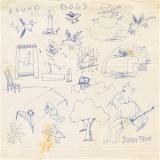
John Prine's Found Dogs is a newly curated archival release celebrating the 30th anniversary of Lost Dogs & Mixed Blessings. Drawn from the original recording sessions and demos from the era, Found Dogs collects alternate versions, acoustic performances, and five previously unreleased tracks, offering a rare look into Prine's songwriting and studio process during a pivotal period of his career.Highlights include alternate takes of "Ain't Hurtin' Nobody" and "Quit Hollerin' At Me," a solo acoustic version of "Humidity Built the Snowman," demos such as "Lake Marie," and unreleased recordings including "Hey Ah Nothin'," "World Without Love," and "Dogs in Burlington." All tracks have been newly remastered for vinyl.
Twelve years have passed since TWINS NATALIA’s debut album, “Destiny Room”, but Dave, Marc and Steve have never really stopped working on new ideas and projects, including the release of a mini-album from Marc’s solo project SHIBUYA STATION. This featured their first collaboration with Greek artist KRIISTAL ANN (also known from PARADOX OBSCUR), who provided the vocals for the track “Madness”. This led to Anna being invited by TWINS NATALIA to perform lead vocals on their cover version of KNOW’s “Knights of Pleasure”. The results were so pleasing that, from then on, Anna was persistently ’pestered’ to work on a TWINS NATALIA EP, which slowly morphed into a complete album entitled “I Died On Mars”. The album is a journey through electronic soundscapes and pure, dark ’80s minimal synth-pop, full of melancholia, haunting melodies, elaborate synth sound design and sequencing, ranging from neat to gnarly, and, of course, KRIISTAL ANN’s charismatic voice icing the cake.
“I Died On Mars” presents us with further surprises: TWINS NATALIA version of “The Dagger In Me” by ’80s Greek post-punk legends THE HANDS OF CAIN, as well as “A Different Hum” by PARADOX OBSCUR, a song that surely needs no further introduction. Anna has not shied away from specially re-recording the vocals for this version, while both versions have been given some distinctly Twins Natalia-specific additions and treatments. Furthermore, Anna has contributed her own composition “Find Me I A Fantasy”, so you’re in for a treat or two, for sure.
Mastering by Nikolas Haldoupis at SoundCave Studios Athens.
Graphic design by Steve Lippert with some original photography by Kriistal Ann.