quête:nu mark

Genres
Tout
Charlie Puth - Whatever's Clever! (Lp)

Charlie Puth

Whatever's Clever! (Lp)

12inch0075678591754
Atlantic
27.03.2026

Der nächste Geniestreich des Hit-Garanten
Mit seinem neuen Studioalbum "Whoever’s Clever!" beweist der vierfach GRAMMY-nominierte Multiplatin-Künstler Charlie Puth erneut, warum er als einer der versiertesten Songwriter und Produzenten der modernen Popmusik gilt.
Nach dem Erfolg seines persönlichsten Albums CHARLIE kehrt er nun mit einem Sound zurück, der technische Brillanz mit unwiderstehlichen Feel-Good-Hooks vereint.
Am 8. Februar 2026 wird er vor einem weltweiten Millionenpublikum die Nationalhymne beim US Super Bowl Finale performen. Dieses mediale Großereignis markiert den offiziellen Startschuss für die Kampagne zu seinem vierten Studioalbum "Whatever’s Clever!", das am 27. März erscheint.
Das Album, produziert von Puth selbst und BloodPop, wird bereits jetzt als eines der Pop-Highlights des Jahres gehandelt.
Zudem wird er für 2 exklusive Konzerte nach Deutschland kommen
05. Juli 2026 – Hamburg, Stadtpark Open Air
06. Juli 2026 – Frankfurt am Main, Jahrhunderthalle

pré-commande27.03.2026

il devrait être publié sur 27.03.2026

30,46
Iivana Mišukka & Arja Kastinen - Iivana Mišukka (Tape)
  • 01: Maanitus &Amp; Tšiižik
  • 02: Markka
  • 03: Melkutus
  • 04: Letška
  • 05: Kuuen Parin Hoirola
  • 06: Brišatka
  • 07: Tšiižik
  • 08: Kirkonkellot
  • 09: Kirkonkellot Korkea
  • 10: Hoirola, 3 Parin
  • 11: Lippa
  • 12: Kyngäkiža
  • 13: Ristakondra
  • 14: Vanha Polkka
  • 15: Viistoista
  • 16: Vanha Valssi
  • 17: Kiberä
  • 18: Maanitus Kuokan Kanteleella
  • 19: Tuuti Lasta Nukkumahe
également disponible

Vinyl[22,65 €]


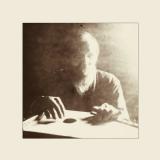
Death Is Not The End present a further volume of Arja Kastinen's eerie amalgamations of 110 year old wax cylinders with her own meticulously transcribed takes, this time focussing in on Armas Otto Väisänen's field recordings of kantele player Iivana Mišukka (b. 1861 d.1919).

"Ivana Mišukka (1861–1919) was one of the Karelian kantele players recorded by the folk music researcher Armas Otto Väisänen on wax cylinders in 1916 and 1917. In the early 20th century, the remote areas of Border Karelia were undergoing the final phase of a transformation in musical culture, with the ancient runo song tradition giving way to newer forms of music. This transition is reflected in Mišukka's repertoire and choice of instrument. The ancient small kantele, hollowed out of a single piece of wood, was already rare at the turn of the century. Mišukka's kantele was a new type of instrument with 26 strings, constructed of several parts, but he played it using the traditional plucking technique. Like other Border Karelian kantele players, his repertoire consisted of music rooted in runosong culture, as well as newer dances and songs from the east and west. Most of the recorded material falls into the latter category.

Ivan Bogdanov Mišukka was born out of wedlock in Suursara village, Suistamo, on 1 May 1861. He began playing the kantele at the age of five or six, quickly mastering the instrument. In adulthood, he was considered one of the area's best master players. Mišukka was landless for most of his life and lived in different parts of the Suistamo parish. His first wife, Tekla Markintytär, died in 1897 at the age of 40, and his second wife, Jevdokia Filipintytär Jeminen, died in 1907 at the age of 50. Seven children were born from the first marriage, two of whom died young. The third wife, Maria Ignatintytär Gurnan (Kuurnanen), was a well-known master of lamentations. Together with Maria, Iivana Mišukka worked as a tenant farmer in the village of Suursara. Mišukka suffered from rheumatism, which prevented him from participating in physical work like Maria. This was apparently partly the reason why Iivana Mišukka went to earn extra money by playing the kantele on gig trips. He often had other traditional artists from Suistamo as his travelling companions, such as the runosingers Konstantin Kuokka and Iivana Onoila. Iivana Mišukka died in Leppäsyrjä village, Suistamo, on 18 May 1919 at the age of 58, and his kantele was donated to Teppana Jänis.

Mišukka only used 14 of the 26 strings on his kantele, playing the same tunes either a fourth higher or lower. He tuned his kantele to the major scale using fifths, except for a low seventh scale degree on the upper strings, but not below the fundamental. Since he did not use the seventh note of the scale on the upper strings at all, he could use the major scale both lower and a fourth higher with this tuning. According to Mišukka, the sound of higher, or 'finer', strings is 'more beautiful', while that of lower ones is 'greater'. Among runosingers, the size of the thirds varied, ranging from major to minor to neutral. A similar phenomenon can be observed in kantele tunings, where the third, sixth and seventh scale degrees vary in a comparable way.

During a meeting, Väisänen suggested that Mišukka play the smaller kantele belonging to Konstantin Kuokka. The idea was to bring it closer to the horn to improve the recording quality. However, the kantele was completely out of tune, and now Mišukka tuned it to the Lydian scale (track 18).

Using the old plucking technique, Mišukka placed his right middle finger on the fundamental tone, his right index finger on the second scale degree, his left middle finger on the third scale degree and his left index finger on the fourth scale degree, and his right thumb on the fifth. The thumb also played the notes above the fifth note of the scale. As Mišukka remarked to Väisänen: 'Peigaloll' tuloo enemb ruadoa' (the thumb has to do more work). However, he did not use the seventh note of the scale on the upper strings at all. Below the fundamental note, he played the seventh and sixth notes of the scale with his right middle finger of and the fifth note of the scale with his right ring finger. This fifth scale degree below the fundamental is almost always used as a drone. Sometimes, when the melody required it, Mišukka, like other players, also varied the fingering. He would also occasionally strike the same string with the side of his fingernail after plucking it.

The wax cylinder recordings of Karelian kantele players are kept in the archives of the Finnish Literature Society in Helsinki, Finland. Copies were made of them onto reel-to-reel tapes in both the 1960s and 1980s. The 1960s copies are mono and the 1980s copies are stereo. However, not all kantele recordings from these decades have survived.

The sound of the kantele is difficult to hear in wax cylinder recordings due to its low volume, and it occasionally becomes completely obscured by noise. During the copying process, the cylinder sometimes rotates unevenly, resulting in breaks or jumps in the music. Additionally, the rotation speed of the cylinder in the copies does not correspond to the performance speed of the original music, which alters the pitch. However, since Väisänen's precise notes are available in the archive, it is possible to deduce the melodies, their speed, and the tuning level of the kantele in the recordings. Of the copies of the original recordings from the 1960s and 1980s, I have selected the one that best met the requirements of this publication and adjusted the speed of the recording to align with Väisänen's notes. To enhance the listening experience, I have replayed the songs, which now partly overlap the old recordings on this release."

— Arja Kastinen

pré-commande27.03.2026

il devrait être publié sur 27.03.2026

16,39
Iivana Mišukka & Arja Kastinen - Iivana Mišukka LP

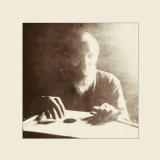
Death Is Not The End present a further volume of Arja Kastinen's eerie amalgamations of 110 year old wax cylinders with her own meticulously transcribed takes, this time focussing in on Armas Otto Väisänen's field recordings of kantele player Iivana Mišukka (b. 1861 d.1919).

"Ivana Mišukka (1861–1919) was one of the Karelian kantele players recorded by the folk music researcher Armas Otto Väisänen on wax cylinders in 1916 and 1917. In the early 20th century, the remote areas of Border Karelia were undergoing the final phase of a transformation in musical culture, with the ancient runo song tradition giving way to newer forms of music. This transition is reflected in Mišukka's repertoire and choice of instrument. The ancient small kantele, hollowed out of a single piece of wood, was already rare at the turn of the century. Mišukka's kantele was a new type of instrument with 26 strings, constructed of several parts, but he played it using the traditional plucking technique. Like other Border Karelian kantele players, his repertoire consisted of music rooted in runosong culture, as well as newer dances and songs from the east and west. Most of the recorded material falls into the latter category.

Ivan Bogdanov Mišukka was born out of wedlock in Suursara village, Suistamo, on 1 May 1861. He began playing the kantele at the age of five or six, quickly mastering the instrument. In adulthood, he was considered one of the area's best master players. Mišukka was landless for most of his life and lived in different parts of the Suistamo parish. His first wife, Tekla Markintytär, died in 1897 at the age of 40, and his second wife, Jevdokia Filipintytär Jeminen, died in 1907 at the age of 50. Seven children were born from the first marriage, two of whom died young. The third wife, Maria Ignatintytär Gurnan (Kuurnanen), was a well-known master of lamentations. Together with Maria, Iivana Mišukka worked as a tenant farmer in the village of Suursara. Mišukka suffered from rheumatism, which prevented him from participating in physical work like Maria. This was apparently partly the reason why Iivana Mišukka went to earn extra money by playing the kantele on gig trips. He often had other traditional artists from Suistamo as his travelling companions, such as the runosingers Konstantin Kuokka and Iivana Onoila. Iivana Mišukka died in Leppäsyrjä village, Suistamo, on 18 May 1919 at the age of 58, and his kantele was donated to Teppana Jänis.

Mišukka only used 14 of the 26 strings on his kantele, playing the same tunes either a fourth higher or lower. He tuned his kantele to the major scale using fifths, except for a low seventh scale degree on the upper strings, but not below the fundamental. Since he did not use the seventh note of the scale on the upper strings at all, he could use the major scale both lower and a fourth higher with this tuning. According to Mišukka, the sound of higher, or 'finer', strings is 'more beautiful', while that of lower ones is 'greater'. Among runosingers, the size of the thirds varied, ranging from major to minor to neutral. A similar phenomenon can be observed in kantele tunings, where the third, sixth and seventh scale degrees vary in a comparable way.

During a meeting, Väisänen suggested that Mišukka play the smaller kantele belonging to Konstantin Kuokka. The idea was to bring it closer to the horn to improve the recording quality. However, the kantele was completely out of tune, and now Mišukka tuned it to the Lydian scale (track 18).

Using the old plucking technique, Mišukka placed his right middle finger on the fundamental tone, his right index finger on the second scale degree, his left middle finger on the third scale degree and his left index finger on the fourth scale degree, and his right thumb on the fifth. The thumb also played the notes above the fifth note of the scale. As Mišukka remarked to Väisänen: 'Peigaloll' tuloo enemb ruadoa' (the thumb has to do more work). However, he did not use the seventh note of the scale on the upper strings at all. Below the fundamental note, he played the seventh and sixth notes of the scale with his right middle finger of and the fifth note of the scale with his right ring finger. This fifth scale degree below the fundamental is almost always used as a drone. Sometimes, when the melody required it, Mišukka, like other players, also varied the fingering. He would also occasionally strike the same string with the side of his fingernail after plucking it.

The wax cylinder recordings of Karelian kantele players are kept in the archives of the Finnish Literature Society in Helsinki, Finland. Copies were made of them onto reel-to-reel tapes in both the 1960s and 1980s. The 1960s copies are mono and the 1980s copies are stereo. However, not all kantele recordings from these decades have survived.

The sound of the kantele is difficult to hear in wax cylinder recordings due to its low volume, and it occasionally becomes completely obscured by noise. During the copying process, the cylinder sometimes rotates unevenly, resulting in breaks or jumps in the music. Additionally, the rotation speed of the cylinder in the copies does not correspond to the performance speed of the original music, which alters the pitch. However, since Väisänen's precise notes are available in the archive, it is possible to deduce the melodies, their speed, and the tuning level of the kantele in the recordings. Of the copies of the original recordings from the 1960s and 1980s, I have selected the one that best met the requirements of this publication and adjusted the speed of the recording to align with Väisänen's notes. To enhance the listening experience, I have replayed the songs, which now partly overlap the old recordings on this release."

— Arja Kastinen
pré-commande27.03.2026

il devrait être publié sur 27.03.2026

22,65
Don Broco - Nightmare Tripping

Nightmare Tripping markiert ein neues Kapitel für DON BROCO, eine Band, die auf Unvorhersehbarkeit
und Neuerfindung aufgebaut ist. Seit ihrer Gründung im Jahr 2008 hat das Quartett Metal, Post-Hardcore,
Funk und elektronische Elemente zu etwas ganz Eigenem verschmolzen. Ihr Debüt bei Fearless Records
zeigt sie von ihrer härtesten und nuanciertesten Seite, wobei sie darauf das Unerwartete begrüßen und mit
Bedacht zu Extremen neigen. In Zusammenarbeit mit ihrem langjährigen Partner Dan Lancaster dringt
die Band tiefer in harte Gesangstexturen, dunklere Themen und experimentelle Wendungen vor, inspiriert
von einer Welt, die sich zunehmend unsicher anfühlt.

pré-commande27.03.2026

il devrait être publié sur 27.03.2026

29,37
Muslimgauze - Mullah Said (2x12")

Muslimgauze

Mullah Said (2x12")

2x12inchMGARCHIVEVOL048
Staalplaat
26.03.2026

Those not familiar with Jones' style will listen slack-jawed at the sheer anticipatory nature of his sound collage. The five extended tracks are based on hypnotic and somewhat menacing grooves: a repetitive dub bass beat, waves of Middle Eastern strings and voices, layers of building hand percussion. The washes of sound and percussion come and go, often creating a sense of motion and change. All of the tracks are similar and even share elements. Mid-East tension is so accurately captured through the use of the region's instrumentation (especially percussion), sinister electronics, samples of men chanting, women crying, sounds culled from the horrors of war, and occasional angry distortion that the listener will be transported to the belly of the beast.

»Mullah Said« displays two aspects of the work of Muslimgauze. Firstly, musically, it is in the delightful drifting ambient vein. The percussion is mainly acoustic hand drums - providing a rhythm of aural features - the trademark shimmering string sound heard on a number of releases is much in evidence, rhythms are generally slower, there are lots of samples of people speaking in conversation, markets wherever. 'Mullah said' opens the disc with the lovely mix of these sounds. »Every Grain of Palestine Sand« continues the mood, with a slightly faster tempo, and more emphasis on the beat. But it soon locks into a mesmeric lassitude as various effects echo or smear the sounds, drums come in for short moments, different string sounds enjoin the play. »Muslims Die India« follows the mood though the voices seem darker, sadder, and then comes »Every Grain of Palestinian Sand« followed by »Muslims Die India«. Yes - not a typo, these tracks are repeated. Muslimgauze trend – to remix himself. Prime Muslimgauze middle eastern ambience - if you like that side you will love this album. The final track is short and different, a crackling ground over which a singer chants a song interrupted by machine-gun percussive bursts - »An End«.

pas en stock

Commandez maintenant et nous commanderons l'article pour vous chez notre fournisseur.

41,98

Derniere entrée: 26 jours
DJ Tennis - fabric presents DJ Tennis + Redrago (2x12" + 10")

Manfredi Romano, founder and A&R of Life and Death Records, has been a pivotal figure in electronic music for over two decades. This year marks an important milestone as he is invited to curate the upcoming fabric presents mix for fabric Records, a release that highlights his instinctive storytelling and the distinct musical identity he has cultivated throughout his career.

Manfredi’s journey began in Italy around the turn of the millennium, tour-managing punk bands and organizing left-field music events before completing his studies in computer science at the University of Pisa. He went on to form DAZE, Italy’s first booking agency dedicated exclusively to electronic music, laying the groundwork for what would become a globally influential presence in the scene.
In 2010, he shifted focus to his own artistic project, DJ Tennis, which quickly gained international recognition for its emotive blend of house, techno, and disco. Renowned for creating intimate atmospheres in even the largest spaces, DJ Tennis has performed at leading clubs such as Circoloco Ibiza, Fabric London, and Panorama Bar Berlin, and at major festivals including Sonar, Timewarp, Primavera Sound, and Coachella. His 2022 residency at Phonox in London further showcased his ability to shape dancefloors with nuance and depth. Since 2017, he has also co-founded and curated Rakastella, the celebrated Art Basel Miami festival created in partnership with Life and Death and Innervisions.

As a producer, DJ Tennis draws from early relationships with post-rock pioneers such as Godspeed You! Black Emperor, Tortoise, and Fugazi, channelling their influence into intricately layered electronic compositions. His work has appeared on respected labels including Kompakt, Rhythm Assault, Running Back, !K7, Cercle Records, Aus Music, and Circoloco Records, alongside frequent releases on Life and Death. His remix portfolio includes collaborations with Diplo, Boys Noize, Loco Dice, WhoMadeWho, and Acid Pauli, among many others. He has also previously contributed a DJ-Kicks mix, bringing his eclectic sensibilities to one of electronic music’s most beloved series.

After extended periods living in Miami, Berlin, and Barcelona, DJ Tennis now resides in Paris. Outside the studio and club environment, Manfredi is a passionate chef who has curated menus for charity events and collaborated with Beatport at ADE, Pioneer, and Resident Advisor. He is also an avid collector of bicycles, vintage action figures, and vinyl — his record collection now surpasses eleven thousand pieces.

With the forthcoming fabric presents DJ Tennis release, he offers a deeply personal, narrative-driven statement that reflects decades of crate-digging, boundary-pushing selections, and a lifelong devotion to sound. It marks a new chapter in his artistic evolution and stands as one of the year’s most anticipated entries in the iconic series.
The first single from DJ Tennis is a collaboration with long-time studio partner Ashee, and it immediately sets the tone for the mix: warm, seductive, rhythm-driven, and emotionally charged.

“I Wanna Know” is a sleek club track built around a pulsing groove and a steady, hypnotic rhythm. The low end is rounded and warm, giving the track a driving but understated momentum. Percussion is crisp and minimal, allowing the bassline and vocal elements to take center stage. The repeating, robotic earworm of a vocal hook, “I wanna know’ is the lynchpin to the track and will remain in your head long after the track has finished.

It’s the kind of record that warms up a room early in the night, sets the tone for a sunset beach set, or adds a lush, emotional peak during a more leftfield club moment.

En stock du22.04.2026

26,01
The Jones Girls - Nights Over Egypt

Detroit sisters The Jones Girls were a hugely popular part of Philadelphia's PIR stable throughout the 1970's and 80's.
They cut numerous sides for the label aided by the incredible production and arrangements of the infamous Gamble and Huff hit machine.
'Night over Egypt' is surely one of their most enduring, evergreen tracks. As popular today with people as it was on it's 1981 release.
A record that truly transcended genre boundaries and touched people from all walks of life and of all taste persuasions, it is a true soul classic. Often imitated yet never bettered! It's no wonder the 12" has always been sought after, sometimes commanding collectors prices on the used vinyl marketplace. The flipside 'Love don't ever say goodbye' is a sultry, Dexter Wansell produced slow-jam that ticks all the right boxes! One for the lovers out there, pure quiet storm business.
This is a fully legit reissue, made in conjunction with Above Board distribution and Sony music, sourced from their vaults using original source material and remastered and repressed to the highest standard for 2018 and featuring all original 1981 PIR label artwork.
Here's your chance to own yet another essential stone cold classic from the archives!

pas en stock

Commandez maintenant et nous commanderons l'article pour vous chez notre fournisseur.

14,50

Derniere entrée: 12 jours
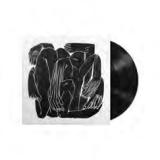
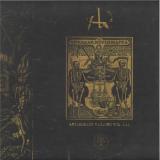
VARIOUS - ANTIKHRIST VISIONS VOL. III EP

INDUSTRIAS MEKANIKAS is back with the third instalment of the ANTIKHRIST VISIONS saga. This release is particularly symbolic: it’s the ninth in the catalogue, marked by the infernal numerology that runs right through the whole series. It’s a descent into a sonic underworld, where noise becomes ritual and pleasure is just pure agony.

The artist tasked with opening this new chapter of the saga is the mighty Óscar Mulero, an essential figure on the national electronic scene and one of our biggest international ambassadors, whose career has left a deep mark on contemporary music. Here, with Faceless, he delves into dark, precise, and devastating electro territory; a spiritual machine that dictates the pulse of chaos.

Next up, we’ve got Pressurized Modulator with Reddrum: hard, crunchy, industrial electro, absolutely buzzing with electrical tension and twisted sonic matter.
Closing out the A-side is Jacko Volvone (aka Hoax Believers) with Quieren Cerrar Las Fábricas: a track that expertly blends electro, techno, and post-punk echoes, resulting in a tense, distorted, and combative sound, like a working-class echo shouting from the abyss.

Flipping over, the B-side opens with Hanging Nuts (made up of Waje Martín, Fake Robotik, and Ruben Montesco). They unleash a murky descent of filthy, distorted, primal electro, slashed through with guitars and raw, guttural vocals: a genuine chant from beyond the grave. The second cut marks the debut of Techselektah & Phil Fork with Champagne No Potable: a raging street anthem packed with fury, energy, and social criticism, where Spanish vocals emerge amidst EBM structures that have that ‘80s spirit, reinterpreted with today’s raw edge. And the big finish is down to HBK1 alongside Rigor Mortis, with Instinto Caníbal: a full-on explosion of electro-industrial and EBM that awakens the body’s most primitive urges.

Antikhrist Visions Vol. III is a sonic summoning from the lands of Hades: ritualistic matter, organic sound, and primal force. A testament to pleasure and torment—Tormento do Gostar—etched into the vinyl as if it were molten iron.

Memento Mori.

pas en stock

Commandez maintenant et nous commanderons l'article pour vous chez notre fournisseur.

16,77

Derniere entrée: 29 jours
HOUSE OF ALL - INKLINGS LP
  • 1: Spirit Salient
  • 2: The Rebel Duke
  • 3: Wrecked
  • 4: Valiant Heart
  • 5: Prince Of This World
  • 6: Time Is Out Of
  • 7: Joint
  • 8: My Throbbing Heart Shall Rock Thee
  • 9: Ours Is The Fall
  • 10: Sweet Remembrencer
  • 11: I Am Thine

It's hard to fathom Martin Bramah's trajectory from his beginnings as a guitarist/writer behind two crazily influential postpunk albums - The Fall's Live At The Witch Trials and Blue Orchids' The Greatest Hit (Money Mountain) (vocalist on the latter too, of course) - then nearly three decades of sporadic-at-best activity, offering releases just frequently enough to remind fans of his peculiar brilliance . . . before another stay in the void. Chalk it up to what you want - Mark E. Smith's utter usurpation of The Fall, his split from partner Una Baines after Blue Orchids' debut, the vague collapse of rash experimentation in `underground' music as early `80s nu-pop and American college rock diluted any real spirit, a few failed attempts at working with with Mark again . . . and maybe just life getting in the way. A sense of lost opportunities isn't tough to justify. Inasmuch as Martin was originally the singer for The Fall - Mark began as guitarist but couldn't play! - and given that the group's mythology was born in an era before that gang of Mancunian misfits had even thought of playing, it's high irony that 49 years after The Fall began, Martin has both become wildly prolific and the leader of a band with more rights of inheritance to The Fall's credibility than any other living person could justify . . .yet the band isn't remarkable for that as it is for the range and wealth extent of their collective powers and talent: two great and original guitarists, three of the UK's most daringly-skilled drummers, a genuine bass legend, and a brilliant spare Blue Orchid guitarist. Four albums in, the HOUSE Of ALL is getting ambitious, with each album a subtle improvement on the last, forging a path away from their pasts without denying a thing. Inklings differs from the first three for not having being largely improvised at first, with sounds, rhythm, groove and melody later forged into songs. They rehearsed! They had fun doing it! They're going on an extended tour! There were even extra tracks! We'll leave it to fans and critics to sit down and analyse the specifics of it all, but Steve, Si, Pete, Phil, Karl and Martin have made a bold and powerful album unlike any other you'll hear in 2026 . . . stately, majestic, bold and worthy of a group of real survivors. In perverse form, the album will be officially announced and preceded by a song not on the album!

pré-commande20.03.2026

il devrait être publié sur 20.03.2026

22,06
DIE GOLDENEN ZITRONEN - PUNKROCK (RED COLORED REISSUE)
  • 180: Millionen Hooligans
  • 2: Die Kakteen
  • 3: Wo Bleibt Mein Pferd?
  • 4: Heinrich Brinkmann
  • 5: Hobby Rider
  • 6: Kleinigkeiten
  • 7: Die Zuckerdose (Feat. Yvonne Ducksworth)
  • 8: Psycho
  • 9: Ein Käfig Voller Jungs
  • 10: Sie Weiß Nicht, Woher Es Kam
  • 11: Fender Stratocaster
  • 12: Heil Bockwurst (Großer, Dicker König)

Mit Punkrock (1991) markierten Die Goldenen Zitronen ihren entscheidenden Wendepunkt - weg vom Fun-Punk der 80er hin zu einer politisch scharfen, stilistisch mutigen Band. Nach dem Album Fuck You (1990) suchten sie einen direkteren, ehrlicheren Sound - roh, schnell und ohne Studio-Perfektionismus. Gemeinsam mit Billy Childish, dem britischen Garagen-Guru aus Rochester/Kent, nahmen sie die Platte im Januar 1991 in nur drei Tagen auf. Keine Tricks, keine Nachbearbeitung - nur übersteuerte Pegel, Live-Energie und Haltung. Childish klebte die Anzeigen am Mischpult ab, mischte nach Gefühl und erklärte, dass jeder Mix höchstens 30 Minuten dauern dürfe. Das Ergebnis ist ein Meilenstein: ein raues, kompromissloses Album zwischen 60s-Garage, Punk und politischer Dringlichkeit. Songs wie "80 Millionen Hooligans" spiegeln die aufgewühlte Stimmung der frühen Nachwendezeit - Wiedervereinigung, Fremdenhass, Orientierungslosigkeit - und wirken heute wie ein unheilvolles Echo ihrer Zeit. Punkrock wurde zum Kultdokument einer Ära des Aufbruchs und der Widersprüche. 2009 wurde das Album remastered - der rohe Geist blieb, nur klarer denn je. Ungefiltert, übersteuert, unvergesslich - Punkrock, das Statement einer Band, die keine Kompromisse kannte.

pré-commande20.03.2026

il devrait être publié sur 20.03.2026

22,65
AMSTERDAM KLEZMER BAND - DIASPORA

Seit nun fast drei Jahrzehnten erfindet die Amsterdam Klezmer Band Klezmer-Musik von Grund auf neu und verbindet Tradition mit frischer und verspielter Energie. Mit ihrem neuesten Album "Diaspora" kehrt die Band zu ihren akustischen Wurzeln zurück, formt diese jedoch subtil um und fängt die Musik in ihrer unmittelbarsten und fröhlichsten Form ein, wobei Schlagzeuger Mischa Porte eine neue herausragende Rolle einnimmt. Das Album wurde fast vollständig in einer einzigen Aufnahme in der Singelkerk in Amsterdam am 26. November 2025 aufgenommen und strahlt die rohe Energie einer authentischen Live-Performance aus. Keine Overdubs, keine Elektronik und keine Tricks: nur die Band, ihre Instrumente und die Spannung des Augenblicks. Das Ergebnis ist warm und lebendig, ein Sound, der die Amsterdam Klezmer Band wieder mit den Roots der Klezmer-Musik verbindet und befreienden Raum für Improvisation und Entdeckungen lässt. Rumänische und türkische Rhythmen verflechten Klezmer-Songs und Originalkompositionen und schaffen eine musikalische Reise, die sich sowohl geerdet als auch expansiv anfühlt. Diaspora markiert auch einen bewegenden Moment in der Geschichte der Band: Es ist die letzte Aufnahme mit dem Trompeter und Mitbegründer Gijs Levelt, dessen Klang und musikalische Vision die Amsterdam Klezmer Band fast 28 Jahre lang geprägt haben. Auf Diaspora fließen traditionelle Melodien und Eigenkompositionen nahtlos ineinander, geprägt von den unterschiedlichen Stimmen innerhalb der Band. Düstere, melancholische Tänze stehen neben treibenden Sirba- und Cocek-Rhythmen, von Motown inspirierten Grooves, türkischen 9/8-Impulsen und jazzigen Improvisationen. Spoken Word und Rap-Momente sind eine Anspielung auf die Badchen Tradition, während unerwartete Instrumentierungen wie Gitarre-Banjo, die eine traditionelle Melodie anführen, für eine frische Textur sorgen. Jedes Originalstück trägt die Handschrift seines Komponisten, doch alle dienen dem gleichen Zweck: Körper in Bewegung zu bringen, Verbindungen zu schaffen und Klezmer als lebendige, atmende Gemeinschaftssprache zu erhalten. Diaspora ist kein nostalgischer Rückblick, sondern eine lebendige Momentaufnahme dessen, wo die Amsterdam Klezmer Band heute steht: verwurzelt, rastlos und unwiderstehlich lebendig!

pré-commande20.03.2026

il devrait être publié sur 20.03.2026

22,27
Julie Driscoll, Brian Auger & The Trinity - Open LP

Released in 1967, Open marked a bold debut for Brian Auger & The Trinity, featuring the dynamic vocals of Julie Driscoll. Music and its makers were rapidly evolving in ‘67, the UK's Jazz and R&B scenes were being influenced by pop and psychedelia and socially, musicians of many styles found common ground in London’s clubs like The Cromwellian and The Scotch Of St James where the The Beatles, US legends Wilson Pickett and Jimi Hendrix mingled with the capitals jazzers and pop stars, often loudly jamming together in even louder 'Lord Byron' shirts. 'Open' fully embraced this spirit by fusing together those genres and attitudes of the era. From the outset Auger displays his jazz rooted approach on the A side with 'In and Out' and 'Isola Natale' (later covered by one of his American jazz heroes Richard ‘Groove’ Holmes). Both showcase the Trinity's musicianship and Brian's improvisational flair. Auger himself takes on vocal duties on the raucous ‘Black Cat’, a track that became a club hit. Open is marked by its eclecticism; 'Lament for Miss Baker' is a tender, piano ballad influenced by Duke Ellington, reflecting Auger’s jazz and classical influences whilst 'Goodbye Jungle Telegraph' is a wild and crazy percussive freak out. Brian displayed not only his virtuosity but also his surrealist sense of humour with bizarre sound effects, inspired by Spike Milligan's The Goons' radio show interspersed between the tracks.

Julie Driscoll’s arrival on the album’s B side brings a sharp shift in tone. Her smoky, emotive vocals inject a soulful depth, notably on covers of Otis Redding & Carla Thomas hit 'Tramp', Aretha's 'Save Me' and The Staples Singers ‘Why Am I Treated So Bad". With original numbers 'Break It Up' and 'A Kind Of Love In' we hear the Auger / Driscoll pop infused R&B at its very best, whilst the version of Donovan’s 'Season of the Witch' stretches out into a slow-burning epic. In 2025, Open is viewed as a cult classic and testament to a unique period when genre boundaries were fluid and artistic risk-taking was the norm. Brian Auger & The Trinity’s debut captures the adventurous energy of the late 1960s. 58 years later, its importance in the development of British jazz fusion and progressive bands that followed is undeniable, with The Charlatans Tim Burgess recently commenting on Auger's Instagram that The Trinity were a 'huge influence'.

pas en stock

Commandez maintenant et nous commanderons l'article pour vous chez notre fournisseur.

21,43

Derniere entrée: 33 jours
BROOKLYN FUNK ESSENTIALS - take the l train (to 8th avenue)

Calibre steps up with two outstanding reworks of jazz/hip-hop/funk legends Brooklyn Funk Essentials’ ’Take The L Train (to 8th Ave.)'.

The A-side is vintage Calibre: crisp breaks, deep subs, silky musicality - a pure, rolling DnB number. Flip it over and he drifts into a lush ambient dub version, stretching the original into a drifting, atmospheric gem.

He has been closing his set with this record since and it has recently found its way into the sets of Moodyman, Fabio, Marky and Goldie.

En stock du22.04.2026

18,07

Derniere entrée: 34 jours
Khruangbin - The Universe Smiles Upon You ii (2x12")

If you could go back in time ten years, what would you want to tell yourself? This was a question Khruangbin posed to themselves when approaching the ten-year anniversary of their debut album, the once cult classic, now genre-defining work The Universe Smiles Upon You. “If we could go back and tell ourselves how much was going to happen to us after that record, what would we want to
celebrate?” asked Laura Lee, bassist, vocalist, and founding member of the band. Instead, they thought: “Let’s do it again.”
The Universe Smiles Upon You ii was recorded on January 4-6, 2025, in the same family barn of guitarist Mark Speer, across the
same dates where TUSUY was first conceived ten years earlier. Though the conditions were the same–dirt floor, brutally cold,
minimal sound isolation, all takes live–the songs aren’t. They’re re-approached, some changed more than others, harnessing the lightning-in-a-bottle energy of TUSUY while discovering what would be unique this time around, in this stage of the band’s life.
The result moves like ripples on the water across ten hypnotizing tracks, the barn creating a sense of spaciousness, serenity and creative freedom, nearby wildlife (listen out for the birds on “August Twelve ii”), rattles and creaks of the barn and all. It’s a tapestry of small movements in nuanced arrangements, slowly revealing the new life, stories and character of someone you’ve met again for the first time in ten years.

pré-commande13.03.2026

il devrait être publié sur 13.03.2026

28,78
Zach Bryan - With Heaven On Top LP 2x12
  • Down, Down, Stream
  • Runny Eggs
  • Appetite
  • Deann's Denim
  • Say Why
  • Drowning
  • Santa Fe
  • Skin
  • Dry Deserts
  • Bad News
  • South And Pine
  • Cannonball
  • Slicked Back
  • Anyways
  • If They Come Lookin
  • Rivers And Creeks
  • Plastic Cigarette
  • You Can Still Come Home
  • Aeroplane
  • Always Willin
  • Miles
  • All Good Things Past
  • Camper
  • Sundown Girls
  • With Heaven On Top

Zach Bryan hat seinen Status als einer der einflussreichsten Künstler der zeitgenössischen Country- und Americana-Szene im Jahr 2026 eindrucksvoll untermauert. Sein im Januar 2026 digital veröffentlichtes sechstes Studioalbum „With Heaven On Top“ (WHOT) stieg direkt auf Platz 1 der US Billboard 200 Charts ein und umfasst 25 von ihm selbst geschriebene Titel. Am 13.März folgt nun die Veröffentlichung auf CD und Vinyl.
Der Erfolg wird durch enorme Reichweiten untermauert: Die Lead-Single „Plastic Cigarette“ erreichte innerhalb kürzester Zeit die Marke von 50 Millionen globalen Streams. Zuvor setzte Bryan bereits historische Maßstäbe, als er im September 2025 vor über 112.000 Fans im Michigan Stadium das größte Einzelkonzert der US-Geschichte spielte. Im Rahmen seiner anstehenden Welttournee wird er am 31. Mai 2026 auch in der Berliner Waldbühne auftreten.

pré-commande13.03.2026

il devrait être publié sur 13.03.2026

35,50
Alexis Taylor - Paris In The Spring (LP)
  • A1: Your Only Life
  • A2: I Can Feel Your Love (Produced By The Avalanches)
  • A3: Out Of Phase Feat. Lola Kirke
  • A4: Wild Horses
  • A5: Colombia
  • B1: For A Toy
  • B2: On A Whim (With Green Gartside Of Scritti Politti)
  • B3: Fainting By Numbers
  • B4: Mp3S Can Make You Cry
  • B5: Black Lodge In The Sky

Headline: Alexis Taylor von Hot Chip setzt seine Soloreise fort.

Alexis Taylor zählt zu den markantesten Singer-Songwritern des UK, der mit seiner unverwechselbaren Stimme ein beachtliches Solowerk geschaffen hat. "Paris In The Spring" ist sein bisher persönlichstes Album, das individuelle wie auch universelle Gefühle offenbart. Die Texte scheuen sich nicht vor eindringlichen Themen, doch musikalisch präsentiert sich die LP unbeschwert, beschwingt und zeitgemäß, mit eleganten Disco-House-Elementen, sinnlichen Basslinien und von Vangelis inspirierten Klanglandschaften.

Taylor hat für diese lebendige Klangwelt namhafte Künstler ins Boot geholt, darunter Nicolas Godin (Air), The Avalanches, Lola Kirke, Oli Bayston, Étienne de Crécy, Elizabeth White (Pale Blue) und Green Gartside (Scritti Politti). In dieser Welt trifft ein intimer Country-Stil auf die eingängige Popmelodie von Paul McCartney, den futuristischen Funk von Sly & The Family Stone und, so Taylor, "Synthesizer, die im Regen stehen gelassen wurden". Hier verschmelzen britisches Americana und französisches Flair – irgendwo auf dem Mars. Das Ergebnis ist ein Album über die Freiheit von Zwängen, von Vorurteilen, von Genregrenzen. Taylor experimentiert mit verschiedensten Musikstilen – Country, Folk, Disco – und hat sie zu etwas Einzigartigem verwoben.

pré-commande13.03.2026

il devrait être publié sur 13.03.2026

23,32
Monstrosity - Screams from Beneath the Surface
également disponible

Black Vinyl[21,64 €]


Luminous Orange Marbled Vinyl Mit ihrer ersten Veröffentlichung seit sieben Jahren kehren MONSTROSITY eindrucksvoll zurück und präsentieren ein Album, das ihre unverwechselbare Mischung aus purer Aggression, technischer Brillanz und ungebändigter Intensität eindrucksvoll auf den Punkt bringt. Angeführt von Drummer, Gründer und Mastermind Lee Harrison, zeigt sich die Band stärker denn je. Mit Langzeit-Gitarrist Matt Barnes, der triumphalen Rückkehr von Originalbassist Mark Van Erp und der markerschütternden Stimme von Ed Webb (ex Massacre) entfaltet Screams From Beneath The Surface eine Energie, die sofort packt und nachhaltig wirkt. Das Album festigt nicht nur MONSTROSITYs Status als Death-Metal-Institution, sondern erweitert das Genre um frische, mutige Facetten - innovativ und dennoch kompromisslos ihren Wurzeln treu. Die zehn Tracks dieses massiven Werkes verkörpern den rebellischen Geist, der MONSTROSITY seit Jahrzehnten definiert. Songs demonstrieren eindrucksvoll das Zusammenspiel aus vernichtenden Riffs, komplexem Drumming und eindringlichen, bildgewaltigen Texten. Gleichzeitig zeigen sie, wie vielseitig und weiterentwicklungsfähig die Band geblieben ist - neue klangliche Ebenen treffen auf ihre charakteristische, rohe Wildheit. Jeder Titel ist ein Statement, ein Beweis für MONSTROSITYs technische Überlegenheit und ihren kompromisslosen Anspruch, Death Metal auf höchstem Niveau zu liefern.

pré-commande13.03.2026

il devrait être publié sur 13.03.2026

24,16
Monstrosity - Screams from Beneath the Surface
également disponible

Luminous Orange Marbled Vinyl[24,16 €]


Mit ihrer ersten Veröffentlichung seit sieben Jahren kehren MONSTROSITY eindrucksvoll zurück und präsentieren ein Album, das ihre unverwechselbare Mischung aus purer Aggression, technischer Brillanz und ungebändigter Intensität eindrucksvoll auf den Punkt bringt. Angeführt von Drummer, Gründer und Mastermind Lee Harrison, zeigt sich die Band stärker denn je. Mit Langzeit-Gitarrist Matt Barnes, der triumphalen Rückkehr von Originalbassist Mark Van Erp und der markerschütternden Stimme von Ed Webb (ex Massacre) entfaltet Screams From Beneath The Surface eine Energie, die sofort packt und nachhaltig wirkt. Das Album festigt nicht nur MONSTROSITYs Status als Death-Metal-Institution, sondern erweitert das Genre um frische, mutige Facetten - innovativ und dennoch kompromisslos ihren Wurzeln treu. Die zehn Tracks dieses massiven Werkes verkörpern den rebellischen Geist, der MONSTROSITY seit Jahrzehnten definiert. Songs demonstrieren eindrucksvoll das Zusammenspiel aus vernichtenden Riffs, komplexem Drumming und eindringlichen, bildgewaltigen Texten. Gleichzeitig zeigen sie, wie vielseitig und weiterentwicklungsfähig die Band geblieben ist - neue klangliche Ebenen treffen auf ihre charakteristische, rohe Wildheit. Jeder Titel ist ein Statement, ein Beweis für MONSTROSITYs technische Überlegenheit und ihren kompromisslosen Anspruch, Death Metal auf höchstem Niveau zu liefern. 180g Black

pré-commande13.03.2026

il devrait être publié sur 13.03.2026

21,64
KYOZO NISHIOKA - Gypsy Song / Never Land 7"
  • Side A. Gypsy Song
  • Side B. Never Land

After traveling through Mexico, Miami, the Bahamas, and New Orleans, Nishioka recorded his fourth album South American Journey in Los Angeles,
released in 1979. From this album, two of his most celebrated tracks—“GYPSY SONG”, a fan favorite with numerous cover versions, and “NEVER LAND”,
featuring the distinctive sound of steel pans and a Japanese reggae vibe are now being pressed on 7-inch vinyl for the first time in a limited edition!

The recording features members of the So What Review band, including Junshi Yamagishi (guitar) and Osamu Ishida (guitar), along with renowned steel pan
player Robert Greenidge, known for collaborations with Van Dyke Parks and Taj Mahal.
(FLATT THE LAIDBACK)

Kyozo Nishioka Profile
(Born May 7, 1948 – Died April 3, 1999)
Singer songwriter from the Shima Peninsula in Mie Prefecture, affectionately nicknamed “Zo-san”.
After enrolling at Kinki University and moving to Osaka, Nishioka became a regular at the folk cafe Dylan in Namba, opened in August 1969 by Masaji Otsuka
and Yoko Ishimura. Dylan was a gathering spot for folk music enthusiasts from all over Japan.
Nishioka formed the folk group The Dylan with Masaji Otsuka and You Nagai, performing at folk camps and the Nakatsugawa Folk Jamboree. In 1971, Nishioka
left the group, and Otsuka and Nagai continued as The Dylan II. Nishioka wrote and composed the song “Puka Puka” under the pen name Zokyozo, which became
one of his signature works. The song was first released in July 1971 as the B-side of The Dylan II’s single “Otoko rashii tte Wakarukai” on URC Records.
Nishioka began his solo career, releasing his debut album “Dylan nite” in July 1972, produced by Kinji Yoshino on Bellwood Records, which included his own
version of “Puka Puka”. In September 1973, he appeared at the farewell concert of Happy End titled CITY – LAST TIME AROUND at Bunkyo Public Hall in Tokyo.
His 1974 album “Machiyuki Murayuki” was produced by Haruomi Hosono, and his 1975 album “Rokka My Baby” featured support from Shigeru Suzuki’s band
HUCKLE BACK. Nishioka recorded three albums under Hosono’s production, deepening their friendship.
Together with his wife and lyricist KURO, Nishioka wrote songs for artists such as Eikichi Yazawa. The couple traveled the world, recording overseas albums such
as “Nanbei Ryoko” (1977), “Yoh-Sollo” (1979), and “New York to Jamaica” (1981), incorporating reggae, calypso, and other global sounds. In the 1980s, he released
works under the duo name KYOZO & BUN with Yoshifumi Okajima, and in the 1990s returned to solo projects with albums like “START” (1993) and “Farewell
Song” (1997).
After KURO’s passing in 1997, Nishioka continued his musical activities until his own death in 1999 at the age of 50. His music transcended the boundaries of folk,
blending jazz and tropical elements to create a unique world view, leaving an indelible mark on Japanese music history.

pré-commande06.03.2026

il devrait être publié sur 06.03.2026

31,89
MARLON MAGNEÉ - DARK STAR

MARLON MAGNEÉ

DARK STAR

12inchIDOLLP164
Disque Pointu
06.03.2026
  • Nuage Gris
  • Plus Fort Que Toi
  • People Are Afraid
  • Viens En Moi
  • Opération Destruction
  • La Première
  • I Have A Big Crush
  • La Fureur D'annie
  • Le Son De Ta Voix
  • Dévasté
  • Do You Miss Me
  • Ciao La Vie
  • Dark Star
  • Cause There Is No Time

Nach fünfzehn Jahren auf Welttournee mit La Femme kehrt Marlon Magnée nun als Solo-Künstler mit seinem Debütalbum Dark Star zurück, das ihn wieder mit seinen frühesten Leidenschaften verbindet. Die Platte spiegelt seinen Geschmack für ungewöhnliche Mischungen und eigenständige Stile wider: eine Kombination aus Rockabilly, Punk, Cold Wave und psychedelischem Psychobilly. Die Stücke, gesungen auf Französisch und Englisch, greifen auf Gitarren der Sechziger zurück, auf eine "Orgie aus Synthesizern" direkt aus den Achtzigern, auf donnernde Drumcomputer, analoge Delays und eine bewusst rohe Energie. Seine Einflüsse ziehen sich durch das gesamte Album: The Velvet Underground, The Stranglers, Motörhead, The Cure, The Stray Cats, JJ Cale, die Nuggets-Kompilationen, aber auch französischsprachige Ikonen wie Gainsbourg, Les Rita Mitsouko, Métal Urbain, Plastic Bertrand und Marc Charlan. Das Ergebnis: ein schnelles, ruheloses Album (Tempi bis zu 240 bpm), manchmal radikal, konzipiert "für diejenigen, die Blut im Herzen und den Drang haben, sich zur Wehr zu setzen". Co-produziert mit Renaud Letang (Feist, Manu Chao, Peaches) im legendären Ferber Studio in Paris markiert dieses erste Solo-Werk eine echte Rückkehr zu Marlons Wurzeln - und kündigt mit Nachdruck das Comeback des Rock in der heutigen Musiklandschaft an.

pré-commande06.03.2026

il devrait être publié sur 06.03.2026

25,17
Articles par page:
N/ABPM
Vinyl