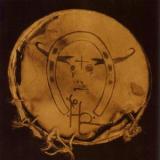
Mit "Olden" liegt eines der wichtigsten Frühwerke von 16 Horsepower wieder vor - erstmals als Oxblood Vinyl Edition. Die Sammlung vereint die ersten beiden Studio-Sessions von 1993/94 und zeigt die Band in ihrer rohsten, intensivsten Form. Klassiker wie "American Wheeze", "South Pennsylvania Waltz" oder "I Seen What I Saw" erscheinen hier in ihren ursprünglichen, ungezähmten Fassungen und werden durch rare, bislang unveröffentlichte Aufnahmen ergänzt. Dazu kommen Live-Mitschnitte aus dem Mercury Café in Denver, die die hypnotische Bühnenpräsenz der frühen Band dokumentieren. Olden ist damit nicht nur ein essenzielles Dokument der "Denver Sound"-Geburtsphase - sondern auch ein zentrales Werk für eine neue Generation von Hörern.
Mariá Portugal has been active in the music scenes of Brazil and Europe as a drummer, composer, singer, and music producer. After graduating in composition, she has focused her research on free improvisation and its possible intersections with popular song. This exploration resulted in her acclaimed album EROSÃO (2021) and in the formation of two groups: the EROSÃO Septet and the EROSÃO Percussion Trio, both based in Germany.
She is also a member of the group Quartabê and has toured and recorded around the world with various artists, moving between pop, free jazz, free improvisation, and Brazilian popular music. She has performed and recorded with artists such as Elza Soares, Anthony Braxton, Joe McPhee, Fred Frith, and Tomeka Reid. She is a member of Fire! Orchestra, Fire! Trio, Endless Breakfast and MONSTER.
In 2020, Portugal was the 13th Improviser in Residence at the Moers Festival. As a curator, she has participated in the Soundtrips-NRW in Duisburg and currently coordinates the concert series “TOMA CHOCOLATE!” in Berlin, besides being the guest curator for this year's unlimited Wels festival. She also composes music for dance, theater, and film, including the award-winning soundtrack for the film “1976”, which earned her the Chilean Film Academy Award in 2025. She was nominated for the 2025 and 2026 German Jazz Prize in the drums and percussion category.
Emilio Gordoa is a Mexican sound artist, percussionist, and composer whose work focuses on sound and performance as primary means of expresion. Based in Berlin since 2012, he has been an active contributor to the city’s Echtzeitmusik scene and is involved in the international avant-garde music community.
His projects include solo and ensemble performances, sound installations, and compositions for film, theater and dance. He has collaborated with a wide range of artists, including Jérôme Noetinger, Ingrid Schomliner, Yuko Kaseki, Burkhard Beins, Don Malfon, John Butcher and Sabiene Vogel. Gordoa’s approach combines experimental percussive techniques with electronic elements, leading to invitations to perform at events such as the Moers Festival, Meakusma Festival in Belgium, A’larme!, and Maerzmusik in Berlin.
He founded WildSonico, a platform for experimental music, and has been part of artist residencies at institutions like the Akademie der Künste and Kunststiftung NRW. He also worked as the Improviser in Residence for the Moers Festival. His discography includes albums such as Substantial Myths (2022), Balderi Variations (2019), and GRIFF (2021), which reflect his ongoing engagement with music. His work has been supported by organizations such as the Goethe-Institut, Musikfonds e.V., and INM - initiative neue musik berlin, and he has received recognition, including an Honorary Mention at the Prix Ars Electronica.
Burkhard Beins was born in 1964 in Lower Saxony and has been living in Berlin since 1995. He is considered a stylistically influential percussionist as a composer/performer, due to his individually developed playing techniques. Additionally, he works with analog synthesizers and live electronics, plays electric bass, and has created various sound installations.
He collaborates as a soloist, as well as with artists such as Chris Abrahams, Keith Rowe, Sven-Åke Johansson, Axel Dörner, Andrea Neumann, and many others. He is also a member of several ensembles including Sawt Out, Activity Center, Polwechsel, The Sealed Knot, Zone Null, Perlonex, Trio Sowari, Vertigo Transport, the NoWave/Krautrock band Slurge, and the Berlin Splitter Orchestra.
Since the late 1980s, he has performed concerts and participated in international festivals for experimental and contemporary music across Europe, America, Asia, and Australia. He has released more than 70 CDs and LPs in collaboration with various artists.
Burkhard Beins has been an Artist-In-Residence at the Künstlerhäuser Worpswede (2009), EMS Stockholm (2014), Muong Studios, Hoa Binh/Vietnam (2015), the Robert Rauschenberg Foundation, Captiva/Florida (2017), as well as at DAR, Drsukininkai/Lithuania (2018), and the Agosto Foundation, Prague (2019).
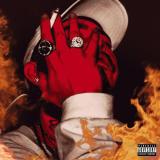
Buckshot returns with The Package, his latest solo album and his first to be entirely self-produced. The Brooklyn legend handles every beat himself this time, with features from General Steele of Smif-N-Wessun bringing the Boot Camp Clik brotherhood full circle.
Co-founder of Duck Down Music with Drew "Dru-Ha" Friedman, Buckshot has spent over three decades building one of hip-hop's most respected independent labels while staying prolific on the mic: a solo studio album, three with producer 9th Wonder, one with KRS-One, four with Black Moon, and four with the Boot Camp Clik. He's the voice behind "Straight from Crooklyn, better known as Brooklyn," a line that still echoes through the culture, prominently featured on two Crooklyn Dodgers tracks.
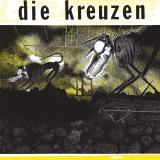
Formed in 1981 by two Rockford, Illinois, and two Brookfield, Wisconsin, natives in the midpoint of Milwaukee, Die Kreuzen (pronounced dee kroyt-zen) chose their name specifically to avoid stereotyping because “no one knows what it means. 'Die Kreuzen' roughly translates out of German meaning 'to intersect' or 'to hybridize,' which is exactly what they did on their five LP's for Touch and Go. Their self titled debut is considered one of the most seminal hardcore records of the early 80’s. As far as October File is concerned, remember that flannel shirt movement in the 90's? This is what those guys were listening to.
Formed in 1981 by two Rockford, Illinois, and two Brookfield, Wisconsin, natives in the midpoint of Milwaukee, Die Kreuzen (pronounced dee kroyt-zen) chose their name specifically to avoid stereotyping because “no one knows what it means. 'Die Kreuzen' roughly translates out of German meaning 'to intersect' or 'to hybridize,' which is exactly what they did on their five LP's for Touch and Go. Their self titled debut is considered one of the most seminal hardcore records of the early 80’s. As far as their second album October File is concerned, remember that flannel shirt movement in the 90's? This is what those guys were listening to.
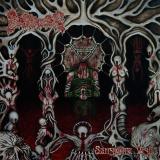
From the swamping lands of Finland death/grind trio Galvanizer emerges with their debut album “Sanguine Vigil” after having paid all their dues with several tapes and a 7″ep like we were used back in the 90s.
Galvanizer have quickly become one of the most promising underground acts around, their old school approach perfectly combines with their youthful energy and their sound will perfectly please both fans of old school Finnish death metal and modern deathgrind sounds.
The artwork is painted by mighty TG Rantanen, a finnish institution famous for his works with Demilich, Demigod, Adramelech, Depravity and many more.
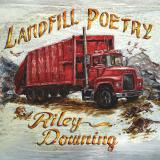
For years, singer-songwriter Riley Downing has collected stories about life’s overlooked moments and underappreciated people. He’s unearthed these tales of castaway truths and once-faded recollections for Landfill Poetry, a sophomore solo album and Oh Boy Records debut.??A native of small-town Missouri who once worked as a backroad trashman before becoming one of music’s weathered journeymen, the husky-voiced Downing may be best known as a member of noisemaking Americana outfit The Deslondes, a New Orleans-born band that he co-founded after a clandestine meeting with likeminded musicians at a folk festival in Oklahoma.??On Landfill Poetry, his six-string worldbuilding takes listeners to the back of the trash truck (“Landfill Poetry”), inside the lonely hours of the graveyard paycheck (“Night Shift”) and to the quiet moments after a hard day of work (“Porch Song”). He sings for the restless ones who stay up way too late (“Hay Hay Hay”) and the grandchildren who admire a hard-working compassion once shared between late loved ones (“Helen & Gene”). With each song, Downing uncovers sketches of life that once might’ve been lost to the landfill but instead?are shared anew.
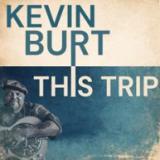
Recorded in Waterloo, Iowa and produced by Michael Cutsforth , the album blends iconic blues storytelling with soulful, lived- in delivery, performed with clarity, conviction, and heart. Burt - long celebrated for his ability to captivate audiences with a raw, acoustic roots style and winner of the International Blues Challenge for solo artist - returns to the core of what makes his music resonate so deeply. After releasing three studio albums with full- band arraignments, This Trip marks a conscious shift toward intimacy and honesty. Burt brings the immediacy of his live performances into the studio, stripping back instrumentation to place the listener directly in the room with the storyteller. The result is a warm, immersive listening experience where every lyric lands with intention and every pause carries meaning - an album that invites you to slow down, lean in, and truly listen. Lyrically, This Trip reflects on life in all its chapters, exploring love, loss, hurt, fear, joy, and the moments that define who we become. These are songs shaped by experience and delivered with empathy, offering comfort as much as truth. Listening to Kevin Burt feels less like consuming music and more like sharing space- it's reflective, grounding, and quietly transformative. This Trip isn't just an album you hear; it's one you feel, and one you'll want to return to again and again.
That sound reaches a new height with her fourth solo record, Fireflies. Recorded with producer Tony Braunagel in Nicole's hometown of Kansas City, it's not just a record about roots -- it's about the growth that occurs when reflection, resilience, and real artistry all combine. From nostalgic tracks like "Take Me Back" (featuring North Mississippi Allstars' Luther Dickinson) to empowered anthems like "Gaslight" and "Tug of War," Fireflies burns bright, deepening Danielle Nicole's exploration into soul, R&B, and the rich tapestry of American roots music.
Louisiana Red's "Anti-Nuclear Blues" is considered a classic among acoustic blues albums and comes out on CD (w/bonus tracks) and LP in random coloured vinyl , limited to 500 copies worldwide - for fans of Buddy Guy, Junior Wells, Sonny Terry, Lightnin' Hopkins Louisiana Red was born in Alabama in March 1932 and died in Hanover almost exactly 80 years later. The early life of Iverson Minter, also known as Louisiana Red, was marked by suffering.
His mother died of pneumonia a week after he was born. When he was five years old, his father was executed by the Ku Klux Klan. After that, he lived in orphanages until he was able to spend the rest of his childhood with his grandmother. As a teenager, he was sentenced to hard labor for burglary and subsequently sent by Uncle Sam to the Korean War. Iverson had wanted to become a blues musician ever since he had met Muddy Waters. In the late 1950s, he played in John Lee Hooker's band. In the mid-1970s, he moved to Europe, where he gained recognition among a wider audience through appearances at the WDR Rockpalast and the Montreux Jazz Festival. In the 1980s, Fritz Rau signed Louisiana Red for his successful festival series, the "American Folk Blues Festival." In 1983, he released his acclaimed album "Anti- Nuclear Blues," whose content and message are more relevant today than ever. The original vinyl edition has since become a sought-after rarity. Now, the album is being released for the first time on CD, featuring six bonus tracks from the 1981 "American Folk Blues Festival," as well as a reissue on vinyl with a fresh sound.
They're leaders of a new generation of songwriters who honour the genre's history while pushing its boundaries, too - musicians who treat bluegrass not as a tradition, but as a living, breathing language. That language evolves and expands with Appalachian Smoke , an album that combines the live- wire energy of the band's concerts with the bold, wide-open exploration of the recording studio. Produced by six- time Grammy winner Vance Powell , Appalachian Smoke came together during a whirlwind era that found Mountain Grass Unit hitting the highway, transforming their grassroots audience into a national following. For years, they'd squeeze their concerts into the narrow margins of long weekends and summertime breaks. When college graduation spilled the musicians out into the real world in 2025, Mountain Grass Unit committed fully to the road, selling out more than 30 shows that year and winning the International Bluegrass Music Association's Momentum Artist of the Year award.
Emerging in the early 2020’s - Static Abyss is a monstrous hybrid of twisted, doom-laden brutal death, comprising of longstanding members of the US metal scene. The band consists primarily of the duo of Deathgrave’s Greg Wilkinson (Guitars/bass) & Chris Reifert (vocals), both also members of legendary American masters of sickness, Autopsy, with Chris also notably starting his career with genre pioneers, Death. The band’s debut, ‘Labyrinth Of Veins’ was released in 2022, & their second album ‘Aborted From Reality’ followed in quick succession, surfacing in 2023.
Returning now for Static Abyss’ third studio album, & with the addition of Chad Gailey of fellow death merchants Necrot behind the drumkit for this release, ‘The Dying Hunt’ plummets the listener again into the festering, psychedelic swamps of lunacy, with the spiralling melodies texturing the relentless savage riffs for an effective nightmare inducing trip through the sonic abyss. Continuously & relentlessly flitting between brutal passages & hypnotic otherworldly craziness, ‘The Dying Hunt’ reflects the ailing world & the unravelling of the psyche of its inhabitants in this darkly dystopian landscape, for a masterful descent into sick Death Metal combined with Crust & Doom elements.
‘The Dying Hunt’ was recorded at Earhammer Studios in Oakland, CA, with engineering, mixing & mastering overseen by Greg Wilkinson himself. Cover art comes courtesy of Jon Santos.
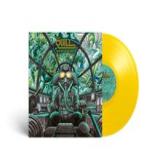
This edition of ‘The Dying Hunt’ is presented on limited yellow marble vinyl, including printed inner sleeve with lyrics.
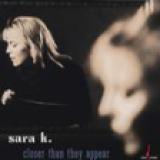
Originally released in 1992 and long elusive to collectors, this timeless tour-de-force launched the international career of the acclaimed singer- songwriter. Backed by an incredible lineup of musicians assembled by musical director and second guitarist Bruce Dunlap , the album showcases Sara's distinctive voice and unique 4- string acoustic guitar style. While her songwriting seamlessly weaves together elements of jazz and folk, the album poses a brilliant artistic statement: an intuitive, live dialogue that transitions effortlessly from sweet serenity to thunderous emotion. Rather than standard acoustic arrangements, the world- class ensemble treats the material with deep empathy, subtle accents, and constant creative daring
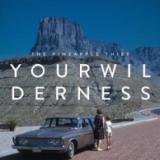
Originally released in 2016, 'Your Wilderness' marked a pivotal moment in The Pineapple Thief's evolution, expanding the band's sonic palette & establishing a creative partnership with renowned drummer Gavin Harrison that would help define the group's next chapter. Widely regarded as one of the band's most ambitious & emotionally resonant works, the album remains a landmark release in modern progressive rock. Now, to celebrate its 10th anniversary, Kscope presents a newly remastered edition of 'Your Wilderness' on clear double vinyl, featuring a 2026 remaster by Steve Kitch &, for the first time on vinyl, the companion album '8 Years Later'. Previously only available as part of the sold- out 'Your Wilderness' Earbook, '8 Years Later' collects material written during the same creative period, offering a deeper insight into one of the most fertile eras in The Pineapple Thief's catalogue.
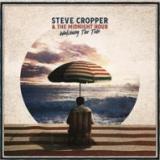
As guitarist, songwriter, producer and engineer - not just for the iconic Stax record label but on a forest of sessions and solo releases - the Tennessee soul man was the DNA that coursed through the post- war era. Little did we know this towering figure had one last ace to play in his lifetime, with Watching The Tide gathering A-list names including Eric Clapton, Brian May, Ronnie Wood and Billy Gibbons for 12 brand- new songs that Cropper ranked amongst the best of his career. "I know this record provided great joy to Steve in the last year of his life," says project leader Jon Tiven. "And I'm so glad he was able to have one last great creative burst...
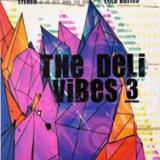
The album's centerpiece, the delightfully breezy "Flowers," has racked up 26 million Spotify plays on its own, with the full album cracking an astonishing 37 million and The Deli himself gaining 1.7 million monthly listeners. In The Deli's case, this success in the digital realm only whets an appetite for the physical. Now Cold Busted is remastering and repressing the out-of-print Vibes 3 LP on vinyl. And it's purple vinyl to boot. The album's 18 cuts serve up proper old school vibes, dropping beats that'll make one reminisce while also anticipating the new. In addition to "Flowers," the album contains other worthy contenders like the smooth "Luv Shxt," which grooves with gentle jazz guitar and a lonely horn under a snappy beat; "Rain" and its simple introspection; the lovely lazy ride of "4Tina;" and album opener "1B4W" which sets things properly on the smoky late-night-lounging tip.
Callisto celebrates 20 years of Noir with a vinyl reissue out in September Finnish post-metal outift Callisto are celebrating the critically acclaimed 2006 album Noir with its 20th anniversary vinyl reissue released by Svart Records in September. Founded in Kokkola in 2001, but already established in Turku early on, Callisto has been laying low in recent years. However, the band's versatile and nuanced metal achieved international popularity in the early 2000s. Their second full-length album, Noir, released in 2006, is a significant cornerstone of Callisto's career. – Noir is the album we have probably received the most feedback about over the years, the band admits. – People make and send covers of Noir songs to us and the album is usually the first thing that comes up in conversation when you come across people who have some experience, memory or opinion about Callisto's active years. Noir's production and recording process was also difficult in its own way, so it's already a reason to celebrate that it ultimately became an album that strongly defined the band's early years, the band continues. Noir has the menace and progressive edge of doom metal; the album is lively, looks forward darkly, moves from whispers to screams and ends with massive, powerful energy.
celebrating the critically acclaimed 2006 album Noir with its 20th anniversary vinyl reissue released by Svart Records in September. Founded in Kokkola in 2001, but already established in Turku early on, Callisto has been laying low in recent years. However, the band's versatile and nuanced metal achieved international popularity in the early 2000s. Their second full-length album, Noir, released in 2006, is a significant cornerstone of Callisto's career. – Noir is the album we have probably received the most feedback about over the years, the band admits. – People make and send covers of Noir songs to us and the album is usually the first thing that comes up in conversation when you come across people who have some experience, memory or opinion about Callisto's active years. Noir's production and recording process was also difficult in its own way, so it's already a reason to celebrate that it ultimately became an album that strongly defined the band's early years, the band continues. Noir has the menace and progressive edge of doom metal; the album is lively, looks forward darkly, moves from whispers to screams and ends with massive, powerful energy.
Ein Konzert ist ein Ereignis, bei dem Songs zu neuem Leben erwachen. Deshalb trägt dieses Album den Titel "Live!", erklärt Jarvis Cocker zu diesem besonderen Werk im Pulp-Kanon. "Es ist sowohl eine Tatsachenfeststellung (es handelt sich um die Aufnahme einer Liveband) als auch eine Herausforderung (kommt schon! Alle sollen lebendig werden!)." Gleichzeitig ist es auch sowas wie der erste Filmsoundtrack von Pulp: Der von Garth Jennings inszenierte Film "What Do You Do For an Encore?" erscheint weltweit am 25. September. Die Zusammenarbeit zwischen Pulp und Garth Jennings reicht bis ins Jahr 1997 zurück, als er das Musikvideo zu "Help the Aged" drehte. Als Pulp 2023 ihre Rückkehr auf die Bühne ankündigten, nahm Garth Kontakt auf und bot an, das Bühnenkonzept mitzugestalten. Im Juni 2025 filmte er schließlich die beiden Auftritte der Band in der Londoner O2 Arena, die das Herzstück des Films bilden. Diese Konzerte liefern auch das Material für das Livealbum. Es waren die 566. und 567. Shows der Bandgeschichte und zeigen eine Gruppe auf dem Höhepunkt ihres Könnens. Aufgenommen in der Woche, in der "More" - Pulps erstes Album seit 24 Jahren - Platz 1 der offiziellen UK-Charts erreichte, fängt das Album genau den Moment ein, in dem die Band als kreative Kraft zurückkehrt: alte und neue Klassiker erstmals vereint.
out of Stock
Last delivered 51 days ago available to reorder, subject to availability
The latest report from Fader Cap’s Mannequin World suggests rising pressure pon de dance floor.
Conditions continue to deteriorate – percussion has become more insistent, someone keeps messing with the lights, and what’s with all the ducks?
This music was made for a hybrid live set at Miscellania (Naarm) with Skydiver Records.
Heavyweight vinyl.
300 units.
out of Stock
Last delivered 20 days ago available to reorder, subject to availability
The compositions recorded here are a product of work with computers in synthetic speech, song and vocal sounds and were created between 1972 and 1975. The music was realized on two different computer music systems and takes advantage of, and attempts to extend and explore their features. The system employed to realize speech songs was created at the Bell Telephone Laboratories for research in synthetic speech and speech communication. Since the system was not designed for musical purposes, its limitations were severe and its musical use a great (and often rewarding) challenge. The system used for In Celebration and The Story of Our Lives was designed with the expressed purpose of creating synthetic musical voices, and was therefore much better suited to the task at hand. As with any high technology project, there was extensive collaboration in the production of the works.
The works on this disk are called computer music because the sounds were created numerically in a computer before reaching magnetic tape and loudspeakers. The computer did not compose the music. However, it was only used as a sound synthesis and analysis medium. In order to hear the sounds which are represented in the computer as successions of numbers it was necessary to attach a digital-to-analogue converter to the computer. The converter transformed the succession of numbers into a fluctuating voltage which was recorded directly on to audio tape.
The technique used to create the synthetic voices is called speech synthesis-by-analysis. For this method of speech synthesis, only those words, phrases and sentences which have been spoken into the computer previously (via an analogue-to-digital converter) may be synthesized. First the digitally-recorded speech is analyzed by programs which extract the attributes (parameters) of the speech for short time segments (.01 sec.). From these parameters the speech may be recreated in a form which resembles the original recording very closely. But for musical purposes the parameters are most often altered before synthesis. It is possible, for example, to change the natural pitch contour of the speech into a melodic line or to change the speech speed without altering the natural pitch level.
The variety of musical patterns which may be created from the analytic parameters is limited only by the composer's imagination. Most of the speech sounds on the recording were created by changing the pitch and duration attributes of the original on resynthesis, but for a few, the resonances (the formants) of the speech were altered as well. The voice of the book in The Story of Our Lives was created by replacing the program which simulates the sound of the human vocal cords with one consisting of 64 sine tones glissandoing at different rates. All the textures in which more than one voice is heard were obtained by mixing the synthetic voices together digitally.
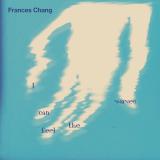
A boundary-pushing musician and multi-media artist from Brooklyn, New York, Frances Chang disrupts accepted reality through her unique and enchanting compositions. Chang’s songs are an exercise in communication, probing the tension between idiosyncratic personal experience and the drive to understand, and be understood, through a collective language.
For “I can feel the waves,” Chang’s new single and debut on RVNG Intl., a piano-centric melody is ornamented with primitive electronics and poetic vocals. The track boldly demonstrates Chang’s strength for unconventional yet contagious songwriting, and pioneers a genre the artist refers to as “slacker prog”: roomy and playful, offbeat and occasionally jarring, brimming with spiritual and emotional resonance.
The b-side, “Marry,” is a rollicking yet laid-back composition, with undaunted wobbly kicks bubbling under pianistic textures until a dialogue, acted out between Chang and Sylvia Gorelick, takes the foreground in the final moments of the track. As the instrumental carries its freewheeling pulse forward, the conversation, inspired by films like Kenneth Lonergan’s Margaret and Catherine Breillat’s Fat Girl!, along with Broken Social Scene’s “Anthems for a Seventeen-Year Old Girl,” turns toward the relationship between internal subjectivity and the external necessity of “staying small.”
Where is Frances headed from here? A piano is at the center, synths and strings swelling around its shoulders. A little less tension, a lot more production. Some shadows will be encountered, some forgotten skeletons unearthed. Music excavated from the subtler, deeper layers of cerebral and shared experiences. Music that is truly its own.
2 Of Clubs may have enjoyed only a brief recording career, but Linda Parrish and Patti Valentine left behind a remarkable body of work. This 10-inch vinyl mini-album gathers their complete recordings for the first time, including every Fraternity Records release and two previously unissued tracks discovered in the label’s tape archive.
The duo became local favourites in Cincinnati during the mid-1960s after meeting while performing at the popular Guys & Dolls nightclub, accompanied by the Driving Winds, led by Linda’s husband Carl Edmondson. Discovering how well their voices blended, they joined forces as 2 Of Clubs and soon caught the attention of Fraternity Records founder Harry Carlson, who signed them to the label with Edmondson acting as producer and manager.
Es gibt eine unbestreitbare Verbindung zwischen dem Süden und Ereignissen außerirdischen Ursprungs. Vom eklektischen Jazz-Guru Sun Ra bis zum deutschen Raketenwissenschaftler Wernher von Braun - Alabama hatte schon immer mehr als nur einen reißenden Anteil an Verbindungen zum Weltraum und zu Dingen außerirdischen Ursprungs. So war es auch bei ,Man or Astro-Man?", die vor einigen Jahren in einer kleinen Universitätsstadt in Alabama ankamen bzw. dort eine Bruchlandung hinlegten. Als sie ihre Plattensammlungen wiederentdeckten, die lange Zeit auf vergessenen Dachböden verstaut oder hinter Regalen mit alten Zeitschriftenausgaben in zahlreichen heruntergekommenen Secondhand-Läden in Alabama versteckt waren, verliebten sich die Mitglieder von ,Man or Astro-Man?" in die verkratzten Klänge von Link Wray, The Ventures, Dick Dale, The Shadows und Duane Eddy - also in Instrumental-Gitarren- und Surf-Musik der späten Fünfziger und frühen Sechziger. Gleichzeitig hatten bizarre Bühnenbilder und Auftritte von Kraftwerk, Sun Ra, Devo, Frank Zappa, The Sputniks und natürlich den Residents großen Einfluss auf die sich rasch entwickelnde Truppe. Dennoch war es das erzwungene Leben in einer hoffnungslos konservativen Kleinstadtumgebung, das Man or Astro-Man? dazu brachte, das Offensichtliche hinter sich zu lassen und sich viel stärker von dem beeinflussen zu lassen, was sie hassten, als von dem, was ihnen eigentlich gefiel. Im Grunde könnte man sagen, dass Man or Astro-Man? weitaus stärker von College-Football und muskelbepackten Verbindungs-Spinnern beeinflusst waren als von Science-Fiction. Die Band trieb es, besonders bei Live-Auftritten, auf die Spitze, so lächerlich wie möglich zu sein, und verspottete dabei ernsthafte ,alternative" Acts und mit ihnen die Musikindustrie selbst. ,Experiment Zero" (1996) war ihr Debütalbum bei Touch and Go. Es wurde in drei Tagen im eigenen Studio von Man or Astro-Man?, dem ,Zero Return" in Alabama, zusammen mit Steve Albini aufgenommen und gilt als eines der großartigen modernen, vom Surf-Stil beeinflussten Gitarren-Instrumentalalben. Da Man or Astro-Man? ,Experiment Zero" als ihr Meisterwerk der langen Entwicklung der Surf-Musik etablieren wollten, begannen sie, sich schneller als je zuvor weiterzuentwickeln. Sie veränderten ihren Sound weiter und erweiterten den Einsatz von Samples, Computerprogrammierung, Keyboards, elektronischen Spielereien sowie experimentellem analogem Schneiden und Einfügen von Tonband. Obwohl das Album von der Kritik weithin gelobt wurde, mussten sich langjährige Fans erst einmal daran gewöhnen. Wo die meisten Bands müde geworden wären oder einfach immer wieder dasselbe Album im Kreis gedreht hätten, erfanden sich Man or Astro-man? und ihre Live-Auftritte immer wieder neu.
Independent Belgian artist of Congolese descent MAHINA explores an eclectic voice where soul, Afrocentric melodies, R&B, reggae , and both acoustic and electronic sounds intertwine, carried by percussion. ZAZA is MAHINA's long-awaited debut EP.
Moving between deep introspection, spiritual messages, and enchanting harmonies, Mahina embodies a new voice - both innovative and singular. Her ambition is clear: to make listeners feel, heal, resonate, and find a space where music becomes a language of truth and elevation.
Alongside her music, Mahina has performed in the critically acclaimed theater production Dear Winnie (KVS & NNT) and appeared on screen in the short film Le retour des femmes colibris by visual artist Patricia Kaersenhout.
Zaza is much more then just an EP, it is an inner quest, a journey through love, faith, vulnarability and resilience. Through an eclectic sound palette : soul, Afro-rhythmic, R&B, reggae, acoustic and electronic. Mahina offers a unique identity, both intimate and universal.
This adventure is conceived as a breath, a space where emotions and spirituality meet. Balancing fragility and strength, softness and intensity, Mahina unfolds a sincere and captivating voice that seeks to make listeners feel, heal and resonate.
American experimental composer Stephen O’Malley releases Avaeken, two sides of immense, immersive, self-annihilating music via Dais Records.
The record preserves site-specific work: O’Malley installed Avaeken as part of Wish You Were Here, the exhibition by renowned American artist Banks Violette, underscoring the tension between presence and absence, life and loss.
O’Malley and Violette have developed a distinct language of sound, space, and sculpture over the past two decades, reverberating through the walls of world-class institutions from The Guggenheim and Centre Pompidou to prominent galleries such as Maureen Paley in London, Gladstone Gallery in NYC, and Antwerp’s TICK TACK, the brutalist space where Wish You Were Here unfolded in early 2026.
Emerging now as an LP, Avaeken presents power and phenomena: low-frequency vibrations, deep oscillations, and phase cancellations that translate as innately effective in any environment. Violette’s visual expression — the impossibility of locating yourself within the loss of a friend and the broader decay of culture — now fills the LP sleeve and feels inextricable from O’Malley’s sound, both still without resolution.
“Natural harmonic tone coloured by the valves of the amplification is the one desired characteristic,” reads the initial notes.
“At first I asked, why would I write for another guitar player?” he says. “I realized how amazing it is to be a listener on the other side of the music; together we were able to try all these precisions with intonation, harmonics, specific microtonal ideas.”
The quartet performed Avaeken several times before O’Malley joined them for a recording session at Muziekcentrum De Bijloke, a 13th-century former hospital with modern acoustics in Ghent.
Als wir zuletzt von Marci (alias Marta Cikojevic von der Soft-Rock-Band TOPS aus Montreal) hörten, tanzte sie auf ihrem 2022 erschienenen Album ,Marci" den Schmerz weg. Vier Jahre später kehrt Cikojevic mit ,Mask Lady and Late Night Girl" zurück - einem Album voller Hymnen für Partygirls für die Zeit, wenn die Party vorbei ist, vorgetragen mit Liebe und Mitgefühl für die guten Zeiten und die schönen Erinnerungen. Erneut in Zusammenarbeit mit ihrem TOPS-Bandkollegen David Carriere entstanden, enthält ,Mask Lady" Elemente, die sowohl von den chaotischen Pop-Girls der Y2K-Ära wie Uffie und Kesha als auch von Cikojevics Liebe zu Powerballaden-Sängern der 80er wie White Snake und Def Leppard inspiriert sind, zusammen mit den Vintage-Synthesizern, die ,Marci" eine warm-futuristische Ästhetik verliehen. Glam-Metal-Einflüsse treten bei ,Chaotic Princess" in den Vordergrund, geschrieben und produziert mit Mike Silver (CFCF), einem über-die-Spitzen-gehenden, gitarrenlastigen Knaller über eine verrückte Nacht, in der Cikojevic einen Polizisten anfleht, sie nicht ins Gefängnis zu bringen - Eddie Van Halen auf dem Beifahrersitz, Britney am Steuer.
Die acht Jahre, die I've Missed You All These Years geprägt haben, waren von tiefgreifenden Veränderungen geprägt: Sera Cahoone verlor innerhalb kurzer Zeit ihre beste Freundin, ihren Vater und ihren Hund. Aber bei diesem Album geht es ganz und gar nicht um die Dunkelheit; es geht darum, was passiert, wenn der Sturm vorbei ist, um den Moment, in dem du nach einem dunklen Winter wieder in deinen Körper zurückfindest. Dieses Gefühl der Leichtigkeit kommt deutlich zum Ausdruck in dem Klavier und der E-Gitarre, die in ,Say Something" zum Leben erwachen, sowie in dem komplexen Porträt von ,Hits Right". I've Missed You All These Years fängt den Klang einer ekstatischen Zusammenarbeit zwischen außergewöhnlich talentierten Freunden ein. Man hört es im Barroom-Swing von ,Pulling Up Roots", im Seufzer einer Pedal Steel in ,Not How I Had Hoped", im luftigen Falsett von ,Say Something". Es ist ein Album darüber, Trost in der Gemeinschaft zu finden; darüber, sich selbst wiederzuentdecken, indem man sich mit den Menschen verbindet, die man liebt. Auf ihrem sechsten Album hat Cahoone ihre Kräfte voll im Griff. In seiner Fähigkeit, Verlust und Verbundenheit in einer Hand zu halten, ist I've Missed You All These Years triumphierend, eine Feier des Lebens, die in dem Wissen um dessen Vergänglichkeit verwurzelt ist. Als Ergebnis eines Lebens, das sie mit dem Aufführen und Produzieren von Musik verbracht hat, durchquert das Album Blues, Folk, Pop und Country und erinnert in einem Song an Loretta Lynn und im nächsten an Lucinda Williams. Es ist ein Zeugnis der Kraft, die Kreativität und Gemeinschaft mit sich bringen, ein Porträt einer Künstlerin, die sich selbst vollkommen kennt.
Magi Merlin’s debut LP, POWER HOUSE, is a high-production, 12-track masterclass in modern pop - an infectious, high-energy record that feels deceptively familiar at first touch, yet every time you reach for a comparison, you realize it doesn't quite fit; a one-of-one project that remains as polished as it is daring.
Conceptually, POWER HOUSE is an exploration of the internal architecture we all inhabit, housing the conflicting rooms of anger, fear, vanity, and ultimately, a reclaimed sense of power. Where Magi Merlin’s previous work, Gone Girl, was a study of external strength, this new era is an ode to the realization that inner work is the only true outer work. With a perspective that is both empathetic and furious, and a grow-as-you-go philosophy, she proves that real change starts small but sounds massiv
Released for the first time ever on vinyl, the original Bare Bones release was recorded entirely in the Spring of 2010, this album is a collection of acoustically arranged songs culled from concerts recorded during the "Bare Bones Tour", featuring pianist Gary Breit. For this latest version, a newer recording of "Here I Am" has been added that was recorded in Melbourne, Australia in 2025. Featuring special live versions of many songs from Adams" extensive and well loved catalogue, including "Cloud Number 9" and "Heaven" as well as rarities like "The Right Place" and "The Way You Make Me Feel". Originally released in 2010, this newly packaged version features new cover art and design, created especially for Bad Records (Adams" own label). The album contains 19 songs across 2X LPs packaged in a gatefold sleeve with printed inner sleeves, obi and shrink wrap.
Released for the first time ever on vinyl, the original Bare Bones release was recorded entirely in the Spring of 2010, this album is a collection of acoustically arranged songs culled from concerts recorded during the "Bare Bones Tour", featuring pianist Gary Breit. For this latest version, a newer recording of "Here I Am" has been added that was recorded in Melbourne, Australia in 2025. Featuring special live versions of many songs from Adams" extensive and well loved catalogue, including "Cloud Number 9" and "Heaven" as well as rarities like "The Right Place" and "The Way You Make Me Feel". Originally released in 2010, this newly packaged version features new cover art and design, created especially for Bad Records (Adams" own label). The album contains 19 songs across 2X LPs packaged in a gatefold sleeve with printed inner sleeves, obi and shrink wrap.
Big Crown Records is proud to present the debut full length offering from Les Imprimés, Rêverie. The stirring and ethereal sounds of Les Imprimés have been making fans of anyone who hears them since their first 7" single hit the speakers. Morten Martens is the man behind the band. Born, raised, and working in Kristiansand, Norway, he keeps a low prole while making his heart felt, highly infectious, and unique music. This album is a long time coming for Martens and it is sure to make him a name to be reckoned with. The first thing you notice listening to Les Imprimés is the high level of musician-ship. Martens plays nearly every instrument on the recordings and handles the production and arranging. He has been making records for decades, winning a Spellemann Award (aka, the Norwegian Grammy) in 2006 for producing a HipHop album as well as getting nominations across three other genres. While awards and accolades speak to the level of his talent, this new album really shows who he is an artist on his own terms. Moving away from being a hired gun on the touring scene naturally led him to start doing more studio work. Slowly collecting gear and getting more experi-ence behind the boards he built his own studio on the island of Odderoya and was making a living playing with and recording other people's music. As the story goes, after those sessions would end he would work on his own project into the wee hours of the night. From these late night sessions, Les Imprimés was born and Rêverie began to take shape. However, "it wasn't until COVID, when things locked down, that I was really able to nd the time to focus on Les Imprimés" Morten says about creating and leading his own solo project. "It was a scary time. But I knew I had to do something with it." He took the sum of his inuences, combined them with his own vibe and got busy writing the music, playing the instruments, and singing the songs. "It's soul music, but I don't exactly have the soul voice," Morten explains humbly. "But I do it my own way, in a way that's mine. "It is his sound, his fingerprint, his sensibility, that makes his music hard to put in a box. The album showcases both Martens' range and his ability to make a cohesive album. The lead single "Falling Away" starts with a raw drum break and turns into a lushly arranged tune that paints the picture of love when it slips away. On "Still Here" he professes his resilience through life's twists and turns over a thundering track that puts a new spin on the B side ballad genre. Songs like "You" and "Our Love" mix tones from 60s and 70s Soul with arrangement nods to Doo Wop records while Martens' lyrics and delivery leave you singing the melodies long after they finish. "Love & Flowers" finds Martens in a moment of clarity with a song that ts the niche sub genre of happy break up tunes, the four on the floor track will move the dancefloor or while the message will resonate with anyone who put too much effort into the wrong situation in their lives. However, it is songs like "Muse" and "Chess" that really encapsulate the uniqueness of Les Imprimés as they push the boundaries of genre, one a profession of love for music and the other a cover of an electronic record respectively. Martens' lyrics, emotion, and delivery truly make the whole thing come together and stand out from any of his peers. There's an infectiousness and a pop sensibility in the writing that is done with the utmost class and taste giving Les Imprimés the rare quality of immediate attraction that only deepens the more you listen.
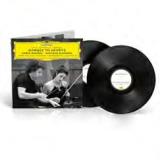
Jascha Heifetz gilt als einer der prägendsten Geiger des 20. Jahrhunderts. Für María Dueñas (»Dueñas war
schlichtweg fesselnd« - New York Times) ist er seit ihrer Kindheit eine konstante künstlerische Inspiration
und Bezugsperson. Mit ihrem neuen Album ’Homage to Heifetz’ folgt sie diesen Spuren und stellt Werke
in den Mittelpunkt, die eng mit dem Vermächtnis von Heifetz verbunden sind. Aufgenommen mit Gustavo
Dudamel, der für Dueñas eine weitere Inspirationsquelle nicht nur »als fantastischer Musiker, sondern
auch als wunderbarer Mensch« darstellt, und dem Simón Bolívar Symphony Orchestra in den berühmten
Abbey Road Studios in London, finden sich unter anderem Korngolds Violinkonzert und Lalos Symphonie
espagnole auf dem neuem Album. Ergänzt wird das Programm durch Miniaturen von Debussy und Ponce,
die bewusst an die Tradition Heifetz’ anknüpfen. So entsteht ein Album, das Heifetz’ Vermächtnis würdigt
und zugleich die eigene künstlerische Stimme von María Dueñas hervorhebt.
Die Feder
Master Of The Skies – Limitierte Edition auf neongelbem Vinyl
Metalville | Artikelnummer: 1417558
Vinyl-LP | 2026 / EU - Original | Neu
32,99 €
Inkl. MwSt. zzgl. Versandkosten
Vorbestellungen werden ab dem 28.08.2026 versandt.
Das Datum basiert auf den Angaben unserer Lieferanten und kann sich ändern.
Die farbige Vinyl-LP „Master Of The Skies Limited Neon Yellow Vinyl Edition“ von The Quill ist bei Metalville erschienen und vereint die neuen Studioaufnahmen des schwedischen Veteranen-Quartetts. Die LP enthält zehn Tracks mit einer Spielzeit von rund 45 Minuten. Der Titeltrack ist in einer Extended Version und als Reprise enthalten, während das epische Stück „Mastodon“ mit über neun Minuten Spielzeit viel Raum für ausgedehnte Riffpassagen bietet.
Musikalisch bewegt sich The Quill zwischen druckvollem Hard Rock und Stoner-Rock-Elementen, wobei Groove, Schwere und Melodie stets eng miteinander verwoben sind. Auf dem Album setzt die Band auf dunklere, dichtere Klangfarben als auf früheren Veröffentlichungen. Die Arrangements reichen von prägnanten, riffbetonten Songs bis hin zu atemlosen, doomigen Momenten. Diese Balance zwischen Eingängigkeit und düsterer Atmosphäre zieht sich durch das gesamte Album.
Gesang und Gitarrenspiel stehen im Zentrum der Kompositionen, während die Songs durch bewusst gesetzte Tempowechsel und dynamische Übergänge zusammengehalten werden. Damit knüpft The Quill an seine lange Bandgeschichte an und untermauert seine Rolle als feste Größe in der skandinavischen Hardrock-Szene.
Led by the lightning-fast guitar work of Alvin Lee, the band had quickly evolved from a traditional blues outfit into one of the most exciting and commercially viable acts of the late '60s British rock scene. This album reflects that transition, combining their Chicago blues roots with heavier rock, boogie rhythms, and early progressive influences. Recorded at a time when studio experimentation was becoming central to rock music, Cricklewood Green shows the band expanding beyond their live reputation into more layered and exploratory territory. The hit single "Love Like a Man" became a defining track of the era, earning chart success and cementing the group's reputation on both sides of the Atlantic. Newly remastered at Air Mastering, this reissue restores the album's original power and nuance. In addition to the album is a newly mixed performance by Charlie Russell of their second set at the Fillmore East on Friday 27th February 1970 on disc two, the sheer power of the band is on full display. On the CD are a selection of rarities with the standout being a newly discovered "Cricklewood Jam" demo, recorded during the album's sessions and never heard until now..
John Tchicai (1936 – 2012) was one of the most important free improvising saxophonists of the 20th Century: an artist of rare vision and aptitude whose lines soared and stood out even in the most hallowed company, and whose body of work as a leader / composer is among the most singular and distinct within the entire canon of that music. But Tchicai’s importance doesn’t end there. Born in Copenhagen, Denmark, to a Danish mother and a Congolese father, his life and career represent a crucial bridge between the European and American traditions of free jazz. Initially trained on violin as a child, Tchicai shifted his focus to the clarinet and alto saxophone during his mid-teens, and began touring Europe as a professional musician by his early 20s, which landed him at a socialist youth festival in Helsinki, Finland, where he met the trumpeter Bill Dixon and saxophonist Archie Shepp. Impressed by what they heard, Dixon and Shepp encouraged the young saxophonist to move to New York, and in so doing changed the history of jazz forever.
Tchicai’s arrival in New York marks the rare occurrence of a European player joining the intimate circle that was first wave of American free jazz. Following his landing in the city in November of 1962, in addition to regularly sitting in with Don Cherry’s group, Tchicai began playing with Bill Dixon's band alongside Archie Shepp and Roswell Rudd, forming the nucleus of the foundation of the New York Contemporary Five - one of the most important groups of the era - which counted Tchicai, Shepp, Cherry, Don Moore, and J. C. Moses as its members. From the ashes of this group, Tchicai would go on to found the legendary ensemble, New York Art Quartet, with Roswell Rudd, Milford Graves, and Lewis Worrell, as well as working within Albert Ayler's band, recording “New York Eye and Ear Control”, Shepp’s band, recording “Four for Trane”, the ensemble that recorded John Coltrane's “Ascension”, and the Jazz Composer's “Orchestra”.
By the time he decided to return to Denmark in 1966, had Tchicai chosen to record little else, his legacy within the history of music would have been ensured. Incredibly ambitious, his arrival home marked the beginning of an incredible period of activity which saw him radically expanding his creative explorations, which by the end of the decade would include becoming a founding member of Amsterdam's Instant Composers Pool and helping to record John Lennon and Yoko Ono's “Unfinished Music No.2: Life with the Lions”. This, however, was proceeded the formation of a new orchestra, Cadentia Nova Danica, led by Tchicai, dedicated to radical cross-disciplinary exploration. Remaining together between 1966 and 1971, the group and its shifting membership regularly fell into collaboration with artists and composers, notably Musica Elettronica Viva, who existed beyond the realms of jazz, as well as participating within multi-media events that incorporated the visual realms.
Cadentia Nova Danica’s only two LPs - “Cadentia Nova Danica” (Polydor, 1968), and “Afrodisiaca” (MPS, 1969) - are effectively Tchicai recorded efforts as a leader, and are legendary. There’s little mystery, once heard, why the later landed on Thurston Moore’s iconic “Top Ten from the Free Jazz Underground”, published by Grand Royal in 1996. Sadly, despite playing extensively during their five year run, with exception of a CD documenting a performance at Jazzhus Montmartre, in 1966, until now there has been no other publicly available recordings that allow us to capture a glimpse of this astounding band at work. Alga Marghen / Formalibera’s vinyl pressing of a never before released body of recordings, made in Copenhagen between 1969 and 1970, changes that in the most exciting of ways.
Comprising three pieces - “Mc Gub Gub, (I–VIII)”; “Ode to Skt. John”; and “Pladepip” - the material on this stunning LP comes from two specific events. The first, which encompasses the first side, “Mc Gub Gub, (I–VIII)” was recorded by Cadentia Nova Danica - in this instance, Tchicai, Sune Weimar, Theo Rahbek, Christian Kyhl, Niels Holt, Jørgen Thorup, Michael Schou, Morgens Bollerup, Allan Gregersen, Ole Matthiessen, Pierre Dørge, Willy Jaegert, Anthony Barnett, and Jon Finsen - on May 29th, 1969, at the ABC-Theatre in Copenhagen. Penned by Tchicai, the piece is a sprawling, evolutionary composition at the outer reaches of free jazz, rooted in large blocks of colliding tonality and rhythm - a sound only accessible to larger ensembles - that push territories explored by Charles Mingus to previously unimagined heights, threaded by moments of hard blown fire. Writhing like a stormy sea - skronking and devilish - “Mc Gub Gub, (I–VIII)” is a work of profound complexity that singlehandedly illuminates not only Tchicai’s singular vision as a composer, but also the power and uniqueness of Cadentia Nova Danica during the band’s most vital period.
The two pieces - “Ode to Skt. John” and “Pladepip” - taking up the flip side, were recorded on February 21st, 1970, at the Danish Broadcasting Corporation’s Radio House, and are the outcome of Cadentia Nova Danica’s extended residency there between 1969 and 1970. In many ways, these two recordings offer some of the best insights into the broad collaborative approaches that defined the band, in this case encountering them working with Danish experimental composer, Svend Erik Werner, who was among the earliest in his country to embrace stylistic pluralism and the use historical forms within a modern context. “Ode to Skt. John” - based on aspects of Gregorian music - was penned by Werner, incorporating heady improvisation by the members of Cadentia Nova Danica, this time made up by Tchicai, Sune Weimar, Hugh Steinmetz, Theo Rahbek, Christian Kyhl, Michael Schou, Morgens Bollerup, Ole Kühl, Torben Enghoff, Mauritz Tchikai, Kjeld Ipsen, Willy Jaegert, Ole Matthiessen, Ole Thilo, Pierre Dørge, Steffen Andersen, Jon Finse, and Clause Bøje. The piece is a fascinating binary of the composed and improvised, utilising the band’s large scale to introduce a remarkable sound within its slow progressions and furious, driving free moments, in this incredible meeting of worlds.
The album’s final piece, “Pladepip”, is arguably its most historically significant: an entirely singular piece, unlike anything in Tchicai’s recorded canon as his foray into musique concréte. Drawing upon two recordings of full-band improvisations by Cadentia Nova Danica, for its creation Tchicai also gouged the surfaces of 78rpm records in his collection to skip and create repeated phrases and patterns, creating a stunning sound collage of hard angles and abrupt phrase, that creates a striking counterpoint to the band’s flowing improvisations that bookend those passages. The result is an engrossing listen and easily one of the most unique and culturally important gestures in the entire history of musique concréte.
Truly incredible, Alga Marghen / Formalibera’s vinyl pressing of this never before released body of recordings, made by John Tchicai’s Cadentia Nova Danica, in Copenhagen between 1969 and 1970, offers an unprecedented window into one of the most important groups working in Europe during that period, significantly expanding their rare and slim discography to date. Accompanied by extensive exploratory liner notes by veteran jazz writer, Ed Hazell, this is easily one of the most historically important archival releases of the year and is impossible to recommend enough. Absolutely essential on every count.
Der Mann hinter der Maske, Jonathan Bree, kehrt mit seinem sechsten Studioalbum "Don't Call It Love" zurück. "Don't Call It Love" kommt als Doppelalbum mit 17 Songs und ist ein erotisches Konzeptalbum, das sich mit Sexualität auseinandersetzt und Kollaborationen mit Frauen aus den Bereichen Musik, Film, Fotografie und Tanz enthält. "Don't Call It Love" klingt wie der düstere Soundtrack zu einer versteckten, mit Samt ausgekleideten Bar in einem schummrigen Keller - mal verspielt und verführerisch, mal beunruhigend und provokativ. Brees neue Songs setzen sich mit dem gesamten Spektrum der Sexualität und ihrer emotionalen Last auseinander - ein Album, das sich weigert, wegzuschauen, und sein Herz buchstäblich auf der Zunge trägt. Fans haben diesen neuen Sound bereits mit den düster-nostalgischen Klängen von New Order und Siouxsie & The Banshees verglichen, wobei Brees musikalische Entwicklung über die Jahrzehnte hinweg endlich ihr von den 80ern durchtränktes, melancholisches Ziel erreicht hat: ein melodramatisches Meisterwerk raffinierter Sleaze-Musik. Jonathans charakteristische Orchesterarrangements sind nach wie vor vorhanden und verbinden diesmal eine karge, düster angehauchte Noir-Ästhetik mit filmischer Instrumentierung und seinem grüblerischen Bariton. "Don't Call It Love ist zudem Jonathans bisher kollaborativstes Album, auf dem eine außergewöhnliche internationale Riege von Frauen einige der entscheidenden Momente des Albums mit ihren einzigartigen Stimmen bereichert. Die bei den Fans beliebte Princess Chelsea kehrt für drei beeindruckende Songs zurück ("Live To Dance", "Part Time Love", "Slow"); Neuseelands bestgehütetes Musikgeheimnis Rachel Clarke bewegt sich bei "Savour My Love" von intimer Zurückhaltung zu schwindelerregender Intensität; die französische Fotografin und Künstlerin Eloïse Labarbe-Lafon liefert auf "Chameleon" eine charaktervolle Gesangsdarbietung, die an die Tradition von Jane Birkin anknüpft; während die französische Musikerin und Schauspielerin Adah Dylan auf dem Titeltrack zu hören ist und den Leadgesang mit direkter, schnörkelloser Klarheit trägt: "don't call it love_ when we fuck." Für einen Künstler, der bereits sechs Alben veröffentlicht hat, gibt es hier eine Reihe von Premieren - sein erstes Doppelalbum, sein gitarrenlastigstes Album, sein kollaborativstes und sein bisher kompromisslosestes konzeptionelles Werk. Es wird nicht jedem gefallen, und es ist klar, dass Bree kein Interesse daran hat, es abzuschwächen. Wie er es ausdrückt: "Als ich meiner Mutter davon erzählte, schlug ich ihr vor, dieses Album vielleicht lieber auszulassen."