DJ Support: Antal, I Cube, Noel Watson, Colleen Cosmo Murphy, Sean Johnston, San Soda, Takaya Nagase, Tina Edwards, Pete Herbert, Kenneth Bager, Severino, Aaron Paar, Felix Joy, Harri Harrigan, Laroye, Telford, Darker Than Wax, Rocky (X Press 2), Shane Johnson, Dan Tyler, Felix Dickinson and many more
Having previously released selected retrospectives focused on the musical output of Ryo Kawasaki and Joan Bibiloni, NuNorthern Soul has now turned its attention to the vast back catalogue of Jasper Van’t Hof’s pioneering electro-acoustic, Afro-fusion collective, Pili Pili.
The band was established in 1984 by Van’t Hof, a Dutch pianist who began his career in Europe’s jazz scene of the late 1960s, as a way of combining his love of jazz-fusion and the music of North-West Africa. Van’t Hof already had a reputation for combining roles in traditional jazz combos with more experimental and abstract projects. These included a spell in violinist Jean-Luc Ponty’s first band, years spent masterminding jazz-rock outfit Jasper Van’t Hof’s Porkpie, the recording of an all- electronic album (1982’s Visitors), and a celebrated collaborative live album with the great Archie Shepp, Mama Rose.
Pili Pili, though, was another step forward for Van’t Hof. Working with percussionists and vocalists from Benin and Mali (including the now legendary Angelique Kidou) and a string of adventurous jazz soloists (saxophonist Tony Lakoto and trumpeter Annie Whitehead included), Van’t Hof’s collective frequently combined live and programmed percussion, electronic and acoustic instrumentation, and the talented improvisor’s own memorable melodies and impactful solos.
NuNorthern Soul’s retrospective focuses on the most productive and celebrated period of Pili Pili’s near three-decade history, showcasing tracks originally recorded and released on studio albums released between 1984 and 2002. The six tracks on show offer an essential glimpse into the musical gold to be found across the Pili Pili catalogue.
In keeping with NuNorthern Soul’s previous retrospectives, the vinyl version of Selected Works 1984-95 comes with extended liner notes telling the remarkable story of this most unusual of cross-cultural collaborations. These feature extensive quotes, reflections and memories from Jasper Van’t Hof and were written by music historian Matt Anniss.
LSD or Linear Sound Delivery In audio, means a system reproduces an audio signal without altering its characteristics, except for a consistent change in volume. This means that all frequencies within the signal are delayed by the same amount, preserving the temporal integrity and natural sound of the original audio. Straight from producer to consumer, no filters, my input is your output.
It's ten up for Ira James's so-far-so-superb Vessel Recordings Group label as the duo of Nonfiction and Kid Enigma step up for a fresh new single. 'Make It Look Good' is an instant house classic with all the key elements nailed: the drums are deep but driving, while the percussion adds texture and bite. And who better to add some further layers of house authenticity than the one and only Chicago don DJ Sneak. First up he goes raw and loop as you would expect, then dubs things out with his second offering. Another doozy from this imprint.
In celebration of the 20th anniversary of Daft Punk’s chart-topping third album Human After All, a Limited Edition 2LP gatefold version of the companion album Human After All Remixes is set for release on November 28, 2025. This marks the very first vinyl edition of the complete collection.
Human After All, the third album from Daft Punk, was originally released in March 2005. It was produced in just six weeks, a major departure from the timeline for their previous release, Discovery, which took over two years to produce. A year after the release of Human After All, a collection of Human After All remixes tracks was released on CD exclusively in Japan, including reworkings by Justice, Soulwax, and SebastiAn, among others. In June 2014, an expanded CD version was released (also exclusive to Japan) featuring additional remixes from artists such as Basement Jaxx and The Juan Maclean. The album was made available to stream internationally in August 2014.
Human After All Remixes will now be available for the first time on vinyl in limited quantities.
Esteemed soul man of Panama Mr. Ralph Weeks has in recent years been enjoying a much overdue retrospective of his remarkable six decades-long musical journey with the help of Names You Can Trust. Now onto their fifth record release together since 2019, the label has covered both Weeks' original holy grail material as well as re-cuts and reimagining of some of his rarefied and unreleased songs.
One of Mr. Weeks' two iconic 45 releases on Panamanian label Sally Ruth was a funky soul side called "Let Me Do My Thing," originally recorded in 1971 as Weeks' answer to Charles Wright's big tune "Express Yourself," which had just hit the airwaves in 1970. Weeks' musical response would help define his legacy. He was gonna express himself, he was gonna Do His Thing. This golden age ultimatum recorded with the Dynamic Exciters of Panama as the backing band was a simple, straight ahead number with a defining message that would be carried on throughout Weeks' independent career. The funkified air and creative freedom of the original tune is a prime example of the crossover Combos Nationales sound that flourished in the prolific Panama recording industry of the era, and in the ensuing decades Weeks' tune would live on as a cherished rare groove for souleros, funk fans, and bootleggers alike.
Fast forward to 2023, when Ralph Weeks and Names You Can Trust prepared for a Bay Area appearance at the wonderful Latinos Con Soul weekender put on by San Francisco's Discodelic record shop, the groundwork was laid in the studio for a revival, a reawakening of Weeks' funky fan favorite. A spectacular ensemble of NYCT's All-Star artists and alumni was convened in the studio, including Caito Sánchez on drums, Victor Axelrod (Daptone Records) on clavinet and Sam Day Harmet (La Banda Chuska) on guitar. Anant Pradhan (The Skatalites), Eric Biondo (The Budos Band) and Alex Asher (Los Cumpleaños) occupied the brass section, and Ralph Weeks even lent his still formidable chops on electric bass and keyboards, a little OG flare to back up his silky voice with a deft musical touch. What came out of the sessions was a chance for NYCT to pay homage to Weeks' iconic original, without replacing it, and build a brand new version from the ground up with the maestro and composer himself!
GATEFOLD VINYL 2LP - TRANSPARENT BLUE + ORANGE, A2 Colour Poster, 5x Film Set Photos, Flexi Disc, Sticker Sheet
Blurring the lines between fiction and documentary, the seminal film Wild Style, directed by Charlie Ahearn and developed alongside Fred Braithwaite aka Fab Five Freddy, offered an iconic snapshot of the emerging New York hip hop scene in the early ‘80s. Considered one of the first hip hop films, it documents the styles, culture, attitudes, and most importantly, the music of this evolving era. The accompanying soundtrack remains one of the most influential in hip hop history, featuring a who’s who of artists who stood out during the movement’s nascent block party days.
“Making hip hop’s first and most beloved feature film, Wild Style, with Charlie Ahearn and creating the original music is one of my proudest accomplishments.” - Fab 5 Freddy
In celebration of Arrow Films restoring the original Wild Style film in 4K, Mr Bongo is proud to present this special-edition reissue package. The release comes as a double LP pressed on transparent blue and orange vinyl, offering a freshly curated tracklist that brings together the finest songs from previous editions, the full sought-after instrumental album, and Kenny Dope’s top edits. Also included are an A2 colour poster, five film set photos, a flexi disc containing Fantastic Freaks Live at the Dixie, and a Wild Style sticker sheet.
Originally released on Animal Records, founded by Chris Stein of Blondie fame, the soundtrack focuses on the hip hop scene as it evolved from the streets to the recording studio. Co-produced by Stein and Braithwaite, it features the Double Trouble pairing of Rodney Cee and KK Rockwell, The Chief Rocker himself Busy Bee, and the mighty line-ups of both The Cold Crush Brothers and The Fantastic Freaks, to name but a few. The music offers a transportive glimpse into the streets of the South Bronx, capturing the free-form, roaming nature of the film - it’s rough around the edges, but utterly absorbing.
Behind those foundational voices of hip hop’s first wave was a selection of backing beats that have underpinned and influenced the genre ever since. Easily mistaken for lifted breakbeats from old records, the songs on the Wild Style soundtrack are all unique creations. Overseen by Braithwaite and Stein, with Stein also on guitar and effects, they were intended as a homage to those early breakbeats. Drummer Lenny “Ferrari” Ferraro, who played for Aretha Franklin before emerging on the punk scene, and bassist David Harper laid down many of the iconic grooves, two somewhat forgotten participants in shaping a legendary sound.
Over time, the Wild Style soundtrack, with its Charlie Chase and Grand Wizard Theodore scratches, recurring sounds and motifs, and indelible lyrics, has become a hip hop touchstone: endlessly sampled and referenced, the bedrock of so much music to follow. It perfectly encapsulated the essence of the film, the scene, and hip hop’s emergence from the Bronx to the attention of the wider world. It was, and remains, the blueprint.
The album delivers masterful arrangements, inventive rhythms, rich harmonies, and a perfect balance of flute and saxophone interplay. Funk, Jazz, Gospel, Afro, and traditional elements all merge seamlessly into something unique and timeless.
Joshua Sithole (1947–1999) was a self-taught multi-instrumentalist and vocalist from South Africa who first started busking with the Kwela kids in 1959 and then went solo in 1978. He became popular in the 80’s, performing widely in Durban and Cape Town.
Originally released in 1975, this overlooked masterpiece is now reissued for the first time by Voom Voom Records — the first 500 copies include a poster of Vladimir Tretchikoff's painting, "The Pennywhistlers" which captures the beauty of Joshua's playing.
“Joshua Sithole, Errol Dyers, and Jonathan Butler come from some of the most influential and esteemed musical families in South Africa. You cannot write about Jazz in Cape Town and not mention some of these families and their contributions to the art form.” — Fanie Jason (Music Photographer - Cape Town)
"South African spiritual funk gem. slick guitar, banks of horns" - Chris Albertyn (Matsuli Records)
"Dynamic South African funk. An album that will make you want to dance from start to finish" - Franck Descollonges (Heavenly Sweetness)
Verb T – Homer Loan 1 & 2 (Half 'N Half Splatter Vinyl Release)
UK hip-hop veteran Verb T returns with the long-awaited vinyl release of Homer Loan 1 & 2. A definitive collection capturing two distinct creative periods from one of the scene’s most respected voices.
Originally released digitally, the Homer Loan series has become a cult favourite among Verb T fans, offering an intimate glimpse into his trademark balance of sharp lyricism, dry humour, and unfiltered honesty. The vinyl release brings both volumes together for the first time, celebrating the evolution of a prolific artist still pushing his craft forward. Homer Loan 1 is entirely self-produced, showcasing Verb T’s production skills and ear for soulful textures and lo-fi warmth. Built around introspective rhymes and smooth, laid-back beats, it reflects the self-contained creative process that defined its making.
With Homer Loan 2, the palette expands — featuring production from Cuth, Farma G, and Forrest Moon, each contributing their distinctive sonic fingerprints while complementing Verb T’s unmistakable flow and storytelling. The result is a cohesive yet dynamic project that bridges the personal and the universal, the underground and the timeless. The Homer Loan 1 & 2 Yellow and Purple Half 'N Half Splatter vinyl release stands as both a collector’s piece and a testament to Verb T’s consistency and artistry within UK hip-hop’s ever-changing landscape.
The new vinyl release by Monaks is the perfect companion for sets — filled with captivating grooves, hypnotic synths, and an atmosphere you won’t want to escape. Four originals, all unified by the aesthetics of warm, danceable house music, unfold like a day-long journey — from a sunny morning to a hypnotic night. Side A delivers uplifting and elegant house with fresh melodies and subtle nods to genre classics. Side B dives deeper — into a world of groove, dub textures, and tight rhythms, perfect for late-night and afterhours vibes. VAM12 isn’t just a collection of tracks. It’s a thoughtful, cohesive release that fits seamlessly into any part of your set. A true delight for DJs and collectors alike.
Mastering by Kashatskikh Studio
Design by Kirill Kashatskikh
Vinyl Only
2025 Repress
Gregory Porter’s “1960 What?” continues to be one of Expansion’s most sought after releases and comes now in new enhanced packaging. It combines the original with the Opolopo Kick & Bass re-Rub
Gregory Porter as narrator, sounding like Amiri Baraka, declares on “1960 What?” that “the motor city is burning y’all—that ain’t right” and refers to Martin Luther King Jr.’s death and describes trigger-happy policing (supported by a trumpet that blares, jabs, rumbles, and yearns); and the song portrays how certain events turn people against the possibilities of life and light. A vision that only recognizes strength and cruelty and rage is dangerously imperfect: rather, creativity, education, intelligence, sensitivity, democratic political participation, and compassionate social work are goals and virtues that can be affirmed, if not actively pursued, in all times.
A Bristol x Paris link-up between SSSLIP and Bamao Yendé delivers with BP028. A label debut for both artists on the BPR original series. All killer no filler ear worms from across the spectrum. “On The Dial” and vinyl only cut “Don Plz” offer something for those sillier hours, while “Brek Stance” and “Kalypso” host the artists' deeper servings. A balanced collection of functional low end tools for the dance.
Bristol-based producer SSSLIP, known for their experimental club hybrid productions and a growing back catalogue of strong outings on No dice, ec2a and their own imprint SSS Audio. Sharing the EP with Parisian DJ and producer, Bamao Yendé, head of Boukan Records, blending inspirations through garage, broken beat, and Kuduro.
„Cloudy Eyes (Dance Tonight)“ marks Reznik’s and Jesse Boykins III’s second collaboration. Remember Rez’ remix for Tiga & Hudson Mohawke’s „Silence Of Love“ from last year? Working with Jesse’s vocals struck quite a few chords, so the next obvious move was to produce an original track together. And that one just hits all the sweet spots. Those piano chords. Those string pads and synth arpeggios. This driving rhythmic footing. Quite the ideal sonic environment for Jesse’s soulful croon to thrive on. „Cloudy Eyes (DanceTonight)“ has become a set-highlight of all the Keinemusik members throughout the summer season and the triggered feedback and ID requests have been no less than overwhelming. Safe to say, this is one of the most anticipated tunes of the year and its unmistakable imperative to dance tonight is about to wreak a lot more of the sweetest emotional havoc on dancefloors worldwide.
We don’t follow trends—we redefine them. Deep In Dis proudly unveils the highly anticipated physical debut on the label of Rawaï, a dynamic Parisian artist you need on your radar.
Expect a fusion of raw percussion, peak-time rave energy, and cutting-edge house grooves, all woven together with mind-altering samples. These tracks aren’t just powerful—they’re designed for maximum impact in the darkest corners of the club.
Across four original cuts, Rawaï delivers a statement of intent: uncompromising, high-voltage music built to ignite the dance floor. This one’s strictly for true heads.
Plastik People keep it deep once more with a new outing of their ongoing Collections series. There is plenty of ol' school nostalgia in the opening cut, Ricky Montanari's 'Back To Love', with its US garage snares and dusty piano stabs making for a great mix of drive and soul. There's a pared-back dub version too plus an amped up and sweaty Dave Charlesworth dub of Aurora B's 'Good Love.' Last of all is the hurried and soulful house whomp of 'Hard Times' (original 96 mix). Four very useful jams.
Founded in early 1995, Grow! quickly established itself as a key player in the underground house music scene. The label was created by Christian Mahringer (aka Jeremiah) along with Michael Peter (Duke) and Martin Retschitzegger (Tin). Together, they released a steady stream of 12" records, often under various pseudonyms, focusing entirely on the music rather than individual profiles.
While Grow! remained their main creative outlet, the founders were also active beyond the label: Mahringer released music on Chez Damier’s Balance Alliance and the renowned Chicago label Guidance, while Peter and Retschitzegger collaborated on records for Daniel Bell’s 7th City and Robert Hood’s influential M-Plant label, and also launched their own imprint, Central.
This new compilation presents a first carefully curated selection of the most notable tracks from the label’s catalog, alongside previously unreleased versions. All tracks were edited and remastered from the original tape recordings. It offers a deep dive into the raw, analog-driven sound that defined Grow!’s identity.
With its consistent focus on quality, anonymity, and artistic integrity, Grow! Records has left a lasting impression far beyond Austria’s borders. This release is both a celebration and a rediscovery of one of the country’s most respected underground imprints.
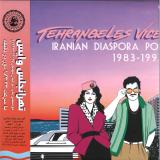
Discotchari is delighted to release a first-of-its-kind various artists compilation: Tehrangeles Vice (Iranian
Diaspora Pop 1983–1993), fully licensed from Taraneh Enterprises. The album is a groundbreaking exposé of
the vibrant subcultural hub of Tehrangeles (portmanteau of Tehran + Los Angeles), and the action–packed, true
story of the Iranian diaspora music industry. Featuring 12 tracks remastered by award–winning Osiris Studio,
lyrics and translations to all featured songs, original cassette covers, a 20+ page album note booklet by Dr.
Farzaneh Hemmasi and more! Sprawling from Westwood to Glendale across the San Fernando Valley, the
Tehrangeles scene was cultivated by the same producers and artists who industrialized the “golden age” of
entertainment in pre–revolution Iran and fled from the 1979 Islamic Revolution along with millions of Iranian
citizens. Through music and visual media, Iranian producers and artists working out of Tehrangeles have
engaged in what the Iranian government calls a “cultural attack” against the Islamic Republic for over 40 years.
The album title Tehrangeles Vice underscores the illicit nature and daring circumstances from which
Tehrangeles pop music was born and compares its legacy within Persian media to one of the most significant
crime–drama TV shows of all time. In the same manner that Miami Vice and its aesthetics had a dynamic
impact on sonic, visual and cultural trends in the United States and around the world, Tehrangeles media was a
shock to the systems of Islamic Republic ideology and Iranian expatriate communities. Listening to these songs
in hindsight, the contribution of Tehrangeles can be better understood as a triumphant effort to preserve Iranian
identity by realizing it in conjunction with prevailing music genres of the ‘80s and ‘90s, and to rebel against the
oppressive regime of the Islamic Republic of Iran through the most seductive of means: dance music.
Transversales is very glad to announce the release of « Unreleased & Rareties » spanning 1972-2002, revelatory collection of short and secret music by electronic music pioneer, Jean SCHWARZ. He served as an engineer at the CNRS in the Ethnomusicology Department of the Musée de l'Homme in Paris, and was a member of the Groupe de Recherches Musicales (G.R.M) from 1969 to 1999.
This compilation allows us to discover some of unreleased rarities from Jean Schwarz’s personal archives and unpublished recordings which were composed for the dance, screen or the performing arts.
Remastered high-resolution audio transferred directly from the original master tapes.
Exclusive liner notes. Deluxe LP with printed innersleeves & OBI
The mid 90s West Coast backpacker scene threw out all king od classic jams - including these 2 heaters previously unavailable on 45 before - includes acapella and instrumental! Limited to 300 copies worldwide
Early support from Timo Maas, Paco Osuna, Ilario Alicante, Just Her, Adriatique, and more. Igor Vicente joins forces with Dka for the ‘Ecstatic’ EP this November, released via Belgian imprint Move Recordings, including a remix from Gregor Tresher.
Move Recordings is a Belgian electronic music label founded and helmed by veteran DJ/producer End-Jy (Jérôme Naujoks), known for his roots in the 1990s techno scene of Tournai and major collaborations with acts like Marco Bailey. Now reborn in 2025, the label returns with more powerful electronic music for the modern-day discerning listener. This time, it welcomes fellow Belgian DJ and producer Igor Vicente, renowned for his genre-blending style and releases on labels such as Mobilee, Hot Creations, and Visionquest, once again in collaboration with fellow Belgian DkA, who’s racked up releases on labels like Get Physical, Constant State, and Mau5trap Recordings—a striking sign of his ability to explore a variety of genres and styles.
The original version of ‘Ecstatic’ leads, featuring subtly blooming atmospherics, a nuanced synth hook, oscillating percussion, and raw drums, all building towards a climatic breakdown and a powerful drop in the latter stages. Gregor Tresher reshapes the original with his signature twist, extracting fragments of the track and fusing them with elongated bass grooves, heavily shuffled, crunchy drums, and intricately intertwined melodious elements.
‘Planets’ opens the B-side, a nine-minute excursion through squelchy acid bass notes, cinematic pads, robust drums, and chuggy arpeggio synth lines. The ‘Ecstatic (Dub Mix)’ then concludes the EP, shifting focus solely onto the raw groove and hypnotic melody of the original composition, as the name suggests.
Step onto the dancefloor and relive the golden age of club culture with the revival of Jon Pleased Wimmin’s iconic anthem “P.A.S.S.I.O.N,” brought back by Full Circle in a brand-new package of remixes. Following the success of the Tin Tin Out Mix reissue in 2023, this release features fresh reinterpretations from some of today’s most exciting names, including the legendary Demi Riquísimo and a brand new remix from Jon himself with Paul Morrell, a triple platinum selling remixer, for the likes of Ava-Max, Kelly Clarkson, All Saints & Troye Sivan.
Jon Cooper, universally known as Jon Pleased Wimmin, became a defining figure of the UK scene thanks to his flamboyant presence and finely tuned knack for getting the party started.
From his beginnings as a face on London’s late-80s dancefloors, Jon made the leap from clubgoer to DJ in 1991 with his Cabaret act The Pleased Wimmin, catching the eye of Danny Rampling and securing sets at the legendary Milk Bar. His unmistakable style, fearlessness behind the decks, and sheer love of music led to him touring the world, being voted 6th in DJ Magazines' Top 100 DJ poll and reaching Top 30 with the original release of P.A.S.S.I.O.N. He is still playing out weekly across Europe & the U.K.
With Full Circle’s revival, P.A.S.S.I.O.N bridges past and present, paying tribute to Jon’s legacy while propelling the track into a new dimension. Alongside Demi’s deep, groove-heavy rework, the package also includes a brand-new Jon Pleased Wimmin & Paul Morrell Remix, road tested by Jon this summer at Pikes & 528 Ibiza, which injects fresh energy and an edge while staying true to the spirit of the original.
This isn’t just a reissue; it’s a chance to own a piece of dance music history, reimagined for today’s floors. Grab your copy, feel the groove, and let these remixes guide you back into the feeling of where it all began.
Bruce Springsteen's statewide ode Nebraska '82 is given ample extra space with a new expanded edition, as his 1982 acoustic masterwork is cast in renewed light by its use the forthcoming biopic Deliver Me From Nowhere, which documents the conception of the original album. Now with an extra 17 solo outtakes, including demos of 'Born In the USA' , 'Pink Cadillac', and 'Downbound Train', as well as the fabled Electric Nebraska sessions with the E Street Band, the new dubs illuminate the breadth of Springsteen's vision for a reconciled America, where Springsteen found much inspiration in the folk, literature and short stories of the heartland, particularly in those of Flannery O'Connor, childhood and young-adult memories. Notably, it was deemed by PopMatters to beo one of the first every DIY records made by a major artist, and soon sparked a DIY revolution by folk musicians the globe over.
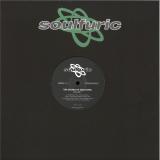
he next instalment from Soulfuric Recordings is the first edition of “The Sound Of Soulfuric Volume 1” taken from the vaults are four unearthed gems spanning two classics, two exclusives, and long-awaited vinyl debuts from house music specialists such as Hardsoul feat Ron Carroll, Urban Blues Project, The Thompson Project & Crackazat and Art Of Tones.
Stepping up first is Hardsoul featuring the legendary Ron Carroll with “Back Together” (Main Classic Mix) a track that should be found in every soulful house DJ’s set, with Ron’s alluring vocals this one is definitely made to keep the dancers moving and in case of dancefloor emergencies reach for this record.
Up next is Urban Blues Project featuring Bobby Pruitt “We Are One” (Art of Tones Extended Remix) which is being brought out for the first time on vinyl, the original mix was first released in 2001 and the now the Art Of Tones Remix has breathed new life into it making it a must have for anyone who is a fan of the original.
Flipping over to the B side, Urban Blues Project return once again with Love Don’t Live (The U.B.P. Classic Club Mix) with Michael Procter. A Soulfuric classic that has been championed time and time again, first released in 1996 and now being revived almost 20 years later on fresh wax.
Rounding off Volume 1 The Thompson Project & Crackazat featuring Gary L with “Messin’ With My Mind” (Crackazat Extended Remix) this has also never been on vinyl before, released earlier this year this soulful house banger got the touch-up from Bristol’s finest Crackazat who adds his touch to the Florida duo’s offering.
House heads can come together once again and seize the opportunity to get their hands on this outstanding EP.
After 15 years of shaping Hungary's electronic music events scene, Technokunst proudly unveils its record label. The inaugural 12" kicks off a series of collaborative releases, featuring some of the collective's favourite Artists. Each release in the 'Split Series' will consist of both original tracks and reworks.
The first EP brings together Rrose and Luigi Tozzi for a dive into very deep waters across four cuts of mental Deep Techno. These are functional, floor-focused workouts - built for keeping the floor moving through all phases of the night.
Mastered by Giovanni Conti at Artefacts Mastering. Lacquer cut by Simon at The Exchange. Limited pressing on 180gr heavyweight white vinyl in full color sleeve. The artwork is based on a digitally scanned painting on canvas by Technokunst's own Dorka Berkes. The release is accompanied by a printed insert featuring the artwork and key pieces of information on both sides.
Early support from the likes of Adriana Lopez, Blazej Malinowski, Claudio PRC, Danieli, Deepbass, Kaspiann, Na Nich, Ness, Orbe, Reeko, Save Your Atoll, Vera Logdanidi and Volster.
Der legendäre Club-Klassiker “Distant Planet” aus dem Jahr 1998 kehrt zurück – in einer exklusiven 12“ Maxi Single für Sammler und Liebhaber elektronischer Musik.
Neben den originalen Mixen von Saccoman enthält dieses streng limitierte Release brandneue, moderne Remixe von:
Talla 2XLC
Carl Clarks x Tom Franke
Kalr8 + Andrea Monta
Jeder Remix verleiht dem zeitlosen Track eine frische Energie, perfekt für heutige Dancefloors – und gleichzeitig eine Hommage an den unverkennbaren Sound der späten 90er.
Gepresst auf hochwertigem, farbigem Vinyl in streng limitierter Auflage – ein Must-Have für DJs, Vinyl-Fans und alle, die elektronische Musikgeschichte in neuem Glanz erleben wollen
Brown Angel descends upon Dark Entries with Pure Brown Energy, an EP featuring 6 tracks of gloom-laced electro-funk and retro house. Pure Brown Energy was born when San Francisco-based producer and Hard French collective member Brown Angel was faced with a gift and a loss: an original Roland TR-808 was given to them around the same time that their father passed away. To process their grief, they set about making an album that showcased the many facets of their being, in their words: “my gay tío side, my Latin goth side, my cruising down the boulevard side, and most of all my soft vulnerable side.” From slamming vogue/ballroom house to cumbia-inflected freestyle, Pure Brown Energy channels club sounds both contemporary and timeless, while centering the most eternal electronic instrument of all: the TR-808. Opener “Miel” grooves with the effortlessness of peak-era Masters at Work or vintage Kevin Saunderson, while “Dame Más” dials up the energy even further. The influences of Miami bass and West Coast electro shine through on “Maya” and “Love Me Right,” which pair razor-sharp beats with a flurry of samples culled from Brown Angel’s record collection. “PBE” and “En Movimiento” take the Planet Rock vibes to another level, combining influences from contemporary cumbia and reggaeton sounds with Brown Angel’s Latin goth flair. Each copy comes in a sleeve designed by Ricardo Diseño featuring illustrations inspired by Teen Angels, a popular 1980’s Chicano magazine. Pure Brown Energy brings a sense of urgency to the dancefloor, unreluctantly examining the crossover between creation and loss, between celebration and sorrow. But don’t forget: these cuts also slap.
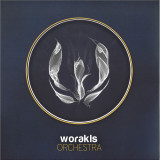
Multi-faceted musician and co-founder of the Hungry Music label, Worakls, has unveiled the full tracklist for his stunning production 'Orchestra', an ambitious project filled with 10 brand-new productions, including recent single 'Cloches.'
Allowing his musical film influences to fully express themselves by incorporating them into his music, 'Orchestra' combines the grandiose feeling of album opener 'Nikki' with the melodic rhythms of 'By The Brook', and wistful yet percussive tones of tracks like 'Detached Motion.' Packed with cinematic elements throughout, Worakls explains his creative process, stating:
'Along the years, I have become more sensible to the emotions of film music, and I wanted to lead my universe into that direction. My aim is to mix in the emotions of this music with the freedom and energy of electronic music.'
With the original music composed to be specifically played with an orchestra, the album is accompanied by a tour of the most prestigious venues in Europe where Worakls will be accompanied by an orchestra formed of 20 musicians. Having recently kickstarted the schedule in Paris, the tour will take in a further 9 sold-out dates across France and Belgium throughout February, March, and April.
Spending the last ten years travelling the globe's most prestigious concert halls and festivals, Worakls' journey into composition started at the age of 3, learning the piano amidst his family of musicians. However, it was the 2015 launch of his 'Hungry Band' group alongside fellow frenchman N'to and Joachim Pastor which earned the French producer widespread acclaim. Proving his skills in composing film scores as well as electronic and orchestral productions, Worakls recently scooped the 'Best Original Soundtrack' prize at the Deauville Green Awards for Ushuaia and InFocus. The accolade was awarded to Worakls for his work on 'Une Oasis d'Espoir' alongside Nicholas Van Ingen & Jean Baptiste-Puchain.
More than a first album, more than a show, 'Orchestra' is the culmination of an inimitable artist whose inspirations touch all generations of music lover. After more than a decade of waiting, 'Orchestra' marks the first solo album from Worakls, and is set for a physical release in Spring 2019.
Bringing together the elder statesman of the Zulu guitar Madala Kunene and internationally acclaimed Sibusile Xaba, kwaNTU pulls two generations of South African guitar mastery into a single point of focus. Under-represented on recordings outside of South Africa, Madala Kunene (b. 1951), the ‘King of the Zulu Guitar’, is revered as the greatest living master of the Zulu guitar tradition. Sibusile Xaba, whose collaboration with Mushroom Hour Half Hour reaches back to his first recording in 2017 (Open Letter To Adoniah/Unlearning), has garnered international acclaim for his unique voice and virtuoso guitar stylings, which bring together multiple South African guitar lineages in an original, spiritualised fusion. Collaborating with Mushroom Hour and New Soil for kwaNTU, the two players come together to weave a filigree sonic fabric which reaches down to the heartwood of Zulu guitar music but moves resolutely outward, building on the past to create a deeply rooted statement about present conditions and future travels. kwaNTU – which can be roughly translated ‘the place of the life-spirit’ – is also conclave of teacher and student, as Xaba has been taught by Kunene for the last decade. Meditative, rich and sonically sui generis, kwaNTU finds these two musicians linking up within the inimitable space of sound and spirit that they share through Kunene’s teaching.
The great masters of South African music have not all had equal exposure. For many years the generation of musicians who were exiled during apartheid took centre stage, as the regime made it very difficult for those at home to be heard. More recently, a new cohort of important voices, especially in jazz, has broken through to international consciousness. But for the generation of musicians in between – those who shone like beacons in the most difficult final years of apartheid and immediately afterward – international recognition has been slow in coming.
Madala Kunene, ‘the King of the Zulu Guitar’, is among this number. A revered figure for current generations of South African musicians, Kunene began his recording career in 1990, at the bitter end of apartheid, with a now classic self-titled LP for David Marks’ storied Third Ear imprint. Born in 1951 in Cato Manor, near Durban, he had determined to be a musician from early childhood, and by the time he first entered a recording studio he had already had a long career as a popular performer. His virtuoso absorption and transformation of the venerable Zulu maskanda guitar tradition and his richly spiritualised approach to music immediately marked him out as someone special, and in the years that followed, Kunene cemented his position as one of South Africa’s musical elders. He is without doubt the grand master of the Zulu guitar tradition, but his sound and sensibility ranges far beyond it into varied sonic terrain, and he has collaborated with a wide range of musicians both at home and abroad. Now in his mid-seventies, he remains a shining light for those that are making music in contemporary South Africa.
‘He is really an amazing person,’ says the guitarist Sibusile Xaba, who has been mentored by Kunene for over a decade, and now invites a collaboration with him on kwaNTU. ‘As a mentor, he's really powerful in showing us the way. For us to have this opportunity to make music together and have a project together is really a blessing to me.’
Xaba himself grew up in Newcastle, KwaZulu-Natal, where his mother had been in a band and his father sang in a church choir, and from early childhood Xaba played homemade tin guitars. He only later realised that music was his calling. ‘I just loved music. I was fortunate. My parents loved music. And when it was time for me to leave home and go to study outside Newcastle, I knew that music was what I wanted to do. There was no second option. It was just music.’ Moving to Pretoria to study music formally, Xaba committed himself to his craft, developing a unique style that draws on both US jazz masters such as Wes Montgomery and Jim Hall, and the rich and varied heritage of the South African guitar, from inspirational jazz players such as Allen Kwela and Enoch Mthalane, to the music of the Malombo groups and Dr. Philip Tabane (Xaba has previously collaborated with Dr. Tabane’s late son, Thabang), and the Zulu guitar tradition embodied by Kunene.
‘I was really in love with the jazz guitar, I really admired it, and I was digging a lot in that direction,’ says Xaba, recalling his first encounter with Kunene’s music, over a decade ago. ‘And then one day on my timeline, Kunene popped up, and I was like – “What's this sound?” I was so connected to it. It really touched me deep. I started checking out his records, and then I found out he's from the same region as I am, which is Zululand.’ After Kunene played a show at the Afrikan Freedom Station in Johannesburg, Xaba make contact with him, and visited him at home in Durban. They struck up a friendship, and Xaba became the elder’s student, as Kunene began to pass on his knowledge and his inimitable way of playing.
kwaNTU is a tribute to this relationship and the deep learning that has defined it. The album was recorded in Zululand in the town of Utrecht, at a cultural centre called Kwantu Village, which gives its name to the album. ‘It's such a broad word,’ Xaba says, ‘but the elders teach us that Ntu is basically an energy, almost chi, an energy, a force that all living beings have within them. It's a living energy, so kwaNTU is like, almost the place of this energy.’ The two men sequestered themselves for five days of jamming, improvising and planning, and then the session was recorded in one take over a single night, with Gontse Makhene joining on percussion and backing vocals and Fakazile on vocals. Other voices and overdubs were later added in the studio in Johannesburg.
The result is a rich and meditative recording that finds two generations in a deeply engaged dialogue. Teaching and passing on his knowledge, the elder Kunene has brought Xaba into a space of sound and knowledge that they now share; Xaba’s own practice of deep communion with nature and his dedication to his musical craft make him the perfect interlocutor for Kunene. The result is an album that foregrounds the two musicians engaged at the highest levels of responsive listening, sympathetic unity, and collaborative concentration. Bringing an elder statesman of South African music to an international listening audience for the first time in decades by pairing him with one of South Africa’s most important new voices, kwaNTU is a meeting of generations and a powerful demonstration of musical lineage and continuity.
‘Before music, there is sound,’ Xaba observes, speaking of Kunene’s unique approach to music. ‘And sound is like a common compartment…it's not restricted to particular people or particular geographic places, you know what I mean? It's sound. Everybody can hear it. So when he constructs that sound into music, I think everybody resonates with the energy behind his construction of sound into song. Here at home, we really love him for preserving our history through the guitar, through his stories as well the music, the songs that he writes. We really, really admire him.’
Firing remix package of cuts from two legendary album's from Brazil's Orquestra Afro-Brasileira. Feat
Two albums - Obaluayê (1957) and Orquestra Afro-Brasileira (1968) - were enough for Orquestra Afro-Brasileira to mark its history in music forever. Born in 1942 in Rio de Janeiro by its founder Abigail Moura, it remained active until 1970 and, in 2021, was revived by the only living member of the original line-up at the time, Carlos Negreiros, when the third and final album in the orchestra's career, entitled 80 years, was released by Amor in Sound/Night Dreamer. Today (31) the album gets its remix version with tracks signed by names of the caliber of Marcelo D2, Criolo, Pupillo, Emicida, Rael, Cut Chemist, Mexican Institute of Sound, among others.
Aiming to keep the legacy of the Orquestra Afro-Brasileira alive, the album 80 Anos (Remixes) reaffirms the group's relevance as a creative source for different generations of musicians and listeners, based on new interpretations produced by artists who are also fans of the orchestra. According to Mario Caldato Jr., the album's musical director, "it was a great joy when I got to know the work of the Afro-Brazilian Orchestra and, soon after, had the honor of meeting and working with Carlos Negreiros. Producing 80 Anos alongside him was a gift and being able to look back on it, having the remix album to celebrate this legacy, is really wonderful."
For Amor in Sound - Mario and Samantha Caldato's record label - this release faithfully represents their values: Respect for memory, diversity, friendship and the possibility of creating new worlds. Made in a totally collaborative way, the album is born as a historical record, interpreted by great names in current music and, above all, great friends. “Being able to do this is indescribable, the value of relationships makes up and continues the legacy of the Orquestra Afro Brasileira,” says Samantha.
The project brings together Brazilians Criolo, Emicida, Rael, Marcelo D2, Lucio Maia, Pupillo, Rogê, Tropkillaz, Kassin, Pedro Dom, Zilladxg, Nuts, Daniel Ganjaman, Imperatore and Nave, as well as international DJs and producers such as Mix Master Mike, Cut Chemist, Gaslamp Killer, J Rocc, TASO, Mexican Institute of Sound and Mophono.
Parallel Visions - PV002 | ORIGINS 01 Parallel Visions launches its new ORIGINS series with a heavy first instalment, showcasing a roster of rising and established talent pushing raw, driving techno.
PV002 brings together six powerful cuts from Lars Huismann, Frazi.er, LPV, Primal, Jehra, and marks the debut release of Liam Cappello. Expect pulsing grooves, stripped-back intensity, and nods to old-school techno roots, all designed for maximum impact on the floor. The ORIGINS series sets the tone for Parallel Visions: forward- thinking techno built with authenticity, energy, and an uncompromising underground edge.
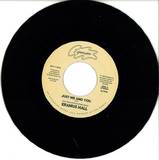
Eramus Hall's 1980 album 'Your Love Is My Desire' is one of the most collectable and in fact desired modern soul albums of all time. Copies of the original pressing on Westbound have exchanged hands for over £400. From the LP comes two of its most desirable tracks, neither released before on 7' outside of a limited run of the LP reissue on Expansion for this year's Record Store Day.
Eramus Hall are in fact a group taking their name from a building George Clinton saw and gave them while he was in Chicago. The group comprise lead vocalists Michael Gatheright and James Wilkerson with musicians Ronald Wright, Marvin Williams, Joe Anderson, Grady Smith, Charmie Currie and William Tillery.
Sean McCabe’s impressive Good Vibrations Music is back with its 3rd vinyl instalment and features 4 heavyweight, tried and tested soulful cuts.
Kicking off the 12 Inch is the Black Sonix & Sean McCabe Extended Mix of ‘Rise’ from the Matsiko World Orphan Choir, a moving and heart-felt orphan choir group based in Liberia. The choir is an initiative that aims to provide education and break the cycle of poverty for vulnerable children around the world. With a strong message embedded throughout and given the 5-star production treatment, ‘Rise’ has already been heavily pushed by a wide array of artists including Daniel Steinberg, Red Rack’em and The Shapeshifters.
Next up is Sean’s lush piano-laden remix of ‘Baby Don’t Make Me Wait’, from David Bailey and MissFly. David is a firm favourite amongst the London house music community and regular across labels such as Idris Elba's 7wallace, Makin Moves, Rhemi Music & Unquantize. MissFly is widely renowned for her soulful serenades and ability to write songs 'on the fly' in the studio as well as being found regularly on tour with the likes of Thelma Houston, Andrew Tosh, and The Notorious BIG. Sprinkled with luscious piano undertones and subtle string lines. With support from the likes of Dave Lee and Natasha Diggs.
On the flip is ‘Got It Bad’ from Ellis Aaron & Sean McCabe. Built on a rocksolid foundation of late-night, swing-heavy beats, ‘Got It Bad’ bubbles and froths with creamy Rhodes, lush organ swirls and a bassline that moves and grooves in all the right places. Ellis’ warm and rich soulful vocals are the perfect complement to that unmistakeable sound Sean has become renowned for. Early adopters include Ash Lauryn, Ralf GUM, and Mr V.
Rounding off the EP is Last Nubian’s ‘Dance Together’ which beautifully blurs the lines quite beautiful between Deep House, House and Broken Beat, Josh’s strikingly soulful vocals pair harmoniously with the lush, musical backdrop spear-headed with an abundance of Rhodes, soothing string & synth riffs and a tight, rhythmic drum arrangement that simply refuses to let your feet rest!
Utter presents Marshall Jefferson's previously unreleased meditation opus 'Yellow Meditation For The Dance Generation' alongside two remixes from French production maestro Joakim.
Marshall Jefferson: Chicago House music pioneer, creator of the anthemic ‘Move My Body’, an original collaborator of Adonis, Ce Ce Rogers and Roy Davis Jr., production mastermind of countless dancefloor classics such as Phuture’s ‘Acid Tracks’, Sterling Void’s ’It’s All Right’, Hercules’ ‘7 Ways’… and the soothing voice behind a 36 minute healing meditation guide. Yes, really.
But let’s rewind, slightly.
In 2017, Marshall was approached and encouraged by Ian ‘Snowy’ Snowball to write his autobiography and the pair set about putting Marshall’s account of the history of House music together. The book, ‘Marshall Jefferson: Diary of a DJ’ was published in 2019.
Following the book’s release, Ian and Marshall's collaboration continued and during the pandemic an outlandish idea arose to create a piece of music combining Ian's interest in meditation (he runs Club Chi specialising in Shibashi Qigong - a form of Tai Chi Qigong - which is a gentle form of movement therapy/exercise) and Marshall's willingness to experiment musically to see what might be possible.
The result is ‘Yellow Meditation For The Dance Generation’, where Marshall vocalises Ian’s lyrics in his instantly recognisable voice. The keen-eared out there may also recognise aspects of the music itself as a stripped back, lengthened and far mellower version of Marshall’s 1985 obscurity ‘Vibe’:
“I would take tapes to the Music Box and Ron Hardy would play my music. ‘Vibe’ was one of those tracks. I recorded ‘Vibe’ in 1985, but it became one of my tracks that I just forgot about until some guy on Facebook sent me a recording of it that was taken from a club. The only person who I ever gave a recording of ‘Vibe’ to was Ron Hardy. The other people I know who had copies of the track were Gene Hunt and Emanuel Pippin (DJ Spookie).
"The original version of ‘Vibe’ was made using a Roland 707, Roland JX-8P keyboard and a Roland 727 drum machine. I was still working at the Post Office at the time, and this was pre-‘Move Your Body (The House Music Anthem)’. ‘Vibe’ has the building blocks for ‘Move Your Body’ because it was using the instruments on the track that I discovered what I could do with the bass sound, to make a track like ‘Move Your Body’.”
Still, Ian’s initial intention for ‘Yellow Meditation’ was function and it was designed to be a ‘Sequential Relaxation Exercise’ focusing on the Solar Plexus. Bearing this in mind, Marshall took a bare-bones and hypnotic approach to this particular re-recording of ‘Vibe’ so that the voice takes centre stage and listeners (hopefully) find themselves on a meditative journey. In fact, this long-form track was always intended as a private tool purely for meditation at Club Chi rather than released to the public - after all, Marshall had also created and released a more drum heavy, ’traditional’ club-focused 'Vibe Three' instrumental version for that very purpose - but a chance airing of the full 36 minute version changed its path.
Much like those 1985 ‘Vibe’ cassettes, Marshall had sent the track to a few close contacts, one of whom was Kieran at Phonica Records who aired it over the shop’s basement soundsystem. Its unorthodox nature caught the ear of colleague Alex (of Utter) and the seeds of a physical release were planted.
Eventually, with the full-version carefully whittled down to a vinyl friendly length of 24 minutes, full track parts in hand and a b-side to fill, Alex sought out one of his favourite producers to take up the remix reigns: Joakim. The Tigersushi co-founder and Crowdspacer boss has a long history of boundary-pushing remixes that straddle both dancefloor functionality and experimentation. This time the original material resulted in Joakim coming up with a number of ideas and he finally delivered two versions - one club focused (‘Vertical’), the other more introspective and meditative (‘Horizontal’), both of which appear on the final 12”.
The limited edition 12” also includes a download code giving buyers access to all of the vinyl tracks plus an 18 minute extended version of Joakim’s ‘Horizontal’ remix, its instrumental counterpart (for those who can live without Marshall's voice) and full 12 minute acapella (for those who can't!)
Alex
a A1. Yellow Meditation For The Dance Generation (Edit) 24:00
b B1. Yellow Meditation For The Dance Generation (Joakim's Vertical Remix) 9:09
9:05
Come Clean is the the highly succesfull major-label debut and second studio album by the American rock band Puddle of Mudd. Originally released in 2001, the album's music was responsible for breaking Puddle of Mudd into the mainstream music scene. The album reached the Billboard 200 Albums chart peaking at #9. It has sold over 5,000,000 copies and was certified 3 times platinum by the RIAA.
The lead single Control' was also the theme song for WWE's Survivor Series 2001, which was critically acclaimed. The second single off the album, Blurry' turned out to be Puddle of Mudd's most successful single, reaching No. 5 on the Billboard Hot 100 and No. 8 in the UK Singles Chart, and also winning an ASCAP song of the year award. Drift & Die' was also released as a single spending six weeks at the No. 1 on the Mainstream Rock Chart. The fourth single, She Hates Me' reached the No. 1 spot on the Mainstream Rock Tracks chart and won the ASCAP award for most played rock song of the year.
In support of the album the band embarked on a European and American tour as the opening act for Godsmack and Deftones, and were also a part of the Family Values 2001 tour, alongside Linkin Park, Stone Temple Pilots, and Staind.
Available on vinyl for the very first time, Come Clean is pressed on clear vinyl, limited to 1.000 numbered copies!
The latest wayward soundsystem sonics on the Social come from Wroclaw in Poland courtesy of dadan karambolo. As part of the strictly legit SPLOT crew karambolo is spearheading a vibrant community of bassweight freaks digesting all the best misfit club music from the cracks between — a hint of dubstep, a twist of techno and plenty of advanced sound design, all poured into a thoroughly modern, richly realised brew.
Having previously snuck tunes out on SPLOT’s in-house label and the respected Awkwardly Social crew out of Berlin, karambolo delivers an extended statement with his Sneaker Special Club debut. Subtle pressure is the order of the day as he zeroes in on evocative soundscaping and a subdued mood, all while piling on ample low end intensity and edging some sharp angles out of the meditative roll. Even when minuscule slithers of amen breaks sneak into ‘Awkward Expression’, the ambience remains somewhere between dream and dread while ‘Huskarl’ scatters industrial jackhammers across a vast tundra of drone.
‘Done For’ steps forward a touch more forthright with its grime-coded bass spasms, deploying the kind of bludgeoning physicality and ruthless reduction you might associate with fellow Sneaker alumni, Mars89. ‘Burbot’ also switches the script for a cheeky B3 that toys with 80s electro chopped into a snappy breakbeat and underpinned with a sticky synth line. Sidestepping direct dancefloor routes in search of different ways to achieve movement in the club, karambolo has more than matched the over-arching Sneaker ideal with an assured, original transmission from the outer limits of the soundsystem.
Mister Joshooa consolidates his delivery on Party store this time with a proper full length EP,
with 3 originals and 2 remixes from Delano Smith and Mass Prod that will keep the dancefloor
busy for a while.
A very solid release that goes from Bass to House to Techno, all solid club tools that will keep
the club busy, five bangers that all evoke the Party Store blueprint feeling: FRESH OUTTA JAIL
Strong of his release on Planet E and his Performances in the world's temple of Techno Music
between his own Detroit and Berlin, Josh is always on point with cutting edge productions that
go straight to the point, to party.
Cosmo is a timeshifting bass tool, so abstract yet so powerful, so empty yet so present that it
will allow you to take your crowd towards the most twisted cuts of club music, perfect to merge
Bass, Minimal House and Techno.
Delano Smith and Mass Prod both deliver a more 4 to the floor/ Club friendly version of Cosmo.
Delano takes the core groove of the track and brings it up on a monstrous Detroit House Tool,
heavy on basseline and chords, it flows like water on day 3. you just wanna play this more and
more, the more you listen to it.
Mass Prod delivers a darker, lower body versions of the title track, a Minimalistic after hour tool
where aerie vocals and percussions are rolling over a primitive House groove that will keep the
dancefloor simmerin for a while.
Adult use is a perfect party track to set the vibe and to get completely weird. Dub Acid Stepper
at his best, proper after party fuel, one to make people stand from couches and blankets in the
morning!
Ketchup popsicle is a pure Detroit Banger with psych vocals and digital acid at his best with full
on trancey effects and percussions, not for the faint of heart, a track that will take you to new
levels of party time!
Unearthed from the Crammed Discs vaults after nearly four decades (Originally recorded in 1987), a hidden gem finally sees the light. Maurice Poto Doudongo’s The Lost Album arrives on vinyl for the first time—limited to 500 copies, with printed inner sleeve featuring release notes and photographs.
Back in the hazy margins of late-’80s Brussels, where boundary-blurring sounds were seeping through the cracks of pop music, a young autodidact named Maurice Poto Doudongo was crafting music that didn’t quite belong to any scene. Born in Kinshasa and growing up in Belgium, Maurice was a sonic nomad—raised on Franco, Miriam Makeba, and Tabu Ley Rochereau, transfixed by James Brown and Prince, and shaped by the fertile collision between African music and experimental electronics occurring all around him.
Leaving school at 16 to concentrate on music full-time, he began recording on borrowed 4-tracks, using cardboard boxes for percussion, and absorbing whatever sounds the airwaves served him: “Music has no frontier,” he says. “You take what you like. Prince, Fela, Papa Wemba—there is no contradiction. It’s all part of the sound.”
The result? A record that’s equal parts analog drum machine funk, homegrown Afro-pop futurism, and new wave R&B-informed synth poetry. Marc Hollander, founder of Crammed Discs, met Maurice through his friend and associate, musician/producer Vincent Kenis and quickly recognized the spark. The two began working in earnest, preparing tracks intended for a full-length release that, for reasons lost to time and memory, never materialized—until now.
Marc remembers: “The album was never completely finished. “Bolingo” was the only track that came out on a Crammed compilation at that time… and the rest sat on the shelf for decades until we started opening the Crammed vaults.”
Maurice recalls the session as being, “like an unstoppable current”. Listening now, the Lost Album feels both of its time and well beyond it. While tracks like “Momo” sound not a million miles away from the slinky and sophisticated Balearic pop ambience of Wally Badarou’s Echoes album, "Passport Train" shakes itself loose of any genre boundaries, veering into free-form Afro-electronica and tough electronic rhythm. Others pulse with a sweet and soulful groove that suggests dance floors dreamed of but never reached.
In decades hence, Maurice never left music, and the music never left him. Now working mainly as an arranger, he describes his job as being like that of a musical psychologist: “Someone comes to me with their sound, and before anything I have to understand their mind and heart,” he explains. That same intuitive fluency can be heard across this entire album—music that listens before it speaks, that absorbs before it asserts.
This reissue is more than a remastering. It’s a second breath. Sourced from cassette roughs and 24-track demos, carefully restored with Maurice’s blessing, and released as a complete album on vinyl for the very first time, The Lost Album isn’t lost anymore.
It just took nearly 40 years to find its way to you. - Editions de Lux
DJ Support: CamelPhat, Blond:ish, Eli & Fur, David Penn, Arielle Free, Bibi Seck Sam Divine
Armada Music and King Street Sounds team up again to celebrate the 20th anniversary of “Most Precious Love” by Blaze presents UDAUFL feat. Barbara Tucker. This release is a timeless classic captivating anyone who encounters it.
This 20th anniversary special includes the Bonafide classic remix by Dennis Ferrer, Michael Gray’s take and two brand new remixes for 2025 all presented in a beautifully designed record sleeve featuring the star herself on the cover.
Kicking things off on the A side is the “DF’s Future 3000 Mix” that has been championed time and time again by DJ’s from across the world. Next up is Michael Gray, a DJ and producer who needs little to no introduction his version breathes new life into the original by taking it down a couple notches and giving it more of a mellow feel. The first of the two brand new remixes is Nico de Andrea, an Afro-house maestro who sports his signature sound once again by bringing his rhythms and melancholic pop melodies presenting the classic in a whole new way. Rounding off is Sam Divine the first lady of Defected who has held residencies at clubs such as Pacha, Amnesia, Sankeys, Ushuaïa, Eden, among others. She sinks her teeth into this remix by building up the vocal into a drop which is sure to keep the dancefloor going for the late nights that need that boost of energy.
Whether this is the first time you’re hearing this anthem or the one hundredth, here’s your chance to own a slice of house music history.
During this summer’s European tour with Junior Dell & The D-Lites, we were honoured to share the stage at This Is Ska Festival in Germany with none other than The Pioneers.
After the show, fate had me driving Jackie and George back to the hotel. On the way, we got to reminiscing about our last collaboration — Jump Up!, released on Original Gravity Records in December 2023. Mid-conversation, Jackie casually said: “Hey Neil, I’m in England all of July, we could record something.”
I dropped the guys off, said goodnight, but as soon as my head hit the pillow, an idea sparked: wouldn’t it be cool to have them record Jackie Edwards’ northern soul classic I Feel So Bad — but reimagined in an early reggae style?
So in July, we set up a session at Farm Factory Studios in Welwyn Garden City. George and Jackie came down, and it was nothing short of magical to hear these legends harmonising together once again in the booth. The result captures that late-60s moment when soul and reggae collided on dancefloors, raw and full of energy.
To add another dimension, we also created a version as if it had traveled from Kingston to London. The “Boss” version imagines the raw Jamaican master — while the A-side reflects how Trojan Records might have “sweetened it up” with horns and strings for the UK pop market.
Two sides, one timeless tune — a tribute to both the grit and the gloss of reggae’s golden era.
The begena is a large ten-stringed lyre which is part of the traditional Amharic heritage of Ethiopia. The Amharas, who have long formed the politically and culturally dominant people of Ethiopia, mainly inhabit the central and northern part of the country. In the majority, they follow the monophysite Orthodox Tewahido Church established in the early fourth century AD.
Music plays a very important part in the life of the church. Most of the liturgy is sung and, contrary to secular music, it is accompanied by percussion instruments only. The begena occupies a special place because it is the one melodic instrument exclusively dedicated to the spiritual repertory. Because of its mythical origin, it is highly respected. Tradition holds that the begena was given to king David by God, and brought to Ethiopia by Menelik I, together with the Ark of the Covenant. It has always been the instrument of kings and nobles. Played by pious men and women of letters, it never became widespread. But it never disappeared either, not even under the Derg regime (1974-1991) which had banned the instrument.
Among Amhara string instruments, the begena is the most carefully crafted, especially with regard to the ornately sculpted crossbar. Its ten gut strings are cleaned and twisted several times. The characteristic buzzing timbre equalled by no other Amhara instrument is due to the enzirotch, that is, small bits of leather placed between each string and the bridge. This plays an important part in the sound production by creating a brief contact between the string and the upper rim of the bridge, thus modifying the vibrating properties of the string. In this manner, the spectrum of the sound is considerably enhanced (up to over 10 kHz).
The begena is a very powerful instrument, it keeps the devil thirty steps away, and its presence in the home wards off malicious spirits. Priests and preachers recommend its presence, especially during Lent (Fassika Tsom) when the Orthodox Amharas ponder their sins and repent. Because of its spiritual import, the begena generates intense emotion. According to some musicians, playing the begena brings them into direct contact with God or the Virgin Mary. The religious role of the begena is underscored by the shape of the instrument, each part symbolises an important element of the faith. The crossbar for instance, which reaches across the entire width of the instrument, represents God who is above all things. The belly which "gives birth" to the sound represents the Virgin Mary, and the ten strings recall the Ten Commandments.
Recorded by Stéphanie Weisser in Addis Ababa, Ethiopia, March 2002-December 2005.