
Сделать предзаказ05.06.2026
он должен быть опубликован на 05.06.2026
31,05 €
он должен быть опубликован на 05.06.2026
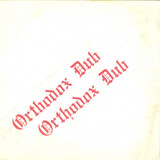
repressed !
Miraculously rare and seriously obscure killer dubs..., one of the very few hard core seventies dub albums mixed by Errol Brown.
A selection of solid dubs originally recorded by BB Seaton at Duke Reid's legendary Treasure Isle studio and mixed in-house by the Duke's nephew Errol Brown. A radical departure for all concerned this bold dub album was never officially released although a few clandestine copies reputedly did the New York rounds at the time
Закажите сейчас, и мы закажем товар для вас у нашего поставщика.

он должен быть опубликован на 06.06.2025

он должен быть опубликован на 07.02.2025

Scruff Gilder and Nick `Manasseh’ Raphael and featuring the voice of roots singer Tena Stelin.
* A sound system anthem – particularly fot Jah Shaka - from the late 80’s / early 90’s alongside the original dub mix `New Style’ and dubplate cuts which are featured on Side B.
Закажите сейчас, и мы закажем товар для вас у нашего поставщика.

‘Learning To Dissolve’ is the punctuation on a journey that began with 2017’s ‘Sounds of Loss’. From the inception, ORTHODOX were nothing short of a standout, blending together riffs that wouldn’t be out of place on a Slipknot record coupled with Easterling’s blunt, Jonathan Davis-esque howls. But, like their sonic brethren in Knocked Loose or Vein.FM, while the influence of the 90’s/00’s is there, ORTHODOX doesn’t merely pay homage to their influences, it exceeds them. ‘From the beginning, we went in our own direction regardless of what anybody thought,’ states Adam. ‘We didn’t grow up listening to hardcore. We grew up on bands like Linkin Park and System of a Down.’ With ‘Learning to Dissolve’, those influences have refined themselves into a sound that is urgent and unforgettable from the album’s opening track, ‘Feel It Linger’ to the personal and aural meltdown of closer, ‘Voice in The Choir’. ORTHODOX ‘Learning To Dissolve’ is available as: Ltd. CD Digipak, 180g black LP+CD, Digital Album.
он должен быть опубликован на 21.10.2022

‘Learning To Dissolve’ is the punctuation on a journey that began with 2017’s ‘Sounds of Loss’. From the inception, ORTHODOX were nothing short of a standout, blending together riffs that wouldn’t be out of place on a Slipknot record coupled with Easterling’s blunt, Jonathan Davis-esque howls. But, like their sonic brethren in Knocked Loose or Vein.FM, while the influence of the 90’s/00’s is there, ORTHODOX doesn’t merely pay homage to their influences, it exceeds them. ‘From the beginning, we went in our own direction regardless of what anybody thought,’ states Adam. ‘We didn’t grow up listening to hardcore. We grew up on bands like Linkin Park and System of a Down.’ With ‘Learning to Dissolve’, those influences have refined themselves into a sound that is urgent and unforgettable from the album’s opening track, ‘Feel It Linger’ to the personal and aural meltdown of closer, ‘Voice in The Choir’. ORTHODOX ‘Learning To Dissolve’ is available as: Ltd. CD Digipak, 180g black LP+CD, Digital Album.
он должен быть опубликован на 19.08.2022

MUSAR is honoured to revive the electronic-synth legend, MANASYt, with a new five-track EP as part of a three-EP series. 'Reality Defense Department' will be the Bulgarian's first material since 2012, set to release via MUSAR on December 8, 2017.
Petar Tassev aka MANASYt, hails from the twilight zone. Growing up with the blacks swans in the forest of communist Bulgaria, listening to metal and hardcore music then interpreting the moody, roughness together with inspirations from electronic new-wave music to a raw, pure and dark adventure bubbling with madness.
'Reality Defense Department' is a future horror movie soundtrack. The first track 'Memory Imprints' is a pure psychedelic-trip into the mental clinic for clockwork orange droogs. The second track 'Mobile Pharmacy' can be described as what the aliens would listen to while attacking Earth. The last original track 'Orthodox Spanking' is a dark, wayward electro track full of post-punk elements, perfect for a fetish party.
A pair of remixes by Brooklyn's wonder girl 'Via App' with a deep, dark and gothic techno rework for the late dazed hours of the morning and Norwich's kept secret, Wax Stag (an occasional collaborator with Bibio and Clark) that delivers a dreamy, cosmic twist that will linger in your consciousness for a long, long time to come.
Закажите сейчас, и мы закажем товар для вас у нашего поставщика.
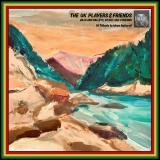
The UK Players & Friends Hills and Valleys, Rivers and Streams (A Tribute to Idren Natural) 9 brand new tracks by The UK Players. Voiced by Singers and Poets who knew Idren Natural personally. Recorded and Mixed by Supa Yout’ at Earth Works Studio, Amsterdam. Sleeve artwork and written testimonials from close friends and associates. Idren Natural aka Ras Natural aka InI Oneness, DJ, Singer, Chanter, Musician, was a pivotal player and pillar of UK/European Roots, Reggae, Dub, Sound System Culture. A humble Rastaman who did so much for so many, inasmuch as inspiring, encouraging, and connecting. He selflessly helped those less fortunate than himself. A strong advocate of the culture and philosophy of Rastafari. He was a commanding presence who lit up the stage, giving JAH all the glory. His passing was a great loss to the community. The UK Players Dub Band formed in 1996. They teamed up with Ras Natural/InI Oneness to record their debut 7” single ‘Further’ for Jah Works with Producer Jah Rej. This single gained exposure via Jah Shaka, Abashanti, and King Shiloh Sound Systems, even the famous Radio 1 DJ ‘John Peel’ played it. More recordings with Jah Rej at Seventh Sense Studio led to the debut album ‘Take Heed’. During the halcyon days of InI Oneness & The UK Players (1997-2004) they toured the UK and Europe, clocking up over 250 gigs in that time. Amongst brethren within the Rastafari community, the band became affectionately known as Ras Naturals band. Friends of Natural like Ras Iyah, Tony Roots, Sister Aisha, Wayne McArthur, and Barry Isaacs (among others) performed with them during this time. Members of InI Oneness & The UK Players never split up, throughout the years they branched out into other projects, reconvening for specials and one offs. Following Idren Naturals passing in 2022, the band stepped up to play his memorial show, where the idea formulated of making a tribute album to him. Ben King offered the use of Earth Works studio to help realise the vision. Work began with longtime live sound engineer Supa Yout’ in March 2024. Jah Rej assisted production on a number of these recordings, and sadly passed during the making of it, the last album he worked on. Various vocalists who were close to Natural, submitted vocals across the following year. The album was mixed and dubbed in March ‘25 at Earth Works by Soupa Yout' & Kingsway. Artwork and written memories/testimonials were then assembled. Everyone involved in the creation of this album knew Idren Natural personally. This album shines a spotlight on his spirit. Carrying songs of tribute, and messages for the times. ALPHA DUB: Every time the band played a gig, Natural would insist on starting with a dub. In that tradition, this album is no different. ‘Mandlion’ passing through the studio, headtopped a Melodica cut on it. Dubbed to the max by Supa Yout! NATURAL VIBE: The ‘Forward Fever’ crew from Belgium were one of the first collectives that Natural affiliated with in Europe. Here, Ras Cloud cleverly weaves all of Naturals song titles into the lyrics, creating a song in itself. WORD & FLESH: Fellowdread was born and raised in Kingston, Jamaica. Now living in Bristol, England, residing with Natural in his last days. His Poetry is rich in inflection, knowledge and wisdom, teachings that spark up the divine. ALL ABOUT LOVE: A pause for contemplation, this one stills the listener. Rootsman Rak’s words warn against complacency, and encourages action. A completely (natural) acoustic track featuring the skilled percussionist Jonah Dan. REMEMBER HIM: Inna Dubplate style, Barry Isaacs toasts to Idren in personal remembrance, reminding us all of the man he was. The track also features snippets of a phone call from Naturals oldest friend ‘Fergie Greenspears’ recounting memories. RISE UP RASTA CHILDREN: The legendary Tony Roots, graces the album with his unique delivery. Natural, The Players, and Tony go back a long way. A song of strength to affirm the soul, and rally against Babylon. Livicated to the one (Natural) SONG FOR THE RIVER MAN: During those halcyon days, many stages were shared with Albaroot, whom the band met whilst on tour in Scotland. Clark Innes (lead singer/songwriter) reminisces about the force of nature that was Natural, times shared, and that knowing, to never meet again. ONE STEP AHEAD: An interpretation of the ‘Look Inside’ riddim by Reuben Addis. Built for Sound System, it is the only track on the album that rolls into a dub. Lyrical Benjie literally entered the studio, rode the riddim without hearing it first, cutting his vocal in one take! A message for the times that sends shivers up your spine. THE PRAYER: Iman Onedub AKA Iman Gebre Iyesus, member of the Ethiopian Orthodox Tewahedo Church, met Idren Natural at Fairfield House in Bath. Here he seals the album with a recital of the Lord's Prayer in English, with Amharic. His rich textural tones elevated with a one away riddim to carry the listener home.
он должен быть опубликован на 09.10.2026
Cologne based DJ and producer Barnt has been bottling his own weather system since 2010: captivating techno where melodies flirt, rhythms evaporate, and structure is something to tease rather than obey. An attitude, that pierces the average definition of techno. With an album and endless EP’s, he turned club orthodoxy inside out. Barnt has sent his tracks out via labels like Cómeme, Mule Musiq, Hinge Finger, Hivern Discs, Kompakt, or Magazine from Cologne, the enterprise he co-runs with a bunch of friends.
After his 2014 debut album on Magazine, that came out as catalogue number 13, Barnt is back with number 25, a new album, titled “After completing the Hex”. Eleven tracks, each grinding lowkey skewed. This is techno for dramatic entrances. Dance music for confusion. Freely played chords oscillate with intention. Alluring melodies glide across stoic beats. Peaktime vibes stripped to the bone. An album that provides Barnt’s most complete release until today, displaying his unique sound world effortless assembled. Mastered by longtime accomplice, producer Matt Karmil, it features playful, seemingly unintentional, meandering club spirits. There are melodies made from 100 notes and hooklines fashioned from just one. In-between calmer electric enchanters, minimal, free-spirted, tempting. His slinky madness occasionally presents sublimely embedded environmental sounds or oral samples, taken from sources like Torn Hawk’s “Trustfall” TTT cassette album. There is a touch of sadness, that veils the recordings at times, always defied by lightness and optimism. A record made with true inspiration, that overrides all fears. Drawn frankly from emotions, bringing the ultimate flow state, that unlocks a new techno gate.
он должен быть опубликован на 09.10.2026
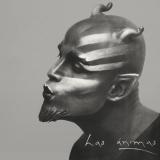
With one foot in the Mexican underground rock scene and the other one in the global tape trading circuit, Las Ánimas del Cuarto Obscuro found themselves in the middle of a crossroad after their first LP. México wasn´t the same country as when the band first started. Even though access to non-commercial music still was a difficult task in the late eighties, the fringes of culture had way more resources thanks to the stubbornness of certain anonymous heroes: dwellers of El Tianguis Cultural del Chopo, niche record stores, illegal underground parties and hosts of late night Mexican public radio shows.
Ubiquitous social unrest expressed itself in every way possible. The aftermaths of the 1985 earthquake weren’t the only matters on the table. Protests erupted after a rigged presidential election and a student strike hit Mexico’s biggest public university. This was just the tip of the iceberg of issues PRI’s perfect dictatorship was or wasn’t addressing. The clash of the authoritarian regime against new and fresh ideas.
If the first record was about the loneliness of self-destructive youth and it’s urban phantasmagories, LACO’s second LP dealt with change as the axis of human existence. Las Ánimas is just the beginning of the sonic metamorphosis Toño Sánchez went through until this very moment.
The departure of former bandmembers set a different approach towards more experimental and atmospheric sounds. As the project’s only member, Toño Sanchez took an alchemical trip aiming for more mysterious horizons.
Despite the fact that we can still find conventional dark pop and catchy songwriting, the record rests on sound landscapes closer to Jorge Reyes or Tuxedomoon and This Heat than the orthodox ways of so called post-punk, seasoned of course with the lack of music gear and the economic reality prevalent in Mexico of those convulsed times.
Las Ánimas is a goodbye letter to underground but not because the next move is the mainstream. Far away from it, it’s a farewell to traditional rock and a the first steps down into the depths. From now on, Toño Sánchez will dedicate his musical efforts to weirder sounds and scarcer audiences in the search of the arcane, possessed by a mania of constant change that infects the soul after crossing the black door’s threshold.
он должен быть опубликован на 30.10.2026

Trevor Linde returns to Harmony with his long-anticipated second EP, further refining his characteristic sound. Peripeties of Stray Intention moves effortlessly between hypnotic tension and rigid groove structures, balancing precision with raw emotional depth. Drawing from years of meticulous sound design and live performances, Trevor Linde delivers a body of work that feels both emotionally charged and physically commanding, a carefully sculpted journey at the very core of his sound.
Есть у нас в наличии и готов к отправке

Есть у нас в наличии и готов к отправке

After a longtime interest in the beguiling music of Nathan Dawidowicz, Hell Yeah now hooks up with the leftfield downtempo producer for their second full-length album, FLUFF. The immersive record features three long, winding and mystical soundscapes that blend trance and experimental into spiritual and ritualistic escapes.
Dawidowicz was born in Milan to a Polish-Lithuanian mother and a Cameroonian father, but grew up in an ultra-Orthodox Jewish community in Jerusalem. Because of that, their sound is deeply rooted in childhood experiences playing the piano at religious ceremonies, as well as taking inspiration from their father’s DJing throughout the '80s and '90s. Now based in Berlin, Dawidowicz has explored expression through music on labels like Luspoderosa, where they released their debut solo album, Sanctuary of Ideas.
It was when Calm and David Holmes started playing the epic, 23-minute 'Capricorn Rising Over Jerusalemite Temple' from that album that Hell Yeah founder Marco was encouraged to get in touch with Dawidowicz. A few months later, talk turned to releasing this new album, which comes with artwork by Spain's Alicia Carrera.
'Skeptic Afro Jr.' kicks off and soon sinks you into slinky, ever-evolving rhythms. It's a slowly evolving work of sound where the focus shifts from snaking basslines to lumpy drums, cosmic leads to life-affirming chords. 'Scintilla (Feat. Hannah Schraven)' is a deep and downtempo trip into dub and techno, with undulating drums and exotic melodies that escort you into otherworldly realms of spiritualism. Last of all are 'Deep Fluff' and a hidden track (Feat. Leo Börger), two cinematic explorations of deep space where acoustic frequencies and molten synths rewire your brain and connect you to a higher power.
FLUFF is another deeply personal and inward journey packed with transcendental experiences.
DJ FEEDBACK:
"That's such an outstanding piece of work - played two at the beginning on Saturday. Probably my favourite release of the year so far!" Sean Johnston ALFOS
"this is great! 3rd repeat. It’s so nice" Vladimir Ivkovic
"Just listened to Nathan's record and it really sounds amazing... Probably the best thing you've put out to my ears ;-) I love the way he bridges the sounds of the past with contemporary storytelling, taking you on a very long trip which you never want to leave!" Alexis Le Tan
"yeah Fluff is a wonderful weird one!" Axel Boman
"I love him" David Holmes
Есть у нас в наличии и готов к отправке

Housewives, househusbands, ladies, gentlemen, and everyone in between… Avril A is ready for relaunch.
A - V - R - I - L
Never released Hi-NRG, synth-pop, wonky rock n' roll from a queer Manchester underground icon of the 80s and 90s.
By day, Avril Eventhal was a housewife in North Manchester's Orthodox Jewish community. By night, she was the fabulous Avril A, a larger than life cabaret performer who found a loyal audience in gay venues across the country and was adored for her outrageous live shows.
With her signature leopard print dress and feather duster in hand she delivered an unforgettable song and dance routine - as it was billed, “an audio-visual assault on the audience”.
She celebrated her unconventional style, finding joy and space for creative reinvention with the queer community.
Avril died in 2017, leaving behind a massive archive of material documenting every aspect of her career in songwriting and performance. For two years, Memory Dance has been working with Avril's niece and family on a digitisation and restoration project bringing these audio recordings back to life.
Есть у нас в наличии и готов к отправке

LP 2x12"[28,36 €]
The begena is a large ten-stringed lyre which is part of the traditional Amharic heritage of Ethiopia. The Amharas, who have long formed the politically and culturally dominant people of Ethiopia, mainly inhabit the central and northern part of the country. In the majority, they follow the monophysite Orthodox Tewahido Church established in the early fourth century AD.
Music plays a very important part in the life of the church. Most of the liturgy is sung and, contrary to secular music, it is accompanied by percussion instruments only. The begena occupies a special place because it is the one melodic instrument exclusively dedicated to the spiritual repertory. Because of its mythical origin, it is highly respected. Tradition holds that the begena was given to king David by God, and brought to Ethiopia by Menelik I, together with the Ark of the Covenant. It has always been the instrument of kings and nobles. Played by pious men and women of letters, it never became widespread. But it never disappeared either, not even under the Derg regime (1974-1991) which had banned the instrument.
Among Amhara string instruments, the begena is the most carefully crafted, especially with regard to the ornately sculpted crossbar. Its ten gut strings are cleaned and twisted several times. The characteristic buzzing timbre equalled by no other Amhara instrument is due to the enzirotch, that is, small bits of leather placed between each string and the bridge. This plays an important part in the sound production by creating a brief contact between the string and the upper rim of the bridge, thus modifying the vibrating properties of the string. In this manner, the spectrum of the sound is considerably enhanced (up to over 10 kHz).
The begena is a very powerful instrument, it keeps the devil thirty steps away, and its presence in the home wards off malicious spirits. Priests and preachers recommend its presence, especially during Lent (Fassika Tsom) when the Orthodox Amharas ponder their sins and repent. Because of its spiritual import, the begena generates intense emotion. According to some musicians, playing the begena brings them into direct contact with God or the Virgin Mary. The religious role of the begena is underscored by the shape of the instrument, each part symbolises an important element of the faith. The crossbar for instance, which reaches across the entire width of the instrument, represents God who is above all things. The belly which "gives birth" to the sound represents the Virgin Mary, and the ten strings recall the Ten Commandments.
Recorded by Stéphanie Weisser in Addis Ababa, Ethiopia, March 2002-December 2005.
Mastered by Renaud Millet-Lacombe.
Issued under license from VDE-Gallo, Switzerland.
Есть у нас в наличии и готов к отправке
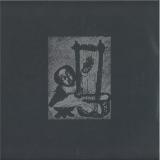
Cassette[16,18 €]
The begena is a large ten-stringed lyre which is part of the traditional Amharic heritage of Ethiopia. The Amharas, who have long formed the politically and culturally dominant people of Ethiopia, mainly inhabit the central and northern part of the country. In the majority, they follow the monophysite Orthodox Tewahido Church established in the early fourth century AD.
Music plays a very important part in the life of the church. Most of the liturgy is sung and, contrary to secular music, it is accompanied by percussion instruments only. The begena occupies a special place because it is the one melodic instrument exclusively dedicated to the spiritual repertory. Because of its mythical origin, it is highly respected. Tradition holds that the begena was given to king David by God, and brought to Ethiopia by Menelik I, together with the Ark of the Covenant. It has always been the instrument of kings and nobles. Played by pious men and women of letters, it never became widespread. But it never disappeared either, not even under the Derg regime (1974-1991) which had banned the instrument.
Among Amhara string instruments, the begena is the most carefully crafted, especially with regard to the ornately sculpted crossbar. Its ten gut strings are cleaned and twisted several times. The characteristic buzzing timbre equalled by no other Amhara instrument is due to the enzirotch, that is, small bits of leather placed between each string and the bridge. This plays an important part in the sound production by creating a brief contact between the string and the upper rim of the bridge, thus modifying the vibrating properties of the string. In this manner, the spectrum of the sound is considerably enhanced (up to over 10 kHz).
The begena is a very powerful instrument, it keeps the devil thirty steps away, and its presence in the home wards off malicious spirits. Priests and preachers recommend its presence, especially during Lent (Fassika Tsom) when the Orthodox Amharas ponder their sins and repent. Because of its spiritual import, the begena generates intense emotion. According to some musicians, playing the begena brings them into direct contact with God or the Virgin Mary. The religious role of the begena is underscored by the shape of the instrument, each part symbolises an important element of the faith. The crossbar for instance, which reaches across the entire width of the instrument, represents God who is above all things. The belly which "gives birth" to the sound represents the Virgin Mary, and the ten strings recall the Ten Commandments.
Recorded by Stéphanie Weisser in Addis Ababa, Ethiopia, March 2002-December 2005.
Mastered by Renaud Millet-Lacombe.
Issued under license from VDE-Gallo, Switzerland.
Есть у нас в наличии и готов к отправке
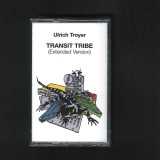
12"[23,49 €]
Ulrich Troyer has been producing music now solidly for over twenty years within a largely genre free framework, but whilst navigating forms such as avant-garde, techno, leftfield, field recording, electronica, glitch and ambient it is the aesthetics of dub that guide his creative direction. Not really recognisable in an orthodox form as remixed versions of roots reggae songs but in the way sonics are manipulated with space, the application and layering of delay, reverb and echo that fixes his output well within the scope of what might be called futurist dub.
The nearest comparisons to his new album TRANSIT TRIBE can only be established by a synthesis of some of the more adventurous explorations in modern music such as African Head Charge, Jon Hassell, Pole (Stefan Betke), Bill Laswell or even Miles Davis; featuring a diverse selection of artists and friends not only from Vienna and environs but also from around the world, sounds are not so much fused but allowed to float along the continuous flowing tide of warm waves of bass.
Rather than to allow the names of Ulrich Troyer's collaborators be merely listed in the album credits, what they bring to this joyful affair needs to be outlined, albeit briefly: Co-producer credits go to Osman Murat Ertel from Istanbul, who employed a variation on the old foolproof Nick Lowe method for checking out the impact quality of his own sound productions by playing tracks through his car sound system speakers!
Murat is a member of the electro-psych-folk group Baba Zula where he plays electric saz, oscillators and theremin and played a key part in the creative development of the album. Mamadou Diabate, the balafon master originally from Burkina Faso and now resident in Vienna, has developed his own unique technique of playing solos that replicate the sound of three instruments playing in unison; however the multi-talented Mamadou is engaged here on singing and playing the talking drum. From South Tyrol Reinhilde Gamper is a member of the experimental trio Greifer who are bringing the sound of the zither into the twenty-first century using new playing techniques and electronic gadgets. Susanna Gartmayer is an Austrian composer and bass clarinetist specialising in improv and multimedia sound research. Diggory Kenrick has been engaged with creating new dub fusions and also re-energising classic rocksteady and roots reggae classics, renowned for his interventions on flute. Didi Kern is an electronic dance musician and drummer from Vienna with a focus on free improvised music. Hamidou Koita, a singer and multi-instrumentalist, is from a traditional Griot family in Burkina Faso but now resident in Vienna and a regular musical partner of Mamadou Diabate playing drums and calabash. Austrian Lukas Lauermann is both a studio and live musician playing cello, also working on electronic sound design and writing string arrangements. He has recorded extensively and appeared on stage with both Mark Lanegan and Hans-Joachim Roedelius. Martin Mallaun is a Tyrol-born specialist in both the development of the zither in modern music and also as a researcher in the effects of climate change on the vegetation of Alpine ecosystems. Mystica Tribe is the musical alias of Tokyo-based dub/techno producer Taka (Takafumi) Noda. He collaborated with Vienna's own Vegetable Orchestra on 2020's "Transplants (Mystica Tribe Version)". After studying classical percussion Flip Philipp is now a jazz vibraphone player and member of the Vienna Symphony Orchestra. Wolfgang Pfistermüller is a member of the Vienna Trombone Quartet and the developer of the incredible bass-trombone Aurora with its uniquely warm and resonant sound. Roger Robinson is a renowned British poet, winner of many contemporary poetry prizes and member of the experimental music group King Midas Sound. Kwame Yeboah is a Ghanaian born UK based keyboard wizard who tours regularly with Yusuf / Cat Stevens, Ms. Dynamite and Pat Thomas.
So contained on the album is an astonishing mix of musicians and instruments: sounds of cowbells recorded in the South Tyrolean alps processed by modular synthesizers and heavy analogue bass synths combined with instruments such as zither, bass-zither, electro saz, flute, talking drum, trombone, cello, vibraphone, marimba, djembe, contra-alto clarinet, melodica, Farfisa - all bound together by organic live-drums and dub effects.
Liner notes by Steve Barker
Есть у нас в наличии и готов к отправке

Cassette[14,92 €]
Ulrich Troyer has been producing music now solidly for over twenty years within a largely genre free framework, but whilst navigating forms such as avant-garde, techno, leftfield, field recording, electronica, glitch and ambient it is the aesthetics of dub that guide his creative direction. Not really recognisable in an orthodox form as remixed versions of roots reggae songs but in the way sonics are manipulated with space, the application and layering of delay, reverb and echo that fixes his output well within the scope of what might be called futurist dub.
The nearest comparisons to his new album TRANSIT TRIBE can only be established by a synthesis of some of the more adventurous explorations in modern music such as African Head Charge, Jon Hassell, Pole (Stefan Betke), Bill Laswell or even Miles Davis; featuring a diverse selection of artists and friends not only from Vienna and environs but also from around the world, sounds are not so much fused but allowed to float along the continuous flowing tide of warm waves of bass.
Rather than to allow the names of Ulrich Troyer's collaborators be merely listed in the album credits, what they bring to this joyful affair needs to be outlined, albeit briefly: Co-producer credits go to Osman Murat Ertel from Istanbul, who employed a variation on the old foolproof Nick Lowe method for checking out the impact quality of his own sound productions by playing tracks through his car sound system speakers!
Murat is a member of the electro-psych-folk group Baba Zula where he plays electric saz, oscillators and theremin and played a key part in the creative development of the album. Mamadou Diabate, the balafon master originally from Burkina Faso and now resident in Vienna, has developed his own unique technique of playing solos that replicate the sound of three instruments playing in unison; however the multi-talented Mamadou is engaged here on singing and playing the talking drum. From South Tyrol Reinhilde Gamper is a member of the experimental trio Greifer who are bringing the sound of the zither into the twenty-first century using new playing techniques and electronic gadgets. Susanna Gartmayer is an Austrian composer and bass clarinetist specialising in improv and multimedia sound research. Diggory Kenrick has been engaged with creating new dub fusions and also re-energising classic rocksteady and roots reggae classics, renowned for his interventions on flute. Didi Kern is an electronic dance musician and drummer from Vienna with a focus on free improvised music. Hamidou Koita, a singer and multi-instrumentalist, is from a traditional Griot family in Burkina Faso but now resident in Vienna and a regular musical partner of Mamadou Diabate playing drums and calabash. Austrian Lukas Lauermann is both a studio and live musician playing cello, also working on electronic sound design and writing string arrangements. He has recorded extensively and appeared on stage with both Mark Lanegan and Hans-Joachim Roedelius. Martin Mallaun is a Tyrol-born specialist in both the development of the zither in modern music and also as a researcher in the effects of climate change on the vegetation of Alpine ecosystems. After studying classical percussion Flip Philipp is now a jazz vibraphone player and member of the Vienna Symphony Orchestra. Wolfgang Pfistermüller is a member of the Vienna Trombone Quartet and the developer of the incredible bass-trombone Aurora with its uniquely warm and resonant sound. Roger Robinson is a renowned British poet, winner of many contemporary poetry prizes and member of the experimental music group King Midas Sound. Kwame Yeboah is a Ghanaian born UK based keyboard wizard who tours regularly with Yusuf / Cat Stevens, Ms. Dynamite and Pat Thomas.
So contained on the album is an astonishing mix of musicians and instruments: sounds of cowbells recorded in the South Tyrolean alps processed by modular synthesizers and heavy analogue bass synths combined with instruments such as zither, bass-zither, electro saz, flute, talking drum, trombone, cello, marimba, djembe, contra-alto clarinet, Farfisa - all bound together by organic live-drums and dub effects.
Есть у нас в наличии и готов к отправке

Washington, DC mainstay Samantha Park issues her debut release on Real Feel. The 12” ventures into breaky territories, with the A-side providing ethereal sounds on the title track, and percussive dancefloor action via “Dance for Me.” The B-side sees Baltimore house legend Karizma taking the reigns on the remix, leveraging chopped samples to freak a more orthodox house cut.
Есть у нас в наличии и готов к отправке
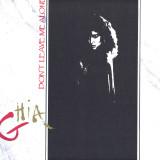
One of those tracks you simply can't forget - perhaps because it's a hard one to put in any specific genre category - laying somewhere in between the realms of synth pop and italo disco with hints of even new beat, this Austrian diggers delight has been haunting Discogs want-lists for years. Aesthetically smooth and sexy (as it shares chord changes with non other than “Careless Whisper”) but with accents of less orthodox production techniques in the “Wunderbar” mix emphasize a uniquely charming playfulness. Originally released as a 7” single, THANKYOU brings it back to your record collections now in a 12” format with an additional extended cut by Castro for those of you who might have thought the original was just a little too short. Remastered by Man Made Mastering.
Есть у нас в наличии и готов к отправке

The Montréal psych-ambient synth-droners return with Sequence Three, their first album in five years and the final instalment in the group's opening trilogy of records that began with Sequence One in 2019. The spectral supergroup co-founded by Stephen Ramsay (Young Galaxy) and Jace Lasek (The Besnard Lakes), usually joined in some capacity by Lasek's Besnard bandmate Olga Goreas, deliver another dose of its trademark longform slowburn jams, forged from restored vintage synths and analogue electronic gear. Lasek and Ramsay don their seasoned producer hats to apply rockist sound design to minimalist tracks, saturated with tube compression, drenched in pink and brown noise, all queasy modulation, sparse beats, and languorous melodic lines. Evoking a humid dawn on a gas giant, these alien drone anthems meld the numinous transcendentalism of Spiritualized and Cluster with the eroded grit of William Basinski and GAS. Light Conductor has been tagged "heavyweight analogue synth nirvana" by Uncut Magazine and praised for its "fabulous, epic, shimmeringly radiant kosmische" by Electronic Sound, among other accolades. Sequence Three consolidates these strengths, while leaning into the darker disquietude that has always been an undercurrent of Light Conductor's aesthetic. Opener "She Glitters The Dust" fades up slow with intertwining detuned synth loops, a languorous lullaby beat dropping at the 3-minute mark, accompanied by insectoid shimmers and a tease of melody that's eventually given free reign over the song's second half. Aptly titled, it's as if a transmission captured within a cosmic dust cloud has provided the raw material for the band to jam on, tease out, and terrestrialize. An echo of that beat sets the tranced pulse for "Omenize", the centerpiece of Side One and the fulfilment of Light Conductor's one-vocal-track-per-album directive. With layered harmonies by Goreas and Lasek, this is the group at its ethereally anthemic best, the devotional floating-in-space bliss attenuated by another gently warped denouement. "Ghost City Radio" closes out Side One with the band's most overtly anxious tune to date, deceptively stolid in its simple bass guitar riff and filter-swept hi-hat: groove stripped to its minimum as the foundation for an extended spokenword sample of a doomsaying prepper/preacher, a sort of homage to that early hallmark of their Godspeed compatriots, done up through the lens of Light Conductor's inimitably destabilized celestial ambience. (Lasek mixed the most recent two GY!BE albums.) Side Two offers up "High In The Orange Air", a beatless, squelching, bubbling ostinato drone and the album's most orthodox ambient kosmische track. This provides the set and setting for 15-minute closer "Supercontinent", which starts off in similar territory but gradually yields to a submerged and reversed techno pulse pumping through coruscated chordal drone, gaining in woozy mesmeric psych intensity over its inexorable hypnagogic trajectory. Sequence Three rounds out a satisfying trio of full-lengths that Light Conductor has released on Constellation, featuring vibrantly minimal geometric cover art designed by label co-founder Ian Ilavsky that integrates the trilogy as a visual series as well. In keeping with the previous two albums in the set, the Deluxe 180gLP includes a 12"x24" art poster. Thanks for listening.
он должен быть опубликован на 25.09.2026
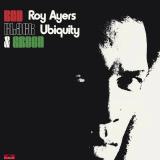
After years out of print, we are pleased to present this much-needed vinyl reissue of an essential album in Roy Ayers’ career. Pressed on 180g vinyl.
In the early 1970s, Roy Ayers formed his own band: Roy Ayers Ubiquity. Its lineup included artists well known to funk and soul fans such as Bernard Purdie, James Mason, and Edwin Birdsong.
This 1973 album presents Roy Ayers in the midst of a creative evolution toward a sound increasingly influenced by soul and funk, moving beyond the early phase of his musical career, which was more rooted in orthodox jazz.
On “Red Black & Green”, he teams up with highly accomplished collaborators such as keyboardist Harry Whitaker, arranger and producer William S. Fischer, and Strata-East musicians Charles Tolliver and Sonny Fortune. Here, however, the latter two do not venture into the spiritual jazz sounds so characteristic of their own recordings; instead, together they embrace a sophisticated funk groove where Ayers showcases his extraordinary vibraphone talent.
The album includes outstanding versions of ‘Ain’t No Sunshine’ and ‘Day Dreaming,’ as well as original compositions such as ‘Cocoa Butter,’ ‘Rhythms of Your Mind,’ and the superb title track, ‘Red Black & Green.’
Закажите сейчас, и мы закажем товар для вас у нашего поставщика.
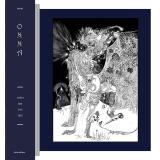
Onna Last Live 1983 includes the final performance by the original line-up of Onna, the psych-rock project of revered Japanese manga artist, Keizo Miyanishi. Onna’s legend has largely rested, until now, on one self-released and self-titled seven-inch from 1983. Reissued by Holy Mountain in 2009, its rediscovery, along with several archival live and studio sets that leaked out across the 2000s, signalled to a wider audience the power of Miyanishi’s strikingly hypnotic songwriting. With Onna Last Live 1983, though, we hear the group’s perfect line-up performing at its peak.
While Miyanishi was the core member and conceptualist of Onna, the other members of the group would also go on to make significant contributions to the Japanese underground. Guitarist Michio Kurihara would eventually be known for his membership of YBO2, Ghost and White Heaven, and collaborations with the likes of Boris and Damon & Naomi. Drummer Ken Matsutani formed Marble Sheep & The Run-Down Sun’s Children and The Mickey Guitar Band, while also running the Captain Trip label. Joined by the late bass player Yasui Yutaka, to whom the album is dedicated, this quartet only performed live in 1983; the live set here was recorded at Silver Elephant.
It’s a different line-up to the Onna duo that’s documented on their single. After Miyanishi and fellow manga artist Mafuyu Hiroki recorded that material, Miyanishi decided he wanted to start playing gigs; Hiroki left, and Kurihara, Matsutani and Yutaka joined soon after. This line-up allowed Miyanishi to significantly expand Onna’s powers, leading to a sound that Kurihara once described to Ptolemaic Terrascope magazine as “repetitive and heavy, yet quite orthodox.”
The songs here are simple yet deeply effective in their repetitive power, generally revolving around two or three simply strummed chords for guitar. Bass and drums repeatedly lock into mantra-like grooves as Kurihara’s guitar scales the walls, with Miyanishi’s consumptive moans and sighs sent torquing through FX. The cumulative effect of the seven songs here is very heavy indeed; if the prologue “Always…” drifts beautifully through five minutes of placid, beseeching melancholy, the epilogue, “Never Seen A Light Like This”, spirals out into sixteen minutes of glazed-over psych-rock, completely monomaniacal and thrilling in its slow-motion tumult.
Throughout, you can hear Miyanishi and co. reaching for something ineffable, something beyond and between the notes. It’s a phenomenal performance; it’s also no surprise that the group disintegrated after this show, given its intensity. Matsutani and Yutaka left after the Silver Elephant show, with Miyanishi and Kurihara continuing through the first half of 1984 firstly as a duo, and then a trio with new drummer Yoshiki Ueonyama. Kurihara left soon after. But Onna Last Live 1983 is proof plenty of the powers of the original Onna quartet, sending their Rallizes/Velvets dream-mantras off into darkened, stormy skies.
Этот продукт еще не вышел. Ты можешь сделать предзаказ, как только он появится на складе, продукт будет подготовлен к пересылке.

Emerging from the Ukrainian darkness in 2011, Kaosophia blend the raw energy of black metal with dissonant tones and emotionally resonant melodics. Their music is a sonic tapestry woven with intricate guitar riffs, powerful vocals, and haunting arrangements.
The band recorded their first demo “Towards The End” which was self-released by them in 2012 on a limited edition cassette.
2013 saw their first album “The Origins of Extinction” released on CD and cassette and the band followed up with many shows across Europe. 2017 saw Kaosophia expand and deepen their abyssal sounds even further with the monumental “Serpenti Vortex”, with lavish cover art produced by occult master artist Dávid Glomba, it rose Kaosophia to the upper echelons and forged their name as one the best and most formidable black metal acts in the scene at the time.
After a long period of silence, bloodletting and transformation, Kaosophia return with their darkest, most mature and powerful work to date. 2025 sees the return of Kaosophia with their new album “Beyond The Black Horizon”.
A dark and malevolent opus that explores themes of darkness, existentialism and the human condition. Delving deep into the complexities of the mind, the fragility of existence and Death itself.
Kaosophia preach orthodox ideas of Satanism in the most straightforward and ruthless form - total unconditional worship. Self-destruction as the overcoming of human essence and the cognition of pain to gain access to another level of reality's perception.
It is time to enter the end of days and venture beyond the Black Horizon…
он должен быть опубликован на 06.02.2026

After spending much of the last years focusing on the evolution of his own instrument, the drummophone, the release of ZERO,999… reveals a new paradigm in La Foresta's work and career.
In this album he collects fragments of live performances and site-specific installations conducted over the last decade, with and without the drummophone — reimagining and repurposing them as compositional elements that he has interwoven with recent studio recordings and collaborations to form eleven viscerally powerful pieces of overwhelming rhythmic and textural density.
La Foresta weaves together these captured moments in time, while employing combinatory strategies inspired by Italo Calvino's tarot stories in "Il castello dei destini incrociati," forging relationships and connections between recordings from the collaborators and his own. In approaching accompanying and augmenting these recordings, Riccardo, in the role of percussionist and composer explores the tension between his personal and academic focus on rhythmic structures and his fascination with repurposing the drum as a durational instrument.
Contributions from collaborators include the synthetic textures of Valerio Tricoli, Anthony Pateras, Aleksandra Słiż, and Renato Grieco, the vocalizations of Antonina Nowacka and Sara Persico, and the guitar experimentations of Ale Hop and Stefano Pilia, bringing together a distributed ensemble of musicians pulling apart the orthodoxies of their own instruments and techniques. Through the interaction of these elements, La Foresta imagines a causal network that binds, integrates and informs fragmented contexts, performers and performances, exploiting new possibilities of the drummophone.
ZERO,999… is conceived as a suite where sound and time are communicated simultaneously at different orders of scale, a single strike of a drum is a drone if slowed down one thousand times, an hour-long drone is a brief tick in the clock of geological time. A seemingly static object, such as the number 1, can both be defined by its fixedness, and as a process in which eternally approaching (0,999...) is the same as arriving.
k 11: EyeContact (Nereo`s) feat. Stefano Pilia
Закажите сейчас, и мы закажем товар для вас у нашего поставщика.

Limitierte Vinyl-Auflage des 2021er Tapes ""Brooklyn Pirates: Neighbourhoods In The Sky, 2014–2021"" (Death Is Not The End), einer Recherche in den Archiven des Radiomoderators David Goren aus Brooklyn, New York. Seit mehreren Jahren erforscht dieser die Piratensender-Community in NYC und produziert Sendungen & Podcasts für BBC World Service und KCRW. In jüngster Zeit katalogisiert Goren seine Streifzüge durch die lokalen Frequenzen mithilfe der Brooklyn Pirate Radio Sound Map (BPRSM) und spürt so den noch immer bestehenden Verbindungen zwischen nicht lizenziertem Rundfunk und der lokalen Nachbarschaftskultur Brooklyns im digitalen Zeitalter nach.
Vorliegende Sammlung vereint Cut-Up-Aufnahmen von wilden Soca-Jams, Kompas über Wahlnachrichten aus Grenada, haitianischen Traueranzeigen und Werbung für jamaikanische Patty-Shops und spirituelle Heiler – samt Sendungen türkischer, orthodoxer und sephardisch-jüdischer Piratensender. Die B-Seite deckt den Zeitraum von Mitte der 2010er bis Anfang 2021 ab und fängt insbesondere die einzigartig eigenwilligen und hyperlokalen Reaktionen der Brooklyn Pirates auf den globalen Zerfall der frühen 2020er Jahre ein – Coronavirus-Pandemie, George Floyd, Biden-Wahl, u.a. – und dient als wichtiges Dokument der Sozialgeschichte, das den Wert von DIY-Community-Sendungen in einer Zeit weltweiter Lockdowns und des völligen Zusammenbruchs der Politik demonstriert.
Tracklisting:
он должен быть опубликован на 21.11.2025

Black Vinyl[23,32 €]
Nach einem Album, das weithin als eine der besten Veröffentlichungen von 2024 gilt, präsentieren CRYPT SERMON aus Philadelphia Saturnian Appendices. Die EP ist eine Sammlung von B-Seiten aus den The Stygian Rose-Album-Sessions und bietet einen tieferen Einblick in die Psyche hinter der Geschichte und erweitert den Bogen des Vorgängers um eine dunklere, introspektivere Linse.
"Vom Konzept her beleuchten die neuen Tracks "Only Ash and Dust" und "A Fool to a Believe" die verschatteten Gedanken des Erzählers aus "The Stygian Rose" und erweitern die Spannungen, die entstehen, wenn man sich mit den Konflikten zwischen Orthodoxie und Okkultismus auseinandersetzt", erklärt Sänger Brooks Wilson.
Klanglich ist "Saturnian Appendices" fest in dem für die Band typischen doomigen, dunklen Heavy Metal-Sound verwurzelt. Grandiose Melodien umhüllen eine zermalmende Salve monolithischer Riffs und sorgen für eine beeindruckende und epische Performance. Mit drei brandneuen Original-Tracks und einer transzendentalen Überarbeitung von Mayhems "De Mysteriis Doom Sathanas" (erstmals als Teil der Flexi-Disc-Reihe des Decibel Magazine zu hören) bietet Saturnian Appendices den Fans ein fesselndes Erlebnis voller Erhabenheit und philosophischer Unruhe.
он должен быть опубликован на 19.09.2025

"Paloma mensajera" (featuring members of New Juggler Sound / Laghonia) shows the shift that was taking place within Peruvian rock away from psych and hard rock which had predominated during the early 70s. The style adopted by Grupo Amigos (and other bands and artists during this period) highlights the influence of soft rock, UK, US and Latin American folk rock and, above all, the desire to keep the melodic greatness of The Beatles alive. This reissue includes bonus tracks and extensive liner notes. DESCRIPTION "Paloma mensajera" (featuring members of New Juggler Sound / Laghonia) shows the shift that was taking place within Peruvian rock away from psych and hard rock which had predominated during the early 70s. The style adopted by Grupo Amigos (and other bands and artists during this period) highlights the influence of soft rock, UK, US and Latin American folk rock and, above all, the desire to keep the melodic greatness of The Beatles alive. The positive reception albums by artists such as We All Together, Telegraph Avenue and Zulu garnered between 1972 and 1975, marked a change of paradigm and in preferences within the Peruvian rock scene. Eclecticism gained new ground, to the detriment of the sectarian and orthodox, while melody grew more present and visible, moving away from the progressive experimentation that typified underground Peruvian rock up to the beginning of the 70s. For their first single on MAG, included on this reissue, the band adopted a formula in which Beatles harmonies converged symmetrically with folk motifs. 'Dirty Girl' was a hit on the radio. A full album followed but only a fairly small number of copies of the album were pressed, which seems to have been the main reason for omitting it from the historical accounts of Peruvian rock music from the late 90s onwards. In "Paloma mensajera" all compositions were penned by the group, after several years during which cover versions were a staple. Some of the musical resources that the band had at their disposal in terms of composition and arrangements are striking and even surprising, considering that they were a debut band, whose members were under the age of 20. The arrangements included the clever use of a Moog synthesizer which had just arrived at the MAG studio. The success achieved by the Beatles tribute performances played by the members of Grupo Amigos for decades have eclipsed the songs that Edmundo, Andrés Da Ros and Simón Ames composed with youthful enthusiasm and energy between 1972 and 1973 to the point where they have almost been forgotten. This re-release of "Paloma mensajera" should help rectify this major injustice. It includes bonus tracks and extensive liner notes.
он должен быть опубликован на 05.09.2025

Manchester’s sferic label return with a debut from ungoogleable Greco-Canadian anomaly Anastasia Patellis, aka Any, featuring additional instrumentation and co-production from Klein/Lolina cohort LA Timpa. It's a set of "squat pop" experiments that thread nocturnal soundscaping and pop hooks through hallucinated outlines written on harp and broken synth.
Greco-Canadian artist Any was bedding down in a Cretan squat when the album's title, μέγα ελεός in Greek, boomed from loudspeakers next to a bonfire, courtesy of a midnight Orthodox church sermon. Moving to the sunny, ancient island had provided her with an escape from big city burnout, but she ended staying far longer than expected - years rather than months. It’s this prolonged sense of suspension that provides the album with its wandering spirit, using harp as an emotional core.
Listening to Breton music made on the Celtic harp from artists like Kristen Noguès and Alan Stivell, Any sketched out song outlines that were then tweaked by Lagos-born, Toronto-raised journeyman LA Timpa, who flew out to Crete last summer to put his idiosyncratic stamp on the record. Like the dusty songs on Astrid Sonne's 'Great Doubt, ‘MEGA MERCY' sounds as if its drum line was duped on dictaphone from an old beat tape, then spliced with field recordings and vocals.
Half sung, half spoken, she murmurs around the beat, not exactly over it, adding circuitous, boss-tuned harp twangs when necessary. It's music that's spartan rather than lo-fi; a sort of bare-bones reaction to electroacoustic experimentation and outsider folk. It makes perfect sense that an artist as thematically on-point as LA Timpa is involved - Any's instrumental vamps are roughly pasted around pinprick boom-bap snaps and crunchy foley denouements, eventually cooled into contemplative Nala Sinephro-esque meditations.
Sections bring to mind Tirzah's most psychedelic early excursions, with dry asides set against a slurping, off-axis beatbox loop and distant, barely-audible synths. The record is tied up on 'WEATHER LIKE TIDE', an instrumental callback to the opener, book-ending the album with a melancholy, humid kinda ambient folk, purposefully melting the timeline.
Закажите сейчас, и мы закажем товар для вас у нашего поставщика.

Spirituelle Musik mit tiefer Resonanz, übertragen durch Klavier, Orgel und Harmonium von der geliebten Komponistin und äthiopischen orthodoxen Nonne Emahoy Tsege Mariam Gebru. "Church of Kidane Mehret" versammelt das gesamte musikalische Werk von Emahoys gleichnamigem Privatpress-Album von 1972 sowie zwei zusätzliche unveröffentlichte Klavieraufnahmen mit Emahoys ,Äthiopischer Kirchenmusik". Die Aufnahmen entstanden in Kirchen in ganz Jerusalem. Zum ersten Mal hören wir Emahoy auf dem Harmonium und der massiven, dröhnenden Pfeifenorgel, neben einigen ihrer bewegendsten Klavierstücke. Bei ,Ave Maria" hallt ihr läutendes Klavier gegen alte Steinmauern. Ihre vertrauten melodischen Linien erhalten eine neue Resonanz, wenn sie in ,Spring Ode - Meskerem" durch das Harmonium gespielt werden. Zwei überragende Orgelstücke bilden die B-Seite, die Emahoys klassische europäische Ausbildung mit ihrem lebenslangen Studium der äthiopischer religiöser Musik kombinieren. Nirgendwo ist Emahoys einzigartige Kombination von Einflüssen deutlicher als bei ,Essay on Mahlet", einem meditativen Dauerbrenner, in dem Emahoy die freien Verse der orthodoxen Liturgie Note für Note auf dem Klavier interpretiert. Dieses aufschlussreiche Stück stammt, neben der dramatischen Klavierkomposition ,The Storm", von einem anderen selbstveröffentlichten Album, "Der Sang Des Meeres" von 1963. Eines der einzigen bekannten Exemplare wurde vor dem Müll gerettet und von einer Mitschwester aus Emahoys Kloster am Rande von Emahoys Beerdigung im März 2023 an Mississippi Records weitergegeben.
Закажите сейчас, и мы закажем товар для вас у нашего поставщика.

Spirituelle Musik mit tiefer Resonanz, übertragen durch Klavier, Orgel und Harmonium von der geliebten Komponistin und äthiopischen orthodoxen Nonne Emahoy Tsege Mariam Gebru. "Church of Kidane Mehret" versammelt das gesamte musikalische Werk von Emahoys gleichnamigem Privatpress-Album von 1972 sowie zwei zusätzliche unveröffentlichte Klavieraufnahmen mit Emahoys ,Äthiopischer Kirchenmusik". Die Aufnahmen entstanden in Kirchen in ganz Jerusalem. Zum ersten Mal hören wir Emahoy auf dem Harmonium und der massiven, dröhnenden Pfeifenorgel, neben einigen ihrer bewegendsten Klavierstücke. Bei ,Ave Maria" hallt ihr läutendes Klavier gegen alte Steinmauern. Ihre vertrauten melodischen Linien erhalten eine neue Resonanz, wenn sie in ,Spring Ode - Meskerem" durch das Harmonium gespielt werden. Zwei überragende Orgelstücke bilden die B-Seite, die Emahoys klassische europäische Ausbildung mit ihrem lebenslangen Studium der äthiopischer religiöser Musik kombinieren. Nirgendwo ist Emahoys einzigartige Kombination von Einflüssen deutlicher als bei ,Essay on Mahlet", einem meditativen Dauerbrenner, in dem Emahoy die freien Verse der orthodoxen Liturgie Note für Note auf dem Klavier interpretiert. Dieses aufschlussreiche Stück stammt, neben der dramatischen Klavierkomposition ,The Storm", von einem anderen selbstveröffentlichten Album, "Der Sang Des Meeres" von 1963. Eines der einzigen bekannten Exemplare wurde vor dem Müll gerettet und von einer Mitschwester aus Emahoys Kloster am Rande von Emahoys Beerdigung im März 2023 an Mississippi Records weitergegeben. Die Vinylausgaben kommen im Oldschool Tip-On-Jacket mit metallischer Silberfolienprägung und einem 12-seitigen Booklet mit ausführlichen Linernotes des Gelehrten und Pianisten Thomas Feng.
Закажите сейчас, и мы закажем товар для вас у нашего поставщика.

Originally published by Tomlab in 2001, “Seleya” is the second full- length issued by Kristian Peters’ Novisad project. Twenty-four years after its initial release, the album’s thirteen loop-based arrangements continue to resonate with striking clarity. Keplar presents Seleya with a previously unreleased bonus track from 2004 and a fresh vinyl cut by LUPO.
These evocative miniatures feel haunted with the passage of time, bearing traces of the exploratory studio workflows, tactile imperfections, and emerging technologies that would have given birth to them: plain DAW manipulations, aliasing digitalia, the tones and timbres of the “misused” equipment ambient musicians utilized before Ableton, Eurorack, and the rise of the boutique electronics that have streamlined electronic music production.
In our present epoch, these compositions feel almost eerily nostalgic, documenting the sort of trembling, wide-eyed spirit and enviable naivety that characterizes cultural production as it ventures into new waters, unfettered by the sediments of established methodology and trend. This tendency to avoid aesthetic orthodoxy results in music that refuses to settle into predictability. Subtle frequencies drift and collide, counterpoint loops run in quiet opposition, and elegant dissonance gives rise to unexpected harmony. The album’s emotional power lies in these tensions, in the way it balances melancholy with beauty and familiarity with complexity.
Закажите сейчас, и мы закажем товар для вас у нашего поставщика.

XTRICTLY ELEKTRO returns with Volume 2, further establishing its vision of innovative and forward-thinking Electro. Featuring six producers with razor-sharp sound design and solid trajectories across the international circuit, this collective work reinforces Cosmic Tribe’s commitment to rhythmic synthesis, harmonic tension, and the structural discipline of the genre — unafraid to step outside orthodoxy.
EC13 opens the release with another chapter of his retro-futurist signature, marked by strong conceptual intent and cinematic pulse.
Spectrums Data Forces, a side project of C-System, brings the most technical edge from southern Spain, blending depth, precision, and modular design.
Atix, hailing from Lyon, contributes decades of refined energy and craftsmanship, always with a club-oriented focus.
On the B-side, Calagad 13 returns with a deep, introspective electro bass cut, reaffirming his role as a central sonic pillar of the series.
Final Dream, one of Phil Klein’s aliases, delivers a powerful piece built on heavy low-end and epic atmospheres, in line with his legacy as a key figure in UK Electro.
Elektrotechnik, a German producer, closes the release with an industrial-leaning, bold, and uncompromising statement.
Six exclusive tracks showcasing the genre’s vitality and the diversity of creative visions driving its continuous evolution.
Limited to 150 copies.
Закажите сейчас, и мы закажем товар для вас у нашего поставщика.

Spirituelle Musik mit tiefer Resonanz, übertragen durch Klavier, Orgel und Harmonium von der geliebten Komponistin und äthiopischen orthodoxen Nonne Emahoy Tsege Mariam Gebru. "Church of Kidane Mehret" versammelt das gesamte musikalische Werk von Emahoys gleichnamigem Privatpress-Album von 1972 sowie zwei zusätzliche unveröffentlichte Klavieraufnahmen mit Emahoys ,Äthiopischer Kirchenmusik". Die Aufnahmen entstanden in Kirchen in ganz Jerusalem. Zum ersten Mal hören wir Emahoy auf dem Harmonium und der massiven, dröhnenden Pfeifenorgel, neben einigen ihrer bewegendsten Klavierstücke. Bei ,Ave Maria" hallt ihr läutendes Klavier gegen alte Steinmauern. Ihre vertrauten melodischen Linien erhalten eine neue Resonanz, wenn sie in ,Spring Ode - Meskerem" durch das Harmonium gespielt werden. Zwei überragende Orgelstücke bilden die B-Seite, die Emahoys klassische europäische Ausbildung mit ihrem lebenslangen Studium der äthiopischer religiöser Musik kombinieren. Nirgendwo ist Emahoys einzigartige Kombination von Einflüssen deutlicher als bei ,Essay on Mahlet", einem meditativen Dauerbrenner, in dem Emahoy die freien Verse der orthodoxen Liturgie Note für Note auf dem Klavier interpretiert. Dieses aufschlussreiche Stück stammt, neben der dramatischen Klavierkomposition ,The Storm", von einem anderen selbstveröffentlichten Album, "Der Sang Des Meeres" von 1963. Eines der einzigen bekannten Exemplare wurde vor dem Müll gerettet und von einer Mitschwester aus Emahoys Kloster am Rande von Emahoys Beerdigung im März 2023 an Mississippi Records weitergegeben. Die Vinylausgaben kommen im Oldschool Tip-On-Jacket mit metallischer Silberfolienprägung und einem 12-seitigen Booklet mit ausführlichen Linernotes des Gelehrten und Pianisten Thomas Feng.
Закажите сейчас, и мы закажем товар для вас у нашего поставщика.

WOW. Daniel O'Sullivan's transcendent new album, Eros, is one of the greatest things we've ever heard. A simply stunning song cycle of hypnotic, experimental contemporary chamber music composed for a 14-piece ensemble. Combining minimalism, complex syncopation, detailed acoustic textures, weird intervals and samurai precision, this record will elegantly blow your mind. When Daniel first sent us this, he pitched it as “Liquid Swords meets Michael Nyman”. Trust us, he wasn't wrong. A "unique hybrid orchestral music", it presents a confluence of Daniel's longstanding fixations; indeed, there's elements of Nyman, Antonio Carlos Jobim, Magma, Aaron Copland and RZA. But this is wholly O'Sullivan's. Originally commissioned for the Sonoton Music Library in Munich, Eros now receives a deluxe vinyl release courtesy of Be With Records, bringing this meticulously crafted work to a wider audience. Limited to just 500 copies for the world, these are gonna fly.
An English composer and multi-instrumentalist, Daniel O'Sullivan’s career has been marked by versatility and innovation. In addition to his work with Sonoton, he has composed extensively for the legendary KPM music library, contributing to its storied legacy of production music. As a deep virtuoso and collaborator, O'Sullivan has also played in a number of influential projects, including Ulver, Sunn O))), This Is Not This Heat, Grumbling Fur and Miracle (with Steve Moore), leaving an indelible mark on the contemporary experimental music landscape.
O’Sullivan’s first foray into classically informed chamber music, Eros is a culmination of his long-standing fixations and expansive musical influences. The album features arrangements that are as detailed as they are emotionally resonant, showcasing his unparalleled ear for intervals and mastery of counterpoint. The music brims with complex rhythmic syncopation and a sensitivity to texture and space, resulting in a soundscape that is both intoxicating and dauntingly precise.
Recorded June 2023 and February 2024, in Brussels, London and Carmarthenshire, Wales, Eros features members of Echo Collective (Neil Leiter and Margaret Hermant), Thighpaulsandra (from seminal post-industrial band Coil), and jazz pioneer Oren Marshall. Daniel's sonic weapons of choice, in his own inimitable words, were "Big Bad Drum, Pee Anne Oh, Low End Brass, Willowy Winds & Samurai Strings." You get the picture. As a cyclical suite, this is a record that really needs to be heard in its entitreity, from start to finish, to truly appreciate the genius at work here.
A jaw-dropping statement of intent, the minimalist "Golden Verses" sets the tone with its complex cue which has your neck snapping right when it feels like it needs to. Listen and you'll understand. A syncopated tangle of sharp strings, crunchy bass, drums percussion and bright piano and mallets vie for position with French horn and woodwind melody in the most compelling and unexpected ways. Quite simply, it's one of the finest album openers I've ever heard. It's followed by the atmospheric rippling minimalism of "Lyre Lyre", a gorgeous gem with shimmering chimes, bright melody, human percussion and syncopated pizzicato strings. It kinda comes on like a less-abstract Boards Of Canada, bursting with typical wonderment. The piano and string-drenched "Dolorous Stroke" effortlessly builds its warm, pastoral orchestration with flowing piano arpeggio, steadfast drums, expressive string quartet, rich low brass, woodwind and lyrical flute. Just sublime.
The insistent frenetic propulsion of "Plain Paper" is utterly beguiling, featuring a determined string motif, urgent drums and percussion, driving low brass and breathless, energetic flute. The haunting, interweaving string arpeggios that propel "Grapes Draped" presents a claustrophobic minimalism for chaos and darkness, with growling low woodwind and brass, spiky harpsichord, skittering flutes and tight drums. Up next, "Xanix Annum" is a stately minimalist waltz with expressive lyrical string quartet and delicate woodwind, anchored by drums and percussion. "Painting Rose" is a bouncy stop-start track with angular syncopated strings and a piano pulse underneath bright harpsichord and flutes. "Rotunda Garden" presents ethereal textural minimalism for landscapes and reflection with flowing string arpeggios, warm, low woodwind drones, floating choir and cymbal swells. Closing out this extraordinary side of music, the glowing, flowing minimalism of "Flowry Orb" features urgent organ, piano and woodwind arpeggios, half-time drums with shimmering cymbals, a soaring, beautiful violin solo and hypnotic vocal chant.
Side 2 opens with "Theia Mania" a determinedly off-kilter, angular track featuring low wind, brass and drum stomp in dialogue with lively string trio, woodwind and solo horn. The light, airy minimalism of "Painting Percy" is built around an interplay of rhythmic motifs for piano, low brass, bassoon, fluttering flutes, urgent strings, drums and percussion whilst "For Archetypes" is a delicate, gently syncopated chamber cue for nostalgia, nature, reflection and moments of calm, with steady piano motif, intimate woodwind and French horn, and warm, graceful strings. The urgent Ars Memoriae is a propulsive march for progress, processes and industry, underpinned by driving tuba, with determined strings, resolute drums, and vivid, expressive flute, clarinet and French horn.
The syncopated energetic minimalism of "Mirrored Seven" presents layers of melodic and cyclical piano, drums, low brass, harp, flute and strings. "Pure Ornament" follows, a slowly evolving chamber cue with flowing clarinet, string and harp arpeggio, plodding tuba and percussion, fluttering flute and graceful, lyrical solos. Stunning! Up next, "Brave Boy" moves from its tender, warm, lullaby-like intro with lyrical flute, clarinet and strings before opening into a playful backend driven by a bouncy tuba riff and syncopated piano, woodwind, string trio, and drums and percussion. Rounding out this astonishing piece, "Waxen Waned" is a warm, pastoral chamber cue with light lyrical woodwind, tender French horn and subtly pulsing string trio.
The album's title is a reference to Plato’s conception of Eros, which is more than romantic or physical desire. It is a dynamic and creative force that drives individuals to seek perfection whether in art, relationships, philosophy or the pursuit of truth. Wholly appropriate, here, we think. When asked what his influences were in making this astounding record, he answered thusly: "Non-musical: Householding, Pythagoras, Goethe, Grail romances, Hermeticism, Doctrine of Signatures (Parcelsus, Bohme, Pliny), Eric Rohmer, John Stezaker, Yasujiro Ozu. Musical: Duke Ellington (late suites), Smile-era Brian, early RZA, Wagner (Parsifal Overture), Magma, Mancini, Axelrod, YMO, Hildegard, Nyman, Penguin Cafe Orchestra, Jobim (Stone Flower), Alessandro Alessandroni, Tavener, Moondog, Orthodox Music, Secular Music." That's some pretty deep shit. Makes you want to dive in, no?
Mastering for this vinyl edition was overseen by Be With regular Simon Francis, and it was cut by the esteemed Cicely Balston at Abbey Road Studios to be pressed in the Netherlands by Record Industry. Truly, Eros is a work of extraordinary depth and sophistication. It invites listeners to immerse themselves in its intricate layers, to lose themselves in its hypnotic rhythms, and to marvel at the precision of its execution. With this release, O’Sullivan reaffirms his position as one of the most inventive and uncompromising voices in contemporary music. Do. Not. Sleep.
он должен быть опубликован на 23.05.2025

Die Chronologie von Schnitzlers Solo-Veröffentlichungen in den 70er und vor allem in den 80er Jahren gleicht einem Buch mit sieben Siegeln. In zeitweise sehr kurzen Abständen brachte Schnitzler seine Musik teils auf analogen Kassetten, teils auf LPs heraus, nicht selten als "private releases", das heißt in eigener Regie und ohne Hilfe eines Labels oder professioneller Vertriebe. Das gelbe Album beispielsweise erschien 1981 als LP auf dem Label der Kunstgalerie von René Block in Berlin, nachdem Schnitzler bereits eine Reihe anderer Tonträger auf diversen Labels herausgebracht hatte. Tatsächlich ist die Musik des gelben Albums aber bereits 1974 als "The Black Cassette" in wahrscheinlich sehr geringer Stückzahl von Schnitzler selbst vertrieben worden. Das gelbe Album hat den Untertitel "12 Stücke aus dem Jahr 1974". Schon das deutet auf etwas Neues hin, denn bis dahin gingen Schnitzlers Stücke grundsätzlich über die ganze Platten- bzw. Kassettenseite. Hier versucht er sich nun erstmals an einer kürzeren Form. Außerdem neu: Schnitzler lässt auf mehreren Stücken nicht mehr nur automatische Klangprozesse ablaufen, sondern benutzt seine Keyboards offensichtlich auch, um "mit der Hand" gespielte melodie- ähnliche Improvisationen in seinen musikalischen Kosmos zu integrieren. Die eigentlich so kristalline, anorganische Kunstwelt Schnitz- lers wird damit um ein organisches, fast menschliches Element berei- chert. Durch die Musik des gelben Albums weht ein durchaus laues, freundliches Lüftchen, zum Glück meilenweit entfernt von den senti- mentalen Plattitüden der gebrauchsfertigen Ambient-Musik der 80er. Das gelbe Album ist nicht nur durch und durch freundlich, sondern es dokumentiert auch einen wichtigen Schritt in Schnitzlers musikalischer Entwicklung. Das späte Erscheinen als LP (1981) und die fehlenden diskografischen Angaben ließen diesen Gesichtspunkt etwas in den Hintergrund rücken. Aufmerksamen Hörern und Schnitzler-Kennern war jedoch sofort klar, dass das Album eine besondere Wegmarke darstellte, die einen deutlichen Weg in die Zukunft wies. Schnitzler hatte begonnen, sich aus dem Korsett der orthodoxen Konzeptkunst zu befreien, um in lichte Weiten unentdeckter musikalischer Gebiete vorzustoßen.
он должен быть опубликован на 13.12.2024

This band featured Justin Marler and Chris Hakius from Sleep, their first music venture after leaving the former. In between, Justin was an Orthodox monk for 7 years. Different musically as the band rocks hard and fast.
он должен быть опубликован на 06.12.2024

Born Xavier Amin Dphrepaulezz, by now much has been made of Fantastic Negrito's own unique story--his early years growing up in an orthodox Muslim household, the doomed major label deal that turned him off of the music industry altogether, the near-fatal car crash that permanently damaged his guitar playing hand--as well as the remarkable redemption arc that began in 2015, when he won the first ever NPR Tiny Desk Contest. In the years that followed, Negrito would go on to take home three consecutive GRAMMY Awards for Best Contemporary Blues Album, tour with everyone from Sturgill Simpson to Chris Cornell to Bruce Springsteen, collaborate in the studio with the likes of Sting and E-40, launch his own Storefront Records label, perform at Lollapalooza, WOMAD, Glastonbury, Newport Folk, Byron Bay Blues, and nearly every other major festival on the map, and found the Revolution Plantation, an urban farm aimed at youth education and empowerment. Son of a Broken Man sees Fantastic Negrito encapsulating the inimitable elements of his celebrated body of work to date, from hard-hitting distorted guitar riffs to melodic and expressive ballads, all fueled by the unexpected twists that have become his trademark. The album stands as perhaps Fantastic Negrito's most personal thus far, exploring family, deception, and the human desire to hide the true self as he dives deep into one of the oldest conflicts in human history, the struggle between father and son. Beginning at a young age, Negrito was served untruths by his father. A made-up last name, a fabricated ancestry, and a fake Somali accent. Why lie? Why create this false narrative? Those are the questions Negrito had to ask himself and the questions that lie at the heart of Son of a Broken Man.
он должен быть опубликован на 08.11.2024

Tristania's klassisches Gothic Metal Debüt endlich wieder erhältlich!
Limitierte Deluxe-Edition mit der klassischen Debüt-EP. "Widow's Weeds" ist nicht nur ein unverzichtbares Gothic-Album, es ist die genredefinierende
Gothic-Metal-Veröffentlichung aller Zeiten. Es gibt viele Bands mit guten Debütalben. Es gibt auch eine Menge Bands mit hervorragenden
Debütalben. Und dann gibt es gelegentlich eine Band, die scheinbar aus dem Nichts auftaucht und alle anderen in den Schatten stellt - so wie
Tristanias Debütalbum "Widow's Weeds", welches bei seiner Veröffentlichung die Metal-Welt im Sturm eroberte und die Messlatte für Gothic Metal
in ungeahnte Höhen hob. Das Bemerkenswerte an diesem Album ist, dass es gelungen ist, die reinste Essenz des Gothic Metal einzufangen, vielleicht
sogar wiederzubeleben: Kummer und Traurigkeit zu beleben und die schöne Energie hervorzuheben, die in der Melancholie steckt. Musikalisch ist
"Widow's Weeds" ein nahezu perfektes Gothic-Album, von Anfang bis Ende. Intros und Outros sind immer eine riskante Angelegenheit und haben nur
selten einen wirklichen Mehrwert auf einem Album. Diesmal jedoch nicht, denn sie fügen sich perfekt in den orthodoxen Ansatz von Tristania ein.
он должен быть опубликован на 20.09.2024
