Buscar:pacha records

Estilos
Todo
  • 1
PACHA WAKAY MUNAN - EL TIEMPO QUIERE CANTAR

PACHA WAKAY MUNAN

EL TIEMPO QUIERE CANTAR

12inchBUHR189
BUH RECORDS
15.08.2025

Buh Records presents "El tiempo quiere cantar" ("Time Wants to Sing") the debut album by Pacha Wakay Munan, a duo formed by Peruvian musicians and researchers Dimitri Manga Chávez and Ricardo López Alcas. This album explores the sonic possibilities of pre-Hispanic instruments in a contemporary musical context. Through their performance, they explore their tonal possibilities, the interaction between their frequencies, and their ability to generate new dialogues. The work of Pacha Wakay Munan aligns with the tradition of sound explorers such as the Peruvians Arturo Ruiz del Pozo and Luis David Aguilar or the Colombians Yaki Kandru. The album's repertoire consists of pieces that explore diverse sonorities and musical concepts. "Pacha Wakay Munanqa" introduces the timbral variety of the instruments used. "El Taki Onkoy" draws inspiration from historical accounts and the meaning of its name ("Sick Song"), based on a Culina chant documented by Rodolfo Holzmann. It features vocals by the experienced singer Ximena Menéndez. "Mundo Posible" is a reinterpretation of an improvisation session with musicologist Chalena Vásquez Rodríguez, where the piano dialogues with ceramic antaras. Other pieces delve into the sonic construction of these instruments in relation to their cultural contexts. "Machu Tara" explores the concept of tara, a rough and vibrant sound quality found in certain Andean musical traditions. "Túpac Huaca" references the Huaca Aliaga in Lima, creating a sound palette where pututos, whistling vessels, and quenas converge. "Agua, Cuarzo y Viento" introduces quartz sikus and bowls tuned to different frequencies, evoking the interaction between natural elements and resonant vibrations. In the piece "Qinray Tema", Camilo Angeles plays the metal transverse flute, creating a contrast with the pre-Hispanic ceramic flutes and pelican bone flutes.

Reservar15.08.2025

debe ser publicado en 15.08.2025

32,35
Various - Defected In The House Ibiza 2025 (3x12")

Marking the return of one of house music’s most revered compilation series, Defected In The House Ibiza 2025 arrives to showcase the label’s sonic identity in full. This definitive 12-track release spans three LPs, shining a spotlight on iconic must-haves, tastemaker originals and Ibiza favourites from Defected Records and its associated imprints.

Reconnecting with the importance of curation, a longstanding cornerstone of the Defected ethos, this expansive collection celebrates the label’s role as a trusted voice in house music. Echoing the spirit of its flagship ITH series, which featured the likes of Gilles Peterson, Louie Vega, and Dimitri From Paris, this special 2025 edition continues its legacy by offering a cohesive snapshot of house music now.

Defected In The House Ibiza 2025 bridges the London label’s impressive catalogue with artists old and new, from new summer club anthems ‘Got The Funk’ by Low Steppa & Capri and Nic Fanciulli’s ‘Hold On’ with Marc E. Bassy, to Tripolism’s transformative reimagining of The Shapeshifter’s ‘Lola’s Theme’ and Dennis Ferrer’s fresh remix of Girls of the Internet’s ‘Affirmations’ featuring Anelisa Lamola.

Capturing the energy and emotional pull of the label’s events; Defected’s brand new residency at Pacha Ibiza in 2025 serves as inspiration for the collection. As such, the three volume collection also contains standout records from definitive artists of today’s Ibiza scene including Keinemusik, The Martinez Brothers, Peggy Gou, Armand Van Helden & A-Track as Duck Sauce, Mau P plus many more.

Disponible

En el almacen y preparando para el envío

35,71
Various - Get Your Groovebom On - Volume 1

Various

Get Your Groovebom On - Volume 1

12inchGBV011
Groovebom Records
Release unknown

All tracks have got massive support from Djs like Danny Krivit,Kenny Carpenter,Dave Lee ZR,MicFreak,Alan King,Mijangos,Dj Disciple,Peppe Citarella and many many more.

Reservar

El artículo no se ha publicado. Tú puedes reservar ahora el artículo y después de ser pagado se te será enviado.

11,35
Anané - It Looks Like Love
 
2

Anané’s colourful life in music has seen her do everything from singing at the famous pre-game show at Super Bowl XLI as part of the group Elements of Life, DJ at hotspots like Hi Ibiza, Pacha NYC and Ushuaïa to name a few, while also curating her own monthly residency Nulu Movement, now ten years strong at Le Bain NYC, release unique blends of Afro, house, and pop on labels like Vega Records, and head up her own imprints, Nulu Music and Nulu Electronic. The Cape Verdean-born DJ, producer, vocalist, and songwriter has had countless club hits and has released acclaimed albums like ‘Ananésworld’ and ‘Chapters Of Becoming’, often with a lush, live, and orchestrated style that is truly unique.

With this release, Anané steps forward with her first solo production to date. Here she serves up the sumptuous ‘It Looks Like Love’, a poised, elegant house sound with her own smoking, soulful vocals and classy strings bringing colour to an Afro groove packed with infectious bounce. Neat guitar riffs and silky synths all enrich this most sophisticated sound. The first mix sees Anané link up with veteran Italian Christian Mantini, who has hosted Sunset Ritual parties with Anané and Louie Vega since 2013. Their dub is rooted in warm, rubbery drums that are even deeper and more immersive than the original.

Manda Moor & Sirus Hood are a red-hot contemporary pair who run the Mood label and are defining the contemporary underground. Their remix is more driving, but it retains the soulful vibe with breezy pads and jazzy motifs drifting in and out above the swaggering groove.

Rotterdam-based Chicagoan Jamie 3:26 is a master at blending disco, soul, and house into timeless sounds, and here he delivers a loopy rework that pairs deep drive and sun-kissed vibes with funky, Chic-style bass guitar motifs.

No en stock

Haga su pedido ahora y le encargaremos el artículo en nuestro proveedor.

16,39

Ültimo hace: 16 Días
Various - Tchic Tchic: French Bossa Nova 1963-1974  Colored Edition LP 2x12"
  • A1: Les Masques - Il Faut Tenir (1969)
  • A2: Isabelle Aubret - Casa Forte (1971)
  • A3: Christianne Legrand - Hlm Et Ciné Roman (1972)
  • A4: Jean Constantin - Pas Tant D'chichi Ponpon (1972)
  • A5: Billy Nencioli & Baden Powell - Si Rien Ne Va (1969)
  • B1-: Marpessa Dawn - Le Petit Cuica (1963)
  • B2: Jean-Pierre Sabar - Vai Vai (1974)
  • B3: Sophia Loren - De Jour En Jour (1963)
  • B4: Isabelle - Jusqu’à La Tombée Du Jour (1969)
  • B5: Sylvia Fels - Corto Maltesse (1974)
  • C1: Frank Gérard - Comme Une Samba (1972)
  • C2: Ann Sorel - La Poupée Des Favellas (1971)
  • C3: Charles Level - Un Enfant Café Au Lait (1971)
  • C4: Andrea Parisy - Les Mains Qui Font Du Bien (1970)
  • C5: Audrey Arno - Quand Jean-Paul Rentrera (1969)
  • C6: Aldo Frank - T’as Vu Ce Printemps (1970)
  • D1: Christianne Legrand - Cent Mille Poissons Dans Ton Filet (1972)
  • D2: Clarinha - Lemenja (1970)
  • D3: Hit Parade Des Enfants - Aquarela (1976)
  • D4: Jean-Pierre Lang - Tendresse (1965)
  • D5: Magalie Noël - Une Énorme Samba (1970)
  • D6: Françoise Legrand - La Lune

Ever since the late 1950s bossa-nova revolution, Brazil’s influence on French music has been undeniable. Pierre Barouh, Georges Moustaki and a vast array of lesser known artists, all made the Musica Popular Brasileira (MPB) an axis of promotion at the service of a cool and metaphysical, modern and mixed Brazilian lifestyle. Some were seduced by the poetic languors of the bossa, some were looking for fun, and others just loved the American hybridization of jazz-bossa, jazz-samba.


What is bossa nova? One of its creators, Joao Gilberto said: "Its style, cadence, everything is samba. At the very start, we didn't call it bossa nova, we sang a little samba made up of a single note - Samba de uma nota so .... The discussion around the origins of bossa nova is therefore useless”. It is nevertheless useful to remember that these magnificent Brazilian songs, which the guitarist describes as samba, were shifted and balanced around improbable chords. "I like things that lean, the in-betweens that limp with grace," said Pierre Barrouh, quoting Jean Cocteau.


With emotion, arrangements for violin and supple guitar licks, bossa nova rapidly changed. A transformation that can be heard in the Tchic, tchic, French Bossa Nova 1963-1974 compilation, the result of a cultural reappropriation, which traveled through the United States and supplemented itself in France.

A musical revolution that has remained significant, bossa nova was born in Rio. From 1956 to 1961, Brazil lived through its golden years. In five years, the country had invented its modernist style. Elected president in 1956, Juscelino Kubitschek de Oliveira, an elegant man with a broad forehead, brandished a promising slogan: "Fifty years of progress in five years". He quickly got to work. Not worried about increasing debt, he launched the project for a new federal capital, Brasilia, designed by the communist architect Oscar Niemeyer. Volkswagen opened state-of-the-art factories and created the “fusquinha”, the Beetle. In Rio, the Vespa made its first appearance. The Arpoador Surf Club crew run into the “girl” from Ipanema, Helô Pinheiro - the tanned garota ("chick"), between a flower and mermaid, who at 17 walked by the Veloso bar, where the fiery author and composer, Tom Jobim and Vinicius de Moraes, were getting drunk on whiskey. From then on, bossa symbolized cool.

In 1958, Joao Gilberto recorded Chega de Saudade, which the directors of Philips denied, calling it "music for fagots". The marketing director, who believed in it, secretly pressed 3000 78-inch vinyls and distributed them at schools around Rio, creating a tidal wave.

American jazzmen then took over. In particular, trumpeter Dizzy Gillespie and guitarist Charlie Byrd. In November 1962, the Brazilian Ministry of Foreign Affairs funded a "Bossa-Nova" concert at Carnegie Hall in New York, inviting the genre’s pioneers. Unprepared, the show soon turned to disaster. But the troupe was invited to the White House by Jackie Kennedy. The first lady loved "the new beat" and in particular Maria Ninguem, a song by Carlos Lyra, later covered by Brigitte Bardot.

In Brazil, the 1964 military coup quickly ended this euphoria. The destructive atmosphere that ensued pushed many Brazilian musicians to leave, if not to exile. Thus, Tom Jobim, Sergio Mendes and Joao Gilberto arrived to the United States. In New York, Joao Gilberto met saxophonist Stan Getz. At the time, he was married to the Bahianese Astrud Weinert Gilberto, who had a German father. She had never sung before, but she knew how to speak English. Getz therefore asked her to replace her husband on The Girl From Ipanema. The Getz/Gilberto record with Tom Jobim on piano, was released in March 1964. Phil Ramone, the "pope of pop" was in charge of sound.

Bossa nova arrived in Paris through the classic “guitar-voice” channel (Pierre Barouh, Baden Powell, Moustaki…) But France loved jazz and Paris had already welcomed its American contributors. All these good people were to pass through Saint-Germain-des-Prés. The cabaret l'Escale became the Mecca of Latin American sound where one could find Pierre Barrouh and his friends, such as the Camara Trio, samba-jazz aces, whose only record was published by the Saravah label. With a band strangely called Les Masques (a band that included Nicole Croisille and Pierre Vassiliu, among others), the Camara Trio recorded an interesting Brazilian Sound, including the track Il faut tenir which is present on this tasty compilation of rarities.

Other enlightened musicians can also be found on the compilation, such as Jean-Pierre Sabar (songwriter for Hardy, Auffray, Leforestier ...) and the French pop rock organist Balthazar. In 1975, Sabar recorded Aurinkoinen Musiikkimatka on a Finnish label, which featured the crazy Vai, Vai, included on this record. We are now following the footsteps of Brazilian electronic musicians such as Sergio Mendes, Eumir Deodato or Marcos Valle who created funk and disco sounds on their keyboards and synthesizers. A style that influenced Véronique Sanson when she wrote Jusqu’à la Tombée de la nuit in 1969 for Isabelle de Funès, the niece of Louis and a great friend of Michel Berger - Sanson did end up singing this track on her 1992 Sans Regret record.


The pinnacle of exoticism and travel, Sylvia Fels’ Corto Maltese includes bongos, sea mist and ocean sounds. The title was taken from Jacky Chalard’s concept album written in 1974, Je suis vivant, mais j’ai peur (I am alive, but I am scared), based on Gilbert Deflez’s science fiction novel.


However, bossa nova extended the scope of popularity. "In the 1970s, I was a fan of Sergio Mendes, Getz / Gilberto. I fell in love with this music that I knew because I had been an orchestral singer, " explained Isabelle Aubret, who in 1971 delivered a composite record of covers by the very funky Jorge Ben, Orfeu Negro, Tom Jobim, Vinicius de Morais and Jean Ferrat. "I recorded this album for Meys Records in Paris, far from Brazil, with wonderful musicians, François Raubert, Roland Vincent, Alain Goraguer...". The latter wrote the arrangements for Casa Forte, a very percussive title borrowed from Edu Lobo, one of the initiators of the bossa who spent time in California. "Jazz and bossa came together and produced very rhythmic music. I love singing, it allows me to dream, to have fun, to feel a high on stage, and these songs brought me joy, made me swing, my singing felt like a dance.”


The world tours of French singers and their desire for the tropics, often brought them to Rio with its hills, forests, caipirinhas and tanned bodies. There are surprises though, like this Iemenja (Iemenja is the goddess of the sea in the Afro-Brazilian candomblé religion). Not unlike the composer and musician Jean-Pierre Lang, based in Sao Paulo, Claire Chevalier taught Brazil to Brazil. In 1970, the singer and painter published a 45-inch vinyl, Mon mari et mes amants (My husband and my lovers), under the improbable pseudonym of Clarinha (little Claire). She was then living in Rio, with her husband, Joël Leibovitz, who founded a band called Azimuth, and who owned a record label specialized in "sambas enredos" songs for samba school parades.


For its B side, she asked Pierre Perret to come up with lyrics for a song composed by Carlos Imperial: "Oh goddess of the sea, o goddess Iemenja, I bring a white rose to adorn your long hair ..." . "Perret came to see us, and we had fun, remembers Joël Leibovitz. We wrote Lemenja for fun, we recorded it at the Havaí studio, behind the Central do Brasil the central station. Erlon Chaves, the arranger who worked with Elis Regina, joined us" adding his share of Afro-Brazilian percussions and funky brass to the mix.

There is a common misunderstanding in Franco-Brazilian history: that bossa, admittedly hedonistic, is perceived as funny, even though the poets who wrote the texts are often philosophizing on the human condition. Its French interpreters pull it towards a carnival inspired universe, far removed from its fundamental essence. Thus, Jean Constantin covered the famous Samba da minha terra, an ode to the art of samba written by the classic Bahian composer Dorival Caymmi, renaming it with the enticing title of Pas tant de tchi tchi pompon: "On your pier there is no tchi tchi / when you arch your back, you know everything is alright ”(lyrics by Gérard Calvi). This expedited bossa aims for the absurd, but retains a certain elegance.

Indeed, Jean Constantin was not an idiot, the rather large man had a huge mustache and liked fantasy, (Les pantoufles à papa, Le pacha, inspired by cha-cha-cha-cha, salsa and jazz) but he was also the lyricist of Mon manège à moi interpreted by Edith Piaf, the composer of Mon Truc en plume by Zizi Jeanmaire and the soundtrack of François Truffaut’s 400 Blows. Le Poulpe, published in 1970, from which this bossa is extract, was arranged by Jean-Claude Vannier, an accomplice of Serge Gainsbourg’s Melody Nelson. In short: "There is enough of samba / By looking at the parasol / Because my poor cabeza / Is going to die in the sun".

Even the American actress Marpessa Down, who was at the heart of the bossa nova revolution with her role as Euridyce in Marcel Camus’ film Orfeu Negro, winner of the 1959 Cannes Palme d'or, fed the clichée with Je voudrais parler au petit cuica - "Tell me how you manage to always make people want to dance / It's true, I must admit that I cannot resist your magic" - in consequence, once can hear the cuica, a little drum inherited from the Bantu.


But bossa nova had many angles. Societal, of course, pushing actresses who were symbols of women's liberation like Brigitte Bardot, Jeanne Moreau, or Sophia Loren to engage in the exercise of accelerated bossa. In February of 1963, Sophia Loren made a record in French in Rome, Je ne t'aime plus, featuring the song De jour en jour, a bossa written by two Italians, Armando Trovajoli and Tino Fornai, which was released a little later by Barclay. Bossa accompanied the 1960s, a decade of moral liberation. Ann Sorel, who interpreted La Poupée des favellas, caused a sensation with L’amour à plusieurs, a provocative song written by Frédéric Bottom and Jean-Claude Vannier. As for the actress Andrea Parisy, she displayed her bourgeois cheekiness in Marcel Carné's Les Tricheurs before interpreting Les mains qui font du bien. And Magalie Noël, the friend of Boris Vian, who sung Johnny fais-moi mal, was hired to sing Une énorme Samba, composed by Alain Goraguer (arranger to Gainsbourg, Bobby Lapointe and Jean Ferrat) with lyrics by Frédéric Botton.

But in the end, of what wood is bossa nova made of? The answer is given by Christianne Legrand, daughter of Raymond the conductor, and sister to Michel the composer: "With me, with jà" - jà means "immediately" in Portuguese. In 1972, the singer, an expert in vocal jazz and a member of the Double Six, published Le Brésil de Christianne Legrand. Two songs included on the Tchic Tchic compilation that demonstrate how bossa, jazz, funk, rock, etc. work like a swiss army knife: the music is used to denounce broken systems, or miracles, HLM et ciné roman, Cent mille poissons dans ton filet, two songs from the O Cafona soundtrack, a successful telenovela broadcast, at the time in black and white, on TV Globo. The first was adapted in French by the fighter and friend of the Legrand tribe, Agnès Varda. The second is content with a play on words, jostling them into a summer fun.


Véronique Mortaigne

Reservar17.04.2026

debe ser publicado en 17.04.2026

27,31
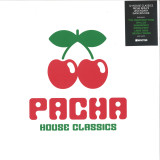
Various - Pacha House Classics LP 3x12"

Various

Pacha House Classics LP 3x12"

3x12inchDFTDPACH01LP
Defected
23.12.2025

Pacha Ibiza is steeped in dance music history. Originally a playground for the rich and famous during the 70’s and 80’s, the club has transformed into a mecca for music lovers the world over. Pacha is to Ibiza what Studio 54 was to New York, encapsulating glamour and hedonism while regarded as an institution that turns underground hits into global house anthems.

Pacha House Classics compiles twelve undisputed anthems from the vaults of Defected Records’ vast catalogue, all of which have been championed year after year at the legendary nightclub. Spread across three individual records are classics from The Shapeshifters, Kings of Tomorrow, CamelPhat, Shakedown, Spiller and more; Pacha House Classics is the ultimate house soundtrack for Pacha Ibiza’s rich history.

No en stock

Haga su pedido ahora y le encargaremos el artículo en nuestro proveedor.

36,09

Ültimo hace: 3 Meses
Selected by DJ Alfredo - PARAISO - The True Spirit of Ibiza (2x12")
 
16
También disponible

Bonus Sampler 1[13,87 €]

Bonus Sampler 2[13,66 €]


2025 Repress

In 2022, Daniele “Shield” Contrini of Rebirth Records proposed Paraíso to the great man himself, a compilation honouring Alfredo’s legacy. After Alfredo’s passing in December 2024, the project was final; with artists rallying to honour his vision and memory.

Before becoming a global clubbing hotspot, Ibiza embodied freedom—a place where sunrises blurred into sunsets and music became a way of life. In the 1950s and '60s, the island drew artists, hippies, and outsiders seeking escape and creative liberty.

In 1976, Alfredo Fiorito, fleeing political repression in Argentina, arrived in Ibiza and stayed. A former music journalist, he soon began DJing at Amnesia, a farmhouse-turned-club where time bent and boundaries dissolved. With eclectic, genre-defying sets, Alfredo blended reggae, flamenco, soul, rock, and early house, crafting a hypnotic energy that captivated a generation.

British DJs like Trevor Fung, Paul Oakenfold and Danny Rampling brought this “Balearic Beat” back home. But Balearic wasn’t a style it was a mindset. As DJ Leo Mas said, it was “a state of mind,” where rhythm, spirit, and psychedelia merged.

Other clubs like KU, Es Paradis, Pacha, and Lola’s amplified the movement. Visual artists such as Yves Uro gave it a striking identity, and DJs like César de Melero, DJ Pippi, and Jon Sa Trinxa carried the sound into a new era. José Padilla’s sunset sessions at Café del Mar birthed chill-out music as breath, not just beat.

But the 1990s brought change. Laws requiring roofs on clubs altered the open-air magic. Commercialisation followed; freedom became luxury, and many pioneers left.

Still, the Balearic spirit lives—raw and untamed. It pulses in hidden parties, intimate venues like Pikes and Hostal La Torre, and sacred places like Benirrás and Las Dalias.

Featuring 16 tracks of classic and true Balearic sound; alongside House & proto-House tracks that Mr Fiorito spun, the album also includes an unreleased Alfredo track and stands as a tribute to the man, the music, and the enduring spirit of true Ibiza.

No en stock

Haga su pedido ahora y le encargaremos el artículo en nuestro proveedor.

28,53

Ültimo hace: 6 Días
Ed Rain - Met him on a Wednesday Remixes

6 months after the release of Ed Rain’s (one of Andrei Rusu, half of duo Khidja, solo projects) debut solo album ‘Met him on a Wednesday’, Malka Tuti records is presenting two Huge remixes for the title track’s collaboration with Fantastic Twins.On the A Side we have Pilooski on the banger duties. Heavy sub bass frequencies and edgy rhythms reminiscing of late 90s UK energies (but with a somewhat modern twist) push forward a dance track with a unique structure and unexpected sonic surprises. Big room IDM. Big Big Tip. On the flip side we finally managed to collaborate with one of our favourites Superpitcher. The Kompakt x Pachanga Boys x Hippie Dance xxx alumni is one of our all time favourite people and producers, and we are oh-so-happy that he joined us on this special ride.His interpretation of the track takes it into more “poppy” realms. The entire track is laid over a beautiful sub bass droney kind of bassline and the result is one of those “this has been on repeat the entire day” kind of songs. A melancholic hue paints the song with a ‘Happy-Sad’ kind of energy and gives it more emotional depth yet always keeps it playful.

No en stock

Haga su pedido ahora y le encargaremos el artículo en nuestro proveedor.

13,87

Ültimo hace: 8 Meses
Systema Solar - El Boton Del Pantalon / El Piko Electriko

Galletas Calientes Records, french label settled in Colombia, proudly present their new 7-inch vinyl label, Galletas Bailables. These delicious cookies to dance to will take you to a journey into Colombian, latin american and european modern folklore :

Champeta, Cumbia, Balkanica, Porro, Currulao, Bullerengue, Salsa, Charanga, Descarga, Pachanga, blended with electronic music and Hip hop are among the genres we’ll try to compile for you.

First volume, by SYSTEMA SOLAR, includes the already well-known Champeta hit “El Boton Del Pantalon” and “El Piko Electriko”, an unreleased electronic Gaita tune, inspired by Eddy Grant’s “Electric Avenue”.

Reservar30.05.2025

debe ser publicado en 30.05.2025

59,24
Various - IBIZA BEACH BEATS LP
No en stock

Haga su pedido ahora y le encargaremos el artículo en nuestro proveedor.

27,10

Ültimo hace: 18 Meses
Bokoya - Hausensession LP (2x12")

First album from Cologne based Jazz / Hip-Hop band for Melting Pot
Music home to artists such as FloFilz, Twit One, Summers Sons,
Pachakuti & young.vishnu, etc.

Bokoya is a four-piece jazz/hip-hop band from Cologne who plays
improvised beat music. Like a four-headed human drum machine, Bokoya improvise, shape, and develop beats in the electric field of repetition and variation. It's impossible to put a tag on Bokoya's music.

BADBADNOTGOOD, Dilla, Krautrock, Ambient and dub might work as
rough reference points for the music but don't do it justice. After a sling of releases on Wadada Records, Bokoya are now signed to Melting Pot Music where they will release their forthcoming projects.

No en stock

Haga su pedido ahora y le encargaremos el artículo en nuestro proveedor.

29,37

Ültimo hace: 3 Años
Mat Zo - Damage Control

Mat Zo

Damage Control

12inchANJLP036
Anjunadeep
30.09.2022

While so many follow the status quo, Mat Zo has always danced to the beat of his own drum. From his days topping both the drum & bass and trance charts simultaneously (releasing on Hospital Records as MRSA), to his current status as a big room innovator, collaborating with Public Enemy's Chuck D and dropping genre-blurring 70-track contributions to BBC Radio 1's Essential Mix, the precocious talent is destined to play by his own rules.

Supported by DJs as diverse as Skrillex, Madeon, Pete Tong, Above & Beyond, Steve Aoki and A-Trak, the LA-living producer's much anticipated debut LP 'Damage Control' is a bold, brilliantly diverse statement of intent from one of the scene's most unique talents. In a world of EDM sound a likes, this is electronic dance music with integrity and ambition. The release of the album will coincide with an extensive upcoming world headline tour, which sees Zo playing renowned dance music hubs such as Ministry of Sound in London, Light in Las Vegas, Create/Avalon in Los Angeles, Miami's LIV nightclub, Toronto's Guvernment and New York City's famed Pacha. (See full list of dates below).

The product of nearly three years dedicated work, 'Damage Control' represents a star of the future coming of age. Including his Beatport No.1 smash 'Easy' (feat. Porter Robinson) and recent hook-up with hip-hop legend Chuck D (Public Enemy) on 'Pyramid Scheme', Zo's 14-track LP also features the sun-soaked melodies of his innovative future single 'Lucid Dreams' - another track that perfectly embodies his uniquely quirky take on big room sounds.

What really sets the album apart from the pack are its diversions away from the dancefloor. 'Damage Control' takes in everything from electro-charged French house ('Only For You' feat. Rachel K. Collier), classy trance vibes ('The Sky' feat. Linnea Schossow) and big room progressive, through to wonky, trap-styled beats ('Caller ID' and 'Little Damage'), UK garage updates ('EZ') and hip-hop ('Moderate Stimulation').

Retaining a cohesive thread throughout thanks to Zo's unmistakable sense of fun and infectious grasp of melody, 'Damage Control' is tipped as one of the most forward-thinking debut artist albums of 2013.

No en stock

Haga su pedido ahora y le encargaremos el artículo en nuestro proveedor.

28,53

Ültimo hace: 11 Años
LOS CORRALEROS DE MAJAGUAL - ÉSTA ES SALSA! LP

"Ésta sí es salsa!" is one of the most sought-after records in the impressive catalog of the Discos Fuentes tropical all-star group Los Corraleros de Majagual. The record is high on collectors' want lists for many reasons: excellent sound quality, diverse and highly danceable repertoire infusing its grooves, and the inclusion of the Cuban genres of descarga and charanga. The album includes outstanding cover versions of '60s New York salsa but featuring the unusual sound of the accordion and the heavy bass playing of Julio Estrada. First time reissue. "Ésta sí es salsa!" is one of the most sought-after records in the impressive catalog of the Discos Fuentes tropical all-star group Los Corraleros de Majagual. It was released in 1970, nine years after the band was first conceived by Alfredo Gutiérrez, Calixto Ochoa and label boss Don Antonio Fuentes as an orchestra to play mostly typical folkloric Colombian genres like porro, cumbia and paseo and the occasional guaracha or pachanga, but with a fully orchestrated big band sound that combined the accordion with a complete rhythm and brass section. The record is high on collectors' want lists for many reasons, not least of which is its excellent sound quality and the diverse repertoire infusing its grooves, ranging from expected coastal tropical Colombian rhythms like paseaíto, paseo and pasebol (all related to cumbia and vallenato), to more exotic modes like sonsonete, casatschok, and the Cuban genres of descarga and charanga. There was never any doubt with the label's intentions of introducing this "new" genre of salsa on this LP, albeit as seen through the lens of Colombian musicians only recently converted to the movement, and indeed, the title unequivocally proclaims: "¡Ésta sí es salsa!" ("This is definitely salsa!"). The proof is in the fascinating (and long) cover versions of Nuyorican artists from the burgeoning Big Apple salsa scene that are the centerpiece of the album. Two massive dance tracks on the record are 'Ocho días' and 'Amanací tomando', but neither was inspired by exposure to New York salsa, as they are very "typical" Colombian numbers. First time reissue.

No en stock

Haga su pedido ahora y le encargaremos el artículo en nuestro proveedor.

24,58

Ültimo hace: 3 Años
April Magazine - If The Ceiling Were A Kite: Vol. 1

Repress back in soon, now on black vinyl. Genre: Rock-Alternative; Dreampop, Indiepop, Lo-fi. RIYL: Jesus and Mary Chain, Galaxie 500, Belle and Sebastian, Sarah Records.

The purest a band can aim for is to present their milieu as a time capsule from the morning of. April Magazine deals deep in the hypnagogic charm of their surroundings. Since the 2018 release of “Shirley Don’t” a sneaky classic that first turned ears outside their SF Bay Area home the band has stirred out a handful of cryptic indie pop recordings nestled in warm aerosol hiss and scrappy hand-drawn cover art. Music that glints in the far back of an urban daydream where guitars could be bells, bells could be voices, and voices hardly find use in words. If The Ceiling Were A Kite is a document of things losing definition and time gone slack. The songs on If The Ceiling Were A Kite were recorded over a span of about two years, after Peter, Mike and Kati started playing together around a four track cassette player in Peter’s bedroom. Other kindred spirits like Julia Waves, Ian Collins, Anthony Comstock OBC, Zach Vito, and eventually David Diaz joined in on some of the recordings and live shows adding to the collective ‘whatever works’ ethos of April Magazine. April Magazine is Peter Hurley, Katiana Mashikian, Mike Ramos, David Diaz.

Reservar08.07.2022

debe ser publicado en 08.07.2022

25,00
COCO LAGOS Y SUS ORATES - DESCARGAS LP

HIGHLIGHTS: 1967 descargas album by Peruvian percussionist Coco Lagos y Sus Orates, featuring Alfredo Linares, Charlie Palomares, Otto de Rojas, Mario Allison_ This album was recorded following the success of the descarga sessions released by New York label Alegre Records. It includes a version of Cal Tjader's 'Mamblues' and 'Brava pachanga', an original by the Father of Boogaloo, Joe Cuba, among many other stand-out tracks. Quality official reissue on 180g vinyl after years unavailable. Includes insert with liner notes. Details: 1966 was a prolific year for the MAG record label. The microphones were constantly on at the label's studios, recording timeless hits by Los Demonios de Corocochay, Betico Salas, Cholo Berrocal, Mario Allison, Alfredo Linares, Carlos Muñoz and Los Pacharacos, just to mention the most successful ones. The percussion playing by 29-year-old Peruvian Coco Lagos stands out on a number of these recordings. Coco continued his early career, and he played the conga drums for artists who passed through Lima, accompanying Pérez Prado, Oréfiche and Chano Scotty, among others. In the late 50s, he started working as a regular musician in the recently founded record company MAG, alongside musicians such as Ñiko Estrada, Mario Allison, Lucho Macedo...

No en stock

Haga su pedido ahora y le encargaremos el artículo en nuestro proveedor.

25,17

Ültimo hace: 4 Años
Pvblic Xcess - Wale Wale EP

Rising transatlantic duo PVBLIC XCESS are preparing for a heavy summer season in Ibiza as they drop their debut EP Wale Wale. The track is a roof-raising single tailor-made for Pacha, Ushuaïa, Amnesia or any other superclub packed to the rafters with mesmerised revellers.

Made up of French-American dance honcho Chloé Caillet and emerging London artist Josh Ludlow, PVBLIC XCESS’ debut EP features Beninese-Nigerian afrobeat veteran Kaleta and revered French-Cameroonian afro-disco and soul musician Pat Kalla.

Early support from Pete Tong, David Penn, Mano le Tough

No en stock

Haga su pedido ahora y le encargaremos el artículo en nuestro proveedor.

11,98

Ültimo hace: 21 Meses
The GUANTANAMO BOYS - Latin Guateque

Everyone is searching for it and we’ve got it for you.

"Let's Dance The Bugalu/Aprende Mi Tumbao" by The Guantanamo Boys, could be one of the most sought after records in recent times, a jewel produced in the late 1960s by Gabriel Oller, Latin music pioneer in the United States, now reissued by the Gladys Palmera label as its debut title.

The passage of time has in no way lessened the power of this record’s rhythm. On the contrary, today the Afro-Cuban + groove + funk + Latin soul sound that has taken it to cult status among collectors and DJs is connecting more than ever. Just ask the MCs and selectors who say that The Guantanamo Boys is the holy grail of Latin sessions. And its re-release has been a long time coming.

Produced by Gabriel Oller as an EP on his SMC (Spanish Music Center) label, with no cover and scant mention of the participating artists, The Guantanamo Boys’ 7” single was an amazing discovery for the team at the Gladys Palmera Collection, the most extensive collection of Afro-Latin music in the world.

That’s why we´ve reissued this record on vinyl, preserving the original sound and with attention to every detail of the recording, which features multi-instrumentalist Ray Fernández (known in the 1970s for his alternative salsa-funk band Ray and His Court; pianist and arranger Papi Peña (Conjunto Impacto) and singer Rubén Ríos, better known as Mr. Pachanga, Cuban music pioneer in the U.S.

Gladys Palmera Records is the Gladys Palmera label, bringing you this exceptional recording in an exceptional format: 10”. Don’t let it out of your sight, because you won’t tire of listening to its sound, rhythm and sabor.

No en stock

Haga su pedido ahora y le encargaremos el artículo en nuestro proveedor.

27,35

Ültimo hace: 4 Años
ALFREDO LINARES - Lo Que Tengo

Alfredo Linares

Lo Que Tengo

12inchVAMPI224
Vampisoul
23.12.2020

Alfredo "El Inca" Linares is one of the best and most beloved musicians in the history of salsa. Fans love his piano playing because of his authentic Cuban feel and 'swing' combined with progressive arrangements and uncompromising phrasing. "Lo Que Tengo" is full of rock solid dance floor killers and no filler, recorded in 1980 with some of the cream of the crop of contemporary Venezuelan salsa musicians (members of Mango, Madera, El Trabuco Venezolano, Los Dementes, Los Melódicos, Dimensión Latina, Guaco, and La Salsa Mayor) and launched there on the indie label A.L.G. Records as ¡Con Todo!, and then a year later on the much larger Velvet Records with a different cover. This a classic Alfredo Linares album, but with the updated studio sound of 1980s Caracas. With five perfectly paced salsas, one funky cha cha chá, a steamy bolero and a dance-friendly Latin jazz number to top it off, there is something for everybody on this record. Thankfully today's generation can now enjoy this rarity at a fraction of the cost of an original copy. Presented in its original artwork and pressed on 180g vinyl. Good to know: Alfredo "El Inca" Linares is one of the best and most beloved musicians in the history of salsa. Fans love his piano playing because of his authentic Cuban feel and 'swing' combined with progressive arrangements and uncompromising phrasing that puts one in mind of Eddie Palmieri. As a composer, arranger and band-leader Linares is highly respected as well. Ever since the 1960s in Lima Peru when his career began, his records have always been on point, being super tight, sharp, and hard as hell, what salseros call salsa brava con afinque. It's no surprise that Lo Que Tengo is exactly that: full of rock solid dance floor killers and no filler, played with verve and flair. Unlike some of his other records that were patched together from various sessions made in different studios (sometimes even in several countries!), this album has the advantage of being produced, recorded and mixed by Alfredo Linares all in one studio and block of time, and backed by hand-picked seasoned professionals who Linares had already played with, both in the studio and on stage, lending it a consistency and sonic integrity that is excitingly manifest in every groove. The album was recorded in 1980 in Caracas with some of the cream of the crop of contemporary Venezuelan salsa musicians (members of Mango, Madera, El Trabuco Venezolano, Los Dementes, Los Melódicos, Dimensión Latina, Guaco, and La Salsa Mayor) and launched there on the indie label A.L.G. Records as ¡Con Todo!, and then a year later on the much larger Velvet Records with a different cover. The LP was also released in Colombia (INS, 1982) and the US (Gallo, 1984), both editions utilizing the Velvet Records cover. During this time Linares had been in Venezuela for some five years and was under contract with a nightclub in Caracas. Through being on the salsa scene there he became friends with the band Mango and even guested on an album with them in 1976. After the contract was up Linares was a free agent again and he was able to draw on his friendship with Mango and assemble a band to back him, first for the Colombian/Venezuelan production Salsa de Verdad (Fonodisco, 1976) and then again with ¡Con Todo! / Lo Que Tengo. One of the distinctive aspects of Alfredo Linares tunes is the 'break' (la cierre)-there are always plenty of dramatic hand-clapping breakdowns followed by an infectious tumbao (sustained vamp) section that sends shivers up the spine and makes the dancers go crazy. In addition, Linares always lets his musicians stretch out, especially in the percussion section. Again, Lo Que Tengo is no exception: there are so many examples of typical arrangements here that one could call this a classic Alfredo Linares album, but with the updated studio sound of 1980s Caracas, which was awash in petro-dollars at the time and so had the latest equipment and a strong consumer base for the salsa market. The album's title tune (originally credited on the Venezuelan edition as 'Lo que tengo que crear'-'What I Have To Create') is by Mango's timbalero José "Cheo" Navarro and sums up Linares' central career philosophy: the musician lives every day to create music, to spread joy and create a party, without complications, wherever he goes. With five perfectly paced salsas, one funky cha cha chá, a steamy bolero and a dance-friendly Latin jazz number to top it off (note the bluesy piano solo from Linares and the sublime vibes of Mango's Freddy Roldán), there is something for everybody on this record. Thankfully today's generation can now enjoy this rarity at a fraction of the cost of an original copy.

No en stock

Haga su pedido ahora y le encargaremos el artículo en nuestro proveedor.

21,81

Ültimo hace: 5 Años
Leon - Disco 3000

Leon

Disco 3000

12inchHOTC160
HOT CREATIONS
02.11.2020

Italian mainstay Leon makes a long-awaited debut on Hot Creations with Disco 3000. Set for release on 9th October, the three-track EP draws inspiration from a range of influences, most notably the early American house scene.

As the title suggests, Disco 3000 kicks things off in a feel-good fashion with punchy kick drums and an echoing lyric that states “making it for sure.” Groove It makes an appearance next, as spacey synths conjoin on a no-nonsense, up- tempo bassline to form a real peak-time dance number, before T-House rounds off proceedings with a fast-paced kick-hat backbone and infectious, echoing vocals.

A regular in the electronic music scene for more than a decade, Leon is no stranger to producing dance floor ready house music, having released on the likes of Relief, Defected and Crosstown Rebels to name a few. Performances at places such as Sunwaves and Pacha have helped cement his standing as one of the true heavy-hitters, whilst his recent releases, including those on Crosstown Rebels and Moan Records, have further confirmed his reputation.

No en stock

Haga su pedido ahora y le encargaremos el artículo en nuestro proveedor.

9,87

Ültimo hace: 3 Años
LOS PICAPIEDRA - KABWLU

Los Picapiedra

KABWLU

12inchVAMPI217
Vampisoul
28.08.2020

HIGHLIGHTS First ever reissue of "Kabwlú", a very hard-to-find album released by Discos Fuentes in 1965. The mysterious Los Picapiedra (which translates as The Flintstones, inspired by the 1960s American cartoon show), was a short-lived studio group with one albumto their name, "Kabwlú", mixing 'folkloric' and 'modern' elements with calculated 'caveman' humor. It is very musically diverse; not only are there the requisite genres that could be found on similar Colombian teenage-oriented groups' records of the time, such as cumbia, gaita, rock, twist and pachanga, but there is also a smattering of surf, doo-wop, Latin jazz, guajira, ska, and calypso. But what makes the whole thing so special is the odd, off-kilter arrangements, spooky tunings, rudimentary clanging percussion, invented 'cave' language, prominent twanging electric guitar and many zany sound effects. Several of Los Picapiedra's songs became very popular in Colombia as well as Venezuela and especially in the 'rebajada' (slowed down) version as played by the 'sonidero' sound system DJs in Mexico, such as "La Hossa". Presented in its original artwork and pressed on 180g vinyl. Part of Vampisoul's reissue series of classic Fuentes LPs. DESCRIPTION While Discos Fuentes was known for recording all sorts of interesting sounds from traditional folkloric Colombian music to the latest popular international styles, every once and a while they would put out a "novelty" record, perhaps to exploit a passing fad, and at times the label would green-light something strange or even outlandish. Many of those left-field releases have their merits and have subsequently become collectors' items over the years. One such case is the mysterious Los Picapiedra (which translates as The Flintstones, no doubt inspired by the 1960s American sitcom cartoon show), a short-lived studio group with one album to their name, "Kabwlú" (an unpronounceable, invented "caveman" term that is also untranslatable, but seems to have been the 'traditional rhythm' of Los Picapiedra's 'homeland'). What is interesting about the record is that it is very musically diverse; not only are there the requisite genres that could be found on similar Colombian teenage-oriented groups' records of the time, such as cumbia, gaita, rock, twist and pachanga, but there is also a smattering of surf, doo-wop, Latin jazz, guajira, ska, and calypso. But what makes the whole thing so special is the odd, off-kilter arrangements, spooky tunings, rudimentary clanging percussion, invented 'cave' language, prominent twanging electric guitar and many zany sound effects. Much like its namesake American cartoon The Flintstones, "Kabwlú" trades in creative anachronism, mixing 'folkloric' and 'modern' elements with calculated 'caveman' humor that works on many different levels. For instance the title tune seems to have been inspired by the pachanga craze and recalls the vibe of Ray Barretto's massive 1962 hit, 'El Watusi', but it has a certain joyful simplicity and rock-solid underpinning that elevates it beyond mere novelty or exploitation - and argues for its timely reissue for today's audience. The band was a studio invention that had no major significance in Medellin's live music activity. However, several of Los Picapiedra's songs were very popular in Colombia as well as Venezuela and especially in the 'rebajada' (slowed down) version as played by the 'sonidero' sound system DJs in Mexico, such as "La Hossa". Pablo E Yglesias (aka DJ Bongohead, Peace & Rhythm) Additional research by Luis Daniel Vega

No en stock

Haga su pedido ahora y le encargaremos el artículo en nuestro proveedor.

19,87

Ültimo hace: 5 Años
Kiko Navarro - Afroterraneo

Kiko Navarro

Afroterraneo

12inchWONDERLP43V
Wonderwheel
09.06.2020

Carving out an enviable reputation across the globe for his distinctive and highly personal brand of House music, Kiko Navarro's voyage of sonic discovery has been going strong for almost three decades now. From London to the Far East, Kiko has travelled far and wide with his music, embracing sounds from each continent as he goes. Kiko's new album, Afroterraneo- also named after his music label- defines the sound of his home. The album incorporates sounds touched by the Mediterranean Sea, drawing influences from Europe, Africa and his roots in the Balearic Islands. Afroterraneo is all about fusion. It includes Afro-Cuban songs like "Okere", "Karabali" and "Ekobio Monina", Midwest-African flavour on "Ihabogi Rawaly" and "Beréde", Flamenco with "La Fatiga", Balearic emotions with maestro Joan Bibiloni on "El Salto Del Martin" and "Vida", South African vibes on "Olwakhuthando", Afro Mbira lines with European TB303 acid blips on "Cacao Ceremony" and it all ends with his own tribute to his mother on "Para Mama". Born on Mallorca, Kiko's sound reflects the sun-drenched, slow living atmosphere of the Balearic island he still calls home. Obsessed from an early age with the more soulful side of US House music, Navarro's DJ skills soon attracted the attention of nightlife behemoth Pacha who offered him club residencies both in Palma and in Ibiza. Next came a monthly gig at Space Ibiza and the rest, as they say, is history. A true Renaissance Man; now also a family man, today's Kiko Navarro is perhaps even more focused and dedicated to his life in music than ever before. An album tour this year will see him play DJ sets in Italy, Bulgaria, Macedonia, Greece, Japan, South Korea, China with many more to be confirmed. Whether in the studio crafting records or in the club controlling the dance-floor, Kiko's musical mission has become the habit of a lifetime.

No en stock

Haga su pedido ahora y le encargaremos el artículo en nuestro proveedor.

20,46

Ültimo hace: 5 Años
KING COYA - Tierra de King Coya

King Coya

Tierra de King Coya

12inchZZK038 / 159701
ZZK Records
27.06.2018

King Coya ist das digitale Alter Ego des argentinischen Musikers, Produzenten und Komponisten Gaby Kerpel. In den Neunzigern entwickelte Kerpel die furiose Theater-Performance "De la Guarda" mit, später setzte er seine Kreativität für das preisgekrönte Showprojekt "Fuerza Bruta" ein. Abgesehen davon ist er bekannt für die innovative Verbindung lateinamerikanischer Folklore mit moderner elektronischer Musik. Seit seinem 2009 veröffentlichten Solodebüt "Cumbias de Villa Donde" fertigte der König Remixe für Acts wie Amadou & Mariam, Brazilian Girls, Julieta Venegas, Luzmila Carpio, Chancha Via Circuito, Tom Tom Club, Petrona Martinez und Magin Díaz an. Weiterhin beteiligte er sich als Mitglied der Band Terraplén an den Aufnahmen zu "Tira Torito" (2010). Mit "Tierra de King Coya" setzt Kerpel den eingeschlagenen Pfad weiter fort. Zur Geltung kommen neben kolumbianischer Cumbia und argentinischem Folk insbesondere traditionell in den Anden gebräuchliche Instrumente wie das Zupfinstrument Ronroco oder die Schnabelflöte Tarka. Natürlich werden alle Sounds vom King so lange am Computer aufbereitet, verfremdet und geschichtet, bis sich explosiv-tanzbare Songs ergeben. Neun Stück sind es auf "Tierra de King Coya" geworden. Bei diesen wird er von La Yegros, Iara Nardi, Isabel Pinedo Rengifo, La Walichera, Balvina Ramos und Queen Colas am Mikrofon begleitet.

No en stock

Haga su pedido ahora y le encargaremos el artículo en nuestro proveedor.

22,23

Ültimo hace: 7 Años
Ross Evana / Caytas & Patz - Thrilla In Manila / Deep Blue Sea

The London resident Ross Evana already excelled as DJ at Pacha NYC, at Ministry of Sound London or in the We Love Space series in Ibiza, and has been ranked # 12 in the Beatport House charts with 'Ouija Board". His track 'Thrilla in Manila' first takes its time to build up before it sets a tremendously powerful exclamation mark on the dancefloor with its tropical-hypnotic percussions. With its second track, the ninth edition of Cocoon's 10-series leads us to the land of the midnight sun. The two Stockholm-born cousins Alex Caytas and Aleks Patz have started their musical collaboration only in 2007 but can already look back on a hand full of very good produced releases for the Stuttgart-based label Parquet Recordings and the Italian label Caremella, as well as on remixes for Martin Dawson/King Roc and Voltique. 'Blue Sea' shows the duo's affinity to the energetic Deep House Techno of the Nineties: with its organ sound, blues vocals and a highly infectous bass line, this track could almost pass as a modern and uncluttered version of St. Germain, being predestined for warm summer nights. This is how Techno sounds in 2011.

No en stock

Haga su pedido ahora y le encargaremos el artículo en nuestro proveedor.

5,46

Ültimo hace: 4 Años
  • 1
Artículos por página
N/ABPM
Vinyl