Inventing Importance - With its third vinyl release CLIKNO starts the MAT editions, which brings together contemporary art with profound texts and deep techno music equally, a conceptual and collectible series for heart, soul and mind - conceived by Dr.Nojoke.
music - Dr.Nojoke throws in three tunes in his unmistakable style hitting the dancefloors of a parallel universe. Stomping beats with gravitational bass-lines are folded with deep textured moods, dub delays and a plethora of subtle sounds and strange loops all in an intricate and organic production build from diverse noises and field recordings. This music aims as much for the dancefloor as it is enjoyable at home.
art - "You Brew Stew" is a digital painting by Denver-based artist Jonathan Canupp. The painting was created in 2018, took 25 hours and is made of 28,000 strokes, original size: 24" x 24". Jonathan is a multi-faceted artist also working as sound designer for video games and films and producing music under diverse monikers such as Ten and Tracer and Petrichoir.
text - Over the course of the MAT editions, philosopher, actress, director and performer Marianne Kjaer Klausen will contribute writings about humanity, society and freedom. Sample from MAT ed.01: "The owl of Minerva spreads its wings only with the falling of the dusk. The paradox, to know when she has landed, would be one true turning point for the wisdom of humanity."
MAT 01 is a strictly limited vinyl-only release with a 12" x 12" inlay in a thick transparent PVC sleeve.
Artwork and text are reproduced in an offset print on offset paper for a premium look and feel.
Tiki for the Atomic Age feels like a mid-century transmission intercepted from a parallel timeline—one where hi-fi futurism, Polynesian fantasy, and postwar optimism never lost their sense of wonder. Kava Kon isn’t recreating exotica so much as reviving its original promise: escape, elegance, and possibility, rendered in warm, widescreen stereo.
Built on shimmering vibraphones, reverb-drenched guitars, analog organs, and ritual-leaning percussion, these tracks move at an unhurried pace. This is oceanic music—designed for dim lights, glowing glassware, and time stretched just enough to breathe. The lineage is clear: lounge exotica, bachelor-pad modernism, space-age pop. But this isn’t pastiche or museum work. It’s retro-futurism with intention, imagined from the future looking back.
The “Atomic Age” isn’t just aesthetic shorthand. It speaks to contrast—leisure in the shadow of anxiety, beauty alongside uncertainty, fantasy as a necessary technology. Kava Kon understands that tiki was never about geography; it was about psychology. A constructed elsewhere. A permission slip to slow down.
Pressed on vinyl, Tiki for the Atomic Age comes fully alive: tactile, immersive, and meant to be lived with. For listeners drawn to mid-century dreamscapes and modern exotica that honors the past without freezing it, this is an invitation—step sideways out of the present and into something more elegant.
In a blizzard of crushed breaks and dissonant tones, Shelley Parker lands on Sneaker Social Club with her third album, Screed. Taking a forensic approach to noise sculpture and harmonic interference, the UK-based artist maintains a fringe perspective on the legacy of hardcore-derived dance music, extrapolating the renegade spirit of the earliest innovators into unexplored zones where sound art and sound systems collide.
Parker's path through the underground has been informed by her art school background, equally at home in the parallel world of galleries, installations and institutions as she is in the club. This dualistic dimension to her practice charges her music with an outsider spirit that manifests across 10 striking new productions on Screed. Focusing on the sound over an umbrella concept, it's an album that rejects comfortable, functional formulae in favour of original expression.
There are plenty of forthright structures for DJs and dancers to lock onto, from the militaristic techno thrust and tightly clipped breakbeat loop of 'Relentless' to the splayed boom bap guiding the giddy string sequences of 'Stargazer Lily'. The insistent pulse of 'April' meanwhile offers only the faintest of paths to navigate dense thickets of jerky, swinging static and metallic clamour. 'Georgian Wire' closes the record out on dissembled drum licks with a brittle patina - a scooped out closer with the skeletal remains of a rave dialect that's second nature to someone with as much skin in the game as Parker.
In amongst those tracks lies a wide-ranging tapestry of rhythmic, textural and emotional approaches, from head-knocking beatdowns to billowing clouds of dub techno, angular stabs and industrial smudges. On Screed, Parker proves herself to be peerless and purposeful in her quest to find new forms within the well-worn canon of hardcore and rave.
Madelyn Byrd returns to Glasgow’s Somewhere Press with a hazed set of weightless soundscapes. »Night Rider« opens in widescreen with the chirp of cicadas dancing across a desert landscape, before Shiroishi’s saxophone eventually cuts through the dark like neon. The story Byrd tells is close to their heart: they spent their teenage years in the Sonoran Desert, the vast subtropical expanse spanning parts of Arizona, California, and Mexico. Its seemingly alien landscape — pocked with giant, tree-like cacti and looming rocky outcrops — is lodged in the cultural memory, a quality Byrd draws on as they slowly reveal their poetic narrative.
The album plays like a road movie of sorts, moving through Byrd’s memories and setting them to very different rhythms. Clattering drums emerge on »Of Nature, Of Bodies, Of Dreams«, while Byrd’s soft tones, processed to sound almost otherworldly, glide gently across the metallic clangs. Each track highlights a form of movement: there is the microscopic, insectoid crunch of »Imprint«, where guitar prangs meet Shiroishi’s spirited runs, while »Into Sonoran Pool« creates motion from the atmosphere itself, recreating the thick desert air with shimmering electrical currents and psychedelic processes.
At this point, the album begins to echo Robert Ashley’s late-period theatrical work: compositions that broke with familiar formats, juxtaposing dialogue with knowingly experimental orchestral flourishes. Byrd strikes a similar note through a fusion of poetry, sound design, choral music, and chiming, listless ambient elements that also recall Harold Budd. Budd grew up in the Mojave Desert, which borders the Sonoran, creating an eerie parallel with the moods he conjured throughout his long career.
Byrd finds a similarly aesthetic link to the West Coast landscape, referencing the history of experimental music while establishing their own voice. As the album rides into the sunset with a roar of engines, they offer a distinct vision of pop: »What Is, What Was« integrates a chugging break and ketamised vocal hook, while the finale, »In Perfume, Remember«, lands as a James K-like heartmelter.
The title of Ghost Bridge, the East-Coast-spanning chamber ensemble Hour's fifth record, is less metaphorical than one might expect. Bandleader Michael Cormier- O'Leary repurposed it from an unrealized movie concept about a bridge that inexplicably starts disappearing. On the nearly-ten-minute title track of this richly imaginative suite of songs_written for a 13-piece ensemble that includes woodwinds, strings, and vibraphone as well as a rock rhythm section_Hour conjures up this central image with spectral string harmonics and free-time percussion gestures. While writing the keyboard pieces that became the takeoff point for the album, Cormier-O'Leary also found himself reflecting on the loss of loved ones or even his own mortality. The six kaleidoscopic instrumental pieces on Ghost Bridge, though, feel more cosmically inquisitive than straightforwardly elegiac, sketching a progression from existential doubt toward understanding and acceptance. Ghost Bridge forms a contrast with Hour's art-rock-informed, more improvisatory early releases, representing a step further into intricate chamber orchestration. Known for his work with Friendship, Wendy Eisenberg, and 2nd Grade, Phillybased multi-instrumentalist and Dear Life Records founder Cormier-O'Leary has made Hour a home for increasingly cinematic instrumental compositions since the mid-2010s. With dazzling production by Lucas Knapp, Ghost Bridge delivers plenty of the live ensemble's trademarks, especially cyclically developing guitar and keyboard melodies. However, even more than on Hour's last studio album, unconventional harmonies and sophisticated counterpoint take center stage here. These emotionally multifaceted compositions feel as rooted in contemporary classical and film soundtrack music as in indie rock. One of the most striking elements of Ghost Bridge is the more significant developmental role the orchestral instruments assume in each piece. Instead of underscoring Cormier-O'Leary's central hooks, there is a new mesmerizing level of detail to the group's conversational interactions and kinetic energy. "Centralia" is a stately and idiosyncratic fugue built from repeated and overlapping phrases, while Ghost Bridge's compositions are full of unexpected pivots in harmony that allow recurring melodic motifs to sound continually reshaded. On "Pearls," the chords modulate drastically around Cormier-O'Leary's inviting central melody in a way that emulates cuts in a film telling several parallel stories. There is an unsettled quality to the chords on Ghost Bridge, with Cormier- O'Leary's progressions avoiding firm grounding in either clearly sunny or melancholy tonalities. This mood is made more concrete by the record's sole vocal track, the jazz-inflected "Sky is Blue," featuring an uncannily gorgeous performance by Heeyoon Won. The song seems to be a communication from a person who has departed, offering consolation or perspective to someone left behind. Though its sonic palette is often tranquil, Ghost Bridge explores heartbreak, grief, anger, and helplessness in a distinct and pretense-free way. The project represents a bold step forward for Cormier-O'Leary as a composer and arranger, and on Ghost Bridge Hour reaches its most fully realized form to date, connecting soaring themes with an inventiveness that perfectly suits the searching nature of the subject matter.
Widow aus London (auch als Ritual bekannt) machten erstmalig 1983 im Zuge der NWOBHM-Bewegung auf sich aufmerksam, als ihr selbstbetiteltes Debütalbum auf Legend Records erschien. Zu jenem Zeitpunkt waren Re Bethe (Gitarre, Gesang), Phil Mason (Bass) und Rex Duval (Schlagzeug) allerdings bereits ganze zehn Jahre aktiv. Ihr allererster Live-Auftritt fand im September 1973 im ""Café des Artistes"" in der Fulham Road in London statt.
Heutzutage werden Widow/Ritual in bestimmten Kreisen als Säulenheilige der originalen Okkult-Rock-Welle verehrt. Re Bethe hingegen sieht wenig Parallelen zwischen seiner Band und Black Widow, Atomic Rooster oder Coven: ""Ich glaube, wir haben uns selbst niemals als Okkult-Rock-Band bezeichnet. Ich denke, wir waren eher ganz normaler Heavy Rock. Aber selbstverständlich haben wir beobachtet, was um uns herum musikalisch passierte. In den ganz frühen Tagen waren wir sicherlich ein wenig von Black Sabbath beeinflusst. Ich wollte schon immer wie eine Mischung aus Black Sabbath und Deep Purple klingen. Das waren wirklich die einzigen beiden Rockbands, die ich mir überhaupt angehört habe. Black Sabbath und Deep Purple hatten irgendwie den Dreh raus.”
Als Widow (oder Ritual) schließlich im Jahre 1983 ihre Platte vorlegten, hatte die NWOBHM ihren Höhepunkt bereits überschritten. “Wir sahen, was mit den anderen Bands geschah”, gibt Re Bethe zu Protokoll. “Wir fühlten uns dieser Bewegung auf eine bestimmte Art und Weise verbunden. Die Leute haben uns oft mit Samson, Quartz oder Pagan Altar verglichen. Im Grunde genommen gehörten wir aber einer früheren Generation an, die sich bereits vor der Punk-Revolution formiert hatte und nun mit der Schwierigkeit konfrontiert wurde, Arbeit an Land zu ziehen. Es war schier unmöglich, einen Deal zu ergattern, es war sogar unmöglich, überhaupt einen Vertrieb für die Platte zu bekommen.”
Audio-Restaurierung und Mastering durch Patrick W. Engel bei TEMPLE OF DISHARMONY im März 2026. Cutting durch SST Germany auf Neumann-Geräten für optimale Qualität in jeder Hinsicht.
Probably the most respected and sought-after producer of the European reggae scene of the last ten years, Spanish genius Roberto Sánchez (Willi Williams, Earl Zero, Alpheus, Keith & Tex, Milton Henry,...) takes place behind the microphone to deliver a new album as a singer under his pseudonym LONE ARK. Soberly titled Showcase Vol. 1, this album is a collaboration between Sánchez and the Swiss band THE 18TH PARALLEL, whose playing is well known to reggae fans, since its musicians have recently played and produced some remarkable records, including I've Seen by Oku Onuora, Roots I Vision by Micah Shemaiah or Wonderland of Green by The Silvertones and Burro Banton.
Faithful to the Jamaican roots reggae tradition, Showcase Vol. 1 offers six vocal tracks followed by their dub counterparts where all the creativity of the sound engineer and the musicians is freely expressed. On instrumentals at the same time heavy and irresistibly dancing, with a modern production but deeply rooted in the roots reggae sound, Lone Ark and The 18th Parallel push their listeners to critical reflection. A strong message + powerful music = a must-have album!
out of Stock
Last delivered 5 years ago available to reorder, subject to availability
Lone Ark and The 18th Parallel join forces again! Five years after the critically acclaimed debut ‘Showcase Vol. 1’ (2021), the two spearheads of the European roots reggae scene return with the second volume of this showcase series. Recorded on 2” tape between Geneva, Switzerland and Cueto, Spain, this new project is another masterpiece of production. It dives deep into the roots sound and playing of the 70s and 80s Jamaican reggae with heavyweight drums and bass, razor-sharp rhythm section, and sophisticated horns, flute, synth and vocals arrangements. Roberto Sánchez, the voice behind Lone Ark, sings about themes more relevant than ever such as activism through music (Ammunition), the absurdity of ongoing wars in the world justified by religious beliefs (Man Kill Man), anti-capitalism (Money) and the appreciation of life’s blessings (Morning Blessing). The six songs of this ‘Showcase Vol. 2’ are followed by their dub counterparts expertly mixed by Roberto Sánchez himself. In the age of AI, this album takes the opposite direction. It is all about the human touch and the analogue warmth. No trick here, this is 100% real organic roots music!
SHDW presents 'Federation Of Rytm IV': a bumper 30-track collection spanning the past, present, and future of techno.
Offering powerful standalone club cuts and a cohesive deep-dive, the expansive VA lands on 24th October 2025.
The fourth edition of SHDW's flagship 'Federation Of Rytm' VA series has been carefully curated by the DJ/ producer and head honcho over more than a year, with close attention to detail given to sequencing. It is a balance of label regulars and debutants that represents the past, present, and future, both sonically and through the generational diversity of the artists involved. There are plenty of surprises along the way while always remaining true to the Mutual Rytm ethos and reflecting the journey of the night from start to finish, whether that's in intimate, sweaty clubs or on big festival stages.
Across 30 tracks in the digital collection and 24 on four sides of wax, the release explores the full breadth of the Mutual Rytm sound. Driving grooves and relentless percussion set the pace, gradually unfolding into hypnotic and atmospheric passages that invite deeper immersion. Pulsating low-end power alternates with eerie minimalism, while bursts of futuristic energy and cavernous kick drums keep the tension high. Elsewhere, dub textures and moments of introspection provide balance, creating a narrative arc that moves fluidly between intensity and release, atmosphere and tension, darkness and light.
out of Stock
Last delivered 15 days ago available to reorder, subject to availability
Interdance returns in 2026 with its fourth vinyl release, continuing a journey that began in 2023 and further strengthening a distinct sonic identity rooted in hypnotic club experimentation and meticulous sound design. This time, the spotlight falls on Dani Labb, a true architect of sound, delivering four original tracks, including one reimagined by Z@p. The EP is deeply focused on repetition as a language of its own, building groove through carefully layered textures and surgical precision. Music designed to be fully experienced on sound systems capable of embracing the entire frequency spectrum, where every detail reveals its purpose.
The journey begins with Phase Two, a restrained yet immersive acid cut that slowly draws the listener into Dani Labb’s universe. Its progressive structure unfolds gradually, revealing tranceinfused nuances and vocal passages that feel like moving through levels inside a parallel dimension. A2 brings Nordark, following the narrative established by the opening track. Heavy low-end pressure, resonant highs, and a sonic architecture where drums retreat into the background, sketching rhythmic contours while the synth work takes full command. The B-side opens with Enbad, where tension rises and the energy becomes more forceful. The drums gain weight and the sound leans further into techno territory, while acid remains the guiding thread throughout. Closing the record, Z@p reshapes Enbad with his unmistakable signature of mystery, tension, and hypnotic arpeggios that push the experience to the edge. A producer who needs no introduction.
out of Stock
Last delivered 16 days ago available to reorder, subject to availability
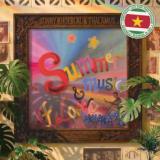
Previously unreleased jazz funk from Suriname, recorded in 1981 by keyboardist Sonny Khoeblal and his band Thalamus.
The music of Thalamus is a time capsule and the best kept secret of post-independent Suriname. During this turbulent time, the band used the language of jazz to express their desire for unity and freedom.
The generation of Thalamus envisioned a future beyond the ethnic divide their parents knew as social barriers. After independence, young people met at work or in universities and shared principles of unity and international solidarity. Jazz played an important role in translating tensions and experimenting with a sound of the future.
The band members of Thalamus shared interests in jazz-fusion from Weather Report, Chick Corea, Bob James and Carlos Santana. Compared to contemporaries with more pop appeal, their sound remained obscure in Suriname. Still, people listened to them bending conventional rules of jazz, pop, latin, rock and funk. This fusion reflected the band, its diverse members and their country: Suriname is a multi-ethnic country by colonial force. If diamonds are formed under pressure, love and solidarity emerge under oppression.
Thalamus is a unique recording of this revolutionary period, with new people finding each other based on a universal language: jazz-fusion. It culminated in six songs, two of which are 'Summer of Love and Music' and 'Lady Amazone'. This 7" vinyl brings you their story, their experimentation with jazz-fusion and tells the parallel history of Suriname.
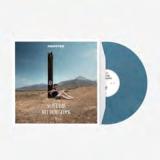
Gilla Band are happy to announce their brand new album ‘Pugnello’ released on the 25th September 2026 on Rough Trade Records. The album was recorded from 2022 - 2026 across three studios, Hellfire, Yellow Door Music Studio, & Sonic Studios in Dublin, the album was produced by Gilla Band & it was recorded and mixed by Daniel Fox.
Gilla Band never know where they’re going next. For over ten years now, the Dublin quartet (vocalist Dara Kiely, guitarist Alan Duggan Borges, bassist Daniel Fox, and drummer Adam Faulkner) have been redefining what you could loosely call “rock music” in the 21st century, influencing a wide swath of similarly forward-thinking guitar acts along the way. Across 2015’s Holding Hands With Jamie, 2019’s The Talkies, and 2022’s Most Normal, the band perfected a vision that wasn’t quite post-punk, wasn’t quite noise-rock, wasn’t quite anything besides an idiosyncratic, ground-breaking hybrid that could only come from the four of them.
In the four years since Most Normal, each member embarked on other artistic endeavors. Kiely fostered a newfound love of painting, Faulkner played drums for Lankum on the road, Fox became an increasingly in-demand producer guiding ascendant acts like Sprints, Lambrini Girls, and Mandy, Indiana, while Duggan Borges launched his solo project the Null Club with collaborations featuring Mandy, Indiana’s Valentine Caulfield, the Horrors’ Faris Badwan, Miss Grit, and Brooklyn MC Elucid. All their extracurricular activity existed in parallel with the exploratory route towards Pugnello, but also informed the band as they reconvened to crystallize the album’s vision.
out of Stock
Last delivered 17 days ago available to reorder, subject to availability
Gilla Band are happy to announce their brand new album ‘Pugnello’ released on the 25th September 2026 on Rough Trade Records. The album was recorded from 2022 - 2026 across three studios, Hellfire, Yellow Door Music Studio, & Sonic Studios in Dublin, the album was produced by Gilla Band & it was recorded and mixed by Daniel Fox.
Gilla Band never know where they’re going next. For over ten years now, the Dublin quartet (vocalist Dara Kiely, guitarist Alan Duggan Borges, bassist Daniel Fox, and drummer Adam Faulkner) have been redefining what you could loosely call “rock music” in the 21st century, influencing a wide swath of similarly forward-thinking guitar acts along the way. Across 2015’s Holding Hands With Jamie, 2019’s The Talkies, and 2022’s Most Normal, the band perfected a vision that wasn’t quite post-punk, wasn’t quite noise-rock, wasn’t quite anything besides an idiosyncratic, ground-breaking hybrid that could only come from the four of them.
In the four years since Most Normal, each member embarked on other artistic endeavors. Kiely fostered a newfound love of painting, Faulkner played drums for Lankum on the road, Fox became an increasingly in-demand producer guiding ascendant acts like Sprints, Lambrini Girls, and Mandy, Indiana, while Duggan Borges launched his solo project the Null Club with collaborations featuring Mandy, Indiana’s Valentine Caulfield, the Horrors’ Faris Badwan, Miss Grit, and Brooklyn MC Elucid. All their extracurricular activity existed in parallel with the exploratory route towards Pugnello, but also informed the band as they reconvened to crystallize the album’s vision.
Gilla Band are happy to announce their brand new album ‘Pugnello’ released on the 25th September 2026 on Rough Trade Records. The album was recorded from 2022 - 2026 across three studios, Hellfire, Yellow Door Music Studio, & Sonic Studios in Dublin, the album was produced by Gilla Band & it was recorded and mixed by Daniel Fox.
Gilla Band never know where they’re going next. For over ten years now, the Dublin quartet (vocalist Dara Kiely, guitarist Alan Duggan Borges, bassist Daniel Fox, and drummer Adam Faulkner) have been redefining what you could loosely call “rock music” in the 21st century, influencing a wide swath of similarly forward-thinking guitar acts along the way. Across 2015’s Holding Hands With Jamie, 2019’s The Talkies, and 2022’s Most Normal, the band perfected a vision that wasn’t quite post-punk, wasn’t quite noise-rock, wasn’t quite anything besides an idiosyncratic, ground-breaking hybrid that could only come from the four of them.
In the four years since Most Normal, each member embarked on other artistic endeavors. Kiely fostered a newfound love of painting, Faulkner played drums for Lankum on the road, Fox became an increasingly in-demand producer guiding ascendant acts like Sprints, Lambrini Girls, and Mandy, Indiana, while Duggan Borges launched his solo project the Null Club with collaborations featuring Mandy, Indiana’s Valentine Caulfield, the Horrors’ Faris Badwan, Miss Grit, and Brooklyn MC Elucid. All their extracurricular activity existed in parallel with the exploratory route towards Pugnello, but also informed the band as they reconvened to crystallize the album’s vision.
The Yummy Fur’s first album of new material in over 25 years is seductive and ambiguous; a fast-paced flip through scenes from art, myth, life and fantasy; a witty whole made from glittering scraps. The band’s original incarnation – fronted by singer, songwriter and guitarist John McKeown from 1992 to 1999 – morphed from making quick-hit cartoon-art songs to Eno and Cale-influenced creepers, populated by characters from McKeown’s life in Glasgow and the films, books and poetry that he lived a parallel life through. Everybody Talks About The Weather delights in using every past iteration of the band as potent collage material: a melee of sounds and ideas existing at once, revealing themselves then dipping back into hiding.
Recorded by the original core trio of McKeown, Brian MacDougall (guitar) and Paul Thomson (drums), Everybody Talks About The Weather comes 17 years after the band reformed for sporadic live shows, and seven years after the release of their sorta-greatest hits compilation Piggy Wings (Rock Action). Ten tracks long with nothing to spare, it is as condensed and vital as their best songs, with a new clarity of sound that allows their ambiguities to come into the light.
The album begins with “Cogs”, a taunting inquisition from within. As McKeown stages a fight between his id and ego, the tension heats up between conversational guitar lines and minimalist repetition; threatening sing-song melody and real, palpable menace. The band members are forced in tandem only to break apart, sustaining a genuine sense of just-hidden danger throughout the whole record – except, arguably, “Headphones”, a looser moment which sees McKeown make an existential something out of nothing while waiting for someone in the car (“I should have brought a book.../My ears are bleeding from the compression on your album”)
The songs are riots of reference: “Unity Over Europe” is a slyly complex two act play about the Mitford sisters – Diana, Unity, and Nancy, in a wink to the YF canon – smashing tragic biographical detail together with allusions to Thomas Pynchon and Francis Bacon. Pynchon is also lifted to serve “Blue Sunshine”, a collision of school shooters, serial killers and fictional fuck-ups (“Fast forward to Compton/Fast forward to Pynchon/Fast forward to Columbine'”) whose buzzy guitar lines are taunting and confrontational like a smarmy teenager. The innocuous title of “My Lasagne” belies a song that exists in several time periods at once: a visit to see Guernica, 50 people with their backs to the portrait of Dora Maar; the time that Picasso painted from; the Reina Sofia and the dirty streets of the Malasaña; myth-making musicians and the myths they’re riffing off overlapping and leering at each other.
All this could be laboured in lesser hands, but cultural verbosity is second nature to The Yummy Fur, who transform all this source material into songs that are weird, sexy, funny and absurd. Meaning is not happily understood or flattened. Susan Sontag's essay Against Interpretation accompanied McKeown as he wrote this album, and she’s paraphrased in “Semolina Ballerina”, the album’s justification of artistic ambiguity. Thomson’s motorik beat leads a gathering of back-and-forth instrumental phrases – including a wiry contribution on saxophone – embodying the futility of trying to parse something definitive from repeated action. “Listen to the very first thing that’s in your head,” Sontag-via-McKeown commands directly, then slinks sideways: “Interpretation is a conversation in an unmade bed”
The album features two more focused portraits, or at least The Yummy Fur’s version of such a thing. “Wanda” merges the life of filmmaker Barbara Loden and the title character of her semi-autobiographical 1970 feature film, with Loden’s then-husband Elia Kazan joining the fray of no-good men in her film. It’s a mix of adaptation and avant-criticism, with McKeown’s wordplay and mannered pronunciation mirroring the way that non-fiction and fiction twist around each other in the song. The title track is a series of vignettes and impressions from the lives of the band’s ‘90s inner circle, positing painter Mac McNaughton as a kind of Falstaffian ringleader. As with Piggy Wings and the recent single “New T-Shirt”, McNaughton painted the cover of Everybody Talks About The Weather – like the album’s music, the image of a coy girl in a white dress is an uncanny amalgamation of styles, suggestions and references just out of reach, as though seen in an art museum in a dream.
The album ends with two reads of the same frustration. “King of Nothing” is the closest The Yummy Fur will ever get to sludge-rock: the band melts together into a dusty, dreary haze as McKeown drowns in a drudgery of personal struggle (“Two jumpers on in Babylon/And only cats to talk to”) and the rhythmic toppling of heroes (Rowlands, Duvall, Munro). The majority of visible dirt is cleaned off for “Say Hello”, an uncharacteristic depiction of throwing the windows open after a dark night of the soul. Here, the situation is still cold and hard (“When the sun burns gold, but the heat never reaches your fingertips”) but it feels surmountable. Everybody Talks About The Weather is an unpredictable album from an unpredictable group, but ending on a moment of almost uncomplicated light is maybe its biggest surprise. - Claire Biddles (2026)
The Yummy Fur’s first album of new material in over 25 years is seductive and ambiguous; a fast-paced flip through scenes from art, myth, life and fantasy; a witty whole made from glittering scraps. The band’s original incarnation – fronted by singer, songwriter and guitarist John McKeown from 1992 to 1999 – morphed from making quick-hit cartoon-art songs to Eno and Cale-influenced creepers, populated by characters from McKeown’s life in Glasgow and the films, books and poetry that he lived a parallel life through. Everybody Talks About The Weather delights in using every past iteration of the band as potent collage material: a melee of sounds and ideas existing at once, revealing themselves then dipping back into hiding.
Recorded by the original core trio of McKeown, Brian MacDougall (guitar) and Paul Thomson (drums), Everybody Talks About The Weather comes 17 years after the band reformed for sporadic live shows, and seven years after the release of their sorta-greatest hits compilation Piggy Wings (Rock Action). Ten tracks long with nothing to spare, it is as condensed and vital as their best songs, with a new clarity of sound that allows their ambiguities to come into the light.
The album begins with “Cogs”, a taunting inquisition from within. As McKeown stages a fight between his id and ego, the tension heats up between conversational guitar lines and minimalist repetition; threatening sing-song melody and real, palpable menace. The band members are forced in tandem only to break apart, sustaining a genuine sense of just-hidden danger throughout the whole record – except, arguably, “Headphones”, a looser moment which sees McKeown make an existential something out of nothing while waiting for someone in the car (“I should have brought a book.../My ears are bleeding from the compression on your album”)
The songs are riots of reference: “Unity Over Europe” is a slyly complex two act play about the Mitford sisters – Diana, Unity, and Nancy, in a wink to the YF canon – smashing tragic biographical detail together with allusions to Thomas Pynchon and Francis Bacon. Pynchon is also lifted to serve “Blue Sunshine”, a collision of school shooters, serial killers and fictional fuck-ups (“Fast forward to Compton/Fast forward to Pynchon/Fast forward to Columbine'”) whose buzzy guitar lines are taunting and confrontational like a smarmy teenager. The innocuous title of “My Lasagne” belies a song that exists in several time periods at once: a visit to see Guernica, 50 people with their backs to the portrait of Dora Maar; the time that Picasso painted from; the Reina Sofia and the dirty streets of the Malasaña; myth-making musicians and the myths they’re riffing off overlapping and leering at each other.
All this could be laboured in lesser hands, but cultural verbosity is second nature to The Yummy Fur, who transform all this source material into songs that are weird, sexy, funny and absurd. Meaning is not happily understood or flattened. Susan Sontag's essay Against Interpretation accompanied McKeown as he wrote this album, and she’s paraphrased in “Semolina Ballerina”, the album’s justification of artistic ambiguity. Thomson’s motorik beat leads a gathering of back-and-forth instrumental phrases – including a wiry contribution on saxophone – embodying the futility of trying to parse something definitive from repeated action. “Listen to the very first thing that’s in your head,” Sontag-via-McKeown commands directly, then slinks sideways: “Interpretation is a conversation in an unmade bed”
The album features two more focused portraits, or at least The Yummy Fur’s version of such a thing. “Wanda” merges the life of filmmaker Barbara Loden and the title character of her semi-autobiographical 1970 feature film, with Loden’s then-husband Elia Kazan joining the fray of no-good men in her film. It’s a mix of adaptation and avant-criticism, with McKeown’s wordplay and mannered pronunciation mirroring the way that non-fiction and fiction twist around each other in the song. The title track is a series of vignettes and impressions from the lives of the band’s ‘90s inner circle, positing painter Mac McNaughton as a kind of Falstaffian ringleader. As with Piggy Wings and the recent single “New T-Shirt”, McNaughton painted the cover of Everybody Talks About The Weather – like the album’s music, the image of a coy girl in a white dress is an uncanny amalgamation of styles, suggestions and references just out of reach, as though seen in an art museum in a dream.
The album ends with two reads of the same frustration. “King of Nothing” is the closest The Yummy Fur will ever get to sludge-rock: the band melts together into a dusty, dreary haze as McKeown drowns in a drudgery of personal struggle (“Two jumpers on in Babylon/And only cats to talk to”) and the rhythmic toppling of heroes (Rowlands, Duvall, Munro). The majority of visible dirt is cleaned off for “Say Hello”, an uncharacteristic depiction of throwing the windows open after a dark night of the soul. Here, the situation is still cold and hard (“When the sun burns gold, but the heat never reaches your fingertips”) but it feels surmountable. Everybody Talks About The Weather is an unpredictable album from an unpredictable group, but ending on a moment of almost uncomplicated light is maybe its biggest surprise. - Claire Biddles (2026)
Death Is Not The End present the first volume in a survey of a form of Brazilian country music known as música caipira ("hillbilly music") - a stripped-back forerunner to música sertaneja, the Brazilian equivalent to US country & western which in it's contemporary form has come to dominate the domestic music industry in recent decades. This collection covers some of the earliest recordings made by the pioneering folklorist Cornélio Pires at the end of the 1920s, through to records from the 30s, 40s & 50s and the beginning of the 60s.
Somewhat rooted in Portuguese troubadour folk traditions, música caipira is typically performed by a duo singing in parallel thirds and sixths, drawing upon a Portuguese-Brazilian style known as moda de viola - with the viola being the viola caipira, a Brazilian-style ten-string guitar that is the core instrument of the music. Born out of the "outback"-style region in north-eastern Brazil, these songs tell stories of pain, love, loss & betrayal - often backed by homemade guitars using invented tunings. Away from the polished pop country & western-stylings of the sertaneja, these recordings could be viewed as the Brazilian equivalent to the roots music of the American dustbowl or Appalachia.
You have to wonder why Railcard took so long to be born: their debut album feels like it should have been in your collection for years.
But it wasn’t until 2025 that Rachel Love (Dolly Mixture), Ian Button and Peter Momtchiloff (both Heavenly) met at a gig, realised that they were exactly the same age, and decided that this was an excellent reason to form a new band. The shared history, the same pop references, the parallel lives… Railcard had to happen, and there was no time to lose. Two Steps At A Time - the album title and theme song - express exactly how quickly Railcard have worked since then - jumping over pavement cracks and whistling past graveyards to get these songs written, recorded and released while they are still sweet and fresh.
The band released three digital EPs in early 2026, which were then gathered onto a CD and released by Skep Wax and Slumberland. They sold out very quickly. The critical response to a mail-order-only CD was far greater than anyone expected.
Railcard made their live debut in December 2025 and had by then recruited their fourth member: Allison Thomson (Trash Can Sinatras, The Love Band), whose flawless trumpet and swirly keyboard-playing complete the Railcard sound, allowing the band to fulfil the significant ambition and range of the songs, which are mostly co-written and often co-sung by Love and Button. “Flannelette” and “Sunday Sun”, delicate and swoony, could almost be Slapp Happy at their most Bacharach. “Foxy”, mysterious and charming, has more than a hint of Kate Bush December magic. The raucous duet “I’m A Disaster” is The Kinks meets deadpan Shangri-Las. The title track could have been an alternative theme tune for Whatever Happened To The Likely Lads. “Runaround” is like a school choir doing The Raincoats. “Unstable Neighbour” is mesmerising and insistent: it might make you think of Stereolab; we might imagine an indiepop Hawkwind. Peter Momtchiloff also contributes two wonderful songs on the album: the fragile and hallucinatory “Paper Thin” and the Love-meets-Undertones rush of “Hillman Minx”.
As with the first EPs, Railcard enlisted the sonic services of Medway psych expert Allan Crockford (of The Prisoners, James Taylor Quartet and many more) who has delivered mixes that pump with vintage valve energy and reverby depth.
Railcard have a string of UK dates through the summer and Autumn.
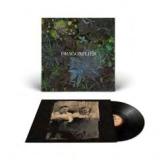
„Dragonflies“, das gleichnamige Debütalbum von Dhani Harrison und Nigel Godrich.
Dhani Harrison ist ein zweifacher Grammy-Preisträger, Musiker, Komponist und Produzent. Nachdem er
mit seiner Band „thenewno2“ erstmals auf der internationalen Bühne in Erscheinung getreten war, hat sich
Harrison inzwischen als eigenständiger Solokünstler etabliert. Sein Solo-Debütalbum „IN///PARALLEL“
(2017) markierte eine mutige kreative Weiterentwicklung, gefolgt von dem von der Kritik gefeierten Werk
„INNERSTANDING“. Neben seiner Solokarriere hat Harrison mit einer vielfältigen Auswahl an Künstlern
zusammengearbeitet, darunter Wu-Tang Clan, UNKLE, John McLaughlin, Annie Lennox, Pearl Jam, Nitin
Sawhney, Perry Farrell, Prince, Regina Spektor und Fistful of Mercy (gemeinsam mit Ben Harper und
Joseph Arthur).
Nigel Godrich ist einer der renommiertesten Produzenten und Toningenieure, der vor allem für seine
jahrzehntelange kreative Zusammenarbeit mit Radiohead bekannt ist. Er begann seine Arbeit mit der
Band im Jahr 1994 und hat seit „OK Computer“ (1997) jedes Radiohead-Studioalbum produziert; damit
war er maßgeblich an der Gestaltung eines der einflussreichsten Musikkataloge der Moderne beteiligt. Godrich, der ebenfalls zweifacher Grammy-Preisträger ist, gehört zudem zu den Gründungsmitgliedern der
gefeierten Band Atoms for Peace – gemeinsam mit Thom Yorke, Flea, Joey Waronker und Mauro Refosco.
Im Laufe seiner Karriere hat Godrich mit einer außergewöhnlichen Bandbreite an Künstlern zusammengearbeitet, darunter Paul McCartney, Beck, Red Hot Chili Peppers, U2, IDLES, Roger Waters, Air, Pavement,
Travis und R.E.M.
Mit *Dragonflies* führen Harrison und Godrich ihre jahrzehntelange Erfahrung in Songwriting, Produktion
und Filmkomposition in einem einzigartigen neuen Gemeinschaftsprojekt zusammen.
A deep cut from the extensive back catalogue of South African group Splash, significant artists in the narrative of the country’s fiercely independent Gallo Record Company, CWPT presents two uplifting mixes of 1990’s ‘An Eye For An Eye’, arranged by a modern day hero of the craft, Lipelis.
Originally released in parallel with the official beginning of the end of South Africa’s decades-long Apartheid, lead vocalist Daniel Tshanda dispels the philosophy of the track’s title, instead offering a still poignant call for unity; “An eye for an eye is no good… Let’s live together as one.”
Lipelis’s carefully crafted take retains this sentiment front and centre, while nudging the arrangement toward contemporary dancefloors, enriching a steady and bubbling mix of colourful keys, bubblegum percussion and a lifting backing chorus that includes another Gallo sensation, Dalom Kids.
These same voices form the spiritual centre of Lipelis’s 12” dub version, which further demonstrates the track’s irresistible rhythm, making space for complimentary piano melodies from Lipelis, alongside collaborator Eugene Piankov. Here, sunsetting piano lines dance with the analogue techniques of Lipelis’s own production instincts, forging a blissful tribute to a potent moment in South African musical history.
out of Stock
Last delivered 30 days ago available to reorder, subject to availability
Oscar Later is the solo project of one half of Once Twice, formerly known as Parallels. The EP takes its premise from the 1967 Outer Space Treaty, which ruled that no nation could claim ownership of the Moon or any other celestial body. Across six tracks, that idea of ownership, distance and free imagination runs through the record, which combines breakbeat and shimmering synths with processed vocals and clips from vintage ads and obscure films.
"I wanted the record to feel like public-domain myths, commercial promises and space-age optimism all colliding," Oscar says, "blurring the line between memory and fantasy."
Opener 'Air Time for Andre' channels chopped-up breaks reminiscent of Skee Mask, combined with processed found audio. 'Wenlocked', named after the East London street where it was written, develops from a downtempo sketch into a heavier club track as the bassline builds, inspired by releases on Voam and Floating Points' live sets. 'It Never Made Sense' steps away from the dancefloor, built around a granulated Orion Sun vocal that, as Oscar puts it, "ties the track into quite a surreal space," leaning towards Burial, Overmono and Radiohead.
The title track, 'The Moon Belongs to You', runs a vocoded 90s ad through a detuned one-note synth. It's the track Oscar says "best encapsulates the intention of the EP as a whole: surreal, wacky and clubby." 'Yaya' keeps the energy up as a straight techno cut, its gated bassline locking in around a chopped vocal and pitched samples. Closer 'That's Quite A Lot Of Zeroes!' expands from a stripped-back Buchla line into something huge, driven by chopped samples and inspired by sci-fi scores like Dune and Annihilation.
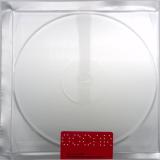
The cover is designed by art director Will Millner with designer Josh Lowe, a homage to space food and 80s industrial design geared to survive life on the moon. It's available as a limited vacuum-packed 12" record.
The EP launches alongside a music video for 'It Never Made Sense', directed by Louis Mackay, telling the story of a group of kids who steal the moon for themselves.
out of Stock
Last delivered 31 days ago available to reorder, subject to availability
British composer Simon Goff interprets space, both within ourselves and the objects that surround us with Interior Realms - vol.1; a wondrous, contemplative work of electronic chamber music.
The idea first came from the philosophical idea underpinning the book Interior Realms, published by Theatrum Mundi in 2021. In it, a collection of essays reflects upon architecture’s influence on the human spirit. It challenges us to think not only about music as space, but also about how architecture can shape our ideas of composition. It also asks us to think about how space can make us experience music internally differently.
Interior Realms, the album, inhabits this idea and creates a dreamlike, atmospheric arch between its outer and inner parts. Joyous, immense and light-filled compositions sits side by side with the almost pure silence and introspect of its inner core. Goff wanted to create parallel compositional voices, performing them in various locations, each offering its own sonic character, unique spatial sounds, and reverb. Together with his long-time collaborator, Lynn Wright, the album was recorded in the Großer Wasserspeicher, Berlin's oldest water tower, and at the Grunewaldkirche, a location known amongst others from being the birthplace of many great works by artists such as Nils Frahm, Dustin O´Halloran and more. Cellist Anne Müller appears alongside Goff’s violin and viola on several pieces as they improvised and interacted with each other in the resonance of the space.
In addition to his own endeavors, Simon composes primarily for film and has collaborated with Hildur Guðnadóttir, Jóhann Jóhannsson and Peter Broderick among others. His collaborators has left an inspiring mark on him, all while standing firmly on his own feet with grand intention and results as heard on this absolutely brilliant atmospheric work.
With a breathtaking pair of intimately interrelated new albums, he applies that bold passion to an uncharacteristically pared-down setting, then transforms those stunning sounds via a startling process of sonic reinvention. ResoNation Trio convenes a new chordless trio with master improvisers Scott Colley on bass and Nasheet Waits on drums. The album's contemplative explorations feel like a departure from the raucous spirit that characterizes so much of the trumpeter's work, yet the trio discovers such an audacious beauty and celebratory gusto in these sparse environments that the music feels uniquely Bernstein's. It is also a rarity in his oeuvre for featuring Bernstein - whose mastery of the little- used slide trumpet has become so central to his sonic identity - exclusively playing valve trumpet and flugelhorn. In parallel with this captivating trio excursion, Bernstein handed the recordings over to his longtime collaborator, the pioneering producer Scotty Hard, to reimagine the album through his own iconoclastic lens. The result is the uncategorizable Ultra Resonance, which finds Hard breaking down the ResoNation Trio session into its constituent parts and redeploying them as the elements of a wholly original, mutant creation. The project will be released on June 5, 2026 via Royal Potato Family as a double vinyl or CD package containing both albums, and separately on digital streaming platforms.
out of Stock
Last delivered 39 days ago available to reorder, subject to availability
Dark Entries helps Suzanne Ciani come out of the closet as Steve! Legendary composer, sound designer, and Buchla maestra Suzanne Ciani has a staggering list of accolades and accomplishments, from scoring Hollywood films to releasing influential new age records to literally designing the Coca-Cola bottle-opening sound. In the late 70s/early 80s, Ciani, while living in New York, acquired an Eventide H 949 harmonizer, which offered high fidelity pitch-shifting. In her words, “When I adjusted the pitch of my voice to 0.80, my natural voice became re-invented as what was clearly a gay man, who I called Steve. I became Steve; and Steve expressed himself as only he could.” Ciani adopted the male persona and collaborated with Peter Baumann of Tangerine Dream on “Steve Goes to a Party.” The track features Ciani-as-Steve adlibbing in decadent and delirious fashion alongside Baumann’s robotically funky beats. Steve would emerge again a few years later at George Louvis’s Stardust Studios in New Jersey, to create “Steve Saves the World,” an absurdist and ecstatic proto-house groover complete with a gospel-esque chorus from the Stardust All-Stars. This EP is rounded out by a birthday wish to Ciani’s then-boyfriend Alfred on “Steve Happy Birthday Wishes” featuring Suzanne. Steve’s Out of the Closet perfectly captures the delirious techno-poptimism of the 1980s downtown avant-garde, with parallels in Robert Ashley’s Perfect Lives or Lynn Goldsmith’s project Will Powers, responsible for the track “Adventures in Success.” The Steve sleeve was designed by Eloise Shir-Juen Leigh, and the record also includes a birthday card with liner notes from Ciani.
Der Breakthrough-Artist sombr hat sein Debütalbum "I Barely Know Her" veröffentlicht. Das 10-Track-Album ist jetzt über Warner Records erhältlich und enthält die Hits „back to friends”, „undressed” und „12 to 12” (inklusive Musikvideo mit Addison Rae), die weiterhin international die Charts stürmen – darunter die globalen Spotify-Charts, die UK Official Singles Charts sowie die US-amerikanischen „Top 40 Radio“ und „Alternative Radio“-Charts. In diesen erreichte sombr schneller als jeder andere neue Künstler der letzten zehn Jahre Platz 1. Auch in den Billboard Hot Rock Songs setzte er ein Ausrufezeichen und verdrängte Hozier nach einem Jahr von der Spitze. In Deutschland befinden sich mit „back to friends”, "12 to 12" und „undressed” mittlerweile 3 Singles in den Top 30 der deutschen Single-Charts und das Debutalbum schoss auf Platz #16 der offiziellen deutschen Albumcharts!
"I Barely Know Her" wurde komplett von sombr geschrieben und vom 20-jährigen Künstler zusammen mit dem renommierten Produzenten Tony Berg (Phoebe Bridgers, The Replacements) co-produziert. Gegenüber i-D gibt er zu Protokoll, die Songs seien inspiriert von „young romance, dimly lit rooms, late nights, and love, loss, and life.” Die Veröffentlichung folgt auf die Nachricht, dass sombr sein Debüt bei den MTV Video Music Awards geben wird – live aus New York am 7. September –, wo er als Best New Artist und Best Alternative Artist nominiert ist.
sombr (bürgerlich Shane Boose) wuchs im New Yorker Stadtteil Lower East Side auf und entdeckte seine Liebe zur Musik als Teenager im eigenen Schlafzimmer. Parallel dazu studierte er klassische Musik an der renommierten LaGuardia High School. Mit dem viralen Hit „Caroline“ (2022) wurde er über Nacht zum Internetphänomen. Seitdem hat er mehrere EPs und Singles veröffentlicht und bringt es inzwischen auf über 400 Millionen monatliche Streams über alle Plattformen hinweg. Heute lebt sombr in Los Angeles und verarbeitet in seinen Songs die Höhen und Tiefen junger Liebe – alles selbst geschrieben, co-produziert und veröffentlicht über Warner Records.
out of Stock
Last delivered 51 days ago available to reorder, subject to availability
Mit Sowas von Egal Vol. 3 setzt das Hamburger DJ-Kollektiv Damaged Goods seine gefeierte Compilation-Reihe auf Bureau B fort - und richtet den Fokus erneut auf die subversiven Untergrundszenen im deutschsprachigen Raum der frühen 1980er Jahre. Abseits der kommerziellen NDW entstand eine kreative Parallelwelt: Bands zwischen Post-Punk, New Wave, Synth-Pop und Avantgarde veröffentlichten ihre Musik in kleinsten Auflagen oder im DIY-Kontext - roh, kantig und radikal eigenständig. Die hier versammelten Tracks spiegeln eine Zeit zwischen Aufbruch und Unsicherheit wider, geprägt von "No Future"-Attitüde, politischem Druck und künstlerischer Freiheit. Tanzbar, direkt und oft überraschend eingängig: Sowas von Egal Vol. 3 macht vergessene Schätze wieder hörbar - und holt sie zurück auf den Dancefloor.
out of Stock
Last delivered 37 days ago available to reorder, subject to availability
Mit „So ist das mit dem Glück“ veröffentlicht Montez am 21.08.2026 sein mit Spannung erwartetes neues
Studioalbum. Auf 15 Songs erzählt einer der erfolgreichsten deutschsprachigen Künstler so persönlich wie
nie von Liebe, Verlust, Hoffnung und den kleinen Momenten, die das Leben ausmachen.
Bereits die Vorab-Singles haben eindrucksvoll gezeigt, wohin die Reise geht: Mit „Herzensmensch“, „Niemand ist wie du“, „Wenn du mich fragst“, „Glück“ feat. Sido, „Die Falschen geküsst“ feat. Chapo102,
„Wie es ist“ und zuletzt „Panzer“ baut Montez die Geschichte des Albums Stück für Stück auf. Gemeinsam
verzeichnen die Songs bereits über 35 Millionen Streams und unterstreichen einmal mehr seine außergewöhnliche Fähigkeit, große Emotionen in eingängige Melodien zu verwandeln.
Auch live setzt Montez seinen Erfolgskurs fort: Im Sommer 2026 feiert er 15 Jahre Montez mit einer
großen Jubiläumstour durch Deutschlands größte Open-Air-Locations. Die 15 Termine führen ihn u. a.
nach Fulda, Berlin (Parkbühne Wuhlheide), Dresden, Ulm, Balingen, Bonn, Nürnberg, Füssen, Zwickau,
Heringsdorf, Losheim am See, Braunschweig, Bielefeld, Hamburg und Rastede – auf Bühnen mit Kapazitäten von mehreren Tausend bis hin zu rund 17.000 Besucher.
Der Album-Release fällt dabei mitten in die Tour: Am 21.08.2026 erscheint „So ist das mit dem Glück“
parallel zum Konzert auf der Volksbank BRAWO Bühne in Braunschweig. So wird das neue Album direkt
im Rahmen der laufenden Jubiläumstour begleitet und zusätzlich in den Fokus der Fans gerückt.
Und die Erfolgsgeschichte geht weiter: 2027 wird Montez erneut auf große Arena-Tour gehen und damit
seine Position als einer der wichtigsten deutschsprachigen Künstler weiter festigen.
Das Album ist erhältlich als CD sowie als attraktive Marbled Vinyl, die Sammler und Fans gleichermaßen
anspricht.
Pure Devotion, benannt nach der gleichnamigen Live-Reihe von 2024, markiert einen weiteren Entwicklungsschritt für Overmono. Hinter dem Projekt stehen die Brüder Tom und Ed Russell, die bereits seit Jahren in der britischen Elektronikszene aktiv sind - sowohl gemeinsam als auch über ihre Solo-Projekte Tessela und Truss. Diese Erfahrungen aus dem UK-Underground bilden die Grundlage ihres Sounds bis heute. Das Album vereint bewusst Unschärfen, technische Imperfektion und zufällige Momente mit einer klaren künstlerischen Haltung. Über elf Tracks hinweg erweitern Overmono ihren Produktionsansatz und greifen dabei auf ungewöhnliche Mittel zurück: analoge Synthesizer aus den 70er- und 80er-Jahren, alte Lautsprechersysteme oder experimentelle Klangbearbeitung. Das Ergebnis wirkt kontrolliert, organisch und immer treibend. Auch die Vocals tragen zur Atmosphäre bei - unter anderem von John Joseph Holt, Kindora und Ruthven. Insgesamt legt Pure Devotion den Fokus stärker auf Emotionalität und Klangtiefe als auf reine Funktionalität im Clubkontext. Das Projekt entwickelte sich aus einer Neujustierung ihrer Live-Show und gewann parallel zu ihren Touraktivitäten an Form. Nach dem Erfolg ihres Debütalbums Good Lies (2023), welches ihnen größere Aufmerksamkeit und internationale Auftritte einbrachte, spielten Overmono zahlreiche Festivals und eigene Shows, darunter Glastonbury und Alexandra Palace in London. Während dieser Phase entstand neue Musik, die später in Rückzugsorten wie Spanien und Island weiter ausgearbeitet wurde. Die Single "Lockup" steht exemplarisch für die Herangehensweise des Duos: direkte, rhythmisch präsente Strukturen treffen auf zurückhaltendere, emotionale Elemente. Pure Devotion wirkt damit weniger wie ein Bruch als vielmehr wie eine konsequente Weiterentwicklung - geprägt von Erfahrung, Neugier und dem Anspruch, den eigenen Ansatz weiter auszuloten. Overmono sind eine neue Größe in der internationalen Club-Kultur.
out of Stock
Last delivered 65 days ago available to reorder, subject to availability
Radio Retaliation is the fifth studio album by Thievery Corporation, originally released in 2008. Featuring guest vocalists and musicians Femi Kuti, Seu Jorge, Anouska Shankar, Sleepy Wonder, LouLou and more. Includes the singles “Sweet Tides,” “(the forgotten people),” and “Sound The Alarm.” This album has not been pressed since 2014. This CD and double LP re-issue includes a bonus track, "Philosopher's Stone".
2xLP Black Vinyl in Gatefold Jacket with Printed Inner Sleeves
out of Stock
Last delivered 56 days ago available to reorder, subject to availability
Pure Devotion, benannt nach der gleichnamigen Live-Reihe von 2024, markiert einen weiteren Entwicklungsschritt für Overmono. Hinter dem Projekt stehen die Brüder Tom und Ed Russell, die bereits seit Jahren in der britischen Elektronikszene aktiv sind - sowohl gemeinsam als auch über ihre Solo-Projekte Tessela und Truss. Diese Erfahrungen aus dem UK-Underground bilden die Grundlage ihres Sounds bis heute. Das Album vereint bewusst Unschärfen, technische Imperfektion und zufällige Momente mit einer klaren künstlerischen Haltung. Über elf Tracks hinweg erweitern Overmono ihren Produktionsansatz und greifen dabei auf ungewöhnliche Mittel zurück: analoge Synthesizer aus den 70er- und 80er-Jahren, alte Lautsprechersysteme oder experimentelle Klangbearbeitung. Das Ergebnis wirkt kontrolliert, organisch und immer treibend. Auch die Vocals tragen zur Atmosphäre bei - unter anderem von John Joseph Holt, Kindora und Ruthven. Insgesamt legt Pure Devotion den Fokus stärker auf Emotionalität und Klangtiefe als auf reine Funktionalität im Clubkontext. Das Projekt entwickelte sich aus einer Neujustierung ihrer Live-Show und gewann parallel zu ihren Touraktivitäten an Form. Nach dem Erfolg ihres Debütalbums Good Lies (2023), welches ihnen größere Aufmerksamkeit und internationale Auftritte einbrachte, spielten Overmono zahlreiche Festivals und eigene Shows, darunter Glastonbury und Alexandra Palace in London. Während dieser Phase entstand neue Musik, die später in Rückzugsorten wie Spanien und Island weiter ausgearbeitet wurde. Die Single "Lockup" steht exemplarisch für die Herangehensweise des Duos: direkte, rhythmisch präsente Strukturen treffen auf zurückhaltendere, emotionale Elemente. Pure Devotion wirkt damit weniger wie ein Bruch als vielmehr wie eine konsequente Weiterentwicklung - geprägt von Erfahrung, Neugier und dem Anspruch, den eigenen Ansatz weiter auszuloten. Overmono sind eine neue Größe in der internationalen Club-Kultur.
out of Stock
Last delivered 44 days ago available to reorder, subject to availability
320 page, beautifully written, designed and printed, hardback book
ISBN: 978-1-0687642-2-6
“Keep the books coming, keep the music coming, keep the art coming. When you think you know everything, you can miss out on a lot. When you realise you don’t know everything the floodgates come down a bit and you start following literary links and musical links that you might not have made before. It’s a whole new parallel universe.” Andrew Weatherall, 2015 Today Disco Pogo is delighted to announce A Disco Pogo Tribute To Andrew Weatherall, a 320-page hardback that gathers everything we love about the man and his music. It is the fourth in our hardback Tribute series – following Daft Punk, Aphex Twin and LCD Soundsystem – and the long-overdue successor to the sold-out and hard to find Jockey Slut Tribute To Andrew Weatherall from 2020. Inside you’ll find the best of that original Jockey Slut book, plus more than 200 pages of brand new material – fresh essays, oral histories, interviews and photography from the writers, photographers, musicians, producers, DJs, designers and friends who knew Andrew best.
The book is being published with the full blessing, approval and cooperation of the Weatherall estate, who will also receive a share of the profits from the book. From the fanzine kid at Boy’s Own to the producer who rewired Primal Scream and made ‘Screamadelica’ sound like the future; through The Sabres Of Paradise, Two Lone Swordsmen, The Asphodells and the much-loved A Love From Outer Space night and Convenanza festival, Weatherall left behind a body of work, a sensibility and a way of carrying yourself that is still being unpacked six years on. This is the book that tries to do all of it justice.
Highlights include: an interview with Bobby Gillespie that goes beyond ‘Screamadelica’, essays on ‘Sabresonic’, ‘Haunted Dancehall’, the Two Lone Swordsmen and his solo releases, plus a look into his many remixes. In addition: oral histories on his early years, A Love From Outer Space and Convenanza, an interview with Timothy J. Fairplay on The Asphodells and a celebration of his art work and his NTS radio shows. And then there’s the Disco Pogo Tribute regulars: a timeline, family tree, a studio gear deep dive, discography and more… Featuring interviews with Sean Johnston, David Holmes, Jagz Kooner, Leftfield, Shaun Ryder, Chemical Brothers, Terry Farley, Dot Allison, Beth Orton, Irvine Welsh, Daniel Avery, HAAi, Tia Cousins, Steve Mason, Richard Fearless and many more.
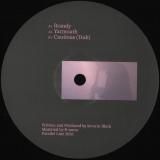
The third release for Parallel Line comes from Aberystwyth-born, Berlin-based, Severin Black. He works closely with woodwind, electronics, low-end and feedback, runs his own label Archaic Vaults, and has played everywhere from the ICA to a 460-year-old church with a giant pipe organ. The last album, Country Music, featuring Pavel Milyakov and Vanessa Bedoret, showed how far his Celtic-rooted improv style has reached across the experimental dub community.
The EP opens up with a flute loop leading the eerie track "Brandy", not quite like anything else. "Yarmouth" goes darker and more ritualistic, with haunted stepper vibes. Then the B-side is nine minutes of "Cautious (Dub)", a stretched-out live take that takes you on a slow, dreaded journey.
Mastered by E-mura, artwork by Zodiak. Photo by Thom Mac Gillavry.
out of Stock
Last delivered 77 days ago available to reorder, subject to availability
,AGON" ist das Regiedebüt von Giulio Bertelli und feierte auf den Filmfestspielen von Venedig 2025 Premiere. Der Film wurde mit dem Luciano-Sovena-Preis für die beste unabhängige Produktion sowie dem FIPRESCI-Preis (Internationaler Verband der Filmkritiker) ausgezeichnet. Er begleitet drei Sportlerinnen bei ihrer Vorbereitung und ihrem Wettkampf bei den LUDOJ 2024, fiktiven Olympischen Spielen, in ihren jeweiligen Disziplinen - Judo, Fechten und Sportschießen. Inspiriert von den historischen Figuren Kleopatra, Jeanne d'Arc und Nadezhda Durova werden diese Frauen vor dem politischen, sozialen, technologischen und physischen Hintergrund dargestellt, der den Spitzensport und die Höchstleistungen in diesen Disziplinen prägt. AGON untersucht eine zeitgenössische Darstellung der Widersprüche dieser Sportarten, die als Friedensübungen für den Krieg begannen, während ihre Disziplinen institutionell bereinigt, zu harmloser globaler Unterhaltung umgestaltet und schließlich in neuen digitalen Arenen gänzlich entmaterialisiert werden. Die Veranstaltungen bei LUDOJ finden nicht in Sportarenen statt, sondern in Tonstudios, ohne Live-Publikum. Diese spartanischen Räume werden nur von Athleten, Sportfunktionären und dem Filmteam bevölkert, die jede audiovisuelle Informationsebene einfangen. In dieser Umgebung wird jeder Mattenaufprall, jedes Schwertgeklirren und jeder Schuss bis ins kleinste Detail erlebt. Tom Wheatleys Filmmusik begann als konzeptioneller Spiegel dazu. Er nahm drei Musiker, von denen jeder einen einzigartigen Ansatz für sein Instrument verfolgte, wobei jedes Instrument eine Ausdruckssprache besitzt, die sich auf die jeweilige Sportart bezieht: Percussion für Judo, Cello für Fechten, Saxophon für Gewehrschießen. Hinzu kamen klaustrophobische analoge Elektronik und Dudelsäcke, um einen Zustand jenseits des Wettkampfs darzustellen: Krieg. Die reichhaltigen, detailreichen Signale dieser Musiker wurden live im Studio extrem bearbeitet, wodurch sich die Musik zeitweise in eine Grauzone zwischen Filmmusik, Sounddesign und Geräuschaufnahmen bewegte. ,Ich sah eine wesentliche Parallele zwischen dem Sportler und dem Musiker. Dass man diese Werkzeuge hat, die man durchs Leben trägt und die komplexe Nutzungsgeschichten in sich bergen. Diese Techniken und Traditionen werden erlernt und mit zeitgenössischen Technologien kombiniert, um neue Potenziale zu erschließen. So wie Alex Sokolov zu ihrer Waffe steht, so steht Jean-Luc Guionnet zu seinem Saxophon. Aus diesem Modell entstanden viele Ideen, die den Grundstein für die Filmmusik legten: die Anwendung der Gestik des Degenfechtens auf Utes Bogen; die ,gestimmte Luft` sowohl des Gewehrs als auch des Saxophons; die Übernahme des Judo-Konzepts des Schwerpunkts und dessen Anwendung auf eine Form rhythmischer Schwerkraft bei Seijiro. Es war eine reichhaltige Fundgrube" - Tom Wheatley ,So wie in der Welt von AGON Realismus und Fiktion verschwimmen, hat Tom dasselbe für die Filmmusik erreicht und die Grenze zwischen der akustischen Landschaft des Films und der Musik verwischt, wobei er den theoretischen Rahmen des Films selbst respektierte." - Giulio Bertelli
Originally released on Art Yard in 2017 finally back in print!
Solo album displaying a collection of foggy electronic dub meditations recorded between 2000 and 2005 by Berliner Ring member Alexander Christou under his Al Chem guise.
In 2009, the label Art Yard sent a probe into the outer regions of contemporary electronic music, releasing Berliner Ring's "Orbital" album, a dub techno hymnal for Berlin’s orbital ring road. Drawing together the disparate elements of invented instruments, modified keyboards, customized rhythm and string machines, it was built around moods and themes drawn from the Berlin landscape.
One member of the Ring, Alexander Christou, also a part of the Berlin electro rock group Elecdrones, recording for Katzensonne. The band were “not interested in the crafting of chunks of music ready to be consumed”. Christou has since been recording under the moniker Al Chem, crossing analogue and digital realms, synthesizing a kind of philosopher’s stone. As Al Chem, he released on Tummy Touch Records, and now follows with a collection of foggy electronic dub meditations recorded between 2000 and 2005 in a full album.
In the battle to harness the elements, ancient mists permeated Chem’s music. A murky, mercurial humidity saturates the project. A distinctly north European descendant of dub, a kind of Seventh Seal that Bergman could have made, if provided enough hydroponic infusions.
No Hopper is a rework of the Ras Michael song No Hoppers, from his legendary album, Rastafari Dub, Chem's version shuffles the pack of electronic percussion with organic, Moondog-like rhythms and hazy atmospheric chords; The Prophet pinpoints Chem's GPS firmly in Berlin, just as The Red Tower blurs that kick-drum parallel between reggae and house music; Baudelaire sputters digital delay, piling on the pressure, a clatter of surgical implements performing an operation out of Dead Ringers, the patient storming out of the theatre with loosely fitted mechanical body parts; the instrumental No Hopper only serves to highlight the distant gathering storm. Ladder of Perfection rounds off the set with a drone, creaking with bubbling digital mud pools
Beggars Banquet veröffentlicht eine aufwendig überarbeitete 40-Jahre-Jubiläumsausgabe von Discover, dem entscheidenden Durchbruchsalbum von Gene Loves Jezebel aus dem Jahr 1986. Die Neuauflage erscheint als remastertes, erweitertes Doppel-Vinyl mit aktualisiertem Artwork und wurde von Henry Rudkins in den AIR Studios klanglich neu überarbeitet. Damit wird das Album in moderner Qualität neu zugänglich gemacht und zugleich als Schlüsselmoment der Bandgeschichte gewürdigt. Discover gilt als Meilenstein, da es Gene Loves Jezebel erstmals einem internationalen Publikum bekannt machte. Musikalisch vereint es die düsteren Einflüsse der frühen Jahre mit einem klareren, melodischeren Sound und prägnanten Gitarrenstrukturen. Besonders der zentrale Track "Desire (Come and Get It)" steht exemplarisch für diese Weiterentwicklung und wurde zu einem der bekanntesten Songs der Band. Ergänzt wird die Jubiläumsausgabe durch zusätzliche Inhalte: Die Liveaufnahme Glad To Be Alive aus Nottingham (1986) erscheint erstmals seit ihrer Originalveröffentlichung wieder auf Vinyl und zeigt die Band in einer energiegeladenen, raueren Form als im Studio. Parallel dazu werden ausgewählte Liveaufnahmen, darunter "Desire - Live in Nottingham", digital bereitgestellt. Insgesamt positioniert sich die Neuveröffentlichung als umfassende Würdigung eines Albums, das den künstlerischen Höhepunkt und internationalen Durchbruch von Gene Loves Jezebel markiert.
"Paired Works is a double EP by Justine Perry and Paula Koski, developed in parallel within the same time and environment. Evolving through years of shared surroundings and creative exchange, the record emerges as a natural extension of that connection.
Produced separately, the tracks document two distinct inner worlds shaped through proximity. Justine Perry leans into deep, hypnotic forms, while Paula Koski moves through dubby and spacious structures driven by texture.
Across four sides, the record shifts between focused, forward-moving passages and more atmospheric moments, creating a subtle push and pull. Rather than settling into one singular moment on the dancefloor, it stretches across the shifting phases of a long club night.
Timeless and elegant in its approach, Paired Works marks the debut release on Ostgut Ton for both artists.“
out of Stock
Last delivered 21 days ago available to reorder, subject to availability
´Salva´ unfolds as a slow-moving sonic passage, suspended between stillness and transformation. Rooted in a deeply personal lineage, the album reimagines a long-standing family wound through the lens of myth, with the intention of altering its direction. Rather than recounting events, DIMA constructs a parallel narrative, one where sound becomes a means of reconfiguring what was once haunted.
Emerging from an intuitive and studio-centered process, Salva is shaped through experimentation, co-creation, and temporal patience. Working primarily with the computer as her main instrument, DIMA assembles fragments of sound, plugins, sampled material, improvised gestures, and stems drawn from cinematic sources into a porous and evolving sonic architecture. Composition here is accumulative, guided by sensation. Within this framework, certain tracks introduce restrained pop sensibilities, glimpses of melody, song structure, and tonal clarity that surface briefly before dissolving back into the broader sonic language.
´Salva´ is a passage. A listening experience that invites the audience to inhabit uncertainty, to stay with sensation, and to consider how sound can hold stories that language alone can´t resolve.
In spring 2025, Abul Mogard and Rafael Anton Irisarri created the source material for their second album, Where Light Pauses in the Silence of the Sun, during a three-day residency at Morphine Raum in Berlin. Functioning as both recording studio and performance venue, the space has no stage, with the audience gathered around the performers. Working within an open framework, the duo reshaped the music each evening while recording the performances live to multitrack. Rotary speakers, modular synthesizers and bowed guitar formed the core of their sonic language, captured through a 1970s mixing console and microphones placed around the room.
Back in Mogard’s studio in Rome, the material was further crafted as motifs were stretched, fragments isolated, and tempos dissolved. Irisarri recorded additional guitar textures and treatments in New York, while passages recorded by Martina Bertoni and Andrea Burelli in Berlin reinforced the harmonic centres and brought breath, refinement and a new sensibility to their compositions. The process continued as Mogard’s layering and subtraction reassembled everyone’s parts into the final arrangement.
The album opens with “In the Eastern Wild,” building from a sparse outline into a monumental formation of low-frequency weight, its internal motion shaped by the rotating Leslie speaker. “Over the Domes” widens into a broader acoustic field, where sustained modular tones meet waves of softly plucked guitar. The music then turns inward with “A Blue Descent,” centred on Bertoni’s cello, whose growling timbre introduces a melancholic depth.
At the album’s centre, “In a Quiet Radiance” unfolds around a slow guitar ostinato, its luminous stillness opening into a more expansive and reflective state. Across its ten-minute span, Burelli’s violin lines and Bertoni’s lower cello phrases gradually surface, weaving through the harmonic field. Mogard brings Burelli’s processed voice to the fore, its emotive, operatic presence becoming one of the record’s pivotal moments. “Of Blessed Ages” suspends the sonic flow, shifting between parallel major and minor chords as lingering, slowly decaying melodies shape the music’s internal drift. The closing “Among Shadows” settles into a darker resonance as layered textures recede.
Mogard and Irisarri’s shared language balances restraint and maximalism. UK magazine Crack describes the music as “a tidal wave held in suspension,” while Dutch newspaper de Volkskrant writes, “What a colossal sound, and how this music strikes at the emotions.” Reflecting on the residency sessions, Irisarri recalls: “At moments I genuinely couldn’t tell if a sound was coming from me or from Abul. It stopped feeling like two people making decisions and began to feel like we were inside a system moving on its own."
Marja de Sanctis’ cover artwork revisits the vessel sculpture from the duo’s first album, Impossibly Distant, Impossibly Close. There it appeared as raw, unfired clay. Here it has been fired in the kiln and finished with a glaze. Light gathers on its polished surface and spills into the surrounding space. As she explains, “I wanted to convey the idea of continuity within the duo, and the vessel became a kind of container for that idea. However, their music felt different this time, and with the collaboration of Martina and Andrea, I felt it should have a sleeker, softer, more glamorous look, very distant from the first raw appearance.” The transformation of the vessel from raw clay to fired form suggests a passage from immediacy toward permanence, mirroring the music’s gradual expansion.
out of Stock
Last delivered 3 months ago available to reorder, subject to availability
In spring 2025, Abul Mogard and Rafael Anton Irisarri created the source material for their second album, Where Light Pauses in the Silence of the Sun, during a three-day residency at Morphine Raum in Berlin. Functioning as both recording studio and performance venue, the space has no stage, with the audience gathered around the performers. Working within an open framework, the duo reshaped the music each evening while recording the performances live to multitrack. Rotary speakers, modular synthesizers and bowed guitar formed the core of their sonic language, captured through a 1970s mixing console and microphones placed around the room.
Back in Mogard’s studio in Rome, the material was further crafted as motifs were stretched, fragments isolated, and tempos dissolved. Irisarri recorded additional guitar textures and treatments in New York, while passages recorded by Martina Bertoni and Andrea Burelli in Berlin reinforced the harmonic centres and brought breath, refinement and a new sensibility to their compositions. The process continued as Mogard’s layering and subtraction reassembled everyone’s parts into the final arrangement.
The album opens with “In the Eastern Wild,” building from a sparse outline into a monumental formation of low-frequency weight, its internal motion shaped by the rotating Leslie speaker. “Over the Domes” widens into a broader acoustic field, where sustained modular tones meet waves of softly plucked guitar. The music then turns inward with “A Blue Descent,” centred on Bertoni’s cello, whose growling timbre introduces a melancholic depth.
At the album’s centre, “In a Quiet Radiance” unfolds around a slow guitar ostinato, its luminous stillness opening into a more expansive and reflective state. Across its ten-minute span, Burelli’s violin lines and Bertoni’s lower cello phrases gradually surface, weaving through the harmonic field. Mogard brings Burelli’s processed voice to the fore, its emotive, operatic presence becoming one of the record’s pivotal moments. “Of Blessed Ages” suspends the sonic flow, shifting between parallel major and minor chords as lingering, slowly decaying melodies shape the music’s internal drift. The closing “Among Shadows” settles into a darker resonance as layered textures recede.
Mogard and Irisarri’s shared language balances restraint and maximalism. UK magazine Crack describes the music as “a tidal wave held in suspension,” while Dutch newspaper de Volkskrant writes, “What a colossal sound, and how this music strikes at the emotions.” Reflecting on the residency sessions, Irisarri recalls: “At moments I genuinely couldn’t tell if a sound was coming from me or from Abul. It stopped feeling like two people making decisions and began to feel like we were inside a system moving on its own."
Marja de Sanctis’ cover artwork revisits the vessel sculpture from the duo’s first album, Impossibly Distant, Impossibly Close. There it appeared as raw, unfired clay. Here it has been fired in the kiln and finished with a glaze. Light gathers on its polished surface and spills into the surrounding space. As she explains, “I wanted to convey the idea of continuity within the duo, and the vessel became a kind of container for that idea. However, their music felt different this time, and with the collaboration of Martina and Andrea, I felt it should have a sleeker, softer, more glamorous look, very distant from the first raw appearance.” The transformation of the vessel from raw clay to fired form suggests a passage from immediacy toward permanence, mirroring the music’s gradual expansion.
out of Stock
Last delivered 3 months ago available to reorder, subject to availability
In spring 2025, Abul Mogard and Rafael Anton Irisarri created the source material for their second album, Where Light Pauses in the Silence of the Sun, during a three-day residency at Morphine Raum in Berlin. Functioning as both recording studio and performance venue, the space has no stage, with the audience gathered around the performers. Working within an open framework, the duo reshaped the music each evening while recording the performances live to multitrack. Rotary speakers, modular synthesizers and bowed guitar formed the core of their sonic language, captured through a 1970s mixing console and microphones placed around the room.
Back in Mogard’s studio in Rome, the material was further crafted as motifs were stretched, fragments isolated, and tempos dissolved. Irisarri recorded additional guitar textures and treatments in New York, while passages recorded by Martina Bertoni and Andrea Burelli in Berlin reinforced the harmonic centres and brought breath, refinement and a new sensibility to their compositions. The process continued as Mogard’s layering and subtraction reassembled everyone’s parts into the final arrangement.
The album opens with “In the Eastern Wild,” building from a sparse outline into a monumental formation of low-frequency weight, its internal motion shaped by the rotating Leslie speaker. “Over the Domes” widens into a broader acoustic field, where sustained modular tones meet waves of softly plucked guitar. The music then turns inward with “A Blue Descent,” centred on Bertoni’s cello, whose growling timbre introduces a melancholic depth.
At the album’s centre, “In a Quiet Radiance” unfolds around a slow guitar ostinato, its luminous stillness opening into a more expansive and reflective state. Across its ten-minute span, Burelli’s violin lines and Bertoni’s lower cello phrases gradually surface, weaving through the harmonic field. Mogard brings Burelli’s processed voice to the fore, its emotive, operatic presence becoming one of the record’s pivotal moments. “Of Blessed Ages” suspends the sonic flow, shifting between parallel major and minor chords as lingering, slowly decaying melodies shape the music’s internal drift. The closing “Among Shadows” settles into a darker resonance as layered textures recede.
Mogard and Irisarri’s shared language balances restraint and maximalism. UK magazine Crack describes the music as “a tidal wave held in suspension,” while Dutch newspaper de Volkskrant writes, “What a colossal sound, and how this music strikes at the emotions.” Reflecting on the residency sessions, Irisarri recalls: “At moments I genuinely couldn’t tell if a sound was coming from me or from Abul. It stopped feeling like two people making decisions and began to feel like we were inside a system moving on its own."
Marja de Sanctis’ cover artwork revisits the vessel sculpture from the duo’s first album, Impossibly Distant, Impossibly Close. There it appeared as raw, unfired clay. Here it has been fired in the kiln and finished with a glaze. Light gathers on its polished surface and spills into the surrounding space. As she explains, “I wanted to convey the idea of continuity within the duo, and the vessel became a kind of container for that idea. However, their music felt different this time, and with the collaboration of Martina and Andrea, I felt it should have a sleeker, softer, more glamorous look, very distant from the first raw appearance.” The transformation of the vessel from raw clay to fired form suggests a passage from immediacy toward permanence, mirroring the music’s gradual expansion.
out of Stock
Last delivered 3 months ago available to reorder, subject to availability