Barker's debutalbum Utility (on Berghain's Ostgut Ton label) was something of a sensation in the world of electronic music when it was released. Utility made numerous Best of 2019 year's end lists, including Pitchfork (8,2 review), The Quietus, DJ Mag, Resident Advisor (Recommends) and others. It also earned title of Mixmag's Album of The Year 2019. Now its finally time for the follow-up Stochastic Drift on Smalltown Supersound. And where Barker on Utility was "using ambient materials to remake techno" as Pitchfork's Philip Sherburne wrote, he takes this approach even further here creating - as the title suggests - a dreamy stochastic drift and beautiful freeform float.
Search:phil bar
Barker's debutalbum Utility (on Berghain's Ostgut Ton label) was something of a sensation in the world of electronic music when it was released. Utility made numerous Best of 2019 year's end lists, including Pitchfork (8,2 review), The Quietus, DJ Mag, Resident Advisor (Recommends) and others. It also earned title of Mixmag's Album of The Year 2019. Now its finally time for the follow-up Stochastic Drift on Smalltown Supersound. And where Barker on Utility was "using ambient materials to remake techno" as Pitchfork's Philip Sherburne wrote, he takes this approach even further here creating - as the title suggests - a dreamy stochastic drift and beautiful freeform float.
- A1: Territory (Feat. David Ellefson)
- A2: Cut-Throat (Feat. Scott Ian)
- A3: Sepulnation (Feat. Danko Jones)
- A4: Inner Self (Feat. Phil Rind)
- B1: Hatred Aside (Feat. Angélica Burns,Mayara Puertas & Fernanda Lira)
- B2: Mask (Feat. Devin Townsend)
- B3: Fear, Pain, Chaos, Suffering (Feat. Emmily Barreto)
- B4: Vandals Nest (Feat. Alex Scolnick)
- C1: Slave New World (Feat. Matthew K. Heafy)
- C2: Ratamahatta (Feat. Joao Barone & Charles Gavin)
- C3: Apes Of God (Feat. Rob Cavestany)
- C4: Phantom Self (Feat. Mark Holcomb)
- D1: Slaves Of Pain (Feat. Fred Leclercq & Marcello Pompeu)
- D2: Kaiowas (Feat. Rafael Bittencourt)
- D3: Orgasmatron (Feat. Phil Campbell)
Transparent Orange Vinyl)
- Kailash
- Flayed Wish
- Power Children
- Cud
- And I Will
purple vinyl (FAME516LP) is for Indie stores only. Brand new album from Philadelphia's much loved neo-space rock stoner drone outfit. A euphoric transcendental journey to a mountain top nirvana, a psychedelic tapestry that slowly unwinds as they travel onwards into the inner mind. A 40-minute opus delivered from a hail of reverb soulfully caressed by a ceremonial flute, that makes way for a shroud of eld'-era Neil Young fog. Bardo Pond is your rather ruffled tour guide to this far off place, this distant sense of wonderment at the crossroads with bewilderment. "One of underground rock's most extraordinary enigmas" The Quietus
Wie Hip-Hop nach Hamburg kam
Die Compilation ist als Zeitreise zu den Anfängen der Hamburger Hip-Hop-Kultur konzipiert und umfasst über 100 weitgehend unveröffentlichte Songs und Skits. Begleitet wird das Triple-Vinyl von einem 96-seitigen Booklet, das von den frühen Jahren von Hip-Hop, Rap und DJing in Hamburg erzählt. Präsentiert wird das Werk von den Herausgebern des Buchs und den Kuratoren der Museumsausstellung EINE STADT WIRD BUNT.
Kennt eigentlich noch jemand Easy Business? Was wie ein Ratgeber Video auf YouTube klingt, ist der Name einer der ersten Hamburger Rap-Gruppen. Die vierköpfige Formation aus Steilshoop gründete sich schon in den späten 1980er Jahren und begann bald erste englischsprachige Texte zu schreiben. 1989 nahmen sie gemeinsam mit Mario von Hacht den Song „Money“ in einem Jenfelder Jugendzentrum auf.
Als House-Produzent verfügte Von Hacht über ein vergleichsweise schon recht ansehnliches Produktions-Equipment. Selbst die legendäre Roland TR-808, analoger Drumcomputer und Allzweckwaffe von Hip-Hop-Produzenten, war bereits 1989 Teil seines Maschinenparks. Nur hatte er sie eben nicht für Rap genutzt – bis Easy Business anklopften. Und so öffnete ein Musik-Nerd und Technik-Freak dem Hip-Hop eine Tür in Hamburg. Von Hachts Offenheit für den neuen Musikstil sollte sich auszahlen: 1995 produzierte er mit „Nordisch by Nature“ den ersten Chartstürmer von Fettes Brot.
Es sind Geschichten wie diese aus der Gründerzeit des Rap in Hamburg, um die sich die 3-Vinyl-Compilation EINE STADT WIRD BUNT dreht. Unter den über 100 Songs und Skits aus den frühen Jahren des Rap in Hamburg finden sich neben dem Song „Money“ von Easy Business auch ein Mitschnitt eines Auftritts der Gruppe in der Fabrik im Mai 1991.
Von frühen Aufnahmen von MC Africa True, der später unter dem Namen Nana einige Hits landen würde, bis zu den Britcore-Veteranen von Readykill, von 2 Ruff, deren Mitglied Simple Simon zu den ersten Hip-Hop-Produzenten der Stadt gehörte, bis zu den Reim Banditen, die als eine der ersten hiesigen Bands mit einem Majorlabel-Vertrag als Hamburger Antwort auf die Fantastischen Vier positioniert werden sollten, vereint das Triple-Vinyl eine einzigartige Sammlung musikhistorischer Zeitdokumente. In Kombination mit dem begleitenden Booklet vermitteln sie ein authentisches – und überaus unterhaltsames – Bild von den Anfängen des Rap in Hamburg.
Nach dem preisgekrönten, 2021 erschienenen Buch „EINE STADT WIRD BUNT. Hamburg Graffiti History 1980-1999“ und der gleichnamigen Ausstellung, die bis Anfang Januar 2024, als eine der erfolgreichsten aller Zeiten, im Museum für Hamburgische Geschichte gezeigt wurde, folgt mit der Compilation nun also eine weitere Dokumentation Hamburger Subkultur Geschichte der 1980er und 1990er Jahre. Im Fokus diesmal: die Pioniere des Rap in der Hansestadt.
Zum Team hinter dem Triple-Vinyl gehören neben den vier Herausgebern von EINE STADT WIRD BUNT. Oliver Nebel, Frank Petering, Mirko Reisser und Andreas Timm drei ausgewiesene Kenner der deutschen Hip-Hop-Szene. Oliver Herbst, einst DJ der Hip-Hop-Band City Nord, betreibt heute ein Musiklabel, auf dem die Platte erscheint, und konnte im Zuge der Recherche an viele alte Kontakte anknüpfen. Ebenfalls mit an Bord: der langjährige Chefredakteur des Hip-Hop-Magazins Backspin Dennis Kraus und der Musikjournalist und Moderator Falk Schacht.
Über einen Zeitraum von über zwei Jahren hinweg hat sich das Team auf Recherche begeben. Sie nahmen Kontakt zu Bands, Rapper*innen, DJs und Produzenten auf, die in den 1980er und 1990er Jahren in und um Hamburg aktiv waren. Sie sichteten und archivierten unzählige Stunden von Radio-Shows, Tapes, Demo-DATs und Live-Mitschnitten und führten Interviews mit Hip-Hop-Pionieren aus der Hansestadt. „Unser Ziel war es, ein kaum beleuchtetes Kapitel Hamburger Subkulturgeschichte zu erzählen“, sagt Mirko Reisser.
Begleitet werden die Platten deshalb von einem rund 80-seitigen, reich bebilderten Booklet im Vinyl-Format, das in aufwändig recherchierten Texten nachzeichnet, wie der neue Musikstil ab Mitte der 1980er Jahre in Hamburg langsam heimisch wurde. Zu den zentralen Themen dieser Erzählung gehört die Abwesenheit von technischem Equipment – und der Umgang der jungen Szene mit diesem Mangel.
Ein Vierspur Kassettenrekorder musste für die ersten Aufnahmen im Kinderzimmer reichen. Und wer DJ werden wollte, übte Scratchen mit dem Plattenspieler der Eltern. Anders als heute, wo man mit einem Smartphone in der Hand theoretisch ein Millionenpublikum erreichen kann, stellte die Aufnahmetechnik damals eine große Hürde dar. Wer jedoch über die technischen Voraussetzungen verfügte, Songs aufzunehmen, wurde schnell zur Anlaufstelle für die junge Rap-Szene.
Parallel zu dieser Ära der Technik-Autodidakten, öffneten die Rapper*innen der frühen 1990er Jahre ebenfalls ein Fenster in eine neue Welt: Indem sie anfingen, auf Deutsch zu rappen, grenzten sie sich bewusst von den amerikanischen Vorbildern ab und schufen ein ganz neues Selbstbewusstsein der jungen Subkultur. Und ganz nebenbei auch ein ganz neues Bewusstsein für die Möglichkeiten der deutschen Sprache. „Hier wurde etwas gänzlich Neues erschaffen“, sagt Oliver Herbst.
Viele Künstler, die auf der Compilation vertreten sind, dürften heute nur noch echten Hip-Hop-Nerds bekannt sein. Doch es finden sich auch bekannte Namen auf der Tracklist. Jan Eißfeldt etwa, der heute solo als Jan Delay oder als Teil der Beginner Konzerthallen füllt. Oder Fettes Brot, die von einem Hip-Hop-Trio aus dem Hamburger Umland zu einer der erfolgreichsten deutschen Popbands der Gegenwart heranwuchsen. Oder Deichkind, die zu einem massentauglichen Universal Kunstprojekt avanciert sind.
Wie schon das gleichnamige Buch und die Museumsausstellung, so blickt auch die Compilation EINE STADT WIRD BUNT. hinter die Kulissen einer jungen Subkultur – und erzählt parallel spannende Kapitel Musik-, Technik- und Stadtgeschichte aus der Hip-Hop-Hochburg an der Elbe.
INTERPRETEN
Fettes Brot, Absolute Beginner, Deichkind, Das Bo, Ferris MC, Mr. Schnabel, Sleepwalker, Kastrierte Philosophen, Mellow Mark, David Fascher, Easy Business, Reim Banditen, Readykill, TobiTob, I.L.L. Will, City Nord, MK Cram (Poets of Peeze), Dialektik, 2 Ruff, Nina, Flashmaster Ray, Dennis Deutschland, 2BIAS, MC Africa True alias Nana, Vers Chaoten, Die Erstausgabe, THC (Ter Hartchor), R.A.F. (Reimende Antifaschisten), Direkt Aktion, Fogmoor, Syren, Mental Disorda (Crime Code Barets), Dennis the Menace, Selma, 08/15, Hamburg Royal, Skunk Funk, B-Low, Gizmo, AJ, SMG, Phantom Black, Leon Le Pro alias EL’OMC, Paolo 77, Monti, Hanseknaller, Schlechta Umgang u.v.a.
ZITATE VON
André Luth, Jan Eißfeldt, Mathias Arfmann, Ale Dumbsky, David Fascher, Fatih Akin, Carsten Bohn, Schiffmeister (Björn Beton), Pasha Kamber (DJ MPK), Boris Ekambi, Sleepwalker, Mr. Schnabel, Nana Abrokwa, Simon Vegas u.a.
PRODUCER
Mario von Hacht (Super Mario), Sleepwalker, B-Base, Bubblez, TobiTob, X-Ray, Simple Simon
If the jazz of François Tusques is “free”, his spirit is even more so: having recorded Free Jazz with other like-minded Frenchmen (Michel Portal, François Jeanneau, Bernard Vitet, Beb Guérin and Charles Saudrais), the pianist had covered a lot of ground, with Barney Wilen (Le Nouveau Jazz) or even solo (Piano Dazibao and Dazibao N°2), so as not to repeat himself…
In 1971 he founded the Inter Communal Free Dance Music Orchestra which, as the notes the this album stated, “is an interpretation of a music which synthesizes the different communities living and working in France.” In 1976, on the first album (L’Inter Communal) we can already hear Tusques playing without borders in the company of Carlos Andreu (vocals), Michel Marre (trumpet and saxophone), Jo Maka (saxophone) and Ramadolf (trombone). It is a meeting between jazz and music from Catalonia, Occitanie and Africa. So far so good, but what about Brittany, that, Tusques knows “by heart”? Having lived for a long time in Nantes, he would expand his ‘brittanitude’ on the canal linking the city to Brest by playing with, for example the Diaouled-Ar-Menez. With these “devils from the mountain” who, under the baton of Yann Goasdoué, worked throughout the 1970s on the renewal of music from Brittany, Tusques met, notably, Tanguy Ledoré and invited him one day, with trois bombards and some bagpipes (Jean-Louis Le Vallegant, Gaby Kerdoncuff and Philippe Lestrat), to join the ranks of the Intercommunal. And so they set of towards a new music from Brittany, as the title states; Vers une Musique bretonne nouvelle!
With percussion from Samuel Ateba and Kilikus, the association launches the ‘bombardier’: the repetitions and dissonance of the different members all serve a common cause however: the dance, which is always the reason for the party. This sets a whole universe spinning, which can bring to mind Chris McGregor’s Brotherhood of Breath (“La rencontre”) when not taking on board waltz, swing, blues and gavotta or even revealing mysteries like those of Gurdjieff (“Les racines de la montagne” or “Le cheval” sung by Andreu). Only one thing to say to this Brotherhood Of Breizh: Mersi!
Nicolás Melmann (born in Buenos Aires and now based in Barcelona) explores sound's social and poetic dimensions through transdisciplinary projects. Drawing inspiration from Erik Satie's concept of "furniture music," Melmann's compositions transform the listening experience into havens of calm and contemplation.
Música Aperta is a fusion of acoustic and electronic sounds, rich in beautiful harmonies, where carefully soft elements interplay with delicate raspiness. Made up of three parts, the music unfolds slowly, immersing the listener in time. Música Aperta resonates with echoes of Satie, the meditative minimalism of Arvo Pärt, the roughness of Phill Niblock, and the nostalgic reflections of Richard Skelton.
Another way of listening to Música Aperta is through its digital encore – an extension of the album experience that brings the concept of open music to life – "a work that remains unfinished and open to transformation." The website features a reactive audiovisual interface where images dynamically respond to the music's behavior, translating electroacoustic frequencies into real-time cinematic landscapes. The album blends instrumental and electronic textures while allowing listeners to interact with different layers through a virtual mixer, enabling them to create unique sound combinations and personal sonic experiences.
All songs written and performed by Nicolás Melmann in Château Éphémère.
Mastered by Rafael Anton Irisarri at Black Knoll Studio, NY.
Artwork by Daniel Castrejón.
Manchester-based original soul collective The 7:45s release their debut single.
Named after 7-inch 45-rpm vinyl, The 7:45s write short and snappy soul singles. Their debut is a double A-side, giving you two bops for the price of one. Inspired by Charles Bradley, 'The Way that I Love You' is full of contrasts: the piano chimes and horns respond, a man calls and a woman answers. It's laidback then intense, major then minor, nostalgic then heartbroken. On the flip-side, 'Too Little Too Late' is an upbeat northern soul stomper, featuring an earworm of a vocal hook over an infectious bassline that's sure to ruffle tail feathers.
Recorded with vintage equipment at EVE Studios in Stockport, both songs feature the captivating vocals of collaborator Martin Connor. On 'The Way that I Love You', Connor's vocal rises from a crooning baritone to a fever pitch, culminating in spine-tingling ad libs. Magic moments like this are heightened by songwriter and bassist Sam Flynn's perfectionist arrangements, which feature dozens of musicians: spotlighting vocal harmonies, horns, and even strings on 'Too Little... more
credits
releases March 7, 2025
Been in UK soul chart and played on all the indie soul stations , Starpoint , solar etc
Too little Too Late was Played on BBC radio six Craig Charles Funk and soul show twice and the Way That I Love You was played on BBC radio six Craig Charles day time show
Track of the week on Simon Phillips Jazz FM
Featured in Blues and Soul and Echoes Mag
- A1: Montego Bay - Everything (Paradise Mix) 04 59
- A2: Atelier - Got To Live Together (Club Mix) 06 06
- A3: Golem - Music Sensations 04 56
- B1: The True Underground Sound Of Rome Feat. Stefano Di Carlo - Gladiators 05 26
- B2: Eagle Parade - I Believe 04 26
- C1: Dj Le Roi - Bocachica (Detroit Version) 05 28
- C2: Green Baize - Synthetic Rhythm 01 41
- C3: M.c.j. Feat. Sima - Sexitivity (Deep Mix) 05 30
- D1: Kwanzaa Posse Feat. Funk Master Sweat - Wicked Funk (Afro Ambient Mix) 06 31
- D2: Progetto Tribale - The Bird Of Paradise 06 29
- D3: Mbg - The Quite 06 59
Vol 1[28,99 €]
Googling “paradise house”, the first results to pop up are an endless list of European b&b’s with whitewashed lime façades, all of them promising “…an unmatched travel experience a few steps from the sea”. Next, a little further down, are the institutional websites of a few select semi-luxury retirement homes (no photos shown, but lots of stock images of smiling nurses with reassuring looks). To find the “paradise house” we’re after, we have to scroll even further down. Much further down.
It feels like yesterday, and at the same time it seems like a million years ago. The Eighties had just ended, and it was still unclear what to expect from the Nineties. Mobile phones that were not the size of a briefcase and did not cost as much as a car? A frightening economic crisis? The guitar-rock revival?! Certainly, the best place to observe that moment of transition was the dancefloor. Truly epochal transformations were happening there. From America, within a short distance one from the other, two revolutionary new musical styles had arrived: the first one sounded a bit like an “on a budget” version of the best Seventies disco-music – Philly sound made with a set of piano-bar keyboards! – the other was even more sparse, futuristic and extraterrestrial. It was a music with a quite distinct “physical” component, which at the same time, to be fully grasped, seemed to call for the knotty theories of certain French post-modern philosophers: Gilles Deleuze, Félix Guattari, Paul Virilio... Both those genres – we would learn shortly after – were born in the black communities of Chicago and Detroit, although listening to those vinyl 12” (often wrapped in generic white covers, and with little indication in the label) you could not easily guess whether behind them there was a black boy from somewhere in the Usa, or a girl from Berlin, or a pale kid from a Cornish coastal town.
Quickly, similar sounds began to show up from all corners of Europe. A thousand variations of the same intuition: leaner, less lean, happier, slightly less intoxicated, more broken, slower, faster, much faster... Boom! From the dancefloors – the London ones at least, whose chronicles we eagerly read every month in the pages of The Face and i-D – came tales of a new generation of clubbers who had completely stopped “dressing up” to go dancing; of hot tempered hooligans bursting into tears and hugging everyone under the strobe lights as the notes of Strings of Life rose up through the fumes of dry ice (certain “smiling” pills were also involved, sure). At this point, however, we must move on to Switzerland.
In Switzerland, in the quiet and diligent town of Lugano, between the 1980s and 1990s there was a club called “Morandi”. Its hot night was on Wednesdays, when the audience also came from Milan, Como, Varese and Zurich. Legend goes that, one night, none less than Prince and Sheila E were spotted hiding among the sofas, on a day-off of the Italian dates of the Nude Tour… The Wednesday resident and superstar was an Italian dj with an exotic name: Don Carlos. The soundtrack he devised was a mixture of Chicago, Detroit, the most progressive R&B and certain forgotten classics of old disco music: practically, what the Paradise Garage in New York might have sounded like had it not closed in 1987. In between, Don Carlos also managed to squeeze in some tracks he had worked on in his studio on Lago Maggiore. One in particular: a track that was rather slow compared to the BPM in fashion at the time, but which was a perfect bridge between house and R&B. The title was Alone: Don Carlos would explain years later that it had to be intended both in the English meaning of “by itself” and like the Italian word meaning “halo”. That wasn’t the only double entendre about the song, anyway. Its own very deep nature was, indeed, double. On the one hand, Alone was built around an angelic keyboard pattern and a romantic piano riff that took you straight to heaven; on the other, it showcased enough electronic squelches (plus a sax part that sounded like it had been dissolved by acid rain) to pigeonhole the tune into the “junk modernity” section, aka the hallmark of all the most innovative sounds of the time: music that sounded like it was hand-crafted from the scraps of glittering overground pop.
No one knows who was the first to call it “paradise house”, nor when it happened. Alternative definitions on the same topic one happened to hear included “ambient house”, “dream house”, “Mediterranean progressive”… but of course none were as good (and alluring) as “paradise house”. What is certain is that such inclination for sounds that were in equal measure angelic and neurotic, romantic and unaffective, quickly became the trademark of the second generation of Italian house. Music that seemed shyly equidistant from all the rhythmic and electronic revolutions that had happened up to that moment (“Music perfectly adept at going nowhere slowly” as noted by English journalist Craig McLean in a legendary field report for Blah Blah Blah magazine). Music that to a inattentive ear might have sounded as anonymous as a snapshot of a random group of passers-by at 10AM in the centre of any major city, but perfectly described the (slow) awakening in the real world after the universal love binge of the so-called Second Summer of Love.
For a brief but unforgettable season, in Italy “paradise house” was the official soundtrack of interminable weekends spent inside the car, darting from one club to another, cutting the peninsula from North to centre, from East to West coast in pursuit of the latest after-hours disco, trading kilometres per hour with beats per minute: practically, a new New Year’s Eve every Friday and Saturday night. This too was no small transformation, as well as a shock for an adult Italy that was encountering for the first time – thanks to its sons and daughters – the wild side of industrial modernity. The clubbers of the so-called “fuoriorario” scene were the balls gone mad in the pinball machine most feared by newspapers, magazines and TV pundits. What they did each and every weekend, apart from going crazy to the sound of the current white labels, was linking distant geographical points and non-places (thank you Marc Augé!) – old dance halls, farmhouses and business centres – transformed for one night into house music heaven. As Marco D’Eramo wrote in his 1995 essay on Chicago, Il maiale e il grattacielo: “Four-wheeled capitalism distorts our age-old image of the city, it allows the suburbs to be connected to each other, whereas before they were connected only by the centre (…) It makes possible a metropolitan area without a metropolis, without a city centre, without downtown. The periphery is no longer a periphery of any centre, but is self-centred”.
“Paradise house” perfectly understood all of this and turned it into a sort of cyber-blues that didn’t even need words, and unexpectedly brought back a drop of melancholic (post?)-humanity within a world that by then – as we would wholly realise in the decades to come – was fully inhuman and heartless. A world where we were all alone, and surrounded by a sinister yellowish halo, like a neon at the end of its life cycle. But, for one night at least, happy."
Now and again, an album project with no home comes along out of the blue, demanding to be licensed and shared with the world.
It was unearthed on one of Paper's digging trips. BOM's album sounded like nothing else out there, only the future. Shrouded in mystery and country-of-origin unknown, Africa runs through its DNA, but sometimes mysteries are best left...
Ase - a Yoruba philosophy signifying the power that makes things happen and produces change; given to Gods, ancestors, spirits, humans, animals, plants, rocks, rivers, songs and prayers.
BOM takes influence from all corners of Africa and its diaspora, blending them with 25 years of Western electronic music into a melange of forward facing, leftfield afro futurism.
The album features one of Africa's brightest rising stars, Luka Productions (from Mali), cosmic poet Sirius Rush (UK) and master drummer & vocalist Felix Ngindu (DRC/Liverpool) for a journey into kaleidoscopic Afro-tech funk. Gqom, Shangaan electro and township funk rub shoulders with hip-hop, bass, deep house and dub for a psychedelic celebration of collaboration and possibility.
As geographical and musical barriers are broken down, BOM's 'Ase' album is leading the charge; London to Lagos, Lisbon to Sao Paulo, Bamako to Berlin, BOM captures the sound of the underground.
Sunburst Yellow/Red Vinyl[38,24 €]
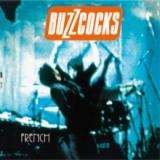
Presenting the vinyl reissue of "French" by the legendary Buzzcocks, an electrifying live album capturing the band’s dynamic performance during their iconic Paris show in 1995. Known for their pioneering sound that fused punk’s raw energy with melodic sensibilities, Buzzcocks deliver a setlist packed with fan favorites and deep cuts, showcasing their impact on generations of punk and alternative rock. This album captures the intensity of their live presence, with Pete Shelley's unmistakable voice delivering heartfelt lyrics on love, desire, and disillusionment, supported by Steve Diggle’s powerful guitar riffs and the tight rhythm section of bassist Tony Barber and drummer Phil Barker. Buzzcocks have long been celebrated for their emotionally charged songwriting and high-energy performances, making "French" an essential recording that preserves their legacy. This vinyl edition invites both long-time fans and newcomers to experience the unfiltered sound of a Buzzcocks concert in its raw, analog glory.
- A1: I Don't Mind
- A2: Who'll Help Me To Forget
- A3: Get On Our Own
- A4: Unthinkable
- A5: Strange Thing
- B1: Energy
- B2: Breakdown
- B3: Innocent
- B4: Roll It Over
- B5: Why She's A Girl From The Chainstore
- C1: Last To Know?
- C2: Running Free
- C3: Libertine Angel
- C4: Why Can't I Touch It
- C5: Noise Annoys
- C6: Isolation
- D1: Boredom
- D2: Do It
- D3: Harmony In My Head
- D4: I Believe
Black Vinyl[38,70 €]
Presenting the vinyl reissue of "French" by the legendary Buzzcocks, an electrifying live album capturing the band’s dynamic performance during their iconic Paris show in 1995. Known for their pioneering sound that fused punk’s raw energy with melodic sensibilities, Buzzcocks deliver a setlist packed with fan favorites and deep cuts, showcasing their impact on generations of punk and alternative rock. This album captures the intensity of their live presence, with Pete Shelley's unmistakable voice delivering heartfelt lyrics on love, desire, and disillusionment, supported by Steve Diggle’s powerful guitar riffs and the tight rhythm section of bassist Tony Barber and drummer Phil Barker. Buzzcocks have long been celebrated for their emotionally charged songwriting and high-energy performances, making "French" an essential recording that preserves their legacy. This vinyl edition invites both long-time fans and newcomers to experience the unfiltered sound of a Buzzcocks concert in its raw, analog glory.
- Track 1
- Jumping The Gun
- Track 3
- Track 4
- Track 5
- I Can't Even Cry
- Thank Goodness
- Survival
- Track 9
- Track 10
- Track 11
- Bad Love God
- Track 13
- Track 14
- Shiver
- Track 16
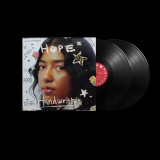
Auf ihrem lang erwarteten Debütalbum entwirft die aus West-London stammende Künstlerin, Produzentin und Sängerin Hope Tala eine intime musikalische Sprache, die gleichermaßen romantisch und philosophisch anmutet und ihren wachsenden Ruf als eine der aufregendsten Stimmen im Bereich R&B/Neo-Soul untermauert. Auf dem Album sind die aktuellen Singles "I Can't Even Cry", "Bad Love God", "Thank Goodness", "Shiver" und "Jumping the Gun" zu hören, die ihr bereits viel Lob eingebracht haben. Von Hunger wurde sie als "ein faszinierendes und einzigartiges Talent, das Stile mit Selbstvertrauen und Leichtigkeit verschmilzt" beschrieben. Auch Barack Obama ist Fan und hat bereits zum dritten Mal einen ihrer Songs in seine jährliche Sommer-Playlist aufgenommen. Auf "Hope Handwritten" verwebt Hope nahtlos organische, live gespielte musikalische Texturen mit ihrem sanften Gesang und poetischer Lyrik über Herzschmerz, neu entdeckte Liebe, Abstammung, Introspektion, Menschlichkeit und Gemeinschaft, zu einem zusammenhängenden und eindringlichen Hörerlebnis.
Sound the alarm, we’re back! PAGER15 is our first VA since 2020, and it’s a special one— dropping soon with four tracks, four unique voices, and enough groove to shake your neighbor’s picture frames off the wall!
First up, our homeboy Phil Evans, aka "the coach” aka daddy cool, with Chocolate Funk. Imagine warm pads, crispy drums, and a bassline so addictive it should come with a warning. Add his signature offbeat stabs and a swing smoother than the creamy drizzle on kimchi fries, and you’ve got a groove that lingers long after the needle lifts.
Fresh blood incoming! Wavelength Infinity marks the Pager debut of the Parisians Aline Umber & Maxime dB, and they’re making waves. Deep, undulating basslines meet shimmering pads in a hypnotic blend of rhythm and texture. It’s a groove-roller that pulls you in faster than a free drink at the bar.
Flip it over, and California Sunshine Boy Rocky delivers debut number two with Aquatic Maneuvers. Flowing pads and bubbling percussion weave together a lush, evolving soundscape. Organic and intricate, it shifts like underwater currents, with each layer wrapping around you like the warm embrace of an after-hours vibe you never want to end!
And then there’s the Gude-Launebär himself—Markus Sommer, aka Frau Hommer, answering the eternal question: Does it Funk? Spoiler: absolutely. Rolling basslines, sharp percussion, and cheeky melodic twists come together. This is Hommer energy at its peak!
You know the drill: Either you grab it while it’s hot, or you’ll be left watching it spin on someone else’s deck. PAGER15 is calling—don’t let it go to voicemail!
- A1: Pride
- A2: Bloom
- A3: My Love
- A4: Nearness Of You
- A5: Upstate
- B1: Wither
- B2: Passerby
- B3: Exit Wounds
- B4: It Could Be Simple
Rising indie soul artist Sevens announces the release of his highly anticipated debut album, Sincerely, Sevens, on February 21, 2025. At just 24 years old, Sevens emerges as a compelling voice in the contemporary soul scene, blending indie soul, neo-soul, and jazz into a collection of sincere, heartfelt songs.
With a distinct baritone voice and a gift for storytelling, Sevens explores themes of love, growth, and introspection throughout the 9-track record. His philosophy is simple: less is more. Crafted over a span of three years, much of the album was created in Sevens' bedroom, showcasing his skills not only as a songwriter and vocalist but also as a multi-instrumentalist and producer.
Sincerely, Sevens captures the artist in his purest form—a deeply personal work that touches the soul. From sparse, intimate arrangements to warm, groove-infused instrumentation, the record embraces vulnerability while exuding timeless charm.
The album features contributions from trusted collaborators: Boris Van Overschee (co-producer / Delv!s, Portland) Willem Ardui (additional production / Blackwave.) and David Poltrock (additional keys)
Tobie Speleman expertly handled the final mix, ensuring every note resonated with clarity and purpose.
Reflecting on the album, Sevens shares: “I wanted to feel more with less. I wanted to evoke, I wanted to touch. Parts of me I’ve never gone. It is honest, it is true. It is me.”
With Sincerely, Sevens, the young artist solidifies his position as one to watch—an emerging voice with both depth and authenticity.
- 1: This, Is Not That
- 2: Mercy
- 3: Superstitious
- 4: Wonderful Feelin' (Feat. Willie The Kid)
- 5: Know No Better
- 6: The Problem
- 7: Pitiful
- 8: Almanacs (Feat. Sonnyjim)
- 9: Coke With Ice
- 10: My Own Good
- 11: Favoritism
- 12: Mis Amigos
- 13: New Dreams
- 14: Surgery
- 15: Enemies
When Apollo Brown and Crimeapple connect, it’s like old film grain under a projector— gritty, timeless. This album isn’t just boom-bap nostalgia; it’s a rebirth of smoke-stained bars, where Crimeapple plays both poet and philosopher, flipping bilingual manteca rhymes with a chef’s precision, stirring up the street grime and serving it with a side of sharp wit. Apollo Brown, as always, builds his beats like ancient architecture—dusty, soulful, and heavy with forgotten stories. These tracks sound like the cracks in the sidewalk talking back, the perfect companion for long nights and even longer thoughts. It’s a sonic novel, a street sermon, and Crimeapple’s wordplay dances through it like grease sizzling in a pan, a reminder that even in decay, there’s beauty. This, Is Not That.
Since 2013 - Brighton & Barcelona duo PAYFONE have been releasing records on respected NYC and UK labels GOLF CHANNEL , LENG and DEFECTED.
Now releasing on their own OTIS imprint - PAYFONE deliver another deep 12 in preparation for their debut album.
In September 2024 PAYFONE released their WILD BUTTERFLY EP which appeared in many best of 2024 end of year DJ charts whilst gaining the support from the likes of Richard Dorfmeister, Leo Mas and Daddy G.
Phil Passera and Jimmy Day's productions continue to gain fans across the disco world with a template of synth and bass that equates to a heady and intoxicating excursion into early electronic soul disco circa late 70's / early 80's.
Known for their atmospheric, mid-tempo sultry selections, PAYFONE offer up another deep dive of synth-driven drum machine pleasure with remix duties courtesy of San Francisco trio 40 Thieves: Corey Black, Layne Fox and Jay Williams.
Latest offering VOLT to VOLT is a moody meltdown of Moog bass and full frontal vocals featuring the talents of North Carolina's JO GABRIEL HARRIS and New York City's TERI JACKSON.
Always a cut above, this Payfone release will be VINYL ONLY.
Get with it !
Payfone have released over 16 individual 12" releases, including Phonica's 'Record of 2023 - 'I Feel You'
- Riverside
- Marseille
- Alouette
- Blue Left Hand
- Velveteen
- Shotguns
- Rodeo
- Moon On The Water
- Talk Is Cheap
- Banshee
- Divinations
2023 was a whirlwind year for Oracle Sisters. The trio—Julia Johansen, Chris Willatt, and Lewis Lazar—followed the release of their debut album Hydranism with a globe-spanning tour that captivated fans and critics alike. From the highways between Knoxville and Nashville to sold-out clubs in rain-soaked Seattle, and festival stages across the UK, they logged countless hours on the road. Their journey was a tapestry of exhaustion and exhilaration, falling apart, brawls and disputes, love and acceptance. By the year’s end, just two days before Christmas, they found themselves in Tokyo, reflecting on the fleeting nature of time and the fragments of inspiration gathered along the way. It was there the seeds for their next album, Divinations, began to sprout. Composing as a true trio for the first time, Oracle Sisters pieced together sketches formed during stolen moments on tour. These fragments coalesced into Divinations, an album shaped by the band’s nomadic existence. The recording sessions spanned cozy Parisian studios, a barn in northern France, and the storied Valentine Studios in Los Angeles. Their creative process embraced experimentation—swapping primary instruments, playing with toy drum machines, and crafting melodies on quirky tools like the OP-1 and a baby Casio keyboard. This spirit of discovery lent the album a sense of spontaneity and wonder. At its core, Divinations channels mysticism and timeless storytelling. The band’s songwriting draws on diverse influences, from the surrealist poetry of Baudelaire and Rimbaud to the introspective philosophies of Carl Jung. Musically, echoes of Talking Heads, Air, and Leonard Cohen resonate throughout the album and tracks like “Riverside” delve into existential questions— “How far are you going? Is it more than money can buy?” Elsewhere on the album “Marseille,” born in the city that gave the song its name, kicks off as a trance with lyrics that play between the sincere and desperate self-help affirmations, we give ourselves while trying to find a bridge between our individual lives and a universal feeling. Lead-single “Alouette” is Oracle Sisters at their most direct; propelled by a driving bassline and exuberant strings, the track summons the sound of 80’s, 90’s, and early 2000’s rock n roll as they sing about “getting out of dodge, finding a pirate ship and sailing home.” Inspired by the book Caliban and the Witch, “Blue Left Hand” is a lyrical tapestry weaving together history, philosophy, and cultural critique. The lyrics, “It’s in the harbor of every page / It’s in the corner of the playwright’s stage / And every player and every fake / And every witch that we burned at the stake,” reflect on the forces that shaped the capitalist society we know today. Across Divinations’ 11 tracks it’s not only geographic boundaries that were crossed but also the boundaries of time and circumstance. While their work may not consciously reflect specific worldly events, they seek to embrace the universal and offer a space for healing. “Good music would make sense to a farmer in 17th century France as it would to a pastry chef in Slovenia in the 21st century,” shares Lazar. “It’s not written for any temporal powers that be. It’s about expressing our common humanity and taking it from there.” This intuitive approach fuels Oracle Sisters creative process - whether composing in a frozen French farmhouse or performing live with an ever-expanding lineup of collaborators, the band remains committed to exploring the unknown. Through Divinations, they hope to leave listeners feeling transcendent, levitating on waves of intuition and discovery.
- A1: Progetto Tribale - The Sweep
- A2: Onirico - Echo Giomini
- A3: Open Spaces - Artist In Wonderland
- B1: Alex Neri – The Wizard (Hot Funky Version)
- B2: M C.j. Feat. Sima - To Yourself Be Free - Instrumental Mix Energy Prod
- B3: Mato Grosso - Titanic Expande
- C1: Dreamatic - I Can Feel It (Part 1)
- C2: Carol Bailey - Understand Me Free Your Mind (Dream Piano Remix)
- C3: The True Underground Sound Of Rome - Secret Doctrine
- D1: Don Carlos - Boy
- D2: Lazy Bird – Jazzy Doll (Odyssey Dub)
Vol 2[28,99 €]
Volume 1 of this expertly curated project of 90s Italian House - put together by Don Carlos.
If Paradise was half as nice… by Fabio De Luca.
Googling “paradise house”, the first results to pop up are an endless list of European b&b’s with whitewashed lime façades, all of them promising “…an unmatched travel experience a few steps from the sea”. Next, a little further down, are the institutional websites of a few select semi-luxury retirement homes (no photos shown, but lots of stock images of smiling nurses with reassuring looks). To find the “paradise house” we’re after, we have to scroll even further down. Much further down.
It feels like yesterday, and at the same time it seems like a million years ago. The Eighties had just ended, and it was still unclear what to expect from the Nineties. Mobile phones that were not the size of a briefcase and did not cost as much as a car? A frightening economic crisis? The guitar-rock revival?! Certainly, the best place to observe that moment of transition was the dancefloor. Truly epochal transformations were happening there. From America, within a short distance one from the other, two revolutionary new musical styles had arrived: the first one sounded a bit like an “on a budget” version of the best Seventies disco-music – Philly sound made with a set of piano-bar keyboards! – the other was even more sparse, futuristic and extraterrestrial. It was a music with a quite distinct “physical” component, which at the same time, to be fully grasped, seemed to call for the knotty theories of certain French post-modern philosophers: Gilles Deleuze, Félix Guattari, Paul Virilio... Both those genres – we would learn shortly after – were born in the black communities of Chicago and Detroit, although listening to those vinyl 12” (often wrapped in generic white covers, and with little indication in the label) you could not easily guess whether behind them there was a black boy from somewhere in the Usa, or a girl from Berlin, or a pale kid from a Cornish coastal town.
Quickly, similar sounds began to show up from all corners of Europe. A thousand variations of the same intuition: leaner, less lean, happier, slightly less intoxicated, more broken, slower, faster, much faster... Boom! From the dancefloors – the London ones at least, whose chronicles we eagerly read every month in the pages of The Face and i-D – came tales of a new generation of clubbers who had completely stopped “dressing up” to go dancing; of hot tempered hooligans bursting into tears and hugging everyone under the strobe lights as the notes of Strings of Life rose up through the fumes of dry ice (certain “smiling” pills were also involved, sure). At this point, however, we must move on to Switzerland.
In Switzerland, in the quiet and diligent town of Lugano, between the 1980s and 1990s there was a club called “Morandi”. Its hot night was on Wednesdays, when the audience also came from Milan, Como, Varese and Zurich. Legend goes that, one night, none less than Prince and Sheila E were spotted hiding among the sofas, on a day-off of the Italian dates of the Nude Tour… The Wednesday resident and superstar was an Italian dj with an exotic name: Don Carlos. The soundtrack he devised was a mixture of Chicago, Detroit, the most progressive R&B and certain forgotten classics of old disco music: practically, what the Paradise Garage in New York might have sounded like had it not closed in 1987. In between, Don Carlos also managed to squeeze in some tracks he had worked on in his studio on Lago Maggiore. One in particular: a track that was rather slow compared to the BPM in fashion at the time, but which was a perfect bridge between house and R&B. The title was Alone: Don Carlos would explain years later that it had to be intended both in the English meaning of “by itself” and like the Italian word meaning “halo”. That wasn’t the only double entendre about the song, anyway. Its own very deep nature was, indeed, double. On the one hand, Alone was built around an angelic keyboard pattern and a romantic piano riff that took you straight to heaven; on the other, it showcased enough electronic squelches (plus a sax part that sounded like it had been dissolved by acid rain) to pigeonhole the tune into the “junk modernity” section, aka the hallmark of all the most innovative sounds of the time: music that sounded like it was hand-crafted from the scraps of glittering overground pop.
No one knows who was the first to call it “paradise house”, nor when it happened. Alternative definitions on the same topic one happened to hear included “ambient house”, “dream house”, “Mediterranean progressive”… but of course none were as good (and alluring) as “paradise house”. What is certain is that such inclination for sounds that were in equal measure angelic and neurotic, romantic and unaffective, quickly became the trademark of the second generation of Italian house. Music that seemed shyly equidistant from all the rhythmic and electronic revolutions that had happened up to that moment (“Music perfectly adept at going nowhere slowly” as noted by English journalist Craig McLean in a legendary field report for Blah Blah Blah magazine). Music that to a inattentive ear might have sounded as anonymous as a snapshot of a random group of passers-by at 10AM in the centre of any major city, but perfectly described the (slow) awakening in the real world after the universal love binge of the so-called Second Summer of Love.
For a brief but unforgettable season, in Italy “paradise house” was the official soundtrack of interminable weekends spent inside the car, darting from one club to another, cutting the peninsula from North to centre, from East to West coast in pursuit of the latest after-hours disco, trading kilometres per hour with beats per minute: practically, a new New Year’s Eve every Friday and Saturday night. This too was no small transformation, as well as a shock for an adult Italy that was encountering for the first time – thanks to its sons and daughters – the wild side of industrial modernity. The clubbers of the so-called “fuoriorario” scene were the balls gone mad in the pinball machine most feared by newspapers, magazines and TV pundits. What they did each and every weekend, apart from going crazy to the sound of the current white labels, was linking distant geographical points and non-places (thank you Marc Augé!) – old dance halls, farmhouses and business centres – transformed for one night into house music heaven. As Marco D’Eramo wrote in his 1995 essay on Chicago, Il maiale e il grattacielo: “Four-wheeled capitalism distorts our age-old image of the city, it allows the suburbs to be connected to each other, whereas before they were connected only by the centre (…) It makes possible a metropolitan area without a metropolis, without a city centre, without downtown. The periphery is no longer a periphery of any centre, but is self-centred”.
“Paradise house” perfectly understood all of this and turned it into a sort of cyber-blues that didn’t even need words, and unexpectedly brought back a drop of melancholic (post?)-humanity within a world that by then – as we would wholly realise in the decades to come – was fully inhuman and heartless. A world where we were all alone, and surrounded by a sinister yellowish halo, like a neon at the end of its life cycle. But, for one night at least, happy.
Recorded in 1997, Mountain Top features the commanding vocals of Tony Roots, backed by the legendary Firehouse Crew and produced by the visionary Fada Waz (Clifton Carnegie). This record’s release was driven by the people, evidenced and encouraged by the countless wheel-ups and sing-alongs during King Original’s international tour dates over the last three years whenever this seminal recording was dropped in the set.
Tony Roots, known for his cultural and spiritual themes, delivers a powerful vocal performance, reminding us that life’s most important journey is overcoming obstacles to find ‘Jah Love on the Mountain Top.’ This message is as relevant in today’s fast-paced, easy-come-easy-go consumer culture as it was when recorded three decades ago.
The Firehouse Crew renowned for their work with iconic acts like Luciano and Sizzla—shine brightly on this riddim, with the MPC drum machine-centered sound of 90s Jamaican roots reggae. An up-tempo 4/4 steppers beat layered with rich analogue textures and soulful instrumentation defines this timeless recording.
The first of many collaborations between Studio 55, Before Zero Records, and Footsie, the King Original legacy continues into the future, honouring the enduring contributions of Fada Waz and his collaborators.
Clifton Carnegie aka Ras Wazair aka Fada Waz - Clifton Carnegie, known as Ras Wazair, founded King Original Sound System in 1973, establishing it as East London’s foremost reggae sound. Operating under his Studio 55 moniker, he collaborated with legends like Johnny Osbourne, Barry Brown, Michael Prophet, Cornell Campbell, and Frankie Paul through imprints such as Original Sounds, Studio 55, and Original International. A mentor to many of the UK’s top sound systems and a key figure in London’s RasTafari community, Ras Wazair’s connections with prominent Jamaican artists, bands, and producers like Fattis Burrell ensured that Jamaican music remained an influential force in the UK sound system scene.
King Original
Founded in 1973 by Fada Waz, King Original Sound System shaped East London’s reggae scene for over two decades. Fada Waz and his son Footsie—a UK Grime pioneer who in later years expanded the legacy through his KO LP series and sold-out King Original mixed-genre events at London’s top venues—worked together until Footsie assumed full control following Fada Waz’s passing in 2021. Having worked with artists such as Dizzee Rascal, Arctic Monkeys, The Prodigy, D-Double E, Wiley, and Skepta, Footsie’s dedication to King Original has reinvigorated the legacy that underpins all UK bass music—the reggae sound system. Joining Footsie is his brother, Wazair’s last born Ras D also Jah Model, and long-time collaborator Sir Spyro, producer of two UK number-one hits with Stormzy and son of UK reggae stalwart Nerious Joseph. Armed with cutting-edge QSS sound system technology, King Original continues to set trends, shaping the future of UK bass music.
Tony Roots
Hailing from Manchester, Jamaica, in the 1980s, Tony Roots emerged alongside iconic figures like Garnet Silk and Tony Rebel. While his peers remained in Jamaica, Tony moved to the UK, where he went on to release ten albums and numerous singles, including hits like Grow Your Natty Dread Locks and Hola Zion. A steadfast champion of Rastafari, Tony has collaborated with legends such as the Firehouse Crew, earning worldwide respect and a devoted following within both the reggae community and the UK sound system scene.
The Firehouse Crew
Formed in 1986, The Firehouse Crew became a cornerstone of the 1990s roots-reggae revival. Initially associated with King Tubby’s Firehouse label before establishing their own, the band rose to prominence through collaborations with producer Philip “Fattis” Burrell at Xterminator Records. Their contributions to timeless albums like Luciano’s Where There is Life highlight their extraordinary musicianship. Over the years, The Firehouse Crew has backed iconic artists such as Sizzla, Buju Banton, and Beres Hammond, cementing their legacy as masters of roots reggae.