2024 Repress
Mariah was a Japanese outfit in the field of art pop, way back in the very late 70s and early 80s with 5 albums up their score from 1980 to 1983. The album from 1979 entitled as “Mariah” was actually made before the band Mariah was formed, and was released as a solo album by Yasuaki Shimizu. The album at hand is the fifth and for the time being last album in this row, released as a double vinyl back in 1983. Original copies, that are at least in very good condition, are hard to find. The brand new reissue on Everland, unlike the original and the first vinyl reissue from 2015, comes housed in a thick and artfully designed gatefold sleeve with OBI, which finally does justice to the progressive spirit of the music you will find here.
The musical basement of Utakata No Hibi is a fusion of dreamy synthesizer pop and haunting new wave music, that could be found all around the globe back in 1983. In the vein of TEARS FOR FEARS or more adventurous DAVID BOWIE stuff, with a touch of KRAFTWERK or even BRIAN ENO here and there, but all this gets spiced up with an atmosphere of Japanese traditionalism, with a few bits and pieces from the old music from this Far East island, which sounds so magic to us Westeners. The progressive, wacky art pop of this project was led by the popular Japanese composer and musician Yasuaki Shimizu, a relentlessly exploratory saxophonist who even dared to rework Johann Sebastian Bach’s cello suites for saxophone.
As brilliant as this man is, the music on „Utakata No Hibi“ turns out to be. And the master himself approved and much appreciated the brandnew remastering of this album by assisting a highly professional team of sound engineers who dusted off the ancient tape reels. For certain the record sounds and feels 80s through and through, electronic to the very rhythmical bone of each song sugar coated with catchy melodies that resemble Japanese classic and Enka music, which is a kind of folksy pop music. The listener gets directly drawn into a feverish dream of steaming Far Eastern cities and their darkest and most depraved corners where you find everything cheap in sleazy bars and unlighted backyards and alleys. The next moment he strolls through a beautiful Japanese park surrounded by a sea of blossoms. This change in mood and style you will experience in the sparsely instrumented tune „Shisen“, which indeed comes closest to classic Japanese folk tunes without any too catchy and pop oriented melodies. But we certainly find these harmonies allover the album. Some tunes even feel like ancient BEACH BOYS compositions and Brian Wilson creations played by a then contemporary electronic pop act and sung in Japanese.
An amazingly colorful album with songs that are based on solid substance rather than cheap pop structures. This is music for the bold listeners and music lovers and this awesome reissue should quickly find it’s way into the record collections of 80s synth and art pop aficionadoes.
Yasuaki Shimizu did what he wanted with MARIAH, pushed the borders of popular music further than anybody would have thought. Listen to a track like „Shonen“ with a repetitive rhythm pattern that hypnotizes you and somehow silky melodylines by saxophone and synth piano upon which a female voice sings in a very spiritual way. Praising pop or whatever this can be called, it is sheer magic put in music. I wonder if this would have made it into the charts back then, but you never know. It is a piece of musical art that shall be listened to.
Suche:pop act
Operating under the moniker Eat Them, Johannes Hofmann ravenously ingests and rearranges pretty much everything of interest that electric guitar music has produced over the last 50 years. King Crimson, Dinosaur Jr, Talking Heads or Germany's Tocotronic all resonate in Hofmann's expansive oeuvre. Having begun to record music as a 13-year-old for the main purpose of burning compilation CDs of his work for his grandma, the Eat Them catalogue now spans around 20 Bandcamp albums.
Chosen from these, a selection of 12 tracks will be released via Fun In The Church on March 1st. Entitled "All" in keeping with the holistic aspect of the project - and, of course, complementing the band's name - the album covers everything from Sonic-Youth-with-drum-machine-style mashups to nervous post-funk and anthemic lo-fi indie rock, recorded and sung entirely by Hofmann himself.
The first single, out today, is "Do You Love Me When I'm Dead?", a DIY pop diamond whose sonics are lovingly and firmly rooted in a garage-cum-teenage practice space. The track reflects the project's live line-up, which has been expanded to include bass and drums. However, Hofmann transcends the suburbs with urgent echoing vocals expressing an emotional need to stay on the move, to resist being pinned down.
This is framed by guitar arpeggios that actually point in a more introspective direction. This penchant for contrast and movement can be found in many Eat Them pieces - they are snapshots of an ongoing development, a work that you listen to as it grows and lives. To rephrase the question posed in this single's title: Would we love it if it was already dead?
There may already be 20 albums on Bandcamp - and that CD at Grandma's - but the journey has only just begun. Bon appétit!
- A1: World Standard - Fellini & Rota
- A2: Masumi Hara - Your Dream
- A3: Normal Brain - M.u.s.i.c
- A4: Hiroyuki Namba - Who Done It? (Part 2)
- B1: Yasuaki Shimizu - Crow
- B2: Hiroyuki Namba - Tropical Exposition
- B3: Imitation - Exotic Dance
- B4: Pecker - Sha La La
- C1: Ep-4 - Db
- C2: Earthling - You Go On Natural
- C3: Masumi Hara - Camera
- D1: Geinoh Yamashirogumi - Rinne Kohkyogaku Meikei
- D2: D-Day - Ki·ra·i
- D3: Ryuichi Sakamoto - A Wongga Dance Song
Ever since he made his first trip to Japan to DJ, Optimo Music founder JD Twitch has been bewitched by Japanese music, and particularly the vibrant, imaginative, and often far-sighted sounds which emerged from the island nation during the 1980s. Now he’s put years of digging in Japanese record shops to good use on Polyphonic Cosmos, the latest release on his compilation-focused Cease & Desist imprint.
Subtitled ‘A Beginners Guide to Japan In The ‘80s’, the collection offers a personal selection of Japanese gems recorded and released between 1981 and ’86 – a period when advances in recording and musical technology offered the nation’s artists and producers a whole new tool kit to employ. When combined with the unique musical culture of Japan, where local traditions are frequently fused with Western styles to create timeless, off-kilter aural fusions, this embrace of locally pioneered music technology had spectacular, often unusual results.
Eight years in the making, Polyphonic Cosmos provides an endlessly entertaining musical snapshot of Japanese music of the early-to-mid ‘80s with all of the open-minded eclecticism and sonic twists that you would expect from the Glasgow-based DJ.
Compare and contrast, for example, the gently breezy, morning-fresh folk-plus-electronics bliss of ‘ばら二曲 Baranikyoku (Fellini&Rota)’ by World Standard – the most familiar alias of long-serving musician/producer Sohichiro Suzuki – and the hallucinatory, slow-motion tribal rhythms, post-punk rhythms and tape delay-laden electronics of Imitation’s ‘Exotic Dance’. Or, for that matter, the tipsy mid-‘80s electronic reggae of Pecker’s ‘Sha La La’, the grungy but melodic post-punk strut of ‘You Go On Natural’ by Earthling (a track Twitch accurately describes as “sheer unrelenting groove”), and the unearthly, swirling sonics, new age instrumentation and flotation tank vocals of prolific (and seemingly mysterious) act Geinoh Yamashirogumi’s ‘Rimme Kohkyogaku Meiki’.
It’s a credit to JD Twitch’s curatorial skills that the quality never dips, and sonic surprises lurk around every corner. Consider for a moment the hard to describe, far-sighted audio immersion of D-Day’s ‘Ki-Ra’ – all languid post-pop guitar, enveloping chords, spoken word vocals, shuffling 808 beats and marimba melodies – and the two contributions from video games soundtrack specialist (and driving instrumental synth-pop specialist) Hiroyuki Namba.
The collection naturally includes some selections that have long been favourites in Twitch’s DJ sets – see Masumi Hara’s ‘Your Dream’ – as well as a handful of tracks from artists who may be more recognisable to those with only rudimentary knowledge of Japanese musical culture. The great Yasuaki Shimizu, whose work as Mariah has become far better known in recent years thanks to reissues of some of his most magical albums, is represented via ‘The Crow’, a picturesque chunk of horizontal, hard-to-define jazz-not-jazz smokiness, while the collection fittingly concludes with a sublimely funky, oddball electronic workout from Yellow Magic Orchestra legend Ryuichi Sakamoto (the frankly incredible ‘Wongga Dance Song’).
Matt Anniss
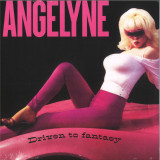
LA goddess Angelyne’s neon-draped sophomore LP Driven to Fantasy steers its way to Dark Entries as part of the ongoing celebration of our 15th anniversary! "Who is Angelyne? Angelyne is a voluptuous, blonde, self-made star who drives a hot pink Corvette; wears her clothes short and tight, and is influenced by Barbie and Marilyn Monroe.” In 1984, a series of billboards popped up in the LA area featuring the lone word “Angelyne” along with a mysterious woman posing provocatively. The campaign created an instant stir, making her one of the first icons who was "famous for being famous", and it led to the recording of her second solo LP. Released in 1986, Driven to Fantasy features 8 tracks of bubblegum-hued new wave with a distinctly LA flavor. On sassy titles like “Sex Goddess”, “Skin Tight”, and “Flirt”, Angelyne fused the glam and grit of southern Californian punk with flashy synth-pop style. This will be the first time that this cult record will be in print since its original release, and comes on pink Corvette-colored vinyl with a 2-sided poster featuring lyrics. Angelyne is more than just a billboard or a rock star; she’s been an actress, a visual artist, and even a political candidate. Celebrate a true Hollywood legend with this historic reissue.
Former member of Ganymed (a seminal Austrian space disco band active in the late 70s) multi-instrumentalist with boundless talent and dozens of excellent recordings ranging from jazz to pop under his belt. Italian-based musician, singer, and composer Daniele Prencipe is definitely to be counted among the most underrated, despite clear proof of his fine skills with solo projects and behind Surprise where he leaves an indelible mark.
In particular with the tracks like "Wow" and "Singin' And Steppin'" thanks to the pioneering use of the Minimoog combined with a Vocoder. Here the arrangement is on another level and the original 7" released by Polydor back in 1983 is one of the rarest of its kind. Finally reissued by Babà Records, fully licensed by Daniele Prencipe himself.
Daniela La Luz announces her highly anticipated 3rd album, 'System Reset'. For the first time, Daniela has compiled all the music and artworks featured in the album, showcasing her genre-blending style in this 11-track collection rooted in electronic dance music.
Recognized and celebrated for her exceptional live sets and productions, Daniela has garnered support from some of the industry's most esteemed DJs, including Solomun, Adam Port, and Sven Väth. Her track 'Did You Ever', featured on Moodymann's 'DJ Kicks' mix, has amassed nearly 3 million plays on Spotify, proof of her growing influence and popularity.
'System Reset' is a testament to Daniela's ability to reflect on personal crises and global issues through her music. The album features dancefloor-oriented tracks with influences from a diverse range of genres including house, techno, dub, electro, wave, jazz, and breakbeat. The linguistic diversity of the songs, in English, Polish, and Arabic, further adds to the album's global nuance. The AI-generated artworks are a unique visual representation of the music. The tracks were mixed by Tobi Neumann and J Manuel at Apollo Studio Berlin and mastered by Manmade in Berlin.
Daniela's music serves as a powerful call to action against climate catastrophe, underlining her belief in the unifying and inspiring power of music for a sustainable future. The album will be released on double vinyl on June 14th and digitally on June 21st via her label, Dimension Of Being Human.
"Deep Dancefloor Jams of African Disco, Funk, Boogie, Reggae & Proto Electro Music 1977-1986reggWhen a passionate DJ and crate digger intuitively selects music for a DJ compilation, without artistic compromise and without the burden of trends, AfroMagic vol.1 emerges from the depths of his soul. Herewith we present the new favorite phonomancer’s tool for all the DJs who experience the dance floor as a sanctuary and a source of freedom and love.
The most fundamental thing that defines African music is that it was created for dancing. In African dance, there is often no clear distinction between ritual celebration and social recreational entertainment – one can seemlessly merge with the other. Because dance and rhythm have more power than gesture and more richness than words, and because they express the deepest experiences of human beings, dance is in itself a complete and self-sufficient language. It is truly an expression of life with all of its emotions – joy, love, sadness and hope – without which there is no African music and dance. For the African people, dance and music are integral parts of the body and soul, thus depicting the expression of life, current emotional states, visions or dreams. Through hypnotic repetitive music and dance, people communicate with each other and with the souls of the dead, the animals, the plants, the stars, the Gods… They free the body and the spirit through ecstatic states, reaching a healing sense of freedom, happiness, and satisfaction.
Throughout history, this transcendental perception of rhythm and dance originating from Africa, influenced popular music worldwide, thus creating new living and breathing forms of musical genres – freeing them from their industrial mold. Funk, disco, soul, boogie, reggae, dancefloor jazz etc., developed in parallel all over the world. It is foolish to perpetually discuss where they originated from and who were the creators of all these fiery dance floor genres – being obvious that they directly or indirectly originate from the African continent and its people who were as well, over the centuries, influenced by disturbing socio-cultural factors of colonialism. However, no one can enslave the soul. The seeds of free and uninhibited dance and rhythm, true to their original form, initially first sprouted onto the USA’s fertile fields of clubbing and popular music while later evolving in other parts of the world.
The disco funk club culture manifested itself as a phenomenal explosion of artists and grooves in the second half of the 70s in the USA. Shortly it spread around the world continually reigning over charts in its various forms – to this day. Clubs emerged where the DJ is an almighty shaman and the dancers are a tribe united under one roof. This urban ritual had and still has a single goal: togetherness, freedom, and love. Clubs have evolved into temples where we free ourselves from the burden of a consumerist lifestyle and suppressed emotions – a place where we receive love and give love – to be who we really are.
Disco funk clubbing was such an influential global phenomenon that its influence can be observed in various other genres from the disco funk era i.e. progressive rock, which mutated by layering complex rock arrangements with a disco funk groove resulting in hybrids, highly sought by today’s diggers, producers and collectors. The profit-hungry music industry of the 80s very quickly commercialized the original disco funk sound by amputating of its original Afro groove to be able to easily ‘sell’ it globally. So, the original disco funk groove became underground again, and it has remained so until this day. Today, for a DJ to unearth that ravishing groove that will lead the dancers to the stars, he must dig passionately like a true musical archaeologist in search of that groove that picks you up after just a few initial beats. That groove which forces the atoms in your body to vibrate, that groove which unites the body and releases the burden.
The AfroMagic compilation series is created as a tool for real DJs who stick to the aesthetics and essence of clubbing.
This continuation of the Afromagic compilation by DJ Borovich was created in a private jam session which served as an escape route from intense and complex love problems.
Unconsciously driven by intuition and emotion and following a live mix tape framework where many tunes are arranged instantaneously, Borovich narrates his story with a strong rhythm that cuts loose even the most blocked off energy nodes and restores happiness to the spirit and the body.
The musical experience of the groove is completed by the lyrics of the songs, which symbolically give DJ Borovich universal answers to his questions arising from questioning the boundaries, nuances and other forms of love.
When considering that Borovich’s selection was created to facilitate an escape from the burdens of reality through rhythm and dance, we can be sure that Afromagic Vol. 2 will have a 100% uplifting, energized and spaced-out effect on the listeners.
The intro to A1, “Feeling Happy” by the Apostles, introduces us to an experienced and slow, cool and irregularly tight groove containing a confidently sung chorus that instantly gives a sense of freedom and hints at the remainder of Afromagic Vol. 2: “I’m gonna feel happy, ´cause I know I’m gonna be myself.” After the anthemic song mantra of the Apostles, Aigbe Lebarty uncompromisingly continues with a dirty disco rhythm. Acidified by accented synths that elevate it to shamanic levels and held together by a female tribal choir, we embark on an uncompromising ritual disco journey. Without a moment to take a breather the prog funk band Mighty Flames and their Road Man launch a highly vicious and raw, thick funk groove spiced with acid synths and dirty RnR breaks, raising the bar for the A side. Jimi Hendrix himself would surely praise it given the ultimate freedom and virtuosity in the solo sections. With the last tune on A side DJ Borovich decides to burn the floor with Geraldo Pino’s psychedelic, acid furious groove and lyrics which describe this HEAVY part of love problems: “The way she walk, the way she talk, the way she does a funky dances, she is really really heavy – that woman”.
While the A side represents a compact intoxicating afro groove machine that separates us from reality and lifts us up to the stars in over 23 minutes, the B side is a treasure trove of proto sub-genres gems. This selection represents the mission of the Afromagic: to find singular events in African recorded discography of popular music from the 70s and 80s that give evidence to the birth of new modern genres on the Dark Continent even before they emerged in the U.S.A. or Europe. The beginnings of electronic music influenced genres are represented back to back with 80s synth jazzy pop, all painted in African colours.
The B side opens big with Jake Sollo and a huge reggae blues number singing about the humiliation of a man – goosebumps guaranteed! “You think I’m nobody that’s why, you don’t know the way for me, I’m somebody I know, I found myself at last”. Adolf Ahanotu then enters the scene with a hard sliding tackle at B2 and an exotic rare disco funk dancefloor napalm. A ‘Sensation’ that would ignite even the coldest of introverts. While we approach the end of the compilation the narrative revolves again and takes a different turn. No less and no more than to the proto-electro that Baad John Cross serves us in “Give Me Some Lovin´”. The fat and repetitive broken electro synth groove, championing many early 90s electro tracks, is presented here without hesitation and with constant tension accompanied by a mantric chorus “Gimme some, gimme some, gimme some looooovin’, EVERBODY!!!”. Finally, we’re guided to the end of Afromagic Vol. 2 by Eji Oyevole’s 80s synth pop style presented in an authentic afro manner, giving us a glimpse at yet another released Afromagic edition, as well as giving an answer to DJ Borovich’s love problems. A smoothly broken electronic rhythm resembling electrified highlife sounds, carried on the wings of a virtuoso dreamy saxophone on top of which Eji presents the most intimate parts of himself. Finalizing the track with a symbolic chorus, on the surface referring to the dancefloor and simply having fun, but in actuality referring to the skill and happiness of living: “I´m a dancer, I can dance”. So, get up and dance among the stars with DJ Borovich and Afromagic.
- A1: Oriana Ikomo - Never Forget
- A2: Moodprint - Eartha
- A3: Kin Gajo - Exit, Gajo!
- A4: Adja - Told You So
- A5: Bodies - Brioche
- B1: Orson Claeys - Conversations
- B2: Bodem - Kleine Mars
- B3: Honey - Bossa Dolce
- C1: Azmari - Sheep Party
- C2: Le Ministère - De L'amour
- C3: Ciao Kennedy - Parcifal Pt. I
- D1: Echofarmer - Beginning Would Have Been Outside
- D2: Kassius - Escapism
- D3: Bruno X Soet X Moene - Ott
Vol. 1[22,27 €]
Vol.2 Black Vinyl[24,79 €]
Vol.2 Limted Red Vinyl[26,01 €]
Vol. 3 Transparent Violet Vinyl[27,52 €]
Standard version on 2LP black vinyl in gatefold sleeve. ‘Lefto presents Jazz Cats' is back with volume 3 and still doing what it does best: putting you in the front row of what the thriving Belgian jazz scene currently has to offer and revealing a melting pot of the musical talent.
'Lefto presents Jazz Cats' is back with volume 3 and still doing what it does best: putting you in the front row of what the thriving Belgian jazz scene currently has to offer and revealing a melting pot of the musical talent coming out one of the smallest countries in Europe. Never change a winning team they say, so we're happy to have Belgian DJ and eclectic connoisseur Lefto on board again.
Although you expect thecompilation to be talking jazz, volume 3 explores a broader array of styles, genres, and sounds than ever before, arriving at a point where the 'young cats' of today don't bother no more. It may focus on the Belgian scene, but let's face it, seeing the influences, this one could be compiled from all over the world. From the empowering and bittersweet voices of Oriana Ikomo and Adja, over the more acoustic-electronic productions of Moodprint, Ciao Kennedy, Kassius and echofarmer. It's even expanding the Jazz Cats universe to dub and bass-heavy tracks with Kin Gajo and Le Ministère, Ethio-jazz from Azmari, while sending you back to earth with bodies' swirling sax and drums. That saxophone still rings in your ears when you end up in the orbit of the march-like drums of Bodem, Orson Claeys' piano testing your ability to follow him, slamming the breaks to go smooth cruisin' with HONEY (Morricone meets Khruangbin, anyone?), to crashing in a raging tempo on that last track of Bruno x Soet x Moene. And there you are, back with us.
2018's 'Lefto presents Jazz Cats' included tracks from some of Belgium's biggest hitters, including Black Flower, STUFF. De Beren Gieren and Glass Museum who have all gone on to receive global acclaim. The album was given the accolade of 'Album of the Week' on Worldwide FM and also received further radio support from Jazz FM in addition to numerous glowing reviews. The 2022 follow-up 'Jazz Cats volume 2' paved the way for a new generation inspired by its peers, entering another era of very talented individuals and collectives. Maybe even more so than 4 years before. It uncovered a beautiful balance of more established but also obscure musicians and artists. Opening up to electronics and dance, enter bands like ECHT!, Stellar Legions and TUKAN. Thrilling innovative soundscape grooves and jazz fusion with Bandler Ching and L?p?GangGang, not to forget about the weaving musical odyssey that is M.CHUZI. In addition, there's the balanced unease of One Frame Movement, the laidback 'acoustic electronica' of Boombox Experiments, the classic funky jazz stylings of Cargo Mas and cinematic The Brums, all of these have set volume 2 on the map as an essential release for any jazzhead with a passion for new sounds.
Tastemaker, selector, curator, DJ and producer, these words often get mentioned when Lefto's name pops up in discussions. And rightly so. If you've ever had the pleasure to listen to one of his incredible Boiler Room sets or one of his many radio shows, you'll know why. Famed for his gloriously eclectic taste on the decks, he switches effortlessly between hip hop, funk, breaks, neck-snapping beats, future bass, South-American influences, bruk riddims, some wild African rhythms and of course, jazz.
Growing up as a child, his father would have the sounds of jazz flowing through the speakers. Which led him to bars around town to hear the latest jazz ensembles. Falling in love with the genre, he would later refine his knack for record digging and fine ear for music working at Belgium's legendary Music Mania record store in his hometown Brussels. Which makes that Lefto is consistently a couple steps ahead. He doesn't wait for the next thing to land in his lap, but actively seeking it out.
Lefto on Jazz Cats volume 3:
"Another release in less than two years! I am very impressed by the amount of creative "jazz" talent we've managed to compile over the last couple of years. Thanks to the internet, young musicians find inspiration from around the globe and incorporate diverse influences into their work. Given the history and heritage of jazz in this country, it has managed to create a healthy jazz scene supported by festivals, venues, press, and labels. Therefore, I am very proud to present to you the thirdinstallment of Jazz Cats. This compilation is dedicated to the young and hardworking musicians who are the present and the future of Belgium's jazz scene."
Minds At Large comprise of Zak and Hoj from Watford, North London who were active between 1992 – 1997, releasing on their label Choicest Music. Most of their releases were white label only releases, some handwritten, others stickered. Each release was a limited pressing and since they debuted over 30 years ago, they have become hugely popular and collectable.
Here is out first release with the group – 4 tracks of hardcore/early jungle.
Only 350 pressed on an incredible marbled vinyl.
It’s True What They Say is the debut EP from Edinburgh-based, husband-and-wife duo Sarah/Shaun (pronounced simply Sarah Shaun), aka Sarah and Shaun McLachlan (pronounced “McLochlin”).
“Sarah and I both have a love for nostalgia,” explains Shaun. “We watched that amazing old 80’s Sci-Fi, (John) Carpenter movie, Starman, a few months back. Myself and my brother David used to watch it all the time. We must have been, roughly, 5-7 at the time. I remember loving the movie but the end, you know, with the beautiful, atmospheric, synth ending, I love that particular moment the most - best part of the movie, you know, when he goes home… It’s heartbreaking but stunning, all the same. It’s the music that moves you most… It did when I was 5 and it still does to this day. It must have had some form of a (much deeper) impact on me.”
The duo narrates stories across themes of love, hope, family, friends, dreams and sadness - the good that comes with the bad in everyday life, not just on a personal scale but within a community as well.
“Starbed is the first song I have ever written and just came out of the blue really, with Shaun playing a melody and me singing along,” says Sarah. “It’s simple and just about two people in love. Love songs are always the best songs, after all… Music has been a big part of my life from a young age. I was unwillingly dragged to piano and violin lessons, which I’m thankful for now! I’d say the first band I really became obsessed with growing up were the Beatles, and on the back of that a lot of 60s music and fashion. From then on, I had a love for music.”
“Shaun definitely opened my ears to a lot of sounds and got me thinking about soundtracks and all the noises that can be made,” she goes on. “We love just spending time experimenting in the house with instruments, pedals etc and Ali is a real magician to work with, too…”
The recordings took place over the summers of 2022 and 2023, with fellow Delta Mainline member Ali Chisholm (aka Jaguar Eyes) plus long-term friend and collaborator Gavin King. Further collaboration then came via the ‘net from the (international) likes of Chris Dixie Darley (Father John Misty), Darren Coghill (Neon Waltz) and Daniel Land (The Modern Painters), among others (see a full list of credits below).
Both Sarah and Shaun have a love for uber-soundtrack producers such as Hanz Zimmer, Max Richter, Cliff Martinez plus live acts such as Beach House, Spiritualized, M83, Suicide, Moby and OMD (to name a few). Shaun also credits the work of Kyle Dixon & Michael Stein (from Survive) on the Stranger Things score… “Even a moment in a movie, whether it be just 30 seconds during a particular scene, it grips you,” he says. But there’s something much deeper at play as well. “Music is a healer,” he goes on, “and I write from my own perspective but more so for others. Once I've done my bit, it doesn't belong to me any longer. It belongs to whoever wants it or needs it.”
The result is a cinematic, synth-wavey, dream poppy and downright beguilingly beautiful body of work. And they’re just getting started…
REVIEWS/RADIO/FEEDBACK:
“Starbed is folky, flavoured by pedal steel, cello, and brass. Dust Tears, in stark contrast, is a mini synth-pop rave epic. Part Bicep. Part Human League. Keep Your Eyes Closed summons a mood that’s romantic, but also dark and potentially doomed – like David Lynch’s Twin Peaks meets Cliff Martinez’s Drive score. My pick though is It’s True What They Say, whose interwoven jangle and picking recalls New Order’s more introspective moments (Love Vigilantes, Love Less… ). Drums crashing, cathartic. Guitar raising dramatic arcs. Its chorus a rush, like a reprise of Pains Of Being Pure Of Heart’s ‘Higher Than The Stars’.” BAN BAN TON TON
"Dust Tears sees them sharing vocal duties over a synth foundation reminiscent of Moby’s Go - Artist Of The Week” THE SCOTSMAN
"Woozy pop" NEMONE (Mary Anne Hobbs Morning Show, BBC 6Music)
"Nice one, very David Lynch meets Euro dream pop" YOUTH (Killing Joke, Paul McCartney, U2, The Orb, Spiritualized etc)
"Music sounds killer! Real emotion” DAVID HOLMES
"I’m enjoying it” TIM BRINKHURST aka LONDON (IKLAN, Young Fathers, Callum Easter)
“Oh, this is lovely!” SEAN JOHNSTON (A Love From Outer Space)
"It’s totally my cup of tea with milk and biscuit" BRENT RADEMAKER (Beachwood Sparks/GospelBeach)
"Beautiful, ecstatic electronica! Short and to the point" KEVIN BALES (Spiritualized, Julian Cope, Soulsavers, BE)
"Makes me wanna sit in the sun and sip an Arnold Palmer" CHRIS DIXIE DARLEY (Father John Misty)
“Really beautiful - Cocteau Twins / Spiritualized vibes but has its own thing going on, too - worth checking out!” JULIAN CORRIE (Franz Ferdinand, Miaoux Miaoux)
‘Sounded nice on a sunny day, makes me think of Twin Peaks, nice moods’ EAMON HAMILTON (Sea Power)
"Dealing in nostalgia, no bad thing at all, great to play that (Dust Tears) for you” RODDY HART (BBC Radio Scotland)
“I'll give the vocal tracks a spin before the release." VIC GALLOWAY (BBC Radio Scotland)
"Rather good!" IAIN ANDERSON (BBC Radio Scotland)
CREDITS:
Lyrics, Guitars, Keys, Synths, Drums, Drum Programming, Percussion, Mandolin, Glockenspiel: Shaun McLachlan
Lyrics, Vocals, Keys by Sarah McLachlan
Guitars, Synths, String Arrangements, Drum Programming, Engineering: Jaguar Eyes Percussion/Drums/Effects, Fire Extinguisher: Darren Coghill (Neon Waltz)
Guitars by Daniel Land
Slide Guitar by Chris Dixie Darley (Father John Misty)
Brass by Bruce Michie
Keys, pre-production & engineering on “It’s true what they say”: Gavin King
All produced by Jaguar Eyes and Shaun McLachlan and then mixed at Glasgow’s Chem19 Studios by David McCaulay (From Scotland With Love, Rick Redbeard, BBC TV’s Attenborough and The Mammoth Graveyard score).
Artwork: Jamie Walman (Fourteen Admirals)
MORE INFO:
Although Shaun released a pair of solo singles (When We Dance and Give Your Love To Me) during Lockdown, he will be better known to many via his work as the multi-instrumentalist in Edinburgh band Delta Mainline. With two albums released to date, Oh! Enlightened and Bel Avenir, both rapturously received by fans and critics alike, Delta Mainline have developed an international, cult following. Oh Enlightened (2013) achieved widespread critical acclaim on release, earning the band comparisons to Arcade Fire and Echo & The Bunnymen, while 2019’s Bel Avenir pulled in references to The Flaming Lips, Pink Floyd, David Bowie and krautrock. A third DM album is currently being mixed and due for release later this year…
- A1: Sungu Lubuka - Petelo Vicka Et Son Nzazi
- A2: Mfuur Ma - Groupe Minzoto Ya Zaïre
- A3: M.b.t's Sound - M.b.t's
- A4: Musique Tshiluba - Abeti Et Les Redoutables
- B1: Lalia - Trio Bydoli
- B2: Adeito - Tabu Ley Et L'orchestre Afrisa
- B3: Ngantsie Soul - Les Bantous De La Capitale
- C1: Nganga - Les Frères Soki Et L'orchestre Bella-Bella
- C2: Tembe Na Tembe Ya Nini - Orchestre Celi Bitshou
- C3: Lolo Soulfire - Lolo Et L'orchestre O.k. Jazz
- D1: Femme Ne Pleure Pas - Zaiko Langa Langa
- D2: Kiwita Kumunani - Orchestre O.k. Jazz
- D3: Fiancée Laya - G.o. Malebo
- D4: Ah! Congo - Orchestre National Du Congo
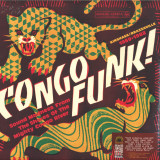
The making of Congo Funk!, our long-awaited journey to the musical heart of the African continent, took the Analog Africa Team on two journeys to Kinshasa and one to Brazzaville. Selected meticulously from around 2000 songs and boiled down to 14, this compilation aims to showcase the many facets of the funky, hypnotic and schizophrenic tunes emanating from the two Congolese capitals nestled on the banks of the Congo River.
On its south shore, the city of Kinshasa – capital of Democratic Republic of the Congo, the country formerly known as Zaïre – is often seen as Africa’s musical Mecca, the city that spawned such immortal bands as African Jazz, O.K. Jazz and African Fiesta, and the place to which aspiring musicians from throughout the continent would go to make a name for themselves.
But the city of Brazzaville on the north shore of the river – capital of the Congo Republic – played an equally important role in spreading Congolese sounds continentally. In addition to producing legendary bands such as Les Bantous de la Capital, it was the powerful transmitters of Radio Brazzaville that allowed the unmistakable groove of Congolese Rumba to be heard as far away as Nairobi, Yaoundé, Luanda and Lusaka thus turning the electric guitar into the continent’s most important instrument!
Although the musical landscape of these cities had been defined by a core group of bands in the late 1950s, the modernisation of Congolese music has been steadily evolving until the events surrounding the Muhammad Ali vs George Foreman boxing match marked a turning point. The promoter of that event known as “Rumble In The Jungle” was none other than the notorious Don King who needed 10 millions dollars to get Ali and Foreman into a boxing ring. The only candidate willing to put this kind of cash on the table was Mobutu Sese Seko, President of the Democratic Republic of the Congo.
Mobutu - the megalomaniac dictator who got to power with the support of the United States and Belgium in exchange for unlimited and affordable access to the riches of the country - had a soft spot for music and it doesn’t come as a surprise that he agreed to a three-day live music festival being organised prior to the “Rumble”. Zaïre 74 - as the festival was dubbed - was meant to hype the boxing match and many stars were invited.
Although a myriads of artists flocked in for the occasion, it was the performance of James Brown on Zairian soil that caused havoc among the younger generation, inspiring hundreds of would-be musicians to take up their electric guitars and reverbs cranked to the max in search of a new sound in which hyperactive Rumba was blended with elements of psych and funk. While the results were very different from the popular music of the three Musketeers - as Tabu Ley, Franco and Verckys were known - they weren’t a complete break with tradition.
These new sounds emerged at a time when the Congolese record industry – previously dominated by European major labels – was experiencing a period of decline due to rising production costs and needed a radical change. The void was filled by dozens of entrepreneurs willing to take chances on smaller scale releases. It was the beginning of a golden age for Congolese independent record labels, and the best of them – Cover N°1, Mondenge, Editions Moninga, Super Contact – preserved the work of some of the region’s finest artists, while launching a generation of younger musicians into the spotlight.
The movement was greatly helped by legendary radio shows but it was the dynamic productions of Télé-Zaïre that set the dynamite on fire. Legend has it that TV shows were so huge that president Mobutu himself ordered RTV du Zaïre to put on daily concerts since it halted criminal activities for the duration of the evening.
Congo Funk! is the story of these sounds and labels, but most of all it is the story of two cities, separated by water but united by an indestructible groove. The fourteen songs on this double LP showcase the many facets of the Congolese capitals, and highlight the bands and artists, famous and obscure, who pushed Rumba to new heights and ultimately influenced the musical landscape of the entire continent and beyond.
- A1: The Second Dreams (Theme From House On The Sand)
- A2: The Torture (Theme From Time Of Heroes)
- A3: Motorcycle (Theme From The Exile)
- A4: The Opening Night (Theme From Ljuba Par Lui Meme)
- A5: In The Beaubourg Gallery (Theme From Ljuba Par Lui Meme)
- A6: All And Nothing At All (Main Theme From All And Nothing At All)
- A7: All And Nothing At All (Unused Theme From All And Nothing At All)
- A8: Jere And Marija In The Room (Theme From Marjuca Or Death)
- A9: The Bitter Tears Of Petra Von Kant I (Theme From The Bitter Tears Of Petra Von Kant)
- A10: The Bitter Tears Of Petra Von Kant Ii (Theme From The Bitter Tears Of Petra Von Kant)
- B1: Cassandra (Theme From The Trojan War Will Not Take Place)
- B2: Peace (Theme From The Trojan War Will Not Take Place)
- B3: Fourth Choir - Sun Ray (Theme From Biedermann Und Die Brandstifter)
- B4: Second Choir - Marching Step (Theme From Biedermann Und Die Brandstifter)
- B5: The Beginning Before The Beginning (Theme From Fool For Love - Savage Love)
- B6: She Runs Away (Theme From Fool For Love - Savage Love)
- B7: Eddie Enters (Theme From Fool For Love - Savage Love)
- B8: A Jerk (Theme From Fear And Hope Of The German Federal Republic)
- B9: Song 3 (Theme From Fear And Hope Of The German Federal Republic)
- B10: Chernobyl (Theme From Fear And Hope Of The German Federal Republic
A collection of music for the various films and theatre plays by Mirko Krsticevic, Croatian and Yugoslavian composer and musician active since 1970s. All and Nothing at All (Film and Theatre Music 1978 - 1988) focuses on his work for the underground and avantgarde cinema from the era: directors Ivan Martinac, Svemir Pavic, Lordan Zafranovic, Aleksandar F. Stasenko and Vanca Kljakovic are all part of the Split Cinema Club association; their work explores art, death, sexuality and eroticism. Pavic's portrait of surrealist painter Ljuba Popovic, made in the same year as its counterpart by Walerian Borowczyk, features scenes form Beaubourg Gallery in Paris and Udo Kier as a guest. Side B of the record is all about theatre: plays by Sam Shepard, Rainer Werner Fassbinder and Jean Giraudoux were all produced in Sarajevo and Split in the 1980s, with the rare electronic takes by Mirko Krsticevic and his subtle minimalist soundings of the themes from the Cold War era. This unique and diverse compositions by founder of the rock band Metak and sound studio Tetrapak from Split, are document of the time that is, especially in the closing Chernobyl theme, relevant again. Composer, musician and musical arranger Mirko Krsticevic was born in 1948 in Sibenik. He graduated in music theory at the Pedagogical Academy in Split and then at the Music Academy in Sarajevo. He studied composition with Josip Magdic, Mladen Pozajic and Miroslav Spiler. He is the co-founder of the Tetrapak music studio in Split, where numerous performers and musicians have recorded (Animatori, D'Boys, Haustor, Oliver Mandic, Gibonni, Srdjan Marjanovic, Stil, Trotakt Projekt and others). The first group he founded was the rock group Che, which performed his own songs, in which he played bass guitar. It was founded in the summer of 1969. Together with Ranko Boban and Momcilo Popadic, he founded the Metak group in the spring of 1978 in Prigradica on Korcula. In the group, he is the author of songs and lyrics, and he also plays the bass guitar. "Da mi je biti morski pas" is the group's most successful single, which in 1980 became one of the most played songs on radio and television. Metak performed in Belgrade in front of 70,000 people, and the media declared them the best group along with Macedonian Leb i sol. In compositional work and arrangements for other pop and rock artists, Krsticevic had high commercial success with Tutti Frutti Balkan Band, Biljana Petrovic, Seid Memic Vajta, Pepel in kri, Osmi putnik, Oliver Dragojevic , Djordji Peruzovic, Henda and others. Parallel to his pop and rock career, Krsticevic composed stage and film music for 45 films, mostly collaborating with the circle of experimental and amateur directors of the Split Cinema Club (Kino klub Split) as well as the rest of the local underground scene. He is the author of stage music for 130 theatre plays, and also records his own compositions in the field of contemporary music. He wrote over 30 works for solo instruments, chamber and symphonic music. At the end of 2007, he founded the Split society for contemporary music and the contemporary music ensemble Splithesis. In 2015, he founded his own orchestra The Highway to Well Family, composed of fourteen musicians and three singers. In 2021, he founded Arthesis, an artistic organization for contemporary music and visual arts. He is the author of four operas: "Krvava svadba" (1997), "Halugica" (1999), "Atlantida - Legenda o Dan'zoru" (2018) i "Atlantida II - Lu'blis Kaoamos" (2020). He is the winner of numerous awards, lives and works in Split. Gatefold LP with extensive liner notes, Direct Metal Mastering (DMM) from original tapes, pressed at Record Industry. File under: Soundtrack, Stage, Electronica
Sacred Record is a 9-track album of ethereal and introspective tracks, filled with almost pop-like hooks balanced out with all-in rhythms, heavenly pads & addicting diagonal melodies.
Where media degrades and replaces positive imagination, and destroys the ability to think healing thoughts, Sacred Record encourages the opposite. Hijacking the dark nihilism of contemporary art & music, listeners are called to cease indulging in despair, and stop being tricked into seeking eternal fulfillment in worldly things which die. Screens foist convoluted worldviews upon us, depriving us of our natural agency by casting illusory perceptions of a net-negative reality over our actual, tangible lives. Ando Laj’s Sacred Record takes your hand and walks with you, side-by-side, gently, deeper in, but further u
Brownswood Recordings releases the 7th edition of their Future Bubblers Compilation. An expansion of Gilles Peterson's network supported by Arts Council England, the ongoing talent discovery and artist development scheme focuses on developing unsigned talent and building audiences for new left-field music. With support from PRS Foundation as Talent Development Partners, the professional recording, manufacturing and physical release of Future Bubblers 7.0 is made possible. Unlike any other initiatives within music, the compilation acts as a springboard for the musician's careers, with the cooperative model providing direct revenue to the artists by a share of the profits, resulting in a sustainable income to work from. Previous Future Bubblers include artists such as Yazmin Lacey, KinKai, MC Snowy, Forest Law, Victoria Jane, NeOne The Wonderer and Kayla Painter, to name a few.
The 8-track compilation is a musically diverse collection of tracks, fusing genres across Alt-R&B, Dance, Electronic, Jazz, Rap and Trip-Hop. Opening the project, ROMY NOVA flaunts her hypnotic harmonies on a tender offering, 'The Way', whilst Sheffield-born Jackie Moonbather delivers a Funk performance on 'Separate Ways'. Up next, Ney Liqa's 'Blomster' captures a blend of Trip-Hop and Swedish-Pop, fusing her earliest musical influences before Birmingham's very own Landel's cloud-Rap excellence on '2 Many'. Maintaining the ethereal sonic, Petrelli Purple's 'Brisk' is reflective of his ability to curate a "miscellaneous north" sound, followed by MARYSIA OSU's 'Stryder' that highlights her self-coined "harps, beats, and dreams" ethos. Michael Diamond showcases his ability to float between jazz and electronic landscapes on 'Aether' before COEX rounds off the project nicely with 'Reflections'.
- A1: Intro
- A2: I'm A Star Feat Johnny Juliano
- A3: Feels Good
- A4: Hero (Freestyle)
- A5: Be Easy Feat Boaz, Chevy Woods, & Young Ro
- A6: How You Live
- B1: Bankroll Feat Courtney Noelle
- B2: Change Up
- B3: Shawty Wanna Roll Feat Lavish
- B4: Pwp Feat Chevy Woods
- B5: My Life Feat Johnny Juliano
- C1: Imma Keep
- C2: Dope Boys (Freestyle)
- C3: So High
- C4: Pop Bottles
- C5: Star Power
- C6: Ink My Whole Body
- C7: Like A Star
- D1: Spaceship
- D2: Take A Ride
- D3: Flickin' Ashes
- D4: Where The Cash At (Freestyle)
- D5: Spacely Feat Rocky Fontaine
Commemorating the 15th anniversary of Wiz Khalifa's 2008 mixtape, Star Power, Rostrum Records is releasing the mixtape’s first-ever vinyl pressing! The limited-edition package features retro video game inspired artwork and outer space colored vinyl discs, housed in a NES cartridge style die-cut inner sleeve. Also included is a lyrics insert resembling a video game instruction booklet.
Originally released on September 17, 2008, Star Power is an essential document from Wiz Khalifa's early career, helping develop his lush sound and establish his reputation as the game's hardest-working and most talented stoner. Hosted by DJ Deez, the tape features multiple guest appearances from Wiz's close associate Chevy Woods, then known as Kev Da Hustla, and production sculpted at the legendary I.D. Labs by Pittsburgh natives like Sledgren, E. Dan, Johnny Juliano, Rocky Fontaine, and Big Jerm, who produced hits for Wiz, Mac Miller, and more during his career. Spanning 23 tracks, Star Power exhibits the melodic mastery and strong songwriting that soon made Wiz Khalifa a superstar, acting as a crucial stepping stone from Pittsburgh prominence to worldwide recognition.
- A1: Arash & Quasar - Double Moon
- A2: Arash & Quasar - Dugai (Feat. Eres Duo)
- A3: Eolika - Ya Zabyl Tvoe Litso (Arash & Quasar Remix)
- B1: Arash & Quasar - Khoomei (Feat. Eres Duo)
- B2: Kola Beldy - Song Of Fisherman (Arash & Quasar Remix)
- B3: Orchestre Poly-Rythmo De Cotonou - Ako Ba Ho (Arash & Quasar Remix)
- B4: Super Soul - You Are Wasted In Life, Cause You Drink Too Much (Arash & Quasar Edit)
Arash & quasar is one of the weirdest projects we've ever received & we like that. They recently appeared on make italo great again & tatalo. This EP which is actually a mini album & it will be their last under this name and we can say that it's a masterstroke ! Italo, synth pop & folk music all with Tatar sauce ! If you want to wake up a dance floor, this is the right record. Absolute bangers.
Debut album of heavy Colombian salsa by the obscure and short-lived El Clan Antillano. Founded in 1975 by singer Jacky Carazo and radio personality / composer Mike Char and backed by a studio orchestra comprised mostly of Fruko Y Sus Tesos band members. The record has been remastered from the original tapes, with an additional three bonus cuts taken from two rare 45 singles, including the sought after track ‘Alma’. First time reissue. 180g Vinyl.
El Clan Antillano was an obscure, short-lived salsa group started in 1975 by singer Jacky “El Caballo” Carazo, originally from Cartagena, and radio host / song composer Mike Char, from Barranquilla. The band was active only until 1977, with a mere two albums to its name. Carazo and Char, “los amigos costeños” (friends from the Caribbean coastal area) created El Clan Antillano as a fresh start after the previous group Carazo had been the lead singer for, El
Afrocombo, had become inactive.
Char primary passion was music, especially songwriting. One of his skills in this area was adapting foreign songs, often in a different language, rhythm, arrangement or genre, and refashioning the tune in an uptempo Caribbean dance mode as a salsa or cumbia. This formula, as well as his own original compositions, soon brought him success not only with costeño friends like Carazo and Vicentini, but also with Medellín’s Fruko, allowing him to make a name for himself with record labels in that city. It was at this juncture, in 1975, that El Clan Antillano was born. This is their first album and was recorded with local studio musicians. It’s been said that most on the first album were from Fruko Y Sus Tesos (the voice of Joe Arroyo can be heard on coro) as well as others involved with various groups like La Protesta (de Colombia) and Juan Piña’s La Revelación.
The album kicks off with ‘Donde ‘sta? Donde ‘sta?’, a medley of costeño lyrical phrases quoting various popular porros. Gradually changing the vibe, this is followed by Enrique Aguilar’s ‘El baile del
ratón’, a humorous cumbia that changes into a salsa halfway through. As if El Clan Antillano were not entirely confident about featuring purely salsa from the start, the same cumbia/salsa hybrid formula is used in the third piece, a faithfully rendered version of Eddie Palmieri’s ‘Mi cumbia’.
‘Estás equivocada’ rocks hard like the best Venezuelan salsa of the time. ‘Esta mañana’ is a cover version of an obscure bolero from Curaçao’s Erwin Castaneer with Super Combo Castaneer. ‘En la oscuridad’ is an interesting mashup of Puerto Rican bomba and New York style pachanga. ‘El despertar’ is a sunny sounding pop song reinvented as a Nelson y sus Estrellas style salsa/cumbia hybrid with a fantastic ‘montuno’ section.
Up next is a hard salsa jam in the ‘pregón’ (street vendor’s cry) genre, written by Fruko Y Sus Tesos percussionist Álvaro Velásquez (composer of ‘El preso’). The original album track list closes out with a fantastic rendition of Puerto Rican singer/composer Bobby Capó’s classic ‘El negro bembón’ that the world first leaned to love through Cortijo y Su Combo. Three bonus tracks have been added to the album as it was originally very short. Interestingly, there were four songs from two 45 singles cut by the band that were never included on either long play. While the ephemeral El Clan Antillano may not be as well known as the groups it’s related to, namely El Afrocombo and Fruko Y Sus Tesos, it certainly deserves credit as a worthy participant in the historical evolution of salsa colombiana.
Following much love for his EPs, remixes and club sets, the virtuosic DJ/producer Simo Cell’s debut album 'Cuspide des Sirènes' doesn’t disappoint. In fact, it takes things to a whole new level.
With a fantastical menagerie of anthropomorphism, sounds create characters and tools; the mermaid-like Sirens, the mind controlling Octopus and the Magic Conch Shell:
“Have you heard of the legend of 'Cuspide des Sirènes'? This is not a simple tale, but an incredible tapestry woven over many years and through countless wondrous adventures. I will recount the legend as it was recorded in the ancient scrolls.
The album’s story explores the themes of magic, enchantment, charm, and allure, but also personal fears. The protagonist (me) embarks on a quest to find the hidden lake and confront his own demons, in order to understand and master his own power.
The protagonist is armed with a powerful conch shell. As he embarks on his journey, he will encounter Sirens who will teach him various chants. These melodies hold unique powers and grant the main character the strength to confront and overcome any danger that may arise.” Simo Cell
Musically, the LP is a continuation of Simo’s journey that began with the ‘YES.DJ’ EP, with a synthesized/modernized take on noughties hip hop, bass music, trap, ghetto house and ghetto tech – but here he broadens the scope, massively.
Exploring new pathways through magical landscapes, via infused melodies, emo and pop, the sensations are bright and addictive, like a sugar and endorphin cocktail. There’s a screen sheen and video game quality too, sounding like the high-octane score to an action flick from the year 3000, with unimaginably wild SFX.
'Cuspide des Sirènes' is the kind of record to stop someone in their tracks, to ask “what IS this?”, provoking bass face, perplexion, fascination and manic glee, all at once. Not so much organised chaos as intricately-crafted-borderline-unhingement, the album is slightly bonkers, in a very good way. There’s a boundless sense of childlike, unencumbered imagination at play, and an abundance of fun, but there are moments of serious-deep-beat-science for the heads, and introspective passages too.
There’s a lot going on, with detail, layers, flourishes, arrangement, melodies and myriad fresh sounds – but it’s never too much; just a really engrossing listen – the kind that that ruins ones appetite for prosaic, vanilla dance music, rendering such 2D pursuits boring and obsolete.
Ideally, the album is meant to be experienced as a seamless narrative from start to finish, so leave any inhibitions or preconceptions at the door, and let the pied piper of electronic futurism lead you way down the rabbit hole.
'Tema di Susie' is one of the main themes from the soundtrack composed by Alessandro Alessandroni for the 1976 Italian noir Sangue di sbirro, known in English as Blood and Bullets, as well as Knell, Bloody Avenger (the Susie in the original title refers to the female love interest of the film's hero, who is on a mission to seek revenge for the gangland murder of his policeman father).
At once sweet and sentimental, haunting and melancholic, 'Tema di Susie' stands out from the other tracks in the film, which are more action oriented. Like the rest of the score, however, it exemplifies the way in which, during the '70s, Italian film composers created their own version of the sound of American blaxploitation cinema, with its groovy blend of funk, jazz, and soul. It is no coincidence that the film's director, B-movie specialist Alfonso Brescia, specifically requested music in the style of Shaft, the iconic film that defined that sound in 1971.
Though seemingly simple, 'Tema di Susie' is a perfect example of Alessandroni's style – in particular his unique ability to effortlessly blend groove and melody, funk and feeling, into one musical piece. So, we invited different artists with different backgrounds, influences and approaches to bring their individual take on this elegant and now timeless tune.
Neapolitan duo Fratelli Malibu have taken Alessandroni's melodic theme and woven it into a mesmerizing tapestry of rhythmic beats, world percussion and ethereal atmospheres. Drawing inspiration from funk/Afrobeat, synth-pop and Italo-disco, they've conjured a psychedelic-tinged, afro-cosmic groove that's bound to transport you to another dimension.
As the music unfolds, you'll feel like you've stepped into a vibrant, fantasy world. The breaks, outro, and intro are woven with a psychedelic thread that leaves you yearning to return once the final note fades away. And that's not all – they've injected an irresistible pop sensibility into the track with the use of drum machines and synths. The result? A rework that not only amplifies the dreaminess of the original but also seamlessly marries the past with the future.
We love the track so much that we decided to double the fun with a vocal retouch version, courtesy of the Italian funk/soul collective Banda Maje. Their vocalists, Chiara Della Monica and Cristina Cafiero, elegantly infuse cinematic and Balearic vibes into the mix, paying a wonderful homage to Fratelli Malibu's exquisite arrangement.
I Talk To Water, the fifth album for Kompakt by Danish producer Kölsch, is the artist’s most personal statement yet. While all the trademarks that make his music so popular and powerful are still present – lush, melodic techno; swooping, trance-like figures; sensuous, shivery texturology – I Talk To Water is also a deep and intimate rapprochement with family and history, a beautiful, finely detailed document of loss and memory, and a tracing of the long, unbroken thread of grief that runs through our lives once we’ve lost those we loved.
The emotional core of I Talk To Water, then, is a cache of recordings by Kölsch’s father, Patrick Reilly, who passed away in 2003 from brain cancer. With time rendered elastic by the pandemic and its associated lockdowns, its sudden, alienating shifts in everyday living, Kölsch found himself reflecting on his father’s passing and ongoing spiritual presence, thinking about how best to memorialise such a significant figure in his own life. Those recordings opened a gateway, of sorts, for Kölsch to move through – a way to bring past and present together and entwine them in a sensitive, poetic manner.
Kölsch’s father was a musician – “touring in the sixties and seventies, in the Middle East especially, he was doing the whole hippy trail, playing guitar, and wrote some songs over the years,” he recalls. “But all in all, he decided to focus on family rather than pursue a musical career.” Reilly kept playing and writing music over the years, though Kölsch hadn’t listened to the material for some time: “I’d never had the guts to listen to it, because I just felt too fragile listening to his voice. It’s such a tough thing to go through.”
During the pandemic, though, Kölsch listened through the fragmented body of work that his father had produced over the years. “I decided I’m gonna finally release my dad’s music twenty years after his passing,” he reflects. “This whole album is about the process of loss, and for me it’s been one of my main driving forces in my musical life, the whole emotional aspect of whatever I’ve done has been based in that feeling that he’s not there anymore.”
Recordings of Reilly appear on three songs across I Talk To Water. His guitars drift pensively across “Grape”, offering a lush thread of melody that Kölsch wraps with clicking, driftwood rhythms and droning, melancholy bass. “Tell Me” is a lovely three-minute art song, a sadly beautiful reflection, minimally adorned with gentle keys and a muted pulse. And on the closing “It Ends Where It Began”, Kölsch lets his father’s acoustic guitar take centre stage for a lament that’s unexpectedly folksy, a guitar soli dream, which Reilly originally recorded in 1996. “He actually recorded it for my first album that never came out,” Kölsch reveals, “and I had it sitting around forever. That is purely him.”
These three imagined collaborations between father and son are poised and delicate. But their relationship also marks the gorgeous music Kölsch has made across the rest of I Talk To Water, from the itchy yet lush “Pet Sound” (titled in tribute to one of Reilly’s favourite albums), the flickering synths and yearning vocal samples that slide through “Khenpo”, the ecstatic shuddering that marks “Only Get Better”, or “Implant”’s slow-motion pans and subtle reveals.
There’s also the title song, where Kölsch is joined by guest Perry Farrell (Jane’s Addiction, Porno For Pyros), singing a mantra for internal reflection: “I talk to water / Searching for myself / Looking for answers / Oceans of you.” Farrell’s appearance brings another timbre, another spirit to the album, aligning neatly with his recent interest in electronic music. “He was completely taken by this idea of talking to water,” Kölsch says, thinking about the ways we collectively lean towards the natural world as a comfort and a listener, a guide through mourning, a way to map out the terrain of the heart. This mapping is something that Kölsch has proven remarkably adept at through the years; dance music for both body and mind, but also both for the here-and-now, and for the hereafter.
“I Talk To Water”, das fünfte Album des dänischen Produzenten Kölsch für Kompakt, ist zweifellos das persönlichste Statement des Künstlers bislang. Während alle Markenzeichen, die seine Musik so beliebt und kraftvoll machen, immer noch präsent sind – üppige, melodische Techno-Tracks; schwebende, tranceartige Elemente; sinnliche, fiebrige Texturen – ist “I Talk To Water” auch eine tiefe und intime Annäherung an Familie und Geschichte. Es ist ein wunderschönes, fein ausgearbeitetes Dokument des Verlusts und der Erinnerung, und es verfolgt den langen, ungebrochenen Faden der Trauer, der durch unser Leben läuft, sobald wir diejenigen verloren haben, die wir liebten.
Der emotionale Kern von “I Talk To Water” besteht aus Aufnahmen von Kölschs Vater, Patrick Reilly, der 2003 an Hirnkrebs verstarb. Durch die Pandemie und ihre damit verbundenen Lockdowns, die plötzlichen, entfremdenden Veränderungen im Alltag, fand Kölsch sich in Gedanken an den Tod seines Vaters und seine fortwährende spirituelle Präsenz wieder. Er überlegte, wie er eine so bedeutende Figur in seinem eigenen Leben am besten verewigen könnte. Diese Aufnahmen öffneten ihm sozusagen ein Portal, um Vergangenheit und Gegenwart miteinander zu verbinden und sie auf sensible und poetische Weise zu verweben.
Kölschs Vater war Musiker – “er tourte in den sechziger und siebziger Jahren, vor allem im Nahen Osten, auf dem Hippie Trail, spielte Gitarre und schrieb im Laufe der Jahre einige Songs”, erinnert sich Kölsch. “Aber alles in allem entschied er sich, sich auf die Familie zu konzentrieren, anstatt eine musikalische Karriere zu verfolgen.” Reilly spielte und schrieb jedoch im Laufe der Jahre weiterhin Musik, obwohl Kölsch das Material lange Zeit nicht angehört hatte: “Ich hatte nie den Mut, es anzuhören, weil ich mich einfach zu zerbrechlich fühlte, seine Stimme anzuhören. Es ist so schwer, das durchzustehen.”
Während der Pandemie hörte sich Kölsch jedoch durch das fragmentierte Werk, das sein Vater im Laufe der Jahre produziert hatte. “Ich beschloss, die Musik meines Vaters zwanzig Jahre nach seinem Tod endlich zu veröffentlichen”, reflektiert er. “Dieses ganze Album handelt von dem Verlustprozess, welcher für mich generell eine der Hauptantriebskräfte in meinem musikalischen Leben ist. Der ganze emotionale Aspekt von dem, was ich getan habe, basierte auf dem Gefühl, dass er nicht mehr da ist.”
Auf “I Talk To Water” sind Aufnahmen von Reilly in drei Songs zu hören. Seine Gitarren ziehen nachdenklich durch “Grape”, bieten einen üppigen Melodiefaden, den Kölsch mit klickenden, treibenden Rhythmen und dröhnendem, melancholischem Bass umwickelt. “Tell Me” ist ein schönes dreiminütiges Kunstlied, eine traurig-schöne Reflexion, minimal geschmückt mit sanften Tasten und einem gedämpften Puls. Und auf dem Abschlusstrack “It Ends Where It Began” lässt Kölsch die akustische Gitarre seines Vaters im Mittelpunkt stehen, ein überraschend folkiger Klagegesang, den Reilly ursprünglich 1996 aufgenommen hatte. “Er hat es tatsächlich für mein erstes Album aufgenommen, das nie veröffentlicht wurde”, enthüllt Kölsch, “und ich hatte es ewig liegen.”
Diese drei erdachten Kollaborationen zwischen Vater und Sohn sind ausgewogen und zart. Aber ihre Beziehung prägt auch die wunderschöne Musik, die Kölsch im Rest von “I Talk To Water” geschaffen hat, angefangen bei dem nervösen, aber üppigen “Pet Sound” (benannt als Hommage an eines von Reillys Lieblingsalben), den flimmernden Synthesizern und sehnsüchtigen Vocal-Samples in “Khenpo”, den ekstatischen Erschütterungen in “Only Get Better” oder den langsamen Schwenks und subtilen Enthüllungen in “Implant”.
Es gibt auch den Titelsong, in dem Kölsch von Gast Perry Farrell (Jane’s Addiction, Porno For Pyros) begleitet wird, der ein Mantra für die innere Reflexion singt: “I talk to water / Searching for myself / Looking for answers / Oceans of you.” Farrells Auftritt bringt eine weitere Klangfarbe, einen weiteren Geist in das Album, der gut zu seinem jüngsten Interesse an elektronischer Musik passt. “Er war völlig fasziniert von der Idee, mit Wasser zu sprechen”, sagt Kölsch und denkt darüber nach, wie wir kollektiv zur Natur als Trost, Zuhörer, Führer durch die Trauer neigen, um die Gelände des Herzens zu kartieren. Diese Kartierung ist etwas, in dem Kölsch im Laufe der Jahre erstaunlich geschickt war; Tanzmusik für Körper und Geist, sowohl für das Hier und Jetzt, als auch für das Leben danach.