Soul Quest Records returns with Maintain Altitude 2, a fearless, floor-focused statement that captures the pulse of London’s underground while stretching its sound across borders. This second instalment doesn’t just build on the energy of the first; it elevates it, locking into a groove that feels both timeless and future-facing. Deep house, broken beat, jazz-infused electronics it’s all here, and it hits hard.
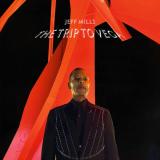
The Trip To Vega is about deep outer space odyssey that occurs in the process of traveling from Earth through the Cosmos to another "favorable" star system 25.3 light-years away.
The time is year 2097, Sept 23rd.
To this day, Earthlings have managed to dodge some of nature's more dangerous extremities, massive volcanic eruptions, Earthquakes, solar burst that knocked out the Planet's entire electrical grid for 3 years, numerous plagues of disease, food and fresh water shortages, domestic and International Wars and many other life-changing operas, but for this event, what remains is a realization that has no remedy. The cause: Earth's physicality has changed. It is no longer favorable for living things.
It is the constant shifting of the planet's internal tectonic plates which has unfortunately produced an unexpected and impassable dilemma.
Because of the collisions, deep within the planet's core, the planet is now producing an extraordinary amount of sound that includes a specific harmonic frequency that erodes the natural senses of all life on Earth.
It is intensifying. It is intolerable and it is unlivable.
Yet, some humans prefer to stay, to "ride it out" like the Titanic captain going down with his ship. Some, in total disbelief as some have concluded it is the second coming of Jesus Christ. But for most, the decision is clear. Tolive another day, leaving is the only rational choice.
At an increasing rate, scientific research data shows that humans and most animals, excluding the Jellyfish will eventually lose the usage of hearing and are to greatly suffer from an array of other neurological and psychological effects. The sense of touch and taste, sleep depreciation, severe nerve damage, constant hallucinations. Everyone will lose many of their cognitive abilities within an estimated 12 months from now.
On this day and every 7 days afterwards until all registered passengers have departed, the first of a fleet of large number of massive size spacecraft carrying approximately 1 million humans per vessel will permanently leave Earth to begin the long and adventurous trek across outer space to a new home: Vega.
This is not a precautionary tale as there is nothing to learn. Instead, a decision has been made and a Trip To Vega is the consequence.
Belgian saxophonist, composer, and producer Mattias De Craene (Nordmann, MDCIII) announces a new solo album, ‘A House Where I Dream,’ on VIERNULVIER Records. On his second album, he delivers a highly personal and healing journey, presented as an alternative soundtrack to the 1973 cult film ‘The Holy Mountain.’
The record will be released on October 11 on vinyl LP and through all digital platforms.
"The Holy Mountain" is a surreal Mexican film from 1973 directed, written, and produced by Alejandro Jodorowsky, who also stars in the film. The film holds a prominent place in avant-garde cinema and explores themes such as spirituality, mysticism, and the quest for enlightenment. It is in this vein that ‘A House Where I Dream’ is crafted.
“My mind and soul - and thus my music - come home to this motion picture” - Mattias De Craene
The album will be presented live with the film on October 16 at Videodroom during Film Fest Gent.
ABOUT THE ALBUM
With hypnotic tape loops, grainy textures, and mesmerizing saxophone, Mattias De Craene creates possible worlds that herald a spiritual transformation. From the Scottish Highlands and desolate mountains to the deepest recesses of the soul, this music has the power to create cinematic landscapes that transcend time and space. The sound of these 8 tracks is closely related to the minimalist compositions of Terry Riley, but the work of contemporary artists like KMRU or William Basinski is also drawn from the same material.
Above all, this album is a deeply personal journey and unintentionally serves as a metaphor for De Craene's ascent of his own mountain. For the Videodroom festival by Arts Center VIERNULVIER, the saxophonist began working on a new soundtrack for the film ‘The Holy Mountain’ in 2023, but his body and mind abruptly called him to a halt, forcing him to take a professional break. However, this project never left him, leading to an honest and raw quest to find himself as both a person and an artist, with Jodorowsky as a companion de route and music as an anchor. It initiated a long process of dismantling, searching, healing and back again. The album not only provides a sanctuary for dreaming to all who listen, but for its creator it also serves as both an outcry of despair and a source of comfort during challenging times.
All the tracks on 'A House Where I Dream' share an unfiltered grain of life, as one can almost feel the damp breath of the saxophone blowing.
The album opens with the three-part strong 'Transcention,' where the hypnotic interplay between soprano sax and lo-fi tape loops leads to higher realms of the mind and soul.
Alternating between deep frequencies and farout folk modalities, this mantra-like triptych acquires an alchemical character and ultimately transcends time and space.
In the ethereal 'Away,' one can peer into an abyss of resonance while a saturated tenor sax lends guidance in the spirit of Terry Riley's productions. 'You and Me' also bathes in a similar atmosphere, albeit in the vein of healing 90s ambient as granular sax tones converge with celestial chants. 'Gazing Upwards Towards The Sky,' offers different shades of blue as a slumbering tenor sax is juxtaposed to swift sax patterns. On 'A Stranger That Moved Me,' beauty lands in a soft and subtle manner, while the closing track 'Shepherd's Glow' drifts like a mountain wind flaring up at the darkest hour of the night.
The artwork is created by Gent-based artist Sam Timmerman, who portrays the world of 'A House Where I Dream' with playful repetition and mystique.
4th installment of Sound Synthesis techno approach is on the way! His Submersive Underground label has recently been gaining strong support amongst the techno community, and will without any doubt grow even stronger with this release. What Is Reality EP features 4 perfectly executed and driving atmospheric bangers, TIP!
Eliza Rose joins the ‘FABRICLIVE. presents’ series with a release that reflects the breadth of her creative journey in club music culture. A DJ, vocalist and songwriter from London’s vibrant underground, she has become one of the UK’s most compelling voices, equally at home in the DJ booth, on record, and crafting music that resonates across dancefloors and charts alike.
To accompany the release, fabric presents commissioned a bespoke, hand made tapestry depicting Eliza Rose and her friends at Carnival, a celebration of community, heritage and collective joy that runs through her story and the culture she represents. Rich in texture and detail, the piece transforms a living moment into something timeless and craft led. Eliza is pictured alongside the tapestry in an iconic hot pink tracksuit, set within a council estate garden that feels instantly recognisable as a portrait of London life. Surrounded by nostalgic children’s toys, from a rocking unicorn to a plastic slide, the scene captures the everyday intimacy and character of the city’s estates, spaces where music, family and friendship intertwine.
The contrast between the ornate woven artwork and the raw familiarity of the setting creates a striking visual metaphor, bridging past and present, celebration and reality. Together, the imagery reflects the spirit of the release itself: rooted in community, shaped by lived experience and grounded in the environments that continue to inform Eliza’s creative world.
Suburban Base Records welcomes Spinscott with his debut release on the label, Pure Magic / F2.
Hailing from the USA, Spinscott is a lifelong drummer, international performance DJ, and producer who has built a global following through his distinctive approach to Jungle and Drum & Bass. His 100% real-time live sets, performed on drum machines and samplers, have set him apart, combining technical precision with the energy of live musicianship.
Through a steady output of widely shared Live Jungle Drum Machine videos, DJ mixes, and original productions, he has carved out a unique space within the scene, earning recognition for both his skill and his commitment to pushing performance boundaries.
Pure Magic / F2 marks his first release on Suburban Base Records, bringing that same ethos into the label’s catalogue. The pairing reflects both his foundation as an artist and his forward-facing approach to the genre, aligning naturally with Suburban Base’s long-standing role in championing authentic Jungle and Drum & Bass.
With a growing international profile and a clear artistic identity, Spinscott’s arrival on the label adds another distinct voice to the roster, grounded in craft, driven by performance, and built for the culture.
Jolene Cuts delivers a stunning 5-track vinyl-only release that reinvents the spirit of 90s French Touch for today’s dancefloors. No edits here—these are 100% original productions crafted by Danny & Mike, masters of filtered house grooves. From the funk-drenched “Without,” a Kool & The Gang-inspired house monster, to “Fall,” a euphoric blast reminiscent of the best Daft Punk moments, every cut is designed for maximum floor impact. “Mon ami Julien” dives deeper with a warm and hypnotic Scott Grooves vibe, while “Ready for Love” feels like Cerrone remixed by early Bob Sinclar at his peak—pure disco magic reimagined. The record closes with “Burning,” a banging, feel-good anthem built to ignite any set. This is a true celebration of filtered house, disco energy, and feel-good music—strictly vinyl, strictly limited, and packed with five undeniable club weapons. Perfect for DJs who want to tear the club apart, vinyl purists, and anyone who knows that real French Touch doesn’t need gimmicks—just groove, soul, and timeless dancefloor power. Once it’s gone, it’s gone.
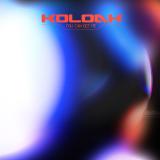
MUSAR is proud to introduce Koloah, the newest voice in the family. Making his label debut with You Can Get Me EP, the Kyiv-born, Berlin-based artist arrives fully formed: three original tracks that move between restless grooves and expansive, immersive sound design, accompanied by a brain-melting remix from rising French star Binary Digit.
The EP opens with "You Can Get Me" - a UK-leaning groove anchored by a snaking acid line and fragmented vocal cuts that surface and dissolve, insistent and hypnotic, one of those tracks that lands fast and stays with you. "Get Me Close" follows, shifting the A-side into electro territory: harder edges, colder mechanics, but the atmosphere holds. Koloah keeps the tension tight and the space wide.
The B-side reaches further. The braindance producer Binary Digit takes "You Can Get Me" apart and rebuilds it in his own image - known for his deeply idiosyncratic approach to rhythm and texture, he turns the original into a real summer anthem, faster and focused, the same raw material carrying a completely different emotional weight
The EP closes with "Liminal Forest", a full IDM statement: intricate rhythmic programming, layered synthesis, and a sense of place that feels earned rather than constructed. Koloah signs off somewhere between the forest and the machine.
Recorded in Koloah's Berlin studio, the tracks were built in different periods - which is exactly why they breathe the way they do. Not a forced coherence, but a natural one.
"Atmosphere is the core of all my music and what I pay the most attention to."
- Koloah
This is the beginning of something. Welcome, Koloah.
Be The Mountain (2026) is the latest release from Detroit-based musician STS. The record explores a serene and introspective world shaped by organically morphed textures and slowly evolving soundscapes.
While largely drumless, the album maintains a subtle rhythmic backbone - not through traditional percussion, but through modulated pads, shifting synths, and carefully sculpted ambience. The music moves and breathes without overt propulsion, finding tension and momentum through tone, density, and motion rather than beats.
Much of the record was written during a period of sustained physical and mental strain. A time when daily effort fought against perceived limits. Instead of responding with heavier or more aggressive material, the music became a quiet counterweight to the intensity. These tracks function as an escape from chaos. They are built from patience, repetition, and a gradual transformation.
The title reflects a central idea behind the record: confronting something that initially feels insurmountable, only to realize that the enduring force is the one within us all.
Be The Mountain is about endurance, not as struggle, but as presence.
Six tracks. Six undeniable hits. Science can't explain it.
Four dazzling pdqb originals: pop-infused disco house transmissions where retro dreams collide with absurdly modern groove technology and hyper-modern circuitry. Hooks everywhere. Basslines that flirt shamelessly with eternity. Rhythms that know exactly what they're doing.
And then Roman Flügel arrives at the party. With two remixes of such dubby, technoid magnificence that they bend the laws of physics wherever they're played.
The cover? Pure gold. A radiant golden surface punctured by bullet marks - courtesy of world-renowned artist Maurizio Cattelan. When the music hits this hard, the artwork should too.
And the vinyl itself is no less extravagant: it reveals a dramatic close-up of the Direct Hit - a colossal crater surrounded by smoky burn marks, gleaming like a tiny golden monument to impeccable taste.
A small but undeniable upgrade to the cultural history of planet Earth. Play loud. Repeat often. History will thank you.
P.S. Real-world violence is neither glamorous nor welcome - this record stands firmly for peace, joy, and the radical idea that the only explosions worth having happen on dancefloors.
Selekt Wax returns with its second vinyl offering, shifting the lens from introspection toward motion. Where its predecessor explored stillness and space, Varginha 96 leans into rhythm with a more fluid, tactile energy.
Loopedeville works within a minimal framework but pushes it toward something more animated. Groove takes the lead, while detail reveals itself gradually. The result is playful but controlled, built for movement while still carrying depth beneath the surface.
Inspired by the 1996 Varginha incident in Brazil, the record carries a subtle sense of the otherworldly. Not in a literal sense, but in texture. Unfamiliar tones, slightly off center moments, and elements that feel just outside of reach.
Etched on the sleeve, a poem sets the tone:
the analog moment is now
but, how? release
free form feelings finding
new places in yourself
a sort of synthesis
of interpretations
crash & collide
into the infinite groove of reality
but, is anything really real?
A1 – Varginha 96
A breakbeat driven opener centered on a looping vocal from the Varginha ‘96 incident. Off kilter synth textures circle the groove, giving it a subtle, otherworldly feel. Simple on the surface, with depth that reveals itself over time.
A2 – Varginha 96 (Ohm Hourani Remix)
Ohm takes it into a more stripped back, hypnotic space. Centered around the same vocal, the track locks into repetition and feel. Hazy, controlled, and built for late hours.
B1 – Thunders in Paradise
A driving groove built on dusty drums and a tightly controlled rhythm. It holds a steady pulse, with understated details and shifting textures giving it quiet depth.
B2 – Never Enough
A fluid, late night groove shaped by Loopedeville’s signature swing. Less driving than the previous cut, but still locked in, with warm tones and an easy bounce that carries through.
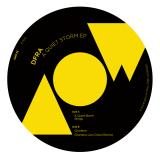
Berlin-based label Ascension on Wax continues its deep, jazz-inflected trajectory with the forthcoming release A Quiet Storm EP from DFRA, arriving June on 12" vinyl and digital formats (Cat No: AOW005). Available to buy and pre-order from May 15, the EP showcases DFRA's refined blend of soul, jazz, and classic house sensibilities, enriched further by a remix from Detroit's Jon Dixon.
Hailing from Colombia and now based in Buenos Aires, DFRA (Diego Ruiz) brings a deeply musical approach shaped by formal studies in composition and a lifelong immersion in hip-hop, gospel, soul, and disco. His productions balance two complementary sides, lush, jazz-rooted musicality and the raw, driving energy of Detroit and Chicago house. This duality is fully realised across A Quiet Storm EP, marking another step in his evolving sonic identity.
The title track, "Quiet Storm," opens the record with a deep, rolling groove elevated by exquisite saxophone work, setting an introspective yet dancefloor-ready tone. "Strings" follows with a dreamy atmosphere, rich piano textures, and a warm jazz undercurrent that highlights DFRA's compositional finesse. On "Charlene," soulful vocals intertwine with chord progressions reminiscent of early Motor City Drum Ensemble, delivering a nostalgic yet forward-looking house cut.
Completing the package, Jon Dixon reimagines "Charlene" through a distinctly Detroit lens. Stripping the track back and rebuilding it with deeper textures and signature keys, Dixon channels the spirit of Underground Resistance while pushing into more meditative territory, bridging jazz improvisation with machine-driven rhythm.
Founded in Berlin, Ascension on Wax continues to honour the legacy of jazz within house music, pairing contemporary producers with a strong visual identity and limited vinyl releases. With A Quiet Storm EP, the label reinforces its commitment to soulful, authentic club music rooted in the traditions of the 90s US scene while looking firmly ahead.
Back again— Soul N Palms droppin' fresh soulful re-edits for the real ones who know the vibe. Built for late-night sessions, block party vibes, and crate-diggin’ heads alike.
For his sixth solo album, Ezéchiel Pailhès returns with a new collection of songs infused by a sunny wandering spirit.
Within each of the twelve songs on SOL is a thread of melancholic happiness that has permeated much of Pailhès’ music and songwriting. He addresses love, the passing of time, hope, lost illusions, fleeting moments of grace, the temptation of forgetting, a need to escape, and desire. All this is
insulated by understated orchestrations that blend acoustic and electronic instrumentation with deft confidence.
The Portuguese and Brazilian concept of saudade—a form of melancholic longing and nostalgia— pervades, thanks in part to Pailhès decision to record the album in Rio de Janiero and to reinterpret some of the finest works of Música Popular Brasileira (MPB). In particular, he revisits a handful of
lesser known classics from the mid-century samba and bossa nova era—originally written or performed by talents including Vinícius de Moraes, João Gilberto, Tom Zé, Dorival Caymmi, João Donato, Os Tincoãs, and Ataulfo Alves.
The shift from Brazilian Portuguese to French and the decision to adapt rather than perform a straightforward cover versions, allows Pailhès to invent a form of prosody and euphony (the musicality and harmonious combination of words) that feels vibrant and unlike anything else in today’s French
chanson landscape.
“Some lyrics are simple translations from Portuguese, in what I’d call an expanded version. For others, I started from a single word or a single phrase and embroidered an entirely new text that carried me elsewhere,” explains Pailhès. “I allowed myself great interpretive freedom, while preserving the humanist dimension of the original songs. I’ve always been deeply moved by the way Brazilians transfigure reality through heightened emotion. I love this visceral and spontaneous country, which always seems to live through emotion. And above all, I love its music both popular and unifying,
bringing together all social classes. In that sense, it’s very political music, but even more so utopian, made by the people and for the people.”
On this new album, however, the French artist was keen to avoid cliché. Each song is therefore built around a carefully balanced interplay between Pailhès’ piano and synthesizers, alongside restrained arrangements of percussion, brass, bass, and cavaquinho (a small four-string plucked guitar). These parts were recorded in Rio de Janeiro with two musicians who regularly perform alongside the legendary Caetano Veloso—Kainã Do Jêje and Alberto Continentino—joined by Thomas Harres, Antônio Neves, Eduardo Neves, and Gabriel Loddo.
Since the 1960s, France and Brazil have shared a long-standing cultural and musical relationship. Some Brazilian artists, most famously Gilberto Gil, took refuge in France during the dictatorship years (1964–1985). But above all, French chanson quickly fell in love with the richness and ingenuity of
bossa nova and samba, translating and reinventing them in the language of Molière. Throughout the 1960s and 1970s, albums and hits by Henri Salvador, Georges Moustaki, Pierre Barouh, Pierre Vassiliu, and Claude Nougaro all drew from the MPB repertoire.
Fifty years later, with SOL, Ezéchiel Pailhès reinvents this rich Franco-Brazilian musical legacy, bringing to it a personality and modernity that stand confidently alongside those of his forbears.
HVS is stoked to have Wetman back for the second time on the label! This is part one of a two part series showcasing original tunes from Wetman and remixes of those tunes, so stay locked for the next one soon! Dan had initially sent me two original tracks of his along with the two remixes of “Inside” from Etch & Meridian. We both agreed it would be cool to spread out the tracks into a series since there were already two remixes of the same tune, so Laramie and I whipped up a third mix and here we are!
As most of you know, Dan and I both started Vivid way back in 2017 so it's really really awesome to still be releasing tunes from him almost 10 years later! Dan has since gone back down to Cali while I'm stuck up here in Seattle, but we still collaborate as often as we can. His original mix is so damn creative and probably the wildest mix of the bunch. Excellently sourced samples per usual from him, most of which I didn't know, but Meridian is actually the one that tipped me on the Harold Budd sample!
I first heard BC badman Meridian's EP on Disrupt Records when it came out a couple years back, and was floored with his tunes! I was really excited to have a mix from him for this. And his mix really delivers IMO. With some seriously precision cuts/choppage and a really excellent balance of light and dark in the mix. It's very cool having a (sort of) local producer on the label as well!
Etch, out of London needs no intro really, with a ton of quality releases under his belt spanning all sorts of dance genres, it's really an honor having him on the label! Being a fellow FL user and also a gear fanatic make for some fun chats with Etch as well. His mix is the most mellow of the bunch but it still slaps hard everytime.
Laramie's mix is super duper techy, which is a bit different to his usual niceness style! But he wanted to switch it up for this one. I was happy to jump in the studio and record a vocal for the track. We think this mix came together nicely!
VA – Paradisi Artificiali brings together four distinct sound compositions, each resisting the urge to resemble the others but united by the way they manipulate perception.
Polygonia crafts shifting rhythmic paths where the groove warps and regenerates in real time, maintaining an organic tension that keeps the body in motion without ever truly settling into place.
Feral operates through subtraction, slowing time and excavating sound’s spatial depth. Its tracks don’t progress so much as they envelop, drawing the listener inward into a layered, introspective space.
Agonis introduces a more unstable, sensory thread, weaving transitions and accumulations that build in stages. Frequencies become tangible matter, and the progression unfolds without ever erupting entirely.
Crossing Avenue weaves these directions together without hardening them, infusing the record with a more rooted, almost ancestral rhythmic element that surfaces in the structure of the patterns and the choice of timbre.
The result isn’t a neat synthesis, but a coexistence. The tracks unfold along a shared line without ever converging, articulating a dynamic balance between tension and release. It’s an album that works through gradual alterations, through subtle slippages in perception, as in “Les Paradis Artificiels”. The point isn’t escape, but intensification. The sound burrows deep, reshaping how things are experienced, until a denser, more ambiguous, more alive reality emerges.
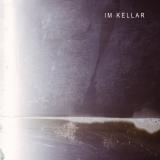
Im Kellar - Amoniac EP is the fourth release of the band on Moustache records. Four tight EBM nowave techno electro tracks made in a concrete bunker in Rotterdam by the infamous IM KELLAR. This time with a rave feel. High energy dark and total underground, non compromised just be cool sound, If you've been listening around you may have heard it already at festival or club played by Moustache Labelboss David Vunk himself. No words are needed. The real deal pre order now or be too late.
Baby T is a space away from her work as B.Traits in which Brianna Price can lean more into the junglist, drum ‘n’ bass and hardcore sounds which she loves so dearly. With BSHEE02, the second drop on Price’s own Banshee label, Baby T delivers a darkside masterclass of an EP. This record is a quartet of system blowers which doesn’t let up for a single second from start to finish.
Opener ‘Times Up’ is urgent from the off - the initial strains of this joint find sirens wailing in the monitors over a twitchy kick/drum/hats combo. From here on it’s distilled raver perfection, the drums taking us on a wild Wipeout-style ride as the subbiest of bass skulks at the bottom of the mix. Imagine a more technoid take on the classic breakbeat freerides of Skanna and you’re not far off the ‘Times Up’ sound.
A remix of ‘Times Up’ from man like Aloka leans with devilish glee into the murky underworld that lurks beneath Baby T’s original. Aloka’s version is extremely eerie in a manner which makes you think of the darkest corners of a DMZ party. When things really kick into gear, driven by an irresistible kick dembow, the effect is hypnotic - think the dubwise junglism of the UVB-76 cohort.
BSHEE02’s B-side kicks off with ‘Coercive Control’. This is a cut which delivers on its title in spades, putting the listener in a trance with an interplay of low-slung bass, whirligig synth tones and more of those perfectly executed broken beats. The acid starts to kick in around the minute mark, and it turns out to herald a total earworm of a lead melody.
There’s plenty of dimly-lit malevolence to BHSEE02 closer ‘Dense Dickwood’s grinding atmospherics and gurgling bass throbs. However, Baby T opting for a half-time drum break here gives the cut a vibe not dissimilar to the weightiest jams of classic Massive Attack - that is, until an absolutely remorseless switch-up occurs halfway through, delivering volley after volley of intense drum hits.
Roughly three and a half years since pushing the boundaries of 160BPM and stepping beyond the realm of footwork with the Reidai EP, Oyubi returns with an even deeper sound, dropping due yesterday.
This EP consists of four tracks that showcase a darker, more introspective side of the producer, stepping away from the ghetto and booty flavors found in his other releases. However, anchored by his signature sequence patterns, the sound design—striking a perfect balance between playful and profoundly dope—only serves to amplify the groove.
The ultimate embodiment of this evolution is the B1 track, "Taiko 2." While it inherits its name from "Taiko 160" on the Reidai EP, its form is entirely transformed. Relentless, high-speed drums and stripped-back minimal components take over the mind and body like a dark incantation. Packing a hypnotic power that far surpasses its predecessor, it's destined to be a killer weapon in any DJ set. It’s also worth noting that this track draws heavy inspiration from Kode9 & DJ Fulltono’s "TKO."
Naturally, the other three tracks are just as formidable. Infused with elements of dub, A1 "Erekiteru" centers around a pulsing bassline heartbeat, keeping the groove steady alongside crisp, dry claps. Meanwhile, A2 "Da Groove" and B2 "Wop Wop" heavily incorporate Baile Funk and Dembow influences. "Da Groove" is quintessential Oyubi: as the extended intro breaks and the four-to-the-floor kick drops in lockstep with the bass, it guarantees instant unity on the dancefloor. Finally, B2 "Wop Wop" relies on intentional distortion and subtle spatial processing to build its foundation, revealing a dark side akin to "Taiko 2"—complete with an exceptionally punchy snare.
Fully loaded with Oyubi's uncompromising dark-side approach, due yesterday is set to be a 160BPM masterpiece.
If – in some parallel universe (or perhaps a not-so-distant-future version of the one we’re already sentenced to living in) – the evil overloads of artificial intelligence were actually successful in their attempts to create convincingly enjoyable “original music,” more specifically tasked with wholly encapsulating my own personal tastes by data-chugging some cocktail of – oh, I don’t know – the posters on my wall, the records in my “most listened to” pile, the mixtapes I made for others, intensive physical scans of my auditory cortex, amygdala, hippocampus, heart strings, whatever else they have splayed out on their autopsy table with the intention of generating one all-encompassing “perfect band” based on the fruitful sum of their findings – that band, for me, would be (or would at least sound exactly like) the Tara Clerkin Trio. It is, quite simply, without exception, the music I wish to hear.
Formed in Bristol UK (where none of them are from yet all of whom are deeply engrained) in 2020, the Tara Clerkin Trio – as it somewhat democratically exists today, despite the singular authority implied by its name – consists of the titular Tara Clerkin, her partner Sunny Joe Paradisos, and Sunny’s brother, Patrick Benjamin. I’ll confess, I don’t know what their respective roles are within the operation and there’s only a very small part of me that cares to learn, as one of my favorite qualities in an objective listening experience is the mystery of who is playing what, which sounds are “authentic” versus synthesized, which chunks are performed “live” in a room together versus meticulously Frankenstein’ed from measure to measure, or how exactly the overall sound is so (seemingly) effortlessly achieved. Though, I suspect, if and when I do witness a live performance by this band at any point, my enjoyment of the music will not be lost in my better understanding of it.
With two extraordinary mini-albums – In Spring (2021) and On The Turning Ground (2023) – making a splash on London’s formidable World of Echo label in wake of their self-titled 2020 debut, this upcoming Somewhere Good LP is, in many ways, the band’s most realised work. In running their usual gauntlet of idiosyncratic (*an overused adjective for which here there is regrettably no sufficient alternative) approaches, Clerkin & co. colour in and outside of compositional lines over the course of 40+ celebratory minutes - never wallowing, despite inherently somber subject matters of self-defeat, disease, displacement, restlessness, gentrification - allowing their arrangements and improvisations ample space and time to situate, stretch out, breathe, cross-pollinate, and ultimately take deeper hold on the listener’s imagination – all while somehow sounding more like themselves than ever before.
Of course, there are traceable influences herein, if one felt that such comparisons were necessary to properly examine and enjoy this music (they aren’t)… Being the big dumb American from the small boring town that I am, cornfed on ‘90s alternative radio with the enchantingly exotic sounds of Maxinquaye and Mezzanine emanating from my chunky tube television, I can’t help but to make a blatantly obvious reference to a “Bristol sound”, ie the whole trip-hop trip, the pastoral crooning over the suggestive urban grime of cracked electro/piano treatments, the digitally-yet-primitively reconstructed James Bond soundtrack string-beats, etc.. But the Tara Clerkin Trio is so infinitely much more than that. There are elements of avant-pop, modern classical, kraut-folk, audio verité, dare I say indie rock (and not of the beer guzzling, masturbatory fuzz-flex variety but perhaps more like a Trish Keenan-fronted Faust, Adrian Sherwood at the mixing desk of If You’re Feeling Sinister, or – in expanding on our alternate reality – a world in which High Llamas cut a full-length for Warp Records with Andrew Weatherall on coffee duty).
The hazy, unmappable skyline-mirage of droning harmonium, upright bass, peculiarly accentuated wind instruments, acoustic guitar, hushed yet literally mighty keys combine to hypnotizing effect. The band may make underlying nods to jazz, sure, but it’s not appropriation, it’s that they have the actual chops to build it out. Beneath the janky samples and oddball percussive embellishment lies actually great drumming. Beyond the manipulated vocal witchery and woefully reflective plain-spoke moments are Tara’s subtly inspired melodies, sung with what might honestly be the glue to the whole crazy equation. A calming consistency throughout the otherwise unpredictably dynamic, boldly intuitive, uniquely British exploration of this (their own) universe in song. – Ryan Davis (Chicago, February 2026)
Magdalena Bay, the Los Angeles-based duo of Mica Tenenbaum and Matthew Lewin, create magical pop music that floats in the ether of our collective social cosmos. While they call California home, their essence lies in the clouds, emitting unique yet familiar frequencies of synthesized nostalgia, kitschy catchiness, and warped neo-hooks. Suited for the times, Magdalena Bay blends the known and felt with innovative sonic landscapes.
Tenenbaum and Lewin met as teenagers in a Miami high school music program. Tenenbaum, who moved from Buenos Aires to Florida at age one, and Lewin, a guitar shredder influenced by his dad’s prog and concept rock records, quickly recognized their kindred spirits. They formed a prog band called Tabula Rasa and began a romance. Both were skilled musicians; Tenenbaum a pianist and singer, and Lewin self-taught in production and music theory. Despite attending different colleges, they maintained their band, traveling hours to rehearse before realizing two things: their relationship was undeniable, and prog rock wasn’t resonating with young audiences.
Shifting their focus to pop, they explored its craft, leading to the creation of Magdalena Bay. They learned the complexities of pop writing and production, striving to create something interesting within the genre. Describing their music broadly as "pop," they released several EPs and singles before debuting their album, "Mercurial World," in 2021. Praised for its melodic hooks and meticulous production, it was often labeled as "synth-pop."
Their success is reflected in streaming numbers, social media followers, and festival appearances. Magdalena Bay's stylized online aesthetic complements their music, creating a cohesive artistic vision. Tenenbaum says, “We love extending the world of our music past sound into videos or graphics.” Lewin adds, “We’re trying to create an atmosphere or an emotional quality with it.” This integrated approach, termed "world-building," is central to their artis
What began as a career in DIY bands has since evolved into a wholly solo endeavour, with her recent work in particular showcasing her prowess as both songwriter and performer. Through this, she defines a distinctly personal vision of pop creativity -- a "perishable good," as she calls it, meant to be shared when the moment calls for it.Limbo, her most personal and fully realised body of work yet, will be released this year on YEAR0001. A cathartic explosion of emotion through sound and substance alike, it's a record that finds Namasenda at her rawest, most vulnerable state. Limbo has blossomed from a relentless artistry that has been waiting to be unleashed for years.
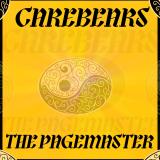
With CONVENT009, Carebears deliver another quirky and sharply crafted slice of underground house music, joined by Tommy Vicari Jnr for a remix that fits the record’s off-center spirit perfectly. Dry, minimal, playful and built with real club instinct, The Pagemaster sits in that sweet spot where character matters more than obvious effect. Another tasteful and quietly effective tool for those who like their records with personality.
After years of shaping dancefloors worldwide and carefully curating the sonic and visual identity of Up The Stuss, Dutch favourite Chris Stussy presents his most expansive and personal statement to date with his debut album, ‘Lost, Found & Forgotten...’. Landing on 3rd April, the album unfolds across three interconnected chapters - ‘Lost’, ‘Found’, and ‘Forgotten’ - each revealing a different side of his creative world across 19 tracks while remaining tethered to a singular wider vision.
At its core, ‘Lost, Found & Forgotten...’ is an exploration of creative freedom. Visually and conceptually guided by the image of a kite, the album reflects movement, perspective, and balance. Floating freely yet always anchored, the kite mirrors Chris’s approach to music: unrestricted in emotion and imagination, but grounded in groove, craftsmanship, and intention. It’s a symbol that naturally extends the Up The Stuss identity; pointing skyward, embracing openness, and encouraging curiosity.
“This album has been a long time in the making, and I’m excited to finally share it with you. The process behind it - exchanging ideas with other artists and creating music outside of my comfort zone - has been an incredible experience. It gave me a true sense of freedom, allowing me to not think about boundaries or expectations. I’ve never been more proud of a project than this one. It’s deeply personal, and it represents my sound as a whole. I hope you listen with an open mind and find something in it that resonates with you.” - Chris Stussy.
The ‘Lost’ chapter opens the album by giving new life to music once left behind. These are tracks written across different moments in Chris’s journey, ideas that never quite found a home until now. Rather than relics of the past, they emerge re-discovered, refined, and fully realised. ‘
Found’ represents inspiration in motion. Sparked by collaboration, digging, and shared creative exchange, this chapter captures the moment when ideas connect, and colour floods the sky.
The album closes with ‘Forgotten’ - a nod to the deeper cuts, the B-sides, and the moments that reward patience. This chapter is for the heads and diggers; tracks that may not demand immediate attention but reveal their value over time.
Daybreakers welcome back Chicago’s Vick Lavender for Essential Traxx Vol. 3, continuing a run of records that tap straight into the deeper end of his sound. A producer, musician and DJ with decades behind him, Vick has always moved in that space where house, jazz and soul naturally meet. It’s music with patience, feeling, and that unmistakable Chicago touch.
On the A side, Atmosphere brings things firmly onto the dancefloor. Rolling drums, deep bass and a groove that locks in and moves with purpose. Proper club-ready deep house that does exactly what it needs to do.
Flip it for There It Is featuring DMillz, and the journey goes deeper. Lush chords, soulful touches and that signature Vick Lavender flow unfolding over time. One for the heads who like to let the record tell a story.
Essential Traxx Vol. 3 keeps the story moving. Real house music from the source.
zzzahara (They/Them) is the solo moniker of Eyedress/Simps/US Velvet
guitarist Zahara Jaime
Plenty of people come to Los Angeles looking to make their California dreams a
reality. But zzzahara has always been here, turning reality into a dream.
Attwood: "A feverish indie rock song drowning in intimate emotion and frenetic
energy, zzzahara's "they don't know" is a vulnerable and raw outpouring from the
heart."
Dummy: "An infectious indie rock number overflowing with emotion and frantic
energy, zzzahara's 'they don't know' is a clear statement of intent from a solo
artist coming into their own."
Paste: "…this single feels like something special."
Guardian: "Cantering through the gloaming with a blend of coldwave and early
Cure, the Los Angeles guitarist and songwriter banishes summer, to cheers from
neo-goths everywhere."
GiGi FM is going back to her first love, Jungle. It’s one of the defining genres that shaped her journey into music. The DJ, music producer, dancer and poet is releasing her first jungle EP, Shelter Our Time on her label Sea-rène.
Following her 2025 techno EP Virgo Space Acid, GiGi FM turns inward on these 5 deeply personal, pop-infused liquid drum & bass tracks. It also marks the first time GiGi prominently centers her own lyrics and singing at the emotional core that thread the rhythm and movement of the music.
Written during a period of enforced stillness, the record became a form of transportation to imaginary realms; warm sunsets, liquid horizons and underwater dreamscapes that became portals to spaces where GiGi’s mind could still move freely.
Beyond its warmth, Shelter Our Time became a space of processing. The music acted as a catalyst – transforming experience into rhythm, memory into melody. For GiGi, music has always been a form of therapy, a way to metabolize life in real time. As she puts it, “It’s about learning to hold joy and pain in the same body and choosing to keep dancing anyway.”
After a sold out first release, NY’s Superflux is back for Round Two with a debut release from arguably the most unsung hero of the Midwest underground. Uplink is a REDACTED-based hardware specialist known for their work running a series of labels and organizing parties that have helped define the region’s sound for more than a decade. Crafted using time-honored tools of the trade, these four dubby, tracky, and raw cuts – lifted from live stereo board recordings – will sit comfortably alongside releases from STL, Skudge, and MRSK.
The A1, Audio Sport, is a dubby groover with almost-steppy hats and bit of bite; a reverb-drenched lattice of delayed pads bends your sense of time and space until you realize you’re 12 hours into the warehouse function and someone’s just thrown a piano off the roof. A2, Blue Untitled, is a deep stomper reminiscent of the early WAX records. A big & shifty bassline turns this into a true head-nodder. B1, Temporary Machine 1, is a more subdued dubbed-out tech house cut anchored on a rolling bassline and flanked by dusty percussion and prescriptive stabs. Proper warm up tackle or hazy after-afters fodder: the choice is yours. Connoisseurs of a fine B2 rejoice – this one is it. Dokta is a moody, tripped out late night techno affair with a dash of bounce for good measure. All that hisses is gold.
Following their 2023 LP Presents, Nathan Nelson's American Cream Band bring the Twin City heat back to Quindi with an album rooted in duality. From the yin and yang party-starting A side and meditative B side to the dual-attack boy-girl vocals, the nature of opposites and equals steer the expansive, artful strain of rock n' roll that spill out of this wholly unique Minnesotan export. For the ever intriguing Quindi, it's a strident step into Spring after the frosty introspection of Roudi Vagou & Läuten der Seele's Taghelle Nacht. While the world burns and injustice prevails, Twin is a celebration of unity and radical expression-all the more urgent against the backdrop of authoritarian overreach and righteous protest that has whipped through Minneapolis in recent times.
Twin continues Nelson's drive at the helm of American Cream Band to draw in a colourful cast of players to feed into his orgiastic sound, meshing the trance-induction of krautrock with the irrepressible funk of the post-punk-new-wave explosion. But principal among the cast of characters and forming a central tenet to the identity of this album is Liz Buhmann, lead vocalist and a formidable, playful foil to Nelson's own Midwestern twang. Around the electric spark between Buhmann and Nelson, a heavy duty ensemble wrangle guitar, bass, sax, a cornucopia of synths and a battery of percussion into all manner of sonic forms.
The double-sided concept manifests throughout Twin. On 'Call Me' Buhmann sings in French to contrast Nelson's English, while the strident strut of the NYC disco groove is offset by an inherent dreaminess that turns the track into a more cosmic kind of dancefloor workout. 'Ethical Vampire' is a spiky cut with a garage rock patina that spirals into a psychedelic, synth-soaked get-down. 'Don't Burn The House Down' is a loose and limber roller that captures Can at their funkiest along with the hypnotic vibe of other such esteemed long format jammers, but American Cream Band boils that energy into a hook-laden art pop sensibility before a gentle, drawn out landing.
Even the more pensive moments on Twin find space for friction. For all its tender, smoky temperament, 'Leda and the Swan' lets the electric piano and guitar fray at the edges and bleed into the red while Mat Heinrich's tumbling drums lurch with pent-up intensity on the one. 'No Funeral Necessary' skirts around the mellow pools of new age but prefers to let liberally doused Tape Echo tweak out Alex Meffert's honeyed sax inflections and Buhmann and Nelson's disparate sermons.
Nelson describes Twin as "an oppositorum coincidentia" - a reference to the mystical Latin concept of the coincidence of opposites that suggests contradictory ideas 'fall together' in a higher reality. Beyond the sound of the album, this idea also manifests in the cover photography by Sho Nikado and the swans on the LP labels by Autumn Garrington. As freewheeling and wide-open as American Cream Band feels, nothing appears by accident. The end result feels like a nourishing whole - rich with substance and nuance, deep enough to be explored and absorbed yet also so brazen and immediate you can't help but feel its surface charms from the first thrusts of 'The Hive Is Pissed' to the last ripples of 'We're Not So Sinister'.
Unlike the main Magic Wand label, the imprint's offshoot 'Special Editions' series is a little more fluid about what it releases, with some EPs sporting original productions - many of which are admittedly sample-heavy - as well as re-edits. That's the case for this second missive from Matsoaka (real name Matt Lundgren). So, while the EP begins with a genuinely gorgeous and Balearic original cut (the dreamy and slow-motion folk-rock of 'Butterflies', featuring the emotive and harmonic vocals of Butterflies), much of the rest falls into the "Balearic re-arrangement" category. In this camp you'll find the immersive, trip-hop style dreaminess of 'Faith', the mid-80s Yellow Magic Orchestra-style Fairlight-sporting electro of 'Gin Yuzu', and the dollar bin brilliance of 'Sheriff' (a take on a Japanese city-pop cover of a reggae favourite).
With the launch of Flirt, Alarico distills the essence of his current techno vision while sketching its next phase.
This is techno stripped to its most instinctive form: rolling basslines, teasing vocals and seductive rhythms with hints towards deeper and more melodic realms.
Through analog synthesizers and Eurorack modular systems, in “Axis,” Equinoxious establishes an axis between electro and minimal electronics, closely flirting with the harshness of industrial. The pieces unfold under a logic akin to the cybernetics of Norbert Wiener: feedback systems, flows of information, and voltage control intertwine with the experience of the one who operates them; the synthesizer ceases to be a mere tool and becomes an organism that reacts and communicates.
These tracks are inspired by speed, the absurdity of reality, the impossibility of things, imaginaries of dystopia, and protocols of romance, delivered with mechanical frankness and precision.
Recorded between 2023 and 2025, the pieces stand out for their FM synthesis basslines and incisive 808 derived percussion; subtractive synthesis, and 90s samplers dragging staccatos and energetic sequences.
Voices From the Lake (consisting of Donato Dozzy and Neel) mark the 10th anniversary of their influential self-titled album with a fully remastered reissue on Spazio Disponibile. It arrives in full on vinyl for the first time, as well as on digital formats, first quarter of 2023 as the pair continues to play select live shows around the world. The release will see the light of day as a 4-set vinyl LP release, including download. Italians Dozzy and Neel have been friends united by a shared vision of music since their teenage years. They are immaculate sculptors of sound who fuse evocative ambient and leftfield techno into multi-layered soundscapes. For many years they worked as established solo artists but came together in 2011 to craft what is now regarded as one of techno's most pure and absorbing listening experiences. It's often said that the best music comes about as a happy accident, and that is certainly true of Voices From the Lake. The career-defining album first arose in the thoughts of Dozzy and Neel when the latter was preparing a mix for the former's wedding and named it Voices From The Lake. It was a pertinent title that stuck in the mind: both grew up by waters around the coast of Italy, and in their early days the pair even held private parties on the shores of a lake. Fittingly, Japan's celebrated Labyrinth festival at that time was also held by a river and a lake in the middle of a forest on a serene mountainside. It was that exact setting the pair envisaged when making music to play live on stage. During preparations, they "accidentally" wrote an entire album. It has only ever been performed live a few times - once at Japan's Labyrinth festival in 2011, at London's Barbican, Barcelona's Mira Festival, Paris' Marathon Festival and once during 2022's Amsterdam Dance Event. Those shows saw the pair using banks of analogue and digital equipment to improvise in the moment and essentially remix the album live on stage. That spontaneity is captured in the original Voices From the Lake recordings and on later LPs such as Live at Maxxi in 2015, and the most recent EP Quarto Freddo from 2020. But the debut album remains a standout achievement. A decade on, it's quiet intensity, musical storytelling and slowly unfolding tension remain in a class of one. Each sound is meticulously designed and placed, and the spaces left behind are just as important in conveying such a captivating mood and emotion. Rather than traditional kick drums, hi-hats or snares, this is music crafted from layers of real-world sound - dripping water, chirping birds, rustling leaves or a distant breeze - and it's that which defines the album's organic allure. From deeply contemplative to cautiously optimistic, pastoral organic scenes to more underwater worlds, Voices From the Lake is a cohesive collection of tracks that add up to one inseparable whole.
Gidia, the collaborative project of Giorgos Lemos and Kondaktor, deliver a bold release that marks a new chapter for both the artists and the evolving sound of REVOLT.
Born between global influence and local greek reality, Gidia operate at the intersection of club culture and street memory. Their sound moves freely across house, techno, electro and acid, drawing from West Coast grooves, disco-house energy, early Daft Punk aesthetics, boombox culture and the raw attitude of B-boys music.
Sometimes the title of an album tells you everything you need to know. Laurence Pike’s Possible Utopias for Jazz Quintet is like that: The music within represents a search for freedom, potentiality—liberatory strategies that transcend the ego and the solitary, atomized figure.
But in this case, the album title is also a red herring, because there is no jazz quintet here—just Pike, his drums, and his machines, not so much an ersatz ensemble as a purely notional one, a thought experiment equipped with drumsticks, circuitry, and the desire to go beyond hardwired limits.
And the results, strictly speaking, aren’t really jazz, though they incorporate the vocabulary of jazz, along with that of ambient, electronica, and post-rock. They are some other thing, cognizant of genre but never beholden to it. Again, we’re talking about a search for freedom here.
The Sydney-based musician has a long history of coloring outside the lines, not just in his solo recordings—including four albums for the Leaf label between 2018 and 2024—but also in the trio Pivot (later PVT); Szun Waves (alongside saxophonist Jack Wyllie and Border Community’s Luke Abbott); Triosk, which recorded an album with Jan Jelinek in 2003; and even post-punk titans Liars, whom he joined in late 2018.
Of his first album for Balmat, Pike says, “My loose concept was: What does music sound like when the expectations of late capitalism are removed from it? How might a jazz musician from an idealised culture of the future, or even another world, utilise musical language when the conventions of style and marketing are no longer a factor in music making?”
That inquiry, he says, connects to his “guiding principle: that the purpose of music is to access something bigger than the individual, and reveal a sense of possibility and freedom in the world to the listener. To create an understanding that the future can be something other than what we imagined or expect, even unconsciously.”
Heady ideas, but plug into his stream-of-metaconsciousness flow and you may start to intuit what motivates him. There is a deeply lyrical expression in these pieces—in the ruminative piano of opener “Guardians of Memory,” for example—but also a sense of exploded perspective, of ideas approached from more angles than any one mind could dream up. Of a collectivized consciousness, of mycelial networks branching across tone and rhythm and timbre, of ideas articulated in distributed fashion, nodal points dancing across drum heads.
Pike’s imaginary quintet is hardly without precedent; it’s a continuation of concepts floated across Jan Jelinek’s Loop-Finding-Jazz-Records, Burnt Friedman’s many guises, and much of the recombinant improv of the International Anthem roster, not to mention the far corners of ECM’s catalog in the late 1970s and 1980s, which Pike says have been integral to his development since he was a teenager. Possible Utopias for Jazz Quintet is a point in a continuum, a voice in a conversation, a question with no obvious answer: How can the search for otherness in music manifest something true about ourselves?
Xistence Records is destroying the boundaries between house and techno. The Rise E.P. simply goes to show you a good label does not lose it's competency after 4 years of releasing music. This 4 tracker sounds sublime! If you like deep emotional melodic music, you should have this 12”.
Difficult to pick a standout track as they all offer something different…
The original version of Resilience is a stunning track, reminds of the early Octave One sound with a great mixture of percussion, classy bassline, nice layering of textures and melodies.
While Gerald Mitchell (Underground Resistance/Los Hermanos) retouch is a soulful stripped back tune with elegant drum work, linked together by a uplifting synth pattern.
Sunset To Sunrise, a delightful piece of haunting electronica. It’s a real journey back to the birth of Los Hermanos. Class!
Meteoric Rise original version came out as digital earlier on the label, Journey Around The Sun Mix here has the UR sound. It’s more complex, Detroit lesson in syncopation and rhythmic programming with chord stabs and shuffling drum work drives this one forward..epic!
We are pleased to announce the first FEX live album, Don't Look Back. The release features selected recordings from two concerts in Paderborn and Uelzen, both captured in 1985. All tracks on the album are previously unissued, including entirely unheard songs such as It's a Hard Life, Just Get Back, Legend, and Waiting Song, alongside a previously unreleased version of Subways of Your Mind, widely known as "The Most Mysterious Song on the Internet."
One of the most striking aspects of the album is the remarkable sound quality of the live recordings, as well as the strength of the performances themselves - particularly given that FEX were still considered a newcomer band at the time. The four-piece lineup consisted of singer, guitarist, and primary songwriter Ture Rückwardt, Michael Hädrich on keyboards and occasional second guitar, Norbert Ziermann on bass, and Hans-Reimer Sievers on drums. In 1985, the band was preparing for broader exposure through a nationwide tour organized by the small promotion company HBM-Musikbüro.
The album opens with the psychedelic Skyscraper, a track Rückwardt reportedly regarded as a personal favorite to perform. Hädrich contributes dynamic synthesizer layers, while Ziermann underpins the track with a distinctive slap bass groove. This is followed by the energetic rock number It's a Hard Life, which once again demonstrates that the band possessed multiple songs capable of matching the impact of their best known track Subways of Your Mind.
After this energetic opening, the album shifts into a more restrained mood with the synth-pop ballad I Got My Eyes On You. It is followed by Strange Feeling, presented here in a particularly compelling live version that arguably surpasses the previously released studio demo featured on the Skyscraper LP, with Rückwardt delivering one of his most expressive vocal performances. On Goldrush, another fan favorite, it is Hädrich's DX7 synthesizer work that stands out.
Don't Look Back continues to flow seamlessly, moving between styles such as new wave, synth pop, and a blues-influenced form of classic rock. On It's Good To Know, a song addressing the theme of stardom, the band returns to a heavier rock sound. In contrast, the synth-driven Just Get Back reflects on the conflict in Northern Ireland, then ongoing at the time. Lines such as "It's the money, it's the money why they come along" are directed at mercenary soldiers, while "even Sunday's a killing time" directly references Sunday Bloody Sunday by U2.
Previously known songs such as Dirty Slapstick and Heart in Danger lead into We Don't Want It No More, perhaps the band's most striking pop ballad. It is easy to imagine that the track had the potential to achieve radio success in the 1980s. The following piece, the epic Legend, explores themes of loneliness and love simultaneously. With poetic and abstract lines such as "some isolate in the falling rain" and "that's why I count all the reasons they call out for living, sadness is falling inside," it builds an almost eerie atmosphere.
One of the final highlights of the album is Subways of Your Mind, recorded in Uelzen. In this version, Rückwardt's vocal performance is even more on point than on the previously issued recording from Paderborn. Another notable moment is the driving, 1970s-inspired rock 'n' roll track Waiting Song. Both the composition and its live performance carry an energy that could easily stand alongside the repertoire of bands such as AC/DC. It was usually the track that FEX ended their concerts with, calling out each band member at the end of the song.
This leads to a broader reflection: it is striking that FEX did not achieve a wider breakthrough at the time. The performances captured here suggest a band capable of delivering consistently, song by song, note by note. It is not difficult to imagine FEX performing in large venues and engaging sizeable audiences. In reality, however, most performances in 1985 took place in front of relatively small crowds. The recordings featured on this album originate from the Roxy club in Paderborn and a small, unknown venue in Uelzen, likely in front of fewer than fifty attendees.
An essential figure behind these recordings is the engineer known only under his nickname Hase (German for "rabbit"), who was responsible for capturing not only these concerts but many other surviving FEX recordings. Bringing his own mixing desk to performances, he developed a deep familiarity with the band's material and was able to shape the live sound with precision, including the timely use of vocal effects. The original recordings existed only on cassette and required careful and extensive restoration work. Zoey Cairs was finally responsible for bringing them to their present quality.
This album marks the beginning of the Live Waves series, following the rediscovery of additional recordings that have gained international attention since November 2024, when they surfaced through what has been described as the largest "lost wave" music search to date. The title of this first live LP Don't Look Back carries a certain paradox. While the album invites listeners to revisit recordings from forty years ago, FEX themselves were always oriented toward the future. In that spirit, further releases of brand new material are already planned.
The cover artwork is once again based on an image by Magnussen from the Kiel archive, depicting the Prinz-Heinrich-Brücke. The bridge, once located in the northern part of the city, no longer exists. As a symbol, however, it remains fitting: a bridge stands for movement and connection - qualities that FEX sought to embody on tour, bringing their music to different places and audiences.
Extinction Burst! is the new invocation in album-form by Guttersnipe, Leeds’ premier and pre-eminent XFCER (XFCER: Xenofeminist crisis-energy rock)* duo. Slamming at full speed to multi-dimensional oblivion, Extinction Burst! is the most full, hidefinition lurid dream-mare yet spewed out by Uroceras Gigas & Tipula Confusa. Engineered and mixed by Ross Halden at Hohm Studio in Bradford and mastered by Rashad Becker, Extinction Burst! follows 2018’s My Mother The Vent, which garnered universal critical adoration. Nevertheless, this long-awaited follow up is more extreme: it is wildness beyond reason, splitting new tears in the reality gauze, ultimate hallucination through sound ecstasy. 2026’s Guttersnipe are evolved, mutated by 8 years of touring together and with the labyrinthine network of groups both Guttersnipe members are involved with - Tristwch Y Fenywod, Nape Neck, Petronn Sphene, Yexxen to name a few. On Extinction Burst!, as with previous material, the duo are heavily augmented with technology. Tipula Confusa's drum kit triggers chasm-causing synth pulses with thumping low end attack.. Strafing from all over the stereo field the constant shatter of the cymbals and toms feel like Sunny Murray or Rashied Ali in full flight during a John Coltrane session in 1967. Uroceras Gigas’s guitar + synth storm is by-now similarly an instantly recognised tool kit in underground music. Switching from screeching guitar atonality to intricate riffs from the black metal/Voivod hinterland to ultra-distorted synth meltdown, it’s an utterly overwhelming, essential and vital pouring-out of the full emotional spectrum. Both artists vocalise, ecstatic and primal, drawn out or yelped in pain or pleasure or panic. Alive On Tuesday begins with some of the only space on Extinction Burst! Digital crackles and tight-delays blow out into a fullthrottled death-dive into sweet opaqueness, offset by the duo’s vocals. There’s a popular believe that Guttersnipe is chaos, but over 9 mins here the group are clinical in their control of the simulated entropy. Mincing while the Maelstrom Churns’s guitar is modulated into jagged atonal atonement, duetting with the virtuoso drum patterns before it thuds into gear at quadruple the speed. Threads Of Radical Unaliveness veers close to the extreme Metal influences with blast beats and guttural vocalisations until the track exhausts itself into unaliveness. Keep Honking summons a demonic digital panic, with the duo reincarnating in real time as haunted versions of themselves, almost translating the lurid, ultra vivid, simultaneous hell+heaven of being alive in this dimension. Primordial Invagination harnesses No Wave’s dissension of normality before the structured collapse of Skra¨ckblandad Fo¨rtjusning, in which Tipula Confusa’s accelerating drums simulate a bouncing barrel of brimstone descending into a primordial gunky ooze, a respite in the middle before the record splutters to a stuttering finale, both members’ vocals out there in the neon realness, alive with crisis energy. There is nothing on this cursed earth like Guttersnipe. For over 10 years they have whirled in a wiggliness both woebegone and wonderstruck on a mission of radical mutant exaltation using rock music weaponry loaded with a queer hysterical ammunition to rupture the fabric of the known Rock universe and unleash a tendril-soft hallucinatory violence; thrumming with the bracing vividness of insect bodies, crazed with alien synaesthetic emotions, harnessing jagged excoriating illogic as a face meltingly snazzy affront to redundant macho mediocrity with the hope to break minds, squeeze hearts, explode pelvises and maybe even reset the parameters of reality. Addendum: xenofeminist : proposing and creating a world defined not only by sexual/gender equality, queer empowerment and the toppling of the racist heteropatriarchal hegemony and it’s tyranny of phallogocentric signifiers, but a philosophy of radical queerness that explodes the basic notion of embodied existence itself beyond even the human, where we see bacteria, invertebrates, reptiles, marine life, animalia in general, inanimate objects, quantum phenomena and as yet inarticulated bodies and minds as social and political equals that may inspire and inform our concepts of self, feeling and meaning as we labour to build a collective reality that doesn’t completely suck!! crisis energy : a term borrowed from the weird fiction author china mieville to describe a type of extreme concentration of power which emerges when a system or organism is pushed to it’s absolute limit; the point of rupture, chaos, entropic overload, just before it all breaks apart. rock : Rock ’n’ Roll, rock music, the devil’s music, sex, guitar, drums, voice, rhythm, riffs!
Ungeschützt, vollkommen verwirklicht und ganz und gar sein Eigen - Wesley Josephs lang erwartetes Debütalbum zeigt den Sänger, Songwriter, Produzenten und Regisseur von seiner selbstbewusstesten und verletzlichsten Seite und bringt die vielen Facetten seines kreativen Lebensweges zum Ausdruck. Das Ergebnis ist ,Forever Ends Someday": 13 Tracks voller Selbstreflexion und weitreichender Realitätsflucht. Auf dem Danny Brown-Feature ,Peace of Mind" hingegen überwindet Joseph seine Ängste und liefert eine basslastige Hymne voller Selbstvertrauen und Zuversicht. Auf ,July" arbeitet Joseph mit Jorja Smith zusammen, und die beiden performen einen freudigen Rückblick, aufgenommen in ihrer Heimatstadt Walsall, in dem sie sich daran erinnern, wie weit sie gekommen sind und was sie alles verloren haben. Joseph nahm sich drei Jahre Zeit, um sich aus dem Rampenlicht zurückzuziehen und seine Geschichte zu finden. Er entschied sich dafür, der Ehrlichkeit seiner Kunst nachzugehen, anstatt aus seiner Karriere Kapital zu schlagen - mit Höhepunkten wie einem ausverkauften Headliner-Konzert im Londoner KOKO und einer ausverkauften Nordamerika-Tournee. ,Ich habe das Album einfach wie ein Gefäß behandelt und ständig Dinge aus meinem Leben hineingeworfen", sagt er. Der Titel ,Forever Ends Someday" bezieht sich auf die vergängliche Schönheit des gegenwärtigen Augenblicks - ,die Vorstellung, dass Dinge, wenn man jung ist, ewig währen, aber dann wird man erwachsen und erkennt, dass die Jugend nur geliehen ist", erklärt Joseph. Die Titel des Albums spiegeln ehrlich die menschlichen Erfahrungen wider, sowohl die hellen als auch die dunklen Seiten. Aufgenommen in London, Walsall, Los Angeles und ,auf halber Höhe eines Berges in der Schweiz", holte Joseph ein Kernteam von Mitarbeitern und Co-Produzenten an Bord, um seine Vision während der drei Jahre des Schreibens umzusetzen. Er arbeitete eng mit dem Komponisten Nicholas Jaar (The Weeknd, FKA Twigs), der mehrere Tracks mit seiner Sensibilität für Soundscapes bereicherte, dem Produzenten Harvey Dweller (Loyle Carner, Joy Crookes), dem für den Mercury Prize nominierten Tev'n (Rina Sawayama, SBTRKT), A. K. Paul (Nao, Fabiana Palladino), Al Shux (JAY Z, Kendrick Lamar, SZA), Ryan Raines (Paul McCartney, Dominic Fike) und dem Produzenten Romil Hemnani (Brockhampton) zusammen. Von Walsall in die Welt hinaus zeigt ,Forever Ends Someday", dass Josephs Vermächtnis gerade erst begonnen hat.