It might seem tongue-in-cheek on the surface, but the fact that the title of Eldritch Priest's sprawling debut vinyl release, Omphaloskepsis, is the Greek translation for “navel-gazing” unlocks something essential to the Vancouver-based composer and writer's singular outlook.
Perhaps even more telling is the title of Priest's 2013 book Boring Formless Nonsense: Experimental Music and the Aesthetics of Failure (Bloomsbury), whose 300-odd pages read as though you've been dosed with potent hallucinogens. Throughout the text Priest addresses—celebrates, even—the titular elements via various musical examples, including that of his peers. What's so bewildering it is that his descriptions of how boredom, formlessness, and nonsense manifest are laced with the very tactics he's depicting. Passages tie themselves in knots, footnotes engulf the “primary text,” he even deliberately misleads the reader.
The restless stasis of Omphaloskepsis could be regarded as an extension of this book's wayward spirit. Things unfold fairly slowly and consistently but it'd be a stretch to describe it as properly contemplative. Like attempting to meditate with a high fever, any sense of tranquility is constantly derailed as one succumbs to queasy agitation. The piece's foundation is a seemingly endless guitar melody; an organic meander that neither seems to repeat or offer any concessions to narrative directionality. Priest unfurls this rambling cantus firmus in a rich, clean, jazz-like tone, but as it's played, it's repeatedly tangled with snarls of dense digital processing and shadowed by stumbling virtual “band.” These strident interjections blatantly contrast with the guitar, yet they aren't so violent as to offer more than a faint itch of distraction. As such, the distinctive amorphousness that this piece asks us to inhabit for its 54-minute duration leaves a strong impression, but also feels utterly intangible.
In addition to his recorded forays, Priest's disorienting music has also been performed by top-tier interpreters such as the Arditti Quartet, Quatuor Bozzini, Philip Thomas, Anton Lukoszevieze, and Continuum. While living in Toronto he co-founded the collective neither/nor with John Mark Sherlock, which featured a cross section of musician-composers playing each other's work including Eric Chenaux, Doug Tielli, Eric KM Clark, Heather Roche, and Rob Clutton. “Though the name refers specifically to a loosely knit group of composers and performers,” remark's the collective's website “neither/nor is also a sensibility that refuses art’s messianic pretensions and the gaping maw of commercialized society, opting instead for art’s right to be esoteric.” In 2021, when Eric Chenaux and Martin Arnold relaunched their neither/nor-adjacent Rat-drifting imprint, an album by Priest, Many Traceries, was among the first to be released. Perhaps unsurprisingly, Priest was a student at the University of Victoria, a school that's come to be known for fostering such staunch individualists as Arnold, Linda Catlin Smith, Allison Cameron, and Anna Höstman.
As a scholar, Priest writes from a 'pataphysical perspective and deals with topics such as sonic culture, experimental aesthetics and the philosophy of experience. Priest brings these interests to his job as an Associate Professor in the School for the Contemporary Arts at Simon Fraser University, interests that also inform his work as a member the experimental theory group The Occulture. In addition to Omphaloskepsis, his new book, Earworm and Event: Music, Daydreams and Other Imaginary Refrains,
In his foundational essay on Los Angeles, L.A. Glows, the essayist Lawrence Weschler speaks on the city's uncanny, immediately recognizable light; "The late-afternoon light of Los Angeles—golden pink off the bay through the smog and onto the palm fronds." Weschler traces the city's mysterious refracted light from the iconic paintings of David Hockney through the city's frequent portrayal on film and TV, noting its ability to put residents into a state of "egoless bliss."
Similarly, Alex Ho's new album for Music From Memory, 'Move Through It', radiates with the unmistakable LA glow. While the Pasadena native's studio work is just now coming to light, Ho has long been a fixture in the Los Angeles dance music scene, throwing what are perhaps the city's most musically expansive warehouse events and carving out a singular voice as a DJ, as heard on his brilliant Moony Habits show for NTS. The eight-track record, however, lands in a more contemplative zone, better suited for a golden hour drive than a night out.
Though it's his first record, 'Move Through It' is the accomplished work of a fully-formed artist, produced patiently between 2017 and 2020 with help from friends including Baba Stiltz, Phil Cho, Damon Palermo and John Jones. "Mark," the Koanic track conclusion side A, is an arpeggiated slow burn reminiscent of Pino Donaggio's brilliant score for Brian De Palma's 1984 film Body Double. Ho's stunning, pure falsetto soars above gentle melodies. "Miss Suzuki," the piece that originally caught the ear of MFM's Jamie Tiller and Tako, opens the record with a blue, cinematic sway. Ho's facility for poignant melodies—easily conveyed through saxophone, vibes, various keyboards and his own voice—shines on "College Crest Drive," as well as the title track. The lyrical "Move Through It" and the restrained and beautiful closing cut, "TYFC," are abetted by glimmering Kraut guitar figures courtesy of John Jones.
While Ho's rhythms and melodies paint a crystal-clear musical vision, the music's emotional centre is more elusive, indicative of a yearning feeling synonymous with the City Of Angels. Hitting these hazy and subtle notes, Move Through It falls within a canon of sun-addled records spanning from Herb Alpert's "Rotation" to Dam-Funk's Private Life trilogy as Garrett. An immersive and concise statement, Alex Ho's 'Move Through It' is as warm and uncanny as the city that inspired it, a definitive LA album.
Vincent Koreman a.k.a. Drvg Cvltvre has been cultivating its perfect mix of Techno, Electro and Acid for a few decades, varying speed as his gusto, without removing an iota of intensity or darkness. His high volume of work means that he publishes almost everything through his New York Haunted label, but his productions have also shone on renowned labels such as Pinkman, Viewlexx, Shipwrec, Permanent Vacation or OMNIDISC. In this new release through NNY Records, he again stands out from the rest of the producers thanks to four great tracks that move between slow, dense and epic Techno with acid touches and hazy environments (A Lion Sinester, Dead And Gone); the dirtiest and leatheriest Electro (Serbian Ballerinas) and the most abrasive and serious Acid you can find on the dance floor (You Smell Like Cheetos And Sadness).
Some people are just not destined to have enough sleep.When you don't sleep enough the world appears to be a different place, compared to the way it is when the mind is fully rested. In such cases very different scenarios may occur.
Starting with a dreamy melody of Roma Zuckerman's 'Sleep not found', which inspired the entire 008 album, and ending with a thirteen minute live recording by a_000, the side project of Alex Backdrop, the entire record has a dreamy and tripped out flow. 008 continues the tradition of gatefold double EPs as conceptual album.All tracks are selected around a particular story, a trip, and presented as a continuous sonic landscape.All tracks are structured in a way that they can be mixed one with another an endless amount of times making a continuous loop, a trip, that needs only end when the party stops. Kraviz works without release dates or deadlines, enabling her to achieve a certain sound bank to shape the story, unmasking the thoughts and unravelling like a dream. A1. Roma Zuckerman - Sleep Not found (North Edit) Apart form the fact that he leaves in Krasnoyarsk in the middle of Russia, very little is known about Roma (short version of the name Roman). But listening to his music and engaging in random short conversations late at night makes it clear that there are really a lot of things going on Romas mind... Minimalistic yet emotionally complex, his music always stands out with it's murkiness and signature moodiness that Roma creates like nobody else.
A2. Deniro - G Deniro continues the record's journey with his new live cut that like pretty much everything he did so far is a beautiful sparse atmospheric groover. He says he wanted it to be angry and it its done with triggering synths from the tr909 and tr808.
B1. Maayan Nidam - Infinite Rattle
Maayan was born in Tel-Aviv. She does not like computers and prefers to record her music live using hardware only. In order to do so she built her incredible studio in Berlin where she recorded "Infinite Rattle'.There is much more to come from Maayan on
B2. Bbbbbb - Prins Polo Caramel milkshake.
Side project by Bjarki-bbbbbb. Like any other normal Icelander, Bjarki really likes ice cream. In Iceland they are absolutely crazy about it.They walk the streets, ice cream in hand, even when its freezing cold outside. But even more than that Icelanders like Milkshakes with all sorts of added cookies and candies. Bjarki's favourite is called Prince Polo after the name of a chocolate bar. He always believed Prins Polo was an Icelandic brand but a couple of months ago somebody proved him wrong.
C1. Exos- dub jazz
In Iceland Exos is a legend. Everybody knows him there. He's been playing incredibly powerful and technically advanced techno sets since the late 90s and releasing delicious dub techno on Icelandic label Thule. Nina always appreciated his subtler, dubbier side, and this short recording a the continuation of it.
C2. Maaayn Nidam - Justice for some
This second live recording was a perfect fit for this album. Maayan has managed to create a particular mysterious night time dreamer here. Sound wise it's even more unique. It took a few times to get the master right, because we wanted to keep the original breathing of the machine that has captured a seriously freaky vibe. Maayan has always been one of Nina's favourite DJs as they share a similar attitude towards music. But after this tune she has also reserved a place in Nina's collective of favourite producers. D1. A_000
This is a side project of Italian native Alessio Meneghello (Alan Backdrop) & Enrico Voltan. . A beautiful 13-minute sonic journey.
The London label continues to innovate with their biggest release to date.
10 tracks – 10 incredible artists adding to their string of solid releases by new and established art-ists.
Setting fire to the rage of acceptance.
–
Sublime Creatures, defiant of society’s cages, its definitions of power, beauty and status. A higher stance above bitter re-sentment. A pro-active community of thin- kers. A patch-work of empowered souls, ideas and experiences.
Directly related to one of the sentences in our manifesto, Sublime Creatures is a call to our most powerful selves.
–
The name of the label itself is about us working on bettering ourselves and being united in all our differences. “Reptile” is about our relationship with the reptilian brain and our efforts to understand what truly means to be human (tools to perfect your instinct), becoming aware of our-selves and the others around us. “House of” is a direct allusion to the “house and ball culture” movements in NYC in the early 80s.
The sense of a real family of strangers coming together around a shared sense of purpose.
Jon Gravy - another important figure of the Viennese house music scene - returns to Fortunea Records this spring! 3 years after his stunning compilation opener ‚Soul Groove’ many fortunate events happened in his career.
After several releases on Rough Recordings, The Basement Discos, Pets Recordings and his own imprint Gravy Trax he managed to finish his debut album ‚X To Love’ in 2020. And shortly after this release he also had the honor to remix soul-singer Lou Asril for his recent single. Now Jon comes back with another worth hearing versatile record, called ‚Restless Soul‘.
The journey starts with ‚G Energy‘. This track tosses the listener up to the sky with its stomping house beats and hypnotic vocal groove in the background. The other 2 pieces that come right after go in different directions. While the title track is a homage to the elektro pioneers from Detroit, ‚The Reason For‘ revels in melancholy with eerie pads, full throttle drum patterns and a piano.
On the flip Jon brings us sunny vibes with the track ‚Can’t Believe‘. And the name is really on point, because we couldn’t believe at first how awesome this baseline is! Beautiful strings and a clever arrangement makes this B-side outstanding.
And last but not least, Jon’s track ‚Over Now‘ - which will come out soon in the near future - has been handled by UK based dj and producer Red Rack’em. The friendly scotsman, who lived many years in Berlin and now resides in Bristol, did something very special while working on that remix. He used elements from 3 Jon Gravy tracks and modified them to use it on this production. A „Threemix" so to say. A very interesting deep house experiment that you should definitely check out!
The Restless Soul EP will be available digital and on vinyl. Limited to 300 copies. There will be no repress!
Mastering by Patrick Pulsinger
Support by Catz'n Dogz, Soul Clap, Jimpster, Black Loops, Roman Rauch, Rhode & Brown, youANDme, Milton Jackson, Dave Aju, Vince Watson, Tilman, Peletronic, Michel de Hey, Colin Dale, Ka§par, Replika, Dicky Trisco, Turbojazz, Cottam
Los ingenieros oníricos se sirven de los artefactos para poder manipular su conciencia y diseñar mundos oníricos por los que viajar. De origen incierto, los artefactos se encuentran dispersos entre planos y han intentado ser rediseñados en nuestro mundo mediante el uso de frecuencias, convirtiéndose en elementos de estudio plenamente funcionales para el ingeniero onírico del plano físico. La correcta correlación de uso entre artefactos permite al onironauta saltar entre los diferentes estados de la experiencia para la formación de universos.
El artefacto Onirógeno es capaz de inducir al sueño. Sirve de puerta de enlace al mundo onírico y está presente en un estado de semi-consciencia. Dicho artefacto esférico, de naturaleza cromada, reproduce de manera cíclica el proceso de encendido de la máquina de sueños por un operador en un espacio ilusorio. El ingeniero sucumbe a un estado aletargado que permite el vínculo con otros artefactos al ser testigo de una de estas reproducciones.
El artefacto Hipnagogia es capaz de provocar alucinaciones visuales de intensidad creciente. Permite formar protomundos inconexos. Es un artefacto propio del plano semi-consciente. Debido a lo efímero de los protomundos formados, el ingeniero es incapaz de controlarlos y dotarlos de sentido.
El artefacto Efialtes es uno de los más inestables y volátiles. Este ente del plano semiconsciente provoca la incapacidad transitoria para realizar movimientos voluntarios durante la transición entre el sueño y la vigilia. Permite al ingeniero crear un canal al plano transitorio. Su presencia o interacción puede darse en los primeros o últimos estadíos. Está muy presente en el mundo semi-consciente y puede ser atraído por el uso de otros artefactos. Emite un zumbido muy característico cuando interacciona.
El artefacto Proyector, toroide derivado de Efialtes, solo presente en el plano transitorio. Crea un canal y permite al ingeniero ingresar, precediendo a la separación física, y materializar la consciencia en el nuevo plano.
Extracorpóreo es un derivado del artefacto Proyector, presente en el plano transitorio y con influencia en el plano físico. Permite a la conciencia materializada del ingeniero comunicarse con los impulsos básicos motrices y órdenes cerebrales del plano físico, traduciendo los diferentes protocolos implicados.
El artefacto Vacío es un espacio unidimensional que interconecta el plano transitorio con el plano onírico.
El artefacto Arquitecto, presente en el plano onírico, forma y diseña espacios acorde con las órdenes del ingeniero onírico en el caso de que el canal de comunicación sea lo suficientemente consciente. Es una pequeña recreación esférica del universo elevado a infinito en forma de fractal.
El artefacto Escultor, de hormigón y presente en el plano onírico, crea las diferentes imágenes e inteligencias que habitan el mundo onírico en construcción. Aunque puede ser controlado, a menudo actúa con un mayor libre albedrío, creando imágenes recurrentes.
El artefacto Programador, de código en cascada y presente en el plano onírico, es la inteligencia encargada de dotar a los mundos oníricos de acontecimientos.
El artefacto Devoramundos es el artefacto más inestable conocido y con mayor rango de influencia entre planos. Destruye el mundo creado como un agujero negro engulle todo a su paso.
El artefacto Cordón, de plata y presente en todos los planos, sirve como nexo entre el cuerpo físico y la consciencia materializada. A menudo, debido al influjo de otro artefacto, o a la inestabilidad en el canal creado por correlación, es capaz de obligar a la regresión, clausurando el canal de comunicación. Existe un artefacto Cordón que une cada una de las conciencias proyectadas con sus correspondientes cuerpos así como del cuerpo físico. Se desconoce que ocurre en caso de fisión.
El artefacto Regreso, presente en el plano transitorio-semiconsciente permite al ingeniero recuperar la consciencia y restablecer sus signos vitales.
"Do you feel what I feel too?" Brijean Murphy floats the question at the start of Feelings, the full-length Ghostly International debut from Brijean, her collaborative project with Doug Stuart. Guided by a lush mix of charismatic keyboard chords, grooving bass lines, and radiant bongo-driven rhythms, the "Day Dreaming" lyric doubles as an invitation and a statement of intention. Brijean want you to move, physically, mentally, dimensionally; this is dance music for the mind, body, and soul. With Feelings, they've manifested a gentle collective space for respite, for self-reflection, for self-care, for uninhibited imagination and new possibilities. The album cultivates a specific vibe, a softness Murphy has come to call "romancing the psyche." Growing up in a family immersed in jazz, Latin and soul music, Murphy would become an accomplished DJ, session and live player in Oakland's diverse music scene and one of indie's most in-demand percussionists (Poolside, Toro Y Moi, U.S. Girls). In 2018, she began recording songs with multi-instrumentalist and producer Doug Stuart, who shares a background in jazz and pop in bands such as Bells Atlas, Meernaa, and Luke Temple. Following their first sessions, which resulted in the mini-album Walkie Talkie (released in 2019 on Native Cat Recordings), the duo continued freeform hangs in Oakland, inviting friends Chaz Bear, Tony Peppers, and Hamir Atwal. "We improvised on different feels for hours," says Murphy. "Nothing quite developed at first but we had seeds. We re-opened the sessions a couple months later, after returning from tours, and spent a month developing the songs in a little 400 square foot cottage." Aforementioned album opener "Day Dreaming" is a dynamic celebration of newness: the excitement in finding deeper understandings of yourself as you get to know someone, something, or somewhere new. "Wifi Beach" drops a pin in pure psych-pop exotica. With Atwal on drums, Stuart on bass, Peppers on keys, and Bear engineering, the group improvised the track's intro sequence based on the vision of a lavish 1970s pool party. Establishing the scene is a mid-frequency drum kit disco shuffle augmented by tight congas and timbale effect, as Murphy sings in spurts: "I want to be / Deep in love / I want to be / Say you love me too / I want to be / Honey." The stanzas cut between "reflective moments of wants and being overwhelmed by feelings of the present," she explains. "A lot of the `love songs' I write are to my psyche, self-reflections on how to encourage tender perspectives and make more time for the sweet stuff." Though there is a loose, dance-oriented motif throughout, the material gives way to somnolent turns. On "Ocean," Brijean's anodyne lyrics, reminiscent of Astrud Gilberto's airy croon, float atop a brushed drum pattern, sparkling rhodes lines, and pittering and softly funky woodblock bops. The opening line sets up the rest, "In this gentle space we lay" _ among the album's propensity for movement, tracks like "Ocean" stand out by leaning back for momentary sways of blissful introspection. Murphy calls the charming "Hey Boy" a "psychedelic guide _ the exploration of finding what feels good _ through sorrow, anxiety, apathy." This mentality applies to Feelings on the whole: in these nebulous and verdant worlds of hazy melodies, feathery hooks, and percussive details, the songs simply want us to feel alive. They radiate in wonderful abandon and with a sense of devotion to the self. RIYL: Stereolab, Astrud Gilberto, Air, Little Dragon, Broadcast, Khruangbin, Poolside.
Christian Smith returns for his first solo release on Drumcode since 2016, re-contextualising a classic vocal work.
The Sweden-born journeyman has been friends with Adam Beyer since dot one. In the rare instances he has released outside his own label Tronic, Drumcode has received the fruits of his studio labour. Besides the recent contribution to this year’s A-Sides Vol.9 compilation, we haven’t seen a stand-alone Drumcode release from Smith in four years, when his excellent ‘Force Majeure’ stood as one of the year’s label highlights.
‘Your Lovin’’ is his fifth release on DC, taking inspiration from a ‘90s D&B classic. Driven by a Minimoog bassline and hypnotic arpeggios, Smith, a renowned perfectionist, made six versions before settling on the final cuts. The original is stripped back and searing, perfect for late night moments as restrained vocal grabs add colour to the techno palette. The ‘Ombi Dub’ is a straight-up propulsive tool that hits you straight between the eyes.
A MAJOR EXPLORATION OF TOKYO'S CUTTING EDGE 80S SOUND THROUGH THE MUSIC OF CULT JAPANESE LABEL NIPPON COLUMBIA AND ITS BETTER DAYS IMPRINT, SELECTED BY BRITISH RADIO PRESENTER AND DJ NICK LUSCOMBE.
‘Tokyo Dreaming’ is a superb selection picked from the highly collectible Nippon Columbia label and its Better Days sub-label. For the occasion, we’ve teamed up with journalist and Japanese music expert Nick Luscombe who was granted rare access to the much-guarded Nippon Columbia's vaults for a masterful selection encapsulating the fascinating sound of Tokyo in the late 70s and 80s. The selection mixes electro, synth-pop, funk and ambient and features such artists as Ryuichi Sakamoto, Mariah, Shigeo Sekito, Juicy Fruits, Hitomi "Penny" Tohyama and Yumi Murata. The tracklist includes many sought-after rarities and hidden gems which have never been released outside of Japan and the set has been newly remastered by Nippon Columbia. The album has been designed by famed London-based designer Optigram and is annotated by Nick.
Nippon Columbia, one of Japan's oldest music labels is also one of its most collectible thanks to its sub-label Better Days which, in the late 70s, became a hotbed for Tokyo's new generation of pop artists eager to experiment with ambient, electro and funk. Armed with a string of new Japanese-made synthesizers and drum machines that would soon take the world by storm, they made cutting-edge music, which has since become highly sought-after by a new generation of Japanese music lovers. Nick Luscombe, who has long been a leading advocate of Japanese music from this era, has handpicked a selection of some of the sharpest music released on these labels at the time.
According to Nick, “Tokyo Dreaming is a look back to an incredible era of Japanese music, that still sounds and feels like the future. It was a moment when brand-new music tech from Japan helped forge new ideas and experiments that permeated pop, soul and jazz and helped create new forms of music including electro and techno. The perfect meeting point that would help create a new soundtrack for modern living.“
?The selection starts with "The End of Asia" by Ryuichi Sakamoto from his 1978 ground-breaking debut "Thousand Knives Of" (reissued last year by Wewantsounds). The track became a staple of Sakamoto's and YMO's live shows and was even re-recorded by the group for their 1980 album 'X Multiplies'. The track is followed by Mariah's cult Armenian folk flavoured synth pop classic "Shinzo No Tobira" (1983), which first spread outside of Japan when the Scottish DJ duo Optimo started playing the track regularly at their shows.
?Chika Asamoto's "Self Control" (1988) and Jun Fukamachi's "Treasure Hunter" (1985) are perfect songs in the synth-pop canon, while Yumi Murata's rendition of Akiko Yano's "Watashi No Bus" and Hitomi "Penny" Tohyama's "Rainy Driver" both from 1981, move closer towards the slicker, funkier sound of City Pop.
?'Tokyo Dreaming' superbly showcases the breadth of 80s Japanese music and the way electro pop was a playing ground for musicians to experiment with many styles, as showcased by Akira Sakata's dub-enfused "Room" from 1980, Kazumi Watanabe's discoid "Tokyo Joe" (1980) and Juicy Fruits' "kawai" robotic Techno pop song "Jenie Gets Angry".
?The selection flows effortlessly between many shades of synth and ends with two cult classics in the form of Yasuaki Shimizu's "Semi Tori No Hi" and Shigeo Sekito's ambient-jazz masterpiece "The Word II" from his highly sought-after album "Kareinaru Electone (The Word) Vol.2" which, although recorded in 1975, perfectly announces the synth revolution to come. Tokyo Dreaming showcases the groundbreaking sounds of a city turned giant sonic lab which was restlessly inventing the music of the future.
Nick Luscombe is a highly respected and in-demand music influencer who discovers great music from all over the world and shares it internationally through his many radio shows and DJ sets. He has been in charge of music selection for various radio programs since 1999, and from 2010 - 2019, was the DJ for the popular BBC Radio music program "Late Junction”. He has also curated and presented music shows for Monocle and British Airways radio stations. He has worked as both Chief Music Editor at iTunes and Director of Music at London’s Institute of Contemporary Art, and is the founder of MSCTY.
For this occasion we have an original song by the well-known artist The Hacker, who this time signs it with his alter ego Amato in which he has already published on labels such as Pinkman, Return to Disorder (Helena Hauff), Cititrax….
The rest of the Ep is completed with three remixes. One of the increasingly powerful Years of Denial that have made a voice adaptation. On the other hand, there are the world-renowned Spaniards within the Esplendor Geométrico industrial scene. And to finish a remix of Orlok 101 with a more track-focused theme.
The above references have already been supported by artists such as Dave Clarke, Phase Fatale, The Hacker, Lokier, NX1, Unhuman, Alienata, Reka, and many more.
On his fourth album proper, Now Here No Where, Danish producer Kölsch (aka Rune Reilly Kölsch) is charting new terrain. Fans of his ‘years trilogy’ – 1977, 1983 and 1989, released on Kompakt over the past decade – were privy to a kind of sonic diary, an autobiography, tracking the artist’s early years through three albums of superior, meticulously rendered techno. Calling in collaborators where needed – most notably, the strings of Gregor Schwellenbach – there was still something deeply personal going down, not quite hermetic, but internally focused; the albums proved not only Kölsch’s mastery of his chosen form, but also his capacity to make techno personal, individual, and to trace histories of the self through music. But on Now Here No Where, Kölsch finds his feet firmly planted in the present. Reflecting on his new album, he notes, “It is fascinating to write about memories and feelings that have had years to manifest and develop, but how would I approach current emotions?” It’s a good question: our past coheres through the narratives we build around memories, but the moment we’re in, the newness of the now-ness, is harder to navigate; this story is as yet untold. For Kölsch, this makes Nowhere Now Here “an album about life in the year 2020. A time defined by confusion, misinformation and environmental challenges. It is an emotional interpretation of personal and mental challenges, observations and personal growth.” Kölsch does this with music that effortlessly balances emotional heft with the dancefloor’s brimming desires. It’s a space that Kölsch has navigated for a while now – one of techno’s breakthrough acts, an in-demand DJ across the globe and a prolific and restlessly creative producer, he’s also Kompakt’s biggest-selling act – but Now Here No Where ratchets up the lushness, making for a delirious drift across twelve tracks that are at once perfectly poised and deeply trippy. “Great Escape” is an elegant swoon, an opener that pivots on a sigh and a prayer; then “Shoulder Of Giants” bustles into view, subliminal clatter and an aching violin line giving way to a riff that glows with fluorescence and iridescence. “Remind You” combines an odd ECM jazziness with notes from a twenty-first century torch song; “Sleeper Must Awaken” mines huge buzzing synths and lets them float, in and out of sync, with reduced, ticking beats; “Traumfabrik” (dream factory – there’s a giveaway) is oddly lush, the tones malleable and plastic, morphing across a glitching undertow. There are sad, emotional washes of strings throughout the penultimate “While Waiting For Something To Care About”, while “Romtech User Manual”’s patterns twist and shape in the light. Throughout, Kölsch never keeps his eye off the dancefloor, and you can tell this is his still his home. “The amount of energy and joy I experience every time I perform, has a profound effect on me. It has inspired me so much of late and has become an integral part of my musicality.” “The way we join in expressing our hope for the future every weekend has given me so much,” Kölsch concludes. The club as a temporary autonomous zone, as a space both of freedom and of politics; somehow, that’s all here, Now Here No Where. “Most of all, it is an album about hope.”
Auf seinem vierten Album “Now Here No Where” betritt der dänische Produzent Kölsch (alias Rune Reilly Kölsch) neues Terrain. Seine Trilogie mit den Jahreszahlen 1977, 1983 und 1989, die in den letzten zehn Jahren bei Kompakt erschienen war, hatte seine Fans durch eine Art akustisches Tagebuch, eine Autobiografie geführt, die die frühen Jahre des Künstlers über die Länge von drei großartig produzierten Techno-Alben nachgezeichnet hatte. Wo es nötig war, wurden Kollaborateure hinzugezogen - allen voran für die Streicher, arrangiert von Gregor Schwellenbach -, dennoch zeichnete die Musik immer auch etwas zutiefst Persönliches aus, etwas nicht Hermetisches, auf eine bestimmte Art immer auch nach Innen fokussiert. Die Alben bewiesen nicht nur, wie sehr Kölsch die von ihm gewählte äußere Form beherrscht, sondern auch seine Fähigkeit, Techno zu etwas Persönlichem und Individuellem zu machen und der eigene Geschichte durch Musik näher zu kommen.
Auf “Now Here No Where” steht Kölsch nun mit beiden Beinen fest auf dem Boden der Gegenwart. Mit Blick auf sein neues Album stellt er fest: "Es ist faszinierend, über Erinnerungen und Gefühle zu schreiben, die Zeit hatten, sich zu manifestieren und zu entwickeln, aber wie nähere ich mich meinen aktuellen Emotionen?”. Eine gute Frage: Unsere Vergangenheit wird im Innersten zusammengehalten durch Geschichten, die aus Erinnerungen entstehen, aber der Moment, in dem wir uns befinden, die Neuheit des Neuen, ist schwieriger zu beschreiben; die Geschichte ist noch nicht erzählt. Für Kölsch ist “No Here Now Where” daher "ein Album über das Leben im Jahr 2020. Eine Zeit, die von Verwirrung, Desinformation und ökologischen Herausforderungen geprägt ist. Es geht dabei um die emotionale Interpretation von persönlichen und mentalen Herausforderungen, von Beobachtungen und der eigenen, individuellen Weiterentwicklung".
Kölsch tut dies mit Musik, die mühelos kleine Gefühlsausbrüche mit den großen Sehnsüchten der Tanzfläche in Einklang bringt. Es ist dieser Zwischenraum, in dem sich Kölsch schon seit einiger Zeit bewegt, als weltweit gefragter und gefeierter Live Act, DJ und so unermüdlicher wie kreativer Produzent (nicht umsonst ist Kölsch der “biggest-selling-artist” bei Kompakt), doch “Now Here No Where” treibt all das noch weiter auf die Spitze: ein enormer Sog entsteht, der uns über zwölf Tracks hinweg gefangen hält wie ein perfekt ausbalancierter Trip. Der Opener "Great Escape" ist pure Eleganz, ein Track, der irgendwo zwischen Seufzer und Gebet hin und her schwankt; dann drängt "Shoulder Of Giants" ins Blickfeld, ein unterschwelliges Geklapper, eine wehende Geige, schließlich ein schillernder Riff, der in der Dunkelheit zu leuchten und zu glühen scheint.
"Remind You" kombiniert seltsamen ECM-Jazz mit einem sentimentalen Liebeslied des 21. Jahrhunderts; "Sleeper Must Awaken" schürft im Bergwerk riesiger Synthesizer, mal im Takt, mal aus dem Takt ticken die minimalen Beats; "Traumfabrik" ist ungewöhnlich “lush”, die einzelnen Töne, geschmeidig und modelliert, zerfließen in einem glitzernden Abgrund. Das vorletzte Stück "While Waiting For Something To Care About" wird von traurigen, emotionalen Strings untermalt, während sich die Strukturen von "Romtech User Manual" im Licht drehen und immer wieder neu formieren. Die ganze Zeit über behält Kölsch die Tanzfläche im Auge, und man merkt ihm an, dass sie immer noch sein Zuhause ist: "Die Menge an Energie und Freude, die ich bei jedem Auftritt erlebe, hat eine tiefe Wirkung auf mich. Sie hat mich gerade in letzter Zeit stark inspiriert und ist zu einem integralen Bestandteil meiner Musik geworden.”
"Die Art und Weise, wie wir an jedem Wochenende gemeinsam unsere Hoffnung auf eine bessere Zukunft zum Ausdruck bringen, hat mir viel gegeben", so Kölsch abschließend. Die Vision des Clubs als eine temporäre autonome Zone, als ein Raum von großer Freiheit aber auch von politischen Ideen, das ist irgendwie alles hier drin, Now Here No Where. "Es ist vor allem ein Album über Hoffnung."
Melbourne based producer, DJ and co-founder of Sumac Records, Jon Watts delivers his Butter Sessions debut, Music for 3 CDJs. With over 10 years experimenting as an artist, Jon has an established history with the Australian underground scene. Music for 3 CDJs, showcases two contrasting sides, revealing his ability to seamlessly navigate manifold sounds.
The A-side presents three distinct tracks, thread together with restless percussion and a propulsive force. The introduction to the EP, Prohaasation, is a medley of techno and electro fabrics which progressively build before abruptly halting -- generating suspense for the track to follow. The feverish William gasps and screeches in tones that peak and fall, accompanied by audio maintained throughout; reminiscent of a malfunctioning fax machine. Now It's Done is a choppy and disjointed piece yet coherent in its structure that makes for a rewarding conclusion to the release's first chapter.
Subtlety and minimalism prevail for side B, as Jon gifts us with loops that swirl and churn. AMB 4 marks the first deviation from the narrative of Side A; sounding like hypnotic swelling from the bottom of a deep well. AMB 5 follows suit, divulging more of the picture. Carved out of a sound bed of field recordings, the nine and a half minute piece enchants with its repetitive arc, a spaciousness mirrored in the EP's farewell. The last track Piano 1, is an intricate study of a singular piano chord, examining the layers of the chord's sustain that are disclosed. A testament to Jon's unadorned restraint and confirmation of the old adage that less is really more.
Utter presents 'The Saturn Star', a score to an imaginary film by music producer and visual artist Jorge Velez.
Inspired by The Third Ear Band, late-period Coil, Carlos Peron's lurid soundtracks and European folk music, Velez's score accompanies the evocative tale of a 16th-century physician-alchemist hunted down by The Inquisition in western Europe.
Much like his acclaimed 'Hassan' soundtrack, Velez purposefully limited the amount of equipment he used to create a cohesive sonic environment, this time restricting himself to a Korg MonoPoly and Prophet 6. The music flowed quickly, with the entire project recorded and mixed within two weeks. The resulting work veers from moments of unsettling intensity to blissful beauty, underpinned by a lingering sense of mystery and paranoia.
Velez is also an avid illustrator and a new 8-page riso-printed booklet titled 'Systema' is included within the LP sleeve. It's intended as a 'guide for self-transformation', with each image to be taken in slowly alongside the music. For Velez, sound and vision are closely intertwined:
"Making music is as visual a process for me as making a drawing. A piece of music that's working is able to take on some fantastic shapes or evoke entire scenes or environments. Creating a story, characters and scenes that vary in intensity make the process of building a score for an imagined film tremendous fun. Listening back to 'The Saturn Star' I can still see those 'film scenes' in my mind..."
For the uninitiated, Velez has been producing music since the mid-90s - his early work was compiled by Rush Hour on its dedicated 'MMT Tape Series' releases - and has been prolific since, with releases under his own name on L.I.E.S, Berceuse Heroique, Skudge and Crème Organization coming in quick succession. He has also produced under a number of aliases such as Professor Genius, Bridge & Tunnel Kids and Duermo for Echovolt, Italians Do It Better and Borneo. His collaborators include Willie Burns, Gilb'r and Acid Arab among others. He currently lives in Amsterdam, Netherlands.
*Limited to 250 copies - includes 'Systema' A5 booklet*
Saint Petersburg, Russia based producer Gradient has been steadily making his mark on the modern dub techno scene over the past decade and here we see him returning to grad_u’s Greyscale with more classy, dub-infused and atmospheric material. A study in landscapes exploring the pathways between the concrete jungles of the cities we reside in and the natural landscapes we visit to reconnect and find inner peace.
‘Landscape Two’ leads, employing choppy chord stabs, fluttering low-end pulses and dusty drums in an unfaltering, subtly modulating and evolving fashion before Fluxion offers a master class in restrained atmospherics, slowly teasing elements of the original into the depths of an ethereal, murky groove.
‘Landscape One’ leads the flip-side, taking a more upfront feel this time via robust drums and am amalgamation of spiraling dub chords ahead of grad_u’s ‘Landscape Two’ remix which lays focus on off-kilter, bumpy drums, fluttering subs and intricately modulating cuts from the original chords.
Released on 12’’ white 180gram vinyl, mastered and cut @ dubplates & mastering, Berlin.
Curtea Veche celebrates its 10th release with this stunning 10' by Pressure Traxx boss Einzelkind & and Point of view head honcho Giuliano Lomonte, There will be a very limited amount of the Splatter effect vinyl and the rest will be black !
Played by Franco Cinelli , Raresh , Cesar Merville , Suciu, Lorenzo chiabotti & More
Reclaiming her original moniker of Kittin, electroclash pioneer - formerly known as Miss Kittin - presents Cosmos, a continuous twelve-track LP of organic, leftfield electronica due 2 November on Dark Entries. Throughout her illustrious career, Kittin has carved a considerable niche for herself, assimilating references from New Wave and 90s techno to form an inimitable sound that resonates with electronic music fans the world over. Despite being most recognizable with 'Miss' before it, Kittin was in fact her original artist name - the prefix often added without her consent at promoter's will and eventually becoming the norm.
Cosmos is her most spiritual release yet, influenced by her time in the French countryside after a bout of touring exhaustion. She gives up any formulas from her past; verses/chorus, pop or club beats, to come to the essence of chords and textures, peeling away the non-essential to find joy in music yet again. In retrieving her chosen name from more than 20 years ago, Kittin also returns to the essence of her musical journey. By liberating herself from the constraints of formal structure she opens the door to a new set of aesthetics, exploring her influences without restraint. Sonically, the voice acts a central instrument, whilst the album drives continuously forward with no breaks, paying homage to her love for ambient and electronica whilst wandering calmly into the unknown. 'With Cosmos everything is energy. We go back to the core with curiosity and freedom.' - Kittin
Das Darkwave Elektronik-duo Boy Harsher Aus Northampton, Massachusetts, Startet Sein Eigenes Label Nude Club!
Auf Nude Club Werden Am 27.04.2018 Erstmals Die Beiden Kult-alben - lesser Man (extended Version)" Und "yr Body Is Nothing" Wiederveröffentlicht, Die Es Bis Dato Nur Als Importe Gab. Boy Harsher Sind Ein Gegenentwurf Zum Normalo Elektropop Und Haben Sich Über Die Letzten Jahre Bereits Eine Sehr Treue Untergrundgemeinde Erspielt, Zuletzt Eine Triumphale, Restlos Ausverkaufte Tour Durch Europa Gespielt, Und Das Was Leute Am Himmel Für Chemtrails Halten, Sind Tatsächlich Ihre Nebelschwaden Und Trockeneis-reste. Ihre Verbindung Aus Düsteren Dance-beats, 80er-jahre-versatzstücken Mit Extrem Nach Hinten Gemixten, Sehr Ätherischen Vocals Schafft Eine Unheimliche, Intensive Und Fesselnde Klangwelt. Augustus Muller Entwickelt Den Unterbau Seiner Tracks Aus Präzisen Und Kraftvollen Beats, Die Irgendwie Nach Damals Klingen, Aber Von Heute Stammen Und Schleift Darüber Noch Sägende Synthies, Während Jae Matthews Dazu Flüstert, Schreit Und Singt Als Gäbe Es Nun Tatsächlich Kein Morgen Mehr. Diese Kathartischen Aber Auch Magnetisierenden Tracks Wurden Innerhalb Kurzer Zeit Zu Hits Eines Real Existierenden Untergrunds. Fernab Von Playlisten Und Pr Gedöns Bildete Sich Das, Was Man Früher Eine Kult-fangemeinde Genannt Hätte. Heute Sind Es Die Anfänge Des Widerstands Gegen Die Veralgorythmisierung. Glauben Wir Zumindest Hoffen Zu Dürfen.
Restive Plaggona is the music project of the Corfu-based artist Dimitris Doukas -also producing under Matriarchy Roots, Leftina Osha and Plaggona-. After releasing a series of cassettes in different labels along 2016 and 2017 -including his own Several Minor Promises- 'Leaving The Body' arrives as an electronic composition of beats and synthesizer bodies disguised as a sense of provocation and mystery. Each of the seven pieces offers more than a smattering of interesting textures separated by spans of great decline, but a master class of permutations in-between accompanying sounds, stretching rhythms and viscera-and- violence noises. Driven by a deeply expressive narrative, Restive Plaggona makes a strong statement about
his post-industrial vision adding technoid inclinations in a delightful dystopian world.
A year after his last outing on the label, Metamethod is back with a second EP for Nightime Drama. The man born Simon Haynes is a veteran of the scene who has worked under many different aliases and is now back at the techno frontline, creating the same sort of powerful grooves that made him so essential back in the 90s.
'Exoshift' opens things up with a lurching, low sung beat that rocks back and forth as frazzled synths and rusty frequencies skate about up top. It's body music that really makes a mark while 'Autofac' then slips into more of a forward moving groove with prickly percussion and woodpecker hits all driving along a bleak techno landscape. Last of all, 'SuperLifter' marries bulky, broken sounding drums with celestial pads that glow white amongst the murk and greyness of the rest for he track. It is atmospheric, grainy techno for serious heads only.
Mannheim duo Ho Do Ri's Lost In Betty's Ford is an exercise in restraint with the EP delving into the deeper realms of house music. Elotrans' Kick things off with its shuffling percussion lending the track more of a jacking vibe. High Level boost ups the energy whilst still retaining a distinctly left field vibe whilst K For The Models delves into murkier realms in a superbly wonky way. Back Problems rounds things off with a sub-aquatic ride reminiscent of Baby Ford at his most coherent.
Repress
Keith Carnal is back with the 2nd release of our catalog, the 1st made a massive impact in the Techno/Electronic playground. Played in every different platform this Artist showed us how electronic music can reach many different levels and people. Keeping a simple and unique style that many try to imitate, but nobody reach his level. 3 Cuts w/ our man Shlomo did the rest of the job, doing a very deep and intelligent remix.
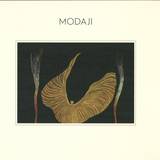
For the second release on Alex Bradley's Utopia Records we see the return of London based producer Dominic Jacobson aka 'Modaji'. Dominic's initial Modaji and Harvey Lindo releases garnered acclaim from luminaries such as Francois Kevorkian, Derrick May and Gilles Peterson and after 10 years away from releasing to concentrate on composing music for film and television, Jacobson returns to the studio to delve further into his deep house and ambient soundscapes.
The first of two EP's, Belle Epoque touches on a more cinematic approach to production and showcases a warmer, more expanded sound.The aim is to create music that is as listenable during the dusky twilight hours as it is at sunrise. The rest we leave to your imagination and trust you will enjoy our offering.
Nightime Drama is proud to present a 3 track EP from Yoshihiro Arikawa, featuring a remix by Aubrey. The Tokyo based producer Yoshihiro Arikawa is known for a compound of minimal and 90's ghetto house, releasing a series of critically heralded EPs on Logistic in France, kb and his own label Kodaira Tracks under his alias d'Kawa between 2003 and 2009. After a short hiatus, Arikawa restarted the activities under his real name and has revealed a new aspect of his music on a number of releases from international labels such as AFFIN, Hypnotic Room, Labyrinth, M_Grey, Toffler Sound and Swap. His first release on Nightime Drama comes with a remix from Aubrey who is no stranger to any techno lover's ears. With over 25 years in the industry, he has been involved with some of the biggest names in the business and brings a funky energetic remix to the release.
Barcelona-based Rob Clouth returns to Leisure System with the Deep Field 12', a stomping showcase of his focused sound design and knack for memorable melodies with additional remixes from Kowton and Vessels.
Deep Field is Clouth's Leisure System follow-up to the Clockwork Atom EP, which was named one of the top EPs of 2014 by Bleep and introduced his electronic wizard by to a wider audience following prior releases as Vaetxh and under his own name. Debuted on Max Cooper's Boiler Room and appearing again on his Essential Mix, 'Deep Field' is tactile and threatening, with disorienting glitches weaved into the 4/4 structure. The belching low-end brings to mind a talkative machine that's been muzzled, eager to burst from its restraints.Livity Sound boss Kowton inverts the original into a gelatinous mass, adding jackhammering drums to the cloudy atmosphere and creating a spacious and stuttering lesson in tension and release. Fresh off the release of their LP Dilate, Leeds band Vessels put their own euphoric electronic magic to work with a housier take, drawing out Clouth's propulsive percussion with an added dose of lush melodicism that
should make it a new favorite for house DJs looking for a spirited twist on the typical. Deep Field is the third in Leisure System's new GRIDLOCK series, melding the freaky and functional
for modern dance floors.
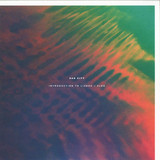
Following up from the stunning 'You Will Soon Find That Life Is Wonderful' 12' on Phonica's Special Edi- tions imprint, Sad City returns to the label with his new EP 'Introduction To Lisboa/ Sloe'.
Glasgow-based producer Gary Caruth has evolved a highly original sound; deep, lush and widescreen electronics, from melancholic to ecstatic. Sonically, he continues where his last record left off and feels like the perfect companion to that well-received debut for Phonica. The record as a whole is composed of field recordings, with the basis for the first half of the EP, 'Introduction to Lisboa,' utilising sound recorded in and around Lisbon. He explains, 'I wanted the music and field recordings to meld at times, to obscure what was conventionally the musical element and what were field recordings, blurring the line between found sound and composition in the creation of a whole other.'
Opening track 'Introduction To Lisboa' builds and builds from near silence to a cacophony of field record- ings and looped horns. It melds into 'Baixa Saxaphone', where carefully paced percussion patiently enters over a wash of synth. From then on a delicate balance of restrained percussion and spine-tingling atmos- pherics interplay before descending into a blissful outro.
As with the previous EP, the 12' is packaged in technicolour artwork by acclaimed London designer Jack Featherstone.
Belgian talent Ilario Liburni looks to the release of his debut LP, 'Travel So Far', forthcoming on his own label, Invade Records. The eight track affair comes on a double vinyl pack as well as digital form which will follow a month later and proves the man behind it to be a superb producer with plenty to say.
Combining elements of house, minimal and intricate sound design, Ilario also heads up the Cardinal label and first emerged back in 2011 on Monique Musique. Since then he has gone on to release on a number of respected imprints (including Riva Starr's Snatch! And Memoria Recordings), has had his tracks licensed to compilations including Noir's In the House album for Defected and has continued to make a big impression as a DJ around Europe.
The album kicks off with 'Travel So Far', a synthetic and stripped back groove with lots of squelchy sounds, scurrying synths and feathery percussive lines all working their way into your brain. 'Sudden' is another Ricardo Villalobos style track that is elongated, intricate and immersive as it unfolds on soft edged drums. Next up, 'Carrie' is a smooth, dubbed out affair that demonstrates plenty of restraint yet really locks you into its hypnotic groove as static hiss and crackles alongside distant synths colour the spaces left behind.
'Steampunked Sewing Machine' ups the ante a little with a hollowed out drum line rocking back and forth on its heels, and 'Can't Fool Data' starts all waify and minimalistic before getting pulled apart to the sound of whirring machines, and then it drops again; you can imagine dancefloors going wild to its hooky rhythms. 'Jenndrum' is all about the pinging drum kicks and globular toms that make for a peppery groove, 'Pherthothal' toys with a sense of abstract funk and closer 'Schwalbe' is a gloopy, gluey, druggy fusion of slurred synths, hiccupping drums and dark textures that make for involving listening.
This is a genuinely inventive album riddled with fascinating sounds,
a real attention to detail and plenty of otherworldly moods that really stick with you.
Zosh! is no debut but its the first track since ages. Gunjah releases
a maturred record with his longterm experience from countless hours
behind the decks. With a lot of precision and clean arrangement this
is nothing besides the rest..its Techno on the point. The Remix is coming from a man who - like Gunjah - breathes electronic music since years: Daniel Stefanik. (Cocoon, Mobilee, Freude Am Tanzen, Moon Harbour).
Pünktlich zum großen PROJECT PITCHFORK Jubiläum und der anstehenden Tour feiern zwei außergewöhnliche Veröffentlichungen ihre längst überfällige Premiere auf Vinyl: „First Anthology“ und „Second Anthology“. Zwei sorgfältig zusammengestellte Rückblicke, die nicht nur die Entwicklung einer der prägendsten Dark-Electro-Bands aller Zeiten nachzeichnen, sondern auch eindrucksvoll zeigen, warum PROJECT PITCHFORK bis heute nichts von ihrer Faszination verloren haben.
FIRST ANTHOLOGY Die ersten zehn Jahre einer außergewöhnlichen Band – von den visionären Anfängen bis zum internationalen Durchbruch. „First Anthology“ vereint die frühen Klassiker und Meilensteine von PROJECT PITCHFORK und dokumentiert den Aufstieg einer Formation, die den Dark-Electro-Sound nachhaltig geprägt hat. Ein eindrucksvolles Zeitdokument voller wegweisender Songs und zeitloser Hymnen.
From Richmond, Virginia, Shy, Low have a reputation as one of the most compelling voices within the modern instrumental underground. Their music speaks to fans of post-rock's emotional grandeur and post-metal's crushing intensity alike, while simultaneously appealing to listeners drawn to experimental, atmospheric, and cinematic forms of heavy music. The band's ability to merge these seemingly disparate qualities has resulted in a body of work that is immediately recognizable and continually evolving. Luminous melodies, driving heaviness, layered textures, and carefully controlled tension allows `Purity Spiral' to move effortlessly between fragile moments of introspection and towering passages of intensity. Whether constructing intricate layers of harmony or driving songs toward explosive climaxes, there is a deep understanding of pacing, atmosphere, and the power of restraint. Momentum is at the heart of this album, through intricate rhythmic detail, and explosive bursts of energy, drums become the anchor and catalyst, supporting the band's expansive arrangements while pushing them toward moments of cathartic release. What distinguishes Shy, Low is their ability to balance enormity with restraint. Their music unfolds patiently, allowing tension to accumulate through layers of texture, melody, and dynamics. Moments of delicate clarity often coexist with overwhelming weight, creating a sense of organic motion. At the core of the band's sound lies an acute understanding of contrast. From shimmering, expansive passages to towering walls of distortion, the rhythm section provides both propulsion and atmosphere, becoming integral narrative voices that shape the emotion. There is a disciplined sense of purpose in their writing, an understanding that every note serves a larger arc. Shy, Low thrives in the space between introspection and catharsis, where subtle details become as impactful as the heaviest climaxes, and listeners are taken on a journey that is as visceral as it is profound. FOR FANS OF Caspian * Russian Circles * If These Trees Could Talk * Pelican * Toundra
From Richmond, Virginia, Shy, Low have a reputation as one of the most compelling voices within the modern instrumental underground. Their music speaks to fans of post-rock's emotional grandeur and post-metal's crushing intensity alike, while simultaneously appealing to listeners drawn to experimental, atmospheric, and cinematic forms of heavy music. The band's ability to merge these seemingly disparate qualities has resulted in a body of work that is immediately recognizable and continually evolving. Luminous melodies, driving heaviness, layered textures, and carefully controlled tension allows `Purity Spiral' to move effortlessly between fragile moments of introspection and towering passages of intensity. Whether constructing intricate layers of harmony or driving songs toward explosive climaxes, there is a deep understanding of pacing, atmosphere, and the power of restraint. Momentum is at the heart of this album, through intricate rhythmic detail, and explosive bursts of energy, drums become the anchor and catalyst, supporting the band's expansive arrangements while pushing them toward moments of cathartic release. What distinguishes Shy, Low is their ability to balance enormity with restraint. Their music unfolds patiently, allowing tension to accumulate through layers of texture, melody, and dynamics. Moments of delicate clarity often coexist with overwhelming weight, creating a sense of organic motion. At the core of the band's sound lies an acute understanding of contrast. From shimmering, expansive passages to towering walls of distortion, the rhythm section provides both propulsion and atmosphere, becoming integral narrative voices that shape the emotion. There is a disciplined sense of purpose in their writing, an understanding that every note serves a larger arc. Shy, Low thrives in the space between introspection and catharsis, where subtle details become as impactful as the heaviest climaxes, and listeners are taken on a journey that is as visceral as it is profound. FOR FANS OF Caspian * Russian Circles * If These Trees Could Talk * Pelican * Toundra
Six years after their last full-length release, Satoshi & Makoto return with Mirage Café, the highly anticipated new album on 8mm Records, in collaboration with Standart Magazine.
A carefully crafted and long-awaited work, Mirage Café is more than an album — it is a fully immersive sensory experience. The Japanese duo expand their signature sound into deeper and more cinematic territory, blending refined electronica, ambient textures, subtle jazz inflections and understated groove with remarkable elegance and control.
The title evokes an imaginary café — a space of contemplation, connection and inspiration. The partnership with Standart Magazine reinforces this conceptual layer, bridging music and coffee culture into a cohesive narrative that feels both intimate and international. The result is an album that unfolds like a slow ritual: warm, enveloping and meticulously detailed.
Throughout the record, Satoshi & Makoto demonstrate a mature and confident songwriting approach. The production is rich yet restrained, atmospheric yet rhythmically engaging — balancing introspection with forward motion. Lush harmonies, delicate arrangements and immersive sound design create a listening experience that rewards both focused attention and late-night drifting.
With Mirage Café , the duo not only meet expectations after a six-year silence — they surpass them. This is a masterwork of nuance and vision, poised to become a defining chapter in their discography and a standout release in the contemporary electronic landscape.
The year was 1989, and Derrick May was at a creative peak as both a DJ and producer. Under his Rhythim Is Rhythim moniker, he released a string of landmark records on Transmat, while his residency at Detroit's The Music Institute showcased the distinctive DJ style that would soon take him onto the international stage. Around the same time, he hosted a weekly radio show on Detroit radio station WJLB, alongside influential programs by The Electrifying Mojo and The Wizard (Jeff Mills).
For one of these broadcasts, May assembled a 15-minute megamix in his studio during the week leading up to the show. He opened his radio set with this continuous mix, blending his own tracks and versions into a seamless introduction that reflected his approach to DJing at the time. It includes unreleased versions of classics such as ‘Nude Photo 88’ and ‘Strings Of Life’.
‘All of this is unreleased because I made it as I was playing it on the spot as a special Mayday Mix for my show on the radio station WJLB in 1989, edited together straight from the keyboards live to tape. There is no other recording of these tracks in this form, only here’.
The original WJLB master tapes have since been lost, and no official recording is known to survive. Fortunately, many listeners recorded the broadcasts at home. One such cassette, preserved by Richie Hawtin, eventually made it our way. It has been carefully restored and mastered, with the artist’s approval.
To highlight this remarkable document of techno history, the recording is now available as a limited-edition, one-sided 12-inch release. The mix has been cut as a continuous side, visually divided into eight sections, while the reverse features a custom engraving.
There is a hush most of us only knew as children, the warm drift between familiar household sounds and being carried to bed, a place that belongs to you and to some self you have not met yet. June McDoom’s debut full-length, Follow the Light, lives in that dream space and then keeps walking, slipping out of time and waking somewhere new, barely familiar enough to feel like home yet wholly your own. She came up in a Jamaican household on the edge of the Florida Everglades, an existence built of extended family, communal care, bass and harmonics. Her father, a carpenter and a student of sound, built his own speakers and kept three sound systems going across as many rooms. His low end would rise through her bedroom floor like some wayward cat while she lay above it with folk records, finding harmonies that were new and hers alone. Two musics in one room. Lushness as past and premonition. She found folk on her own, somewhere between the cast recording of The Sound of Music and Simon and Garfunkel, while everyone around her called it sleepy music. She did not mind being the only one. The solitude let her fall for harmony first, before words, before anything else, and harmony is still the thing she reaches for. Generationally speaking, the music was already in the air. Her grandfather, Colin Smith, is a distinguished mento man who played banjo and guitar and built his own rumba boxes, worked to keep Jamaica’s oldest acoustic folk form alive. Mento is the root of all of it: ska, rock steady, reggae, dub and everything after. He is the one who put a guitar in her hands. An inheritance, a gift and a map. Even her name is part of it, though she will tell you she landed on it more by feel than reason. She records as June McDoom, born Alyssa, June being a nickname one of her grandmothers, Joan, went by, a name she thought was cool to carry and simply liked the sound of. An etheric channel that reverberates all the same. A dub all its own.
Made slowly and by hand with her longtime partner Evan Wright, Follow the Light lays the harmony of folk over the rhythm of dub, with Dionne Warwick, Minnie Riperton, Pentangle and the washed guitars of Cocteau Twins haunting its outer edges. Voice and guitar seeking each other out first, then everything else stacked across long days in the studio they keep at home, restraint kept on purpose. The lead single “Without You” is the whole method surfacing, split open and sparkling like a geode in a creek bed. Angelic heroics, and nothing less.
At the heart is family. Her grandmother Aggie, the light behind “Memory,” guiding still. And underneath, the quieter truth the record keeps: none of us are only one person, but a continuum of selves, the ones who shaped us and the ones we have yet to meet. Future you is an ancestor your current self gets to greet. Press play and the same invitation is yours: A few minutes out of time, a place that turns familiar the longer you stay until you surface somewhere new and find it was yours all along
There is a hush most of us only knew as children, the warm drift between familiar household sounds and being carried to bed, a place that belongs to you and to some self you have not met yet. June McDoom’s debut full-length, Follow the Light, lives in that dream space and then keeps walking, slipping out of time and waking somewhere new, barely familiar enough to feel like home yet wholly your own. She came up in a Jamaican household on the edge of the Florida Everglades, an existence built of extended family, communal care, bass and harmonics. Her father, a carpenter and a student of sound, built his own speakers and kept three sound systems going across as many rooms. His low end would rise through her bedroom floor like some wayward cat while she lay above it with folk records, finding harmonies that were new and hers alone. Two musics in one room. Lushness as past and premonition. She found folk on her own, somewhere between the cast recording of The Sound of Music and Simon and Garfunkel, while everyone around her called it sleepy music. She did not mind being the only one. The solitude let her fall for harmony first, before words, before anything else, and harmony is still the thing she reaches for. Generationally speaking, the music was already in the air. Her grandfather, Colin Smith, is a distinguished mento man who played banjo and guitar and built his own rumba boxes, worked to keep Jamaica’s oldest acoustic folk form alive. Mento is the root of all of it: ska, rock steady, reggae, dub and everything after. He is the one who put a guitar in her hands. An inheritance, a gift and a map. Even her name is part of it, though she will tell you she landed on it more by feel than reason. She records as June McDoom, born Alyssa, June being a nickname one of her grandmothers, Joan, went by, a name she thought was cool to carry and simply liked the sound of. An etheric channel that reverberates all the same. A dub all its own.
Made slowly and by hand with her longtime partner Evan Wright, Follow the Light lays the harmony of folk over the rhythm of dub, with Dionne Warwick, Minnie Riperton, Pentangle and the washed guitars of Cocteau Twins haunting its outer edges. Voice and guitar seeking each other out first, then everything else stacked across long days in the studio they keep at home, restraint kept on purpose. The lead single “Without You” is the whole method surfacing, split open and sparkling like a geode in a creek bed. Angelic heroics, and nothing less.
At the heart is family. Her grandmother Aggie, the light behind “Memory,” guiding still. And underneath, the quieter truth the record keeps: none of us are only one person, but a continuum of selves, the ones who shaped us and the ones we have yet to meet. Future you is an ancestor your current self gets to greet. Press play and the same invitation is yours: A few minutes out of time, a place that turns familiar the longer you stay until you surface somewhere new and find it was yours all along
Healing Patterns is the debut full-length release on Appendix.files from Clima, following 2025's Transient State EP. Written between 2025 and 2026 during a period of chronic illness, the seven-track LP translates physical restriction into deep, spacious electronic compositions. Using palatial pads, slow-decaying echoes, and bodily low-end, Clima reminisces over residual club ambience and shared listening experiences with friends.
The record moves from the gradual, dub-heavy pressure of "Weight" through ASMR-like vocal glitter and tight rhythmic clusters, before dissolving into the quiet introspection of the title track's theme. Healing Patterns is a patient study in focus, repetition, and the spaces left behind.
Artist Info: Clima is an experimental electronic music project exploring spatial sound, texture, rhythm and the emotional residue of club culture. Their work moves between ambient environments, dub-weighted rhythm and abstract electronic composition, with a focus on deep listening and subtle shifts in perception.