
out of Stock
Order now and we will order the item for you at our supplier.
Last In: 11 months ago
28,11 €
Order now and we will order the item for you at our supplier.

Critics and authors have described Revolution Dub as one of Perry's most important and exemplary albums.
Limited edition of 1000 individually numbered copies on orange coloured vinyl
Revolution Dub is a studio album by Jamaican's legendary dub producer Lee Perry and his studio band the Upsetters, and was originally released in 1975 .
Critics have described Revolution Dub as one of Perry's most important and exemplary albums, although some consider
it one of his more overlooked productions. The use of sampled television dialogue has been highlighted by several writers as innovative
for predating the sampler and for its unusual context, while the album was later influential on artists including Stevie Wonder and Holger Czukay.
Revolution Dub is now available as a numbered limited edition of 1000 copies on orange coloured vinyl.
expected to be published on 10.10.2025

For Mal-One’s second dub album he pulled the dub versions of these tracks, as they seemed to work together as an album. New York City Punk (New York Dub), 45 Random Punk Memories (45 Random Dub), Machine Bubble Disco (Machine Bubble Dub), I Used To Play Bass In A Punk Rock Band (I used to play Dub), Never Seen A Bad Picture of Debbie Harry ( Never seen a Bad Dub), Punk Rock Fanzines (Punk Rock Fanzine Dub). JJ’s Alright (JJ is Dub) The Buzz-cocks Are Coming (The Buzz-cocks are Dub), Damned
Disciple (Damned Dub), The Satellite Kid (Satellite Dub), Punk Rock is Back! (Punk Rock is Dub) and The Revolution Is Coming ( Revolution Dub).
The cover of the album is a collage of various mementos culled together over a target painted canvas. The style and objects seemed to suit the cut up style of the tracks. To add another dub layer to the project he also took the lyrics to these tracks and cut and reworked them into a Punk Art Poem for the back side of the record sleeve. A dub reworking of words, music and image.
Hope you enjoy the indulgence.
Order now and we will order the item for you at our supplier.

Zelienople frontman Matt Christensen returns to Miasmah with Constant Green - a record of reverberant country inspired songs that puts the weight somewhere between Johnny Cash and Slowdive. Matt pours out his soul through flashes of life - small and large. His voice roaming over the guitars in a way which feels like a floating poetic deluge.
Appearing fresh from last years Zelienople album Hold You Up, Matt has made a very personal record that arrives as perfectly as it could be. It is full of beautiful sparse moments that capture the feeling of time standing still while simultaneously flashing in front of your eyes. As a child of the 70ies, growing up with country influenced AM rock on the radio, riding around in cars without seatbelts, Matt creates this nostalgic feeling of free riding through the city streets at dusk : a dream world where one can see green as a symbol for humanity and optimism. Not to say the album doesn't have it's share of darkness. Christensen always lingers deep in melancholy, driving his fears and anxieties out through music.
Visions of being able to move anywhere, picking his mother up from jail, family matters, change, the small things in life - all outtakes from what he sings about. Although it's hard to pick up on unless you really listen, as his ramblings can at one moment be fully clear while in the next drowned or muffled - becoming a mere meditative element to the music. Steady collaborators Brian Harding and Eric Eleazer from Zelienople accompanies on pedal steel and keys to further fill the sound into a warm dream, following in the footsteps of Matt ́s previous Miasmah album Honeymoons (2016). That said, while Honeymoons used drum machines and vast open spaces, Constant Green is another step closer towards the classic singer-songwriter folklore. Timeless gold from an artist that never stops creating.
Order now and we will order the item for you at our supplier.
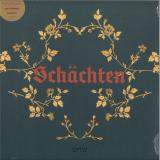
Erik K Skodvin's feature-length score to Thomas Roth's thriller "Schächten" feels like the epitome of all his musical projects, conjuring a dark cinematic trip through 1960's post-WWII Vienna in a film that touches on topics such as law, justice & revenge.
Releasing a soundtrack as a stand-alone album can be challenging; and "Schächten" is by no means a typical listening experience. The record contains 24 more or less short pieces evolving through dramatic movements, underlaying menace and deep emotive scenes. One thing that stands out is the linear atmosphere throughout the story which creates a wholeness that keeps your attention to the very end. Set in wintery Austrian landscapes in dimly saturated colours, the film's dramatic events with dark political undertones feels like a perfect situation for Skodvin's atmospheric collages - perhaps sounding closer than ever to his early works as Svarte Greiner or Deaf Center. Cello, violin, piano, analogue synth and plenty of hardly recognizable instrumentation come together in a record that feels very organic in its subdued tones. The score also features percussion by Andrea Belfi as well as a Chopin piano interpretation by Kelly Wyse to the bizarrely schizophrenic piece "Judenfreund".
With the contemporary world sliding into darkness again, listening to the soundtrack feels like coming to terms with ones own anxieties - something that in the end comes through as a cleansing experience. As quoted in the film "Everyone is their own devil. And we make this world our hell".
Short synopsis : "Vienna 1960s - The young Jewish business man Victor has to witness how the prosecution of a Nazi crime against his family fails. The political and legal system is still virtually run by former Nazis with large parts of society being entangled in the past. When Victor also loses his grief ridden father and his girlfriend’s family opposes their relationship and his identity, Victor begins to loose faith in formal justice and takes matters in his own hands."
Order now and we will order the item for you at our supplier.

PINK/RED Color Vinyl[23,11 €]
37 years after the release of her multi-million selling debut album "Ancient Heart" Tanita Tikaram will release the sequel entitled "LIAR (Love Isn"t A Right)". The long-awaited new album reveals the emotional and societal differences between the woman Tanita was at just 18 when she made "Ancient Heart" to the woman she is today, taking in four decades of life experience. Her first album in almost a decade, "LIAR (Love Isn"t A Right)" is an album of haunting beauty and exquisite musicianship underplaying her unique voice that tells a masterful story of emotional, political and personal truths. When it was released in 1988, the multi-million selling "Ancient Heart" was the story of an uncertain 18-year-old brown gay woman living in middle England feeling like a stranger in her own home. Almost 40 years later that same woman, now feeling like a stranger in her own country as politics and society become more divisive. "LIAR (Love Is A Right)" is a full circle moment: a comment on community and its importance for all our futures and the perfect accompaniment to her classic breakthrough.
expected to be published on 10.10.2025

37 years after the release of her multi-million selling debut album "Ancient Heart" Tanita Tikaram will release the sequel entitled "LIAR (Love Isn"t A Right)". The long-awaited new album reveals the emotional and societal differences between the woman Tanita was at just 18 when she made "Ancient Heart" to the woman she is today, taking in four decades of life experience. Her first album in almost a decade, "LIAR (Love Isn"t A Right)" is an album of haunting beauty and exquisite musicianship underplaying her unique voice that tells a masterful story of emotional, political and personal truths. When it was released in 1988, the multi-million selling "Ancient Heart" was the story of an uncertain 18-year-old brown gay woman living in middle England feeling like a stranger in her own home. Almost 40 years later that same woman, now feeling like a stranger in her own country as politics and society become more divisive. "LIAR (Love Is A Right)" is a full circle moment: a comment on community and its importance for all our futures and the perfect accompaniment to her classic breakthrough.
expected to be published on 10.10.2025

The Complete Piano Etudes of Philip Glass available for the first time on vinyl, housed in a 4LP Box set (also available as a 2CD format).
After more than thirty years of working with and performing the great repertoire, the music of Philip Glass has, in a way, almost revolutionized my life as a musician,” confides Vanessa Wagner.
An emblematic artist on the French music scene, winner of a Victoire de la musique award and director of the Chambord and Giverny festivals, Vanessa Wagner is as inspired in her interpretation of Mozart, Debussy, Tchaikovsky and Dusapin as she is alongside Murcof and Rone.
With her innovative and daring approach, she has established herself as a major influence on the classical music landscape, crossing boundaries and blazing inspiring trails.
A tireless pioneer of new repertoires, she has been exploring the repertoire of minimalist composers for several years. For InFiné, she has dedicated 4 albums to the major figures of this movement, John Adams, Meredith Monk, Brian Eno, Ryūichi Sakamoto, as well as to the new generation Caroline Shaw, Bryce Dessner and Nico Muhly.
After giving numerous concerts based on these works, she felt the need to record in their entirety this essential monument in the history of music, which bridges the gap between the 20th and 21st centuries: Philip Glass's 20 Etudes for piano
by Philip Glass.
His approach helps to place these two books in the great repertoire, alongside the great cycles of studies by Ligeti, Debussy, Dusapin, and before them, Chopin and Liszt.
Philip Glass was born in 1937 and grew up in Baltimore. He studied at the University of Chicago, the Juilliard School and in Aspen with Darius Milhaud. Dissatisfied with much of what was then considered modern music, he moved to Europe, where he studied with the legendary pedagogue Nadia Boulanger (who also taught Aaron Copland, Virgil Thomson and Quincy Jones) and worked closely with sitar virtuoso and composer Ravi Shankar.
The thread linking Philip Glass to Vanessa Wagner may be as simple as a detail: a moment, a pedagogy, a way of looking at the piano. In Words Without Music, Glass recalls his apprenticeship with Nadia Boulanger in Paris - a lesson in rigorous received just as the Nouvelle Vague was about to shatter the conventions of cinema the conventions of cinema, just as the composers of the minimalist movement had done with with the language of music. Nurtured by Ravel and Debussy, the great French pedagogue disciplined yet inquisitive minds, capable of embracing modernity without denying modernity without denying their heritage.
expected to be published on 10.10.2025

Returning with its final instalments, Die Schachtel's Decay Music series extends its explorations of inspired contemporary experimental efforts of the ambient, ethereal, and emotively abstract with Luigi Turra and Elio Martusciello’s “Liminale” and Sergio Armaroli and David Toop’s “And I Entered Into Sleep”, two astounding electroacoustic gestures of blurred space and time, plumbing complexity of meaning bound to sonority. Creatively groundbreaking and inspired, radically rethinking the terms of what ambient music can be perceived to be, they stand among the most striking efforts to appear within the series to date.
An aural bridge between two distinct generations of Italian experimental musicians, “Liminale” is the debut collaborative outing from the creative partnership of Luigi Turra and Elio Martusciello. Active within the context for roughly two decades, Turra (b. 1975) is a reductionist/electroacoustic composer, noted from his tense deployment of concrete and acoustic sources — particularly small sounds and noises — whose work threads the balance between silence, tactile auditory perception, and aleatoric music. Martusciello (b. 1959), on the other hand, is a musician and composer working across the fields of acousmatic and electroacoustic composition, sound installation, multi-media and audiovisual art, and computer music improvisation, who is widely celebrated for both his solo efforts and his collaborations with Eugene Chadbourne, Mike Cooper, Alvin Curran, Chris Cutler, Rhodri Davies, Iancu Dumitrescu, Michel Godard, Tim Hodgkinson, Lawrence D. "Butch" Morris, Jérôme Noetinger, Tony Oxley, Evan Parker, Z'EV, and others.
A single, nearly 40 minute work, extending across the two sides of the LP, “Liminale” — as its title eludes — is an exploration of the liminal through sonic means: “places that exist on the threshold, transitional spaces suspended between a before and an after, between the real and the evanescent” conceiving the soundscape as “a liminal place, a space to be inhabited without the certainty of where it leads.” Unfurling like a labyrinth navigated in darkness, the piece’s first half is marked by sparseness and restraint, as slow-paced guitar tones and harmonics thread silences and resonant ambience within a sprawling sense of space, delicately populated by tiny sounds, fleeting punctuations drawn from undeterminable sources, vocal utterances, and the unexpected appearance of intoxicating piano tones.
As “Liminale” progresses into its second half, Turra and Martusciello enter a more densely populated notion of the in between. No less defined by the presence of space and mystery, discreet textures rustle and writhe within passages of pure concrete abstraction and a fragmented, stretched sense of musicality: long-tones, metallic pulses, minimal vibrations, processed vocalizations, guitar harmonics, and deconstructed piano melodies, buried in spectral, gauzy hazes drifting from beyond arm’s reach within an imagistic and immersive landscape of profoundly meditative scope, where each sonic element flirts the line between emergence and disappearance.
Intimate, fragile, and achingly beautiful, “Liminale”, Luigi Turra and Elio Martusciello’s debut collaboration, is a masterstroke in sound-craft and composition, revealing the potency of meaning locked within transitional spaces and the undefined, and imbuing silence with monumental gravity and weight. Mastered for vinyl by Giuseppe Ielasi, and taking electroacoustic minimalism to an etherial extreme, “Liminale” is issued as the ninth entry in Die Schachtel’s Decay Music series, highlighting inspired contemporary experimental efforts of the ambient, ethereal, and emotively abstract.
Order now and we will order the item for you at our supplier.

Returning with its final instalments, Die Schachtel's Decay Music series extends its explorations of inspired contemporary experimental efforts of the ambient, ethereal, and emotively abstract with Luigi Turra and Elio Martusciello’s “Liminale” and Sergio Armaroli and David Toop’s “And I Entered Into Sleep”, two astounding electroacoustic gestures of blurred space and time, plumbing complexity of meaning bound to sonority. Creatively groundbreaking and inspired, radically rethinking the terms of what ambient music can be perceived to be, they stand among the most striking efforts to appear within the series to date.
Reconfiguring the notion of bridge building on a multitude of terms, it feels fitting that the tenth and final installment of Die Schachtel’s Decay Music series, Sergio Armaroli and David Toop’s “And I Entered Into Sleep”, was co-created by an artist whose work featured in the first suite of LPs issued by Brian Eno’s Obscure Records in 1975, the groundwork toward which Decay Music’s own efforts nod. Since that auspicious debut, “New and Rediscovered Musical Instruments” — his split with Max Eastley — David Toop has been regarded as a pioneer in British experimental and improvised music: a sonic voyager who has continuously challenged the sources and materiality of sound through rigorously thoughtful performances, a vast catalog of recordings, and a steady flow of highly influential texts. Be it as a member of Alterations, his group breaking group with Peter Cusack, Terry Day, and Steve Beresford that ran between 1977 to 1986, or through is noteworthy work with artists like Rie Nakajima, Thurston Moore, Paul Burwell, Rhodri Davies, Lee Patterson, Ryuichi Sakamoto, Akio Suzuki, Elaine Mitchener, and numerous others, collaboration has always played a central role within Toop’s singular practice, but few can claim the sprawling sense of beauty and intimacy that’s achieved by “And I Entered Into Sleep”, his first recorded outing with Sergio Armaroli.
A composer, percussionist, vibraphonist, and multidisciplinary artist, Armaroli has been issuing radical and forward-thinking musical gestures for decades, working as one of Italy’s most noteworthy interpreters of composer’s like Giacinto Scelsi, John Cage, Franco Evangelisti, Giancarlo Schiaffini, and Walter Branchi, as both a solo performer and member of the highly regarded Rib Trio, as well as forging a singular practice as a composer, intertwining his efforts as a painter, concrete percussionist, fragmentary poet and sound artist, within a total art, rooted “within the language of jazz and improvisation” as an “extension of the concept of art”. Like Toop, Armaroli’s career has been populated by many collaborators, notably with Riccardo Sinigaglia, Alvin Curran, and Walter Prati, among others, setting the stage for a remarkable meeting between the pair.
Featuring Armaroli on vibraphone and prepared vibraphone and Toop on electronics, “And I Entered Into Sleep” is “a sonic journey, a Proustian suggestion à la Recherche, into the unconscious between electronic and acoustic sounds”. Using a bell that sounds at the beginning of Proust’s “À la Recherché du Temps Perdu”, which reappears more than 3,000 pages later — signaling a transition of phases, as well an auditory trigger of memory — as a departure point, as an association to the percussive vibraphone pulses that thread the album’s two sides, the pair weave a striking interior world of immersive psychological depth. Feeling almost subaquatic at times, like captured glimpses of rumbling, shadowy ecosystems lost within murky ambiences, before washing ashore in a series of pointillistic, highly detailed alien landscapes of the mind, each artist’s markedly different sound-sources, and treatment of the subsequent material elements, dance in abstract grace, incorporating subtle nods to minimalism, free jazz, and musique concrète within its seamless total form of sparse texture and tone.
Easily one of the most striking and memorable releases by either artist to appear in recent years, Sergio Armaroli and David Toop’s “And I Entered Into Sleep” traverses uncharted realms at the borders of literary reference, sound art, ambience and abstraction through delicately musical sounds, revealing new depths at every turn. Issued as the tenth and final album in Die Schachtel’s Decay Music series, highlighting inspired contemporary experimental efforts of the ambient, ethereal, and emotively abstract.
Order now and we will order the item for you at our supplier.

Orange Vinyl[27,10 €]
Almost fifteen years since the release of her self-titled debut LP on Mr Bongo, reggae’s orator of love Hollie Cook is returning to the label for Shy Girl, her fifth studio album and her most authentic yet. Woven with tight grooves, beautiful vocals and catchy melodies, Shy Girl hears singer and songwriter Hollie Cook revel in her contemporary lovers rock sound, more confident and open to vulnerability than ever before.
A sun-drenched exploration of love in all its guises, Shy Girl tells stories of the magical and the melancholy, the heart-lifting and heart-breaking, across 12 luscious, analogue reggae compositions - the culmination of a soft-hued and instantly recognisable “tropical pop” sound that Cook has made her own.
Put together across three years and four cities – from LA and NYC, to Vejer de la Frontera in Spain and Cook’s hometown London – Shy Girl was written with long-time collaborators, The General Roots Band, and features a contribution from legendary dub MC Horseman, who lends his voice to the album’s first single ‘Night Night’.
The album opens with the title track ‘Shy Girl’, a buoyant and elastic slice of lovers rock that was written in a moment of spontaneous intuition, and bubbles with a charisma and positivity that Cook radiates. “I’m not a natural show-off,” Cook explains. “The Shy Girl theme is me. It’s just about being my most vulnerable self and being as true to the music that Iove as possible.” It is this honesty which shines throughout, from the chugging deep dub of ‘Frontline’, complete with raking electric guitar lines, to the bittersweet roots ballad ‘We Share Love’, which closes out the album.
It's clear to see that Cook’s songwriting draws on a lifetime of musical influences and inspirations. From her father, Sex Pistols drummer Paul Cook’s record collection and touring with post-punk icon Ari Up’s The Slits, to her love for strong female-led pop music and the bassweight of London’s sound system culture. Enamoured with the music of Janet Kay and Phyllis Dillon, Shy Girl represents a homecoming and a coming-of-age for Hollie Cook, distilling and refining a shimmering reggae sound that will capture your heart, as it first captured hers.
expected to be published on 10.10.2025

Almost fifteen years since the release of her self-titled debut LP on Mr Bongo, reggae’s orator of love Hollie Cook is returning to the label for Shy Girl, her fifth studio album and her most authentic yet. Woven with tight grooves, beautiful vocals and catchy melodies, Shy Girl hears singer and songwriter Hollie Cook revel in her contemporary lovers rock sound, more confident and open to vulnerability than ever before.
A sun-drenched exploration of love in all its guises, Shy Girl tells stories of the magical and the melancholy, the heart-lifting and heart-breaking, across 12 luscious, analogue reggae compositions - the culmination of a soft-hued and instantly recognisable “tropical pop” sound that Cook has made her own.
Put together across three years and four cities – from LA and NYC, to Vejer de la Frontera in Spain and Cook’s hometown London – Shy Girl was written with long-time collaborators, The General Roots Band, and features a contribution from legendary dub MC Horseman, who lends his voice to the album’s first single ‘Night Night’.
The album opens with the title track ‘Shy Girl’, a buoyant and elastic slice of lovers rock that was written in a moment of spontaneous intuition, and bubbles with a charisma and positivity that Cook radiates. “I’m not a natural show-off,” Cook explains. “The Shy Girl theme is me. It’s just about being my most vulnerable self and being as true to the music that Iove as possible.” It is this honesty which shines throughout, from the chugging deep dub of ‘Frontline’, complete with raking electric guitar lines, to the bittersweet roots ballad ‘We Share Love’, which closes out the album.
It's clear to see that Cook’s songwriting draws on a lifetime of musical influences and inspirations. From her father, Sex Pistols drummer Paul Cook’s record collection and touring with post-punk icon Ari Up’s The Slits, to her love for strong female-led pop music and the bassweight of London’s sound system culture. Enamoured with the music of Janet Kay and Phyllis Dillon, Shy Girl represents a homecoming and a coming-of-age for Hollie Cook, distilling and refining a shimmering reggae sound that will capture your heart, as it first captured hers.
expected to be published on 10.10.2025

Jessica93, prodigal bastard of our glorious french squat scene, relocated on Born Bad : this is no picnic. Geoffroy Laporte, alone against all odds, alternates bass and guitar to build harsh loops with a drum machine spitting pre-Gulf War patterns. That’s where it gets tricky : every musical posse claims him. Grunge, sure, but Jessica doesn’t indulge in necrophilia. His circuit is punk, he doesn’t dress the part though. Cold wave, the atmosphere fits somehow, but the gear does not. The self-confident rock horde saw him playing with hair in his eyes… but he never joined the Party. Metal had something to say but sadly, nobody listened. Maybe it's time to give it a rest and let Jessica93 cook his great misery broth on her own, called « 666 tours de périph’ » (666 laps on the beltway). Witnessing Jessica93 live makes you dread that he'll get up the next morning, drive 200 miles and one nap later kick it again, when it takes us a good week to recover from the bad half of that same evening. Like so many other unknown soldiers during our very own world war of music, he patrols small venues relentlessly.
At the heart of this cultural pentacle painted by french weirdos Bryan's Magic Tears, and Carine Krinator, Jessica93 has built a sound validated by years of chosen vagrancy, birthing bands with joyously stupid monikers, in the humid jungle of small labels. Jessica93's debut album had a track celebrating Omar Little, HBO’s gay bandit from Baltimore. This story begins on the beltway, where Florence Rey, accidental copkiller turned to political icon of the 90’s. Geoffroy offers his brilliant analysis : " C’est la police qui nous tire d’ssus / C’est mon trou d’balle qui leur chie d’ssus « (Police shoots us down / my dripping asshole gets the job done).
A previous album was haunted by bedbugs, this one is essentially about love, a delicious scourge just as hard to eradicate. Two black diamonds peek out of the LP : ’’La colline du crack’’, heartbreak song about the ultimate temptation of violent delights, located on crackhead central in Paris. The brilliant chorus, ‘Take my hand and come with me to Crack Hill’ will put an end to the rumours, almost everything was really false. And Bébé Requin, alternative obituary that’ll make you shiver, where our nice couple states ‘’on kiffe la drogue dure et les ptits chiens’ (‘we love hard drugs and little dogs’). And that is the reason we face the wall of sound jostled by unnecessary shoulder thrusts: those nice fat chunks of charcoal poetry, hidden under light sarcasm.
The rest of the record demonstrates the know-how acquired in loop-by-loop construction of ruins that are pleasant to squat in together. There’s your classic doom delicatessen, with bits of heavy metal inside, crafted with the manic care typical of hard wankers. Arthur Satàn, who produced and mixed the album at home in Bordeaux, helped him get his head out of the reverb safe house. And Jessica93 took the opportunity to switch to the dark side of the language : french at last. Worth the wait ! Sing along : « nique sa mère / nique sa grosse mère » (translate that yourself).
expected to be published on 10.10.2025
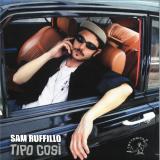
Italian producer, musician, DJ, and groove architect Sam Ruffillo drops his long-awaited debut album Tipo Così on Toy Tonics – a sun-drenched, genre-blurring statement that blends classic house with Mediterranean flair, romantic funk, and tongue-in-cheek Italo vibes. Over 11 expertly crafted tracks, Ruffillo delivers a dancefloor-ready, emotionally rich LP that connects deep musicality with irresistible rhythm and light-hearted elegance.
After three acclaimed EPs and collaborations with revered artists such as Barbara Boeing, Kapote, and Fimiani, Ruffillo has firmly cemented himself as a core artist on the Berlin-based label. Known for his unmistakable signature sound — a warm mix of vintage disco, 90s house, and Italian vocals — Sam’s music has garnered widespread DJ support from tastemakers like Gerd Janson, Palms Trax, Seth Troxler, and DJ Tennis, while becoming a staple on Italian airwaves. His infectious summer anthems like Danza Organica and Perfetta Così have soundtracked countless club nights and festivals, creating a loyal following that eagerly awaited this full-length debut.
Tipo Così is the natural culmination of a musical journey that’s both playful and profound — a travel diary written in grooves, synth stabs, and melodies that feel like postcards from a parallel Mediterranean universe. The album expands and deepens Ruffillo’s world into a fully immersive experience: lush emotional chords meet tight syncopated grooves, vintage synth textures collide with irresistibly catchy pop refrains, and the boundary between sincerity and playful irony is exquisitely blurred.
Entirely written, produced, and recorded in Italy, in his beloved hometown of Bologna, the album finds Ruffillo at the helm on keys, drum machines, and production, supported by a talented cast of musicians contributing live bass, guitar, and other organic elements — further enriching his trademark fusion of electronic grooves and natural instrumentation. There’s a tactile warmth in these tracks, a hands-on feel that adds soul and depth to every beat.
This album also marks Ruffillo’s heartfelt return to singing in Italian, with standout tracks like House Tipo Così, Mi Fa Volare, Ancora, and Dentro Di Me, where romantic naïveté meets pulsing club energy in a way that feels both timeless and refreshingly new. The vocal performances add an intimate, human touch to the music, reinforcing the personal stories woven into each song. There’s poetry in the casual, a bittersweet elegance in the way the lyrics float over groove-heavy production.
Having toured extensively across Europe, Australia, Indonesia, New Zealand, and Mexico — with sets at iconic venues like Panorama Bar and festivals such as Sónar Barcelona — Ruffillo has fine-tuned much of this album in front of live audiences. The real-world testing ground infused the record with a dynamic energy and immediacy that only comes from genuine crowd interaction. These songs weren’t just made in the studio — they were lived on dancefloors around the world.
Tipo Così is not just a collection of tracks. It’s a philosophy — playful, stylish and unmistakably personal. A modern club album bursting with heartfelt emotion and sophistication. Music for dancers with taste; for lovers of beauty, rhythm, and the little imperfections that make things feel real.
But what exactly is Tipo Così? More than just a phrase, it’s a way of being. It’s about embracing elegance without effort, mixing irony with sincerity, and letting nostalgia slip into the room without taking over the party. It’s Sam Ruffillo’s signature language: relaxed, confident, meticulous yet never rigid — where a chord progression can say as much as a lyric, and every beat carries intention.
The album’s visual identity complements this vision perfectly. The artwork and promotional materials lovingly reference Italian design from the ’80s and ’90s, combining bold graphic elements with playful pop culture nods. This aesthetic mirrors Ruffillo’s music — a fusion of vintage warmth and contemporary freshness, delivered with authenticity and charm.
Sam Ruffillo belongs to a new generation of European artists who are reshaping electronic music by blending past and present, analog and digital, groove and emotion — without nostalgia or pose. His artistic universe is coherent, vibrant, and alive; a rich tapestry of sound, images, and stories that coexist with lightness, precision, and a distinctive voice.
Reflecting on his artistic journey, Sam describes music as a vital, deeply human impulse — a tribal connection to rhythm and body that has driven him since he was a teenager. His creative process balances meticulous planning with room for spontaneity, usually sparked by clear melodic ideas that evolve naturally. Collaborations with close friends, especially vocalists like Ninfa, add warmth and authenticity, exemplified in tracks like “House Tipo Così.” For Sam, music is honest self-expression — crafted for listeners who crave memorable melodies and rhythms imbued with genuine feeling.
While technical perfection is tempting, Sam prioritizes emotion, knowing that what truly resonates is the soul behind the sounds. His long-standing partnership with Toy Tonics has been key in nurturing his vision, offering a blend of creative freedom and professional support. Looking ahead, Sam Ruffillo is excited to broaden his live performances, and release new projects that continue to blend electronic grooves with organic, heartfelt sounds — maintaining the delicate balance between playful irony and sincere emotion that defines Tipo Così.
Kurzversion:
Italian DJ, producer and musician Sam Ruffillo drops his debut album Tipo Così on Toy Tonics - a sunny blend of house, funk, Italo and pop, full of groove and emotion. Written and recorded in Bologna with live instruments and Italian vocals, it’s a playful, elegant journey shaped on dancefloors worldwide. A stylish, sincere club album where nostalgia, irony and rhythm meet in perfect harmony.
- Mi Fa Volare
Road-tested across continents and now finally released, “Mi Fa Volare” channels 90s uplifting euphoria with big breakbeats, lush chords, and Italian vocals built to stick. Somewhere between balearic bliss and piano house nostalgia, it’s a feel-good club weapon made for peak-time moments - already sung back by crowds after just one listen.
- Ancora
“Ancora” is a vibrant hi-NRG track inspired by 80s Italo disco, sung entirely in Italian. It blends driving rhythms with dreamy melodies, capturing the radiant spirit of the decade. This fresh yet nostalgic song delivers euphoric vibes and timeless energy, making it a perfect fit for both dancefloors and reflective listening moments worldwide.
- Dentro Di Me
“Dentro Di Me” channels ‘90s sensuality through a fast-paced, UK house-inspired lens. Entirely in Italian, it’s a bold and contemporary dance track where hypnotic vocals meet high-energy grooves. Blending nostalgic textures with forward-thinking production, the result is a seductive and euphoric trip - equal parts emotional and club-ready.
- Amigo
“Amigo” blends Latin groove, acoustic guitar-driven rhythm, and Mediterranean flair into a warm, magnetic, cross-cultural dance anthem. Sung in Spanish and Italian, it celebrates connection, inclusivity, and the joy of moving together - whether stranger or friend. With its unstoppable rhythm and vibrant energy, it’s a feel-good track with a unifying spirit.
- Ma Sei Fuori
“Ma Sei Fuori” is a tongue-in-cheek dancefloor bomb blending raw house energy with catchy vocal phrases and a nod to classic French touch. Driven by hypnotic vocal lines and a playful attitude, it doesn’t take itself too seriously - while still proving serious club impact. Built for late-night moments, it’s bold, bouncy, and impossible to ignore.
Order now and we will order the item for you at our supplier.

Order now and we will order the item for you at our supplier.

The Complete Blue Note 45 Sessions of Ike Quebec collects a phenomenal body of work produced between 1959–62 by a key player in the Blue Note Story. The saxophonist had recorded for Blue Note and served as a talent scout in the 1940s before personal problems forced him off the scene. Alfred Lion began to reintroduce Quebec’s music to jazz fans in 1959 with a series of 45 jukebox singles that were well received and revealed a formidable stylist very much at the top of his game with a full-throated yet relaxed sound ideally suited to a range of material from ballads to blues. The success of Quebec’s comeback inspired Lion to keep going, capturing four sessions of material with a revolving cast of musicians that yielded classic tracks.
i C1. Everything Happens To Me Short Version
[q] D4. Everything Happens To Me [Long Version]
[i] C1. Everything Happens To Me [Short Version]
[q] D4. Everything Happens To Me [Long Version]
[i] C1. Everything Happens To Me [Short Version]
[q] D4. Everything Happens To Me [Long Version]
expected to be published on 10.10.2025

Victor Démé loved life, music, friends, his hometown of Bobo Dioulasso, and above all, his family — by blood and by heart. Jovial and generous, he would have been delighted to see his world gathered once again in celebration: with concerts, unreleased tracks, live recordings, and a podcast retracing his finest musical years. Ten years after his sudden passing, this album carries the simple ambition of honoring his music and memory.
Victor passed away on September 21, 2015, in Bobo Dioulasso, during the coup d’État in Burkina Faso. The hospital he rushed to for malaria treatment was closed… His third album was due to be released just days later, but he never had the chance to sing it on stage.
A prolific and unique songwriter, Victor often revived songs he had composed in his youth during sessions at the OuagaJungle studio. With his guitar, he would breathe new life into them, refining them with his musicians — making the final choices sometimes difficult. Among the previously unreleased tracks on this record are Djilon, a reggae piece from Abidjan; Sira, a radiant yet solitary blues; Ambideu, a crooner-style ballad reimagined as an elegant cello-and-voice duet; Mousso mina mousso, a love song meant for a djandjoba celebration; and Bara, a heartfelt choral tribute to the workers of Burkina Faso.
These songs remained in the studio after Victor’s passing and have now been brought to life by the talented musicians Clément Petit, Alex Finkin, and Max “Blundetto” Guiguet. On Side B, the album captures the energy and sincerity of Victor and his band live on stage, with recordings from the May 19, 2009 concert at Théâtre de la Ville in Rouen. The performance opens with Labanko — a song never recorded in studio — followed by several classics, including the iconic Djon Maya, delivered here in its most blues-infused version, carried by Issouf Diabaté’s magical guitar.
Unforgettable memories for his musicians and for all who had the chance to applaud him live. We can only hope that, wherever he is, Victor is smiling and dancing as we celebrate him once more through music.
expected to be published on 10.10.2025

Auf 500 Stück limitierte 2025er Nachpressung vom 2024er La Luz Album auf gelbgrünem Vinyl. LA LUZ aus Kalifornien wird von Fans und der Presse gleichermaßen seit ihrem Gründungsjahr 2012 geliebt, da sie den Spagat zwischen Chaos und Bittersüße schaffen. Jede neue Platte ist ein weiterer Feinschliff an der Mischung aus schwülstigen Riffs und engelsgleichem Gesang, der an Pop und Folk angelehnt ist; eine Band, die so verlässlich großartig ist, dass sie den gewaltigen Schritt nach vorne in Sachen Selbstvertrauen und schierer Musikalität, den "News of the Universe" macht, umso beeindruckender macht. Cleveland, die auch schreibt und malt, hat sich zu einer wahrhaft originellen Songwriterin mit einem eigenen Kanon geisterhafter Psychedelik entwickelt, die sich in den letzten Jahren von der sich wandelnden Landschaft rund um ihr ländliches Zuhause in Kalifornien hat inspirieren lassen, vor allem auf dem von der Kritik gefeierten Soloalbum Manzanita, einer magisch-realistischen Dokumentation ihrer Schwangerschaft und frühen Mutterschaft, die auf vielen Jahresendlisten stand. Selbst wenn Cleveland jahrelang Songs über Geister geschrieben hat, so ist das, was in den Schatten von "News of the Universe" lauert, nichts weniger als der Tod selbst: "There are moments on this album that sound to me like the last frantic confession before an asteroid destroys the earth." Klanglich ist die Platte voller Dringlichkeit. Die Songs stolpern über sich selbst, als würden sie versuchen, der Apokalypse zu entkommen: das atemlose Prasseln der Toms in "Strange World", das fingerfertige Eröffnungsriff des Titeltracks, getränkt in Verzerrungen. Eine Atmosphäre des Untergangs schwebt über dem Sgt. Pepper-esken Barock-Pop-Song "Poppies", in dem Cleveland von einer schwankenden orangefarbenen Idylle singt, die von der Spätsommersonne in Flammen aufgehen wird. In dem ähnlich kaleidoskopischen "Dandelions" hält sie die gelben Blumen für ahnungslose "kleine Sonnen", die sich im Laufe der Saison in "Monde" verwandeln werden. Die synthetischen Klänge, die auf dem letzten Album "La Luz" von 2021, verwendet wurden, um das träge Summen und Knistern eines Sommertages auf dem Lande zu imitieren, wurden im Weltraum verstreut. Düster, verletzlich, weiblich und unbestreitbar triumphierend ist "News of the Universe" eine weitere umwerfende Platte einer Band, die so verlässlich gut ist, dass die Leute vielleicht übersehen haben, wie bahnbrechend LA LUZ wirklich sind: farbige Frauen in der Indie-Musik, die ihren eigenen Weg gehen, indem sie ihrem eigenen künstlerischen Stern in Galaxien jenseits der aktuellen musikalischen Trends folgen - immer geleitet von einem aufrichtigen Glauben an die kosmische Kraft der Liebe und eines großartigen Riffs. Niemals trifft das mehr zu als auf "News of the Universe", dem vielleicht brutalsten Album von LA LUZ, das aber auch das glücklichste ist.
expected to be published on 10.10.2025

Spidergawd sind klassischer Heavy Rock mit gigantischem Melodieverständnis, das teils poppige Züge annimmt. Twin-Gitarren zelebrieren dieses Melodieverständnis exzessiv, duellieren sich und feuern es an und alles steht auf einem solide klassischen NWOBHM Fundament. Für ihr achtes Album in elf Jahren Band-Geschichte haben SPIDERGAWD einen überraschenden Titel gewählt: "From Eight to Infinity" oder "From 8 to _êP". Damit beendet die Band die Verwendung römischer Titel, die sie für ihre vorherigen sieben Alben verwendet hatte. Ansonsten scheint vieles vertraut, wenn sie mit ihrem unverkennbaren SPIDERGAWD-Sound, doppelten Gitarren, dreifachen Gesang und Bariton Saxophon in gewohnt aufwändigem Album Artwork stets wiedererkennbar bleiben. Natürlich bleiben die wichtigsten Referenzen wie Thin Lizzy und Motorhead offensichtlich. Aber während "VII" sich ein wenig an 80er-Jahre-Bands wie Rush, Adrian Smith und Boston anlehnen konnte, ist "From Eight to Infinity" in seinen Referenzen eher bei AC/DC und Cheap Trick auf der einen Seite und Metallica und Black Sabbath auf der anderen. Es gibt scheinbar immer noch keine Anzeichen dafür, dass Spidergawd einen Gang zurückschalten und die Band verspricht nicht nur im Titel eine große Zukunft. All das scheint vielversprechend für die anstehende Tour. Man konnte dies aber auch schon deutlich spüren bei den Support Shows für Judas Priest, ein Band-Traum, der in Erfüllung ging.
expected to be published on 10.10.2025
Erik K Skodvin summons his alter ego Svarte Greiner for a dive into the dark, wintery Swedish forest with the score to the psychological thriller/horror film “From Darkness” (orig: Ur Mörkret).
The film is director Philip W. Da Silva's debut and is set largely at night, deep in a Swedish nature reserve where mining used to take place. Loss, mental health and Nordic mythology come together in a story that revolves around the search for a missing woman. The score follows an eclectic and atmospherical path throughout the narrative with an uneasy underlaying vibe; although one with occasional points of refuge in the otherwise vast darkness. There is a gloomy, barely tangible sound of Nordic folk tradition buried in the music, even if it comes across in a different, more abstract way, where the various instruments are often used more as sound sources that are improvised (and abused) into becoming their own element. Skodvin performed and recorded the majority himself. In addition, he commissioned free improviser Axel Dörner to participate with his unique, custom-built electro-acoustic interface, which, along with Claudio Puntin's processed reeds and additional electronics, has been built into the elaborate backdrops to create an entire world that balances on the border between the approachable and the elusive - not unlike the journey of the protagonists. Skodvin's partner in Deaf Center, Otto A Totland, appears on piano in the stand out piece “What have you become?”.
The result is a harrowing yet deeply melancholic journey through the human psyche. One that echoes through the dark forests, cabins and lost mines of the desolate Swedish woodlands.
“It is presumed that as humans mined ore in the 1800s, they had many mishaps and dug too deep, leading them to assume they had unleashed some evil spirit that was guarding the ore. She was referred to as "Cave Wraith". It was said that she employed darkness to lure miners to their deaths. They prohibited villagers from visiting during the darkest months of the year. Some used sacrifices to subdue the evil entity.”
The vinyl is released in an edition of 150 numbered copies, with screenprinted artwork on black cardboard inside a screenprinted PVC sleeve, incl. Riso-printed insert with liner notes by Mike Lazarev, 180g vinyl.
Order now and we will order the item for you at our supplier.

Adhémar’s first solo release on Oslated drives us into the geological matter of the mountains. Composed of an ecosystem of the artist’s own sounds, which unfold organically, “Mountain View” reveals the life of these alpine spaces. Between panoramic views, melting snow, birds chattering the pine trees and the rolling of stones, each detail places us in a different point of view.
On paths, valleys and ridges, a trail through the sounds and memories of the mountains.
12″, 140g, Black Vinyl Limited Edition 200 copies Full Color Printed Sleeve
Produced by Clément Davout aka Adhémar Additional Production by Night Sea Mastered by Mattias Fridell, Sweden Artwork by Clément Davout
Curated by Jongmin Lee
Released by Oslated from Jeju Island, South Korea Distributed by Ready Made, Berlin, Germany Release
Order now and we will order the item for you at our supplier.

Am Anfang ihrer Karriere wurde Madison Cunningham noch als “Enkelin von Joni Mitchell“ und “kleine
Schwester von Fiona Apple“ bezeichnet, von solchen Vergleichen, sollten sie auch noch so schmeichelhaft
sein, hat sich die Singer-Songwriterin und Multiinstrumentalistin aber spätestens seit ihrem zweiten Album,
dem Grammy-Gewinner “Revealer”, freigeschwommen. Dem lässt sie jetzt das dritte Werk “Ace” folgen,
ein Album rund um die Liebe.
Musikalisch pendelt Madison Cunningham zwischen Balladen, West-Coast-Folk und jazzig angehauchtem
Singer/Songwriter-Pop. Neben ihrem bewährten Gesang und Gitarrenspiel überzeugt Cunningham, die
kürzlich mit Mumford & Sons auf deren „Railroad Revival“-Tour unterwegs war, diesmal auch am Piano.
Auf dem Album ist auch Robin Pecknold von den Fleet Foxes zu hören. Überhaupt hat sich Madison
Cunningham über die Jahre nicht nur als Liebling von Künstlern wie John Mayer, Hozier und den Fleet
Foxes etabliert, sondern auch als von der Kritik gefeierte Kollaborateurin mit zuletzt Lucy Dacus, Mumford
& Sons, Andrew Bird, Lucius und Remi Wolf.
expected to be published on 10.10.2025

Swedish trio Death And Vanilla follow their much-praised re-imagined soundtracks to `Vampyr' (2017) and `The Tenant' (2018) with their interpretation of the soundtrack to cult 1968 TV show `Whistle And I'll Come To You'. Ltd White Vinyl LP, Soundtrack / Electronic / Indie At a time when post-ambient electronica and bedevilled folk music are co-habiting, and the public's interest in Pagan rites and rituals has been sparked by a new generation of fans. The bizarre storyline of Whistle And I'll Come To You seems even more pertinent_ and strangely haunting. The Jonathan Miller-adapted 1968 ghost story was originally part of BBC's Omnibus series and featured Michael Horden as a fussy professor who discovers an ancient whistle which summons up the spirits. A black and white folkloric tale in the style of The Wicker Man, the original TV programme received rave reviews. The esoteric live score was recorded at the Hypnos Theatre in Malmö. The 42-minute soundtrack utilises stuttering tape loops on `Intro' before breathing new life into the primitive John Carpenter-like drum machine on `Supernatural Breakfast', while `Walk On The Beach 2' sounds like a hauntological rendition of a Broadcast classic. Indeed, that effect is amplified on `Nightmares', with its swirling wind and other-worldly choral effect, before the feeling of some supernatural presence is suggested on the penultimate cut `Evidence Of Spiritualism'.
expected to be published on 10.10.2025

Belgian singer-songwriter Emma Hessels releases her debut EP 'Constant Distance' on October 24 via Unday Records. With a voice that lingers long after the song has ended and lyrics that feel like pages torn from a diary, Hessels has quickly carved out her place in the Belgian scene. She was named laureate of Sound Track in 2023, went on to play intimate yet arresting sets at Ancienne Belgique, Botanique, and the prestigious Cirque Royal, and appeared at Best Kept Secret this summer.
Milestones that signaled the arrival of a singular new voice in folk and soul.
'Constant Distance' gathers six songs bound by a recurring undercurrent: the presence of distance in its many forms - absence, longing, loneliness, the fear of loss, but also the desire for belonging. The songs weren't conceived around a single theme, but when brought together, a pattern revealed itself. Loss implies distance, longing implies distance, even love can. Yet the EP closes on 'Breaking', a gospel-tinged anthem of connection and alignment, written during a women's writer's retreat where community and music became inseparable.
Musically, 'Constant Distance' moves between folk and soul, carrying the feel of modern blues and occasionally leaning into gospel's call-and-response. The atmosphere is warm and nostalgic, drawing inspiration from Laura Marling, Damien Rice and Big Thief as much as from Aretha Franklin, Nina Simone and Richie Havens. Emma's voice remains the constant thread: soulful, unforced, quietly commanding. "I hope my songs can be like a warm blanket, something that keeps you company, that makes you feel a little less alone."
Though written solo on guitar, often during long train rides, the songs expanded into layered productions through collaboration with Aram Santy, Nard Houdmeyers and Fender Mackenson Rooms, with additional contributions such as Marthe van Droogenbroeck's evocative trumpet. Recorded over two intense days at Studio Beertje, the EP captures both intimacy and expansiveness. The result is music that carries the weight of Emma's fears and questions, but also the joy of collective creation.
With 'Constant Distance', Emma Hessels doesn't just deliver a debut - she opens a world where fragility and strength coexist, and where music becomes a way of closing the gap between people.
expected to be published on 10.10.2025
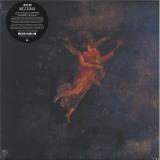
Among the true Keiji Haino devotees, Nijiumu’s Era of Sad Wings (released on P.S.F. in 1993) has always held a special place in the pantheon. Operating for only a few years in the early 90s and apparently only performing a handful of shows, Nijiumu operated at the opposite end of the dynamic spectrum to Haino’s famed power trio Fushitsusha, dwelling in a hushed, meditative realm of mysterious droning sonorities and free-floating melodies that occasionally erupts into violence. Black Truffle is pleased to announce a new double-LP edition of a lesser-known 1994 Nijiumu recording, When I sing, I slip into the microphone. Into that void, I bring comrade “prayers”, then, turning to face the outside, together we explode. Here, Nijiumu is the trio of Haino, Tetuzi Akiyama and the obscure Takashi Matsuoka, the three performing on a wide variety of string, wind and percussion instruments, as well as electric guitar and bass, and Haino’s unmistakeable voice.
Like on the early solo Haino album that shares the group’s name (released on P.S.F. in 1993), the instrumentation swims in reverb (the use of which Akiyama recalls as ‘a kind of point of the band’), often obscuring the instrumental sources. On the short opening piece, a distant reed instrument arcs long buzzing melodies over a bed of cymbals and gongs, like a psychedelic take on Tibetan music. The epic second part, occupying almost 50 minutes, begins as a splayed, near-formless cloud of electric guitar and bass, shadowed by bowed and plucked strings, the three elements working through twisting atonal shapes. At various points in the recording, we hear what seems to be the sounds of musicians moving between instruments, their shuffling and bumps fitting seamlessly into this radically open music. Eventually, what sounds like electric guitar moves closer to the foreground, fixing on a repeated melodic cell around which hover mysterious clouds of long tones and a sporadic shaker. At the half-hour mark, the music begins to build to a violently emotive climax, Haino’s impassioned vocal cries punctuating a lumbering, bass-heavy murk, contrasted at points by what sounds like a tin whistle. Suddenly, the volume drops to a near-whisper, opening the way for the stunning final moments, which touch on the slow-motion balladry of Haino’s classic Affection, here given an eccentric twist by an occasional woodblock hit. The third piece opens with a hazy trio of rumbling bass, bowed strings and abstracted slide guitar, the latter calling to mind some of Akiyama’s later solo work. Eventually joined by Haino’s voice, its fragile, haunted tone might remind the listener of the man in black’s documented love of the madrigals of the murderous Count Gesualdo, before the recording abruptly breaks off mid-note. In this new edition, the Nijiumu trio recording is supplemented by a piece recorded solo by Haino in 1973, a bracing electronic blowout stretching almost half an hour. Using a homemade electronics setup to unleash a barrage of crunching distortion and shuddering harmonic fuzz, it takes its place in the canon of extreme live electronics next to Robert Ashley’s Wolfman and Walter Marchetti’s Osmanthus fragrans, looking forward to extreme noise years before Merzbow. Taken as a whole, these four sides of music are a stunning document of some of the lesser-known waystations of Haino’s singular creative path.
Order now and we will order the item for you at our supplier.

Black Vinyl[27,31 €]
Erstmals international auf Vinyl – zum 50. Jubiläum neu aufgelegt
Stones Throw Records präsentiert die erste internationale Wiederveröffentlichung von Haruomi Hosonos Kultalbum Tropical Dandy – fast genau 50 Jahre nach der japanischen Originalveröffentlichung von 1975.
Erhältlich als Standard Black Vinyl und limitierte Ocean Blue Edition, jeweils auf 180g-Vinyl mit OBI-Strip und einer neu übersetzten Version der originalen Liner Notes von 1975.
Tropical Dandy markierte Hosonos musikalischen Wendepunkt – ein wagemutiges, genreübergreifendes Werk zwischen Exotica, Jazz und Pop, das als stilprägende Grundlage für das spätere Japanese City Pop gilt.
Haruomi Hosono ist Gründungsmitglied der Folk-Rock-Band Happy End sowie der legendären elektronischen Formation Yellow Magic Orchestra (YMO) und gilt als einer der einflussreichsten Künstler Japans. Sein Werk überschreitet seit fünf Jahrzehnten spielerisch Genregrenzen und Kulturräume.
Diese Veröffentlichung ist die zweite Zusammenarbeit zwischen Stones Throw und Hosono, nach dem Compilation-Album Hosono House Revisited, das u. a. Beiträge von Mac DeMarco, Sam Gendel und John Carroll Kirby enthielt.
expected to be published on 10.10.2025

Erstmals international auf Vinyl – zum 50. Jubiläum neu aufgelegt
Stones Throw Records präsentiert die erste internationale Wiederveröffentlichung von Haruomi Hosonos Kultalbum Tropical Dandy – fast genau 50 Jahre nach der japanischen Originalveröffentlichung von 1975.
Erhältlich als Standard Black Vinyl und limitierte Ocean Blue Edition, jeweils auf 180g-Vinyl mit OBI-Strip und einer neu übersetzten Version der originalen Liner Notes von 1975.
Tropical Dandy markierte Hosonos musikalischen Wendepunkt – ein wagemutiges, genreübergreifendes Werk zwischen Exotica, Jazz und Pop, das als stilprägende Grundlage für das spätere Japanese City Pop gilt.
Haruomi Hosono ist Gründungsmitglied der Folk-Rock-Band Happy End sowie der legendären elektronischen Formation Yellow Magic Orchestra (YMO) und gilt als einer der einflussreichsten Künstler Japans. Sein Werk überschreitet seit fünf Jahrzehnten spielerisch Genregrenzen und Kulturräume.
Diese Veröffentlichung ist die zweite Zusammenarbeit zwischen Stones Throw und Hosono, nach dem Compilation-Album Hosono House Revisited, das u. a. Beiträge von Mac DeMarco, Sam Gendel und John Carroll Kirby enthielt.
expected to be published on 10.10.2025

In syrupy slow pursuit of a strong 2023 debut, Yungwebster's somnolent sequel is bolstered by pitch-perfect production from Space Afrika and Nathan Melja, who vaporise the rapper's auto-tuned post-Future drawl with euphoric orchestral drones, brittle micro-trap beats and weightless pads.
Over a decade ago at this point, Future released 'Codeine Crazy', the decelerated finale of 'Monster', one of his best-loved mixtapes. The track neatly summarised themes the Atlanta rapper had been circling for years at that point, layering his slurred, lean-dizzy rhymes over producer TM88's rubbery, melancholy synths. "Take all my problems and drink out the bottle," he moaned robotically, using the track's minor key bounce to represent the crushing delirium that followed fame and its tasting menu of intoxicants. It's still Future's high water mark creatively, and its traces can be observed in a full spectrum of contemporary sounds, from 6LACK's downtrodden, self-aware R&B to Lil Uzi Vert's feverish trap. But it's Yungwebster who's taken the haze to its logical conclusion, reimagining the Magic City-sculpted bumps as hypnagogic Actavis- 'n Xanax-hued ambient music. You could argue it was bound to happen - the more you sip, the slower it gets - and plays as a cracked mirror to cloud rap's long-smoked hybrid of Southern psychedelia and post-OutKast eccentricity.
Webster's opiated POV is clearer than ever before on 'II'. Just peep the cracks in his voice on the Space Afrika-produced opener 'Skyfall' as he coughs and splutters over watery samples, booming subs and SA's patented collage of soundtrack-ready strings and sirens. Presented at regular speed and in chipmunked form, it sets the pace for an album that, like its predecessor, constantly fucks with the timeline, pitching the whole master into doubletime or slowing it down to a crawl to present a curved, inebriated narrative rather than a straight line. Even without the tempo switches, Webster singles out beats that accent his warbled rhymes that sound as if they'll fall apart at any moment. French DJ and producer Nathan Melja backs 'Disheveled' with Black Ark-styled oscillations and airlock'd echoes, filtering the bassline until it almost disappears entirely; with room to breathe, Webster's able to take the lead - you might not be able to pick out the words, not entirely at least, but you get the message.
In fact it's Webster's voice that's the revelation on 'II' - with a coherent mix from producer tnotsobad, the nuances and fluttering tonalities emerge more vividly than they have before. It makes the flip between the regular speed and fast on 'Txts Red on iMessage' a textural decision, the different pace shifting the warbled cadences so Webster's voice becomes far more important than the additional elements. And on the album's Space Afrika-produced eight-minute centerpiece 'Crochet / I Swear', Webster's mumbled bio-mechanical whines create a much-needed foil for the decelerated boom-clack and suspended save room ambience. We get to encounter a personality here, not just an aesthetic, so as the album moves into its twilit fourth side, the beatless, voice-led somniferousness of 'YA SA' and ululating 'Phone' come off like a descent into tranquillised sedation. Rap has rarely sounded so chimeric.
expected to be published on 10.10.2025

DEVO’s Hardcore documents the group’s beginning as pre-punk outcasts in the fertile Akron, Ohio, underground rock scene. Spawned at the nearby college of Kent State, site of the infamous May 4 Massacre, DEVO formed as a conceptual art project armed with the radical philosophy of de-evolution. Brothers Mothersbaugh (Mark, Bob and Jim) and Brothers Casale (Jerry and Bob) along with drummer Alan Myers soon whipped up an otherworldly brand of “devolved blues” that could hold its own alongside the beatnik groove of 15-60-75 (a.k.a. The Numbers Band) or the primal rock poetry of The Bizarros. Recorded on various four-track machines and in tiny studios, basements and garages between 1974-1977, Hardcore reveals their strikingly clear vision: rock ’n’ roll stripped bare of its collective cool and jerked back into propaganda fit for post-modern man. It’s no surprise that these transmissions would soon catch the eye and ear of Brian Eno, who later produced their landmark 1978 debut album. Noisy synth, strangled guitar chops and a primitive rhythmic thud power the early DEVO sound. Threaded beneath it all are lyrical themes of post-McCarthy paranoia, middle-class ephemera and DEVO’s long-running topic of choice: sex, or lack thereof. Few moments in pop music history can match the grinding, pent-up energy of “Mongoloid” and the spastic bounce and sputter of “Jocko Homo” (two anthems presented in their earlier and superior versions here). Cult favorites like “Mechanical Man” and “Auto-Modown” make Volume 1 essential listening. Superior Viaduct and Booji Boy Records are proud to present DEVO’s Hardcore to a new generation of spuds, lovingly packaged with Moshe Brakha’s stunning cover photography. As David Bowie said in 1977, DEVO is indeed “the band of the future.”
expected to be published on 10.10.2025

Recorded during Zevon's second comeback in the years 1991-1995, Mr. Bad Example is a critically-acclaimed studio album by the newly-inducted Rock N' Roll Hall of Fame inductee, released in 1995. The album blends Zevon's signature dark humor and sharp lyrics with a more polished production, featuring tracks like “Reconsider Me” and the title song "Mr. Bad Example." The album earned positive reviews and marked a return to commercial success. This is the first North American stand-alone release on vinyl and is mastered directly from stereo analog tapes by Bernie Grundman.
expected to be published on 10.10.2025
On his sixth studio release Roulette, the prolific producer, songwriter, pianist and MC Alfa Mist has created his own sci-fi universe - a vast dystopia where themes of revenge, forgiveness and redemption loom large.
Alfa Mist’s albums have always tackled big themes. This time, however, he explores an imagined near-future in which reincarnation is discovered to be a potent tool linking dreams and past lives. But with this discovery comes consequences: ethical, moral and philosophical. “If reincarnation is real, how does that shape society?” he explains. “If reincarnation means accumulation of knowledge, would you share it and enable everyone to understand more about the world? Or do you struggle for power? And do some people want to stop others from remembering who they were?”
Over 15 tracks, Alfa explores these ideas with heady potency. Each song is a spin of the wheel – a different song and character. The musician’s signature is still there – lambent keys, intuitive groove, free-flowing jazz improvisation – but Roulette is imbued with a smoky psychedelia. An immersive listen, this album is designed “to feel” on every level, says Alfa. It also contains some of his most impressive arrangements yet - see the eight-minute title track that effortlessly flips through time signatures – “because life’s like that,” says Mist; it’s not always linear.
Roulette underlines Alfa Mist as one of the most forward-thinking composers in UK music, with poignant, plaintive melodies that lodge deep in your psyche. “I’m exploring different parts of myself,” he says. “But obviously, as I grow, all of those parts change. Music is a constant; it’s my state of mind that I constantly chisel and work on and make sure that’s always growing and staying interested in new things. As long as I do that, it’ll come out in the music.”
Order now and we will order the item for you at our supplier.

Shining lights in London’s queer electronic underground, prolific duo FAFF make their debut on Phantasy with the ‘A Few Good Days’ EP, featuring three tracks reverberating the smudged euphoria of the capital’s rave scene, both past and present. Drawing equally on peak-time club catharsis and the emotive experimentation of golden-era IDM and electro, these recordings meld the pair’s diverse DJ sets and ambient live work, which has captivated festivals including Draimollen, Field Maneuvers, and Body Movements.
The title track, ‘A Few Good Days, ’ melds hypnotic percussion, snatches of vocal euphoria, and a stuttering break for instant post-rave afterglow. Its wandering but compelling arrangement subtly invokes and updates the pioneering aesthetic of One Dove, Sabres of Paradise, or even William Orbit. The tempo tilts skywards for ‘Tracy’s Night Out’, a peak-time display of FAFF’s studio prowess that fuses choral techno drama with a shamelessly bouncing bassline designed to tear up any respectable sound system. Emerging from the sweat and strobes for a wide-eyed stroll home, ‘Tracy’s Daydream’ wishes away the EP with delicate, textural delight, floating gently on pure analogue reverie.
Order now and we will order the item for you at our supplier.

The American gothic rock/post-punk band She Wants Revenge was founded in 2004 by Adam Bravin and Justin Warfield. Their self-titled debut studio album, released in 2006, featured the singles "These Things" and "Tear You Apart." Upon its release, the album reached #38 on the Billboard 200, #3 on Billboard's Top Dance/Electronic Albums chart, and #9 on the Top Rock Albums chart in the U.S._x000d__x000a_She Wants Revenge is available as a 2LP, and is packed in a gatefold sleeve.
Order now and we will order the item for you at our supplier.

Finally, the pioneering first album from the group that epitomized the spontaneous, simultaneous and glorious emergence of the Hip-Hop and Electro Funk genres is back on vinyl. The song "Where's the Beat" has been extracted due to it's not actually being made by the group, but every other note and beat is included as it was originally released, from the opening narration and the sound effects joining the songs to the classic Hip-Hop and Electrofunk in-between. Also included for the first time anywhere is the previously unreleased track “Disco Kryptonite”!
Whether you are a big fan of Newcleus, or a serious connoisseur of Old School Hip-Hop or Electro, or just a lover of good music, your collection is incomplete without this incredible reissue of Newcleus' classic Jam On Revenge on vinyl!
Order now and we will order the item for you at our supplier.

Jackie Mittoo’s ‘Reggae Magic’ is a new collection from the great Jackie Mittoo. The album features a mixture of classic tunes and rarities from the period 1967-74, when Mittoo was at the height of his musical powers. Mittoo’s solo career began after the end of The Skatalites in 1965. He began pushing new musical boundaries, creating a uniquely identifiable organ-led funky reggae sound that owed as much to Booker T and The MGs, Jimmy Smith, Stax and Motown as to the post-ska and emergent rocksteady island rhythms of Kingston, Jamaica. His solo work at the legendary Studio One spanned seven albums and hundreds of singles.
Aside from producer and founder Clement ‘Sir Coxsone’ Dodd, it’s hard to think of anyone more central to the sound and success of Studio One than Mittoo; keyboard player extraordinaire, songwriter, arranger, musician, truly the Keyboard King at Studio One. Jackie Mittoo had been the youngest founding member of The Skatalites (at age 16), probably the most important group in Jamaican music. After they split, he became leader of the three pivotal groups at Studio One – The Soul Brothers, The Soul Vendors and Sound Dimension. He also became musical director for Studio One, helping create countless hits for singers Ken Boothe, Bob Andy, The Wailers, John Holt, Delroy Wilson and more – unforgettable tunes like Alton Ellis’ ‘I’m Still in Love with You’, Marcia Griffiths’ ‘Feel Like Jumping’, The Heptones’ ‘Baby Why’ and others. Between 1965 and 1968, many of the tunes created at Studio One can be attributed to Mittoo – timeless instrumental tracks, recorded either under his own name or those of The Soul Brothers, Soul Vendors and Sound Dimension, that have become the basis for literally 1000s and 1000s of Jamaican songs over many decades, giving the music an unsurpassed longevity.
The endurance of his music was as a direct result of significant developments in Jamaican music in the 1970s, namely the creation of three important new styles: Dub, Deejay and Dancehall. In the early 1970s Mittoo’s instrumental tracks were used as the musical source for a series of classic Studio One dub albums. At the same time Deejays at Studio One, including Dillinger, Prince Jazzbo and Dennis Alcapone, began toasting over these same popular rhythms to create their own new songs. In the mid-70s, a new generation of Studio One singers and deejays, including Sugar Minott, Freddie McGregor, Johnny Osbourne, Michigan & Smiley and others, began once again creating new melodies over these original instrumentals, signalling the birth of a new Jamaican style that became known as ‘dancehall’.
As dancehall swept across the island, rival producers copied these now classic rhythms. These original Jackie Mittoo-driven tunes spread like a virus throughout Jamaican music; be they the instrumental cuts to tunes such as Alton Ellis’ ‘Mad Mad’ , ‘I’m Just A Guy’, Larry Marshall’s ‘Mean Girl’, Slim Smith’s ‘Rougher Yet’, and instrumentals such as Mittoo’s classic ‘Hot Milk’ or ‘One Step Beyond’, The Sound Dimension’s ‘Real Rock’, ‘Heavy Rock’, ‘Full Up’, ‘Drum Song’, ‘Rockfort Rock’ … and the list goes on. These tracks became a constant soundtrack to the island, emitting from the ever-present sound of speaker boxes strung up around dancehalls. This recycling travelled even farther afield; The Sound Dimension’s instrumental ‘Real Rock’, updated by Willie Williams on his classic ‘Armageddon Time’ was in turn covered by The Clash. Lily Allen sampled Mittoo’s debut solo single ‘Free Soul’ for number one hit ‘Smile’; Dawn Penn’s ‘You Don’t Love Me (No, No, No)’, accompanied by The Soul Vendors, was revived by Penn and producers Steely & Cleevie in 1994, since covered by Rihanna, Ghostface Killah, Stephen Marley, Damian Marley and Beyonce. And so it goes; an endless time-leaping, continent-hopping diasporic musical map of the world with all roads essentially leading back to one man – Jackie Mittoo.
Order now and we will order the item for you at our supplier.

Mutant, in association with Walt Disney Music and LucasFilm, are proud to present a 20th anniversary celebratory pressing of John William's original score to the iconic final chapter of the Star Wars prequel trilogy - Star Wars: Episode III - Revenge of the Sith.
Following a powerful return to cinemas this spring, George Lucas' 2005 science fiction epic has continued to capture the hearts generation after generation. Returning for his sixth Star Wars film, John Williams brings the tragedy of Anakin Skywalker to life with a masterful flair. From the opening fanfare's hard pivot to the action packed dogfight, Williams weaves between kinetic adventure, and haunting heartbreak with grace and precision. In a series full of the absolute pinnacle of music ever committed to film, Revenge of the Sith sits proudly side by side, while feeling wholly unique.
Long out of print on physical media, and only being pressed on Vinyl for the second time ever, this limited edition release features incredible original artwork by Matt Ferguson and is pressed on 2x 140gm black vinyl.
expected to be published on 03.10.2025

2025 Repress
Paris-based multi-instrumentalist Emile Sornin is currently on an impressive run of releases: two film soundtracks for De Nos Frères Blessés by Hélier Cisterne (2020) and Babysitter by Monia Chokri (2022), and a recent and acclaimed solo album, L'Idiophone on Born Bad Records, for which he has been touring Europe since march.
Forever Pavot is already back at it with his third film score for Monia Chokri's new movie Simple Comme Sylvain, inspired by Italian soundtracks and romantic grooves.
Order now and we will order the item for you at our supplier.

The sixth vinyl release from Goodbye Royalty, titled "No Script," is a vivid embodiment of multifaceted creativity. The album is filled with conceptual experiments that reflect the artist's years of experience. The genre palette, ranging from minimalism to Electro-Breaks, will surprise both seasoned diggers and casual audiophiles, offering a unique musical journey. The title track "No Script" is infused with an atmosphere of universality and depth. Acusmouse creates a ritualistic immersion, a whirlwind that draws the listener into the depths of consciousness. The contours of percussive spaces are repeatedly revealed from new angles. Music becomes more than just a collection of sounds; it transforms into a genuine experience that leaves a mark on the soul. "Alfa" by Interpolarm embodies mysterious and simultaneously mystical imagery, where the main strength lies in harmony and balance between rational canvases. The fresh dance form and recognizable sound of the duo provide a better perspective on their evolution from early Minimal Techno with Acid House to romantic Micro House, where the collective liberates itself from heavy energies. On the B side, Information Ghetto takes the lead. Through an equal blend of psychedelia and humor, the artist creates a cohesive concept for fans of broken rhythm based on two tracks. The formula is simple: a mix of trip-hop, electro, and breaks, analog synthesizers, and soft bass that brings dusty mechanisms of the eternal engine to life. The graphic design has been developed by the unique artistic collective Recycle group. Vinyl owners can expect a true surprise-a secret message that can be revealed by focusing a smartphone camera at the main image of the apple. This serves as an additional portal into the world of the future. Just install the Recycle Group APP on your device beforehand.
Order now and we will order the item for you at our supplier.

Wenn Sie von Hillsborough, North Carolina, auf der 1-85 nach Norden fahren und die Ausfahrt zur 58 East nehmen, erreichen Sie in fünfzehn Minuten Diamond Grove, ein kleines, nicht eingemeindetes Gebiet im Brunswick County, Virginia, am Meherrin River. Für die meisten Besucher gibt es dort nicht viel zu sehen - für Lebensmittel müssen Sie nach Lawrenceville und für Baumaterial nach South Hill fahren. Doch versteckt in diesem Fleckchen Virginia-Piedmont liegen die Überreste einer Milchfarm aus den 1740er Jahren, deren Haupthaus ein wunderschönes altes Gebäude mit zwei Etagen ist, das noch immer mit Seilbetten und allem Drum und Dran ausgestattet ist. Wenn man heute dorthin fährt, hört man in der Ferne Geräusche von jemandem, der in den vermieteten Nebengebäuden Sojabohnen und Baumwolle verarbeitet, von landwirtschaftlichen Reifen, die über Schotterstraßen knirschen, von quakenden Fröschen und von singenden Meisen: chick-a-dee, chick-a-dee. Aber wenn Sie zufällig im September 2023 vorbeigekommen sind, konnten Sie vielleicht Fiddle-Melodien hören, die von den Kiefern widerhallen, BBS-Geräusche in leeren Räumen und die Klänge von Weirs, die ihr zweites Album und ihr Debüt bei Dear Life Records aufnahmen: Diamond Grove. Weirs ist ein experimentelles Kollektiv, das aus der Musikszene im Zentrum von North Carolina hervorgegangen ist und zu gleichen Teilen aus Oldtime-Folk und DIY-Noise besteht. Die Auftritte von Weirs sind hierarchielos und umfassen zwischen zwei und zwölf Personen. Im September 2023 reisten neun von ihnen die US-58 hinauf, um sich im Wohn- und Esszimmer des Hauptgebäudes einer Milchfarm einzufinden, die noch immer im Besitz der Familie des Bandmitglieds und Organisators Oliver Child-Lanning ist, deren Verwandte seit Jahrhunderten dort leben. Die Besetzung von Weirs - weder endgültig noch besonders wertvoll - umfasst Child-Lanning, Justin Morris und Libby Rodenbough (seine Mitstreiter bei Sluice); Evan Morgan, Courtney Werner und Mike DeVito von Magic Tuber Stringband; sowie die treuen Andy McLeod, Alli Rogers und Oriana Messer, die bis tief in die Spätsommernächte spielten. Das Ergebnis sind die neun Tracks von Diamond Grove, aufgenommen mit einer provisorischen Signalkette, die aus geliehenem Equipment der gesamten Community zusammengestellt wurde. Das Weirs-Projekt begann als Tape-Experimente mit traditionellen Melodien, die Child-Lanning im Winter 2019 unter dem Namen Pluviöse aufgenommen hatte. Daraus entstand das erste Weirs-Album Prepare to Meet God, das im Juli 2020 in Eigenregie veröffentlicht wurde und eine Zusammenarbeit zwischen Child-Lanning und Morris während der COVID-Pandemie war. Die seltsamen Umstände dieses Debüts - eine gemeinschaftliche Tradition von Live-Songs, die isoliert voneinander aufgenommen wurden - werden durch Diamond Grove aufgehoben, ein Album, das in der unwiederholbaren Konvergenz von Menschen, Ort und Zeit verwurzelt ist. Auf dem neuen Album setzen Weirs ihre Suche nach dem besten Weg fort, sogenannte ,traditionelle" Musik weiterzuentwickeln, zu bewahren und zu befreien. Sie sind Songfänger, die Melodien sammeln, die kurz vor dem Vergessen stehen. Ihr wildes, Jahrhunderte umspannendes Repertoire klingt wie eine avantgardistische Jam-Session - eine Art Real Book für eine Szene, die sich mit Porch Jams, Big Blood, Amps for Christ und Jean Ritchie auskennt. Weirs fangen Songs ein, deren Interpretationskanon noch offen genug ist, um neben denen zu stehen, die sie zuvor gesungen haben, aber niemals über ihnen. Dies sind keine Versuche, definitive Versionen zu schaffen. Die Aufnahmen auf Diamond Grove fühlen sich eher wie Besuche als wie Überarbeitungen an. Und die Frage, die Weirs auf diesem Album stellen, ist nicht, wie sie einfach die Tradition ihrer Vorfahren fortsetzen können, sondern wie traditionelle Musik heute klingen könnte. Für Weirs könnte die Geschichte dieser Tradition weniger aus dem Folk-Revival stammen als aus der Musique concrète, weniger aus makellosen alten Meisteraufnahmen als aus etwas wie The Shadow Ring, wenn diese aus dem evangelikalen Süden kämen. Wenn man ,(A Still, Small Voice)" hört, spürt man, wie die Kraft der Hymne etwas Gleichwertigem weicht: den Dielen, dem Knistern des Feuers, dem Zubereiten und Essen von Mahlzeiten. Diese Spannung zwischen Bewahrung und Verfall ist das innere Leuchten von Diamond Grove. Nehmen wir ,Doxology l": Die Melodie von ,Old Hundred", einer Hymne aus der Sacred-Harp-Tradition, wird in MIDI umgewandelt, über iPhone-Lautsprecher abgespielt und in der Septemberluft neu aufgenommen. Für manche Revivalisten mag diese Hymne, gesungen mit der ganzen Pracht gefälschter Auto-Tune-Stimmen, blasphemisch klingen. Aber Ohren, die beispielsweise auf die Hyperpop-Produktionen der letzten Jahrzehnte eingestellt sind, werden sofort die spannungsgeladene Schönheit des digital verfremdeten Shape-Note-Gesangs verstehen. Dieselbe Spannung belebt ,l Want to Die Easy". Weirs' Version basiert auf der Aufnahme von A Golden Ring of Gospel, die in der Folkways-Sammlung Sharon Mountain Harmony verewigt ist. Die Melodien, Texte und Strukturen sind weitgehend unverändert geblieben. Aber die ,reine" Klarheit der Stimmen der frühen Aufnahme ist verschwunden. An ihre Stelle tritt der distanzierte Klang des Silos der Milchfarm, in dem Weirs ihre Version aufgenommen hat, dessen natürlicher Nachhall von zwei Sekunden die ursprüngliche Nähe ersetzt. Auf diese Weise wird der Klang des Aufnahmeortes selbst zu einem Teil der traditionellen Darbietung. Das Herzstück von Diamond Grove ist Weirs' Interpretation von ,Lord Bateman", einer Melodie, die Jean Ritchie als ,große Ballade" bezeichnete: Sie wurde gespielt, wenn die Arbeit getan war und der Tanzabend zu Ende war. Es ist ein Lied aus dem 18. Jahrhundert - so alt wie die Diamond Grove Farm - über einen gefangenen Abenteurer, der laut Nic Jones den Geist eines Errol-Flynn-Films verkörpert. Wie viele großartige und oft a cappella gesungene Interpretationen steht auch bei diesem ,Lord Bateman" die Stimme im Vordergrund und unterstreicht die Bedeutung des Geschichtenerzählens für das Zusammenkommen der Kinder. Neu ist hier der immense Bordun, der die Erzählung in ein unaufhörliches Gewebe elementarer Kräfte verwandelt. Es ist ein verschwommenes Murmeln kollektiver Saiten, das den Kanon von Ritchie und June Tabor ebenso bereichert wie Pelt's Ayahuasca oder Henry Flynt's Hillbilly Tape Music. Obwohl Diamond Grove nicht explizit von der alten Milchfarm handelt, auf der es aufgenommen wurde, kann es nicht umhin, ihr zu ähneln. Alte englische Balladen wie ,Lord Bateman" und ,Lord Randall" ergießen sich über Felder, die einst von der britischen Krone ,vergeben" wurden. Tragische Lieder wie ,Edward" taumeln über Tuscarora-Pfade und Baumwollfelder nach dem Bürgerkrieg. Hymnen wie ,Everlasting l" und ,Everlasting Il" fangen das Mondlicht ein, das seit Lord Bacons Rebellion durch doppelt gehängte Fenster fällt. Und die Nachtvögel trillern noch immer, und die Pflüge pflügen noch immer eine unkomponierte Musik, die darauf wartet, von zufälligen Ohren entdeckt zu werden. Diamond Grove ist in dieser Hinsicht Geschichte. Es ist ein Ort. Es ist Zeit. Es ist das Einfangen von Liedern, Lebendigkeit, Tonbandmanipulation. Wie der niedrige Damm, den das Wort ,Weir" andeutet, ist es eine Verteidigung gegen die Strömung. Es ist eine Verteidigung regionaler Lexika gegen massenproduzierte Umgangssprachen; eine Verteidigung gegen den Glauben, dass wir einfach zu einer einfacheren Zeit zurückkehren können; eine Verteidigung gegen die Vorstellung, dass Volksmusik ,rein" bleiben muss; eine Verteidigung gegen die Behauptung, dass ein Traum von der Zukunft, der in verlorenen Geschichten schlummert, unwiederbringlich verloren ist. Gegen all das verteidigt Diamond Grove traditionelle Musik, indem es sie so klingen lässt, wie die Komplexität der heutigen Zeit - weil es weiß, dass solche Musik und all die Geschichten, die in ihr stecken, auch in Zukunft eine Rolle spielen werden.
expected to be published on 03.10.2025

BLACK VINYL EDITION[21,43 €]
Limited edition on clear vinyl. Wie in het voorjaar van 2025 het voorrecht had om de theatertour van Het Zesde Metaal bij te wonen, kon daar op de koop toe genieten van een handvol gloednieuwe songs. En daarna vaststellen dat die helaas nergens te (her)beluisteren waren. Tot nu, want de goesting om de songs vast te leggen voor de eeuwigheid werd op den duur wel heel groot. En dus kampeerden Wannes Cappelle en co afgelopen zomer enkele dagen in Waimes (DAFT Music Studios), voor het eerst in de nieuwe bezetting met Kasper Cornelus op gitaar/toetsen en Sander Verstraete op bas.
Het resultaat is de EP Randgevallen: vijf songs, vijf vertellingen uit het persoonlijke en wereldse leven die andermaal bewijzen dat Het Zesde Metaal als geen ander kan beschrijven, beklijven en betoveren. Een staalkaart bovendien van de muzikale en tekstuele veelzijdigheid die de band al jaren kenmerkt. Opener Service is een opgewekte popsong waarin Cappelle sappig de drang naar reviews en hartjes in het dagelijkse en economische leven fileert: 'wa' vind je van onze service? / zou j'ons geen tiene willen geven? / asteblieft, want anders is den directeur vies.' In Traagskes Groeien verstilt het tempo en keert de blik naar binnen, het persoonlijke leven in, mijmerend over kinderen die stilaan het nest ontgroeien. 'ge moet u zo nie' spoeien / ge moet traagskes groeien / ge moe' laagske per laagske groeien', probeert Cappelle het loslaten nog even uit te stellen.
Wie dacht dat Oud En Nieuw daarna gaat over feestvieren in de donkerste dagen van december, is op het verkeerde feestje beland. Wiegend op hypnotiserende bas, drum en pedal steel passeert opnieuw de vergankelijkheid van het leven, dit keer met een bredere maatschappelijke blik. 'alles da' oud is, was ooit nieuw / en groot is ooit kleine begonnen / veel komt van weinig / glad was eerst ruw / zelfs de waarheid wierd ooit verzonnen'. Wanneer naar het einde toe pulserende synths het tempo opheffen en de song licht euforisch uitwaaiert in een instrumentale coda, kun je alleen maar de ogen sluiten en stilstaan bij wat was en nog komen zal.
Label is het enige nummer dat speciaal voor de EP werd geschreven en baadt net als Service in meer dartele klanken, terwijl Cappelle met trefzekere oneliners een beeld van zichzelf schetst. 'de meeste middens mijd ik, ik hore bie de randgevallen thuis / misschien verdiene 'kik ook een label'. Moeten we altijd proberen de ander in een vakje te duwen? Kan iedereen niet 'gewoon' anders zijn? En ironisch draait Cappelle de rollen om: 'atypisch is de norm / ge moogt buiten de lijntjes kleuren / gewoon is niet verboden / normaal zijn doet geen zeer / as ze mor hunder plekke kennen / de rare zijn met meer.'
Het slotakkoord is voor het beklijvende Duizend Soldaten van Willem Vermandere, dat Cappelle en Filip Wauters begin dit jaar brachten voor het tv-programma Ik Vraag Het Aan. Nu zet het een pakkend punt achter een EP die nogmaals de tijdloze klasse van de band onderstreept. Meeslepend, verhalend, herkenbaar, grappig, ontroerend, scherp. Het Zesde Metaal is het allemaal en heeft daar slechts vijf songs voor nodig.
Randgevallen werd opgenomen met Frederik Segers (productie) en Jasper Maekelberg (mix) aan de knoppen, en komt uit op 4 oktober. Met de plaat onder de arm én aan de merchandisetafel herneemt de band zijn theatertour, maar dan in het groot, langs fantastische zalen in onder meer Brugge (Concertgebouw), Gent (Capitole) en Nederland.
expected to be published on 03.10.2025