Killer Groove Records proudly presents the debut 45 by Italian cinematic funk trio Atabasca. A syncopated journey where funk, psychedelia, and cinematic groove merge into a timeless narrative suspended between rhythm and vision.
"Cacopoulos" and "Kundela Mawedi" mark the birth of Atabasca's sonic universe: the first two singles from the upcoming self-titled debut album,which will be released on March 27 in limited-edition LP, CD digipack, and digital formats.
On the A-side, "Cacopoulos" is an impetuous, visionary ride that fuses the power of instrumental groove with the evocative imagery of library music and Italian golden-age soundtracks. From the first beat, listeners are drawn into a dry, dusty landscape driven by a primal drum groove and the acid twang of a guitar that evokes the spirit of classic Westerns. Indeed, "Cacopoulos" pays homage to I Quattro dell'Ave Maria (Ace High) and to the legendary Eli Wallach, the sly outlaw who turns deception into revenge, a subtle yet powerful nod that ties the trio's sound to imagery steeped in dust, dreams, and redemption.
On the flip side, the sound of an old lap steel guitar evokes the gentle waves of the sea, opening the doors to "Kundela Mawedi", a dreamy track with exotic tones and heavenly atmospheres. The sonic journey unfolds through hypnotic rhythms and echoes of ancient cultures, where ethereal voices and warm, entrancing bass lines intertwine with psychedelic riffs and evocative guitar melodies, merging into a soundscape rich in warmth and mystery. The chorus, with its unexpected choral chant, adds a spark of magic. An elegant twist that gently stirs the dreamlike mood and transports the listener into a new sonic dimension, steeped in mysticism and tribal vibrations. "Kundela Mawedi" is more than just a song: it's a sensory experience, a musical ritual where tradition meets psychedelia, sand meets sea, and the soul dances upon the waves of time.
Recorded in a single take, the session captures the raw energy and natural atmosphere of the performance. Artistic production was handled by the trio alongside Andrea Fabrizii (digger, musician, producer, and catalogue curator for CAM Sugar), while Riccardo Ricci mastered the tracks at Velvet Room Mastering Studio in Brighton.
A killer double-sider, blending psychedelic and funk moods with percussive, jazzy textures. A must-have gem for every groove-loving DJ.
Like a desert blooming within the evergreen forests of the planet's far north, a unique, alien, disruptive environment: this is the vision behind Atabasca, the project of Luca Mongia (guitars, lap steel, keyboards, vocals), Paolo Mazziotti (bass, keyboards, vocals), and Valerio Pompei (drums, percussion, vocals). Individually active for over twenty years on both national and international scenes, the three musicians came together in 2023 to create a project that merges experience, experimentation, and creative freedom. Their music is imaginative and at times dreamlike, blending the classic concept of the instrumental trio with the worlds of film scoring and sound design.
Atabasca's sound moves through jazz-funk, world, and cinematic territories, weaving together afrobeat, desert, and psychedelic influences into a personal and timeless language. Each piece is a scene; each sound, a fragment of a world, a journey between reality and imagination where groove, texture, and organic timbre merge into a singular sonic ecosystem: a perpetually shifting balance that generates new inner landscapes.
Fans of Khruangbin, Surprise Chef, and instrumental psych-funk, take note!
out of Stock
Last delivered 8 months ago available to reorder, subject to availability
Joyce Manor are California pop-punk legends and I Used To Go To This Bar is this epochal band operating at the top of their game. They continue to deliver relentlessly satisfying rock music in a manner that makes it look simply effortless. The Torrance, California-hailing trio of Barry Johnson, Chase Knobbe, and Matt Ebert are at a point in their career where their position as one of the most beloved rock bands is a foregone conclusion. Their seventh album finds the group continuing to find rich new veins to tap in their short-and sweet songcraft without losing an ounce of bite that gained them such repute in the first place. I Used To Go To This Bar further situates Joyce Manor in the rich lineage of their influences and inspirations. Think AFI"s rapid-fire burn, Weezer"s indelible power-pop acumen, and the dusky emotionalism of The Smiths while further establishing them as leading lights in the current rock landscape. The fresh burst of inspiration that fuels I Used To Go To This Bar proves that Joyce Manor are far from content to rest on such laurels, moving forward with their sound and style in a way that reminds you of how they got to this point in the first place. Catch them live at Coachella 2026.
Pelican war schon immer eine Band, die nicht nur aus Chicago kommt, sondern echt typisch für Chicago ist. Gegründet im Jahr 2000 von den Gitarristen Trevor Shelley de Brauw und Laurent Schroeder-Lebec zusammen mit den Brüdern Bryan und Larry Herweg am Bass und Schlagzeug, hat Pelican seine Wurzeln in der regel- und genreunabhängigen Szene, die man mit dem Fireside Bowl verbindet. Nachdem Schroeder-Lebec nach dem Weggang von Dallas Thomas im Jahr 2022 zur Band zurückgekehrt war, konnte Pelican in dieser wiedervereinigten Besetzung an den Geist ihrer Gründungszeit anknüpfen und mit ihrem 2025 erschienenen Album Flickering Resonance" etwas ganz Neues schaffen. Das Album ist bereits in der dritten Vinyl-Auflage. Sowohl neue als auch alte Fans stöbern wieder im Pelican-Katalog, was auch zu zusätzlichen Neupressungen und Wiederveröffentlichungen ihrer beliebtesten Titel geführt hat. Mit drei Vinyl-Neupressungen allein im ersten Jahr und mehreren Tourneen in den USA und Europa zur Unterstützung des Albums hat Pelican nun eine EP mit vier Titeln aus der Flickering Resonance"-Ära als neue 12"-EP Ascending" neu aufgelegt. Pelican-Fans werden die letzten beiden Tracks Adrift" und Tending the Embers" wiedererkennen, die 2024 digital selbst veröffentlicht wurden und nur auf einer limitierten Anzahl von Kassetten erhältlich waren. Diese 12"-Platte enthält auch eine Gesangsversion der Lead-Single Cascading Crescent" von Flickering Resonance mit Geoff Rickly von Thursday. Diese Version des Tracks war bisher nur auf einer limitierten Anzahl von 7"-Singles erhältlich, sodass sie nun zum ersten Mal digital veröffentlicht und auch in physischer Form allgemein verfügbar ist. Der Titeltrack der EP, Ascending", wurde etwa zur gleichen Zeit wie Flickering Resonance aufgenommen, aber nicht auf dem Album veröffentlicht, da er eher wie ein eigenständiges Werk wirkt. Die Zusammenführung dieser vier Tracks auf einer EP unterstreicht einmal mehr, dass Pelicans regelwidriger Ansatz der Kern dessen ist, was Pelican zu einer festen Größe in allen Genres macht, die sie erkunden.
Pelican war schon immer eine Band, die nicht nur aus Chicago kommt, sondern echt typisch für Chicago ist. Gegründet im Jahr 2000 von den Gitarristen Trevor Shelley de Brauw und Laurent Schroeder-Lebec zusammen mit den Brüdern Bryan und Larry Herweg am Bass und Schlagzeug, hat Pelican seine Wurzeln in der regel- und genreunabhängigen Szene, die man mit dem Fireside Bowl verbindet. Nachdem Schroeder-Lebec nach dem Weggang von Dallas Thomas im Jahr 2022 zur Band zurückgekehrt war, konnte Pelican in dieser wiedervereinigten Besetzung an den Geist ihrer Gründungszeit anknüpfen und mit ihrem 2025 erschienenen Album Flickering Resonance" etwas ganz Neues schaffen. Das Album ist bereits in der dritten Vinyl-Auflage. Sowohl neue als auch alte Fans stöbern wieder im Pelican-Katalog, was auch zu zusätzlichen Neupressungen und Wiederveröffentlichungen ihrer beliebtesten Titel geführt hat. Mit drei Vinyl-Neupressungen allein im ersten Jahr und mehreren Tourneen in den USA und Europa zur Unterstützung des Albums hat Pelican nun eine EP mit vier Titeln aus der Flickering Resonance"-Ära als neue 12"-EP Ascending" neu aufgelegt. Pelican-Fans werden die letzten beiden Tracks Adrift" und Tending the Embers" wiedererkennen, die 2024 digital selbst veröffentlicht wurden und nur auf einer limitierten Anzahl von Kassetten erhältlich waren. Diese 12"-Platte enthält auch eine Gesangsversion der Lead-Single Cascading Crescent" von Flickering Resonance mit Geoff Rickly von Thursday. Diese Version des Tracks war bisher nur auf einer limitierten Anzahl von 7"-Singles erhältlich, sodass sie nun zum ersten Mal digital veröffentlicht und auch in physischer Form allgemein verfügbar ist. Der Titeltrack der EP, Ascending", wurde etwa zur gleichen Zeit wie Flickering Resonance aufgenommen, aber nicht auf dem Album veröffentlicht, da er eher wie ein eigenständiges Werk wirkt. Die Zusammenführung dieser vier Tracks auf einer EP unterstreicht einmal mehr, dass Pelicans regelwidriger Ansatz der Kern dessen ist, was Pelican zu einer festen Größe in allen Genres macht, die sie erkunden.
Voivod wurde 1982 in Jonquière, Quebec, von Sänger Denis „Snake“ Belanger, Gitarrist Denis „Piggy“ D'Amour, Bassist Jean-Yves „Blacky“ Thériault und Schlagzeuger Michael „Away“ Langevin gegründet und nahm eine Reihe von Demos auf, bevor Brian Slagel auf die Band aufmerksam wurde und einen Vertrag mit Metal Blade Records unterzeichnete. Das Ergebnis war das furiose Debütalbum „War And Pain“, das im August 1984 veröffentlicht wurde. Zu dieser Zeit teilten sich alle vier Mitglieder eine Wohnung in Montreal und lebten von 150 Dollar Sozialhilfe pro Woche. Da sie die Schule bereits hinter sich hatten, konnten sie fast jeden Tag proben, was zur Entstehung ihres zweiten Albums „Rrröööaaarrr“ führte. Während der Aufnahme des Albums wurde fast die gesamte Ausrüstung aus dem Proberaum gestohlen. Um Geld aufzutreiben, organisierte die Band zusammen mit ihrem Manager Maurice Richard das legendäre „World War III“-Festival. Dort lernten sie Karl-Ulrich Walterbach kennen, der Voivod davon überzeugte, bei seinem Label Noise Records zu unterschreiben. Nach „Rrröööaaarrr“ von 1986 hieß Voivods zweites Album für Noise „Killing Technology“ und gilt weithin als der größte kreative und klangliche Sprung der Band. Es wurde in West-Berlin unter den wachsamen Augen von Harris Johns aufgenommen und kam 1987 auf den Markt. Weniger hektische Kompositionen wie „Tornado“, „Ravenous Medicine“ oder „Killing Technology“ hoben die Kanadier schnell von ihren Thrash-Zeitgenossen ab. „Rrröööaaarrr„ haben wir mit unserem Tontechniker in einer heruntergekommenen Schule ohne Geld selbst produziert“, erklärt Michael Langevin in dem Buch „Damn The Machine. The Story Of Noise Records“ des amerikanischen Autors David E. Gehlke. „Plötzlich hatten wir ein professionelles Umfeld, ein richtiges Studio mit einem richtigen Produzenten und ein Label, das die Finanzierung sicherstellte. Es ging Schritt für Schritt. Für „Killing Technology“ haben wir vielleicht ein bisschen langsamer gemacht. Wir konnten die Rollen spielen, und es hat viel Abwechslung. Es ist mein Lieblingsalbum und in meinen Ohren die perfekte Mischung aus Thrash, Prog und Hardcore. Es ist definitiv ein entscheidendes Album.“
Rote splatter Vinyl. Nach über 16 Monaten ohne frische Musik sind KAFFKIEZ zurück und kündigen direkt ein neues Album für den 30.01.2026 an. Noch vor 5 Jahren waren die Shows dieser Band nur von Freunden & Verwandten besucht. Mittlerweile finden die Familientreffen der Rosenheimer Bande in großen Hallen statt und die ansteckende Leichtigkeit der Band verbindet weit über ihre Musik hinaus. Wie die Nachbarsjungs, mit denen man immer noch gerne eine Runde um den Block dreht, stehen KAFFKIEZ für eine durchdringende Befreiung von Alltagslasten und ein Augenzwinkern, das die Sorgen auf morgen vertagt. Die Jungs der Band machen klar, um was es ihnen geht. WIR. Ein Album das Zusammenhalt und Gemeinschaft durch und über die Musik hinaus manifestiert. Eine Einladung an alle Fans von lebenshungrigen Gefühlen, langen Sommerabenden und treibender Leichtigkeit. Wer schon länger Teil der KAFFKIEZ Family ist, wird sich über die gut bekannten und unaufhaltsam nach vorne marschierenden Rhythmen & die schrammelnden Gitarren direkt abgeholt fühlen. Doch der Sound des kommenden & dritten Studioalbums der Band hat an Druck und Kraft gewonnen. Elemente wie Bläser und Synths strecken die Hände in neue Richtungen aus ohne zu vergessen, wo sie herkommen. Ein Familienausflug der Extraklasse.
British singer-songwriter Lucy Kitt unveils her highly anticipated second album, Telling Me, a deeply personal collection that shifts focus from introspection to storytelling, capturing the lives and struggles of those closest to her. Drawing from her love of 70’s Laurel Canyon folk, 90’s indie rock, and country music, Kitt crafts narratives that blend her own experiences with compassionate observations of loved ones. Based on a raw acoustic “three chords and the truth” style of songwriting that ripples throughout, the album expands with full-band arrangements that give a huge range and richness to the sound.
Though influenced by American musical traditions, the Essex-native maintains her distinctive voice and authenticity, ensuring the music remains unmistakably her own. Following her 2018 debut Stand By, this new record represents a more mature approach to songwriting, written during her early 30s and completed in the 2021 lockdown – a storybook of songs capturing that moment in time.
Musically, Telling Me showcases Kitt's stripped-down acoustic foundations, while incorporating fuller arrangements that blend her love of Nick Drake, Bob Dylan, Gram Parsons, Joni Mitchell and Joan Baez, with music she loved as a teenager such as The Lemonheads and Veruca Salt. The album features collaborations with an impressive roster of musicians, including Jay Starkey on drums, Nashville-based pedal steel virtuoso Spencer Cullum, Treetop Flyer’s Sam Beer and longtime collaborator Pat Kenneally on drums and piano.
Recorded between 2021-2023 at London's Lightship 95 studio at Trinity Buoy Wharf, the album was co-produced and engineered by Dave Holmes, with some musicians contributing remotely from Nashville and London.
Kitt's commitment to authenticity extends to every aspect of the album, from the down-to-earth, home-based album artwork which represents her life right now as a musician and a working mum, with all the wonderful chaos that comes along with it. Also her decision to maintain her natural accent throughout her vocals. "I have always retained my authentic self in my songs," she explains. "Always singing with my own accent, despite the influences of all the bands and artists over the years."
Kitt has been songwriting and performing for over 20 years, starting in a riot grrl band in her teens in her hometown of Romford, Essex, before evolving into the thoughtful folk storyteller she is today. A semi-finalist at the BBC Young Folk Awards in the early 2000s, she has performed at major festivals including Glastonbury and Cambridge Folk Festival, building a reputation for intimate, lyrically-focused performances.
Telling Me is a resplendent collection of songs, capturing the human experience with great empathy, honesty and musical sophistication that has become Lucy Kitt's signature.
Joe Claussell reimagines 3 tracks from Patrick Gibin's 2024 successful debut album 'Strength In Numbers' for Mother Tongue. These are not simple remixes but complete translations into the NYC legend's own language where the words Cosmic and Spiritual go hand by hand. The depth of these new versions is another testament of Joe's ability to always push the Sound to new heights!
'Let It Go' is manipulated into a dancefloor opus rich of sonic surprises and magnificent synth workouts.
'Joint Purpose' is present here in two versions, the deep and complex 'Teenage Music' mix and the thunderous 'Dub Dub' take which is exactly how it's called: an epic out of body bass experience.
'In This Together' comes in a full 15 minutes suite with tempo and mood changes which echoes the best 70's fusion and finally in a more ethereal form ('Voice Of Innocence Version') to close the double pack.
A breathtaking travel into Claussell's endless creative imagination where boundaries are won and Music is all that matters!
out of Stock
Last delivered 3 months ago available to reorder, subject to availability
RYOZO BAND’s New Single “QUIET FOG / FUGITIVE” Coming to 7-Inch Vinyl!
Following their previous release Pleasure and a remix by French beatmaker Lex (de Kalhex) that drew attention from multiple directions, RYOZO BAND
kicks off 2026 with a two track single available on streaming and 7-inch vinyl.
The lead track, “Quiet Fog,” is a mid tempo piece highlighted by a powerful horn ensemble, with an awe-inspiring saxophone solo that steals the spotlight.
It’s a track that showcases the band’s evolving groove and ensemble maturity.
Released simultaneously with the 7-inch, “Fugitive” is a cover of a hidden gem by Jamaica’s legendary ska band The Skatalites.
While paying homage to the original, RYOZO BAND reimagines it with their signature energy and dynamism, delivering an uptempo arrangement full of drive
and vitality. The result is an energetic yet sophisticated sound that promises to ignite live audiences.
RYOZO BAND is led by Ryozo Obayashi (SANABAGUN.), joined by an all star lineup: drummer Masaaki Nagata (Zainichi Funk), saxophonist Takehide
“KIDS” Hashimoto (Zainichi Funk), guitarist Tetsuta Otachi (SAHAS), keyboardist Yusei Takahashi (Setagaya Trio, Terumasa Hino Quintet), percussionist
Ryotaro Miyasaka (Yuta Orisaka Ensemble), and trumpeter Kyotaro Hori (ACO, TAMTAM). Each member brings a highly acclaimed background, blending
their influences into an ensemble rich in depth and vitality, modernizing ska and jazz elements with a contemporary twist.
A release brimming with passion and love for music—perfect for ushering in 2026. This single is proof that RYOZO BAND is evolving to the next stage.
Erstmals steht Yannick Nézet-Séguin beim Neujahrskonzert am Pult der Wiener Philharmoniker. Der Kanadier, schon seit Langem dem Orchester verbunden, ist Chef der Metropolitan Opera in New York und des Philadelphia Orchestra. Er bringt im Goldenen Saal des Wiener Musikvereins neben populären Titeln wie "Rosen aus dem Süden" oder der "Fledermaus-Quadrille" fünf Novitäten, die dort erstmals erklingen - darunter auch Kompositionen der US-Amerikanerin Florence Price (1887-1953) und von Josephine Weinlich (1848-1887), die das erste europäische Damenorchester gegründet hatte. Das Neujahrskonzert ist eines der größten Events der klassischen Musik; es wird in über 150 Länder übertragen und hat über 150 Millionen Zuschauerinnen und Zuschauer.
Das jährliche Neujahrskonzert in Wien ist seit mehr als acht Jahrzehnten, seit 1939, ein großes Ereignis, das im Fernsehen und im Radio übertragen wird und Millionen von Zuschauern in über 90 Ländern der Welt erreicht. Das Konzert wurde bisher von weltberühmten Dirigenten wie Herbert von Karajan, Lorin Maazel, Claudio Abbado, Carlos Kleiber, Zubin Mehta, Riccardo Muti, Nikolaus Harnoncourt, Seiji Ozawa, Mariss Jansons, Franz Welser-Möst, Gustavo Dudamel und anderen geleitet. Als musikalische Botschafter Österreichs senden die Wiener Philharmoniker den Menschen in aller Welt einen Neujahrsgruß im Geiste der Hoffnung, der Freundschaft und des Friedens mit beschwingter und unbeschwerter und zugleich nostalgischer und tiefgründiger Musik aus dem großen Repertoire der Familie von Johann Strauß und seiner Zeitgenossen.
Grupo um celebrate 50 years with release of lost dictatorship-era album nineteen seventy seven!
First time release - vinyl comes with printed innersleeves
Brazilian avant-jazz vanguardists Grupo Um celebrate their 50th anniversary, sharing a second previously lost 1970s album from the vaults. Nineteen Seventy Seven (titled after the year it was recorded) is another rip-roaring instrumental fusion treasure from the band which spawned from within Hermeto Pascoal’s famed mid-1970s São Paulo collective.
Like their debut album Starting Point, Grupo Um’s Nineteen Seventy Seven was recorded when Brazil's military dictatorship was at its most repressive. “There were no open doors to those who dreamt to be protagonists in creative instrumental music”, remembers drummer Zé Eduardo Nazario, “even popular composers and singers had to submit their songs to censors and many records were banned and confiscated from the stores.”
Just like Hermeto Pascoal's Viajando Com O Som (1977) and Grupo Um's previous album Starting Point (1975), both of which remained unreleased until the 21st century, Zé Eduardo asserts that the 1977 album was flatly 'without any chance to be released at that time."
Recorded at Rogério Duprat’s Vice-Versa Studios in São Paulo, the group were under both time and space restraints, “we chose the small Studio B,” Lelo Nazario recalls, “which had a Tascam (TE AC) 12x8 console and a 4-channel AMPEX AG 440 machine. Therefore, we had to record without overdubs, everything straight to tape.”
Expanding from a trio to a quintet, original Grupo Um members Lelo Nazario (keys), Zé Eduardo Nazario (drums), and Zeca Assumpção (bass) were joined by saxophonist Roberto Sion and percussionist Carlinhos Gonçalves. Carlinhos, Zé and Zeca had already played together in the group Mandala, while brothers Lelo and Zé had just finished a stint backing Hermeto Pascoal during his years in São Paulo.
Lelo was deeply immersed in modular synthesizer experimentation during this period, working extensively with the ARP2600 and EMS Synthi AKS. These electroacoustic explorations formed the sonic foundation for "Mobile/Stabile," one of his first compositions to merge modular synthesis with Brazilian music, a fusion that would ripple throughout the Brazilian jazz scene. The piece premiered at the first São Paulo International Jazz Festival in 1978, performed by Grupo Um with guest trumpeter Márcio Montarroyos. In a shocking moment, festival organizers interrupted the show mid-performance, sparking fierce backlash from both audience members and journalists who denounced the incident as artistic censorship during Brazil's era of political and cultural repression. The version on Nineteen Seventy Seven is the first recording of the composition.
Nineteen Seventy Seven combines Afro-Brazilian rhythm, modular synthesis and a plethora of whistles, percussion and effects pedals. Album opener “Absurdo Mudo” - so titled for the absurd difficulty it poses to the musicians performing it - starts out in a cloud of mysterious dissonance, before the haze breaks for a glorious keyboard and saxophone interplay atop an uptempo samba groove. “Cortejo dos Reis Negros (Version 2)” (Procession of the Black Kings), based on the maracatu rhythm, inverts the traditional jazz song structure by beginning with improvisations, which are followed by the theme and a final coda. “The studio also had two Parasound electronic reverb units,” Lelo notes, “and the timbre is very audible on the soprano sax and percussion.”
Grupo Um’s daring music represents a manifesto of resistance during the dictatorship years, but it’s one which remains just as relevant today. As Lelo puts it: “For me, the aesthetic issue has always been about combining contemporary avant-garde languages with Brazilian music, independent of categories and commercial interests. The result of this fusion takes music to a new level.”
Recording credits (1977)
Recorded at Vice-Versa B Studio, São Paulo, November 9, 1977
Produced by Lelo Nazario and Zé Eduardo Nazario
Engineered by Ricardo “Franja” Carvalheira
Lelo Nazario – Wurlitzer electric piano, acoustic piano, signal generator, percussion
Zé Eduardo Nazario – drums, percussion
Zeca Assumpção – electric bass
Carlinhos Gonçalves – percussion
Roberto Sion – soprano sax, clarinet
Release credits (2025)
Produced by UTOPIA Studio, São Paulo
Project Coordination in Brazil by Irati Antonio (Utopia Studio)
Tape Restoration and Digital Mastering by Lelo Nazario at Utopia Studio, July 2025
Liner Notes by Lelo Nazario and Zé Eduardo Nazario
Photography by Jorge Las Heras, Lelo Nazario, and artists' personal archives
Photo Restoration by Lelo Nazario
Artwork and Design by Alessandro Renaldin
After Differently (released in 2024), The Tighters (Roots Reggae) are back with a
new showcase album: Lovely Love — a celebration of unity, spirituality, love, and
freedom.
Side A brings together the vocal versions, while Side B features the dubs. The album was mixed and dubbed by Roberto Sánchez at A-Lone Ark Muzik Studio (Spain) and mastered on tape by Dr Charty at Bat Records Studio (France).
Recorded at Jah Jazz Studio with Julien “Yout” Barker, Lovely Love captures all
the spontaneity and strength of the band.
The album unfolds like a spiritual and emotional journey: from the meditative
Countryside to the love song Lovely Love, and the radiant Worship the Sun. The high point comes with Africa Will Rise, a true freedom anthem performed by the legendary Jamaican duo Keith & Tex (on the Lovely Love riddim).
After their acclaimed collaborations with Oku Onuora (Balance) and Jah Myhrakle
(He is Haile) in 2025, The Tighters continue their path with this new opus, asserting
their identity within the international reggae scene.
A sincere album, blending rich musicality with a powerful, deeply relevant message.
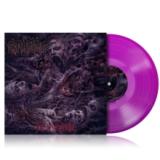
Mit "Eon of Obscenity" erreicht die texanische Brutal-Death-Metal-Band STABBING neue Höhen der klanglichen Vulgarität. Das Album ist gespickt mit unerwarteten Momenten verdrehter Technizität und sinneszerstörender Kraft. Das Debüt des Quartetts beim Label Century Media übertrifft, überrollt und vernichtet die Konkurrenz gänzlich. Mit Tracks wie "Inhuman Torture Chamber" nimmt Sängerin Bridget Lynch ihren Platz als eine der kraftvollsten und markantesten Stimmen des Genres ein und macht ihrem ehemaligen Tourkollegen Ricky Meyer von Suffocation mit dem Track "Nauseating Composition" ordentlich Konkurrenz. Nachdem sie sich in der Underground-Szene einen Namen gemacht haben, mit Sanguisugabogg und 200 Stab Wounds (u. a.) auf Tournee waren und beim Maryland Deathfest und Milwaukee Metalfest bahnbrechende Auftritte geliefert haben, setzen STABBING neue Maßstäbe in Sachen Brutalität - und legen ohne Kompromisse noch eine Schippe drauf.
„Zuversicht“, das jetzt erscheinende fünfzehnte Album des laut Crescendo „klanggenialen Trompeters und Ausnahmekomponisten“ Nils Wülker, strahlt die Lebensenergie des Titels aus – in vielfacher, wunderbarer Hinsicht. Die elf Eigenkompositionen, eingespielt im Quartett mit den Jazz-Stars Aaron Parks (Grammy-Gewinner an der Seite von Terence Blanchard oder Joshua Redman) am Piano, Linda May Han Oh am Kontrabass (Grammy-Gewinnerin, u.a. mit Pat Metheny oder Kenny Barron zu hören) und dem laut Jazz Magazine „Drummer seiner Generation“ Greg Hutchinson, drängen den ECHO-Gewinner und Top Ten-Jazzer Nils Wülker bewusst aus seiner Komfortzone in eine schöne, neue Klangwelt. Wülkers Personalsound ist eindringlich und unverkennbar, das Ergebnis dennoch überraschend. Gemeinsam haben die Vier in nur dreieinhalb Tagen voll gemeinschaftlicher Schaffenskraft in den legendären Hansa Studios in Berlin (U2, David Bowie, Depeche Mode u.a.) ein Album geschaffen, das gleichermaßen zeitgemäß wie richtungsweisend ist – und in seinen starken Melodien und dem sagenhaften Interplay voll Zuversicht.
Das Resultat spricht für sich: „Zuversicht“ ist ein sehr organisches, in jeder Note lebendiges Album, dem die Kompositionen des Leaders in Kombination mit der kreativen Zusammenarbeit der drei weiteren Bandmitglieder enorme Größe und Eleganz verschaffen, eine immer wieder überwältigende Energie. Auch live auf Tour wird die Besetzung des Albums zu erleben sein – mit Nils Wülker an der Seite von Linda May Han Oh, Greg Hutchinson und anfangs, aufgrund von Termingründen, mit keinem Geringeren als Omer Klein am Piano. Gute Gelegenheiten, Nils Wülkers spontan entwickelte neue Stücke und die traditionsreiche, moderne Klangwelt dieser Musik unmittelbar zu erleben.
“My auntie asked me what’s my path?” spits Lord Jah-Monte Ogbon on his debut from the celebrated Lex Records. The lyric relatably references the cross roads he’s at in his current life, especially as someone right on the cusp of rap stardom. “Recently I’ve been thinking more and more about what comes next in my life,” the artist reveals.
It’s fair to say Ogbon’s Lex LP features less of the sh*t-talking court jester of old. Instead, there’s more of an imperfect man re-examining past mistakes so he can avoid any future forks in the road. There’s a particular focus on overcoming heartbreak, inspiring Ogbon to admit he’s haunted by an ex so badly he now needs to call up the Ghostbusters for assistance.
Since emerging in the late 2010s, Lord Jah-Monte Ogbon has consistently lit up America’s underground rap scene and this is thanks to a refreshingly honest writing style. Amid the exquisitely wavy strings of 2021’s The Missing Link / The Sneaky Link, for example, he rapped: “Everyone thinks they’re player, until their bitch doesn’t come home.” Biting and snappy, the nasally vocals carry the playful verve of comedian Richard Pryor bravely excavating personal Demons to solicit giggles.
All this brash, wry Redman-inspired storytelling continues on the new project. Its first single is titled I’m Signed to Lex, Now I’m Up – a name that mirrors what a big moment releasing a project on the label that once housed MF DOOM represents for Lord Jah-Monte Ogbon’s legacy. “I’m really driven by being able to level up and give my family more financial freedom,” he hopes.
And, if auntie asked what his path was right now, what exactly would the rapper say? Lord Jah-Monte Ogbon concludes: “Auntie: this rapping thing feels like it’s finally about to pay off!”
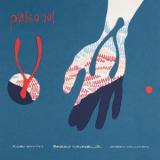
Barry Walker Jr. is a pedal steel player and guitarist whose roots in Americana, Country and Folk traditions influence his melding of minimalism, ambient and spiritual music. The Portland-based instrumentalist is also a member of the Rose City Band, known for his gorgeous phrasing and deft interplay with guitarist Ripley Johnson. On Paleo Sol, Walker demonstrates his singular voice as a pedal steel player and composer. Evoking the American western ranges and basins, the album embodies a longer, geologic view of time that patiently marvels at the ripples of change throughout lifetimes and ages. Walker is joined on Paleo Sol by drummer Rob Smith (Rhytion, Pigeons) and bassist and Mouth Painter bandmate Jason Willmon (Fruited Planes). Paleo Sol"s tranquil landscapes glide, built on warm finger-picked guitar figures and pedal steel swells coupled with deft percussion and bass touches by Smith and Willmon respectively. The trio plays with exceptional fluidity either completing each others phrasing or working together to build momentum. Smith notes: "The drums are not keeping time as much as evidencing its elasticity, mixing into the other instruments, changing phase states." Every gesture on the album is rich with intention, moving with grace and playing with timbre and time.
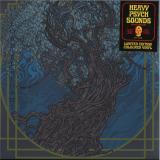
Lord Elephant are back with their second studio album "Ultra Soul", a psyched blend of 70's, 90's and 00's extravaganzas mixed together with the distinctive heavy breath of the band. Blues, doom and sludge are fused again in the strange trademark of the trio, allergic to genre-labels and ready to expand the vision beyond cages! Recorded, mixed and mastered at Studio 73, Ravenna, by Riccardo Pasini (Nero Di Marte, Ephel Duath, Ottone Pesante..) Artwork and Layout by JJ Farfante ArtLab (Melvins, Mudhoney, Ufomammut)
Hello Spiral returns to the same North London block, the same triangulated geometry of balconies and courtyard, but with a shift of orientation. His previous record looked outward from the eighth floor, these four new recordings move inside, into the building’s arteries. Joe explores the hallways of the complex where he has lived and listened for years, using the same tool as before, an iPhone and its voice memo app. The recordings were made in situ, each exactly eleven minutes, captured without ceremony.
The hallways feel different. Less private, less scenic, more neutral. They are the connective tissue between hundreds of domestic units, a space of transit rather than rest. The carpet absorbs certain frequencies. The fire doors catch and release pockets of air. The lights hum. Elevators drone in soft cycles of arrival and departure. These are the institutional sounds of shared living, yet once recorded they begin to behave strangely. A kind of internal weather appears.
As with the previous album, Joe remains attentive to what is often overlooked, irrelevant or discarded. The hallways, with their scuffs and signage, their coded access and polite functionalism, provide an unexpectedly rich field. The ambience is not shaped by storms or scaffolding, not by birds or street spill. Instead the material is the building’s own breath, its mechanical rhythms, the low frequency traces of neighbours, the occasional shuffle of footsteps that pass but do not return.
Joe talks about this record as a possible middle chapter in a trilogy. If so, it sits between the exposed openness of the balcony and whatever comes next. A hinge point. These recordings continue Joe’s long practice of defamiliarization, sharpening attention to the unnoticed while withholding narrative. They invite repeated listening, not for revelation, but for the subtle shifts that occur when a familiar space is treated as an instrument.
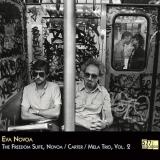
"Brooklyn-based pianist Eva Novoa returns with The Freedom Suite: Novoa / Carter / Mela Trio, Vol. 2 — the second radiant release from her compelling trio with saxophone icon Daniel Carter and celebrated drummer Francisco Mela. This marks Novoa’s sixth album with 577 Records. The trio first came together live in 2021, followed by a series of performances, including appearances in Cambridge (Boston) and later at the Brooklyn edition of the NY Forward Festival.
"The Freedom Suite is an homage to jazz titan Duke Ellington — particularly his masterful big band suites and legendary orchestra featuring Johnny Hodges and other luminaries who helped define an era of jazz greatness. In contrast, Novoa presents her Suite in a more intimate format: the piano trio. The album comprises twelve pieces — mostly brief — with a few extended tracks such as Free to Be Free and Cyborgs.
"For this recording, Novoa also steps in as a vocalist on several tracks, including Mainstream Media, Big Grande, Global, Free to Be Free, Dream, and Cyborgs. These pieces often feature a vocal dialogue between Novoa and Mela, whose expressive, word-infused style draws from rich Cuban traditions.
'Words are powerful,' says Novoa. 'They define who we are, where we come from, and who we hope to become. Without words, there is no conversation — and without conversation, there is no real sense of time, space, or connection.'
The Freedom Suite emerged from deep philosophical and creative conversations — spoken, written, and improvised — between Novoa, Carter, and Mela. In the studio, Novoa introduced printed texts that served as thematic foundations for spontaneous, in-the-moment musical interpretation. The result is an urgent and organic interplay, where instruments speak to one another in a language as fluid as it is fearless.
"Standout track Cyborgs begins with Novoa’s percussive piano, exemplifying the trio’s dynamic, conversational energy. Creative Destruction features Novoa on electric harpsichord in a wild, electric exchange. While Free to Be Free stands out as the album’s leading single, it also captures the essence and message of the entire Suite.
"Recorded in 2021 at New York City’s legendary Sear Sound Studio, the album captures a creative explosion of sound and spirit. Novoa dazzles on piano, Fender Rhodes, electric harpsichord, Chinese gongs — even whistle — showcasing her expansive sonic palette. Together, the trio embodies the power of free improvisation and emotional storytelling.
"Originally from Barcelona, Spain, Eva Novoa has been cultivating her distinctive voice since childhood. Now a staple of the New York creative music scene, she has performed across the globe and collaborated with some of the most adventurous voices in jazz and beyond."
If you've been following the Payfone story over the last 13 years, you'll know that Phil Passera and Jimmy Day's long-running collaborative project has specialised in one-off musical morsels - sublime songs cooked up in cahoots with all manner of guest musicians and vocalists. Never ones to rest on their laurels, Day and Passera have now delivered a full six-track tasting menu in the shape of Lunch, their hotly anticipated debut album.
Recorded over an 18-month period at Passera's Barcelona studio and Day's studio in Brighton, Lunch is an unsurprisingly assured and musically detailed affair that's entirely made up of previously unheard songs. Unlike acid-flecked recent single 'Volt To Volt', which delivered a tweaked take on late 1980s house music, the album's six tracks showcase the trademark sound the duo has been developing since first joining forces 13 years ago.
Trawl back through Passera and Day's high-quality catalogue, which includes outings on Leng, Golf Channel Recordings and Defected as well as their own OTIS imprint, and that distinctive musical recipe becomes clear. Rooted in their love of classic drum machines and their trusty JUNO-60 synthesiser, the Payfone sound combines equal amounts of electronic and organic instrumentation, warm and inviting downtempo and mid-tempo grooves, and pertinent and thoughtful lyrics delivered with panache by an impressive roll call of guest vocalists.
Lunch, then, is a standalone sonic statement - an initially vinyl only album on their own OTIS imprint - that continues this impressive lineage. Like all Passera and Day's collaborative work, it is free of samples, with the pair preferring to create their own sounds from scratch. Opener 'Movin' On', featuring the honeyed vocals of former XL Recordings artist Willis Earl Beal AKA Nobody and slap-bass from Jo Gabriel Harris (who also features on three other songs across the album), is a deep and effortlessly evocative mid-tempo delight that perfectly sets the tone for what's to come.
Brooklyn-born April Pittman and Russian/Armenian vocalist Zara Kian lend their talents to woozy, sun-baked shuffler 'Paperman' before regular Payfone collaborator Ludmilla Rodriguez headlines 'Joan of Arc', a veritable Mediterranean breeze rich in tumbling analogue synth synths, elastic bass and tumbling guitar solos. Those yearning for a touch of lightly disco-flecked dancefloor heat will savour 'Spend The Night', where Los Angeles singer Collette Tibbetts AKA Carmella The Balls, accompanied by virtuoso keys courtesy of Parisian pianist Gabriel Cazes, rises above a sweet, melodious, dub disco-adjacent backing track. In contrast, 'Pamela' is low-slung and hypnotic, with 'Sofian' vocalist Barbara Alcindor ushering us through a deep, heady groove-scape.
Fittingly, Passera and Day round off Lunch via a vibrant and potent sweet treat, 'Pony Bar'. Headed up by the J.J Cale-esque lead vocals of man of mystery Leon Lace, the pedal steel-sporting song joins the dots between dusty Americana, kaleidoscopic Balearic beats and lilting, slow-motion disco. Like the rest of the album, you'll be thinking about it long after you've washed down the last few musical mouthfuls.
out of Stock
Last delivered 3 months ago available to reorder, subject to availability
*13 ripping songs totalling 33 minutes from the original 20-song 65 minute master reel tapes, recorded in early February 1978 for producers Flo & Eddie, the night before DMZ (the raw-assed pre-Lyres outfit that never made it!) spent 3 days trapped by a blizzard recording their Sire album. **4 page insert with info, pics and Rick Coraccio's ultra-detailed journal on how it all went down! ***LP includes DOWNLOAD CODE Kapital Ink zine: "In the annals of R&R history, as far as local American rock'n'roll scenes go, Boston is hardly ever looked upon in the same shining light as, say, NY, Detroit, San Francisco or even Austin or Seattle. Unlike those other towns, there's never even been a definitive book about the scene. Maybe it's because Boston is a perennial hard-luck place (just witness the Red Sox) with a serious New York inferiority complex hanging over its head. Boston is ignored by the industry at large, despite the fact that the city has spawned countless heavyweights in both a commercial (Aerosmith, Boston, the Cars) and aesthetic (Modern Lovers, Real Kids, Mission Of Burma) (Crypt editor note: and DMZ!! and LYRES!!) sense. Boston was the first US city to directly reflect the influence of the Velvet Underground, as epitomized by the Modern Lovers, who've proven to be almost as influential in their own right. Fast forward to the days of hardcore, and Boston was one of the pre-eminent strongholds of shave-head mania, shoring up its rep as an angry, intolerant New England outpost. Naturally the town has produced more than its share of local legends: Willie Alexander (who actually was in the Velvet Underground, albeit when the band was on its Lou Reed-less last legs); Jonathan Richman (geekus supremus no small thing considering the subsequent indie hordes, to whom he's a savior); and most of all, the great Real Kids, (Crypt editor note: and DMZ!! and LYRES!!) who could've been the equivalent of the MC5, Stooges or Flamin' Groovies in the annals of American rock if it hadn't been for a series of bad breaks but let's not get into that because it'll only reinforce Boston's eternal self-pitying plight. The fact is, the scene in Boston was more or less built by a string of bands who are so organically-interconnected that it seems like an act of God."
Building logically on the natural development of their two previous collections, this time the fearless threesome can be heard roaming further than ever before into the uncharted hinterlands where the deep jazz tradition of the classic tenor trio format, laden with melody and swing, ventures into the untamed regions of free improvisation. At the heart of the band is the unmistakable beat of drummer Spike Wells, who this year celebrates his 80th birthday and the 65th year of his extraordinary career at the forefront of jazz in the UK, providing the driving force behind everyone from homegrown heroes Tubby Hayes to Bobby Wellins to visitors like Stan Getz and Roland Kirk and countless others. Riding at his side to represent the current Londonbased millennial cohort is saxophonist Riley Stone- Lonergan , whose intriguing compositions and boundless creative imagination as an improvisor continue to add to his burgeoning reputation.
Representing the diversity of tastes and interests and uncompromising creative stance typical of Gen X, big- toned bassist Eddie Myer rounds up the posse. The trio initially got together through their mutual love of Sonny Rollins' touring pianoless trios of the late 50s and early 60s, but soon found themselves expanding their repertoire to explore the rich and varied territory opened up by their unique combination of individual tastes. This album is their most coherent, wide-ranging and adventurous set of recordings yet. From Ayler to Strayhorn, from be-bop to calypso, from cowboy movie to free-jazz shootout, there's a surprise at every turn, but always delivered with total sincerity and conviction and a driving desire to bring the audience with them every step of the way. 'The Rule of Three' is a bold and confident statement of intent from a real long-term project that's as invested in the music's future as it is inspired by and reverent of its past.
Backyard Babies wurde 1987 in Nässjö gegründet und kann mit Fug und Recht als Schwedens einflussreichste Glam-Punk-Band bezeichnet werden. Zwischen 1994 und 2019 veröffentlichten sie acht Studioalben, darunter 2001 das Album "Making Enemies Is Good".
2001 kannten sich die Backyard Babies bereits mit Verstärkern und Mikrofonen aus, aber so richtig in Fahrt kamen sie erst mit der Veröffentlichung von "Making Enemies Is Good". Mit "Brand New Hate", "Heaven 2.9" und "The Clash" gewann das Album der einflussreichen schwedischen Glam-Punk-Hardrocker ihren ersten schwedischen Grammy. Zur Unterstützung des Albums gingen sie mit Motörhead auf Tour, was angesichts der Energie absolut perfekt passte.
From the visionary minds of Snarky Puppy’s Robert “Sput” Searight and Nate Werth, Ghost-Note’s explosive debut "Fortified" finally arrives on vinyl. This percussive tour de force seamlessly fuses funk, hip-hop, jazz and world rhythms into a captivating journey of rhythm and groove.
Featuring an all-star lineup of iconic players—including Shaun Martin, Mark Lettieri, and the legendary MonoNeon—this album is packed with tight grooves, deep tribal pulses, searing horn lines, and fearless synth wizardry.
More than just an album, Ghost-Note’s debut "Fortified" bridges classic funk traditions with cutting-edge jazz innovation. It’s a celebration of rhythm, culture, and community. Whether you drop the needle to ignite the dance floor or to get lost in its rich, layered textures, this LP is destined to become a crate-digger’s gem and a cornerstone for fans of modern funk-jazz.
A rich and varied selection of tracks from veterans of the Italo Disco scene and talents who have established themselves in recent years, with one common goal: the dancefloor. Each track follows a distinctive path, reflecting the broad developments of the
After two decades in the experimental music scenes of New York and Western Massachusetts, Wednesday Knudsen might be known equally as a sought-after improv collaborator and the vocalist and guitarist for the beloved long-running psych band Pigeons or, more recently, as a member of the New England psych-folk ensemble Stella Kola. Though her forthcoming release, Atrium, is Knudsen’s fifth solo album, it is both her first solo work to appear on vinyl and a double LP, marking her rich recording history with a stunning masterwork. Channeling the “atmosphere of presence” alongside the legions of Éliane Radigue, Hiroshi Yoshimura, and Joanna Brouk, on Atrium, Knudsen plays it all—alto saxophone, flute, guitar, synth, piano, autoharp, bass guitar, and vocals. The collected compositions are studies in the tones, timbres, and pacing particular to the woodland environment of the Taconic Mountains where she lives. Atrium’s tracks are sculptural rather than ambient, with a release into the gorgeous hold of gravity that insists we don’t escape or drift away. This is music for remembering time. This is music that reinforces the power of art as resistance. The songs on Atrium distill our attention in a language that Knudsen calls “the opening of the heart,” reminding us that subsistence and community results from our own actions and engagement with our exterior. Atrium is a refuge, vital in our current moment and imbued with resonant power for our future.
Oxblood Red vinyl, limited to 400 copies. Lord Elephant are back with their second studio album "Ultra Soul", a psyched blend of 70's, 90's and 00's extravaganzas mixed together with the distinctive heavy breath of the band. Blues, doom and sludge are fused again in the strange trademark of the trio, allergic to genre-labels and ready to expand the vision beyond cages! Recorded, mixed and mastered at Studio 73, Ravenna, by Riccardo Pasini (Nero Di Marte, Ephel Duath, Ottone Pesante..) Artwork and Layout by JJ Farfante ArtLab (Melvins, Mudhoney, Ufomammut)
out of Stock
Last delivered 8 months ago available to reorder, subject to availability
The journey through French-speaking pop archives continues with this fifth volume, packed with fuzz, gimmicks, and dissent. Far from the charts, the selected tracks display a great creative freedom, often backed by corrosive humor. Welcome to the surprising, kaleidoscopic, and colorful world of the late sixties and early seventies, Wizzz!
Born in Montauban, Robert Pico stumbled into music by chance when he met René Vaneste, then artistic director at Pathé-Marconi. René brought him to Paris to record his first 45 RPM EP in 1964. A year later, Pierre Perret introduced him to Vogue, where he recorded his second album with Claude Nougaro’s orchestra. Sylvie Vartan then introduced him to RCA, where he recorded four singles, including the astonishing "Chien Fidèle," a track backed by a hair-rising fuzz guitar. Alongside his solo career, he also composed for other artists like Alain Delon (the song was recorded but remains unreleased), Magali Noël, Bourvil, and Georges Guétary. In the Paris of the sixties, he mingled with Mireille Darc, Elsa Martinelli, Marie Laforêt, France Gall, Françoise Hardy, Petula Clark, Régine, Dani, Serge Gainsbourg, Joe Dassin, Franck Fernandel, Charles Level, and Roland Vincent. Despite his efforts and winning a Grand Prix Sacem for his final record, Robert Pico didn’t achieve the expected success in show business and decided to leave Paris and return to the Southwest, where he devoted himself to writing. He is the author of 23 books (including Delon et Compagnie, Jean-Marc Savary Editions 2025, a memoir about his youth and his many encounters). Today, he is relieved to never have become a celebrity and devotes himself to his work with passion.
In 1969, the Franco-Italian movie Erotissimo was released, directed by Gérard Pirès (who later directed Taxi in 1998, written and produced by Luc Besson). This pop comedy features Annie Girardot, Jean Yanne, Francis Blanche, Serge Gainsbourg, Nicole Croisille, Jacques Martin, and Patrick Topaloff. The soundtrack was written by Michel Polnareff and William Sheller, with lyrics by Jean-Lou Dabadie. "La Femme Faux-cils," performed by Annie Girardot. It recounts the feelings of a rich CEO's wife who seeks to develop her sex appeal under the influence of advertisement and magazines. Groovy, sparkling and light, this track, with ITS lush arrangements humorously critiques consumer society and feminine beauty standards.
“Je suis l’Etat” (1967) is the flagship track of the first EP by singer-songwriter Spauv Georges, aka Georges Larriaga, better known as Jim Larriaga (1941-2022). Born into a family of bakers, the young man was initially planning to become a hairdresser when he discovered English-speaking music through Elvis Presley and the Beatles. After this revelation, he decided he would become a songwriter and gave himself five years to succeed. He recorded his first two EP’s independently for RCA under the pseudonym Spauv Georges; meaning “that poor George”, a nickname given to him by the mother of her friend Jean-Pierre Prévotat (future drummer of the Players, Triangle, or Johnny Hallyday). Portraying a depressed and eccentric young man, Spauv Georges created corrosive and amusing songs that didn’t reach a wide audience, despite a TV appearance with Jean-Christophe Averty.
Supported by his loyal friend and fellow songwriter Jean-Max Rivière, Georges Larriaga met the future singer Carlos in the early '70s, then Sylvie Vartan’s assistant. He wrote songs for Carlos, including the popular "La vie est belle," "Y’a des indiens partout," and "La cantine", which went onto become a huge hit in 1972. He also composed for Claude François (“Anne-Marie”, 1971), Charlotte Julian (“Fleur de province”, 1972), helped launch child singer Roméo (who sold 4 million records), and later wrote the hit "Pas besoin d’éducation sexuelle" (1975) for the young Julie Bataille. In 1971, Jim recorded an album for Disc'Az: “L’univers étrange et fou de Jim Larriaga”, which featured pop gems like “La maison de mon père”.
The story of the song "Zoé" began when Pierre Dorsay, artistic director at Vogue Records, asked Swiss singer and musician Pierre Alain to write a song for a new female singer. The inspiration came when he realized that Zoé (the artist's name) was also the name of France's first atomic battery, created in 1948, which consisted of uranium oxide immersed in heavy water! The lyrics reflect a bubbling energy that must be handled with caution, while the instrumentation echoes this atomic theme, notably with the use of a theremin.
Zoé’s career lasted only as long as a single 45 RPM, but it seems Christine Fontane was the vocalist behind this pseudonym, who is known for several EPs, a good "popcorn" album in 1964, and a handful of children’s singles in the '70s. Regardless, the photograph on the cover is of a different girl entirely.
Later, Pierre Alain continued his career, writing songs for himself, Marie Laforêt, Danièle Licari, Alice Dona, Arlette Zola (3rd place in Eurovision 1982), and achieving multiple gold and platinum records in Canada. Also an inventor with several patents, president of the Romande Academy, and head of the French Alliance in Geneva, he now composes atonal music, books, and poetry. Moreover, he is also the host of "Les Mardis de Pierre Alain" at "Le P'tit Music'Hohl" in Geneva.
Filled with oriental choruses and fuzz guitar, "Fou" is from Jacques Da Sylva's only EP released by Vogue in 1967. Despite the quality of this recording, all traces of this singer disappear after this first effort.
Valentin is a baroque pop singer born in Belgium. He is the songwriter and composer of most of the tracks on his three singles released in the late 60s in Canada. A legend says that he reincarnated himself as Jacky Valentin during the 1970s for a rock'n'roll revival career in Belgium, but his older brother sadly debunked this story. Valentin's first two singles were arranged by Claude Rogen, a Parisian session pianist who had come to Canada to promote the song “Mister A Gogo”, a cover of David Bowie’s “Laughing Gnome”, adapted by singer Delphine, his wife at the time. Far from his usual network, Claude Rogen arranged music for Polydor, including the arrangements for “Je suis un vagabond” in 1969, a jerk tune with string arrangements and a furious optimism.
Jacques Malia wrote, composed, and recorded his only 45 EP for Festival in 1966. “Histoire de gitan” is an incredible beat track with bohemian scat that tells the story of a gypsy musician who came to Paris to make it in the Music-Hall, to no avail. The hero of the song and its author probably shared a similar fate, as Jacques Malia faded into anonymity after this remarkable attempt.
Bernard Jamet recorded two EPs for Barclay in the late sixties and co-wrote several songs with Christine Pilzer, Pascal Danel, and prolific songwriters Michel Delancray and Mya Simile. The track “Raison Légale” (1968), his masterpiece, immerses the listener in a courtroom right when a murderer is being judged, with jerk rhythm and free arrangements. A unique, paranoid, judicial, and psychedelic oddity.
Jean-Pierre Lebrot-Millers started his career in show business in 1967 as a singer and songwriter for the Philips label. After three singles, he wrote several songs of a new kind with his friend Pierre Halioche, in the midst of the sexual liberation movement and the democratization of drugs. With provocative lyrics, “Les filles du hasard” and “Barbara au Chapeau Rose” were released on a Philips singles in 1968. The character of Barbara was inspired by a queen of Parisian nightlife during the psychedelic years: model Charlotte Martin, who dated Eric Clapton from 1965 to 1968, then Jimmy Page from 1970 to 1983. Jean-Claude Petit’s arrangements, with a table-filled intro, soul brass, and Hendrixian guitar, emphasize the flamboyance of a hedonistic and sexy character, whose dog is named Junkie because “Junkie est un nom exquis”! The track was recorded live in three takes with a full orchestra.
Upon its release, the record was censored by Europe 1 and RTL due to its references to drug use. Jean-Pierre Lebrot was then banned from the airwaves and later dismissed by his record label. He changed his artist name to Jean-Pierre Millers, while his companion Pierre Halioche became D. Dolby for a new dreamy composition, “Chilla”, which Jean-Pierre produced himself with arrangements by Jean Musy. Once again, the song was immediately censored everywhere. After this setback, he decided to stop singing and started taking on odd jobs to support his Swedish wife and their son until the day he met Jean-Pierre Martin, then production manager at Decca, who had worked with Manu Dibango. Martin offered Jean-Pierre Lebrot-Millers, then employed at Rank Xerox, the position of artistic director at Decca. He accepted and became, a year later, promotion director (radio, press, TV). He worked on Julio Iglesias’s first album for Decca, which became a massive hit and allowed him to meet Claude Carrère. The latter asked him to write new songs and find their performers, much like a “talent scout.” It’s through him that Jean-Pierre discovered Julie Pietri and Corinne Hermès. He composed “Ma Pompadour” for Ringo, Sheila’s husband, and took the microphone again for the syncope hit “Rendez-Vous” in 1982.
That same year, Jean-Pierre Lebrot-Millers tried to release a track for which he had heavily gone into debt: “Si la vie est un cadeau”. Having recorded it in London, he presented it to numerous professionals, all of whom refused to get involved. The same thing happened with Antenne 2 and the Sacem when he proposed the song as France’s entry for Eurovision. He then met Haïm Saban, who was producing cartoon soundtracks and had just launched the Goldorak theme song. Saban, having listened to the song, declared it had the potential to become a hit. He sent Jean-Pierre and Corinne Hermès to meet the CEO of the Luxembourg radio and television network. The latter received them, asked to hear a verse and chorus a cappella in his office, and immediately hired them to represent Luxembourg at Eurovision 1983. They reworked the arrangements and recorded a new version with Haïm Saban as co-producer. The song ended up winning Eurovision 1983, a great comeback for our hero. He continued producing and hung out with the band Nacash in Belgium when a couple came to introduce their daughter for an impromptu audition in a hotel room. The girl sang “Les démons de minuit” while dancing to a radio cassette. Impressed, he had her take singing lessons for a year and composed a song for her (for which he had the melody and title, but no lyrics). This required him to go on the hunt for a lyricist, who ended up being Guy Carlier. They recorded the song, which was initially a ballad, at Bernard Estardy’s CBE studio, and gave the singer a new name: Melody. They showed the song around their industry network without success. Later, Estardy called Jean-Pierre to suggest changing the rhythm and making it pop-rock. Orlando, Dalida’s brother, liked the result and decided to co-produce the track. “Y’a pas que les grands qui rêvent » became a classic hit. The song has since been covered by Juliette Armanet (as a ballad, like the original) and Valentina.
Born into an aristocratic Breton family, Hervé Mettais-Cartier worked as a DJ at Queen Kiss, a nightclub in Poitiers, where he formed the band Les Concentrés with Michel (an actor) and Christian (a radio technician). Together, they created a repertoire of whimsical songs (“Ma bique est morte”, “J’suis un salaud”, “Fils de dégénéré”...) that they performed on stage dressed in white (in homage to “concentrated milk”). They performed at Bliboquet and Olympia in 1968 for the 10th edition of the “Relais de la chanson Française” organized by L’Humanité-Dimanche and Nous les Garçons et les Filles, sponsored by Pepsi Cola. Winners in the author-composer category, alongside Danish singer Dorte, their visibility allowed them to record a 45, and appear on television in Jean-Christophe Averty’s show. The A-side of the disc features Bruno le ravageur, a casatchok dedicated to Bruno Caquatrix, the director of Olympia, nicknamed in the song “Coq Atroce” or “croque-actrices”. The B-side is dedicated to “Fils de dégénéré”, a quirky tribute to Hervé's aristocratic roots, mixing absurdity with sophisticated vocal harmonies.
After Les Concentrés, Hervé Mettais-Cartier formed the duo La Paire et sa Bêtise with his friend Olivier Robert. They performed in Parisian cabarets and toured with Pierre Vassiliu. In the late 1970s, Hervé began a solo career. He recorded two albums for the Motors label in 1978 and 1979, which did not achieve their anticipated success due to lack of promotion. In 1980, he met Bernadette, with whom he started a family and created a “Chansons à voir” (songs to see) show that he performed until his death at the end of 2024.
Publicité comes from the final EP by the Missiles (Ducretet Thomson, 1966), a disc that also includes “La (nouvelle) guerre de cent ans”, featured on Volume 4 of our Wizzz! series. Please refer to the booklet for the story of the band.
“He’s 1.82 meters tall, 28 years old, weighs 135 kg, is black and Belgian”: this is the description of singer Hegesippe on the back of his sole single (Decca, 1967). He appears on the album cover wearing a Greek toga, like a hippie gag – we are at the end of the year 1967. In “Le crédo d’Hegesippe”, this former bodyguard of Antoine and the Charlots plays the delightful card of the thick brute converted to Flower-Power and non-violence, with arrangements by Jean-Daniel Mercier, aka Paul Mille.
“Ethéro-disco” was released on a promotional record for clients of the Maréchal company (Liège, Belgium) for the New Year 1979. Over a funky rhythm, celebrity impersonations (Brigitte Bardot, Jacques Dutronc, Fernandel…) deliver an enigmatic text about pharmaceutical products like ether, bismuth, and aspartate. The track was composed by Dan Sarravah (responsible for Joanna's “Hold-up inusité” featured on Wizzz! Volume 3) and Tony Talado, who was also a singer (one 45 in 1967), songwriter (with over a dozen credits between 1964 and 1985 in various styles from surf music to disco), author (Devenez Végétarien, Dricot Editions, 1985), ad designer, and psychologist.
Décollez-les is on the A-side of Mamlouk's only single, a pseudonym for Marsel Hurten, who is known for his work on several EPs in the late sixties, as well as composing music for Hervé Vilard’s “Capri, c’est fini”, Claude Channes' “La Haine”, Annie Philippe’s “On m’a toujours dit”, and Nancy Holloway’s “Panne de Cœur”.
This strange song, with Afrobeat horns and absurd dialogues between a chef and his kitchen staff, is the result of a collaboration between Marsel Hurten and one of his neighbors, a photographer from Pavillon-sous-Bois (93), where the musician settled after returning from the Algerian War. A music video was shot to promote the record.
Marsel Hurten was born in Tourcoing (59) into a musical family. At a young age, he joined the brass band founded by his grandfather, playing the piston before studying trumpet at the conservatory, as well as teaching himself how to play the guitar. As an orchestra musician, he toured in France, Belgium, Germany, and England. He released a series of solo 45’s between 1965 and 1968 for the DMF and Az labels before stopping recording to focus on working for other artists (Gilles Olivier, Noëlle Cordier…).
“L’amour nu” (Vogue, 1971) is the work of the short-lived Belgian band Mozaïque. The track, written by singer Jacques Albin, closely resembles another of his compositions, “Carré Blanc”, which he recorded in 1969 for Disc’AZ.
Represented by the Lumi Son micro-label based in Marignane (Côte d'Azur), Jean-Marc Garrigues released two 45 RPMs in the late sixties, defending the French jerk sound. The song “Je dis Non” is a short, joyful ode to youth, pop music, and rebellion.
Songwriter and performer Jacques Penuel released three singles. The first one, “Astronef 328” (Fontana, 1969), features a dizzying series of chords punctuated by sound effects, a sci-fi story, and arrangements by Jean-Claude Vannier.
We would like to sincerely thank Pierre Alain, Moon Blaha, Marsel Hurten, Bastien Larriaga, Jean-Pierre Lebrot-Millers, Bernadette Mettais-Cartier, Robert Pico, Olivier Robert, Claude Rogen, Micky Segura.
out of Stock
Last delivered 8 months ago available to reorder, subject to availability
New FLEE publication focused on Arabian Gulf's pearl divers, their culture through their soundscape, traditional songs & rhythms. Including archival recordings and reinterpretations by moderns electronic artists such as Joakim, Tomaga, Ben Bertrand, Conny Frischauf, Hieroglyphic Being .....
Available as 2LP, black vinyls & 2LP+258p book (English & Arabic text) bundle.
The pearls of the Gulf have stoked the imagination and desire of people around the world for centuries, their magnificence matched only by the courage of the divers who found them. This project aims to honor the memory of these valiant free-divers, their culture and their music by the means of a 2XLP compilation with undisclosed original recordings of pearl divers and inspired modern-day compositions by artists like Tomaga, YPY, Ben Betrand, Tarek Yamani or Hieroglyphic Being. Along with that record, a 258 pages long book in Arabic and English is available featuring contributions from regional experts and artists to contextualize the tremendously rich theme that is pearling and its music.
out of Stock
Last delivered 8 months ago available to reorder, subject to availability
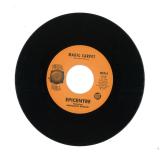
Epicentre was an R&B/funk group formed in Seattle, Washington by keyboardist Ric Ulsky. The band developed a loyal following, playing the extensive NW club, concert and dance venues throughout the mid-to-late 1970s. Their sound was a blend of melodic R&B and powerhouse funk that dependably filled music venues throughout the Western US. Bernadette Bascom was the lead vocalist, who captivated audiences with her powerful yet velvet-smooth voice and commanding, magnetic stage presence.
In 1978, Epicentre worked with Seattle producer Don McKinney to record their music in Seattle's now legendary Kaye-Smith studios. The result was seven strong, fully -produced R&B songs, with occasional horn and string orchestrations tastefully added to the final versions.
Their music quite literally sat on a shelf for decades until McKinney decided that all the hard work and talent should no longer remain undiscovered and it needed to find its audience. He restored and digitized his copies of the master tapes and looked for an opportunity. A chance call to the former leader of the group, Kell Houston, led to a serendipitous introduction to UK boutique/funk/R&B label founder Russell Paine. The result was an agreement to release their music, starting with two songs, "When You Were In Love With Me", and "Magic Carpet."
Footnotes: Lead singer Bernadette Bascom became a protegé of Stevie Wonder, and was the first artist to be signed to his label Black Bull , starting a period of collaboration between the two. Bermadette is the daughter of Reverend Dr. Marion C. Bascomb (1925-2012), one of Baltimore's major civil rights voices and pastor emeritus of Baltimore's Douglas Memorial Community Church. Ric Ulsky eventually left the group to play keyboards and tour extensively with The Association. You can also find Epicentre's music on the compilation album "Seattle Funk, Modern Soul & Boogie: Volume II 1972-1987." In addition to Bernadette, the musicians on the 1978 sessions are Kell Houston, keyboards, Michael Cox, bass, John Carmondy, guitar, and Ricky Lynn Johnson, drums and vocals. While their recorded material is primarily original, Stacy Christensen from Seattle's Gabriel contributed two of his compositions. Label credits: Epicentre featuring Bernadette Bascom. Recorded at Kaye-Smith Studios, Seattle, Washington, August 1978"When You Were in Love With Me" and "Magic Carpet" written by Bernadette Bascom. Produced for Epicentre by Don McKinney
out of Stock
Last delivered 7 months ago available to reorder, subject to availability
CAY unveils his personal side on Another Life, a debut album rich in melancholic euphoria
The expressive, multi-faceted 10 tracker comes on Mind Against's HABITAT label in January 2026
Cologne-born producer CAY explores beyond the dancefloor with Another Life, a debut album that trades peak-time pressure for an ambitious and artful exploration of self. Far from being rooted in one genre, the record weaves his own honest vocals with a wide range of powerful rhythms that pull from progressive, broken beat, techno and trance.
For CAY, making music has always offered refuge and a place to calm his mind, process life’s chaos and channel personal experiences into sound. His journey started in the clubs of Cologne, in illegal forest raves and with trips to Berlin to soak up big room techno. His search for more purpose, away from mental demons and the darker side of the party lifestyle, led him to production. DJing followed after a push from his brother turned Manager, and while those experiences around Europe shaped his understanding of dance floor dynamics, he was never in a rush to release his early experiments.
Instead, CAY took private time to evolve into an accomplished artist with his own musical voice. Label heads Mind Against were so impressed when they heard what he sent to their demo inbox, they both reached out to collaborate, and he has since released on their label HABITAT.
With Another Life, he is making music that is multilayered and rich in narrative, rather than defined purely by big moments. It is drawn from years of writing, with more than 60 tracks whittled down to one concise, impactful statement. "There wasn't one big concept,” says CAY “but there was direction. It's a big risk for me, but I wanted to introduce people who like club music to something deeper. I want the music to say something real.”
Because of that, Another Life introduces CAY the vocalist. For the first time, he sings on several tracks. The subjects are real, whether that's an important friend, a moment with his girlfriend or, on 'Runaway', the thought of giving up and escaping everything. The lyrics are honest but often slightly oblique, so they invite your own readings rather than spelling everything out.
Sonically, the album moves between optimistic grandeur and introspective reality. It's cinematic but personal and bridges the gap between dancefloor drive and vulnerable storytelling. There is a grand scale to many of the tracks, with arching synths reaching and heavyhearted drums anchoring a groove: you'll dance, you'll cry, maybe both at the same time.
Another Life is the sound of a producer granting himself permission to sing, turn inwards and risk audience expectations. It’s intimate without being insular, club-capable without being confined, and a compelling first chapter for an artist who has spent years building toward this moment of truth.
out of Stock
Last delivered 7 months ago available to reorder, subject to availability
Lapalux (Stuart Howard) is a UK-based experimental electronic music producer known for his emotionally charged sound design, intricate textures, and immersive sonic storytelling. With releases on Brainfeeder and widespread critical acclaim, Lapalux has built a loyal global following and earned consistent airplay on BBC Radio 1, BBC 6 Music, and NTS. His work has been championed by DJs including Mary Anne Hobbs, Benji B, and Tom Ravenscroft, and praised by outlets such as The Guardian, Resident Advisor, XLR8R, and Clash. Lapalux's music occupies a unique space between IDM, ambient, and leftfield electronica — rich in atmosphere, detail, and feeling.
On the Grid is Lapalux's latest EP — a deeply intricate, hardware-driven exploration of rhythm and emotion that fuses fragmented IDM with warm analogue tones and deep dynamics. The EP showcases Lapalux's continued evolution as a producer, balancing intricate sound design with powerful melodic undercurrents. It follows years of refinement in the studio, drawing on his signature use of modular synthesis, Digital and analogue hardware and organic imperfections. With a limited vinyl pressing and strong fan demand, On the Grid stands as a key release in Lapalux's catalogue and a compelling addition to any store's forward-thinking electronic selection.
out of Stock
Last delivered 8 months ago available to reorder, subject to availability
Alan Vegas selbstbetiteltes Debüt-Soloalbum kam 1980 raus, zur gleichen Zeit, als Suicide ihr zweites Album "Suicide: Alan Vega and Martin Rev" veröffentlichten. Während Suicides Plattenlabel ZE Records das Duo in Richtung eines synthetischen Disco-Sounds drängen wollte, der von Moroders Produktion von Donna Summers "I Feel Love" inspiriert war, zog es Vega in eine andere Richtung. Er wollte tiefer in die Wurzeln seiner eigenen musikalischen Identität eintauchen, die von Blues, Rockabilly, frühem Rock ,n' Roll und seiner anhaltenden Liebe zu Elvis Presley geprägt war. Vega nutzte die Zeit zwischen den Aufnahmen mit Suicide, um seine selbst geschriebenen Songs auszuarbeiten, begann mit der Produktion seines ersten Albums und trat live auf, um diesen Sound weiterzuentwickeln. Wie auch in seiner bildenden Kunst schichtete Vega Klänge auf minimalistische, dynamische und bewusste Weise. Das Ergebnis war ein einzigartiges Album, das aus rohen Materialien entstand und tief in Vegas künstlerischer Vision verwurzelt war. Tracks wie die klassische Hymne "Jukebox Babe" mit ihrem schwungvollen Rhythmus und ihrer minimalistischen Selbstsicherheit fingen diesen Ansatz perfekt ein und wurden in Frankreich zu einem Hit. "Kung Foo Cowboy" hat einen südstaatlichen Touch und lehnt sich stark an den Blues an, während der goldene Pop-Glanz von "Ice Drummer" mit melodischem, aber klagendem Gesang, marschierenden Trommeln und einem geschmackvollen Mundharmonika-Solo überzeugt. "Bye Bye Bayou" ist ein eindringlicher Mutant-Rockabilly-Song, der den Rock der 50er Jahre mit Vegas exzentrischem Performance-Stil verbindet und später in der Coverversion von LCD Soundsystem aus dem Jahr 2009 neu interpretiert wurde, wodurch Vegas Solowerk einer neuen Generation vorgestellt wurde. In ähnlicher Weise würdigte die Coverversion von "Ice Drummer" durch The Flaming Lips Vegas Außenseitergeist. Jetzt von Josh Bonati anhand der Originalbänder neu gemastert und erstmals auf Streaming-Diensten verfügbar, wurde Alan Vega von Sacred Bones Records originalgetreu neu aufgelegt, wobei die rohe Intensität von Vegas Originalaufnahmen erhalten blieb und sie gleichzeitig für Hörer auf der ganzen Welt neu zugänglich gemacht wurden. "Alan Vega" ist mehr als ein Solo-Debüt, es ist eine Erklärung der künstlerischen Unabhängigkeit und Freiheit eines der einflussreichsten und kompromisslosesten Künstler New Yorks. Ohne die intensive Elektronik von Suicide, aber mit Vegas Außenseiter-Energie und Schärfe, übersetzt das Album den frühen Rock 'n' Roll durch einen Art-Punk-Filter, der sich als eigenständiges Kult-Meisterwerk bewährt hat.
out of Stock
Last delivered 8 months ago available to reorder, subject to availability
For its 25th anniversary, Cocoon Recordings returns to its roots with an elaborate vinyl LP box set, marking the first part of a two-volume anniversary project. 25 Years Cocoon Recordings – Volume
One brings together exclusive contributions from international artists who have defined the sound and diversity of the label over the past two decades, complemented by fresh talents who are helping to shape its future.
Over the span of 25 years, Cocoon Recordings has created a catalog that now comprises hundreds of releases, 12-inches, albums, mix CDs, and iconic compilation box sets, always bridging past, present, and future. While firmly rooted in techno and house, the label has also provided space for electronica,
ambient, and other evolving genres.
25 Years Cocoon Recordings – Volume One is more than just a compilation. It is both a homage to the label’s history and a glimpse into what lies ahead. With exclusive tracks that embody the Cocoon sound in all its depth and complexity, this release marks a milestone in the legacy of one of electronic
music’s most influential labels, arguably the strongest compilation in Cocoon’s history. To mark this special occasion, Sven Väth’s label presents the first of two carefully curated volumes, uniting 15 exclusive tracks from international artists in celebration of nearly three decades of Cocoon
Recordings. The luxurious 5x12" box set features a spectral-reflective foil finish and includes contributions from renowned names such as Butch, Robag Wruhme, Josh Wink, Guy J, and Dino Lenny, alongside longtime companions of the label including Extrawelt, Harvey McKay, Johannes
Volk, and Raxon. New discoveries of recent years, Jonathan Kaspar and Riccardo De Polo, enrich the release in their own distinctive ways. The compilation is completed by the unmistakable talents of Damiano von Erckert, Fedele, and ja:ck, who provide the perfect conclusion to the first of two parts.
This release sets the stage for what's next: a daring diptych where musical voices emerge, shining with originality and passion, carrying the spirit forward. The story is just beginning. Something special is on the horizon. One can only wonder which artists will shine on the second chapter.
out of Stock
Last delivered 85 days ago available to reorder, subject to availability
Compiled by Philip King “And then came the rise of synth pop : blokes with dodgy haircuts hunched over keyboard-operated machines stuffed with wires and do-it-yourself tone oscillators making sounds like a brood of geese passing gas in a wind tunnel. Whoopee! This is the way the ‘70s ended : not with a blood-curdling bang bang but with a cheap, synthesized, emasculating whimper.” NICK KENT, NME. All The Young Droids: Junkshop Synth Pop 1978-1985 is a new compilation that charts the underbelly of the epoch-defining sound of the synthesiser in 80s popular music. Compiled by Philip King (previously seen compiling All The Young Droogs, Glitterbest and Boobs - The Junkshop Glam Discotheque), the music here connects the dots between DIY synth enthusiasts grappling with new, cheap synthesisers at the tail-end of punk and wannabe, jobbing songwriters enthral to the new music pioneered by Gary Numan, Depeche Mode and Daniel Miller’s Mute Records. Featuring rare tracks of auto-didactic progressive pop music, proto-techno punk, shoot-for-the-stars-land-in-the-gutter chart flops and heralded, underground synth classics, School Daze paints a picture of beautiful failure. Complete with extensive sleeve notes written by King and never before seen imagery, all 24 tracks were remastered by RPM in-house engineer Simon Murphy, many from vinyl copies due to lost master tapes. The story told on All The Young Droids is one of the dawning opportunity presented by both the emergence to the market of cheaper analog synthesisers and the distribution networks plus indie labels that exploded with the advent of punk music in 1976. While the music that sprouted out all over the globe in the wake of these factors was decried as fake, plastic, a refutation of punk’s guitar-led revolution, it’s telling that much of the music on All The Young Droids.. was created in bedrooms, ramshackle studios and home-made set ups with often borrowed equipment. In the era of record labels jumping to capitalise on the success of The Sex Pistols, The Clash (both on major labels, of course) these artists struggled to stand out from a new gold-rush with next to no budget or PR team. With radio and labels desperate for the new Yazoo, what resulted was a testament to necessity being the mother of invention. At the time, the synthesiser was the music of the future, a shiny new machine that could paint like an orchestra with a single finger and a 4-track. In the hands of Manchester avant-pranksters Gerry & The Holograms it’s a pulsing, sardonic weapon.. the only instrument on the Messthetics classic lampooning of New Wave fashion. In Hamburg, a 16 year old Andreas Dorau used it to write and record (with his female classmates on vocals) a global smash in Fred Vom Jupiter (later licensed to Mute Records). The hard-to-find English version (Fred From Jupiter, natch) is included here. Many artists with alreadystoried careers caught the bug and recorded synthesiser-fuelled peons to space, computers, the future and, of course, love-interests. Harry Kakoulli, late of Squeeze, recorded a solo album in 1979 that included the incredible power-synth-pop smash-that-never-smashed I’m On A Rocket. Similarly, Ian North of Neo and American Power Pop stalwarts Milk ’n’ Cookies bought a Korg MS20 and used a tape machine to record We’re Not Lonely, an absolute lost-classic of minimal synth pop. We’re Not Lonely also features on the Junkshop Synth Pop sampler 7” twinned with John Howard unreleased track You Will See, released April 12th 2025. There are plenty of compilation debuts in evidence. Sole Sister were a mysterious trio who were featured on the Scaling Triangles compilation of female-fronted, queer-adjacent post-punk / underground music that also featured The Petticoats. Selwin Image were from San Francisco and featured members of the recently defunct power pop/punk group The Pushups. Their stupidly catchy The Unknown fizzes with New Wave energy - think XTC to Sparks but remains unreleased until now. Dream Unit’s A Drop In The Ocean is an early synth wave cut, positively teaming with Joy Division instrumentation, previously only released on a long-forgotten and super rare, self-released EP. Incandescent Luminaire’s Famous Names belies an archetypal struggle of a small-town trying to make it in a cruel industry but is a thrilling New Romantic-Synth Wave cross over with a OMD gloominess that’s a joy to hear. Feminist Minimal Wave track I Am A Time Bomb by performance artist Peta Lilly and Michael Chance is a revelation destined for new found cult status. It was released on 7” and lost until now. The flipside to the subterranean, never-made-it synth pop mentioned above are the ambitious, even fruity attempts at success that have a perennial elegance to their confidence. New Jersey-ite Billy London (real name Ed Barth) tried to cash in on the synth boom with Woman, released by a major label, a lurching new wave track built on the Louie Louie rhythm and a wonderfully camp Lou Reedstyle sleazy vocal before exploding in the synthesised chorus. The song bombed but with a chorus like this, you have to wonder why? Ex-Glitter Band member John Springate’s My Life is truly epic, with doomed chord progressions and massive sounding drums turning into at least 3 different songs in the course of the track. Before you wonder what’s going on the song resolves with a glorious return to the main refrain. The dry-ice-dressed dance floor is well catered for too. Design’s Premonition and Vision’s Lucifer’s Friend are stone-cold minimal synth bangers, well loved but given a new lease of life here. The Warlord’s The Ultimate Warlord was released in 1978, a homespun proto Hi NRG banger that was later re-recorded by The Immortals in Canada who had a club hit with it. One-man- band Disco Volante’s No Motion was re-issued by Synth wave label Medical in 2012 but makes its first vinyl compilation appearance here. Close your eyes and you can imagine what Lawrence of Felt would have sounded like with some cheap Korgs a little earlier in his career. Gibraltar-based trio The Microbes imagined a computer programming people to dance - how prescient - and ended up with a propulsive, robo-funk track with splendid rubbery bass playing over a tectonic drum machine. Previously picked up by Belgian label Stroom TV, Dee Jay Bert & Eagle’s heavily Euro-accented I Am Your Master demands the listener to “come to paradise!” In a frankly terrifying manner. All The Young Droids is the first compilation to peel away from the narrative that dour, Minimal Synth and Cold Wave were the only musical children of the first rush of synth pop. Philip King and School Daze Records describe a much more complicated world: along with the austere, Brutalist children of Daniel Miller (who produced Alan Burnham’s Bowie-Low-influenced Science Fiction here) was a plethora of desperate cash-ins, accidental mainstream hits, ambitious pop dramas and major label punts that went nowhere. Crucially, the compilation blurs the line between junk and treasure. What if the two things are interchangeable. What if it’s all science fiction?
out of Stock
Last delivered 23 days ago available to reorder, subject to availability