Der Soundtrack von Carlos Rafael Rivera zur neuen Netflix-Miniserie GRISELDA, die am 25. Januar 2024 startet. Die Kolumbianerin Griselda Blanco ('The Godmother') gründet ein eigenes Kartell und hebt die männlich dominierte Welt des Drogenbusiness aus den Angeln. Mit Sofia Vergara in der Hauptrolle.
For the second instalment in our Cuban Classics series, we proudly present this sought-after slice of sublime Afro-Cuban jazz from 1976. It comes courtesy of one of Cuba’s most influential acts, Grupo Irakere. Founded in 1973 by Chucho Valdés (son of the Cuban pianist and bandleader Bebo Valdés) the group was home to many of Cuba’s finest musicians over the years. With an electrifying style and sound, they mixed traditional Cuban music with jazz, funk, and rock.
This self-titled album includes the much-loved, dancefloor heavy-hitter 'Chequeré-Son’, a Latin-jazz funk masterpiece with Cubanized bebop-flavoured horn lines, lush keys, and ‘70s hip swagger. Though 'Chequeré-Son’ is the keystone of the record, the album is laced with brilliance at every turn, from the Carlos Santana-esque channelling ‘Iya’ with its percussive Latin power, to the sultry, slick and passionate '38 1/2’. Elsewhere, the absorbing, ever-building energy of 'Juana 1600’ and steamy vocal dancer ‘Xiomara’ are also highlights of this incredible album.
Pressed on Cuba’s state led Areito Records, the album was well received internationally, garnering distribution in Finland on Love Records, in Italy on Phase 6 Super Stereo, and also in the Dominican Republic, Mexico and Venezuela.
A cherished Afro-Cuban triumph, this album has been crying out for a reissue and we’re delighted to make that happen.
out of Stock
Last delivered 2 years ago available to reorder, subject to availability
Roberto Carlos Lange alias Helado Negro liefert mit "PHASOR" den Nachfolger zu seinem von der Kritik gelobten Album "Far In" (2021)ab. Gleichzeitig erscheint die erste Single "LFO", die von einem halluzinatorischen, selbstgedrehten offiziellen Video begleitet wird. Den Anfang nahm "PHASOR" 2019 an Langes 39. Geburtstag nach einem fünfstündigen Besuch von Salvatore Matiranos SAL MAR-Projekt an der Universität von Illinois. Diese Maschine ist ein komplexer Synthesizer, der mit einem alten Supercomputergehirn und analogen Oszillatoren generativ Musik erzeugt. Er kann eine unendliche Anzahl von Klangsequenzen erzeugen. Diese SAL MAR-Erfahrung wurde zum Grundstein für PHASOR. Sie lehrte Lange mehr über sich selbst und wurde zu einem zentralen Faktor in seinem kreativen Prozess. "PHASOR" ist Langes dichteste Song-Sammlung - tiefgründig, atmosphärisch, akribisch ausgeführt. Damit reiht es sich ein in das langjährige Schaffen Langes sowie an das 2019er Album "This Is How You Smile", auf dem er mehr Schlagzeug und Bass und fokussierte Grooves einsetzte. Sein Album "Far In" aus dem Jahr 2021 befasste sich mit dem Thema "Quarantäne". "PHASOR" wiederum ist eine Rückkehr ins Leben, eine Erinnerung daran, wie sich die Sonne anfühlt und wie man sich von ihr wärmen lassen kann.
Following Far Out’s reissue of Agustin Pereyra Lucena Quartet’s La Rana, the label continues its memorialisation of the late, great Argentinian guitarist’s music, with the first ever direct from tape, audiophile reissue of Pereyra Lucena’s self-titled debut album from 1970.
One of the outstanding South American guitarists, Agustin Pereyra Lucena commanded a unique position in Latin music history. He hailed from Buenos Aires, but was obsessed with the music of Brazil. A disciple of Antônio Carlos Jobim, Baden Powell and Vinicius De Moraes, the nature of Agustin’s Argentinian roots combined with the nurture of Brazil and its music to give Agustin a sound entirely his own.
After being scouted in a nightclub, by musician and guitar craftsman Jorge Demonte, Agustin was invited for an audition at Argenitinian label Tonodisc. Before he knew it, aged 22, he was in the studio recording his first album.
Agustin enlisted fellow Argentinian Brazilophiles Mario "Mojarra" Fernandez who played bass and drummer Enrique "Zurdo" Roizner. He had first heard the duo backing Vinicius de Moraes, Toquinho and Maria Creuza on their legendary La Fusa live album, also recorded in Buenos Aires. For vocals, Agustin brought in his old friend, a French teacher called Helena Uriburu, who at the time had (unbelievably) never sung in a studio before.
The atypical bossas and spiritual swinging sambas, composed by many of Agustin’s aforementioned heroes, were elevated to new heights by Agustin’s dazzling arrangements and phenomenal guitar playing. The almost cosmic reaches Agustin achieved with his sound are balanced against the stylish sophistication and breezy nature of the music.
Moments of calm serenity include Agustin’s own composition “Nina No Divagues”, Durval Ferreira and Pedro Camargo’s “Chuva” and the Brazilian bossa classic “Tristeza Nos Dois”, which feels like it draws equally upon exotica and early library records. Accompanied by Roizner’s shuffling samba jazz drums, opener “O Astronauta” is Agustin’s cover of the Brazilian guitar standard composed by Baden Powell. Another Baden Powell classic, “Consolacao” is an extended full-band set, which features Agustin’s crisp guitar dancing around a hypnotic rhythm section. Upright bass is swapped out for a big, round-sounding electric one, which sits loud in the mix for almost seven minutes of deep, groovy, distinctively early-seventies magic.
Agustin passed away in 2019, and it is only in recent years that he is starting to gain his plaudits as one of South America’s greats. On the liner notes of the album Vinicius De Moraes writes: “I think I never saw, with the exception of Baden Powell and Toquinho, anyone more linked to his instrument than Agustín Pereyra Lucena. It would give the impression that if the guitar were taken away from him, he would fade into music as one dies from the amputation of an arm.”
Agustin Pereyra Lucena will be released on audiophile vinyl LP, CD and digitally on the 26th January 2024 via Far Out Recordings.
The latest by Texan-turned-Angeleno progressive vaporwave producer Carlos Ramirez aka AURAGRAPH finds him shifting focus to the dance floor across eight chrome clockworks of cosmic acid house and liquid rave glide: 'New Standard'. Inspired by lessons learned during a 5K mile American road trip tour in the summer 2022, he set to work in his Simi Valley Tuff Shed of synths and hardware, pursuing an explicitly DJ-friendly muse: "I realized I wanted to make a record where every track could go off in a live setting."These cuts do just that, revved and rhythmic, peppered with slap bass, Madchester whistles, filtered acid, gated snares, baggy cowbell, and sample pack classics - record scratches, orchestral stabs, the "Yeah! Woo!" from Lynn Collins "Think (About It)." Ramirez describes the process as immediate and instinctual: "I'd turn on the MPC, pick a tempo, and just improv - it was incredibly fun."From sleek freeway techno ("110 Cruising") to arcade lurker acid ("Coast 2 Coast") to big room bangers ("666 Ambience"), the tracks time-travel across the canon of club music, sifting tricks and styles to fashion fresh anthems of hypnagogic jack. It's an album channeled as much as crafted, tapping into the decks of mythic warehouse infinities past and present, where the system rips all night and acid never dies.
For their next release, Futuribile looks to the work of Salerno star Carlo Fontana, presenting a set of hard-to-find & unreleased treasures titled ‘La Musica Del Sud.’
Carefully remastered at the West Hill Studio, the collection of tracks — which features contributing arrangements from Tullio De Piscopo — forms a moody pop funk paradise, with jazz horns and soul brass layered together, and amorous vocals crooning, supported by lush harmonizations and greasy gliding bass. Disco beats and exotic drums dance, prismatic pads and soft synths seek the stars, piano and guitar sing a spaced out blues, and amidst the moving grooves and deep swinging jams, moments of beautiful balladry emerge to touch the spirit.
Carlo Fontana's work is further testimony to a courtly and sophisticated musical aesthetic in vogue in Naples (and surrounding areas) between the 70s and 80s which had as its main proponents and protagonists exceptional musicians such as Joe Amoruso, Tony Esposito, Pino Daniele, Elio D'Anna, Enzo Cervo and many others.
out of Stock
Last delivered 8 months ago available to reorder, subject to availability
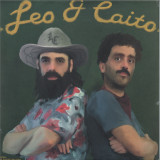
System 108 resident Lipelis teams up with Carrot Green from Rio de Janeiro to create a dreamy, summer vibed EP simply dedicated to them both: Leo & Caito, with naming and artwork playfully inspired by Sertanejo genre standards.The duo emerged in early 2020 on the streets of Rio and started to jam same night in the studio of Carlos, who is affiliated with all cool gangs of the Brazilian dance scene. Just like on Lipelis's critically acclaimed Function As A Meaning EP (a System 108 instant classic by now!), things took off by themselves: intuitive sampling of chords taken from Brazilian gospel found some unexpected modular synth tweaking. For good!"Rolando Nascer do Sol" is THE track, that the duo is particularly proud of. In the words of Lipelis, who has once spinned it at Gop Tun carnival party, in a b2b set w/ Millos Kaiser - 'it produced an unforgettable euphoric effect".Having witnessed how all the tracks work on the dancefloors not only in Brazil, we are uber-excited to finally release this 4-track EP!
out of Stock
Last delivered 20 months ago available to reorder, subject to availability
For fans of post-Chicago post-"Second Summer of Love" acid; Chris & Cosey, Terekke, Cabaret Voltaire, Anthony Naples, JTC, D.K., Luke Vibert, Khotin. The latest by Texan-turned-Angeleno progressive vaporwave producer Carlos Ramirez aka AURAGRAPH finds him shifting focus to the dance floor across eight chrome clockworks of cosmic acid house and liquid rave glide: New Standard. Inspired by lessons learned during a 5K mile American road trip tour in the summer 2022, he set to work in his Simi Valley Tuff Shed of synths and hardware, pursuing an explicitly DJfriendly muse: "I realized I wanted to make a record where every track could go off in a live setting." These cuts do just that, revved and rhythmic, peppered with slap bass, Madchester whistles, filtered acid, gated snares, baggy cowbell, and sample pack classics - record scratches, orchestral stabs, the "Yeah! Woo!" from Lynn Collins "Think (About It)." Ramirez describes the process as immediate and instinctual: "I'd turn on the MPC, pick a tempo, and just improv - it was incredibly fun." From sleek freeway techno ("110 Cruising") to arcade lurker acid ("Coast 2 Coast") to big room bangers ("666 Ambience"), the tracks time-travel across the canon of club music, sifting tricks and styles to fashion fresh anthems of hypnagogic jack. It's an album channeled as much as crafted, tapping into the decks of mythic warehouse infinities past and present, where the system rips all night and acid never dies.
out of Stock
Last delivered 2 years ago available to reorder, subject to availability
To celebrate the 25th anniversary of LA the Darkman’s Heist of the Century LP, Coalmine Records has partnered up with the Brooklyn native for a special edition vinyl reissue, marking the first time that the record’s been repressed since its original release. This album is widely regarded as one of the strongest and most underrated releases from a Wu-Tang Clan affiliate, and it’s easy to understand why once you hear its dynamic 18 tracks. The Killer Bee embodies the raw spirit of the Wu while adding his own signature gritty flavor throughout Heist of the Century. He shines whether he’s spitting solo on standouts like “Shine,” “Street Life,” and the title track, and when he’s joined by rap heavyweights like Raekwon, Ghostface Killah, Havoc, and Masta Killah. Rae actually delivers two show-stopping guest performances on”Az the World Turns” and “Spring Water.” The production lineup is just as serious, which boasts credits from the likes of RZA, DJ Muggs, Havoc, 4th Disciple, as well as Carlos “Six July” Broady who produced 10 tracks among others. Whether you were there day one, only started diving into the Wu’s vast discography recently, or somewhere in between, you’d be hard-pressed to find a better representation of their sound than Heist of the Century. “Heist of the Century undeniably continues in the vein of the surrealistic, orchestral sound that branded the Wu-Tang Clan as one of the most revolutionary hip-hop groups of the decade.” MTV.
2023 REPRESS - Rare Brazilian Bossa Nova - Latin album - Comes with insert/liner notes & packaged in a gatefold jacket - 180g TANGERINE COLORED vinyl limited to 500 copies w/obi strip // Marcos Valle needs little introduction, born in Rio de Janeiro in 1943, Mr. Valle is an award-winning/chart-hitting Brazilian singer, songwriter and record producer. He was raised on a staple diet of classical, Brazilian popular music and North American jazz. Marcos Valle grew up to be one of the most influential & innovating musicians of the Bossa nova period and is regarded as one of the greatest Brazilian artists of all time. He has recorded albums for North American labels such as EMI, Warner Brothers & Verve_cementing his career with a series of tight musical workouts moving seamlessly between funk, samba, soundtracks, soul, jazz, dance and rock. Valle contributed to some of the most important recordings by artists including Sarah Vaughan, Frank Sinatra, Sergio Mendes, Leon Ware, Chicago and Airto Moreira. Mr. Valle's work has been sampled/remixed by major artists from the likes of Jay-Z, Kanye West & Madlib.One of Valle's favorite bands to frequently collaborate with was no doubt Azymuth, who took their name from a Valle song!Azymuth (Bertrami-Malheiros-Conti) started their individual careers in the 1960s in the emergent Bossa nova and jazz scene of Rio, living in the same bohemian block in Copacabana and playing in small bars as session musicians under various other names.It was the early 1970s when Azymuth really began to cause a stir and Marcos Valle invited them to record on a soundtrack LP he was doing. The unique Azymuth sound was now born: a mix of electronic music, samba, funk and jazz that they defined as MPB-jazz (MPB stands for Musica Popular Brasileira). Over the decades Azymuth released extremely successful albums (selling millions of copies) on labels such as Polydor, Som Livre and Atlantic. Hitting the charts on multiple occasions, Azymuth played at the Monterrey and Montreux jazz festivals and at venues around the globe.The band has worked with legendary musicians from Joe Henderson to Stevie Wonder and they've also been remixed/sampled by artists such as Flying Lotus, will.i.am, MF DOOM and Peanut Butter Wolf. Their unique brand of fusion-music has influenced three generations of musicians, DJs, and producers. Music journalists across the spectrum from mainstream to underground, celebrated these raw yet wildly imaginative and musically accomplished tracks that were a revelation of jazz, funk and disco, with some even stating that the roots of EDM were on display in their early recordings.On the album we are presenting you (Brazil by Music - Fly Cruzeiro) the listener is getting yet another fantastic early Valle/Azymuth collaboration. Released in 1972, this rare album was pressed and gifted to customers of the `Cruzeiro' airline company. This promotional record came as no surprise because the connection between Cruzeiro Airlines and Valle was very tight (Valle's father was the manager and his brother was a co-pilot there).Next to the Valle/Azymuth material present, other songs include some of the all-time best Brazilian standards originally written by renowned artists such as Jorge Ben & Antonio Carlos Jobim. Take a flight with us through this fantastic album and into some of the best Jazz, Funk & Bossa Nova the Brazilian musical landscape has to offer.Tidal Waves Music now proudly presents the first ever vinyl reissue of `Fly Cruzeiro' since its release in 1972 (only 500 copies were pressed upon its original release in 1972).
First time on vinyl!
Newly remastered. LP housed in a gatefold jacket.
Featuring Herbie Hancock, Martha Reeves, Alphonse Mouzon, Chuck Rainey, Patryce “Choc’let” Banks, Carlos Morales, and members of The Pointer Sisters.
In the 1970s, Betty Davis defied genre and gender by pushing her voice to extremes and embracing the erotic. She articulated a kind of pre-punk, funk-blues fusion that had yet to be normalized in mainstream music – a style that few musicians have come close to replicating. As one of the first Black women to write, arrange, and produce her own albums, Betty was a visionary who disregarded industry boundaries and constraints. Raw, unapologetic and in full control, Betty paved the way for generations of future artists who said “funk you” to the music industry and social norms.
In 1979, when Davis entered an L.A. studio to record her fifth and final album, she was reeling from a series of setbacks. Three years earlier, after recording her fourth album, Is It Love Or Desire, Davis was dropped from her label and the LP was subsequently shelved. In 1978, her beloved band Funk House went their separate ways. Looking for a fresh start, Davis relocated to Hollywood to focus on songwriting. Before long, British manager Simon Lait (Toni Basil), offered to fund her next project.
With renewed vigor, Davis reunited with former Funk House guitarist Carlos Morales and brought together industry veterans like fusion drummer Alphonse Mouzon and session bassist Chuck Rainey. Old friends Anita and Bonnie Pointer (The Pointer Sisters) and Patryce “Choc’let” Banks joined Davis on vocals, as did Motown legend Martha Reeves. The resulting album, Crashin’ From Passion, was her most musically diverse, blending elements of reggae and calypso (“I’ve Danced Before”), jazz (“Hangin’ Out in Hollywood,” “Tell Me a Few Things”), dark synth-pop (“She’s a Woman”), and even disco (“All I Do Is Think of You”). Equally exploratory are Davis’ vocals, as she trades in her signature sass and snarls for more nuanced stylings.
Among the album’s few funk tracks is “Quintessence of Hip,” in which Davis hails musicians like Bob Dylan, Billie Holiday, Stevie Wonder, and John Coltrane, while deftly integrating elements of their work. The song also offers a moment of stark vulnerability, as she sings, “Isn’t rich? Isn’t it queer? Losing my timing so late in my career.” It would prove to be a prophetic line in the months to follow.
The mixing process was mired by artistic differences and then cut short, amid the death of Davis’ beloved father. Bereft and exasperated, Davis returned home for the funeral, setting into motion her retirement from the music industry. Crashin’ From Passion, meanwhile, would be shelved for 15 years and licensed for a CD-only release, without Davis’ consent, in the ‘90s. This 2023 edition of the album, made with Davis’ full approval and cooperation, marks its first official release and first time ever on vinyl. The package was designed by GRAMMY®-winning artist, Masaki Koike, while the album cover features an incredible shot of Betty captured in London in the mid-1970s by renowned photographer Kate Simon.
Crashin’ From Passion was remastered by Dave Cooley at Elysian Masters and pressed on vinyl at Record Technology, Inc. (RTI). The accompanying booklet includes a treasure trove of rare photos from the era, plus lyrics, and new liner notes by writer, ethnomusicologist, and Betty’s close friend, Danielle Maggio, who integrates interviews that she conducted with Davis, marking her last ever interviews.
For fans of post-Chicago post-"Second Summer of Love" acid; Chris & Cosey, Terekke, Cabaret Voltaire, Anthony Naples, JTC, D.K., Luke Vibert, Khotin. The latest by Texan-turned-Angeleno progressive vaporwave producer Carlos Ramirez aka AURAGRAPH finds him shifting focus to the dance floor across eight chrome clockworks of cosmic acid house and liquid rave glide: New Standard. Inspired by lessons learned during a 5K mile American road trip tour in the summer 2022, he set to work in his Simi Valley Tuff Shed of synths and hardware, pursuing an explicitly DJfriendly muse: "I realized I wanted to make a record where every track could go off in a live setting." These cuts do just that, revved and rhythmic, peppered with slap bass, Madchester whistles, filtered acid, gated snares, baggy cowbell, and sample pack classics - record scratches, orchestral stabs, the "Yeah! Woo!" from Lynn Collins "Think (About It)." Ramirez describes the process as immediate and instinctual: "I'd turn on the MPC, pick a tempo, and just improv - it was incredibly fun." From sleek freeway techno ("110 Cruising") to arcade lurker acid ("Coast 2 Coast") to big room bangers ("666 Ambience"), the tracks time-travel across the canon of club music, sifting tricks and styles to fashion fresh anthems of hypnagogic jack. It's an album channeled as much as crafted, tapping into the decks of mythic warehouse infinities past and present, where the system rips all night and acid never dies.
out of Stock
Last delivered 2 years ago available to reorder, subject to availability
South African pianist Thandi Ntuli traveled to Los Angeles in 2019, where she recorded this album of bare, explorative piano and voice pieces at a Venice Beach studio with International Anthem artist Carlos Niño in the producer chair. An absolutely stunning, intimate listen, with Ntuli"s prowess as a pianist and singularity as a vocalist on vivid display as much as her fearlessness, vulnerability and adventurousness during occasional experiments with synthesizers and percussion. Niño colors open minimalist soundscapes with overdubbed percussion, cymbals and plants.
South African pianist Thandi Ntuli traveled to Los Angeles in 2019, where she recorded this album of bare, explorative piano and voice pieces at a Venice Beach studio with International Anthem artist Carlos Niño in the producer chair. An absolutely stunning, intimate listen, with Ntuli"s prowess as a pianist and singularity as a vocalist on vivid display as much as her fearlessness, vulnerability and adventurousness during occasional experiments with synthesizers and percussion. Niño colors open minimalist soundscapes with overdubbed percussion, cymbals and plants.
out of Stock
Last delivered 2 years ago available to reorder, subject to availability
Miguel Atwood-Ferguson lebt in seiner Heimatstadt Los Angeles und ist einer der herausragenden Musiker, Orchestratoren, Arrangeure und Komponisten unserer Zeit. „Les Jardins Mystiques Vol.1“ ist sein lang erwartetes Debütalbum. Es präsentiert uns eine leidenschaftliche Liebeserklärung und ein Reich der schönen Möglichkeiten.
Es gibt eine Fülle von Möglichkeiten, sich Miguel Atwood-Fergusons Musik zu nähern - und es gibt keine Grenzen, wohin sie jemanden führen könnte. Als Komponist, Arrangeur, Multiinstrumentalist und Produzent hat er an mehr als 600 Alben und Soundtracks für genreübergreifende Künstler:innen gearbeitet, darunter Flying Lotus, Thundercat, Anderson .Paak, Mary J. Blige oder Seu Jorge. Seine Klangpalette umfasst Jazz, Klassik, Hiphop, Electronica, Avantgarde, Pop und vieles mehr. Zu seinen gefeierten Live- und Aufnahmeprojekten gehören die innovative orchestrale Neuinterpretation des Repertoires von J Dilla, „Suite For Ma Dukes“ (2009), seine produktiven Werke mit seinem langjährigen Freund und Kollaborateur Carlos Niño, darunter das improvisierte Album, „Chicago Waves“ (2020), auf International Anthem, und seine Gruppen wie das Quartetto Fantastico und das Miguel Atwood-Ferguson Ensemble. „Les Jardins Mystiques“ ist ein Projekt, das Miguel Atwood-Fergusons musikalisches Universum offenlegt und mit anderen teilt. Es hat sich über ein Dutzend Jahre hinweg entwickelt, wurde größtenteils von ihm selbst finanziert und zeigt seine ausgesprochen elegante Musikalität (u. a. auf Geige, Bratsche, Cello und Keyboards) sowie seine freigeistigen Dialoge mit mehr als 50 Instrumentalist:innen. ‚Volume 1‘ ist hierbei bloß der erste Teil eines geplanten Triptychons, das insgesamt ganze zehneinhalb Stunden origineller und erfrischend ausladender Musik umfassen wird. Atwood-Ferguson verband sich mit seinen Gastmusiker:innen auf vielfältige Weise: durch gesellige Studiodialoge, durch Fernkommunikation während der Pandemie und durch die Energie von Live-Auftritten in seiner Heimatstadt, darunter im Del Monte Speakeasy (das herrlich belebende, von einem Klavier begleitete „Dream Dance“) und im Bluewhale (u. a. „Ano Yo“ mit dem temperamentvollen Alt-Saxophon von Devin Daniels und den kosmischen Harmonien von „Cho Oyu“). Bennie Maupin, der legendäre US-Multi-Blasinstrumentalist, zu dessen Repertoire auch Miles Davis' Fusion-Opus „Bitches Brew“ gehört, spielt Bassklarinette auf der hinreißenden Eröffnungsnummer „Kiseki“. Im Laufe seiner illustren Karriere hat Miguel Atwood-Ferguson mit Künstler:innen wie Rihanna, Ray Charles, Lana Del Rey, Lady Gaga, Anderson .Paak, Dr. Dre, Kamasi Washington, Mary J. Blige, will.i. am, Big Boi, Arthur Verocai, Bonobo, Lianne La Havas, Kaytranada, Moses Sumney, Seu Jorge, Common, The Roots, The Cinematic Orchestra, Jamael Dean, Shafiq Husayn, Adrian Younge & Ali Shaheed Muhammad, Carlos Niño, Bilal und viele mehr zusammengearbeitet.
25th anniversary of this criminally under-appreciated compilation of Brazilian pop music (New! More! Better!), so we're putting it on vinyl for the first time.
It's been 10 years since we at Luaka Bop released our first compilation of Brazilian music. Beleza Tropical. It sold extremely well, 350,000 and still going strong, but alot has happened since then. This collection reflects the impact and energy of a new generation who rather than seeking to overturn or discredit the work of ist predecessors, wants to build on it, add to it, and continue absorbing greater and more contemporary influences.
Outstanding Italo classic from The Countach project, covering Carlos Santana's "Aqua Marine" song and fitting them successfully into that typical italian ambient style and late eighties house formula. Did anyone say balearic
Here you can finally find in the flip side the original studio version instead of the unnecessary radio cut.
"Rural" is the first long-play work of Carlos Asimbaya aka Kaifo, which sees a fully matured vision of Ecuadorian keyboard tradition catapulted into the future and rhythmically sustained by the "bomba" percussion; an Afroandean element that bears witness to the unique history of this country.
Trained in classical music composition and inspired by jazz, Kaifo's repertoire features haunting, extensive melodies and scales that inform listeners on the landscapes of Andean styles while delivering a postmodern dancefloor experience. " Carlos Asimbaya is a keyboardist, composer and producer hailing from the small town of Machachi, Cantón Mejía, Province of Pichincha Ecuador. In 2016 he began a process of personal research and exploration of various musical expressions of traditional music, collecting sonic resources from remote localities such as Aloag, Machachi, Chalguayacu, Cotacachi, Alausi, Borbon, Santo Domingo de los Tsachilas and more - customs that identify the history of Ecuador.
In June 2019, he finally published his first single "Desvío" - a warm fusion of bomba, albazo, dembow, global bass, etc. followed by other digital releases culminating in the EP "Curtido" as part of the 'Kipus' series of Eck Echo Records. With "Rural" Kaifo uplifts the Ecuadorian organ tradition inaugurated in the mid-1960s by the likes of Polibio Mayorga into futuristic clubbing arenas. "Tres Caminos" is a magnificent opener where psychedelia meets the soft snare elegance of the "albazo", the indigenous genre that defines the soul of this country. "Monte Espeso" introduces clubbers worldwide to the contagious grooves of "bomba", the trademark rhythm of Afroecuadorian communities. The raw keyboard melody strikes fast like a proverbial lightning. "Hecho Leña" sounds like the one-man orchestra that is Kaifo. Relentless timbales fills and an alcohol-fueled family vibe characterize this unique "chicha" track.
WEB WEB führen mit ihrem fünften Album WEB MAX II die Kollaboration mit Max Herre fort, die auf WEB MAX (2021) begann. Dabei ist ihnen mit diesem neuen Album weitaus mehr gelungen als lediglich die reine Weiterführung einer Serie. WEB MAX II ist musikalisch und emotional die wohl vielfältigste Destillation dessen, was die ursprünglich im Spiritual Jazz verwurzelte deutsche Jazz-Supergroup in den sieben Jahren ihres Bestehens hervorgebracht hat.
A stunning follow-up to his late 2018 release. Mostly recorded live at the Apollo Hotel Amsterdam in 1991. This is a compilation of the ''Apollo Hotel CD box'', that Ronald made himself, for family and friends.. BIG tip!
Some words from the label:
From 1986 until 1992, Ronald had a residency in the lounge of Amsterdam’s Apollo Hotel. He would play there 5 days a week, for 5 hours a day. In 1991, throughout several sessions, he recorded himself on a cassette recorder. The recordings were ranging from re-interpreted cover versions to multiple own compositions.
The Apollo was particularly known for its sophisticated and elegant crowd. Guests would come to meet in the lounge to talk business, or end the day with a drink at the bar - dancing was never an option.
Listening to the album, one must wonder how some of this music would go hand in hand with a place like that. It seems Ronald gets lost in music and returns in unequally balanced patterns. Lounge sounds meet drum computer rhythms, punchy baselines, distorted space noises, reoccurring clarinet interludes and improvised piano solos.
Back then, just as now, Ronald never liked to be the center of attention. He simply tried to interact with the surrounding as a provider of the mood - as he explains himself.
Instruments
Live: Grand Piano, Yamaha QX1 Sequencer, 2x Yamaha TX7 Tone Generator, Drumtraks Sequential Circuits, Clarinet, Voice
Added at home: Yamaha DX7 Sounds, Roland R-8
Space Train: Kurzweil Piano, Yamaha DX7, Roland R-8, Soprano Sax, Voice
Recorded live at the Apollo Hotel Amsterdam in 1991, except 'Space train', which was recorded in Ronald’s living room.
All instruments played and arranged by Ronald Langestraat.
All tracks written an composed by Ronald Langestraat, except 'Lowdown' which was written by David Paich & Boz Scaggs, 'Give and take' which was written by Michael Shrieve, Tom Coster & Carlos Santana and 'Orpheus' which was written by David Sylvian.
out of Stock
Last delivered 2 years ago available to reorder, subject to availability
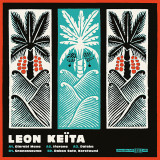
Hier hatten sich die Klänge aus dem nahen Mali und Guinea mit den lokalen Stilen vermischt und eine reiche Musikszene hervorgebracht: Bands wie Bembeya Jazz, Super Djata Band und andere Mandingue-Giganten gehörten zu den Bestsellern der Region. Leon Keïta, eine feste Größe in der malischen Musikszene, wurde 1947 in Conakry an der Atlantikküste von Guinea geboren. Leon half bei der Gründung der legendären Rail-Band, die zu einer gefeierten Stütze des Nachtlebens in Bamako wurde und die internationalen Karrieren von Salif Keita, Mory Kanté u.v.a. begründete. Leon selbst schloss sich Les Ambassadeurs Internationaux an, mit denen er durch Westafrika tourte, bevor er sich der Arbeit an seinen eigenen Kompositionen zuwandte. Als Leon bereit war, ins Aufnahmestudio zu gehen, lud er seine Freunde von Les Ambassadeurs Internationaux ein, ihm als Begleitband zu dienen; aus dieser Zusammenarbeit gingen zwei Platten hervor, die beide 1978 auf dem Label Papa Disco veröffentlicht wurden. Ein Jahr später veröffentlichte Leon "Rythmes et Mélodies du Mali", das er gemeinsam mit seinem Bruder Germain geschrieben hatte und das vom großartigen Orchestre Black Santiago begleitet wurde. Obwohl Leon nicht viele Soloaufnahmen gemacht hat, erwecken seine Lieder weiterhin die Verehrung aller, die das Glück haben, sie zu hören. In den letzten Jahren wurde der Song "Dalaka" von Carlos Estrada, dem Betreiber des Soundsystems in Barranquilla, wiederentdeckt und wurde zu einem unerwarteten Hit an der kolumbianischen Karibikküste. Zwölf Jahre nach der Veröffentlichung der von der Kritik hochgelobten Bambara Mystic Soul Compilation taucht diese neue Zusammenstellung erneut tief in die Mandingue-Kultur ein, die während Leon Keïtas legendären Sessions Ende der 70er Jahre aufgenommen wurden.
My ZEITGEIST. (in the words of The Legendary Tigerman)
Musically, I tried to follow the path left behind by early modular synths explorers like Suzanne Ciani or Wendy Carlos, mixing it with the raw & powerful energy of early punk explorers like The Cramps, Suicide or The Sonics (my teenage heroes!) and the orchestral universe of people like Lee Hazlewood or Scott Walker, looking back at the past while keeping an eye out for the future.
Zeitgeist is also the point where my work as a soundtrack composer meets my life as a punk Rock’n’roller.
The Legendary Tigerman is the artistic name of Portuguese musician and composer Paulo Furtado. With a solid career stemming from the DIY movement and characterized by the reinvention of genres such as blues, rock, and garage rock, while always maintaining a punk attitude, The Tigerman's recognition is founded on a galloping international career, marked by the release of the iconic album "Naked Blues" in 2001. In a few years, he goes from a cult artist to a reference name and with the acclaimed "Femina" (2009), he writes his name in the pantheon of the most creative rock made in Europe.
With "True" (2014) and "Misfit" (2018), he consolidated his position in the international rock scene with two albums that explore the dense soundscapes of a rock 'n' roll that moves away from common places. Live, the unstoppable and infernal rock machine, consisting of Paulo Furtado on vocals and guitar, Filipe Rocha on bass, Mike Ghost on drums, and Cabrita on saxophone, makes concerts unpredictable and explosive, exactly as expected from a rock 'n' roll act.
The success of The Legendary Tigerman goes beyond the borders of Portugal, thanks to tours in various countries in Europe, Asia, and Latin America. In addition to his work on stage, Paulo Furtado has become notable for his prominent career in theater, cinema, soundtrack creation, photography, and film direction.
Focused on being a catalyst for unique and authentic music, The Legendary Tigerman is one of the main European rock names, renewing himself with creativity and innovation with each album. In 2023, there will be a new album, featuring more ethereal and intimate sounds alongside rock 'n' roll, but always keeping it punk.
The ninth issue of We Jazz Magazine, "Oisters" for Petter Eldh. 128 pages, 170 x 240 mm in size and printed on 140g Edixion paper with laminated 300g Invercote covers.
All articles presented IN ENGLISH.
Petter Eldh by Peter Margasak, Oren Ambarchi by Daryl Worthington, Sven Wunder by Markus Karlqvist, Robyn Steward by Dave Waller, Jason Moran by Rui Miguel Abreu, Darius Jones by Stewart Smith, Carlos Garnett by Andy Thomas, Discaholic column by Mats Gustafsson, Black Fire by Danny Veekens, reviews, plus more.
Despite his popularity in Peru as a famous comedian, Melcochita devoted himself to music for many years and worked as in-house studio musician for the label Discos MAG, taking part in countless sessions. This album was recorded between 1967 and 1968, accompanied by the orchestras of Betico Salas, Joe di Roma, Nilo Espinoza, Carlos Muñoz and Tito Chicoma. The album comprises amazing guarachas, mainly international hits, and the hilarious bolero 'Cobardía' where Melcochita brings in his comedian talent. First time reissue! - Back in 1968, the year "Dejen bailar al loco" was released, Pablo was still known as Pacocha (the name of a popular brand of soap) and worked during the day as a session musician for the MAG label. At night, from eight to six in the morning, he used to play percussion in clubs. Then, at the weekends, he performed on the popular variety show La Peña Ferrando, which featured "Quality acting; very funny, simple sketches", impersonations and musical performancs. Most of the guarachas on the album are international hits, such as 'El limoncito' and 'Pa' gozá candela'. The track, 'Quiero casarme contigo' has Mexican origins, and it has been adapted to guaracha style by Betico Salas' orchestra. The humorous 'No es un gato' hails from Colombia, while 'Ahorita va a llové' and 'Carta de mamita' come from Cuba. 'Dejen bailar al loco' and 'Libre de pecado' are also from the Caribbean Island. 'Cobardía' and 'Dos almas' are classic boleros, which were already part of the repertoire of most singers back then and were also included on this album. The only way to perform them to the demanding audience at La Peña without being booed was to put a new spin on the songs, deconstruct them and reinvent the structure, as the Tito Chicoma and Joe di Roma orchestras did, and above all Melcochita, who sang them in a supernatural voice and a created Creole scat that must have wowed the audience, who would then burst into applause and laughter, going home happy after a great night out.
out of Stock
Last delivered 16 months ago available to reorder, subject to availability
'Can I Go Again?', das Debütalbum von Benét (Benét Nutall) aus Richmond, VA, ist eine abwechslungsreiche Sammlung nachdenklicher, dicht gepackter Indie-Pop-, Rock- und Soul-Tracks, die ebenso emotional mitschwingen wie sie unmittelbar und ansteckend sind. Diese Tracks sind es gleichermaßen wert, Herzschmerz zu verarbeiten, mit Freunden zu spielen oder Kraft in der Einsamkeit zu finden. Die Debüt-EP von Benét, "Game Over" (2021), war ein ehrlicher Versuch der Selbstreflexion durch elektronische Dance- und Disco-Atmosphären - die titelgebende Frage ihres Debütalbums dient als Neustart des Arcade-Spiels mit mehr Wissen, Reife und Sicherheit, während Benét sich zu organischerer Instrumentalbegleitung und raffiniertem Songwriting bewegt. Die überschwänglichen und scharfen Gitarrenriffs und die treibende Bassline von "Insensitive" heben Benéts Gesang an, wenn sie über Gefühle von Nervosität, Sehnsucht und die letztendliche Überwindung von beidem mit Selbstsicherheit singen. In "Overpowering" können Benét über einer sanften Bassline und einem stolpernden Beat ihre persönliche Entwicklung zur Schau stellen. "No Alarm" bietet einen weiteren Einblick in Benéts lyrische Verwundbarkeit, die sich zwischen Selbstbewusstsein in den Strophen und einer flirrenden, stringent betonten Sicherheit im Refrain hin und her bewegt. Die Musik von Benét wurde schon immer von der Umgebung und den Menschen, mit denen sie zusammenarbeiten, beeinflusst. Das Album ist das Ergebnis von etwa drei Jahren des Schreibens und Aufnehmens zu verschiedenen Zeiten mit verschiedenen Gruppen von Freunden und musikalischen Partnern - in Richmond, VA mit Jacob Grissom, Christian Lewis, Neal Perrine und John Trainum, in Philadelphia mit Kyle Pulley und Danny Murillo und in New York mit Carlos Truly. In "Can I go again?" geht es darum, sich Zeit zu nehmen und zu erkennen, bewusst zu wachsen und Freude und Nervosität selbstbewusst auszudrücken. Benét nutzt "Can I Go Again?" um ihren eigenen Platz inmitten inspirierender, verwirrender, schwieriger und schöner menschlicher Verbindungen zu verarbeiten und diese unvergesslichen, eingängigen, emotionalen Lieder zu präsentieren, in der Hoffnung, dass das Publikum zuhören und dasselbe tun kann.
'Can I Go Again?', das Debütalbum von Benét (Benét Nutall) aus Richmond, VA, ist eine abwechslungsreiche Sammlung nachdenklicher, dicht gepackter Indie-Pop-, Rock- und Soul-Tracks, die ebenso emotional mitschwingen wie sie unmittelbar und ansteckend sind. Diese Tracks sind es gleichermaßen wert, Herzschmerz zu verarbeiten, mit Freunden zu spielen oder Kraft in der Einsamkeit zu finden. Die Debüt-EP von Benét, "Game Over" (2021), war ein ehrlicher Versuch der Selbstreflexion durch elektronische Dance- und Disco-Atmosphären - die titelgebende Frage ihres Debütalbums dient als Neustart des Arcade-Spiels mit mehr Wissen, Reife und Sicherheit, während Benét sich zu organischerer Instrumentalbegleitung und raffiniertem Songwriting bewegt. Die überschwänglichen und scharfen Gitarrenriffs und die treibende Bassline von "Insensitive" heben Benéts Gesang an, wenn sie über Gefühle von Nervosität, Sehnsucht und die letztendliche Überwindung von beidem mit Selbstsicherheit singen. In "Overpowering" können Benét über einer sanften Bassline und einem stolpernden Beat ihre persönliche Entwicklung zur Schau stellen. "No Alarm" bietet einen weiteren Einblick in Benéts lyrische Verwundbarkeit, die sich zwischen Selbstbewusstsein in den Strophen und einer flirrenden, stringent betonten Sicherheit im Refrain hin und her bewegt. Die Musik von Benét wurde schon immer von der Umgebung und den Menschen, mit denen sie zusammenarbeiten, beeinflusst. Das Album ist das Ergebnis von etwa drei Jahren des Schreibens und Aufnehmens zu verschiedenen Zeiten mit verschiedenen Gruppen von Freunden und musikalischen Partnern - in Richmond, VA mit Jacob Grissom, Christian Lewis, Neal Perrine und John Trainum, in Philadelphia mit Kyle Pulley und Danny Murillo und in New York mit Carlos Truly. In "Can I go again?" geht es darum, sich Zeit zu nehmen und zu erkennen, bewusst zu wachsen und Freude und Nervosität selbstbewusst auszudrücken. Benét nutzt "Can I Go Again?" um ihren eigenen Platz inmitten inspirierender, verwirrender, schwieriger und schöner menschlicher Verbindungen zu verarbeiten und diese unvergesslichen, eingängigen, emotionalen Lieder zu präsentieren, in der Hoffnung, dass das Publikum zuhören und dasselbe tun kann.
Some are looking for gold or oil and others are passionately looking for forgotten treasures of music! Those who can be described as "sound gold diggers" criss cross record shops or confidential places to unearth musical nuggets previously kept in the dark. This practice began with sampling in the 80s and has now become a way of safeguarding the world"s musical heritage. With "Diggin" Collection" we invite you to discover Soul, Funk or Disco gems from the 70s and the 80s available in four volumes for your pleasure. Following the success of previous volumes of the Diggin" collection, discover groovy gems with Groove Diggin" : Barbara Mason, Cortex, Maxayn...
Welcoming a vibrant selection of artists to the label, Oblivium records presents OBL 002V Various Artist. This 4 tracks is an ambition project that unites 4 great artist with diverse approsches to music production, 4 different minds and vision, 4 declination of the same mood. We like to experiment and try to pusch our boundaries over. Tommy Vicari jnr, Flaze, Carlo di Roma, Jay Tripwire & Jehr
out of Stock
Last delivered 31 days ago available to reorder, subject to availability
Das Drängen der Fans war so groß, dass Big Time Rush sich dazu entschieden haben, ihr neues Album digital schon früher als geplant zu veröffentlichen. Am 02. Juni 2023 erschien mit "Another Life" ihr erstes Studioalbum seit 10 Jahren. Nun folgt am 18.08. auch die CD und LP dazu!
Die Band um Kendall Schmidt, James Maslow, Logan Henderson und Carlos PenaVega wurde 2009 durch den Start der Nickelodeon-Fernsehserie Big Time Rush über Nacht zur Sensation. In ihrem Mittelpunkt: die Hollywood-Abenteuer von vier Eishockeyspielern aus
Minnesota, nachdem diese ausgewählt wurden, eine Boyband zu gründen. Die Serie war ein durchschlagender Erfolg und katapultierte die gleichnamige Band ins reale Leben, wo sie drei Studioalben veröffentlichte und weltweit Konzerte gab. Nach einer fast siebenjährigen Pause veranstalteten Big Time Rush 2020 eine überraschende virtuelle Reunion, um das 10-jährige Jubiläum ihres Hits "Worldwide" zu feiern.
Die Wiedervereinigung führte zu einer Massenhysterie unter ihren Fans und wurde zu einem globalen Medien-Spektakel. Im Jahr darauf wurden alle Staffeln der Serie auf Netflix eingestellt, und die Band ging erneut viral. Die Resonanz übertraf alle Erwartungen und bewies die Macht ihrer treuen Fangemeinde. Es folgten neue Musik und ausverkaufte Tourneen.
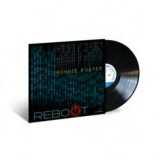
1972, vor fünfzig Jahren, veröffentlichte Hammondorgel- und Acid-Jazz-Legende Ronnie Foster sein BlueNote-Debüt „Two Headed Freap“, von dem nicht nur der Track „Mystic Brew“ ein erstaunliches Eigenleben entwickelte, spätestens nachdem A Tribe Called Quest ihn als Sample-Grundlage für ihren Song „Electric Relaxation“ auf dem 1994er Album „Midnight Marauders“ benutzten.
Die neun Songs auf „Reboot“, Ronnie Fosters Rückkehr zum Blue-Note-Label, klingen gradlinig, kraftvoll und frisch wie eh und je. Seine Art von Soul-Jazz hat in den letzten Jahrzehnen diverse Revivals gefeiert und beweist hier, dass sie eigentlich nie aus der Mode gekommen ist. In den Linernotes widmet Foster die Aufnahmen seinem 2021 verstorbenen „Bruder, Freund und Helden Dr. Lonnie Smith, einem der Weltbesten auf der Hammond B3-Orgel“.
PAURA explores the horror repertoire from the precious CAM Sugar archives taking us on a hypnotic journey into the labyrinths of fear, through the different variations that Italian horror took on from the esoteric and supernatural to the slasher films of the early 1970s; to reinterpretations of Romantic literature and gothic fiction to the splatter films of the ‘80s; and from witchcraft to metropolitan horror. This is not a real “best of” but an eclectic menu full of mysterious voices, childlike lullabies, sweet melodies, obsessive music boxes, obstinate harpsichords, crazy distortions and threatening synthesizers, conceived as a succession of sequences, as if a film edit. The new collection includes some of the most creative music ever written and strives to do justice not only to some of the best known composers in this genre, but also to many great unsung composers: From celebrated composers like Ennio Morricone, Riz Ortolani & Stelvio Cipriani to long-forgotten personalities who fed the industrial backbone of Italian cinema such as Daniele Patucchi, Marcelo Giombini & Berto Pisano. The collection includes 6 previously unreleased tracks plus 3 tracks released on vinyl for the first time and 5 tracks available commercially for the first time (originally released only as a limited promo item).
An essential part of the European disco history... "Livin' Up" and "Stop" by B.W.H., these two tracks are true 'milestones' and Italo-Disco in the purest form. The sound that only the most virtuous and innovative young Italian DJs and arrangers were able to create in the early 80s. B.W.H is Stefano Zito (aka Black Way), Stefano Galante, and the late Carlo Favilli, "Stop" is dubbed "the best B-side ever!", but "Livin' Up" is also incredible, making this vinyl the hottest 12" ever assembled in the Italo Domain and for decades incredibly underrated.
It was I-f's Mixed Up The Hague mix that brought this to the attention of a wider audience and have been considered one of the holy grails of Italo ever since. Here the 2 original versions from 1983 remastered with care and passion by Dom Scuteri and Claudio Casalini (Best Record) in two different editions: the classic one in black vinyl and the strictly limited one in gray vinyl. Two essential tracks available in a high quality edition.
out of Stock
Last delivered 3 years ago available to reorder, subject to availability
“All in the Golden Afternoon We Glide” (Realia006) is the forthcoming record from LATHE 00, the new moniker under which Umbria-based artist Leonardo Carloni has recently started to operate.
Preceded by several collaborative undertakings, LATHE 00’s debut solo album is akin to an experiment in autotheory, where art-making practice and theoretical inquiry are entwined to the point of being virtually inseparable. Through the combined use of autobiographical and philosophical elements, “All in the Golden Afternoon We Glide” meditates on individuality, technology, and new forms of (post-)human existence.
The record has been conceived as a three-act project, with each act comprising four compositions that correspond to as many recurring themes: birth, love, death, and emptiness. Produced over the course of two years, the album has a total of twelve tracks, the majority of which run for less than two and a half minutes. Upon closer inspection, these tracks feel less like standalone pieces of music and more like outtakes of a single but continuously mutating continuum.
LATHE 00’s first feature is a work of rare beauty. As a one-person debut project, its stylistic variety, compositional maturity, and technical rigor are outstanding. By combining a forward-looking production style with references as varied as ambient, hyper-pop, instrumental post-rock, world-beat, and modern classical and folk music, LATHE 00 develops a mode of expression that transgresses genres and is distinctively his own.
The result is a signature sound that feels equally primordial and hyper-contemporary, fleshly visceral and detached. The inclusion of the artist's own vocals in the music is a notable aspect of this style. Alongside sampled materials, his non-lexical vocalisations appear as both an affirmative and negative act, simultaneously gesturing towards bodiless dissolution and a desire to reclaim one’s all-too-embodied presence in this world.
Despite being a concept album grounded in a profound theoretical substrate, “All in the Golden Afternoon We Glide” surprisingly relies on wordless communication only. As such, in it, song titles become key vectors of information. Appealing primarily to the listener’s sense of sight, they are used in a way that seamlessly blends the aesthetics of the digital (“Loading of Image Aborted!”), nature (the title track), and ritual (Pouring Blood into the Lake).
The album will be released in digital format alongside a limited-edition printed publication conceptualised and designed by Lidia Ginga Cozzupoli and Bernardo Berga.
Fantastic masterpiece, considered one of the best Italo-Disco songs ever. A mega-classic produced by Stefano Zito and Carlo Favilli (the latter passed away too soon) characterized by a heartbreaking melody and lush strings that exemplify the mood and rhythm of the Italo-Disco style with the use of some sounds of pre-bleepy keyboard and siren that technically make it one of the very first rave songs ever, inspiring the style of many artists that came later, like Duft Punk. However, many of them don't even come close with their imaginative computers to that bassline and string sounds that melted the souls of many of us back in that distant April 1983, even if it seems that part of the melodic line has been copied not very subtly by Casco from that of El Deux's Computer-Madchen released in 1982 in Switzerland, where Salvatore Cusato was working as a club-DJ. On the flip another excellent remix version by Danilo Braca of the song revisited a few years later. The confirmation of the wisdom and foresight of its producers, aware that the BPM would soon be lowered by a lot. In the more than 8 minutes of "Cyberlover" the constant melancholy background together with the drum/bass/synth lines are preserved intact, giving us a complete reissued product.
out of Stock
Last delivered 8 months ago available to reorder, subject to availability
Far Out Recordings proudly presents Hermeto Pascoal’s remarkable self-titled debut album. Recorded in 1970 at A&R studios in New York, the album features certified North American titans including Ron Carter, Hubert Laws, Joe Farrel and Googie Coppola, and Brazilian stars Airto Moreira and Flora Purim (who also produced the album).
While it was Hermeto’s first album released under his own name, he had spent the decade or so prior making a name for himself in Brazil and internationally as a composer, arranger and instrumentalist with groups including Sambrassa Trio, Quarteto Novo and Brazilian Octopus, before going on to work with (amongst countless others) Edu Lobo, Antonio Carlos Jobim, Donald Byrd, Airto Moreira and Miles Davis, who allegedly called Hermeto “one of the most important musicians on the planet”.
With Hermeto’s otherworldly orchestral arrangements, ghostly vocal performances from Flora Purim and Googie Coppola, and the inimitable drumming and percussion stylings of Airto Moreira, Hermeto easily rivals some of the oft-celebrated MPB albums of the early 1970s, sitting somewhere between the string-heavy magic of Arthur Verocai’s 1972 debut and the unplacable early experimentalism of Pedro Santos’ 1968 album Krishnanda.
With his phenomenal natural musical genius and a ceaseless sense of creative freedom, Hermeto is widely known for using unconventional objects to make music. In the album’s sleeve notes, Airto highlights the track “Velório (Mourning)” explaining how Heremto filled 36 apple juice bottles with different amounts of water and tuned them to precise pitches in order to create the beguiling harmonies heard.
The reissue of Hermeto Pascoal’s Hermeto, follow’s Far Out’s recent unveiling of a previously unheard Hermeto Pascoal live concert Planetario da Gavea from 1981, and 2017’s release of Hermeto Pascoal’s lost 1976 studio album: Viajando Com O Som.
Hermeto will be available on vinyl LP and CD from the 20th May 2022 via Far Out Recordings.
Santana's self-titled debut album announces the arrival of a new Guitar God. Made during the legendary bandleader's most fruitful and creative period, the classic 1969 set functions as an accessible entry point into the tangy worlds of Latin music by way of an intoxicating blend of Afro-Cuban percussion, jazzy tempos, exotic leads, bluesy riffs, and psychedelic accents.
Indeed, separation between Carlos Santana's fluid fills, spicy solos, and broiling grooves and pianist Gregg Rolie's soulful Hammond organ runs allows the music to come alive with a newfound freshness and radiance. Songs simmer, with each passage bursting forth with vibrant colour. Just like the equally essential follow-up Abraxas, Santana also lays claim to one of the biggest (and unfortunate) production gaffes in music history.
For nearly four decades, copies were produced with the left and right channels reversed, meaning that everything was placed in a backwards manner. This even extended to compilations on which individual songs from Santana were included. Rest assured that, in addition to boasting reference audiophile sonics, this 180g 45RPM 2LP set gets all the specifications exactly right. And with a record of this magnitude, you want everything to be perfect.
Bound by natural chemistry and earthy spirituality, the record's innovative synthesis of myriad styles goes beyond anything that came before – as well as nearly everything that's followed. Playing with the finest band that the iconic guitarist ever had, Santana doesn't water down any exotic roots or simply incorporate mainstream Western styles into a Latin framework. This is a true hybrid, responsible for opening up borders, transcending cultural divides, and, most importantly, exhilarating the senses.
Released just weeks after the band blew minds at Woodstock, the groundbreaking record stands alongside Miles Davis' Bitches Brew and Jeff Beck's Beck-Ola as a pillar of rock fusion. Featuring the Top Ten radio smash "Evil Ways" and jam favorite "Soul Sacrifice," it hasn't aged a day. Hear like never before why Rolling Stone says Santana is #149 on its list of the Greatest Albums of All Time.
A wild and funky collection of Afro grooves that was ahead of its time in 1977 and has become a collector’s item in recent years, especially due to the growing international interest in Colombian picó sound system culture. Fruko and his studio bands Wganda Kenya and Kammpala Grupo treat us to a diverse set of African and Caribbean styles, laced with crazy synths, psychedelic guitar and infectious pan-African polyrhythms. By the time Discos Fuentes released the album “Wganda Kenya Kammpala Grupo” in 1977, Wganda Kenya’s discography was expanding with many 45 singles and appearances in various artists collections. The group’s 1975 debut record “África 5.000” was a full length LP in the U.S. and a various artists compilation in Colombia, which was followed by the self-titled long player the following year. However, Kammpala Grupo, which shared the album’s title and was credited to three songs on the record, had never appeared before, yet was basically the same studio group as Wganda Kenya. Most likely the creation of this short-lived studio band was just a ploy by the label to make it seem like there were more groups playing the type of exotic afro tracks favored by the picotero DJs of Colombia’s Caribbean coast (especially in Barranquilla and Cartagena). 1974 Discos Fuentes’ management had sent musician, band leader and producer Julio Ernesto “Fruko” Estrada to the coast on an A&R mission to discover what people were dancing to in the verbenas (communal open air neighborhood parties) run by the owners of picó sound systems (decorated mobile DJ rigs). Always game for an adventure, Fruko was tasked with bringing some popular examples of these esoteric, hard-to-find African, French and Dutch Antillean records back to Medellín to serve as inspiration (or to outright copy) so that the label could enter into the growing regional market and spread its popularity to the interior of Colombia and other Latin American countries via its own studio creation, Wganda Kenya. Fuentes was always returning to exploit the rich African-rooted culture of the coast as it had with the cumbia and other regional genres before, so in a way it was not surprising that they were attuned to this particular niche phenomenon from a marginalized sector of the population. The most popular genres with the champeta dancers in the 70’s and 80’s were styles like Congolese rumba, highlife, afrobeat, juju, mbaqanga and soukous as well as the music of Haiti, Guadeloupe, Martinique, Curaçao and Dominica, all of which were fiercely guarded by the DJs who had managed to acquire them often through extreme means of travel, barter and intense digging. The record kicks off with the joyful ‘El Gallo Africano’ which features exquisite interplay between Sepúlveda’s highlife style guitar and an authentic-sounding African style saxophone, perhaps played by Carlos Piña. In reality it was ‘Go Call Police Chief’ by prolific Nigerian highlife guitarist Chief Oliver Sunday Akanite, aka Oliver De Coque. Next up is Kammpala Grupo’s ‘La Yuca Rayá’ (‘Grated Yuca’), written by Isaac Villanueva in a style he termed son haitiano which sounds much more like Zimbabwe Shona mbira music. Wganda Kenya’s ‘Caimito’ (star apple, a type of tropical fruit), on the other hand, is actually a cover of a relatively well-known Haitian merengue song. Kammpala Grupo then takes us from the French Antilles to the multi-cultural discotheques of Paris, where a cover version of Black Soul’s Afro-boogie anthem ‘Black Soul Music’ is retooled and renamed ‘King Kong’, perhaps in a nod to the 1976 remake of the monster flick of the same name. Side two introduces us to the infectious merengue rebita of Angola via ‘La riphyta’ with “Paparí”, aka Mariano Sepúlveda, doing the vocals and faithfully replicating the Angolan guitar style. ‘La Trompeta Loca’ (‘The Crazy Trumpet’), probably the nuttiest track on the album, is an ingenious cover of ‘Ye Gbawa Oo Baba (Tribute To Nigeria)’ by Joe Mensah of Ghana. As with all their covers of African tunes, this rendition tightens up the original with some pop sheen, more consistent drumming and higher production values, remaking it into a powerful slow-burning dance floor filler. This is followed by one of the most powerfully original songs to come out of the entire Wganda Kenya project, Mike Char’s reggae anthem ‘El Nativo’ with Joe Arroyo on vocals. The record ends on a more authentically Caribbean sounding note with the instrumental ‘El testamento’, a cheerful islands banger with bright brass, syncopated calypso beats and chunky cuatro guitar (or ukulele). The original was in the mento genre and titled ‘Sweet meat’, written and recorded by Jamaican trumpeter Bobby Ellis. First time reissue. 180g vinyl.